Waking Up by Erhai Lake: An Unexpected Encounter with Dali’s Gentle Moments
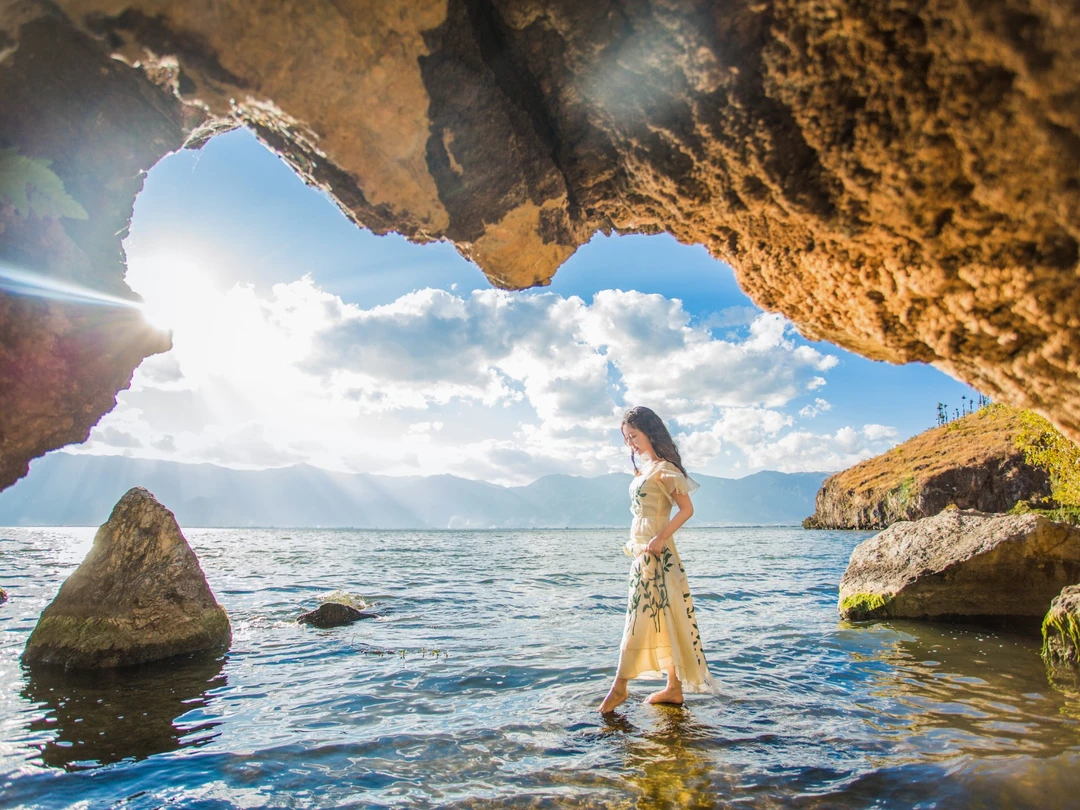
Waking Up by Erhai Lake: An Unexpected Encounter with Dali’s Gentle Moments
Some places are destined to reappear in your life, like an old song on repeat that brings new emotions every time you hear it. For me, Dali is exactly that kind of place.
When I first set foot on this land, the movie Heartflowering Road was all the rage, and the melody "Why not head west to Dali" drifted through every street. Back then, my life was as simple as a blank sheet of paper, and my imagination of this city was entirely pinned on the turquoise expanse of Erhai Lake. Later came love, work, resignation, confusion... Through all the ups and downs of life, Dali has been like a silent old friend, always opening its arms when I need it most.
Over the years, I've returned here again and again. I no longer obsess over ticking off tourist spots but have learned to measure every inch of its gentleness with my own steps. If you're thinking of coming, perhaps you'd like to hear my story—and maybe, you too can find your own ray of light here.
Erhai Lake: Not a Sea, but It Knows the Human Heart Better
People say, "Erhai is not a sea, yet it's more beautiful than any sea." Only those who have seen it with their own eyes truly understand this.

Departing from Chengdu, a journey of over a thousand kilometers, my spirits began to lift the moment the sky outside the window shifted from gray to azure. This time, I stayed at a guesthouse near Wase, just a few steps from Xiaoputuo Island. Pushing open the door, the infinity pool mirrored the blue sky and white clouds, sunlight shattering into flakes of gold on the water's surface—at that moment, the feeling of a real vacation finally settled into my heart.
The "Sky Mirror" on the rooftop is a paradise for photographers. Dali's signature blue is perfectly replicated in the mirrored surface. Any random click of the shutter yields a postcard-worthy shot.
Cycling Around Erhai: A Chase of Light and Shadow
The route around Erhai is divided into the west and east shores. I recommend starting from the west shore in the morning, passing through Xizhou and Shuanglang to the east shore, and finally waiting for sunset at Wase—this way, the light will be your perfect "spotlight" throughout the journey.
East Shore: Every Frame at Wase Is a Wallpaper
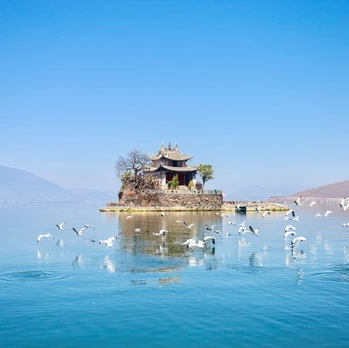
Xiaoputuo Island
This small island, first built during the Ming Dynasty, is one of Erhai's most iconic scenes. Every year from December to March, flocks of seagulls fly in from Siberia, chattering and filling the entire lake surface. I sat by the shore, watching them flap their wings and scramble for food, unable to resist pressing the shutter all afternoon. In the distance, Cangshan Mountain had just donned its snowy cap, blending with the blue of Erhai into a seamless horizon—at that moment, even my breathing grew lighter.
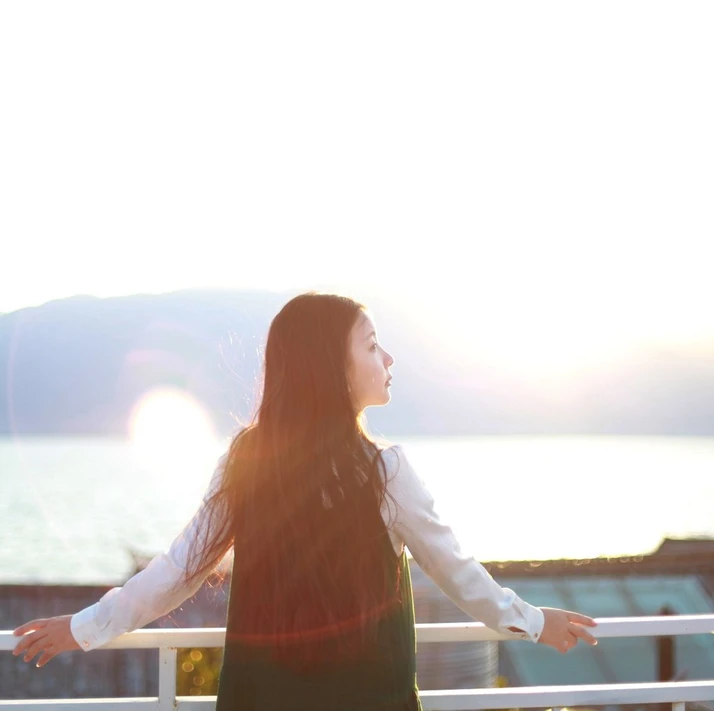
Wase's Little Forest
On the road from Wase to Shuanglang, there's an unassuming little forest. Autumn's colors are mixed to their richest here—golden yellow, burnt orange, deep brown, layered like an overturned palette. My friend Xiaohe bought me an ice cream, and as I ate it, she snapped candid shots of me. In the photos, I'm laughing like a child. When shooting here, pay attention to the light; the dappled tree shadows can easily create "panda faces" on your skin. But if you find that diagonal shaft of sunlight, everything falls into place.
Wase Pier and Luyo Mountain
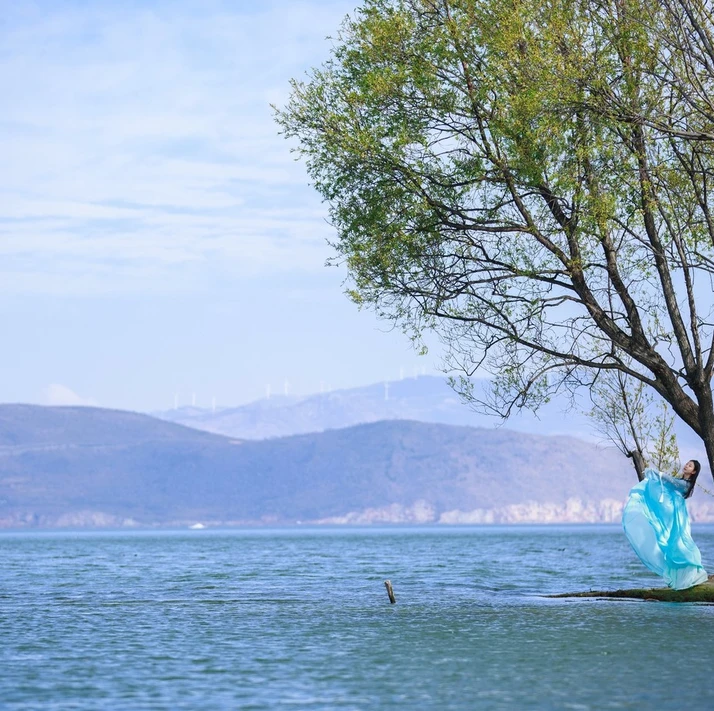
Wase Pier has a platform extending into the water, but it's often closed for safety reasons. That's okay—any random spot by the roadside where you can step into the water can yield "epic shots." The crooked tree in front of the hotel reminded me of Guo Jing's song Singing in the Tree—barefoot, climb up, and the world falls silent.
Luyo Mountain is a "secret base" that photographer Xiaohe took me to. After 4 p.m., Jesus light pierces through the clouds and spills onto the lake, as if God had turned on a flashlight over Erhai. At the foot of the mountain is a gravel beach, with a path so difficult that it makes you want to give up. But when you stand on that cliff edge, gazing at the shimmering water, you know it was all worth it. Who needs Bali? Dali has this kind of breathtaking beauty.
California Highway No. 1 and Lovers' Cliff
The yellow road signs along the east shore are jokingly called "California Highway No. 1" by photographers. There's no exact sign for Lovers' Cliff, but just look for where the most cars are parked—that's the spot. In winter, seagulls circle beneath the cliff, and the interplay of light and shadow in the cliff caves makes for a perfect wedding photo backdrop. On the way back, we happened upon a pink sunset. For someone who's spent too long in the city, seeing a sky like that makes you want to scream with joy.
West Shore: Every Inch Hides a Surprise
Majiu Yi's Little Forest
In November in Dali, you can wear a dress during the day and still not feel cold. This little forest in Majiu Yi was an accidental treasure Xiaohe and I discovered. Sunlight stretched the trees' shadows long across the ground. A forgotten chair lay quietly among the fallen leaves. I sat down, closed my eyes, and the world was reduced to the sound of wind rustling through the leaves. Autumn's beauty is magnified to its extreme here—the ground carpeted in red leaves, like sunset clouds spilled across the earth.
Crooked Trees and Irrigation Channels
In the shallow waters of the west shore, many dead trees stand upright, half above the water, half reflected in it, like forgotten ancient totems. Walking along the West Ring Road, you'll also encounter long irrigation channels. For a photo, I gritted my teeth and climbed onto a channel over a meter high. In front of the camera, I pretended to be calm and carefree, but inside I was terrified. But what does it matter? While you're young, record the world in the way you love—that's enough.
Rice Fields and the Scent of Grain
Turning onto a side path, golden rice fields spread out before me. Heavy ears of rice bent the stalks, and when the wind blew, waves of grain rippled across the field. I ran along the ridge, unconsciously humming Jay Chou's Rice Fragrance—at that moment, all my worries were blown away by the wind.
The Ancient City: Slowing Down in Time
Dali Ancient City: The Look of an Ideal Land
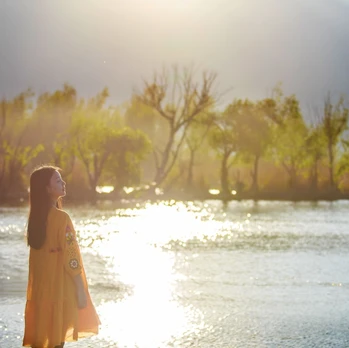
Dali Ancient City sits at the foot of Cangshan Mountain and was once the capital of the Nanzhao and Dali Kingdoms. Life here moves slowly. The locals rise with the sun and rest with its setting, spending their free time tending flowers and basking in the sun. The hotel I stayed in had a cave-style design, and the common area featured a large garden where you could spend an entire day taking photos.
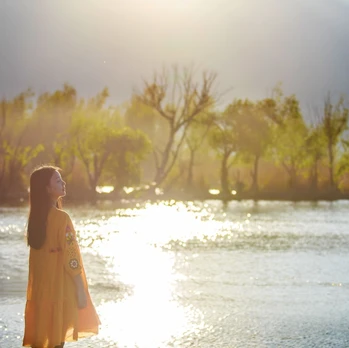
Walking slowly from March Street to the ancient city, Renmin Road and Yangren Street are my two favorite streets. During the day, away from the crowds, the upturned eaves and carved rafters of Bai ethnic architecture look especially striking against the blue sky. Around some corner, you might stumble upon a quirky little shop, and once you step inside, you won't want to leave.
A small alley off Renmin Road leads to the Catholic Church, built in 1927. It blends Bai, Han, and Western architectural styles, with flying eaves, bracketing, and delicate painted decorations. Stepping inside feels like entering a gallery—the north wall features Western paintings, the south wall Chinese landscape paintings, and the three paintings on the main wall include a miniature version of the church in the center. When I came out, there was an old grandmother at the alley entrance frying potato balls—crispy on the outside, soft on the inside. A friend had recommended them on my last trip to Dali, and I buy a bowl every time I pass by.
The South Gate is the only place where you can climb the city wall, but the evening wind is strong enough to blow you away. I had planned to do a full circuit of the wall like in Xi'an, but I hadn't gone far before I realized I'd have to retrace my steps—my weight-loss ambitions ended right there.
As night falls, Dali Ancient City truly comes alive. The bars on Yangren Street and Honglong Street are lively and bustling, while the folk music bars on Renmin Road are better for a quiet drink. I especially love browsing Bai embroidery shops. Those richly colored, exquisitely crafted pieces—I want to take every single one home.
Xizhou Ancient Town: Nothing Beats the First Sight
Every time I come to Dali, I make sure to visit Xizhou. This Bai ethnic town, 18 kilometers from the ancient city, is, in my heart, the place with the most authentic Bai flavor.
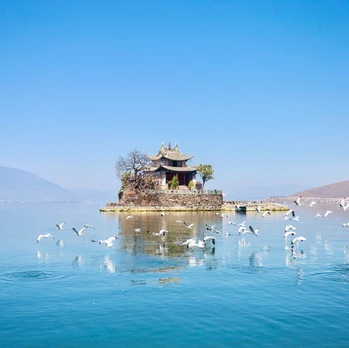
Xizhou was a key commercial hub on the Ancient Tea Horse Road. Bai merchants from the "Xizhou Guild" once traded in tie-dye and embroidery here. Today, the streets are lined with various Bai ethnic handicrafts. Every time I pass the fried potato stall, I buy a bowl, eating as I walk, leaving all pretense of ladylike behavior behind.
When I first came to Xizhou in 2015, there were very few tourists. It felt like I had the entire town to myself. Colorful tie-dye fabrics, yellow walls, intricately carved Bai residences—those courtyards with "three houses and a screen wall" or "four compounds and five patios," set against the blue sky and green mountains, looked like a painting.
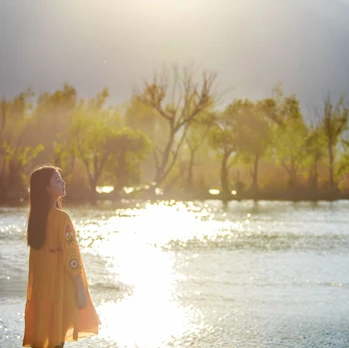
Xizhou flatbread (a local specialty pastry) is a must-try snack. Crispy on the outside, soft on the inside, it comes in both sweet and savory varieties. But recently, the price has gone from 5 yuan to 10 yuan—the cost of tourism development, I suppose.
Passing through Sifang Street and reaching the village entrance, the view suddenly opens up. The farmland there changes with every season—last year it was planted with garlic, a sea of green; this year I wanted to photograph the golden rice fields, but I missed it entirely. But that's okay. Within the yellow walls, Xilin Yuan is the true soul of Xizhou.
Xilin Yuan, once called "Yang Family Courtyard," is a gem of Bai residential architecture. An American couple converted it into a hotel, and it's open for free visits before 5 p.m. daily. Inside, the white walls are adorned with paintings of flowers, birds, landscapes, and poetry, creating a fresh and elegant atmosphere. Many foreigners come here to stay for a few days, experiencing authentic Bai life.
At the ancient stage at the town entrance, Bai ethnic "King's Whip" performances take place every evening—a true "most dazzling ethnic style."
Zhoucheng: The Living Fossil of Bai Tie-Dye
Zhoucheng is the largest natural village in Yunnan Province, almost entirely inhabited by the Bai people, and is known as the "Hometown of Bai Tie-Dye." The tie-dye museum here is the largest dye workshop, where visitors can learn the craft from local grandmothers.
Tie-dye fabric is made by hand-stitching and tying the cloth, then repeatedly cold-dyeing and soaking it. Every piece is unique. From girls as young as 10 to grandmothers over 60, everyone here knows how to tie-dye. This traditional craft deserves to be passed down to more young people.
Cangshan Mountain: Hearing Yourself in the Silence
Jizhao Nunnery: China's Most Boutique Temple
A 20-minute walk from Gantong Temple brings you to Jizhao Nunnery. Nestled among pine and cypress trees, it's known as "China's most boutique temple" and "the most beautiful nunnery."
The first time I saw Jizhao Nunnery, I was stunned by the courtyard full of succulents. Every pot was carefully arranged, like a work of art; camellias were in full bloom, bursting with life. Zen sayings were inscribed on the mountain walls. The courtyard, steps, eaves, and walls were all adorned with flowers.
On a rainy day at Jizhao Nunnery, the bluestone slabs are washed to a shine. I sat in a small room nearby, quietly gazing at this garden, and the whole world seemed to fall silent. The abbess, Master Miaohui, once said: "The Buddha lacks nothing. He doesn't care about your incense stick, but he cares about your sincere heart." So here, there's no smell of incense—only the scent of flowers and the sound of rain.
The vegetarian meal costs 20 yuan per person, with a variety of vegetable dishes, and you can get seconds. I filled my bowl and ate to my heart's content.
Epilogue: Throw Your Worries into Erhai Lake
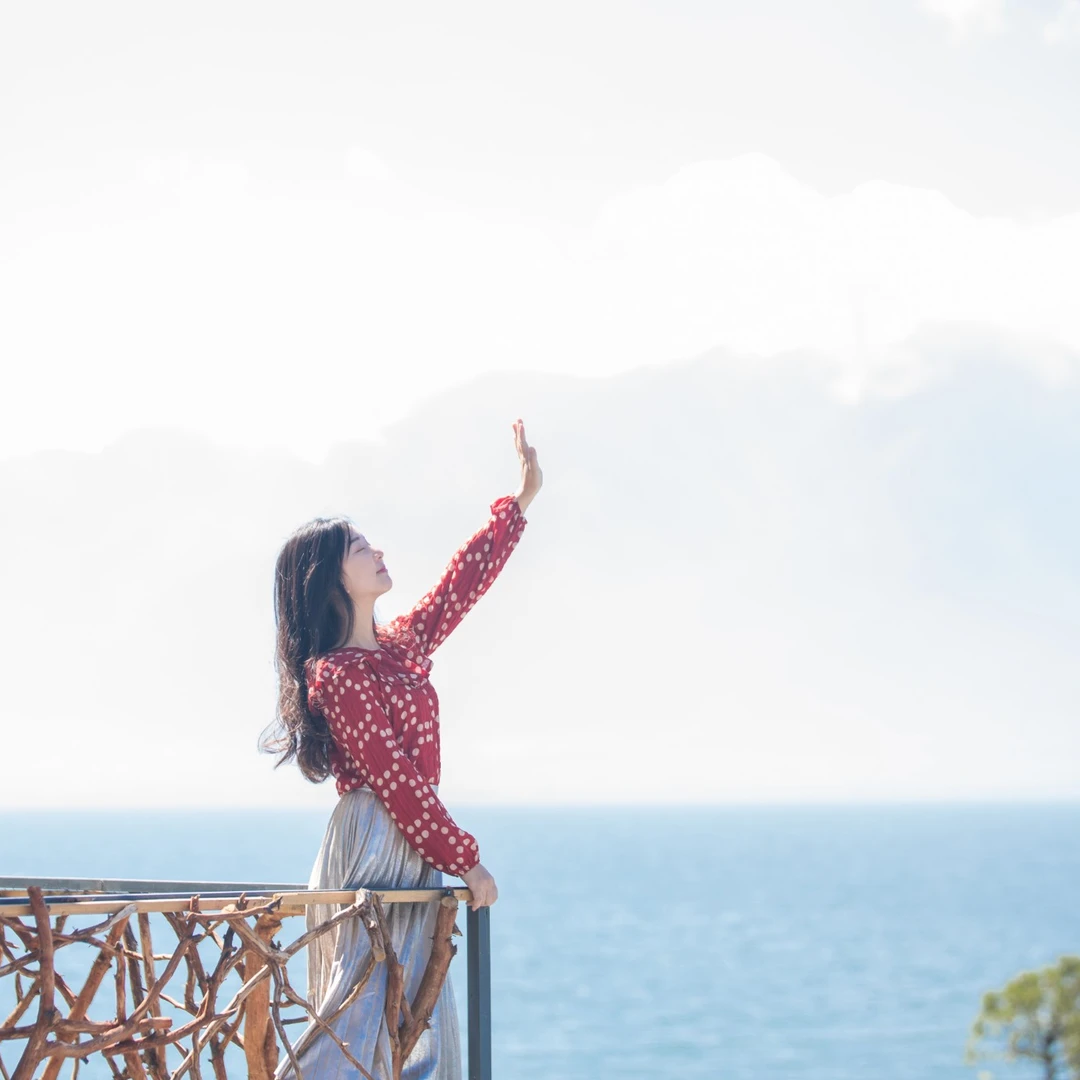

Some say travel is about leaving a place you're tired of to go to a place others are tired of. But Dali is different—it's like a mirror that lets you see yourself clearly.
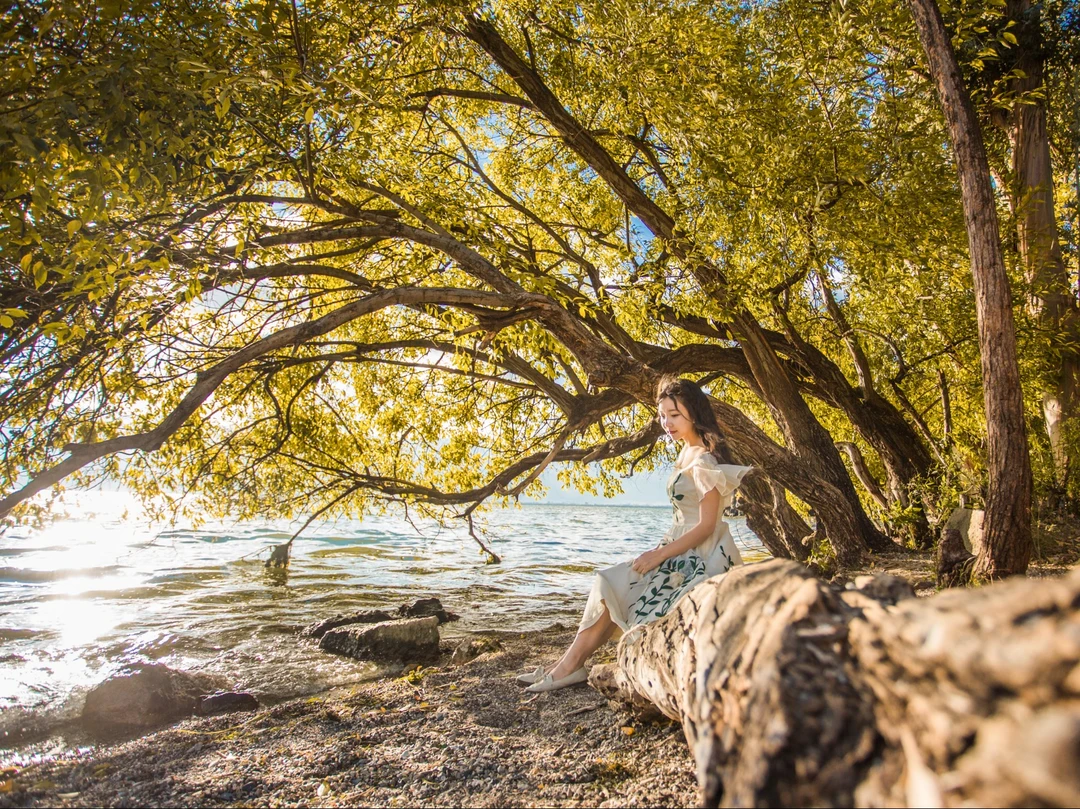
Over the years, I've woken up by Erhai Lake many times, and each time feels like the first. Those joys of chasing light and shadow, the runs through rice fields, the chance encounters in ancient alleys—they've all become the brightest stars in my memory.
If you come to Dali, don't rush to see the sights. Find a nice place to stay, wake up by Erhai Lake, and watch the sky transform through countless colors. Stroll through the ancient city, eat a bowl of fried potato balls. Go to Xizhou to see the rice fields, to Zhoucheng to learn tie-dye. Visit Jizhao Nunnery to listen to the rain, and throw your worries into Erhai Lake.
Youth is short. Live it the way you love. And Dali will always be waiting for you.
You should also read:
Lugu Lake: A Place Beyond Words
Lugu Lake: A Place Beyond Words Weibo: @CallMeXiaoMiao | WeChat: miaophoto This piece of writing stems from a trip I took during the May Day holiday in 2012. To be honest, when I first published this travelogue on Mafengwo, my attention to the craft of…
Continue reading...
A Solo Journey to Yunnan: Shuanglang Chapter — Meeting Your Truest Self by the Erhai Lake
A Solo Journey to Yunnan: Shuanglang Chapter — Meeting Your Truest Self by the Erhai Lake Introduction: When a Dream Finally Becomes Reality Some say Yunnan is a place meant for solo travelers. It took me three full years to truly understand that. Two years…
Continue reading...
Slow Sounds, Gentle Steps: My Wandering Journey Through Lijiang
Slow Sounds, Gentle Steps: My Wandering Journey Through Lijiang Prologue: A Spontaneous "Red-Eye" Escape Some journeys begin just like Lijiang itself—with a touch of spontaneity and a hint of laziness. Late one Sunday night, I was scrolling through my phone while lying in bed when…
Continue reading...