Weekend Escape: A 3-Day Kunming & Fuxian Lake Summer Retreat – Embracing the Spring City’s Charm at 25°C
Weekend Escape: A 3-Day Kunming & Fuxian Lake Summer Retreat – Embracing the Spring City’s Charm at 25°C
When summer in Chongqing turns into a boiling hotpot, with waves of heat forcing everyone into air-conditioned rooms, I made a decision—to escape. Not to some distant foreign land, but onto a high-speed train, heading to a place known as the "Spring City" for a weekend at just 25°C. Kunming, a city eternally mild like spring, welcomed all my heat-scorched anxieties with its unique coolness and floral fragrance.
Why Kunming?
Summer in Chongqing is unapologetically hot. Five minutes outside, and you’re sweating for two hours; even breathing feels like inhaling flames. But Kunming is like an old friend who never rushes—gently telling you with breezes, flowers, and azure skies: take it easy, slow down.
For this trip, we locked in two destinations—downtown Kunming and Fuxian Lake. Three days, no rushing, no check-in style travel. We just wanted to breathe deeply in the embrace of the Spring City.
Day 1: From Flower Market to Dianchi Lake – Spring City Romance Starts with a Bouquet

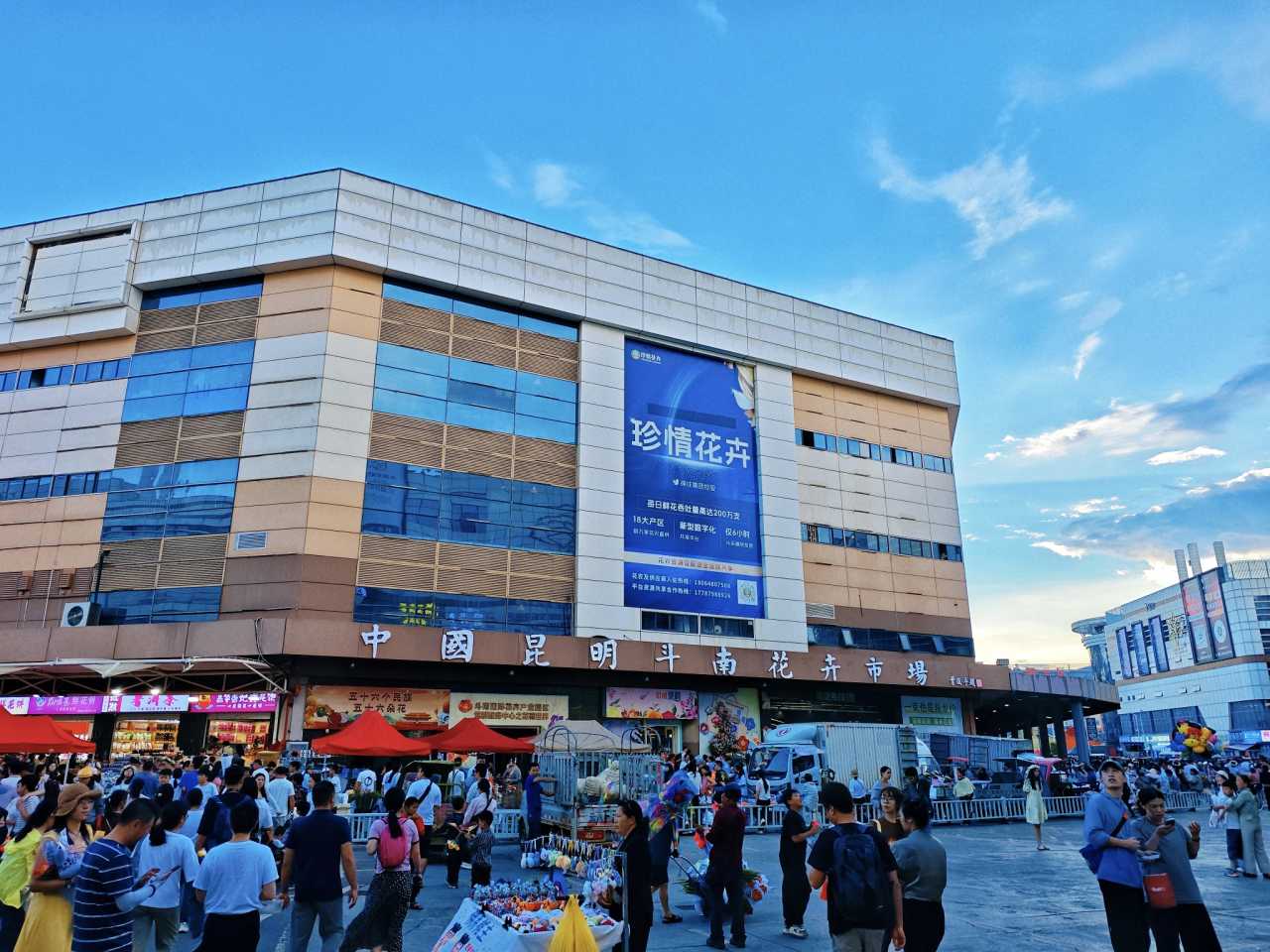
Dounan Flower Market: How to Properly Experience Asia’s Largest Flower Market
We set off from Chongqing West Station in the morning. In just over three hours by high-speed rail, the scenery outside the window shifted from the hazy mountain city to the blue skies and white clouds of the Yunnan-Guizhou Plateau. Arriving at Kunming South Station, the air carried a hint of coolness—not the cold of an air conditioner, but a natural, plant-infused crispness.
First stop: straight to Dounan Flower Market. This is Asia’s largest fresh flower trading market and Kunming’s most romantic "grocery store." Take Metro Line 4 to Jingui Street Station, Exit B, walk a few minutes, and you’ll see the massive building.
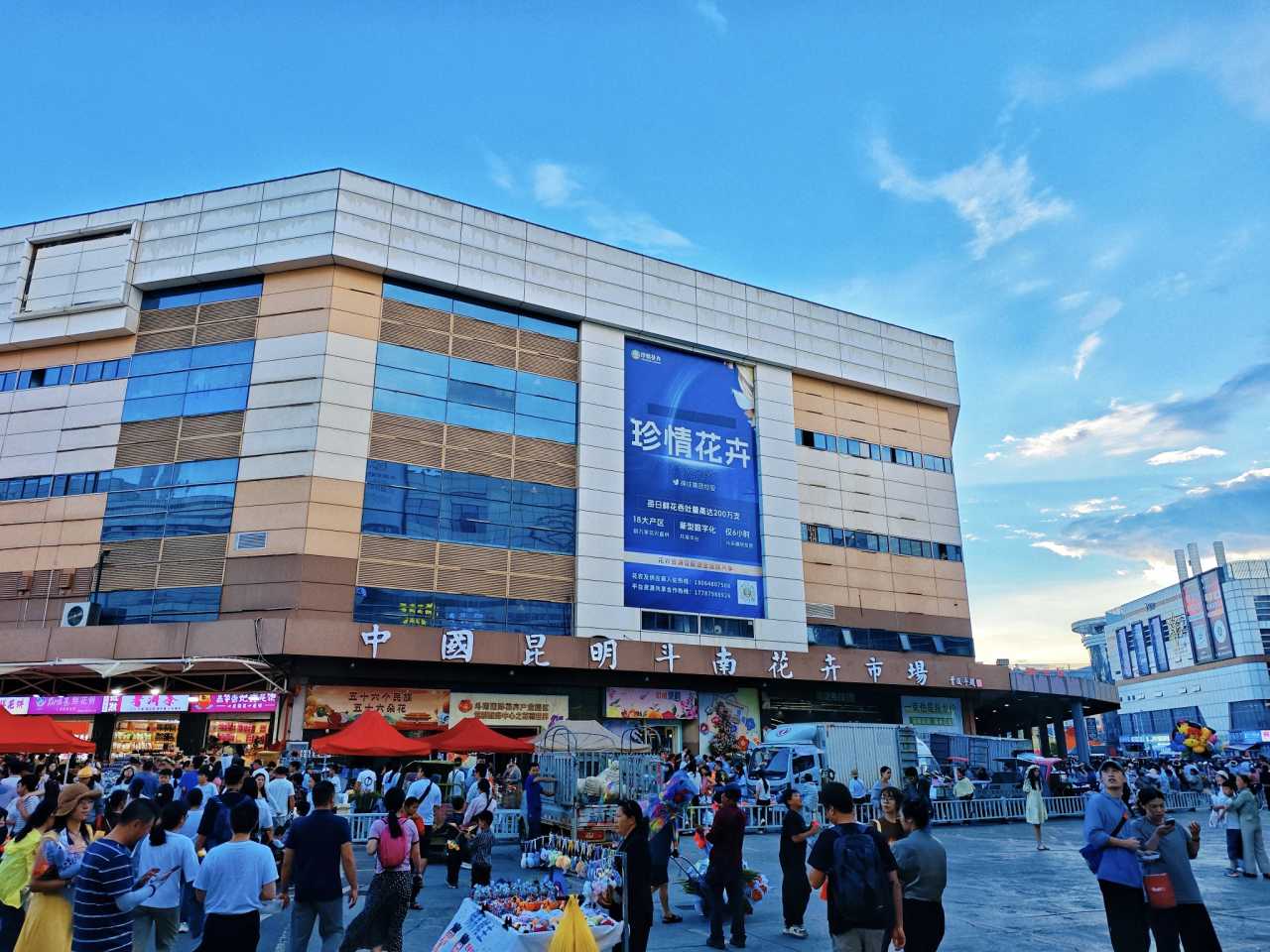
Main Hall Opening Hours: Daytime 9:00 AM – 6:00 PM (retail), Nighttime 8:30 PM – 2:00 AM (wholesale). If you want true "flower freedom," come at night—10 RMB gets you a big armful of roses, cheaper than cabbage.
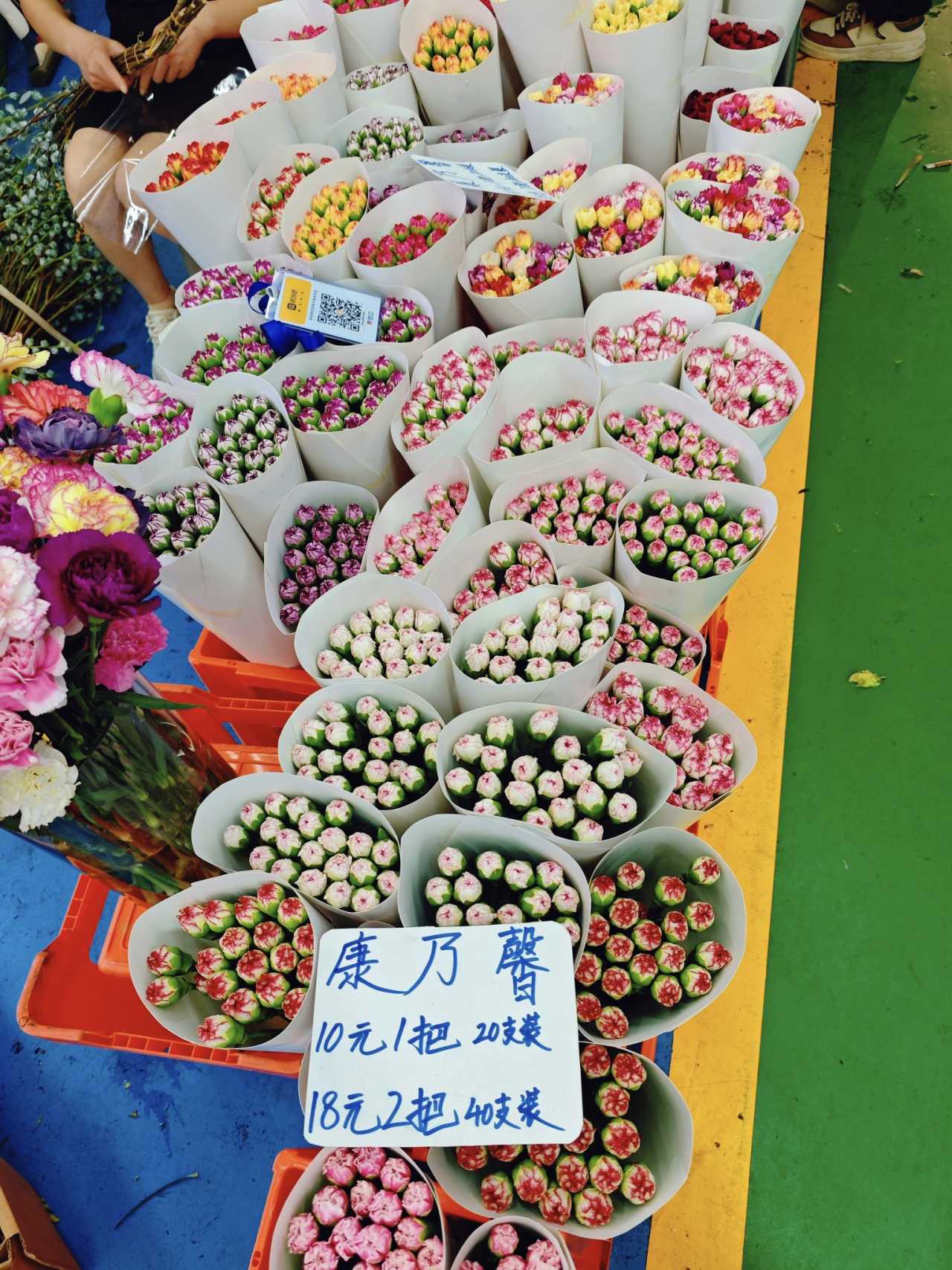
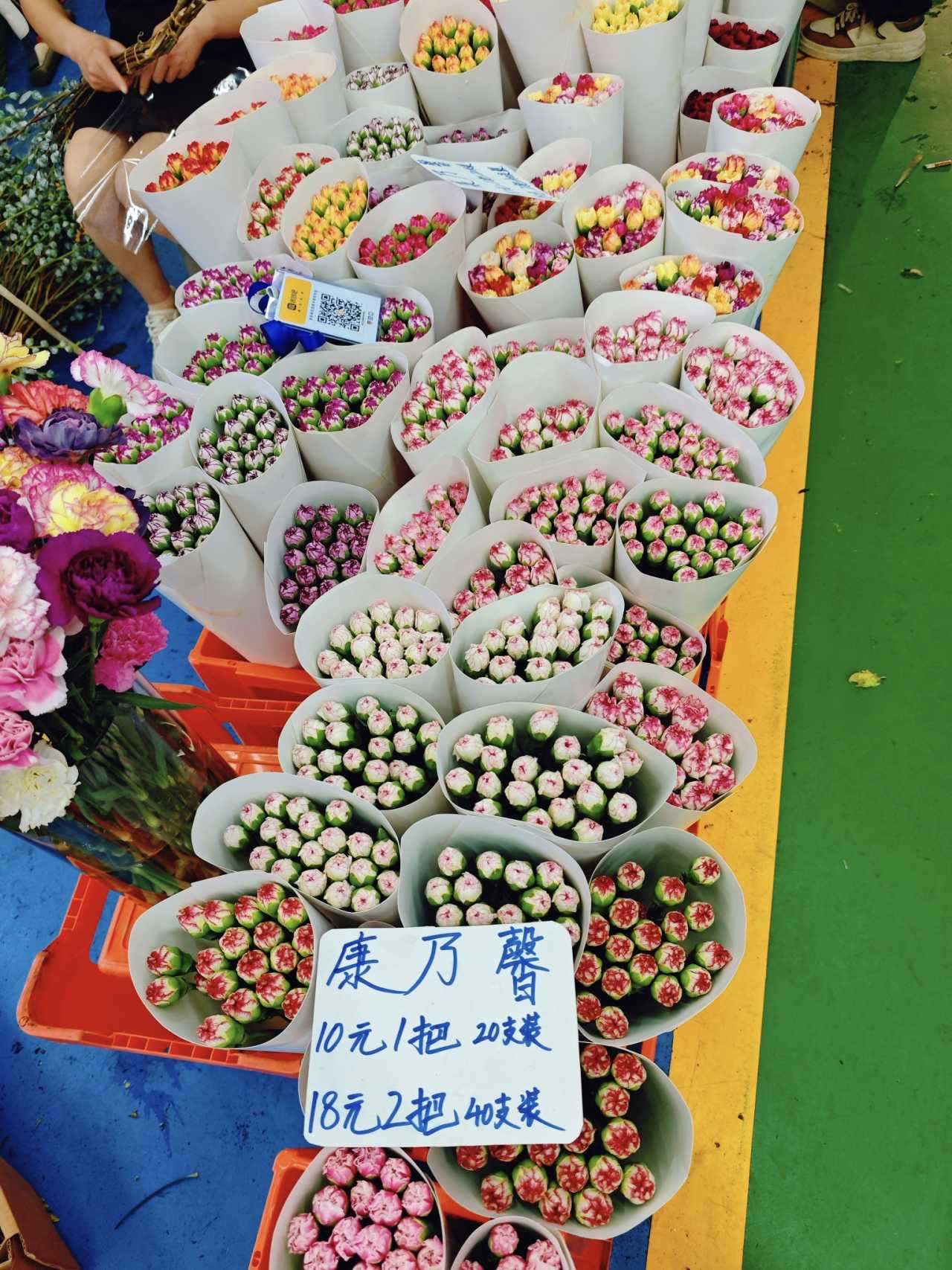
Stepping into the flower trading hall, I understood what it means to "fall into Monet’s garden." Roses, lilies, baby’s breath, hydrangeas, sunflowers—every flower vying for attention, the air filled with a sweet yet not cloying mix of floral scents. The prices were mind-boggling—a bundle of sunflowers for 5 RMB, a bouquet of roses for 15 RMB, so many you could barely carry them.
Flower Buying Tips: - Don’t rush in; browse first to gauge prices—stalls can vary wildly. - Wholesale hours at night are cheaper, but daytime still offers good finds. - There are courier points (ZTO, SF Express) inside the market for shipping flowers home. Choose buds that haven’t fully opened—they’ll arrive in better condition.
When you’re tired, head to the food streets on the 3rd floor of the main hall or the 2nd floor of Hall 3. Cross-bridge rice noodles (过桥米线), flower cakes (鲜花饼), grilled milk fan (烤乳扇)—fill your stomach before continuing the fight.
If you’re a succulent lover, the succulent supermarket on the 2nd floor of the main hall is a must. An entire floor packed with succulents of all shapes and sizes, from thumb-sized miniatures to basin-sized old growth. You can even DIY your own succulent arrangement, combining these cute little plants for a satisfying creation.
Haihong Wetland: A Lesser-Known Photo Spot by Dianchi Lake
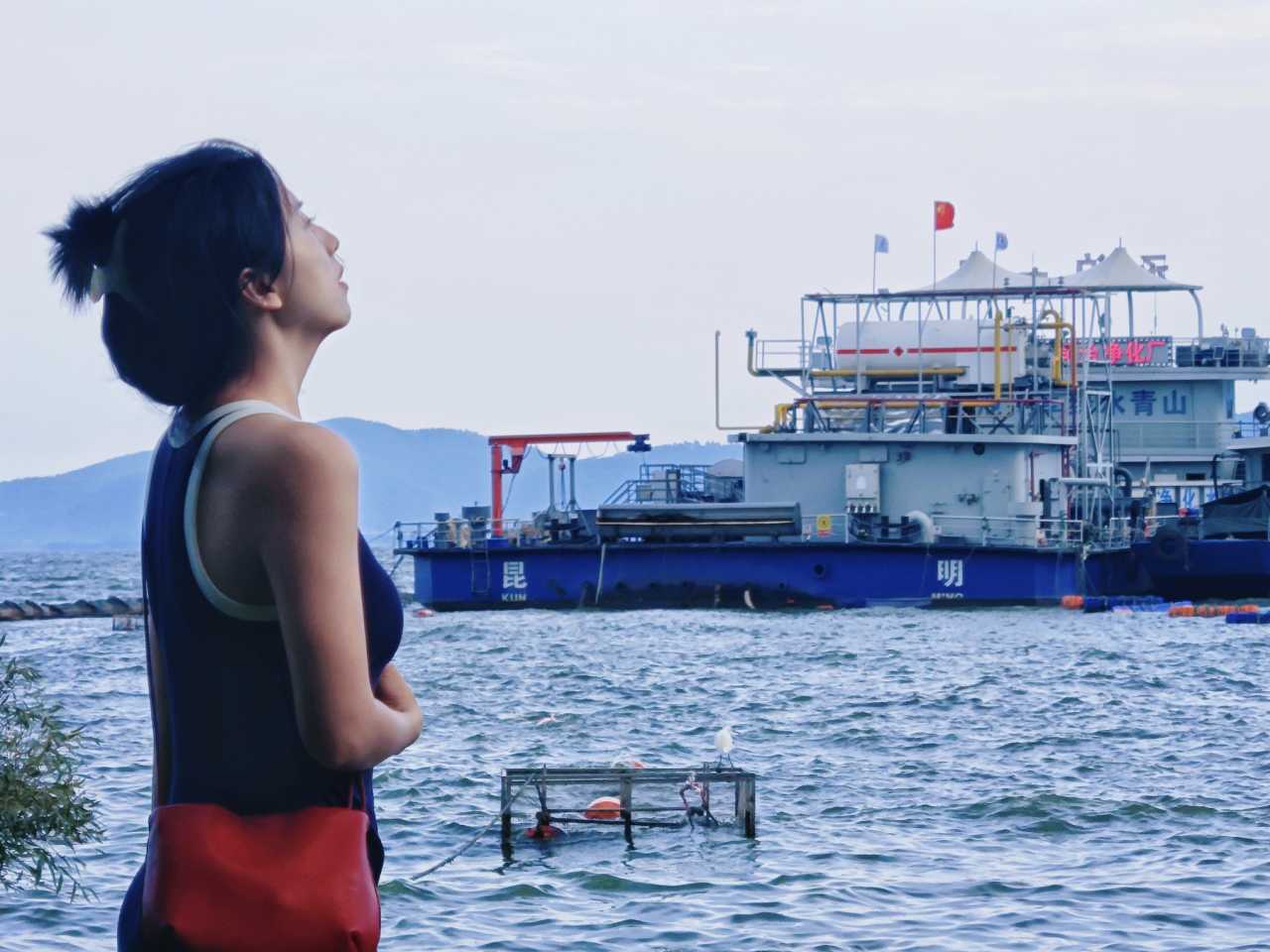
Clutching our freshly bought flowers, we drove to Dianchi Lake. In August, without the red-billed gulls, the lake is still breathtakingly beautiful. Skip the crowded Haigang Dam—Haihong Wetland is the way to go.
Located on the north shore of Dianchi Lake, wooden boardwalks wind through the wetland, flanked by tall metasequoias and weeping willows. The metasequoias stand straight, their deep green needles layered thickly. Sunlight filters through the branches, casting fine golden spots on the soft mud below. When the wind blows, the willow branches sway gently, stirring tiny ripples on the water’s surface—like someone dipped a finger in spring and wrote a silent poem on the water.
Stand by the water, using Dianchi Lake and the distant mountains as a backdrop. Shoot from a low angle for a full-body shot—it looks just like Erhai Lake, and you’ll get a perfect picture in minutes. Occasionally, a white egret stands on the shoal, its feathers blending with the pale green of the willow haze. Even the wind seems to slow down.
The most delightful surprise: tiny whirlpools appear on the stream from time to time, becoming a favorite little show for the kids. Children crouch by the shore, staring at the water, waiting for a whirlpool to appear, then shrieking with excitement. This kind of simple joy is hard to find in the city anymore.
Day 2: Citywalk – Measuring Kunming’s Artistry and Everyday Life on Foot
Yuantong Temple: One Temple, Three Buddhist Traditions in a Unique Fusion
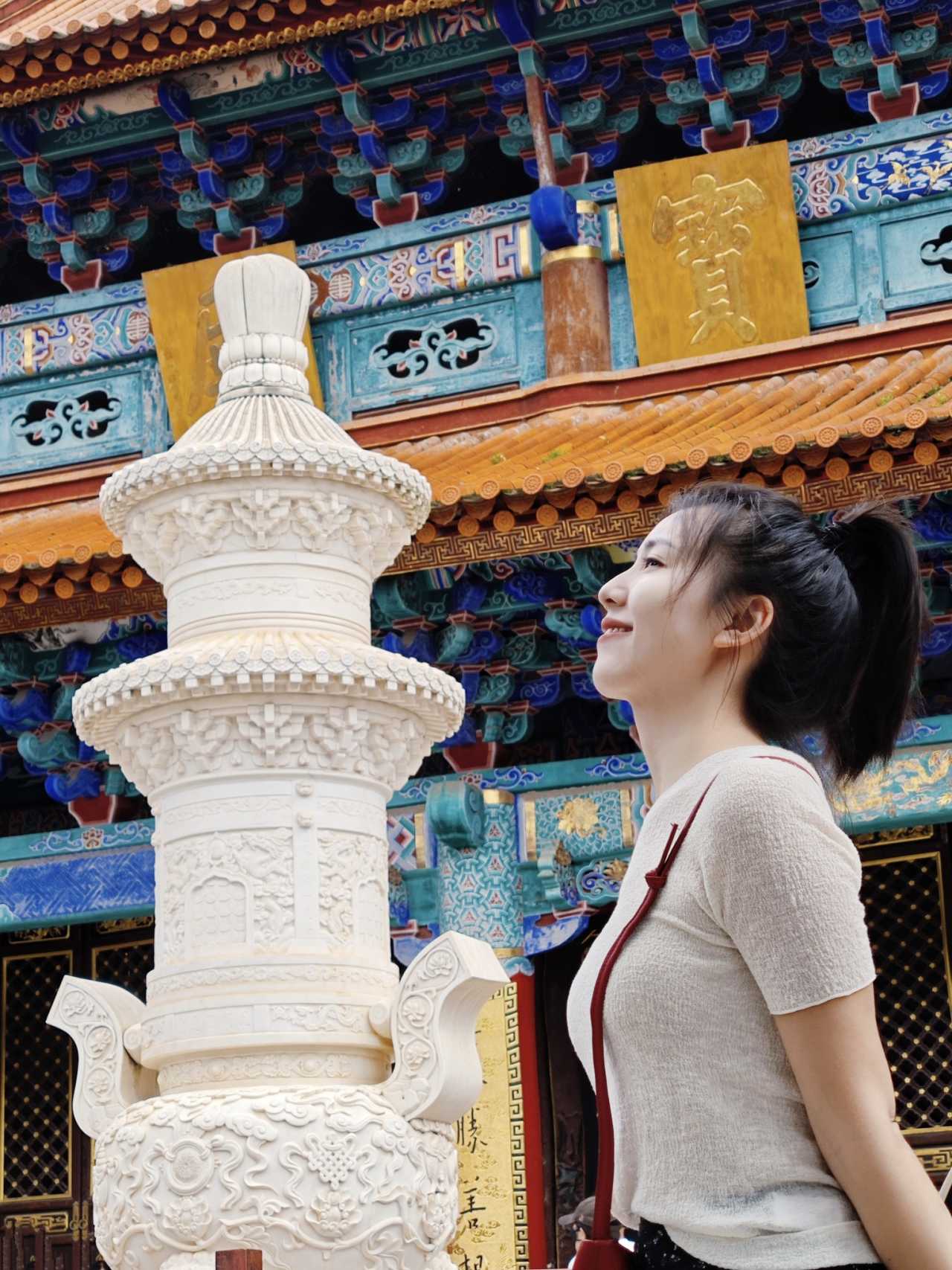
We started Day 2 at Yuantong Temple. This thousand-year-old temple hidden in downtown Kunming has a unique charm—it’s the only temple in China that blends Han Buddhism, Theravada Buddhism, and Tibetan Buddhist elements.
Admission is just 6 RMB, and they even give you three free incense sticks—incredible value. Opening hours are 8:00 AM to 5:00 PM, and we recommend spending about 2 hours here.
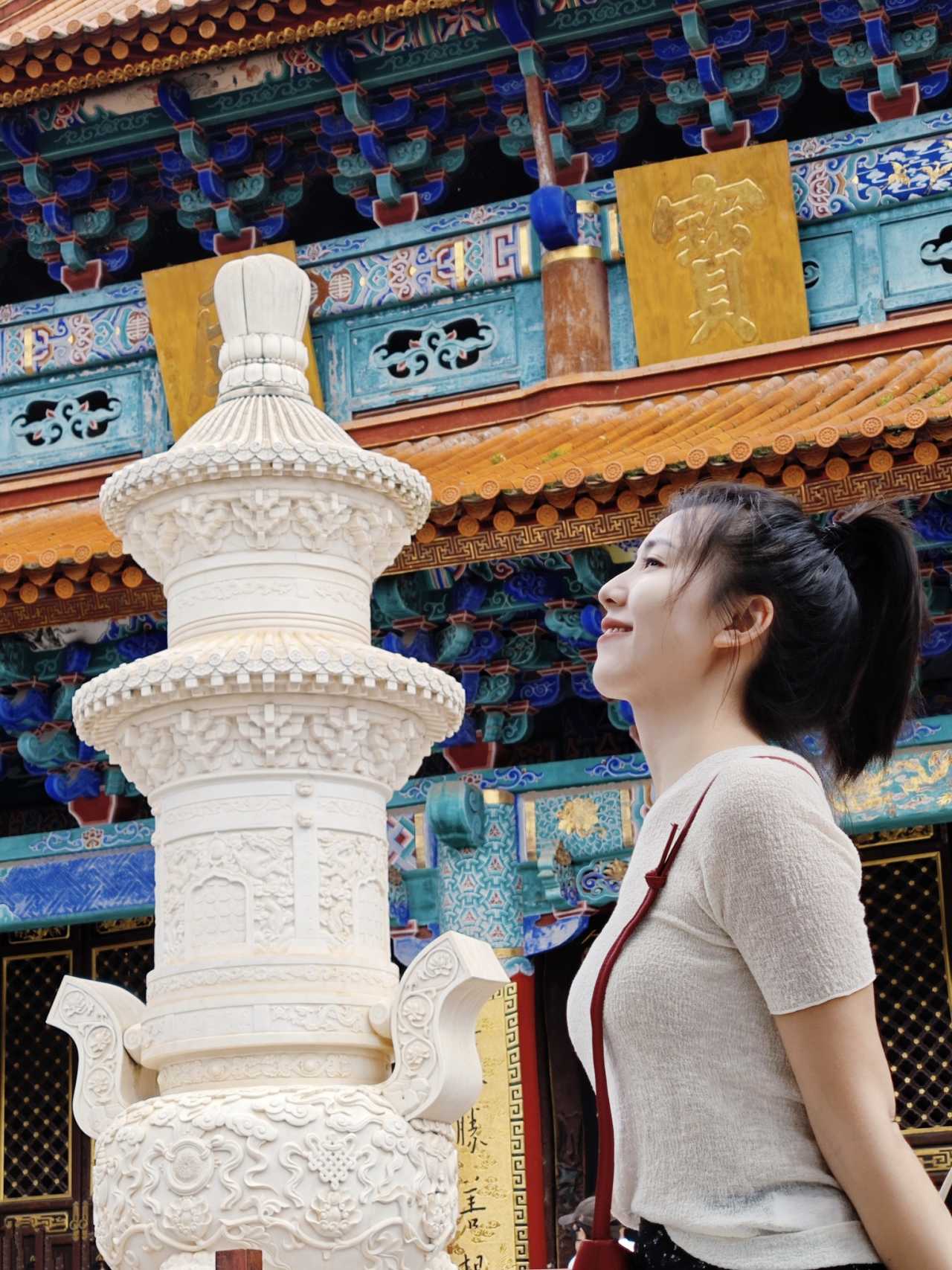
As soon as you step through the temple gate, you’re hit with a wave of history. The "Yuantong Shengjing" archway, built in the 7th year of Emperor Kangxi’s reign (1668), features exquisite woodcarvings of the Eight Immortals and the Three Stars—Taoist figures—perfectly reflecting the unique fusion of Confucianism, Buddhism, and Taoism.
Yuantong Temple is built against a mountain slope, descending layer by layer—a rare "reverse slope temple." Along the central axis are the Heavenly King Hall, the Octagonal Tower, the Great Buddha Hall, and the Sutra Depository. A fish release pond, waterside pavilions, and winding corridors surround the complex, blending garden scenery with religious architecture. Known as "Luofeng Yongcui" (Pine Peak Embracing Jade), it’s one of Kunming’s eight famous scenic spots.
The red wall of the Great Buddha Hall is a must-photograph—the colorful flying eaves and brackets look deeply Zen under the sunlight. The window carvings beside the hall have just been repainted, brilliant and vivid. Sunlight pours down, and time stands still.
The succulents in the temple are also thriving. The lay devotees have cultivated them with care—each leaf has its own expression. The Copper Buddha Hall is surrounded by many beautiful succulents, adding a touch of vitality to this ancient temple.
Photo Spot Recommendations: 1. Yuantong Shengjing Archway: Stand under the archway and shoot upward, framing the sky and the archway together for a historically rich shot. 2. Fish Release Pond and Octagonal Pavilion: The pond is as still as a mirror, with a stunning reflection of the pavilion—perfect for a set of gentle, vintage-style photos. 3. Yuantong Buddha Hall: A Yuan Dynasty structure with a double-eaved hip-and-gable roof, grand and majestic. 4. Thai-style Copper Buddha Hall: Full of Southeast Asian vibes—wear light-colored clothes for an atmospheric, cinematic shot. 5. Back Mountain Path: Along the way, there are cliffside carvings and lush greenery. Sunlight filters through the leaves, casting dappled light—ideal for artistic portraits.
Green Lake Park (Cuihu): The Eye of Kunming, Wang Zengqi’s Summer
A ten-minute walk from Yuantong Temple brings you to Green Lake Park. Wang Zengqi, the renowned writer, once said that Green Lake is the eye of Kunming. When he studied at Southwest Associated University, Green Lake was his frequent haunt. In his writing, the lake was crystal clear, the willows tall, and the summer so green it seemed to drip.
In August, Green Lake is packed with lotus leaves, crowding each other, with pink lotus flowers standing gracefully. A breeze carries the fragrance of lotus, instantly dispelling the heat. On the lake, black swans glide freely, and occasional boats pass by, carrying the laughter of tourists drifting on the wind.
Walk slowly along the lakeside path. The lake glitters under the sunlight. Weeping willows line the way, their slender branches dancing in the wind. Arriving at Haixin Pavilion (Heart of the Lake Pavilion), this ancient structure stands quietly on a small island. Leaning on the railing, you can take in the full beauty of Green Lake—distant mountains rolling in the distance, complementing the blue sky and white clouds.
Green Lake East Road is lined with tall, dense trees. The road isn’t wide, and traffic moves slowly, adding to the sense of leisure. There’s a sports park nearby with plenty of fitness equipment—working out by the lotus pond is a real pleasure.
Yunnan Military Academy: Echoes of History
Right next to Green Lake Park is the former site of the Yunnan Military Academy. Founded in 1909, this military school was one of the three major academies alongside the Beiyang and Fengtian academies. Two marshals, Zhu De and Ye Jianying, studied here.
Admission is free, but you need to make a reservation on their official WeChat account in advance. Since we hadn’t reserved, we could only look from the outside. There’s a changing of the guard ceremony daily from 10:30 AM to 12:00 PM—we missed it, which was a shame. But standing at the gate, imagining those passionate young men spending their youth here, you can still feel the weight of history.
Huanggong East Street and Kunming Old Streets: A Perfect Blend of Artistry and Everyday Life
If you want to find a leisurely slice of old Kunming, Huanggong East Street is the perfect place. This small alley near Green Lake isn’t long, but it’s like a series of vintage movie frames, blending Kunming’s artistry and everyday charm just right. The street is lined with unique shops—cafés, handicraft stores, independent bookstores—perfect for a slow browse.
Kunming Confucian Temple is the first Confucian temple in Yunnan’s history, built in 1276 by Sayyid Ajall Shams al-Din. After multiple destructions and reconstructions, the current temple dates from the 29th year of Emperor Kangxi’s reign (1690). After the Xinhai Revolution, it was opened as a public pleasure ground. After the founding of the People’s Republic, it was briefly renamed "Public Amusement Park" before reverting to its original name.
Qianwang Street is a fusion of historical depth and modern artistry. This old street, adjacent to Zhengyi Road, gets its name from the late Qing "Money King" Wang Chi, who founded the "Tongqingfeng" bank here. Today, it hides the shadows of century-old finance while wafting the new scents of coffee and books. It’s a bit like Chongqing’s Ciqikou, but with a certain something missing—maybe the lack of that commercialized hustle and bustle.
Day 2 Evening: Heading to Fuxian Lake for a Sunset Rendezvous
After an early dinner, we rented a car (about 280 RMB per day including insurance) and said goodbye to the noise of Kunming’s old streets. A little over an hour’s drive took us from the city to nature, from history to landscapes.
You absolutely must arrive at the East Lakeshore Road by 7:30 PM—Fuxian Lake’s breathtaking beauty is most stunning at sunset.
We arrived early enough. The sky was still a translucent blue, with large white clouds looking like they’d been carefully pressed, spread out like plush cushions above the lake. The wind carried the highland’s unique freshness, brushing against our cheeks with the dampness of the lake.
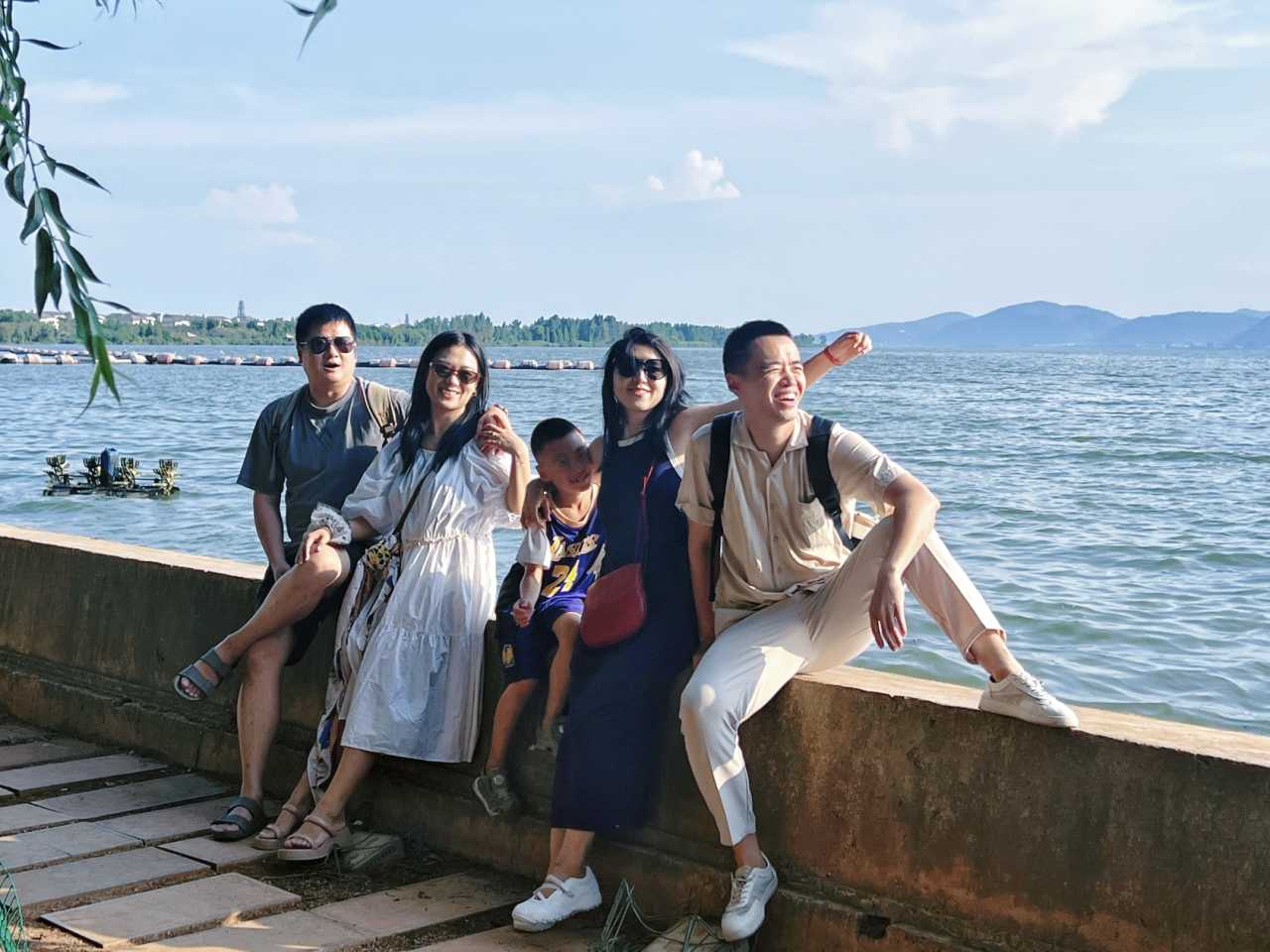
We couldn’t wait to rush to the shore. The moment our bare feet touched the shallow water, a chill spread from our soles—in August, Fuxian Lake’s water still held a spring-like coolness. Bending down to cup a handful, our fingertips touched pure, unadulterated clarity. The water slipped through our fingers, sparkling in the sunlight.
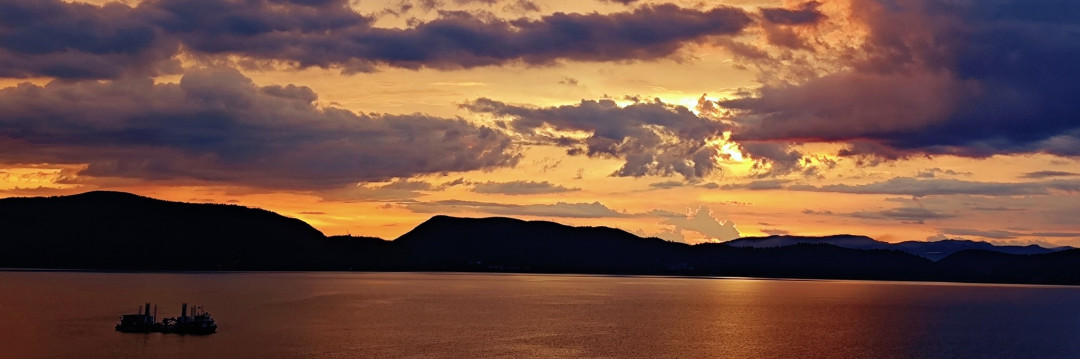
Before we knew it, the clouds in the sky had transformed. The pure white wisps gradually took on orange-red and gold-pink hues, as if the sunset had knocked over a palette. First, the clouds near the horizon turned into soft "fire clouds," then the colors slowly spread upward—pale pink, light purple, orange-yellow interweaving, painting the entire sky into a flowing brocade.
The lake changed color too—the clarity of the blue sky and the brilliance of the sunset reflected on the water, turning the surface into a glowing, colored silk. A gentle breeze passed, and the silk lightly wrinkled, spreading the sunset glow across the entire lake.
At that moment, all fatigue was caught and soothed by the gentleness of Fuxian Lake.
Day 3: Slow Time Amid Lake and Mountain Scenery
Luchun Hotel: Bringing the Lake View into Your Room
We have to recommend the Luchun Hotel where we stayed—it’s a scenic spot in itself. Floor-to-ceiling windows offered an unobstructed view of the lake and mountains. We chose a lake-view room, and lying in bed, we could see the shimmering surface of the lake.
The next morning, we were woken by the faint light on the lake. Opening the window, the thin mist hadn’t fully cleared. Fuxian Lake was wrapped in a light veil, hazy and gentle.
The Instagram-worthy pool area is a must-try. The blue-and-white cave-style pool complemented the distant Fuxian Lake perfectly. Soaking in the pool while gazing at the lake was pure luxury. The hotel also had a leisure area with a gym, table tennis, and billiards—we had to play a game.
The hotel also had a hidden viewing platform. Standing high up, the entire expanse and clarity of Fuxian Lake unfolded before us, even the distant island clearly visible. Every shot was a beauty that needed no filter.
As we left, we looked back at the white building of the hotel. It nestled quietly by Fuxian Lake, unassuming, yet with its perfect comfort and scenery, it made this lakeside stay the most unforgettable memory of our Fuxian Lake trip.
Biyun Temple: Fuxian Lake’s "Little Huashan"
Biyun Temple is hidden on Biyun Mountain on the west shore of Fuxian Lake, at an altitude of about 150 meters. According to the Jiangchuan County Gazetteer from the Jiaqing era of the Qing Dynasty, the mountain was named "Biyun" (Green Cloud) because it "looks like a green cloud rising from afar." The temple is said to have been built by disciples of the Wudang Mountain Taoist sect from Jun County, Hubei, during the mid-Ming Dynasty. It’s also known as "Wudang Bieyuan" (Wudang Branch Temple), a branch of Wudang in southern Yunnan.
You must climb to the top! Climb to the top! Climb to the top!
Arriving at the foot of Biyun Mountain, we looked up. The mountain was lush with green trees, and Biyun Temple seemed hidden among the emerald foliage. We climbed the 499 stone steps. On both sides, steep cliffs and strange rocks stood tall. A gentle breeze occasionally blew, bringing a touch of coolness.
Passing through the temple, we followed a stone path carved into the rock to reach Lotus Peak—the highest point of Biyun Mountain. Standing on the peak, leaning on the railing to view the lake, the entire lake and mountain scenery of Fuxian Lake unfolded before us. The lake was vast, the water and sky merged into one. Distant boats looked like scattered stars, swaying on the lake.
Biyun Temple is called "Little Huashan" not because it’s tall, but because it clings to Biyun Mountain and is built by the lake, offering a "step-by-step, scene-by-scene" charm. From the back of the temple, follow the stone steps upward. The path is lush with vegetation, and occasional mountain winds carry the moisture of Fuxian Lake, dispelling the heat of the climb. The steps are steep, but each step brings you closer to the sky. Halfway up, looking back, you can see a corner of Fuxian Lake’s deep blue peeking through the trees, like a spilled sapphire, pulling you forward.
Tip: To reach Lotus Peak, it’s recommended to go up via the Dragon Gate—steep but easier to ascend. Descend via the Dragon King’s Steps, which are gentler.
Star Fish Cave (Mingxing Yudong): A Romantic Little Beach by Fuxian Lake
Located in the Star Village (Mingxing Village) on the west shore, Star Fish Cave is a hidden gem among the lake and mountains. Sun, sand, family fun, relaxation, photography, food—it has it all. It’s the top choice for Fuxian Lake attractions.
Adult admission is 15 RMB, with many package options: - Admission + Kayaking Experience: 78 RMB - Admission + Kayaking Parent-Child Ticket (1 adult + 1 child): 108 RMB - Admission + 45-minute Catamaran Ride: from 158 RMB - Admission + 60-minute Keelboat Experience: from 148 RMB

You must try kayaking! It lets you get up close to Fuxian Lake’s crystal-clear, glass-like water, as if you’re in an emerald-colored secret realm. Sometimes you can even see anti-wave fish (抗浪鱼) darting through the water.
The white sand sparkled in the sunlight, soft and comfortable underfoot, like walking on clouds. In the distance, the deep blue of Fuxian Lake stretched endlessly, merging perfectly with the blue sky at the horizon—impossible to tell where the water ended and the sky began. White sails dotted the lake, like free-spirited spirits drifting on the sea.
When you’re tired, head to a lakeside Instagram-style café. Floor-to-ceiling windows frame Fuxian Lake. Order a "Fuxian Lake Blue" signature drink, sit by the window, and stare at the lake in a daze. Let the rich aroma of coffee and the crisp lake breeze intertwine—your fatigue will melt away.
For lunch, you must try the copper pot fish (铜锅鱼) and potato braised rice (洋芋焖饭) near Star Fish Cave. These are Fuxian Lake’s specialties, delicious and unforgettable.
Epilogue: Three Days, a Spring City Dream You Never Want to Wake From
From Fuxian Lake back to downtown Kunming, then onto the high-speed train back to Chongqing. The scenery outside the window shifted from blue skies and white clouds back to the hazy mountain city. The temperature difference reminded me that the 25°C summer was over.
But these three days will stay with me for a long time.
Some Practical Tips:
- Transportation: Chongqing to Kunming by high-speed rail takes about 3.5 hours. Take an early train to start sightseeing the same day.
- Accommodation: In downtown Kunming, stay near Green Lake or Dianchi Lake. At Fuxian Lake, choose a lake-view hotel for a doubled experience.
- Food: Cross-bridge rice noodles (过桥米线), tofu pudding rice noodles (豆花米线), copper pot fish (铜锅鱼), potato braised rice (洋芋焖饭), flower cakes (鲜花饼)—don’t miss any of them.
- Clothing: Kunming’s average summer temperature is around 25°C, with large temperature differences between morning and evening. Bring a light jacket.
- Budget: About 1,500 RMB per person (including transport, accommodation, meals, and tickets). Can be adjusted based on preferences.
Kunming’s charm isn’t about how many Instagram-worthy spots it has. It’s about that unhurried pace of life. It’s like a gentle old friend, telling you softly with breezes, floral scents, and blue skies: take it easy, slow down.
If you’re tired of the city’s noise and summer’s heat, come spend a weekend in Kunming. Here, you’ll discover that life can be this gentle.
You should also read:
Walking Yunnan — A 23-Day Solo Journey, A Pilgrimage of Faith
Walking Yunnan — A 23-Day Solo Journey, A Pilgrimage of Faith Foreword: That Lonely Planet and a Long-Planned Escape In the winter of 2011, Songjiang, Shanghai was bone-chillingly cold. I huddled in a corner of my dorm room after lights-out, covered in hand warmers, clutching…
Continue reading...
A Journey Through Shuanglang's Guesthouses: Finding Life as It Should Be on the Shores of Erhai Lake
A Journey Through Shuanglang's Guesthouses: Finding Life as It Should Be on the Shores of Erhai Lake Prologue: When Life Hits the Pause Button Have you ever had one of those moments? When the city's towering buildings press down on your chest, when you're swept…
Continue reading...
September: Finding Unexpected Warmth in Yunnan (Kunming, Dali, Shuanglang, Lijiang, Lugu Lake)
September: Finding Unexpected Warmth in Yunnan (Kunming, Dali, Shuanglang, Lijiang, Lugu Lake) Foreword: One Person's Journey, A Crowd's Story Before I set off, like every first-time solo traveler, I printed out a thick stack of travel guides and rehearsed countless possible scenarios in my head—getting…
Continue reading...