Wheels of Freedom: A Drifting Journey Through Western and Southern Yunnan
Wheels of Freedom: A Drifting Journey Through Western and Southern Yunnan
At the End of Anxiety, I Chose to Set Out
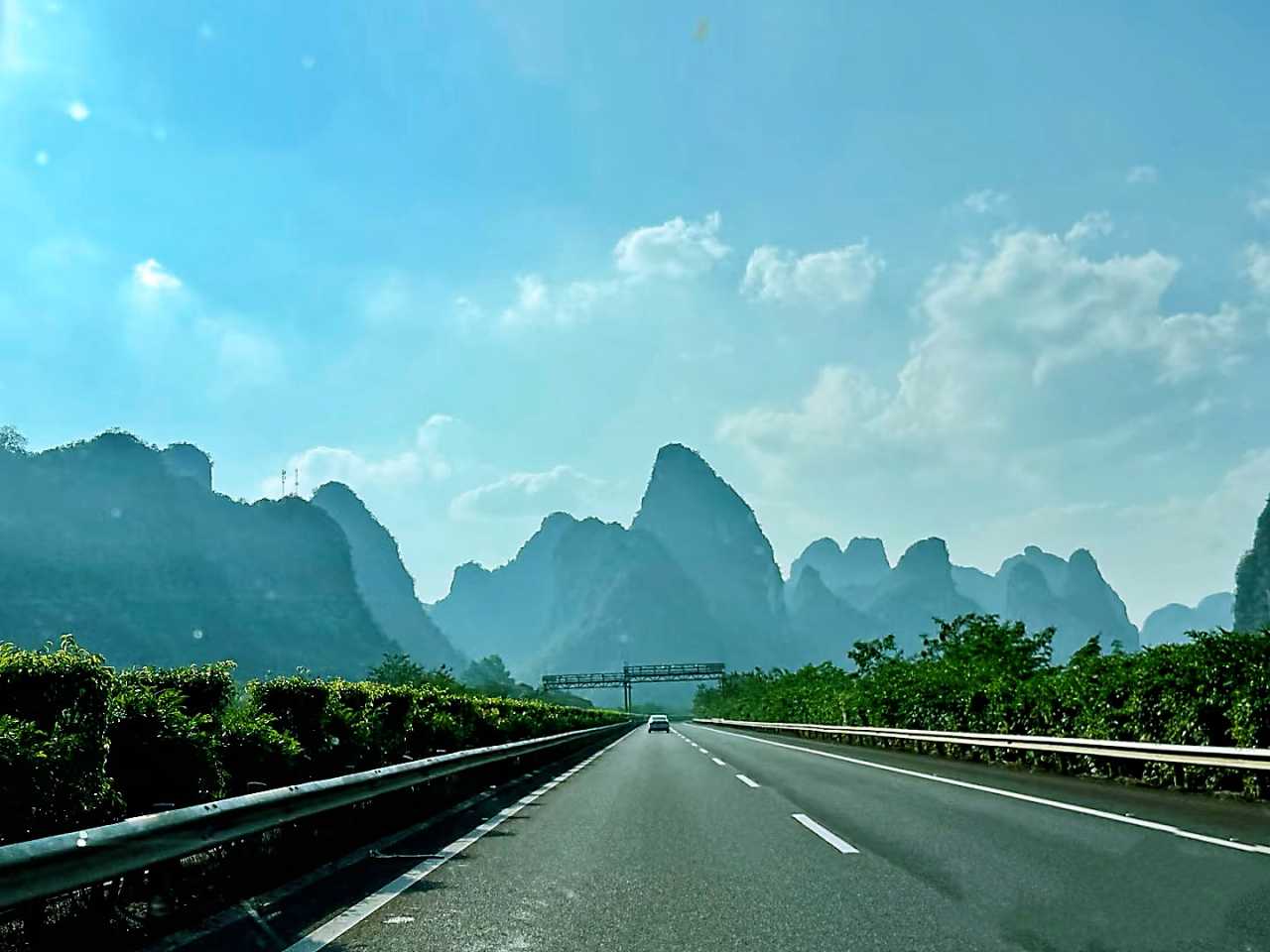
Life can sometimes feel like an airtight net—those to-do lists, unread messages, work plans piling up layer upon layer, pressing down on your chest until it's hard to breathe. One afternoon, staring at the city skyline slowly blurring in my rearview mirror, I made a sudden decision: tear up that密密麻麻的清单 (that densely packed checklist), let the wheels take over, and drive toward the unknown.
No攻略 (travel guide), no bookings, not even a clear destination. "Follow your heart, embrace wherever you land"—these eight words became the only compass for my loop journey through western and southern Yunnan.
First Stop: Xilin, A Taste of Zhuang Country
The first press of the accelerator away from the city brought me to a rest stop in Xilin. Here, the food of the Zhuang people struck me like an unexpected romance, crashing into my taste buds.
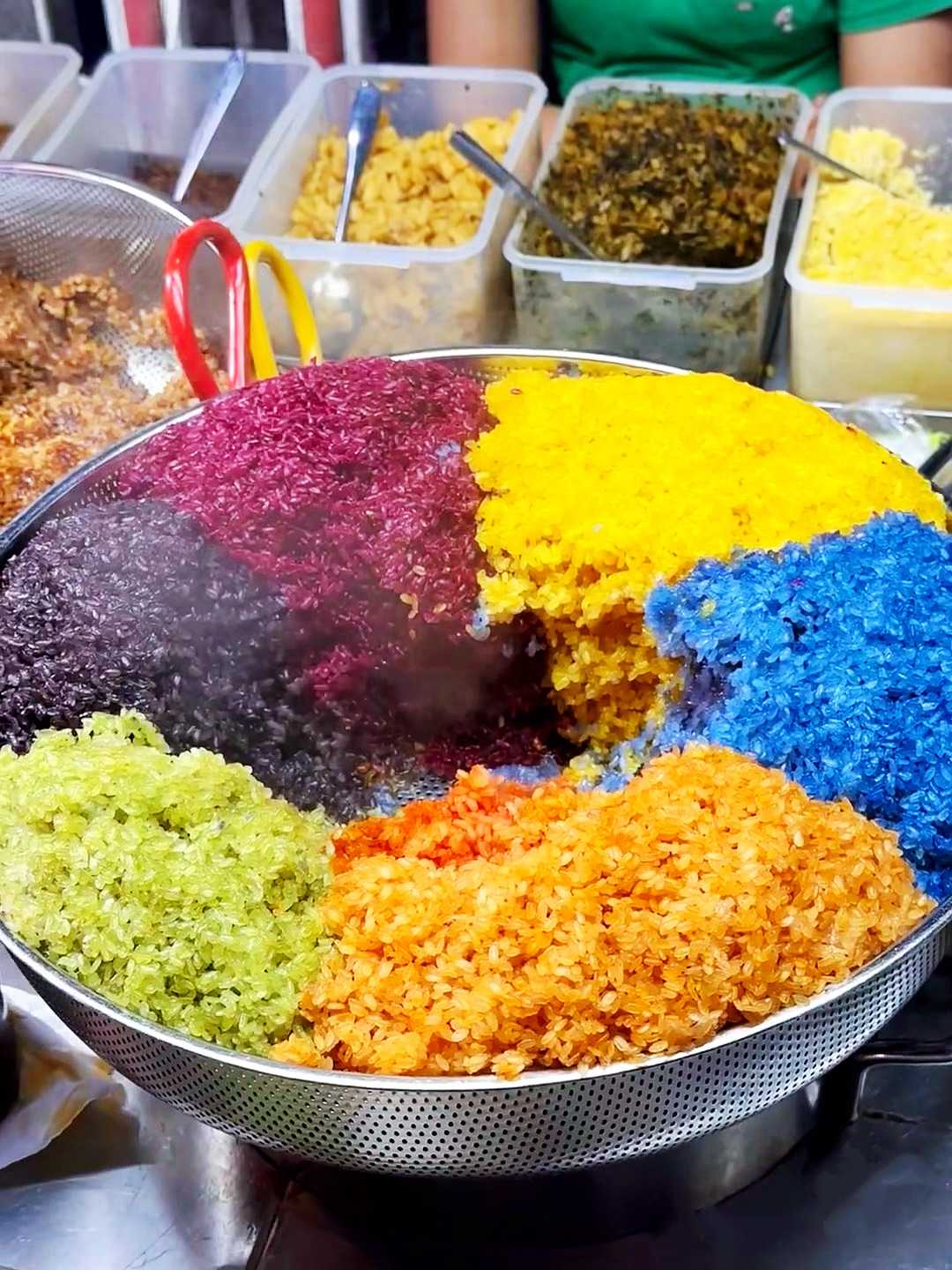
When the five-color glutinous rice (五色糯米饭) arrived, I almost thought it was a work of art. The steamed glutinous rice seemed dyed by sunset—purple like twilight clouds, yellow like gold leaf, every grain carrying the fragrance of butterfly pea flowers and密蒙花 (buddeleja flowers). Biting into it, what exploded between my teeth wasn't sweetness, but the poetry of the mountains.
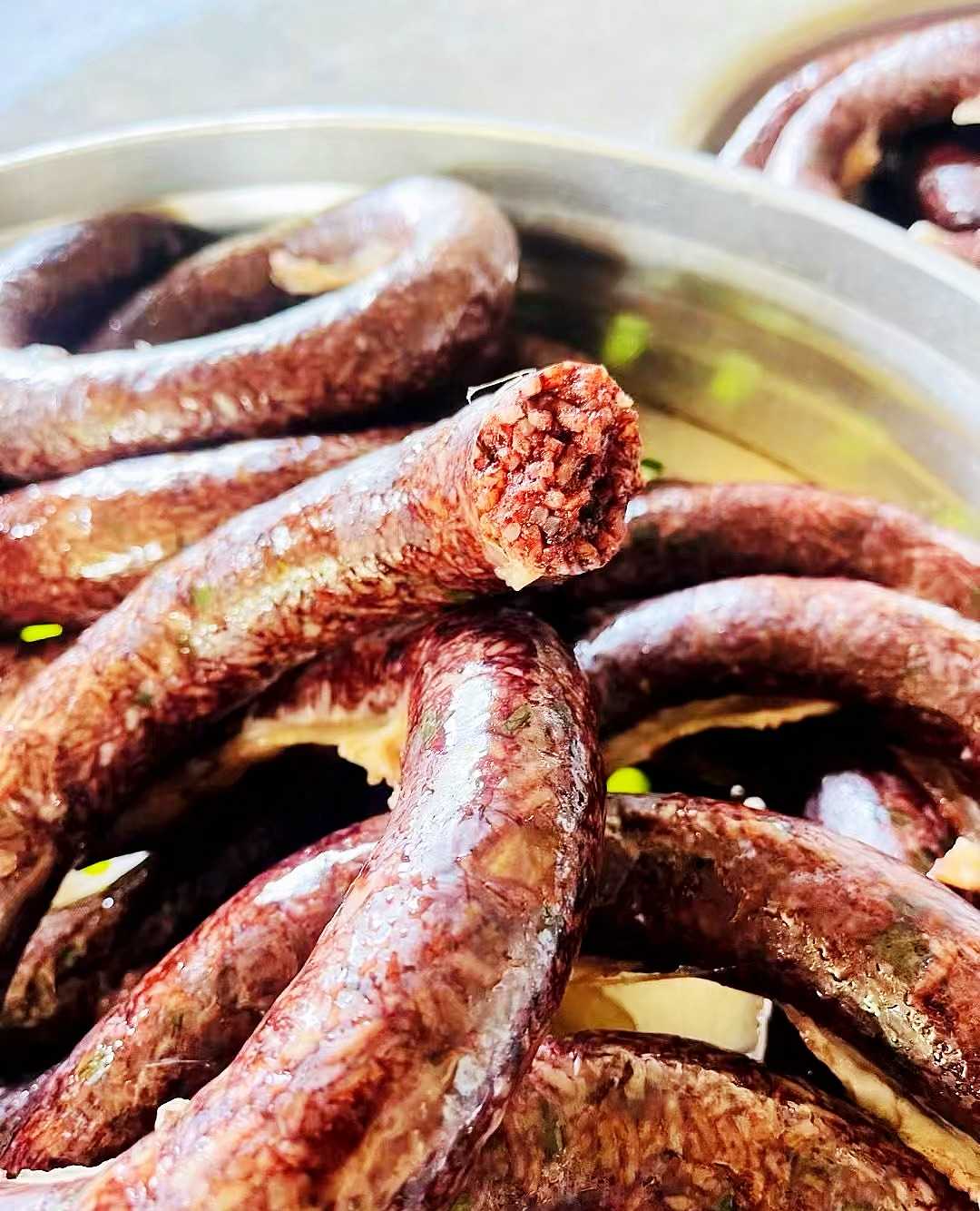
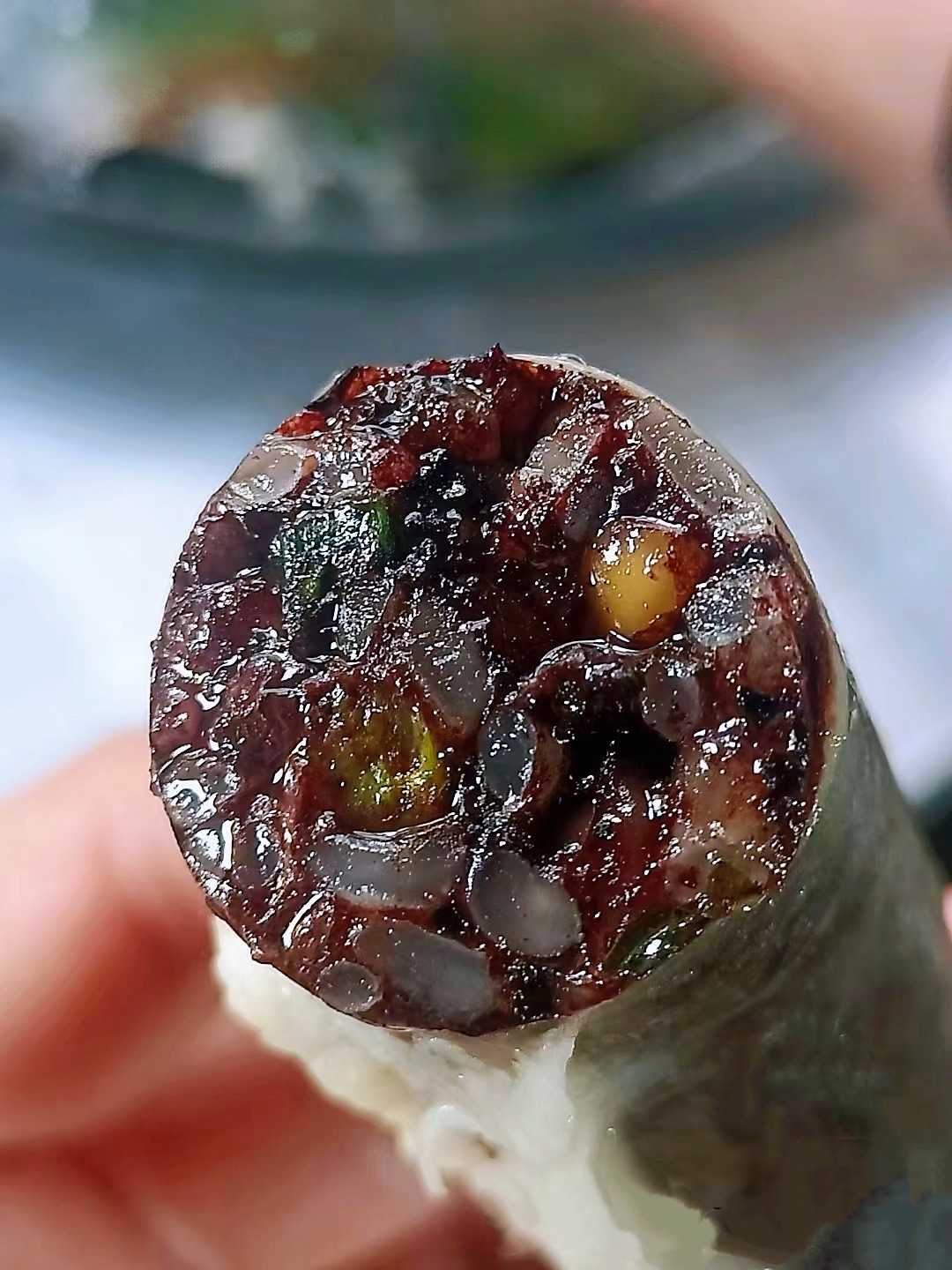
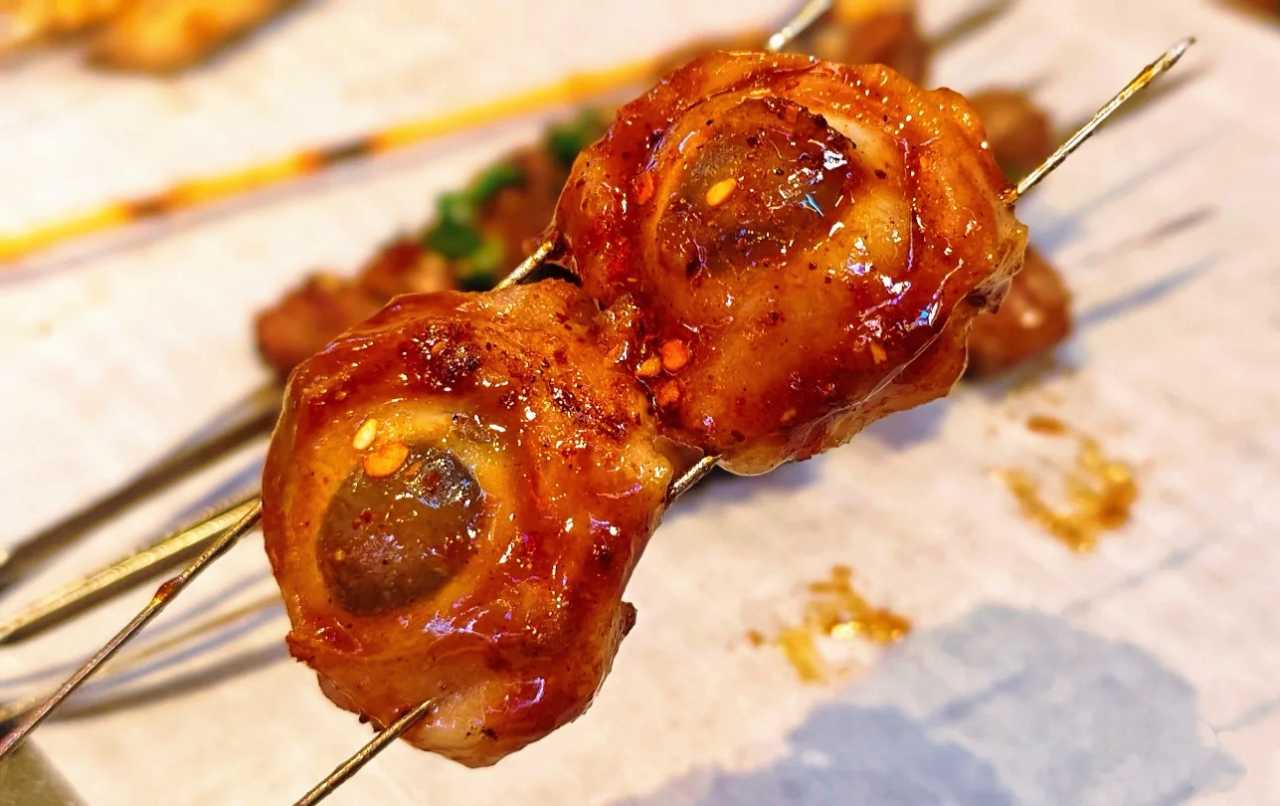
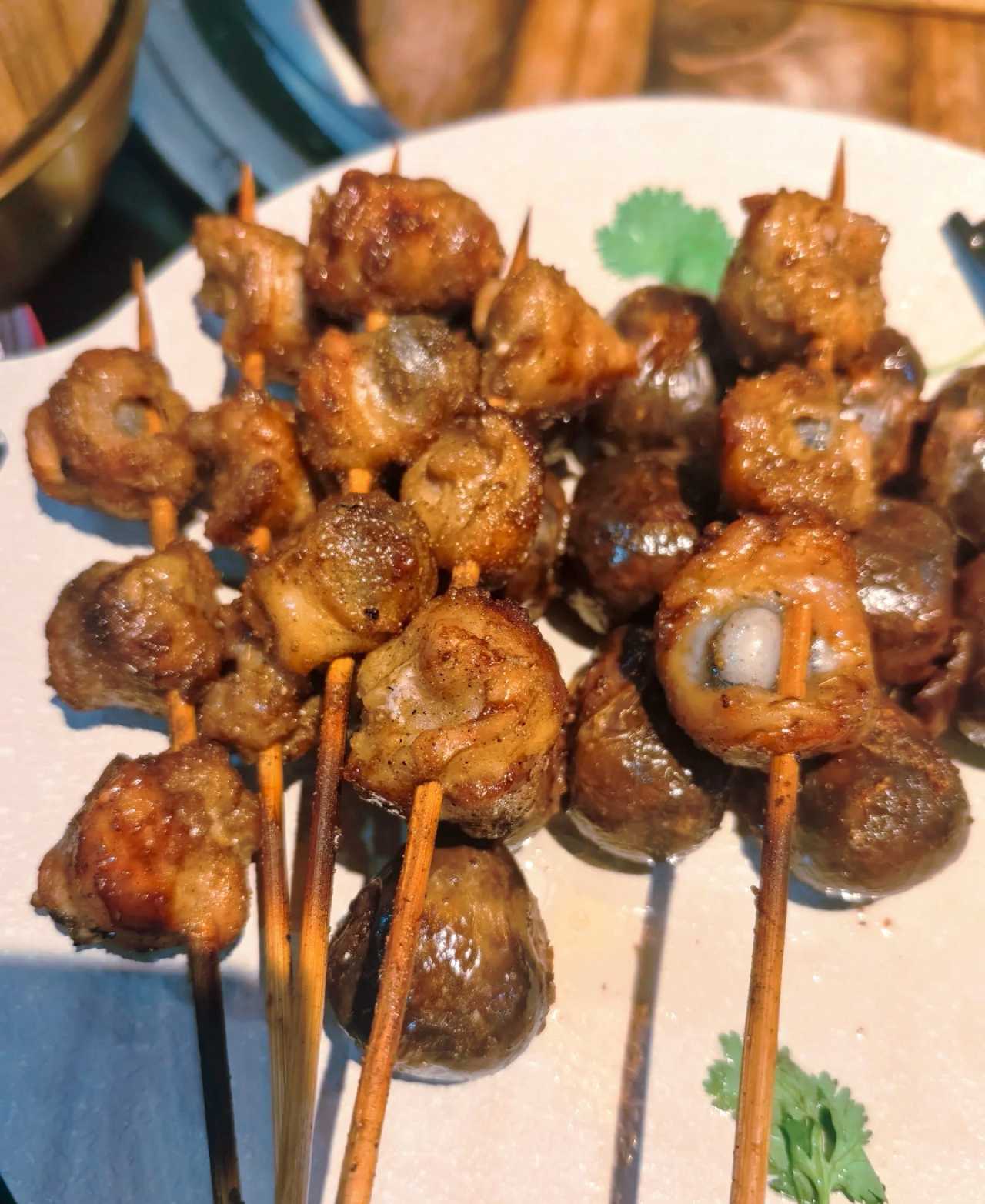
Pork blood sausage (猪血肠) tumbled in the hot oil, the casing made of rice and blood crisp yet springy. Each bite held the wisdom of the Zhuang ancestors' way of life. But what I'll never forget is the grilled pig eye (爆浆烤猪眼) that burst in my mouth—the charred shell breaking open on my tongue, warm juices flowing with a wonderfully chewy texture, showcasing the wild, untamed essence of Zhuang cuisine.
Practical Tips: Xilin's food is concentrated around the service area. Five-color glutinous rice and pork blood sausage are must-tries. Grilled pig eyes are for adventurous eaters.
Puzhehei: From Hesitation to Stunning Revelation
Online, Puzhehei had mixed reviews like a layer of fog, leaving me hesitant and keeping it shelved on my distant travel list. Passing through this time, with the mindset of "since I'm here anyway," I gently knocked on its door.
Boating Through the Lotus Ponds, Falling Into an Ink Painting
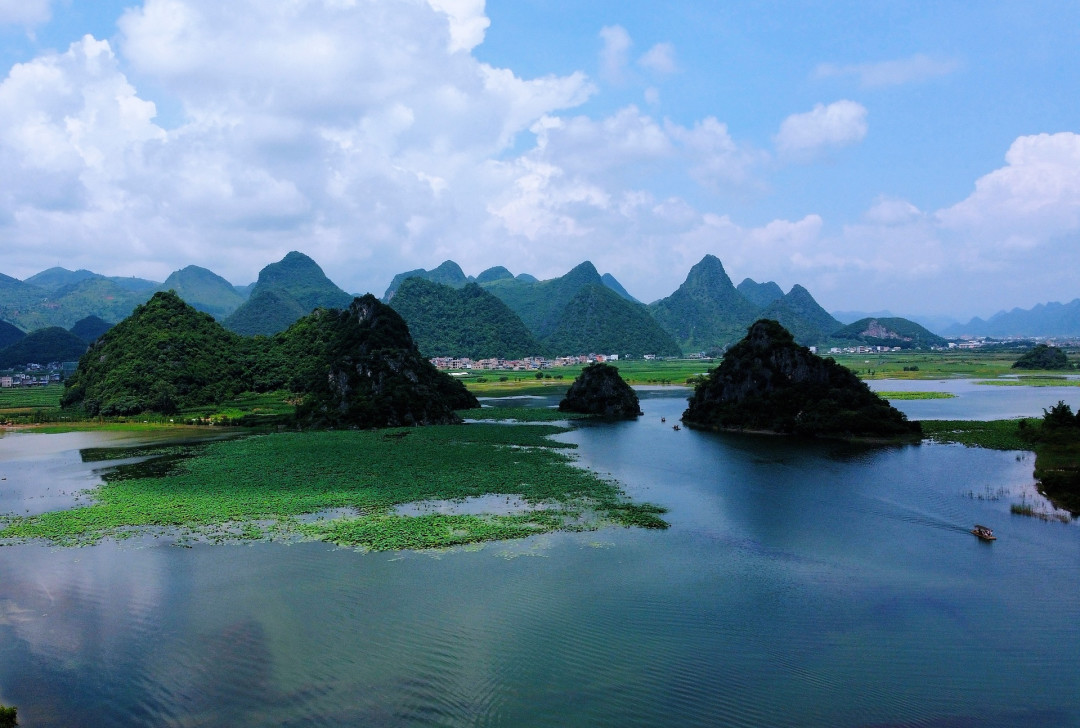
Gliding across Puzhehei's emerald waters felt like tumbling into an ink-wash painting. Layer upon layer of lotus leaves stretched toward the horizon, pink and white blooms dotted among them—some still buds, others in full, unrestrained bloom. A gentle breeze swept through, carrying the fragrance of lotus mixed with mist, refreshing the soul.
Those modest hills, cloaked in green, stood quietly across the vast plains. One hill, one scene; hills upon hills, composing breathtaking pictures.
Sunrise at Qinglong Mountain: A Feast of Light
Just as the sky began to lighten, I stood at the foot of Qinglong Mountain. The distant solitary peaks were still bathed in indigo morning mist, but Qinglong Lake had already woken. A thin veil of vapor floated on the water's surface, reflecting the gradually brightening sky.
Suddenly, a golden crack split the eastern ridge—half a red sun leaped over the peaks. In an instant, ten thousand beams of golden light poured down, striking the lotus leaves. Those green umbrellas that had held dew just last night turned into emeralds studded with crushed gold. An early-rising fisherman paddled his willow-leaf boat through the lotus groves, his wooden oar stirring the lake's rosy glow, startling a few egrets that dragged long shadows across the water.
Beauty's Flaw: Beyond the Landscape
Compared to Guilin's scenery, Puzhehei has more lotus flowers and green leaves, more trees and plants covering the mountains. But beyond the photos lies imperfect management, overdone artificial landscapes, and homogenized commercial zones. Beyond the scenery, it's hard to find the spirit of the place.
Some spots have become mere打卡地 (check-in spots) and photo ops, using tacky TV dramas as spokesmodels for the beautiful landscape—diminishing the grandeur and charm of the mountains and waters. Puzhehei might be better suited for escaping mainstream narratives, immersing yourself in the sky and water, watching water buffalo leisurely graze and swish their tails, listening to the gentle flow of streams.
Practical Tips: Arrive at Qinglong Mountain before 6 AM for sunrise to avoid crowds. The scenic area is heavily commercialized—bring your own snacks and water.
Fuxian Lake: Still Stunning on the Third Visit
Visiting Fuxian Lake for the third time, I was still awestruck by its grandeur. Despite being a lake, its surface stretches like the sea, endless to the eye.
I found a corner to sit, away from the noisy crowds, with only a gentle breeze. I watched the lake's surface ripple softly, the shimmering light dancing under the sun, the deep, mysterious blue of the water—doing nothing, just sitting and watching.
Evening's Tenderness
As dusk fell, I curled up on a window-side sofa at Xi'an Café. The coffee on the table exuded a warm fragrance, milk foam tracing soft patterns on the dark brown liquid. In the distance, the lake was dyed molten gold by the sunset, shimmering like thousands of diamonds floating and sinking. Returning birds skimmed the water, their wings brushing the rosy light, drawing long ripples.
The afterglow faded, the sky shifting from orange-red to violet-purple, clouds floating like crushed sunset. Soft music flowed through the pillars and beams, mingling with the gentle lapping of waves against the shore—the most tender lullaby.
Sun Mountain Town: The Dream Guesthouse
Renting a guesthouse in Sun Mountain Town near Fuxian Lake had long been a dream of mine. When that dream materialized before my eyes, the beauty in my heart was like the morning light spilling over the balcony railing, floating in the pale mist over Fuxian Lake, gradually spreading into a shallow blue, quiet and soft.
In the afternoon, the clouds hung lower, their shadows falling on the lake like moving patches of cool gray. When the wind passed, the water's surface broke into fine, scaly light. The sound of waves hitting rocks in the distance mixed with mountain cicadas drifting onto the balcony. After the harshest sun had set, the lake suddenly softened, dyed orange, amber, and pale purple by the sunset, spreading in layers to the horizon.
Red Sand Beach: Hidden Beauty in Stillness
Crimson sand spread along the lake shore like poetry written by the earth dipped in lake water. Looking closely, the grains had a fine luster—traces of iron mineral deposits. Picking up a handful, the sand was so red it was translucent, slipping through my fingers like holding a stream of flowing sunset.
The water was so clear I could count the red stones at the bottom. When waves came, the red sand swayed gently, as if small flames were burning under the water. An old man sat fishing on the shore, his rod hanging at the boundary between red and blue, his shadow stretched long by the setting sun.
Flower Fields: The True Meaning of Relaxation
When morning light spread over Fuxian Lake, I was walking through the flower fields of Fuhai Bay. Light purple verbena stretched to the horizon, orange-yellow sulfur cosmos nodded with the wind, white daisies scattered like stars on a green velvet carpet. The wind carried the lake's moisture, mixed with grass and floral scents, blowing until my bones felt loose.
I took off my shoes and stepped onto the grass—the soil soft and warm, startling a few pink butterflies that fluttered around my ankles. No need to rush. I just sat on the flower ridge and daydreamed. Watching clouds drift overhead, watching sunlight dance on petals—this is what relaxation really means. Like flowers: no need to rush to bloom, no need to rush to fade.
Practical Tips: The loop around Fuxian Lake is about 100 km—rent a car. Book guesthouses in Sun Mountain Town in advance. Best time to see Red Sand Beach is at dusk. The flower fields are free; wear light-colored clothes for photos.
Kunming: The Romance of the Flower City
Dounan Flower Market: A Place to Pick Up Surprises
In Kunming, you have to see Dounan Flower Market. They say seven out of ten fresh-cut flowers in China come from this, the largest fresh-cut flower market in Asia.
As soon as I entered, a riot of color flooded over me like a tidal wave. Bouquets stacked from floor to ceiling—the passion of roses, the elegance of lilies, the gentleness of eustoma. The air was thick with sweet, intoxicating fragrance. Weaving through the bustling crowd, vendors pushing carts shouted their wares, countless varieties of flowers—red like fire, pink like clouds, white like snow.
I happily picked my flowers: a bunch of big, fluffy monthly roses, a gentle bunch of pink carnations, two delicate bunches of small monthly roses in fuchsia and orange-red, plus a handful of相思豆 (love pea vines). All together, less than 20 yuan. The forget-me-not baskets nearby were also eye-catching—pretty to look at, and they'd make good decorations when dried. So I spent another 15 yuan on one.
This wasn't just buying flowers—it was like picking up surprises on the roadside. Life may be plain, but having flowers to enjoy is the happiest of times.
Flower-Wearing Girls: Romance on the Walls
Kunming's romance hides in the city's flower-filled air, but even more in the textures of its street murals. On the blue-brick walls of Yunfang Creative Cultural Park, a flower-wearing girl stepped out of the paint—white jasmine tucked at her temple like a woman from Xunpu, her forehead dotted with crape myrtle petals, her eyes flowing as if a breeze had passed through.

Around the corner, in an alley lined with jacaranda trees, another flower-adorned figure raised a hand to brush fallen blossoms from her hair, silver ornaments tinkling as if spilling out of the painting. These murals slow down time. Passersby stop, half-expecting a flower-wearing girl to step out from between the bricks, bringing the wind of Dianchi Lake, pinning Kunming's romance in everyone's hair.
Practical Tips: Dounan Flower Market is busiest after 4 PM, with better prices. Yunfang Creative Cultural Park is free; visit in the afternoon for good light.
Yuanmou Earth Forest: The Bare Bones of the Earth
Getting to Yuanmou Earth Forest was no easy feat—dust flying, bumpy roads, winding mountain paths that made me dizzy were the biggest complaints. But when I actually stood before Langbapu Earth Forest, I was speechless.
Those earth pillars rose abruptly before me, as if carved by knives, split by axes, the remains of millennia of wind and rain erosion. As the sun slanted down, the earth forest showed ochre red mixed with golden yellow—like the bare bones of the earth. Tourists pointed here and there, saying this looked like a castle, that like a camel's hump. But I only saw time—time here doesn't flow; it solidifies.
The wind moaned between the pillars, like echoes from ancient times. The earth forest said nothing, just stood there. What people call "nature's masterpiece" is just an excuse when human words fail. Nature never deliberately carved anything. It simply exists—and that's enough to startle any passerby.
Practical Tips: The road to the earth forest is rough—drive an SUV. Best viewing times are dawn or dusk, when the slanting light brings out the richest colors. No food available inside; bring your own supplies.
Baoshan: A Small Town Where Time Simmers Slowly
Qinglong Street: Neither You Nor Time Rushes
In the afternoon, I strolled into Baoshan's Qinglong Street. The stone pavement gleamed in the sun, warm and soft underfoot. From an old teahouse drifted the aged fragrance of Pu'er tea, mixed with the rice-burnt smell of grilled饵块 (rice cakes) from next door, lazily floating in the air.
An old woman in a blue cotton shirt sat on her doorstep picking beans. The sound of green beans falling into her bamboo basket was like raindrops tapping on roof tiles. I leaned against a mottled earthen wall to watch the clouds. The candied fruit vendor didn't call out his wares, letting bees circle the glass jars. Around a corner, I found a century-old caravan post, now converted into a bookstore. The owner dozed in a rattan chair, pages rustling as a draft swept through.
Suddenly I understood: true leisure is neither you nor time rushing each other.
Qinghuahai: Midsummer's Tenderness
I visited Qinghua Lake early in the morning and encountered a lake full of midsummer's tenderness. Lotus flowers and water lilies spread green umbrellas over the water, pink and white petals trembling in the morning light. The fragrance of osmanthus drifted near and far, mixed with the moisture of the lake, especially refreshing. The flying eaves of the Yongzi Go Academy reached toward the lake, distant mountains like ink stains on wet paper.
Hidden in the lakeside square was a quirky feature—a matchmaking corner. Most of the listings were for men, with education mostly at college or bachelor's level, income mostly above 8,000 to 10,000 yuan. Their expectations for women: education at least middle school, income 2,000 to 3,000 yuan—every line carried the earthy warmth of real life.
Yongzi Go Pieces: A Secret Pilgrimage Site for Go Enthusiasts
If I hadn't visited Yongchang Tower at Qinghuahai Wetland Park in Baoshan, I might never have known this was a secret pilgrimage site for Go enthusiasts. Here, I first encountered "Yongzi"—Go pieces made from precious materials like southern red agate, yellow dragon jade, and black jadeite, crushed and remelted like a phoenix reborn, finally condensed into warm, jade-like forms.
On the wall was an ancient verse: "Nineteen straight paths, level yet treacherous. Where the human heart cannot calculate, even a national champion may lose." Outside the window, the flower-wearing maidens in the murals echoed the stillness of the Yongzi pieces, giving this city's romance both the calm of fingers placing stones and the lingering fragrance of ink on paper.
Lujiangba Fruit Market: The Taste of the Tropics
Lujiangba has a tropical fruit market, also the largest tropical fruit wholesale market in Asia. A friend told me not to bother with the wholesale market—drive about 2 kilometers ahead, and at the turn, the fruit stalls lining the road offer better quality and prices.
When we reached the roadside stalls, a riot of colors rose like mist. Dai women sat behind bamboo baskets piled with mangoes, jackfruit, tamarind, all still dewy. An old man in a straw hat tried to sell me鸡蛋果 (egg fruit), saying they were freshly picked. The fruit was yellow, indeed the size of an egg, but soft to the touch. I broke one open and tasted it—sickly sweet, juice running from my wrist to my elbow, attracting a few circling bees.
Huke Coffee Estate: The Fragrance of the Mountains
Huke Coffee Estate hides on a misty mountaintop in Baoshan, rows of coffee trees stretching like a dark green velvet carpet to the horizon. A barista at the estate demonstrated hand-picking, plucking ripe berries as red as honey-soaked fruit. The roasting room emitted a charred fragrance; freshly ground beans brewed into coffee, the liquor clear as amber. One sip—nutty notes mixed with the cool mountain breeze crossing my tongue.
In the afternoon, I sat on the wooden terrace, watching mountain wind sweep through the coffee groves, distant cooking smoke mingling with clouds. Time here was like slowly brewed coffee—just the right strength, brewing Baoshan's mountain essence into an aftertaste that lingered on my lips.
Practical Tips: Qinglong Street is free. Qinghuahai Wetland Park is best in early morning or evening. Lujiangba Fruit Market is best in the afternoon; roadside stalls offer better value. Huke Coffee Estate requires advance booking.
Tengchong: A Border Town Where Time Stands Still
Nanliu Fine Private Kitchen: Flavors in an Old House
The first thing I did in Tengchong was visit Qiluo Ancient Town. When I got tired, I looked for a restaurant. Nanliu Fine Private Kitchen was hidden in an old house with black tiles and white walls. The wooden door was half-open, a string of dried flowers hanging above the lintel. Pushing it open, I encountered a bougainvillea in the courtyard, petals falling on the bluestones like scattered rouge.
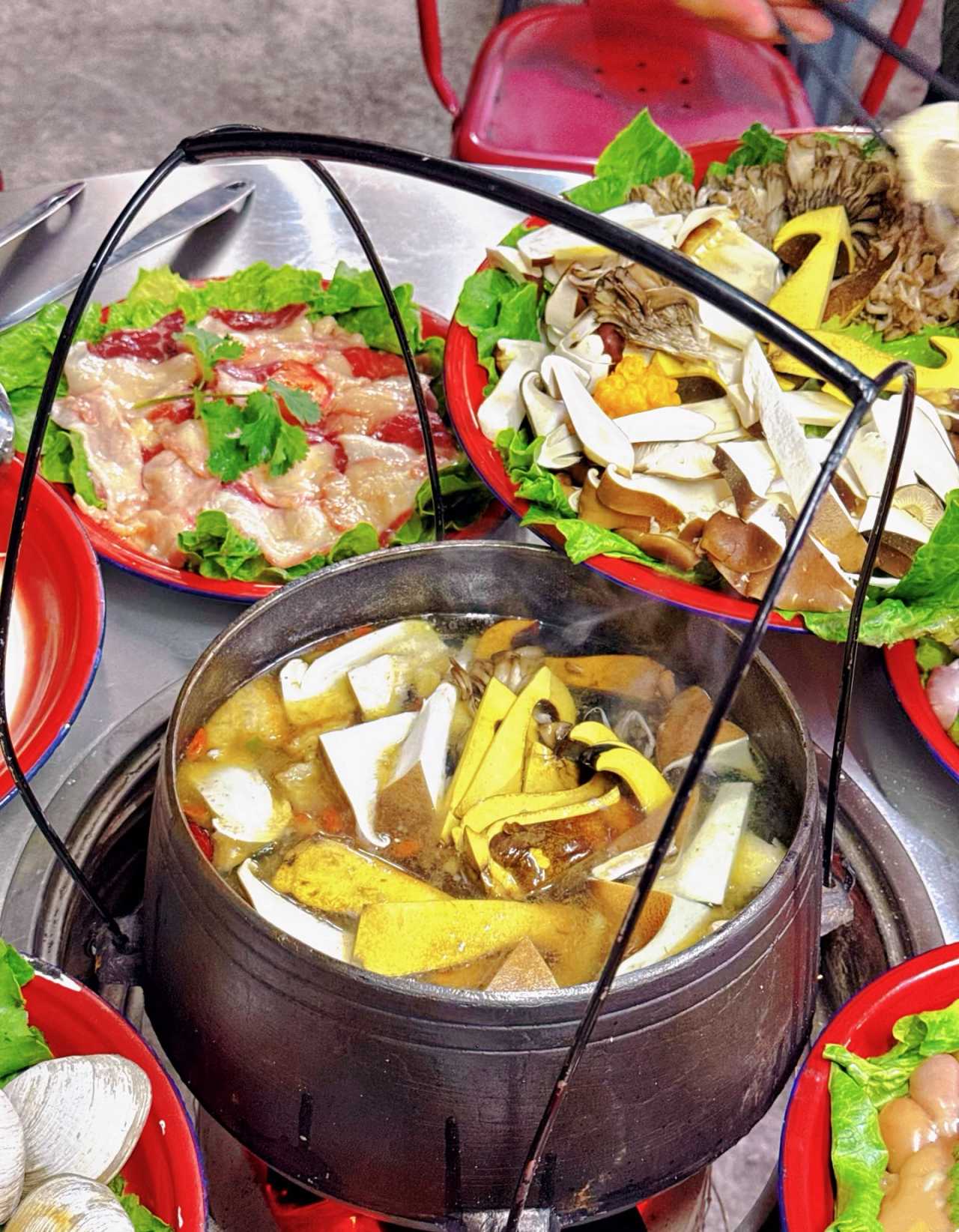
We were greeted by a sharp young woman about to start university. She recommended土锅子 (clay pot stew) and大救驾 (a local stir-fried rice cake dish). The clay pot bubbled over charcoal, layered with crispy pork and daylily buds, steam carrying the fragrance of mushrooms. The大救驾 was golden and glossy, the rice cakes wrapped in egg fragrance, chewy with a slight crunch. A bowl of Tengchong local chicken soup warmed me until my nose beaded with sweat.
Heshun Ancient Town: Three Times Still Not Enough
Heshun Ancient Town was a place we visited three times and still couldn't get enough of. If you want to explore the town quietly, go before 9 AM. No tourists, no noise—the morning Heshun is like a piece of jade soaked in time.
Laundry pavilions spanned the streams, wooden pillars weathered but still upright. A few old women squatted on bluestones beating clothes with wooden paddles, the sound mixing with the stream's gurgle. Around a corner, the library was covered in ivy, its Republic-era window frames framing distant volcanic cones. When sunset spread over the flying eaves of Yuanlong Pavilion, rice paddies rippled green, returning birds crossed white walls and black tiles, cooking smoke and dusk tangled together, turning the ancient town into a light ink painting.
The Martyr Cemetery: Land Soaked in Blood
After the rain, the Martyr Cemetery's bluestone paths gleamed, pine and cypress bowing like silent guards. On the steps before the monument, a few white chrysanthemums held dewdrops like unshed tears. In the exhibition hall, yellowed photos froze young faces; beside rusted rifles lay faded letters home. The walls covered in dense names—the loyal souls of 100,000 Expeditionary Force soldiers.
What moved me most was the forest of tombstones on the back hill. Small stone tablets lined up like soldiers marching to the horizon, each with a porcelain photo embedded—mostly faces in their early twenties. Rain slanted across, and in the wind, you could almost hear the echoes of the bugle charge. Those young lives forever guard this land they once soaked with their blood.
Dongshan Hot Spring: Warm Springs and Greenery
Tengchong has many hot springs. Today we chose Dongshan Hot Spring. Walking into Dongshan Hot Spring Village felt like crashing into a flowing landscape painting. Green mountains like eyebrows gently embraced this hidden paradise, mountain vegetation growing wild, banyan roots hanging like green curtains.
The hot spring pools were hidden in this vibrant greenery—16 indoor pools shrouded in warm mist, 27 outdoor pools each with their own character. Sinking into the water, warmth seeped through my pores into my bones. The silica-rich water slid over my skin like countless gentle fingers massaging away accumulated fatigue. Closing my eyes, I listened to insects chirping in the grass, spring water dripping against stone banks—for a moment, I too became part of this landscape.
Dongshan Grassland: Summer on a Green Velvet Blanket
They say Dongshan Grassland is Tengchong's green velvet blanket, softened by summer sunlight. Knee-high meadows gleamed green, spreading from the slope to the horizon, as if someone had dipped the entire mountain in a vat of emerald dye. Hidden among them were countless wildflowers: purple clover like little bells, white potentilla with tender yellow centers, orange-red lilies like stars scattered on the green velvet.
The wind was the busiest host here, carrying the fresh scent of grass across the slopes, making the entire meadow undulate in layered green waves. Cattle and sheep moved slowly through the waves, tails swishing lazily, copper bells around their necks chiming, mixing with the gurgle of distant streams and the chirping of tree-dwelling cicadas—the clearest melody of summer.
Xiaqiluo Street Morning Market: A Footnote of Everyday Life
July in Tengchong—rain always carries a touch of caprice. Taking advantage of a break in the rain, I followed the scent of everyday life to the morning market on Xiaqiluo Street in Qiluo Ancient Town. This market opens every day at 7 AM sharp, never late.
The "star of the morning market"—稀豆粉饵丝 (rice noodles with pea jelly)—is a must-try. 5 yuan a bowl, the slippery rice noodles wrapped in thick pea jelly, topped with cilantro and chili—filling and satisfying. The破酥包 (flaky stuffed buns) need to be paired with sweet rice wine for the full experience; 3 yuan for a cup of sweet, refreshing rice wine. And that供销社 (supply cooperative) rice noodle shop—hasn't raised prices in ten years, the old flavors carrying the memories of the neighborhood.
Among the stalls were villagers selling vegetables, bamboo baskets filled with dewy wild mushrooms—青头菌 (green-russula mushrooms) and牛肝菌 (porcini mushrooms) looking plump, alongside fresh seasonal greens. As蔡澜 (Chua Lam), the famous food critic, said: "People who love food are people who love life." Standing in this steaming morning market, watching people smile over a bowl of rice noodles or a handful of vegetables, I suddenly understood what he meant.
Simola Wa Village: A Happy Place
"Simola" means "a happy place" in the Wa language. The village's most unique feature is its sacrificial culture: ancient trees tower over ten acres of sacred land, mountain springs wind into "Seven Star Pools," real buffalo skulls hang from old branches, facing the towering sacrificial altar—everywhere exuding solemnity and mystery.
There's a small shop in the village called "Everything Sells Well." The septuagenarian shopkeeper pointed at his shelves and the photos by the door, proudly telling us: "Five years ago, General Secretary Xi Jinping stood right here and asked me what sells well for New Year. I answered, 'Everything sells well'..." So that's the story behind the shop's name.
Looking at the old man's smile, I suddenly felt that keeping this shop, these stories, and this "happy place"—his days must be as solid and warm as the stone path at his doorstep. He's probably one of the happiest people in Simola.
Practical Tips: Heshun Ancient Town entrance fee is 55 yuan; enter before 9 AM to avoid crowds. The Martyr Cemetery is free; maintain silence. Dongshan Hot Spring tickets are about 120 yuan; visit in the evening. Dongshan Grassland is free, great for picnics and photos. Xiaqiluo Street Morning Market opens at 7 AM daily; arrive before 8 AM.
Mangshi: The Tenderness of a Border Town
Mangshi's morning begins with a bowl of sour and spicy撒撇米线 (rice noodles in beef offal soup). The golden pagoda gleams in the sun, the silver pagoda's reflection sinks into the lake, Dai girls' long skirts brush past street corners. The wonder of the tree-wrapped pagoda hides the secrets of time. In the night market, the sweetness of泡鲁达 (a Burmese-style coconut drink) mixes with barbecue smoke. Time moves slowly here. Motorbikes glide down Bodhi Street, temple bells and coffee aroma blending in unexpected harmony.
Lei Arang Bookstore: A City's Breath
Lei Arang Bookstore sits between Mangshi's Great Golden Pagoda and Silver Pagoda. Pushing through the door, I was enveloped by the scent of books and coffee. I ordered a Burmese-style latte and sat by the window. The ceramic cup held thick milk foam, the coffee's charred fragrance drifting past my nose.
The biggest surprise was the view from the second floor. Climbing the wooden stairs, the entire city of Mangshi suddenly spread before me—a modest city nestled in a mountain hollow, blue-tiled roofs following the contours of the hills, distant peaks wrapped in thin mist like an unfinished ink painting. Spending an afternoon here, watching sunlight move from book pages to coffee cups, watching distant mountain shadows slowly dye with dusk—only then did I understand Mangshi's tenderness.
Practical Tips: Combined ticket for the Great Golden Pagoda and Silver Pagoda is about 60 yuan; visit in the afternoon to avoid midday heat. Lei Arang Bookstore is free; the second floor has the best view.
Ruili: The Wild Fragrance on the Border
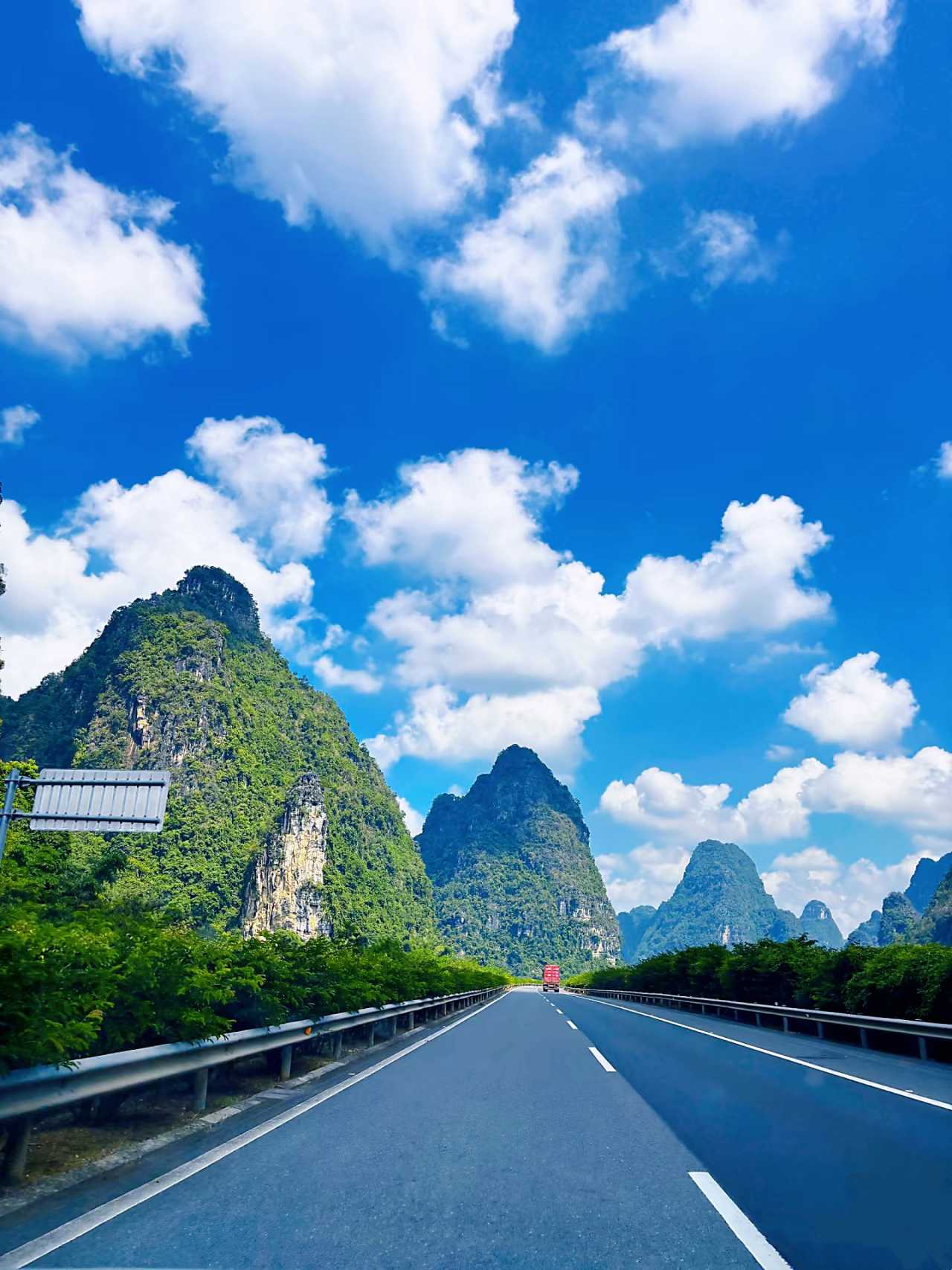
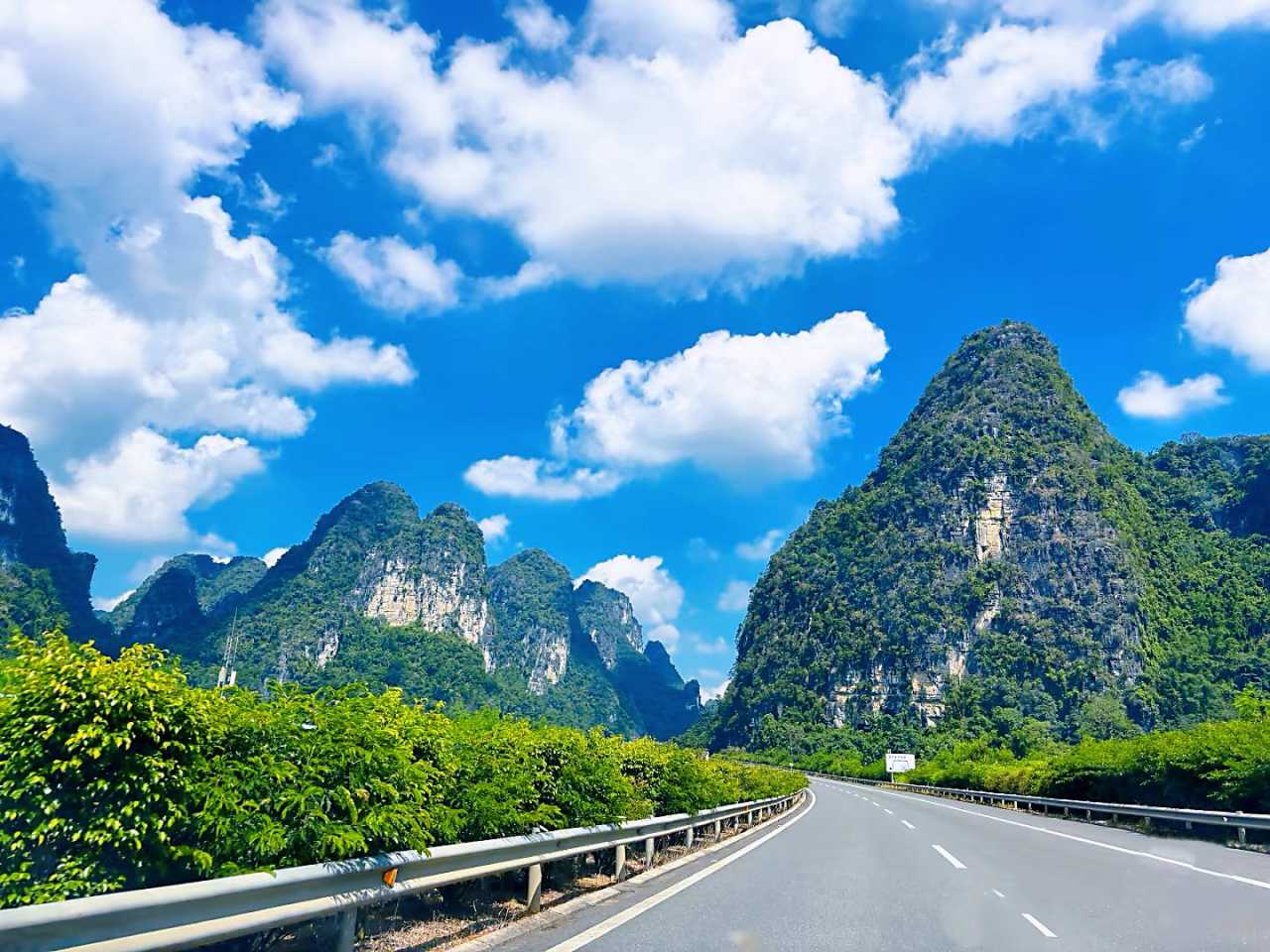
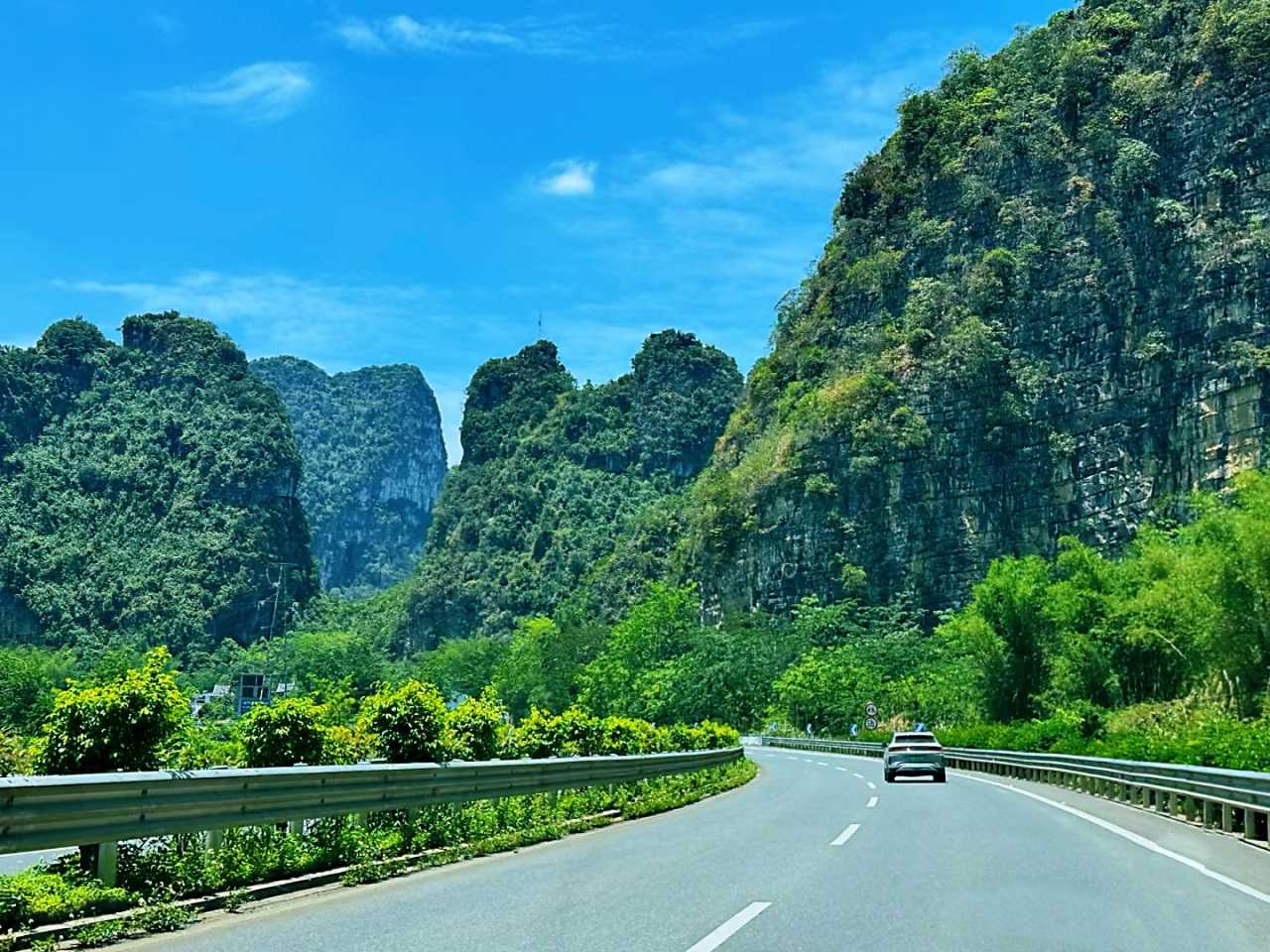
From Mangshi, heading southwest along National Highway 219, the palm trees on both sides grew denser, the air taking on a more humid, tropical feel. This small western Yunnan town is like a warm jade, set in the folds of the China-Myanmar border—the borderline winding and twisting here, so that one careless step crosses the dawn and dusk of two countries.
Finally, in Ruili. First stop:直奔盈黎手抓饭 (straight to Yingli Hand-Grabbed Rice), the top-rated restaurant on Ruili's food rankings. The moment the wooden table was covered with banana leaves, the smoky atmosphere of the Jingpo people spread out. In the bamboo basket, purple glutinous rice looked like crushed sunset; chicken wrapped in pineapple aroma, grilled over charcoal, glistened with oil; the chili-lime chicken feet were soaked in sour-spicy lemon water.
Pressing warm glutinous rice between my fingers, mixing in the spicy and sour stir-fried beef with pickled bamboo shoots, my taste buds were awakened by the Jingpo people's unique "pounded" flavor—the sourness of lime, the heat of bird's eye chili, the freshness of lemongrass, all pounded together in a stone mortar into a wild, untamed fragrance.
Practical Tips: Yingli Hand-Grabbed Rice is in downtown Ruili, about 60 yuan per person; book ahead. Border areas require ID; some areas need a border pass.
Final Thoughts: The Freedom Under the Wheels
This journey—from Xilin to Puzhehei, from Fuxian Lake to Tengchong, from Mangshi to Ruili—the wheels rolled over more than 2,000 kilometers of western and southern Yunnan. Traveling without a guide brought me the most surprises: the unexpected food, the scenery that appeared around corners, the warm moments of conversation with strangers.
Three Key Takeaways:
Follow your heart, embrace wherever you land: The best travel often happens outside the plan. Put down the guidebook, let intuition lead, and you'll discover more surprises.
Food is the soul of travel: From Xilin's five-color glutinous rice to Ruili's hand-grabbed rice, every bite is a concentrate of local culture. Don't just read reviews—eat where the locals eat.
Slow down to see the scenery: Heshun Ancient Town in the morning, Fuxian Lake at dusk, Mangshi in the afternoon—these quiet moments are the most precious part of any journey.
Life may be plain, but having wheels rolling over freedom—that's the happiest of times. Next time, are you ready to set out?
You should also read:

Body in Hell, Heart in Heaven: A Pilgrimage Through Tiger Leaping Gorge — A Dialogue Between Heaven and Earth
Body in Hell, Heart in Heaven: A Pilgrimage Through Tiger Leaping Gorge — A Dialogue Between Heaven and Earth Introduction: When the Gorge Splits Open Beneath Your Feet Some say Tiger Leaping Gorge is the closest place on Earth to the border between "hell" and…
Continue reading...
Cloud Travelogue · Dali of Wind, Flowers, Snow, and Moon: A Three-Day, Two-Night Journey of a Free Spirit
Cloud Travelogue · Dali of Wind, Flowers, Snow, and Moon: A Three-Day, Two-Night Journey of a Free Spirit I am a cultured female foodie with a touch of rogue charm. I slung on my backpack, took my lover's hand, and set off on a spontaneous…
Continue reading...
The Meaning of Travel – A Tengchong Story: A Journey of the Heart and Personal Growth
The Meaning of Travel – A Tengchong Story: A Journey of the Heart and Personal Growth Setting Out, Only to Return a Better Self Some say travel is nothing more than leaving a place you're tired of, only to go to a place where others…
Continue reading...