When the Sun Shines and Your Loved One Is by Your Side, Xishuangbanna Is the Place to Be
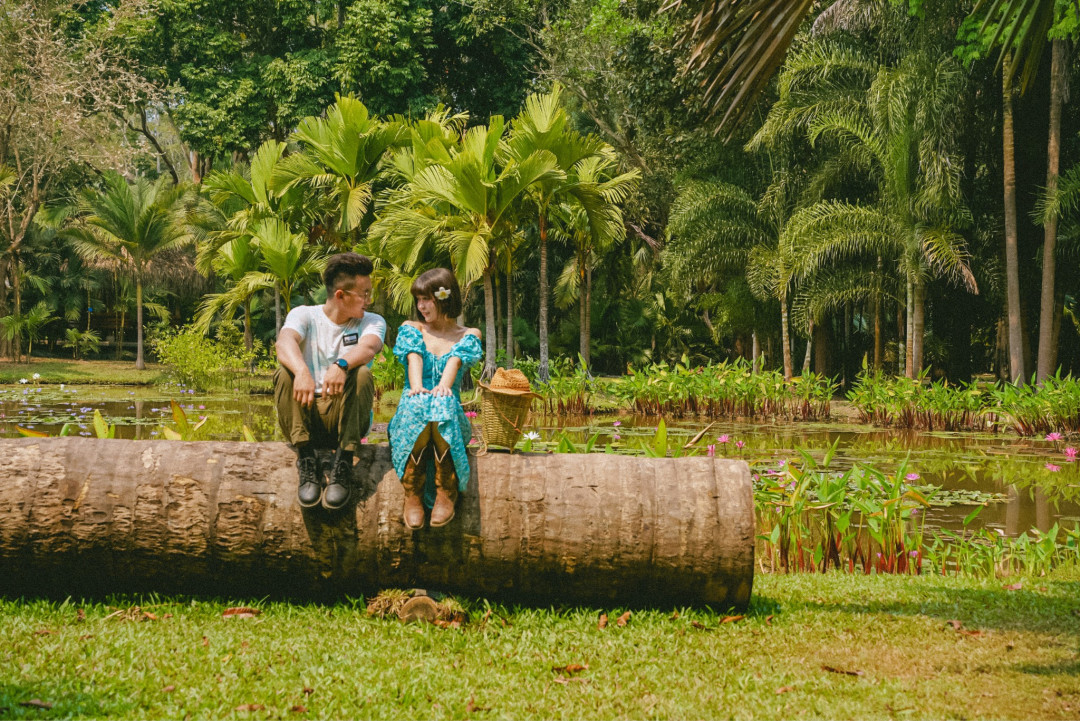
When the Sun Shines and Your Loved One Is by Your Side, Xishuangbanna Is the Place to Be
When sunlight spills across the land and you happen to be holding your partner's hand—that's the moment to take a trip to Xishuangbanna.
My husband Lao Zhao and I are a couple who have traveled over 300,000 kilometers by car, crossing mountains, lakes, and oceans, capturing countless landscapes. This is our 18th year together. In March 2022, we spent seven days immersing ourselves in this tropical city. The per-person cost wasn't high, but the happiness we gained was beyond measure.
This time, we set aside our identities as "travel photography bloggers," let go of our obsession with shot composition and framing, and simply held hands and vacationed. As I write these words after returning, I suddenly realize: occasionally just "playing" like this is truly wonderful.
A Different Yunnan, a Unique Xishuangbanna
If your impression of Yunnan is still stuck on Cangshan Mountain, Erhai Lake, or the ancient city of Lijiang, then Xishuangbanna will completely upend your expectations.
Dali and Lijiang are misty and ethereal, carrying a slow-paced cultural charm. Shangri-La is a hidden paradise on the plateau, with the mystique of Tibetan regions commanding respect. But Xishuangbanna? It's passionate, unrestrained, steeped in religious atmosphere, and blends vacation vibes with exotic flair—simply put, it's incredibly rich and endlessly entertaining.
We've visited Yunnan many times before, but always the northern parts. Coming to southern Xishuangbanna this time, we truly understood what "a different Yunnan" means. It's often called "Little Thailand," but I think it has more depth than Thailand alone. It fuses the exuberance of Southeast Asia with the unique charm of southwestern China, and this collision creates a beauty that's directly reflected in its architecture, culture, and cuisine.
For me, a perfect trip to Xishuangbanna requires both sunshine and your loved one by your side.
Before departure, watching the weather forecast's ever-changing icons, I worried for a while. Luckily, more than half of our week-long vacation was sunny. Even better, the overcast and rainy days in the second half made us completely abandon our "shooting mission," leaving us to just eat, drink, and lounge at the hotel—this is probably the ideal state of a vacation.
Xishuangbanna Travel Overview: A Quick Guide
Yunnan has eight autonomous prefectures, and Xishuangbanna is one of them. It's home to numerous ethnic minorities. The entire region is divided into Jinghong City (the urban center) and the surrounding Menghai County and Mengla County.
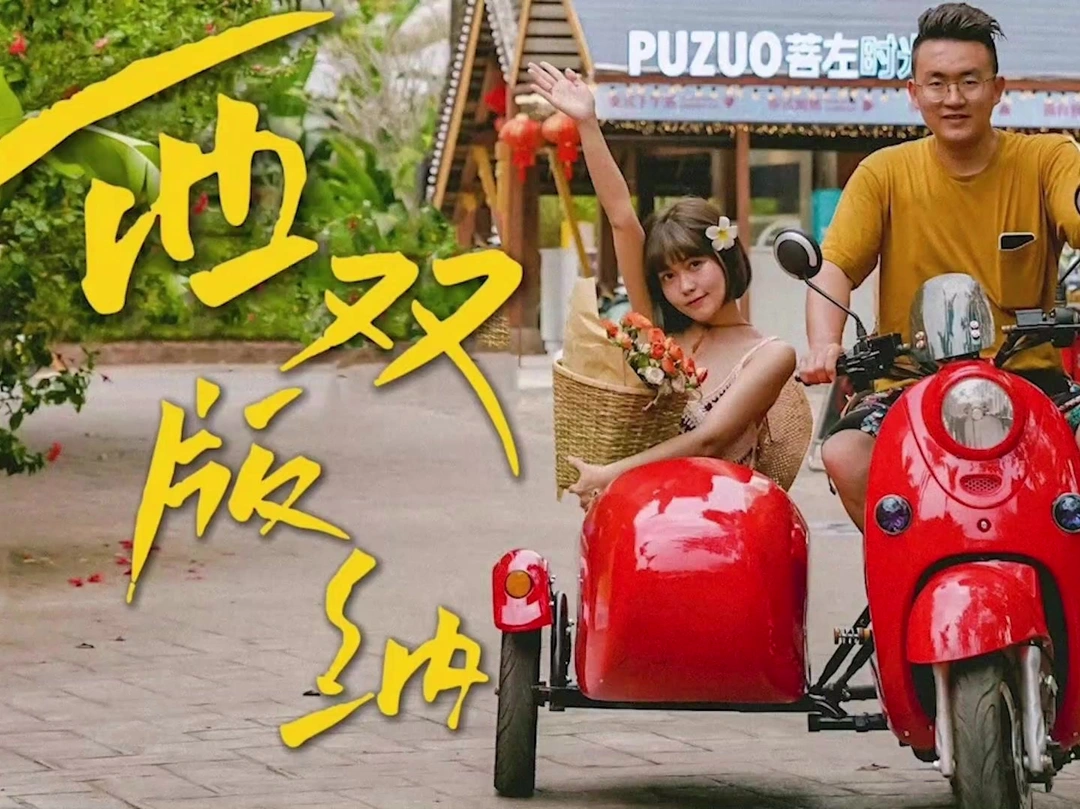
Most attractions are concentrated in Jinghong City, while the artificially created Thai-style area—Gaozhuang Xishuang Jing (also known as the Mekong River Scenic Area)—is located in the city center. The Great Golden Pagoda and the Starry Night Market are both here, so many people book hotels in Gaozhuang Xishuang Jing to easily stroll the night market in the evenings. Further afield in Mengla County are the Mengyuan Fairyland and the Xishuangbanna Tropical Botanical Garden, both within a two-hour drive from Jinghong, so there's no need to stay overnight there.
We spent most of our time in Jinghong's urban area, with side trips to Manyuan Village and the Tropical Botanical Garden—a very relaxed self-driving itinerary.
Vacation Vibes and Local Life on the Road
Gaozhuang Xishuang Jing: Romance on a Scooter
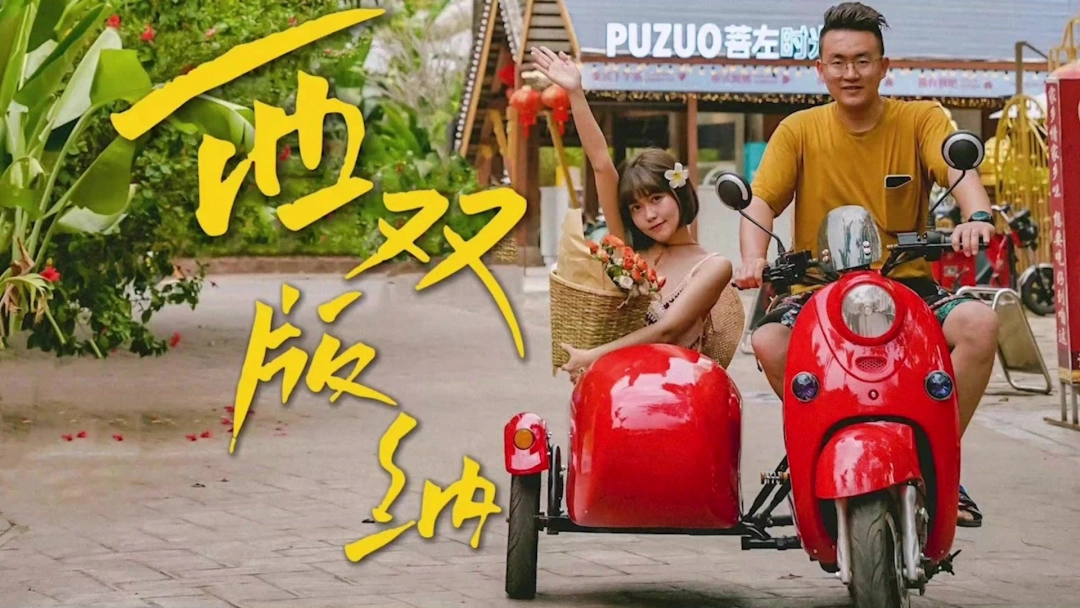
Before coming, I was fixated on renting one of those cute little scooters to cruise around. Gaozhuang Xishuang Jing offers a variety of scooters—sidecars, Snoopy-style ones—at 20 yuan per hour, 50 yuan for three hours, or 100 yuan for a full day. Competition among vendors means savings for customers.
With our little scooter, we realized Gaozhuang Xishuang Jing isn't very big—you can circle it in a few dozen minutes. But renting one for a day is more about using it as a photo prop and enjoying the feeling of cruising. Honestly, this was the most romantic and unforgettable experience of the entire trip. Driving aimlessly together, chatting occasionally, buying street snacks to share—this simple joy was more touching than any meticulously planned itinerary.
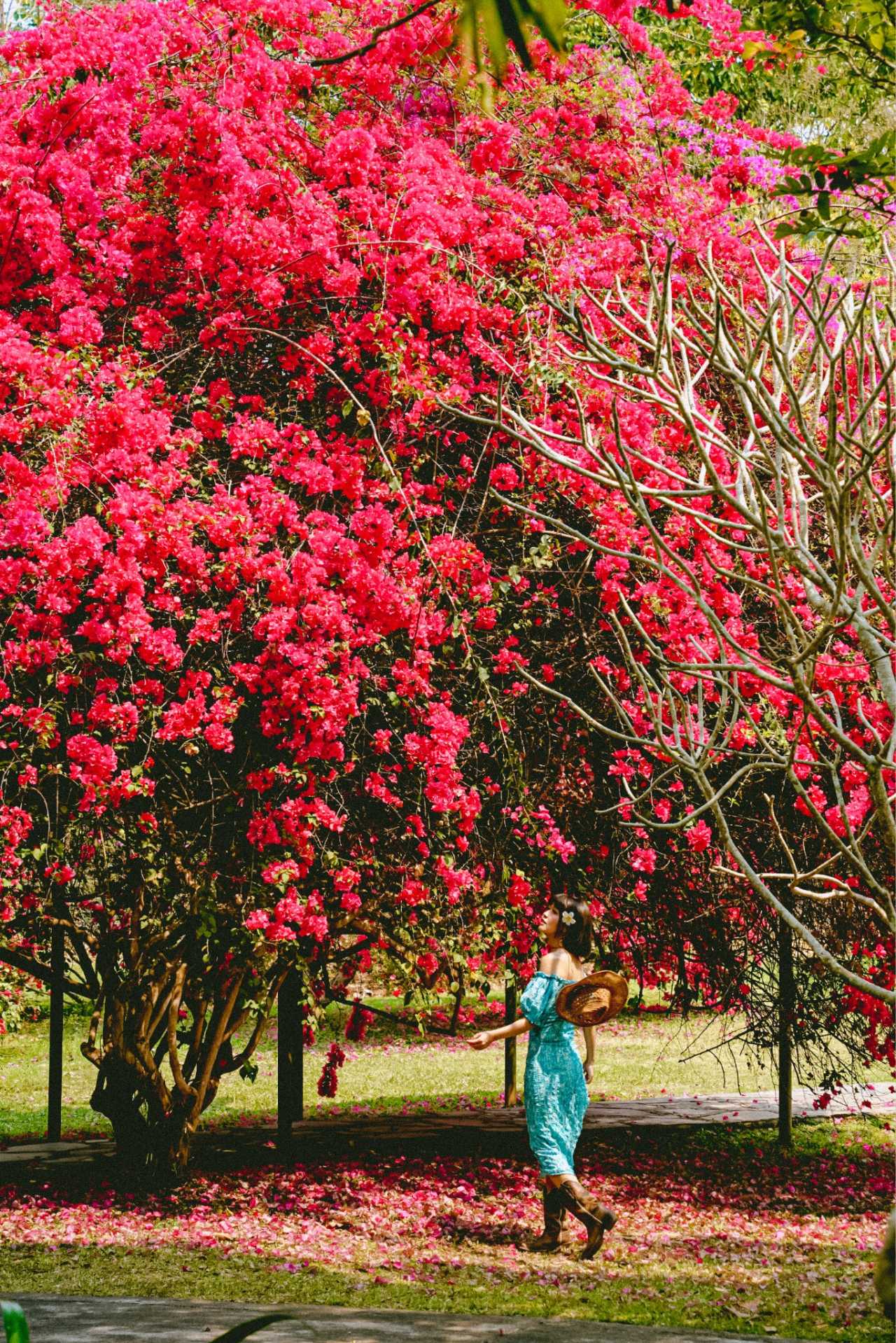
The Southeast Asian atmosphere in Gaozhuang Xishuang Jing is thoroughly crafted. The imitation Cambodian tree roots entwined around Buddha statues are actually real trees and real red brick structures—clearly a lot of thought went into it. A large patch of blooming bougainvillea paired with a Nepalese restaurant featuring English menus creates an exotic vibe and makes for an excellent photo spot.
The Great Golden Pagoda: Rooftop Photography Tips
The Great Golden Pagoda is the landmark of Gaozhuang Xishuang Jing. Almost everyone in Xishuangbanna follows Theravada Buddhism—every village has a temple, and everyone is a believer. The pagoda stands on the site of the 1,300-year-old ancient Buddhist temple Wazhuangde, serving as the central temple of Jinghong City, overseeing all 205 temples in the area.
The pagoda rises 66.6 meters, symbolizing "one river connecting six countries." It's connected to the Starry Night Market—outside the temple is bustling worldly life, while inside is peaceful monastic seclusion. Just one wall apart, two different worlds—this is the essence of cultural charm.
As photography enthusiasts, we naturally arranged a "rooftop shoot." Gaozhuang Xishuang Jing has several high-rise apartment buildings with accessible rooftops: Jingdong Village, Jingzai Village, Jingkuang Village, etc. Different buildings face different directions, offering varied shooting angles. We chose the 28th floor of Jingzai Village East Tower, using a 200mm focal length.
Rooftop Tips: Navigate to Jingzai Village, ask which elevator is for residents, take it to the 28th floor, then walk up via the emergency stairs. If security asks, just say you're going up to take photos—Xishuangbanna is very tolerant of tourists. I recommend going at sunset; the golden light makes the buildings look more beautiful, and you can wait for the Starry Night Market lights to come on for time-lapse shots.
Starry Night Market: Asia's Largest Night Market
As night falls, the stalls of the Starry Night Market illuminate the entire scene. Like countless stars twinkling, the bustling voices and melodious songs awaken our longing for lively crowds—it feels wonderful, like returning to pre-pandemic times.
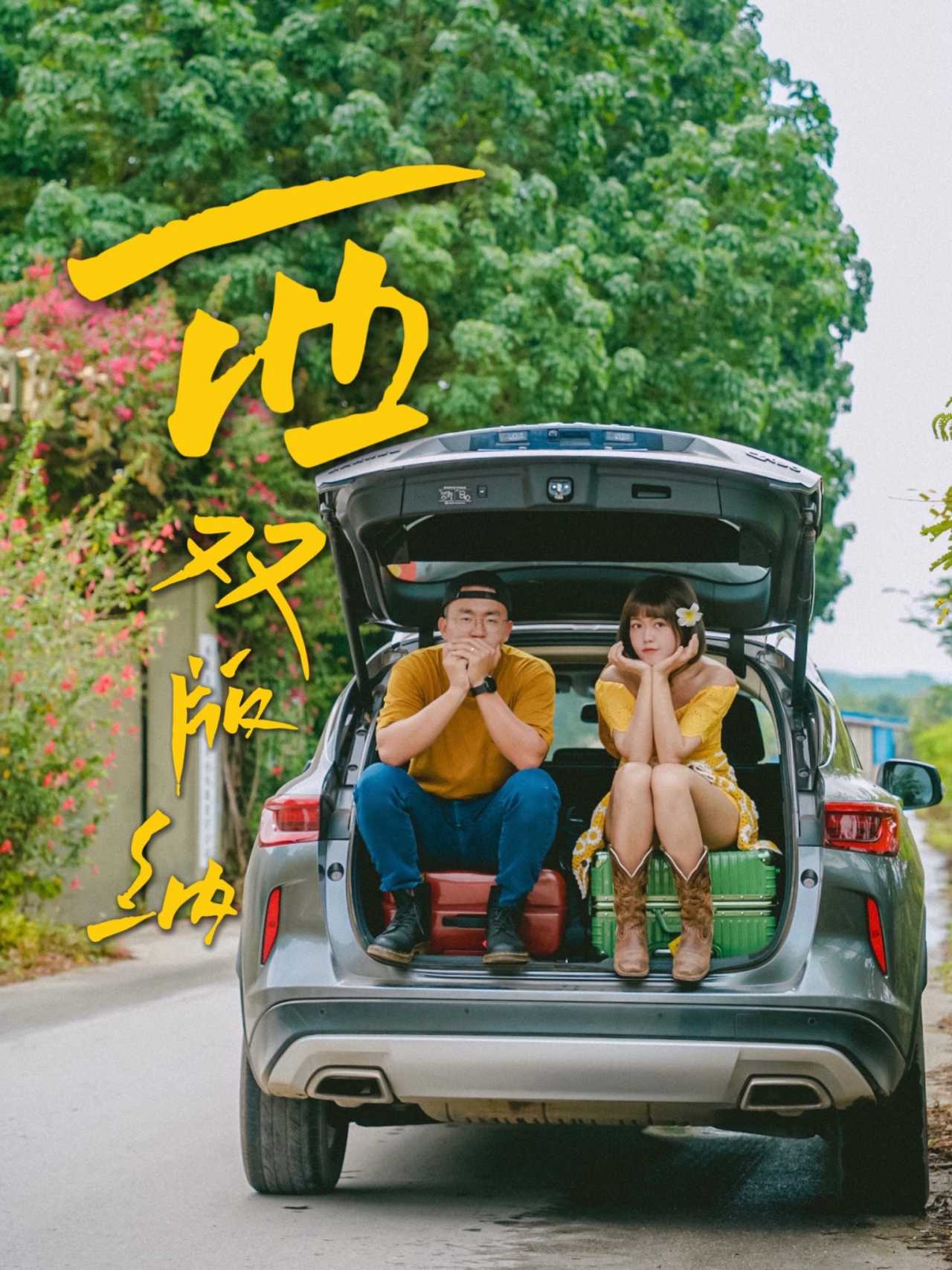
This is said to be the largest night market in Asia. During our week in Xishuangbanna, we planned to visit every night for six consecutive evenings, only stopping because it rained on two nights. Many people find the food average and the goods resembling cheap souvenirs, but what Lao Zhao and I love is the atmosphere—walking around together, eating and drinking, perfect for couples on vacation or honeymoon.
My Personal Favorite Snacks: - "Chun Everything" (Pounded Salad) : Not limited to chicken feet—includes shrimp, pork skin, rice noodles, vegetables, etc. "Chun" is a unique Dai and Thai technique where ingredients are combined with special seasonings and pounded with a stick to infuse flavor, resulting in an addictive sour and spicy taste. My favorite is pounded raw shrimp—the meat is incredibly sweet and springy. - Vietnamese Rice Rolls : Made fresh to order, with thin, chewy rice paper wrapping shrimp, mushrooms, and wood ear mushrooms, served with a sour and spicy dipping sauce—absolutely delicious. - Laos Iced Coffee : 15 yuan for a large bag, with the aroma of roasted nuts blending with a hint of coffee's bitterness—enough for two to share.
The Starry Night Market is incredibly photogenic. I initially wanted to avoid the cliché Dai-style portrait shoots, but once there, I couldn't resist. I bought myself a Dai ethnic outfit (bargained down to 50 yuan) and a Hani outfit (180 yuan), and had Lao Zhao take photos of me. The Dai outfit is simple—a tube top and a wrap skirt—with contrasting colors looking better. The Hani outfit is more complex and ornate, with bolder makeup, allowing for floral stickers or hand-painted designs.
Culture and Religion on the Journey
Manyuan Village: The Market Is the Soul
To truly experience local culture, you must visit the villages. Manyuan Village gained fame from the "Mushroom House" in a TV show, but I prefer its market—it's so much fun! This is one of my top three must-visit places in Xishuangbanna.

It's about a 40-minute drive from Gaozhuang, with ample parking. We happened to catch the "Not Busy Market," where creative and charismatic vendors set up stalls selling handicrafts, handmade coffee, and artisanal foods—all very interesting. Normally, I recommend coming on weekends, when locals gather in the village center to sell clothing, fruit, and snacks at incredibly low prices.
One of the most fascinating features of tropical regions is that fruit trees line the streets everywhere. Papaya, Ceylon gooseberries, mangoes, and bananas hang heavy on the branches, full of life. My favorite is the bougainvillea blooming everywhere—in abundant sunlight, you see flowers without leaves, clusters of blossoms.
Local Snack Recommendations: Oyster sauce mango, pounded chicken feet, Dai-style barbecue, grilled dried beef, braised pork skin. There's a grilled tofu skin wrapped with pork fat and chives—5 yuan for two, surprisingly delicious.
Local Fruit Recommendations: Ceylon gooseberries (1 yuan per catty, like opening a blind box—ripe ones are sweet, unripe ones are sour enough to numb your mouth), bananas (5 yuan for a large bunch), papayas and mangoes—buy any and they're all good.
Boruo Temple: A Niche White Stupa, Free and Photogenic
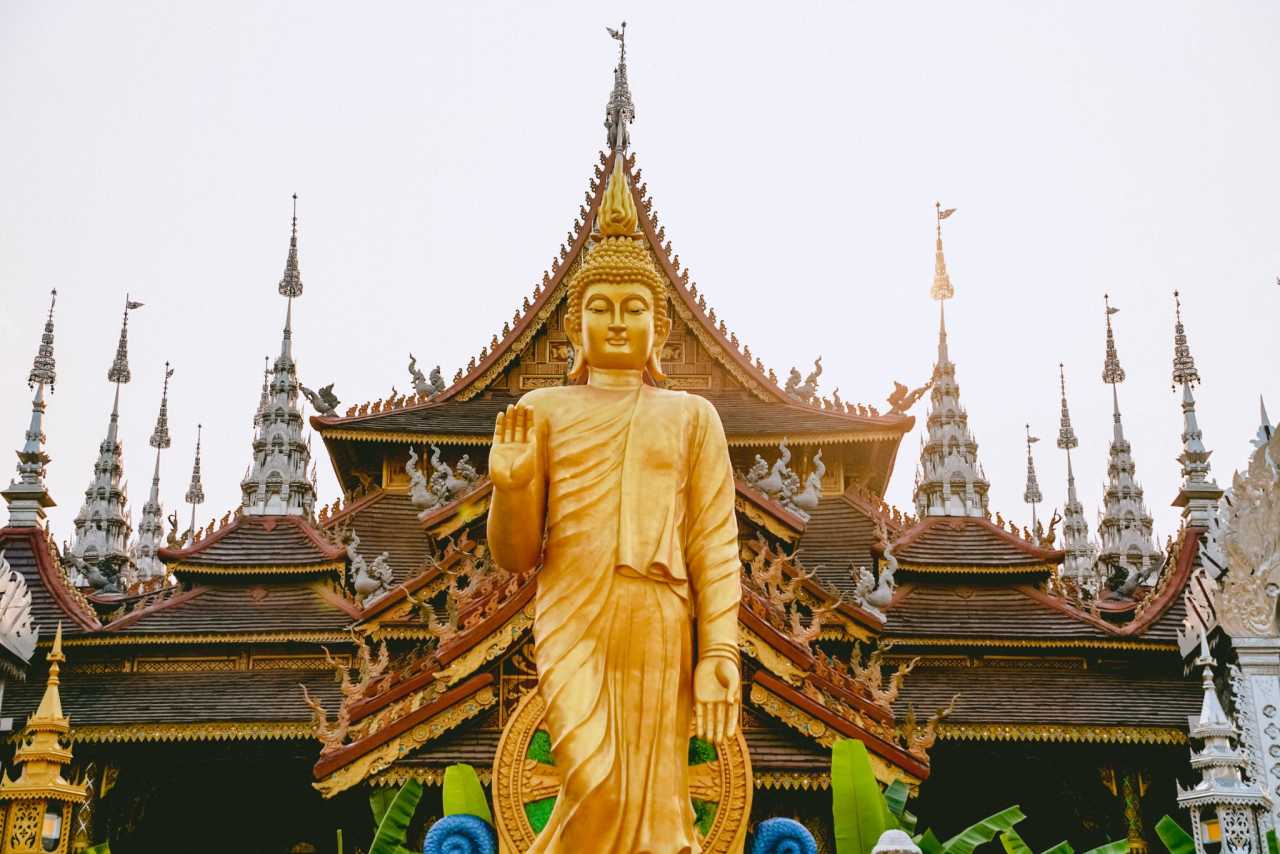
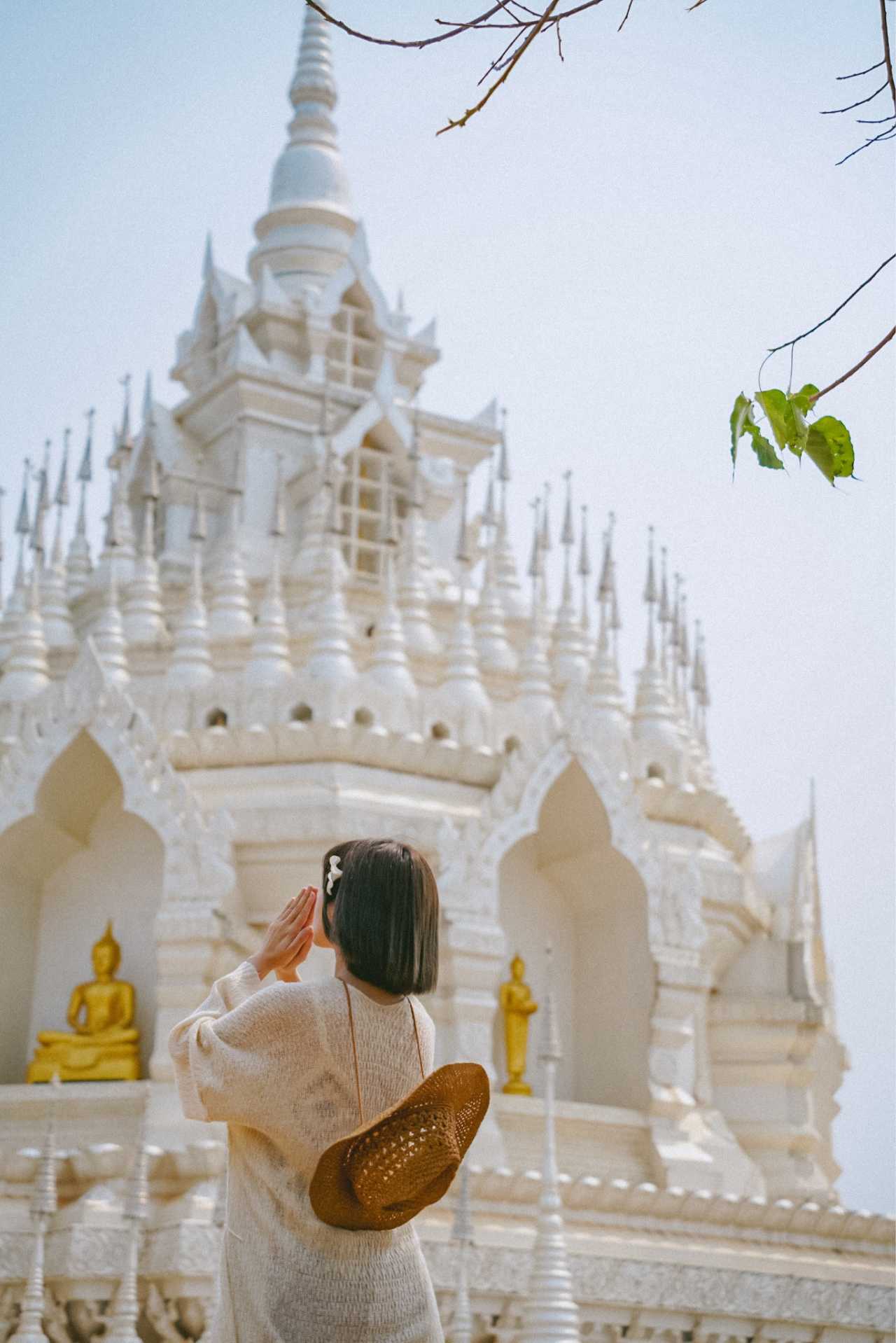
Boruo Temple is a newly emerging niche attraction. A pure white stupa with golden Buddha statues is incredibly striking, and it's almost empty of tourists and free to enter. Note: Dress modestly—cover your knees, no tank tops or sleeveless tops, and no wedding or provocative pose photography.
Transportation: Navigable by car, near Gasa Airport. No drones allowed. The entire temple features Thai-style pagoda architecture, very reminiscent of the White Temple in Chiang Rai. The only downside is the stainless steel railings, but you can avoid them by angling your shot slightly upward or moving to the tree area inside the stupa.
We visited Boruo Temple on the day of the China Eastern Airlines disaster. Standing before the stupa, my heart was filled with mixed emotions. The best life isn't about great wealth, but about safely growing old with your family. I hope everyone learns to cherish the present moment.
Dai Ethnic Park: Serenity During the Pandemic
Before heading to Dai Ethnic Park, we first visited the Jinghong Farmers' Market. Visiting local markets wherever we go is a ritual for Lao Zhao and me—it lets us blend in with the locals and see many新奇 (novel) fruits and vegetables.
During the pandemic, Dai Ethnic Park had almost no tourists—completely empty. The large-scale Water Splashing Festival celebrations were canceled, leaving only small-scale, self-entertainment activities. Inside the park, the stilt houses of the original inhabitants and their small courtyards filled with fruit trees and flowers were very pleasant. The Grand Buddha Temple is large in scale, with abundant incense offerings; visiting rules are the same as Boruo Temple.
Nature and Scenery on the Journey
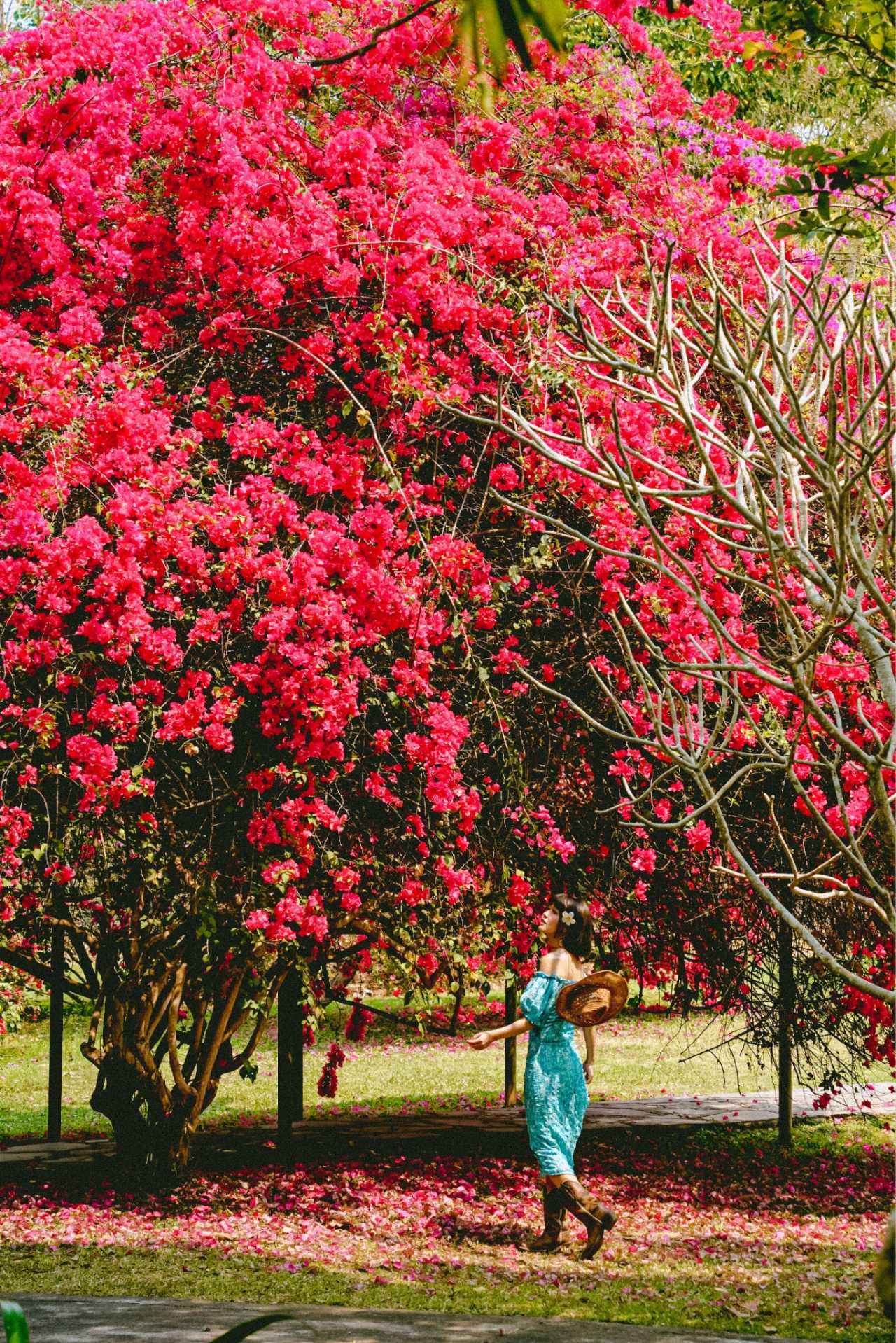
Xishuangbanna Tropical Botanical Garden: A Paradise for Photography Enthusiasts
Opinions on this place are polarized: some consider it a must-visit, others find it boring. I take a neutral stance—if you like plants and photography, a leisurely day of strolling and shooting is great; if you have no interest in plants and don't enjoy photography, it's not necessary.
The botanical garden is divided into East and West sections, each with a 50 yuan entrance fee, and you need to take an electric cart to tour it. It gathers a wide variety of tropical plants, making it an excellent location for forest-style photo shoots.
Final Thoughts: Sunlight and You, Both Indispensable
Xishuangbanna is a place where you can lose yourself in religion and culture, revel in nature and scenery, or simply be happy on vacation. It's mysterious, lively, exotic, and vacation-like all at once—a place that's within China yet carries a strong Southeast Asian presence.
This trip taught me: the best travel isn't about how many attractions you check off, but about who you're with and the mindset you bring. When the sun shines and your loved one is by your side, even just scooting around on a little scooter, eating and drinking at the night market, or wandering through a village market—these moments make life worth living.
A Few Practical Tips to Share: 1. Accommodation: I recommend Gaozhuang Xishuang Jing—convenient for visiting the night market and departing to various attractions. 2. Transportation: Self-driving is the most convenient; rent a scooter within the city. 3. Best Time: March to April offers pleasant weather; avoid the peak of the Water Splashing Festival (if you don't want to get drenched). 4. Must-Bring Items: Sunscreen, mosquito repellent, a light jacket (for temple visits), comfortable shoes. 5. Photography Tips: Dai outfits cost 50 yuan per set, Hani outfits 180 yuan—buying is cheaper than renting; for rooftop shots, recommend Jingzai Village East Tower's 28th floor at sunset.
When the sun shines and you're together, you absolutely must visit Xishuangbanna!
You should also read:
A Solo Journey to Yunnan: Shuanglang Chapter — Meeting Your Truest Self by the Erhai Lake
A Solo Journey to Yunnan: Shuanglang Chapter — Meeting Your Truest Self by the Erhai Lake Introduction: When a Dream Finally Becomes Reality Some say Yunnan is a place meant for solo travelers. It took me three full years to truly understand that. Two years…
Continue reading...
Xishuangbanna Self-Drive Tour: Into the Tropical Wonderland at the Edge of the Sky (Complete Guide)
Xishuangbanna Self-Drive Tour: Into the Tropical Wonderland at the Edge of the Sky (Complete Guide) Introduction: A Dream Fulfilled Thirty Years Early Some journeys are destined to happen at a specific moment in time. For me, a self-drive trip to Xishuangbanna was originally the first…
Continue reading...
Dreaming of Lijiang, Dreaming of Shangri-La: A Journey That Lets Your Soul Breathe Deeply
Dreaming of Lijiang, Dreaming of Shangri-La: A Journey That Lets Your Soul Breathe Deeply Life is like a long trek. We're always rushing through the concrete jungle, searching for a glimmer of light in the monotony of our days. Then one autumn, I heard the…
Continue reading...