When the Wind Blew Away Dali's Straw Hat

When the Wind Blew Away Dali's Straw Hat
There's a peculiar kind of magic that happens when you arrive in a place before it wakes up. The streets are empty, the shops are shuttered, and the only sound is the soft shuffle of your own footsteps on ancient stone. That was my introduction to Dali—a city still wrapped in the thin blanket of dawn, its dreams undisturbed by the chaos of daylight.
I had come chasing a vision: blue skies, blue waters, and the ghost of a straw hat carried away by the wind. What I found was something far more profound—a journey through landscapes that felt like paintings, encounters with kindness that restored my faith in strangers, and a rhythm of life that made me forget what day it was.
The Practicalities: How to Get There and Where to Stay
Getting Around

The journey began in Wenzhou, with a round-trip flight to Kunming on China Eastern Airlines for 1,620 yuan. From Kunming, I opted for the overnight train to Dali—an eight-hour adventure that felt like stepping into a time machine. The airport bus (Airport Express Line 2) took me from Changshui Airport to Jinjiang Hotel, a short walk from Kunming Railway Station, for 25 yuan.
Once in Dali, the city unfolded like a map waiting to be explored. Bus No. 8 runs from Xiaguan to the ancient town for just 2 yuan. Taxis are affordable too: 20 yuan from the ancient town to Longkan, 100 yuan from Longkan to Taoyuan. For longer stretches, shared vans cost 20 yuan per person to Shuanglang, and buses to Xiaguan run 8 yuan.
Pro tip: If you're traveling from Dali back to Kunming, buses are faster than trains—about five hours for 130 yuan. We learned this the hard way after accidentally buying tickets for the wrong day, but luckily the station added extra buses to accommodate the holiday crowd.
Where We Laid Our Heads

Jingyuzhen Inn (Whale Town Inn) – Just outside the Erhai Gate, this blue-and-white fairy-tale house felt like something out of a children's book. Bougainvillea spilled over windowsills, tiny whale motifs appeared in unexpected places, and the rooftop terrace offered views of Cangshan Mountain. The owner even walked us to the taxi stand when we checked out. Five stars for whimsy.
Yuan Sofar Seaview Hotel – Perched by Longkan Pier, this minimalist gem overlooked a row of water pines that swayed like dancers. The Water Pine Library became my sanctuary for afternoon tea and reading. At night, the gentle lapping of Erhai Lake against the rocks lulled me to sleep. The only downside? Overcast skies that made photography a challenge.
Mingshi Shinei Taoyuan – Tucked away in Taoyuan Village, this little paradise offered the best value. Each room had a poetic name; ours was "Liuyue" (Detaining the Moon). The courtyard bloomed with flowers, cats and dogs roamed freely, and the stars at night were so bright they seemed close enough to touch. I missed the sunrise every single morning.
Jinji Hotel – A convenient stopover in Kunming, near Cuihu Park and within walking distance of restaurants. From here, you can catch Airport Express Line 1 at Xiye Hotel.
Sitting at the Window of the Ancient Town
Dali's ancient town on a holiday weekend is a creature of contradictions. The main streets buzz with tourists, shopkeepers hawk their wares, and the air smells of grilled fish and flower cakes. But if you venture into the narrow alleyways that spiderweb away from the main drag, you'll find the Dali I came to love.
Two places captured my heart. The first was Piaoxiang Restaurant on Renmin Road, famous for its DIY dining policy: you order your own food, fetch your own utensils, pour your own drinks, and clear your own table. It sounds chaotic, but there's something liberating about being trusted to manage your own meal.
The second was Erbaiwu Canteen, which I stumbled upon by accident. To reach it, you walk through a narrow lane, cross a threshold, and pass a public toilet—not exactly promising. But inside, the old courtyard house felt like a time capsule. The windows, covered in paper snowflakes, seemed to be waiting for someone. As I ate, I heard two elderly Bai women chatting outside, their voices warm as sunlight.
These moments reminded me of a passage from Nagai Kafu's A Walk in the Sun: "When I wander aimlessly, my only purpose is to find those desolate scenes—that harmonize with my feelings and make me reluctant to leave." In Dali's ancient town, those desolate scenes are still there, hiding in plain sight.
Cycling with Flowers in the Basket
Two days of cycling along the Erhai Lake—one on a tandem bike from the ancient town to Caicun and Yinqiao, another on an electric scooter from Taoyuan to Xizhou and Haishe. Each route offered a different face of Dali.
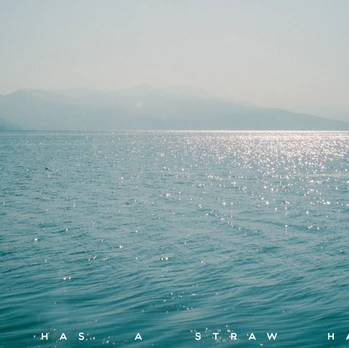
The first day was lively, with farmers working in the fields and children waving from doorways. We bought a bunch of flowers and tucked them into the bike's basket, feeling like characters from a folk song. The West Lakeside Road unfolded like a ribbon: on one side, golden fields where wheat had recently been harvested; on the other, the blue expanse of Erhai, dotted with fishing boats and lined with poplar trees.
The second day was quieter, more intimate. The road from Taoyuan to Xizhou was nearly empty, passing through whitewashed Bai villages where life seemed to move at a slower pace. We stopped at Bazhu Xiangcao Garden for lunch—a whimsical place full of lavender, windmills, and fairy-tale decorations. The pizza was decent, but the atmosphere was the real draw.
At Haishe Park, we found a place so peaceful it felt like a secret. No entrance fee, no crowds—just the sound of wind rustling through reeds and the distant hum of the lake.
Where There Are Stars and Water Pines

Longkan. The name itself sounds like a poem. It was here, at the Yuan Sofar Hotel, that I learned the art of doing nothing.
It rained twice during my stay in Dali—once a sun shower in Shuanglang, and once a thunderstorm in Longkan. On that rainy day, I didn't leave the hotel. I sat in the Water Pine Library, watching the rain streak across the windows, reading a book I'd picked up at the airport. The water pines stood like sentinels along the shore, their reflections trembling in the gray-green water.
That night, the clouds parted briefly, revealing a sky full of stars. I stood on the balcony, counting them, feeling small and infinite at the same time. Then the clouds rolled back in, and the stars disappeared as if they'd never been there.
Finding That Row of White Tables

Shuanglang is famous for two things: its stunning lakeside views and its construction sites. Everywhere you look, new hotels are going up, transforming this once-sleepy fishing village into a tourist hub. But amidst the chaos, there are pockets of beauty.

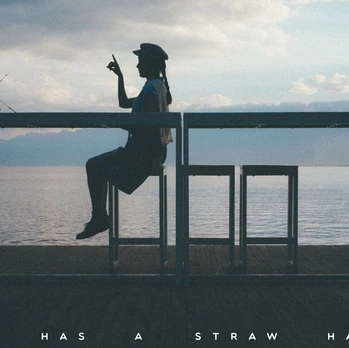
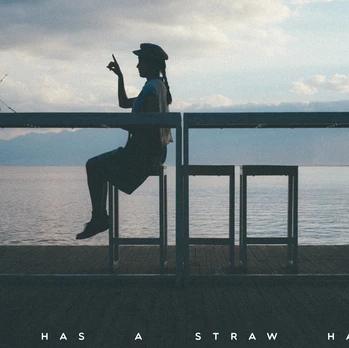
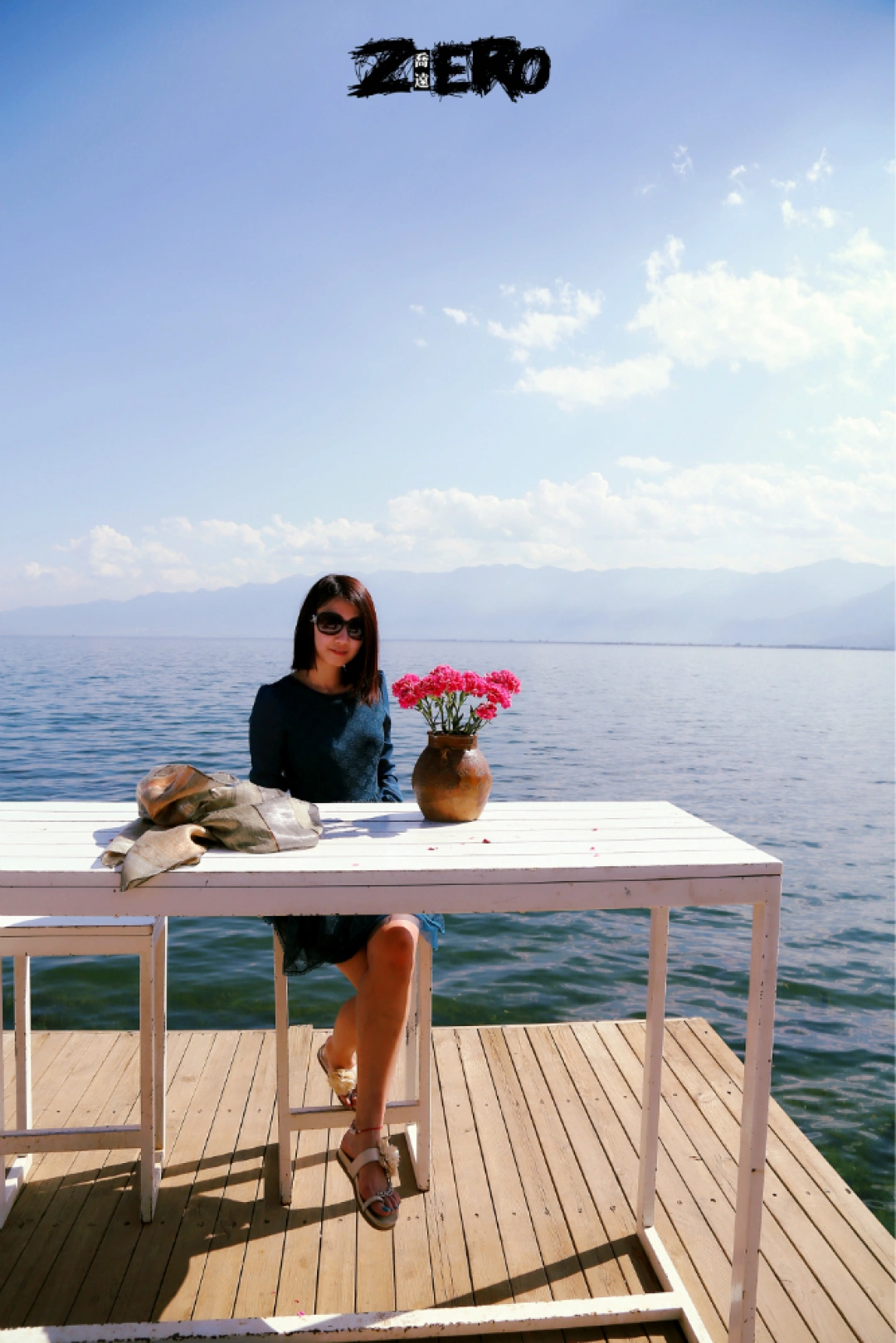
The most iconic spot is the white table at Haidi Life, a guesthouse so popular you need to book six months in advance. The table itself is unremarkable—just a simple white rectangle on a wooden platform—but the setting is pure magic: framed by the lake, the mountains, and the ever-changing sky.
I waited over an hour for my turn to photograph it. The line was long, but the atmosphere was festive. Strangers became friends, sharing tips and laughing at the absurdity of it all. By the time I reached the table, the light had faded, and all I could capture was a silhouette. But somehow, that felt right.
At Anna Cat House, I met a white cat named Bai Mie who refused to come out of its cardboard box. The owner explained that some cats just want to be left alone. I understood.
The Food That Didn't Quite Win Me Over

I'll be honest: Yunnan cuisine and I didn't get along. Everything was either too salty or too spicy, though the portions were generous. Still, a few dishes stood out:

- Mulberry Yogurt at Xiaoduan Kitchen: the best single dish of the trip
- Cold Chicken Rice Noodles at Zaihuishou: cheap and satisfying
- Charcoal-Grilled Pork at a street stall near the ancient town gate: smoky, tender, and unforgettable
But the real highlight wasn't the food itself—it was the atmosphere. Eating at a tiny plastic table on a narrow alley, with the smell of charcoal smoke mixing with the evening air and the sound of Bai folk music drifting from a nearby courtyard—that was the taste of Dali I'll remember most.
The Unseen Thread
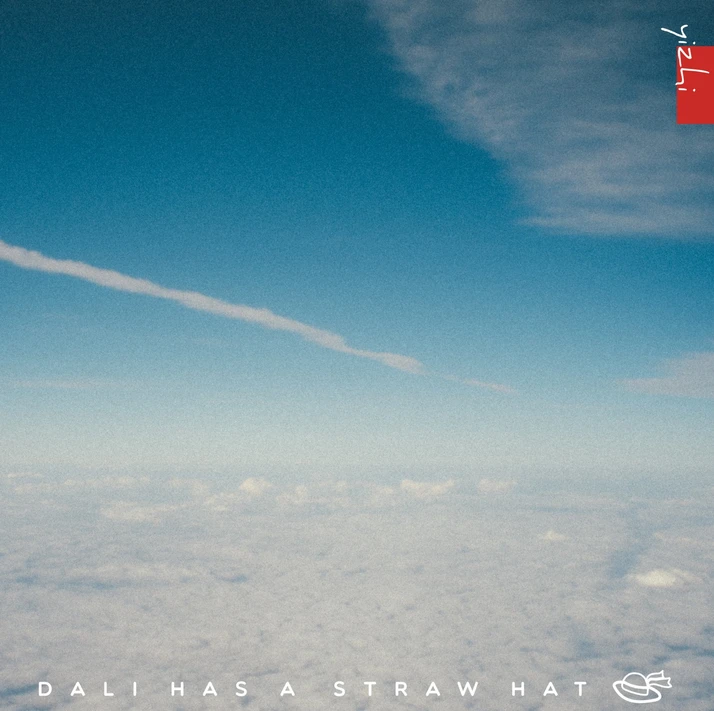
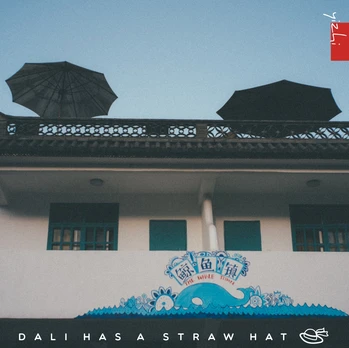
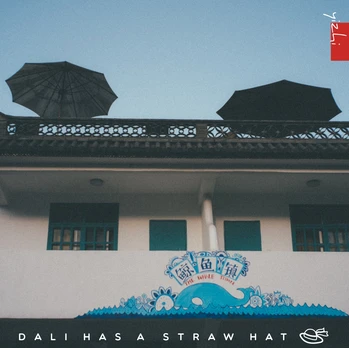
As I packed to leave, I realized that the straw hat I had been chasing was never really about a hat. It was about the feeling of letting go—of watching something beautiful drift away on the wind and being okay with it. Dali taught me that some things are meant to be ephemeral: a sunset, a shared laugh with a stranger, a cat that won't come out of its box.
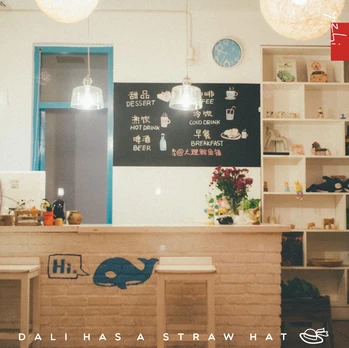
The wind blew away the straw hat long before I arrived. But in its place, I found something better: a city that exists in the space between dream and reality, where the mountains touch the sky and the lake reflects the stars, and where even the most ordinary moments feel like poetry.
I left a piece of myself in Dali. And I like to think the wind is still carrying it somewhere beautiful.
You should also read:
The Beauty of Wind and Moon over Cangshan and Erhai: May’s Clouds Fill the Dali Sky
The Beauty of Wind and Moon over Cangshan and Erhai: May’s Clouds Fill the Dali Sky A Belated Return to Youth Some places, once visited, take root in your heart and never let go. Four years ago, at nineteen, I traveled through Yunnan with two…
Continue reading...
The Wind, Flowers, Snow, and Moon of May: A Romantic Encounter with Lugu Lake and Lijiang
The Wind, Flowers, Snow, and Moon of May: A Romantic Encounter with Lugu Lake and Lijiang Life is an endless journey with no final destination, and every departure marks the beginning of a conversation with yourself. In late April 2013, I set off on a…
Continue reading...
Hongmao's Journey of Wind, Flowers, Snow, and Moonlight: From Chengdu to Dali, a Gentle Winter Escape
Hongmao's Journey of Wind, Flowers, Snow, and Moonlight: From Chengdu to Dali, a Gentle Winter Escape I hope the sun is warm, even under the gray winter sky. I hope the flowers are fragrant, even when buried in dry, barren soil. I hope the world…
Continue reading...