The Beauty of Wind and Moon over Cangshan and Erhai: May’s Clouds Fill the Dali Sky
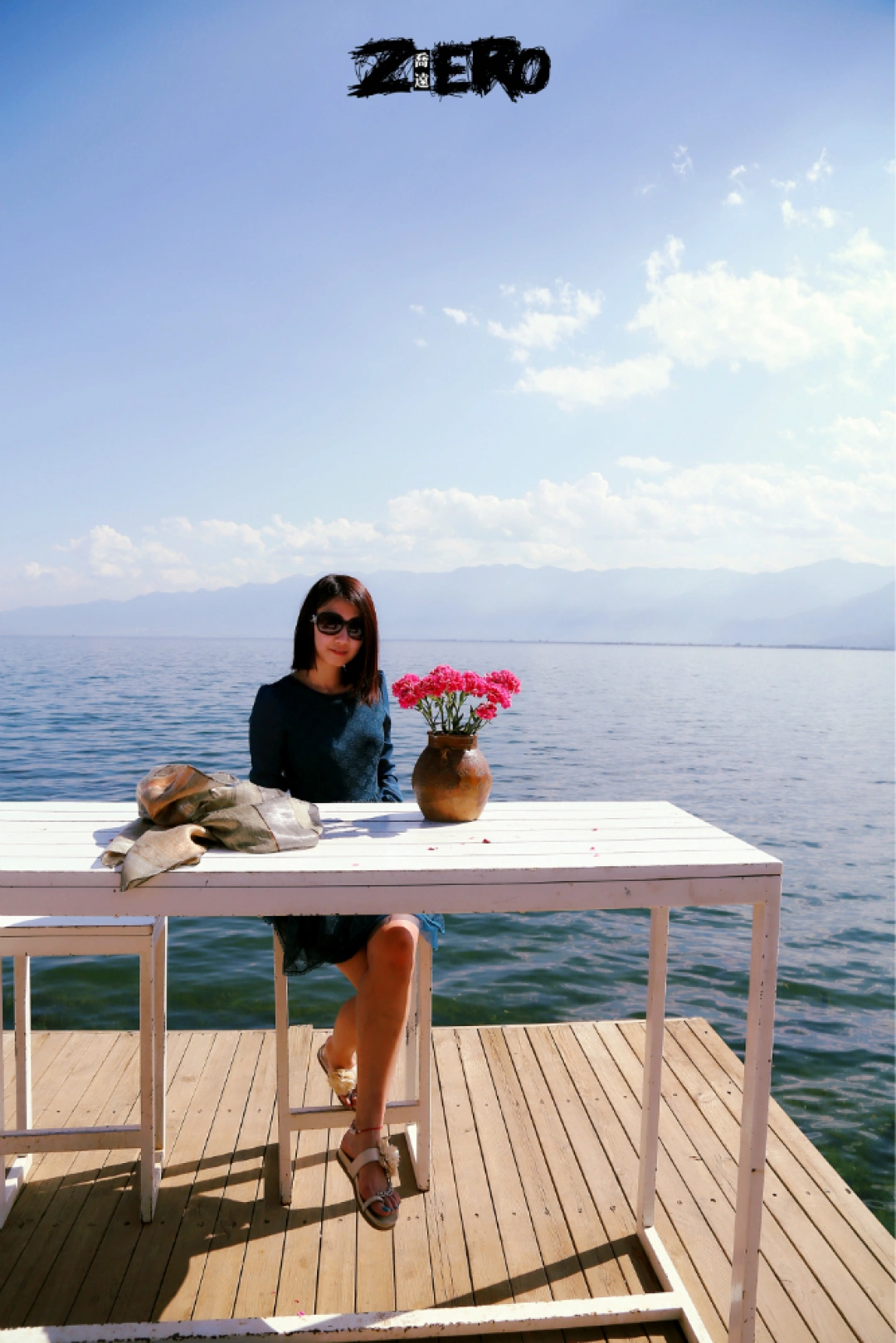
The Beauty of Wind and Moon over Cangshan and Erhai: May’s Clouds Fill the Dali Sky
A Belated Return to Youth
Some places, once visited, take root in your heart and never let go. Four years ago, at nineteen, I traveled through Yunnan with two friends, carrying a long-obsolete Sony F717. Back then, my understanding of photography was limited to “just press the shutter.” I had no DSLR, no sense of composition, and couldn’t tell aperture from shutter speed. Yet it was that clumsy, innocent time that etched the snow of Cangshan and the moon over Erhai into my memory, frame by frame.
Four years later, using my annual leave, I returned to this land. This time, I brought a Canon 5D Mark III, two lenses—a 24-105mm and a 135L—and a heart eager to reclaim its youth. Dali, a place I thought I knew so well I didn’t need to explore, reignited my longing through a series of leisurely seaside photos from Shuanglang.
So I packed my bags and set off.
Pre-Trip Guide: All the Practical Info You Need
Itinerary Overview

Six days, five nights. Starting from Beijing, transiting through Kunming to Dali, then deeper into Shuanglang, and finally returning. The route:
- Day 1: Beijing → Kunming → Dali Ancient Town
- Day 2: Dali Ancient Town → Cycling to Caicun Pier
- Day 3: Dali Ancient Town → Cangshan → Taoyuan Renjia Seaview Inn
- Day 4: Taoyuan → Shuanglang Blue Sail Mediterranean
- Day 5: Shuanglang → Wandering around the inn → Dali Ancient Town
- Day 6: Dali Xiaguan North Station → Kunming → Beijing
On Food: Don’t Expect Too Much
To be honest, the food in Yunnan this time wasn’t mind-blowing. Most restaurants in Dali don’t have menus. You have to walk into the kitchen yourself, point at the ingredients, and wait for the owner to quote a price—yes, no price tags, and you pay whatever they say after the meal. This “blind box” dining style can be a bit jarring for tourists used to clear pricing.
Still, a few snacks are worth trying: 烤饵块 (grilled rice cakes), 烤猪蹄 (grilled pork trotters), and 米线 (rice noodles). The grilled pork trotters, especially, were crispy on the outside, tender on the inside, and incredibly fragrant. I wanted to have them again later, but got caught up shopping and missed out—I still think about them. As for stir-fried dishes, they just didn’t suit my palate. Fortunately, food wasn’t the focus of this trip, so I let it go.
On Accommodation: Something for Every Budget
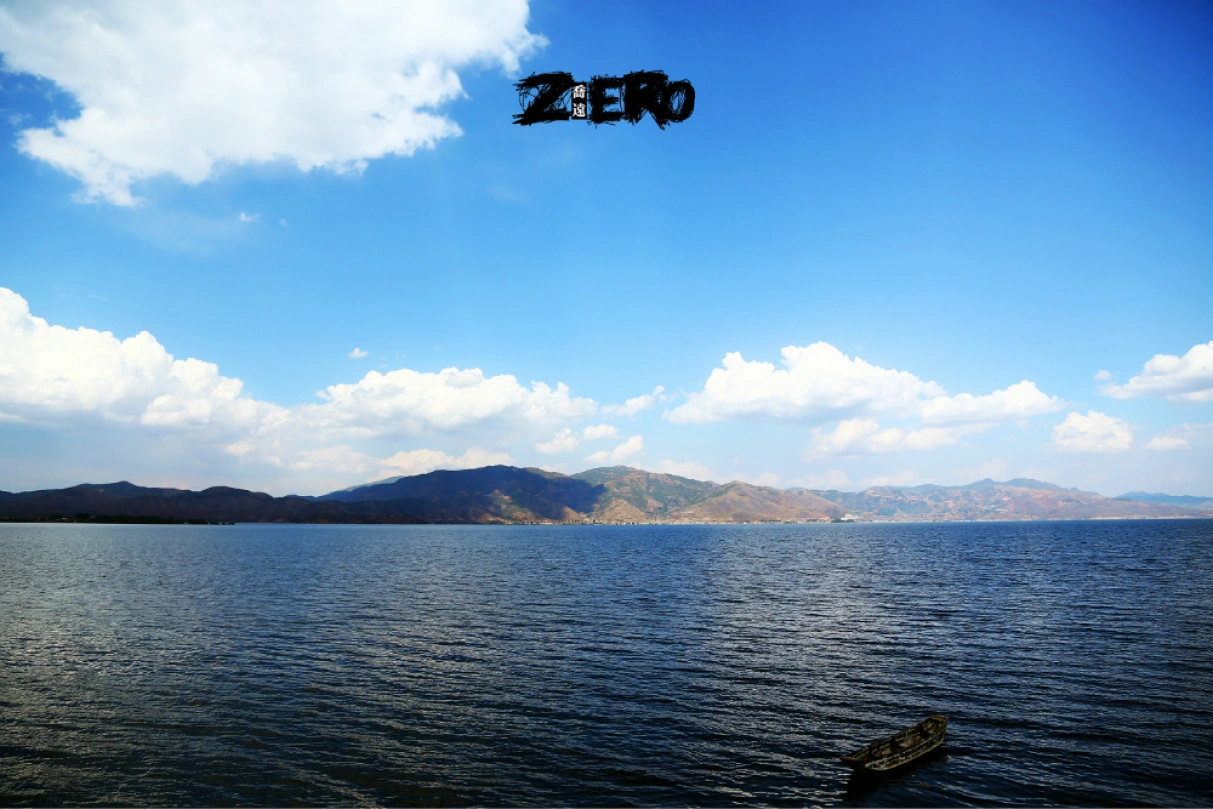
In the ancient town, I chose a Hanting Express hotel, a five-minute walk from Dali’s South Gate. The room was clean and affordable, and the brand is reliable. For backpackers on a budget, it’s a safe bet.
That night in Taoyuan, I splurged on a seaview room for 680 yuan. The view was indeed impressive—open the window and there was Erhai. But fate had other plans. I caught a cold in that beautiful room and spent the whole night in a daze, too weak even to take photos. Looking back, I could have kicked myself.
Shuanglang has plenty of accommodation options, but prices are generally high. I stayed at Blue Sail Mediterranean, only to find the surrounding roads under construction. I had to drag my luggage over hills and through detours to find it. Next time, I might choose Haidi instead.
On Transportation: Money-Saving Tips
Transport in Dali isn’t expensive. Short taxi rides cost 10 to 15 yuan. For longer distances, shared minivans are the way to go—for example, from the ancient town to Taoyuan or Shuanglang, it’s 15 to 25 yuan per person, much cheaper than hiring a private car. If you don’t mind the hassle, you can take a minibus for just 8 yuan, but it’s not ideal with heavy luggage.
Day 1: From Beijing to Kunming, a “Thrilling” Bargain
The flight at 9:10 AM sat on the runway for nearly an hour before taking off. I slept groggily the whole way and arrived in Kunming at 1:30 PM. My travel companion wasn’t interested in Kunming, so we headed straight to the bus station to buy tickets to Dali.
As we entered, a man claiming to be a dispatcher approached us, saying he could get us “sneaked onto” a bus for just 100 yuan each—cheaper than the official fare. My Scorpio instincts flared with suspicion: why us, out of all the people around? Did we look like martial arts prodigies? I asked to see his ID, grilled him on the process, and only agreed after careful consideration.
He led us to the bus and muttered something to the driver. The driver then asked for 120 yuan. I held firm at 100, and after some back-and-forth, he gave in. Four and a half hours later, we arrived in Dali’s Xiaguan district. The day was essentially spent on the road.
At 9:30 PM, we took a minibus to the ancient town, getting off right at the Hanting hotel (Lvyu Road stop—very convenient). After settling in, I wandered into the old town for dinner, grabbing some 烤饵块 (grilled rice cakes). I was so hungry I devoured them before remembering to take a photo. I bought some street barbecue on the way back, then returned to the hotel to sleep, ready to explore properly the next morning.
Dali’s ancient town is lively at night. The bar street blasts music, one venue after another howling into the night. I couldn’t stand the noise and left after a quick loop. On the roadside, a dog stared at the world with a mournful look, as if protesting the injustices of fate.
Day 2: Cycling to Caicun, Encountering the Three Pagodas’ Reflection
I woke up at 9:30. My companion insisted on finding postcards in the ancient town, so we strolled in leisurely. The town was just as I remembered: cobblestone streets, small shops, souvenirs everywhere, and crowds of tourists bustling about. I imagined that during Duan Yu’s reign, the Dali Kingdom must have looked much the same. Though that history is long gone, the romanticized longing from the novel lingers, scattered like dust on the stone paths, picked up by visitors from afar.
For lunch, we tried the local clay pot dish, which only confirmed my bias against Yunnan cuisine. Afterward, we couldn’t resist renting bicycles—20 yuan per day, with a deposit of your ID card. I wanted to leave cash instead, but the owner demanded 1,000 yuan, so I handed over my ID without hesitation.
Mounting my “war steed,” I charged toward Caicun Pier. I’d hoped to find a small fishing boat for 30 yuan, but was told it was the fishing moratorium—small boats weren’t allowed, and the big ones cost 140 yuan. That killed the idea. I just wandered along the shore, getting swarmed by mosquitoes.
On the way back, I passed the Chongshan Temple. I wanted to go in, but it closed at 6:30 PM, and it was already past 5. The entrance fee was 100 yuan, but my military ID got me in free. I asked my companion to wait outside; she ended up spending over 200 yuan supporting the elderly vendors selling trinkets. Inside, I photographed the reflection of the Three Pagodas, but the scene was nothing like 2006—overcast skies, no sunset, no white clouds, and the reflection pool had lost its charm. Time is a butcher’s knife, and even landscapes aren’t spared.
For dinner, we found “Shijing Private Kitchen” on Dianping. The food was decent, but it was still the “point-in-the-kitchen” system. On the way, I had 烤猪蹄 (grilled pork trotters), so delicious I dreamt about them. I tried to have them again later, but missed out due to shopping.
Day 3: Horseback on Cangshan, Feeling Like a Soldier Raiding a Village
We hired a car early to the horse ranch for 50 yuan, then rode horses up the mountain. My companion excitedly chose the riding route, which, after the bumpy ascent and descent, gave our lower backs a serious workout.

The horse guide, Master Duan, was friendly and talkative. As I rode, I couldn’t shake the feeling of being a soldier raiding a village—like in old war movies. Too bad he didn’t play along with a “Sir, ahead is XX village, shall we sweep through?” Usually, horseback riding is on vast, open grasslands, but this was on the narrow, winding Ancient Tea Horse Road—full of ups and downs, literally and figuratively. Entering the village, the first thing we saw was a cemetery—yes, rows of grave mounds. I’m not superstitious, but it wasn’t exactly a photogenic route.
We chose the shortest route to Zhongyuan Temple, taking less than two hours round trip. But I’d advise future travelers to skip this path—the temple was a shabby affair, nothing worth seeing. The “Jade Belt Road,” on the other hand, was supposedly the imperial route for Cangshan visits, entirely man-made, with no steps, smooth and flat, stretching endlessly. Surrounded by forest, overlooking Erhai, I couldn’t help but think: “Prince Duan, forgive my intrusion—please don’t strike me with your Six Meridian Divine Sword.”
At noon, we ate at a small shop near the temple. The owner proudly showed us a tablet featuring his appearance on a travel TV show. My companion ordered 杜鹃花炒鸡蛋 (azalea flower scrambled eggs)—the flowers were precious, but with eggs, the dish cost 30 yuan. I felt I could have stir-fried it better myself.
Day 4: Taoyuan Seaview, a Cold Ruined the Night
We hurried down the mountain, checked out, and took a minibus to Taoyuan. I’d read travelogues about the Taoyuan Renjia seaview rooms, and they looked wonderful. The 270-degree sea view room was 2,600 yuan—too steep for me—so I opted for the 680-yuan seaview room.
Upon arrival, the owner was so warm and helpful it almost moved me to tears, helping with luggage and scolding us for not calling for a pickup. But when I paid the 980-yuan deposit, I felt it was all karma—Amen. The owner said there was free shuttle service nearby, but warned us not to buy anything, or we’d be ripped off.
The problem was me. I sat on the public balcony, enjoying the sea breeze, but I was underdressed. By 5 PM, I felt unwell—clearly coming down with a cold. I ate dinner quickly, took some cold medicine, and spent the rest of the night in a haze. A 680-yuan room, and I wasted it. When I checked out, I wanted to slap myself.
Day 5: Idling in Shuanglang, Rediscovering the Meaning of Travel
After a full night and morning of sleep, I finally felt a bit better. I dragged my still-achy body to check out and took a minivan to Shuanglang for 20 yuan per person. The narrow, winding roads of Shuanglang, combined with construction, made it a challenge to haul my luggage to the inn.
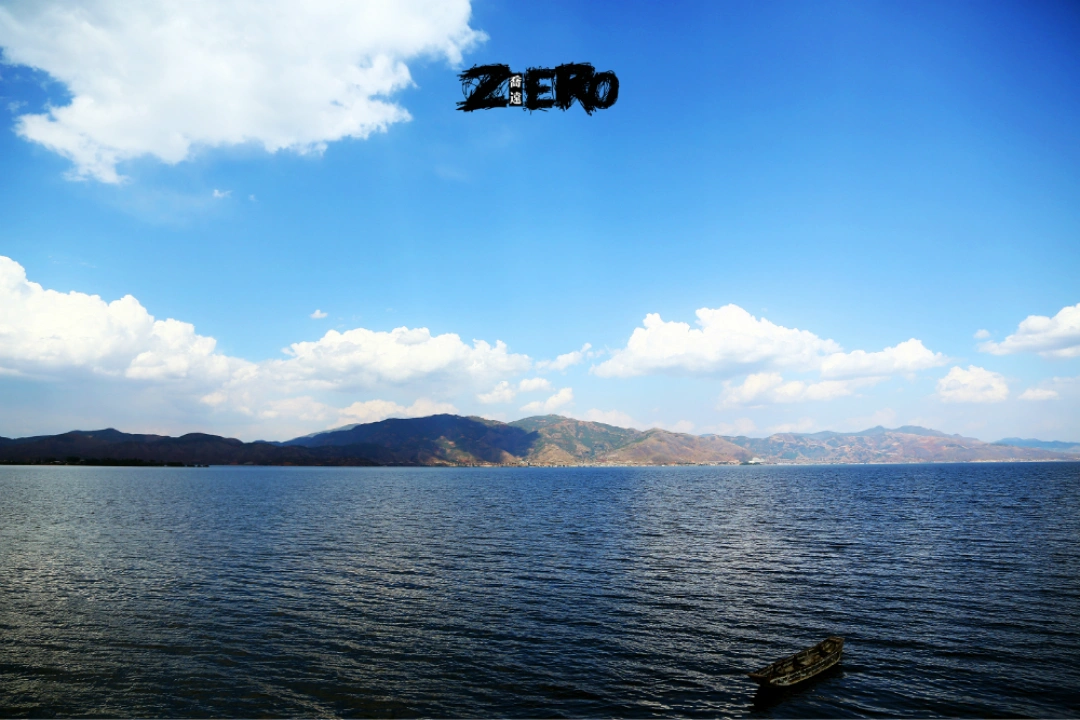
The inn was decent, but not quite what I’d imagined. Still, I had a bowl of dumplings there—10 dumplings in broth, and they were good. After eating, I randomly picked up a copy of The Tibetan Code, and from then on, I was doomed—completely absorbed in the book, lounging in a deck chair, letting time slip away. I didn’t rent a bike, didn’t visit Yuji Island, didn’t do anything.
But maybe that’s how life should be. My trip had been too mechanical, one thing after another. It was only in Shuanglang that I truly let go. Lying by the sea in a deck chair, reading, daydreaming, recalling the past, imagining the future. Don’t let the fast pace of the city confuse you. If I ever get the chance, I’d love to join a reliable team, go on an expedition or archaeological adventure, discover unknown territories, and experience the true meaning of life.
I don’t need to chant “spring blossoms and warm seas”—I just hope to return often in my remaining years.
Day 6: Final Shopping, a Reluctant Farewell
After one night in Shuanglang, I checked out and returned to Dali Ancient Town. The last day was for buying souvenirs. I’d already browsed enough, so I went straight for the shopping. Dali is truly a place for the lazy—you can idly daydream, read, browse small shops, and look up to see clouds like oil paintings in the sky. My heart was full of reluctance.
After shopping, I returned to the hotel to pack. The next day, I slept until I naturally woke up, checked out at noon, and headed to Kunming for an 8 PM flight.
Conclusion: The Wind of Xiaguan, the Flowers of Shangguan, the Snow of Cangshan, the Moon of Erhai
“The wind of Xiaguan, the flowers of Shangguan—the wind of Xiaguan blows the flowers of Shangguan; the snow of Cangshan, the moon of Erhai—the moon of Erhai shines on the snow of Cangshan.”
This trip had its regrets—catching a cold, missing out on food, failing to get the perfect photos. But it’s these imperfections that make the memories real. Dali doesn’t need to be perfectly documented; it only needs to be felt with the heart.
Practical Tips:
- Transportation: For long distances, shared minivans are cheaper than private cars; minibuses are the most economical but not great with large luggage.
- Accommodation: In the ancient town, Hanting offers good value; seaview rooms in Taoyuan and Shuanglang are worth trying, but check for nearby construction in advance.
- Food: Grilled pork trotters are a must; rice noodles are good; stir-fried dishes are hit or miss.
- Attractions: For Cangshan horseback riding, choose the longer route; skip Zhongyuan Temple; avoid Caicun Pier during the fishing moratorium.
- Mindset: Dali is for slow travel—don’t pack your schedule too tight; leave time to just sit and stare.
Next time, I hope to see the snow in Dali.
You should also read:
Before the Tongue: Discovering Nuodeng, the Ancient Salt Town Time Forgot
Before the Tongue: Discovering Nuodeng, the Ancient Salt Town Time Forgot There’s a peculiar magic in places that have been left behind by history. They don’t try to impress you. They don’t have polished welcome centers or laminated maps. They just are—worn, quiet, and utterly…
Continue reading...
Strolling Among the Clouds: Gathering Autumn's Light on the Western Sichuan Plateau
Strolling Among the Clouds: Gathering Autumn's Light on the Western Sichuan Plateau Prologue: A Sun Chaser's Journey Autumn sunlight is like a gentle painter, using golden brushstrokes to smear the last traces of warmth across the earth. It slips through the gaps between your fingers,…
Continue reading...
September: Finding Unexpected Warmth in Yunnan (Kunming, Dali, Shuanglang, Lijiang, Lugu Lake)
September: Finding Unexpected Warmth in Yunnan (Kunming, Dali, Shuanglang, Lijiang, Lugu Lake) Foreword: One Person's Journey, A Crowd's Story Before I set off, like every first-time solo traveler, I printed out a thick stack of travel guides and rehearsed countless possible scenarios in my head—getting…
Continue reading...