Where Is the Most Beautiful Sea in Northern China? Hidden in Aranya's Gentle Embrace
Where Is the Most Beautiful Sea in Northern China? Hidden in Aranya's Gentle Embrace
Watching the sea in northern China has always required a certain amount of courage.
Crowded beaches, sand mixed with broken beer bottles, overpriced umbrellas and seafood stalls—these have become the fixed impression of northern coastlines. In our imagination, the sea is vast, blue, tranquil, and healing. But reality often makes you think twice.
That was until I discovered the Golden Coast of Changli County, and within it, Aranya.
It's a southern dream rooted in the north—soft beaches, lush vegetation, a pure white chapel, and that lonely library facing the ocean. It reads like a love letter written to the northern coast: tender, restrained, with a touch of artistic stubbornness.
Setting Off: From Beijing to Changli, the Everyday Charm of a Small Town
At the end of June 2018, my companion Gulu and I embarked on this two-day, one-night journey.
Taking the train from Beijing to Changli, this small town bore the unmistakable marks of a third- or fourth-tier Chinese city—street-side stores like Metersbonwe and Jeanswest, a McDonald's in the city center. Everything felt real and familiar. Our first stop: buying seafood.
While researching online, I came across many complaints about getting ripped off when buying seafood—prices were inflated, and after you paid, live seafood would mysteriously be swapped for dead ones. Luckily, I had discovered a shop called "Prince Seafood" (太子海鲜) on the Changli online forum and decided to give it a try.

On the cab ride there, the driver enthusiastically offered to help us buy seafood at no extra cost. We smiled and politely declined. Prince Seafood was a modest little shop. By the time we arrived at noon, not much was left. The large mantis shrimp had already been reserved, so we had to settle for the smaller ones. But there was still plenty of whiteleg shrimp and clams—small mantis shrimp were 100 yuan for four jin (about 2 kg), whiteleg shrimp around 50 yuan per jin, and clams just 7 yuan per jin.
The owner said, "Our shop runs on conscience. We never cheat our customers."
"We know," I replied with a smile.
"How do you know?"
"Saw it on the Changli forum."
The owner's face lit up instantly, a mix of surprise and relief.
Carrying our heavy bags of seafood, our hearts were full of anticipation for the sea. Our time lingering in the small town of Changli was light and joyful.
Aranya: The Northern Sea, at Its Finest
The scenery along the road from Changli to the Golden Coast grew more and more beautiful. It was a gradual transition from a fourth-tier town to a stunning seaside—the world outside the window opened up, becoming brighter and more expansive.
You're in the north, yet it feels like the south—that was my first impression of Aranya.
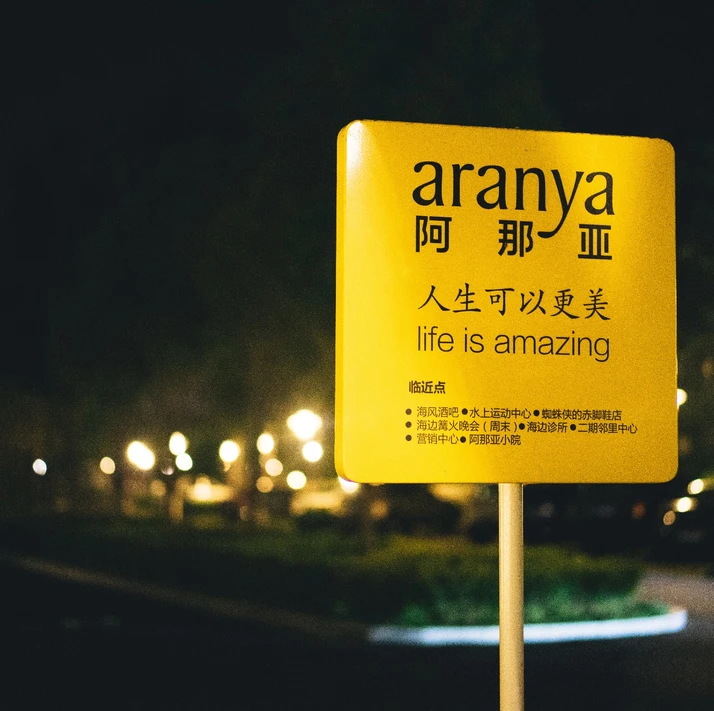
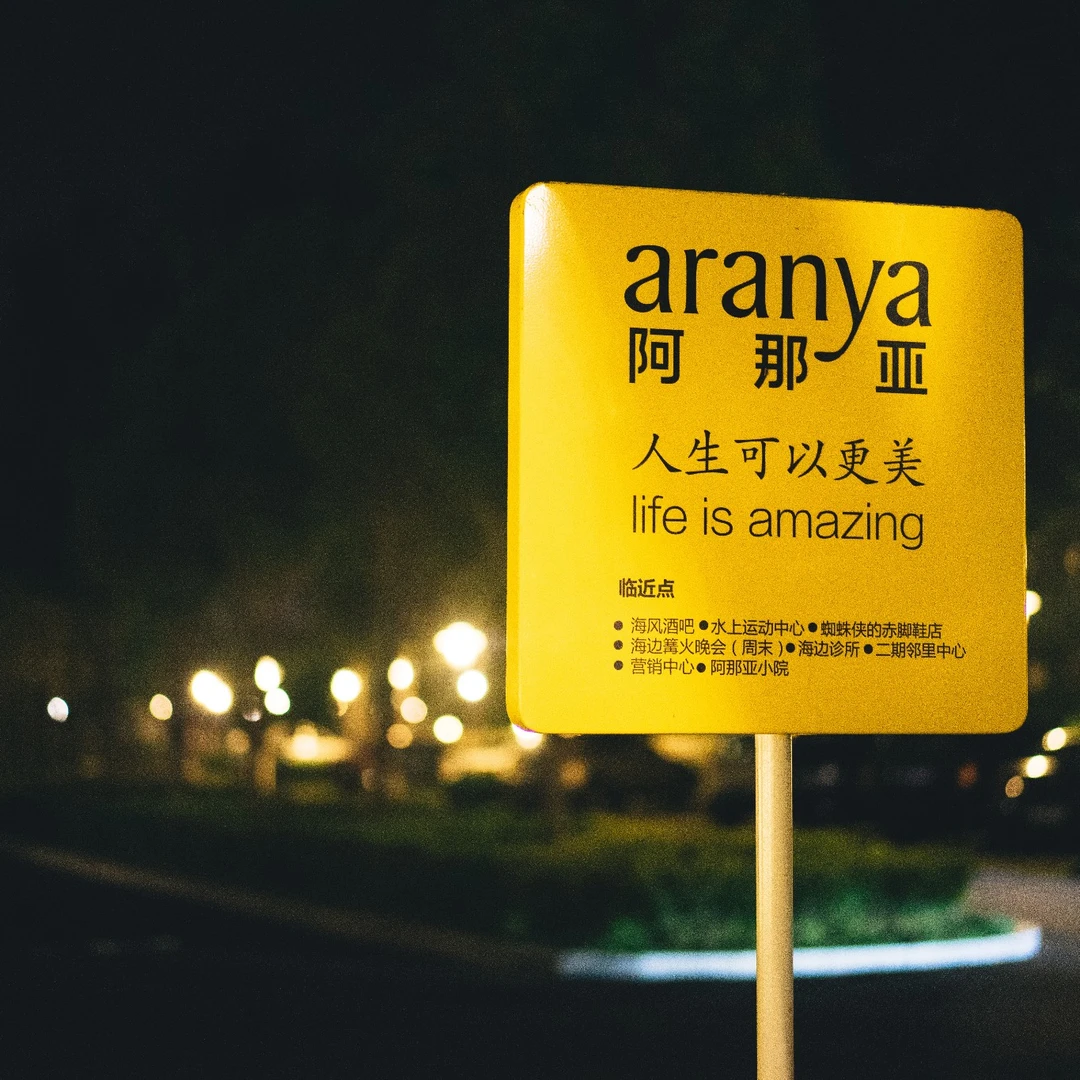
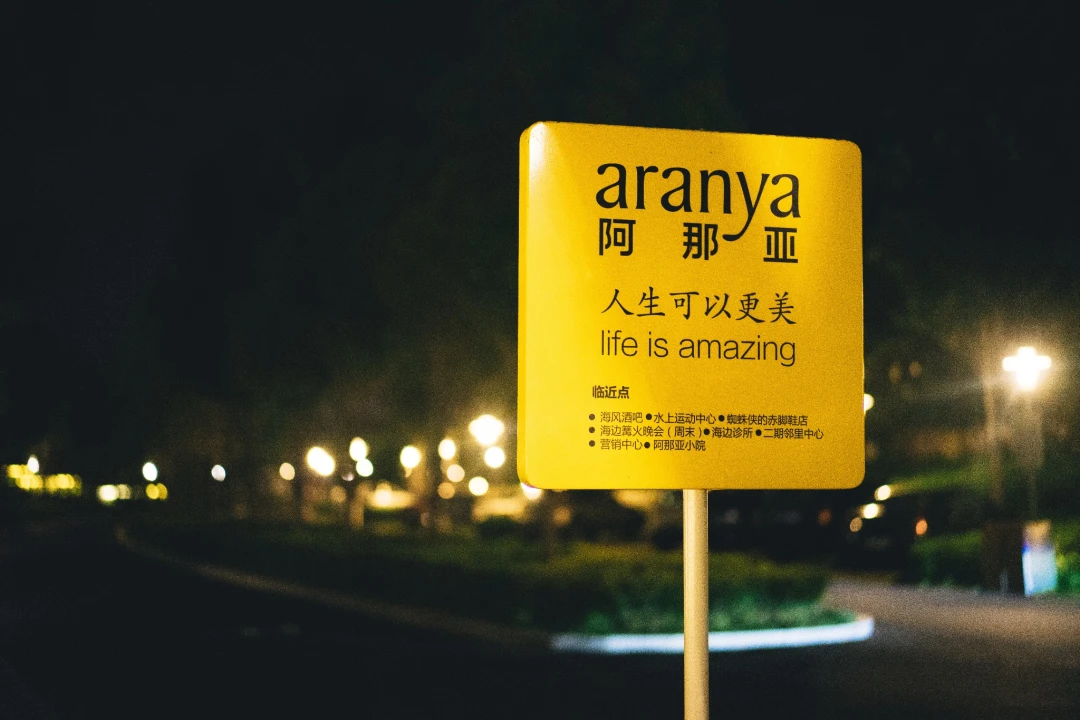
Even now, when I think back on Aranya, the first image that comes to mind is a signboard I stumbled upon on a small path after nightfall: "Aranya, life can be more beautiful." The bright yellow sign glowed under the streetlight, and those words seemed to capture the very essence of Aranya—it doesn't just redefine the northern seascape; it tries to infuse this scenery with a unique cultural depth.
The community is lush with vegetation—trees at every step, forests at every turn. The humid air carries the sound of the sea, and bright flowers occasionally leap into view. Standing there, I often felt like I was in Xiamen.
The Beach and the Sea: Stepping Barefoot into Tenderness
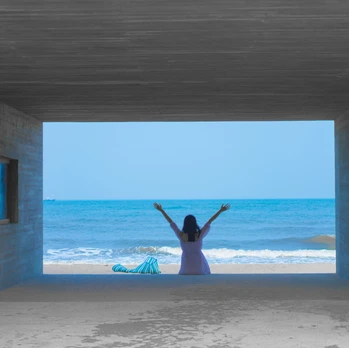
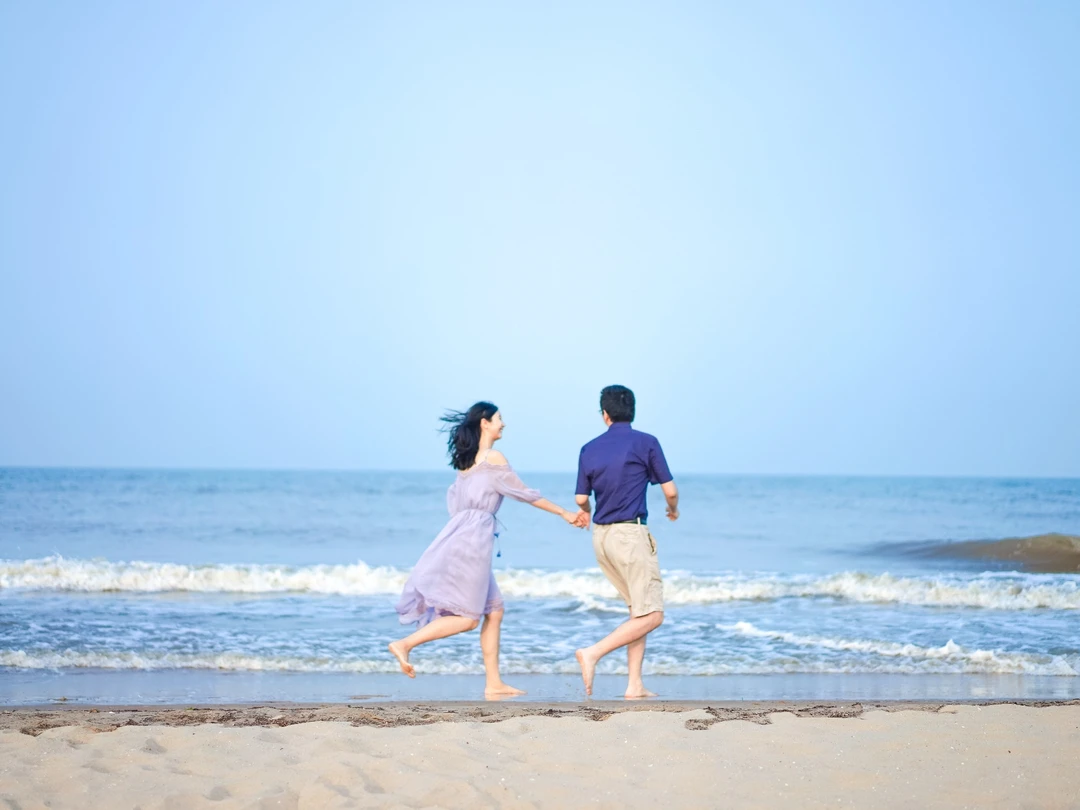
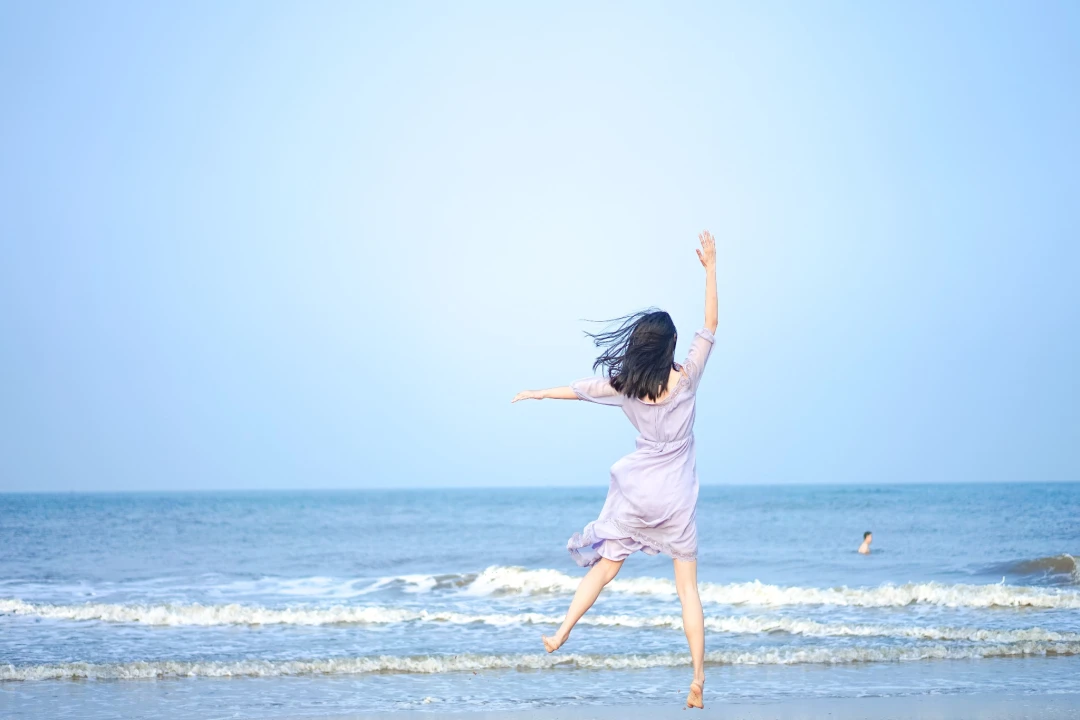
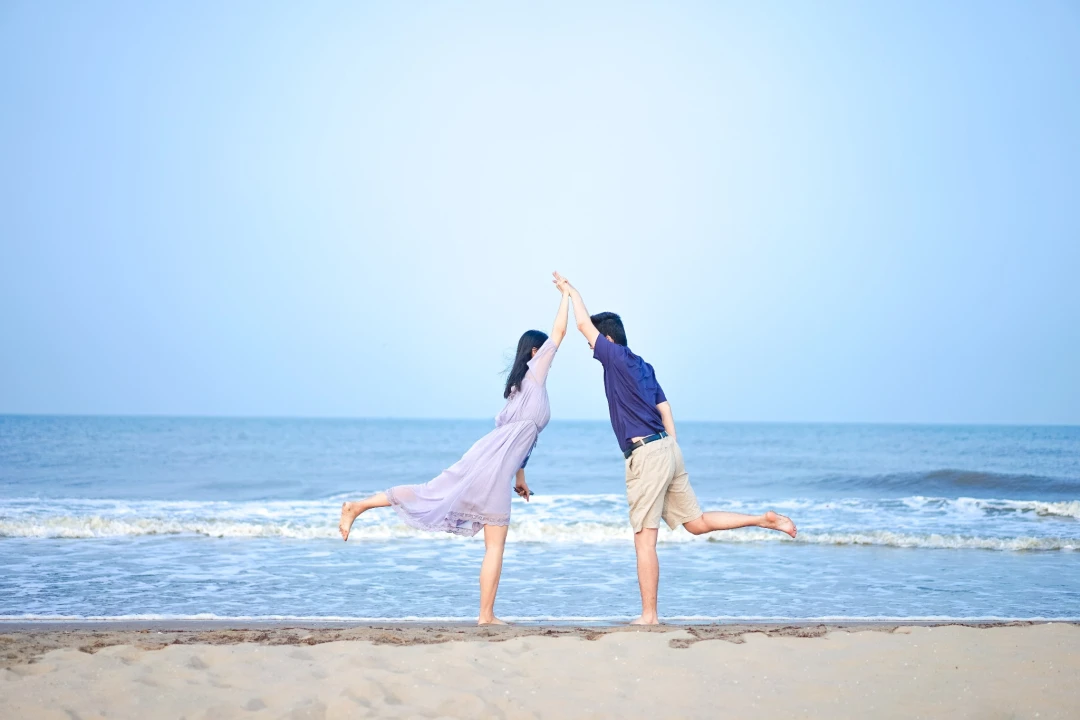
Aranya's beach is so clean it's moving. The sand is soft and fine; your feet sink into it as if into a sea salt bath. I started out wearing sandals, but the "one step, one sink" struggle quickly made me abandon them. I went barefoot, letting the waves wash over my feet.
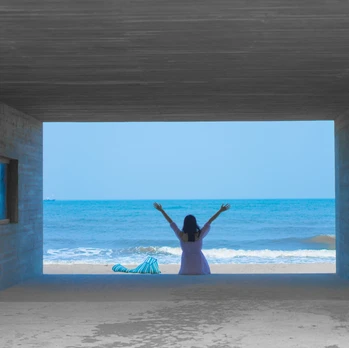
The cleanliness of the sea and sand was a pleasant surprise. With crowd control in place, the experience of the community was greatly enhanced. There were no noisy crowds, no sand mixed with trash—just the natural symphony of waves and wind.
The Lonely Library: A Spiritual Corner Facing the Sea
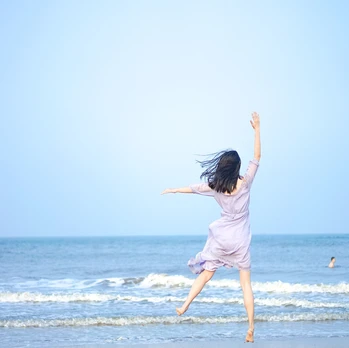
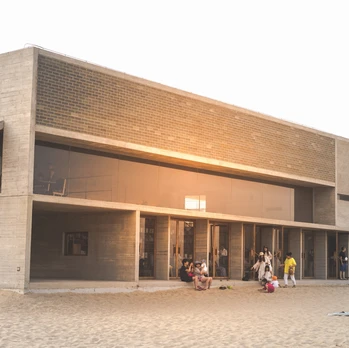
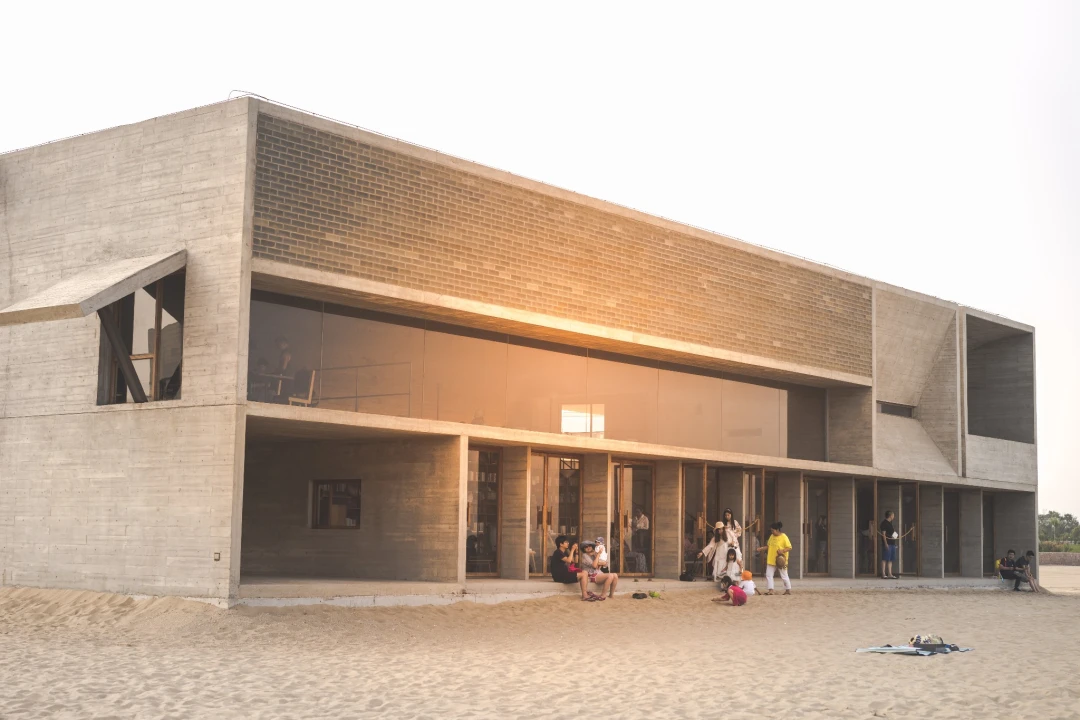
The Lonely Library is even more famous than Aranya itself. But what's more stunning than its exterior is its inner cultural richness.
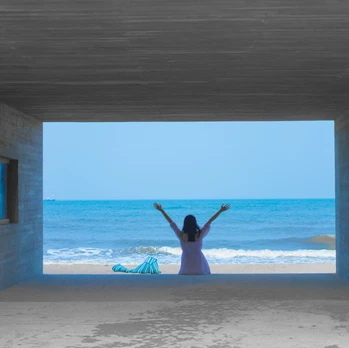
Strict visitor limits ensure a quality reading experience inside. All seats face the sea, as if the ocean itself is a massive book, with each wave a punctuation mark. The collection follows the refined, elegant style of Sanlian Bookstore. I picked up a copy of Wang Zengqi's "Clouds Gather and Disperse" (彩云聚散). The highlights of ordinary life, under the master's brilliant pen, spun like a revolving lantern—like listening to a storyteller weave a slow, captivating tale.
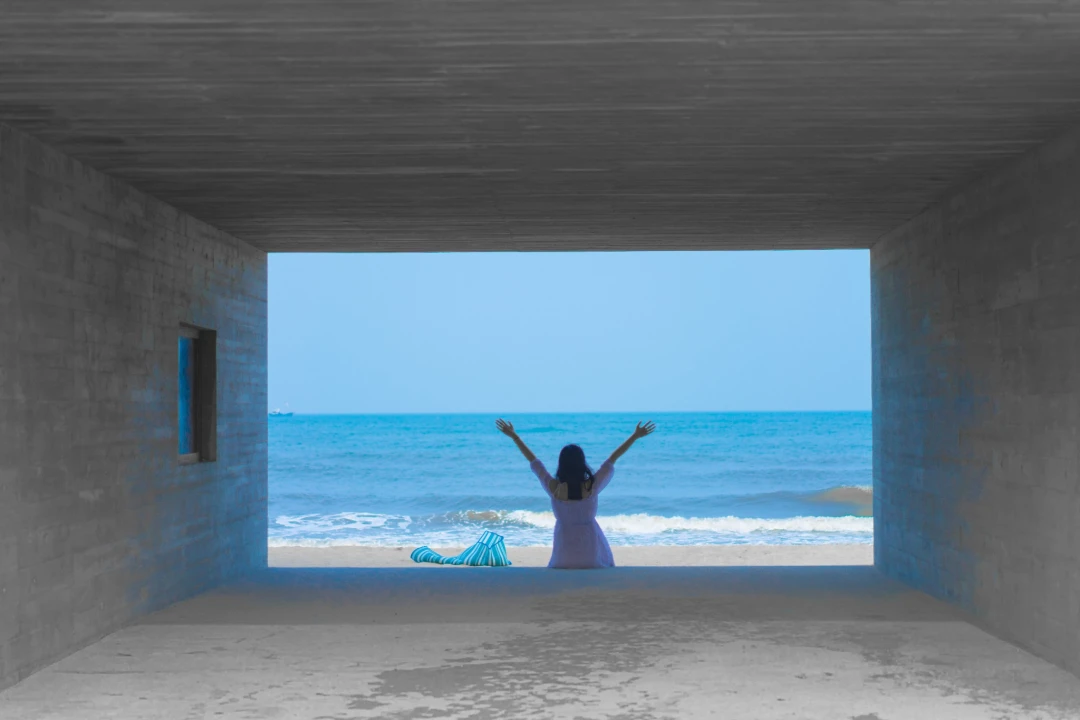
At the back of the library, there's a hollowed-out space that forms a natural picture frame, perfect for photos. But people on the beach often wander into the shot, so you have to time your shutter carefully.
Sitting on the second floor, I opened a book, looked down to read, then looked up to see the sea—at that moment, time seemed to stand still.
Aranya Chapel: The Pure White Sister
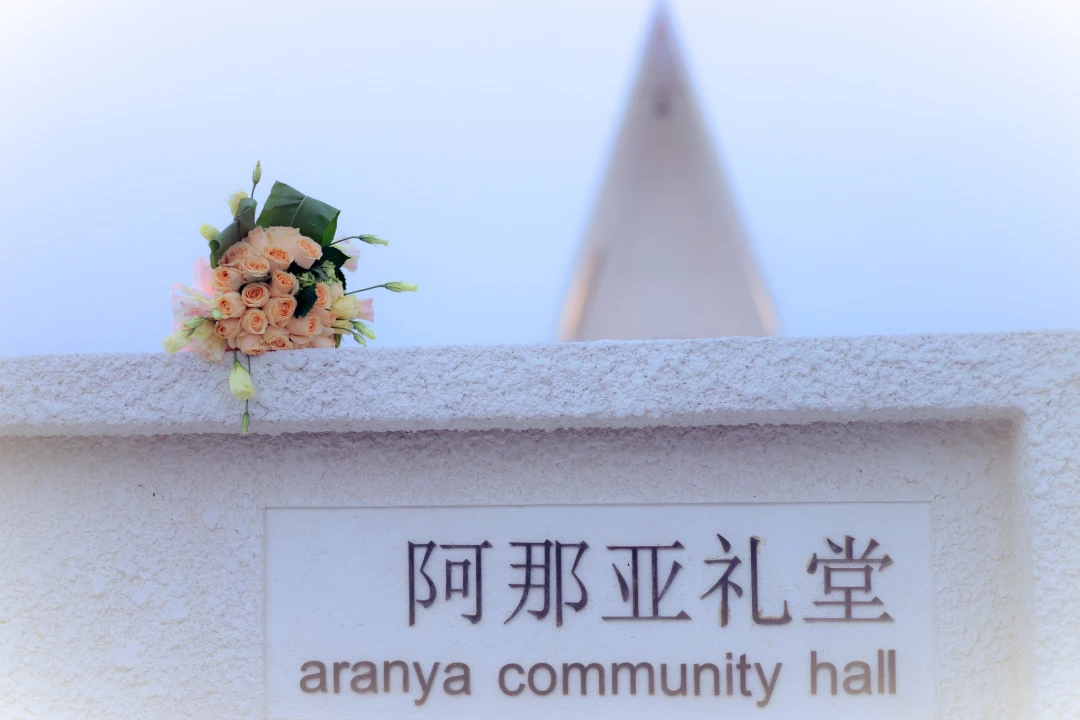
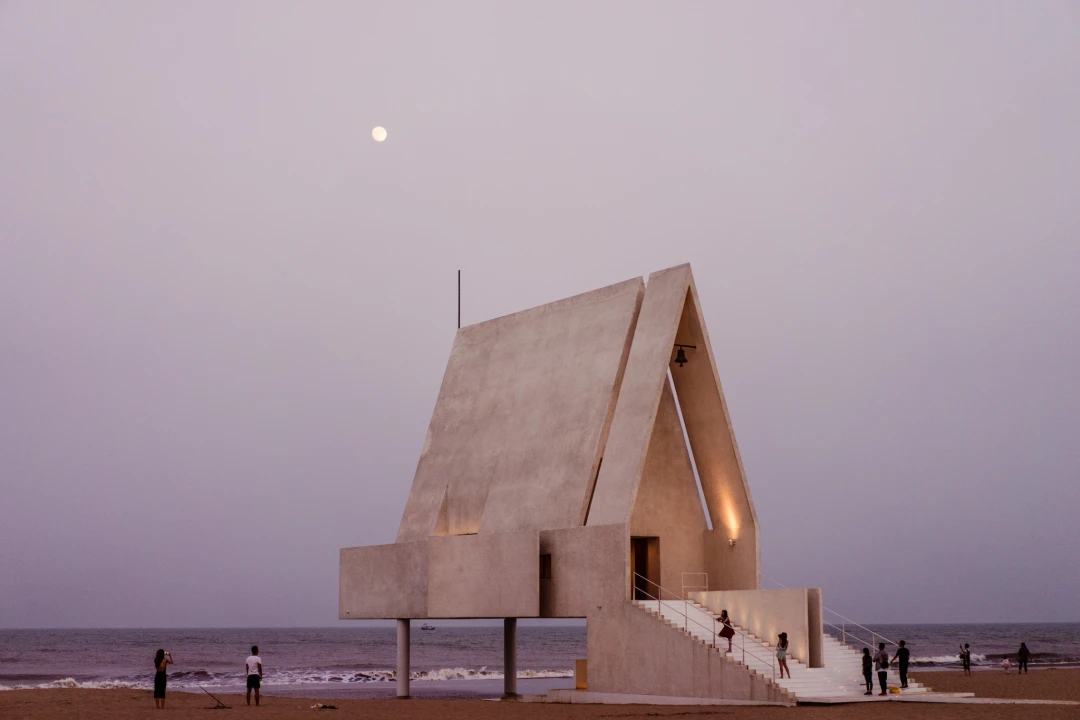
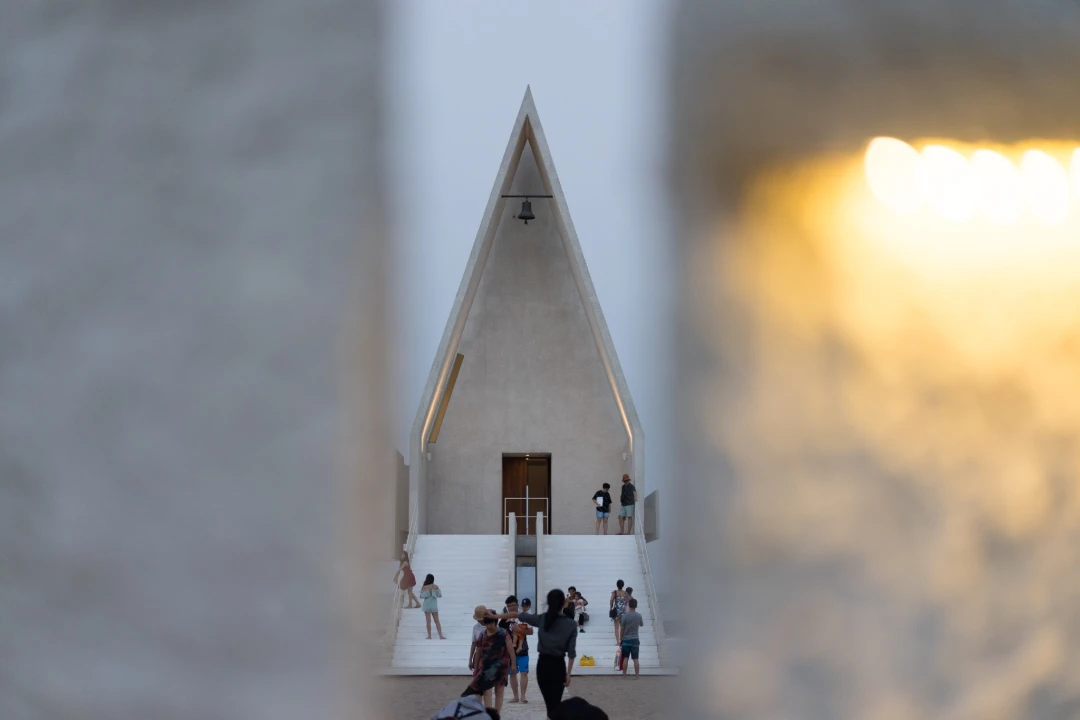
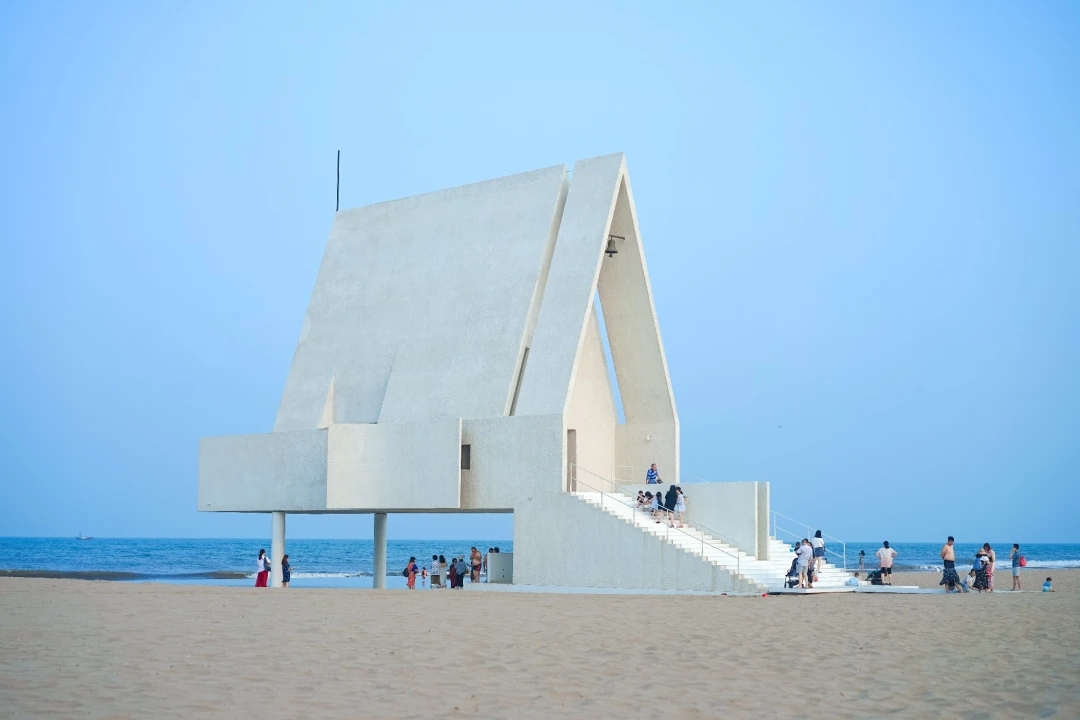
The Aranya Chapel is as iconic as the Lonely Library. Its clever, unique design, paired with its pure white color, strikes directly at the most sacred and precious part of your heart.
Only property owners can enter the chapel itself, but most visitors are content with posing outside. The gap in the center of the platform, in particular, requires queuing up to "take a photo in the crack." As the sun sets, the seawater pooled on the beach becomes a mirror of the sky, perfect for capturing reflections. Walking through the water, light and shadow intertwine, turning the sea into a stage for a series of micro-films.
The Owners' Canteen: Affordable and Delicious
Aranya's first owners' canteen is another highlight. You pick from a variety of dishes, pay at the end, and non-owners can pay via WeChat. We arrived around 8 p.m., just before the canteen stopped taking orders.
Recommended dishes: - French red wine braised beef (28 yuan): Highly recommended. Rich broth, tender beef, and a small bowl packed with meat. - Steamed tilapia (20 yuan): A small fish, average taste. - Scrambled eggs with tomatoes (9 yuan): Home-style comfort. - Oil-splashed noodles (19 yuan): Highly recommended. Perfect balance of sour and spicy, but you'll need to queue for a bit.
Don't forget to grab a bottle of Aranya-branded water (3 yuan)—it's stylish and perfect for photos.
The canteen has an elegant dining environment and great value for money. Just watch the timing—after 8 p.m., the dishes are gone. There's also a hotpot section in another corner; if you have time, it's worth a try.
Aranya by Night: A Black-and-White Ink Painting
If daytime Aranya is a vibrant watercolor, with light and shadow blending into dreamy seascapes, then nighttime Aranya is a subtle ink painting, using only black and white to outline endless charm.
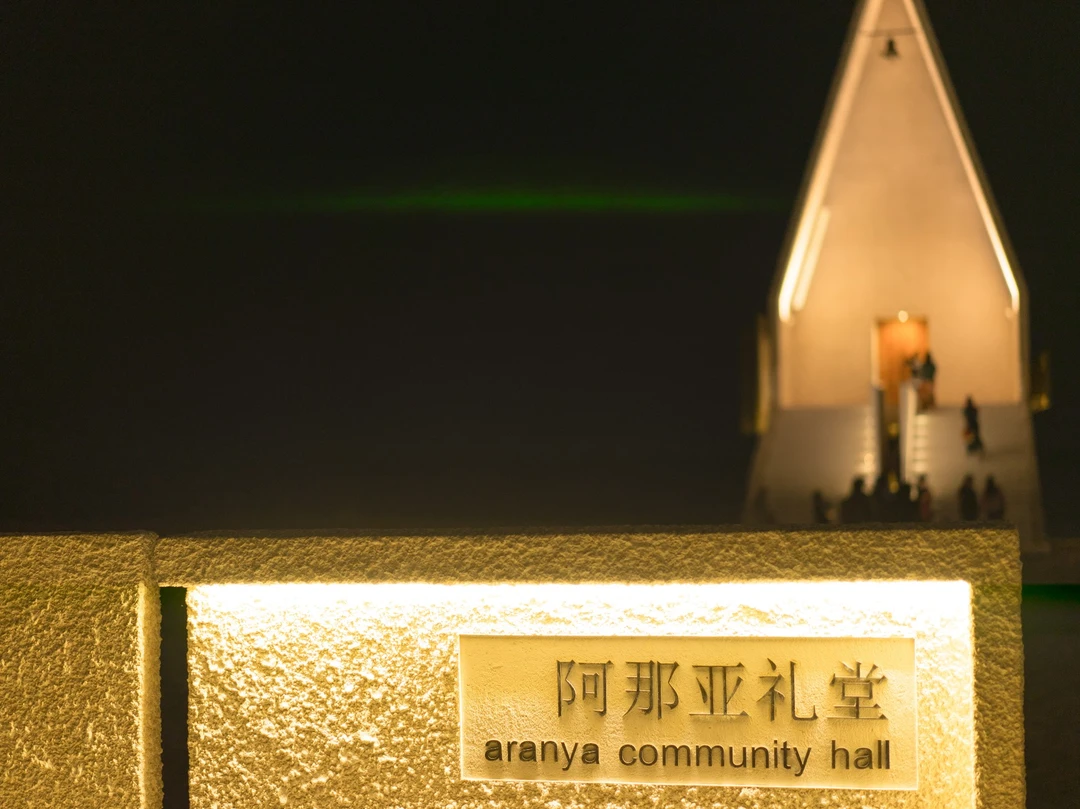
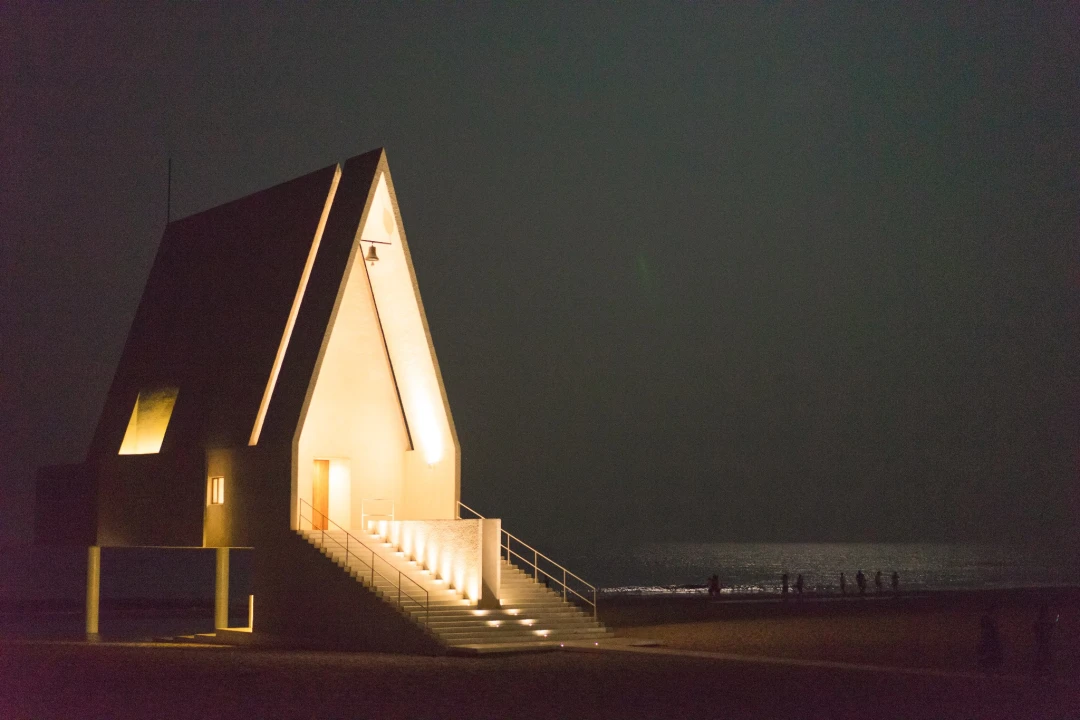
The night pushes away noise and bustle. In a world ruled by silence, only the waves mark the passage of time. Against this dark backdrop, the Aranya Chapel shines even whiter. Its faintly glowing spire rises into the night sky, a stark black-and-white silhouette like a solemn lighthouse.
At night, you truly feel the "loneliness" of the Lonely Library. A few lamps inside cast dim light. The room is empty of people, but full of books. The neatly arranged volumes on the tables exude an aristocratic ritual—but ritual often brings loneliness. Full of beautiful words, yet no one to appreciate them—this is the loneliness of books, and of people.
A wooden walkway stretches from the beach into the sea. Walking along it at night, the darkness deepens. The surrounding lights fade, and you're greeted by an endless sky. At the end of the walkway, you can feel the sea up close. Waves crash against the wooden planks, sending cool spray onto your legs. The sky is dark, the sea is surging—and humans, we are so small.
What surprised me most—the faint shimmer on the sea. Moonlight! I've been to the seaside many times before, but I had never seen the sea under moonlight. Aranya has very little light pollution. After nightfall, the bright moon hangs high, spreading a silver curtain across the water. The sea is like a quiet music box, softly playing a moonlight sonata.
At that moment, childhood memories stirred—the mermaid shedding pearls under the moon, those beautiful lines of poetry: "The spring river rises level with the sea, the bright moon rises with the tide" (春江潮水连海平,海上明月共潮生), "Stars hang low over the vast plain, the moon surges with the great river" (星垂平野阔,月涌大江流). After so many years in this world, I finally found a scene that could bring to life the poems I loved as a child.
Aojing Lanwan: Claiming a Blue Coastline
Not far from Aranya, the Aojing Lanwan community was also a pleasant surprise. We rented a sea-view apartment here—two bedrooms, one living room. Both the master bedroom and the living room offered a 360-degree, unobstructed ocean view. Even without leaving the room, we could sit on the balcony, feel the sea breeze, and watch the sea. There was even a small swing on the balcony, perfect for posing.

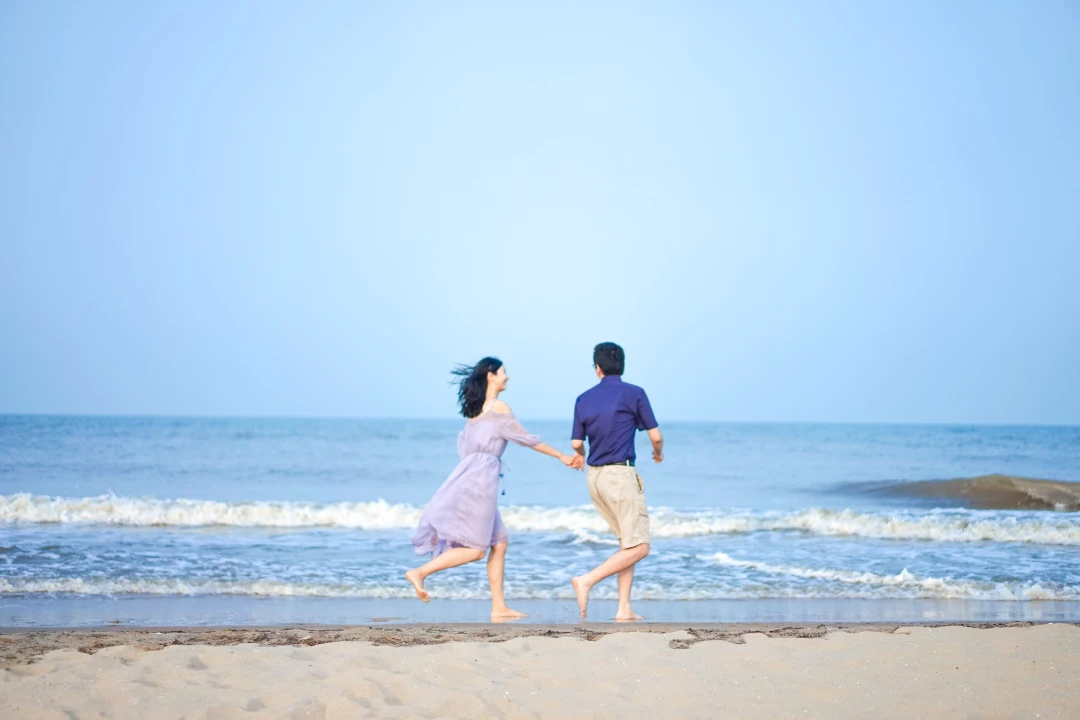
The community has a private beach, part of the Golden Coast. There were very few people, giving the constant feeling of having the coastline all to ourselves. The morning sunlight was as dazzling as diamonds, bright like a scene from a romantic drama.
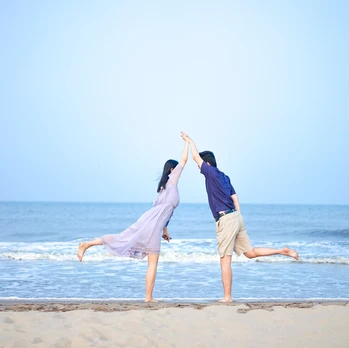
Before leaving, I had brought a few balloons, and they came in handy at the beach. Gulu, with his unique photographer's eye, was determined to capture the balloons meeting and parting in the seawater like lovers. So I held a parasol and kept tossing the balloons into the sea—he snapped—the balloons were carried back by the waves—I picked them up and threw them again. There were also countless times the balloons blew away, and we chased after them in a comical struggle.
Finally, Gulu looked at the hard-won balloon photos on his camera and said, "This series is called: The Story of Two Balloons."
Making our own seafood feast in the apartment was another highlight. It was my first time DIY-ing seafood, and the sense of accomplishment was immense. We cooked the mantis shrimp, whiteleg shrimp, and clams we bought in Changli, adding a packet of "13-spice crawfish seasoning" from JD.com, and boiled a pot of fragrant, delicious seafood.
Practical Travel Tips
About Seafood
- Buy your seafood in Changli beforehand. There's nowhere to buy it near Aojing Lanwan.
- Bring your own seasonings, like 13-spice crawfish mix.
- Eat seafood fresh. If you need to store it overnight like I did, ask the vendor for some water to put in the bag, then refrigerate the bag directly.
- Never wash seafood with tap water! I made the mistake of rinsing the mantis shrimp and whiteleg shrimp under the tap, and they all stopped moving. I later learned that the chlorine in tap water is lethal to seafood.
About Photography
- Bring a tripod—it's easy to set up in the sand.
- Two balloons make great props for photos.
- Protect yourself from the sun: sunscreen, hat, and umbrella. The first day at Aranya was cloudy and perfect for playing. The second day at Aojing Lanwan was sunny, and by 10 a.m., the sun was blinding.
About Booking the Lonely Library
- If you're not staying at Aranya, you need to book the Lonely Library to enter the community.
- Follow the WeChat public account "孤独图书馆" (Lonely Library) to make a reservation. Book well in advance—we reserved about a month ahead.
About Accommodation
- The apartment at Aojing Lanwan gets five stars. The community is lovely, with a private beach. The apartment has basic cookware for making seafood. The host was very nice—since our train was at 5 a.m. the next day, he let us check out later.
Epilogue: The Quiet Sea of That Summer
Travel is about searching. Searching for the beauty we've heard about, imagined.
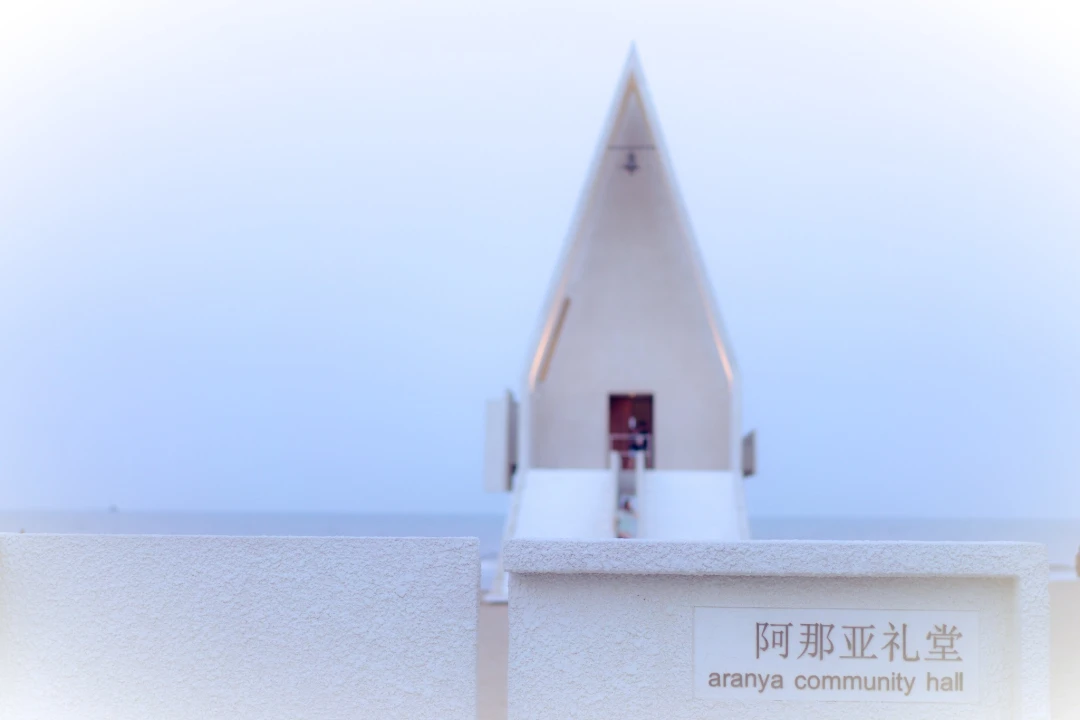
Aranya and the Golden Coast perfectly embody the phrase "the quiet sea of that summer." It caters to artistic hearts, fresh aesthetics, and girlish dreams. In the north, where the sea is scarce and crowded, such a refined and carefree beach is a rare gem.
After leaving, my heart was still full of reluctance.
Where is the most beautiful sea in northern China? Perhaps it's at Aranya—on that soft beach, in that library facing the ocean, on that night when moonlight scattered across the water.
Aranya, life can be more beautiful.
You should also read:
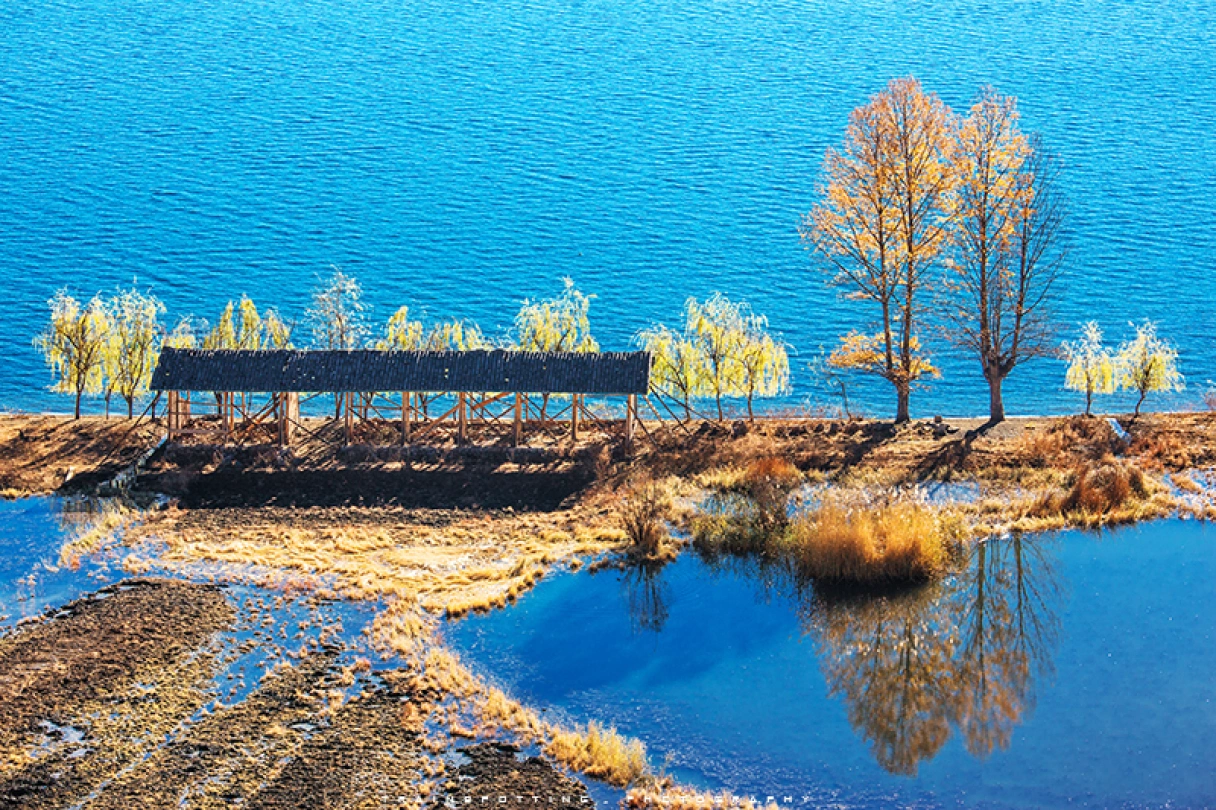
One Person, Discovering the Gentler Side of Lugu Lake
One Person, Discovering the Gentler Side of Lugu Lake My friends say that ever since I quit my job, the "wild" streak in me has become impossible to hide. Where weekends used to mean sleeping in until noon, now I throw a backpack on and…
Continue reading...
Complete Guide to Fuxian Lake: A Yunnan Hidden Gem I've Visited Three Times – Ask Me Anything!
Complete Guide to Fuxian Lake: A Yunnan Hidden Gem I've Visited Three Times – Ask Me Anything! Why Fuxian Lake? If you ask me which place in China is worth visiting again and again, my answer isn't Lijiang or Dali – it's Fuxian Lake. In…
Continue reading...
Dreaming of Nanzhao: A Gentle Encounter with Erhai Lake in Dali Shuanglang, July
Dreaming of Nanzhao: A Gentle Encounter with Erhai Lake in Dali Shuanglang, July Every summer, a voice whispers softly from the depths of my heart: it's time to go. No matter how tight the budget, no matter how precious the annual leave, the ritual of…
Continue reading...