Why Kunming Deserves More Than a Layover

Why Kunming Deserves More Than a Layover
I'll admit it: I was one of those travelers who viewed Kunming as nothing more than a transit hub. A place to catch your breath before rushing off to the postcard-perfect streets of Lijiang or the lakeside romance of Dali. But after spending two unexpected days in Yunnan's capital, I learned something that made me feel like I'd been missing out all along.
This city isn't just a springboard to better destinations. It's a destination in its own right—a place where you can taste the soul of Yunnan without the tourist crowds, where the air smells like flowers and the food will haunt your dreams.
The Accidental Weekend Escape
My plan was simple: a quick birthday getaway, something low-key and restorative. When you're staring down another year and your travel budget is limited to what you can squeeze into a weekend, you learn to be creative. So I booked a "Fly Anything" ticket from Hangzhou to Kunming, figuring I'd spend a day and a half wandering alone, eating my way through the city, and calling it a celebration.

Then two things happened.
First, my friend Wang insisted I'd love Kunming more than Lijiang—strong words from someone whose opinion I trust. I pushed my return flight to 8 PM.
Second, another friend named Lan Xi texted two days before departure. He'd been eyeing Kunming too, specifically the flower market. Suddenly, my solo food crawl became a shared adventure, and everything felt more alive.
The Morning That Almost Broke Me
Let's be real: 4 AM wake-up calls are for emergencies and red-eye flights, not for leisure. I made the mistake of staying up until 2 AM packing and scrolling through recommendations, which meant my first few hours in Kunming were a fog of exhaustion and regret. My body reminded me, quite forcefully, that I'm no longer the girl who can stumble off a late-night flight and head straight to work.
But then my phone buzzed as I landed. Lan Xi was waiting with fresh-from-the-oven Jiahua Flower Cakes (鲜花饼).
Now, I'm not usually one for pastries. I've tried the packaged versions people bring back as souvenirs, and they never impressed me. But "freshly baked" is a magic phrase that changes everything. We stood in the airport arrivals hall, masks pulled down just enough to take bites, earning stern looks from staff. The shame of being "that tourist" was worth it. The pastry was warm, the flower filling fragrant and generous. Not life-changing, but a solid introduction to what Kunming does best.
Riding Into the City

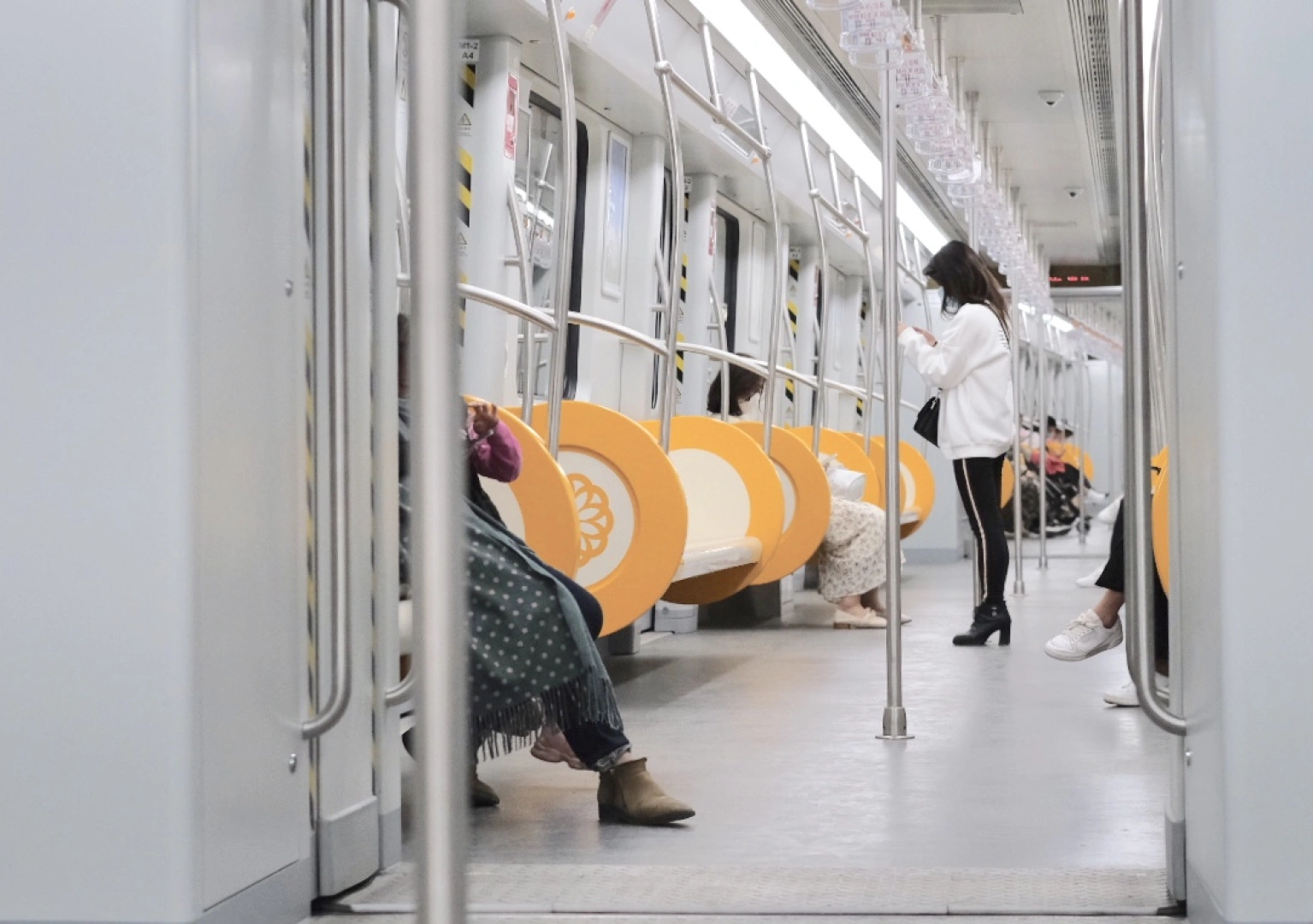
Kunming's metro system puts my hometown of Hangzhou to shame—at least ours doesn't have an airport line yet. And the city is blanketed in shared bikes, evidence of fierce competition between the major brands. We grabbed two and set off for what I hoped would be a proper bowl of crossing-the-bridge noodles.
After pedaling about 3 kilometers, I realized we were going the wrong way. The streets were nearly empty, the October air cool and clean, the sky a shade of blue that felt almost aggressive in its clarity. I didn't mind the detour.
Noodles That Deserve a Standing Ovation
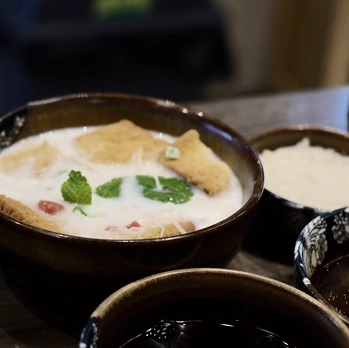
We settled on Lady Love Crossing-the-Bridge Noodles (娘子情过桥米线) at the Bai Da Xin Tian Di location—a spot that had earned a place on Kunming's "must-eat" list. The restaurant was under renovation, so crowds were light. We ordered two sets: one with flowers and matsutake mushrooms, another with Yunnan ham and bamboo fungus. And because curiosity demanded it, a glass of Paoluda (泡鲁达).
The front desk staff was stunningly friendly, and as we walked to our table, I couldn't help peeking at other diners' setups. The presentation felt almost Japanese in its precision.
Before the main event, I discovered a self-serve station with sweet rice wine, grass jelly, pudding, and peach gum. The sweet rice wine was a little too sugary for my taste, but I wasn't complaining about free drinks.
What Is Paoluda, Anyway?

It's a sweet coconut milk drink with origins near the Southeast Asian border. The name is a transliteration, and the story goes that a poor Burmese boy invented it to win the heart of a Dai girl. The ingredients—milk, bread, coconut, sago—symbolize hope: "Bread will come, milk will come, love will come." I fell for this Dai-style sweet water immediately. It's more common in border towns like Mangshi and Ruili, places I'm now desperate to visit.
The Main Attraction
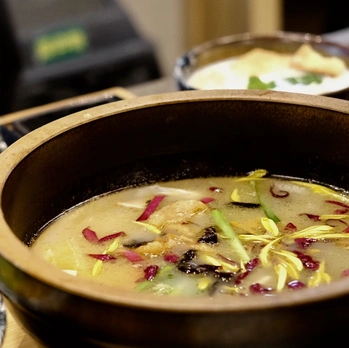
The noodles arrived with theatrical flair. A wooden box held compartments of ingredients—shrimp, tomato, tofu skin, quail eggs, and things I couldn't identify. The broth was separately served, so hot that a layer of oil sealed in the steam. "Meat first, then vegetables," the staff instructed. I played a game of culinary blind box, dropping in ingredients without knowing what they were.
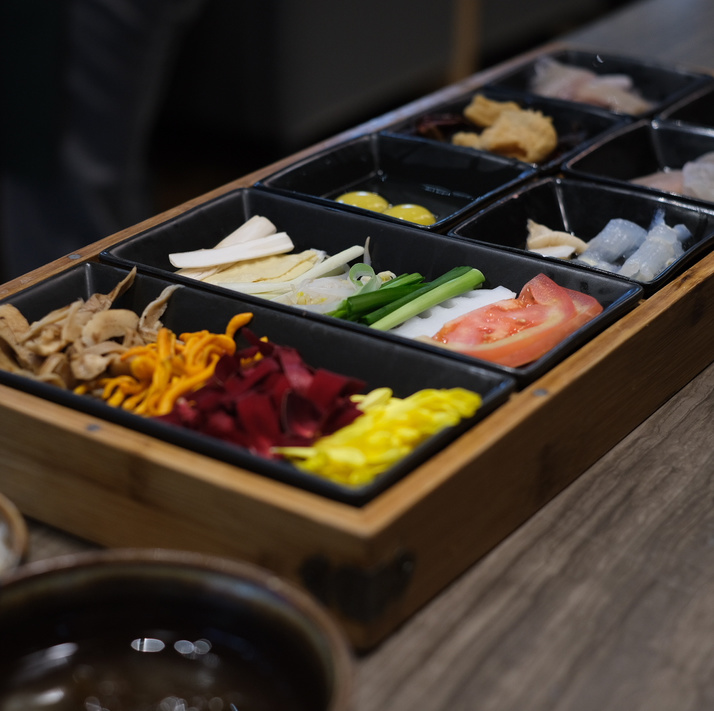
Later, I checked the menu: salmon, sea cucumber, abalone, crispy pork. At 59 and 79 yuan per set, it felt like a steal.
The broth was everything—rich, savory, the kind of liquid you want to drink by the gallon. The noodles were soft yet chewy, completely overturning my previous opinions about rice noodles. The quail egg was fresh, the crispy pork more addictive than fried pork cracklings, and the Yunnan ham was exceptional.
We left full and happy, headed to our hotel near Justice Square for a proper nap.
The Seagulls of Lake Dian
By 3 PM, we were ready for the afternoon's main event: feeding seagulls at Dianchi Lake. The lake is about 30 minutes from downtown by taxi, and as we approached, traffic began to slow. I stared out the window at the green causeway and the sliver of sky beyond, itching to jump out and run.
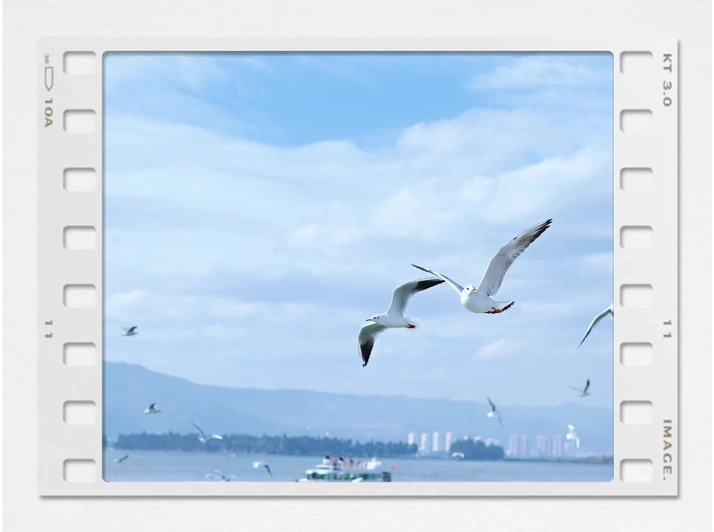
Every year from October to March, thousands of black-headed gulls migrate to Kunming. Most come from Lake Baikal in Siberia. Some stay near Dianchi; others venture into the city to Green Lake Park (翠湖公园). The locals treat their arrival like a seasonal celebration.
I'd studied gull-feeding techniques before coming, but my execution was pathetic. The birds ignored me completely.
Dianchi Lake is enormous, flanked by the Western Hills and Ethnic Villages. We skipped both, spending the entire afternoon walking along the causeway, taking hundreds of photos. The 20°C weather felt deceivingly hot—the UV rays were brutal. My vision of sitting on the causeway, wind in my hair, turned into crouching in pillar shadows, peeking through railings.
One mystery: why do all the seagulls seem to fly clockwise?
The lake was prettier than I expected. Kunming itself felt gentler than I imagined, a soft palette of blue and white that suited it perfectly.
Haigeng Park: Where Pigeons Rule
Walking west along the causeway leads to Haigeng Park. We were hungry and hoping for a sunset view, and after a moment of uncertainty, we found a row of food stalls. The park was overrun with pigeons—fat, arrogant birds that would land on people without invitation.
The park reminded me a little of Hangzhou's West Lake, but the blatant "Instagram spot" signs were off-putting. By late afternoon, locals had set up picnics on the grass, families and friends gathered under the golden light. I thought it would make a perfect venue for a small music festival.
The water, rich in algae, shimmered blue-green, carrying the breeze into the distance. If we hadn't been starving, I would have sat there forever.
The park's edge features amusement rides and snack stalls, but the food was too aggressively trendy to feel authentic. Nearby, a cable car entrance promised sunset views over the lake—next time.
Cycling Through Southeast Asian Vibes
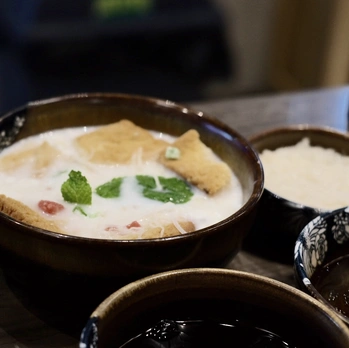
Dinner was steam pot chicken (汽锅鸡) at Zhu Family Kitchen (朱家小厨), a local favorite Lan Xi had found. We biked from the park along Wanghai Road, Dianchi Road, and Yixing Road. The bike lanes were as wide as car lanes, flanked by tropical plants that gave the whole route a Southeast Asian feel. Ethnic architecture added a layer of exoticism.
We passed a sanatorium that looked impossibly peaceful. No photos could capture its quiet beauty—some things are meant to be seen, not stored on a phone.
The Verdict
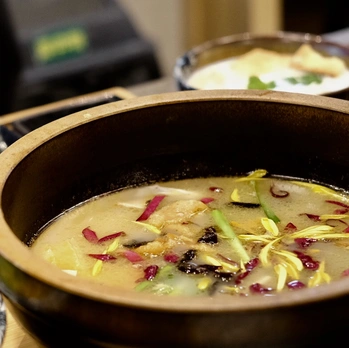
Kunming surprised me. It's not trying to compete with Lijiang's ancient canals or Dali's mountain-framed lake. Instead, it offers something rarer: a genuine, lived-in city where you can experience Yunnan's diversity without a tour guide or a ticket booth. The flower markets, the seagulls, the noodle bowls that cost less than a cocktail—they all add up to a place that deserves more than a rushed layover.
Next time, I'm staying longer. And I'm bringing an empty stomach.
You should also read:

Sunshine for Ten Thousand Miles: An Eight-Day Poetic Journey Through Kunming, Dali, and Lijiang
Sunshine for Ten Thousand Miles: An Eight-Day Poetic Journey Through Kunming, Dali, and Lijiang "I stood up, pushed open the window, and gained a clarity." The sunlight described by Gu Qingsheng falls quietly, carrying a purity beyond poetry and music. And I think the sunshine…
Continue reading...
A 10-Day Yunnan Journey: From Kunming to Lugu Lake — A Slow Travel Adventure with Friends
A 10-Day Yunnan Journey: From Kunming to Lugu Lake — A Slow Travel Adventure with Friends After working for a full year, I finally gathered enough courage and annual leave. I rallied three close friends, packed our bags, and set off for Yunnan. The last…
Continue reading...
Tipsy Memories – Kunming: A City That Makes Time Slow Down
Tipsy Memories – Kunming: A City That Makes Time Slow Down 25°02'11" N, 102°42'31" E. Summers here are never scorching, winters never bitter—a truly blessed place to call home. I’ve been in this city for nearly three years now. Whether out of wanderlust, academic pursuits,…
Continue reading...