Winter 2026: A Yunnan Sunshine Journey with My Parents
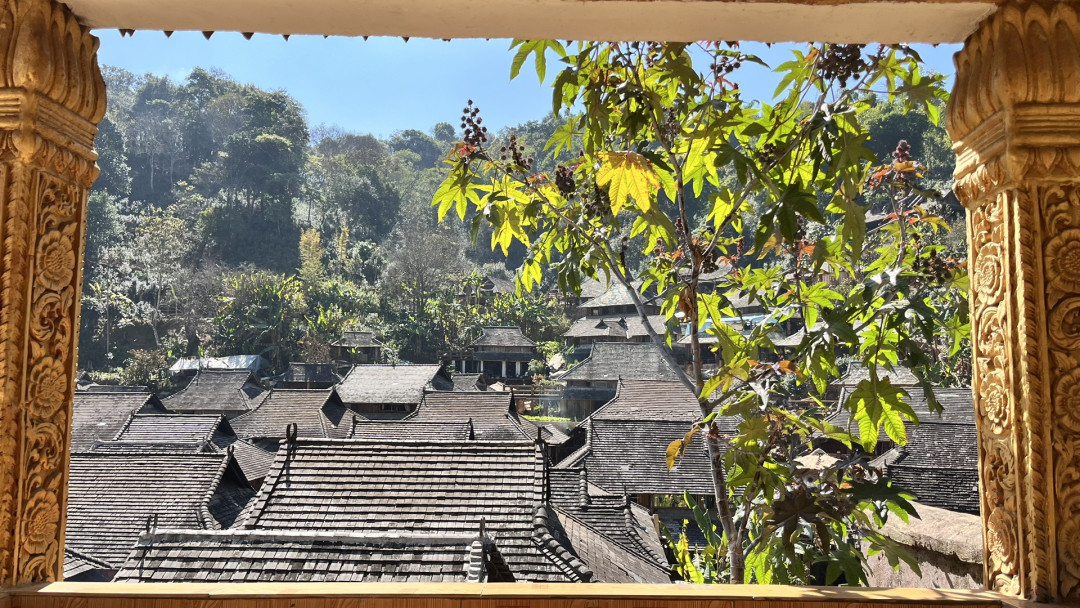
Winter 2026: A Yunnan Sunshine Journey with My Parents
Prologue: Why Yunnan?
On the eve of the Spring Festival, I had been searching for a destination where my parents could truly relax. Sunlight, tropical vibes, and ethnic minority culture—these three keywords ultimately pointed to one answer: Yunnan.
This was my sixth time setting foot on this land, but this time, it meant something different. It wasn't about snapping photos for social media, chasing viral attractions, or rushing through like a "special forces" traveler. I simply wanted to take my parents, both in their seventies, to move slowly, take in the sights at their own pace, and experience the real Yunnan.
And so, a route starting from Kunming, winding through Fuxian Lake, Shiping, Jianshui, Yuanyang, Yuanjiang, Pu'er, and finally deep into the heart of Xishuangbanna, was hastily finalized just a week before departure. As it turned out, this last-minute decision became the most memorable trip my parents had ever taken.
Chapter One: Kunming—A Gentle Start in the Cold Wind
Winter in Kunming is much colder than I had imagined.
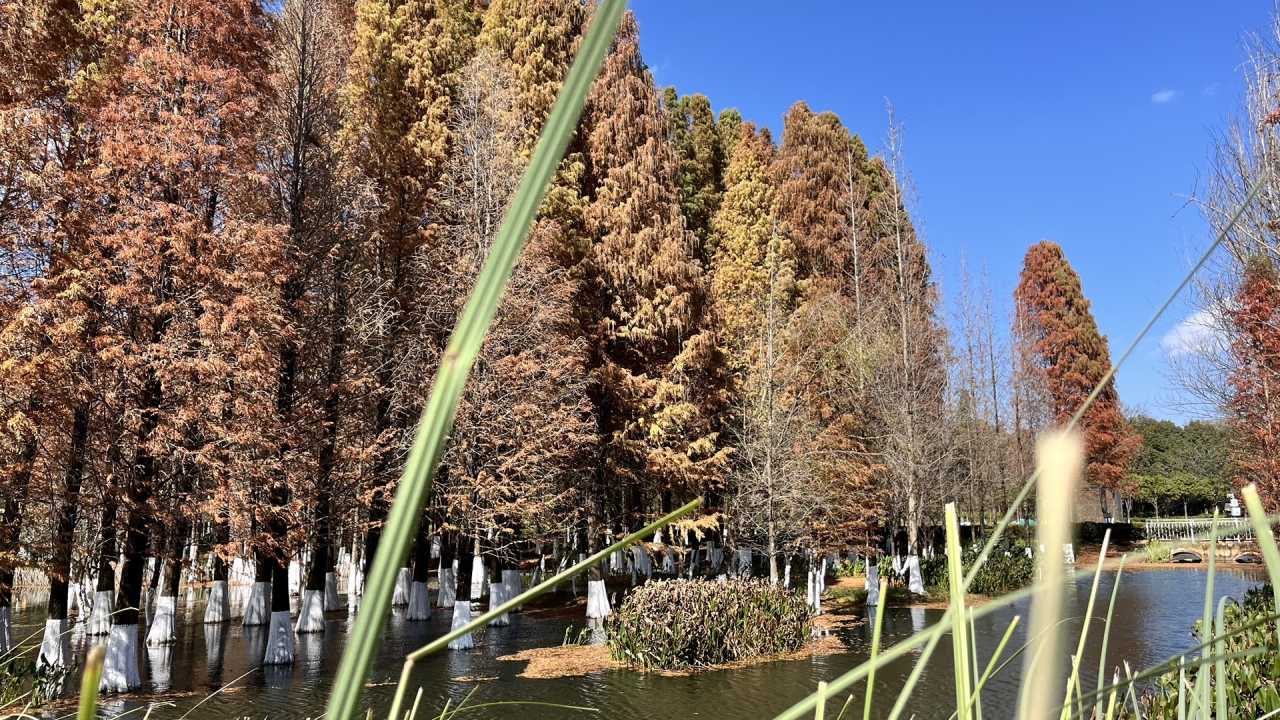
We stayed at a residential apartment near Dianchi Lake. The bedroom had no heating, which nearly did me in—I have a herniated disc. But during the day, Dianchi Lake's Haigeng Park gave us an unexpected delight. The wetland park was uncrowded and spacious. Jogging along the lakeside in the morning, watching the red-billed gulls circling in the dawn light—that quiet, comfortable feeling was something no viral Instagram spot could ever replace.
As for those wildly hyped "must-see routes"—Golden Horse and Jade Rooster Archways, the surrounding shopping districts—I can only say: utterly boring. The food was mediocre, the activities dull, and it was freezing cold. The right way to experience Kunming, perhaps, is to find a cozy place to stay, spend time in nature, and avoid the crowds.
Chapter Two: Fuxian Lake—That Sunset Is Worth an Overnight Stay
Driving south along the eastern shore of Fuxian Lake was the most enjoyable stretch of the entire trip.
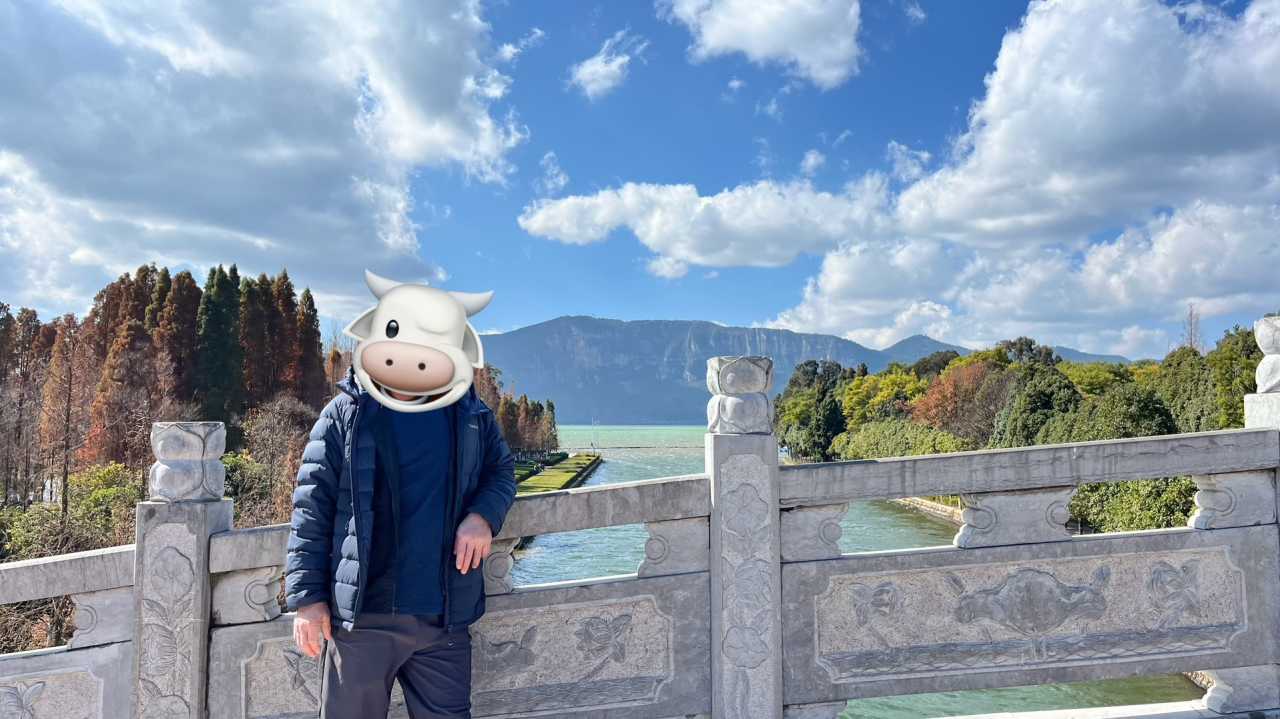
Cherry blossoms were just beginning to bloom. The trees along the road were lush and green, and the lake shimmered under the sunlight. At dusk, the setting sun painted the entire water surface gold. In that moment, all fatigue melted away.
If I were to plan again, I would definitely stay one night on the eastern shore of Fuxian Lake, then bypass Tonghai County entirely and head straight to Shiping. Tonghai? Not recommended. The old town is small, dirty, and overpriced. Compared to Jianshui later on, it was a complete waste of time.
Chapter Three: Shiping and Jianshui—Living Ancient Towns, Real Life
Shiping and Jianshui were the highlights of this journey.
Both ancient towns are well-preserved, with residents still living normal lives. They are truly "living ancient towns." The locals are confident, laid-back, and refined. There's none of that "on guard" tension—it felt incredibly comfortable.
Shiping: Surprises in the Hustle and Bustle
Shiping's old town is small but brimming with life. We stayed at a guesthouse inside the ancient town. The owner was a character—the only negative review read: "On the first night, guests chatted until midnight; on the second night, I complained to the owner, and he dragged me into conversation until midnight; on the third night, the owner called me over to join the chat until midnight." After reading that review, I booked without hesitation. Indeed, the joy is in the details, and only those with a connection can truly appreciate it.
What amazed me most was Yilong Lake Park. A county seat, yet it had a full marathon track! Running paths, cycling lanes, pavilions, lotus ponds, seagulls... After leaving the park, you could browse the morning market and buy rose-filled steamed buns. That kind of idyllic life is unforgettable.
Jianshui: Blueberry Heaven and Trotter Rice Noodles
From Shiping to Jianshui, we passed by the famous tourist train along the way. Xianghui Bridge, Shuanglong Bridge—these French-style stations and stone bridges stood quietly in the fields, uncrowded and slow-paced, truly places that let you calm your mind.

Jianshui's old town is larger and livelier, but it still retains its everyday atmosphere. We ducked into alleys outside the old town and found small eateries frequented by locals—trotter rice noodles and braised pork rice noodles. The portions were generous, and the meat was substantial! And let's not forget the blueberry paradise: small blueberries at 15 yuan per kilogram, large ones at 40 yuan per 500 grams, each with its own flavor, sweet and tart.
After breakfast, I jogged to Wulong Lake Park and discovered it was also a fitness haven. The park was built on a former clay mining site, with three levels, each featuring an independent lake. Running all three levels was roughly a half marathon. At the entrance, the Purple Pottery Town, built in a复古 (retro) architectural style, was also quite distinctive.
In the evening, we ate near the Purple Pottery Museum. The steam pot chicken had a rich medicinal aroma, and the meal cost less than 40 yuan per person—incredibly affordable. Jianshui, I will definitely return.
Chapter Four: Yuanyang Rice Terraces—Weather Is Everything
From Jianshui to Yuanyang, the mountain roads were winding and tiring to drive, but the road surface was decent. The key factor: weather.
The beauty of the Yuanyang Rice Terraces depends entirely on the weather. On a clear day, mist swirls around, and the terraces mirror the sky. On an overcast day, you see nothing, and it's freezing cold. We were lucky—the skies cleared up.
There are plenty of online guides about Yuanyang, but my advice is: - You don't have to crowd the Duoyishu viewing platform; the free ones are just as good. - You can walk down the village paths to the edge of the terraces, but don't step on the ridges. - For food, just find a local-run restaurant; don't trust internet recommendations. - My favorite was the Hadanpu viewing platform—from Azheke to Aichun Field, we stopped wherever we wanted, enjoying an in-depth tour.
But to be honest, the grandeur of the Yuanyang Rice Terraces didn't impress me as much as the mountains of Guangxi's "Ten Thousand Great Mountains." If I had to choose again, I might go straight to Yuanjiang—it has terraces, natural hot springs, fewer crowds, and a proper town. It's the climatic boundary between northern and southern Yunnan, with more distinctive local products and culture.
Chapter Five: Yuanjiang—An Underrated Gem
The Rehai Hot Spring in Yuanjiang is a true natural hot spring. After the water is released, you have to let it cool for a few hours before soaking. That pure warmth is utterly relaxing.
The terraces here are not as grand as Yuanyang's, but they have smaller elevation changes and are more accessible. More importantly, Yuanjiang has a proper town with a living atmosphere. Tropical fruits are abundant, the local cuisine has unique flavors, and people's clothing begins to transition toward the Dai-style of Xishuangbanna. If time is limited, Yuanjiang might be a better vacation spot than Yuanyang.
Chapter Six: Pu'er—Rice Noodles and Nothing Else
Heading from Yuanjiang to Pu'er, we passed through Nako Li Ancient Village—a stop on the Ancient Tea Horse Road. But it's now heavily commercialized, much like Lijiang's old town—not my cup of tea.
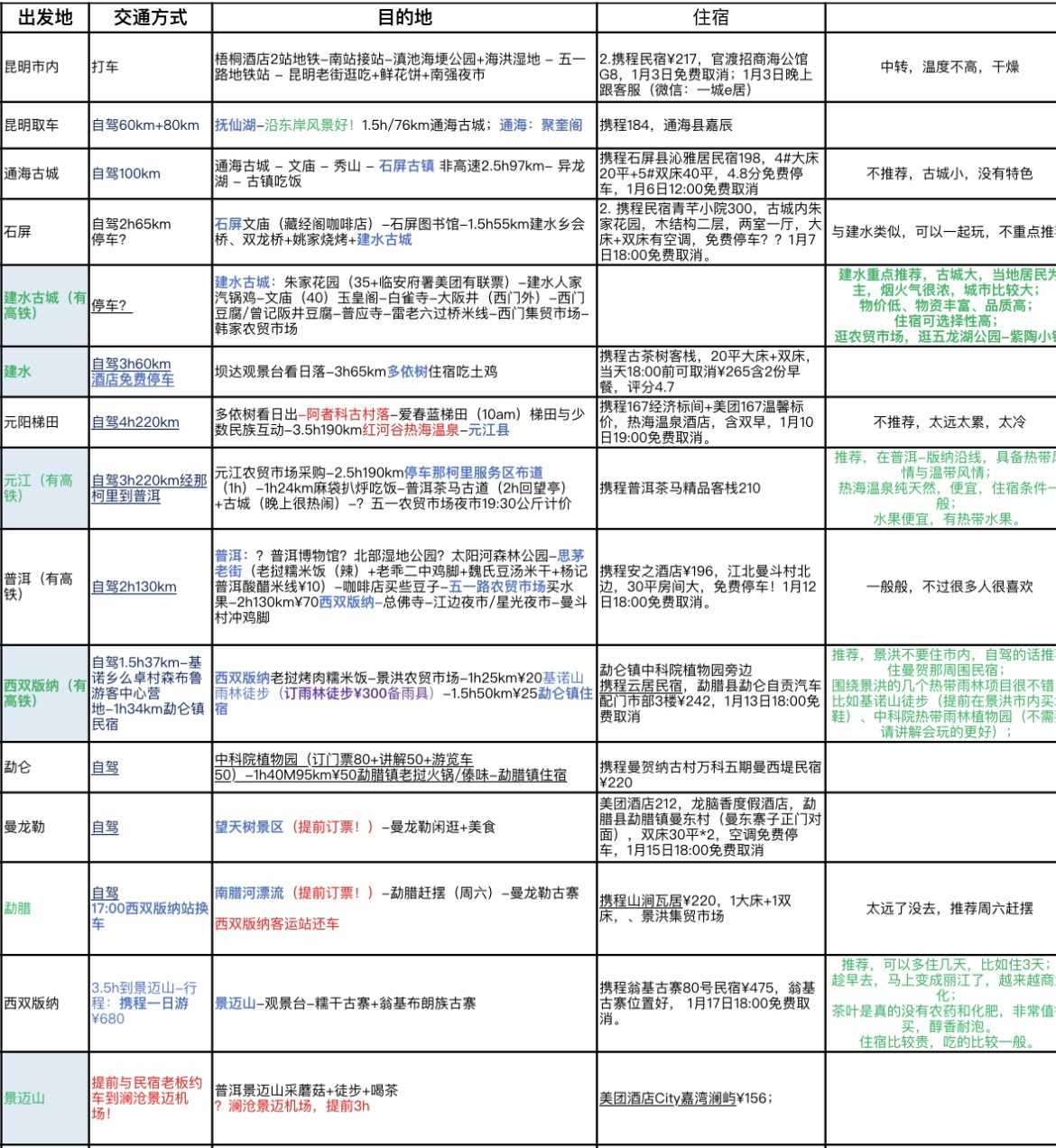
Within Pu'er city, the Wuyi Market night market was decent, with cheap fruit. But Simao Old Street and Daijia Lane were heavily commercial, small in scale, crowded, and the coffee was terrible. The only thing I still crave is peanut soup rice noodles—rich with the aroma of beans, absolutely amazing. Next time I pass through, I'll definitely have a bowl.
Pu'er's essence, perhaps, lies not in the city center but in the coffee and tea plantations on the outskirts. If you can find a place to stay and explore, that's the right way to experience it.
Chapter Seven: Xishuangbanna—Tropical Vibes and Rainforest Hiking
Entering Xishuangbanna, the scenery was completely different from Pu'er. In Jinghong city, the area near Gaozhuang Night Market was a "Northeast China enclave"—not authentic, full of pitfalls. We only visited the market, bought fresh dendrobium, but the fruit was expensive.
Jinuo Mountain Rainforest Hike: Is 300 Yuan Worth It?
Early the next morning, we went on the Jinuo Mountain rainforest hike. It cost over 300 yuan per person for 3.5 hours—not cheap, but worth it.
Our guide was a member of the Jinuo ethnic group, with extensive knowledge of botany. You could feel their values of living in harmony with nature. The hike included stream trekking, vine climbing, swings, tree climbing, archery, bamboo rafting, and a rainforest meal—very fun.
A few tips to avoid pitfalls: - Buy water shoes in advance! They cost 8–10 yuan a pair in Jinghong city, but 60 yuan on site. Not buying them would be "unfilial." - Choose the 8-kilometer route that includes the Rafflesia flower. The actual distance is shorter and requires no effort. - During peak season, it's crowded. The swings and tree climbing require queuing, which diminishes the experience.
Xishuangbanna Tropical Botanical Garden: Don't Rush Through
After leaving Jinuo Mountain, we headed east to Menglun Town and stayed overnight. Accommodation in the town was limited, expensive, and of average quality, but the sunset over the Nanban River was beautiful.
The next morning, we went to the botanical garden. My advice: - Allow enough time—don't just go for photos. - If possible, buy a combined ticket or stay inside the garden. Don't hire a guide—there are signs and explanations everywhere. - Don't take the shuttle bus. Stroll from one themed garden to the next to truly appreciate the beauty.
The botanical garden is divided into an east zone and a west zone. Next time, I'll explore both. Current internet guides are too superficial—they rush through and miss so much.
Epilogue: Jingmai Mountain and Menghai—To Be Continued
This trip originally included Jingmai Mountain and Menghai, but because driving was too tiring, we ultimately gave up on Mengla's tropical rainforest and the Nanla River. Regret? A little. But then I thought: travel isn't about checking off a list. It's about every moment spent with my parents.
From Kunming to Xishuangbanna, from cold to warm, from city to rainforest, we saw living ancient towns, real rice terraces, natural hot springs, and an in-depth rainforest hike. But most importantly, we saw smiles on my parents' faces.
Practical Tips Summary
- Flights and Hotels: Book a week in advance—prices are higher. Choose refundable hotels when possible, but accommodation in Jingmai Mountain and Yuanyang Rice Terraces must be booked early.
- Scenic Spot Tickets: Many attractions offer free entry for visitors over 70, but check the rules for combination tickets (including shuttle buses and guided tours) in advance.
- Self-Driving: There are many winding mountain roads. Rent a hybrid or electric car—there are charging stations along the way. Driving is tiring, so plan your itinerary wisely.
- Weather: Yuanyang Rice Terraces must be visited on a clear day; otherwise, you'll see nothing.
- Water Shoes: Essential for the Jinuo Mountain hike. Buy them in advance to avoid being overcharged on site.
- Food: Small local eateries in Jianshui and Shiping offer incredible value for money. Don't trust internet celebrity recommendations.
Next stop: Jingmai Mountain and Menghai. See you next time.
You should also read:

Cloud Travelogue · Dali of Wind, Flowers, Snow, and Moon: A Three-Day, Two-Night Journey of a Free Spirit
Cloud Travelogue · Dali of Wind, Flowers, Snow, and Moon: A Three-Day, Two-Night Journey of a Free Spirit I am a cultured female foodie with a touch of rogue charm. I slung on my backpack, took my lover's hand, and set off on a spontaneous…
Continue reading...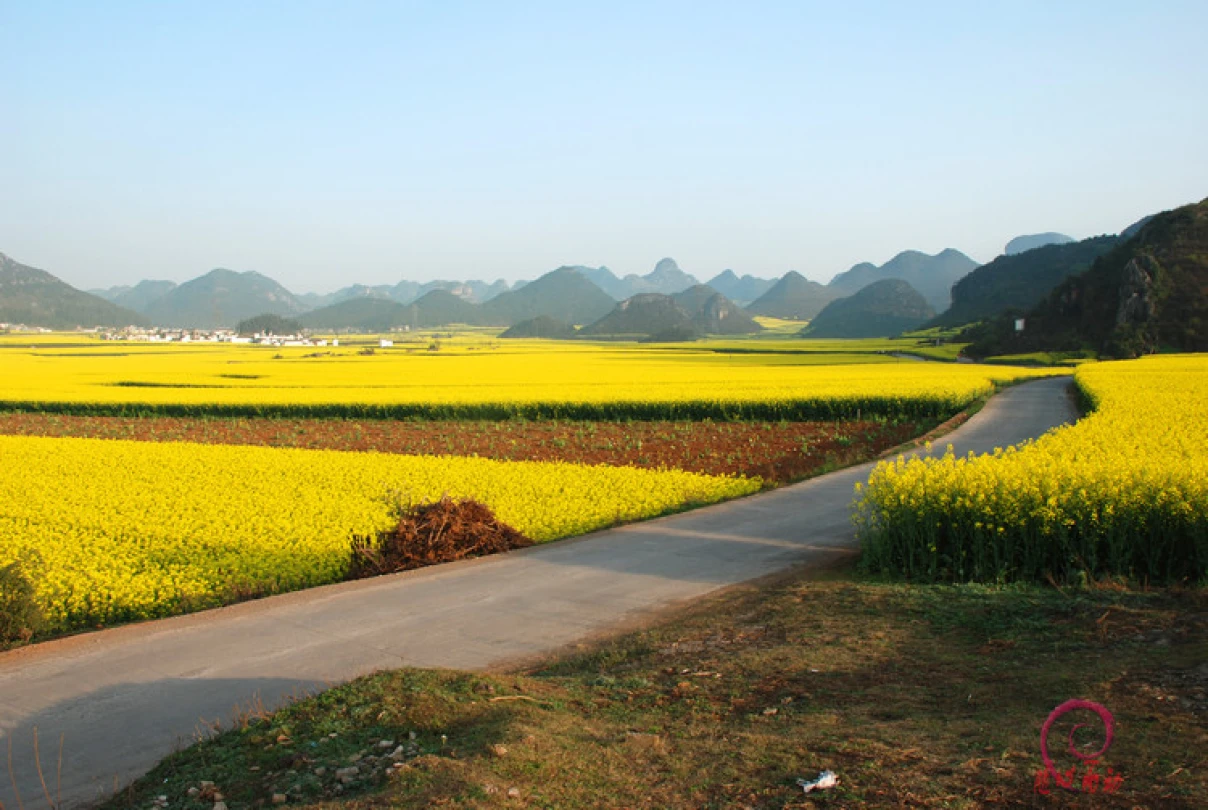
Golden Luoping: A Romantic Encounter with Sunshine and Seas of Flowers
Golden Luoping: A Romantic Encounter with Sunshine and Seas of Flowers Introduction: The Third Time's the Charm Some landscapes are destined to be seen at the right moment. For me, that was exactly the case with Luoping's rapeseed flowers. On February 22, 2011, the Luoping…
Continue reading...
The Meaning of Travel – A Tengchong Story: A Journey of the Heart and Personal Growth
The Meaning of Travel – A Tengchong Story: A Journey of the Heart and Personal Growth Setting Out, Only to Return a Better Self Some say travel is nothing more than leaving a place you're tired of, only to go to a place where others…
Continue reading...