Winter: The Right Way to Experience Xishuangbanna! (A Foolproof Guide for a Couple Traveling from Shanghai)
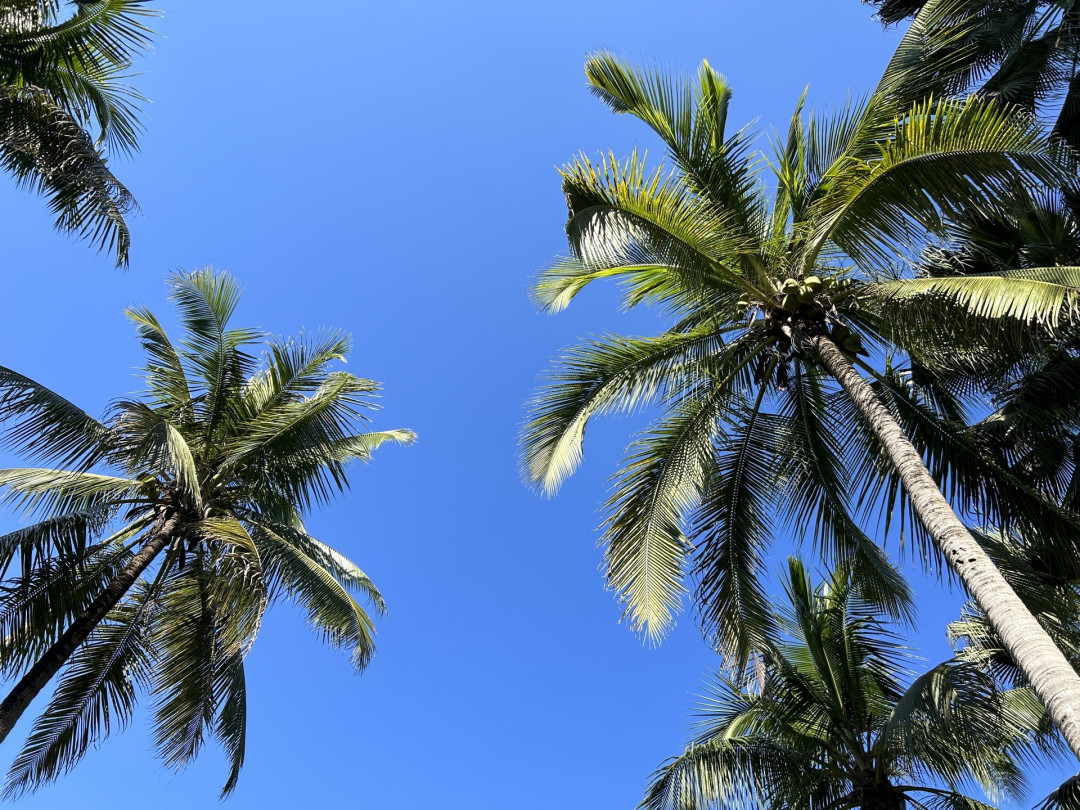
Winter: The Right Way to Experience Xishuangbanna! (A Foolproof Guide for a Couple Traveling from Shanghai)
Destination: Xishuangbanna
Travel Dates: December 15–19, 2025 (5 days)
Cost per Person: Approximately 3,500 RMB
Travelers: Couple / Married Couple
Why Winter?
Xishuangbanna, a place often called "Little Thailand," had been sitting on my travel list for years. Every time I saw someone else's photos of tropical rainforests, Dai ethnic culture, and endless fruit, my heart would ache with longing. This winter, flight prices finally dropped to a reasonable range, and my husband Zhang and I were instantly on the same page—let's go!
In December, Shanghai is bone-chillingly cold, but Xishuangbanna feels like a warm spring. With temperatures around 25°C (77°F), a short-sleeve shirt and a light jacket are just perfect. No sweltering summer heat, no peak-season crowds—this is the right way to experience Xishuangbanna.
Pre-Departure Prep
About Group Tours: A Guide to Avoiding Pitfalls
Zhang spotted a couple's tour package on Douyin (China's TikTok) advertised at 4,899 RMB, supposedly covering five days and four nights of flights, accommodation, a guide, and transportation. The ad heavily emphasized the lodging: two nights at a Wyndham hotel plus two nights at a pool hotel in Gaozhuang. It looked like a great deal, so we booked it immediately.
But here's the truth—the accommodation was a complete scam! It wasn't until the airport pickup driver contacted me that I realized the hotel we were staying at was nothing like what was advertised. The so-called "Wyndham" turned out to be a basic budget hotel, and the Gaozhuang pool hotel was swapped for a remote guesthouse. I was furious, but since the trip was already booked, we had to grit our teeth and go through with it.
My advice to you: If you're not comfortable with independent travel, a group tour can save you headaches—but make sure to confirm every detail about the accommodation before you leave. Screenshot the promotional page for proof. Or better yet, just go independent. Xishuangbanna has very convenient transportation and plenty of accommodation options.
Flights and Transportation
We flew Spring Airlines both ways. We selected our seats in advance through their mini-program, which saved us from waiting in line.
- Outbound: 14:16 Pudong T2 → 18:10 Gasa
- Return: 19:44 Gasa → 22:33 Pudong T2
Parking Tips
We live in Fengxian District, which is quite far from Pudong Airport. Taking a taxi both ways would have been a significant expense. So we opted for the long-term parking lot at Pudong Airport. We booked through a mini-program, and for five days, it cost just over 200 RMB—much cheaper than taxis. The lot provides a free shuttle to the terminal, which was very convenient.
DAY 1: Gaozhuang West Twin Scenic Area — First Glimpse of "Little Thailand"
Just after 6 PM, our plane landed at Gasa Airport. The sky in Xishuangbanna hadn't fully darkened yet, and the air was thick with that tropical humidity and floral scent. Our guide was already waiting for us at the exit.
We checked into the Juyuan Pavilion Pool Hotel in Gaozhuang. It wasn't the one advertised, but the location was decent—right inside the Gaozhuang scenic area, with lively streets just outside the door.
First Stop: Fruit Freedom
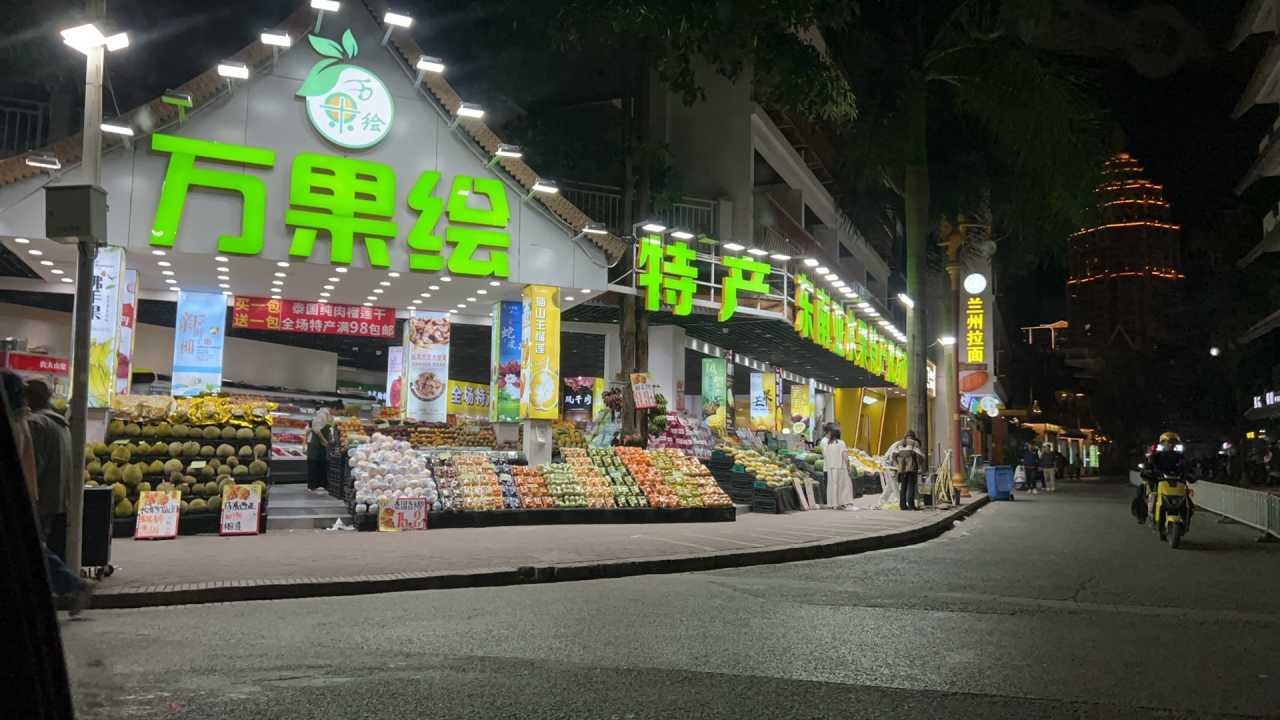
The Gaozhuang area is filled with colorful fruit shops that instantly lift your spirits. Small durians cost about 28 RMB per pound (roughly 62 RMB per kilogram), with one fruit coming to around 70 RMB. In Shanghai during winter, durian is ridiculously expensive, so here we could finally eat our fill. Later, though, we discovered that the local market had even cheaper fruit—you just have to make the trip yourself.
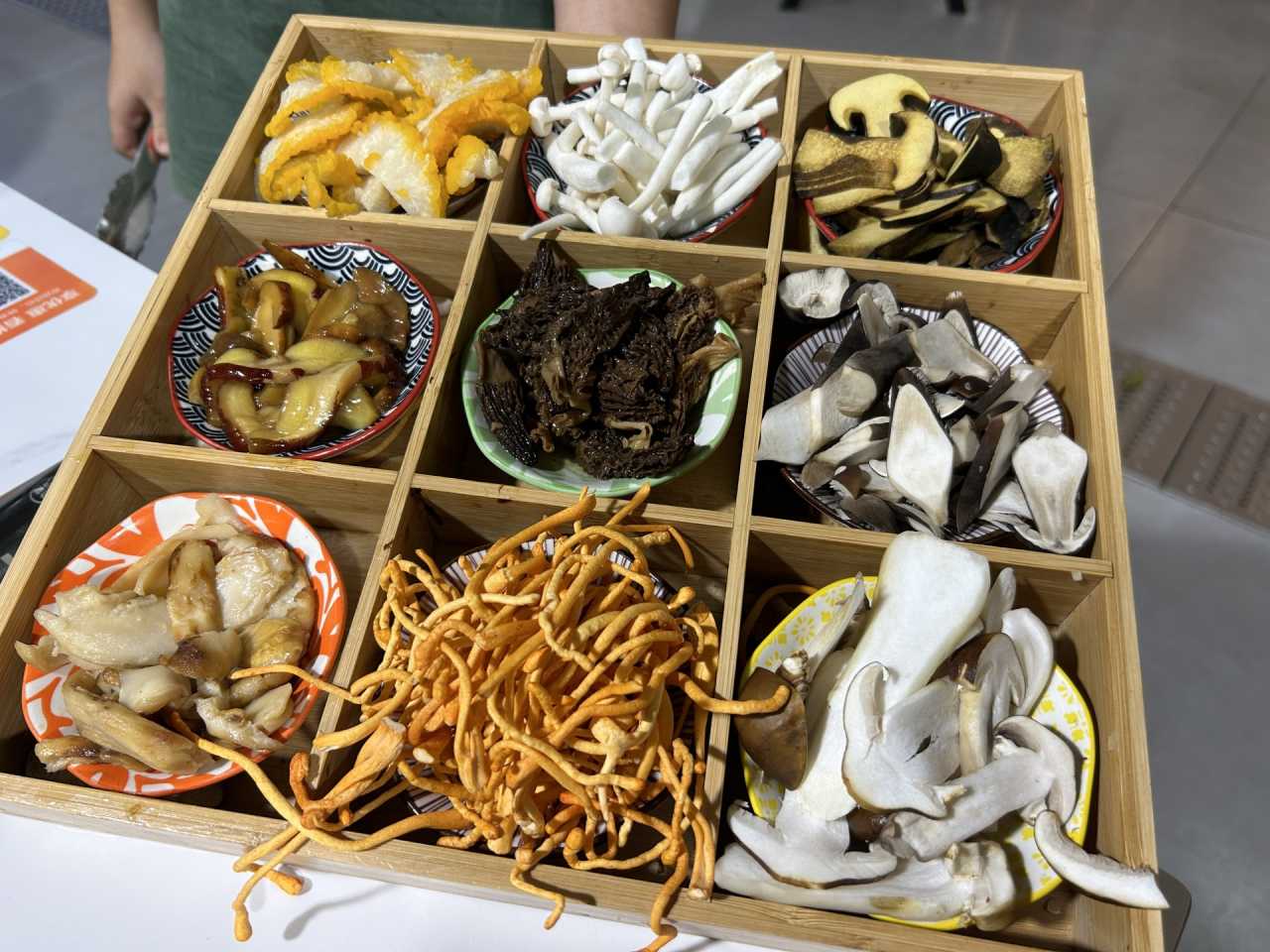
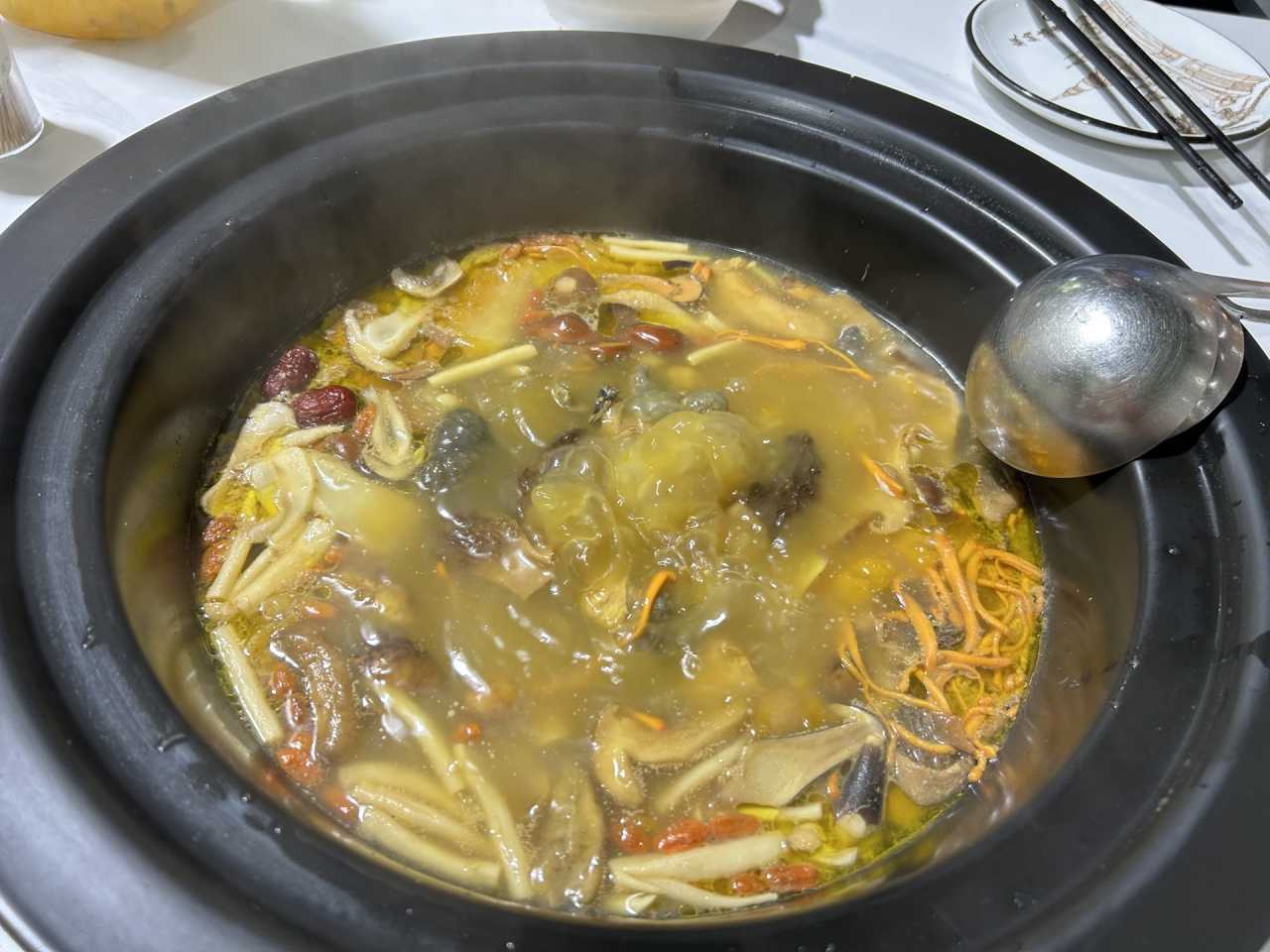
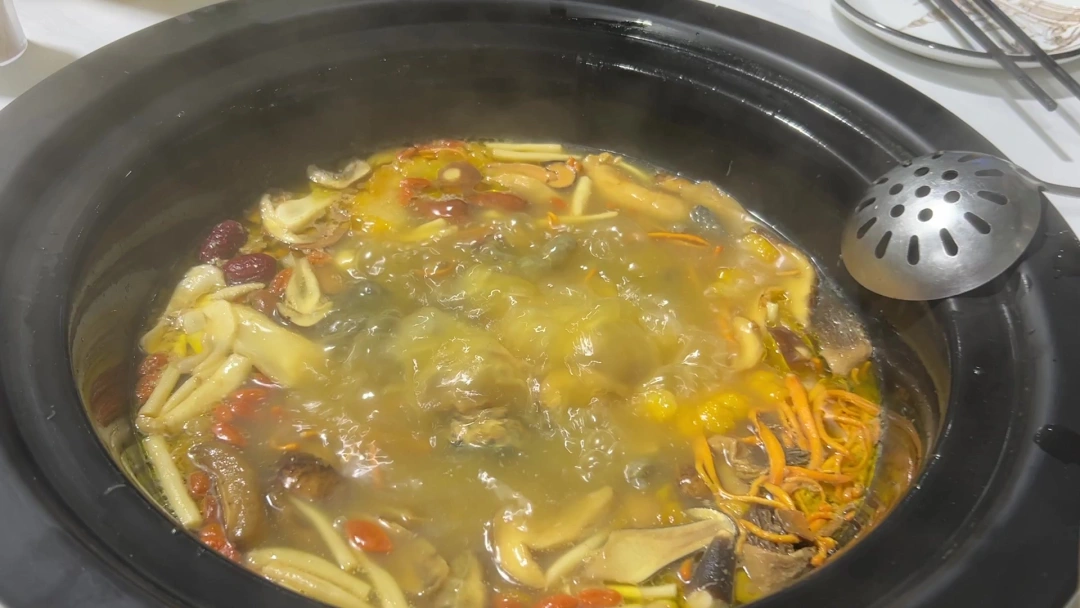
First Meal: Wild Mushroom Hotpot
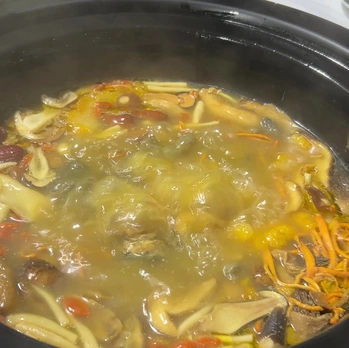
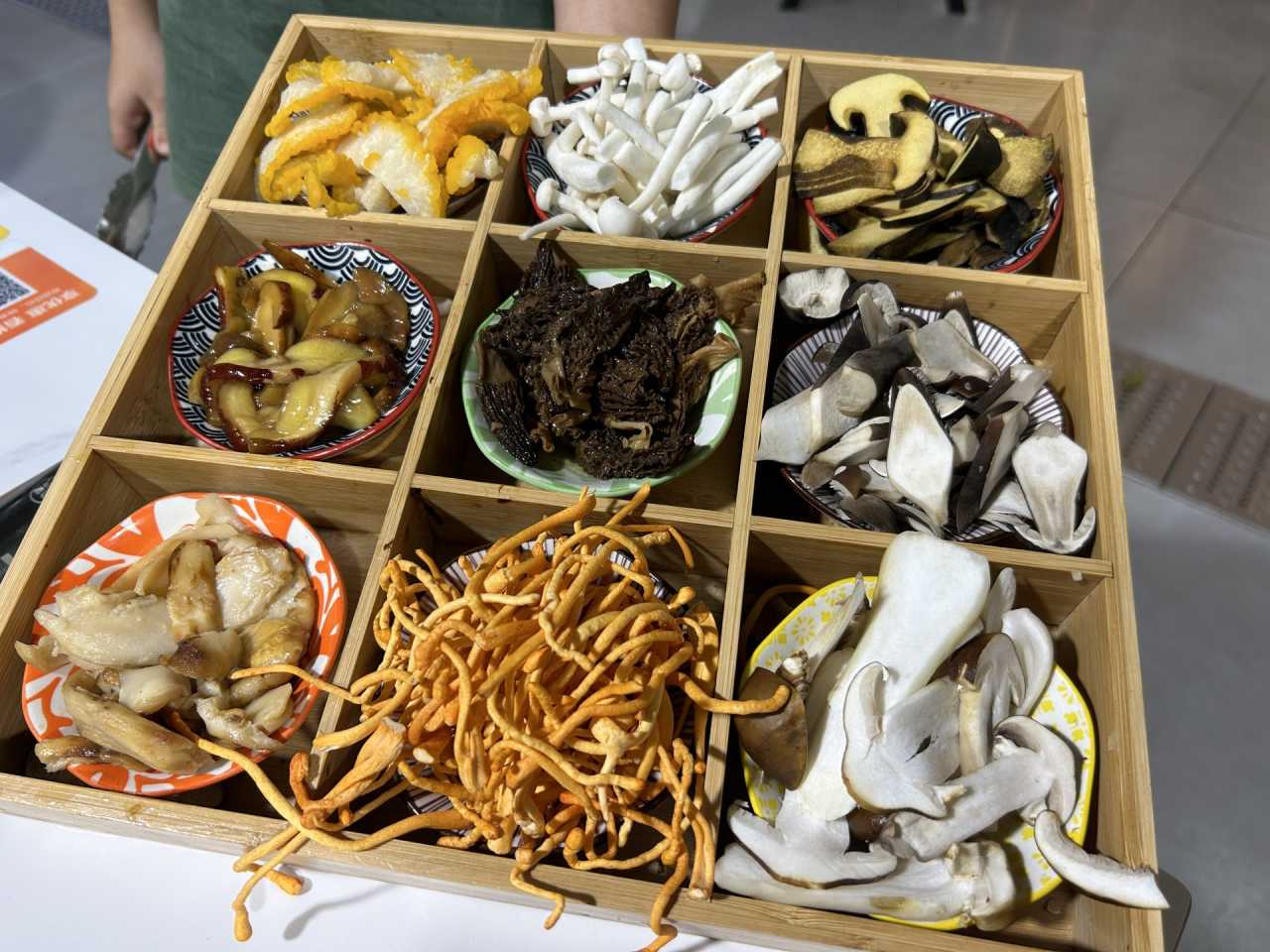
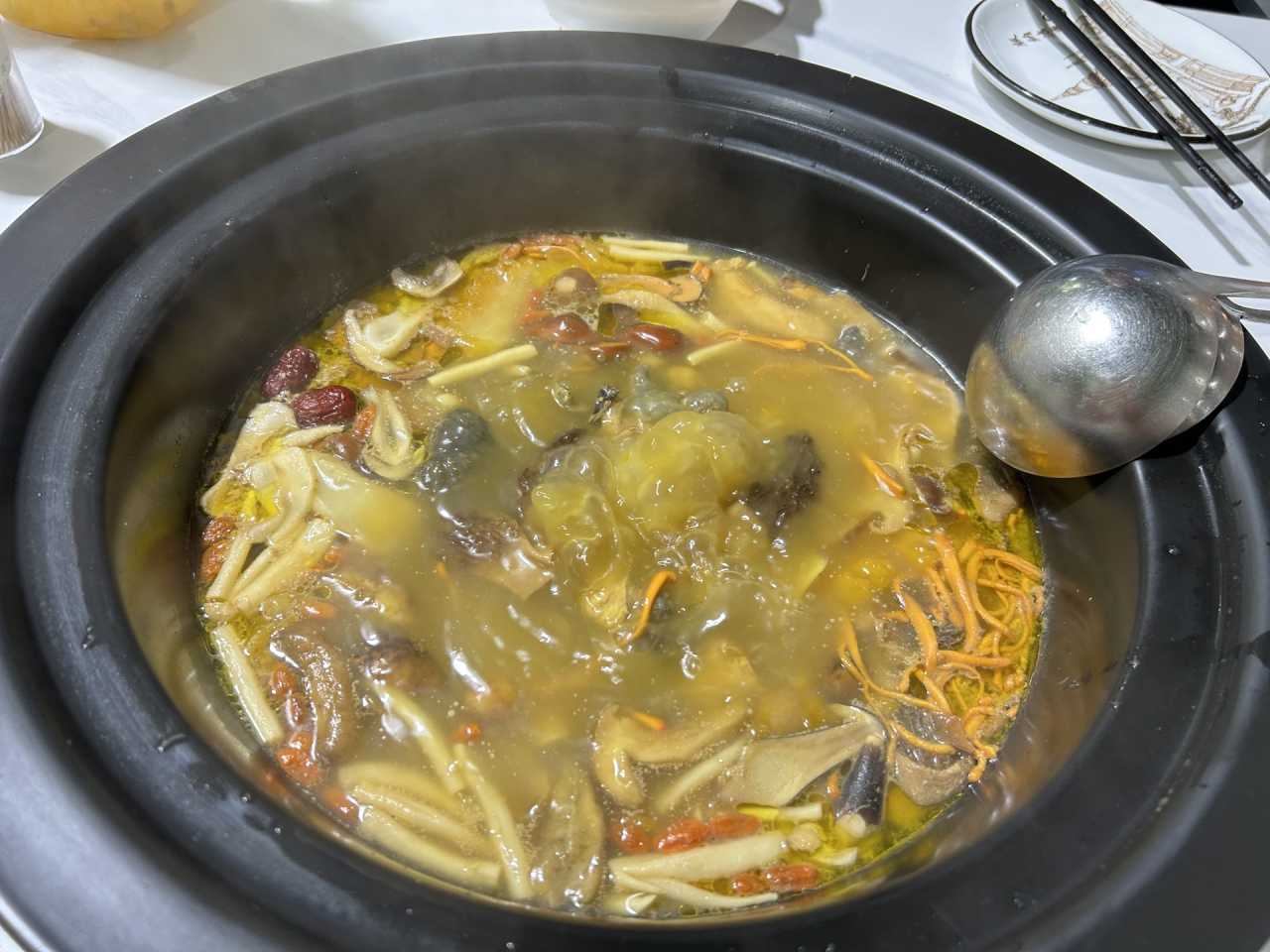
Zhang spotted a roadside wild mushroom hotpot restaurant and was immediately drawn to it. We bought a couple's set meal on Dianping (China's Yelp) for just over 100 RMB. The portions were huge—we couldn't finish it all. Maybe it was just jet lag and a bit of an upset stomach, but the mushroom broth was genuinely delicious.
First Night Market Experience
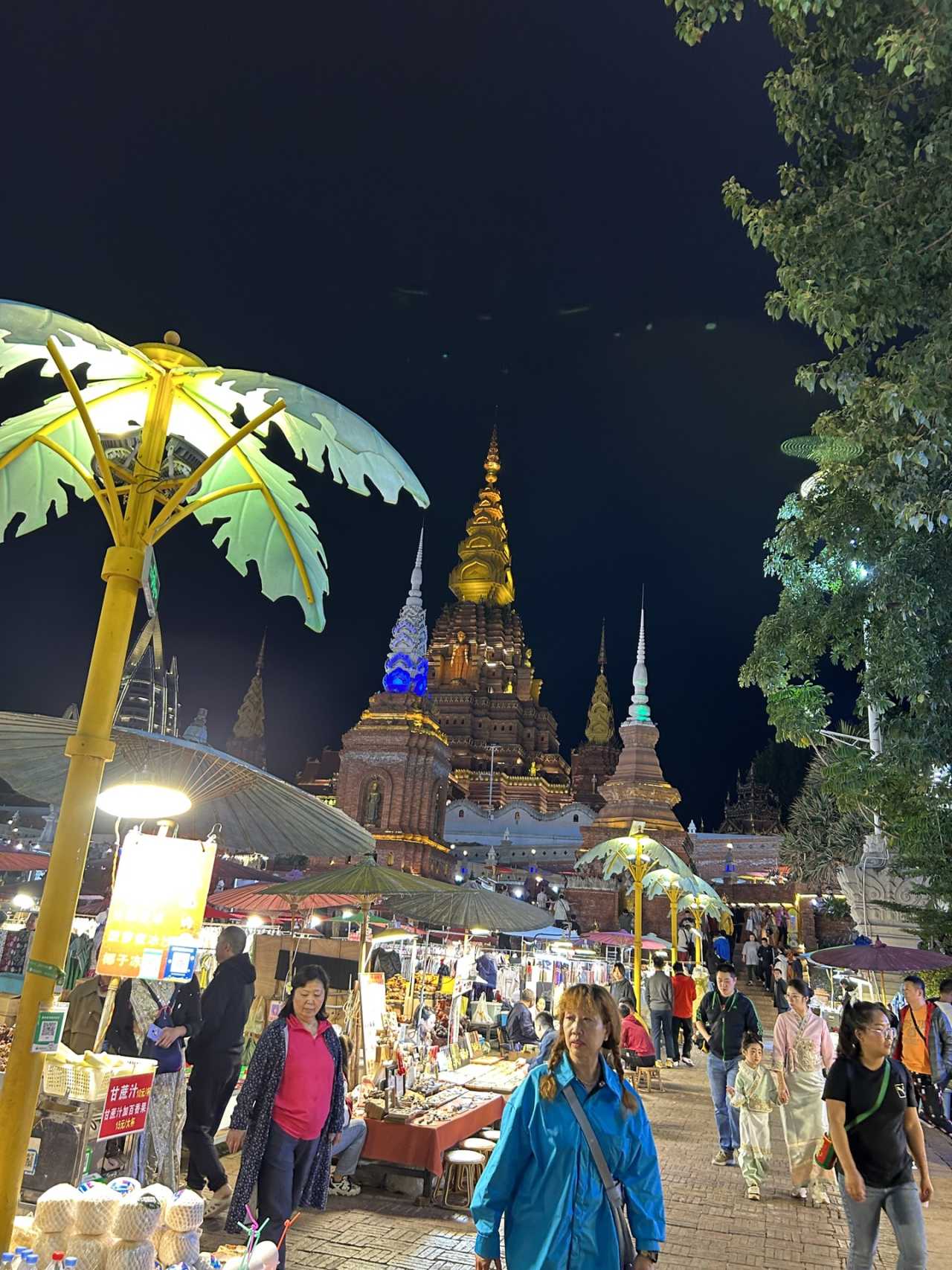
After dinner, we strolled over to the Starlight Night Market. It was about a ten-minute walk from the hotel. The place was packed, mostly with people getting their photos taken. Street vendors were everywhere, shouting: "199 RMB for two sets, all retouched photos included!" Many people say this is a scam, so I skipped it. To each their own—if you just want to try it for fun, it's probably fine.
The Starlight Night Market is mainly divided into three zones: clothing, fruit, and raw seafood. The fruit was really cheap, but the watermelon wasn't sweet—probably because it's out of season.
DAY 2: Wild Elephant Valley → Primitive Forest Park → Starlight Night Market Photo Shoot
Morning Rush in Gaozhuang
Early the next morning, our guide picked us up. Gaozhuang has lots of tourists, many hotels, and narrow roads, so the morning traffic turned into a parking lot. My advice: if you're staying in Gaozhuang, leave as early as possible, or walk to the main entrance before hailing a taxi.
Wild Elephant Valley: No Wild Elephants, But the Show Was Worth It
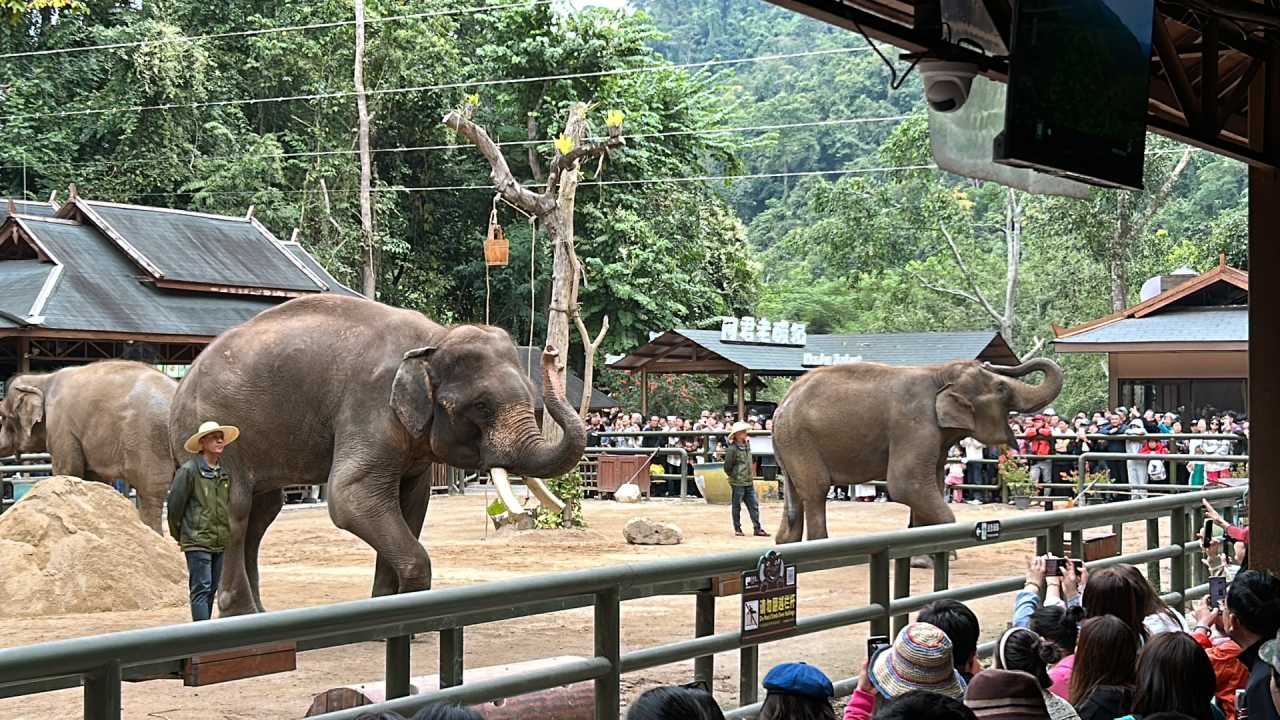
Wild Elephant Valley is the farthest attraction from Gaozhuang, about an hour's drive. The guide said the chances of seeing wild elephants were slim, so we didn't get our hopes up. Sure enough, we didn't spot a single one.
However, the elephant performance was worth watching. We arrived just in time, only to find the place absolutely packed—there was barely room to stand. I'd recommend arriving half an hour early to grab a good spot.
Primitive Forest Park: Route A Is Enough
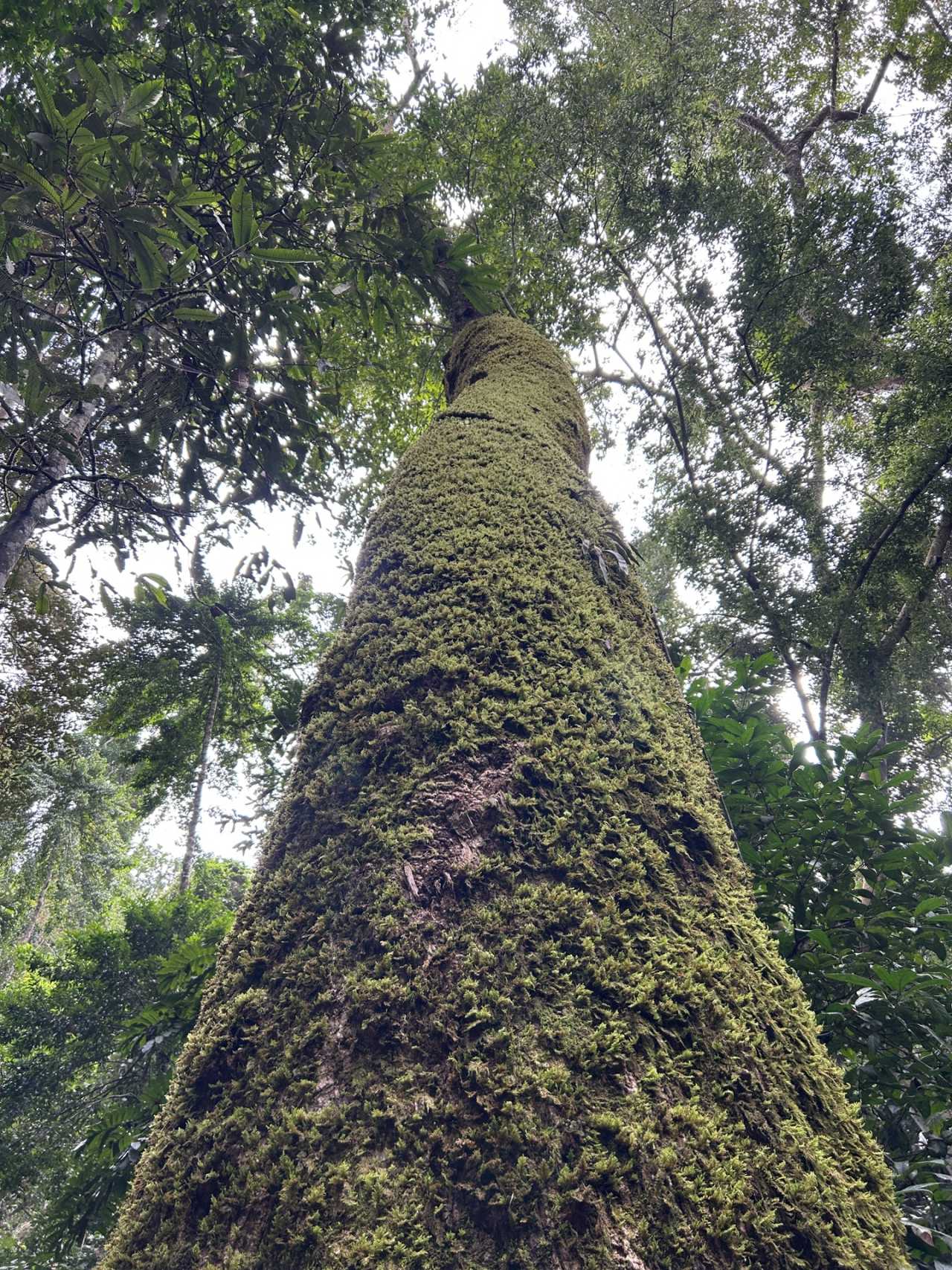
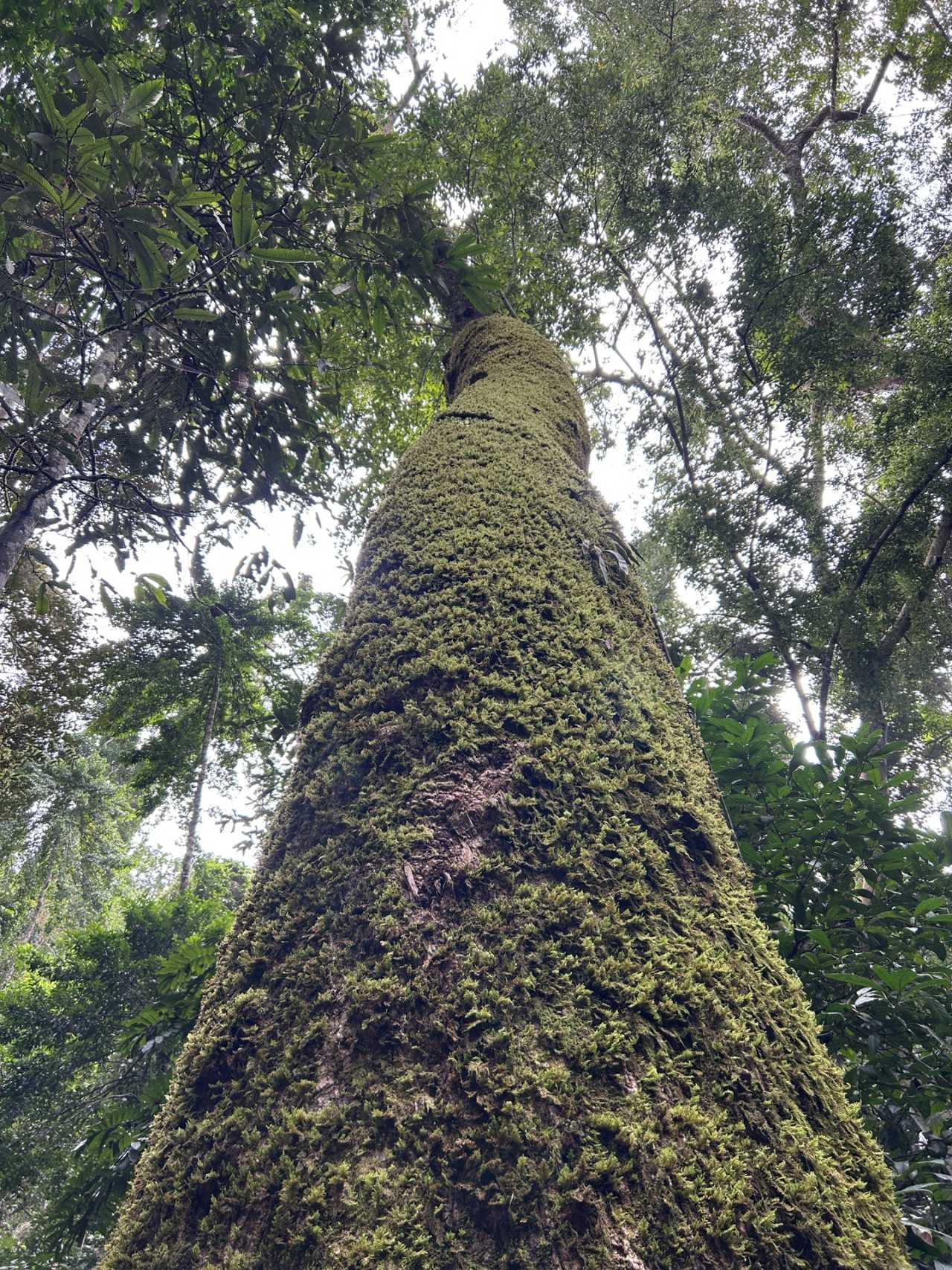
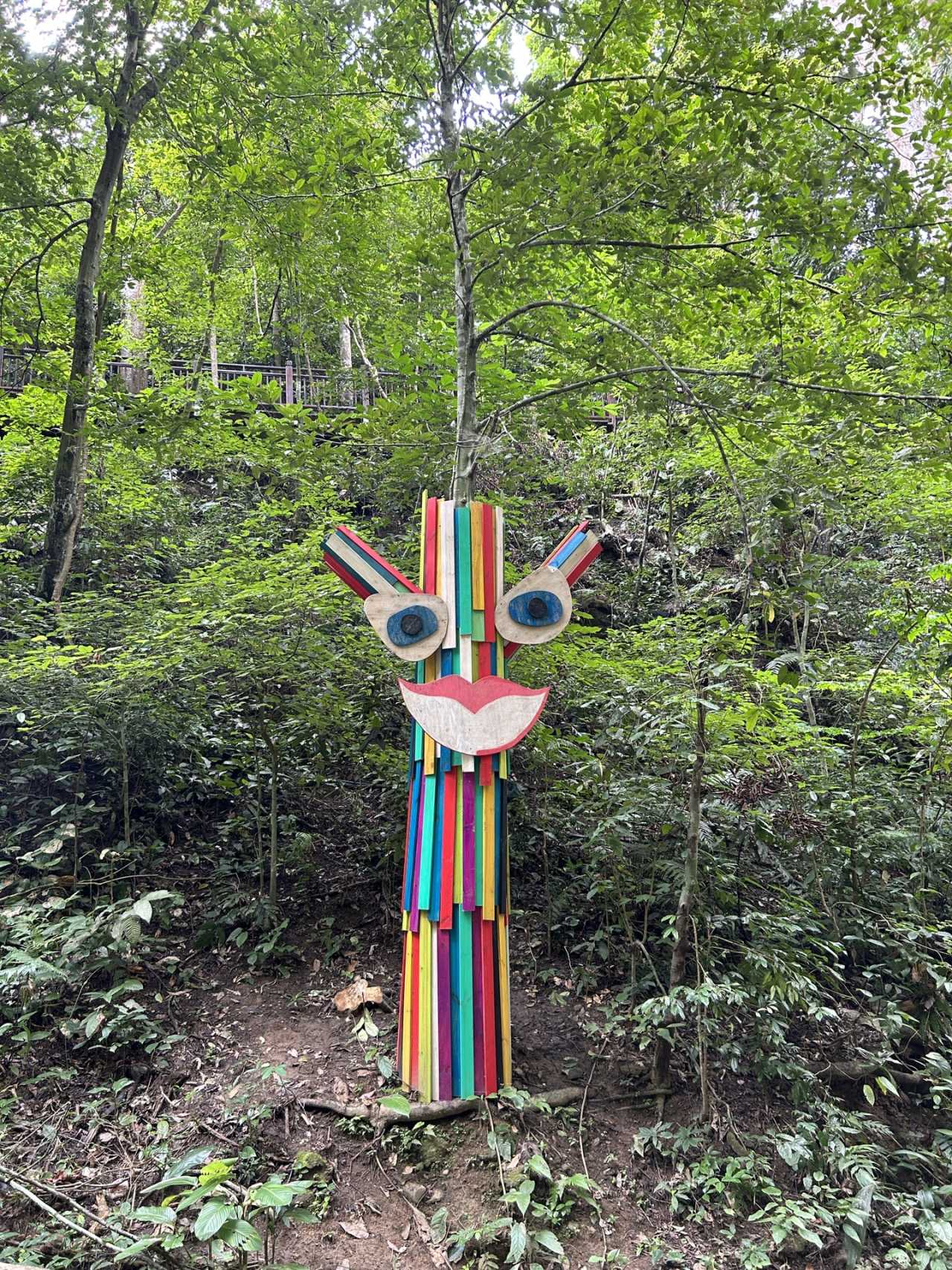
The natural environment in Primitive Forest Park is stunning—everywhere you look is green, and the air is so fresh you'll want to take deep breaths. If you're not up for a long hike, choose Route A. It covers all the highlights.
The guide especially recommended the naked-eye 3D show at the Mekong River Underwater World, calling it the most impressive attraction in Xishuangbanna. We didn't have time to go, which was a bit of a regret.
Dinner: Thai Princess Riverside Restaurant
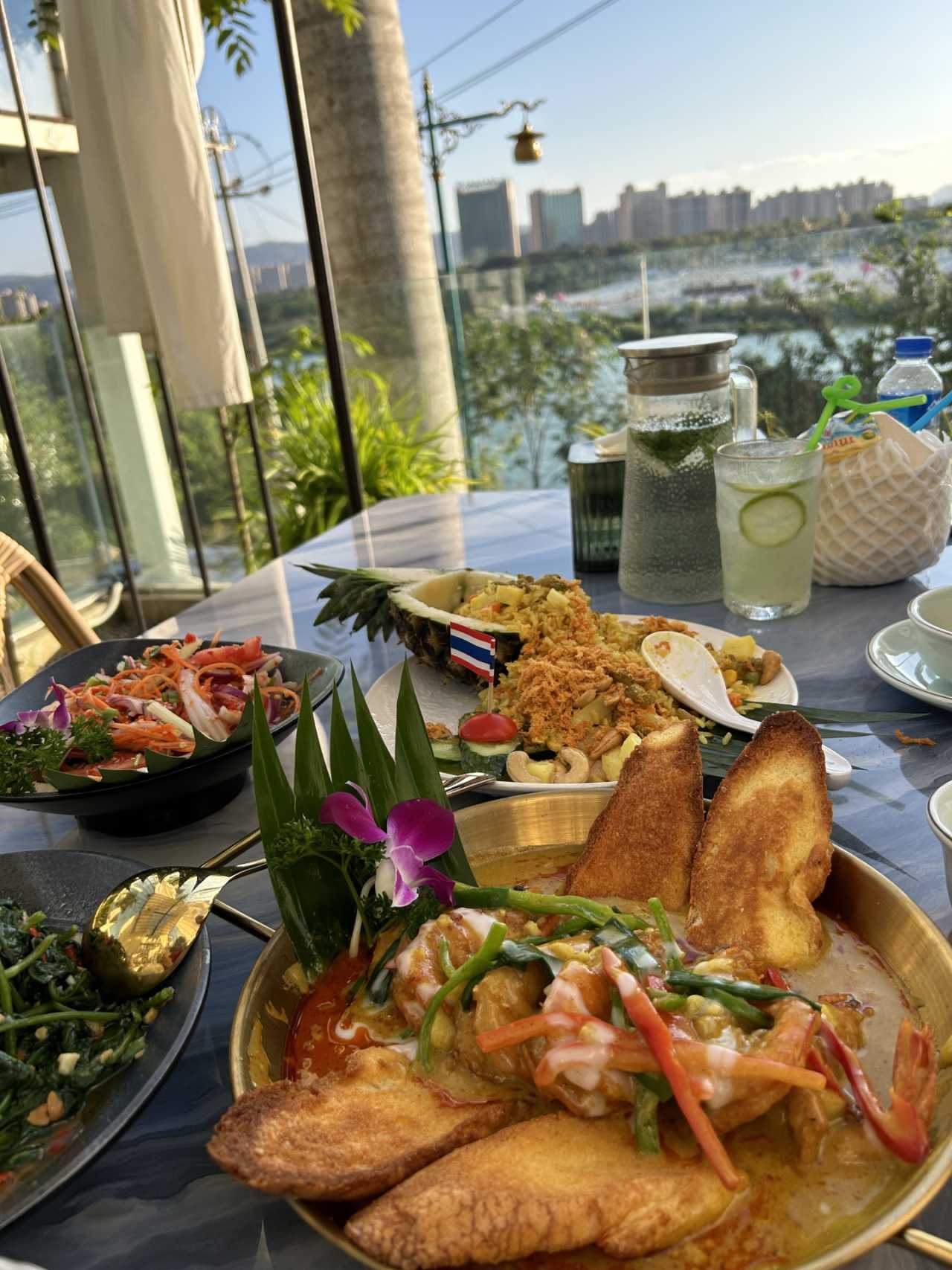
After a full day, we headed to the Thai Princess Riverside Restaurant, which we'd been looking forward to. We ordered a set meal for just over 100 RMB. I highly recommend the curry shrimp—the baguette pieces dipped in the curry sauce were crispy and fragrant, absolutely delicious. The coconut had a group-buy deal and was refreshingly sweet. Sitting by the river, eating good food while enjoying the view—it was pure bliss.
Fruit Buyer Beware
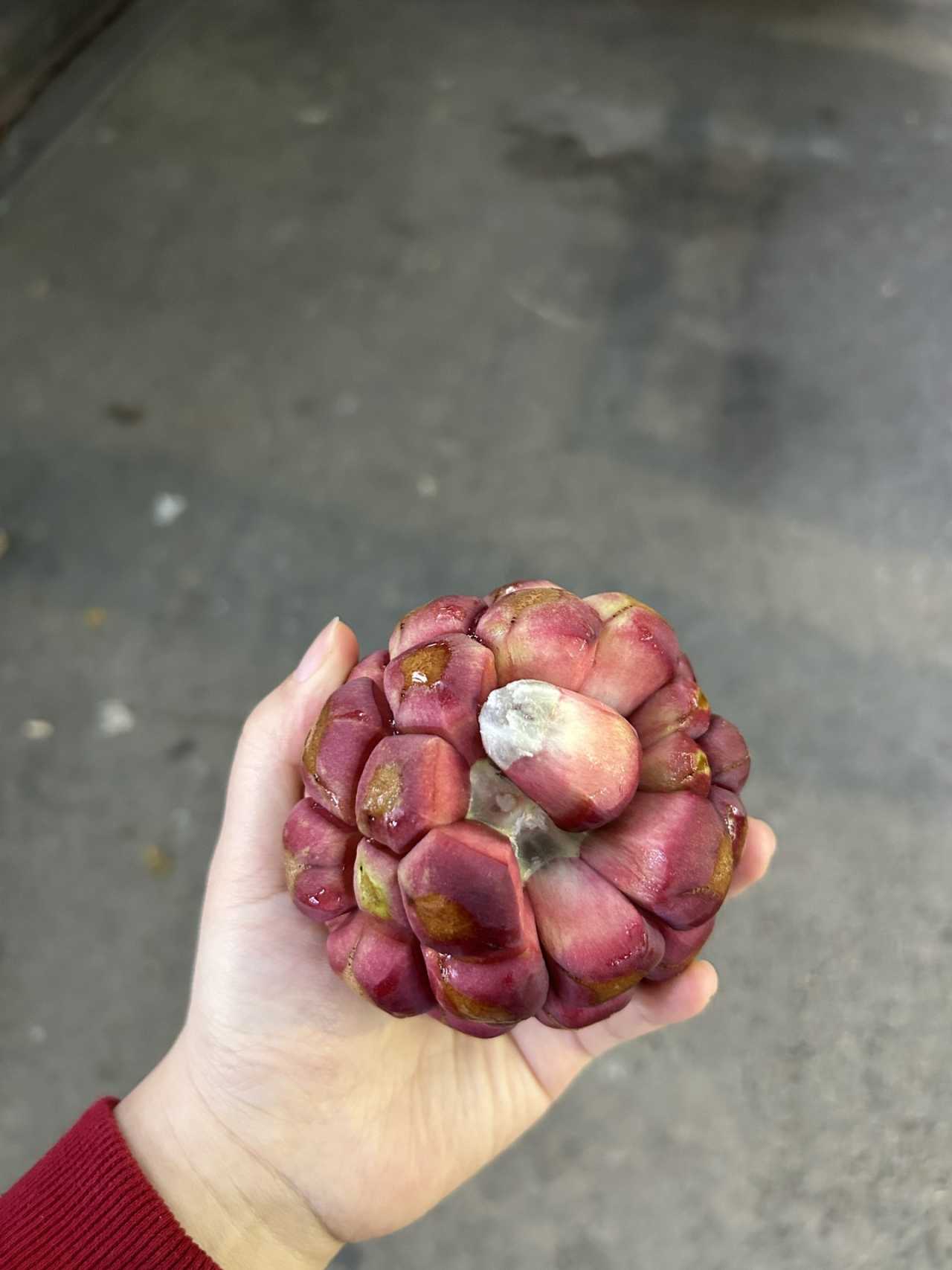
On the way back to the hotel, we bought some durian, starfruit, and dragon's fruit (pitaya). But I strongly advise against buying something called "Devil's Fruit" (恶魔果)! It cost over 50 RMB, and when we opened it, there was hardly anything edible. The taste was terrible, and we ended up throwing the whole thing away. What a waste of money!
Photo Shoot: Highly Recommend "Shu Feng旅拍" (Book Cover Photography Studio)
That evening, we finally did the Xishuangbanna photo shoot I'd been dreaming of. I spent a long time browsing Dianping and settled on Shu Feng旅拍. The package was just over 250 RMB for ten retouched photos, with all the raw files included.
The photographer initially thought it was the 160 RMB package and didn't shoot enough. When he realized his mistake, he proactively refunded the difference. The best part? The final photos turned out gorgeous, and the retouching was done quickly!
After the shoot, I found a random shop to remove my makeup and do a facial cleanse. I also tried a Thai massage—it was so relaxing I almost fell asleep.
DAY 3: Manting Park → Xishuangbanna Tropical Botanical Garden (Chinese Academy of Sciences) → Six Kingdoms Cultural City
Manting Park: A Must-Visit
Manting Park is a must-see in Xishuangbanna. It features a Dai king's parade performance, but you'll need to check the schedule in advance. The park isn't huge, but it's full of character—perfect for a leisurely stroll.
Xishuangbanna Tropical Botanical Garden: A Paradise for Fruit Lovers
I highly recommend the Xishuangbanna Tropical Botanical Garden! The fruit garden actually has real fruit, and you can even see cacao pods!
I picked up a ripe starfruit that had fallen from a tree. Excitedly, I rinsed it under a tap and took a bite—only to find it incredibly astringent. I have no idea why it was still so tart even after ripening.
The jackfruit was still a baby. The guide said Xishuangbanna has more jackfruit than anywhere else, but it's not cheap either. The trees were full of unripe starfruit, only to be admired from afar. There were also eggfruit, bananas, guava... none of them were in season yet.
Six Kingdoms Cultural City: Hua Man Lou Flower Cakes
We went to Six Kingdoms Cultural City to buy souvenirs. I highly recommend Hua Man Lou's flower cakes (鲜花饼). They're soft, sweet but not cloying, and absolutely delicious.
On the way back to the hotel, the guide recommended a fruit shop. We had some eggfruit, dragon's fruit, and sugar apples shipped home. They were cheaper than the fruit shops in Gaozhuang, and they even threw in a bag of fruit as a gift. However, their durian wasn't as good as the one in Gaozhuang—more expensive and with bigger pits.
Check-in at Arcadia Hotel
That evening, we checked into the Arcadia Hotel. The hotel itself was nice, but its location was remote, making it inconvenient to go out. It seemed like most guests were part of group tours.
We couldn't get a taxi that night, so Zhang and I rode an electric scooter to a farmhouse restaurant called Dai Royal Kitchen (傣御府). It was in a village and a bit hard to find, but the food was very authentic. The "Peacock Feast" set meal was 82 RMB, just right for two. I recommend the grilled meat. The ribs are a specialty, but they were sold out that day. The owner said we'd get a discount next time—though that'll probably be a few years from now.
DAY 4: Manliu Village → Grand Buddha Temple → Riverside Night Market
Manliu Village: Silverware Sales Pitch
Manliu Village is known for its silverware craftsmanship. The guide will take you on a tour and then steer you into a silverware shop for a sales pitch. Buy if you like it; we didn't.
Grand Buddha Temple: Different Views at Every Level
Take the electric cart up, then walk down level by level. Each floor offers a different perspective. At the bottom, you can experience water-splashing activities and watch peacocks being released—but make sure to check the timing.
Riverside Night Market: Dai-Style BBQ
I tried Pad Thai (帕露达) for the first time. It had a light coconut aroma, but the bread on top needs to be eaten quickly—once it gets soggy, it becomes a bit greasy.
The Dai-style BBQ was delicious and the portions were huge—we couldn't finish it all. The grilled ribs are a specialty, highly recommended. The night market is full of vendors selling ethnic clothing, fruit, and raw seafood, all at reasonable prices.
DAY 5: Boruo Temple → Gasa Comprehensive Market → Return Trip
Boruo Temple: The "Sea Mosque"
Boruo Temple is known as the "Sea Mosque." There's no entrance fee, and you can see everything quickly. The architecture is distinctive and great for photos.
Gasa Comprehensive Market: Fruit Freedom
This place is a paradise for fruit lovers! The selection is dazzling, the prices are really low, and they can ship your purchases. Zhang added the shop owner on WeChat, so now we can get fruit that's not available in Shanghai.
We bought all this fruit for just over ten RMB—everything was 3 or 4 RMB per pound (about 6.6 to 8.8 RMB per kilogram). What a steal! Whatever we couldn't finish, we brought onto the plane.
One Last Thai Massage
After shopping, we rode the electric scooter to enjoy one more Thai massage. The shop was called Senman (森曼), and we visited it twice in two days—we even squeezed in another session before our flight. We bought a group-buy deal for just over 90 RMB per person—incredible value.
On the staff's recommendation, we tried the famous Jiahua freshly baked flower cakes. Zhang said they were delicious, but I still preferred Hua Man Lou's. Before leaving, I bought two more boxes from Hua Man Lou—only to discover they have a physical store in Shanghai! I could have saved myself the trouble of carrying them back.
Cost Breakdown
| Item | Cost |
|---|---|
| Group tour (two people, private group) | 4,899 RMB |
| Meals (including snacks and fruit) | Approximately 2,000 RMB |
| Photo shoot | 250+ RMB |
| Thai massage (twice) | Approximately 200 RMB |
| Other (transportation, souvenirs, etc.) | Approximately 500 RMB |
| Total (two people) | Approximately 8,000 RMB |
Summary and Tips
December is the best time to visit Xishuangbanna: Comfortable temperatures, reasonable prices, and fewer crowds. Prices start going up in January, so try to avoid that month.
Group tours save hassle but require caution: If you choose a group tour, confirm every detail about the accommodation before you leave. Or just go independent—Xishuangbanna has convenient transportation and plenty of accommodation.
Fruit freedom is real: But buy from the local market—it's much cheaper than the scenic areas. And whatever you do, don't buy "Devil's Fruit"!
Choose a reliable photo studio: Shu Feng旅拍 comes highly recommended—great value and high-quality results.
Don't miss a Thai massage: Senman is a good choice—over 90 RMB per person, fantastic value.
For flower cakes, go with Hua Man Lou: Better than Jiahua, but they have a physical store in Shanghai, so you don't need to haul them back.
Next time, bring the kids for a hike in Jinuo Mountain: This was recommended by our guide and is supposedly great for family trips.
Winter is the right way to experience Xishuangbanna. The warm climate, abundant fruit, and unique culture make it unforgettable. If you're thinking of going, don't hesitate—just book a ticket and go!
You should also read:
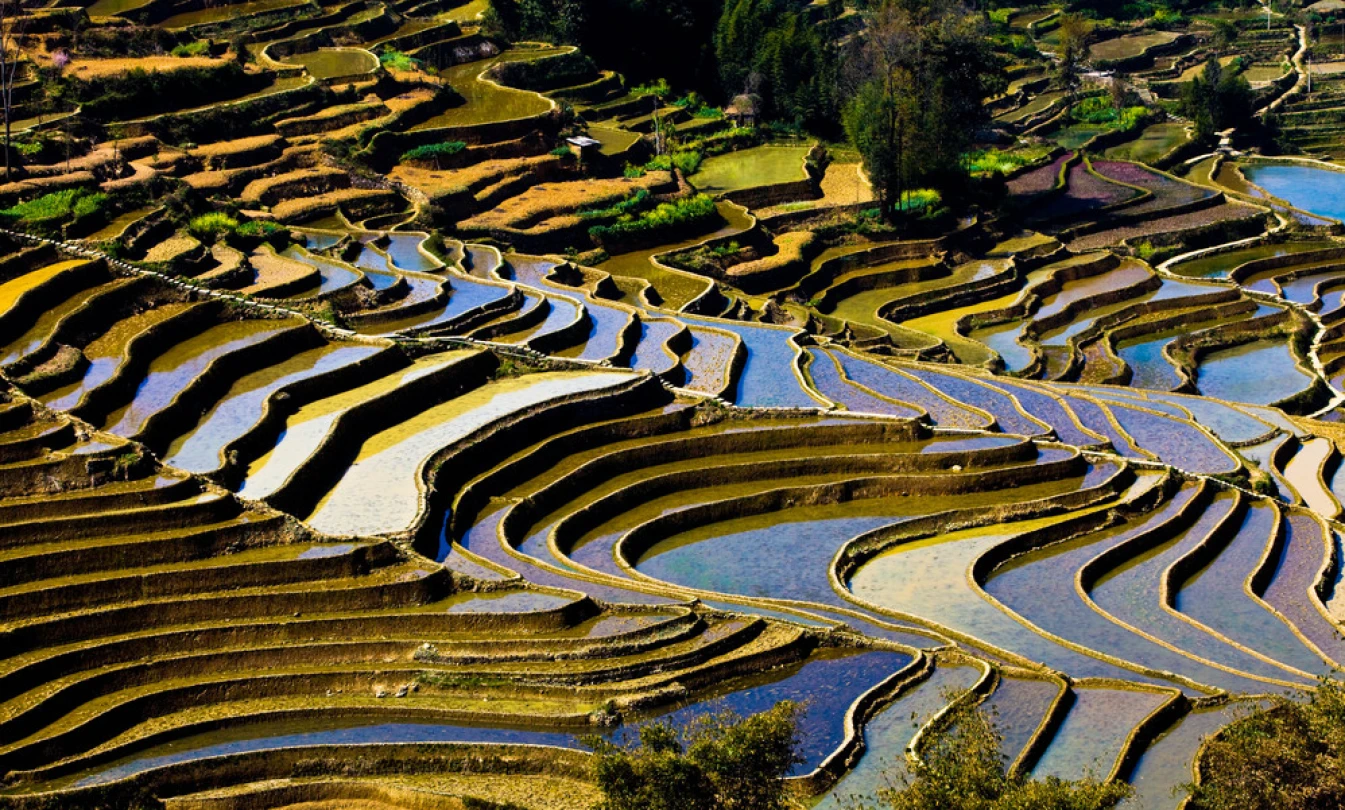
Fly to Yuanyang! — A Complete Photography Guide
Fly to Yuanyang! — A Complete Photography Guide A Spontaneous Photography Journey Every year after the Spring Festival, airfare to Kunming hits its lowest point. This year, the holiday came unusually early, and February is precisely the most captivating season for the Yuanyang rice terraces.
Continue reading...
Xishuangbanna Self-Drive Tour: Into the Tropical Wonderland at the Edge of the Sky (Complete Guide)
Xishuangbanna Self-Drive Tour: Into the Tropical Wonderland at the Edge of the Sky (Complete Guide) Introduction: A Dream Fulfilled Thirty Years Early Some journeys are destined to happen at a specific moment in time. For me, a self-drive trip to Xishuangbanna was originally the first…
Continue reading...
A 9-Day Yunnan Journey: From Lijiang to Dali to Tengchong – A Trip Toward Self-Reconciliation
A 9-Day Yunnan Journey: From Lijiang to Dali to Tengchong – A Trip Toward Self-Reconciliation Some say travel is simply going from a place you're tired of to a place other people are tired of. It stings to hear, but it's painfully true. Yet there's…
Continue reading...