Xi'an 6-Day, 5-Night In-Depth Independent Tour: Traveling Through Millennia, Touching the Pulse of Chang'an
Xi'an 6-Day, 5-Night In-Depth Independent Tour: Traveling Through Millennia, Touching the Pulse of Chang'an
Prologue: One City, Two Eras
Xi'an, a city steeped in three thousand years of history, reads like a tome you can never truly finish. Every blue brick holds a story; every breeze carries the echoes of Tang poetry and Song rhyme. When a modern subway train roars beneath the Ming Dynasty city wall, when neon lights reflect off a thousand-year-old pagoda, you truly understand—"Chang'an" was never just a thing of the past. It is an eternal presence, coexisting and intertwined with the Xi'an of today.
We often say "dreaming of returning to Chang'an," but when you actually set foot on this land, you realize it's not about dreaming of a return. History never left. It's right beneath your feet, at your fingertips, on your tongue, in every breath you take at dawn and dusk.
For this trip, we chose a slow pace: six days and five nights. No rushing through sights, no chasing crowds. We simply wanted to feel the weight of time in this ancient capital of thirteen dynasties.
First Glimpse: From Yongning Gate to the Bell and Drum Towers, A First Encounter with History
Arriving in Xi'an: A Quiet First Impression

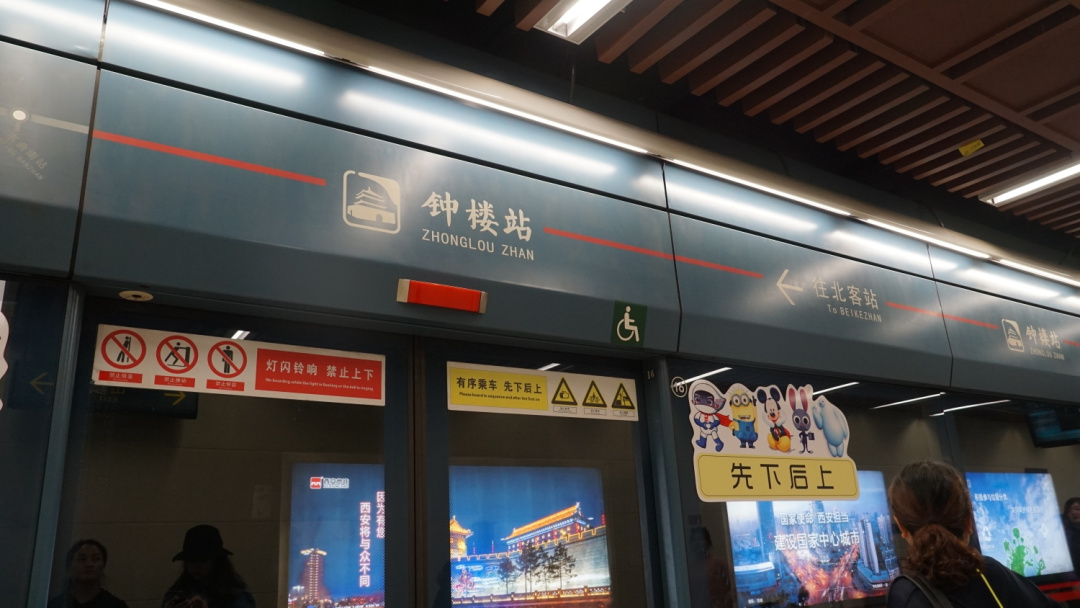
Departing from Chengdu, we arrived in Xi'an at noon. After getting off at Yongningmen Station on the metro, we activated our "Xi'an Metro Electronic Card" and "Chang'an Tong Bus Card" via Alipay, and our journey through the ancient capital began.
Xi'an's metro and buses are remarkably quiet. No crowded throngs, no noisy clamor. My first impression of this city was... silence. Perhaps this is the unique temperament of a thousand-year-old capital—a composed calm earned through centuries of vicissitudes.
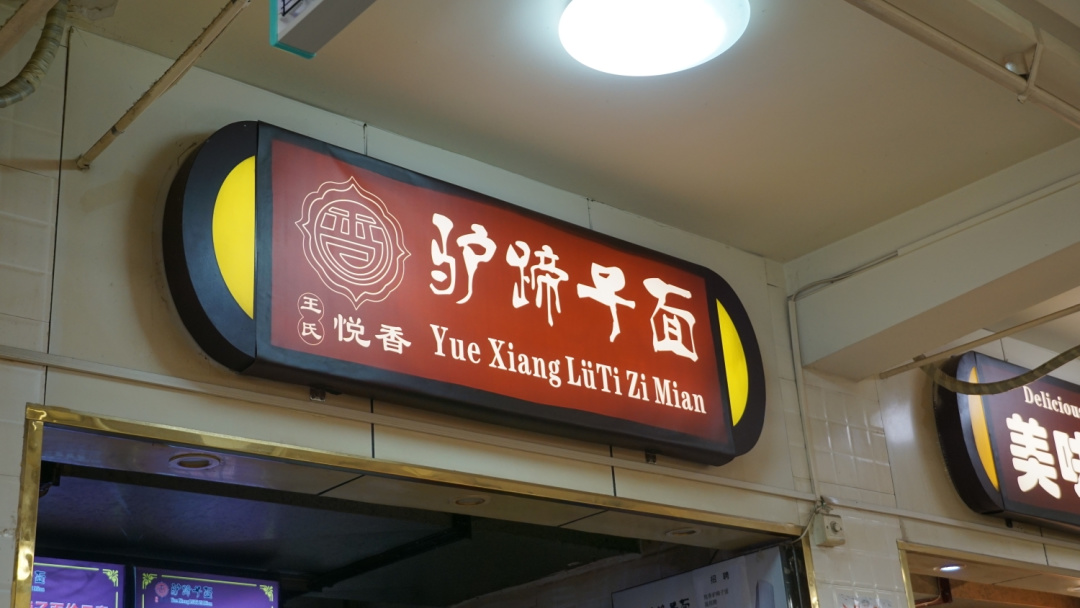
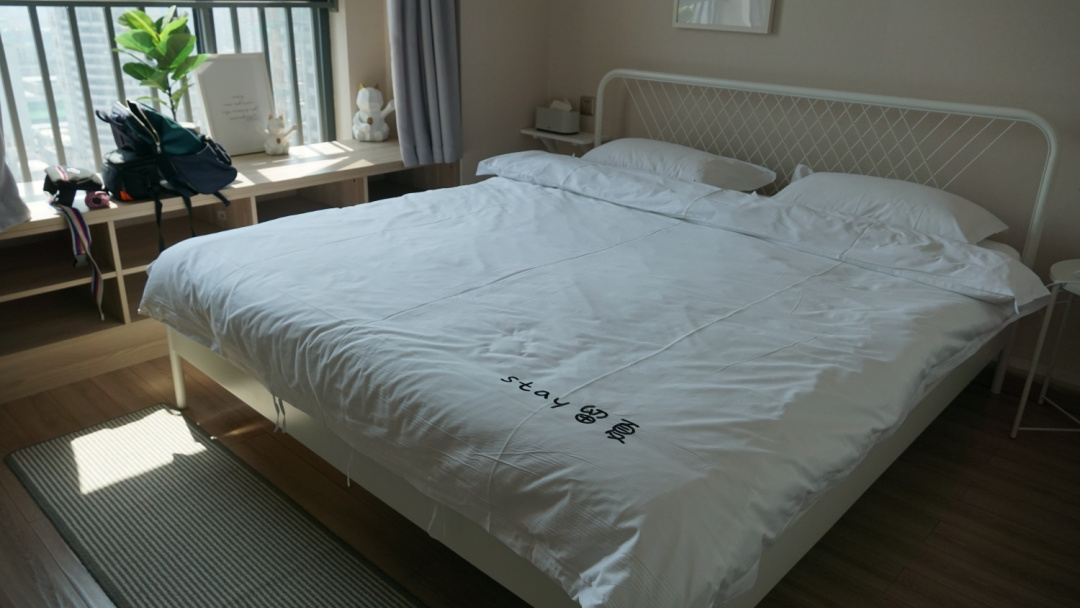
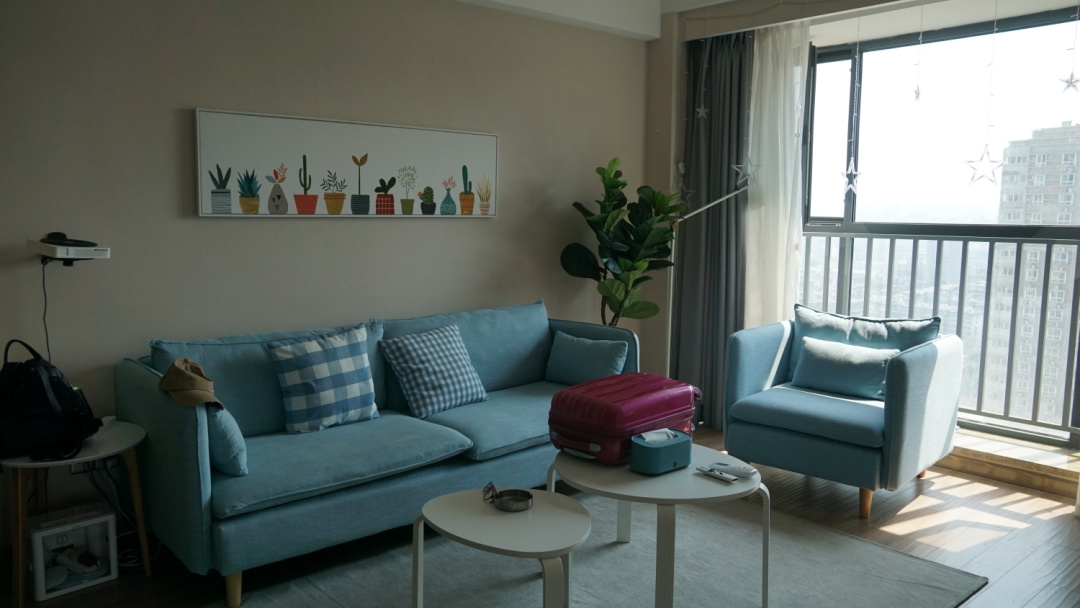
We booked a homestay near Yongning Gate, a place called "Liuxia" (Stay for Summer) on Airbnb. Two bedrooms, one living room, 258 RMB per night. Nothing flashy, but just right—like the city itself, understated yet warm.
The Warmth of Youpo Mian (Oil-Splashed Noodles)
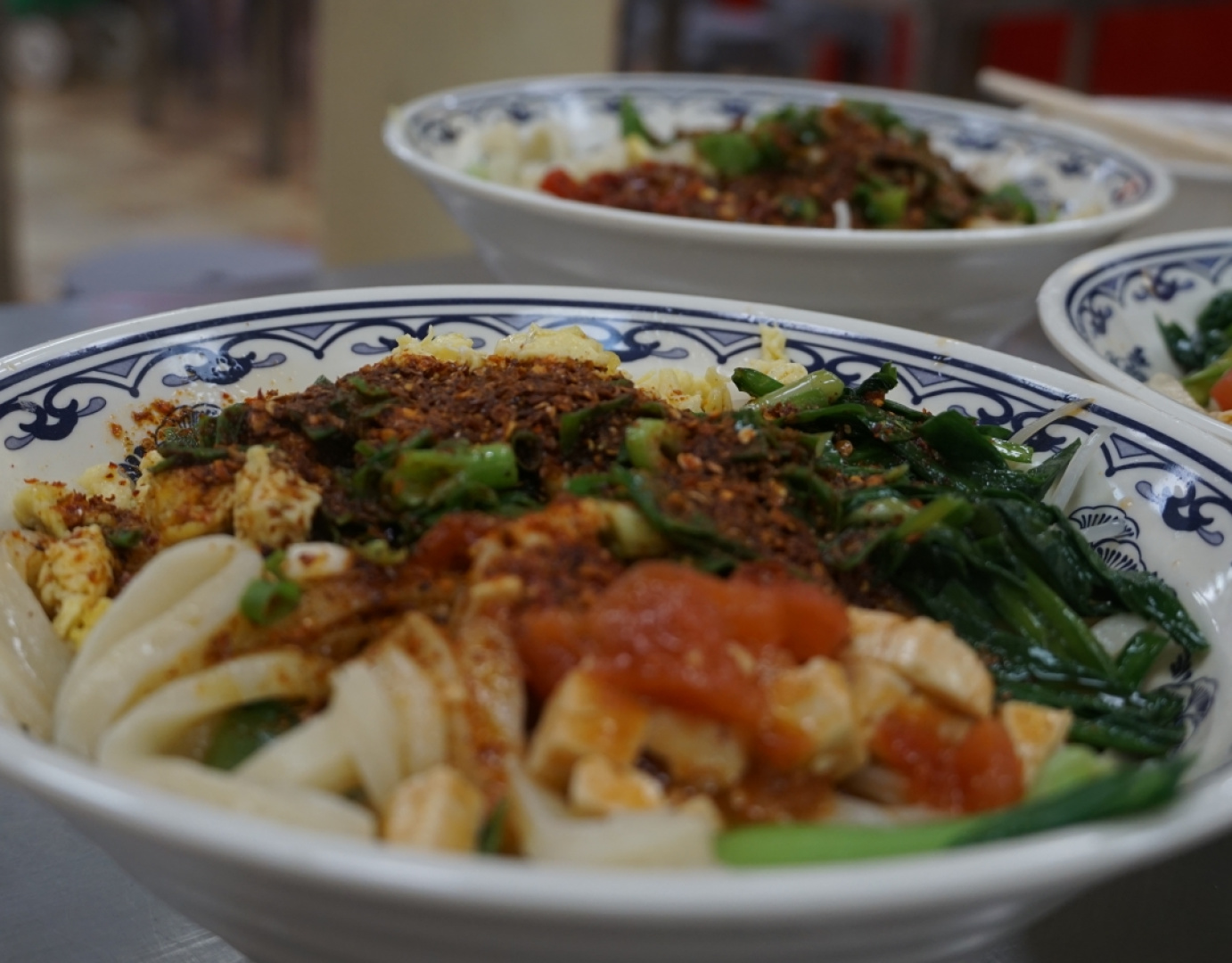
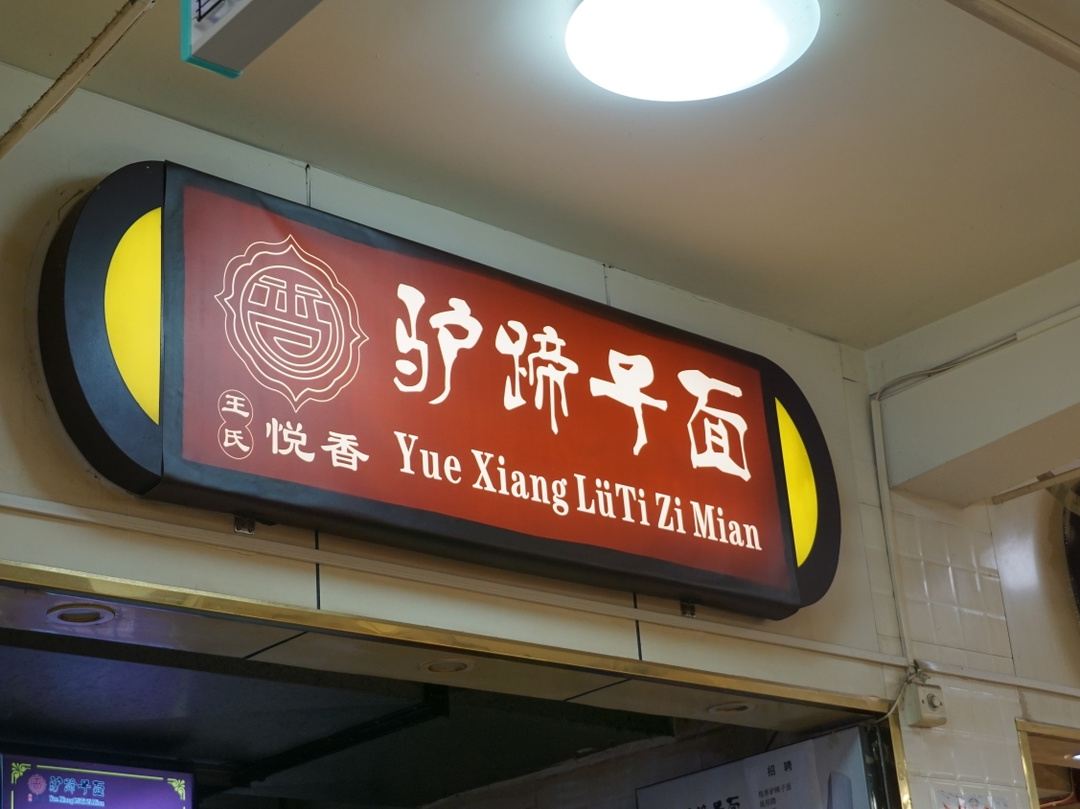
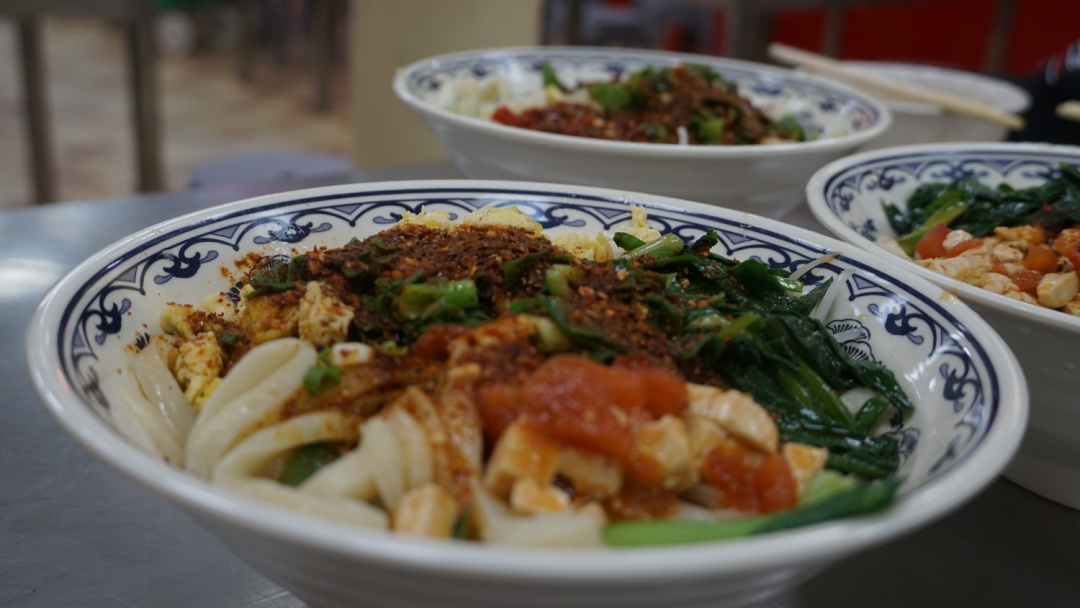
There was a highly-rated noodle shop downstairs on Dianping (China's Yelp). A bowl of youpo mian (hand-pulled noodles splashed with sizzling chili oil) cost 13 RMB, and the portion was astonishing. The noodles were chewy, the chili oil fragrant, the garlic aroma intoxicating. I couldn't even finish it—not because it wasn't good, but because the serving was too generous. This is probably how Xi'an people welcome you: with the simplest food, giving you the most solid satisfaction.
A Long Walk on Chang'an Avenue: From Yongning Gate to the Bell Tower
After a midday nap, the sun was just right. We began our first day's "long march"—walking north from Yongning Gate along the ancient city wall toward the Bell Tower.
Xi'an's architecture exudes cultural confidence everywhere. Banks, hotels, shopping malls—all carry shadows of history. Not a forced imitation of antiquity, but an inheritance from the bone. This is perhaps the greatest respect the Chinese nation pays to its millennia-old culture: not locking it away in museums, but letting it live in everyday life.
The Bell and Drum Towers: Guardians of Time
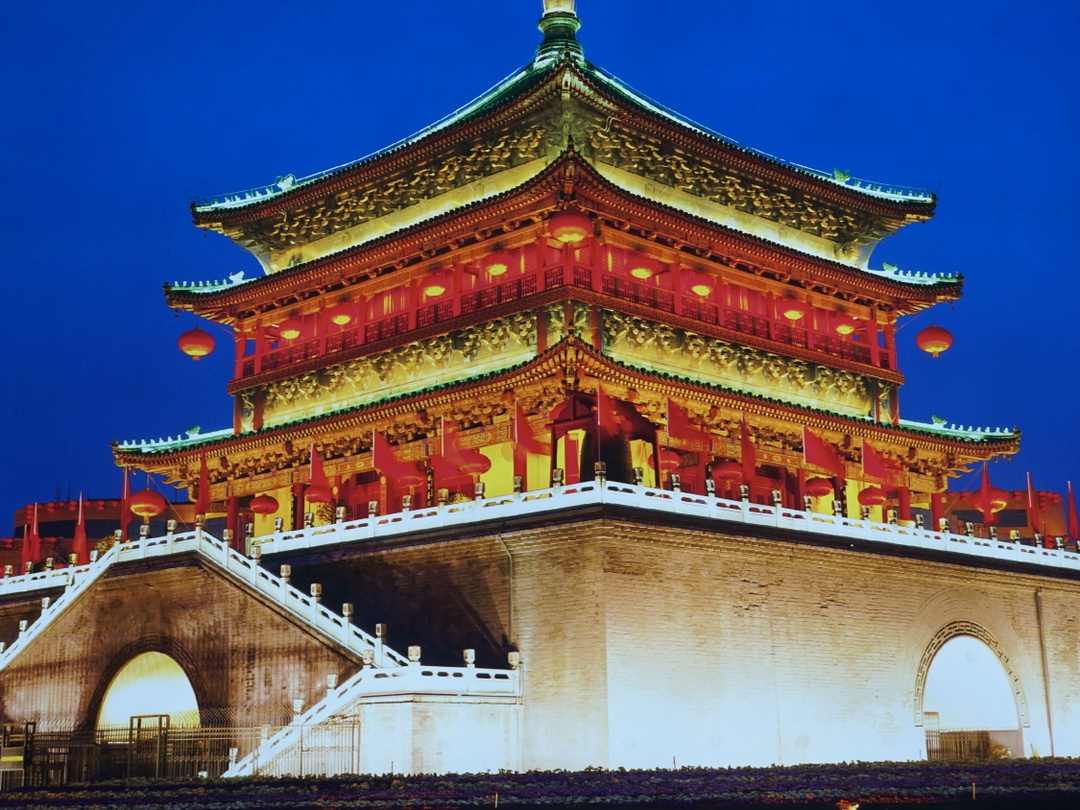
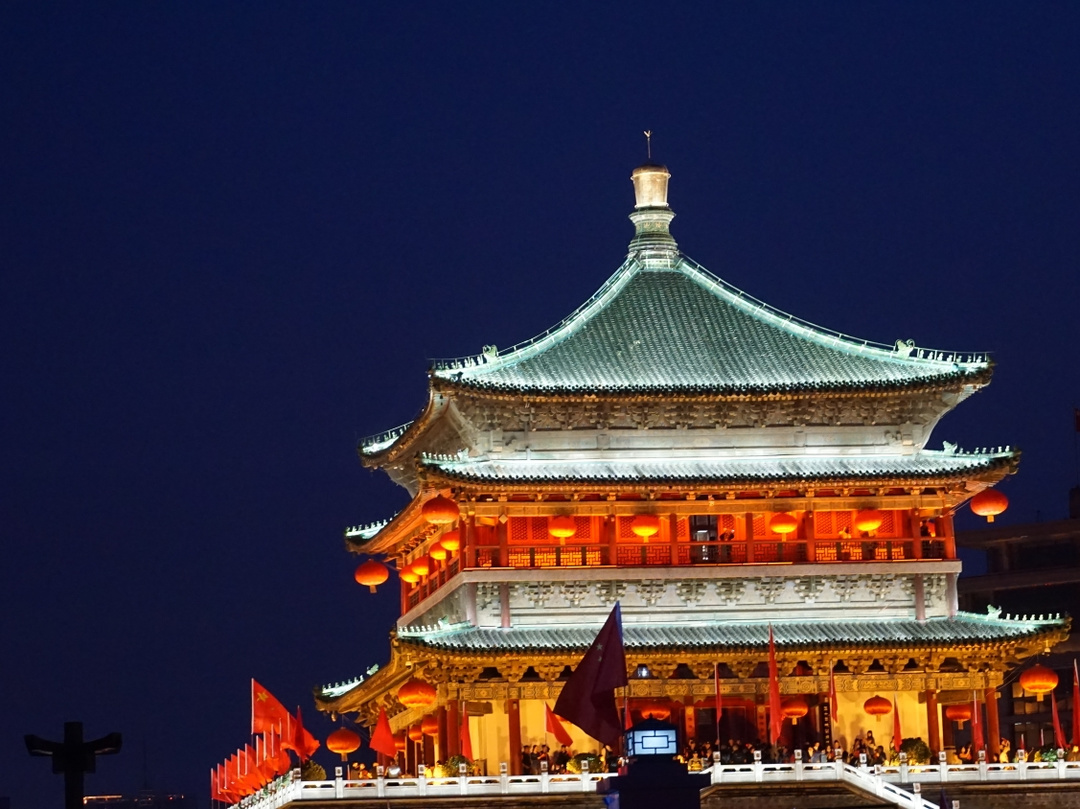
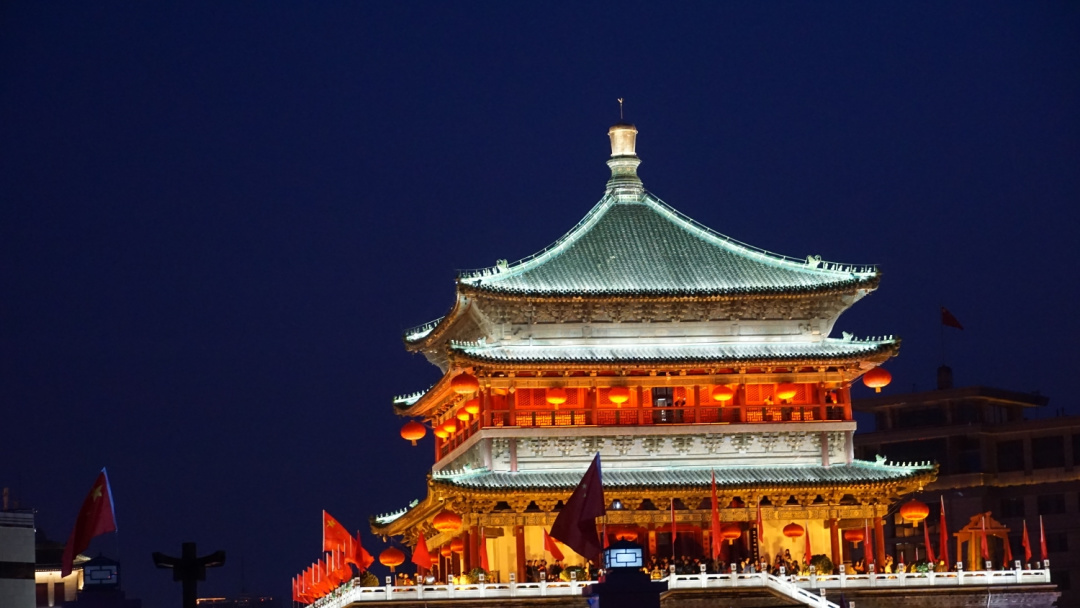
The Bell Tower was first built in the 17th year of the Hongwu reign of the Ming Dynasty (1384 AD), originally at the intersection of West Street and Guangji Street. A large bell once hung upstairs, used for alarms and timekeeping. Today, it stands quietly in the city center, gazing across at the Drum Tower 200 meters away.
Admission is 30 RMB, or 50 RMB for a joint ticket to both towers. We only climbed the Bell Tower. It happened to be just before National Day, and the square was rehearsing "Me and My Motherland." We joined in singing along. This song has been played countless times, but every time it starts, it still stirs your heart.
Day Two: The Terracotta Warriors, Huaqing Pool, and "The Song of Everlasting Sorrow"
The Terracotta Warriors: The Shock of a Thousand Different Faces
We slept in, then cooked our own breakfast—eggs, milk, and fruit. Leaving at 11 a.m., we took a 50-minute taxi ride to the Emperor Qinshihuang's Mausoleum Site Museum. Admission is 120 RMB, the same price online and at the gate.
Important tip: You absolutely must hire a guide! We pooled with other visitors at the ticket hall and got a guide for 20 RMB per person, paid only after the tour. Without explanations, all you see are "creepy piles of dirt." But with stories added, you feel the true shock of "a thousand faces, a thousand different people"—each terracotta figure has its own expression, hairstyle, and posture, as if living Qin Dynasty soldiers were frozen in time two thousand years ago.
The Terracotta Warriors, located 1.5 kilometers east of the Mausoleum of the First Qin Emperor in Lintong District, were listed as a National Key Cultural Relic Protection Site in 1961, discovered in 1974, and inscribed on the UNESCO World Heritage List in 1987. Known as the "Eighth Wonder of the World," they have been visited by over 200 foreign heads of state and government, serving as a golden名片 (calling card) of ancient Chinese civilization.
Huaqing Palace and "The Song of Everlasting Sorrow"
Our guide advised us to skip Huaqing Palace, and online guides also said "it's not worth it." So we rested at the visitor center, waiting to see "The Song of Everlasting Sorrow."
From the Terracotta Warriors to Huaqing Palace, it's about a 45-minute bus ride for 3 RMB. Don't take those green tourist vans—you must walk to the bus stop and take a regular public bus.
The "Chang'an Li" restaurant at the entrance to Huaqing Palace serves excellent northern Shaanxi cuisine. We had dinner there before heading in for the show.
The first performance of "The Song of Everlasting Sorrow" starts at 8:20 p.m., and you can enter 50 minutes early. Booking tickets on the official website gives you access to the fast track—20 RMB more expensive, but it saves you from long queues. Seat recommendation: Zone A Center or Zone B Center, directly facing the stage for the best view.
This large-scale outdoor historical dance drama, produced by Shaanxi Tourism Group, is based on Bai Juyi's poem "Song of Everlasting Sorrow." Lasting 70 minutes and divided into ten acts, from "The Yang family has a daughter just coming of age" to "Meeting again in the heavens above," it blends mountain-and-water scenery, classical music and dance, and high-tech lighting effects. It transports you back 1,300 years to Huaqing Palace, letting you experience the timeless love vow: "In heaven let us be two birds flying together; on earth let us be two trees with branches interlocked."
Day Three: Daming Palace and the Ming City Wall—Touching the Tang Dynasty Amid Ruins and Brickwork
Daming Palace: Imagining the Tang Dynasty on Its Ruins
Daming Palace National Heritage Park, located on Taihua South Road, was the most magnificent building complex among the "Three Great Palaces" of Tang Dynasty Chang'an. Construction began in the 8th year of the Zhenguan reign of Emperor Taizong, covering approximately 3.2 square kilometers. The original palace wall was 7.6 kilometers in circumference, with 11 gates and over 40 palace and pavilion ruins.
Admission is 60 RMB, or 95 RMB for a combo ticket (including guided tour). You can also listen to free audio guides on the official WeChat account "Daming Palace Ruins," which are quite detailed.
Make sure to bring sun protection for Daming Palace! It's enormous, with very few trees. You only find shade when you reach Taiye Lake. We walked for over three hours just to cover the main areas.
The Ruins Museum is worth a careful look. Four exhibition halls: the first three showcase the splendor of the Tang Dynasty, while the last one is a bit disappointing. If you know some history, you'll notice many fascinating details—the Tang ceramics, gold and silverware, and murals all exude the openness and confidence of that era.
Afterward, we had lunch at "Miji Jiao Tuan" (Rice Dumpling House), still authentic northwestern cuisine.
Night Cycling on the Ming City Wall: Xi'an's Most Romantic Experience
Xi'an City Wall, also known as the Ming City Wall, is the largest and best-preserved ancient city fortification in China. It stands 12 meters high, with a top width of 12–14 meters and a base width of 15–18 meters, stretching 13.74 kilometers in circumference. There are four main gates: Changle Gate (East), Yongning Gate (South), Anding Gate (West), and Anyuan Gate (North).
We climbed the wall at Anyuan Gate and descended at Yongning Gate. Admission is 54 RMB. I strongly recommend renting a bicycle. A single bike costs 45 RMB for two hours, a tandem bike 90 RMB for two hours. The suspension is excellent—no bumpiness at all. The ride takes about an hour and a half. Go up around dusk, and by the time the lights come on, you'll have a panoramic view of Xi'an's nightscape.
Note: Many intersections in Xi'an don't have traffic lights. Crossing the street relies entirely on drivers yielding. Most drivers are very courteous and will stop to let you pass. But there's always the unexpected, so pedestrians should still cross quickly. Every city has its own way of doing things—this is perhaps Xi'an's unspoken understanding.
Day Four: The Giant Wild Goose Pagoda, the Unending City, and the Tang Paradise
Chang'an Grand Bistro: A Real Experience at a Trendy Restaurant
Today we moved to a homestay near the South Gate, close to the Giant Wild Goose Pagoda. For lunch, we checked out the trendy restaurant "Chang'an Grand Bistro" (长安大牌档), ranked number one in the Yanta District. You can't book online; you have to queue on site. Saturday was especially crowded, and we waited over 20 minutes.
We ordered the signature dishes: Chang'an gourd chicken (长安葫芦鸡), biang biang noodles (biang biang面), tripe with bean curd skin in chili sauce (豆皮涮牛肚), grilled beef tendon (烤肉筋), golden-edged cabbage (金边白菜), small mirror cakes (小镜糕), roasted date bread (烤枣馍), osmanthus wine (桂花酿), and fermented rice ice cream (醪糟冰淇淋). The taste was average—nothing particularly amazing. Probably because the hype was so big that our expectations were set too high.
The Giant Wild Goose Pagoda: Xuanzang's Millennial Vigil
The Giant Wild Goose Pagoda is located within the Daci'en Temple, also known as the "Temple of Kindness." Built in the 3rd year of the Yonghui reign of the Tang Dynasty (652 AD), it was constructed by the monk Xuanzang to preserve the Buddhist scriptures and statues he brought back from India. Originally five stories, it was later expanded to nine, then finally fixed at seven, reaching a height of 64.517 meters.
Entering Daci'en Temple costs 40 RMB, and climbing the pagoda costs an additional 25 RMB. The pagoda is almost empty inside—just a few replica scriptures and some old artifacts. Climbing to the top for a view: to the south lies the Unending City (大唐不夜城), while the rest is modern buildings, which immediately breaks the spell. It's said that the real scriptures and antiques have too much national significance to be displayed.
The North Square features a musical fountain with scheduled performances daily. During National Day, patriotic songs were played, and the whole crowd sang "Me and My Motherland" together.
The Unending City and Tang Paradise
The South Square of the Giant Wild Goose Pagoda is the entrance to the Unending City (大唐不夜城), a commercial area themed around Tang Dynasty culture, combining shopping, dining, entertainment, and leisure. At night, it's ablaze with lights and packed with people.
Tang Paradise (大唐芙蓉园) is China's first large-scale royal garden-style cultural theme park showcasing the full splendor of the Tang Dynasty. Admission is 120 RMB, a bit pricey. We arrived at 8 p.m., after all the performances had ended, but the ticket price was still the same. Even the ticket seller advised us to "think twice," but since I had a free admission pass, I went in anyway. With the lights on at night, the ancient architecture was indeed beautiful.
Food recommendation: Wei Jia Liang Pi (魏家凉皮) —a chain restaurant offering all of Xi'an's signature snacks. Their rice noodles (米皮), cold noodles (凉皮), and meat in pita bread (肉夹馍) are all good. Especially the肉夹馍 (Chinese hamburger), it's worth a try.
Day Five: Swordplay on Mount Hua—Conquering the "Most Perilous Mountain Under Heaven"
Departure: The Wisdom of "North Up, West Down"
Mount Hua, known in ancient times as the "Western Peak" and elegantly called "Taihua Mountain," is located in Huayin City, Weinan. It connects to the Qinling Mountains to the south and overlooks the Yellow River and Wei River to the north. It has been called "the most perilous mountain under heaven" since ancient times.
Take a bullet train from Xi'an North Station to Huashan North Station, then take a free shuttle bus to the visitor center. We were lured by a "wild pig" (unauthorized taxi driver) who charged us 20 RMB for the ride and tried to sell us tickets. Stay firm—you can get discounts on tickets, cable cars, and shuttle buses at the official visitor center. Also, buy a pair of gloves at the entrance—absolutely necessary.
Route choice: North up, West down—absolutely the right call! Many people say the West Peak is the most dangerous, but the path there is already quite wide and gentle. The route from North Peak to East Peak and Middle Peak, however, has only a single track, with some sections so steep you have to grip the chains to climb, not daring to look at the scenery. Going north up and west down means no backtracking, and while it's mostly uphill and tiring, you won't get "the shakes" from descending steep drops.
Complete Record of the Five Peaks
North Peak (Cloud Terrace Peak): Cable car ticket 80 RMB, 8-minute ride. All around are sheer cliffs. If you're faint-hearted, you won't dare look down. North Peak is the hub for reaching the other four peaks, with precipices on three sides, making it easy to defend and hard to attack. The story of "Taking Mount Hua by Strategy" happened here.
Middle Peak (Jade Maiden Peak): Elevation 2,037.8 meters. This is the only peak where you have to backtrack. If time is tight, you can skip it—the scenery is average.
East Peak (Sunrise Peak): Elevation 2,096.2 meters. The best spot for watching the sunrise. When we climbed up, clouds and mist surrounded us, making it feel like a fairyland.
South Peak: Elevation 2,154.9 meters. The highest peak of Mount Hua and the highest of the Five Sacred Mountains. Standing at the summit and looking out, the mountains stretch into the mist, the Yellow River and Wei River appear like threads. You truly grasp the sense of "heaven is close enough to touch, stars within reach."
West Peak: Elevation 2,082.6 meters. A single, massive rock, formed by nature. Its northwest face is a thousand-zhang (over 3,000 meters) sheer cliff, as if cut by a knife and sawn by a saw. This is the iconic shape of Mount Hua and the peak most frequently photographed by visitors.
West Peak Cable Car (Taihua Cable Car): The world's first single-loop, reversible, detachable cable car with a station carved into a cliff face, an undulating alignment, and an intermediate station. The ride takes about 20 minutes and costs 140 RMB. If you're afraid of heights, don't take it—cliffs, abysses, sheer drops. It's pure torture.
Descending and Rewarding Yourself
After the West Peak cable car, you still need to take a 50-minute shuttle bus (40 RMB) back to the visitor center. The last bus departs at 7 p.m., so make sure you manage your time.
After seven hours of hiking on Mount Hua, we returned to the city center to eat at "Zui Chang'an" (Drunken Chang'an), a trendy restaurant serving excellent northern Shaanxi cuisine.
Day Six: Old Liu's Pita Bread Soaked in Lamb Soup—Saying Goodbye to Xi'an
The Proper Way to Eat Authentic Lamb Paomo (Pita Bread Soaked in Lamb Soup)
How can you come to Xi'an and not eat lamb paomo (羊肉泡馍)? My friends had told me it wasn't good, but that's because they hadn't had the real thing.
Old Liu's Pita Bread in Lamb Soup (老刘家泡馍) is located on the historic street in Lianhu District. It's an 80-year-old shop that only sells this one dish. The customers here are all locals. An uncle from Xi'an at the next table kept telling us we had "come to the right place," and even taught us step by step how to break the bread and how to eat it. Watching their practiced hands, you knew the flavor would be right.
PS: This shop has no branches. This is the only one.
Practical Tips for Traveling in Xi'an
- Avoid major holidays: Accommodation is expensive, crowds are overwhelming, and the experience suffers greatly.
- Bell and Drum Towers: Go at night. Even if you don't climb them, you'll see the most beautiful night view. Muslim Quarter (回民街) is too commercialized—not recommended.
- Terracotta Warriors: Don't trust the "guides" soliciting at the gate. There are official guides at the ticket office for 20 RMB per person, paid after the tour.
- "The Song of Everlasting Sorrow": Watch the first show. Choose Zone A Center or Zone B Center. Booking through the official website gives you fast-track entry.
- Daming Palace: If you're not interested in history, you can skip it. Apart from the museum, there's not much to see.
- Ming City Wall: Go up before 6 p.m. Enter from the north, exit at the south. The south gate has the most beautiful night view.
- Giant Wild Goose Pagoda: Climb during the day; watch the musical fountain at North Square at night.
- Unending City (大唐不夜城): Too crowded at night. Be careful.
- Tang Paradise (大唐芙蓉园): Expensive admission, but the lights are beautiful at night.
- Mount Hua: North up, west down—no backtracking. Remember to stretch after climbing, or your feet will hurt.
- Food: Wei Jia Liang Pi (魏家凉皮), Chang'an Grand Bistro (长安大牌档), and Old Liu's Pita Bread in Lamb Soup (老刘家泡馍) are all recommended. The cuisine is noodle-based, so it depends on your taste.
Epilogue: Measuring the World with Your Steps
Xi'an is not a city to be seen with your eyes. It's a city to be felt with your heart. It doesn't dazzle, but it lingers. It doesn't flaunt, but it has profound depth.
Six days and five nights. We walked through the shock of the Terracotta Warriors, the romance of Huaqing Pool, the vicissitudes of Daming Palace, the weight of the city wall, the tranquility of the Giant Wild Goose Pagoda, the peril of Mount Hua... But I know this is just the tip of the iceberg of Xi'an.
Everyone has a Xi'an in their heart. Ancient and modern, one city with two faces. And the real Chang'an—perhaps it hides in those unremarkable alleyways, in the aroma of youpo mian, in the evening breeze beneath the city wall.
If you love to travel, come walk through Xi'an. Measure history with your steps. Feel time with your heart.
The thousand-year ancient capital awaits you.
You should also read:
Idle Clouds in Autumn, a Moonlit City: A Slow Travelogue Through Lijiang and Shuhe
Idle Clouds in Autumn, a Moonlit City: A Slow Travelogue Through Lijiang and Shuhe When the autumn wind brushes across the ancient city's eaves, when sunlight spills onto the mottled cobblestone streets, when the melodies of folk songs mingle with the aroma of plum wine…
Continue reading...
A Journey Through Shuanglang's Guesthouses: Finding Life as It Should Be on the Shores of Erhai Lake
A Journey Through Shuanglang's Guesthouses: Finding Life as It Should Be on the Shores of Erhai Lake Prologue: When Life Hits the Pause Button Have you ever had one of those moments? When the city's towering buildings press down on your chest, when you're swept…
Continue reading...
A Journey Through Time: The Earthen Forest of Yuanmou — April 2011 Chuxiong & Yuanmou Self-Drive Guide
A Journey Through Time: The Earthen Forest of Yuanmou — April 2011 Chuxiong & Yuanmou Self-Drive Guide Some journeys are destined to take root in your memory. In April 2011, I set out from Shuhe in Yunnan, heading north toward the Chuxiong Yi Autonomous Prefecture,…
Continue reading...