Xishuangbanna: An Exotic Journey Without Leaving China, Between Golden Pagodas and Tropical Rainforests
Xishuangbanna: An Exotic Journey Without Leaving China, Between Golden Pagodas and Tropical Rainforests
Either read or travel. The mind and the body, one must always be on the move.
When the borders closed and the longing for faraway places refused to fade, the autumn of 2020 found me bringing my family to Xishuangbanna. What I expected to be just another domestic trip turned into a surprising "pretending to be abroad" experience. Golden pagodas shimmered under the sun, dense rainforests blotted out the sky, and the charm of Dai culture surrounded us at every turn. There were no beaches here, but the exotic atmosphere rivaled anything Sanya could offer. No expensive international airfare, yet the travel quality exceeded all expectations.
Fifteen days were enough to make me fall completely in love with this "ideal and magical paradise." If you, too, long for a journey that feels foreign without ever leaving the country, Xishuangbanna deserves a spot on your bucket list.
Why Xishuangbanna? — The Perfect Substitute for "Pretending to Be Abroad"
Xishuangbanna, once known as "Mengbalanaxi," means "an ideal and magical paradise." This name is no exaggeration. The moment the plane touched down and I stepped out of the cabin, the humid tropical air hit my face, and the overwhelming greenery instantly soothed the exhaustion of travel.
This is a land of eternal summer, where the sun never holds back its generosity. Even when a sudden rain shower passes through, it's just the sky sneezing — moments later, clear skies return. Unlike Sanya's blue seas and azure skies, Xishuangbanna's charm lies in its unique cultural depth: the golden pagodas and Buddhist temples of the Dai people, the lively night markets along the Lancang River, and the mysterious villages hidden deep in the rainforest. Every corner makes you feel as if you've stepped into some Southeast Asian country.
What's even more surprising is how well-managed the tourism here is. Compared to many popular domestic attractions, Xishuangbanna offers transparent pricing and excellent service. Whether it's food, drink, or entertainment, the value for money is so high that you'll want to recommend it to everyone.
Pre-Trip Preparation: Time, Cost, and Company
Travel Dates: October 25, 2020, for a total of 15 days
Travel Companions: Family trip
Per Person Cost: Flexible, depending on your budget
This trip to Xishuangbanna was actually part of a month-long journey through Yunnan. Before this, I had spent a week in Dali, but unfortunately hit the rainy season — an entire week of overcast skies gave me a taste of "Dali without its romantic charm." After leaving Xishuangbanna, I went to Tengchong, which, despite being at a similar latitude, was over 10 degrees Celsius cooler. My little girl caught a cold and fever the very next day. In contrast, the half-month in Xishuangbanna became the most unforgettable part of the entire trip.
The Complete Xishuangbanna Guide: Food, Accommodation, Transport, and Activities, All in One
"Xishuang" in the Dai language means "twelve," and "banna" was an ancient administrative unit, one banna equaling about 1,000 acres. So this is a vast territory made up of twelve banna, now divided into three areas: Jinghong City, Menghai County, and Mengla County. The capital, Jinghong, is the most bustling and lively area, especially Gaozhuang Xishuangjing, whose prosperity rivals that of top-tier domestic cities.
Because the attractions are scattered and some are quite far apart — for example, the Daluo Port bordering Myanmar and the Wangtianshu scenic area bordering Laos each require a 2–3 hour drive one way — a detailed itinerary is essential.
Jinghong City and Its Surroundings: A Blend of Bustle and Tranquility
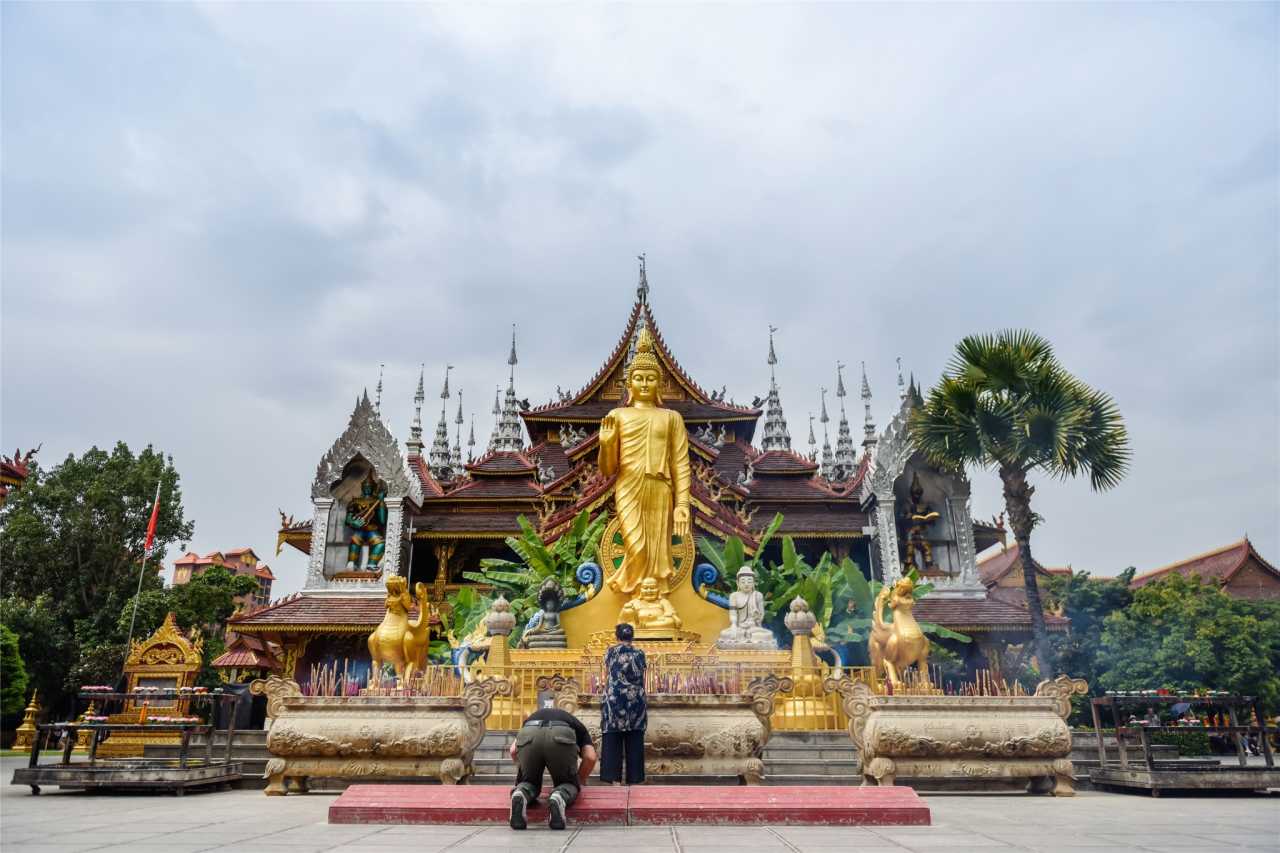
The Lancang River splits Jinghong in two. On the north bank, Gaozhuang Xishuangjing is the heart of nightlife, home to the Great Golden Pagoda and the Starlight Night Market. On the south bank, you'll find Manting Park and the General Buddhist Temple, and further south, the Menghuo Grand Buddha Temple. The attractions in the city center are all relatively compact — if you're efficient, you can cover them in a single day.
Jinghong Great Golden Pagoda Temple ⭐⭐⭐⭐
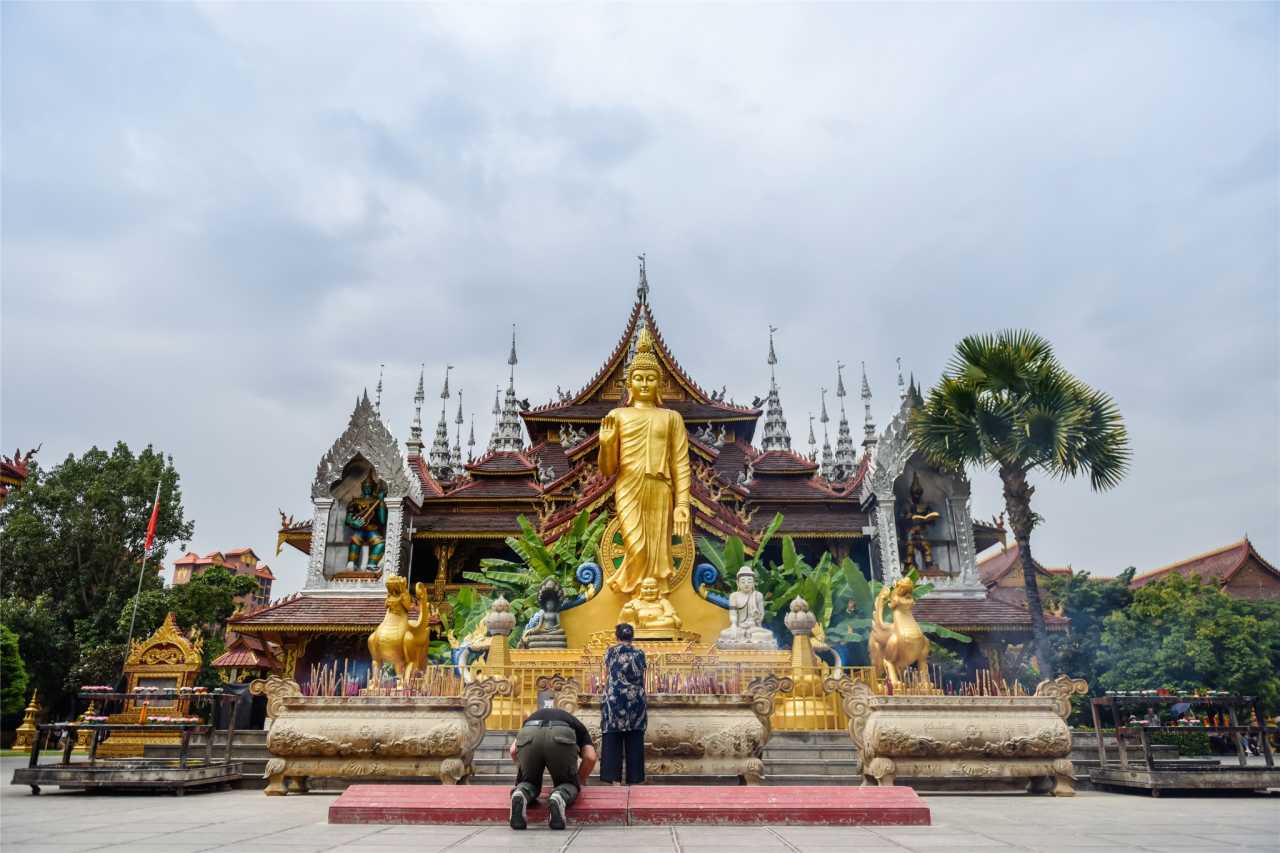
Although built only about a decade ago, the Great Golden Pagoda is the most spectacular of all the pagodas in Xishuangbanna. If you're not a follower of Theravada Buddhism, there's no need to go inside; walking around the pagoda once is enough. Beneath the golden pagoda lies the Starlight Night Market, and most visitors choose to explore both at night.
Starlight Night Market ⭐⭐⭐⭐⭐
This is the collective name for the entire Gaozhuang night market, which includes the Starlight Night Market, the Gānbǎi Night Market, and the Six Kingdoms Water Market, all connected into one area. Without exaggeration, this is the most exciting part of Xishuangbanna's nightlife! It's massive, spotlessly clean, and offers everything you could want in terms of food, drink, and entertainment. Strolling through the brilliantly lit market with the cool night breeze on your face — the sheer comfort of it will make you want to stay forever.
Manting Park ⭐⭐⭐⭐
Once the royal garden of the Dai kings, this is also the oldest park in Xishuangbanna. With its lake, bridges, and landscaped scenery, it's quite beautiful, but overall it's on the smaller side and doesn't have many standout features. In the evening, there's a performance called "Night of the Lancang-Mekong River" and a bonfire party, which most tour groups attend. I don't recommend buying a tram ticket — the park isn't large, and walking is perfectly fine.
Xishuangbanna General Buddhist Temple ⭐⭐⭐⭐
Connected to the back gate of Manting Park, this temple is small and even free to enter, but its Buddhist status is the highest in all of Xishuangbanna. The incense is thick with devotion, and you can finish exploring in half an hour.
Menghuo Grand Buddha Temple ⭐⭐⭐⭐⭐
Although it's an ancient temple, it was damaged and recently rebuilt, so it looks very new and carries a slightly artificial feel. However, in terms of scale, status, and the panoramic view of Xishuangbanna city from the mountaintop, it's well worth a visit. Here you can also experience the Water Splashing Festival and the release of peacocks, making it a very comprehensive attraction. I recommend taking the tram — while the walking distance isn't far, the entire route involves climbing up and down stairs, which can be tiring for the elderly or children.
Xishuangbanna Tropical Flower Garden ⭐⭐⭐⭐
This is one of my personal favorite spots. There are very few tour groups here, and the garden is filled with colorful flowers. Walking in the shade of the trees is incredibly relaxing. It's not large, so no tram is needed — just a leisurely stroll is enough to enjoy it.
Xishuangbanna Primitive Forest Park ⭐⭐⭐⭐
The closest primeval forest to the city, its highlights include rainforest scenery, the Aini ethnic village, and the release of peacocks. Compared to other forest parks, the peacock release here is truly spectacular — don't miss it. I recommend taking the tram — the winding mountain roads are strenuous to climb, and there isn't much scenery between the smaller attractions.
Mekong River Underwater World ⭐⭐⭐
Located at the entrance of the Forest Park, this attraction focuses on the aquatic life of the Mekong River and the tropical rainforest ecosystem. The facility is new, but the river creatures aren't as colorful as ocean animals. The performances are impressive, so if you're traveling with children, it's worth a stop.
Wild Elephant Valley ⭐⭐⭐⭐⭐
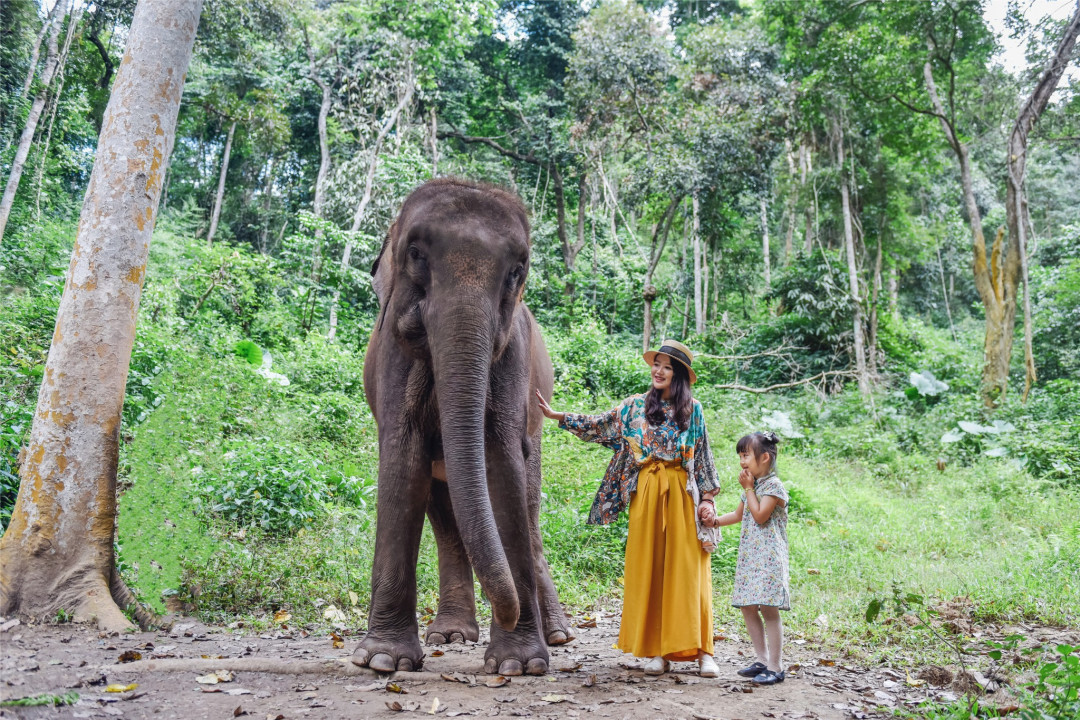
This was my absolute favorite place in Xishuangbanna! Although the entrance fee is a bit steep, you absolutely must experience "elephant herding" — it's an experience you simply cannot get anywhere else in China. If you're not doing the elephant herding, I wouldn't recommend making a special trip just for this. Elephant shows can be seen in many places, and from an animal protection standpoint, I don't recommend them either. The chances of spotting wild elephants from the wooden walkway are about as good as winning the lottery. Whatever you do, don't take the cable car — it's a half-hour ride one way, there's not much to see up there, and you have to come back the same way. It's so boring you'll find yourself dozing off in the cable car.
Manzhang Village ⭐⭐⭐⭐
A small village I particularly loved — refined and peaceful. Here you can experience various traditional Dai crafts, and the locals are all genuine and friendly, with no one trying to pressure you into buying anything. You can even catch fish in the small stream at the village entrance and grill them on the spot. It's especially great for families with children.
Jinuo Mountain Village ⭐
Why only one star? Because during the special period, this was the only attraction in all of Xishuangbanna that didn't offer a half-price ticket — 160 yuan, which is 100 yuan more expensive than the Forbidden City. The main issue is that it claims to showcase Jinuo ethnic culture but has almost nothing of substance: a few houses, some elderly people in ethnic costumes, and two performances. After the performances, they start selling calligraphy and paintings — it's really a rip-off.
Xishuangbanna Dai Ethnic Garden ⭐⭐⭐
Similar in nature to Jinuo Mountain Village, it's said to be operated by the same entertainment company, with the same routine of selling calligraphy and paintings afterward. However, the ticket is half-price, the Water Splashing Festival here is quite grand, and there are some ancient temples and the unique sight of a tree growing out of a pagoda. I recommend buying a tram ticket — the attractions are far apart, and there's nothing to see along the road.
Menghai County: Border Charm and a Thousand-Year-Old Banyan Tree
Menghai lies west of Jinghong, and the Daluo Port borders Myanmar. There aren't many attractions here, mostly concentrated around Daluo. During the special period, it was difficult to visit the border, so I recommend joining a day tour.
Single Tree Forest ⭐⭐⭐⭐⭐
A thousand-year-old banyan tree has grown into what looks like an entire forest — it's truly spectacular. The scenic area also features other uniquely shaped trees and scattered smaller attractions, such as Boundary Marker No. 220, an octagonal pavilion from the Kangxi era, a monument to unknown heroes, and a distant view of the China-Myanmar Friendship Golden Pagoda on the Myanmar side. I recommend buying a tram ticket — the area is large, and the attractions are far apart.
Daluo Port ⭐⭐⭐
A standard border crossing building. During the special period, you couldn't visit it, so all you could do was take a photo under the sign reading "Daluo Port."
Mengjinglai Scenic Area ⭐⭐⭐⭐
This was a filming location for the popular TV show "Where Are We Going, Dad? Season 3." It's a typical traditional Dai village. You can admire Dai architecture, experience traditional handicrafts, soak in the ethnic minority atmosphere, and even check out Boundary Marker No. 229. During the special period, it was a bit desolate and lacked the lively atmosphere of Manzhang Village. I don't recommend taking the tram.
Mengla County: Rainforest Wonders and Towering Trees
Mengla lies southeast of Jinghong and borders both Myanmar and Laos. The attractions are scattered, making it difficult to cover everything in one day.
Xishuangbanna Tropical Botanical Garden, Chinese Academy of Sciences ⭐⭐⭐⭐⭐
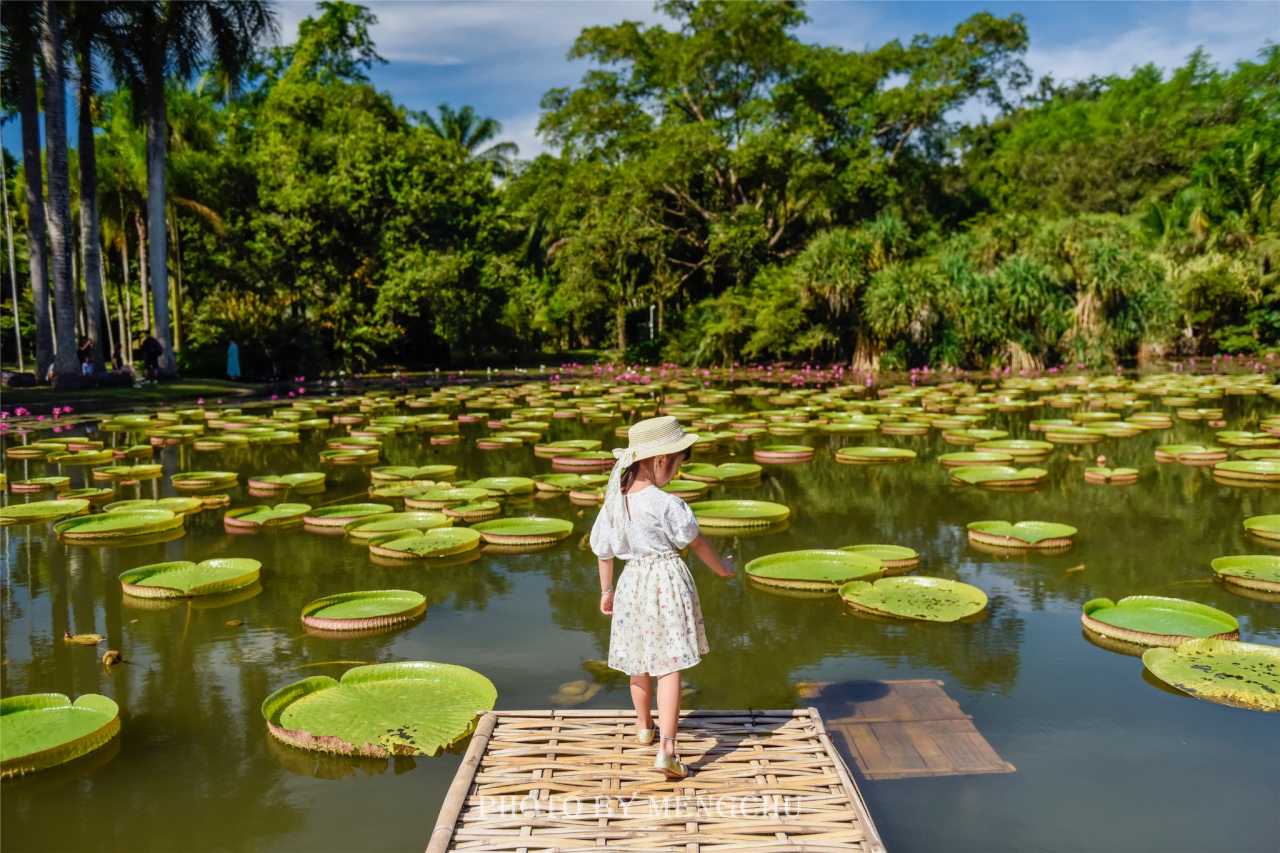
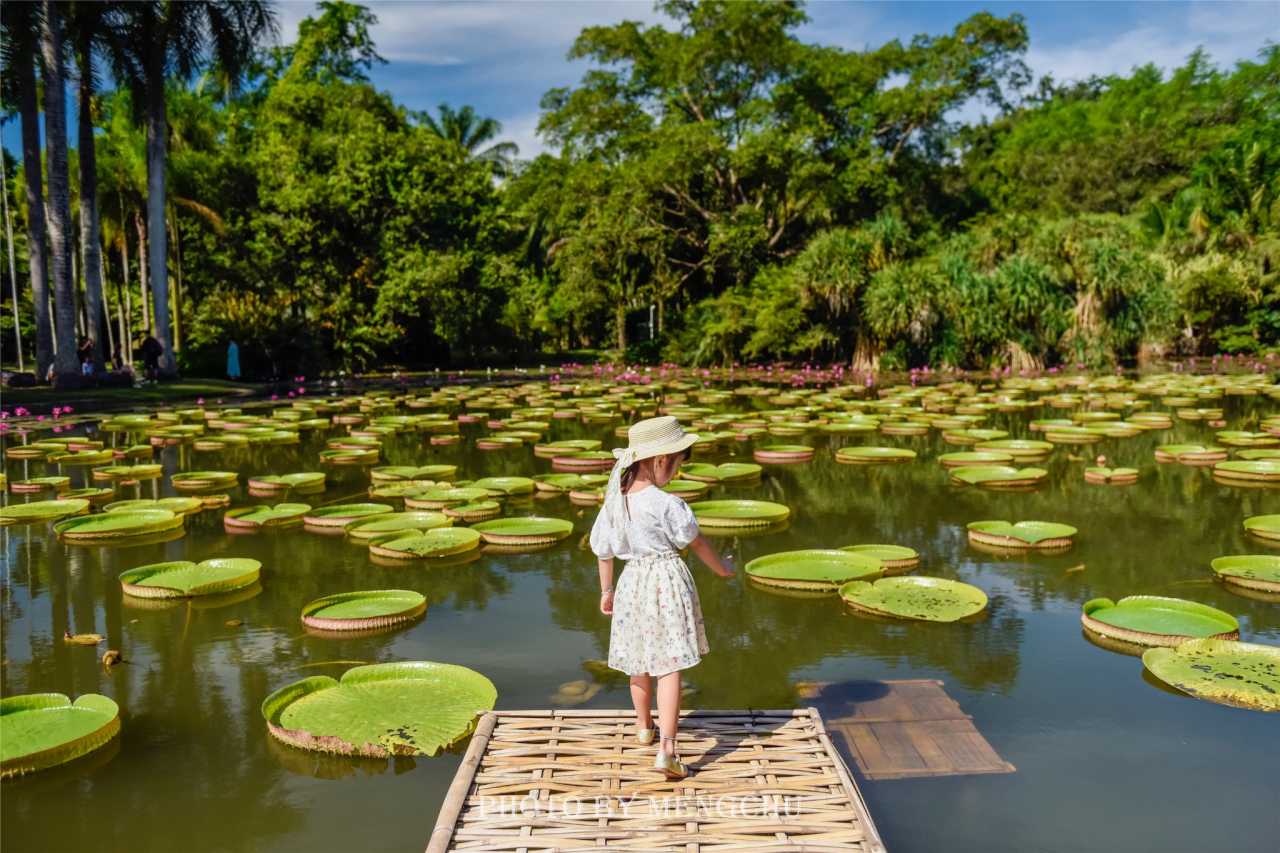
If you can only visit one tropical rainforest park in Xishuangbanna, this is the one. In addition to the rainforest scenery, there are countless exotic plants and flowers, all clearly labeled. The park is divided into two sections: the East Section is more wild, suitable for outdoor enthusiasts, while the West Section is more developed and is typically the only part visited by tour groups. The park is huge, so I recommend buying a tram ticket — otherwise, you'll truly walk your legs off.
Wangtianshu Scenic Area ⭐⭐⭐⭐⭐
Here you can see towering trees as tall as 20-story buildings and experience a skywalk built dozens of meters high in the treetops — a unique rainforest attraction found nowhere else in China. However, the high-altitude walking and speedboat rides may not be suitable for the elderly or young children, so decide based on your family's physical condition.
Transportation Guide: Independent Travel or Group Tour?
Xishuangbanna has numerous attractions, so if you have plenty of time, independent travel allows you to explore more thoroughly. Even if you sign up for day tours once you arrive, it's still very enjoyable.
If you have the means or are traveling in a group, I recommend renting a car or hiring a driver. Most roads leading to the attractions are in good condition, with driving times under 2 hours, and parking at the scenic areas is almost always free. If you don't rent a car, that's fine too — there are direct buses and day tours from Jinghong city to various attractions, offering great value. For example, when I went to Wangtianshu, I found the 6–7 hour round trip drive too tiring, so the whole family joined a day tour. It ended up costing only slightly more than driving ourselves, and it was much less hassle.
Public transportation within Jinghong city isn't very convenient, but ride-hailing apps are plentiful. Apart from the occasional difficulty getting a taxi from the Starlight Night Market at night, it's generally easy to get around.
Food Recommendations: The Love-Hate Relationship with Dai Cuisine
After eating my way through cuisines around the world, I have to be honest: Dai cuisine is one of the very few that I don't particularly enjoy.
Dai food is mainly grilled and fried items, served with a tangy and spicy dipping sauce called "nánmǐ." The cooking methods are fine, and the nánmǐ is delicious, but perhaps due to the humid climate, the grilled and fried foods tend to be very dry and a bit hard to swallow. The raw minced meat dish called "sāpiě" is sour and bitter, which is also hard to get used to.
That said, Xishuangbanna still has plenty of specialty dishes worth trying:
Pounded Dishes (Chōng Cài) : The Jingpo people have a saying: "If the pounding mortar doesn't sound, the meal isn't fragrant." Meat, seafood, fruits, vegetables, and spices are placed in a bamboo tube and pounded with a wooden mallet. The result is tender, flavorful, and perfectly seasoned — especially good with alcohol.
Bāo Shāo (Grilled in Banana Leaves) : Food wrapped in banana leaves and grilled over charcoal. This method locks in moisture and nutrients while infusing the food with the fragrance of banana leaves. Absolutely delicious.
Lemongrass Grilled Fish : Fish tied with lemongrass and grilled. Rich in flavor and tender in texture, this is a must-order dish in Dai cuisine.
Mushroom Hot Pot : When in Yunnan, you have to eat mushrooms! The incredibly fresh mushroom broth, paired with sliced black-bone chicken and various wild mushrooms, is simply divine.
Pineapple Rice : Half a pineapple filled with soft, sticky glutinous rice, topped with a variety of ingredients. Sweet and tangy — nobody can resist it.
Bamboo Tube Rice : Glutinous rice cooked inside a bamboo tube over a fire, absorbing the bamboo's aroma. The texture is delicate and smooth. The same method is used to cook vegetables, meat, and river fish.
Laos Iced Coffee : Sipping a bag of iced coffee while strolling through the Starlight Night Market — what could be more enjoyable? It's sweet, making it perfect for women, though hardcore caffeine lovers might find it a bit weak.
For authentic Dai cuisine, head to a Dai village. In Jinghong city, I recommend Hongyaxiang Dai Food Garden — great food, beautiful setting, and a charming courtyard by a tributary of the Lancang River. Manfeilong Grilled Chicken is a trendy spot, but the service and food don't live up to the hype. Wantai Laos Iced Coffee Shop has become so popular that it's opened a branch in Beijing's Sanlitun. Besides their Laos iced coffee, I love their Perfume Coconut Smoothie — stunning presentation, rich coconut flavor, and crunchy dried coconut meat. Women will find it irresistible!
Accommodation Recommendations: From Budget-Friendly Rentals to Luxury Hotels
In Xishuangbanna, staying in Jinghong city is the most convenient, and Gaozhuang Xishuangjing is the best choice — right downstairs from the lively night market, and various day tours will pick you up and drop you off here.
If you're staying for a longer period, I recommend renting a vacation apartment in Gaozhuang. Many holiday homes are available for rent when their owners aren't using them, offering incredible value. My family rented a 100+ square meter three-bedroom apartment in Jingzhen Village for just over 200 yuan a day, and it was very comfortable.

High-End Guesthouse Recommendation : Xishuangbanna Bodu Senyang Villa Panoramic Resort Guesthouse, located on the heights of Yulin Lanshan on the outskirts of Jinghong. The environment, rooms, and service are the pinnacle of high-end guesthouses in China. The stars of the TV show "The Wife's Romantic Getaway" also stayed here.
Grand Hotel Recommendation : Mekong River Jinglan Grand Hotel, featuring luxurious suites, upscale restaurants, a massive 10,000-square-meter rooftop water garden, and even an art gallery inside the hotel. It's rare to find a hotel that has built itself into a city landmark.
Brand Hotel Recommendation : Xishuangbanna Anantara Resort, located over 60 kilometers from the city, separated from the CAS Tropical Botanical Garden only by the Luosuo River. The environment is serene, blending Anantara's quality with Xishuangbanna's unique charm.
Our Journey: From Bodu to Anantara
Day 1: From Dali to Xishuangbanna — The Sun Finally Returns
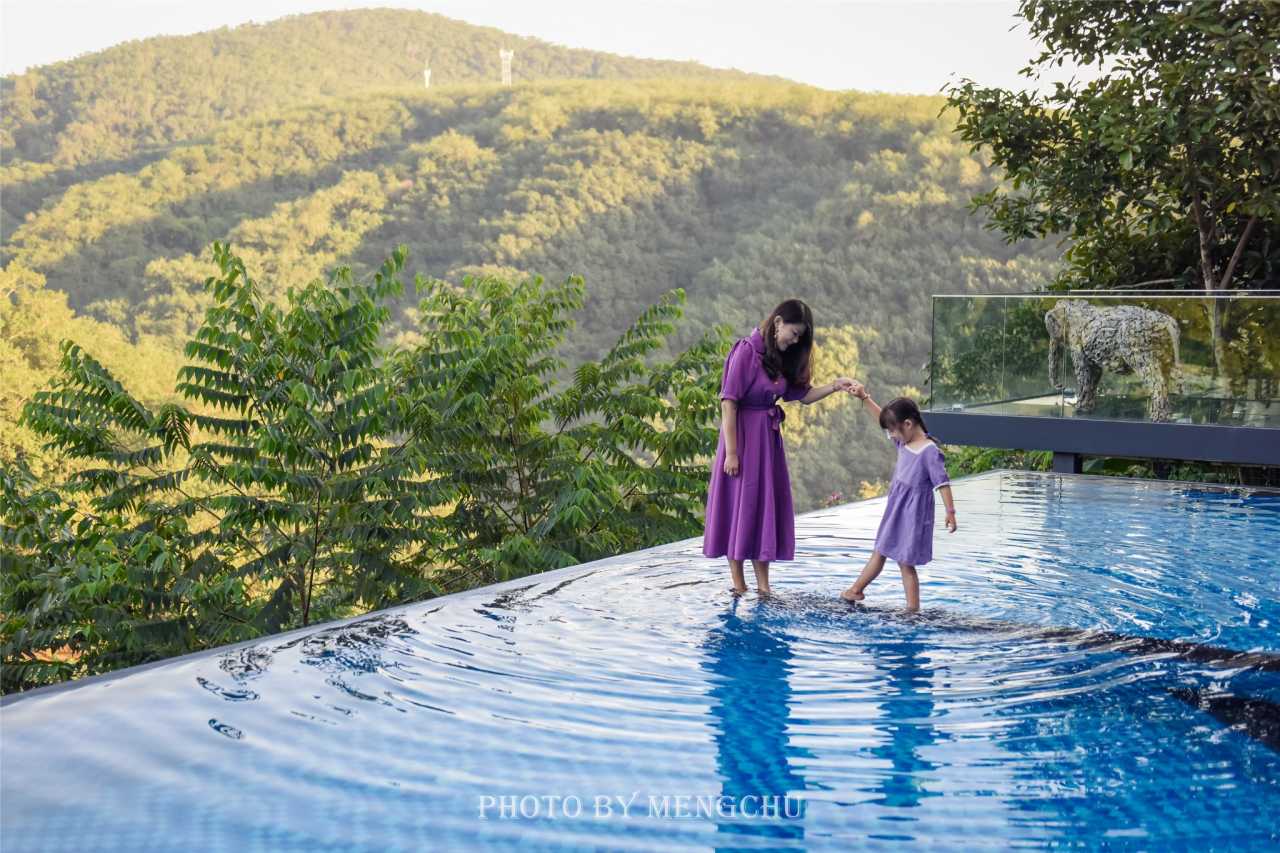
Flying from Dali to Xishuangbanna, we finally saw the sun after so long. Surrounded by greenery, our spirits lifted instantly. From the airport, we headed straight to Bodu Senyang Villa Panoramic Resort Guesthouse. Perched on a mountainside, this guesthouse offers a panoramic view of all Xishuangbanna. There was no rush to start sightseeing — we just wanted to while away the hours in such beautiful surroundings.
Day 2: Waking to the Sound of Birds
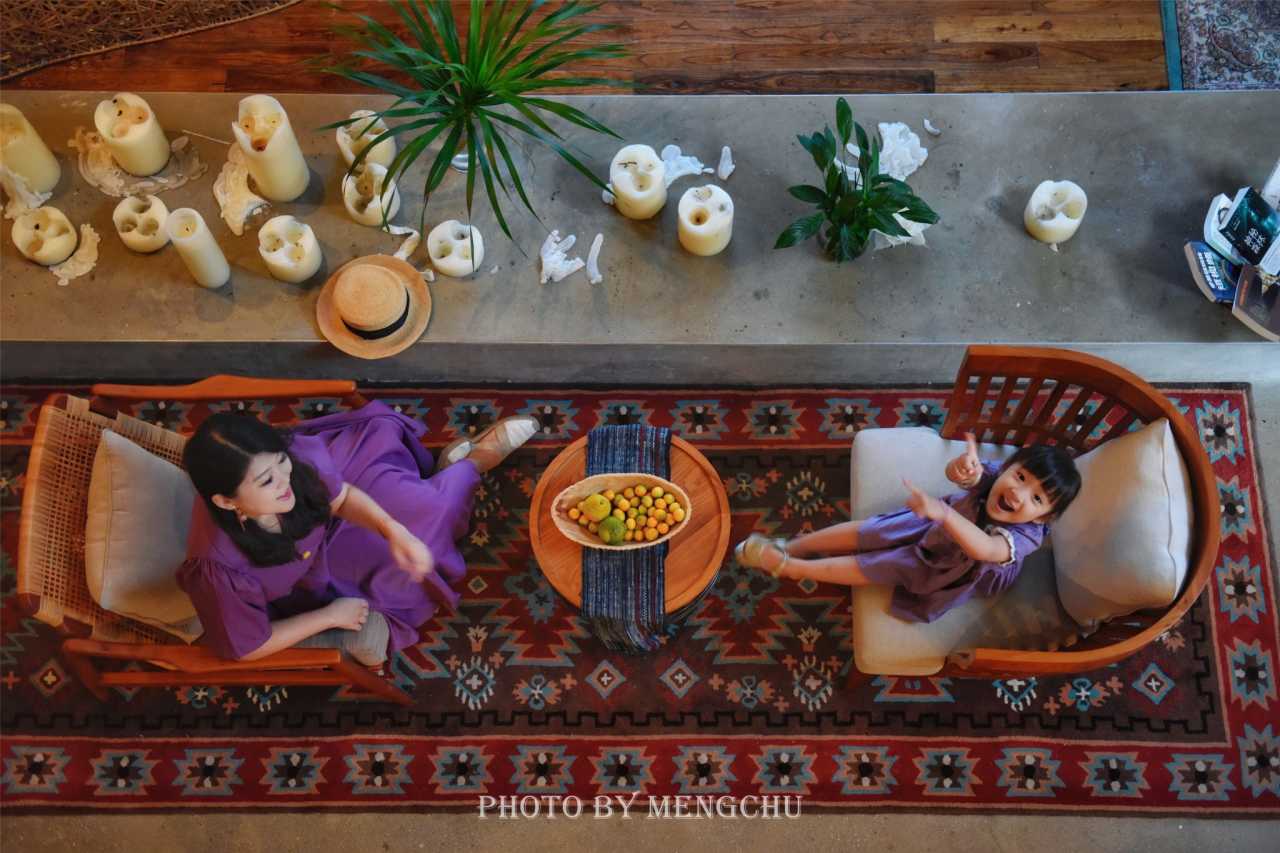
Sunlight streamed into the room, and a gentle breeze played with the white curtains. The guesthouse driver kindly offered to take us to nearby attractions, but we had plenty of time. For our little girl, exploring the hotel was more fun — chasing peacocks around and refusing to leave the pool. A day like this seemed to make her even happier.
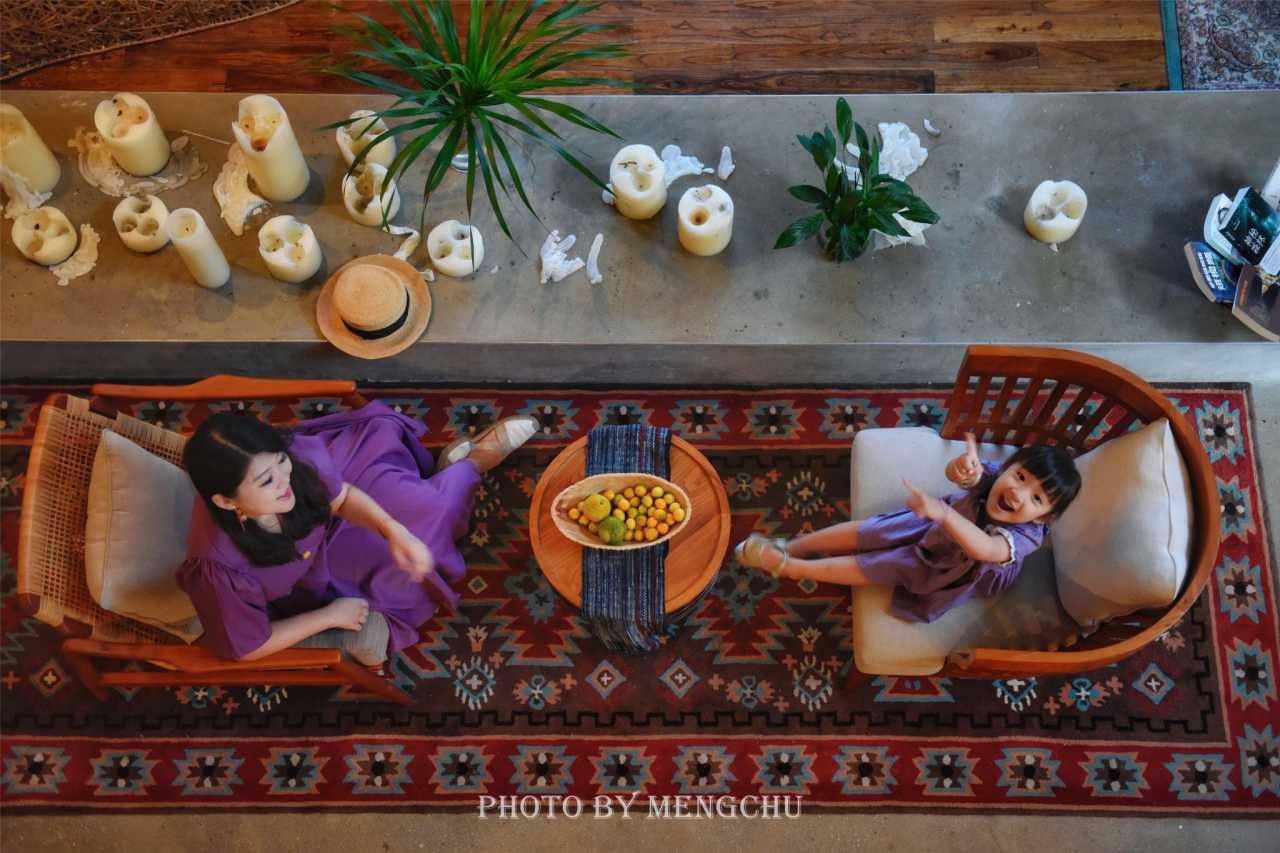
About Bodu Senyang Villa : This isn't part of any hotel group but a series of high-end guesthouses. There are four in Yunnan, each with a breathtakingly scenic location. The Xishuangbanna branch became so popular after appearing on "The Wife's Romantic Getaway" that rooms are hard to come by. The hotel sits high on the Yulin Lanshan, facing rubber tree plantations and overlooking the Dai King's Palace, with 360-degree views of the tropical rainforest. The mascot is the elephant, which sounds like "good fortune" in the Dai language. Rooms come equipped with smart toilets, electric curtains, Marshall speakers, and Dyson hair dryers, and each room has a private hot spring pool. The personal butler service is attentive, offering free airport pickup, premium soft drinks, a welcome fruit platter, and a soothing warm soup before bed. Every detail is filled with warmth.
Day 3: An Unexpected Trip to Anantara
Even though we had rented an apartment, I couldn't resist the urge to experience a hotel I had my eye on. What I didn't expect was that the Anantara was over 60 kilometers from the city, with almost no public transportation available. A taxi would have cost over 200 yuan. We hastily rented a car and drove on the highway for an hour to get there — a small unexpected detour that turned out fine.
About Anantara : Facing the Luosuo River and adjacent to the CAS Botanical Garden, it's surrounded by primeval forest. The architectural design is primarily Dai-Thai style, blending Anantara's quality with Xishuangbanna's unique character.
Final Thoughts: Xishuangbanna Deserves to Be Recommended to the World
My half-month journey through Xishuangbanna made me fall completely in love with this land. Every day began with blue skies and white clouds. Wearing a short-sleeved shirt was just right. Lush greenery was everywhere, and the city was clean and tidy — it's hard not to fall in love with this place.
Here you'll find resplendent golden pagodas, dazzling night markets, mysterious deep rainforests, and warm, genuine villagers. It's not as over-commercialized as Sanya, nor does it rest on empty fame like some other attractions. It's real, vibrant, and full of life.
If you're looking for a journey that feels foreign without ever leaving the country, Xishuangbanna is the answer.
Final Tips : - Best travel season: November to April, to avoid the rainy season - Essential items: Sunscreen, mosquito repellent, lightweight clothing - Budget suggestion: 3,000–5,000 yuan per person (including airfare), flexible depending on your preferences - Itinerary suggestion: Allow at least 7–10 days to explore at a relaxed pace
May your next journey, too, find its own "ideal and magical paradise" beneath the golden pagodas of Xishuangbanna.
You should also read:

God’s Abandoned Palette: A Self-Drive Journey Through Yunnan’s Dongchuan Red Land
God’s Abandoned Palette: A Self-Drive Journey Through Yunnan’s Dongchuan Red Land Travel has never been about reaching some distant geographic coordinate. It’s about encountering, along the way, the version of yourself buried beneath the rubble of daily routine. During this May Day holiday, I finally…
Continue reading...
Body in Hell, Heart in Heaven: A Pilgrimage Through Tiger Leaping Gorge — A Dialogue Between Heaven and Earth
Body in Hell, Heart in Heaven: A Pilgrimage Through Tiger Leaping Gorge — A Dialogue Between Heaven and Earth Introduction: When the Gorge Splits Open Beneath Your Feet Some say Tiger Leaping Gorge is the closest place on Earth to the border between "hell" and…
Continue reading...
Cloud Travelogue · Dali of Wind, Flowers, Snow, and Moon: A Three-Day, Two-Night Journey of a Free Spirit
Cloud Travelogue · Dali of Wind, Flowers, Snow, and Moon: A Three-Day, Two-Night Journey of a Free Spirit I am a cultured female foodie with a touch of rogue charm. I slung on my backpack, took my lover's hand, and set off on a spontaneous…
Continue reading...