You Have Colorful Sunshine: An 11-Day Journey Through Spain & Portugal That Felt Like a Whirlwind Romance
You Have Colorful Sunshine: An 11-Day Journey Through Spain & Portugal That Felt Like a Whirlwind Romance
There’s a certain magic that happens when winter meets the Iberian Peninsula. While much of Europe shivers under gray skies, this sun-drenched corner of the continent offers something rare: warmth, color, and an intoxicating blend of history and whimsy. It’s the kind of place that makes you forget the calendar says February.
I’ve been fortunate enough to wander through more than 60 countries, but few have left me feeling quite like this. Spain and Portugal didn’t just show me their sights—they swept me off my feet, like a spontaneous, dizzying love affair with no rules and no regrets.
From the surreal genius of Gaudí in Barcelona to the melancholic charm of Lisbon’s trams, from the windmill-dotted plains of Consuegra to the wild cliffs of Cabo da Roca, this 11-day adventure across two countries and nine cities was nothing short of a fever dream. And the best part? The sun was our constant companion—the ultimate colorist, painting every moment in shades of gold and amber.
Why Iberia? A Winter Escape That Delivers
Let’s be honest: planning a February getaway can be tricky. You want warmth without crowds, beauty without breaking the bank, and adventure without the hassle. That’s exactly what drew us to Spain and Portugal.
The checklist was simple: mild winter weather, stunning architecture, affordable costs, manageable flight times, and a diverse range of experiences. Iberia ticked every box. Within a week of deciding, I had booked everything—flights, hotels, and a rough itinerary that would take us from Barcelona to Porto in a seamless loop.
Our route was an open-jaw: fly into Barcelona, explore the heart of Spain, hop over to Portugal, and fly out from Porto. We relied on high-speed trains and budget flights for long distances, and rented a car for the scenic stretches around Seville and the Algarve. The only regret? Missing the pink-walled coastal town of Calpe—next time.
Barcelona: Where Whimsy Meets Sunshine
First Stop: Camp Nou – A Pilgrimage for Football Fans
I’ll admit it: I’m not the biggest football fan. But F, my travel partner, is a die-hard Barça supporter. So our first stop was Camp Nou, Europe’s largest stadium. Even for a casual observer, the scale is overwhelming. Standing on the pitch, you can almost hear the roar of 100,000 fans.
The museum inside is a treasure trove of memorabilia—vintage jerseys, golden trophies, and interactive exhibits that bring the club’s history to life. We climbed to the highest stands, pretended to be coaches, and even snapped a photo with a life-sized Lionel Messi cutout. (Though I almost didn’t recognize him without his beard—time flies, huh?)
Casa Batlló: A Fairytale in Blue
If Barcelona had a soul, it would be Gaudí. And if you want to understand his genius, visit Casa Batlló in the afternoon sun. The building is inspired by the legend of Saint George and the dragon—the roof resembles a dragon’s spine, the balconies look like skulls, and the cross on top represents the saint’s sword.
We arrived a bit late, so the sunlight was already fading. But even in twilight, the building’s magic shines. The interior is a symphony of curves and blue tiles, with a central courtyard that mimics the ocean. Gaudí believed that “straight lines belong to humans, curves belong to God,” and every corner of this house proves it.
The rooftop is where the real fantasy lives—but without daylight, the colors fade. My advice? Go early. Let the sun paint the tiles for you.
Sagrada Família: A Forest of Light
This is the one. The masterpiece. The unfinished symphony.
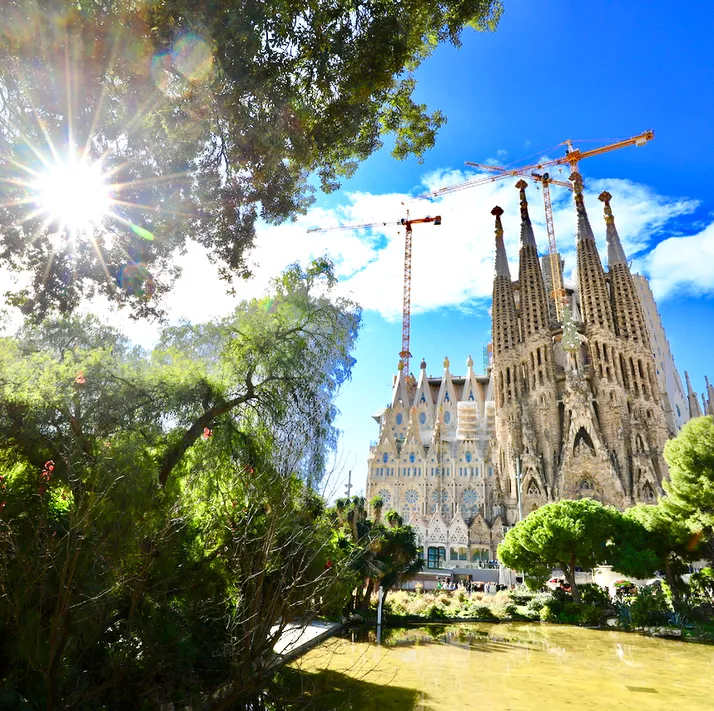
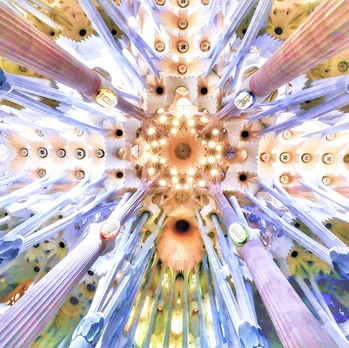
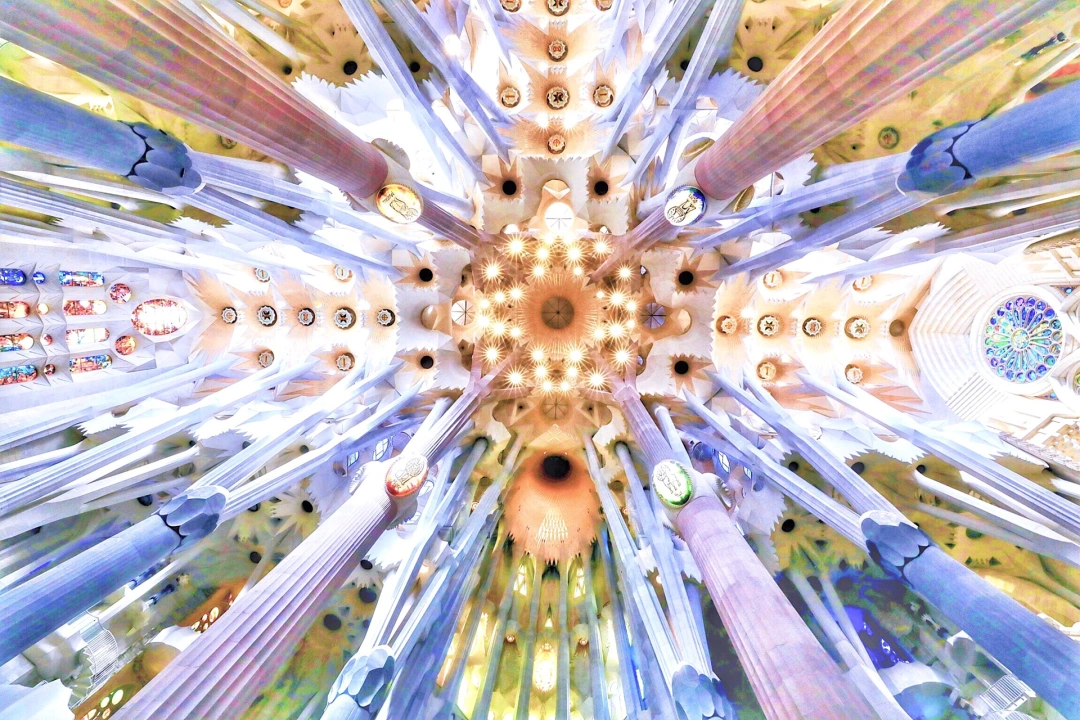
Sagrada Família is unlike any church I’ve ever seen. It’s not just a building—it’s a story. The eastern façade represents birth, with intricate, almost baroque carvings. The western side depicts Christ’s passion, stark and haunting. Inside, the columns rise like trees, branching out to support a canopy of stone. And the light—oh, the light—streams through stained glass windows, turning the entire space into a kaleidoscope of color.
Gaudí knew he wouldn’t live to see it finished. “My client is not in a hurry,” he once said, referring to God. Today, construction continues, funded entirely by donations and ticket sales. The goal is to complete it by 2026, the centenary of Gaudí’s death. But with recent fines and delays, who knows?
Still, standing inside, you don’t care about timelines. You just feel.
Casa Milà: The Quarry of Dreams
On Passeig de Gràcia, there’s a building that looks like a giant wave. That’s Casa Milà, Gaudí’s last completed residential project. Locals call it “La Pedrera” (the quarry), but to me, it’s a sandcastle.
The highlight is the rooftop, where chimneys morph into alien guardians. Some look like ice cream cones, others like knights in armor. We spent an hour just wandering among them, watching the sun cast long shadows.
Inside, the apartments are surprisingly modest. But the curved hallways, the organic shapes, the attention to detail—it all feels like stepping into a dream.
Seville & Andalusia: The Heartbeat of Passion
Seville: Where Flamenco Meets Orange Blossoms
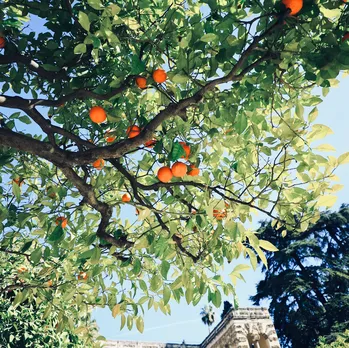
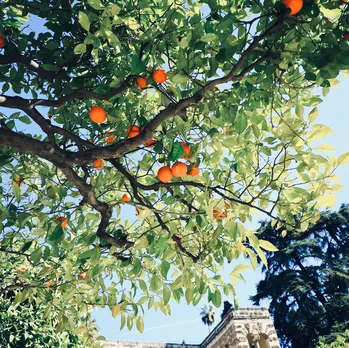
If Barcelona is the brain of Spain, Seville is its soul. This is where the real magic happens. Narrow streets, hidden plazas, the scent of oranges, and the sound of flamenco guitars drifting from tiny bars.
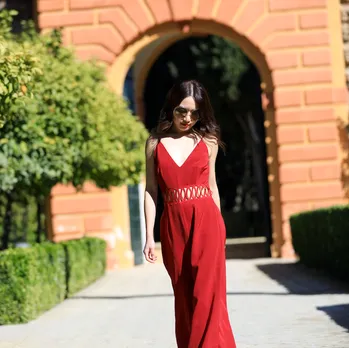
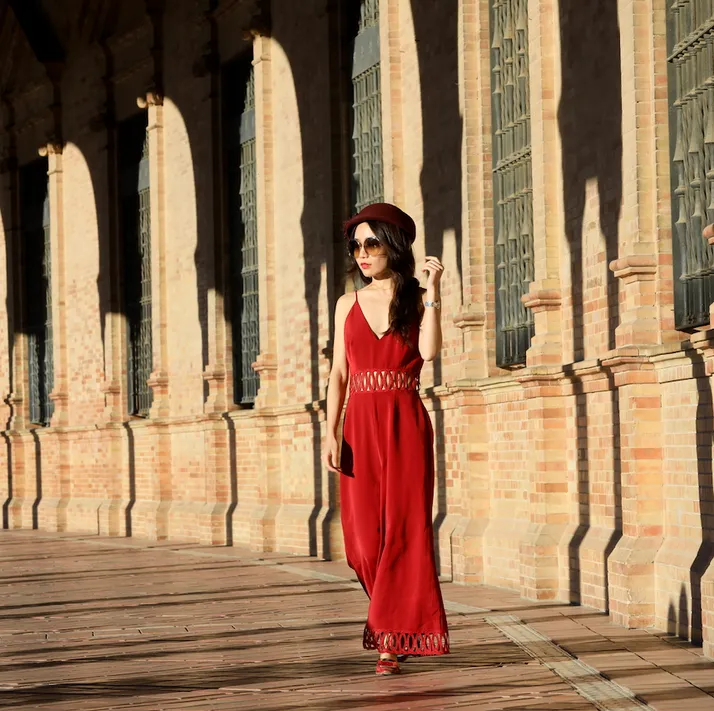
We visited the Alcázar, a Moorish palace that feels straight out of Game of Thrones. We wandered through the Santa Cruz neighborhood, got lost in the labyrinth of alleys, and watched the sunset from the Giralda tower. But the most memorable moment was at Plaza de España—a semicircular plaza with colorful tile alcoves representing each province of Spain. As the golden hour arrived, children chased bubbles, horses clip-clopped by, and a flamenco dancer spun in the fading light.
It was pure poetry.
Ronda: The Sky City

From Seville, we drove to Ronda, a town perched on a dramatic gorge. Hemingway called it the perfect place for a “private” honeymoon. And I get it. The views are breathtaking, the streets are quiet, and the bridge connecting the two sides of the town feels like something out of a fairy tale.
We stopped for lunch at a cliffside restaurant, watching eagles soar below us. It was one of those moments where you just sit back and think, This is why I travel.
Portugal: The Melancholy Dream
Lisbon: A City of Fado and Streetcars
Crossing into Portugal feels like entering a different world. Lisbon is older, quieter, more melancholic. The famous Tram 28 rattles through the narrow streets of Alfama, past colorful houses and laundry hanging from windows. It’s like riding through a vintage postcard.
We visited Belém, where the Monument to the Discoveries and the Jerónimos Monastery stand as reminders of Portugal’s golden age. The pastéis de nata at Pastéis de Belém were worth the queue—warm, flaky, and dusted with cinnamon.
Cabo da Roca: Where the Land Ends

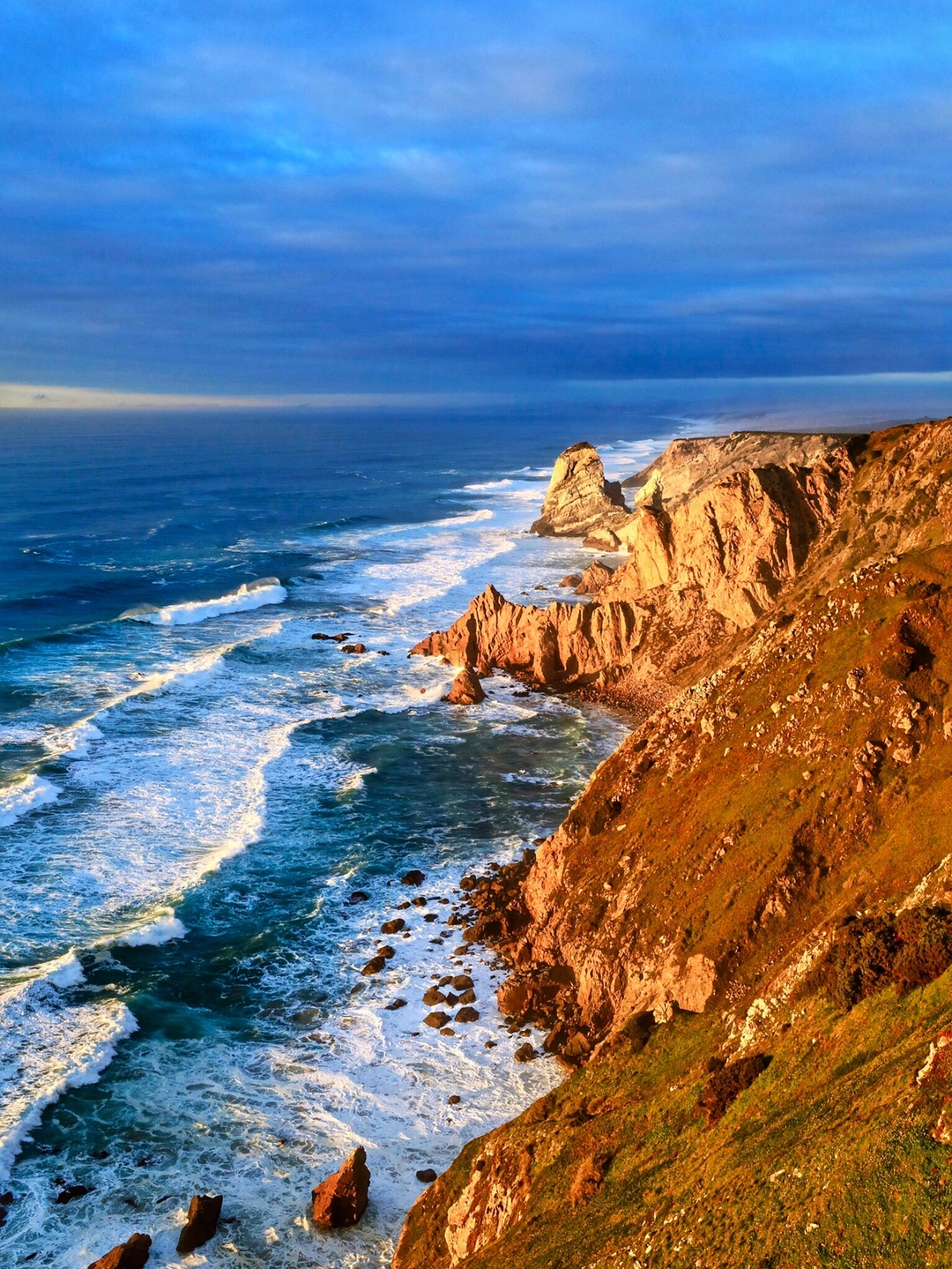
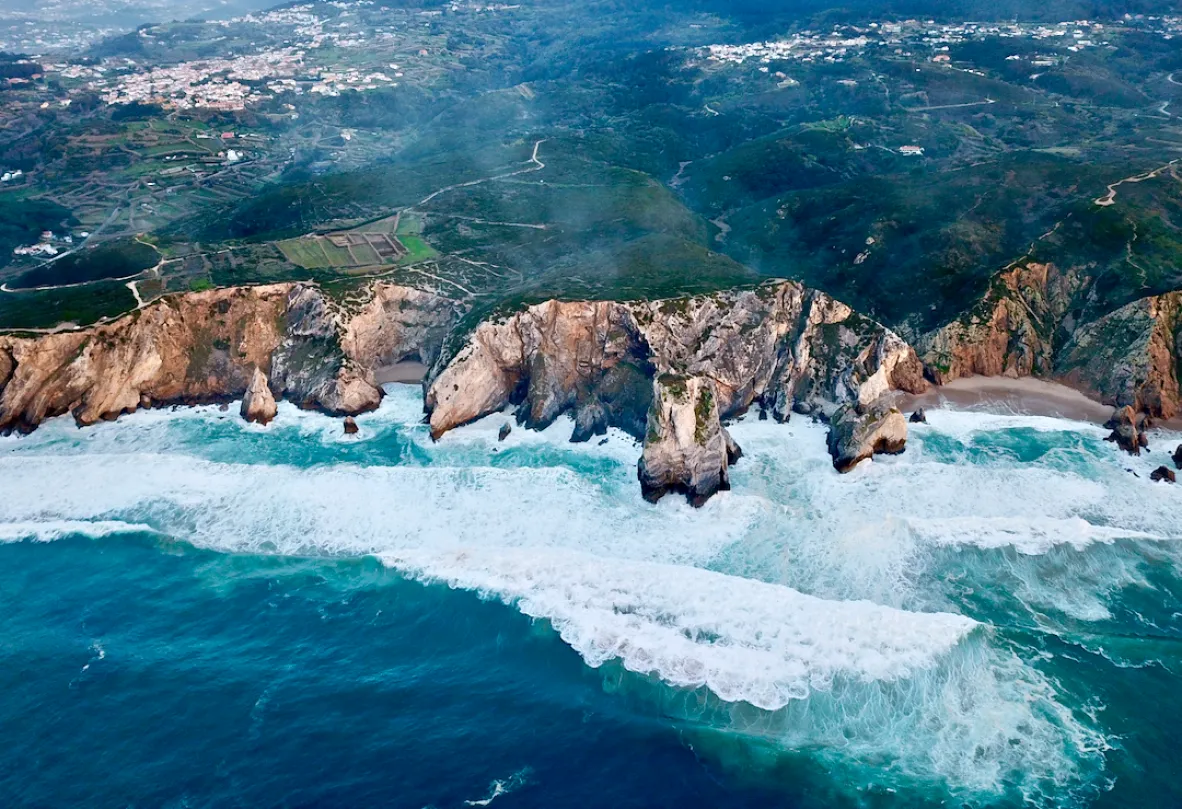
On our last day in Portugal, we drove to Cabo da Roca, the westernmost point of mainland Europe. The wind was fierce, the waves were crashing, and the horizon stretched endlessly. A stone marker reads: “Aqui... onde a terra se acaba e o mar começa” (Here, where the land ends and the sea begins).
It was raw, wild, and unforgettable.
Porto: A City of Blue and Gold
Our final stop was Porto, a city built on port wine and azulejo tiles. The Douro River glimmers under the sun, and the old town is a maze of steep streets and hidden viewpoints.
We spent our last evening sipping port wine at a riverside bar, watching the lights of the Dom Luís I Bridge reflect on the water. It was the perfect ending to an 11-day romance.
Practical Tips for Your Iberian Adventure
- Transport: Open-jaw flights save time. Use Renfe trains in Spain, CP trains in Portugal, and rent a car for scenic routes like Seville–Ronda.
- Accommodation: Book well in advance for popular cities like Barcelona and Lisbon. Consider boutique hotels in Seville’s old town for authentic charm.
- Dining: Eat like a local—tapas in Spain, petiscos in Portugal. Don’t miss the fresh seafood in the Algarve or the roasted suckling pig in Segovia.
- Sun Protection: Even in winter, the Iberian sun is strong. Bring sunscreen, sunglasses, and a hat.
- Language: English is widely spoken in tourist areas, but learning a few phrases in Spanish or Portuguese goes a long way.
- Budget: Spain and Portugal are among the most affordable Western European destinations. A moderate daily budget of €80–120 per person covers meals, attractions, and transport.
Final Thoughts: A Romance Worth Repeating
Eleven days. Two countries. Nine cities. Countless memories.
Traveling through Spain and Portugal in winter felt like a secret—a warm, colorful secret shared only with those who dare to go against the grain. The crowds are thinner, the prices are lower, and the sun, somehow, shines just as brightly.
Whether you’re chasing Gaudí’s whimsy, savoring a pastéis de nata by the Tagus River, or standing at the edge of Europe with the wind in your hair, the Iberian Peninsula offers something rare: a chance to fall in love with the world all over again.
And like any great romance, you’ll find yourself already planning the next visit before the first one is even over.
You should also read:

Into the Hidden Valley: A Solo Journey Through the Mysterious Dulong River
Into the Hidden Valley: A Solo Journey Through the Mysterious Dulong River Deep in the northwestern corner of Yunnan Province, tucked away from the modern world, lies a place that feels like a secret whispered among mountains. The Dulong River Valley is not just a…
Continue reading...
God’s Abandoned Palette: A Self-Drive Journey Through Yunnan’s Dongchuan Red Land
God’s Abandoned Palette: A Self-Drive Journey Through Yunnan’s Dongchuan Red Land Travel has never been about reaching some distant geographic coordinate. It’s about encountering, along the way, the version of yourself buried beneath the rubble of daily routine. During this May Day holiday, I finally…
Continue reading...
Body in Hell, Heart in Heaven: A Pilgrimage Through Tiger Leaping Gorge — A Dialogue Between Heaven and Earth
Body in Hell, Heart in Heaven: A Pilgrimage Through Tiger Leaping Gorge — A Dialogue Between Heaven and Earth Introduction: When the Gorge Splits Open Beneath Your Feet Some say Tiger Leaping Gorge is the closest place on Earth to the border between "hell" and…
Continue reading...