Yuanjiang: A 30°C Flower and Fruit Town in Winter — A Warm, Healing Journey to a Hidden Corner of Southern Yunnan
Yuanjiang: A 30°C Flower and Fruit Town in Winter — A Warm, Healing Journey to a Hidden Corner of Southern Yunnan
When winter arrives in Kunming and locals start bundling up in down jackets, Yuanjiang — just over 200 kilometers from the city center — still radiates a balmy 30°C. Tucked away in the Red River Valley basin, this small town feels like a corner forgotten by time, quietly waiting for travelers with its abundance of flowers and fruit, and an exotic charm all its own.
Setting out from Chenggong, winding south along mountain roads, a two-hour-and-twenty-minute drive transports you from winter's chill into a world blessed by sunshine. There's none of the noise of popular tourist destinations here — just the warm smiles of locals, the scent of barbecue drifting through the streets and alleys, and the sweet secrets hidden in tropical fruits.
Day One: The Barbecue Scene — A Culinary Pilgrimage from Ganzhuang to the County Seat
Ganzhuang Barbecue: A Fiery Assault on the Taste Buds with Southeast Asian Flair
At seven in the evening, as our car pulled into the Ganzhuang Barbecue District, a wave of heat greeted us. Night comes late here; things don't truly come alive until after the sun goes down. The barbecue stalls have names that sound straight out of a martial arts novel — "Soaring Dragon" (龙飞飞), "White Cloud Soaring" (白云飞) — as if each name hides a legendary tale.
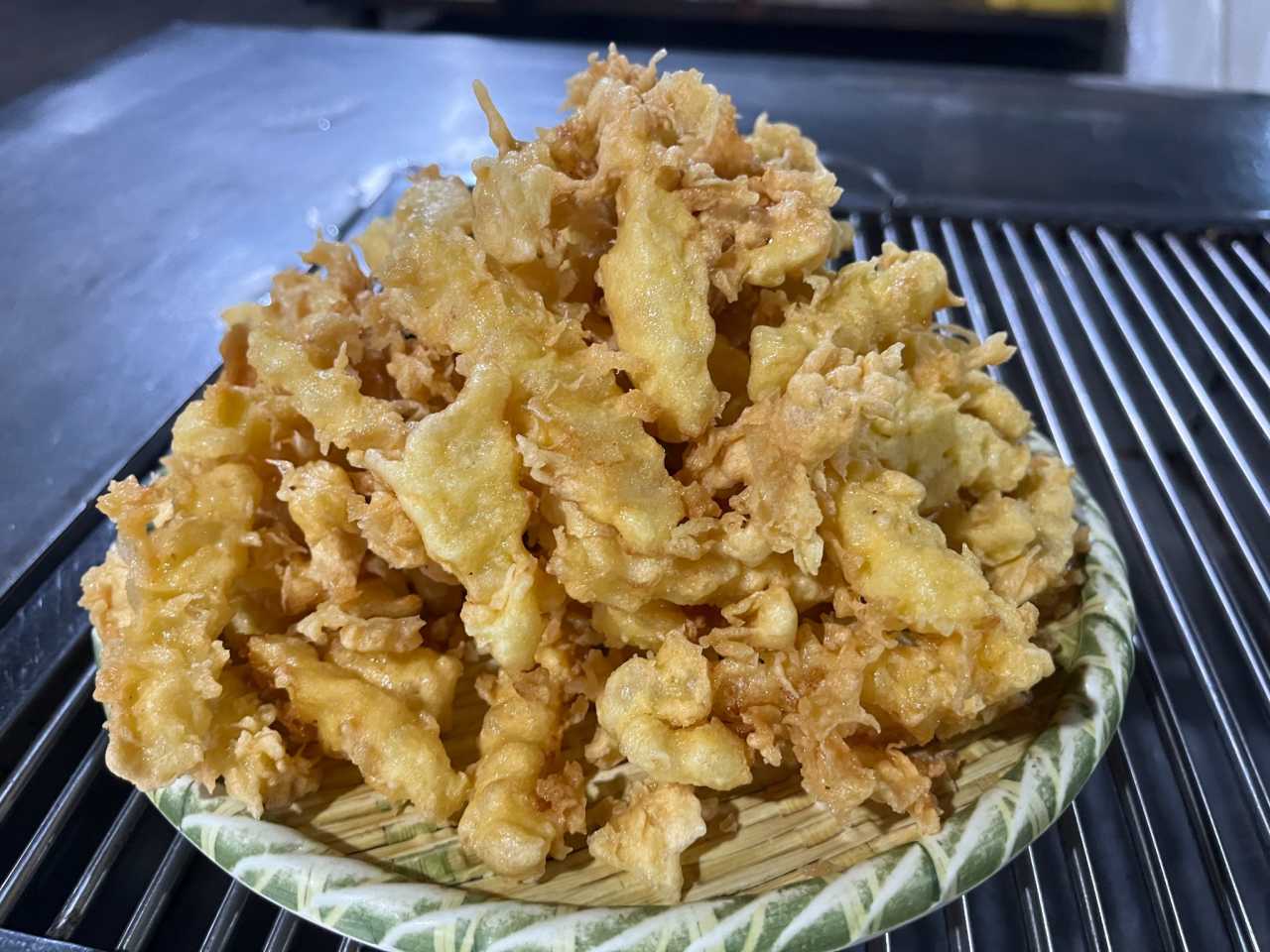
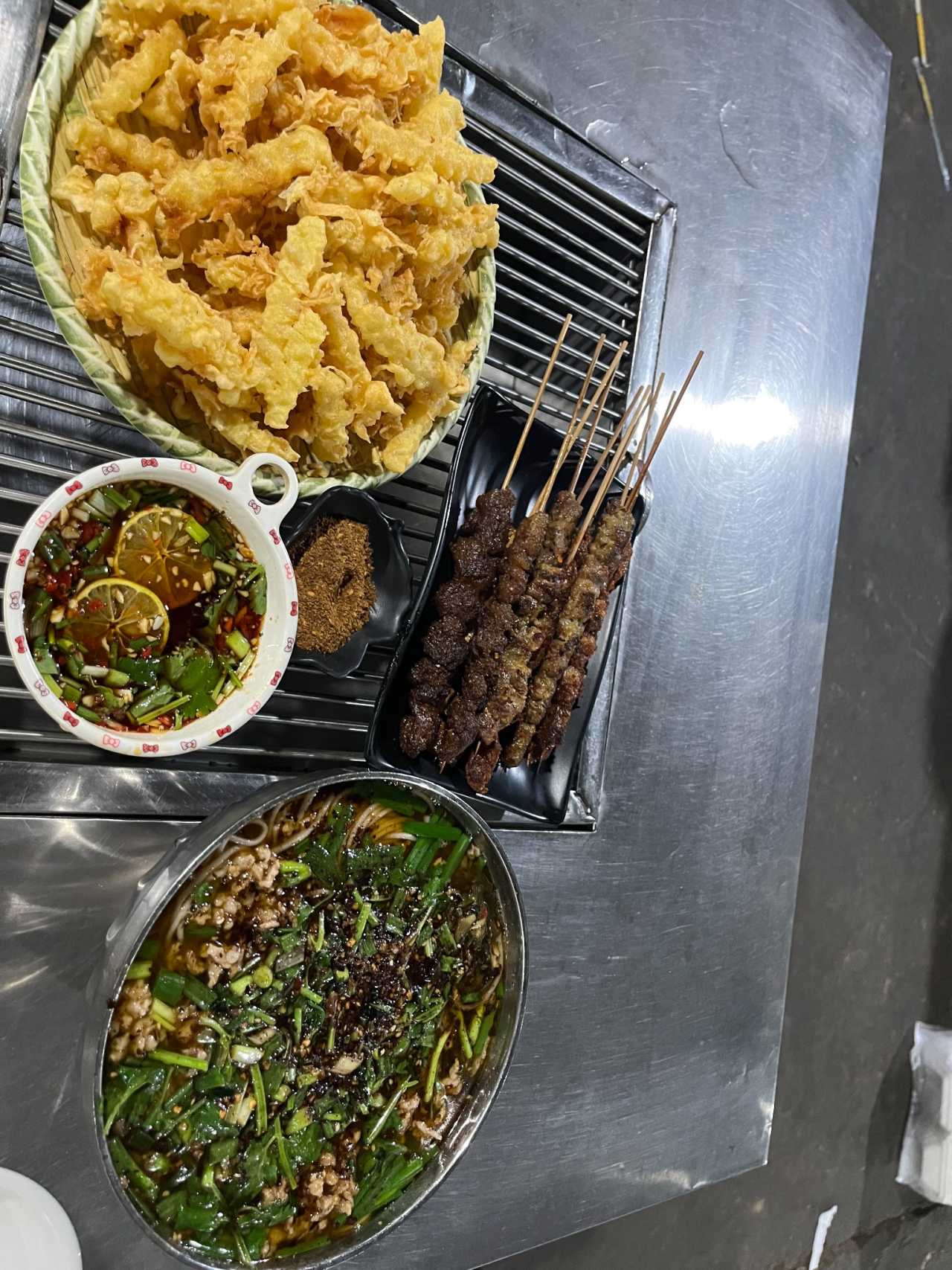
We settled on "White Cloud Soaring," and the owner enthusiastically brought out their signature dish: 蛋酥洋芋 (egg-crusted fried potatoes) . These seemingly ordinary fried potatoes are wrapped in a crispy, egg-coated shell. Bite into one, and it cracks with a satisfying crunch, revealing a soft, sweet interior. The dipping sauce is a Southeast Asian-style sweet-and-sour chili — no accident, as Ganzhuang was once a home for returned overseas Chinese. Returnees from Malaysia, Thailand, and India left their culinary marks on this land.
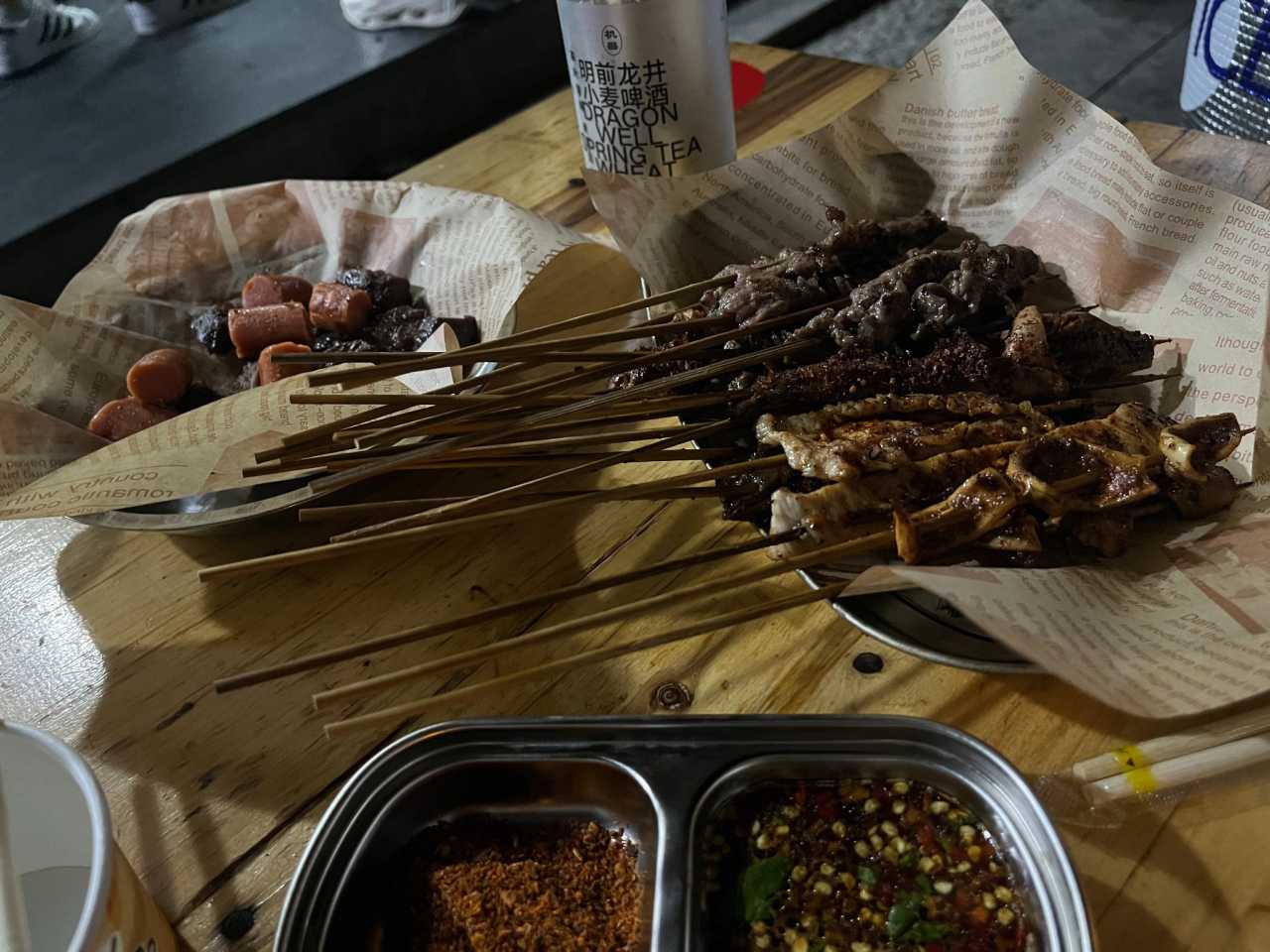
沙嗲牛肉串 (satay beef skewers) are another must-order. The beef is grilled to perfection, carrying the smoky aroma of charcoal, and dipped in a house-made satay sauce — salty and sweet in perfect balance. You'll find yourself reaching for one after another, unable to stop.
The dish that surprised me most was 榨油米线 (oil-poured rice noodles) . Boiling hot oil is poured over thin red rice noodles, instantly releasing a rich, fragrant aroma. Even after sitting on the table for a long time, the bowl still steams. This is a Yuanjiang-exclusive preparation — simple, but soul-stirring.
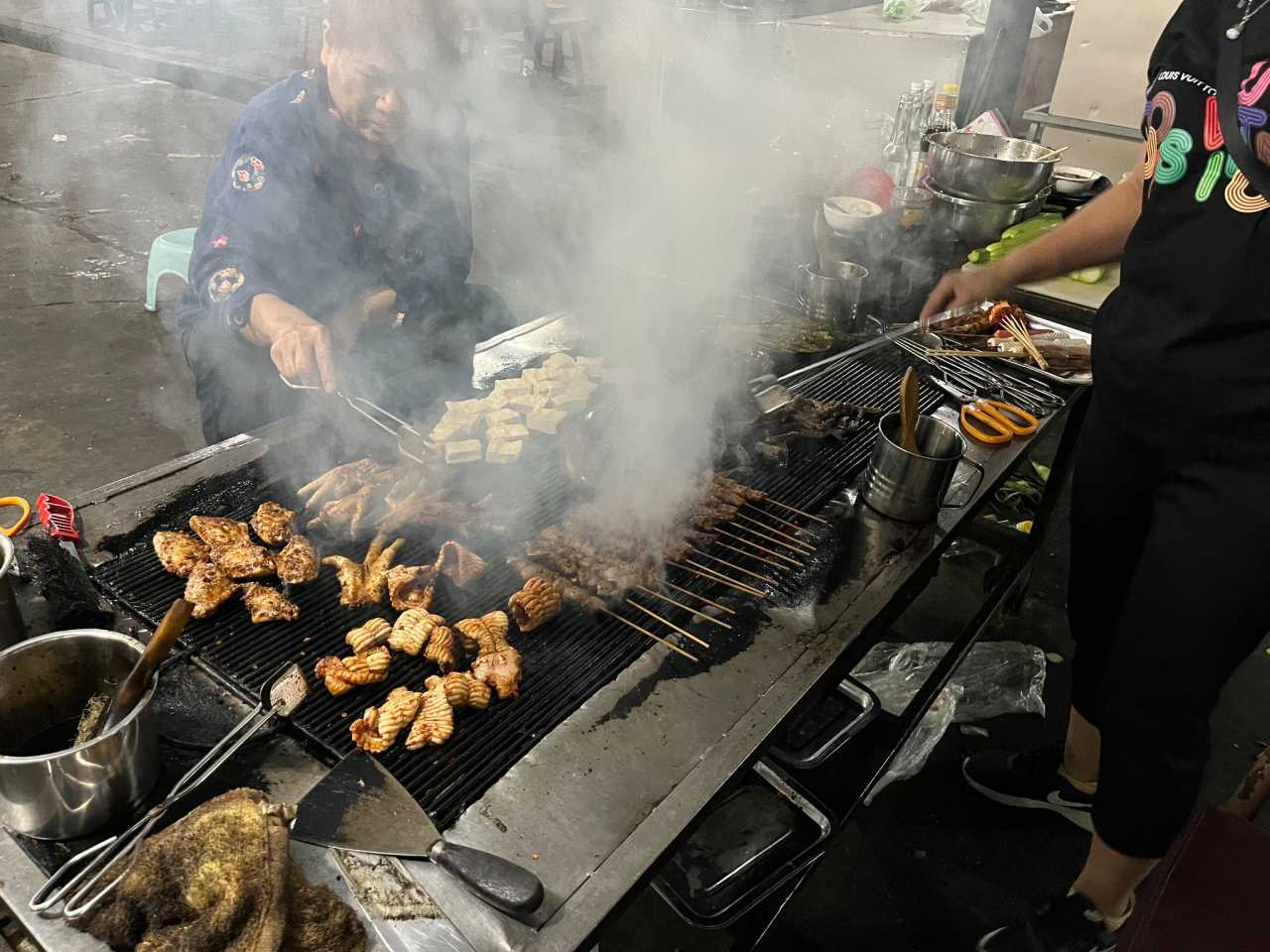
My boyfriend also convinced me to try 烤鸡屁股 (grilled chicken tails) — a common sight at Yunnan barbecue stalls, but one I'd always avoided. This time, I finally mustered the courage. The skin was grilled crispy, dusted with chili powder, and it turned out surprisingly delicious. Travel, after all, is about constantly unlocking new experiences.
The entire Ganzhuang Farmers' Market was shrouded in smoke and steam. The smell of charcoal, sizzling meat, and the sour-spicy aroma of dipping sauces mingled together, creating the most vivid scene of everyday life this small town has to offer.
Late-Night Snack: A Local's Late-Night Canteen
After checking into the Yuanjiang Huating Hotel (essentially a Hanting knock-off, with spacious rooms and convenient parking), we dropped off our luggage, grabbed the beer we'd brought from Kunming, and headed straight for a second round of barbecue — at a place called X Shop (X铺子).
Tucked away in a residential complex, this barbecue joint was buzzing with noise even at 11 PM. What shocked me most was the sight of several elementary school kids — and even younger children — eating barbecue! My boyfriend and I exchanged bewildered looks: Don't these kids have to get up early for school?
The answer came the next day: Yuanjiang's nights are cool and pleasant, while the days are scorching, so nightlife is especially vibrant. Kids tag along with their parents for barbecue and play, sleeping late and waking late — carefree and easygoing.
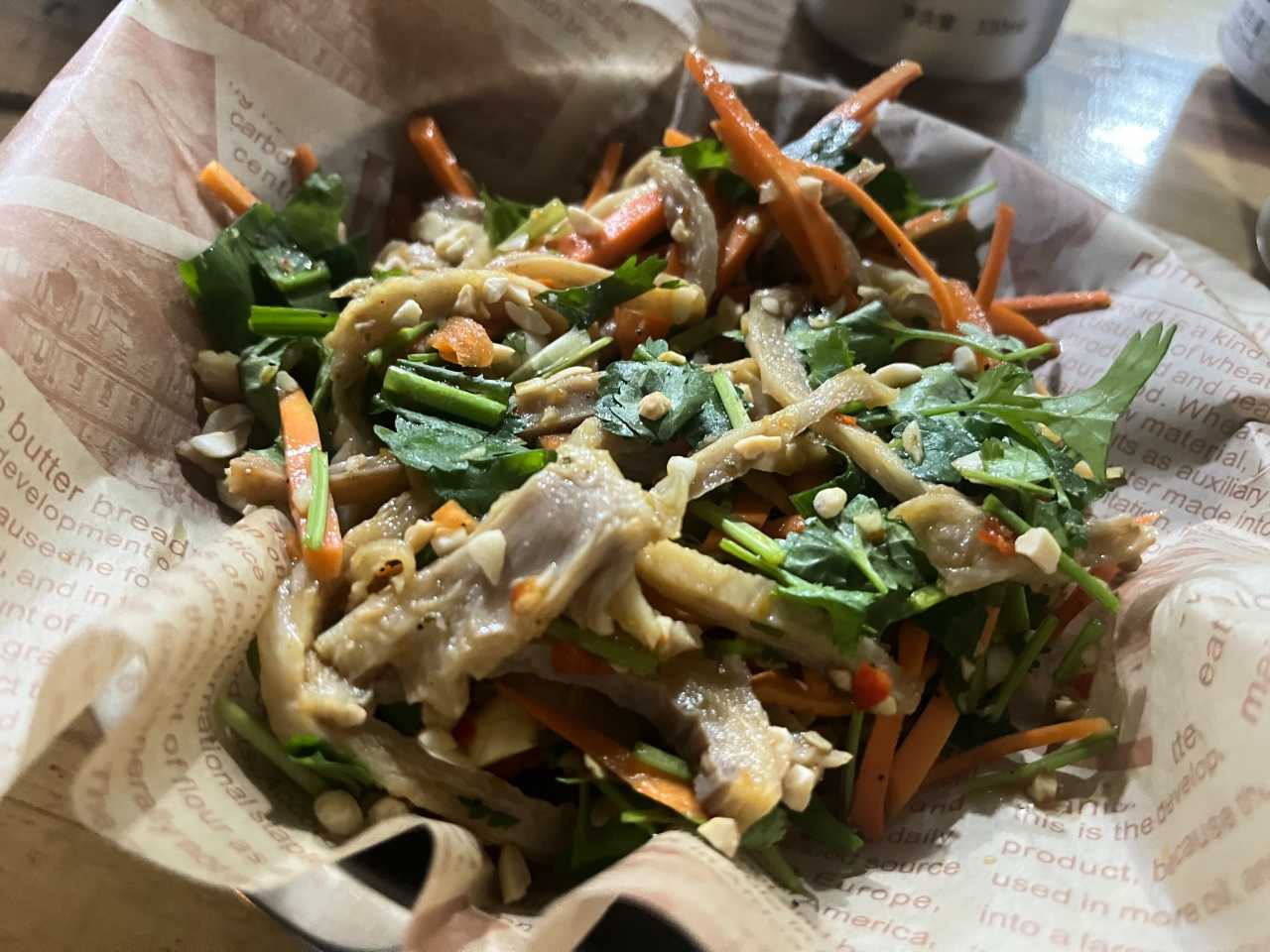
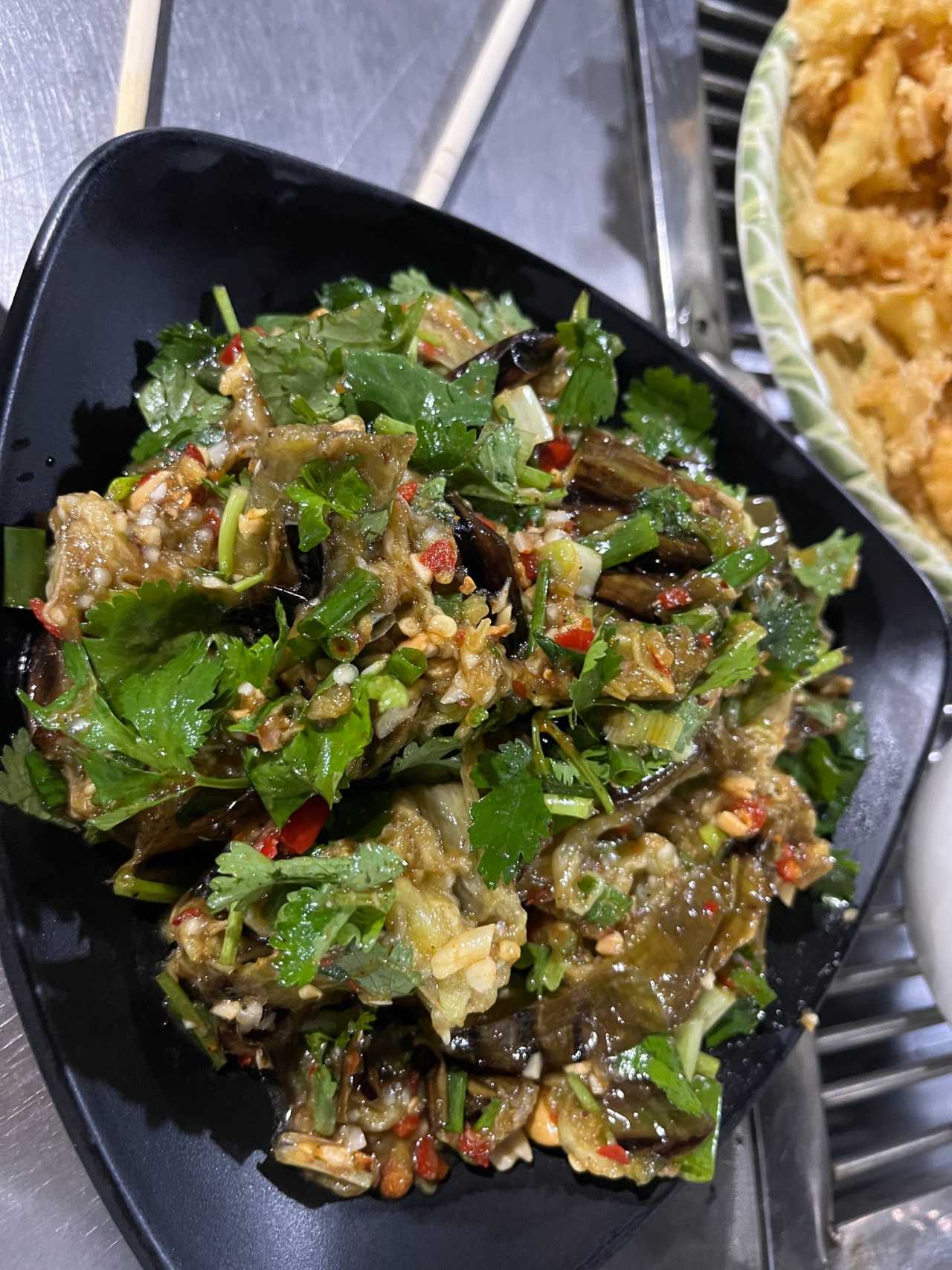
For this round, we ordered 凉拌小肚 (cold dressed pork stomach) and 干巴 (Yunnan-style dried beef) . The dried beef was grilled fragrant without being dry, perfectly salted — I'd planned to save some for later, but I was too full. Back in Kunming, I regretted not finishing it. The pork stomach was served cold, sour and spicy, an appetizer. My boyfriend said it's common in Qiaojia too — it seems hot places always share similar barbecue traditions.
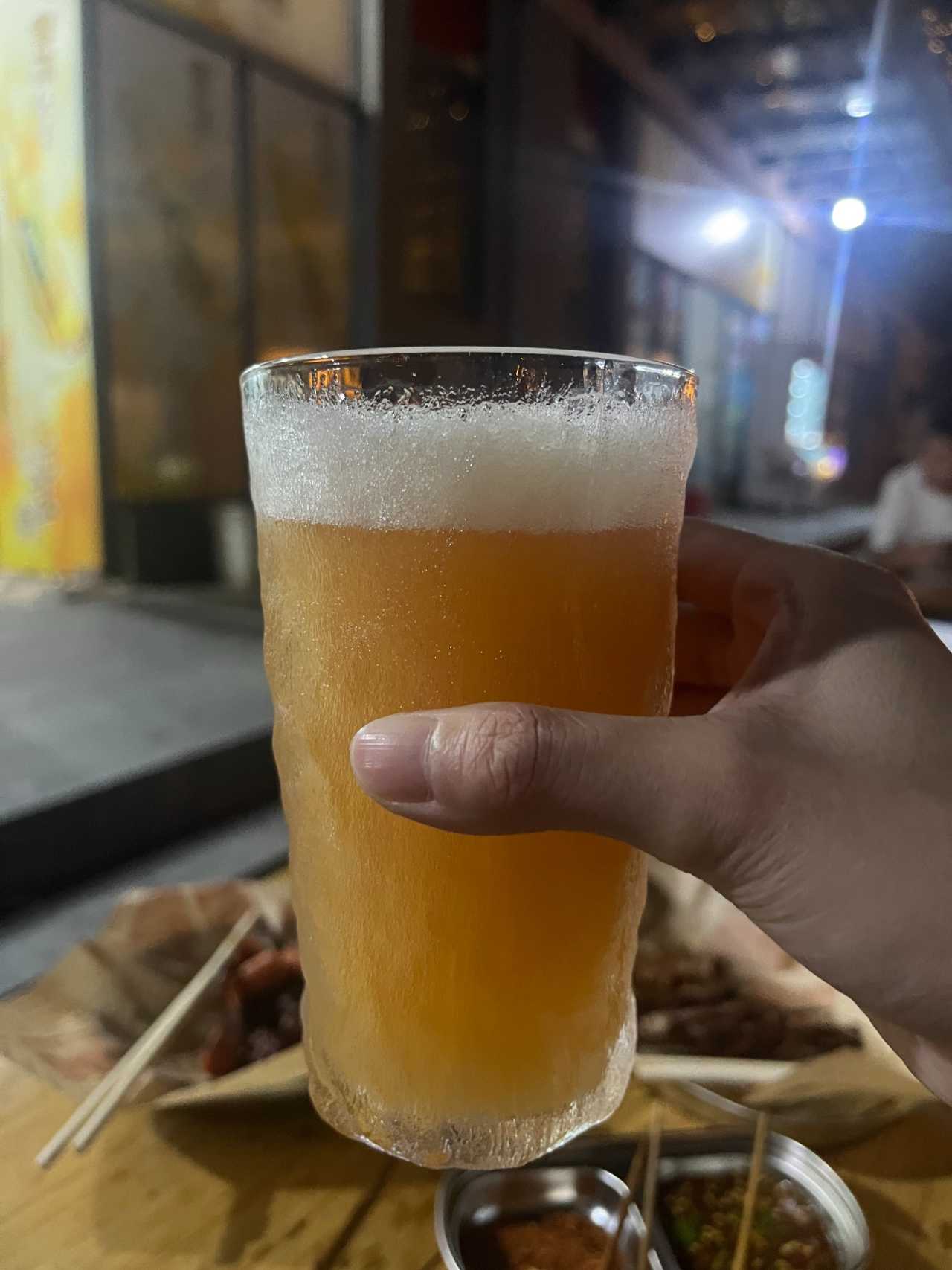
On a Yuanjiang night, wearing a T-shirt, sipping ice-cold beer, and sharing barbecue with the one you love — time itself seems to slow down.
Day Two: The Sweet Assault of the Land of Flowers and Fruit
Guo Shi Fu Cold Rice Noodles: A Revitalizing Breakfast

We woke up the next day at 10 AM. The sky outside was alternating between sun and clouds, but the temperature already felt like 26°C. We headed straight for Guo Shi Fu Cold Rice Noodles (郭师傅凉米线). I ordered cold rice rolls (凉卷粉), while my boyfriend went for cold rice noodles (凉米线). He polished his off in record time — a testament to how good it was.
The real showstopper was the 烤鱼 (grilled fish) that came with it. The fish was tender, the seasoning rich and fragrant. Even I — not a big fish eater — couldn't help reaching for more. We finished off an entire fish in no time. To cool down, we had a bowl of iced purple rice porridge (紫米冰稀饭), sweet and refreshing, the perfect antidote to the fish's heat.
Yuanjiang Farmers' Market: A Technicolor Kingdom of Fruit
A two-minute walk from the noodle shop brought us to the Yuanjiang Farmers' Market. The moment I stepped inside, I was stunned. In October, the market was piled high with mountains of colorful fruit — mangoes, sugar apples, egg fruits, four-season mangoes... The air was thick with the sweet perfume of fruit.
Yuanjiang sits in China's largest Red River Valley basin, earning its reputation as a true "land of flowers and fruit." Vendors warmly invited us to taste. We bought sugar apples, egg fruits, and four-season mangoes — every bite was pure sweetness. And the prices were heartwarmingly low, like stepping back into a fruit market from ten years ago.
I also spotted a red fruit whose name I asked at the time but forgot by the time I sat down to write. No matter — part of travel's beauty lies in those unexpected surprises.
The market also sold 朵朵糕 (duo duo cake) — my boyfriend said they have it in Qiaojia too, just with different molds. It's a local specialty worth trying.
Qixia Mountain Hot Springs: A Leisurely Afternoon Under Mango Trees
By midday, the sun was directly overhead, and the heat outside was oppressive. Braving the sun, we navigated to the Qixia Mountain Hot Spring Hotel (栖霞山温泉酒店) and switched into hot spring mode.
A single soak costs 88 RMB per person; it's free if you're a hotel guest. But even in the off-season, a double room runs over 600 RMB — not great value, so it's better to grab a deal when they have promotions. The hotel opened three years ago and is nicely decorated — I particularly loved the ombre chandelier.
I had the locker room all to myself — a private session! After changing into my swimsuit, I stepped outside to a real-feel temperature of 32°C. This was my first time soaking in a hot spring in such heat — it felt like an outdoor sauna. A staff member led us to a pool that had been filled and set to the perfect temperature. Surprisingly, in this sweltering weather, it felt just right.
The hotel has 28 pools, 24 of them named after the 24 solar terms. We ended up soaking in the "Major Snow" (大雪) pool in 32°C weather — the irony was not lost on us, and it made the experience all the more amusing. The spring water comes from deep within the Ailao Mountains and is said to be of natural drinking-water quality, comparable to the hot springs of Rennes-les-Bains in France. Lush trees shaded the pools, offering both privacy and a cool escape from the sun.
After a while, I felt thoroughly cooked. I got up to explore and found a swimming pool. In this weather, the pool water was even more comfortable. The pool was surrounded by greenery, with two artificial lakes nearby. A few leisurely geese were sunbathing on the lakeshore, while fish sought shade under the trees. The hotel calls it an "infinity pool," but I suggested renaming it the "Mango Pool" — there were several mango trees right by the edge. It sounds adorable.
It was my first time in a swimming pool. I can't swim, so my boyfriend held me up as I paddled around, striking various poses for photos. Playing in the water on such a hot day — pure bliss.
Da Tan Village: A Brief Stop in a Dai Ethnic Village
After the hot springs, we visited Da Tan Village (打炭村), a Dai settlement with ancient mango trees and traditional Dai architecture. But it was just too hot. We made a quick loop and were drenched in sweat, so we called it quits. We'd originally planned to visit the Huayao Ethnic Farmhouse Restaurant (花腰风情农家园), but were told it wouldn't open until 5 PM. So we headed back to the county seat and found a cold drink shop.
Fried Cowhide with Nam Som: A Perfect Dai-Style Finale
We arrived at the drink shop at 3:40 PM, just as it opened. Its hours are 3:30 PM to 1:30 AM — such a nightlife vibe! But then again, in Yuanjiang's climate, the evenings are indeed more comfortable.
The shop had a nice interior — Instagram-worthy decor, and they even sold fresh flowers. We ordered iced watermelon, 炸牛皮 (fried cowhide) , and two drinks. Fried cowhide is a classic Dai-style drinking snack — puffy and crispy, called "nang mu" (囊木) in the Dai language. Served with 番茄喃咪 (tomato nam som) , it's spicy, sweet, and wonderfully aromatic.
Yuanjiang is a multi-ethnic county — home to Hani, Yi, and Dai peoples, among 34 ethnic groups in total, with the Huayao Dai being the largest. Here, you can sample all kinds of ethnic minority specialties. "Nam som" (喃咪) means dipping sauce in Dai. In an authentic Dai feast, every dish has its corresponding nam som; the more dipping sauces on the table, the more authentic the meal. And tomato nam som is, in my book, the queen of them all.
Jasmine Flower Fields: The One Who Loves You Will Take Good Photos of You
After our snack, a three-minute drive brought us to the banks of the Yuanjiang River. The water had already taken on a reddish hue — in fact, it's because the river turns red as it flows into Honghe Prefecture that it was renamed the "Red River" (红河). Along the riverbank stretched vast fields of jasmine flowers. Under the blazing sun, farmers were harvesting.
It was my first time seeing a sea of jasmine. Yuanjiang, with its dry-hot valley climate, is one of China's four major jasmine-producing regions. A farmer told me that jasmine was only selling for 40 RMB per kilogram these days. To protect themselves from the sun, they had to wear long sleeves and hats — backbreaking work. I wanted to buy some to put in the car, but the generous farmer simply grabbed a big handful and gave it to me, even pointing me to some magnolia flowers nearby.
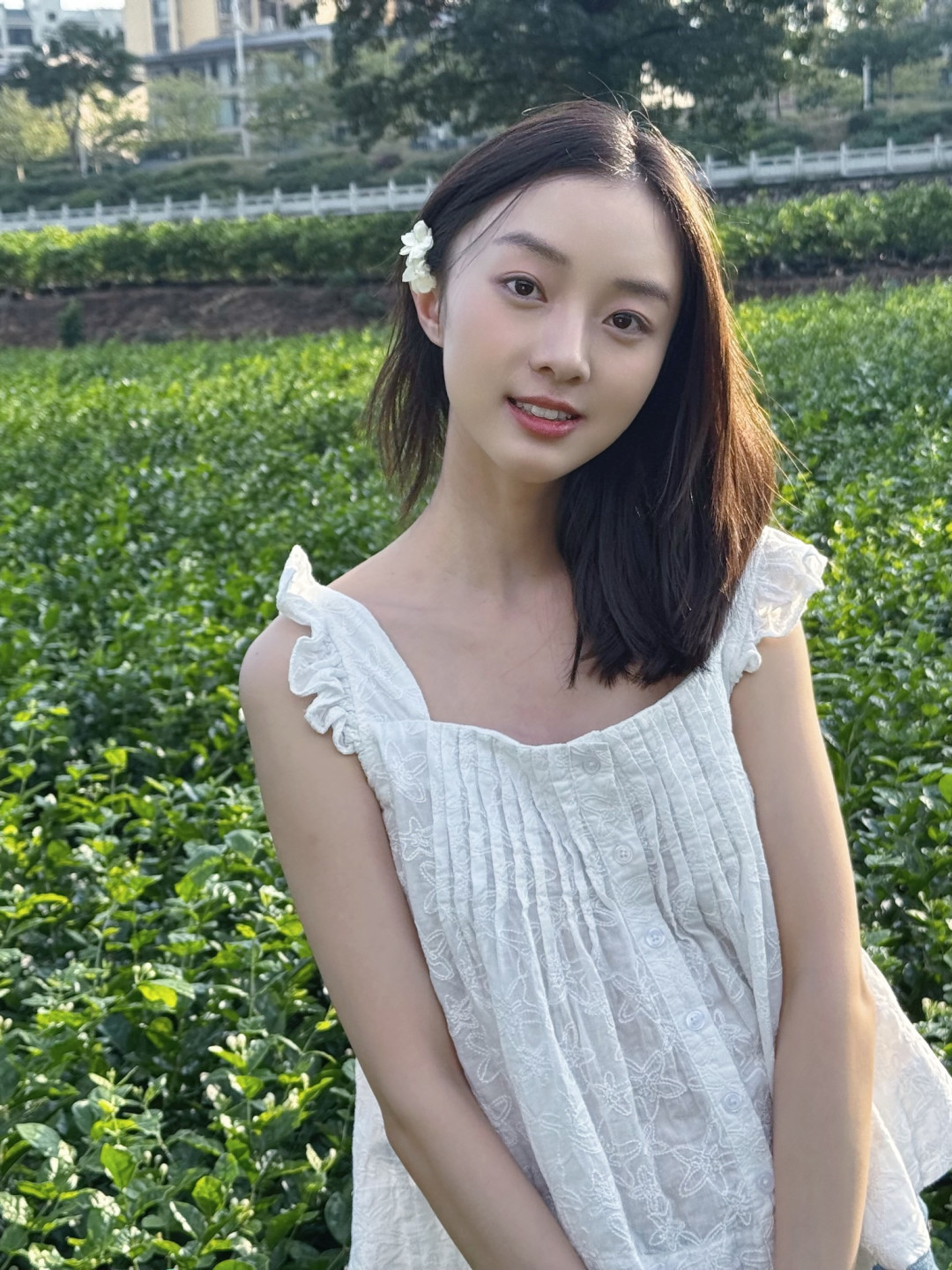
My boyfriend snapped a casual photo that turned out surprisingly well. I had tucked a fallen jasmine blossom into my hair — that photo later became the cover image for this travelogue.
Huayao Ethnic Farmhouse Restaurant: A Fruit Feast Like No Other
In the evening, we arrived at the Huayao Ethnic Farmhouse Restaurant (花腰风情农家园). At the entrance stood a 200-year-old mango tree — the restaurant's "treasure." We ordered tamarind juice, stir-fried salted duck eggs with mango, cold dressed cactus, and deep-fried ribs with tamarind.
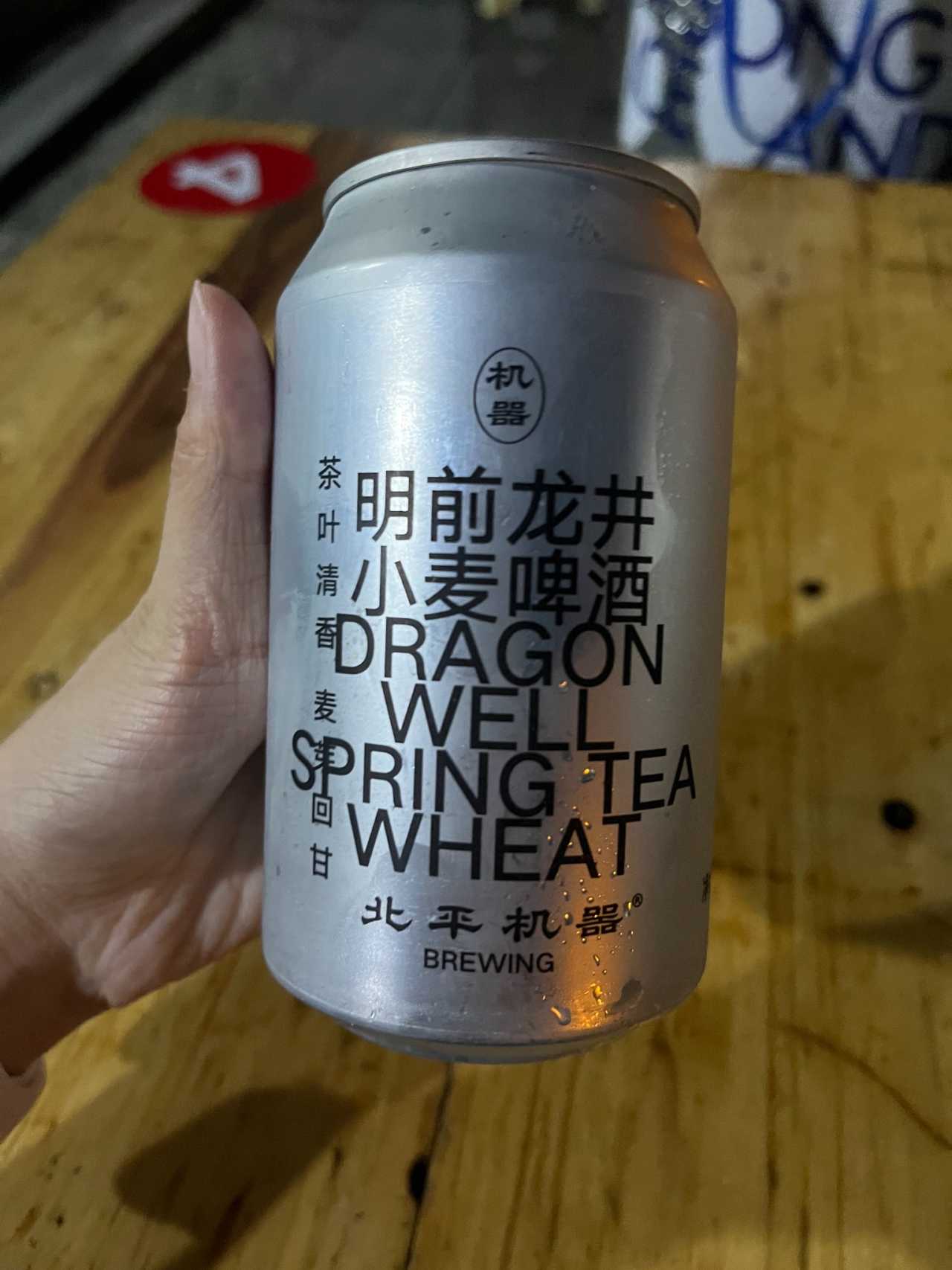
Every dish was a creative masterpiece. Yuanjiang is the cultivation base for Maoduoli (猫哆哩) tamarind, and locals love incorporating fruit into their cooking, blending it with Huayao Dai flavors to transform ordinary stir-fries into something special. The mango with salted duck eggs was a sweet-and-savory dance; the cold cactus was refreshing and palate-cleansing; the tamarind ribs were tangy and sweet. We only ordered three dishes, but the portions were huge — we ate until we could barely move.
As we finished, rain began to fall, cooling the air. Our wonderful Yuanjiang trip was drawing to a close.
On the highway back to Kunming, we spotted the world's tallest bridge running parallel to the Yuanjiang-Mangshi Expressway. At that very moment, a high-speed train glided across it. Yuanjiang's tagline is: "A riverside city of flowers and fruit, a haven for escaping the cold." In just one day and one night, we'd tasted, played, and experienced everything it had to offer.
Final Thoughts: Looking Forward to the Next Trip
Among Yunnan's many popular tourist destinations, Yuanjiang has never stood out. But this trip was a delightful surprise.
As a winter escape from the cold, it offers not only Southeast Asian vibes but also a chance to experience the unique cuisines of various ethnic minorities. The warm-hearted locals, the dazzling array of fruit, my first time in a swimming pool, and the one I love taking photos of me in a jasmine field — these moments form my most beautiful memories of Yuanjiang.
This was our fifth trip together, and my first time leaving a travelogue on Mafengwo. I'm already looking forward to December's journey. Long days, wide skies — and many more beautiful encounters ahead.
Travel Tips: - Getting There: About 2 hours 20 minutes by car from Chenggong, Kunming - Best Season: Autumn and winter — avoid the intense heat of June and July - Must-Eat: Egg-crusted fried potatoes, satay beef skewers, oil-poured rice noodles, grilled fish, fried cowhide with tomato nam som, fruit feast - Must-Do: Qixia Mountain Hot Springs, Yuanjiang Farmers' Market, jasmine flower fields, Da Tan Village - Accommodation: Yuanjiang Huating Hotel (good value, convenient parking) - Note: Yuanjiang is scorching during the day — plan outings for the evening. For the hot springs, grab a deal when they have promotions.
You should also read:

Cloud Travelogue · Dali of Wind, Flowers, Snow, and Moon: A Three-Day, Two-Night Journey of a Free Spirit
Cloud Travelogue · Dali of Wind, Flowers, Snow, and Moon: A Three-Day, Two-Night Journey of a Free Spirit I am a cultured female foodie with a touch of rogue charm. I slung on my backpack, took my lover's hand, and set off on a spontaneous…
Continue reading...
Golden Luoping: A Romantic Encounter with Sunshine and Seas of Flowers
Golden Luoping: A Romantic Encounter with Sunshine and Seas of Flowers Introduction: The Third Time's the Charm Some landscapes are destined to be seen at the right moment. For me, that was exactly the case with Luoping's rapeseed flowers. On February 22, 2011, the Luoping…
Continue reading...
The Meaning of Travel – A Tengchong Story: A Journey of the Heart and Personal Growth
The Meaning of Travel – A Tengchong Story: A Journey of the Heart and Personal Growth Setting Out, Only to Return a Better Self Some say travel is nothing more than leaving a place you're tired of, only to go to a place where others…
Continue reading...