Yunnan | Everyone Has a Shangri-La in Their Heart
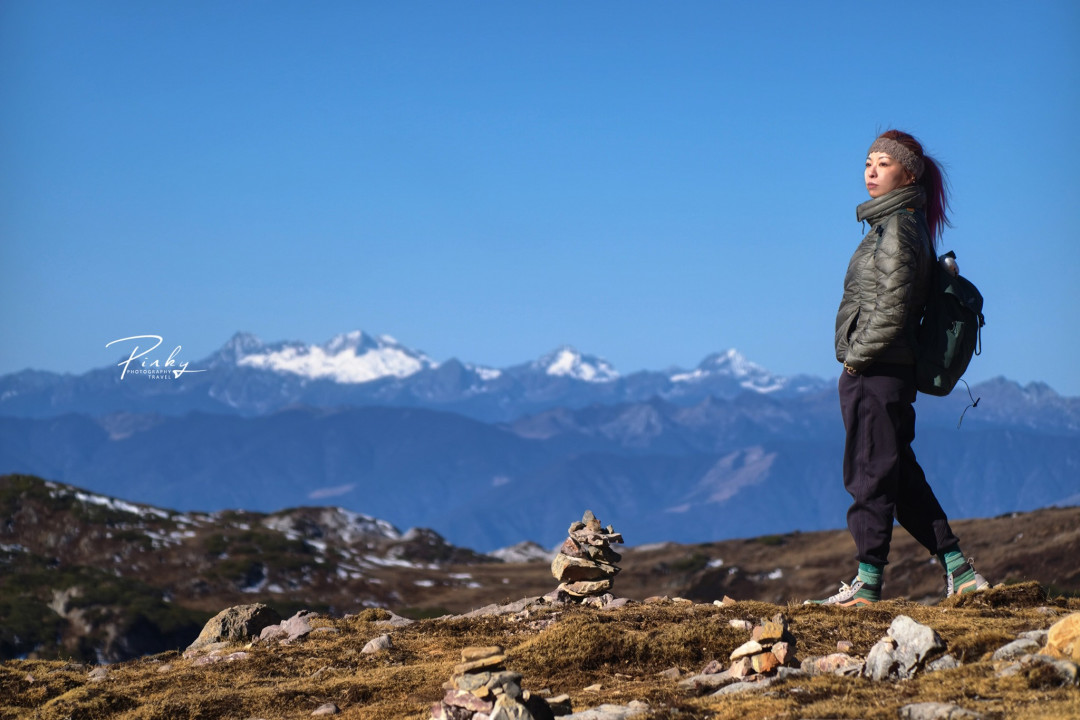
Yunnan | Everyone Has a Shangri-La in Their Heart
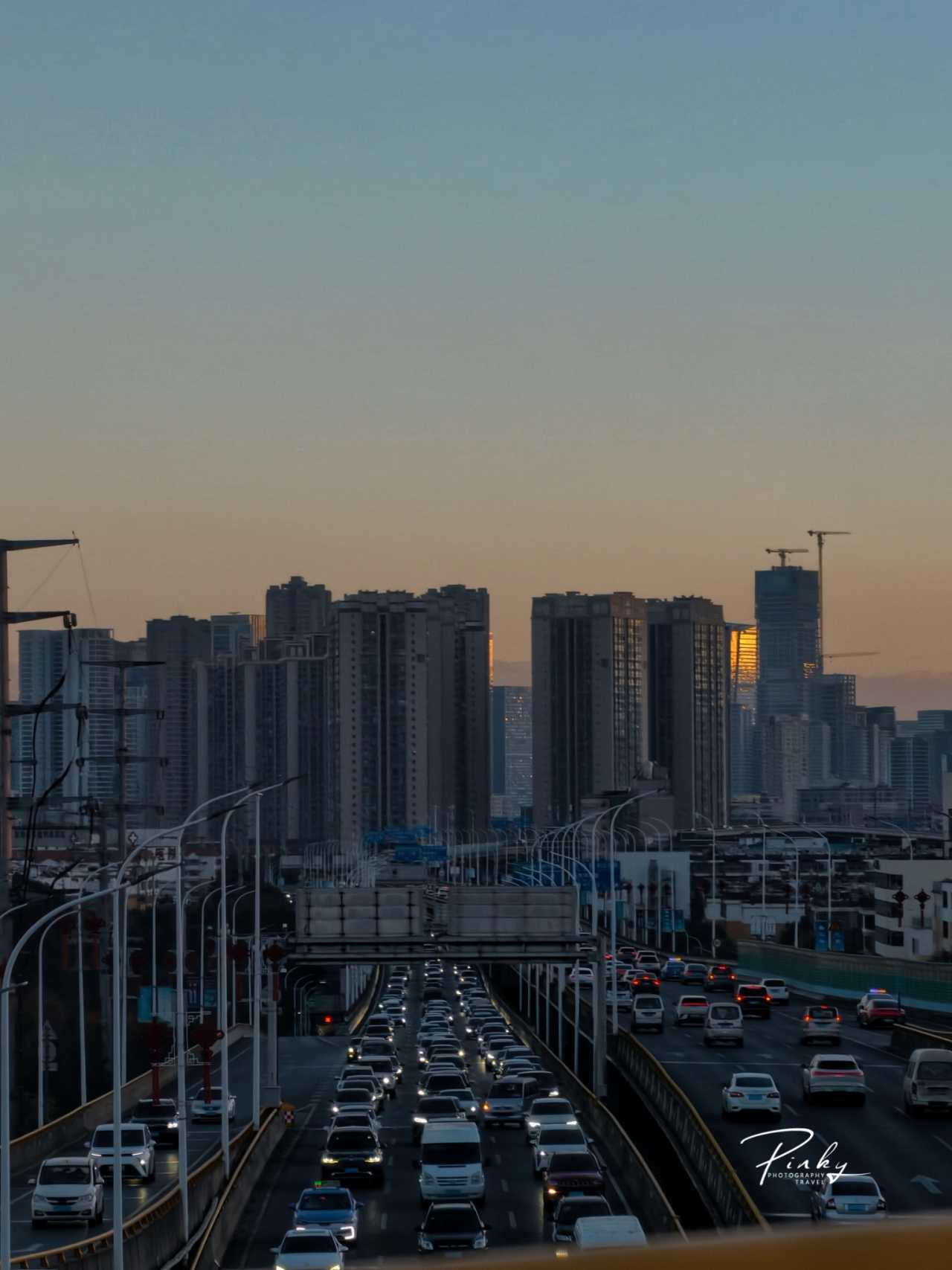
The winter air in Beijing is always mixed with coal smoke, exhaust fumes, and an indescribable weariness. The trees outside the window stand bare, like forgotten utility poles. Towering buildings loom expressionlessly, and pedestrians walk with hurried, heavy steps—this city always seems to be rushing somewhere, yet few people ask themselves: Where are we going?
But deep down, most Beijingers carry a version of Yunnan in their hearts. A place with spring-like warmth year-round, with slow, unhurried days, with scenery so beautiful it doesn't need a filter. And the Yunnan in my heart is called Shangri-La.
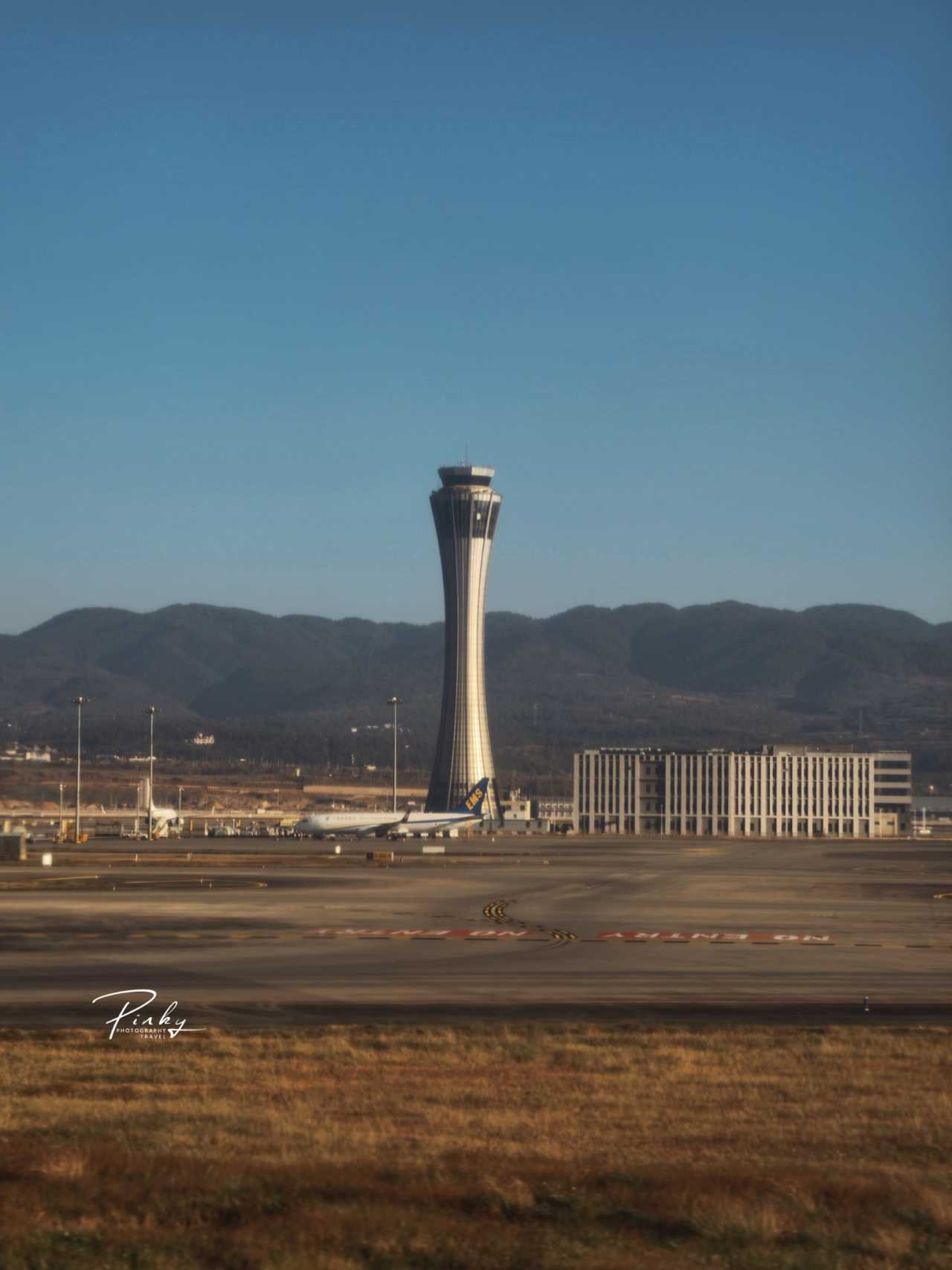
The last time I went was in 2018. Eight years have slipped by, and the outlines of that highland landscape have begun to blur in my memory. But the regret of not having fully experienced it back then has lingered like a thorn, occasionally pricking me. In December 2025, I finally made up my mind—a direct flight from Beijing to Kunming, then a train ride, to make up for this reunion that was eight years overdue.
Four days—not long, but long enough to throw myself completely into this "land of eternal peace" and feel its tranquility and passion hidden beneath the ice and snow.
Kunming | The Spring Breeze Never Disappoints Those Who Travel Far
Kunming wasn't a long-awaited reunion—I'd been here once or twice over the years. Every time I land, it feels like being gently held by a warm hand—that cozy air, wrapped in the scent of flowers and earth, instantly disarms all your defenses.
This time, we only stayed in Kunming for one night. A few friends quickly agreed: let's go eat mushroom hotpot. If you come to Yunnan and don't eat wild mushrooms, you've wasted the trip, right?
We found a highly-rated restaurant near our accommodation, within walking distance. Unfortunately, it wasn't the season for fresh mushrooms—everything was frozen. The waitress brought out plate after plate of mushrooms, introducing each one, but I was completely lost—couldn't remember a single name. One thing she kept repeating, though, stuck with me: "Don't eat anything until ten minutes after the pot boils, and don't put your chopsticks in before that."
She kept an eye on us the whole time, as if afraid someone might sneak a bite. It instantly reminded me of that viral joke: at a mushroom hotpot place, the staff takes away all the customers' bowls and chopsticks. Haha, it's not a joke—it's a documentary.
That broth was incredibly savory—so umami it made your eyebrows tingle. If you go to Kunming, you have to try it. But remember: listen to the staff, and don't touch those chopsticks.
Restaurant Name: 8 Wild Mushrooms Nanhua Wild Mushroom Hotpot
Hours: 10:00 AM – 2:00 AM
Address: No. 92, Annex 2, Mingtong Road, Guandu District, Kunming
Kunming's nights are soft. The evening breeze rustles the leaves, patches of light dance on the ground, and the thin smoke from barbecue stalls curls around pedestrians' clothes. The old flower-selling grandmother sits in her usual spot, not calling out, just waiting quietly. A small queue forms in front of the grilled rice cake stall, the owner deftly flipping white rice patties on the griddle, the steam carrying the aroma of sauce all the way across the street.
In this city, even the night breathes slowly.
Kunming → Shangri-La | A Train Ride Through All Four Seasons
In the early morning, the sky above Kunming is tinged with a faint rouge color. We packed our bags and started agonizing over what to wear—needing to handle Kunming's morning chill, endure the stuffy heat on the train, and prepare for the high-altitude cold after getting off.
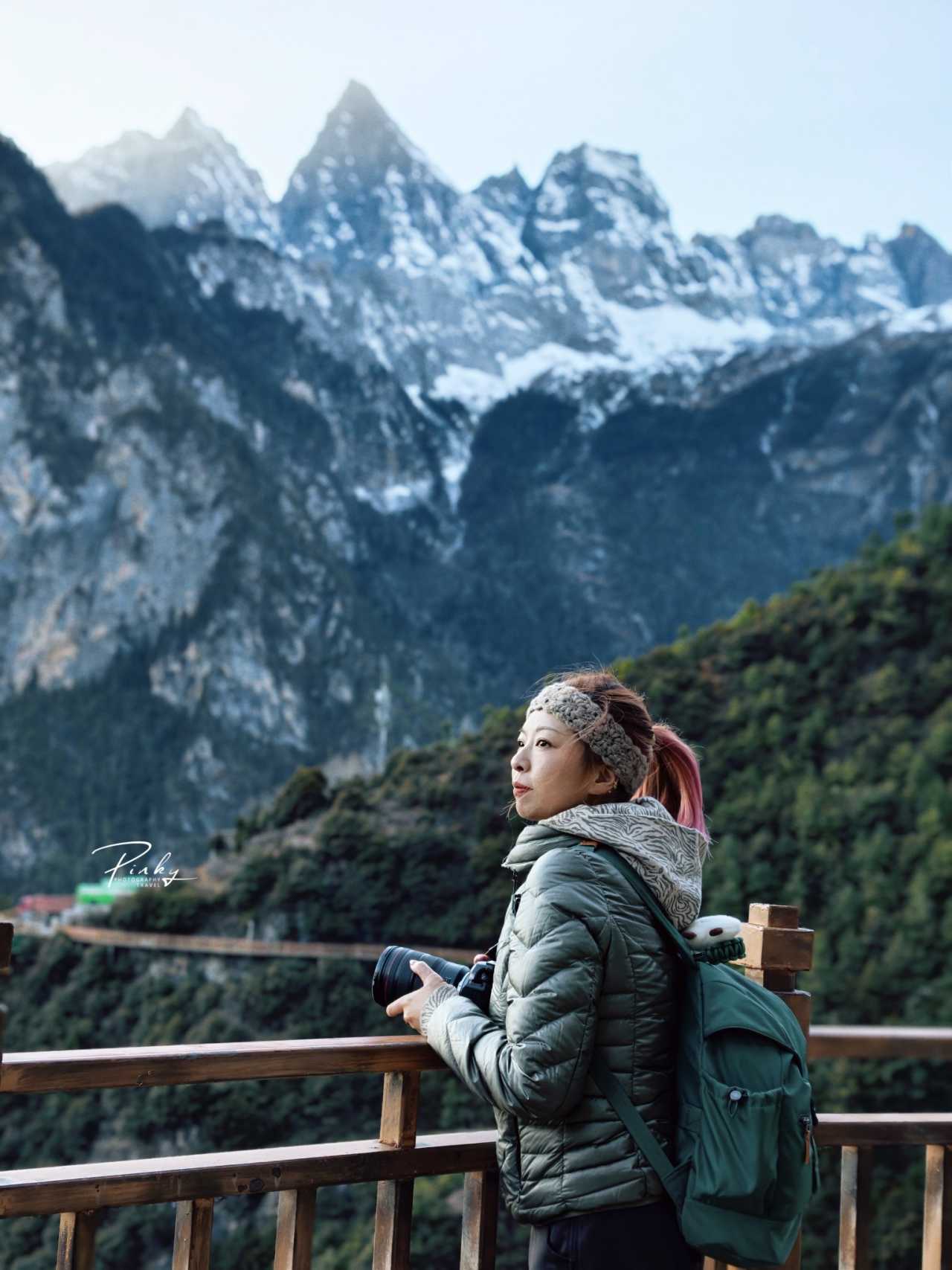
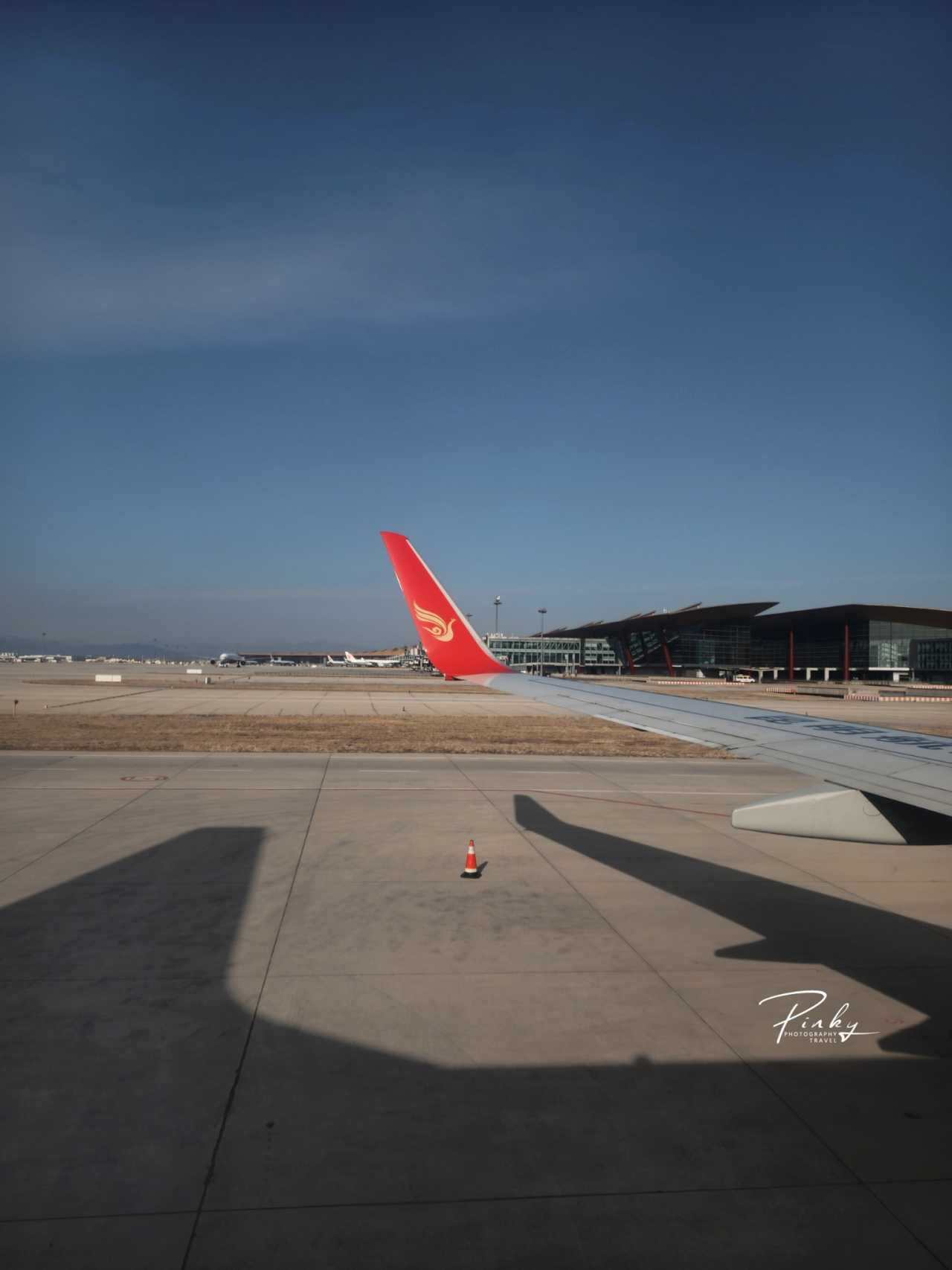
From Kunming to Shangri-La, a flight takes only an hour. But I chose the train—the Fuxing bullet train that would sway along for half a day. Not for any other reason than the stunning scenery along the way: Jade Dragon Snow Mountain, Tiger Leaping Gorge, Lashi Lake... every frame is worth stopping to admire.
Before departing, I bought a coffee at the Yunnan Coffee Factory shop in Kunming Station. It tasted good and looked great in photos—a perfect way to kick off the travel mood.
If you're planning to take the train to Shangri-La, here are a few things worth remembering:
- Comfort and convenience: The Fuxing high-altitude bullet train is specially designed for high elevations, taking about 4.5 hours direct, with views of Jade Dragon Snow Mountain and Tiger Leaping Gorge along the way.
- Cost-effective: A second-class seat costs only around 260 yuan, with multiple departures daily.
- Key sightseeing moments: First, you pass through Dali, with a distant view of Erhai Lake; the train stops at Lijiang Station for 6 minutes, where you can step off and see the full view of Jade Dragon Snow Mountain; then come Lashi Lake and Tiger Leaping Gorge.
The train attendants are thoughtful—they make announcements when approaching Tiger Leaping Gorge and tell you which side to look from. My method was simpler: I kept my phone's map open, tracking the train's progress, and had my camera ready in advance.
When that white pagoda appeared outside the window, I knew Shangri-La was near.
Dukezong Ancient Town | A Thousand-Year Vigil Under Moonlight
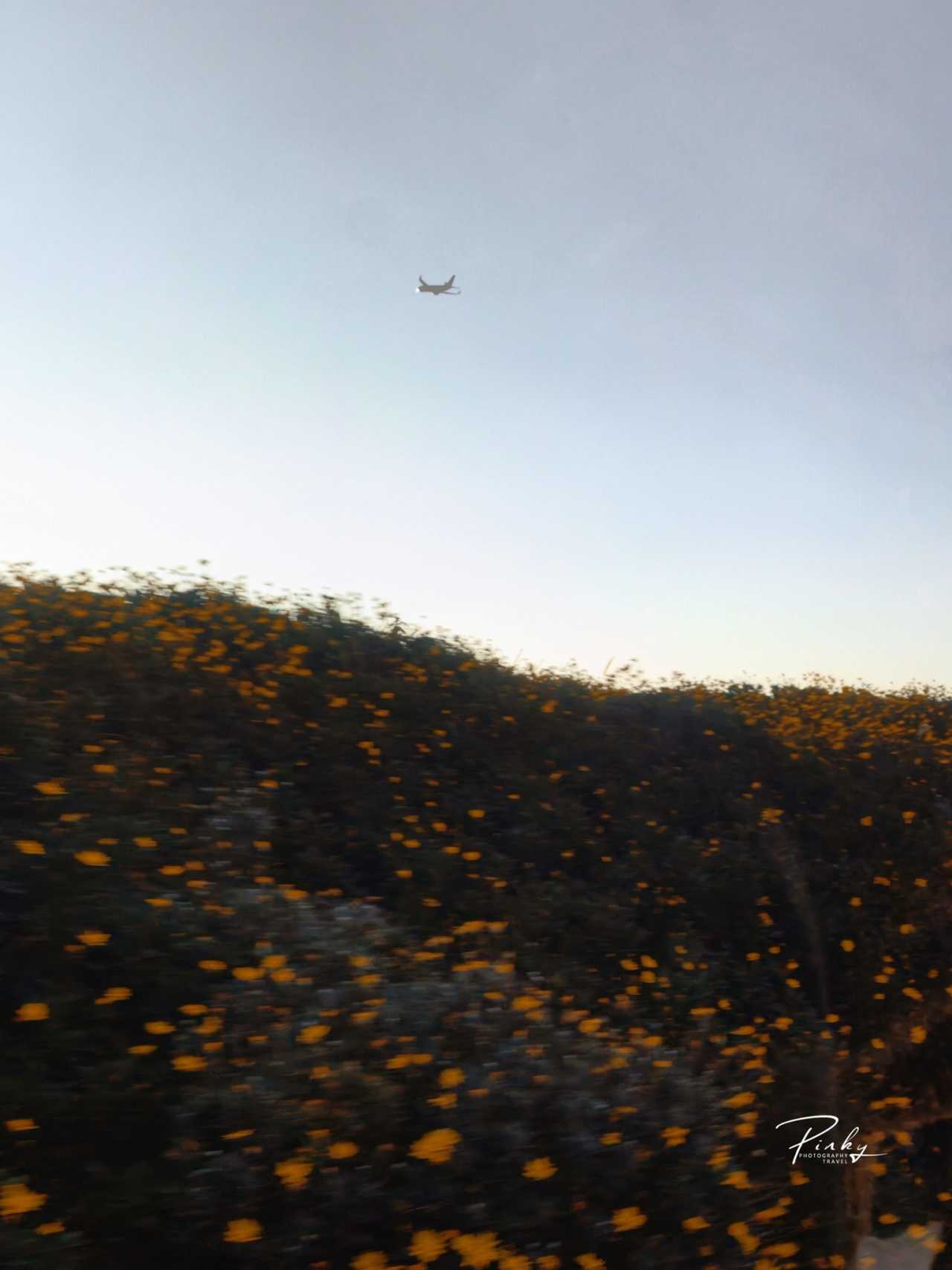
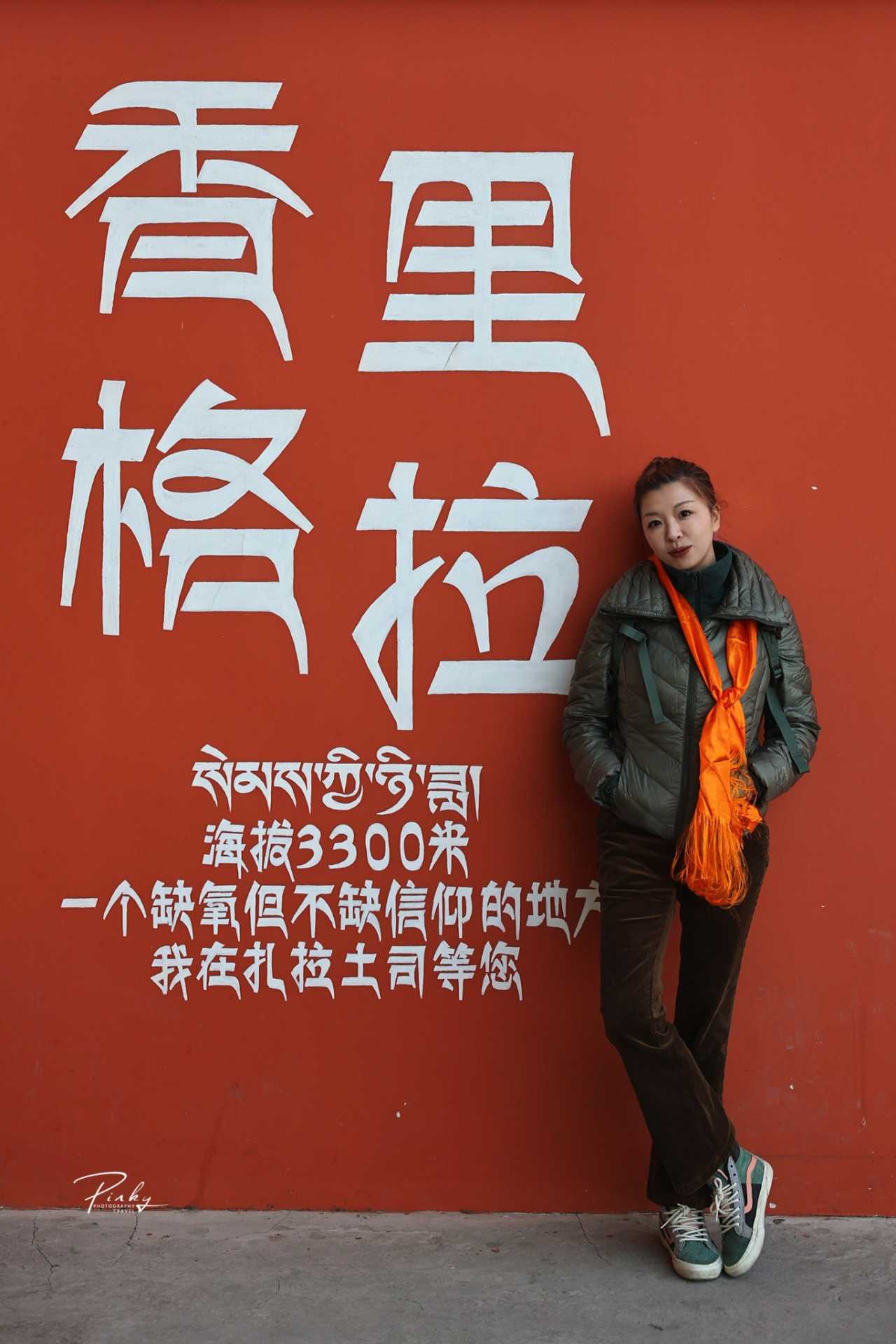
Dukezong Ancient Town, at an elevation of 3,300 meters, is known as the "Moonlit City." Founded during the Zhenguan period of the Tang Dynasty, this ancient town is a gem on the Ancient Tea Horse Road. Caravans once rested here, where silk from the central plains and yak butter tea from Tibet blended together.
The town's layout radiates outward from Big Turtle Mountain, preserving the original pattern of 3 streets and 33 alleys. It is one of the best-preserved and largest Tibetan residential clusters in China—every stone slab echoes with the footsteps of history.
Must-Do Experiences
Turtle Mountain Park—The highest point of the ancient town, home to the Great Buddha Temple and the world's largest prayer wheel. This 21-meter-tall, pure copper-gilded prayer wheel weighs 60 tons and requires over a dozen people working together to turn it. Each clockwise rotation is equivalent to silently reciting mantras 1.24 million times. Unfortunately, I didn't have time to visit this time—it became my biggest regret of the trip.
Moonlight Square—From evening to night, there are often Tibetan song and dance performances and traditional craft demonstrations, offering a rich taste of Tibetan culture.
Tibetan Costume Photography—Rent a set of traditional Tibetan robes and wander through the ancient town—you'll easily capture some very atmospheric photos.
Ancient Town Intangible Heritage Experience Center—This isn't one of those museums where you just look through glass. Here, you can try things with your own hands. I tried making Tibetan incense and coloring a thangka (traditional Tibetan Buddhist painting on cloth). The thangka coloring process really tests your patience, but the sense of accomplishment when you finish is far greater than buying any souvenir.
Food Recommendations
Highland barley cakes, Tibetan-style baked buns, yak yogurt, yak hotpot... the ancient town is overflowing with snacks that dazzle the eyes.
For an immersive food and dance experience, I recommend Zhala Tusu Manor. This place became famous after being associated with "Shangri-La's Song Hye-kyo" (a reference to a popular Korean actress). I didn't see her, but I did see "Shangri-La's Song Xiaobao" (a reference to a popular Chinese comedian)—the resemblance was uncanny, hahaha. The food was average, but the atmosphere was top-notch.
Accommodation Recommendation
I stayed at Manna · Moonshine · Tibetan Oxygen-Rich Designer Hotel in the ancient town. It's very close to the core area, with full-floor heating in the rooms, clean and hygienic conditions, and quick hot water. The breakfast was also plentiful and tasty.
Shika Snow Mountain | A Journey to a 4,449-Meter Secret Realm
In the early morning, Dukezong was still asleep. The only sounds on the stone-paved road were our footsteps and the rumbling of suitcase wheels.
The winter morning was bitterly cold. When we arrived at the entrance of Shika Snow Mountain, my phone showed -10°C. There's a photo spot at the entrance, and a dog voluntarily came over to pose for a picture. I asked it to sit next to me, and it cooperated perfectly, like an old friend.
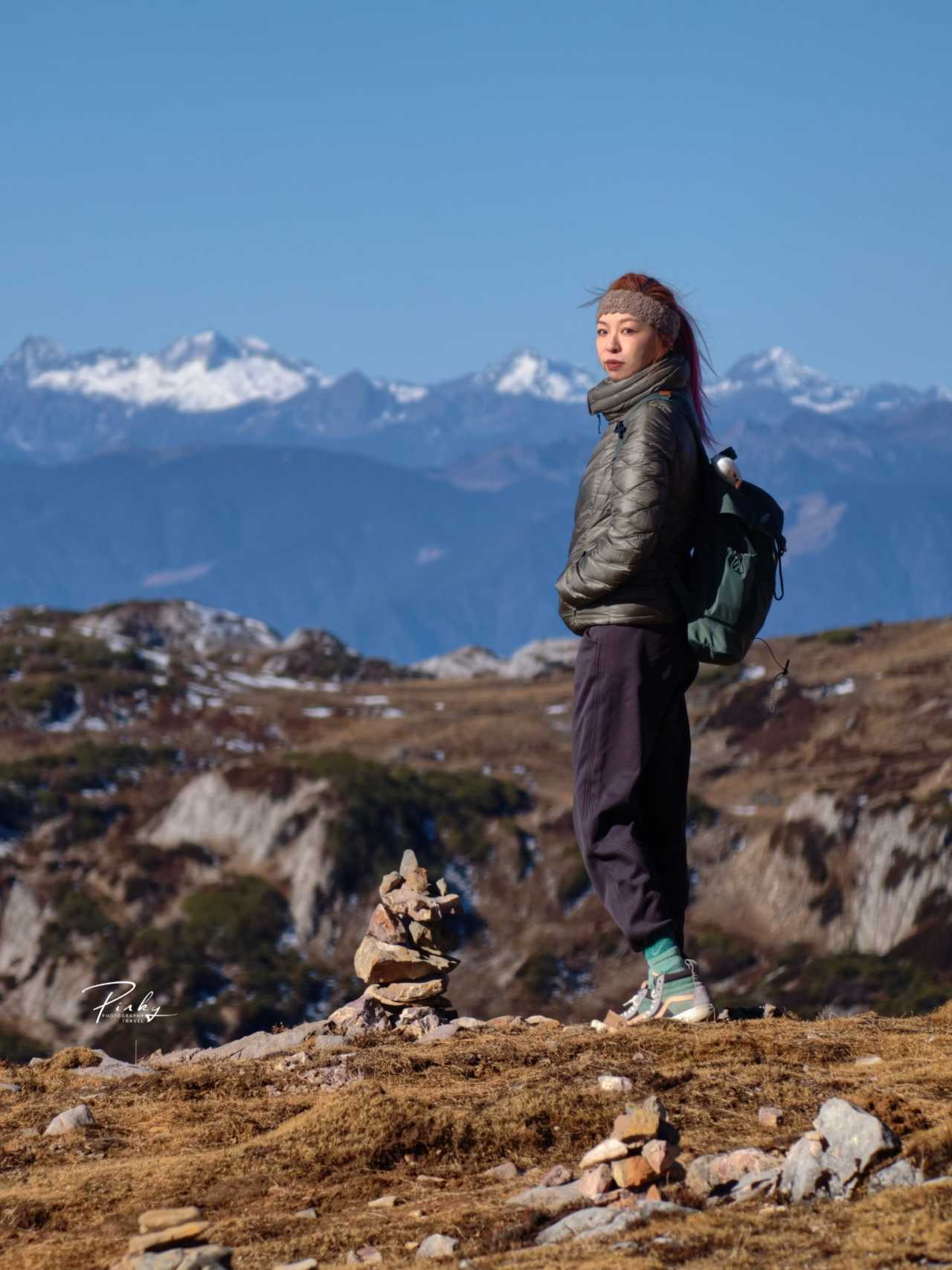
The scenic area has two cable car sections. The first takes 15 minutes to reach the Yala Qingbo Pasture at 3,700 meters—in summer, the meadow is covered in blooming wolfbane and cosmos flowers; in winter, it's a sea of gold, creating a striking contrast with the snow-capped mountains. The second section takes 12 minutes to reach the observation deck at 4,449 meters. I recommend stopping at the Roof Ridge Coffee shop to rest and acclimatize to the altitude.

In Tibetan, "Shika" means "a place where deer and horses roam," symbolizing good fortune and longevity. Standing on the observation deck, the biting mountain wind rushed at me, while the sunlight was dazzling yet warm. Looking around from the summit, you can see Meili Snow Mountain, Jade Dragon Snow Mountain, Haba Snow Mountain, Baima Snow Mountain, Biluo Snow Mountain, and the three sacred mountains of Daocheng Yading—eight snow-capped peaks surrounding you, seemingly within arm's reach. There's none of the crowding and noise of popular snow mountains. The sunlight spills onto the snow, refracting like diamonds, and every breath carries a crisp, pure feeling.
That small building is a Temple of the God of Wealth, where many people come to pay their respects.
Important Notes: - The summit is at high altitude; avoid strenuous activity. It's recommended to bring oxygen canisters and glucose. - Weather is changeable; bring a windproof jacket, sunglasses, and a hat. In summer, UV rays are strong, so protect yourself from the sun. - There are no restaurants in the scenic area; bring your own supplies and hot water.
Opening Hours: 8:30 AM – 5:00 PM
Address: Shika Road, Jiantang Town, Shangri-La City, Diqing Tibetan Autonomous Prefecture, Yunnan Province
Langjialing Yak Restaurant | A Culinary Pilgrimage
Near Dukezong Ancient Town, there's a Tibetan restaurant named after the "Victorious Buddha Mother"—Langjialing. The name alone feels ceremonial, and their food truly turns dining into a spiritual pilgrimage.
The yak meat here comes from the restaurant's own pasture on the Shangri-La plateau. The yaks graze on natural grass and drink snowmelt water. The meat fibers are firm yet not dry, and when you bite into it, you can taste the grassy milkiness and the sweetness nurtured by snow water. Compared to regular beef, it has higher protein and lower fat—truly a "highland energy source."
The restaurant uses traditional copper pots for the yak hotpot. The broth is clear but carries a wild, earthy aroma. The meat slices are as thin as cicada wings—just a few seconds in the boiling broth and they're ready. Dip them in Tibetan-style fermented bean curd chili sauce or highland barley paste, and the meat flavor mingles with the condiments to create a complex taste of "fresh, fragrant, spicy, and mellow." The copper pot conducts heat evenly, locking in the meat's juices to the fullest, making every bite burst with flavor.
What surprised me most was that all their dishes are packaged as beautifully as gifts, full of ceremony.
Must-Order Dishes: - Yak Meat Hotpot: The bone broth is as clear as snowmelt water; the freshly sliced meat is paper-thin, becoming firm yet tender after cooking. - Secret Recipe Tender Yak Meat: Silky smooth on the palate, staying tender no matter how long you cook it. - Highland Barley Butter Tea: A sweet version, made by pounding strong tea, butter, and salt dozens of times in a wooden churn—rich and aromatic.
Average Cost: 100 yuan per person
Hours: 11:00 AM – 11:00 PM
Address: Opposite Binlilai Homestay, Dukezong Ancient Town, Jiantang Town, Shangri-La City
Napahai | Winter Encounters with Highland Migratory Birds
In winter, Napahai sheds the summer crowds and autumn's vibrant colors, ushering in its most serene and lively season.
No crowds—just vast, open land. Golden waves of grass ripple in the breeze, and in the distance, Shika Snow Mountain gleams with a cold silver light against the azure sky. If you love hidden gems and are fascinated by the spectacle of migratory birds, winter at Napahai will exceed your expectations.
Winter Napahai is a paradise for birdwatchers. Here, I encountered a black stork in its "awkward phase"—a nationally protected first-class species, with fewer than 2,000 individuals worldwide, often called the "giant panda of birds." This one was a juvenile, not yet sporting the adult's cool black plumage or red beak and legs. Its brown feathers gave it a slightly goofy look. But hey, this is its precious "teenage years"!
Besides black storks, nearly 200 species of birds, including bar-headed geese and ruddy shelducks, also inhabit the area. According to statistics, over 170 species of birds have been recorded in the reserve, including first-class protected species like black-necked cranes and white-tailed sea eagles. I wished I had more time to photograph the birds to my heart's content.
Napahai Little Red House | A Winter's Sense of Ease
Halfway along the 3,200-meter-high Napahai Ring Road, there's a Tibetan-style cottage café called the "Little Red House." The ring road here looks just like Erhai Lake, except the mountain in the distance isn't Cangshan—it's Shika Snow Mountain.
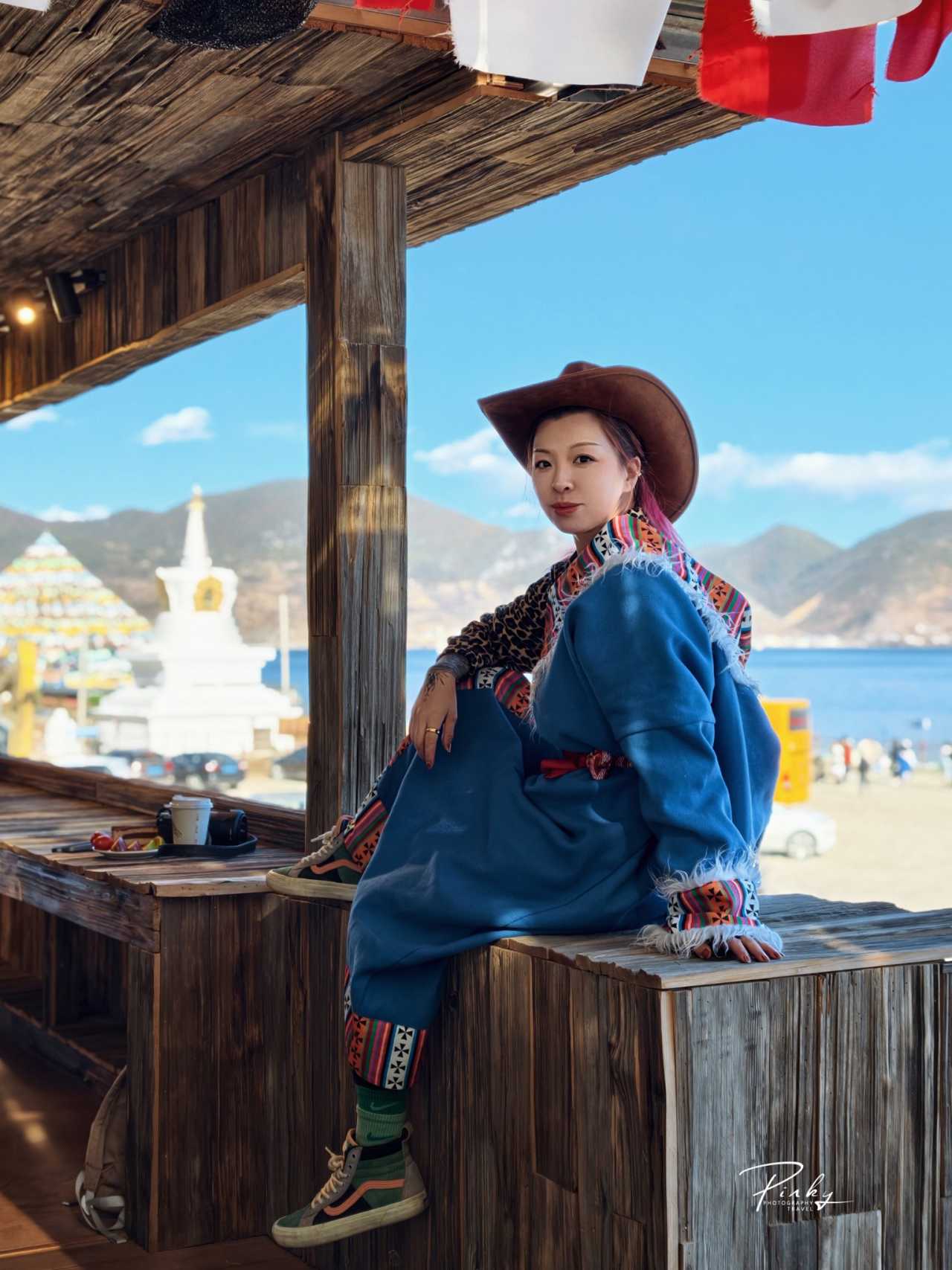
The open-view seating on the second floor instantly transports you into a fairy tale: the golden grassland of the dry season stretches out, with Shika Snow Mountain's silhouette clearly visible in the distance. The backlighting between 4 and 6 PM bathes the grassland in a soft glow—every snapshot looks like a movie still.
Tibetan Costume Photography: The café offers Tibetan costume rentals. You can change and go out for a shoot. The light is softest between 3 and 5 PM—no need for deliberate posing to capture that "Shangri-La style" look.
Birdwatching: Winter Napahai is a "migratory bird station," with black-necked cranes, bar-headed geese, ruddy shelducks, and other rare birds everywhere. The area around the café is one of the best observation spots—bring a telephoto lens.
Food Experience: Enjoy a coffee, have a dessert, and take in the scenery. Dinner is also available, including roasted Tibetan fragrant pig—skewers, ribs, and belly sizzling on the charcoal fire, crispy on the outside and tender inside. In winter, there's also a steaming hot black-bone chicken hotpot to warm you up.
I had dinner at the Little Red House. Shangri-La really loves hotpot—I ended up having it for almost every meal here. Probably because of the high altitude and low temperatures.
Average Cost: 50 yuan per person
Hours: 9:30 AM – 7:00 PM
Address: Napahai Ring Road, Shangri-La City
Napahai Waterfall | A Gentle Flow in the Mountain Forest
Many people come to Napahai just for the lake, birdwatching, and horse-riding photos. They don't know that deep in the forest by the lakeshore lies a hidden waterfall rarely visited.
That afternoon, I set out from the Little Red House café for a light hike. This route is very beginner-friendly—just a few steps, and you're at the waterfall before you know it. Especially at Napahai's 3,000+ meter elevation, not feeling tired is the best experience.
Passing through the quiet Tibetan village of "Napa"—I didn't misspell it, the village is actually called Napa, and so is the waterfall—I walked slowly along the forest path, the sound of water gradually reaching my ears. After climbing the last set of steps, the waterfall appeared before me, completely unexpected.
In winter, the water flow is modest, falling gracefully from a cliff over ten meters high. It lacks the summer's majestic power, but under the sunlight, it sparkles with fine silver light. Even more surprising were the icicles hanging from the rocks around the waterfall—crystal-clear, contrasting with the still-flowing water, creating a dynamic interplay of stillness and motion.
At sunset over Napahai, Shika Snow Mountain to the west, which had only been gleaming with cold silver, began to change color as the sun sank lower. First, a pale pink, like a blush rising on a girl's cheeks, then gradually turning into an orange-red. The entire snow mountain seemed to burst into flames—not lava, but golden fire erupting from within.
Wu & Su Café | Dawn at Napahai
This café, tucked away along Napahai's Ring Road, is a "divine spot" for watching the sunrise. The decor blends natural wood tones with Tibetan elements—warm yellow light filtering through coarse pottery vases onto handwoven Tibetan carpets, the air filled with the aroma of freshly brewed coffee and the sweetness of highland barley cakes.
Order a latte and some rice noodles, lean into a window seat, and watch the sky transform from orange-pink to deep blue. The mist over the lake slowly lifts, revealing the lush wetlands and leisurely flocks of migratory birds.
The owners are a young couple who love to travel. They bring coffee beans from all over the world back to Shangri-La. Their signature "Highland Barley Latte" is made with yak milk and highland barley powder—a sip is like tasting the gentle warmth of Tibetan flavors, as if the lake and mountain scenery of sunrise were captured in a cup.
Their dog is a coffee-colored Alaskan Malamute, quietly lying by the door like a guardian.
Tips: - Sunrise viewing spots are limited; arrive half an hour early to secure a seat. - Average Cost: 50 yuan per person - Hours: 10:00 AM – 10:00 PM - Navigation: Search for "Napahai Ring Road." Look for a white pointed-roof cottage with a "Wu & Su" sign. Free parking is available by the roadside.
Balagezong | A Paradise Deep in the Gorge
In the northwestern corner of Shangri-La, Balagezong bears the title of "Shangri-La's Last Secret Realm," gathering together snow-capped mountains, gorges, villages, and ancient trees. There are no noisy crowds here—only the whisper of wind through the canyon and the quiet reflection of sunlight on the snowy peaks.
Balagezong's history is a legend of migration, seclusion, and rebirth.
A Legend from a Thousand Years Ago
The name "Balagezong" itself holds the key to its origin story. In Tibetan, "Bala" means "from Batang," and "gezong" means "sacred mountain."
According to legend, over 1,300 years ago, there was a brave Tibetan tribal chief from Batang in Sichuan—Shena Duoji. He ruled his domain with strength but was exhausted by years of warfare. What pained him more was that his beloved wife, Rencheng Lamu, grew weary of war and quietly left with an old lama to search for the pure land from the lama's dreams—a place with snow mountains, gorges, clear lakes, and peaceful pastures.
Shena Duoji was devastated. In the end, he abandoned all his wealth, power, and glory, leading his people on a journey to find his wife. They spent three years traveling across the rivers and mountains of the Kangba Plateau, finally arriving at the deep gorge beneath Gezong Snow Mountain. There, Shena Duoji found his wife—and he also found that "earthly paradise free from strife." They settled there, naming their new home "Balagezong"—"the sacred mountain land from Batang."
From then on, this small village of Bala, perched on a hillside at nearly 3,000 meters, existed in isolation for over a thousand years. The villagers lived by the rhythm of sunrise and sunset—herding, farming, guarding the snow mountains and gorges, living a true "Shangri-La" life. Because of the treacherous terrain, leaving the village required a four- or five-day trek over mountains, and the outside world barely knew of its existence.
One Man Built a Road
The one who changed everything was a Kangba man named Sena Dingzhu.
Sena Dingzhu was born in Bala Village. As a child, a spark from the blacksmith's shop flew into his eye. His father tied him to his waist with a rope and carried him along the dangerous mountain path for days to get him to a doctor—but by then, it was too late for treatment. The incident left him nearly blind in one eye, but it also gave him his first glimpse of the world beyond the mountains.
At 13, he left home to seek his fortune. With the resilience and wisdom of a Kangba man, by the 1990s he had become a multimillionaire with assets worth tens of millions.
But that road to his hometown remained a thorn in his heart. In 1999, he resolutely sold off his hotpot restaurant, hardware store, and other personal assets, taking all his savings back to his hometown. He decided to do something everyone thought impossible—build a road through the cliffs to connect the village to the outside world.
Surveying, measuring, taking out loans, borrowing money—he went from being a multimillionaire to being "in debt by the millions." The project was incredibly difficult. Carving a road into the steep cliffs cost enormous effort for every single meter. It took him eight full years to complete the road from National Highway 214 to Bala Village—35 kilometers long, with 99 hairpin turns and 108 bends.
In 2008, the road officially opened. Bala Village, a place that had disappeared from maps for 1,300 years, finally had a connection to the outside world.
After the road was built, Sena Dingzhu didn't stop. The Balagezong scenic area began development, and tourism brought prosperity to the local people. The average annual household income of Bala Village residents rose from less than 2,000 yuan to nearly 100,000 yuan. More than 300 villagers from the surrounding area found employment at the scenic spot, and many young people who had left to work in cities returned home to become tour guides or managers.
Must-See Attractions
The Thousand-Year Bodhi Tree—At the entrance to the scenic area stands a thousand-year-old bodhi tree, the "soul landmark" of Balagezong. The tree is over 3,000 years old. Its trunk is only as thick as a rice bowl, but its climbing branches spread over 400 square meters across the entire cliff face, like a green waterfall cascading down. Most astonishing is the "Buddha's hand" branch that grows out from the trunk—a natural work of art, as if carefully carved by nature itself.
Xiangbala Pagoda—At an elevation of 4,100 meters, the Xiangbala Pagoda is a naturally formed pyramid-shaped snow mountain, its snow never melting. It is not only the most iconic natural landscape of Balagezong but also a sacred pilgrimage site for Tibetan Buddhist believers. Two neighboring peaks resemble a seated sage and an open book, forming a "three-mountain standing" spectacle with the pagoda, vividly described as the "Three Jewels of Buddhism: Buddha, Dharma, and Sangha."
From the scenic area entrance, you board a shuttle bus and wind your way up the "heavenly road" built by Sena Dingzhu. During the hour-long drive, the elevation climbs continuously by 2,000 meters. Outside the window, the scenery gradually transitions from lush forests to bare rock and patches of snow, as if traveling through time.
In winter, the pagoda looks like an ice castle. Standing on the snowy ground and looking up, the contrast between the blue sky and white snow is so intense it feels almost unreal—every snapshot is a cinematic image.
Bala Village—On the gentle slope beneath Gezong Snow Mountain, a cluster of traditional Tibetan earthen-walled houses is scattered. This ancient village, with a history of over 1,300 years, is surrounded by eight sacred mountains, like the pistil of a blooming lotus flower. The village is exceptionally peaceful. The scattered houses, crooked fences, neatly stacked firewood, and apple-laden branches give it a primitive, rustic charm.
Today, Bala Village has become the core of the scenic area. The villagers have gradually moved to the gentler slopes at the bottom of the gorge, while the old houses on the hill have been restored and turned into attractions for visitors. Sena Dingzhu's own three-story family home has been transformed into the Bala Folk Culture Museum, showcasing Tibetan culture and traditions. There's also a butter tea house in the village. Sitting on wooden stools, looking through square windows, you can see the village outside and the prayer flags fluttering in the distance—mysterious and sacred.
Echo Wall—About 100 meters up from Bala Village, you reach the best vantage point for viewing the scenery—the Echo Wall. Unlike other mountain forests, this area has sparse vegetation. The cliff face stands sheer, a massive white wall. Shout loudly at this unique cliff, and the sound waves bounce back from the stone wall, echoing in overlapping, continuous layers around your ears.
Final Thoughts | Everyone Has a Shangri-La in Their Heart
Four days—not long, not short. But enough time to get to know this highland again, and to get to know myself again.
Shangri-La is not just a place name. It's a state of being. It's the sound of footsteps on the stone-paved roads of Dukezong Ancient Town in the early morning. It's the biting mountain wind at 4,449 meters on Shika Snow Mountain. It's the golden flames of the snow mountain burning at sunset over Napahai. It's the heavenly road with 99 hairpin turns at Balagezong. And it's the road of hope that Sena Dingzhu spent eight years building.
Everyone has a Shangri-La in their heart. It might be an unfinished journey, an unrealized dream, or a person you've been waiting for. The important thing is that you're willing to set out on the road to find it.
As for me, I've already found my Shangri-La—up there on that highland, between the ice and snow and the sunlight, in the whisper of the wind passing through the canyon.
If you're searching too, why not take a trip to Yunnan? Maybe you'll find your own piece of Shangri-La.
You should also read:

Body in Hell, Heart in Heaven: A Pilgrimage Through Tiger Leaping Gorge — A Dialogue Between Heaven and Earth
Body in Hell, Heart in Heaven: A Pilgrimage Through Tiger Leaping Gorge — A Dialogue Between Heaven and Earth Introduction: When the Gorge Splits Open Beneath Your Feet Some say Tiger Leaping Gorge is the closest place on Earth to the border between "hell" and…
Continue reading...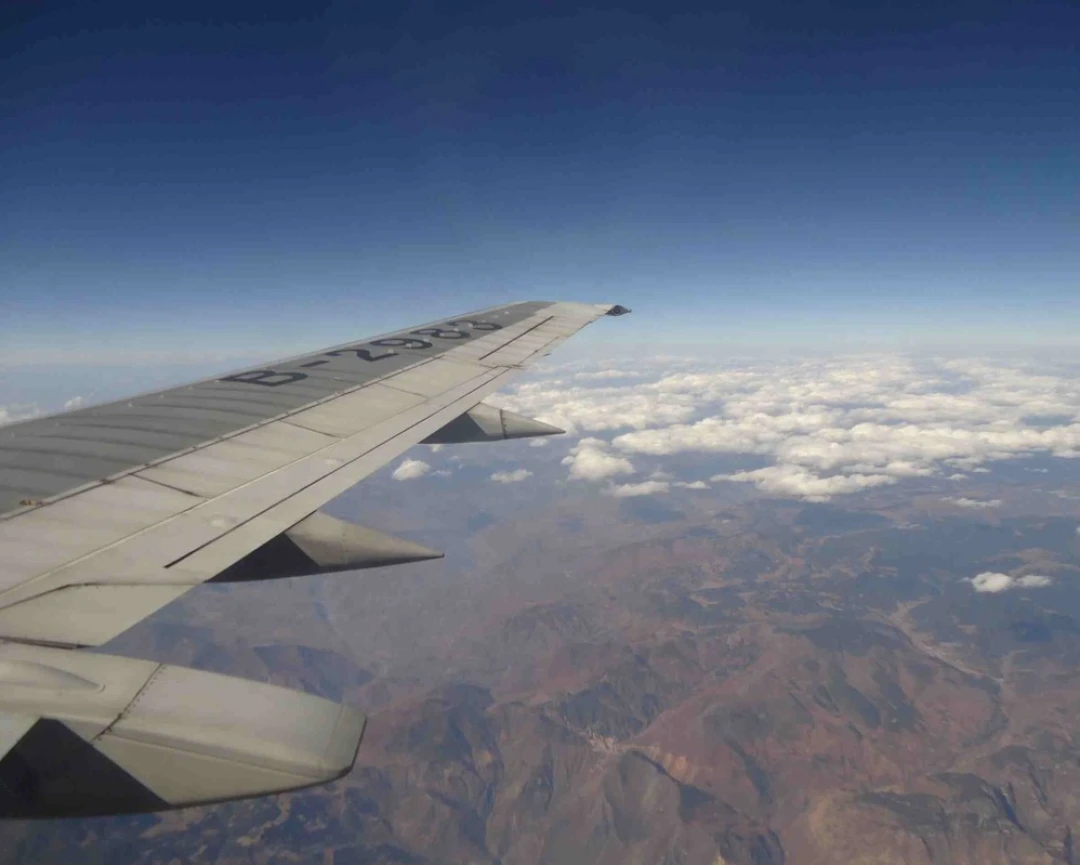
The Meaning of Travel – A Tengchong Story: A Journey of the Heart and Personal Growth
The Meaning of Travel – A Tengchong Story: A Journey of the Heart and Personal Growth Setting Out, Only to Return a Better Self Some say travel is nothing more than leaving a place you're tired of, only to go to a place where others…
Continue reading...
The Slow Life of Lijiang: A Soft Dream on the Yunnan-Guizhou Plateau
The Slow Life of Lijiang: A Soft Dream on the Yunnan-Guizhou Plateau Some places, just by hearing their name, stir a ripple in your heart. Lijiang is one of those names. It's not the kind of destination that demands you tick off a checklist of…
Continue reading...