Yunnan Impressions: A Healing Journey Through Wind, Flowers, Snow, and Moonlight
Yunnan Impressions: A Healing Journey Through Wind, Flowers, Snow, and Moonlight
Prologue: When Northern Snow Meets Southern Clouds
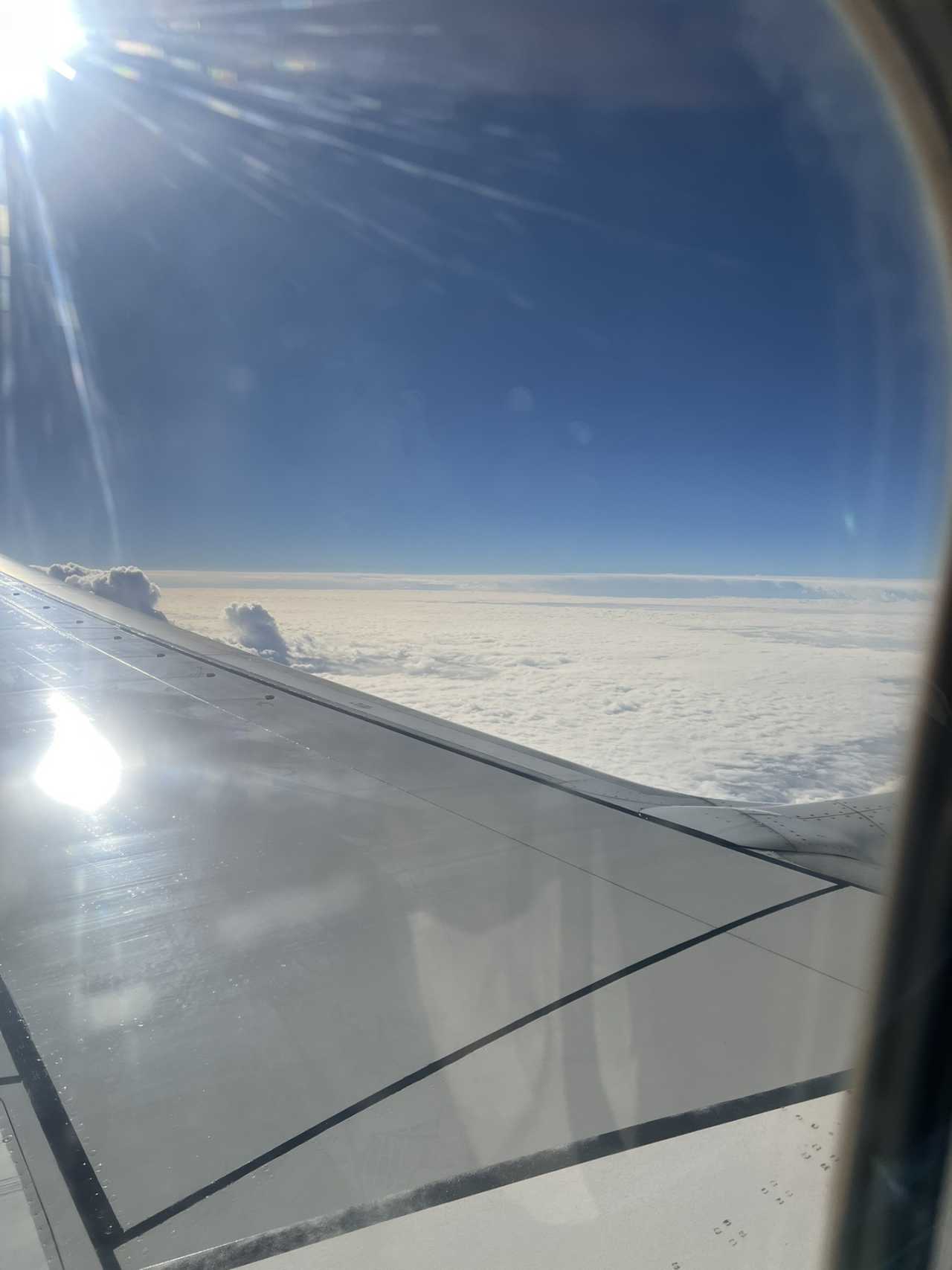
On Double Eleven, I stepped onto the first snowfall of winter in Jinan and boarded a flight to Kunming. Snowflakes danced outside the window, but the moment the plane pierced through the clouds, sunlight poured down without reservation—turns out, above the clouds, it's always sunny. That instant shift from gloomy chill to radiant warmth felt like a premonition: this trip was destined to be a soul's escape.
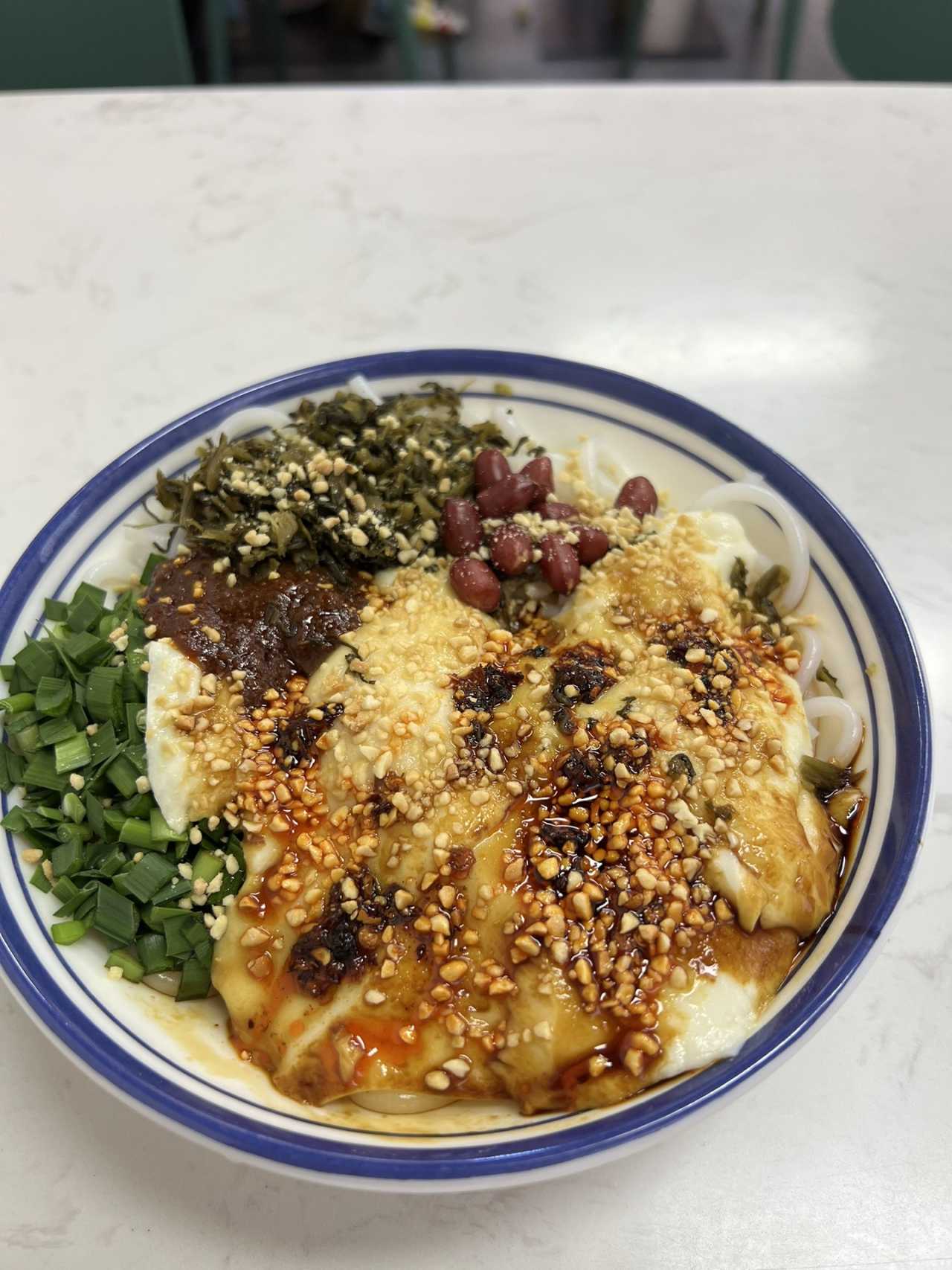
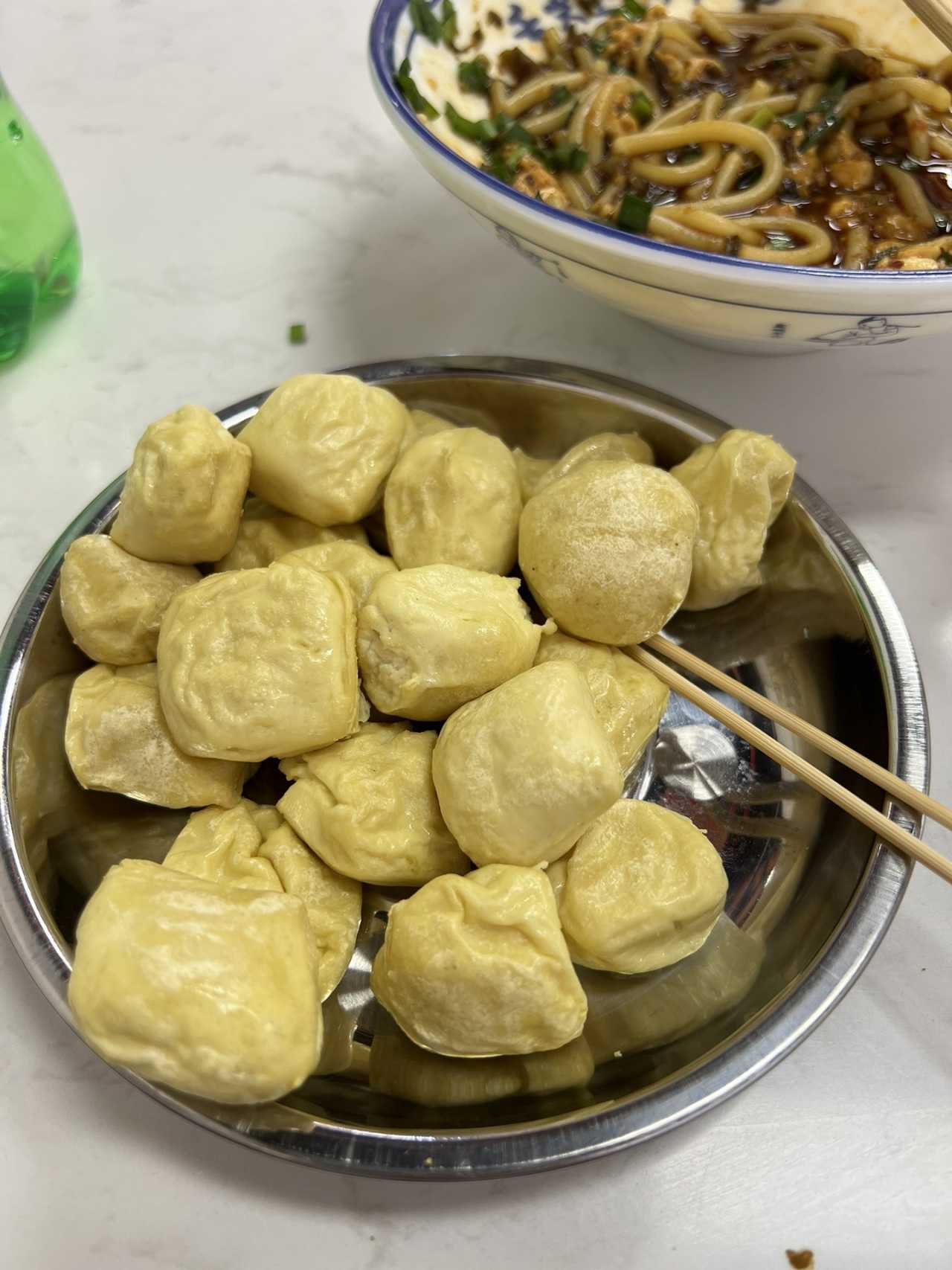
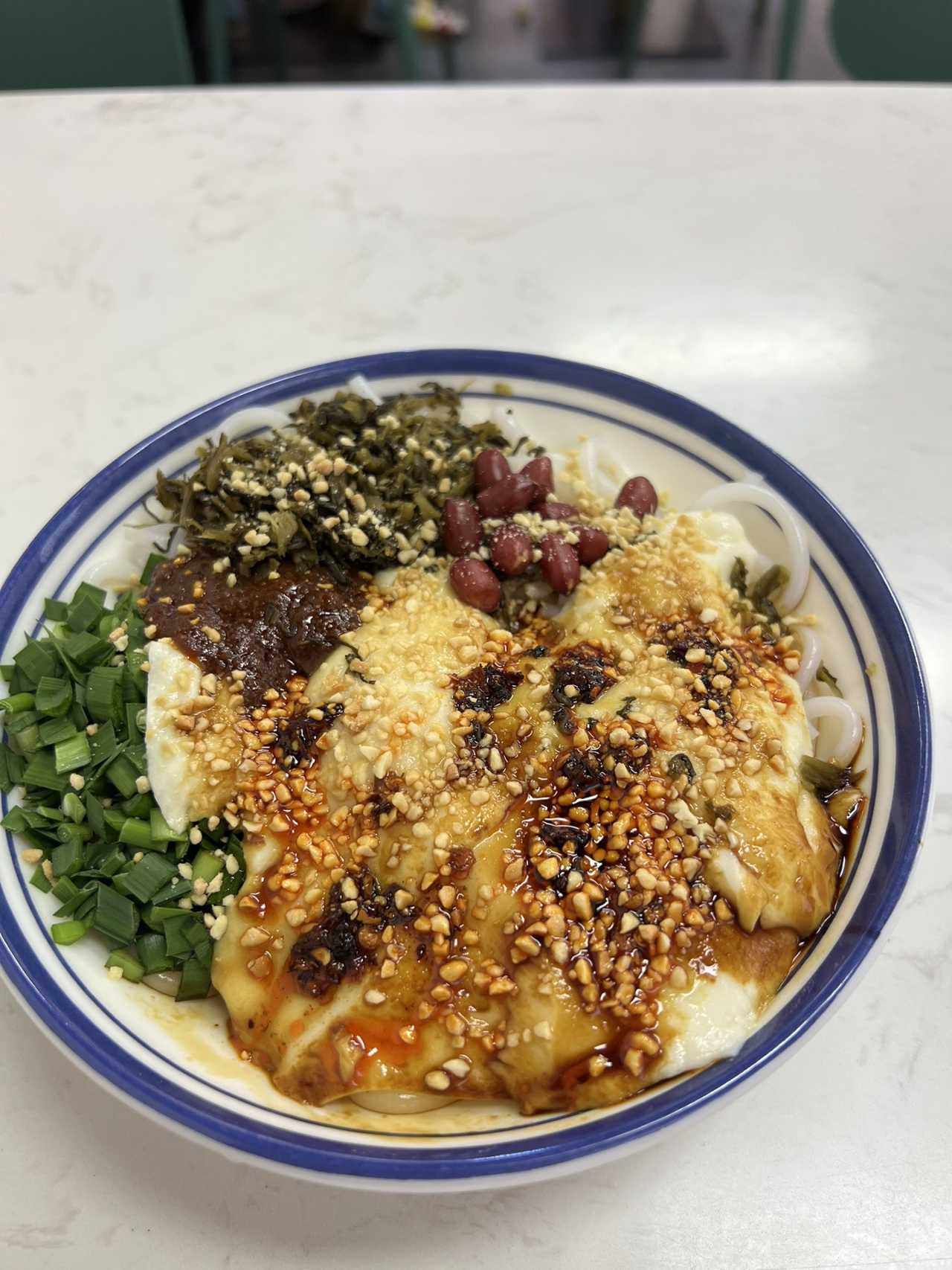
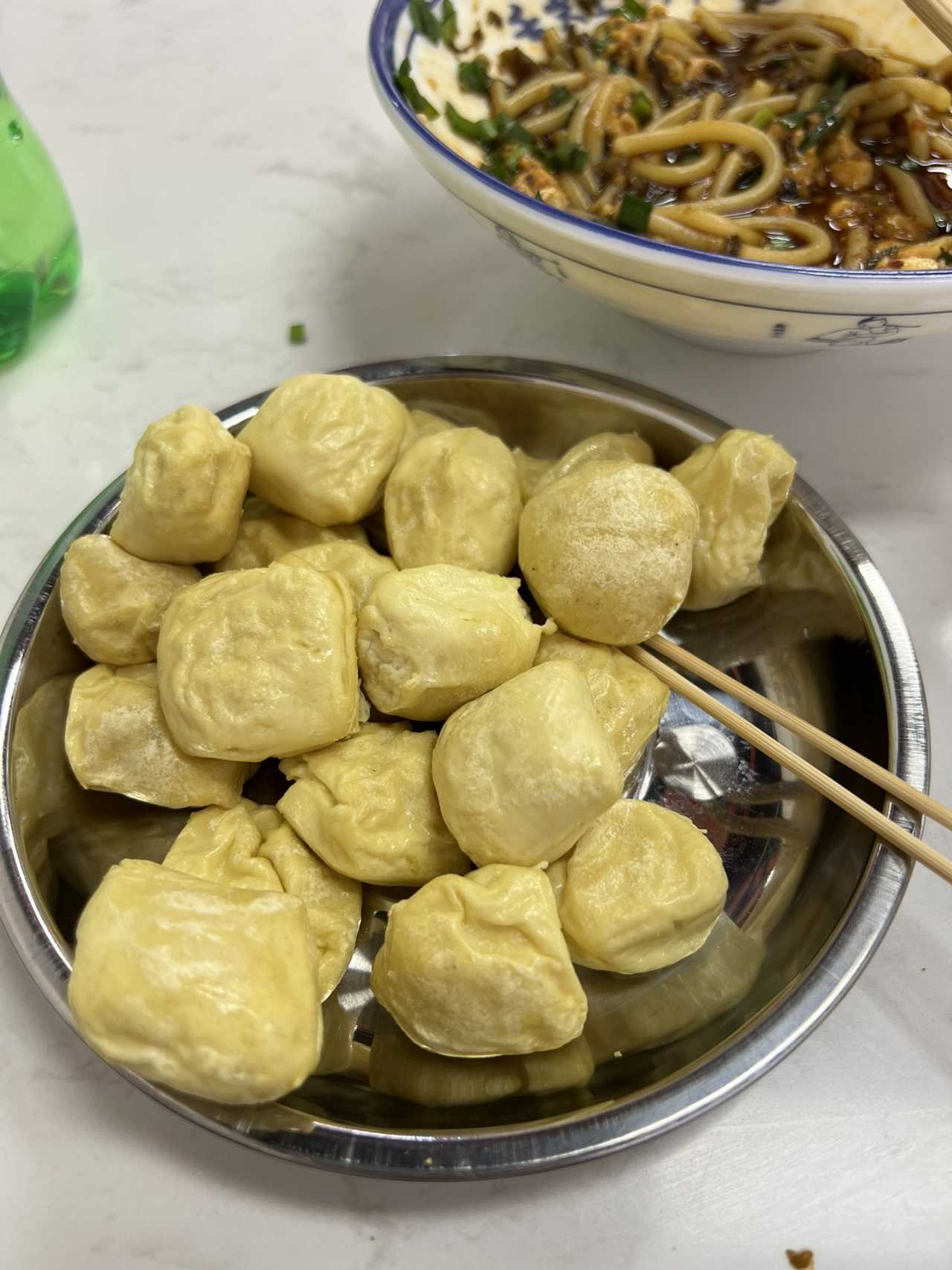
Landing in Kunming, my first order of business was, naturally, a bowl of rice noodles. I ordered 豆花米线 (tofu pudding rice noodles), expecting a steaming soup, but what arrived was a dry-mixed version. This little "misunderstanding" became the trip's first delightful memory. As for 灌浆豆腐 (stuffed tofu puffs), my first bite left me unimpressed—little did I know, the real magic was yet to come.
Chapter One: Kunming—A City-Nature Duet
Seagulls at Green Lake and a Missed Sunset
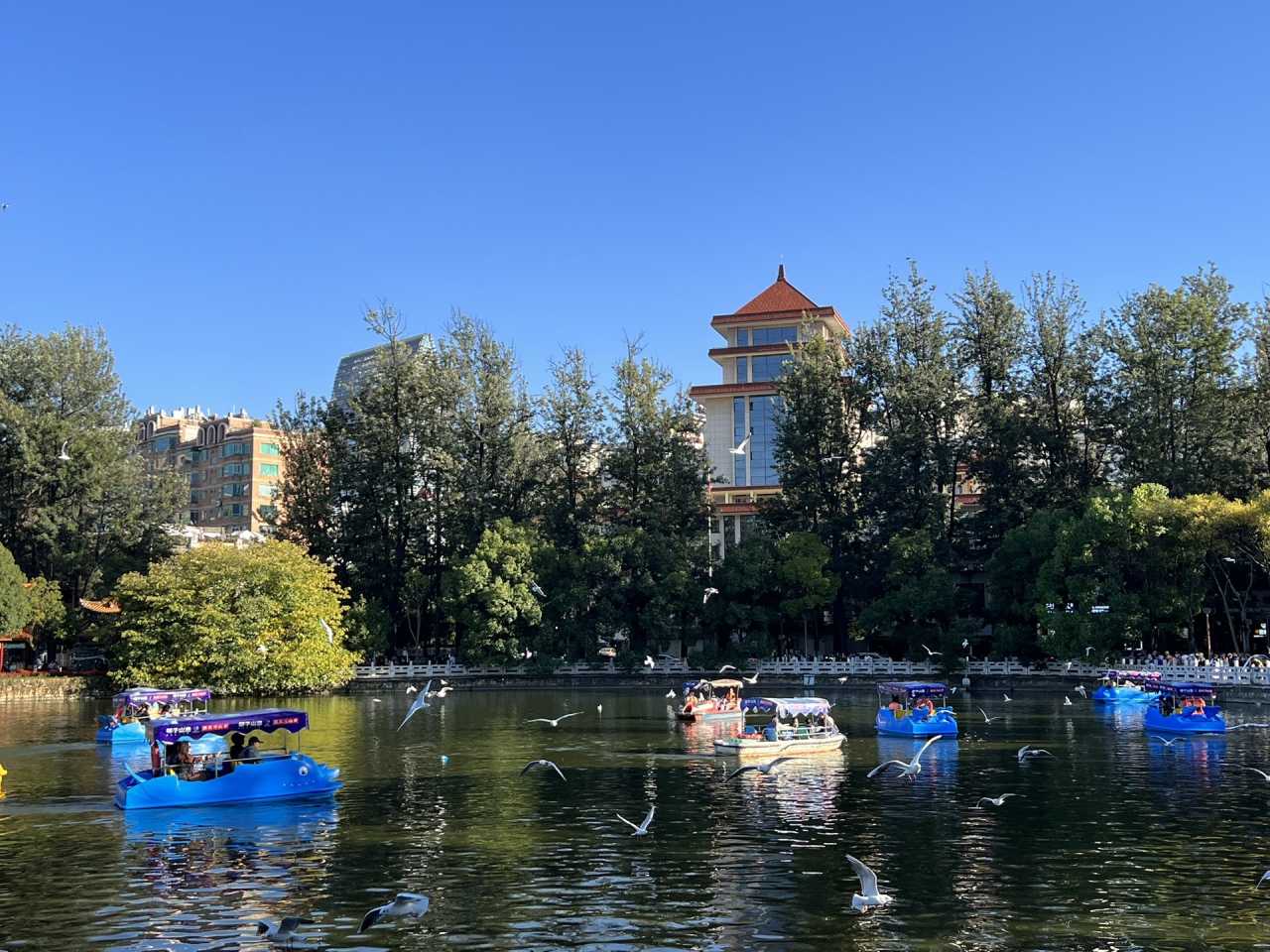
Green Lake Park on a weekend was a sea of people. During the dry season, the lake couldn't compare to Jinan's Daming Lake, but the circling red-beaked gulls breathed life into the somewhat desolate waters. They swooped and soared like tireless dancers, tracing arcs of freedom across the autumn sky.
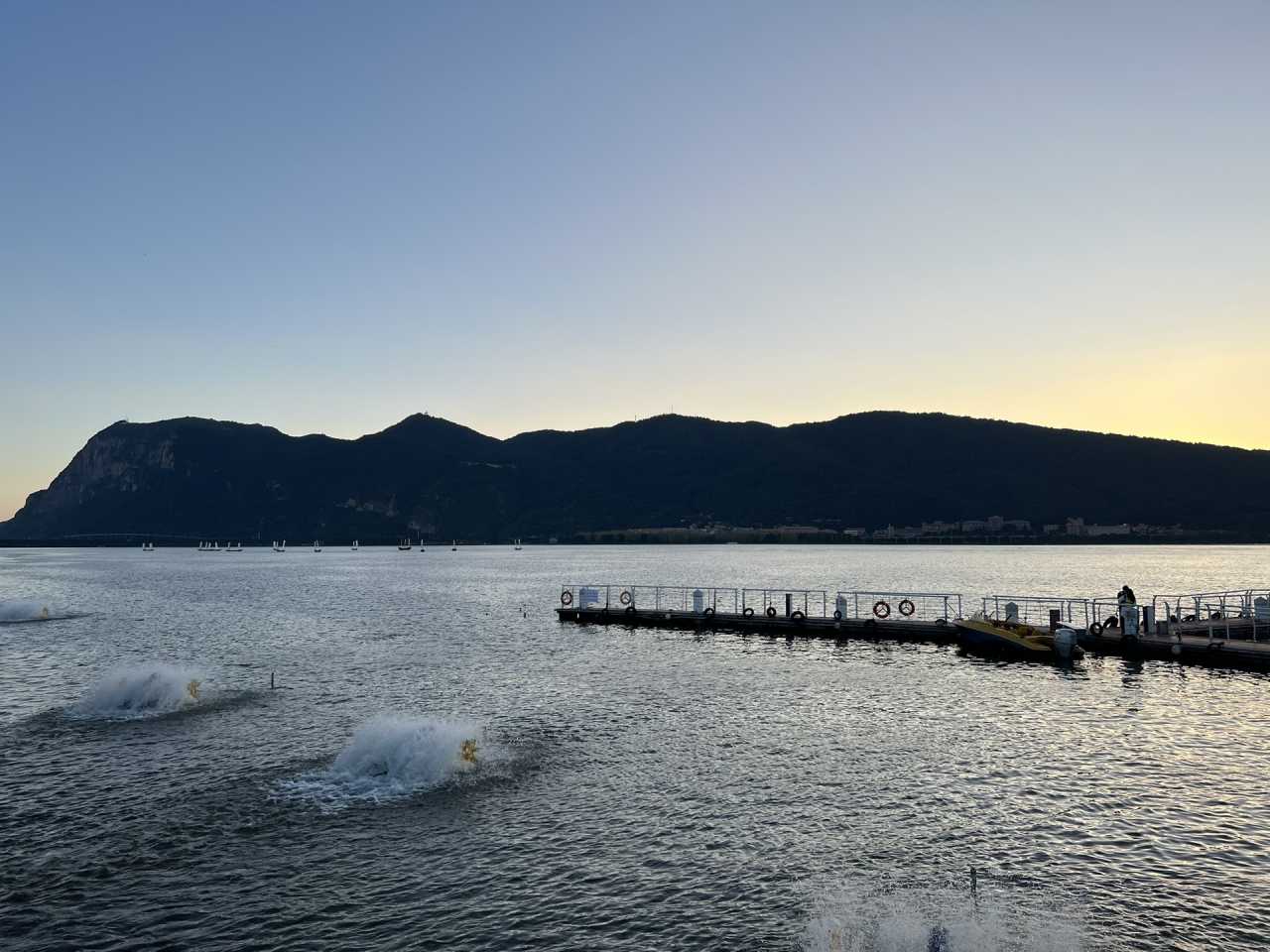
I'd planned to catch the sunset at Dianchi Lake's Haigeng Dam, but after waiting endlessly for a bus and getting stuck in traffic in a taxi, I arrived at six—the sun had already slipped below the horizon. The return trip was another ordeal of surging crowds, and I ended up walking two kilometers just to squeeze onto the subway. Kunming's night, like Jinan's, was crowded, with electric scooters weaving through traffic—a strangely familiar comfort.
Dai-Style BBQ and Late-Night Solace
Thankfully, a friend treated me to 傣味烧烤 (Dai-style barbecue), which brought the day to a warm close. I didn't take photos, but the flavors remain vivid—the fragrance of lemongrass, the smoky char of the grill, the tangy-spicy dipping sauce—all blending into an irresistible symphony of tastes.
Chapter Two: Dali—Slow Time in Wind, Flowers, Snow, and Moonlight
From Cotton-Candy Clouds to Erhai Lakeside
I caught the midday train to Dali, mesmerized by the clouds outside the window—fluffy clusters like cotton candy, soft and pillowy. At that moment, I truly felt I was heading toward a paradise of wind, flowers, snow, and moonlight.
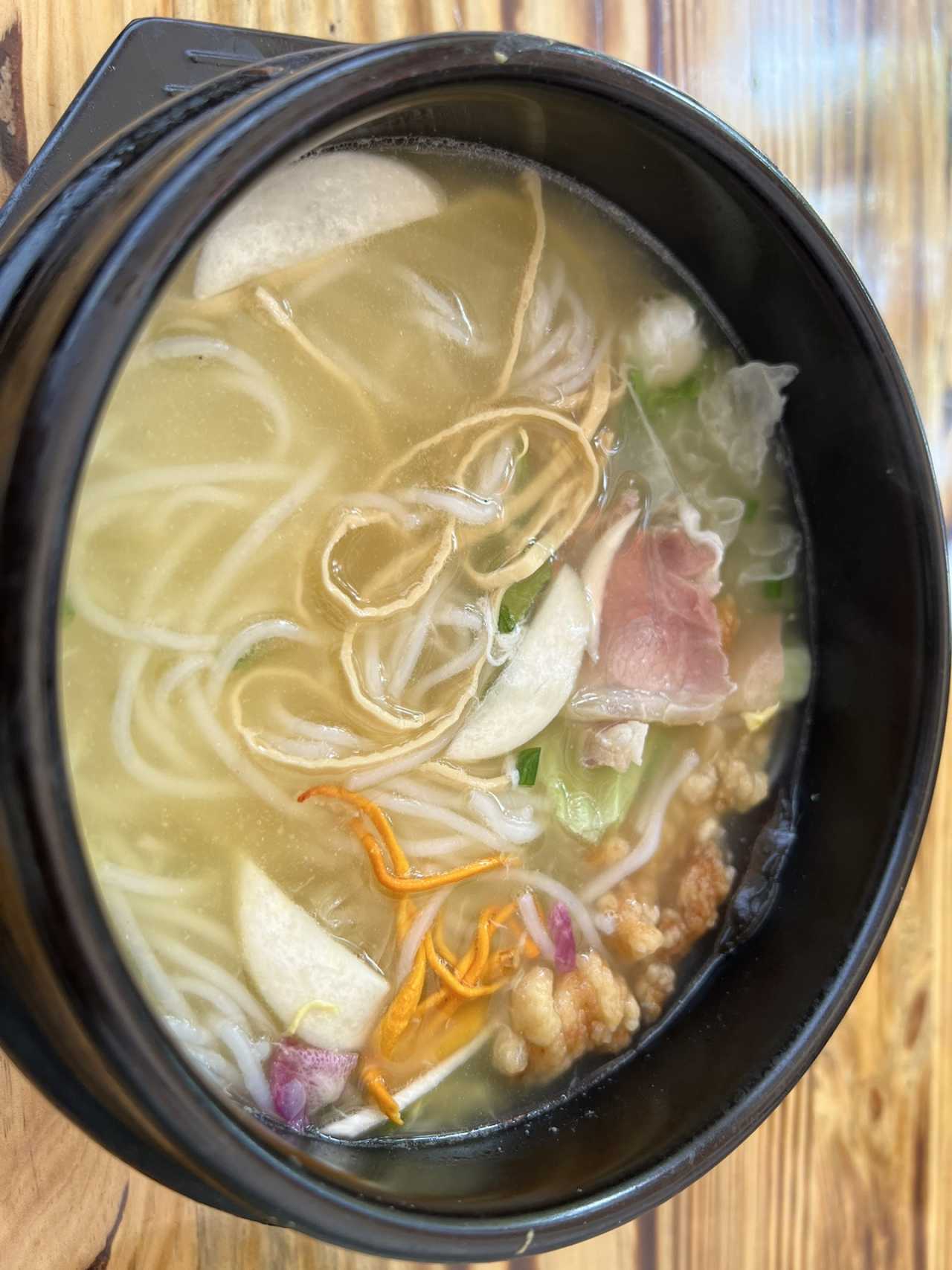
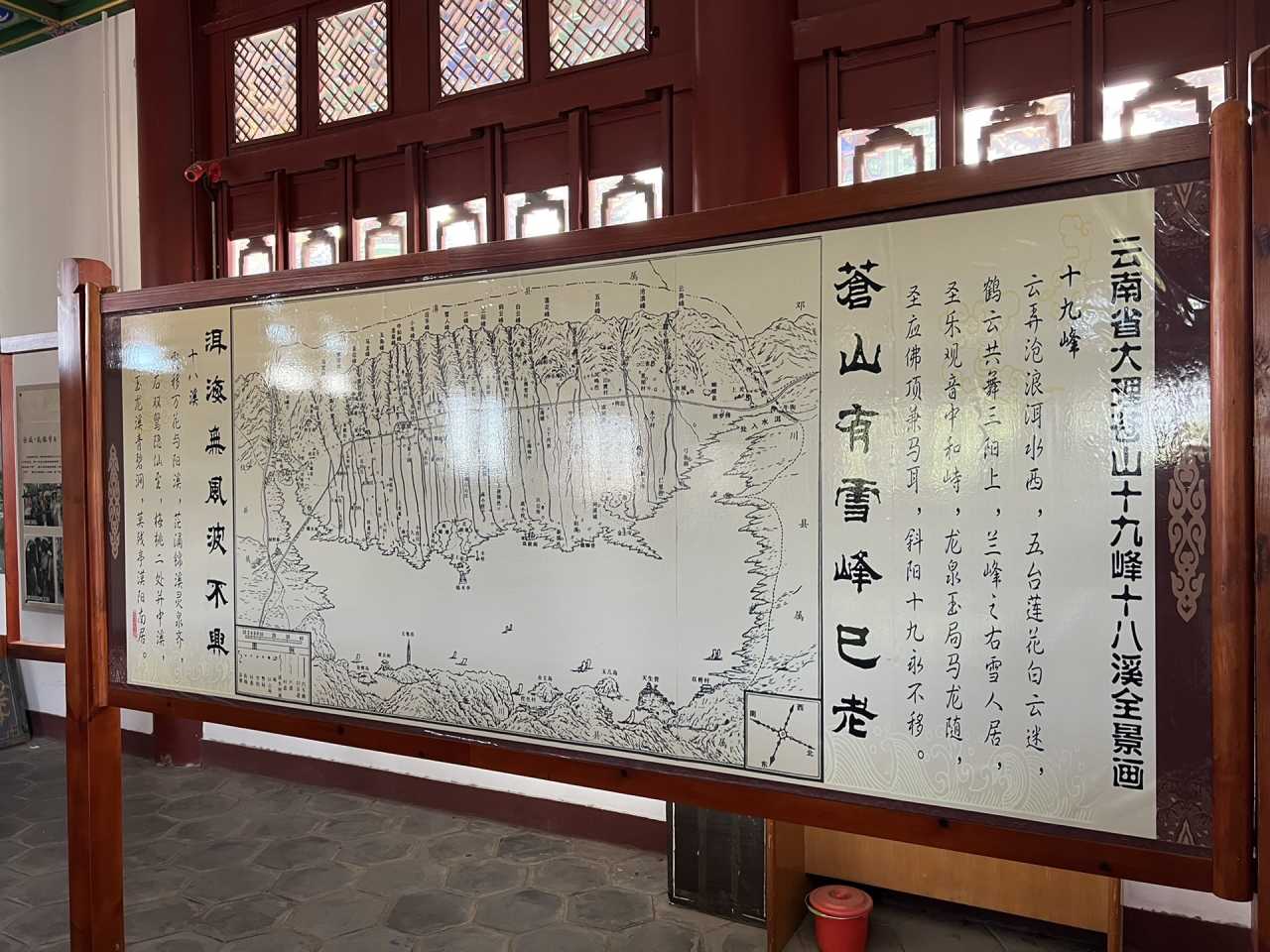
Checking into a guesthouse near Dali Ancient Town's North Gate, I had my second bowl of rice noodles—过桥鸡汤米线 (Crossing-the-Bridge Chicken Soup Rice Noodles). The broth was clear but astonishingly flavorful. Later, I couldn't help but write: "Cangshan's snowy peaks have aged, Erhai's waters ripple without waves. Long have I heard of this land of wind and flowers, where the sky is clear and the clouds seem to carry affection."
Cycling the S-Bend: First Dialogue with Erhai
I rented a small electric scooter and headed for the viral S-Bend. But the ecological corridor near Erhai didn't allow scooters, so I abandoned it and walked. Strolling along the lakeside, I gazed at the cloud-shrouded peaks of Cangshan, imagining an old immortal living up there, sipping tea leisurely while watching the busy world below.
The S-Bend at Panxi Ecological Corridor was breathtakingly beautiful. In the off-season, there were few tourists. Erhai lay quietly, the sky high and clouds light, with redwoods swaying in the breeze by the water. In that moment, all my worries were blown away.
Xizhou Ancient Town: A Race Against Time
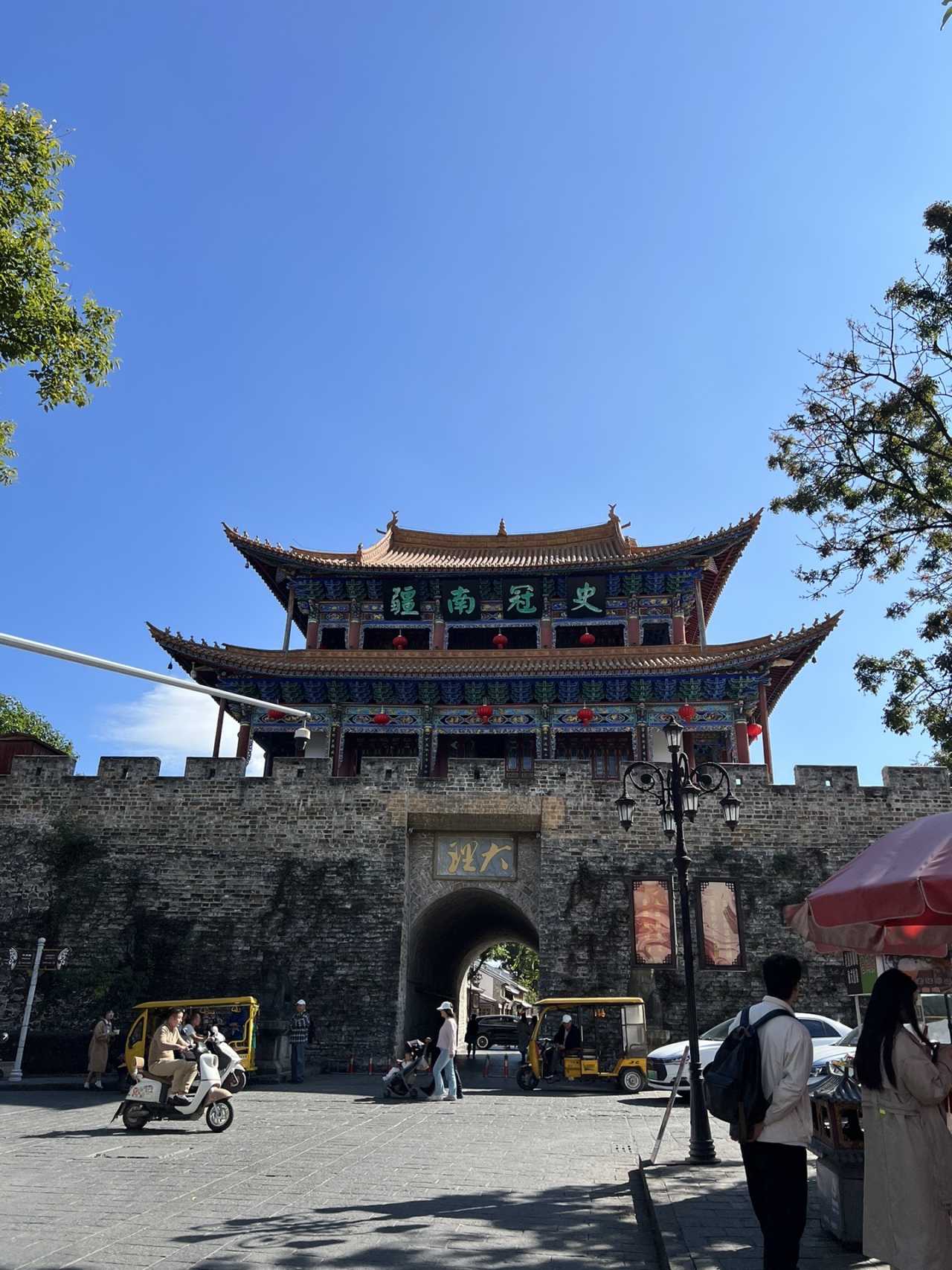
The twenty-kilometer ride from Dali Ancient Town to Xizhou was supposed to take forty minutes, according to the guesthouse owner. It took me over an hour. County roads were crowded with trucks and heavy vehicles, dust flying everywhere. After sunset, the temperature plummeted—a temperature swing of over ten degrees Celsius between day and night is par for the course in Yunnan. So, lesson learned: always bring a jacket when heading out in the afternoon.
Xizhou's commercial street was lively, but I arrived close to six, and darkness was fast approaching. There was no night market here; local vendors were already packing up. I quickly bought a set of 扎染 (tie-dye) dress, sampled a 玫瑰味烤乳扇 (rose-flavored grilled milk fan—a crispy, cheesy local snack, absolutely delicious), and a 喜洲破酥粑粑 (Xizhou flaky stuffed flatbread)—like a scallion-and-meat-filled oil pastry, so fragrant I couldn't stop eating.
The ride back was in pitch darkness, but I unexpectedly passed by the Three Pagodas of Chongsheng Temple—a little surprise along the way.
Dali Ancient Town at Night and the Stuffed Tofu Revelation
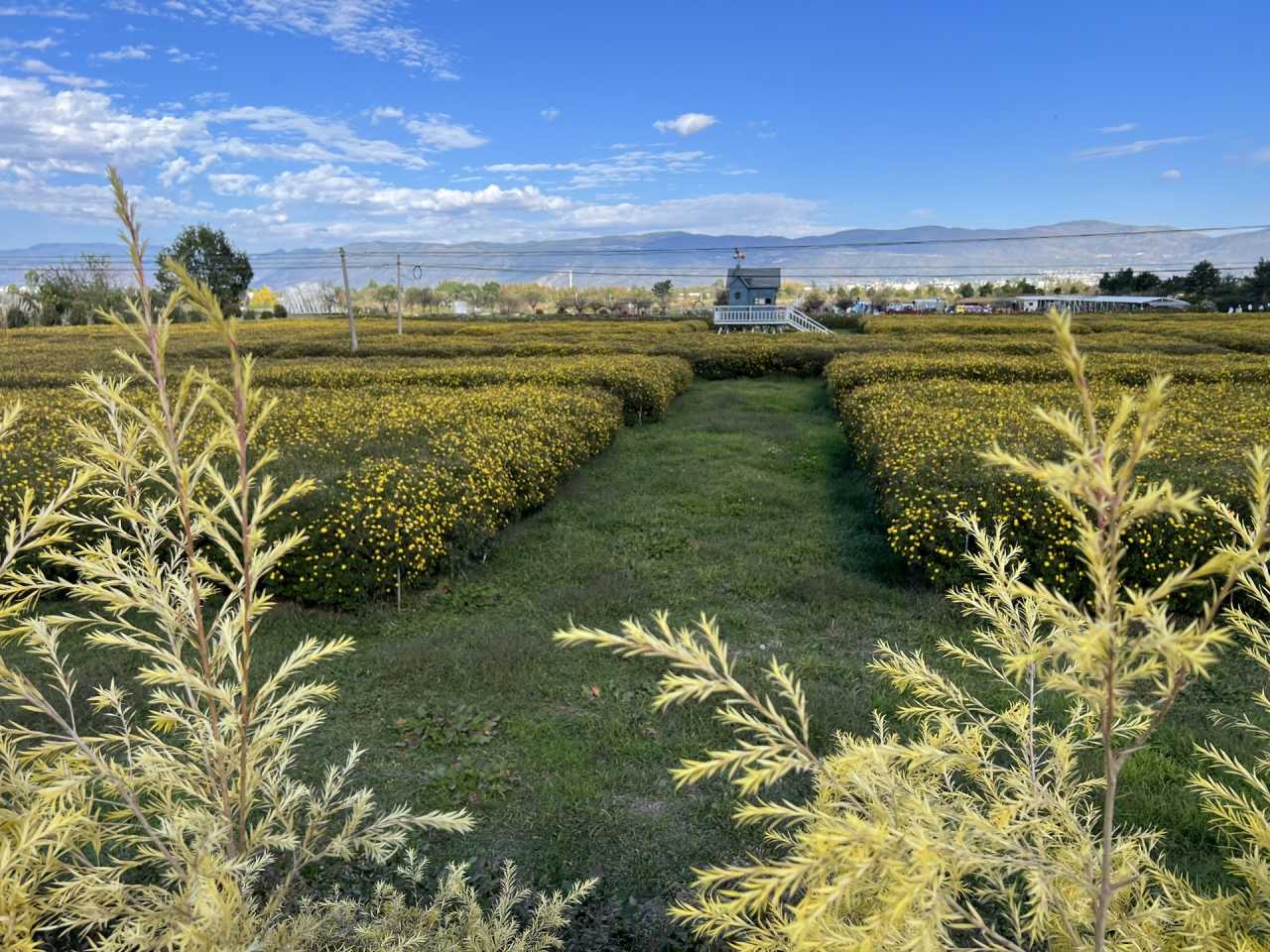
At night in Dali Ancient Town, flower cakes, coffee, and flower wine dominated the scene, along with bars and restaurants. A street-side stall selling 烤豆腐 (grilled tofu, or perhaps pan-fried tofu) finally made me understand what "灌浆豆腐" really meant—crispy on the outside, tender on the inside, paired with fresh mint leaves. One bite, and my mouth was full of pure happiness.
Sunrise at Longkan Pier: A Watercolor Miss
The next morning, I dragged myself out of bed early to watch the sunrise at Longkan Pier. The forecast said sunrise at 7:30, but by 8:30, the sun was still stubbornly hidden behind thick clouds. Life, after all, is about cherishing the few good moments. Though I missed the sunrise, the pre-dawn sky over Erhai was already breathtaking—layers of deep, dramatic clouds painted a natural ink-wash masterpiece.
Shuanglang: Luxury Well Spent
After the sunrise attempt, I took a taxi to Shuanglang. This time, I stayed in the most expensive accommodation of the trip—a sea-view guesthouse with an open-air balcony overlooking the azure Erhai. The roses by the Shuanglang shore bloomed with abandon, each flower larger than a palm. No wonder this region is the source of Yunnan's famous flower cakes!

Sunbeams pierced through the clouds like spotlights from heaven onto Erhai. Around five, I sat on the balcony waiting for sunset—missed the sunrise, no matter, there was still sunset to enjoy. The clouds became the sky's palette—orange, pink, gray-blue—layering into an unforgettable spectacle.
The beauty of Dali, I realized, peaks in Shuanglang. I silently decided: next time in Dali, I'll spend one day at Longkan Pier for sunrise and one day in Shuanglang for sunset.
Chapter Three: Lijiang—A Symphony of Art and Nature
From Shuanglang to Lijiang: Scenery from a Minibus
After a breakfast of waterside rice noodles, I took one last stroll along beautiful Shuanglang, etching the scenery into my memory. Then I hopped on a booked minibus bound for Lijiang. The two-plus-hour drive was hassle-free—no need to go back to Dali station for the high-speed train.
Lijiang Ancient Town: More Artistic Than Dali
I checked in at Lijiang Ancient Town's iconic 大水车 (Big Waterwheel, actually a pair—a large and a small one, also called mother-and-child waterwheels). I didn't explore the town in depth, but even a casual walk revealed its stronger artistic vibe compared to Dali. Traveling solo doesn't mean skipping good food—I ordered a local specialty, 腊排骨火锅 (cured pork rib hotpot). The dipping sauce was the soul of the dish, and it was delicious.
As evening fell, I found a high spot to take in the night view. Nearby, a couple was posing for ethnic-style photos, and I watched enviously for a while. Lijiang Ancient Town was lively at night—at Sifang Street, Naxi grandmothers were dancing, and tourists filled the square with joy.
Jade Dragon Snow Mountain: Awe and Altitude
The next day, I joined a day tour to Jade Dragon Snow Mountain. In the morning, we visited 蓝月谷 (Blue Moon Valley)—the weather was good, and the lake water was crystal clear and emerald green. My phone camera couldn't capture that translucent color. A fellow traveler noted that iPhones don't shoot as well as Huawei's Mate series, so we found our best photographer among the group.
The Naxi people's Dongba culture has survived largely because of their unique written script. Our driver joked, "In Lijiang, Han Chinese are the minority." That line had me laughing for a while.
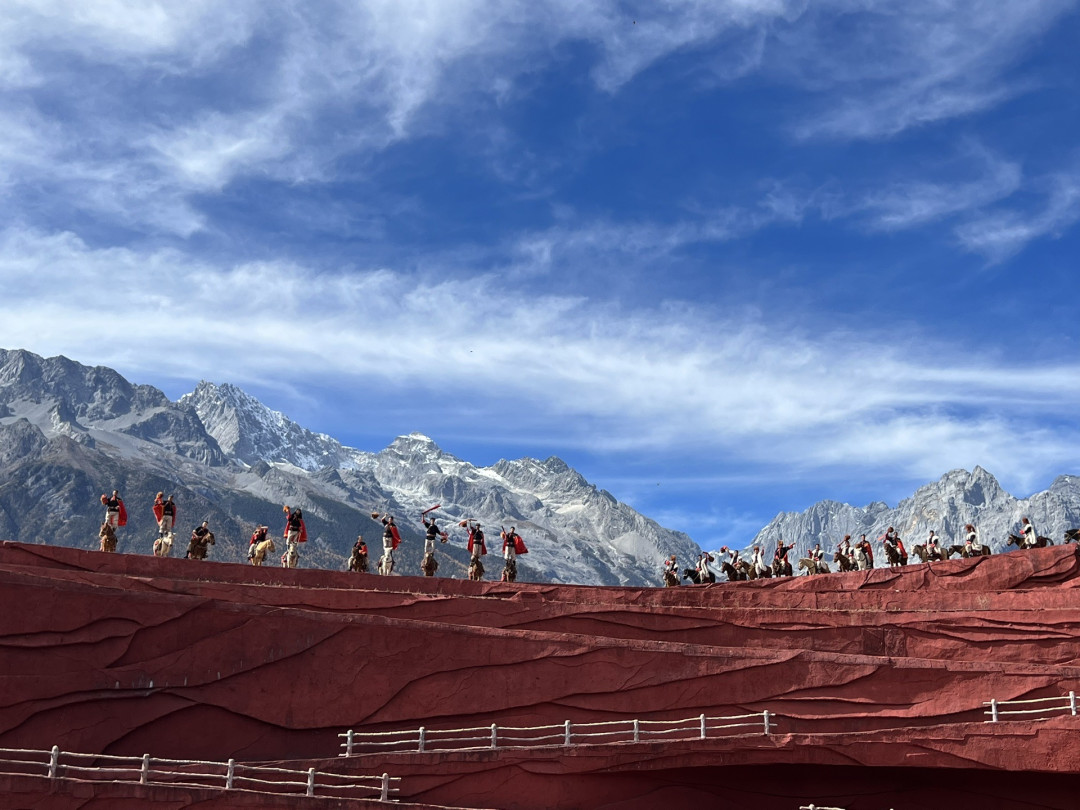
In the afternoon, we watched the live performance Impression Lijiang. A cast of over five hundred performers danced and sang against the majestic backdrop of the snow-capped mountain. A profound sense of reverence for nature and admiration for ethnic culture welled up inside me. I'd even say that watching Impression Lijiang was the most awe-inspiring moment of the entire mountain trip.
After the show, we queued for the cable car to 4,506 meters. Jade Dragon Snow Mountain rises over 5,000 meters and remains unsummited—its peak is mostly limestone, heavily weathered and geologically unstable. From 4,506 to 4,680 meters, there's a wooden boardwalk. But my altitude sickness was kicking in—strong winds, thin air, dizziness. I wisely gave up on reaching the top. The staff advised staying no more than forty minutes, so after a quick photo at 4,506, I took the cable car back down.
Back at the base, I shared a table with two girls returning from Shangri-La, and we ordered four dishes. Finally, I regained some energy.
Baisha Ancient Town: Poetic Serenity at the Mountain's Foot
Baisha Ancient Town is tiny—two main streets forming a T-shape, with very few tourists. Small and quiet as it was, I absolutely loved it. Nestled peacefully at the foot of the snow mountain, it felt, in human terms, "serene and unruffled."
Here, I tried the long-queue "Poet Bun" shop's 肉包 (meat buns) and 鲜花馒头 (flower steamed buns). Expensive (the cheapest flower bun was 6 yuan), but genuinely delicious. A Naxi grandmother sold 鸡豆凉粉 (chickpea jelly noodles)—tasting like northern-style fresh vermicelli blocks, tossed with local spicy seasoning. Five yuan for a full bowl.
Shuhe Ancient Town: Ethnic Portrait Shoot
A direct bus took me from Baisha to Shuhe. Shuhe felt like a mini version of Lijiang Ancient Town—bigger than Baisha, smaller than Lijiang. I didn't explore much; instead, I went straight for an ethnic portrait photoshoot. In ancient towns, a typical set of photos costs around 298 yuan, with plenty of options but also plenty of duds. I had two sets done and barely accepted the results—after all, it's not every day you get to visit.
Chapter Four: Shangri-La—The Place Closest to Heaven
Tiger Leaping Gorge: The Roar of Golden Sands
I booked a one-day Shangri-La tour through my guesthouse owner and set off at six in the morning. At dawn, we made our first stop near the Jinsha River. In the distance, wisps of cooking smoke rose from houses; the river was calm. The line "Golden sands beat against the clouds-warm cliffs" from Mao Zedong's poem flashed through my mind.
First stop: Tiger Leaping Gorge. The central Tiger Leaping Rock, legend says, was where a tiger leaped from Jade Dragon Snow Mountain to Haba Snow Mountain. Even in winter, when the water volume is low, the gorge's power was awe-inspiring. On the distant slopes, a herd of cattle grazed leisurely—a scene so peaceful it was healing.
Napahai Grassland: Freedom on a Golden Plain
Second stop: Napahai Grassland. In autumn, Napahai had turned golden. In Tibetan, "Napachuo" means "the lake behind the forest." The lake and grassland expand and contract with the rainy and dry seasons, making it northwest Yunnan's largest spring pasture. By November, the waterline had receded far to the mountain base. Without a horse rental, you couldn't get close to the water.
But just stepping onto the grassland was enough to lift my spirits. The vast plains and mountains filled my chest with a rush of nature's freshness. Watching the horses—local Yunnan ponies, short and round-bellied, almost cute—grazing and drinking water, I wanted to burst into song: "The wind comes from the grassland, stirring my heart..."
Dukezong Ancient Town: Each Finds Their Own Under the Prayer Wheel
The giant prayer wheel at Dukezong Ancient Town's Dafo Temple is the largest and tallest in the world. Many people joined forces to turn it—some for faith, some for hope, some for no reason at all. Each heart finds its own need.
I quickly bought a string of small Bodhi seed beads, pretending to be a tourist who loves spinning beads, and then headed back. A one-day tour only scratches the surface. I hope to return someday for a closer look at this place closest to heaven.
Final Chapter: Until We Meet Again, Yunnan
After returning from Shangri-La to Lijiang, I had a good rest, then headed back to Kunming to prepare for home. On my last day, I finally treated myself to the long-awaited 菌菇火锅 (wild mushroom hotpot). Even though it wasn't the peak season, I single-handedly finished a two-person set. What is "best" or "most perfect"? The one that fits your mood best is perfect.
On the morning of the 19th, I had breakfast at the airport and tried 芭蕉 (plantain) for the first time—denser and creamier than bananas, with impressive digestive benefits. Too bad it's hard to find back north.
There's so much I already miss—not just plantains. Kunming's red-beaked gulls at Dianchi Lake, Dali's Erhai and Shuanglang, Lijiang's Baisha against the snow mountain, Shangri-La's Napahai sky mirror...
Until we meet again, Yunnan.
Practical Tips
- What to Wear: Yunnan has huge day-night temperature swings. It can be 20°C (68°F) during the day and drop to near freezing at night. Always carry a jacket when heading out in the afternoon.
- Getting Around: Minibuses from Dali to Lijiang are convenient and time-saving; direct buses run from Baisha to Shuhe.
- Must-Try Foods: In Dali—grilled milk fan, Xizhou flaky flatbread, stuffed tofu puffs; in Lijiang—cured pork rib hotpot, wild mushroom hotpot; in Shangri-La—chickpea jelly noodles.
- Altitude Sickness: Jade Dragon Snow Mountain's cable car reaches 4,506 meters. Reactions vary. Bring oxygen canisters and don't push yourself to summit if you feel unwell.
- Photo Tips: Ethnic portrait shoots typically cost around 298 yuan. Options are plentiful but quality varies—do your research beforehand.
- Best Itinerary: In Dali, watch sunrise at Longkan Pier and sunset in Shuanglang. For Shangri-La, allow at least two days—one day is too rushed.
This travelogue is dedicated to all who dream of Yunnan—a thousand people, a thousand experiences. Nothing beats doing what makes you happy.
You should also read:

Body in Hell, Heart in Heaven: A Pilgrimage Through Tiger Leaping Gorge — A Dialogue Between Heaven and Earth
Body in Hell, Heart in Heaven: A Pilgrimage Through Tiger Leaping Gorge — A Dialogue Between Heaven and Earth Introduction: When the Gorge Splits Open Beneath Your Feet Some say Tiger Leaping Gorge is the closest place on Earth to the border between "hell" and…
Continue reading...
Cloud Travelogue · Dali of Wind, Flowers, Snow, and Moon: A Three-Day, Two-Night Journey of a Free Spirit
Cloud Travelogue · Dali of Wind, Flowers, Snow, and Moon: A Three-Day, Two-Night Journey of a Free Spirit I am a cultured female foodie with a touch of rogue charm. I slung on my backpack, took my lover's hand, and set off on a spontaneous…
Continue reading...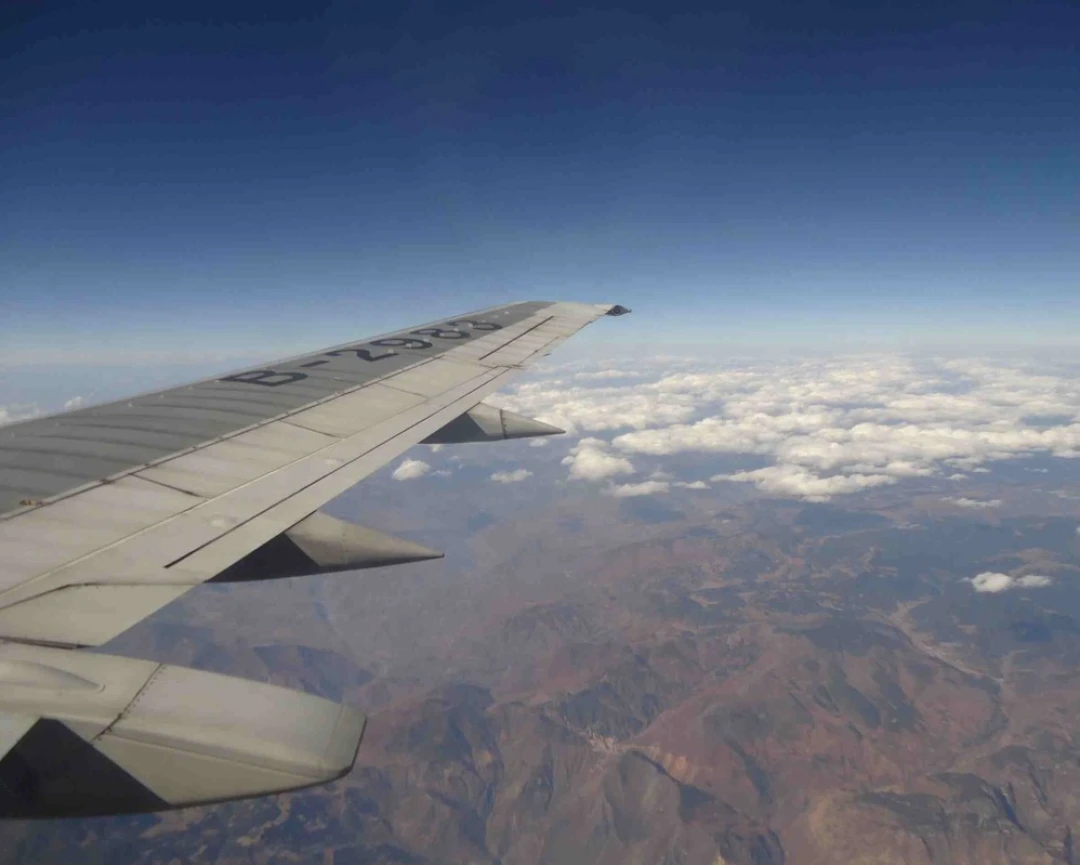
The Meaning of Travel – A Tengchong Story: A Journey of the Heart and Personal Growth
The Meaning of Travel – A Tengchong Story: A Journey of the Heart and Personal Growth Setting Out, Only to Return a Better Self Some say travel is nothing more than leaving a place you're tired of, only to go to a place where others…
Continue reading...