Yunnan in Spring: A Journey Woven with Paint and Poetry
Yunnan in Spring: A Journey Woven with Paint and Poetry
As a freelance illustrator, I'm always searching for places that spark creative inspiration. In March 2016, my husband and I packed our bags and set off on a fifteen-day journey through Yunnan. Two weeks sounds like plenty of time, but once you set foot on this land, you quickly realize that exploring all of Yunnan is nothing short of a pipe dream. We mapped out a self-guided route, and though it still felt rushed, every stop left an indelible mark on our memories. In this article, I'll use my paintbrush and camera to take you back to that springtime in Yunnan.
Before We Left: Secret Weapons in Our Backpacks
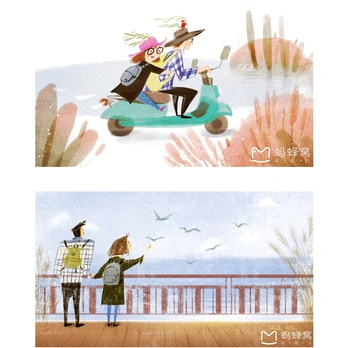
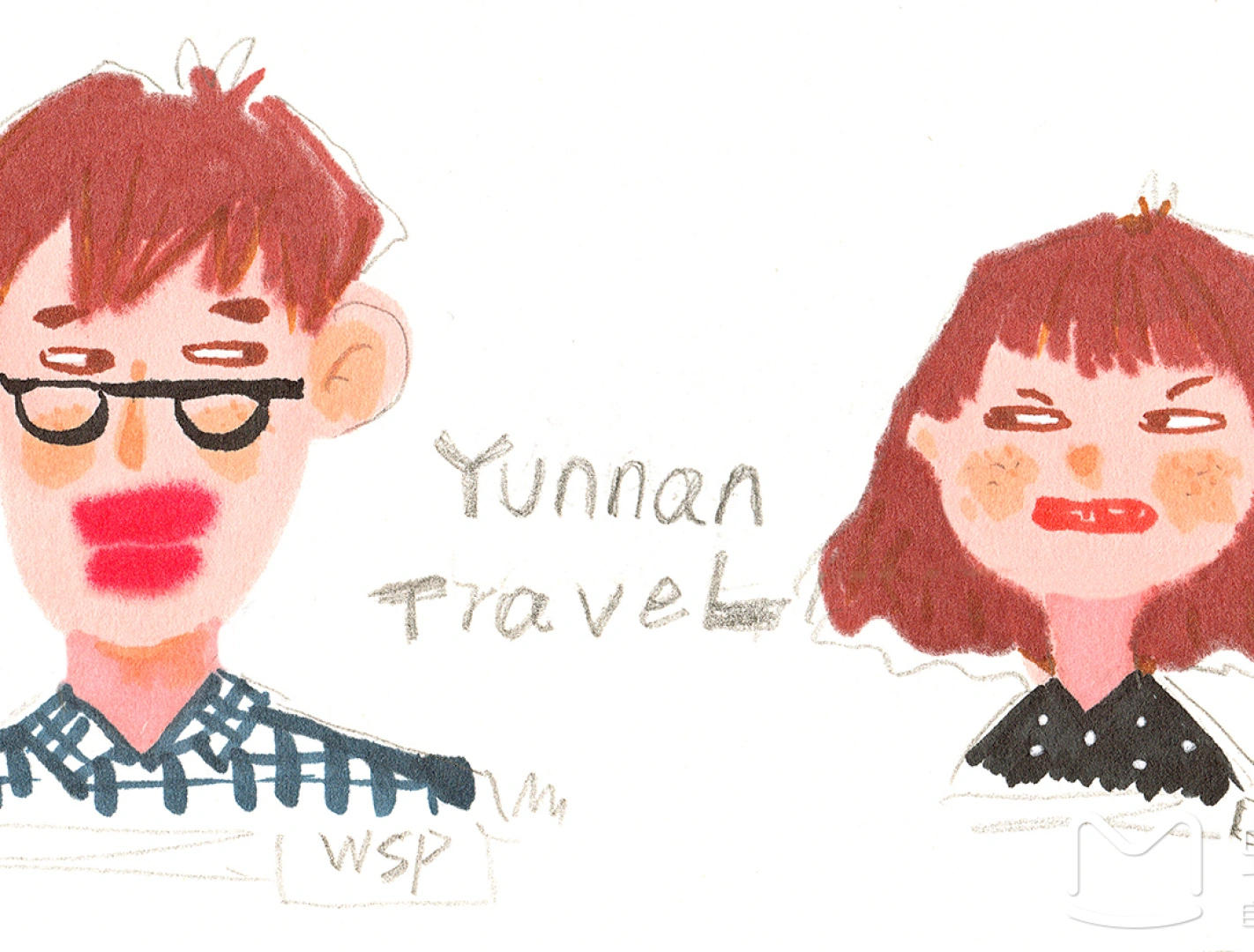
Let me introduce my travel companion—the gentleman on the left is my husband. For this long trip, he was my rock. As for the me on the right, holding a paintbrush, no need to guess.
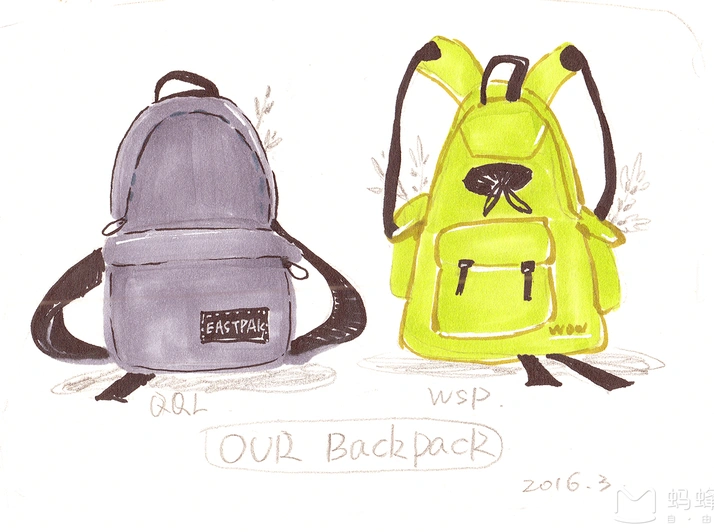
Yunnan's UV rays are no joke. Before leaving, I repeatedly reminded myself to pack all the essentials: sunscreen, a hat, sunglasses, stomach medicine, non-slip hiking shoes, and a windproof warm jacket. And what happened? My husband still ended up sunburned to a crisp and even peeled a layer of skin. So, friends, don't skimp on sun protection!
As an artist, my backpack naturally carried these treasures: a camera, a sketchbook, and brushes. They were my best companions for documenting the journey.
Day 1: Kunming, First Encounter with the Spring City
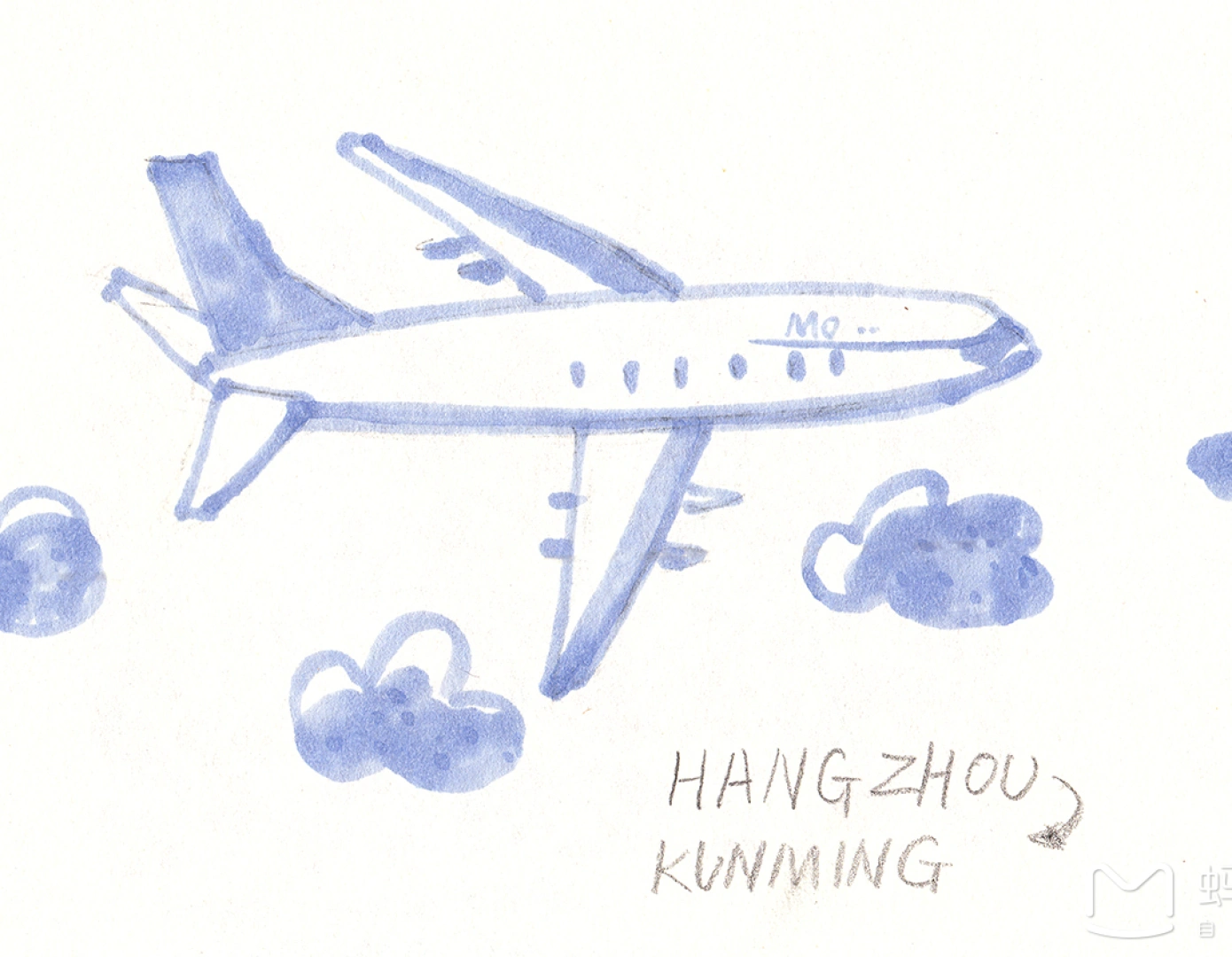
From Hangzhou to Kunming

We took off from Hangzhou Xiaoshan Airport at 9:30 a.m. and landed in Kunming just after noon. A friend was already waiting at the airport and took us to taste authentic Yunnan cuisine.
First stop: Cross-Bridge Noodles (过桥米线). Our friend recommended a place called "Cloud Pulls a Thread" (云牵一线). The broth was rich, the noodles springy. Honestly, as a noodle lover, this bowl of rice noodles made me fall in love with Yunnan's flavors instantly.
Cherry Blossoms and Golden Monkeys at the Zoo
In the afternoon, we visited Kunming Zoo. In March, the cherry blossoms were in full bloom. I thought cherry blossoms only came in pink, but I was surprised to find a vibrant red variety—it took me a while to spot them as a "flower fanatic." What fascinated me most at the zoo were the Yunnan golden monkeys (滇金丝猴). Their lips were surprisingly striking, and they are a Class II protected species in China, second only to giant pandas. Seeing them for the first time, I was as excited as a child.
Dai Cuisine and a Night of Song and Dance
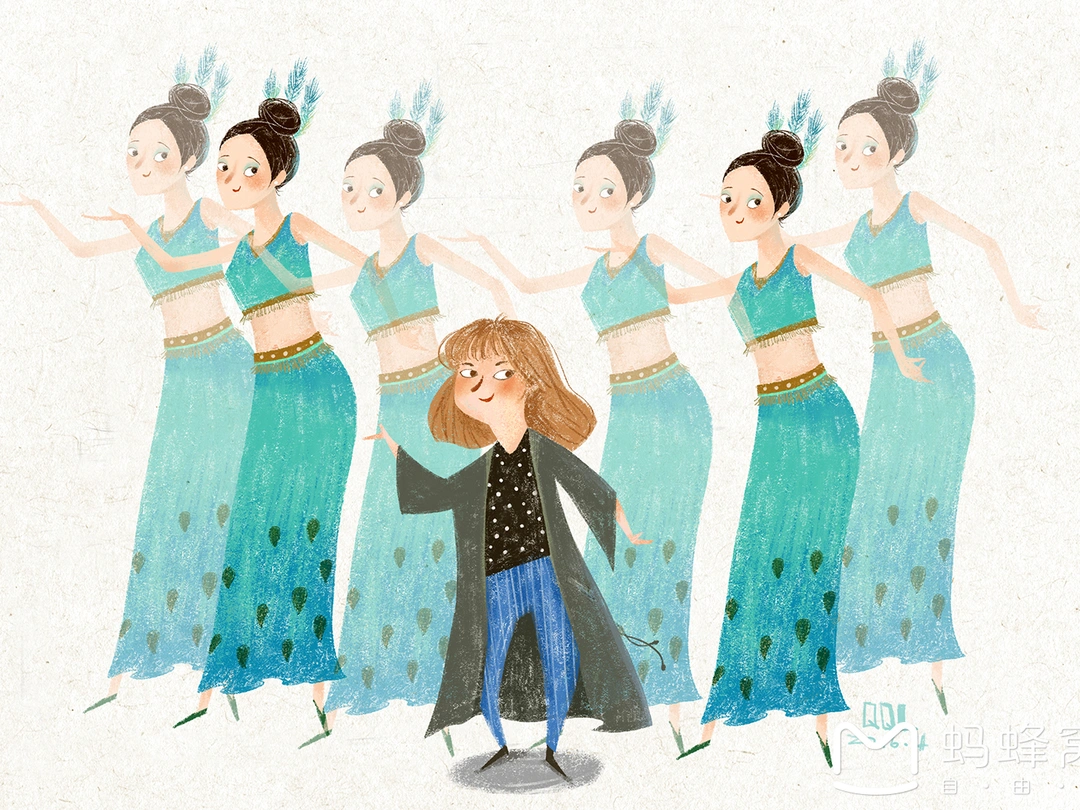
In the evening, our friend took us to "Dai People's Home" (傣族人家) for authentic Dai cuisine. Water fern salad (水蕨菜), wrapped grilled enoki mushrooms (包烧金针菇), ghost chicken (鬼鸡), barbecue, and Dai-style small rice rolls (傣家小卷粉)—every dish was tangy and spicy, refreshing and delicious. What I'll never forget is how the Dai girls and boys sang and danced with such joy; the whole meal was filled with laughter and music. I even sketched a picture of myself dancing with a Dai girl, capturing that cheerful night.
Day 2: Kunming, Slow Time by Dianchi Lake
Seagulls at Haigang Pier
The next morning, we had a local breakfast—rice noodle paste mixed with fried dough sticks (稀豆粉拌油条). That golden bowl looked unassuming, but the taste was surprisingly good. After eating, our friend took us to Haigang Pier (海埂码头), a great spot to watch seagulls. Though by March there weren't many seagulls left, some people were still feeding them. Remember, the temperature difference between morning and evening in Kunming in March is significant—dress warmly.
Ethnic Village: 25 Ethnic Groups in One Day
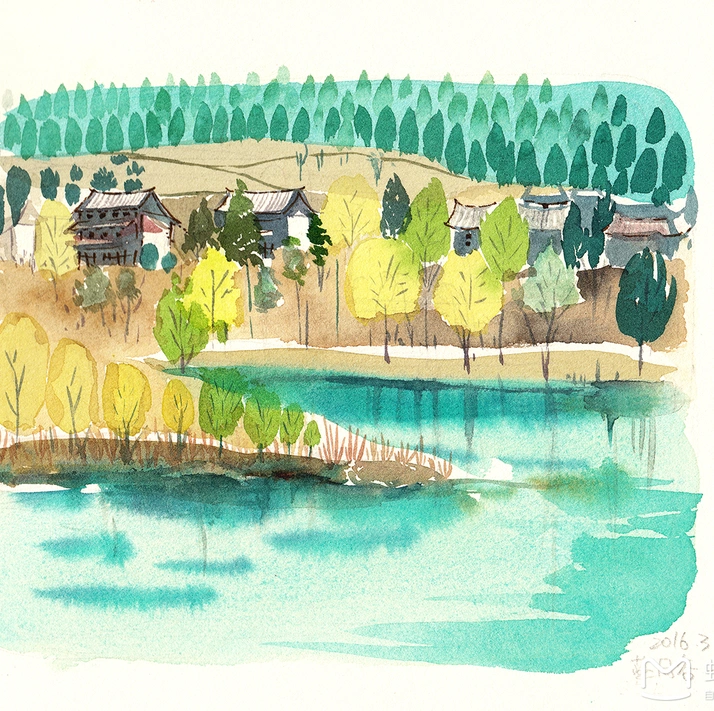
Yunnan Ethnic Village (云南民族村) is an amazing place that brings together the architecture and landscapes of 25 ethnic minorities. If you have time, it's worth spending a whole day exploring. Unfortunately, we were short on time and could only breeze through.
Xishan Dragon Gate: A Panoramic View of Dianchi
In the afternoon, we climbed Xishan (西山). After taking the cable car up, we continued hiking to the Dragon Gate (龙门). Standing there, the five-hundred-li Dianchi Lake (五百里滇池) unfolded before our eyes. The rock carvings on the cliffs were exquisite and breathtaking. On the way down, we saw a group of Jingpo elders singing and dancing—their genuine joy was enviable.
Golden Horse and Jade Rooster Archways: Kunming's Icons
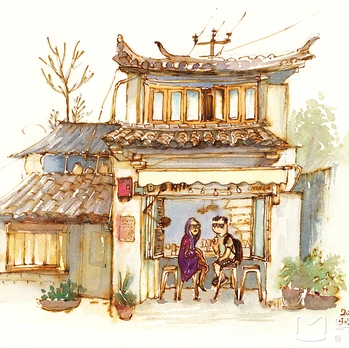
The Golden Horse and Jade Rooster Archways (金马碧鸡坊) are Kunming's landmarks, originally built during the Xuande era of the Ming Dynasty. Though the surrounding area is now heavily commercialized, the two archways still shine. I preferred the nearby old street selling trinkets and snacks; though I heard it's slated for demolition, it still retains the flavor of old Kunming.
Day 3: From Kunming to Lijiang, Scenery on the Train
At 11:50 a.m., we boarded a double-decker train from Kunming to Lijiang. It was a scenic tourist train, and the views along the way were stunning. When the train passed Erhai Lake, we caught the sunset—the water shimmered, beautiful enough to make your heart melt.
We arrived in Lijiang just after 6 p.m. We chose to stay in Shuhe Ancient Town (束河古镇), which is much quieter than Lijiang's Old Town. If you dislike noise, Shuhe is a great choice.
We found a guesthouse called "Leisurely Court and Flying Flowers" (闲庭飞花). The service was warm, and the rooms were comfortable. That evening, we tried the local must-eats: cured pork ribs (腊排骨), grilled meat, and jasmine flower scrambled eggs (茉莉花炒蛋). Cured pork ribs are available at almost every restaurant, and they were indeed delicious.
Day 4: Lashihai, a Day of Horseback Riding and Boating
Riding Horses Over Hills
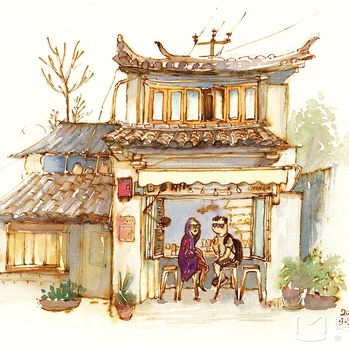
On the recommendation of our guesthouse owner, we set off for Lashihai (拉市海). At 10:30 a.m., we headed out—there, you can go boating and ride Yunnan ponies (滇马). We spent two to three hours riding over hills. Though my bottom was a bit sore from the short ponies' trot, the scenery along the way was refreshing. The horses were well-behaved; a group of four or five horses was led by one guide, all marching in line.
Boating on the Lake, Soaking in the Blue Sky
Lashihai is a small lake. We paddled a small rubber boat, stopped in the middle, and lay there watching the blue sky and white clouds. There was no time limit for boating—you could stay as long as you wanted. Lunch was a simple chicken hotpot (土鸡锅). Though basic, the chicken was tasty, and with a few small potatoes, we ate happily.
Lijiang Old Town: Commerce Meets Tranquility
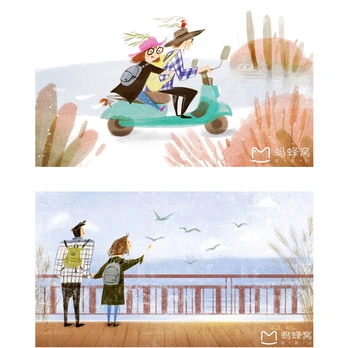
In the evening, we visited Lijiang Old Town (丽江古城). Honestly, it fell a bit short of expectations—too commercial and crowded. We took a quick walk around and climbed to a high point to see the entire ancient town, which was still impressive. Eventually, we returned to Shuhe, which was quieter and more to my liking.
Day 5: Jade Dragon Snow Mountain and the Azure of Blue Moon Valley
Oxygen Deprivation on the Snowy Peak
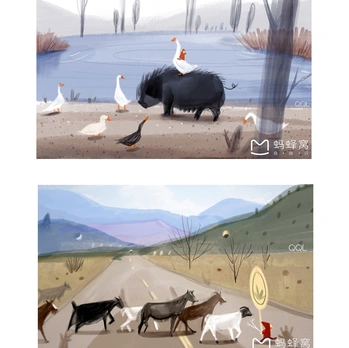
In March, the snow on Jade Dragon Snow Mountain (玉龙雪山) was still thick. We set off at 7:30 a.m., hiring a private car. Due to the high altitude, we needed to buy oxygen canisters. We took the cable car up to 4,506 meters (14,783 feet), and just a few steps left us gasping. As someone who rarely sees snow, I was still thrilled to see the snowy peak.
Blue Moon Valley: Five-Star Recommendation
After lunch, we arrived at Blue Moon Valley (蓝月谷)—the most memorable spot of the entire trip. The lake water, rich in minerals, was a stunning shade of azure and emerald. Breathtakingly beautiful. Highly recommended—five stars!
Black Dragon Pool: A Leisurely Park
In the afternoon, we visited Black Dragon Pool (黑龙潭) in Lijiang city—essentially just a park. After witnessing the grandeur of nature, the park's scenery felt plain. If you have time, it's worth a stroll.
That evening, we had a hand-grabbed rice meal (手抓饭). We were so hungry that it tasted especially delicious.
Day 6: Shangri-La, the Power of Faith
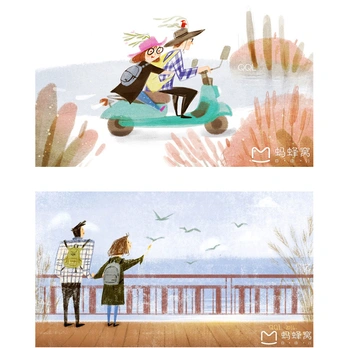
Songzanlin Monastery: A Baptism in Tibetan Culture
At 8 a.m., we left Lijiang by bus for Shangri-La (香格里拉), a four-hour ride. The scenery along the way was completely different from Lijiang—the vegetation was a grayish green, with a unique kind of beauty.
We arrived in Shangri-La in the afternoon and visited Songzanlin Monastery (松赞林寺). Lucky for us, our guide was a Tibetan young man, the local gold-medal guide. Under his leadership, we felt the profound depth of Tibetan culture and the power of faith.
Shangri-La Old Town: Rebirth After Fire
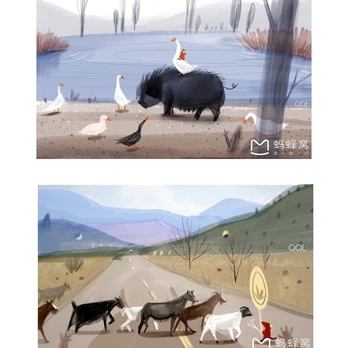
Shangri-La's old town had suffered a fire, and now everything was newly built. The feel of the old town was gone, and few people were strolling around.
Day 7: Potatso, Nature's Paradise
A Magical Journey in the Forest Park
At 8:30 a.m., we set off for Potatso National Park (普达措国家森林公园). This was one of the most worthwhile stops on the entire trip. The park preserves pristine natural ecosystems—ancient trees, lakes, meadows, and streams. The funniest part? The fearless squirrels would jump right onto your hands, snatching small fruits.
Tree Beard: A Barometer of Air Quality
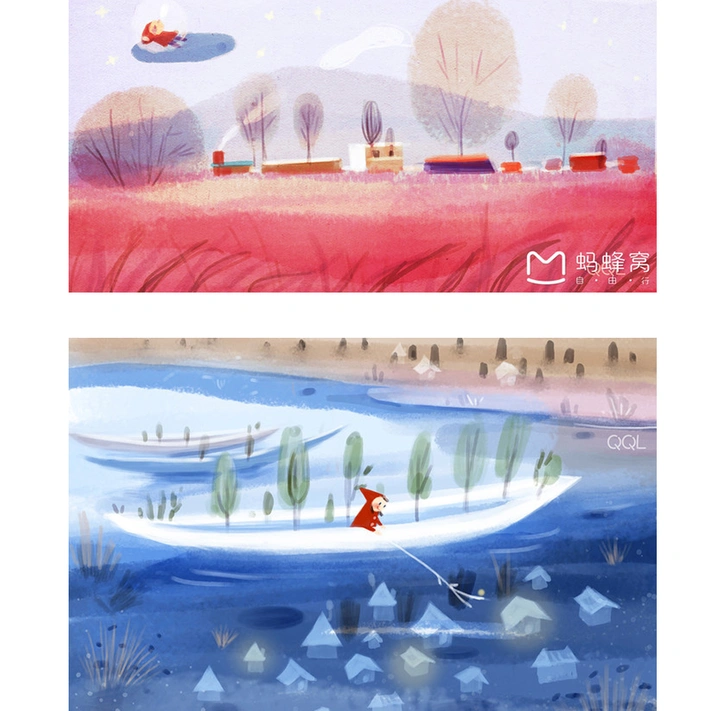
You'll also see many green "beards" hanging from the trees—these are tree beard lichen (树胡子). This plant requires extremely high air quality, so seeing it means the air here is exceptionally clean. Take a few deep breaths to cleanse your lungs!
Shangri-La's Missed Opportunity
I heard Shangri-La's market is also great, but we were short on time. We returned to Lijiang at 2:30 p.m., as we had to leave for Lugu Lake the next day.
Days 8–10: Lugu Lake, Home of the Mosuo People
A Bumpy Journey
From Lijiang to Lugu Lake (泸沽湖), we spent a whole day on winding mountain roads, arriving in the evening. Now, a new highway has opened, cutting the trip to just three to four hours—much more convenient than our time.
Cycling Around the Lake: Electric Scooters Are King
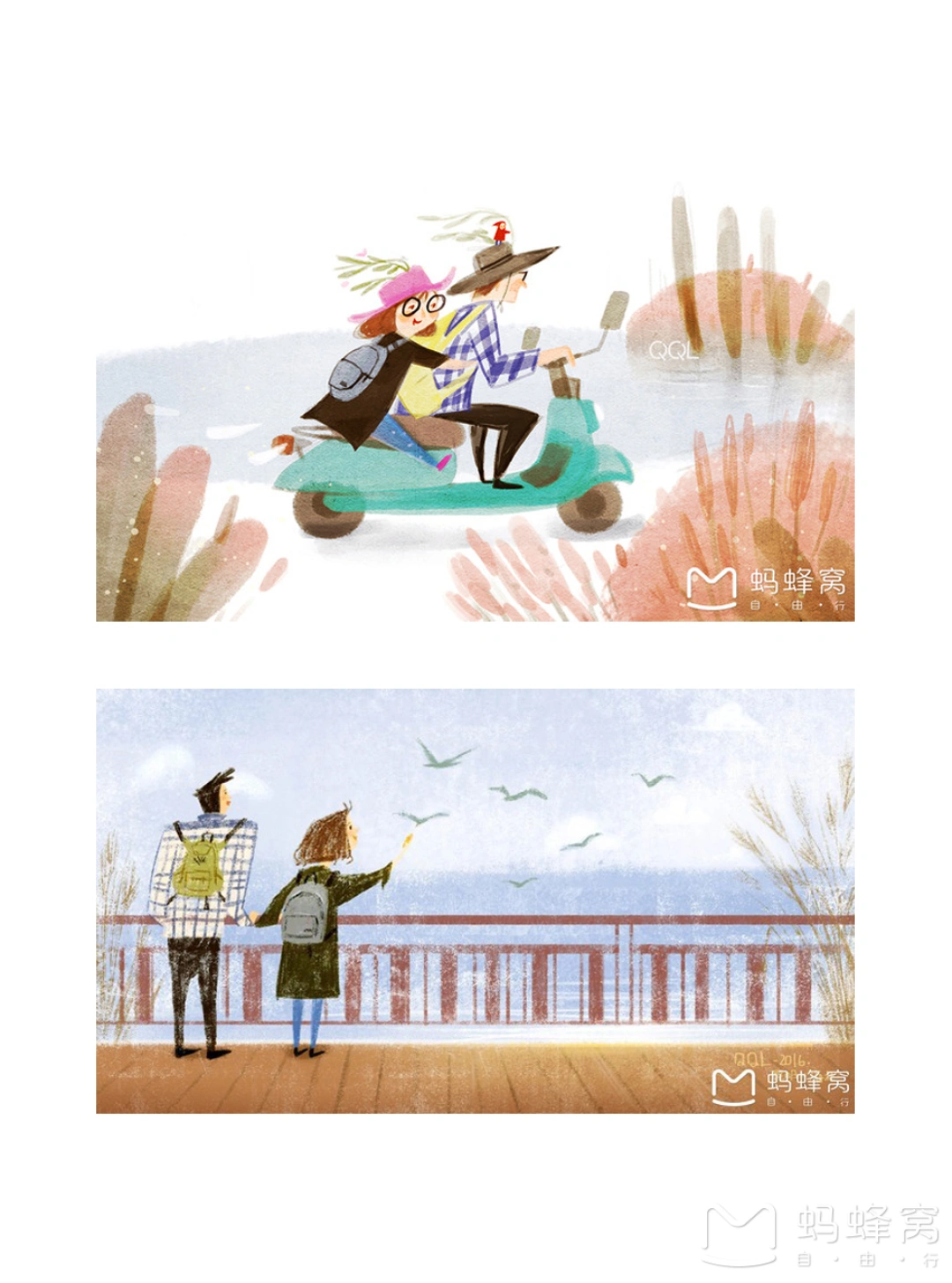
Lugu Lake is 75 kilometers (47 miles) around. We rented an electric scooter to circle the lake. A word of warning: make sure to apply plenty of sunscreen. My husband turned a whole shade darker in just one day, with obvious glasses tan lines. If you ride a bicycle, you won't make it in time, and the slopes are steep—plenty of people gave up halfway.
The Mosuo's Walking Marriage Culture
The Mosuo people (摩梭人) primarily live around Lugu Lake. They still practice a matriarchal society and follow the tradition of "walking marriage" (走婚). There's even a famous Walking Marriage Bridge (走婚桥), built so men could cross to visit women. If you want to learn about Mosuo culture, the Mosuo Museum is worth a visit.
The Peace of Daluoshui
We stayed in Daluoshui (大洛水) for these few days. Though it had more tourists, we still felt the simple, honest local culture. In March, Lugu Lake was adorned with blooming pear and peach blossoms—stunningly beautiful.
Day 11: Dali, the Charm of the Bai People

From Lijiang to Dali
At 10 a.m., we took a train to Dali. Leaving Lijiang felt bittersweet—it was the place we'd stayed the longest on this trip. We arrived in Dali just after noon, then took a bus to Shuanglang (双廊).
A Night by Erhai in Shuanglang
Around 2 p.m., we found a guesthouse in Shuanglang called "Fateful Shuanglang" (有缘双廊). It was affordable and beautifully decorated. That evening, we tried the local papaya fish (木瓜鱼) from Erhai Lake, but it was just average. I've heard that real Erhai fish is incredibly delicious, but fishing is now banned.
Day 12: Dali, Slow Life Between Cangshan and Erhai
Old Pier and Xizhou Ancient Town
At 9 a.m., we hitched a ride with a Bai friend. First, we went to the old pier to see Erhai Lake. The water was crystal clear, shimmering in the sunlight. Then we visited Xizhou Ancient Town (喜洲古镇), which preserves well-maintained Bai architecture and has a very slow pace of life. The local snack, Xizhou flatbread (喜洲粑粑), was packed with minced meat—much better than the one in Lijiang.
Cangshan Mountain: A Panoramic View of Erhai
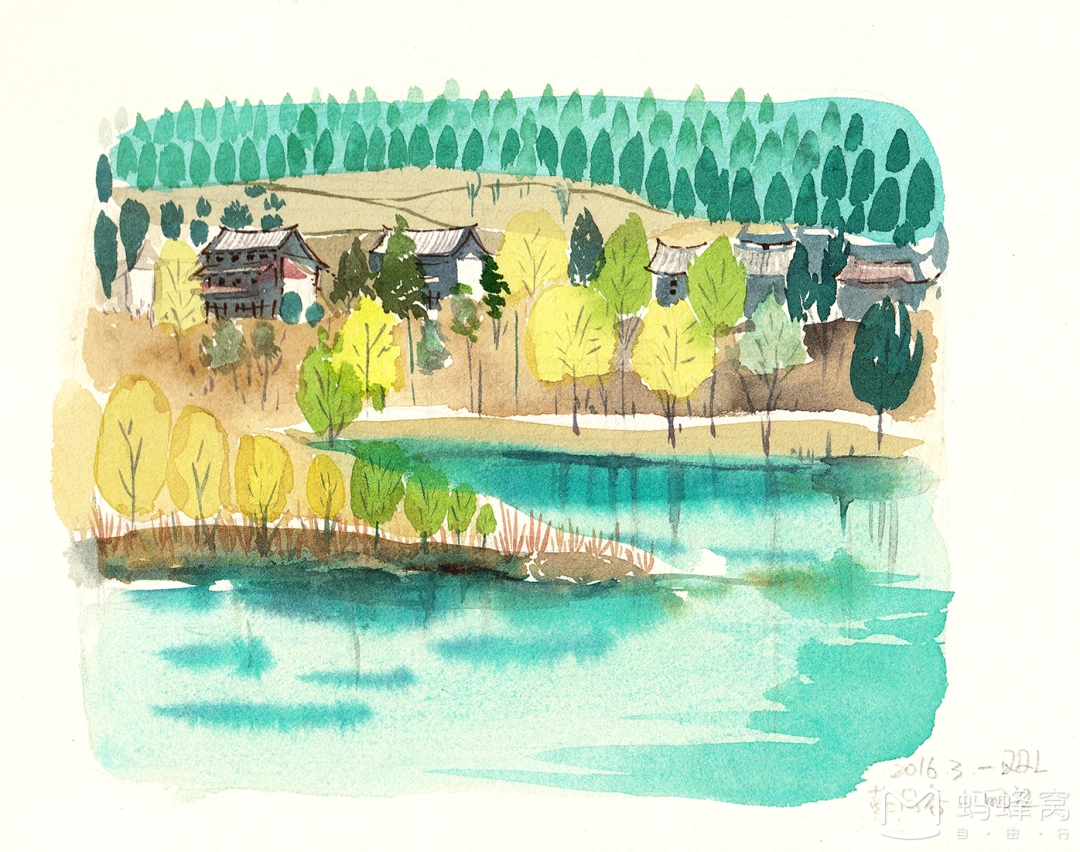
After lunch, we went to Cangshan National Geopark (苍山国家地质公园). We took the cable car up to an elevation of 2,260 meters (7,415 feet), where we could see the entire Erhai Lake. If you want to hike Cangshan properly, you'll need at least a full day.
Zhang Family Garden: The Essence of Bai Residences
Zhang Family Garden (张家花园) is the most exquisite example of Bai residential architecture, similar to Suzhou's classical gardens. Every corner felt like a painting. The garden also boasts thousands of species of flowers and trees—it was hard to leave.
Dali Old Town: More Loved Than Lijiang
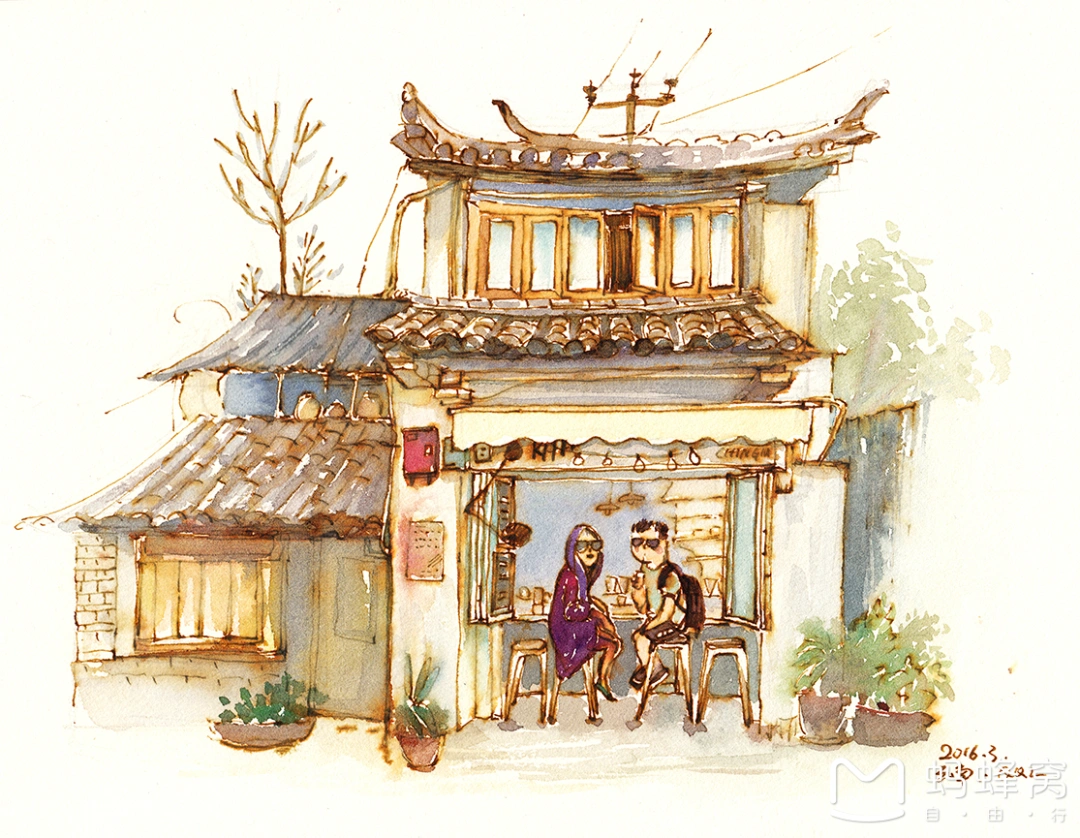
In the evening, we arrived at Dali Old Town (大理古城). Compared to Lijiang, I liked it much more here. You could see children walking home from school, and even the schools were built in traditional architectural styles. The shops in the old town had more taste, and there were nice little bookstores.
Day 13: Around Erhai Lake, Wildflowers in Bloom
A Surprise at Muxiu Seaview Guesthouse
Today, we switched to a guesthouse called "Muxiu Seaview" (木秀海景客栈). The landlady was incredibly kind, and the price was reasonable—we could see Erhai Lake up close. We rented an electric scooter to circle Erhai, riding from 10:30 a.m. to 5 p.m. without even completing the loop. Wildflowers were blooming all along the way, lifting our spirits.
A Night at Wild Horse Café
In the evening, I found a place called "Wild Horse Café" (野马咖啡馆). The owner was a beautiful woman. She was about to close but didn't rush me out, letting me paint in peace. In the end, we exchanged WeChat contacts and became friends.
Days 14–15: Farewell to Yunnan, Looking Forward to Reunion
Saying Goodbye to Dali, Thanking Our Friends
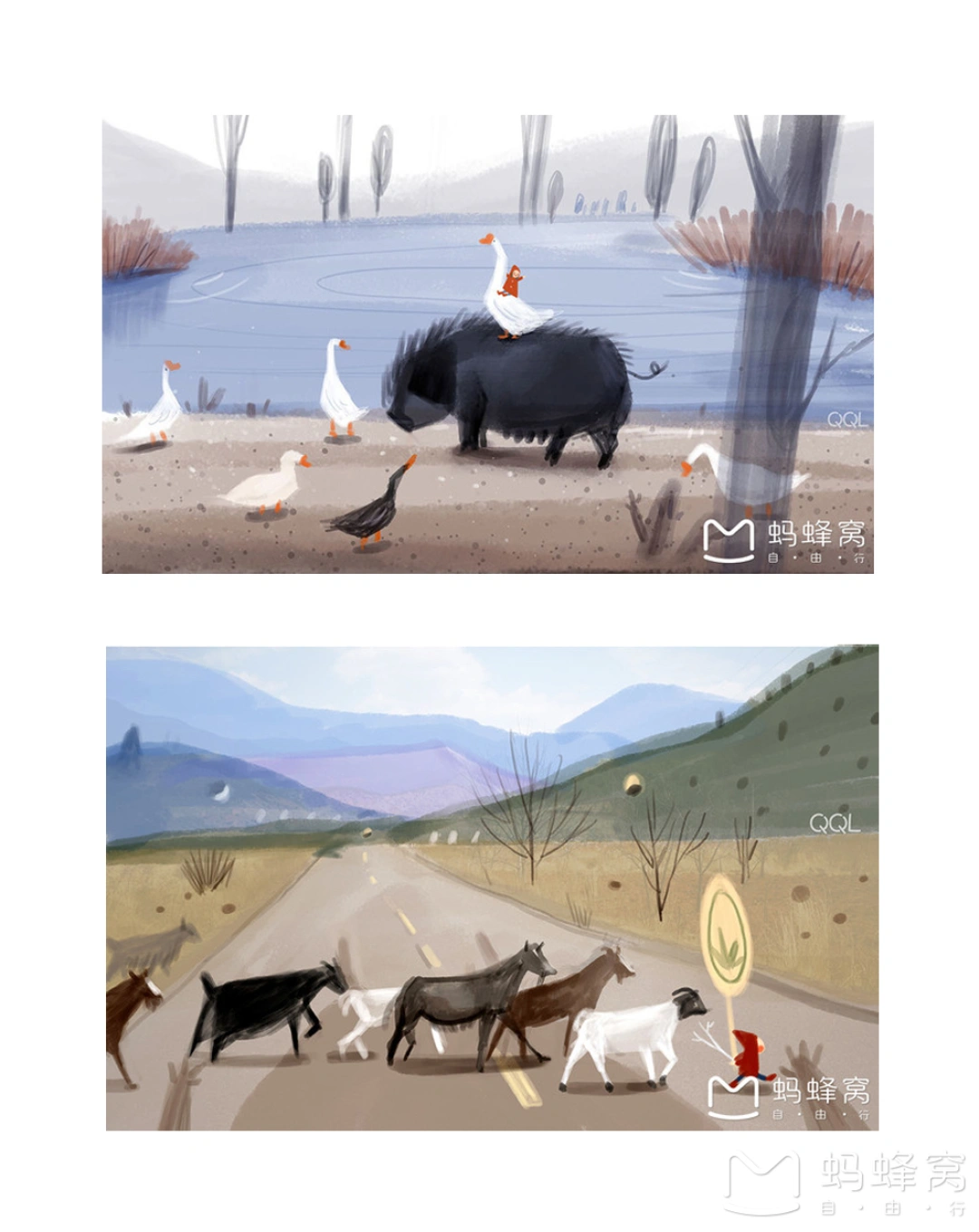
On April 1st, we took a bus back to Kunming. A special thanks to our friends in Kunming, Brother Ding and Sister Wang—their care throughout the trip made it so enjoyable. Before we left, they even gave us lots of snacks and souvenirs.
Yunnan Museum and Guandu Ancient Town
On April 2nd, we visited the Yunnan Museum (云南博物馆) and Guandu Ancient Town (官渡古镇). The ancient town didn't preserve much, but there was a shop making black copper inlaid with silver (乌铜走银) that was worth a look.
At 4:30 p.m., we took a double-decker bus halfway around Dianchi Lake, then headed to the airport, ending our journey.
Conclusion: Yunnan, To Be Continued
Fifteen days in Yunnan made me fall deeply in love with this land. There are so many diverse ethnic cultures, so many fascinating ancient towns and stunning landscapes. Though time was limited and we couldn't explore every corner, the regrets we carry are exactly the reasons to come back.
Yunnan, we'll meet again.
Practical Tips: - Sun Protection: Yunnan's UV rays are strong—don't skimp on sunscreen - Clothing: Large temperature differences between morning and evening; a windbreaker is very practical - Accommodation: In the off-season, you can find places directly upon arrival and negotiate prices - Transportation: The double-decker train from Kunming to Lijiang offers beautiful scenery along the way - Food: Cross-bridge noodles, cured pork ribs, Xizhou flatbread, and Dai cuisine are all worth trying
You should also read:

God’s Abandoned Palette: A Self-Drive Journey Through Yunnan’s Dongchuan Red Land
God’s Abandoned Palette: A Self-Drive Journey Through Yunnan’s Dongchuan Red Land Travel has never been about reaching some distant geographic coordinate. It’s about encountering, along the way, the version of yourself buried beneath the rubble of daily routine. During this May Day holiday, I finally…
Continue reading...
Cloud Travelogue · Dali of Wind, Flowers, Snow, and Moon: A Three-Day, Two-Night Journey of a Free Spirit
Cloud Travelogue · Dali of Wind, Flowers, Snow, and Moon: A Three-Day, Two-Night Journey of a Free Spirit I am a cultured female foodie with a touch of rogue charm. I slung on my backpack, took my lover's hand, and set off on a spontaneous…
Continue reading...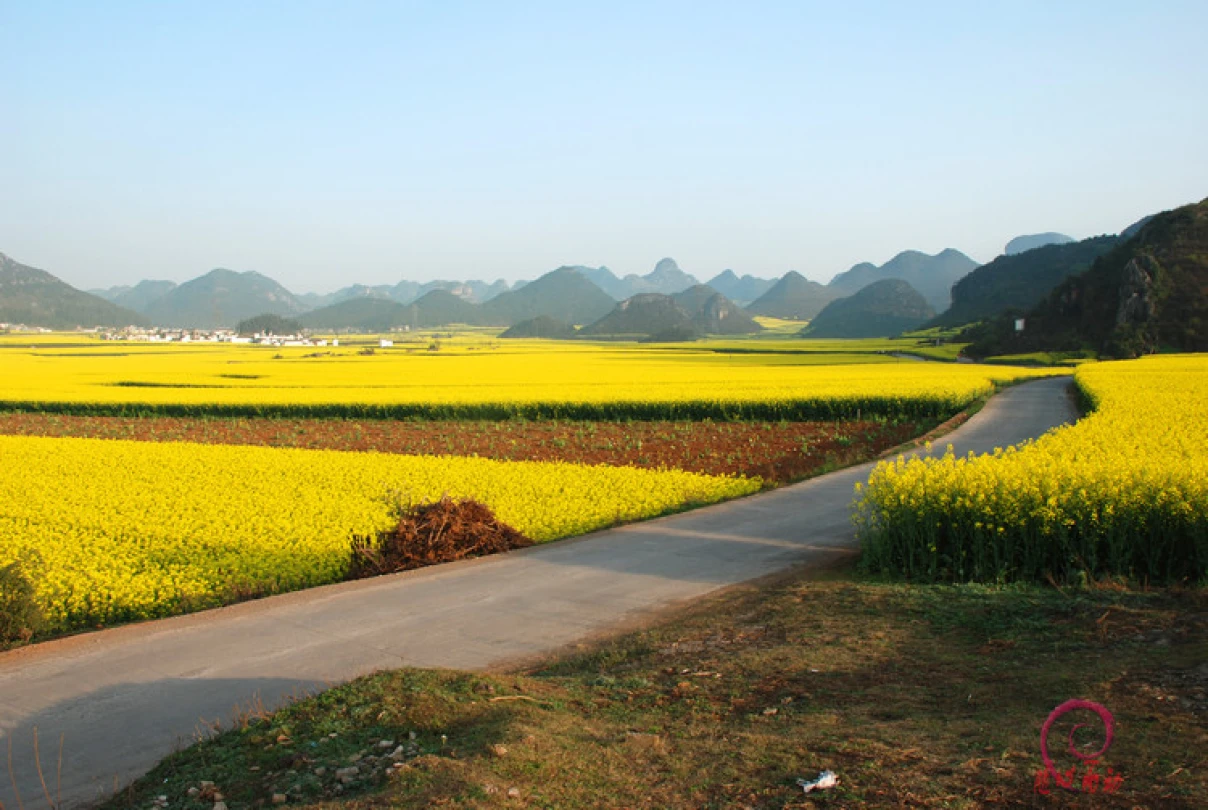
Golden Luoping: A Romantic Encounter with Sunshine and Seas of Flowers
Golden Luoping: A Romantic Encounter with Sunshine and Seas of Flowers Introduction: The Third Time's the Charm Some landscapes are destined to be seen at the right moment. For me, that was exactly the case with Luoping's rapeseed flowers. On February 22, 2011, the Luoping…
Continue reading...