Yunnan, You Are the Faraway Land and Hometown I've Never Forgotten — A Nine-Day Journey Through Dali, Lijiang, and Lugu Lake
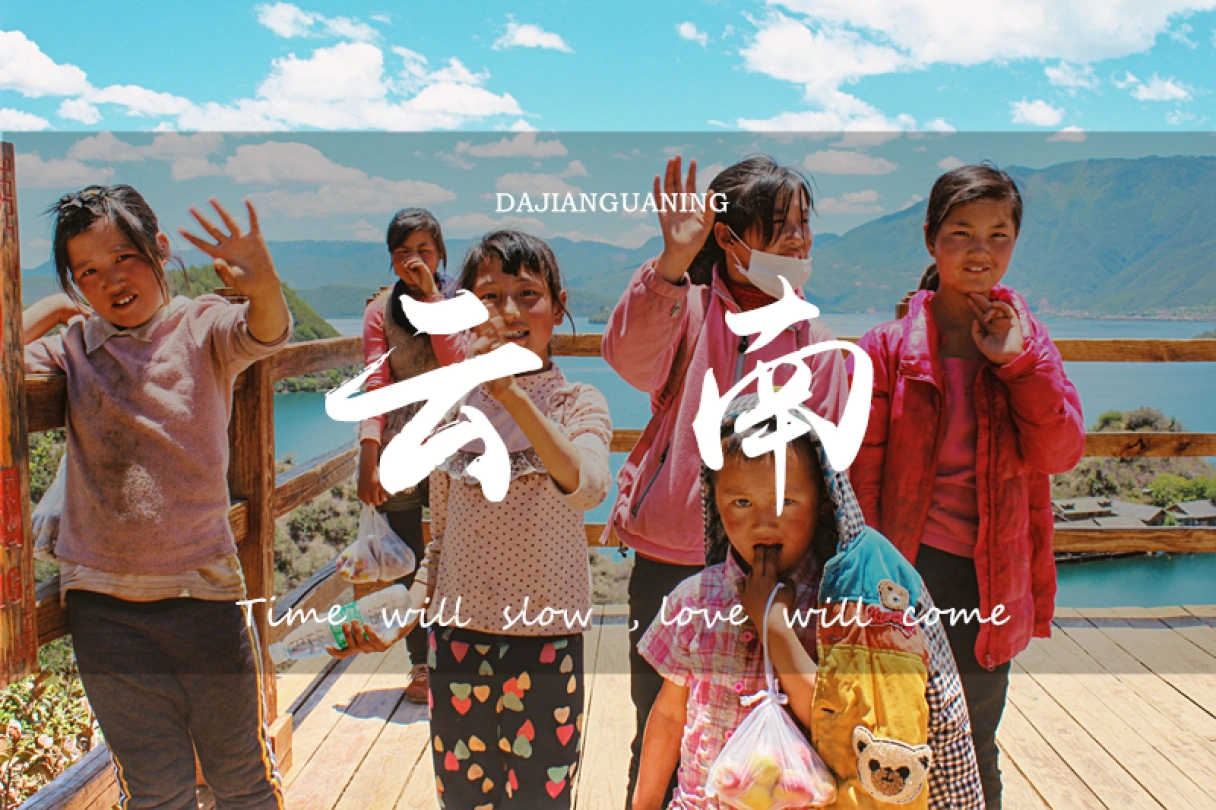
Yunnan, You Are the Faraway Land and Hometown I've Never Forgotten — A Nine-Day Journey Through Dali, Lijiang, and Lugu Lake
Some places are destined to leave a mark on your life. For me, Yunnan is exactly that kind of place. It wasn't just a simple trip; it was a ritual of dialogue with myself. From the wind, flowers, snow, and moon of Dali, to the ancient city's smoky烟火 of Lijiang, and then to the legendary "Kingdom of Women" at Lugu Lake, these nine days allowed me to find a long-lost sense of belonging on unfamiliar soil.
Before Departure: A Girl's Impulse and Composure
The Battle from "No" to "Go"
If you've ever had the urge to travel alone, you can probably understand that mix of excitement and anxiety. It took me three minutes and twenty-six seconds to decide to go to Yunnan. I bought the ticket, then woke up the next day to news of an earthquake in Yunnan. My social media exploded, my phone was bombarded with messages — everyone asked the same question: "Are you still going?"

"Yes."
"There was an earthquake!"
"Yes."
"Aren't you changing your itinerary?"
"No."
They were shocked by my certainty. In truth, I'd been secretly monitoring the earthquake reports and discovered that the world experiences tremors of varying magnitudes every single day. Since you can't avoid them, why not face them head-on? True courage isn't being fearless; it's choosing to move forward despite knowing the risks.
Safety Rules for Solo Female Travelers
Before leaving, I had a "negotiation" with my parents. My dad pulled out his phone, opened Zhihu (a Chinese Q&A platform), and handed me an article. It was a warning about the risks of solo female travel. After reading it, I felt a pang of guilt. But guilt doesn't mean backing down — it just made me more clear-headed and better prepared.
Pre-departure checklist:
- Destination selection: For your first solo trip, don't be a trailblazer. Choose popular, safe destinations like Dali, Lijiang, and Lugu Lake — well-established tourist routes.
- Establish a contact network: Share your itinerary with trusted friends. Send your real-time location to your family every time you move to a new place. Don't use ride-sharing apps unless you genuinely want a travel companion.
- Self-defense gear: Pepper spray might not work because you could mess it up when nervous. Better to carry a mini alarm, or simply practice running — not for your figure, but for survival.
- Itinerary sheet: List hotel phone numbers and addresses in detail, and confirm in advance. Choose reliable hostels with good locations.
- Electronics: Bring an extra charging cable and a power bank. When traveling alone, staying connected is the bare minimum.
- Pack light: Bring essential emergency medicine, and skip valuables as much as possible. You're going to experience life, not show off wealth.
- A watch: When your phone dies, you'll at least know the time.

On-the-road precautions:
- Don't initiate conversations with strange men. If you want to chat, find fellow solo female travelers or companions of a similar age.
- Keep your belongings with you at all times, even if you meet someone you think is trustworthy.
- Stay calm in emergencies and ask reliable people for help. I had a lost-bag incident on this trip — more on that later.
- Don't stay out after 10 PM, and be cautious about entering bars or other entertainment venues.
- Lock your inner door before sleeping and stay vigilant.
- Don't hitchhike to save money, and don't charter a car alone. If unavoidable, note the license plate number and driver's phone number, and send them to your family.
Prevention knowledge:
- Anti-theft: Make electronic and paper backups of your ID card, passport, etc. Keep cash, bank cards, and your phone in separate places.
- Anti-scam: Ask police officers or female shop owners for directions. Better yet, download maps yourself.
- Anti-stalking: Walk calmly toward busy main roads. Don't look back to confirm.
- Anti-kidnapping: Don't fight back violently. Observe the perpetrator's features and calmly seek help. You can damage public property to attract attention — sacrifice your belongings to save your life.
Dali: Singing Loneliness in the Wind, Flowers, Snow, and Moon
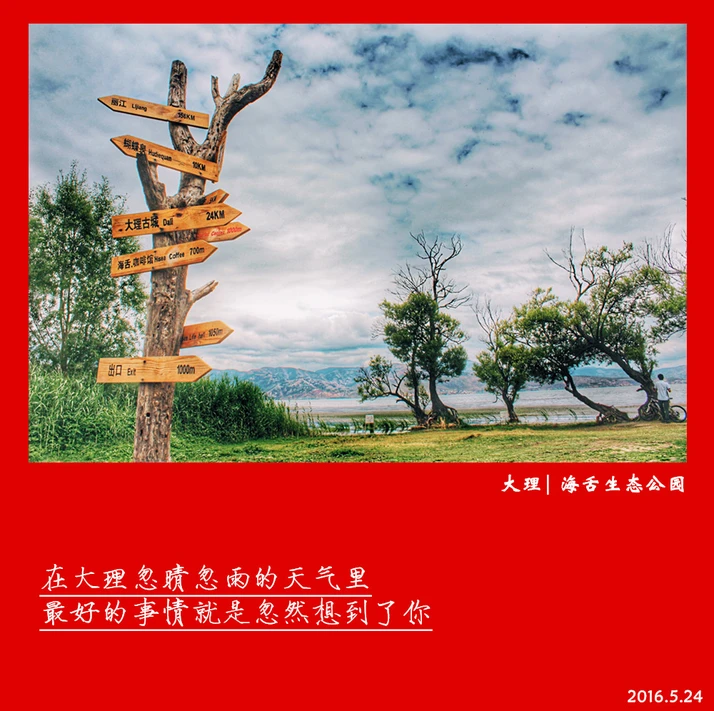
A Surprise and Warmth on the Train
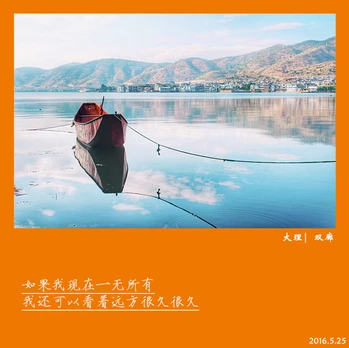
On the train from Kunming to Dali, I experienced something for the first time in my life: arriving early. In the carriage, groups of middle-aged women chatted in a dialect I could barely understand. I closed my eyes and let myself fall asleep in the unfamiliar noise.
At Kunming Station, I chose not to exit and instead transferred directly to a train heading to Dali. But things didn't go smoothly. The staff seated us on side seats in the hard-sleeper carriage — those seats with no backrest and nowhere to put your hands or feet. We clearly saw many empty tickets available, but they told us we could only sit there. After futile negotiations, I realized: even arrangements made by official departments can be problematic. The right approach would have been to buy tickets on my phone after getting off the train, then print them at the self-service machine. But at that moment, we had to face the reality of spending over five hours on those side seats.
The Lake Loop: From Xizhou to Shuanglang
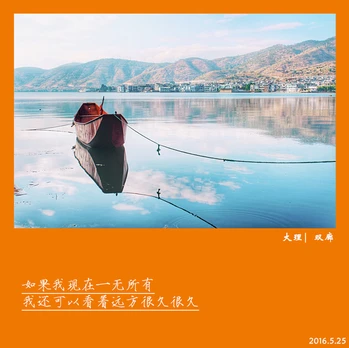
The next day, it had rained all night in Dali. The morning air was refreshing. I grabbed a cup of unsweetened soy milk with half a basket of xiaolongbao (soup dumplings) and met up with the sisters I'd arranged to see the day before. We discussed how to circle the lake: electric scooters (priced between 50-100 yuan) or chartering a car (all about bargaining). Scared off by the overly enthusiastic roadside aunties, we decided to negotiate prices ourselves.
Since I was too scared to ride an electric scooter (I have a driver's license but never rode a two-wheeler), I chose to charter a car. Route: Dali Ancient City → West Ring Road → Xizhou Town → Haishao Park → Shuanglang. The driver wandered around cluelessly, unable to find passengers, but with our silver tongues, we settled on 240 yuan.
The Surprise of Xizhou Town
The road to Sifang Street isn't long, but if you follow the not-so-obvious signs, you'll be greeted by an abundance of tie-dye fabrics (扎染). I couldn't move my legs and turned into a non-touristy area. Amid the earthy yellow and gray-white walls, I was completely alone. I met an elderly grandmother, probably in her eighties. I called out to her warmly and asked if this road led to Sifang Street. She mumbled something and nodded. We exchanged a knowing smile.
If I hadn't stumbled upon this path, I might never have seen the sprawling bougainvillea, dazzling against the broken red bricks, or the rainbow hidden in the cracks between the flowers.
The Solitude and Reflection at Haishao Park
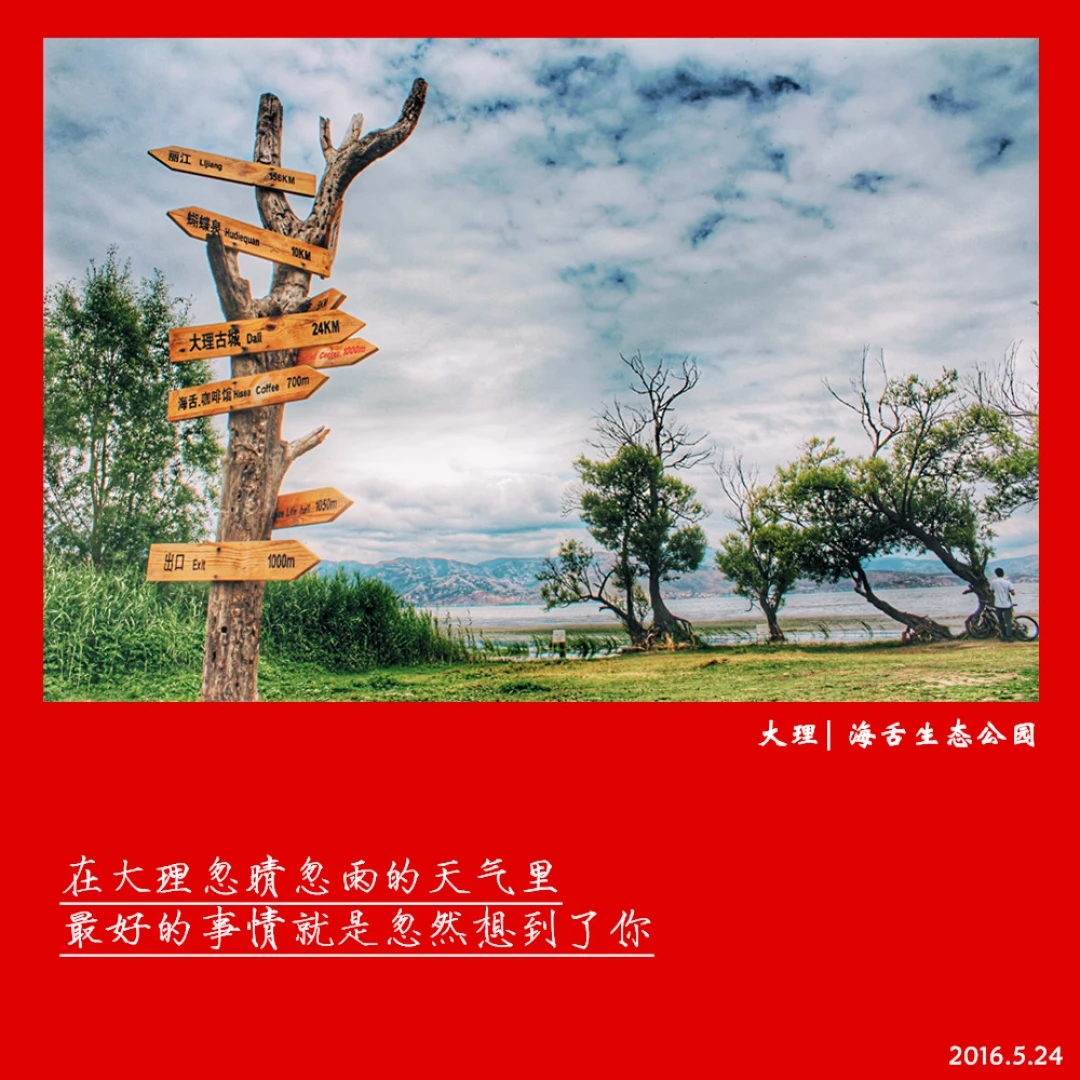
Half the road to Haishao Park was under construction — bumpy and dusty. I felt a pang of homesickness. After getting out of the car, I walked along a long gravel path. Every three meters, horses and their owners grinned at me. I walked so fast that my feet couldn't keep up with my brain.
I was curious about the trees growing in Erhai Lake. I imagined them standing steady when the water was low, and just as steady when it rose. Because their roots were deep, they wouldn't be washed away. They were destined to stay with Erhai forever, weren't they?
Shuanglang's Construction and Everyday Life
Shuanglang is currently under renovation. The roads aren't paved yet, and stones and wooden planks lead to various inns. I didn't go to the island. Instead, I took out five yuan and bought a bowl of pea jelly (豌豆粉) from a kindly-looking grandmother, adding lots and lots of chili. Since leaving home, I hadn't tasted such genuine spiciness. The grandmother said, "This is the king of chilies." I was speechless.
I sat quietly on an unoccupied step by the lake. The water had soaked half the step, with tiny patches of moss scattered on it. I took off my shoes and stepped barefoot onto the moss, gently sliding my feet into the lake water. It was so cold.
Stories from Dali Ancient City
Meeting Nicholas
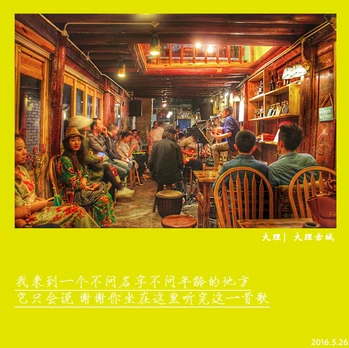
I was wandering alone on Fuxing Road with a hundred yuan in my pocket and a not-so-light DSLR hanging around my neck. I passed by singers and vendors, none of whom held my attention, until I reached Nicholas. He was tall and thin, holding a Chinese signboard and speaking broken Chinese, but more fluent and amusing English.
He smiled at me, so I walked over. He handed me his book. I flipped through it and said, "This poem is interesting!" He said these were stories he'd encountered — other people's stories, and also his own. And so, my story with him began.
Nicholas was an American traveling the world and writing books to fund his journey. He said before heading to his next stop, India, he had to get his tooth fixed. He smiled and opened his mouth, pointing to a tooth that was only half there. I didn't ask how he lost the other half. Instead, I asked how long he'd been in Dali. "Ten weeks," he said. "Dali makes me feel very relaxed. I like it."
"Me too," I said.
We talked for a long time. I used my Chinese to help him sell more books. Some people were interested but walked away because the books were in English. Others, driven by a certain sentiment, saw the story on his signboard and bought one generously. I was probably the person who stayed by his side the longest that night. I checked my watch and said, "See you tomorrow." He put down his signboard, pulled a pen from his jacket pocket, wrote something in the book with his left hand, and then cheerfully said goodbye.
Back at my lodging, I opened the book. On it, he had written: "Keep your heart and make open, anything is possible." Some paths don't have to be taken, but if you do, surprises await.
Dali's Daily Life and Warmth
During my days in Dali, what I loved most was the bougainvillea I saw every morning when I opened my eyes. The weather forecast felt useless here — even if it rained, it would clear up quickly. Every morning, sunlight streamed through the tie-dye curtains onto the white bedding. I'd creak open the door and see Lillian sitting outside, holding a white porcelain cup of coffee. When she saw me, she'd smile — as bright as March.
Occasionally, I'd buy some haggled-down blueberries — large and juicy — and wash them to share with her. That was all the food I had for my last half-day in Dali.
The Scene at School Dismissal Time
At dismissal time in Dali, a new scene appeared. Students in dark blue sailor-style uniforms walked casually along the stone roads, textbooks in hand. Sometimes, if they had a craving, they'd beg their mothers for a roadside snack. Here, I found myself enjoying the bargaining process. The honest locals couldn't withstand persistent persuasion — they'd mutter a few words, then agree with a smile. And then, I'd feel reluctant to haggle over that one or two yuan. If all the world's disputes were resolved with love and smiles, what do you think would happen?
Xiaohua at the Handpan Shop
The day I met Xiaohua, she still had a sore throat. She played the handpan silently, but the corners of her mouth were always turned up. Hers was the first handpan shop I walked into. She said, "Feel free to look around." My eyes never left her. Later, she said the way I looked at her was so bright and lively.
Leaving Dali
On May 26th, I left Dali. That morning was scorching, but I had to tie a jacket around my waist — my suitcase couldn't fit another piece of clothing. I dragged my luggage alone onto the No. 8 bus. At the train station, the sun beat down painfully on my skin.
I arrived an hour early to check in and wait, but after entering the station, I realized I'd left my bag in the restroom. I ran out of the carriage, using a speed I'll probably never surpass again, to retrieve the bag containing all my valuables. Then, clutching my stomach (violating the rule against intense exercise during my period), I endured the journey from Dali to Lijiang, pale-faced, shoving blueberries into my mouth one by one.
That was my rollercoaster life in Dali.
Lugu Lake: Listening to the Mosuo People Tell the Story of Lover's Tears

Lakes in southern China seem to be more cherished than those in the north. Qinghai Lake and Lugu Lake — one in the north, one in the south — are compared to each other and drawn to each other. When I woke up at 5 AM to pack, got on the bus at 6, and saw the lake for the first time at 1 PM, I felt that all the fatigue along the way was worthwhile.
With the expressway set to open in July, Lugu Lake's future is limitless. Thinking about this, I suddenly realized I was among the last group of young travelers to take the old road. I immediately lost my frustration with the toll roads and the shabby public restrooms along the way. That was probably an inexplicable fondness.
The Culture of the Kingdom of Women and the Bonfire Party
I was so lucky to catch a rare sea of clouds. The distant snow-capped mountains, like ornaments, seemed to pierce the sky. Before arriving at Luoshui Village, the driver found a beautiful lookout point. Our whole busload had messy hair and makeup completely worn off. We stood on the soft, rain-soaked mud, our hair blown by the wind that seemed to come from the lake. The wind grew stronger, gradually cutting through our clothes.
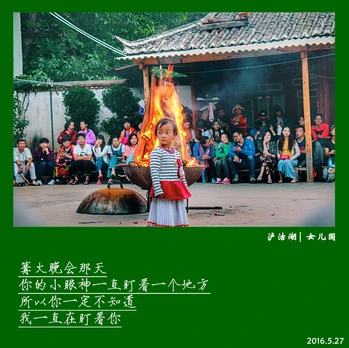
At Lugu Lake, I learned about Mosuo culture and attended a bonfire party. It was the legend of the Kingdom of Women, the story of Lover's Tears. Here, I felt the possibility of another kind of life.
Lijiang Ancient City: The Final Stop

Returning from Lugu Lake to Lijiang, I explored Lijiang Ancient City, Sifang Street, the Big Waterwheel, and Zhongyi Market. I stayed at the Lijiang Sunshine Small Yard Tengchan Tree Inn near the south gate of the ancient city. It didn't have Dali's tranquility, but it had its own kind of bustle.
I sat on the stone slabs of Sifang Street, watching the endless stream of people. There were girls playing handpans, wandering singers strumming guitars, and tourists holding children's hands. Everyone carried their own stories, briefly intersecting here before continuing on their separate paths.
Conclusion: Faraway Land and Hometown
The nine-day journey is over, but Yunnan has taken root in my heart. Dali's wind, flowers, snow, and moon, Lugu Lake's crystal-clear tranquility, Lijiang's smoky烟火 — all have become the faraway land and hometown I've never forgotten.
Some people say travel is about going from a place you're tired of to a place others are tired of. But I think travel is about discovering parts of yourself you never knew existed. On unfamiliar soil, you see your courage, your vulnerability, your loneliness, and your warmth more clearly.
If you ask me, is it safe for a woman to travel alone? I'd say safety depends on your preparation and mindset. Do your homework, stay vigilant, but don't let fear hold you back. The world is vast and worth seeing.
If you ask me, is Yunnan worth visiting? I'd say go. Get lost in Dali's ancient city, daydream by Lugu Lake's shore, listen to a song on Lijiang's Sifang Street. You'll find that some places are destined to be your hometown.
Finally, a few key tips:
- Transportation: The train from Dali to Lijiang is very punctual. I recommend the K9619 service.
- Accommodation: The single tatami room at Dali Washi Four Seasons Travel Hotel (Renmin Road branch) offers great value. Lakeside inns at Lugu Lake's Daluoshui Pier have good views; book early during peak season.
- Tickets: Lugu Lake entrance fee is 100 yuan; relevant ID cards may get you a half-price discount.
- Lake loop: Electric scooters cost 70 yuan per day (must return by 6 PM). Route: Luoshui Village → Lige → Lige Peninsula Viewpoint → Nisai Village → Lugu Lake Town → Walking Marriage Bridge → Caohai (Grass Sea) → Sichuan-side Lugu Lake → Langfang.
- Food: Dali's pea jelly (豌豆粉), spicy erkuai (rice cake), and ba rou mi xian (braised pork rice noodles) are all worth trying. Don't miss the big, juicy blueberries.
May you find your own faraway land and hometown on the road.
You should also read:

Body in Hell, Heart in Heaven: A Pilgrimage Through Tiger Leaping Gorge — A Dialogue Between Heaven and Earth
Body in Hell, Heart in Heaven: A Pilgrimage Through Tiger Leaping Gorge — A Dialogue Between Heaven and Earth Introduction: When the Gorge Splits Open Beneath Your Feet Some say Tiger Leaping Gorge is the closest place on Earth to the border between "hell" and…
Continue reading...
Cloud Travelogue · Dali of Wind, Flowers, Snow, and Moon: A Three-Day, Two-Night Journey of a Free Spirit
Cloud Travelogue · Dali of Wind, Flowers, Snow, and Moon: A Three-Day, Two-Night Journey of a Free Spirit I am a cultured female foodie with a touch of rogue charm. I slung on my backpack, took my lover's hand, and set off on a spontaneous…
Continue reading...
The Meaning of Travel – A Tengchong Story: A Journey of the Heart and Personal Growth
The Meaning of Travel – A Tengchong Story: A Journey of the Heart and Personal Growth Setting Out, Only to Return a Better Self Some say travel is nothing more than leaving a place you're tired of, only to go to a place where others…
Continue reading...