Yunnan's Colorful Clouds · Xishuangbanna: A Fantastical Journey Through the Tropical Rainforest
Yunnan's Colorful Clouds · Xishuangbanna: A Fantastical Journey Through the Tropical Rainforest
As the plane cut through the clouds, the patch of green forgotten by the Tropic of Cancer rushed toward me through the window—and I finally understood. Xishuangbanna, hailed as the "Kingdom of Plants" and "Kingdom of Animals," is far more than just a travel destination. It is a wondrous journey of deep dialogue with nature and humanity.
Why Xishuangbanna?
Xishuangbanna Dai Autonomous Prefecture sits on the southwestern border of China, on the northern edge of the tropics south of the Tropic of Cancer. It borders Pu'er to the east, Laos to the south, and Myanmar to the west, with the Lancang River (the upper Mekong) flowing through it like a silver ribbon. This land is famous for Pu'er tea, natural rubber, and tropical agriculture, but it is also known as a "biological gene bank" because it preserves China's most intact tropical ecosystem.
Arriving in May, the climate was perfectly comfortable—sometimes drizzling, sometimes bright and sunny, with the air carrying the fresh, unique scent of tropical plants. This region is home to many ethnic minorities—Dai, Jinuo, Hani, and others—living together in harmony, making the entire city feel like a living museum of ethnic culture.
Day One: Arrival in a Tropical Paradise
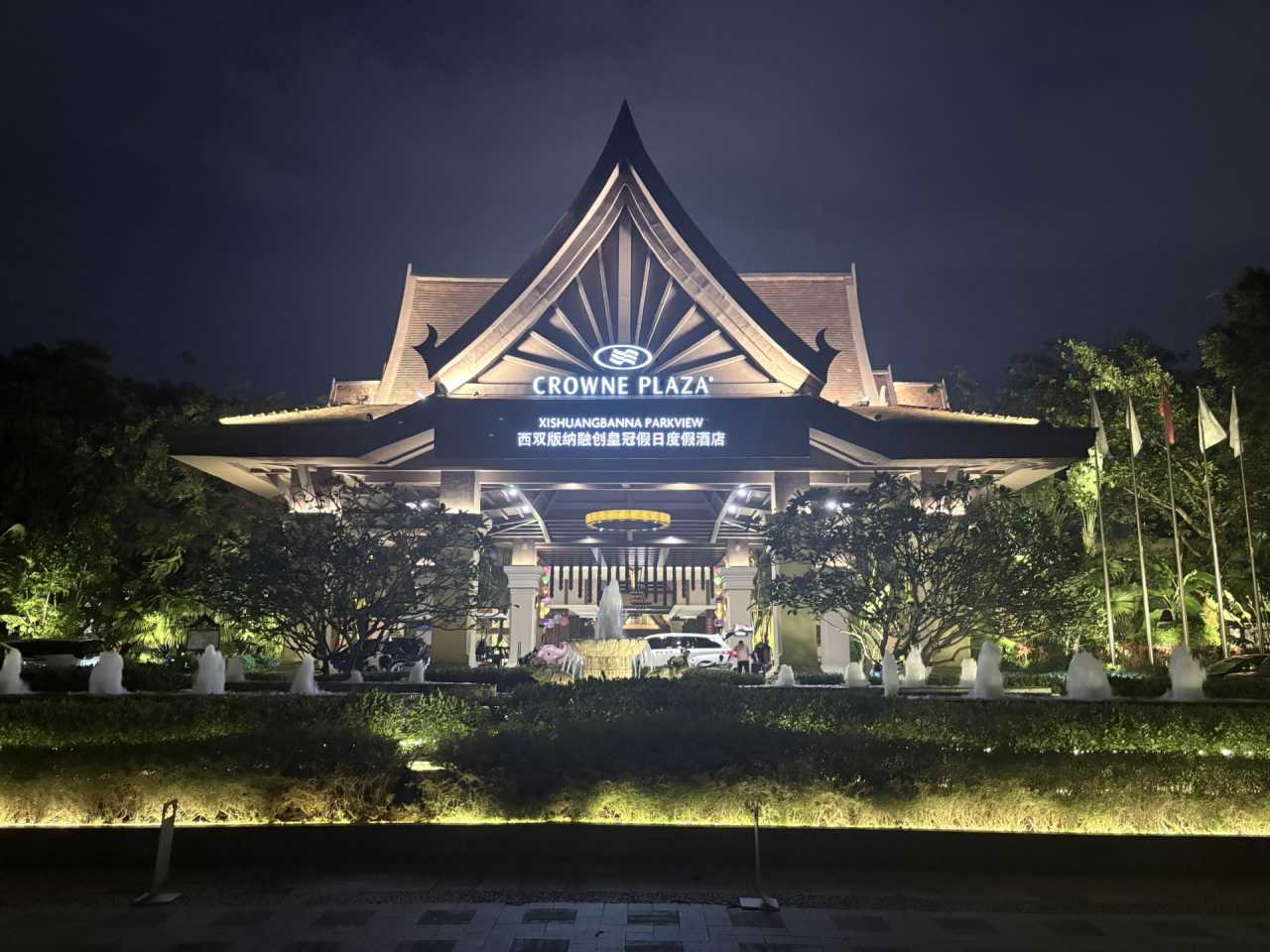
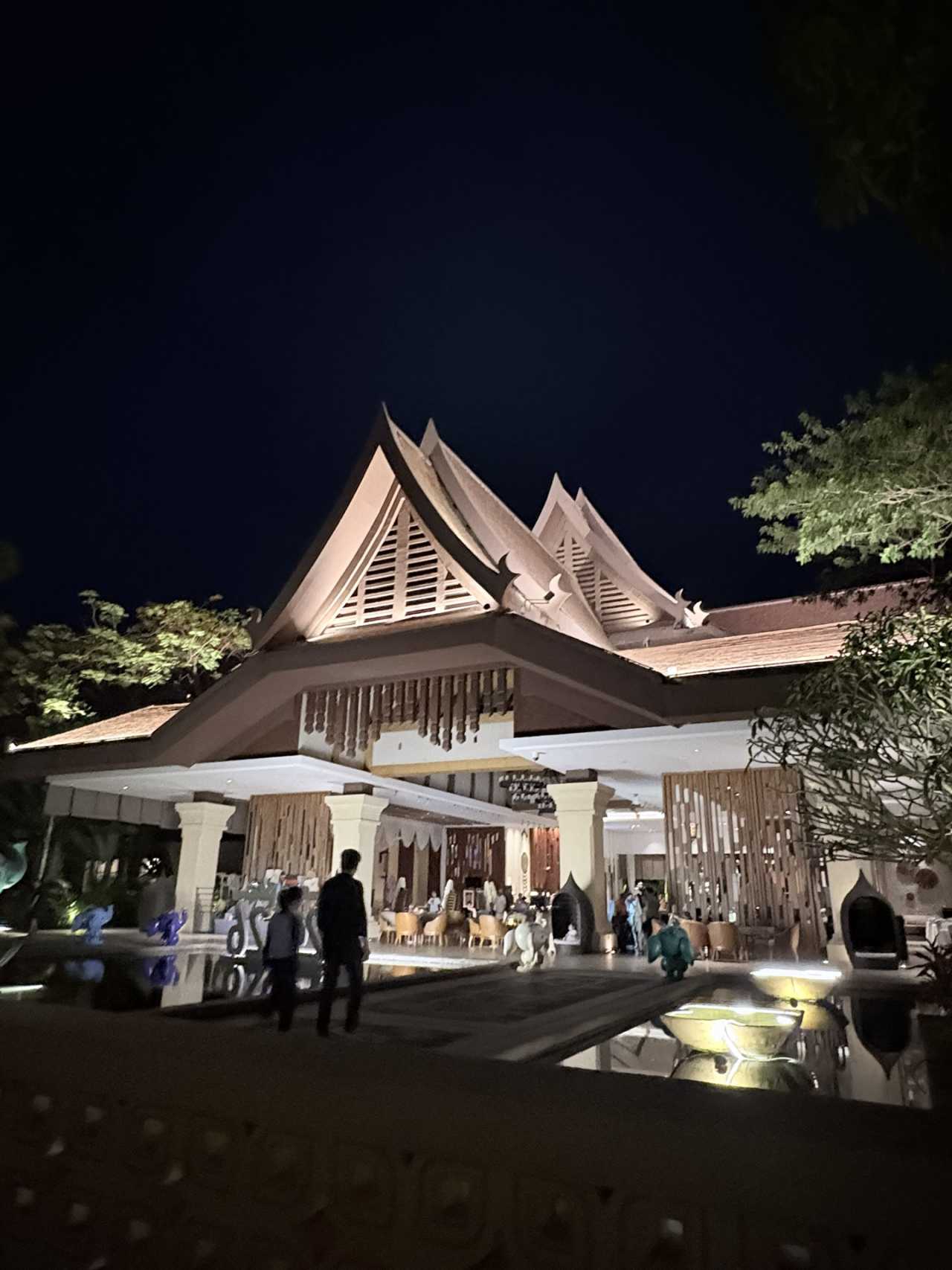
After a direct flight from Tianjin to Xishuangbanna—a journey of just over three hours—we checked into the Crowne Plaza Resort. Opening the window, tropical vibes hit us immediately: palm trees swaying in the breeze, the air thick with the scent of damp leaves and wood. In an instant, I felt myself "thawing" from the dryness of the north.
Day Two: Water-Splashing Carnival and a Night at the Botanical Garden
Morning: The Water-Splashing Frenzy at Dai Ethnic Park
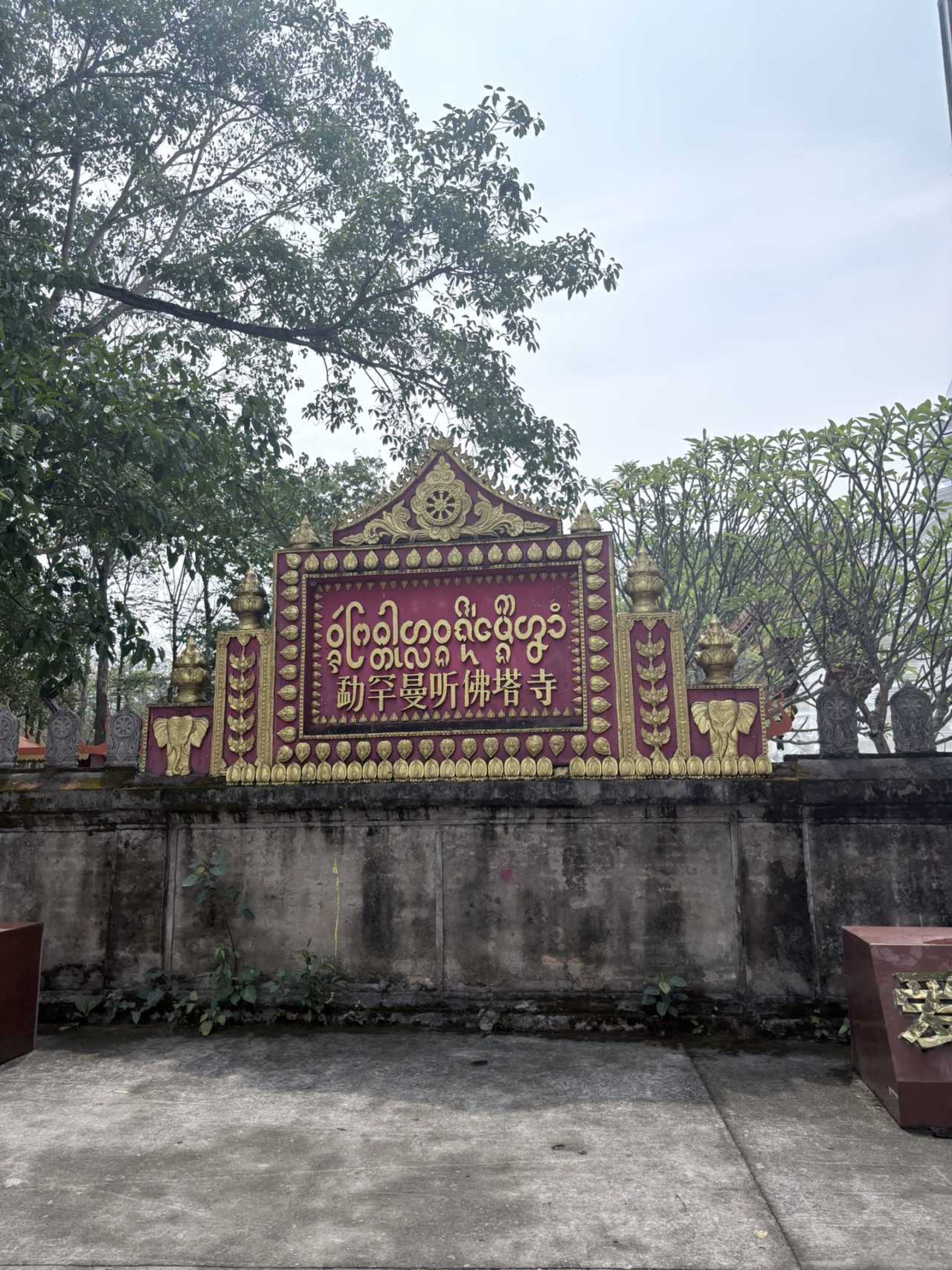
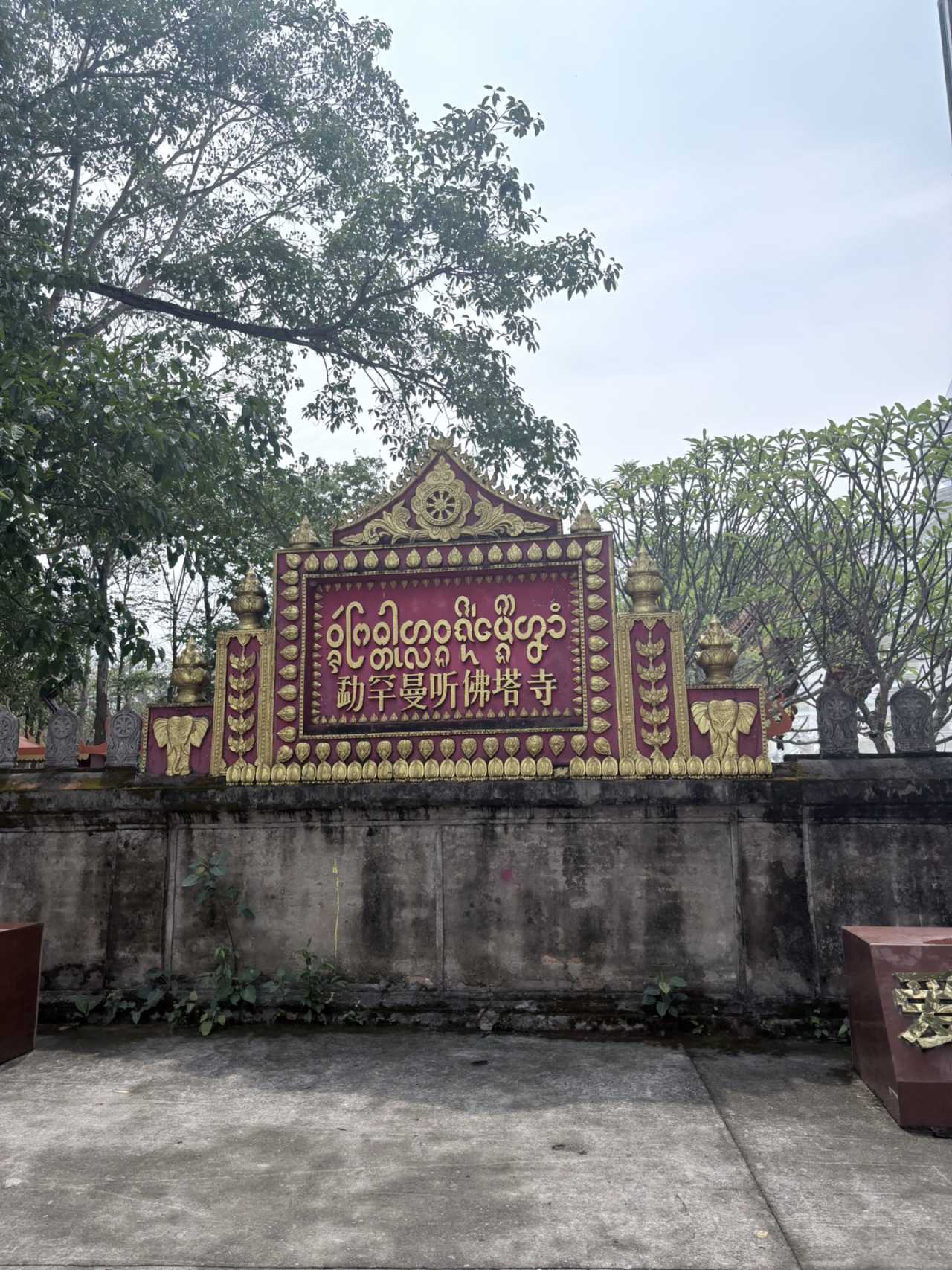
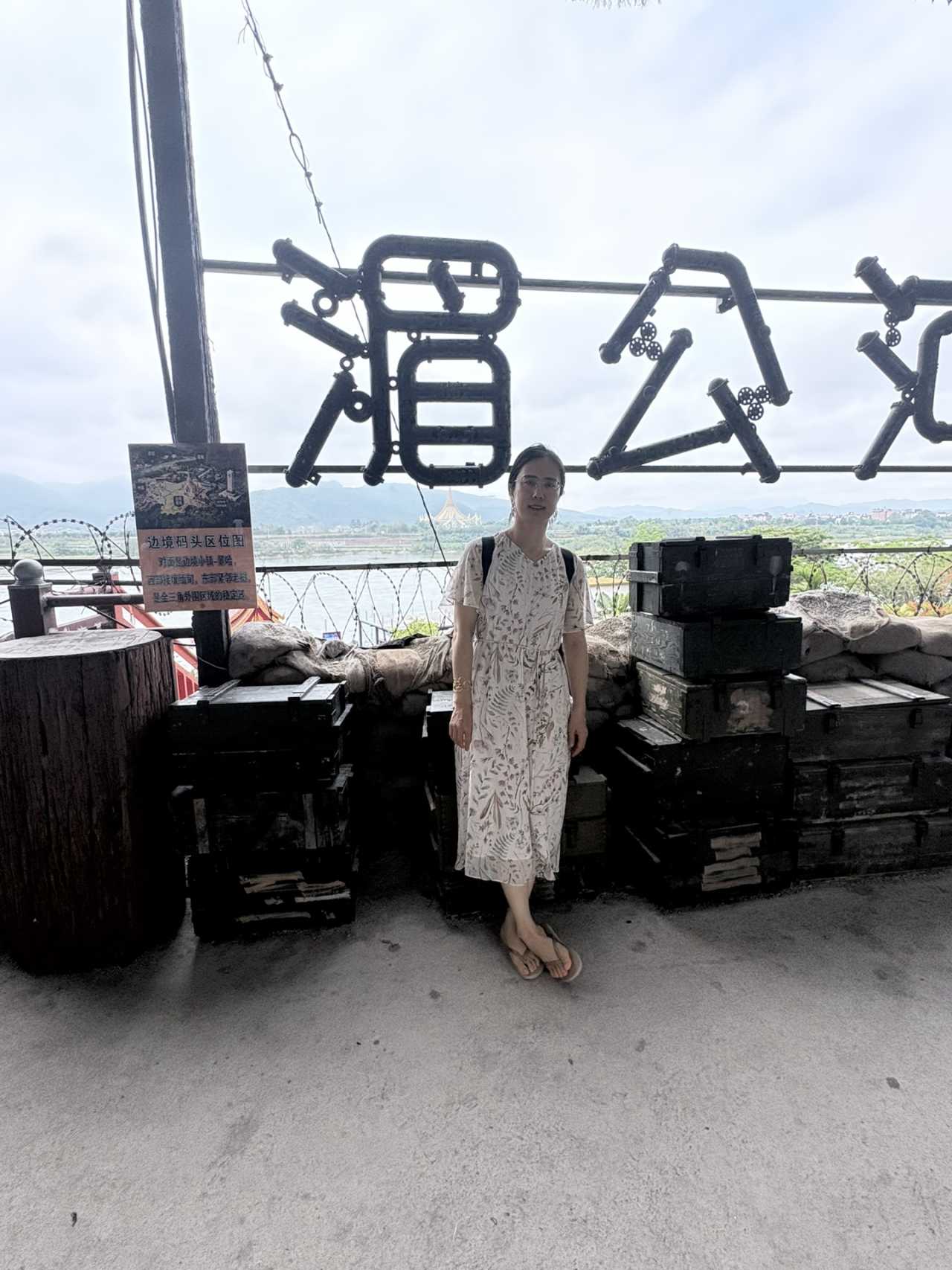
At dawn, we headed straight for Dai Ethnic Park. After buying tickets, we hopped on a sightseeing car and toured counterclockwise. Our first stop was the Border Pier, where the river flowed slowly past, and on the opposite bank lay a foreign land. Next came the Manting Pagoda—its golden, glittering spire shining brilliantly under the sun. Devout worshippers prayed before the Buddha, and the faint scent of incense lingered in the air.
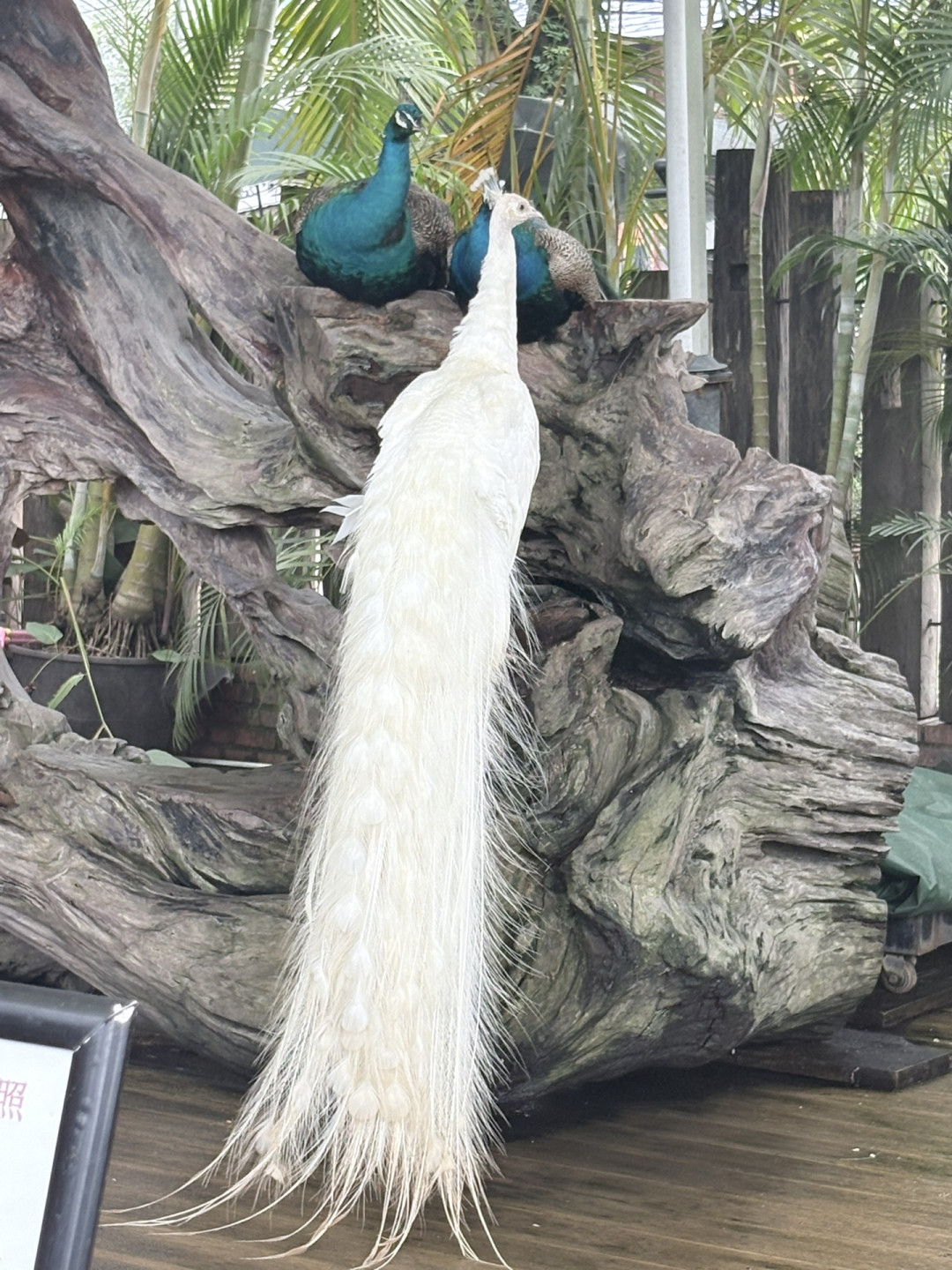
Our third stop was the Peacock Garden, where we sampled the signature "Peacock Feast"—a colorful array of Dai dishes arranged in the shape of a peacock spreading its tail. It was a feast for both the eyes and the taste buds.
At 2 p.m., the water-splashing event began right on time. This is the liveliest moment at Dai Ethnic Park. The square was packed with people, water splashing everywhere, laughter rising and falling. I strongly recommend wearing goggles—otherwise, you won't be able to keep your eyes open from all the water. A plastic basin is the best weapon for splashing; you can buy two for just 5 yuan (about $0.70) inside the park. As for raincoats? Completely useless. You'll get soaked anyway. If you don't want to be drenched, you can pay 19 yuan (about $2.60) for a shower, and they'll even give you a free basin.
Afternoon: Exploring the Chinese Academy of Sciences Botanical Garden
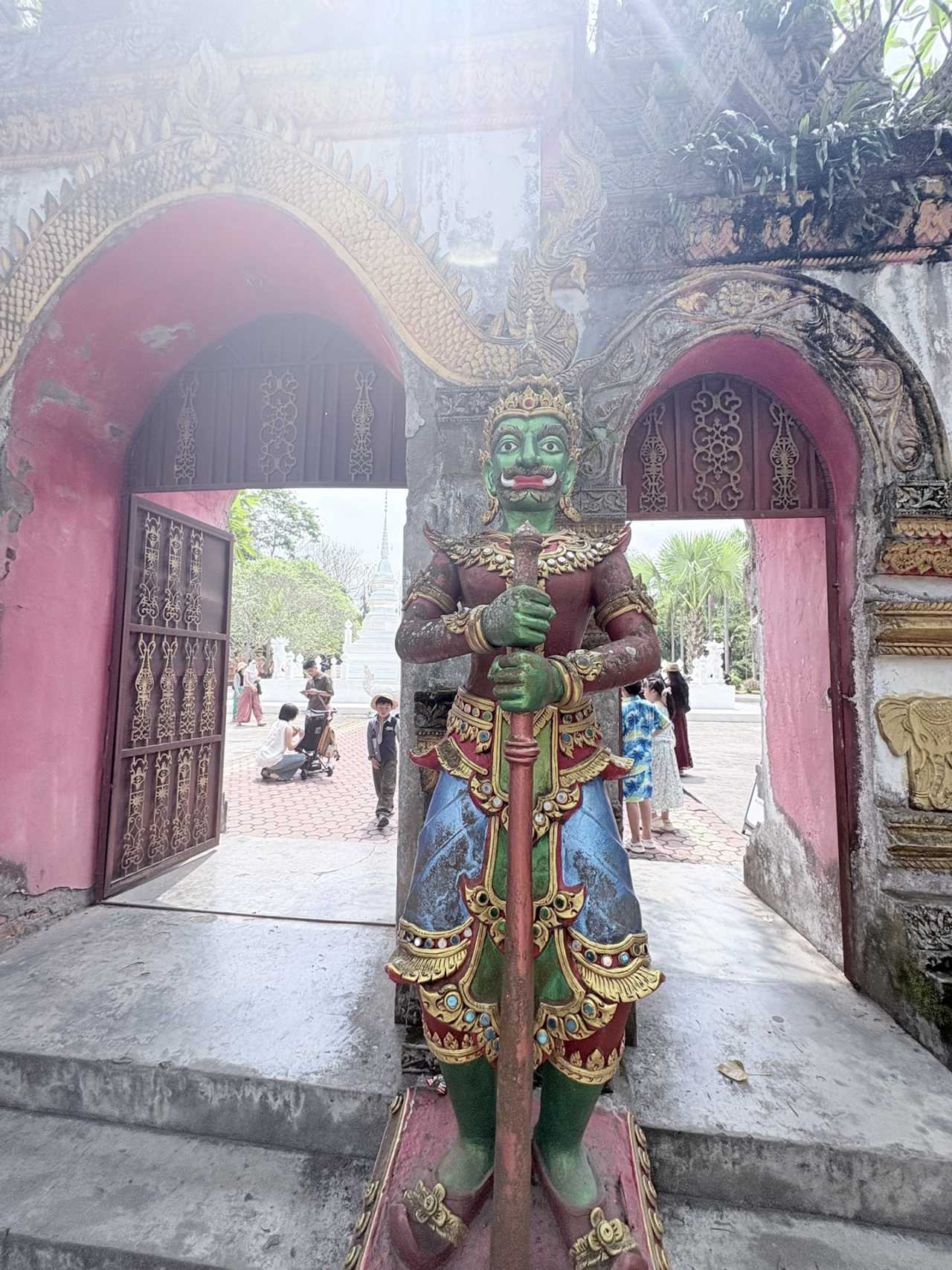
Leaving Dai Ethnic Park, we drove to the Chinese Academy of Sciences Botanical Garden. Booking a one-on-one guided tour and a night activity here was an absolutely wise choice.
The garden has sightseeing carts that make it easy to move between different zones. The most breathtaking sight was the giant Amazonian water lilies—their enormous leaves floating on the water's surface. Rumor has it that a mature lily pad can support the weight of a small child. The strangling fig trees were equally astonishing, wrapping around an oil palm like a giant python, slowly consuming it. Among the fallen leaves, we found the tailed seeds of the "Sky Gazing Tree" (Parashorea chinensis), oddly shaped like little darts.
As evening fell, we left the garden and ate at a small restaurant in a nearby town. At 7:30 p.m., the night tour began—focused on insects. Fireflies flickered in the darkness, stick insects camouflaged themselves as twigs, and caterpillars inched along leaves. We only saw a few fireflies, but that quiet, mysterious feeling will stay with me forever.
Day Three: Encounters with Culture and Wild Elephants
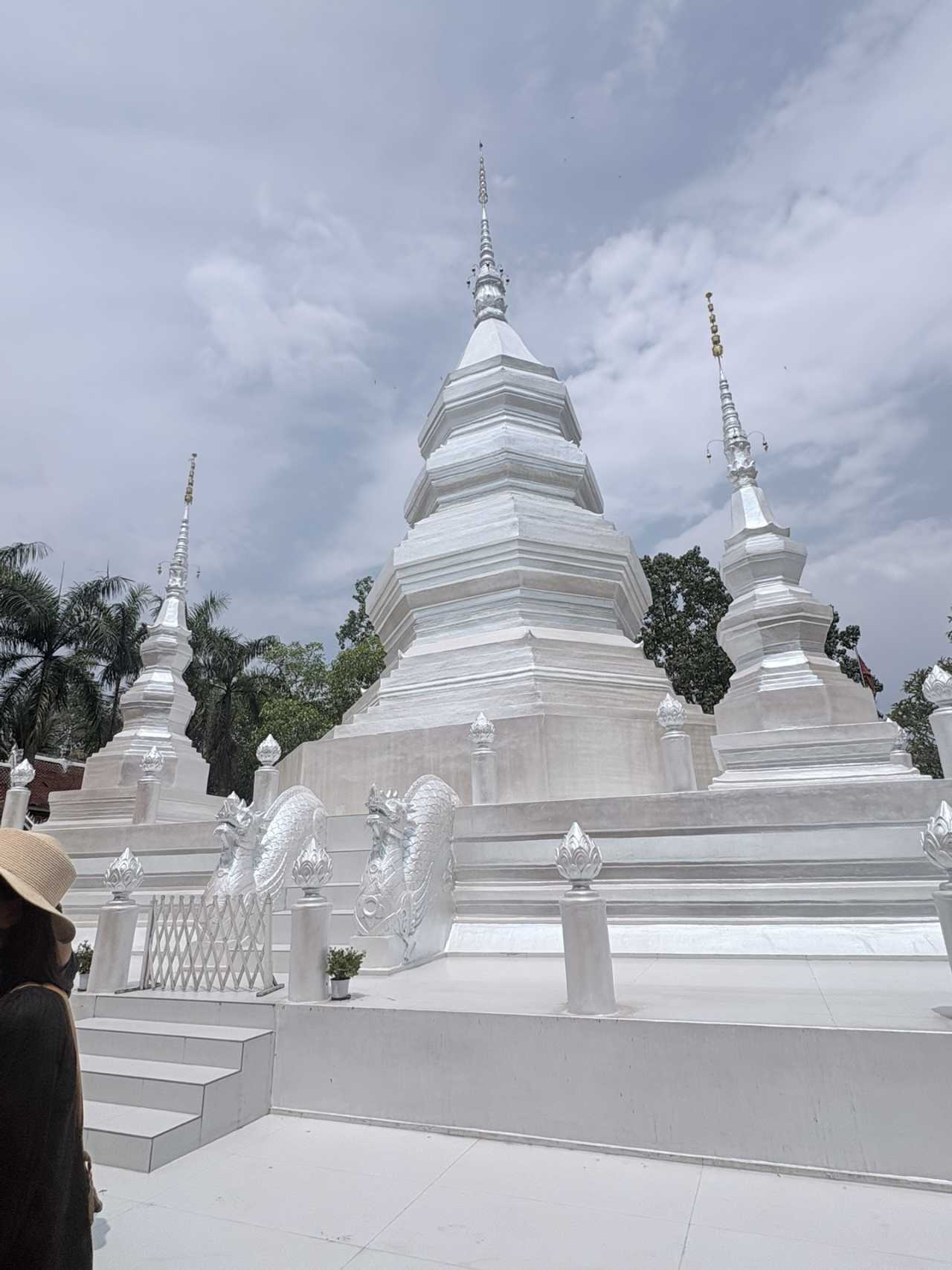
Morning: Palm-Leaf Manuscripts at Manzhang Village

Manzhang Village is a settlement that preserves the original Dai ethnic style. Here, we experienced the making of 贝叶经 (palm-leaf manuscripts). First, we wrote our text on pre-treated leaves with a pencil, then carved it with a steel-tipped pen, dyed it, and laminated it. The Dai script has been preserved through these palm-leaf manuscripts, which are said to last for a thousand years without decaying.
Later, at a Jinuo village, we learned that this ethnic group no longer has a written language. Legend has it that their script was carved on cowhide—but when they got hungry, they ate the hide, and the script was lost. This somewhat bittersweet story made me reflect on the fragility of culture.
For lunch, we tried 牛新果 (a local fruit with a sticky, glutinous texture)—it wasn't bad. We also had grilled chicken and sweet sticky rice—simple but satisfying.
Afternoon: A Surprise Encounter at Wild Elephant Valley
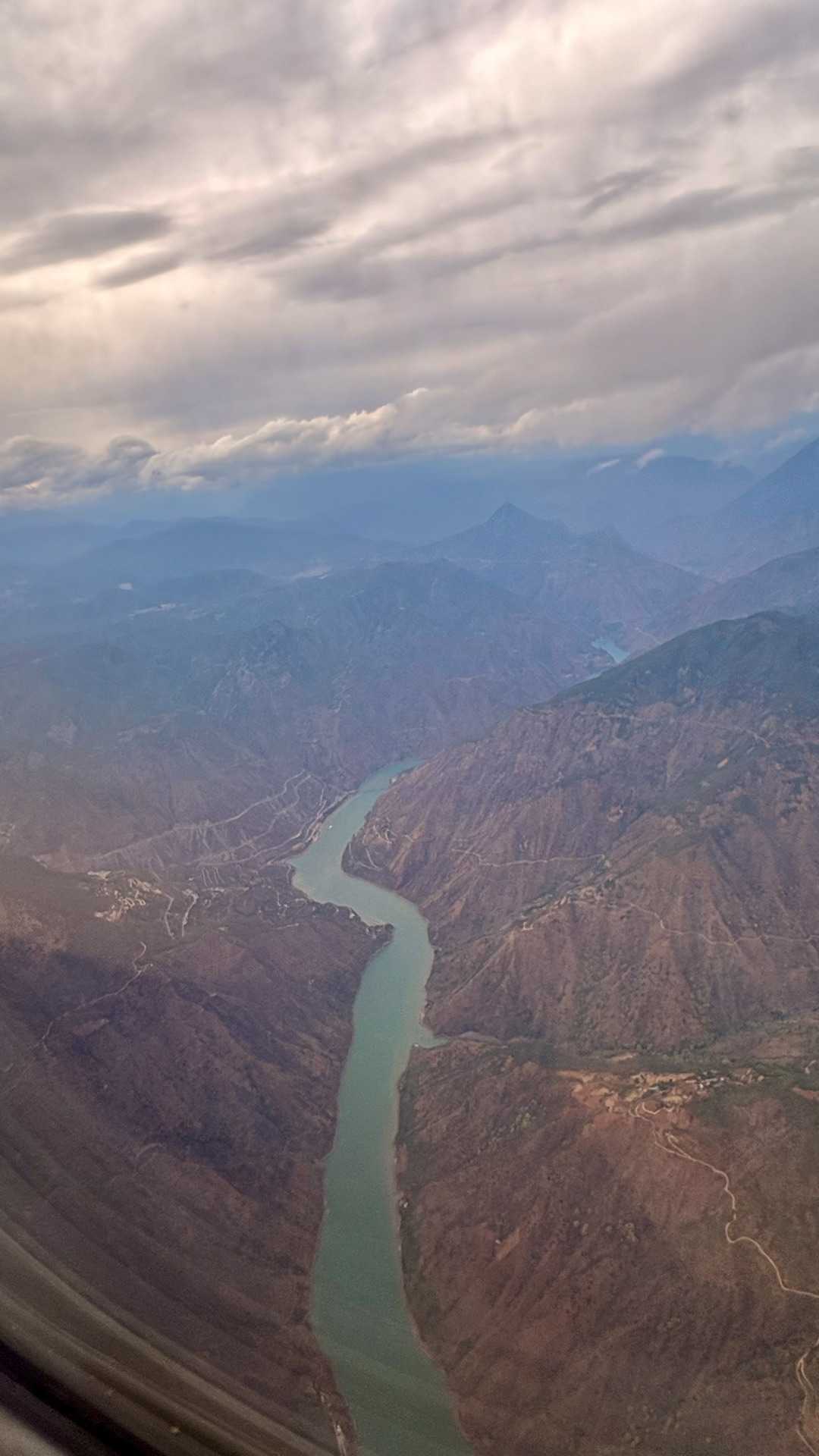
In the afternoon, we set off for Wild Elephant Valley. The park has a science education area (where you can watch elephant shows and feed them), a butterfly garden, and ethnic performances. We headed straight for the eastern observation platform—the best spot to spot wild elephants. Lucky for us, we actually saw one. It strolled leisurely through the jungle, occasionally flicking its trunk, completely ignoring our presence.
The last elephant show started at 4:30 p.m. Afterward, the elephants were waiting right outside for feeding. There were two options: a 30-yuan (about $4) bowl with only cucumbers, or an 80-yuan (about $11) bowl with a richer variety. We chose the 80-yuan option and watched as the elephant curled its trunk around the food and brought it to its mouth—adorably clumsy.
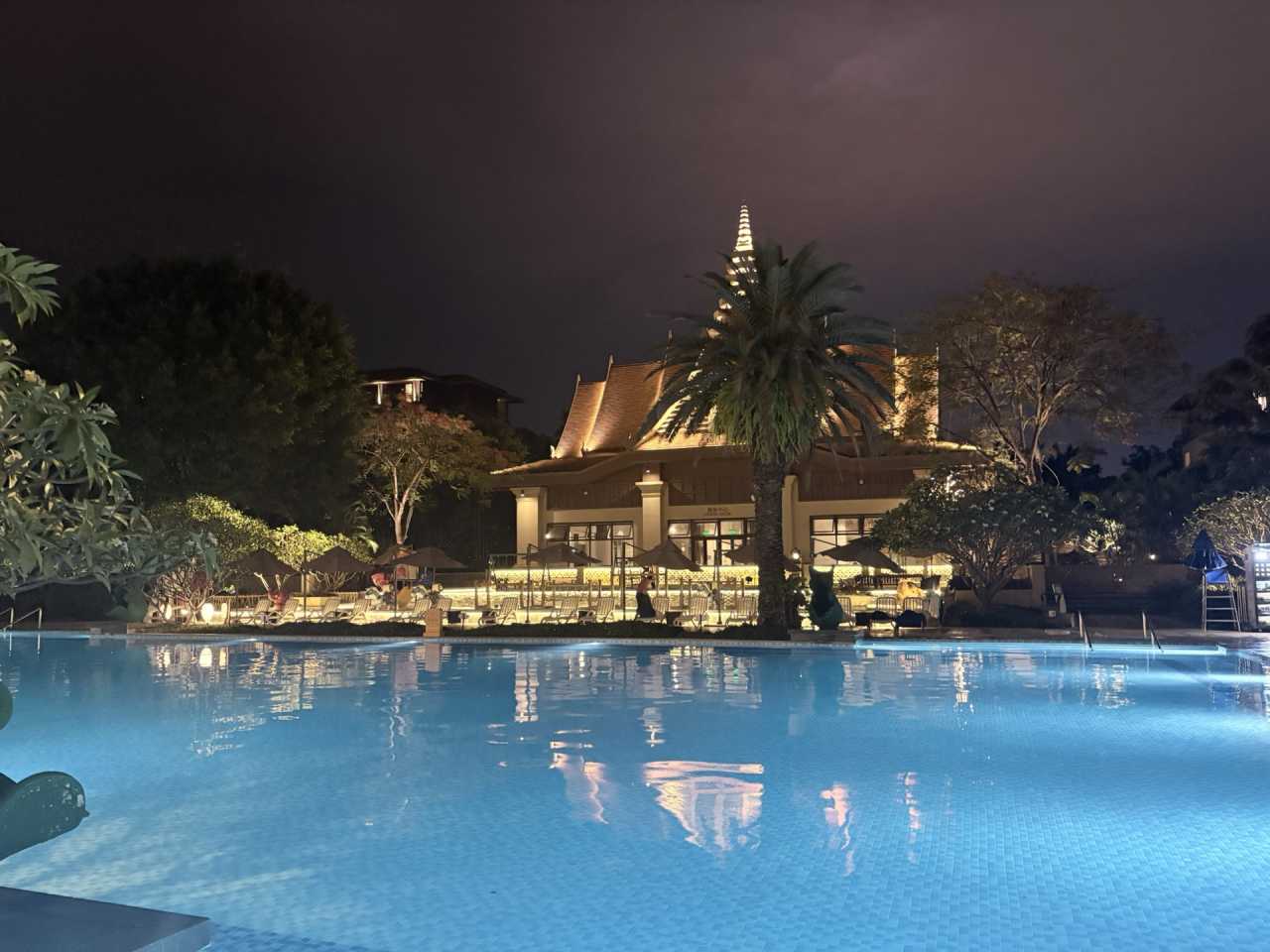
We got back to the hotel early, so we swam for a while in the outdoor pool. On a tropical night, the water temperature was just right.
Day Four: Rainforest Hiking and City Strolling
Morning: Hiking in Jinuo Mountain
Jinuo Mountain is the homeland of the Jinuo ethnic group. Due to a previous accident, activities like tree rappelling had been suspended, so there weren't many people around. There are said to be over 50 hiking routes; we took the easiest one. We needed to bring our own rain boots, so we ordered a pair via Taobao flash delivery to the hotel—saving us a lot of trouble.
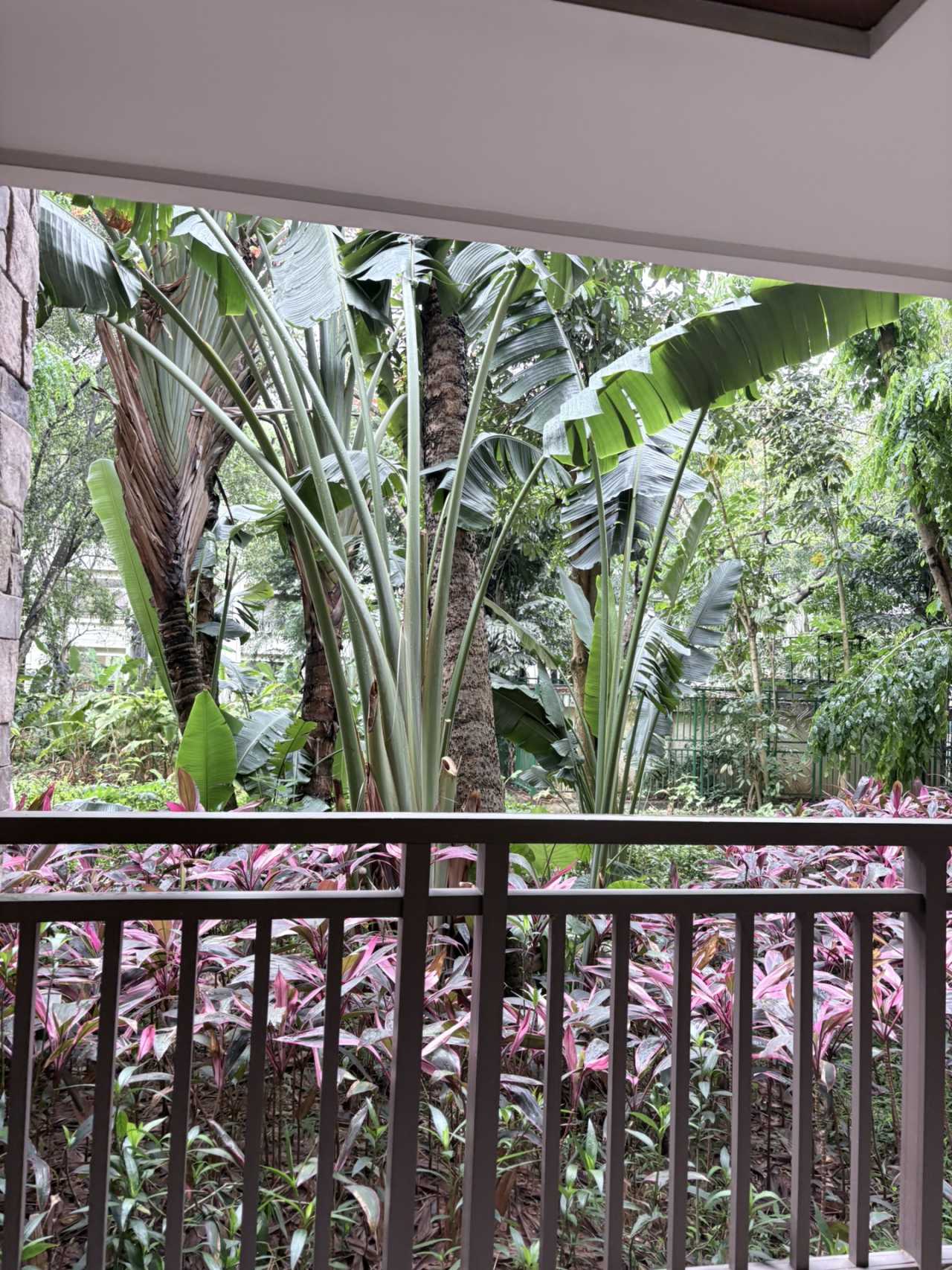
In the rainforest, the air was humid and fresh, and the bizarre shapes of the plants were mesmerizing. After two hours of walking, we were a bit tired, but the feeling of becoming one with nature was beyond words.
Afternoon: The General Buddhist Temple and Manting Royal Garden
We returned to the hotel for a midday rest. Around 3 p.m., when the heat had eased a bit, we visited the General Buddhist Temple and Manting Park.
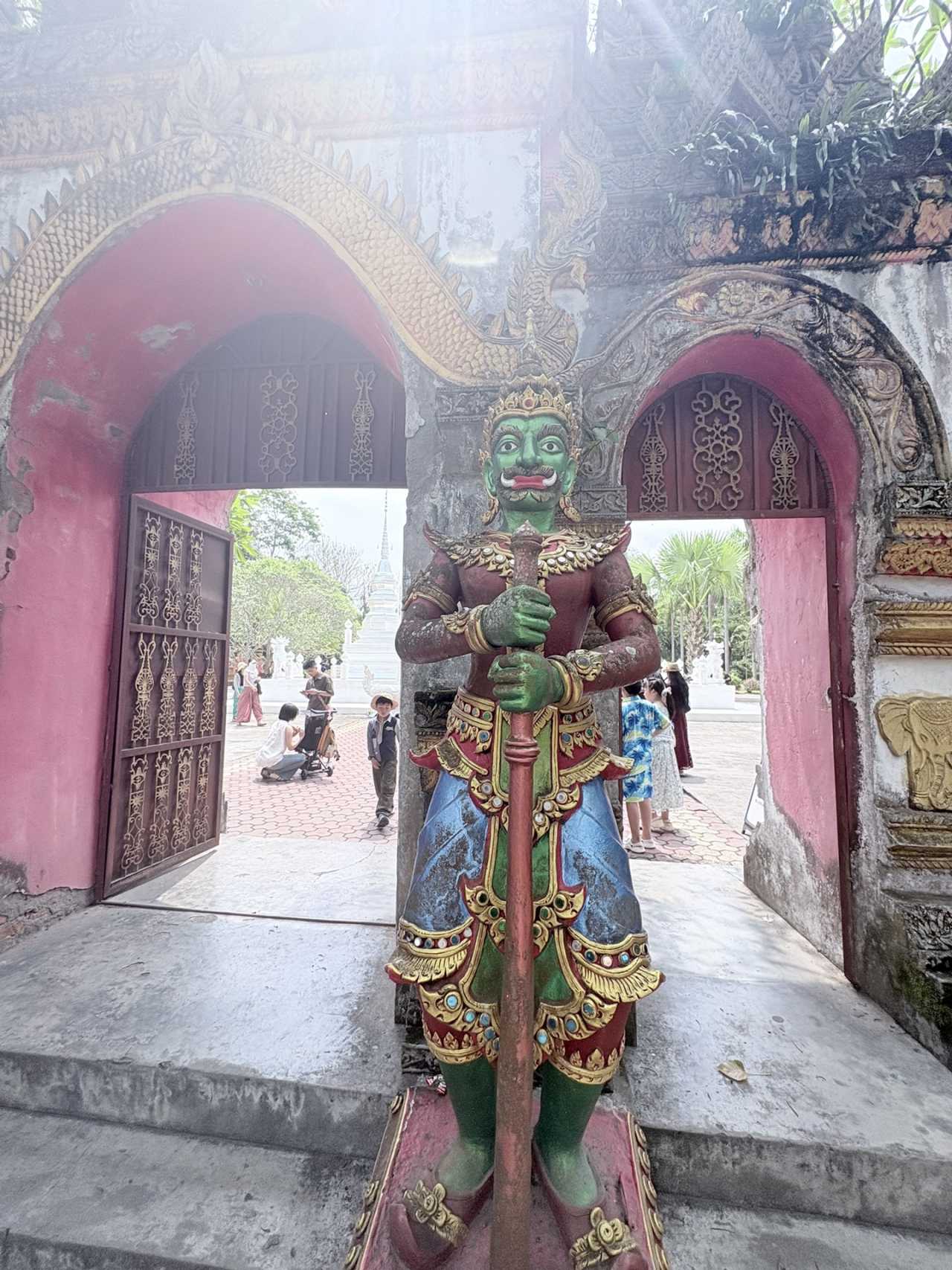
The General Buddhist Temple is free to enter, yet it's one of the most beautiful temples I've ever seen. Golden pagodas, exquisite murals, devout worshippers—every corner radiated sanctity and solemnity. Next door, Manting Royal Garden costs 40 yuan (about $5.50) for entry, and you can spend two hours exploring it. The park was full of young women dressed in traditional Dai clothing, taking photos—their colorful skirts dazzling under the sunlight.
Evening: The Starry Night Market
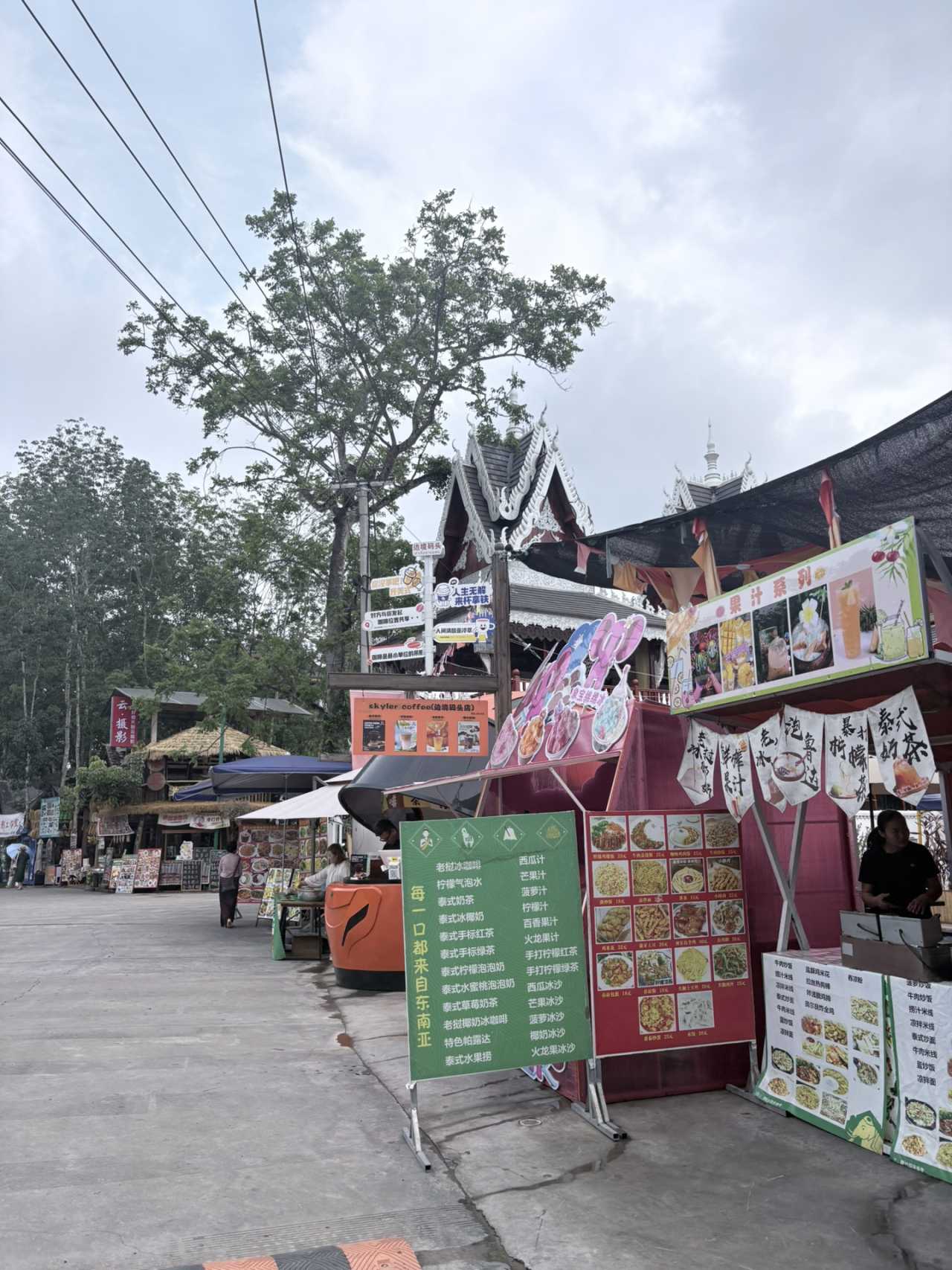
After dinner, we took a taxi to the Starry Night Market. It's actually a vast area made up of several connected night markets, and only the section south of the Great Golden Pagoda is officially called the Starry Night Market. So, find the pagoda, and you've found the market.
The market sells food, clothes, hand-painted items, and crafts. It's highly commercialized, but it looks stunning in photos. With lights twinkling everywhere and the buzz of the crowd, you can't help but pull out your phone and snap picture after picture.
Day Five: Going Home with Memories
At dawn, we set off for home under the rising sun. During our layover in Lijiang, we—dressed in shorts and T-shirts—shivered among a crowd of people in down jackets. Just within one province of Yunnan, we experienced firsthand what it means to have "vast land, diverse climates."
Final Thoughts: Practical Tips for Xishuangbanna
- Best Season: May offers comfortable, cool weather with frequent rain followed by clear skies—an ideal time to visit.
- Essential Gear: Goggles (for water-splashing), rain boots (for rainforest hiking), sunscreen, and mosquito repellent.
- Money-Saving Tips: Basins cost 5 yuan for two inside the park; a 19-yuan shower gets you a free basin. At Wild Elephant Valley, the 80-yuan feeding option offers better variety.
- Must-Do Experiences: The water-splashing carnival, the botanical garden night tour, making palm-leaf manuscripts, rainforest hiking, and the Starry Night Market.
- Transportation Advice: Taxis are convenient within the city; for attractions farther out, consider hiring a private driver or renting a car.
Xishuangbanna—this tropical secret forgotten by the Tropic of Cancer—taught me something in its own unique way: The meaning of travel isn't about how many places you've been, but about those moments that make you stop and hold your breath. When fireflies flicker in the darkness, when a wild elephant walks right past you, when the laughter of the Water-Splashing Festival echoes in your ears—you realize that life can be so simple, and so beautiful.
You should also read:

God’s Abandoned Palette: A Self-Drive Journey Through Yunnan’s Dongchuan Red Land
God’s Abandoned Palette: A Self-Drive Journey Through Yunnan’s Dongchuan Red Land Travel has never been about reaching some distant geographic coordinate. It’s about encountering, along the way, the version of yourself buried beneath the rubble of daily routine. During this May Day holiday, I finally…
Continue reading...
Body in Hell, Heart in Heaven: A Pilgrimage Through Tiger Leaping Gorge — A Dialogue Between Heaven and Earth
Body in Hell, Heart in Heaven: A Pilgrimage Through Tiger Leaping Gorge — A Dialogue Between Heaven and Earth Introduction: When the Gorge Splits Open Beneath Your Feet Some say Tiger Leaping Gorge is the closest place on Earth to the border between "hell" and…
Continue reading...
Cloud Travelogue · Dali of Wind, Flowers, Snow, and Moon: A Three-Day, Two-Night Journey of a Free Spirit
Cloud Travelogue · Dali of Wind, Flowers, Snow, and Moon: A Three-Day, Two-Night Journey of a Free Spirit I am a cultured female foodie with a touch of rogue charm. I slung on my backpack, took my lover's hand, and set off on a spontaneous…
Continue reading...