❤ Eloping to Yunnan ❤: A Spontaneous 6-Day, 5-Night Journey Through Lijiang, Lugu Lake, Erhai Lake, and Dali
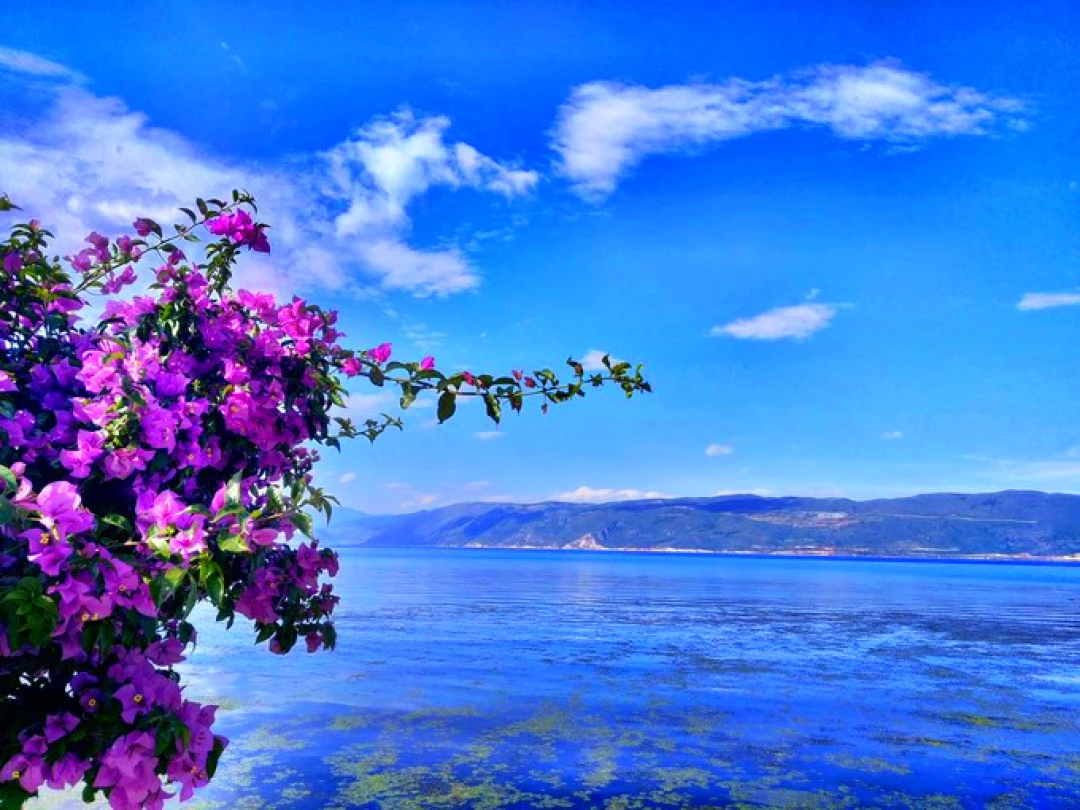
❤ Eloping to Yunnan ❤: A Spontaneous 6-Day, 5-Night Journey Through Lijiang, Lugu Lake, Erhai Lake, and Dali
Foreword: A Spontaneous Trip Is What Youth Is All About
Have you ever had that moment? An idea swirling in your mind for months, until one day you decide to stop waiting, stop hesitating. You throw on your backpack, pack your adaptable heart, and set off for an unknown adventure.
On May 29, 2017, my best buddy and I did exactly that—we "eloped" to Yunnan.
We didn't check the weather forecast. We didn't make detailed plans. We didn't even have a solid itinerary. The only things we brought were curiosity about the unknown and a longing for freedom. Yunnan—that sacred destination for backpackers everywhere—finally unfolded its enchanting landscape beneath our feet.
Over six days and five nights, we wandered through Lijiang Ancient Town's glittering nightlife, soaked in the serene depths of Lugu Lake, embraced the gentle winds of Erhai Lake, and touched the weathered history of Dali Ancient Town. This was a journey about scenery, about encounters, and about ourselves.
Trip Overview: Our "Elopement" Route
- DAY 1: Chengdu → Flight → Lijiang → Lijiang Ancient Town
- DAY 2: Lijiang → Bus → Lugu Lake
- DAY 3: Lugu Lake → Bus → Lijiang
- DAY 4: Lijiang → Bus → Dali (Dali Ancient Town + Erhai Lake)
- DAY 5: Dali → Bus → Kunming
- DAY 6: Kunming → Flight → Chengdu
Chapter One: First Sight of Lijiang—The Smoke and Stories of the Ancient Town
From Chengdu to Lijiang: A Flight on a Whim

At 2:55 PM, the plane took off from Chengdu. As the clouds outside the window gradually dispersed, we caught our first glimpse of that legendary land—Yunnan.
By nearly 6 PM, the plane landed in Lijiang. The moment we stepped out of the cabin, a cool breeze swept over us, instantly dispelling the summer heat. Lijiang's evening air carried a crispness that revitalized the spirit.
We had booked a guesthouse near the ancient town in advance on Ctrip—"Lijiang Xiangshe Inn." Taking the airport bus there was so convenient it almost moved us to tears. The innkeeper and his wife were unbelievably warm—not only did they help us with our luggage, but they also brewed tea for us to taste and even drew a "food map" marking all the restaurants and sights worth visiting in the ancient town. The inn was clean and tidy, and its location was perfect—just a few minutes' walk from the Big Waterwheel, and a five-minute stroll from the bus stop for Lugu Lake. It felt tailor-made for lazy travelers like us.
Hunting for Food in the Ancient Town: From Rice Noodles to Smoked Pork Ribs
After a day of travel, our stomachs were protesting loudly. Though our backpacks were stuffed with snacks, we decided to enter the ancient town on empty stomachs to save room for local delicacies.
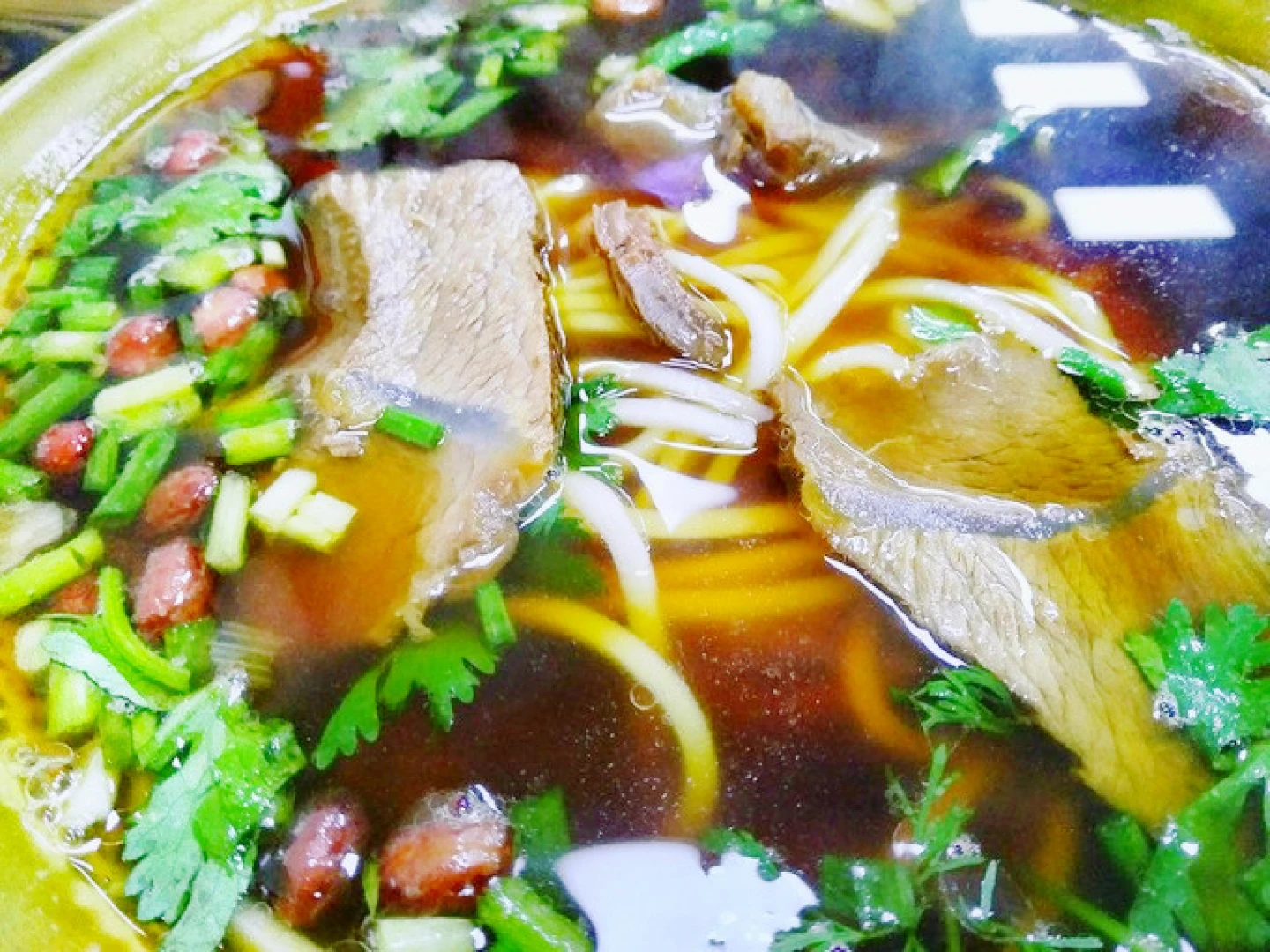
Near the ancient town, shops selling flower cakes and cross-bridge rice noodles were everywhere. We walked into a noodle shop and were stunned by the menu—the cheapest option, "Scholar's Rice Noodles," cost 28 yuan, while at school it was only 15 yuan. The price gap was enough to make us retreat. While the owner wasn't looking, we quietly slipped out. Tourist area prices, as expected, lived up to their reputation.
Later, outside the ancient town, we discovered a snack called "er si" (rice shreds). It resembled rice noodles but had a softer, chewier texture since it's made from rice. One bite, and we were hooked.
Lijiang Ancient Town at Night: Wishing Wind Chimes and Bar Street
After 7 PM, the ancient town maintenance fee was no longer charged. Like two kids who'd just gotten a "free pass," we excitedly entered Lijiang Ancient Town.
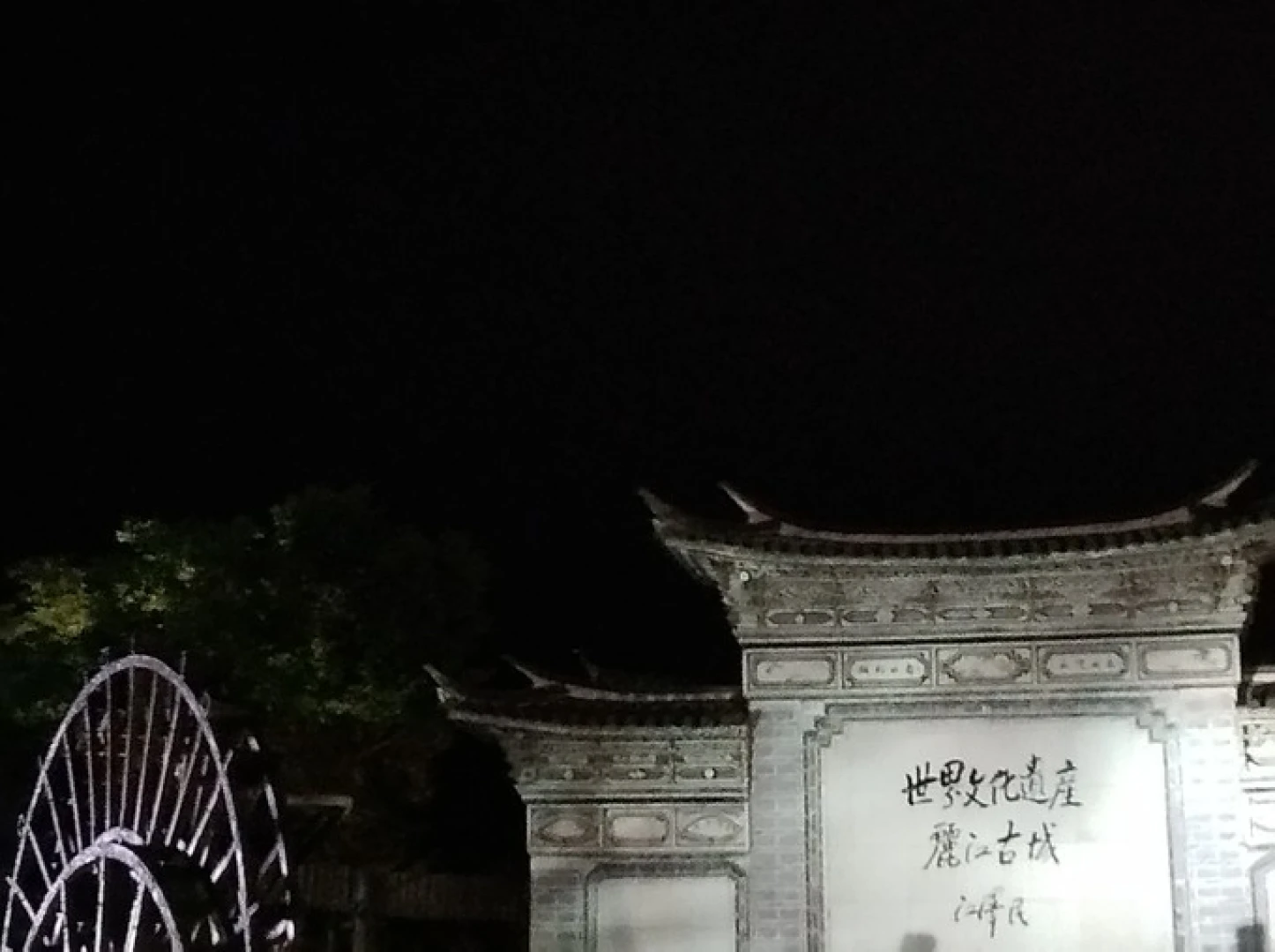
Our first stop was, of course, the iconic Big Waterwheel. This spot had become a must-visit photo op for tourists, packed with people. Beside the waterwheel hung Dongba wishing wind chimes. Rumor had it that wishes made here came true, and many visitors had devoutly written down their hopes. Those brand-new wishing plaques seemed to whisper stories of dreams just beginning.
Following the waterwheel straight ahead led to the famous Bar Street. The bars here were wildly diverse—some had everyone dancing wildly together, others featured singers strumming guitars and performing quiet folk songs, some had bands playing covers, and a few even showcased Yunnan's unique ethnic music. Every bar held souls passionate about music, their voices carrying stories, emotions, and countless joys and sorrows.
I wandered through the ancient town's alleys with my phone in hand. Though I hadn't brought my DSLR, those accidentally discovered corners and decorations became the most beautiful scenes through my lens.
Chapter Two: Lugu Lake—The Waters and Legends of the Kingdom of Women
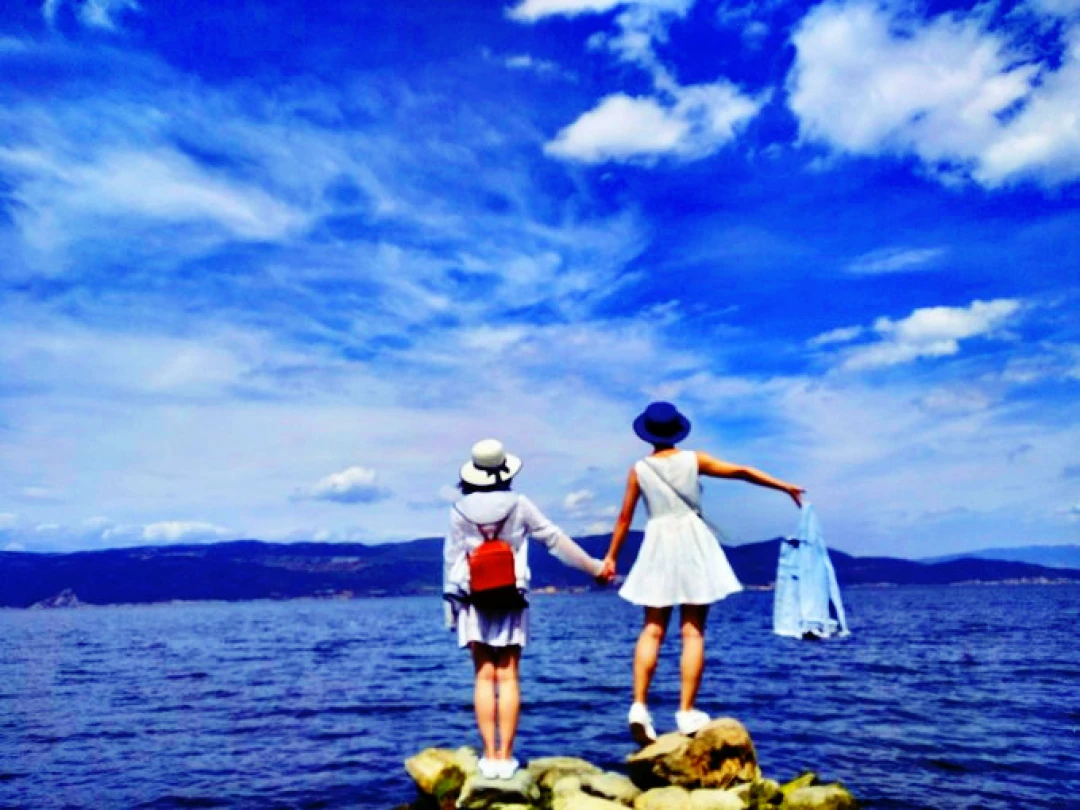
A 4-Hour Bus Ride for a Glimpse of "Goddess Water"
Early the next morning, we boarded a bus to Lugu Lake. The ride took four hours, but the scenery along the way made time fly.
We'd bought our bus tickets through a group-buying app—80 yuan per person for a round trip. The bus picked up passengers at different stops, which was very convenient. Along the way, the driver made two stops: one at a viewing platform, and another at a spot called "18 Curves Mountain Road." Every stop tempted us to keep clicking our cameras.
Our driver was a Mosuo native of Lugu Lake, whom we called "Uncle Wanzai." He regaled us with stories about Lugu Lake throughout the journey, filling us with anticipation for this mysterious place.
Lugu Lake: China's Second-Largest Plateau Lake
Lugu Lake is China's second-largest plateau lake (the largest is Qinghai Lake). Its deepest point reaches 93 meters, with an average depth of 45 meters and water visibility of 12-15 meters. The lake covers over 50 square kilometers, featuring five full islands and two peninsulas. Among them, Lige Peninsula and Daluoshui Village boast the most beautiful scenery and easiest access, making them the top choices for most travelers.
Lugu Lake's water is classified as first-class quality, earning it the nickname "Goddess Water." The legendary "Kingdom of Women" from "Journey to the West" was inspired by this place. Uncle Wanzai joked, "Drink a sip of Lugu Lake water, and you'll get pregnant!" Though it was just a joke, we were told that at Lugu Lake, you must take a "Goddess Bath" at night—bathing in the lake water is incredibly refreshing.
The Mosuo People's "Walking Marriage" Culture
The people living around Lugu Lake are the Mosuo, not the Mosuo ethnic group. The Mosuo have only a spoken language, no written script, and are China's only matrilineal society, practicing a "walking marriage" system. In the Mosuo language, "Axia" means wife, and "Azhu" means husband. Couples don't live together; they only meet at night.
Bonfire parties are important occasions for walking marriages. During the dance, everyone holds hands. If a man likes a woman, he scratches her palm—remember, three times. If the woman likes him back, she scratches his palm three times in return. Then they agree on a secret signal, like a cat's meow, a dog's bark, or throwing pebbles. Later that night, the man can go "walking marriage."
When walking marriage, a man brings three treasures: a hat (hung outside the "flower room" to signal someone's inside), a knife (for climbing—men don't enter through the front door but climb through the second-floor window, called "climbing the flower tower"), and dog treats (every Mosuo household keeps dogs that bark at night). Women live in the "flower tower," and their rooms are called "flower rooms." Men typically have no rooms of their own; historically, they stayed in "grass towers."
Panoramic View of Lugu Lake: The Legend of Gemu Goddess Mountain
Lugu Lake's entrance fee is 100 yuan, with a half-price discount for students.
At the ticket office, you can see the full panorama of Lugu Lake. The distant mountain is called "Gemu Goddess Mountain." Legend says it's a pregnant goddess lying in the lake, guarding Lugu Lake. From afar, the mountain's shape indeed resembles a pregnant woman—head, chest, and belly all clearly visible.
Daluoshui Village: Rain on Dragon Boat Festival
We stayed in Daluoshui Village, with our guesthouse right by the lakeside. It was Dragon Boat Festival, and the innkeeper said there'd been a rowing competition that morning. Unfortunately, we arrived at 1 PM, long after it had ended. To make matters worse, the sky opened up with rain, as if welcoming us. My little dress was completely useless.
But after the rain, the lakeside had a unique beauty. The water was crystal clear, cool and refreshing. A plant called "watery narcissus" grew in the lake—supposedly edible. Colorful pig-trough boats sat quietly by the shore, like a painting.
We asked a passerby to take a group photo for us. Since it had just rained, we looked a bit dark in the picture, but our smiles were genuine.
Lige Peninsula: Making a Heart on Heart-Shaped Island
Lige Peninsula is the most beautiful part of Lugu Lake. Almost all promotional videos for Lugu Lake are filmed here. It's also called "Heart-Shaped Island" because from above, the lake water forms the shape of a heart.
To capture the entire heart, you'd probably need a ladder. But even capturing just a part, you could see the heart-shaped outline. Uncle Wanzai took a photo of my buddy, perfectly holding the heart-shaped island in her hand—a heart sign ❤.
This was also the border between Sichuan and Yunnan. We "walked" from Yunnan to Sichuan and couldn't stop taking photos.
Bonfire Party: From Circle to "Mosquito Coil"
That evening in Xiaoluoshui Village, the bonfire party was lively. Both the first and second floors were packed with people. We arrived late and had to stand.
First, the Mosuo performed a bonfire dance for everyone, then invited everyone to join. The circle grew larger and larger until it looked like a "mosquito coil." After the dance, there were mountain song duets—group singing and individual performances, all spectacular.
Finally, we could take photos with our favorite guys or girls. That night, my buddy and I had a blast.
Though we didn't see the star-filled sky or enjoy the stunning sunrise, we were on the road with adaptable hearts, so it was still a wonderful journey.
Chapter Three: Lijiang Again—Getting Lost in the Ancient Town's Alleys
Morning at Lugu Lake & the Comfort of Smoked Pork Ribs
The next morning, we enjoyed the peaceful Lugu Lake, then endured another four-hour bus ride back to Lijiang.
By the time we returned to the guesthouse, it was 2 PM, and our stomachs were growling. The ancient town was still charging its maintenance fee, so we decided to eat outside. The innkeeper recommended smoked pork ribs on Xiangshan Street—plenty of meat, delicious flavor, and thoroughly satisfying.
Lion Mountain Views & A'an Yogurt
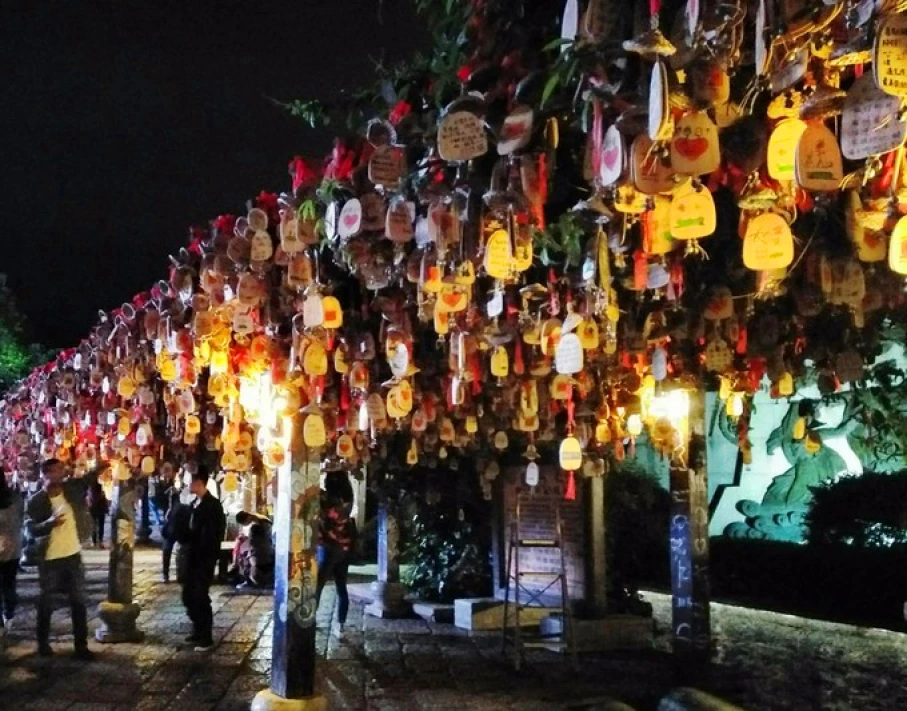
After eating, we wandered around and ended up at Lion Mountain. Lijiang has many pictographic characters, and many shop names are written in this script, looking incredibly cute.
From Lion Mountain, we walked back into the ancient town. The sun had come out, and the sky was beautiful as a painting. I loved Lijiang's clouds—so free, so ethereal.
In the bottom left corner was A'an Yogurt, a shop highly recommended by the innkeeper. We ordered a fruit platter yogurt—rich flavor, delicious.
Dabin's Little House & the Earworm Song "Little Baby"
I'd heard before that Lijiang had a famous bar owned by a talented guy who'd released an album called "I'm Waiting for You in Lijiang." Next to this bar was "Dabin's Little House."
"Dabin's Little House" was incredibly popular, with a long line out front. 40 yuan for a bottle of wine—quite cheap by ancient town standards. That night, we saw some bars charging 198 yuan for a single glass of "Wind, Flower, Snow, Moon."
If you spend a few hours in Lijiang Ancient Town, you'll inevitably get the song "Little Baby" stuck in your head—"Waiting for your return, my little baby; waiting for your embrace, my little baby." Almost every hand-drum shop played this song. After nearly two days, we were completely brainwashed. Strong suggestion: if you're going to Lijiang, learn this song first.
Getting Lost in the Ancient Town & the Regret of Dayan Flower Alley
Lijiang Ancient Town had plenty of delicious food: freshly baked flower cakes, rice cakes, flower tea, yogurt, salmon, black goat hotpot... and "Yunnan's 18 Oddities."
We wanted to go to Dayan Flower Alley to see the ancient town's panorama—it was free. But at night, we completely lost our way. We asked several people, but everyone seemed to point in different directions. We circled the same small area multiple times without finding it. Finally, we gave up.
However, using the restroom in Lijiang Ancient Town had a surprising discovery—the toilet paper was printed with ancient town patterns, so artsy it made us laugh.
At "Three Lives Have Letters" on Square Street, we wrote postcards to friends far away and to our future selves.
Chapter Four: Dali—Embracing the Winds of Erhai Lake
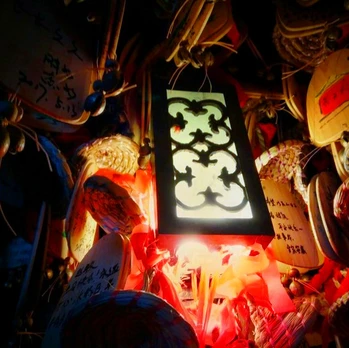
From Lijiang to Dali: A 3-Hour Bus Ride
Early the next morning, we set off again. Lijiang to Dali cost 56 yuan per person, taking about three hours. The bus stopped at Dali Ancient Town. Erhai Lake was undergoing renovations, so many guesthouses were closed, and we could only stay in the ancient town. Fortunately, the ancient town and Erhai Lake were adjacent, making it convenient.
Dali's Cuisine: Red Vegetable & Xizhou Flatbread
In Dali, we tried a red-colored vegetable with a delicate texture—absolutely delicious. But we only saw it in Dali, and I forgot its name.
There was also a pork rib dish served on a bed of greens. The greens seemed deep-fried, slightly crispy. The whole dish had a fresh, fragrant aroma, without the greasy feel of typical pork ribs.
What impressed me most was Xizhou flatbread, a famous Dali snack available in sweet and savory versions. We tried both—crispy and delicious.
Cycling by Erhai Lake: E-Scooters & Tandem Bicycles
Dali's weather was fantastic—the sun was dazzling, paired with the blue lake water, creating a stunning scene.
The ancient town was full of places renting e-scooters and small cars, almost all at 80 yuan per day, with afternoon discounts to 50-60 yuan for half a day. I really wanted to learn to ride an e-scooter, but the old man renting them said it was too dangerous since I'd have to carry my buddy—her sense of balance was almost zero; she couldn't ride.
In the end, the old man drove a large e-scooter and took us to the lakeside.
On the way to Erhai Lake, we passed flower fields and lavender fields. But they were roadside patches requiring entrance fees. Along the road, horse-drawn carts trotted by—very relaxing.
Since it was afternoon, we cycled around Xizhou on a tandem bicycle, leisurely enjoying the lake views.
The Beauty of Erhai Lake: Rainbow Clouds & White Tables
Recent water treatment efforts meant some floating plants similar to duckweed near the lakeshore. But the clouds were stunning—that day we were lucky enough to see rainbow clouds.
The lake breeze was so comfortable. My buddy looked so commanding, while I played the role of the delicate one beside her.
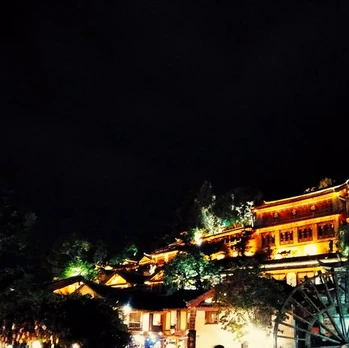
The water was incredibly blue, and the sky was equally blue. That swing was a must-photo spot for everyone. Three birds in the sky seemed to add life to the scene.
Along Erhai Lake, many couples were taking wedding photos, and girls were shooting artsy, nostalgic pictures. We imitated everyone and got a bit artistic too. The unbeatable victory hand sign, traveling the world.
Once we reached Erhai Lake, we couldn't stop taking photos. I wanted to pitch a tent and live by the lake—watching it every day would surely lift my spirits.
Many people's memories of Erhai Lake include those white tables. They were placed by guesthouse owners along the roadside for tourists to photograph, charging 10 yuan per person.
The Flower-Shirt Uncle & the Regret of Pea Flour Noodles
On the way back, we hitched a ride on a small tricycle driven by a flower-shirt-wearing uncle. He lived a leisurely life—flowers in his tricycle, blasting upbeat music, wearing sunglasses, enjoying the lake breeze. What a comfortable life!
He chatted with us the whole way, though the music was so loud we could only catch fragments of what he said. But he was thoroughly enjoying the conversation—so adorable! He recommended we try pea flour noodles in the ancient town. So off we went on another food hunt.
Dali Ancient Town: Panorama from the City Wall
Dali Ancient Town felt different from Lijiang Ancient Town. In Dali, vehicles could enter and exit, giving it a more modern feel.
Checking the map, we realized we'd have to cross the entire ancient town to reach our guesthouse—but that was a perfect chance to explore.
The pea flour noodles the uncle recommended had already sold out—clearly very popular. Cold rice noodles were also gone. We had to settle for regular rice noodles. The uncle also mentioned that Dali's famous dish was "yellow-braised chicken"—so that's where it originated! But after eating it so often at school, we weren't interested.
The ancient town had a city wall, with stairs on the side leading to the top for a panoramic view of the entire ancient town. If you continued along the wall to the end, you could see the Three Pagodas of Chongsheng Temple—they were right next to the ancient town.
Dali's Cuisine: Grilled Milk Fan & Seaweed Tofu Soup
The next morning, we had breakfast at a shop downstairs. There was a snack that looked like wontons—I forgot its name, but it tasted pretty good.
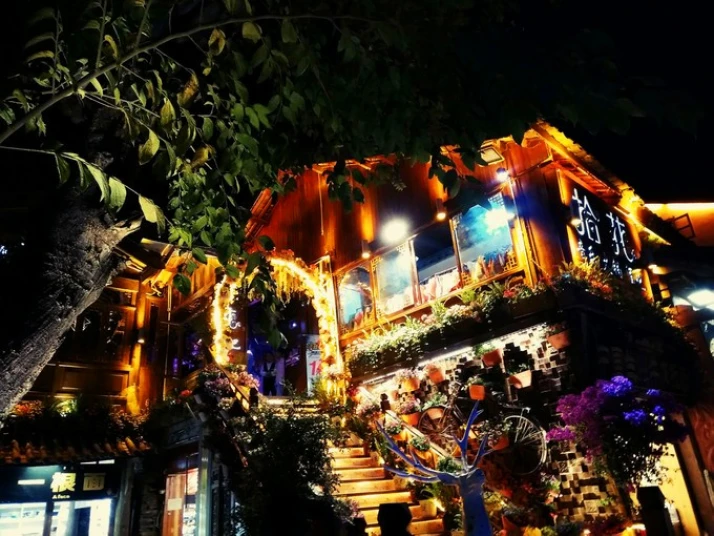
One of "Yunnan's 18 Oddities" is grilled milk fan. But honestly, I couldn't get used to the taste. The milk flavor was cloying, with a slight sourness—not my thing. Grilled milk fan also came in sweet and savory versions.
Toothpick beef skewers, paired with the greens underneath, were incredibly tasty.
What amazed me most was the tofu soup made with seaweed from Erhai Lake. The seaweed was absolutely incredible! Really, really delicious! Highly recommended!
Chapter Five: Kunming—A Brief Glimpse of the Provincial Capital
A 6-Hour Bus Ride & the Regret of Not Staying Longer
We set off for Kunming in the afternoon—a six-hour bus ride. If my buddy hadn't booked our return flight from Kunming, I would have stayed in Dali to explore more of Erhai Lake.
Six hours was exhausting! By the time we reached the hotel, we had no energy left and just washed up and went to sleep.
Kunming's Clouds & Golden Horse and Jade Rooster Archways
Our flight was in the afternoon, so we didn't have time to visit Dianchi Lake in the morning. We could only wander around the city center.
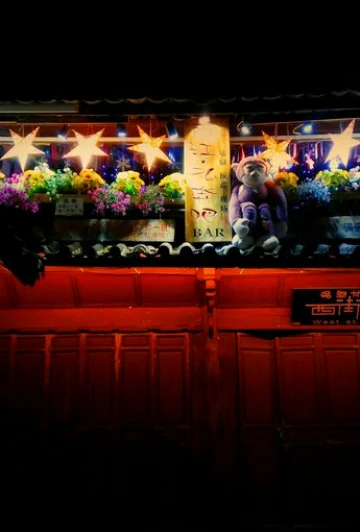
Perhaps because Kunming is the provincial capital, it felt similar to many big cities—not much novelty. However, Kunming's clouds were still beautiful.
I snapped a photo of the sunset on the road—stunning.
The Golden Horse and Jade Rooster Archways only came alive at night; during the day, they felt somewhat quiet.
In Kunming: Rice Noodles, Small Tofu & Rose Water
In Yunnan, you can't escape the clutches of rice noodles. We had another bowl.
Small tofu, dipped in sauce—pretty tasty.
Rose water was delicious, with a faint, elegant rose fragrance.
Green Lake & Yunnan University
After eating, we visited Green Lake, recommended by the hotel front desk. I'd heard that in winter, Green Lake was home to many seagulls, making it beautiful. But in summer, without the seagulls, Green Lake Park felt like any ordinary city park—nothing special.
So we walked over to Yunnan University. The university had a long history, with old, atmospheric buildings that felt full of character.
We came across a newly opened tofu pudding shop with a buy-one-get-one-free deal. It was delicious—sweet and soft.
Epilogue: The Meaning of Travel Lies in Encounters
Finally, we boarded our return flight.
Along the way, we met so many interesting people: Uncle Wanzai, who loved telling old stories about Lugu Lake; the young man at the guesthouse who shared tea with us; the flower-shirt uncle by Erhai Lake; the warm and welcoming innkeepers; the uncle who gave us a ride...
The magic of travel lies in never knowing what scenery you'll see or what clouds you'll encounter in the next moment.
We "eloped" to Yunnan, felt the charm of Lijiang Ancient Town—no romantic encounters, but we left with our hearts racing; admired the beauty of Lugu Lake—no stars, but we had a wild bonfire party; embraced the winds of Erhai Lake—we didn't make it to Shuanglang, but at least in Xizhou, we were happy.
We missed some sights, but we gained other beautiful memories.
That is the meaning of travel.
❤ I Love Yunnan ❤
This article is original content. Unauthorized reproduction is prohibited.
You should also read:

Cloud Travelogue · Dali of Wind, Flowers, Snow, and Moon: A Three-Day, Two-Night Journey of a Free Spirit
Cloud Travelogue · Dali of Wind, Flowers, Snow, and Moon: A Three-Day, Two-Night Journey of a Free Spirit I am a cultured female foodie with a touch of rogue charm. I slung on my backpack, took my lover's hand, and set off on a spontaneous…
Continue reading...
The Meaning of Travel – A Tengchong Story: A Journey of the Heart and Personal Growth
The Meaning of Travel – A Tengchong Story: A Journey of the Heart and Personal Growth Setting Out, Only to Return a Better Self Some say travel is nothing more than leaving a place you're tired of, only to go to a place where others…
Continue reading...
A Spiritual Journey to Lugu Lake in Lijiang: Experiencing the Legend of the Kingdom of Women! (Reproduction and Hotlinking Prohibited)
A Spiritual Journey to Lugu Lake in Lijiang: Experiencing the Legend of the Kingdom of Women! (Reproduction and Hotlinking Prohibited) Off-road自驾, food, hotel and民宿 reviews, Featured Traveler, Tank 300 owner, 200,000 km of self-driving experience. WeChat: y01294987 Ninglang Yi Autonomous County 2010.11.08 · 7 days…
Continue reading...