10 Days, 9 Nights, 5 Cities: A Family Trip from Tianjin with Surprises "Stolen" from Layovers

10 Days, 9 Nights, 5 Cities: A Family Trip from Tianjin with Surprises "Stolen" from Layovers
In the warm bloom of May, it's the perfect season to take the kids out to see the world. But if you think this is just an ordinary family trip to Yunnan, you'd be completely wrong. Our family of three set off from Tianjin, originally planning only eight or nine days in Yunnan. But by cleverly using a layover strategy, we managed to "earn" two extra cities—Guiyang and Changsha. Not only did this save us a significant amount on airfare, but it also filled our journey with unexpected delights.
This trip took us through Tianjin → Guiyang → Dali → Kunming → Changsha → Tianjin, spanning five cities over 10 days and 9 nights. There was no exhaustion from rushing; instead, we enjoyed a slow, relaxed pace and reaped plenty of rewards. If you're also thinking about taking your kids on a fun yet budget-friendly adventure, this travel log might just give you some inspiration.
Why Choose a Layover? — Save Money, Adapt, and Explore More
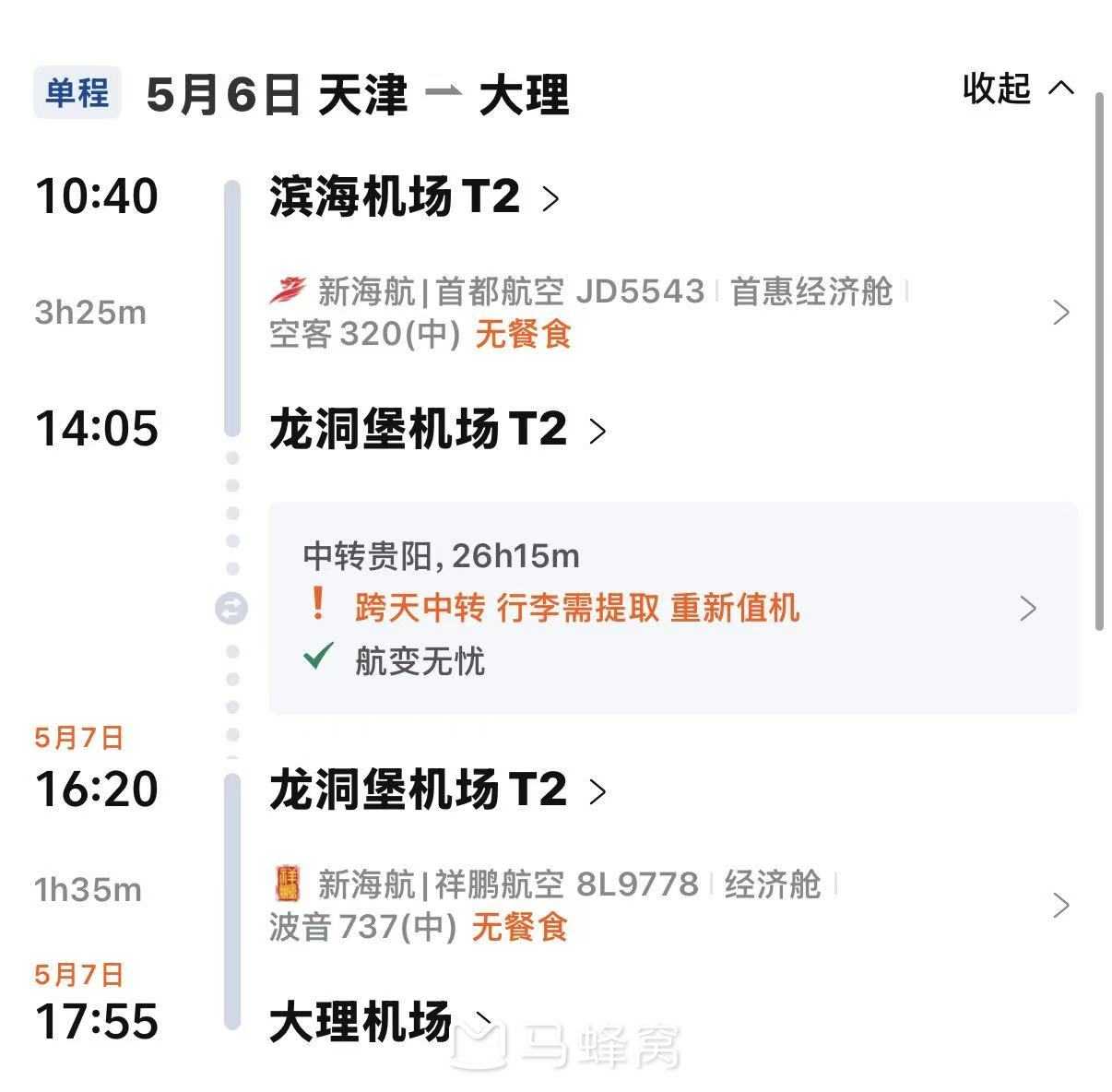
There are no direct flights from Tianjin to Dali, and Beijing Daxing Airport is too far. While browsing tickets, I stumbled upon a "treasure plan": flying from Tianjin to Guiyang, then from Guiyang to Dali. The total cost for both legs was only 1,000 yuan per person, whereas a direct flight from Beijing to Dali costs around 1,500 yuan one way. Even better, the layover in Guiyang was 26 hours—plenty of time to explore the city for a full day.
Another advantage of a layover is altitude acclimatization. Dali sits at about 2,000 meters above sea level, and flying directly there could cause altitude sickness for both adults and children. Guiyang, at around 1,000 meters, serves as a perfect buffer, allowing our bodies to adjust gradually. Plus, layover flights often include 20 kg of checked baggage, while many direct flights don't, making them far more cost-effective.
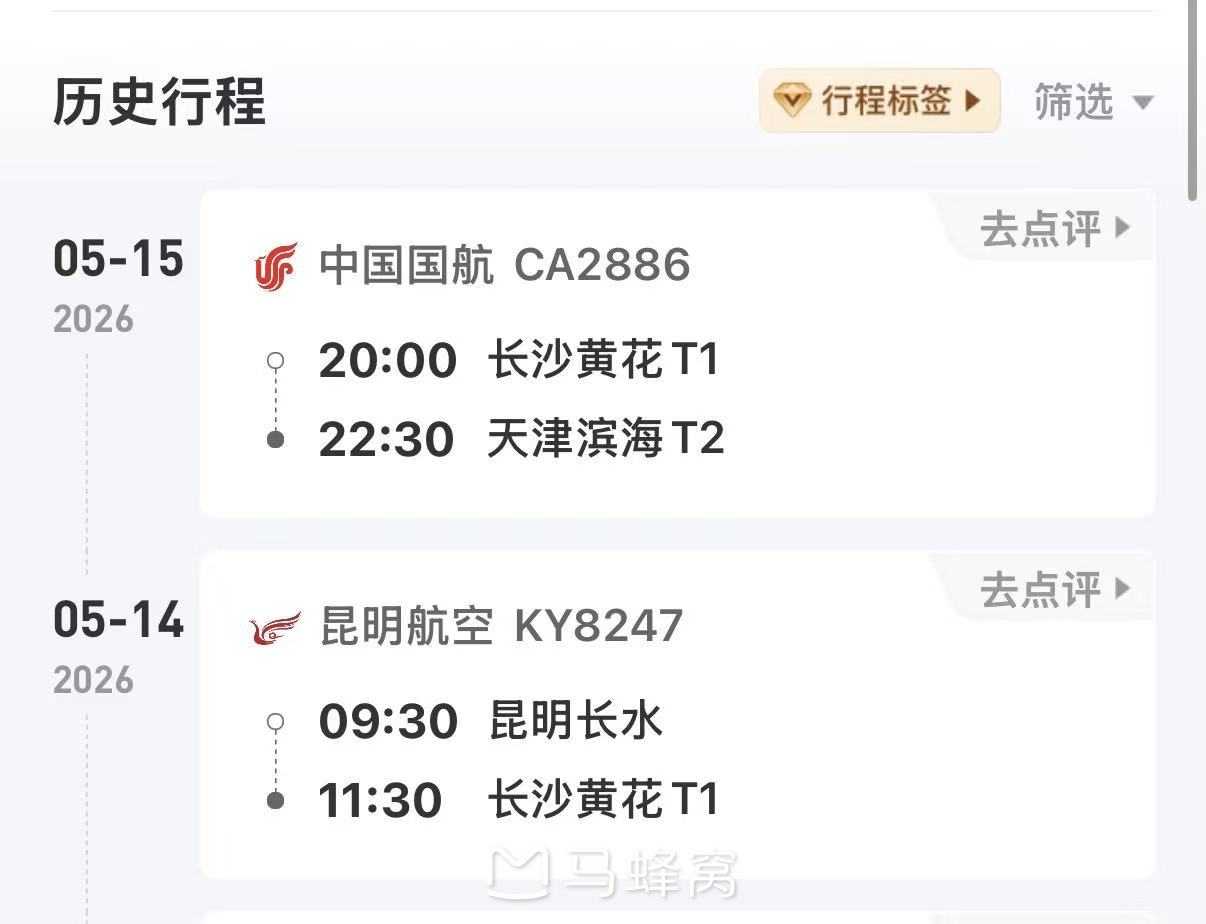
The return trip was another lucky find. Our original direct flight from Kunming to Tianjin was canceled. When I searched for alternatives, I found a flight with a 34-hour layover in Changsha—Kunming → Changsha → Tianjin—for only 800 yuan, including 20 kg of baggage. We have friends in Changsha, so we could visit them and sample the local cuisine. It was a win-win-win.
Guiyang Layover: A 26-Hour "Mini Guizhou Adventure"

We chose to stay in the Huaxi district, the birthplace of 花溪牛肉粉 (Huaxi beef rice noodles) and one of the most livable areas in Guiyang.
Huaxi Wetland Park: A Landscape Painting in the City

After arriving in the afternoon, we visited Huaxi Wetland Park near our hotel. As someone who grew up in a city, seeing the lush green mountains and clear water instantly relaxed me. The park is vast and beautiful, perfect for a leisurely stroll and taking photos. Our child had a great time too.
For dinner, we enjoyed authentic 豆米火锅 (bean and rice hotpot), which was rich and flavorful—even our kid loved the broth. Afterward, we strolled through Cross Street (Shizi Jie) to soak in the lively local atmosphere.
Tianhetan: A Miniature Guizhou Landscape
The next morning, we had a bowl of authentic 花溪牛肉粉 (Huaxi beef rice noodles) before driving to Tianhetan. Known as "Guiyang's Little Qikong" and praised as "a unique wonder in central Guizhou," this scenic area condenses the essence of Guizhou's natural beauty: waterfalls, clear pools,奇特 rocks, karst caves, and natural stone bridges.
The area isn't large—three to four hours of leisurely walking is enough, making it suitable for families with kids. However, there are many steps, and strollers are not an option. For toddlers, a baby carrier or carrying them is recommended.
The karst caves are Tianhetan's main highlight. The water cave requires a boat ride, gliding through dimly lit caverns to admire natural stalactites and experience the magic of karst topography. There's also a dry cave called Milky Way Palace (Yinhe Gong), which we skipped. Along the way, the Wolong Waterfall (Wolong Feipu) is the most spectacular, with water cascading down in a dramatic display. The Hundred-Step Bridge (Baibu Qiao) and Natural Stone Bridge (Tiansheng Qiao) are also great photo spots.
What surprised me most was how affordable everything was: fruits, bottled water, and local snacks were all reasonably priced, with no tourist traps at all. The overall experience was relaxed and effortless, with pristine natural scenery offering great value. However, it had rained the day before our visit, so the water was a bit murky. On a sunny day, the water would be clearer and the scenery even more stunning.
Dali: Slow-Paced Countryside Bliss
Flying from Guiyang to Dali, the drive from the airport to the ancient town takes about an hour. After arriving, we had a simple dinner and slowly settled into Dali's laid-back lifestyle.
Mushiyunduo Farm: A Child's Paradise
On the second day, we rented an electric scooter and headed to Mushiyunduo Farm. Renting an e-scooter in Dali is essential—attractions may seem close on the map, but with all the hills and steep slopes, walking or pushing a stroller is exhausting. Rentals are affordable, but make sure to choose a reputable vendor.
The farm is a paradise for kids: they can roast popcorn, corn, and chicken legs, and even make their own colorful tie-dye bags. The scenery is lovely too, perfect for moms to take photos. A sunny day is best for great lighting and beautiful shots.
For lunch, we went to Dali Qilong Fengwei Zhuang (a traditional Bai-style courtyard restaurant). The ambiance was wonderful, and the food was delicious. Prices were mid-to-high, but I felt it was worth it. Their cold rice noodles (凉拌米线) were absolutely amazing.
Dali Ancient Town: More Than Just a Shopping Street
Many people complain that Dali Ancient Town is just like every other ancient town in China, but I still found it enjoyable. Prices are reasonable—jewelry and toys cost just a few yuan. Dining is also affordable, though you should be cautious with street food stalls. We were careful throughout the trip and had no stomach issues.
Xizhou Ancient Town: See It for Yourself
On the third day, we visited Xizhou Ancient Town. Before leaving, I saw many posts warning people to avoid it, but I've always believed that travel is about experiencing things firsthand.
At the entrance, we met an elderly woman with white hair braiding hair. Each braid cost one yuan, and our daughter got her hair done in a full head of braids for a total of 15 yuan. It made the child happy and helped the elderly vendor a little.
Many people don't recommend the rice field train in Xizhou, but if you're with kids, it's worth a try. Riding the little train around the rice paddies was incredibly soothing, and the scenery was photogenic. Afterward, we hired a photographer to take pictures in the wheat fields—20 yuan per photo with simple retouching, and we were satisfied with the results.
For lunch, we ate at Xilin Yuan (a Republic-era garden restaurant). I never expected to find such an elegant, affordable restaurant in a tourist spot. Back in Tianjin, a place like this would cost a fortune. Objectively speaking, the ambiance outshines the food, but given the price, it's worth a try.
Bed Sheet Art District: A Weekend Surprise
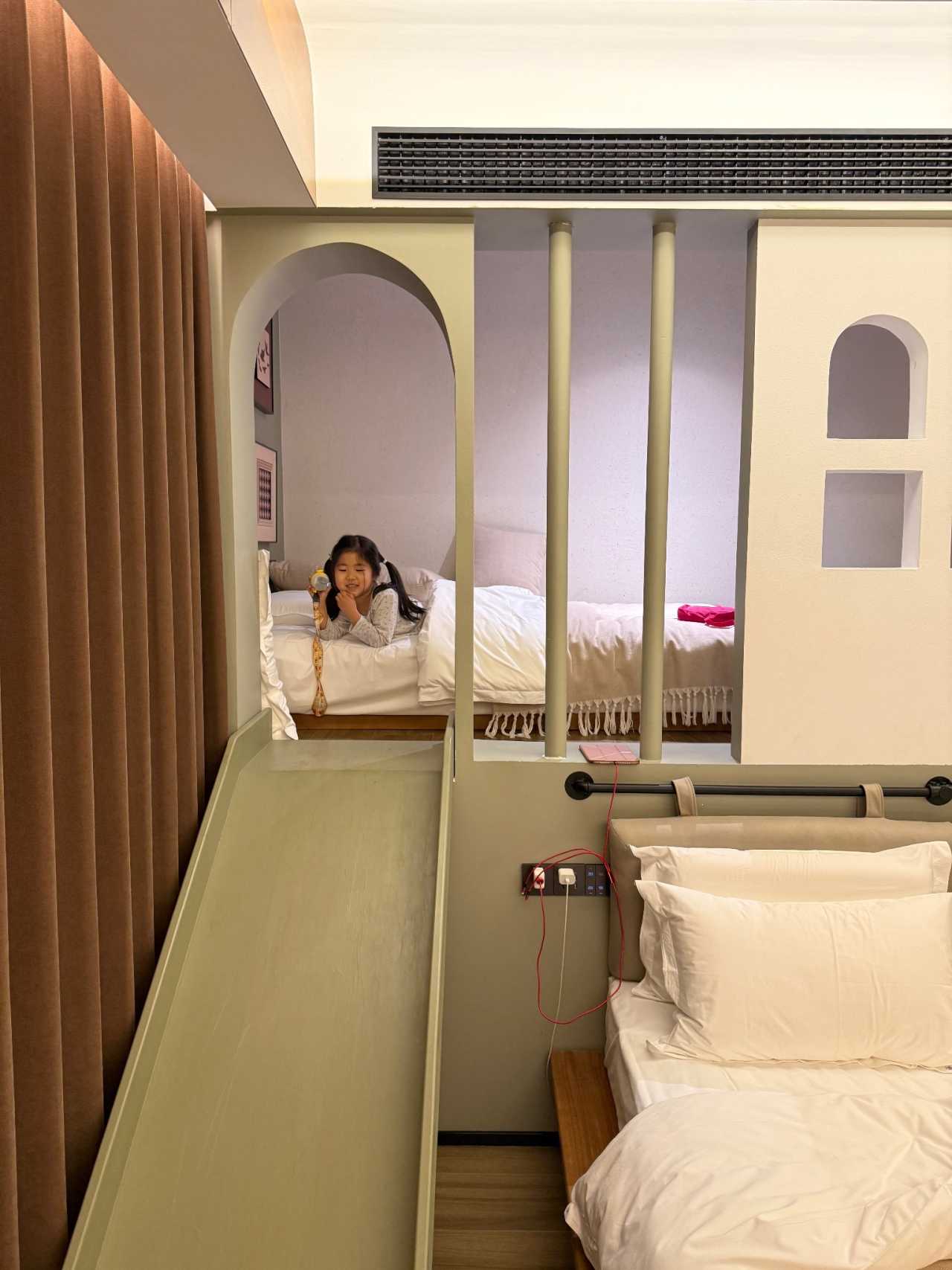
After returning to the hotel to rest, we went to the Dali Bed Sheet Art District. This market is only open on weekends and closes around 6 PM, so don't arrive too late. Many talented artisans set up stalls here, selling creative, handmade items. There are also various paintings, making it a fun place to browse and shop. If you're in Dali on a weekend, this is a must-visit.
For dinner, we found a restaurant in the ancient town that initially catered to foreigners but later incorporated local flavors. The chef regularly goes abroad for training, so prices are on the higher side, but the quality is excellent. The garlic spare ribs were incredible—highly recommended.
Erhai Lake: Sansheng Island Is Quieter than Longkan Pier
On the fourth day, we visited Erhai Lake. The weather was overcast, but we met a skilled photographer who took a set of atmospheric photos.
We took a taxi from the hotel to Sansheng Island, which is much less crowded than the popular Longkan Pier. A heads-up: the area along Erhai Lake is under closed management, so outside e-scooters are not allowed. You can only rent vehicles within the scenic area. Regular e-scooters cost 15 yuan per hour, but we opted for a stylish "big dog" scooter at 60 yuan per hour, which could play music and was faster. There are also four-wheeled golf carts and shuttle buses available.
We rode the e-scooter around a large loop of the lake, taking in the scenery at a leisurely pace. After returning the scooter at noon, we took a shuttle bus to Longkan Pier for 10 yuan per stop. Comparing the two, I much preferred Sansheng Island—fewer people, more peaceful, and more like what Erhai should be. Longkan Pier was too crowded and commercialized, lacking that sense of tranquility.
In the afternoon, it started raining, so we went to Xiaoyuanzi Climbing (a community center that also serves the public). It has climbing walls, slides, a Lego table, and an outdoor craft area—a great option for a rainy day.
Longwei Pass: An Unexpected Rainy-Day Discovery
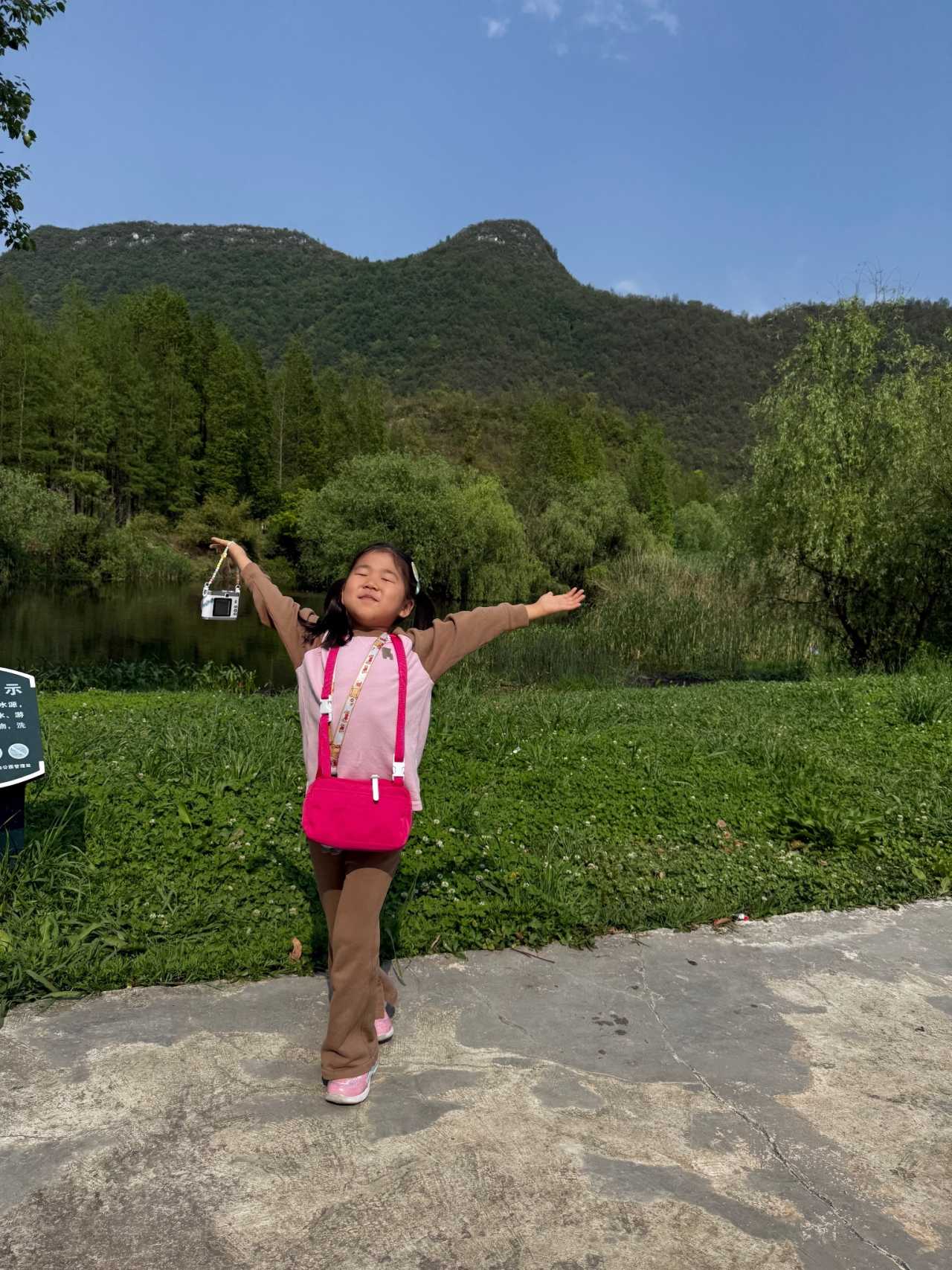
On the fifth day, we moved from the ancient town to the city center and stayed at the Hampton by Hilton. It rained all day. We had stone pot fish (石锅鱼) for a meal, visited a wetland park during a break in the weather, enjoyed a Thai massage, and let our child take a nap.
In the evening, we ventured out in the rain to Longwei Pass. On a sunny day, this place would be wonderful to explore. As we walked downhill, many locals were selling produce and fruits at very low prices. There's also a cold chicken rice noodle (凉鸡米线) stall that you must try.
Yunxiang Mountain: A Must-Visit on a Clear Day
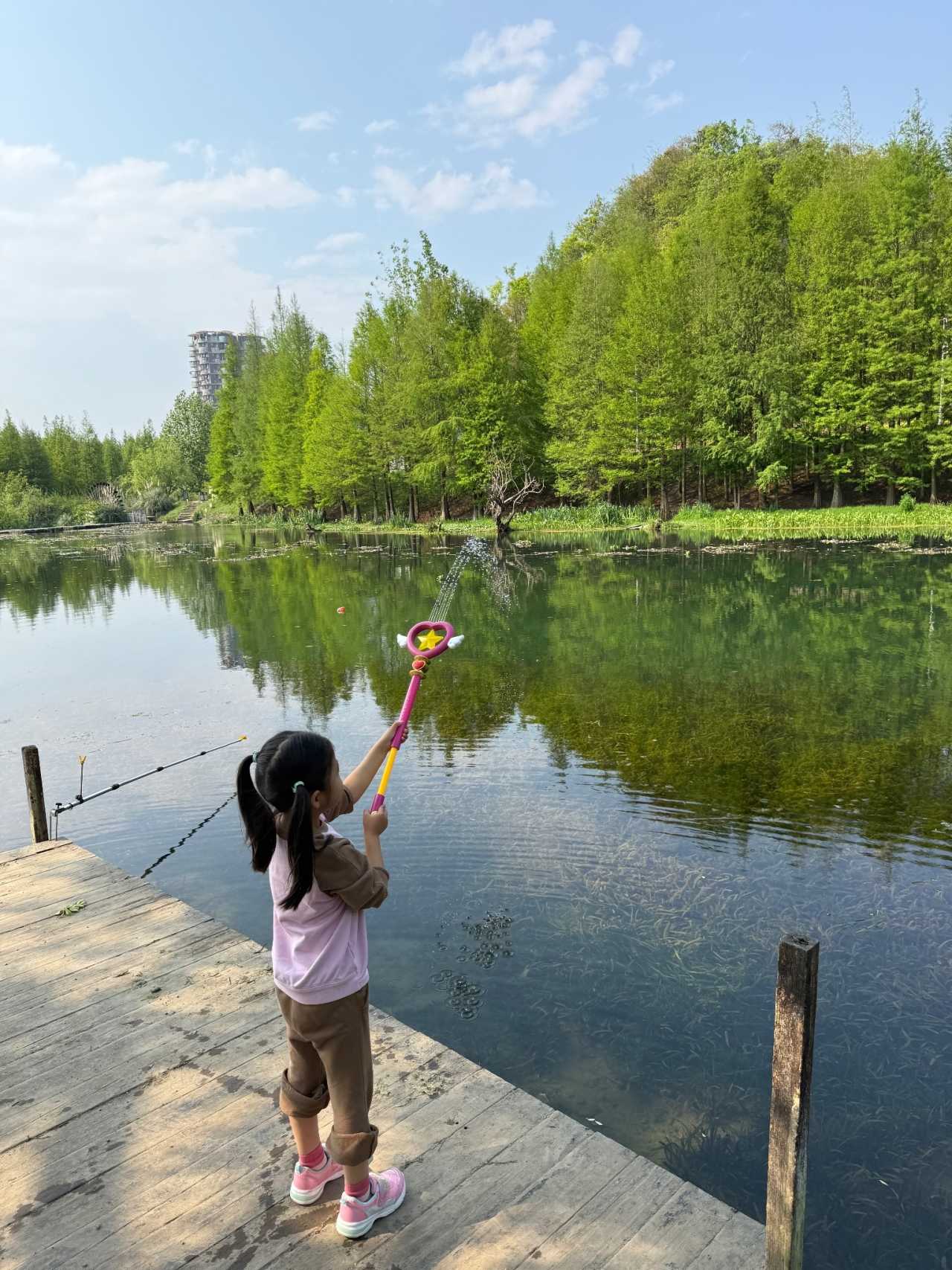
On the sixth day in Dali, which was also our day to head to Kunming, the rain from yesterday gave way to a rare sunny day. We went to Yunxiang Mountain. Make sure to go on a clear day—it's absolutely stunning.
Kunming: One Day Can Still Be Packed with Fun
From Dali to Kunming, we had only one night and one day. Kunming has many worthwhile places to visit, but with a child, we chose what he was most interested in.

For dinner, we ate at Congshuilu, a famous restaurant in Kunming. A new branch had just opened near our hotel, so it wasn't too crowded. Afterward, we walked to the area around Golden Horse and Jade Rooster Archway (Jinma Biji Fang).
The city center of Kunming hides many fun and photogenic spots: the Botanical Garden, the Wildlife Zoo, Cuihu Lake, the Yunnan Military Academy, Wenlin Street, Qianwang Street, Nanping Street, Yuantong Mountain, and Yuantong Temple. All these attractions are close to each other, making it easy to visit them in sequence at a comfortable pace.
We chose the Botanical Garden, which our child was most excited about. Nearby is Heilongtan (Black Dragon Pool), where the water is crystal clear and full of fish—great fun. After lunch, we visited the weekly Wednesday farmer's market, full of local charm. Finally, we strolled around Cuihu Lake, enjoying the relaxed vibe of urban wandering.
Changsha Layover: A Feast of Food and Culture
Flying from Kunming to Changsha, we landed around noon. After a simple lunch, we went to Orange Island (Juzizhou). I have to say, even on a weekday, Orange Island was packed. You can't take a taxi directly in; most people take a taxi to the nearest subway station and then ride the subway. The park is huge, so I recommend taking the sightseeing train. The greenery is nice, but make sure to go on a cool day—otherwise, it's too hot.
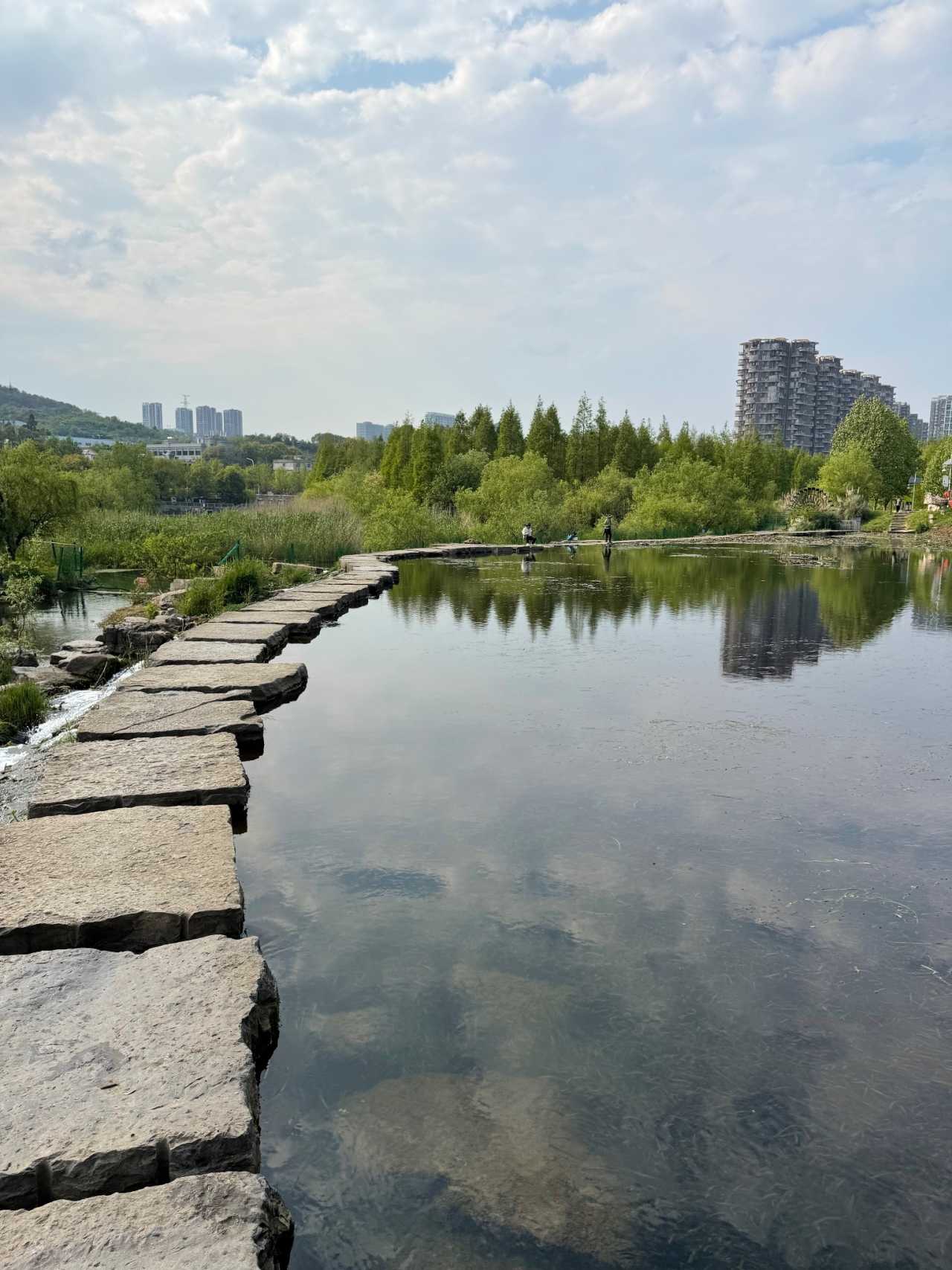
For dinner, we tried the trendy new restaurant Tianbao Brothers, then wandered around Pozi Street and Wuyi Square. People in Changsha really don't sleep—even at 10 PM, the streets were teeming with people.
The next day, we visited the Hunan Provincial Museum. We planned late, so the free tickets were already booked. We had to buy tickets for a special exhibition to enter. The museum focuses on the Mawangdui tombs. Unfortunately, the second-floor exhibition hall was closed during our visit, so we could only see the special exhibition on the first floor and the Mawangdui-themed exhibition on the third floor. It took about three hours in total; it would be longer with a guide. The fourth floor has a simple restaurant and a milk tea shop. The air conditioning in the museum was incredibly strong—the coolest place we'd been in those two days. If you get cold easily, bring a jacket. The museum's souvenirs were creative and reasonably priced.
After the museum, we went to Wenheyou, a six-story food court. We had a quick look around and a meal before heading back to the hotel to pack and catch our evening flight back to Tianjin.
Final Thoughts: There's No One Right Way to Travel
On this 10-day, 9-night trip, we "stole" two extra cities through layovers, saving money and gaining unexpected surprises. Guiyang's Huaxi Wetland Park and Tianhetan, as well as Changsha's Orange Island and the Hunan Provincial Museum, all became delightful bonuses.
Some people say Dali Ancient Town is too commercialized, and others think the Xizhou rice field train isn't worth it. But I've always believed that the meaning of travel lies in experiencing it yourself. When traveling with kids, you don't need to check off every attraction. What matters is being on the road, feeling the moments, and spending time together.
If you're planning a family trip, consider a layover strategy—it saves money, helps with altitude adjustment, and lets you explore more. Of course, the key is to plan your time well so the layover doesn't turn into a rushed transfer.
Finally, I want to say: there's no standard answer for travel. What works for you is the best. I hope this travel log gives you some inspiration, and I wish you and your children a wonderful journey ahead.
You should also read:
Yunnan's Colorful Clouds: Touching Shangri-La — A Dialogue with the Sky
Yunnan's Colorful Clouds: Touching Shangri-La — A Dialogue with the Sky If you ask me where in China is closest to heaven, I would tell you without hesitation: Shangri-La. The name itself carries a mysterious magic, as if every syllable whispers tales of distant lands.
Continue reading...
Meili Snow Mountain: A Soulful Journey of Dialogue with the Sacred Mountain
Meili Snow Mountain: A Soulful Journey of Dialogue with the Sacred Mountain Prologue: When Travel Becomes Faith Some journeys are forgotten as soon as they end. Others carve themselves into your bones. The trip to Meili Snow Mountain belongs to the latter. Waking up in…
Continue reading...
A 9-Day Yunnan Journey: From Lijiang to Dali to Tengchong – A Trip Toward Self-Reconciliation
A 9-Day Yunnan Journey: From Lijiang to Dali to Tengchong – A Trip Toward Self-Reconciliation Some say travel is simply going from a place you're tired of to a place other people are tired of. It stings to hear, but it's painfully true. Yet there's…
Continue reading...