14 Days Around Yunnan: From Kunming to Yubeng, a Trek Through Paradise
14 Days Around Yunnan: From Kunming to Yubeng, a Trek Through Paradise
Prologue: Why Yubeng?
Ask any hiking enthusiast about China's most worthwhile hidden gem, and nine times out of ten they'll tell you—Yubeng.
The name means "a place where jewels gather" in Tibetan, and this village truly is a gem concealed by towering peaks. No roads lead here. No noise reaches here. The only way in is a 17-kilometer trek—on foot or horseback—over the 3,700-meter Nanzong Pass. There are no neon lights, only snow-capped mountains, glaciers, a blanket of stars, and wildflowers stretching as far as the eye can see. This is exactly the kind of paradise Tao Yuanming wrote about in his ancient tale of the Peach Blossom Spring.
Fourteen days. From Kunming to Xishuangbanna, from Lijiang to Meili Snow Mountain, and finally deep into Yubeng—this was both a spontaneous getaway and a carefully planned adventure. Three of us completed this loop on a modest budget. Now, I want to share every lesson and every moment of wonder with you.
Trip Overview: Where We Went in 14 Days

Route: Home → Zhengzhou → Kunming → Xishuangbanna → Lijiang → Shuhe Ancient Town → Yubeng (Inner Pilgrimage) → Shangri-La → Kunming → Hangzhou → Wuzhen → Shanghai → Home
Total Cost: 19,401.5 RMB (for three people) - Transportation: 7,056.5 RMB (including four flights) - Accommodation: 1,644 RMB - Meals & Souvenirs: 3,346 RMB - Entrance Fees: 2,315 RMB - Yubeng Group Tour (meals not included): 5,040 RMB
Day 1: First Impressions of Kunming—From Airport to Taste Buds
We arrived at Zhengzhou in the early hours and got ripped off 150 RMB for a taxi to the airport—our first travel lesson. Luckily, the flight to Kunming was cheap: 550 RMB per person. Totally worth it.
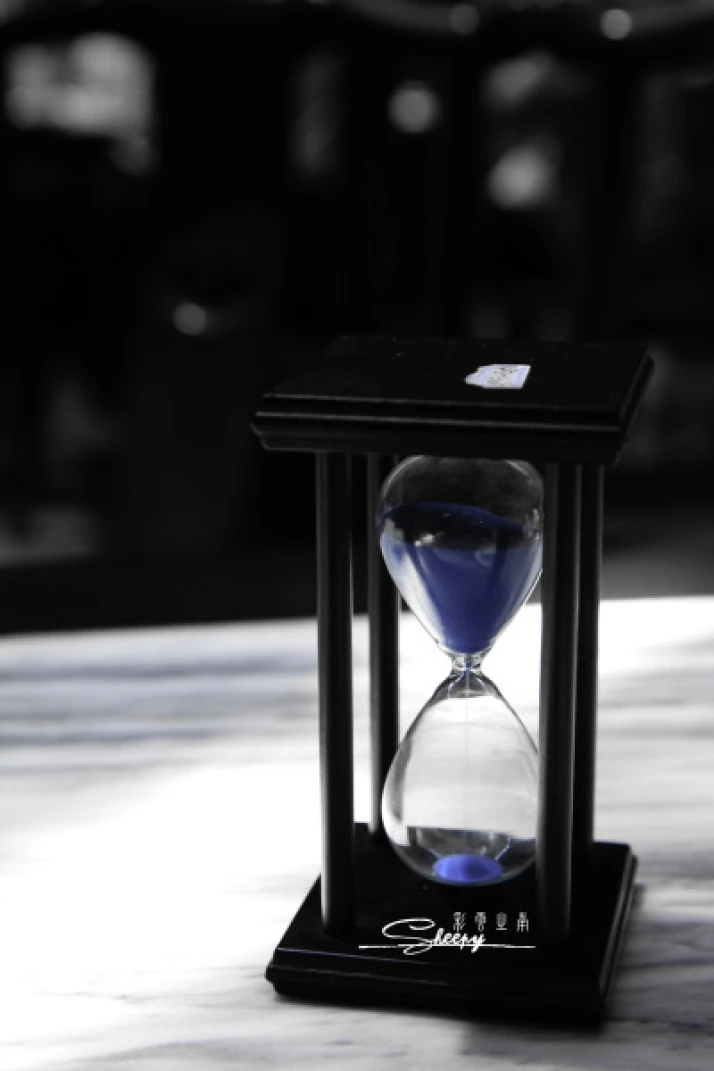
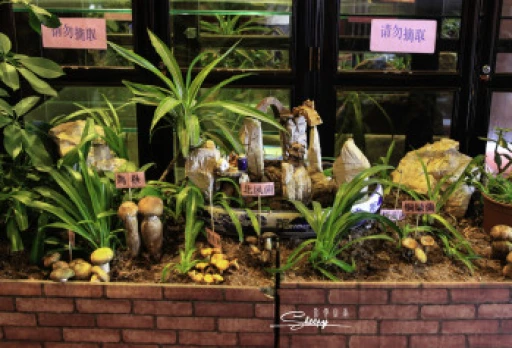
We checked into Camel Youth Hostel (near Jinma Biji Square—perfect location) and headed straight to Ai Ruo Chun for lunch. This restaurant, famous for its wild mushrooms, has a fun rule: they place an hourglass on your table when you order. If the sand runs out before all your dishes arrive, you get a discount. Not that it matters—their service is lightning fast. We ordered wild mushroom hotpot. A bit pricey, but the flavor made it worthwhile.
In the afternoon, we explored the Ethnic Village—a decent substitute if you don't have time to visit Xishuangbanna. Just remember: staff clock out at 5:30 PM, so catch the performances early.
Dinner was the real highlight—Zui Yun Nan. A friend treated us. We ordered mint-braised beef with pickled chili sauce, fresh lily bulbs stuffed with meatballs, tofu served with fermented bean curd and salt-and-pepper dip, and my all-time favorite—rice noodles (mixian). Every dish was a revelation. Highly recommended: skip the wild mushrooms (overpriced) and go for the signature dishes.
Practical Tips: - Kunming has excellent public buses—avoid taxis when possible, as overcharging is common - A taxi from Jinma Biji Square to the Ethnic Village should cost about 30 RMB; we were charged 50 - Real Yunnan rice noodles break apart easily when picked up; the ones sold elsewhere in China are full of additives—avoid them
Day 2-3: Xishuangbanna—Tropical Vibes and Happy Accidents
We almost missed our flight! Kunming Airport is enormous, and by the time we reached the check-in counter, it had just closed. Thankfully, the staff let us through. Arrive at least three hours early.
Once in Banna (as locals call Xishuangbanna), we learned that off-season travel guides aren't always reliable. We stayed in Gaozhuang Xishuang Jing—highly recommended. Great scenery, a night market, and the hotel has its own drivers who can arrange tickets cheaper than online. Manting Park's elephant show is worth seeing; Wild Elephant Valley, on the other hand, has no wild elephants. And during the off-season, even the Big Buddha Temple at Manting Park was free—saved us a bundle.
We tried Cai Qingchun for dinner. Famous name, mediocre food. The only thing worth ordering was the Thai soy milk (5 RMB a bottle at the Gaozhuang convenience store, but 10 RMB in Lijiang). Later, we hit RT-Mart and bought all kinds of exotic fruits we'd never seen before—stick to supermarkets, not street vendors.
On Day 3, we visited Wangtian Tree (Skywalk). We booked a private car through Taobao—240 RMB per person for round-trip transport. The canopy walkway is one of a kind, but is the scenery worth the long journey? That depends on you. On the way, our driver insisted on taking us to a Dai village—which turned out to be a shopping trap. Don't buy anything.
That evening, we watched the Manting Park show—ethnic singing and dancing with a buffet dinner. The grilled fish was phenomenal. The night market was surprisingly affordable (stall rent is only a few hundred RMB per month). I bought a dress and some little trinkets. Pure joy.
Day 4: Jinuo Mountain Village and the Botanical Garden—The Best Day Yet
We hired our hotel driver for the day—a brand-new Accord for 200 RMB. First stop: Jinuo Mountain Village—absolutely worth it. Our driver got us tickets cheaper than Taobao. Every group of about a dozen people gets a free guide, and there are free snacks and performances inside. The Jinuo are the last officially recognized ethnic minority in China, and their culture remains remarkably intact.
Next, we visited the Chinese Academy of Sciences Botanical Garden. It's so vast you can't possibly cover it all. If you're short on time, skip Wangtian Tree, but don't miss this garden. Exotic flowers and plants everywhere—breathtakingly beautiful. Walk if you can; skip the tour bus.
That evening, we flew to Lijiang and checked into K2 Youth Hostel in Shuhe. Dinner was an iced-water salmon hotpot—a whole fish weighing over a kilo for 219 RMB. For salmon lovers, this is heaven.
Practical Tips: - Jinuo Mountain Village tickets should cost around 100 RMB; some people paid 160 - Don't buy souvenirs inside the botanical garden—the lady selling red bean bracelets outside the restroom offers 3 for 20 RMB; inside, they're 30 RMB each - Things in Shuhe are cheaper than in Lijiang. Scarves should cost no more than 30 RMB—walk away if they ask for more
Day 5: Shuhe to Lijiang—Slow Living and the Free Life Inn
Morning in Shuhe: I paid 10 RMB to get three tiny braids in my hair, then bought dresses and scarves as gifts. Lunch at Cu Cha Dan Fan (Simple Fare)—beef with potatoes, pickled bamboo shoots with bamboo fungus, and "water spinach" (a local green vegetable). Every dish was delicious.
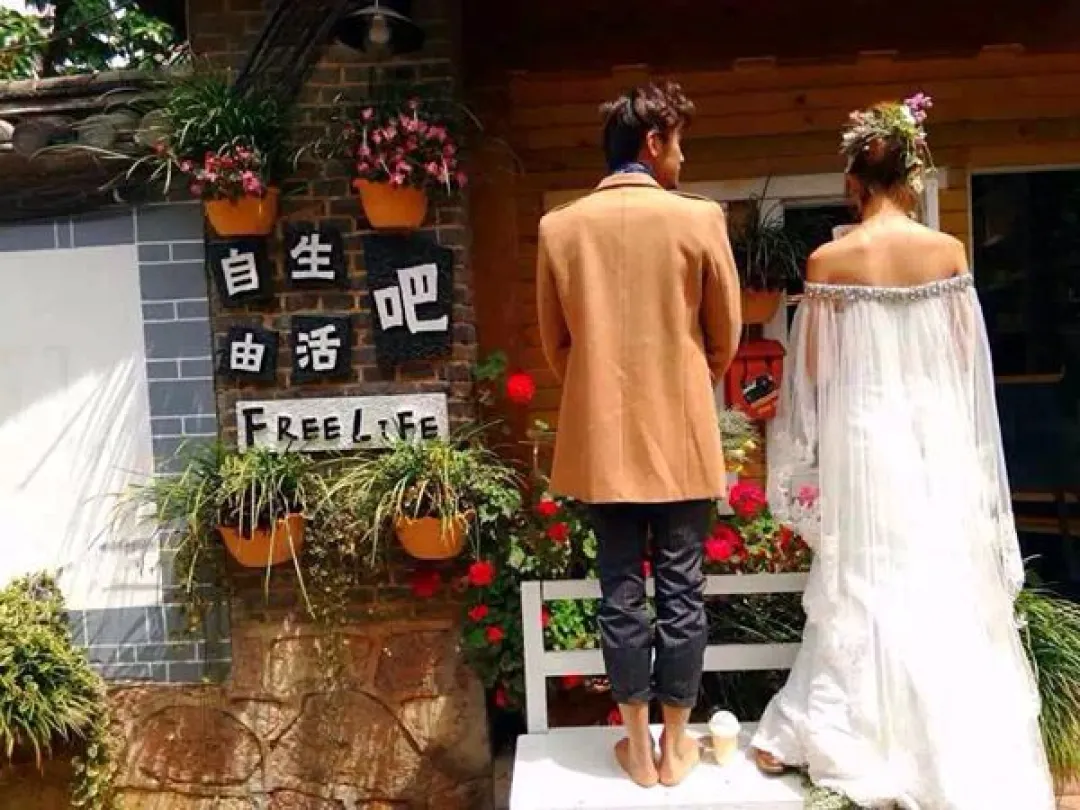
In the afternoon, we took a taxi to Lijiang Old Town and checked into Free Life Inn. This guesthouse has an excellent reputation. The owner is a seasoned traveler who had just returned from a pilgrimage to India. He sat in the courtyard, brewing tea and sharing stories. We actually booked our Yubeng trip through him—and it turned out to be the best decision we made.
That evening, we wandered through the old town. Prices were outrageous—25 RMB for a bowl of rice noodles that costs 7 RMB outside. If you want to shop, find street vendors, not stores. Ding Ding Dessert has decent yogurt and bread at reasonable prices.
Day 6-11: The Yubeng Inner Pilgrimage—Hellish Hiking, Heavenly Views
Group Tour or Solo?
I strongly recommend joining a no-shopping, self-guided tour club. We went with Free Life Inn's six-day Yubeng itinerary. All our teammates were fellow guests, and our guide was a Naxi man named Xiaomu—earthy, funny, and genuine. Avoid traditional travel agency shopping tours—you know the saying: "You get what you pay for."
Day 6: Lijiang → Tiger Leaping Gorge → Shangri-La
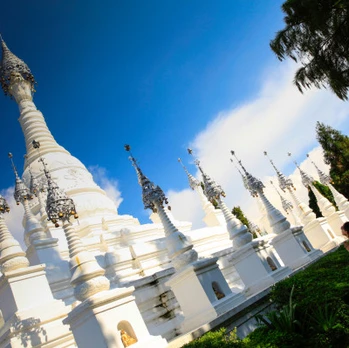
Altitude sickness hit! The stairs at Upper Tiger Leaping Gorge had my heart racing. But the scenery along the way was stunning—Yila Prairie, fields of wolfbane flowers in full bloom, looking like a spilled paint palette. That night in Shangri-La, we had yak meat hotpot. So good it made me cry. Our accommodation had underfloor heating—a lifesaver on the chilly plateau.
Practical Tips: - Start taking Rhodiola rosea and altitude sickness tablets early—altitude sickness is no joke - Stock up on supplies for Yubeng in Shangri-La: Red Bull, instant noodles, sausages - Carry mosquito repellent spray at all times. Yubeng's mosquitoes have a taste for outsiders, and their bites can last for weeks
Day 7: Shangri-La → Feilai Temple
At 4,000 meters above sea level, even climbing stairs left us breathless. We passed Napahai Lake, Dongzhulin Monastery, and the First Bend of the Jinsha River before finally reaching Meili Snow Mountain. Food at Feilai Temple was expensive—we ate instant noodles and tsampa cakes. Make sure you've stocked up on dry goods here; Yubeng is even pricier.
Getting up early to photograph the "golden sunrise" over the snow peaks? It's a game of luck. If the clouds don't cooperate, there's nothing you can do.
Day 8: Feilai Temple → Yubeng Village (Hiking or Horseback)
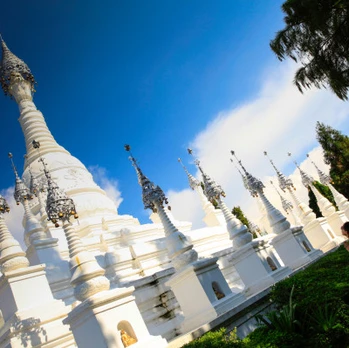
Bad luck—too many clouds, no golden sunrise. Time to start climbing. High-altitude trekking is no joke. If you doubt your ability, hire a mule to go up (235 RMB per person, extra for backpacks), then walk down to Yubeng. It took us six hours to reach Upper Yubeng, and we were exhausted beyond belief.
But when we arrived, everything was worth it. That night, I accompanied my husband to photograph the stars. No light pollution. The Milky Way was crystal clear. Combined with the sound of bells on mules, horses, and yaks, it felt like a fairy tale.
Practical Tips: - Instant noodles cost 15 RMB a bowl on the mountain; bring your own and pay 5 RMB for hot water. Half-cooked fried rice is 20 RMB - Bring your camera—the starry sky and golden sunrise are not to be missed
Day 9: Sacred Waterfall Hike—Freezing Water, Rainbows at Your Feet
We skipped Ice Lake and went straight to the Sacred Waterfall. Tibetan Buddhists believe that the water here is holy water brought down from heaven by the deity Kawagebo, capable of cleansing misfortune and illness. The hike from the guesthouse to the waterfall is 7 kilometers one way—14 kilometers round trip. We took our time, enjoying the scenery, and arrived at noon.
Many people hesitate to bathe under the Sacred Waterfall. The water is glacial melt—bone-chillingly cold. But if you come to Yubeng and don't bathe here, you'll regret it. Step in, and you'll see rainbows forming on the water's surface, right beneath your feet. I was soaked through, but I felt refreshed, not sick. I can personally vouch for it.
Practical Tips: - Set aside a full day for the Sacred Waterfall—it's not too strenuous - Definitely bathe in it. Walk around three times. Don't strip naked—it's disrespectful - Bring a thick change of clothes; you'll be freezing after getting wet
Day 10: Yubeng → Shangri-La
After breakfast—tomato and egg noodles made by the guesthouse owner—we started the hike out of Yubeng. The thought of eating yak hotpot again that night gave me energy. Along the way, we ran into a little squirrel. Adorable beyond words. By 1:00 PM, we reached the pass and took a car back to Shangri-La.
Just past Feilai Temple, it started pouring. We'd been incredibly lucky—sunny and clear the whole time. The moment we left, the rain came. Was Yubeng reluctant to let us go? I felt the same way. I'll be back.
Hiking Secret: Go slow. Take small steps. Coordinate your breathing with your pace. It's not tiring at all.
Day 11: Shangri-La → Lijiang
We slept in. Our guide Xiaomu took us to a friend's house to see traditional Tibetan architecture—the wooden beams were so thick that two people couldn't wrap their arms around them. Then we visited Xiaomu's home—a traditional Naxi courtyard. We picked vegetables from his orchard and cooked our own meal. His family's free-range eggs and his mother's homemade flatbread—just thinking about it makes my mouth water.
That evening, we took the train back to Kunming (sleeper berth, 440.5 RMB). We played cards in a tea house while waiting. The six-day, five-night Yubeng trip was over. I wasn't ready to say goodbye.
Day 12: Kunming—Farewells and Reflections
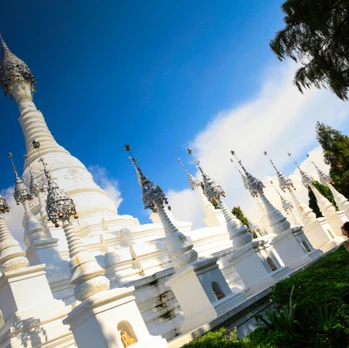
We flew home from Kunming, marking the end of our 14-day journey. But the starry skies of Yubeng, the snow-capped peaks, the sacred waterfall, the livestock, the warm-hearted people, and that phrase "Tashi Delek" (a Tibetan blessing)—they'll stay with me forever.
Final Thoughts: Some Honest Advice
- Book flights as early as possible—we snagged several great deals
- Reserve hotels in advance, even during the off-season. Don't risk it
- A student ID saves a ton of money (you know what I mean)
- Yubeng is worth it, but know your limits—take a horse if you need to
- Bring enough cash—cell service is spotty in the mountains
- Don't hold back your smile or your "Tashi Delek"—you'll receive genuine blessings in return
Yubeng isn't some Instagram hotspot. It's a place where you have a conversation with yourself. There, no matter what language you speak or where you're from, everyone will cheer you on and greet you with the most sincere smile. No pretense. No fear. Just the most encouraging words and the most beautiful blessings.
If you want to go, don't hesitate. Lace up your hiking boots, gather your courage, and set off.
You should also read:

Solo in Yunnan: A Wanderer’s Guide to the Land of Eternal Spring
Solo in Yunnan: A Wanderer’s Guide to the Land of Eternal Spring There’s something magical about traveling alone. No compromises, no schedules to keep, no one to please but yourself. I’ve been on the road for nearly three months now, and not once have I…
Continue reading...
Into the Hidden Valley: A Solo Journey Through the Mysterious Dulong River
Into the Hidden Valley: A Solo Journey Through the Mysterious Dulong River Deep in the northwestern corner of Yunnan Province, tucked away from the modern world, lies a place that feels like a secret whispered among mountains. The Dulong River Valley is not just a…
Continue reading...
God’s Abandoned Palette: A Self-Drive Journey Through Yunnan’s Dongchuan Red Land
God’s Abandoned Palette: A Self-Drive Journey Through Yunnan’s Dongchuan Red Land Travel has never been about reaching some distant geographic coordinate. It’s about encountering, along the way, the version of yourself buried beneath the rubble of daily routine. During this May Day holiday, I finally…
Continue reading...