18 Days in Yunnan: Wandering Between Looseness and Stagger, Mingling with Nature
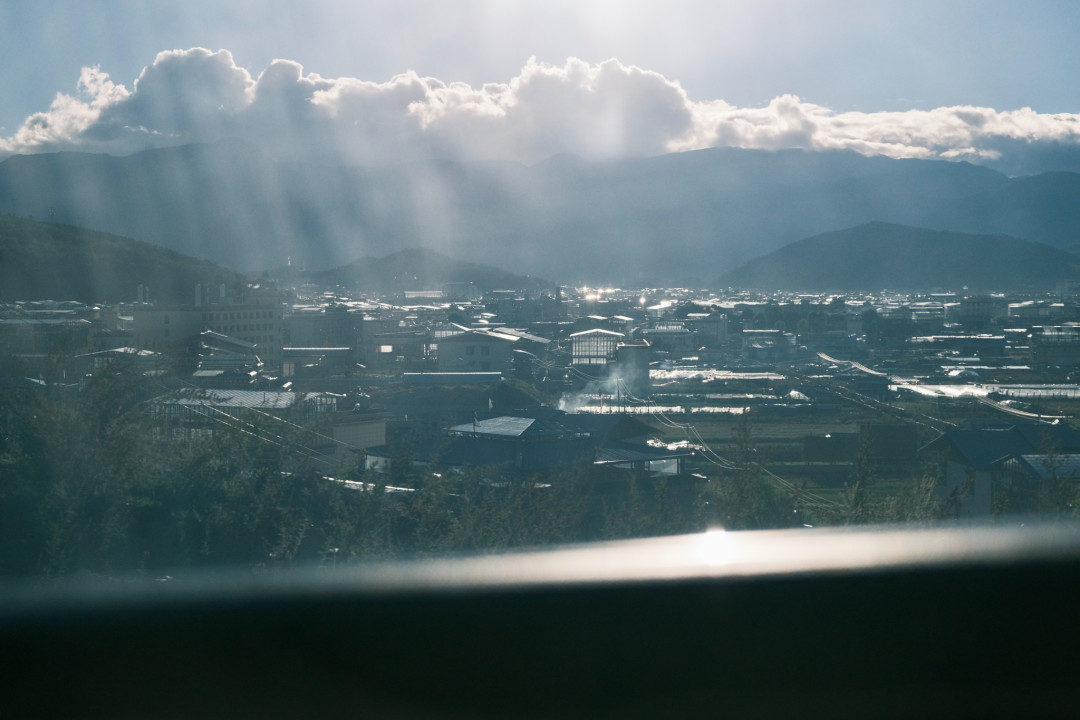
18 Days in Yunnan: Wandering Between Looseness and Stagger, Mingling with Nature
Prologue: Why Yunnan?
In September 2022, Beijing was still basking in the lingering warmth of late summer. My friends Biaobiao, Nana, and I had already slammed our hands on the table and sworn: we had to take a long vacation this month. Bring our parents, find somewhere nice, and just decompress. Xinjiang, Guizhou, Sichuan—one by one, we added them to the candidate list, agonizing like we were spinning in a maze. But fate (or, you know, the situation) made the choice for us—every option got crossed out, one by one, until only Yunnan remained.
Strangely enough, Yunnan always seems to have this "everyone's first choice" vibe. Back then, scrolling through my social feed, it felt like practically everyone was flocking to southern Yunnan. And the three of us? We're all people with "very low bars"—easygoing to the point of having almost no demands. How low was Nana's bar? She said: "As long as I don't have to climb mountains, walk too much, get sunburned, get rained on, go hungry, or eat anything weird... I'm good."
And so, cheerfully and without a shred of baggage, we set off.
The Colors of Memory: A Tangle of Blue and Green
In 2013, the lake at Milk Sea in western Sichuan had been sloshing around in my memory for nearly a decade. That blue—crystal clear, almost unreal—like a gem dropped by the gods onto the mortal world.
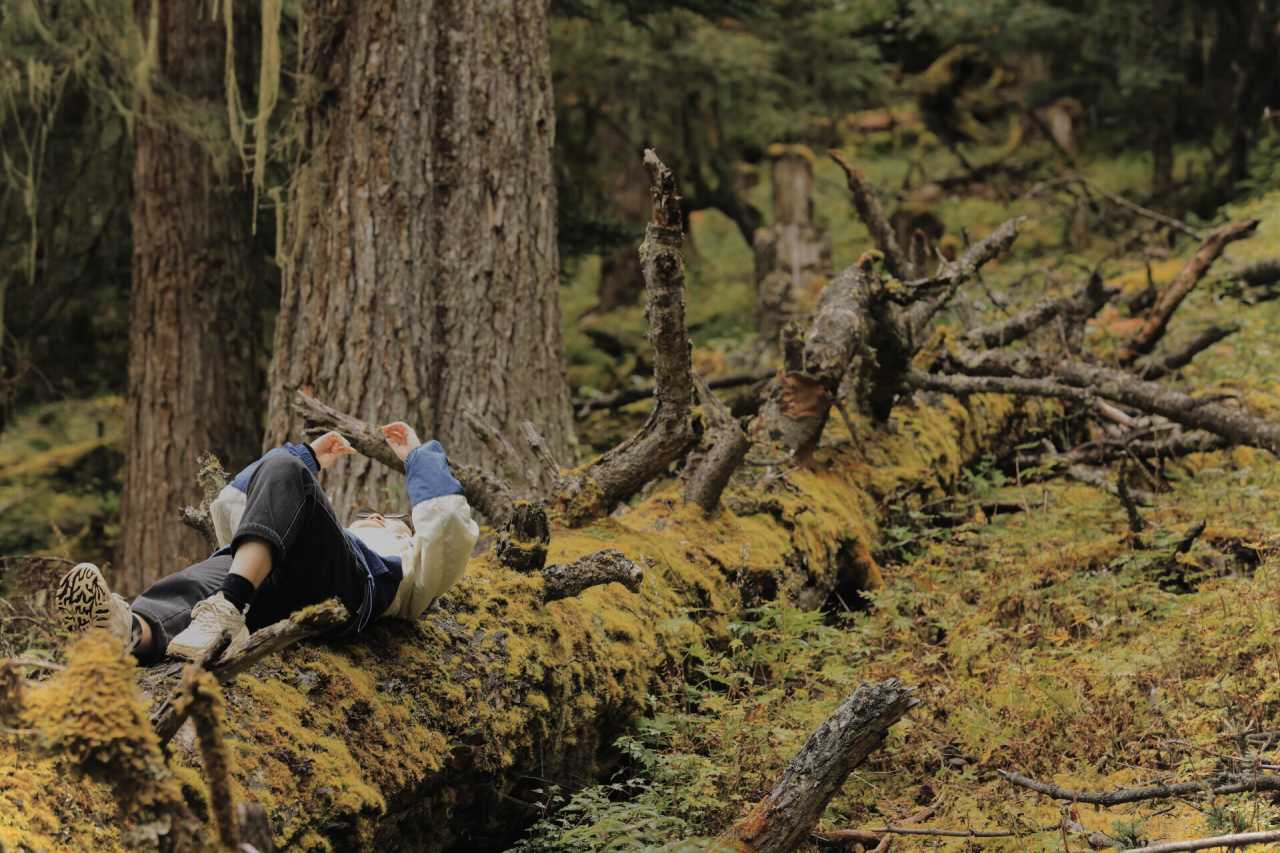
But this time, in the forest beside Bottomless Lake, I lay on a thick bed of moss a palm's width deep. My jeans were soaked, damp and cool. Through the gaps between giant tree trunks and hanging vines, I caught fragments of the sky. And then, that stubborn blue in my memory began to blend with a rich, overwhelming green—gentle clouds floated like warships on the surface of the thick lake water, only to be stirred apart by the velvety moss and water plants.
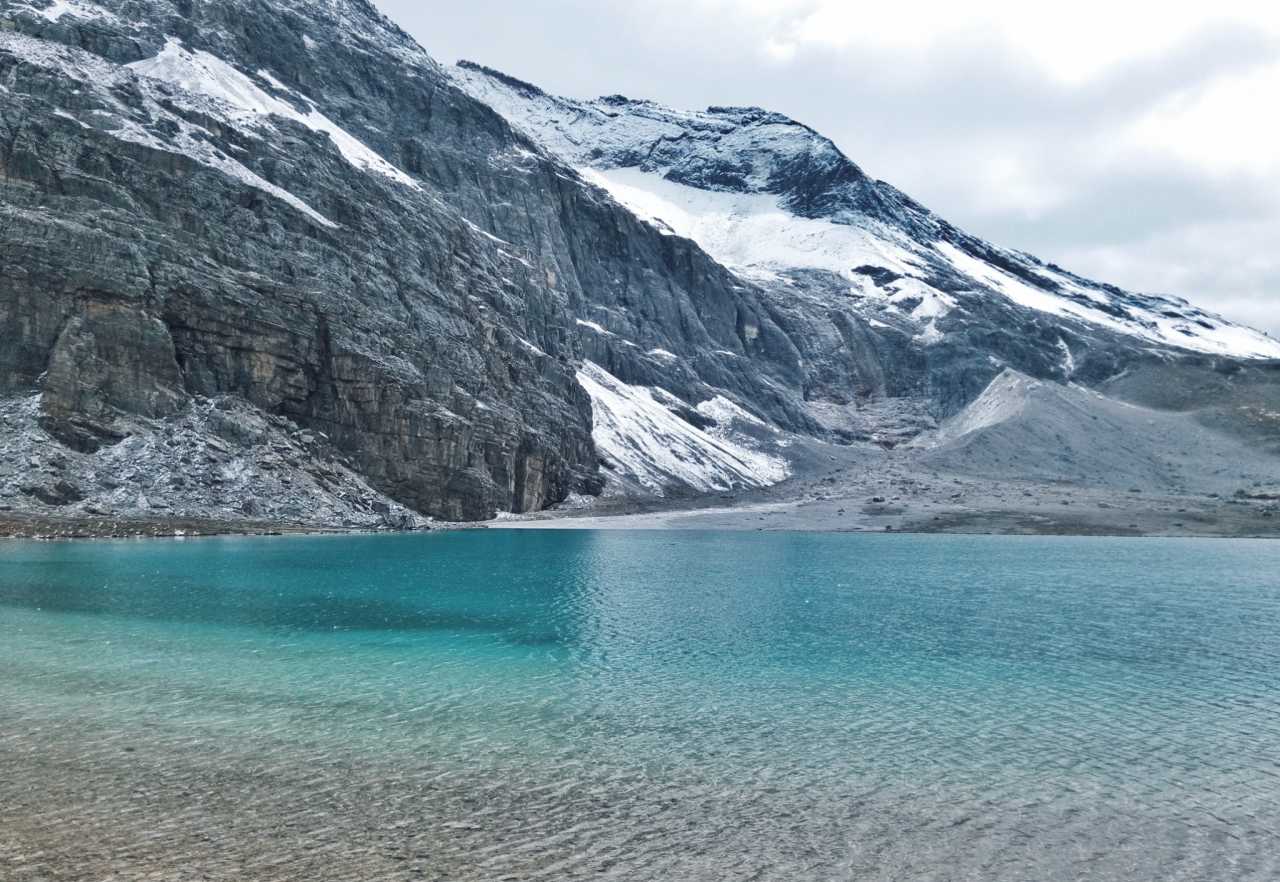
Suddenly, I understood: the best blue and green in China are right here.
Right now, I'm sitting in what I've declared the best café in Banna—Little Coffee Roasters—writing this. The scorching sun is about to throw itself into my arms. The sound of construction workers cutting rebar, scooters zipping by, smoke rings from workers on the roof, tourists hurrying toward the COVID testing booth, a newly built white building behind the pagoda, palm leaves half-withered yellow and half-fresh green on the trunks... everything is mixed together, chaotic and captivating.
Every moment—whether good or bad—defies simple summary. But we're addicted to this state of being wrapped in chaos. No matter what instant it is, the world places that instant's charm right into your palm.
Gear List: Victims of Digital Gadgets
Before we left, we inventoried our gear and couldn't help but laugh at ourselves:
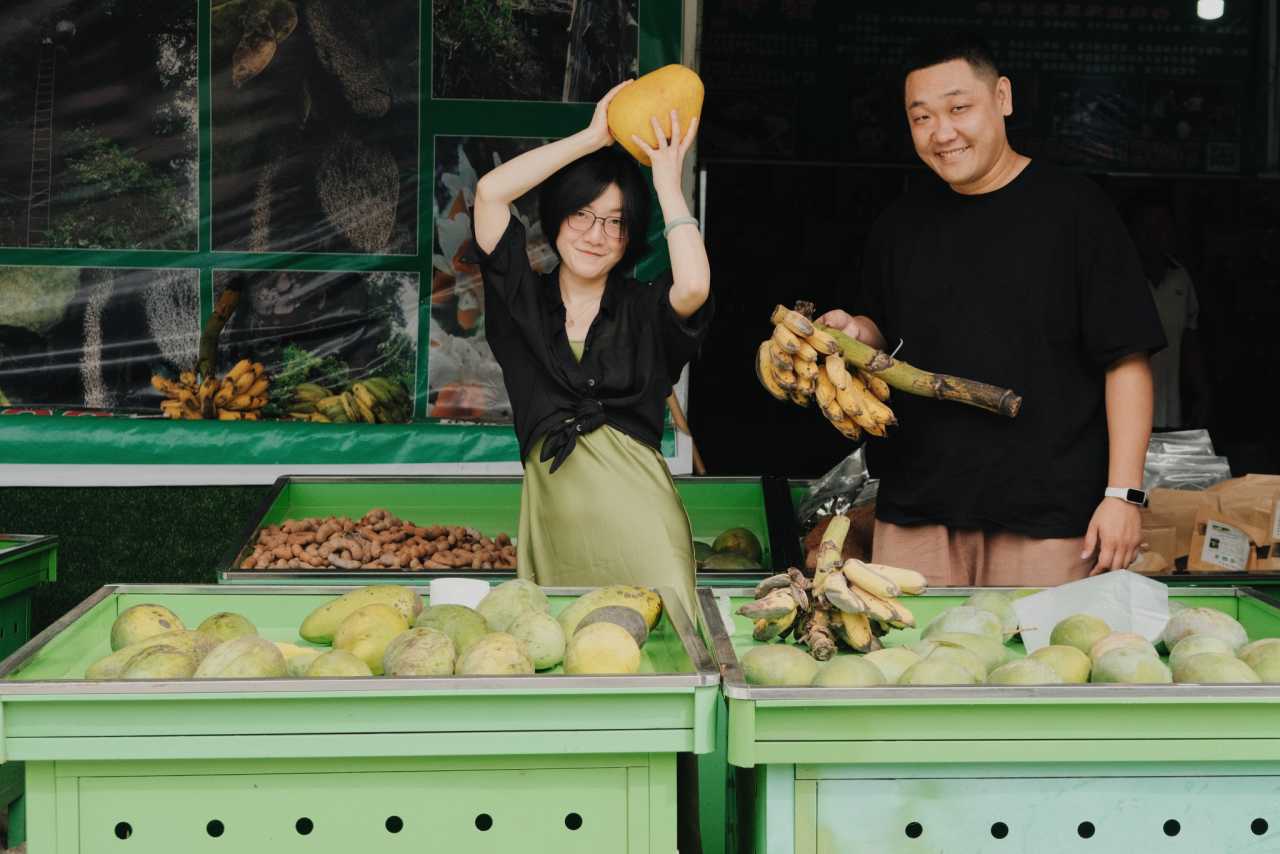
- Mirrorless: Fuji X-T4, 18-55mm (the main camera before my parents joined)
- Film: Canon 1V, 24-70mm, Kodak 200 + Portra 160 (only shot 3 rolls—too heavy)
- DSLR: Canon 5D4, 16-35mm, 70-200mm (killed by the weight again, but this was my parents' stubborn choice)
- Point-and-shoot: Ricoh GR IIIx, 55mm (barely used, given the three big brothers above)
- Phones: iPhone, Huawei, OPPO
Writing this out, I feel a little gross myself. If you can tell which camera took which photo, congratulations—you're also a victim of digital gadgets.
Post-processing was mostly straight out of camera. The Fuji just had a filter slapped on.
Characters: The "Low Stamina" Tour Group
Our team was a textbook example of "can win battles but can't fight hard ones." We spent most of the day coasting, with only about two hours of real energy per day.

- Me: The soul of the group—juggling the roles of girlfriend, friend, work partner, and daughter all in one, plus photographer and part-time bookkeeper. Too many hats, and I was worn out.
- Biaobiao: Boyfriend and designated driver through the boondocks. Follow him, and you're not afraid of remote villages. A table full of food? Nothing left. A narrow alley? You can't see the road ahead.
- Nana: My old buddy. She'd been dealing with allergic skin issues for over a year, yet still insisted on charging into the high-altitude winds and gobbling up wild mushrooms—a timid, brave little thing.
- My Parents: Joined us for the second half. As the 60+ photography squad, they barely managed to complete the tasks the plateau set for them.
Even though my parents carried a 70-200mm lens, they spent the whole trip taking blurry, shaky photos and videos on their phones for Douyin (Chinese TikTok). Later, I discovered that every one of my dad's Douyin posts got over 100 likes, with comments full of giant rose emojis. Seriously, when will the "senior influencer" trend take off? Could you all please follow my dad?
Xishuangbanna: A Pilgrimage for Plant Lovers
To my parents, the words "Xishuangbanna" conjured up images of a "mysterious borderland, a place of longing." My mom imagined the locals all wearing ethnic costumes and carrying little baskets on their backs. But younger people know that in recent years, Banna's tourism has been exploding. On Xiaohongshu (Little Red Book), thousands of girls are sending out siren calls to urbanites.
From the Starry Night Market and the Golden Pagoda to the 199, 399, and 699 RMB photo packages, Gaozhuang is one face of Banna—scorching, noisy, chaotic, bustling, and full of life. If you're a middle-aged person like me, you'll feel it's like the early days of Lijiang or Gulangyu Island when they first got popular—quickly trending foods and businesses popping up everywhere, with all the locals and migrant workers diving in, hoping to harvest a bit of wealth and happiness from this high-speed, booming playground.
Pork jerky from Gulangyu, flower cakes from Lijiang, coconut ice cream from Banna—I've had the honor of tasting every wave of trendy flavors. My privilege.
The other face of Banna is hidden behind giant palm leaves—natural, rustic, wild, rough, and endlessly alive. The botanical garden has tens of thousands of plant species lined up to show off. If you're lucky enough to venture into the villages, those "rare flowers and exotic plants" areas with their little ID tags appear in even more unrestrained and lazy forms along dirt roads and in the gaps between slopes. You start to feel that, as individual species, these plants might seem a bit undervalued, but the land beneath their feet? Its value is skyrocketing.
Our Banna was both official and savage. Looking back, two words sum it up: damn awesome.
The Botanical Garden: Please, Just Go Wild!
Rating: ★★★★★
Transport: Full-day hired car (350 RMB)
Tickets: 80 RMB for entry; West Zone shuttle 50 RMB; East Zone shuttle 50 RMB
Visit Duration: 5 hours
Highlights: Plants,沿途 Dai villages, fruit stalls, dragon fruit fields
Starting from Gaozhuang, the botanical garden is one of the farthest attractions, about an hour's drive. We just hired our hotel driver's car. I'm not sure if it was Biaobiao's "That's not expensive" comment when the driver said "400 RMB for the ride from the airport" that made us look like easy marks, but when we later found out the usual price was 300-350 RMB, we couldn't haggle it down no matter how hard we tried.
The fruit stalls along the way are strung out in a long, sparse line. The driver usually asks if you want to try some and then hits the brakes. The stall owners are incredibly welcoming, treating you to a tropical fruit/dried fruit buffet—no matter how empty your stomach is when you get out, you'll be stuffed when you get back in. Don't feel bad about eating and taking a bit extra: first, the stall owners hope you'll add them on WeChat so you can order a box or two of sweets to send home later; second, local fruit is so abundant that a few free samples don't hurt their business.
So, after Biaobiao sampled several pounds worth, he made sure the owners didn't work for nothing—we ended up buying nearly 2,000 RMB worth of fruit to send to friends, family, and clients. Dozens of RMB per box (about 10 pounds), shipping included. Feedback from everyone: "Super sweet!"
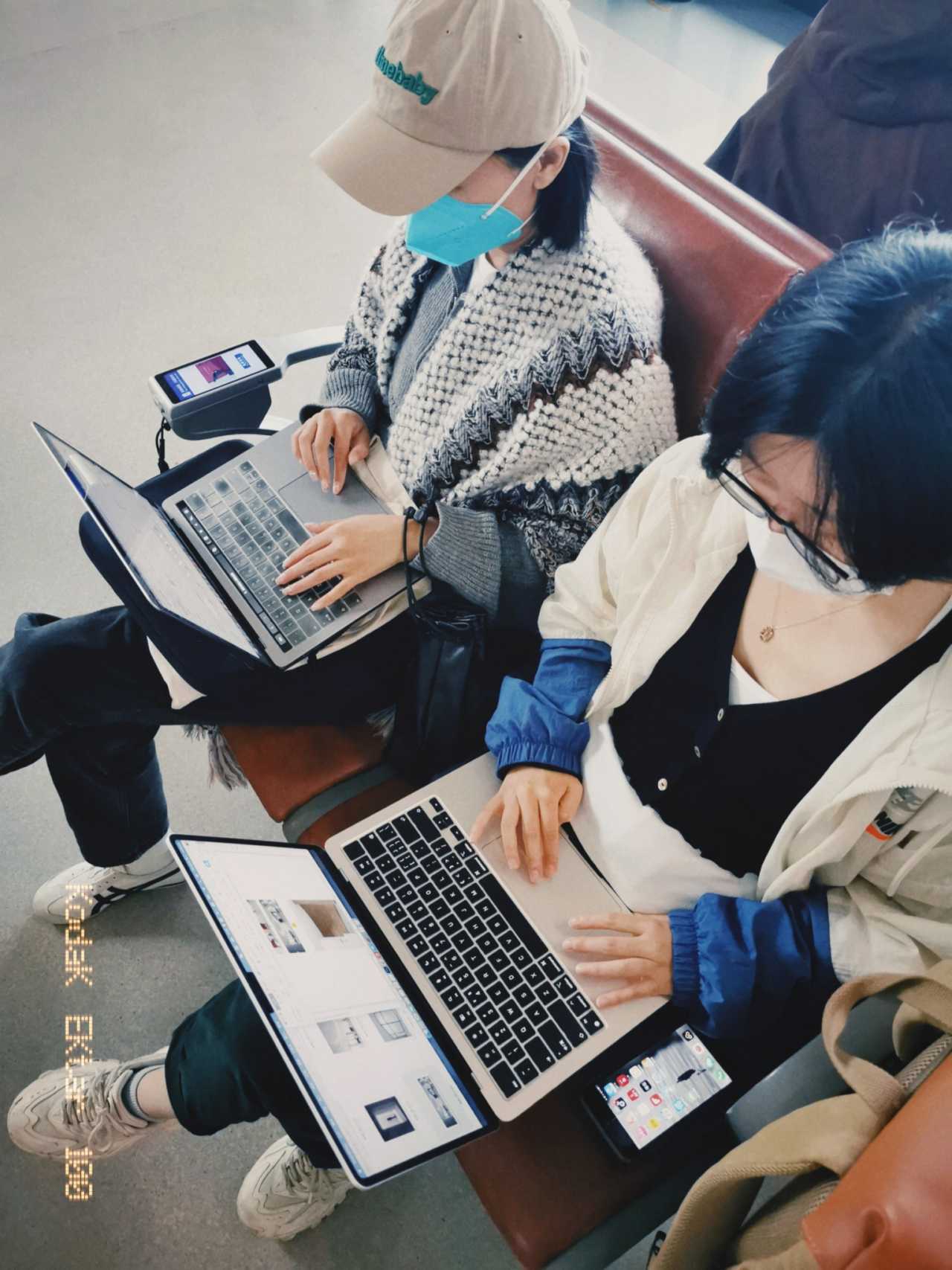
We also stopped to take photos in the dragon fruit fields. The driver said, "This isn't pretty." We said, "No, no, this is gorgeous." We got a confused look from the guy.
The West Zone of the botanical garden is well-developed. The famous Victoria water lily photo spot and most of the popular Instagram-worthy shots come from here. The driver said we didn't need to go to the East Zone's tropical rainforest—it wasn't fully developed yet, with only two stops. We heard that—tropical rainforest? Not developed? That means we have to go! Buy the tickets! Later, it turned out that if you have a nature-focused itinerary planned for Shangri-La, you can skip the East Zone—the forest is deep and majestic, but the overall color scheme leans brown, and you can't explore freely; you're confined to the boardwalk, with lots of stairs.
We practically exhausted our energy in the first two stops of the West Zone. The Victoria water lily platform costs 20 RMB per person. Chubby Biaobiao became the only guy on the platform—generous with his money, but extremely conservative with his photo poses. During peak season in July and August, the lilies can support an adult weighing up to about 110 pounds, but now the limit is kids under 66 pounds. On our second visit, my mom went on the platform alone—I have to say, in every scenario, my mom's poses were better than ours. Why is that?
The best thing about the botanical garden is that you can actually walk into the lawns and forests. As long as you have unlimited energy—you can take close-up selfies with ten thousand different plants; you can study countless fruits and bugs with a magnifying glass; the tall, straight coconut and palm trees can cure your chronic neck problems; the strangler figs are a city slicker's first lesson in tropical rainforest ecology; yellow ants crawl into your shirt, black mosquitoes are fearless—but I still stuffed myself into the buttress roots and the seemingly enchanted lady palms, fantasizing about becoming a plant myself. Vitality is the only language.
I recommend getting off the shuttle at each stop and walking back a bit—besides the little Monet-style pond, there are forgotten but charming little footbridges, with surprises coming one after another. Autumn colors and miniature ganoderma mushrooms are everywhere. Compared to the "know your limits" plants in barren cities, the botanical garden is like hitting a winning streak in mahjong, building floor upon floor. Looking at their unrestrained brilliance, we pretentious humans seem pretty pathetic.
The Ultimate VIP Experience: Jinuo Village
Rating: 5+
Transport: Self-drive
Prerequisite: You need to know a local
Location: Qianma Village, Jinuo Mountain, Jinghong City, Yunnan
Highlights: Everything
There's a scene in the first If You Are the One movie: Qin Fen goes on a blind date with a Miao girl. The girl blinks her big eyes and says, in a sweet but fierce tone, "First, fly to Kunming. Then take a day-long bus to Mengzi. Then another bus to Pingbian. Then a day on a tractor, and another day on an ox cart, and you'll get to our village." Qin Fen asks, "If things don't work out between us, can we get a divorce?" The girl replies, "My brother will break your legs."
When the three of us started reciting this script in Xiao Bai's brother-in-law's car, the whole vehicle burst into laughter. The icebreaker was a success—I thought to myself, with laughter this hearty, Xiao Bai and her brother-in-law probably weren't planning to sell us.
Six years ago, Biaobiao met Xiao Bai on a work trip to Banna. They'd been online friends for six years. Before this trip to Yunnan, Biaobiao saw a post on Xiao Bai's social feed about cutting bamboo by the river, grilling fish, and having a picnic. His primal instincts kicked in, and he shamelessly asked Xiao Bai if he could come visit her home. And that's how we ended up having the sweatiest, most leg-aching, heart-pounding, and coolest day in Banna.
I also got my first taste of bee pupae, adult bees, raw chicken blood, and an endless supply of milk fungus (Lactarius mushrooms) that day.
Xiao Bai is Jinuo. After we had a breakfast of chicken rice noodles in the morning, her brother-in-law's sedan picked us up from Gaozhuang. It was an hour's drive from Banna to Mengla, with a stop at a newly opened large farmers' market. At a stall called Red Ivory, the thin slices of haoluosuo (a local snack) that cost 1 RMB each were now available in a big bowl for 3 RMB. Old men, old women, and young girls carrying bamboo baskets and wearing traditional clothes were everywhere—loved it! The market scene is always a paradise for photography lovers.
Leaving the market and heading toward the village, we even stopped to look at a guy selling ginger and knives—the growing ginger and the knife that could cut anything made us city folks, who hadn't seen much, incredibly excited.
The car started to squeeze into narrow roads, and the plants on both sides grew denser. "Once we enter the village, it'll be a dirt road," Xiao Bai said. The journey is always more thrilling the deeper you go, without exception. After nearly two hours, Xiao Bai pointed to a small house we passed and said, "That's my grandmother's house." We were almost there. After driving through another village, a big sign reading "Qianma Village, Jinuo Ethnic Group" announced our arrival. Xiao Bai said that the old stilted houses were almost gone now, replaced by newer, more durable buildings. Her uncle chatted with everyone who walked past the car window—the whole village being relatives made us outsiders feel very well-behaved.
Xiao Bai's grandmother didn't speak Mandarin, and her mother's Mandarin wasn't great either. But the whole family was incredibly warm. In the yard, draped with hanging plants, the extended family welcomed us with the simple, shy warmth unique to locals. The little nephew was desperately trying to get a Coke, negotiating with the adults, and before dinner, he was wrestling with a pomelo using his teeth. None of the kids wore shoes—Xiao Bai said they only put them on when going out; the kids grow up barefoot.
Xiao Bai's parents and sister were all busy in the kitchen preparing dinner. To make us a mushroom meal, the family had gone up the mountain at 4 or 5 in the morning and rushed back before noon. We felt we hadn't been treated with such thoughtful hospitality in years—we were speechless except for saying "thank you" over and over.
Steamers were on the fire, stacked high, each layer holding a new dish. The village was bathed in hot, quiet sunlight, everything bright and lovely—had we stumbled into a paradise?
Warning: Intense Content Ahead—Then, completely out of the blue, this happened.
To fulfill Biaobiao's wish of fishing by the river, a group of relatives and friends whose names we couldn't keep straight gathered at Xiao Bai's doorstep, plus an SUV and a pickup truck. This seemed... a bit much?
At that moment, Nana, in her tiny shorts, was bent over taking a picture of a little dinosaur toy on the ground. Biaobiao, in his flip-flops, was jiggling his chubby body while carefully organizing his fishing gear. In the middle of this sunny, peaceful scene, Xiao Bai and two other guys walked out of the house—
Each of them: camo, jeans, rubber boots, hat, gloves. They had changed clothes? We were dumbfounded!
Where are we going? What are we doing? Isn't it just fishing? What's all this?
When we said we were planning to go in our "casual summer outfits," Xiao Bai said, "There are mosquitoes." We had a vague feeling something wasn't right. To prevent Nana's two slender, dark legs from being attacked, we borrowed a pair of cotton pants from the grandmother and two hats, and set off nervously. As it turned out—without those pants, Nana's day would have ended right there.
The pickup drove into the forest. Rubber trees as thick as a large bowl still had the tapping cups hanging on them. The river where we were supposed to fish was down below—as for where "below" was, we had no idea. Xiao Bai and her friends simply walked down the steep, wild slope of the forest, which was at about a 50-60 degree angle, right in front of us. They just walked down. Followed by: "Follow us."
But us? We couldn't keep up.
Where's the path? There's no path!
Xiao Bai and her female friend kindly led us a bit further and said, "Walk here. There's a path here."
No! There's no path here either. Seriously, there isn't.
But with the nagging thought of "you can't give up from the start," and not yet anticipating the even more demoralizing "flat ground" ahead, we just pulled each other along, wailing and complaining, and walked down that so-called "path."
What followed was an extreme trek. The three of us had no idea where we were going, how far it was, or where the path was. We followed the friend, who was wearing only flip-flops, pushing aside weeds taller than us, stepping on and collapsing piles of dry straw, repeatedly pulling our useless legs out of mud pits, and wiping the stinging sweat from our eyes. Every step that looked like flat ground could be a muddy puddle or a deep hole. I had given up protecting my bare hands—with every step, I grabbed onto the thickest handful of corn stalks I could find, letting unnamed little thorns scratch my hands. We advanced inch by inch.
When we finally reached the rushing, muddy river, the situation—no way forward, no way back—completely threw us. We gasped for air, letting the sweat pour freely. We collapsed right there in the bare, unshaded, scorching sun, caring about nothing. I suddenly remembered crossing the mountain pass in Daocheng nine years ago—honestly, that was nothing compared to this.
Later, when Xiao Bai and the guys asked if we wanted to wade across the river to take a shortcut on the other side, the three of us showed incredible team spirit and independent thinking—we all shook our heads in unison and proactively offered to be the first to turn back.
With her sharp mind, Xiao Bai could see we absolutely did not have the strength to cross the river. Plus, worried about our safety, she decisively vetoed the idea. So we started heading back, carving out a new path, squeezing the last bit of energy out of our aging bodies.
On the way back, I even took the lead for a while. Knowing we were returning gave us a boost of energy. The three of us had only one thing on our minds: Xiao Bai's big yard and the smell of food already wafting from the kitchen. We were anxious to "go home"—meaning Xiao Bai's house! I could feel the adrenaline surging. Halfway back, I checked my fitness tracker: heart rate at 150, all the way back to our beloved pickup. Thank god for three months of cardio; otherwise, carrying that backpack for over an hour might have actually knocked me out.
The three of us stood like drowned rats under the rubber trees, shaking out our sweat-soaked clothes. Nana had never sweated this much in her entire life—a bit embarrassing, but hey, a first time for everything.
When a cool breeze blew by, a falling rubber fruit hit my pale but useless shoulder—ouch. We rested for a while. After the extreme exhaustion, rationality and clarity slowly returned. Along with them came a crisp, cool happiness—not just the joy after sweating buckets, but a sense of satisfaction and humble submission after grappling with nature.
Later, the tasks we couldn't handle were a piece of cake for Xiao Bai and the guys. They caught a few fish in the river, which at least satisfied Biaobiao's visual craving. They stuffed us fragile outsiders into the front seats of the pickup, while the locals, including a few kids, rode in the open truck bed, enduring the blazing sun and the wild bouncing, their laughter trailing behind them as we headed back to Xiao Bai's house.
You know what they say about "all talk and no action" or "more enthusiasm than ability"? We were the perfect embodiment of it. After peeling off the borrowed cotton pants and taking off our backpacks, the three of us came back to life. We pestered Xiao Bai to take us on a tour of the village—picking jackfruit, snake fruit, pearl fruit, wild strawberries, tasting lemongrass, picking wildflowers, cutting bamboo shoots. Wearing a little Jinuo-style blouse handmade by the grandmother, the three of us together were like a rural plant version of The Magic School Bus—we were just purely happy.
The mountain wind and the small village, the sunshine and new friends, the cooking smoke and the incomprehensible Jinuo language...
Who says it's all just a beautiful dream? This dream was sweet, and it was exhilarating.
After our wild adventure, it was time to eat. The table was a feast—bao shao (grilled in banana leaf)花椒叶 (Sichuan pepper leaf) tilapia, winter melon and free-range chicken soup, raw chicken blood curd, sweet bamboo shoots, bee pupae stir-fried with chives, stir-fried milk fungus (Lactarius mushrooms), papaya salad, lemon jelly noodles, stir-fried beef, pickled bamboo shoots stir-fried with chicken gizzards. I could have eaten an entire bowl of the mushrooms alone—so, so fragrant.
The Jinuo people are incredibly hospitable, and everyone is a good drinker. It happened that the day we visited was the Mid-Autumn Festival, and the village was lively. But Xiao Bai and her family knew we really couldn't hold our liquor, and they didn't pressure us at all—they let us drink soft drinks while they enjoyed their own liquor to keep us company. It made me think of the city dinner tables, with people turning red-faced after two shots and the forced drinking games. Honestly, it was humbling.
That night, after we returned to Gaozhuang, Xiao Bai sent us a video. In it, the villagers were going door to door, drinking and eating meat, partying until three or four in the morning. In countless small villages we'll never visit in our lives, people live with such unrestrained joy.
I remember when we were leaving, a crowd of people poured out onto the village road. We couldn't understand the local dialect, so we didn't know what everyone was saying—it seemed like some young people who had come home for the holiday were also heading back to the city. But we just felt surrounded by people, everyone happy, as if they were seeing us off.
Later, we didn't know the driver or the girl in the passenger seat of the car that took us back. We chatted quietly the whole way. When we arrived at Gaozhuang, the girl in the passenger seat suddenly said, "Sorry, I get carsick, so I didn't talk to you the whole way. You're welcome to come again—the Jinuo people are very hospitable." Then the driver also expressed his welcome for us to return.
We were overwhelmed and a little embarrassed. Every single person we met was lovely. A day wrapped in a whirlwind of sincerity and warmth became our best memory of Banna. That feeling of wanting more people to know about this ethnic minority, to see its scenery and people, to experience its unpredictable and non-standardized customs—but at the same time, not wanting it to be developed—that mix of cherishing and reluctance perfectly summed up our emotions.
The Royal Garden and Night Market: A Feast for the Eyes
Mantin Royal Garden
Rating: ★★★★
Transport: Taxi
Tickets: 40 RMB for entry; 40 RMB for shuttle
Visit Duration: 2-3 hours
Mantin Royal Garden is located within Jinghong city itself. A ten-yuan ride on a ride-hailing app gets you there. It's situated at the confluence of the Lancang River and the Liusha River, and it's still full of ancient ironwood trees and vegetation. Compared to the botanical garden, it has more cultural attractions, like a Dai ethnic village—it was originally the Dai king's royal garden, similar in concept to a Chinese emperor's imperial garden.
As the oldest park in the city, it's worth a visit. We wandered around on a rest day—there were girls in Dai and Hani costumes everywhere, a real feast for the eyes. In front of the golden, resplendent palace, they took turns posing for royal-style photo shoots. The three of us were all in black... but we couldn't miss the chance to take photos with all that gold, and we had to blend in seamlessly—since we lost on the outfit front, we'd make up for it with our poses!
There are hills, water, forests, flowers, grass, big catfish, and Biaobiao's favorite—the macaws. They looked a bit grubby, clearly working hard for a living. Anyway, it's a good place to wander for half a day.
Starry Night Market
Rating: ★★★
Transport: Walking
Tickets: Free
Visit Duration: 1-2 hours
Advantages: Lively, big, bright
It really wasn't our thing. However, as a case study for observing the rise of a tourist city landmark, it's unparalleled. Walk around the Golden Pagoda, look down on the Starry Night Market from above—rows of neatly planned stalls selling tank tops, cold salads and BBQ, live music, drinking spots, and ethnic accessories. The crowds are overwhelming—one moment of inattention and you'll lose your companions, or be half-deafened by the ear-splitting sound systems at the corners.
Epilogue: Returning Home at Dusk
Eighteen days—not too long, not too short. Between looseness and staggering, we mingled with nature.
Back in Beijing, when spring was turning to summer, we had slapped our thighs and sworn we needed a vacation to decompress. Then, the situation crossed out all our options, leaving only Yunnan. And then, we sweated under Banna's scorching sun, got lost in the Jinuo village, lay flat on the moss in the botanical garden, and got lost in the crowds of the Starry Night Market.
Every moment—whether good or bad—defies simple summary. But we're addicted to this state of being wrapped in chaotic complexity. No matter what instant it is, the world places that instant's charm right into your hand.
The lake water and the sky drifted softly back into my eyes. For the years to come, nothing will ever be still again.
It was really, really good.
Practical Tips Summary:
- Car Hire Price: Hiring a car in Banna to go to the botanical garden costs 300-350 RMB normally. Don't be a pushover.
- Botanical Garden Visit: The West Zone is good for photos. The East Zone's tropical rainforest is more primitive. If you have a Shangri-La plan, you can skip the East Zone.
- Victoria Water Lily Photo: Peak season in July-August can support up to 110 lbs (50 kg). Other times, limit is under 66 lbs (30 kg).
- Jinuo Village: You absolutely need a local guide to experience it deeply. Contact a local friend in advance.
- Gear Advice: If you're going hiking in a village, you must wear long pants, hiking shoes, a hat, and bring insect repellent.
- Fruit Buying: You can sample fruit at roadside stalls. Add the owners on WeChat and they can ship it to you at good prices.
- Starry Night Market: Good for taking photos, but the experience is average. Extremely crowded.
- Best Season: September is hot but has little rain, making it suitable for travel.
You should also read:
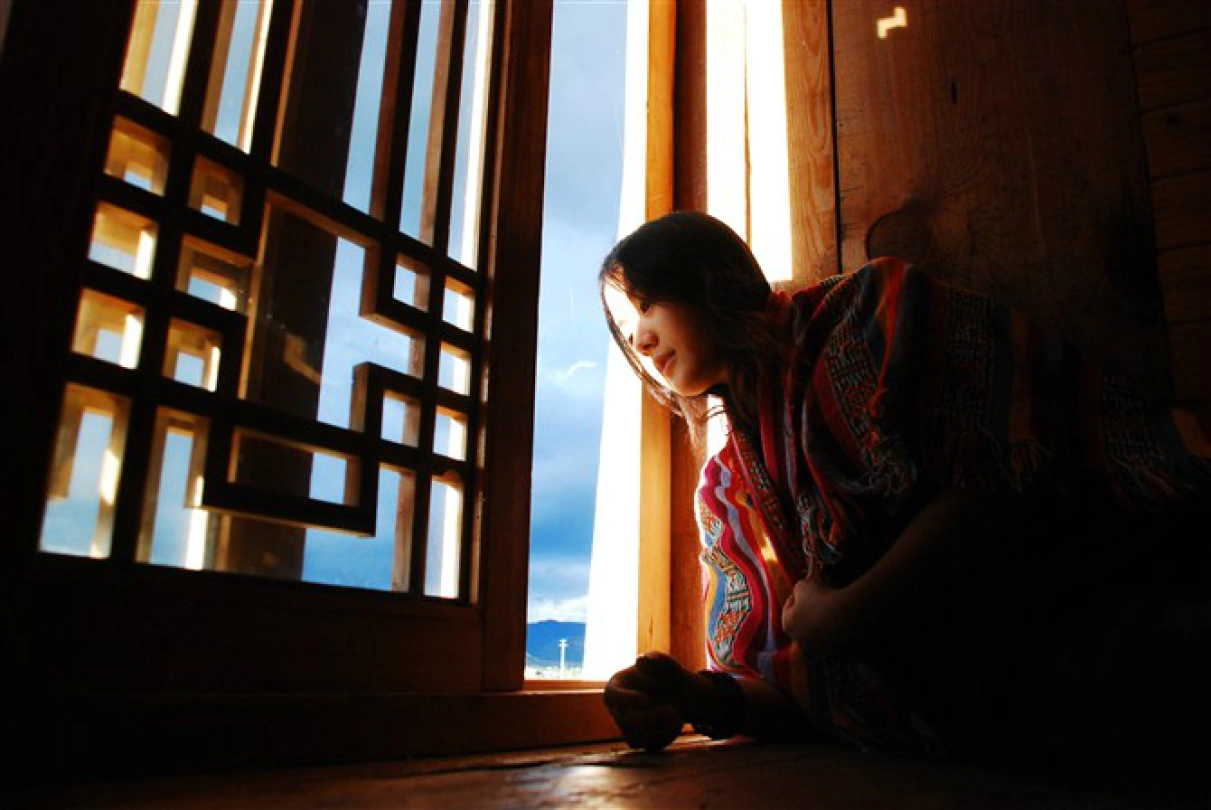
24 Days, 1400 Yuan: A Solo Journey Along the Sichuan-Yunnan Route, Trading Stories for Scenery
24 Days, 1400 Yuan: A Solo Journey Along the Sichuan-Yunnan Route, Trading Stories for Scenery Setting Out, Not to Escape, but to Find Myself The year I graduated from university, I did two "crazy" things: I quit my job, and I set off on a…
Continue reading...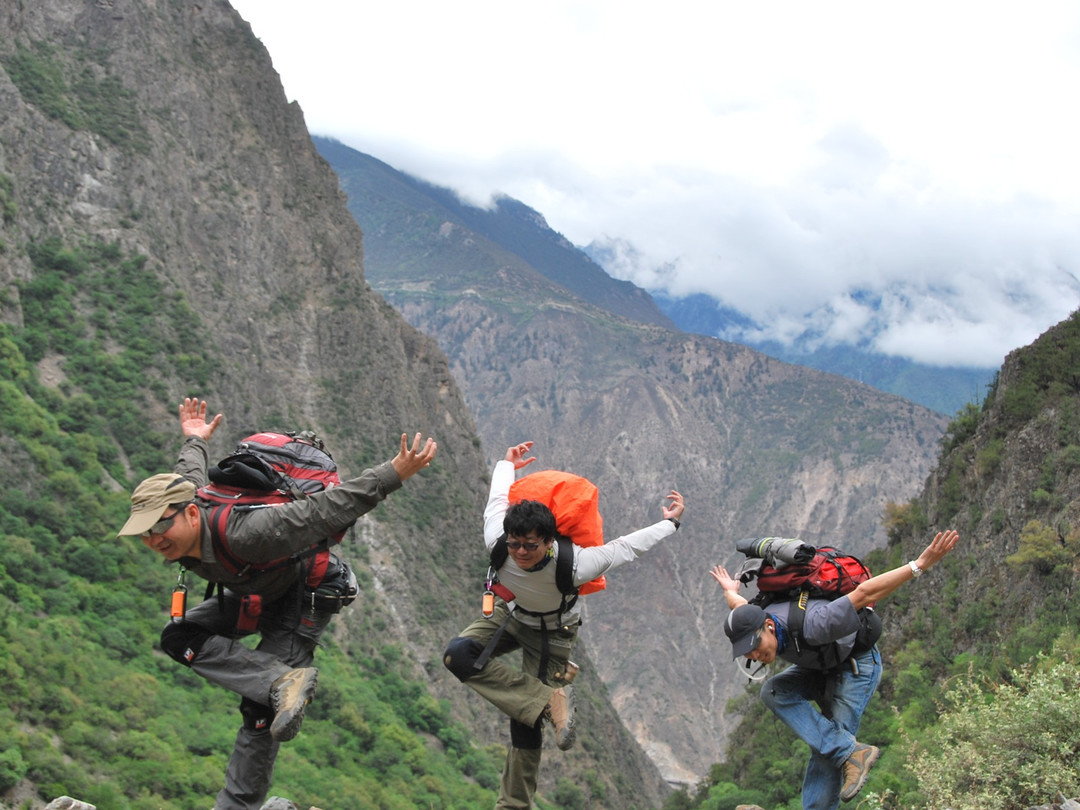
Pilgrimage to Meili, Trekking through Yubeng: The Ultimate Dialogue Between Soul and Body
Pilgrimage to Meili, Trekking through Yubeng: The Ultimate Dialogue Between Soul and Body Prologue: When Dreams Become Reality Some places, just by saying their names, are enough to make your heart race. Yubeng, a hidden village nestled deep within the Meili Snow Mountains, is exactly…
Continue reading...
Yunnan's Colorful Clouds: Touching Shangri-La — A Dialogue with the Sky
Yunnan's Colorful Clouds: Touching Shangri-La — A Dialogue with the Sky If you ask me where in China is closest to heaven, I would tell you without hesitation: Shangri-La. The name itself carries a mysterious magic, as if every syllable whispers tales of distant lands.
Continue reading...