2000KM Yunnan Road Trip: Experiencing the Awe and Beauty of Time and Space Folding
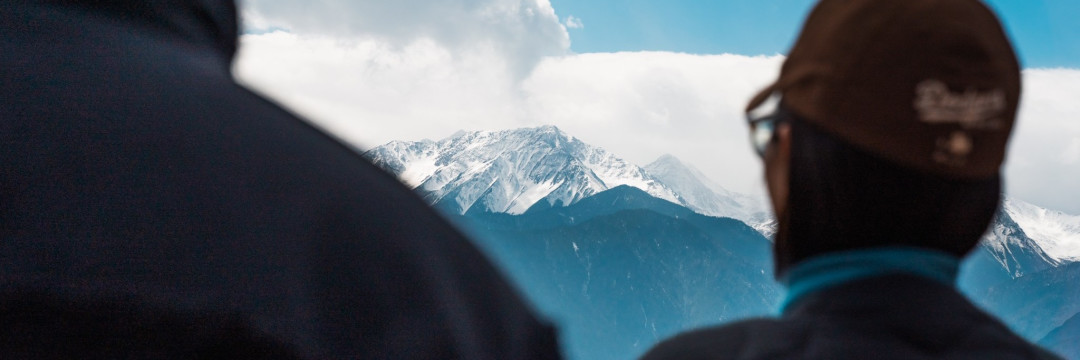
2000KM Yunnan Road Trip: Experiencing the Awe and Beauty of Time and Space Folding
Before We Set Off: A Trip Born from a "Featured Post"
In September last year, my mom, Becky, and I traveled to Gannan. After returning, I published a travelogue on Mafengwo, and Xiao Yuan casually said, "If this gets featured on the homepage, let's go on a trip during Spring Festival." To my surprise, the very next day, I received the notification that my post had been selected. A promise is a promise—and so this Yunnan adventure was essentially "forced" into existence.
However, year-end work was a tangled mess, with deadlines coming one after another. I grew numb in the concrete jungle. Until one day, my mom asked me, "Aren't you cold in that little down jacket?" Only then did I realize I had lost touch with even basic sensations like hot and cold. So, I decided to find a place to freeze myself awake! The northeast was too crowded, Xinjiang's Hemu required luggage preparation I wasn't ready for, and deep in Shangri-La, we could experience winter while chasing the sun.
Spring Festival travel demands meticulous planning. On a sunny Saturday, Xiao Yuan and I, voices overlapping, finalized our itinerary. Over the next two days, I snatched up flights and accommodations between work tasks. Every bit of preparation was worth it—I had never set foot in Yunnan, and Xiao Yuan had only a fleeting acquaintance with it. Together, we embarked on this journey. In just ten days, we experienced the wonder of spatial folding, the magic of temporal compression, and the transitions of three seasons. Towering peaks, mighty rivers, alpine lakes, flora and fauna... Nature is so vibrant, and we are so small.
Itinerary Overview: A 10-Day, 2000-Kilometer Time-Space Journey
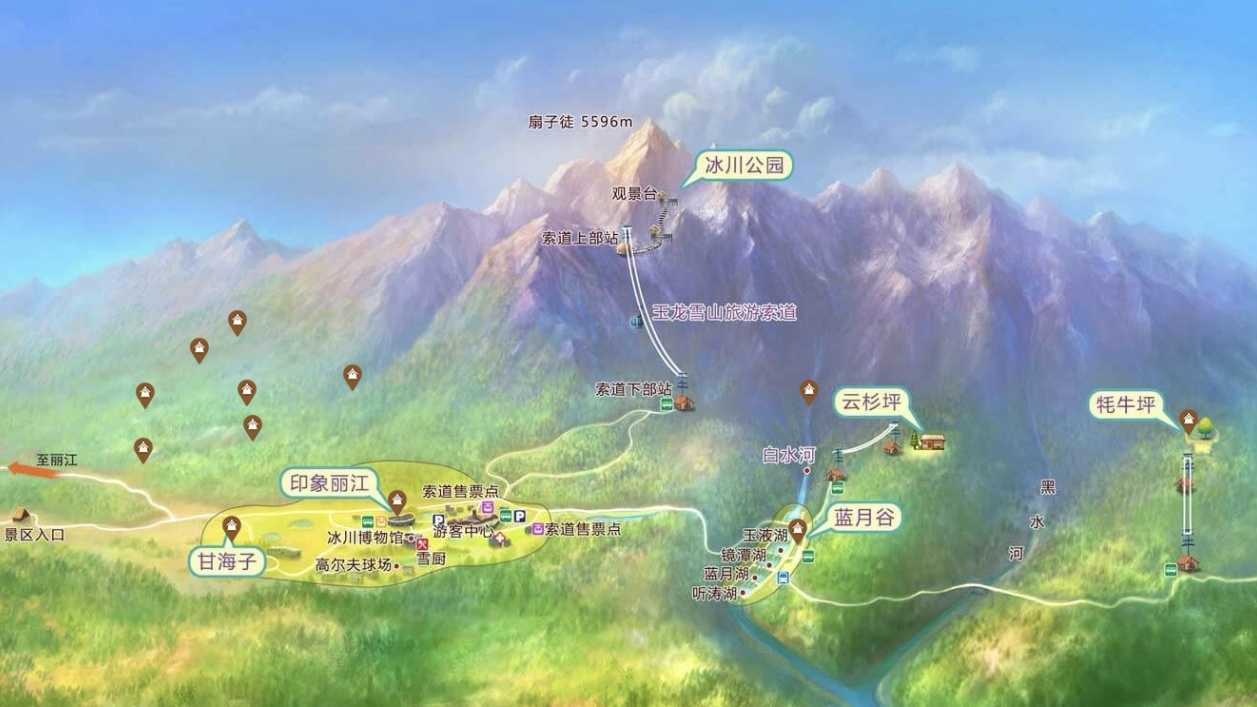
- Day 1: Beijing → Kunming
- Day 2: Kunming → Shuhe Ancient Town (Pan Xiang Ji flower cakes, mushroom feast hotpot, stay at Hopeful Life Aesthetics Guesthouse)
- Day 3: Shuhe Ancient Town → Jade Dragon Snow Mountain → Baisha Ancient Town (Ke Bu Ke Song pastries, Melet Coffee, Chuan Yun Na Jia hotpot rice noodles, stay at Yun Qi Bai Sha Guesthouse)
- Day 4: Baisha Ancient Town → Potatso National Park → Dukezong Ancient Town (stay at Yun Di Tian Zhu Manor)
- Day 5: Dukezong Ancient Town → Songzanlin Monastery → Balagezong (Shun Shun小吃 local snacks, stay at Balagezong Snow Mountain Ice Spring Wellness Manor)
- Day 6: Balagezong → Benzilan Town → Jinsha River Big Bend → Feilai Temple (Zhang Ji wooden bucket fish, stay at Deqin Gang Jian Hotel)
- Day 7: Feilai Temple → Xueda Lake → Wunongding (Deqin county street food, stay at Mo Ju Mei Li Snow Mountain Guesthouse)
- Day 8: Wunongding → Baima Snow Mountain Pass → Napahai Lake → Erhai Lake Ecological Corridor (Feng Ying grilled rice cakes, Bo Ben Yin restaurant, stay at Dali Tan Yu Seaview Inn)
- Day 9: Erhai Lake Loop → Kunming (Pan Xiao Shao barbecue, stay at Hanting Hotel)
- Day 10: Kunming → Beijing
Lijiang: A Tapestry of Golden Grandeur and Gentle Serenity
Jade Dragon Snow Mountain: A Sunrise Without the Cable Car
Departing from Kunming, we passed through the crowded Dali and spent the night in Shuhe Ancient Town. The enthusiasm of Spring Festival travel was palpable on the road. Our original plan for Jade Dragon Snow Mountain seemed flawless: drive to the Yak Meadow parking lot, hike up for sunrise, take the cable car down, then visit Spruce Meadow and Blue Moon Valley.
Reality, however, delivered a harsh blow. At 9 PM, we tried to snag tickets on the Lijiang Tourism Group mini-program. The system showed a queue; two minutes later, it said "purchase quantity exceeds stock." When we refreshed, all time slots showed "0." We were stunned. We tried other channels—prices were doubled and still required advance booking. Finally, we decided: hike up and down Yak Meadow. The rest, we'd see if fate allowed.
At 4:30 AM the next day, we set off in the dark. Shuhe Ancient Town was silent; our suitcases rattled over the ancient cobblestones. The guesthouse owner was still asleep, and we had to bother him to remotely lift the barrier. He urged us repeatedly, "Make sure to call several times—call until I answer."
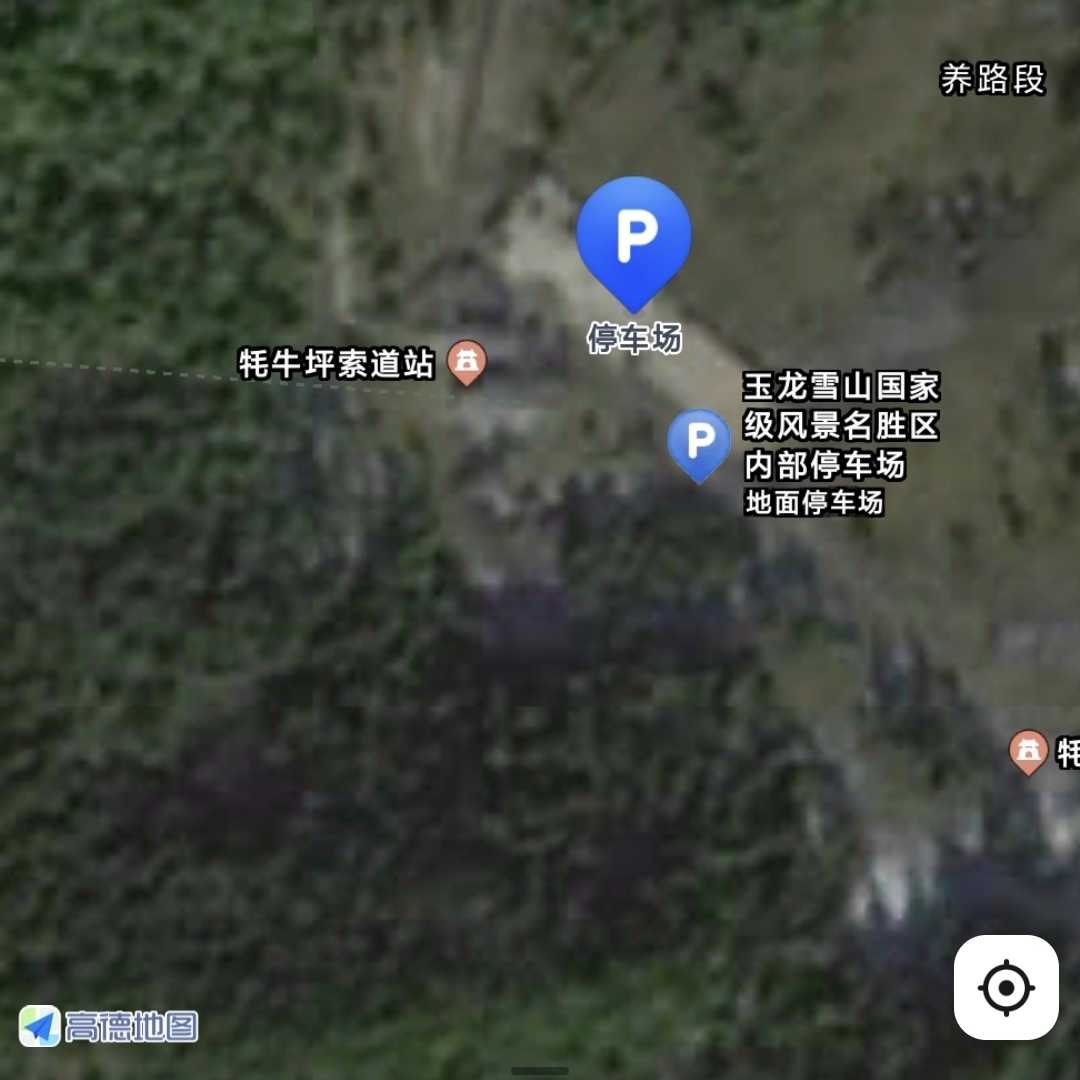
By 5:30 AM, we arrived at the scenic area entrance, where a long line of cars already waited. A large, glaring sign read "All Cable Car Tickets Sold Out," a stark reminder of our cable-car-less reality. At 6 AM, we drove in, navigating toward "Yak Meadow Parking Lot." At a fork, the main traffic headed to the visitor center, leaving us as the sole car continuing onward. The sky was pitch black, the surroundings silent. The asphalt turned into cobblestone and cement, then a winding mountain road, until we finally reached the parking lot.
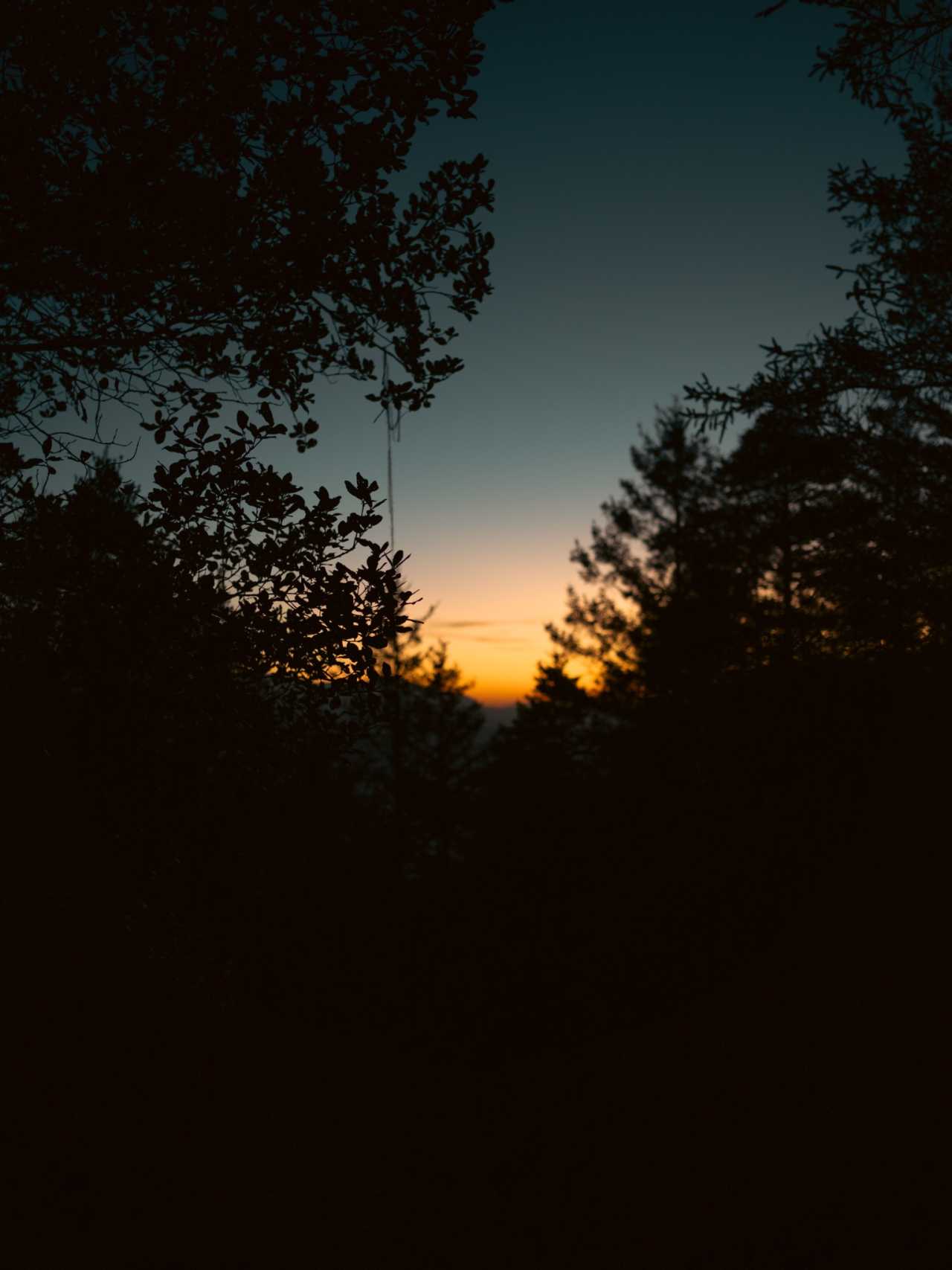
Xiao Yuan got out first and exclaimed, "Come down and look!" The sky was filled with stars winking at us—so bright, so clear. We could even see the Milky Way shimmering beyond the mountains. Time was tight, so we used flashlights to find the uphill path. The trailhead was about 150 meters back from the parking lot, at the first bend in the asphalt road, marked by a large rock. It started as a steep dirt path, but after twenty minutes, the going got easier.
Don't make the mistake we did—don't rush to take a shortcut straight up the slope. After scrambling on all fours in humiliation, you'll have to backtrack. Because we lost time, we caught the sunrise halfway up the mountain. As sunlight bathed the earth, we felt a surge of energy. In the distance, the Jade Dragon Snow Mountain faintly beckoned.
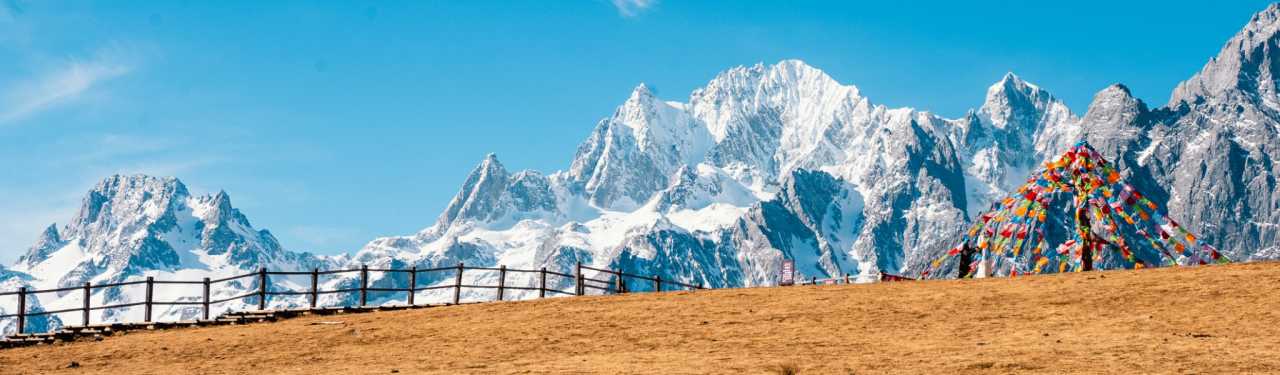
Treading on soft, accumulated snow, we finally climbed to Yak Meadow at 3,700 meters! It was vast and open; the cable car wasn't operating yet, and aside from us, there was no one. A flock of small goats came to greet us. In that moment, the Jade Dragon Snow Mountain touched the deepest part of my soul. Golden sunlight flooded the land; the sky was a flawless blue. Walking along the boardwalk, we drew closer to the Jade Dragon Snow Mountain at 27° north latitude—rising over 5,500 meters, it's the southernmost snow mountain in Asia.
I walked behind Xiao Yuan and the goats, hearing him occasionally bleat, and the goats would respond. Baa, baa, baa—like a melody. So close to the Jade Dragon Snow Mountain, we could even see the main cable car ascending to the summit. Peak after peak, pristine with snow, resembled a jade dragon soaring through the sky—a breathtaking sight. Yak Meadow is an excellent spot to view the thirteen peaks of Jade Dragon. We spent three hours there; if not for the wind, we'd have stayed longer.
Snowflake Temple: 200 Years of Warm Guardianship

On Yak Meadow stands an ancient Tibetan Buddhist temple—Snowflake Temple. After over 200 years of weathering, it still stands firm. The colorful temple, the snow-white thirteen peaks, and the touchable blue sky complemented each other. As we entered, a Tibetan aunt pointed to a table on the right by the door and said, "There's hot water and ginger tea—warm yourselves up." Two large thermoses, help yourself. What I drank wasn't just water; it was the warmth of home.
Baisha Ancient Town: The Gentle Serenity of the Naxi Old Capital
From Jade Dragon Snow Mountain, we arrived at Baisha Ancient Town, the capital of the ancient Naxi kingdom. Compared to Lijiang Old Town and Shuhe Ancient Town, it's the least commercialized. But during Spring Festival, the main street was still packed. We had a big bowl of rice noodles and "water spinach" (a local green vegetable). Yunnan's mushrooms were incredibly fresh. At a café with a large courtyard, we chose a spot on the floor. Next to us were Korean ladies; across from us, a girl from Guangdong—people from all over shared this space.
Leaving the main street and turning into side lanes, Baisha Ancient Town immediately became quiet and serene. In the vegetable plots by the road, an elderly Naxi woman was harvesting. When her basket was full, she casually latched the low wooden gate and strolled leisurely toward her courtyard. The sun slowly descended, casting soft light on the Jade Dragon Snow Mountain, making it the gentle backdrop of Baisha. I often think that people living near snow mountains are truly fortunate—when facing troubles, they can confide in the serene peaks and find great comfort.
Shangri-La: The Many Faces of a Dreamlike Wonderland
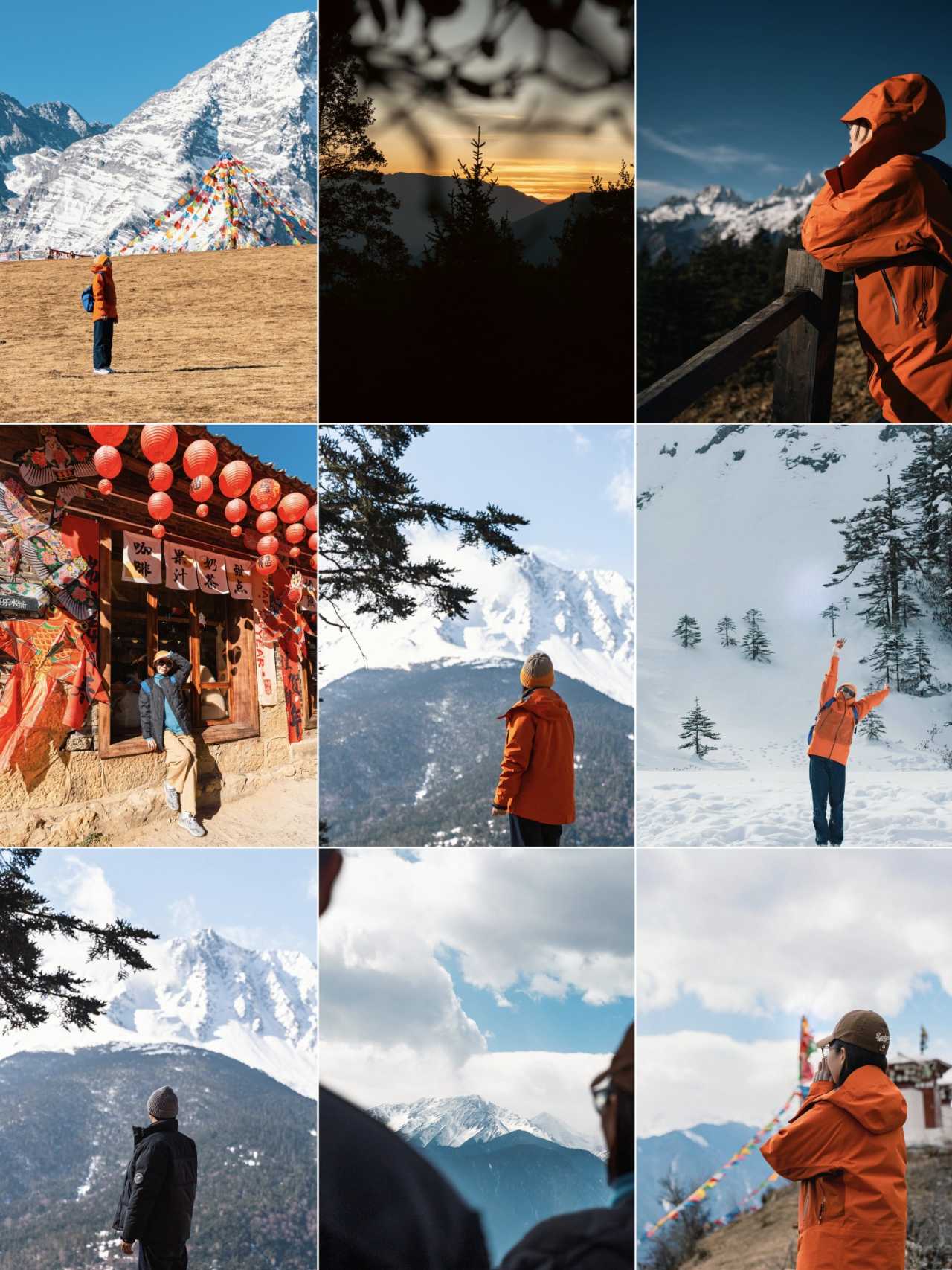
Potatso National Park: A Harmonious Highland Gem
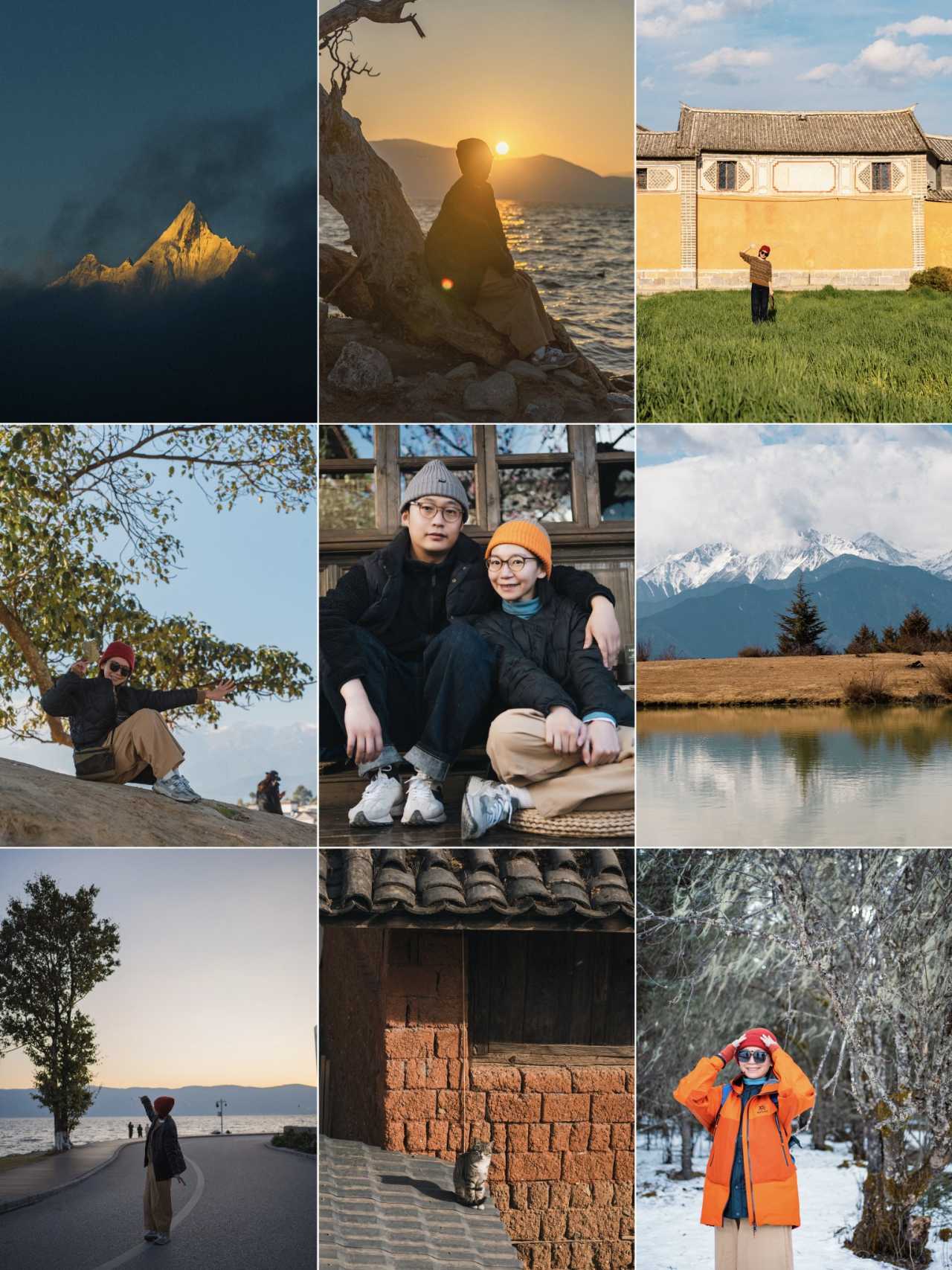
On the morning we went to Yak Meadow, I suddenly remembered Potatso and quickly bought tickets—138 RMB per person, including the scenic shuttle. During Spring Festival, it's the off-season, so only Shudu Lake and Bitahai Lake's partial trails were open. Potatso is China's first national park, and the open area is just the tip of the iceberg. The park is home to over 30 rare species, including leopards, forest musk deer, black-necked cranes, and red pandas.
Shudu Lake: We chose to walk, completing the loop in about two hours. Thick clouds hung in the sky, giving Shudu Lake a stark, cold beauty. Occasional rays of sunlight broke through, illuminating the tree branches where long moss hung densely, like little beards on the trees. I heard this moss is a favorite food of golden monkeys—I wonder if it tastes like cotton candy? The boardwalk was flat, with the lake on the left and the forest on the right. Plants were right beside us, allowing close observation. When we reached the middle of the lake boardwalk, the sun came out, and a little cow attracted many young women for photos. Further on, frozen landscapes appeared; walking the loop felt like admiring a rich winter painting.
Bitahai Lake: Taking the shuttle to Bitahai, we noticed a significant elevation gain—all uphill. There were plant identification signs along the way. Rhododendron trees covered the mountainside on the left, and we could see their thorny leaves up close. It's hard to imagine how beautiful it must be in bloom. I heard that in May and June, when rhododendrons bloom, their petals fall into the lake, and fish that eat them float belly-up—a phenomenon known as "rhododendron-drunken fish." At the end of the trail, everyone lingered in a pavilion. In the distance were forests, and nearby, flocks of birds chirped incessantly, signaling the vitality of the land. We were accompanied by plump squirrels along the way, which was delightful. I recommend visiting in spring or summer for better scenery; winter offers limited trails.
Dukezong Ancient Town: The Legend and Color of the Moonlit City
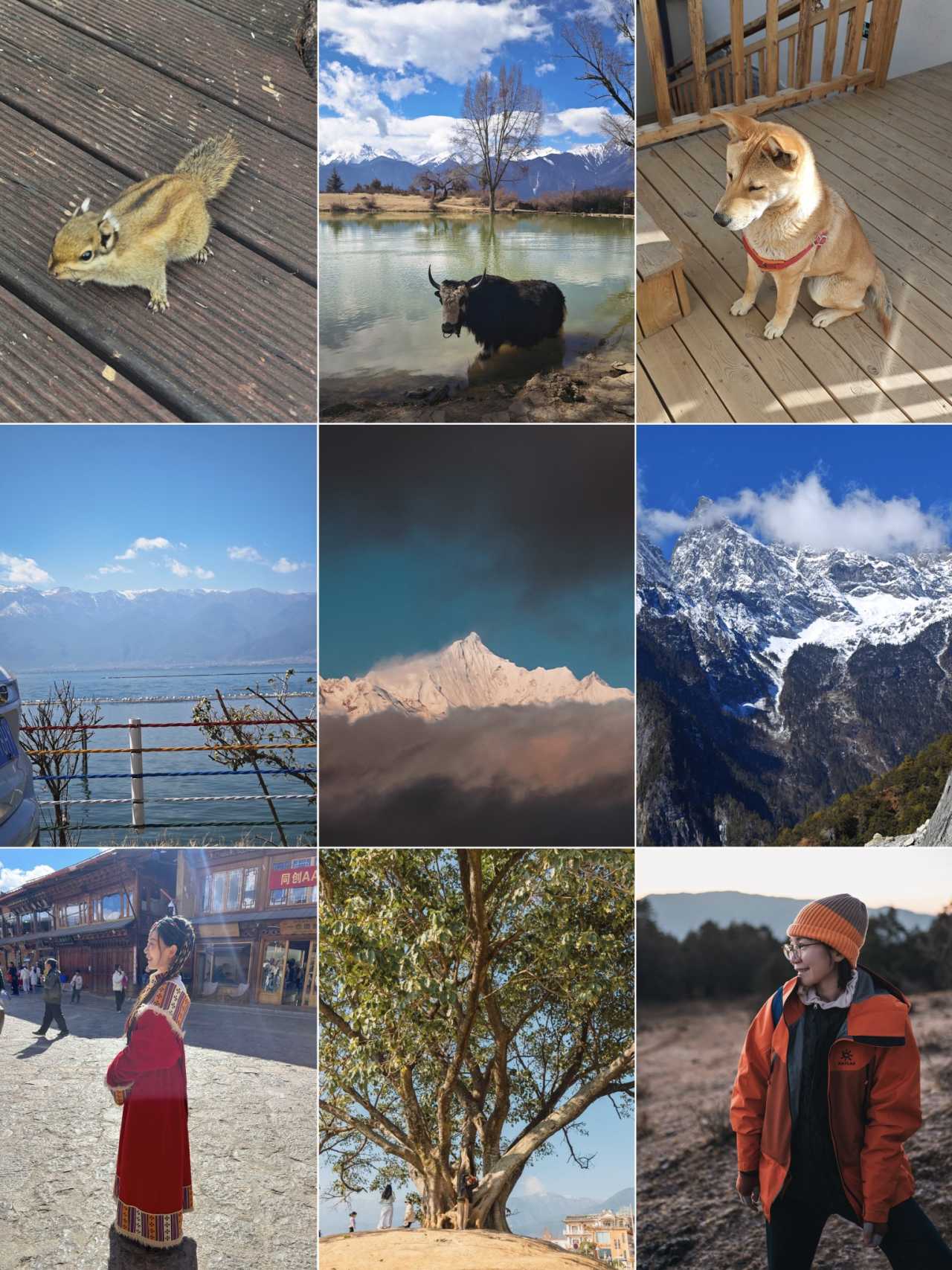
Dukezong means "Moonlit City" in Tibetan. A devastating fire in 2014 destroyed part of the ancient town, but it has slowly been restored. We arrived in the evening, walking from Jinlong Street to the ancient architecture. From afar, we could see the giant prayer wheel at Guishan Park. At night, the ancient town was leisurely and romantic, with guesthouses, restaurants, and craft shops all showcasing Tibetan character. Seeing people dancing in a circle to Guozhuang dance, we joined in for two songs, breaking a light sweat and lifting our spirits.
The next morning, the sky showed the most brilliant blue, dotted with cotton-candy clouds. That day was my 35th birthday. I hadn't planned anything special, but it was unforgettable. We dressed up as a Zhuoma and a Zhaxi (Tibetan traditional costumes) in Dukezong, made devout wishes at Songzanlin Monastery, and received auspicious white scarves (khatas) at Balagezong. At 35, I quite like who I am. As Wang Zengqi said, "In the most ordinary things, there is wonder hidden in simplicity, and flavor in blandness." Thank you, life. Thank you for all the beauty.
Songzanlin Monastery: The Dazzling and Mysterious "Little Potala Palace"
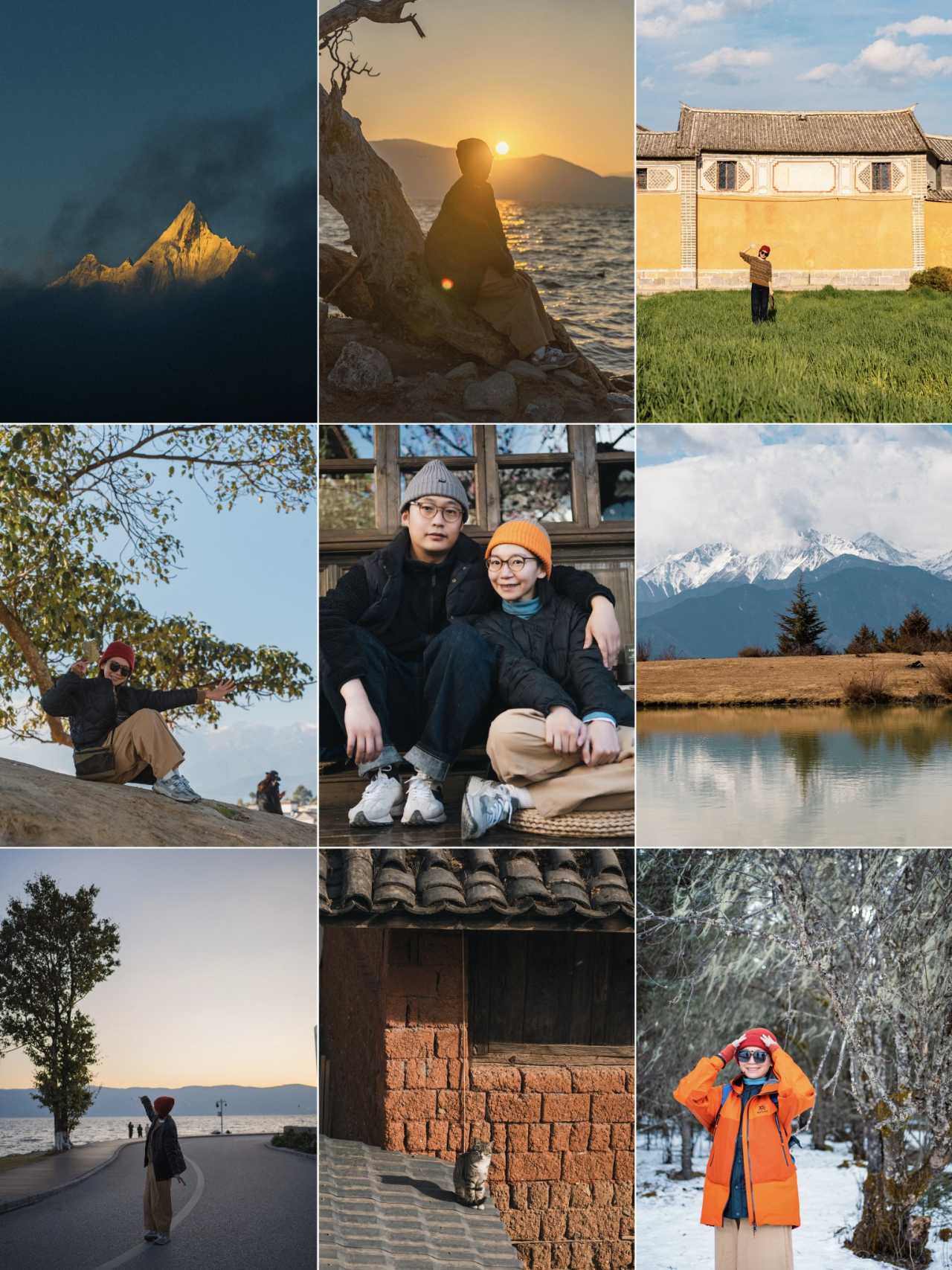
Xiao Yuan woke up early to photograph the sunrise at Songzanlin Monastery—sunlight striking the golden roof, incense burning high, dreamlike and surreal. Songzanlin is the largest Tibetan Buddhist monastery in Yunnan, known as the "Little Potala Palace" and the "Tibetan Art Museum." The ticket costs 80 RMB, including the shuttle and guided tour. With reverence, we ascended the steps, visiting in order: Tsongkhapa Hall, Tsokchen Hall, and the Main Kangyur Buddha Hall. The tolling of bells, the curling incense smoke, and the butter lamps cast the prayer halls into a mysterious world. After devoutly offering butter lamps in Tsokchen Hall, we climbed to the top floor. The gilded copper-tiled roofs, the upturned eaves with animal ornaments, were magnificent. Flocks of red-billed choughs circled above—they are considered sacred birds, also called red-billed auspicious birds.
Balagezong: The Stunningly Diverse "Little Jiangnan of Shangri-La"
Balagezong was the most unforgettable stop on this trip. Nestled in the deepest part of Shangri-La, with an average annual temperature of 26°C, it's called the "Little Jiangnan of Shangri-La." We booked a mountain-side hotel within the scenic area and drove in ourselves. As we ascended, we first passed babbling streams and dense forests. As altitude increased, the scenery changed. At a "hairpin turn," the sacred Gezong Snow Mountain appeared in a pyramid shape—it's the highest peak in Shangri-La, an unforgettable sight.
We arrived at the hotel in the evening. A beautiful Tibetan girl named Lhamo presented us with khatas. She was our butler and arranged the next day's itinerary for us. The room was rustic yet refined, a suite. The accommodation cost 885 RMB, which included double-entry tickets, cable car/rafting tickets, scenic shuttle, and breakfast. So the room itself was only about 400 RMB—great value. The next morning, I pulled back the curtains to find a troop of little monkeys in the forest outside! They leaped freely among the trees. I stood at the window for a long time, marveling at how close I was to nature.
The driver said, "We have more monkeys than people here—it's a good environment. In the old days, we had to carry two guns up the mountain. Now there's no hunting; the animals in these forests and the fish in the Gangqu River are all state-protected."
The Story of Sila Dainzin: Balagezong must mention this man. As a child, he worked as a blacksmith; a piece of iron flew into one of his eyes. His father took him five days to reach Shangri-La, but it was too late for treatment. Later, he left the mountains, became an entrepreneur, and spent all his savings to build a road for his hometown—the very road we were driving on. His home is in Bala Village, where a small wooden gate leads to the Gangqu River deep in the canyon.
Deqin: A Pilgrimage Path Deep in the Snow Mountains
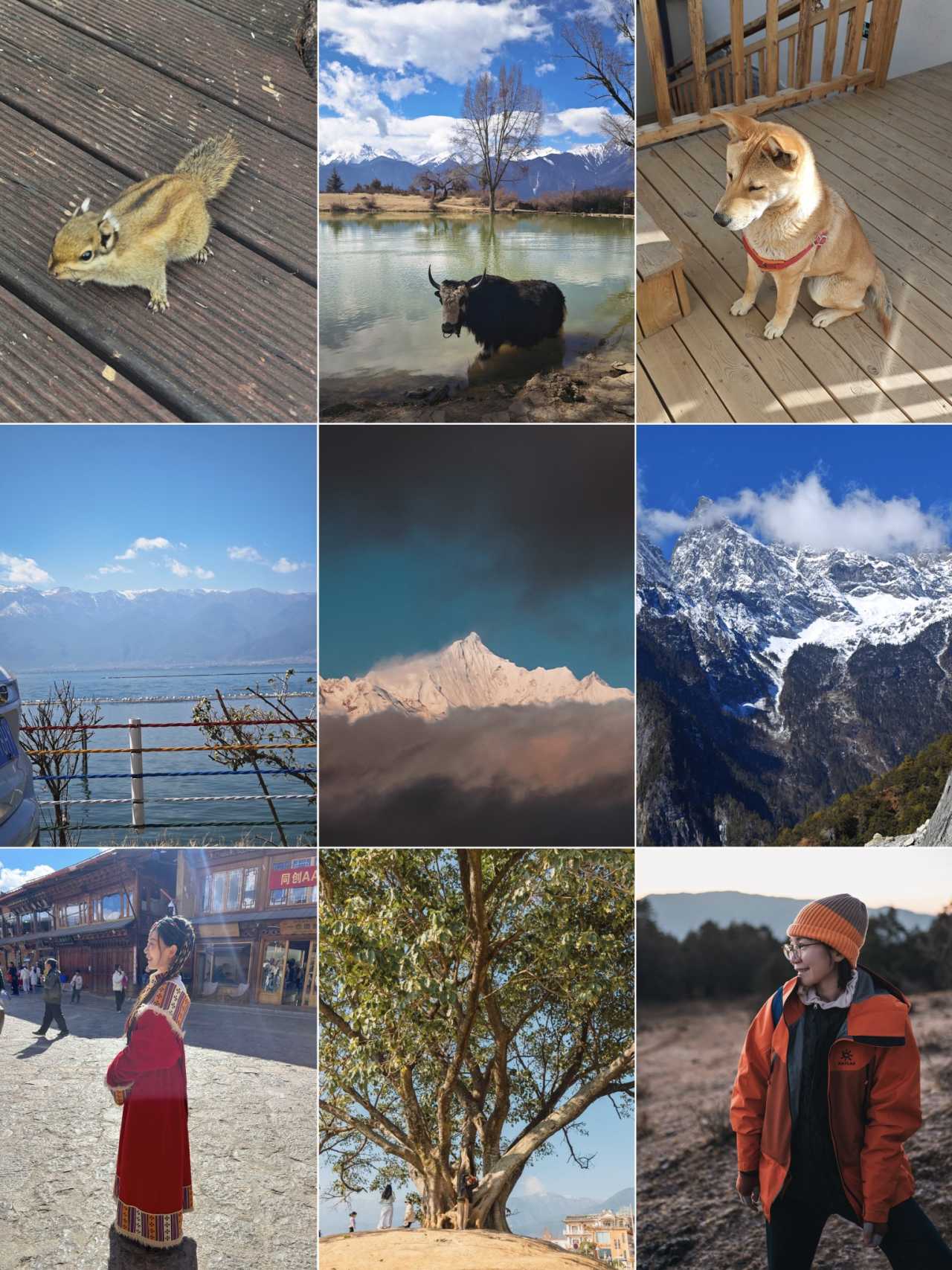
Jinsha River Big Bend and Feilai Temple
Departing from Balagezong, we passed through Benzilan Town and witnessed the magnificent Jinsha River Big Bend. We arrived at Feilai Temple in the evening and stayed at Deqin Gang Jian Hotel. The next morning, we waited at the Feilai Temple viewing platform for the sunrise over Meili Snow Mountain. When the first rays of sunlight hit the peak of Kawagebo, the entire mountain was bathed in gold—an indescribable awe.
Wunongding and Baima Snow Mountain Pass
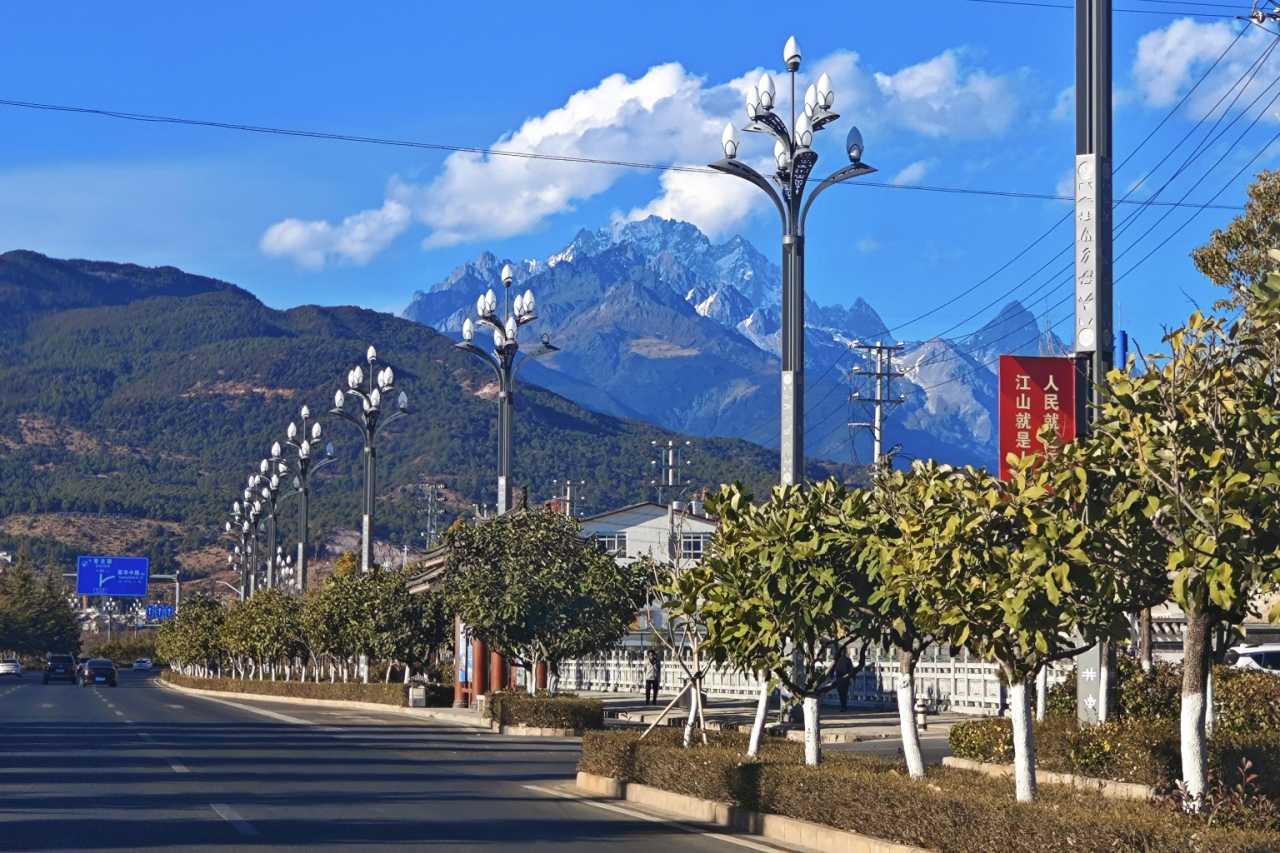
From Feilai Temple to Wunongding, the road was lined with endless snow-capped peaks. We stopped at Baima Snow Mountain Pass, at an elevation of 4,292 meters. The wind was so strong it was hard to stand, but the view made us forget the cold. The wetland scenery of Napahai Lake and the serenity of Erhai Lake unfolded in the days that followed.
Erhai Lake: A Day Around the Lake, Wind, Flowers, Snow, and Moon
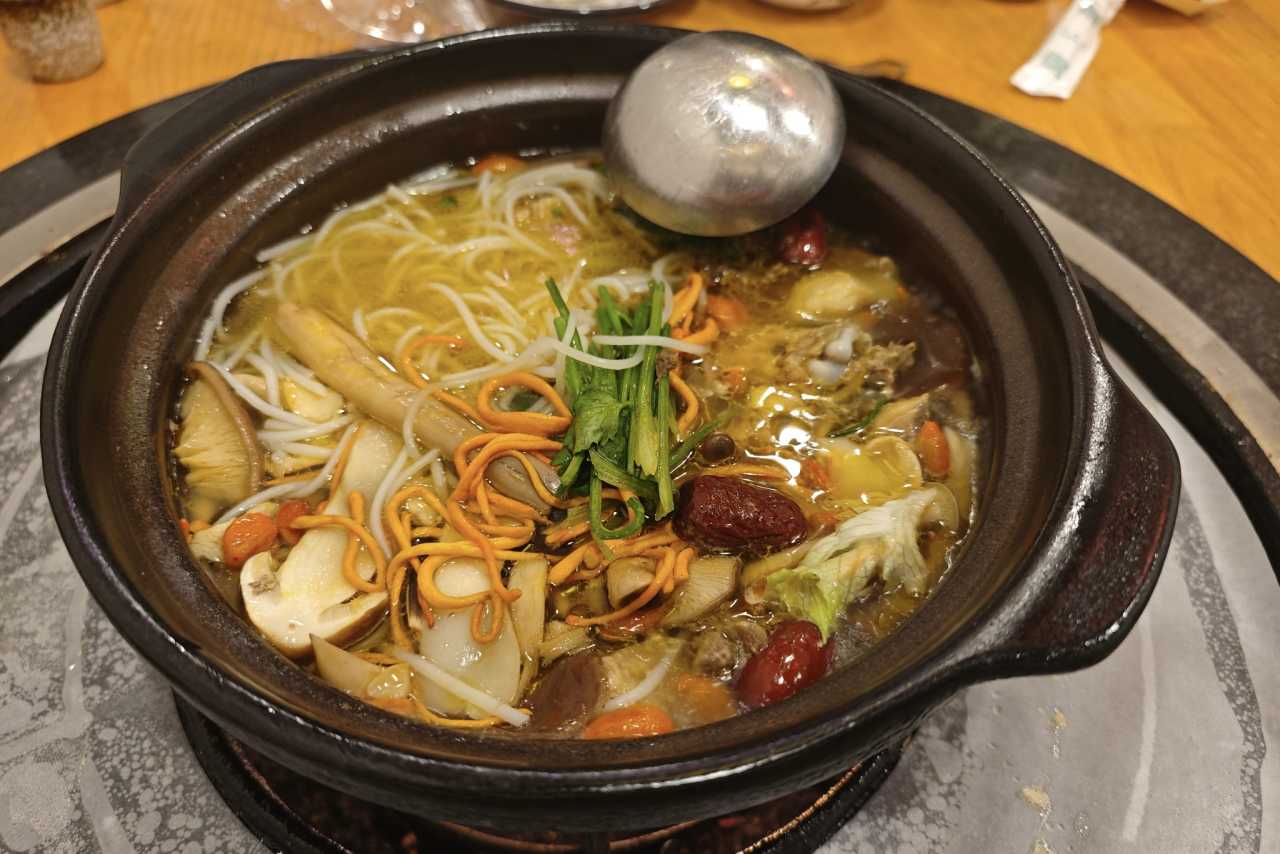
From Wunongding, we drove south to Dali. The Erhai Lake Ecological Corridor is perfect for cycling. We rented an electric scooter and slowly followed the lakeshore. The aroma of Feng Ying's grilled rice cakes and the authentic Bai cuisine at Bo Ben Yin restaurant were memorable. We stayed at Tan Yu Seaview Inn, where opening the window revealed Erhai Lake. Falling asleep to the sound of the water at night, the whole world felt still.
Final Reflections: Insights from the Time-Space Fold
Ten days, 2,000 kilometers. We experienced temperature swings from below zero to 20°C, altitude drops from snow mountains to canyons, and a journey from bustling cities to hidden wilderness. The golden sunrise over Jade Dragon Snow Mountain, the winter tableau of Potatso, the moonlight of Dukezong, the incense smoke of Songzanlin, the canyons and monkeys of Balagezong, the golden sunrise over Meili Snow Mountain, the shimmering waves of Erhai Lake—every frame is etched in my memory.
This trip taught me: the great spatial fold allowed us to experience four seasons in a short time; the great temporal fold gave us moments of peace amid our busy lives. Nature is so vibrant, and we are so small. But it's this smallness that teaches us reverence, gratitude, and appreciation.
If you want to experience this kind of time-space folding awe and beauty, remember a few things:
- Plan ahead: Spring Festival accommodation and tickets are tight, especially for Jade Dragon Snow Mountain cable cars—book early.
- Be flexible: If you can't get tickets, hiking can offer equally stunning views.
- Respect nature: Don't litter; keep the scenic areas clean.
- Go deeper: Don't just visit popular spots. Hidden gems like Balagezong are worth exploring.
Finally, thank life, thank all the beauty. May we all find ourselves on our journeys and heal ourselves in nature.
You should also read:

Solo in Yunnan: A Wanderer’s Guide to the Land of Eternal Spring
Solo in Yunnan: A Wanderer’s Guide to the Land of Eternal Spring There’s something magical about traveling alone. No compromises, no schedules to keep, no one to please but yourself. I’ve been on the road for nearly three months now, and not once have I…
Continue reading...
God’s Abandoned Palette: A Self-Drive Journey Through Yunnan’s Dongchuan Red Land
God’s Abandoned Palette: A Self-Drive Journey Through Yunnan’s Dongchuan Red Land Travel has never been about reaching some distant geographic coordinate. It’s about encountering, along the way, the version of yourself buried beneath the rubble of daily routine. During this May Day holiday, I finally…
Continue reading...
Two Girls' Graduation Trip: Dali and Shuanglang – A Poetic Farewell to Mountains and Sea
Two Girls' Graduation Trip: Dali and Shuanglang – A Poetic Farewell to Mountains and Sea Preface: Catching the Tail of Youth, Heading South During our senior year of college, my roommate and I – two girls studying in Beijing – decided to bid farewell to…
Continue reading...