2018 Spring Festival Road Trip to Lugu Lake and Erhai Lake: A Seven-Day Soulful Journey Around the Lakes
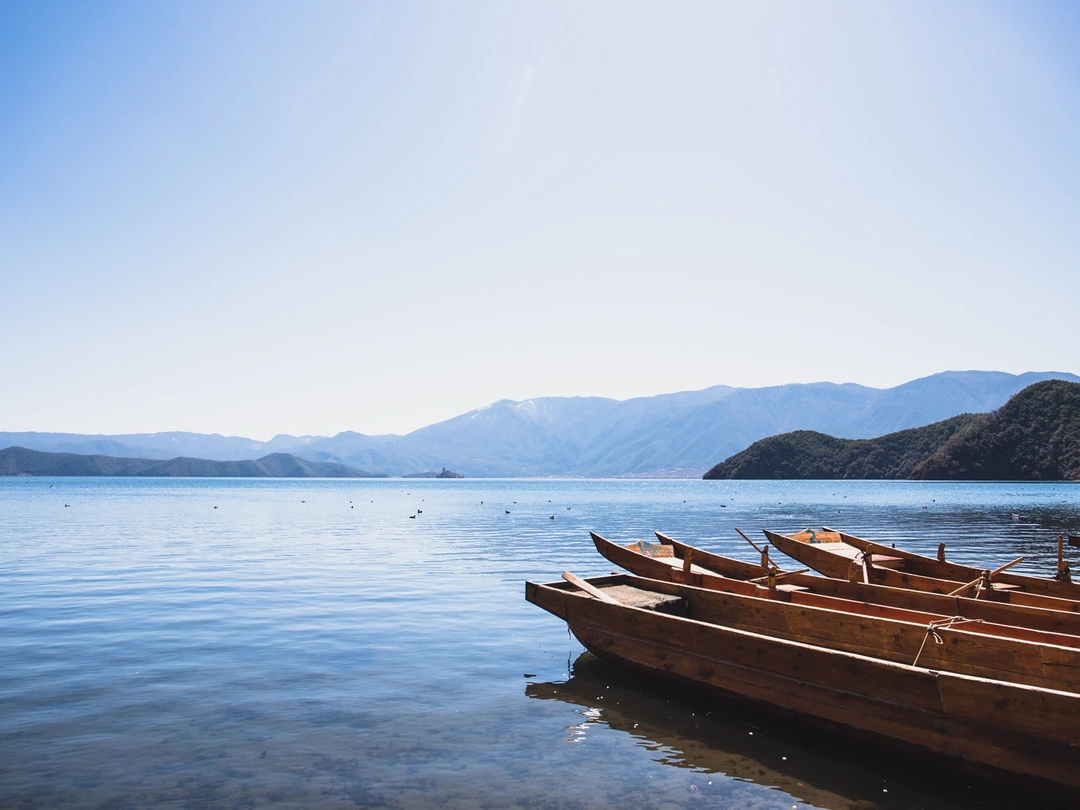
2018 Spring Festival Road Trip to Lugu Lake and Erhai Lake: A Seven-Day Soulful Journey Around the Lakes
Every journey is a conversation with yourself. The destination may be the same, but with a different state of mind, everything you see becomes entirely different. During the 2018 Spring Festival, I originally planned to take my mother on a road trip to Lugu Lake and Erhai Lake—but she bailed on me the day before departure. Still, the route was set, and there was no need to change it. And so, our two-person road trip set off amid laughter.
Pre-Departure Preparations: Time, Route, and Gear
- Departure Date: February 17, 2018 (the second day of the Chinese New Year)
- Transportation: Self-driving
- Trip Duration: 7 days
- Photography Equipment: Canon 6D Mark II
- Photographer in Charge: Hao Ye (a nickname for the travel companion)
Lugu Lake: The Serene Beauty of the "Kingdom of Women"
First Impressions of Lugu Lake

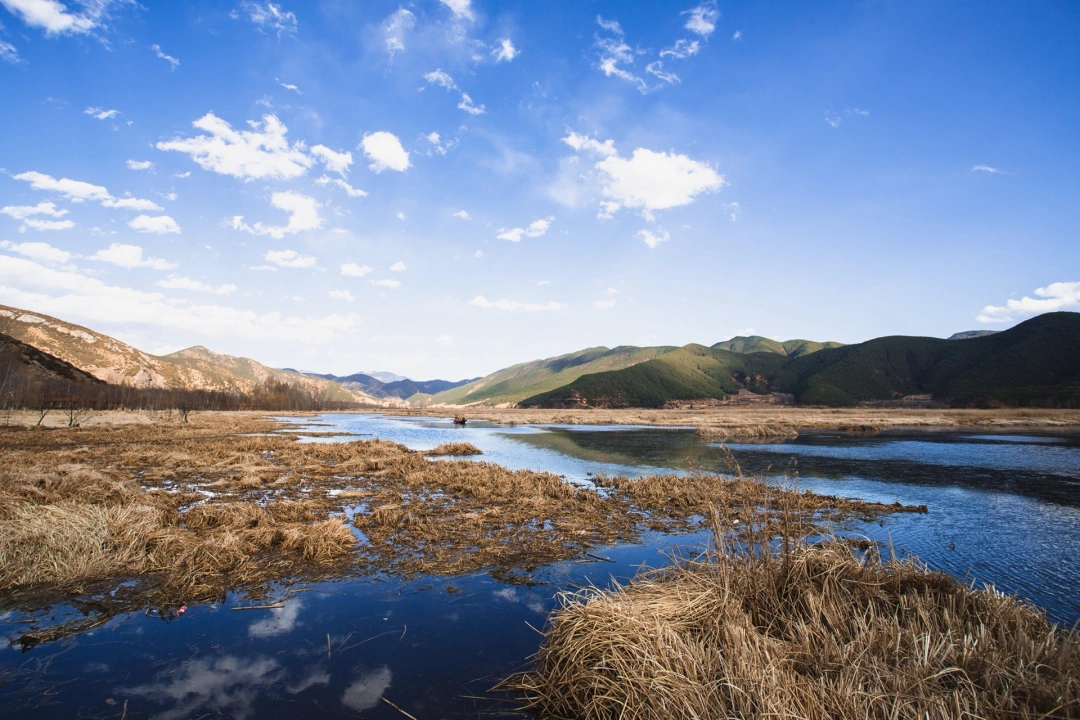
Lugu Lake straddles the border between Yanyuan County in Sichuan Province and Ninglang County in Yunnan Province. It takes about 5 hours by car from Xichang, and roughly 4 hours from Lijiang. If it weren't for the holiday crowds, the word "stunning" alone would suffice to describe this alpine lake.
The soul of Lugu Lake lies in two iconic spots: Caohai (Grass Sea) and the Walking Marriage Bridge (Zouhun Bridge) , and Lige Island. Lige Island has almost become the postcard image of Lugu Lake, while the Walking Marriage Bridge carries the unique cultural tradition of the Mosuo people—it was once the place where Mosuo men and women would "walk" to meet their lovers. They practice the custom of "men don't marry, women don't wed," a tradition that still fascinates to this day.
Erhai Lake: A Different Kind of Romance Around the Lake
Erhai Lake is located in the Dali Bai Autonomous Prefecture in Yunnan Province, with a circumference of about 117 kilometers. Dali city sits at the southwestern corner of the lake. The once-famous town of Shuanglang has become overly commercialized, and with road construction blocking access, we deliberately avoided it on this trip. Instead, we fell in love with the scenery along the lakeside roads near Wase Town, Xizhou Town, and Haishe Ecological Park. If you visit in March, the cherry blossoms at Dali University are also worth a special trip.
Full Seven-Day Itinerary
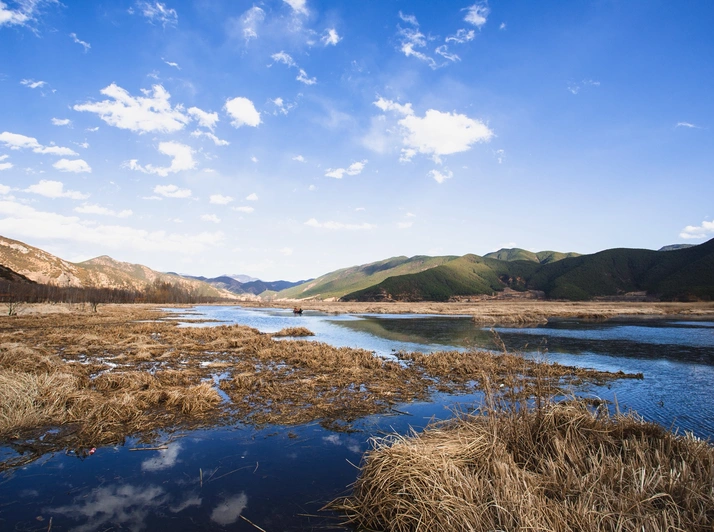
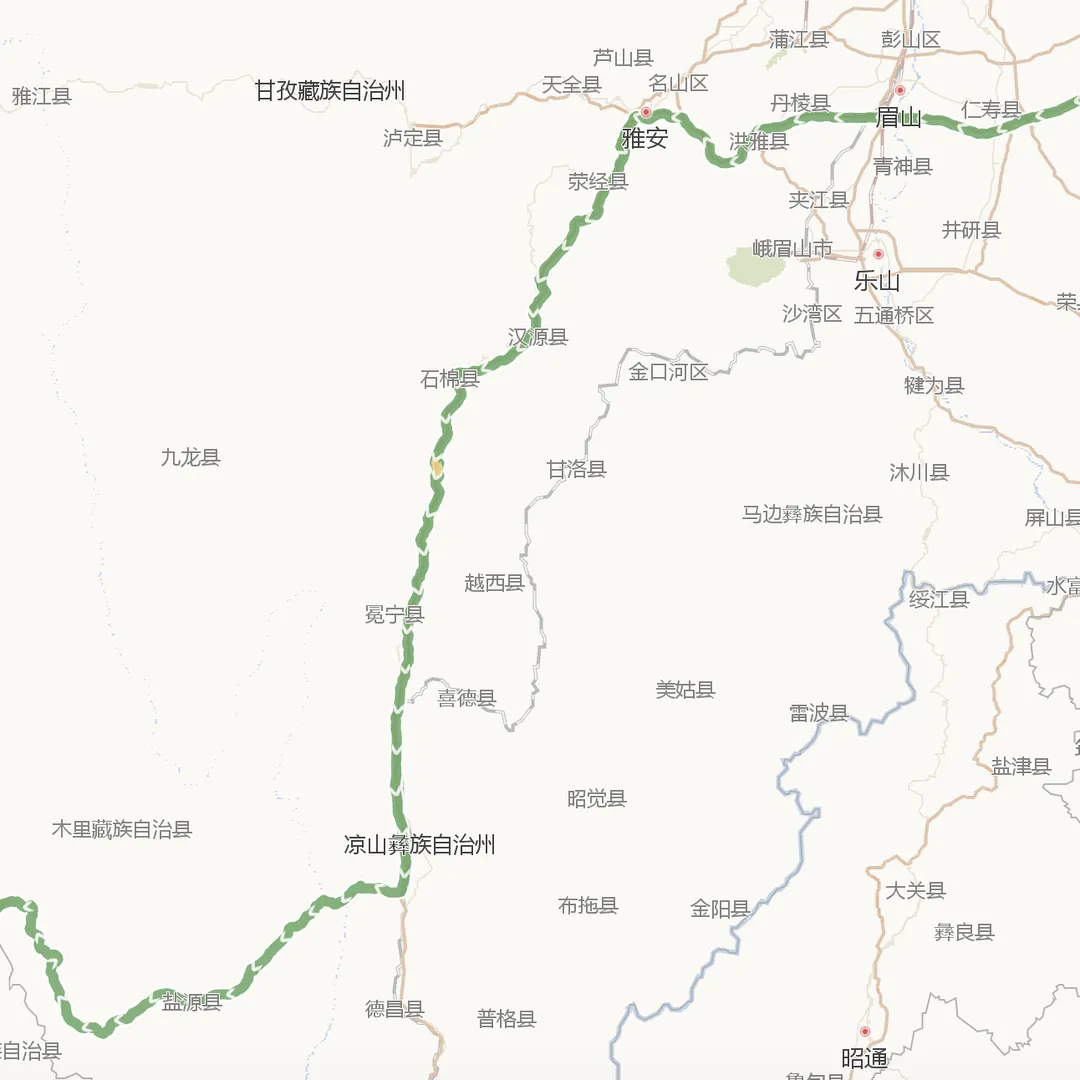
Day 1: Ziyang → Xichang → Lugu Lake (750 km)
Departed from Ziyang at 5:00 AM, taking the Suiziyi Expressway and then the Beijing-Kunming Expressway. Since we left early, traffic was light. Arrived in Xichang at 11:00 AM for lunch and a break. A tip: during holidays, it's best not to linger too long in Xichang, because the road from Xichang to Lugu Lake gets just as congested—by the time we reached Xichang, the expressway entrance already had a queue three red lights long.
Set off again at 2:00 PM, successfully avoiding the peak departure time from Xichang. Exited the expressway at the Xichang South exit and turned onto mountain roads heading toward Lugu Lake. The mountain roads had many curves, but the conditions were acceptable. Arrived at the Lugu Lake entrance at 7:00 PM, only to face nearly 2 hours of queuing for ticket inspection. Finally reached our booked guesthouse on Lige Island at 9:40 PM—it took another 40 minutes by car from the ticket gate.
Day 2: Lige Island → Clockwise Lake Loop Tour
Started at 10:00 AM from Lige Island, heading clockwise around the lake. Since we got up late, it was already noon by the time we reached Nisai Village. However, this worked in our favor—there were few tourists, making it an excellent time for photos. The "Lover's Trees" in Nisai Village and the colorful small boats docked by the lakeside were great spots for shooting.
In February, Lugu Lake is chilly in the mornings and evenings, with strong midday sun but also fierce winds that make it hard to stand steady. We had planned to visit Goddess Bay (Nü Shen Wan), but the traffic jam stretched for kilometers, so we had to give up.
Day 3: Sunrise at Lige Island → Lake Loop Photo Retakes → Head to Lijiang
Watched the sunrise at the Lige Island observation deck at 8:00 AM. It's best to arrive early to secure a spot, especially during holidays. Some people recommend taking a boat to Lover's Bay for sunrise, but according to other travel blogs, the results are so-so, so we skipped it.
Continued the clockwise lake loop, checking off Xiaoluoshui, roadside spots in Dazu Village, roadside at Luowa Pier, Caohai (Grass Sea), and the Walking Marriage Bridge. Left Lugu Lake via the Lijiang exit at 5:00 PM and arrived in Lijiang at 9:00 PM. The 180-kilometer mountain road had many curves but was in good condition.
Fueling Tip: There's a gas station about 20 kilometers from the Lijiang exit, so no need to fill up inside the scenic area. To refuel inside the area, you'd have to exit through the Xichang entrance gate, fill up, and then re-enter through the queue—highly not recommended during holidays.
Day 4: Lijiang → Erhai Lake (200 km)
Departed Lijiang at 10:30 AM, took the Dali Expressway, and arrived at Erhai Lake at 12:30 PM. Due to road construction blocking Shuanglang, we exited the expressway at Wase Town and toured clockwise along the eastern lakeside road.
Compared to Lugu Lake, the scenic spots around Erhai Lake are somewhat less distinctive, but the roadside views everywhere along the lake are beautiful. Wedding and portrait photographers were everywhere. There used to be a small white fishing boat on the roadside between Wase Town and Shuanglang, but it was gone this time. The seaside woods and rocks at the foot of the cliff turned out to be a pleasant surprise.
Tip for Descending the Cliff: It's safer to take the stone steps near the small temple instead.
Day 5: Dali University → Western Lakeside Road

We originally planned to see the cherry blossoms at Dali University, but they don't bloom until March, so we just wandered around the campus taking photos and enjoying the breeze. Then we headed north along the western lakeside road, where trees growing in the water and rocky outcrops created unique photo opportunities.
Day 6: Haishe Park → The White Bus
Parking near Haishe Park is limited. If the lot is full, you can park at a roadside restaurant—if you eat there, parking is free; otherwise, it costs 10 RMB. The most famous spot in the park is the "Couple's Tree," a must-visit photo location.
The White Bus is located on the main road (Dali-Lijiang line) a few hundred meters north of Xizhou Town, on the right side. Regular tourists are charged 30 RMB per person for photos. This spot is often occupied by wedding photo shoots, so your photo time may be significantly cut short. The beach at the tip of Haishe Park is arguably the most beautiful beach on the entire Erhai Lake.
Food Note: The "水性杨花汤" (water spinach soup, literally "water-natured poplar flower soup") is a popular order, but its taste... well, opinions vary.
Day 7: Dali → Chengdu (1,000 km)
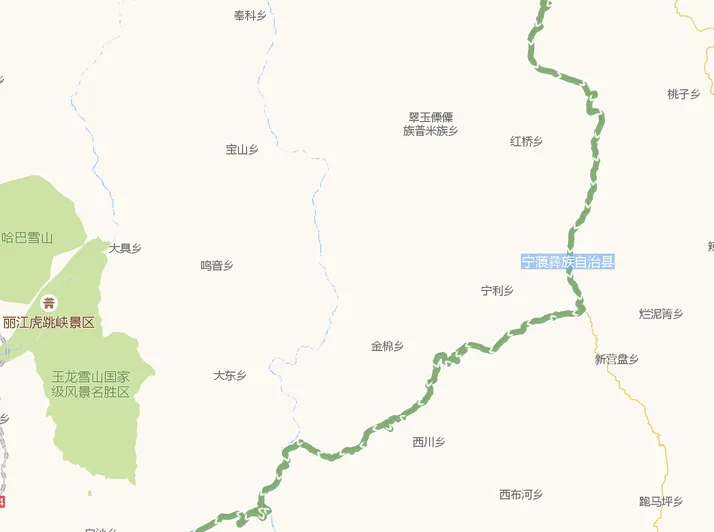
Departed Dali at 7:00 AM, took the Hangrui Expressway to Mouding, then exited onto a provincial road toward Yuanmou, and finally got on the Beijing-Kunming Expressway. Arrived in Chengdu at 9:30 PM, covering about 1,000 kilometers in 12.5 hours (including lunch and breaks).
Practical Tips Summary
How to Get to Lugu Lake
- From Xichang: Exit the expressway at Xichang South, then drive 5-6 hours (the route we took)
- From Lijiang: Take mountain roads from Lijiang, about 4 hours
Both routes have similar road conditions with many curves. The choice depends on your overall itinerary.
How to Get to Erhai Lake
- From Lijiang: Take the Dali Expressway and exit at Shuanglang or Wase Town, about 2 hours
- From Yunnan (south): Take the provincial road from Yuanmou to Mouding, then the Hangrui Expressway to Dali, about 4 hours
Ticket Information
- Lugu Lake: 100 RMB per person. Half price for student ID, military ID, teacher ID, tour guide ID, etc. Once inside, this covers everything except boat rides and cable cars.
- Erhai Lake: Free
Accommodation Recommendations

Lugu Lake Accommodation Ranking (Personal Experience) : Lige Island > Daluoshui > Nisai Village > Caohai (Grass Sea) = Xiaoluoshui = Dazu Village
- Lige Island: Concentrated and more expensive lodging; prone to traffic jams during holidays
- Daluoshui: More lodging options, more spread out
- Dazu Village: Relatively cheaper, slightly lower quality
- Nisai Village: Faces the lake directly, but too quiet
- Xiaoluoshui: Many guesthouses under construction; average scenery
Erhai Lake Accommodation: Shuanglang Town is overly commercialized. I recommend Wase Town, Xizhou Town, or the area near Butterfly Spring. Downtown Dali is also a good choice. Special recommendation: Dali Linghai Muyue Guesthouse (near Butterfly Spring)—great for photos and views, but you need to book at least a month in advance.
Clothing Guide
Lugu Lake (February) : - Morning and evening: 0-6°C (32-43°F), windy—down jacket required - 10:30 AM to 4:00 PM: about 10-18°C (50-64°F)—recommend a sweater + coat combination for easy layering
Erhai Lake (February) : - Overall 5-9°C (9-16°F) warmer than Lugu Lake - Morning and evening: coat needed; a sweater is enough during the day, and if you run warm, just a shirt
Some Final Honest Thoughts
If I had to choose between Lugu Lake and Erhai Lake, my answer is Lugu Lake. That remote "Kingdom of Women," far from the hustle and bustle, can truly quiet your mind. If you have enough time, both are worth visiting.
I recommend adding an extra day to your Lugu Lake itinerary to make the trip more relaxed.
Important Reminder: The UV rays at both Lugu Lake and Erhai Lake are extremely strong. Sunscreen is a must—don't even skip your fingers, or "plateau red" (sunburned cheeks) will find you.
This travelogue is original content. Please do not reproduce without permission.
Travel is never about rushing through the miles, but about feeling the road. I hope this guide helps you find your own piece of lakeside beauty.
You should also read:

God’s Abandoned Palette: A Self-Drive Journey Through Yunnan’s Dongchuan Red Land
God’s Abandoned Palette: A Self-Drive Journey Through Yunnan’s Dongchuan Red Land Travel has never been about reaching some distant geographic coordinate. It’s about encountering, along the way, the version of yourself buried beneath the rubble of daily routine. During this May Day holiday, I finally…
Continue reading...
Two Girls' Graduation Trip: Dali and Shuanglang – A Poetic Farewell to Mountains and Sea
Two Girls' Graduation Trip: Dali and Shuanglang – A Poetic Farewell to Mountains and Sea Preface: Catching the Tail of Youth, Heading South During our senior year of college, my roommate and I – two girls studying in Beijing – decided to bid farewell to…
Continue reading...
Cloud Travelogue · Dali of Wind, Flowers, Snow, and Moon: A Three-Day, Two-Night Journey of a Free Spirit
Cloud Travelogue · Dali of Wind, Flowers, Snow, and Moon: A Three-Day, Two-Night Journey of a Free Spirit I am a cultured female foodie with a touch of rogue charm. I slung on my backpack, took my lover's hand, and set off on a spontaneous…
Continue reading...