2020 Self-Drive Yunnan Journey: 75 Days of Freedom and Exploration
2020 Self-Drive Yunnan Journey: 75 Days of Freedom and Exploration
Life has those moments when you just want to drop everything and drive off into the distance. In 2020, the pandemic disrupted so many plans, but some dreams never fade with waiting. When the double holidays arrived, we finally embarked on this self-drive trip that had been搁置 for over ten months. From north to south, from cities to mountains, from ancient towns to hidden wonders—75 days of travel that was not just a journey, but a deep conversation with ourselves, nature, and time.
Departure: From Taiyuan to Xi'an, Heading South
First Stop: Taiyuan – Flavors of Everyday Life

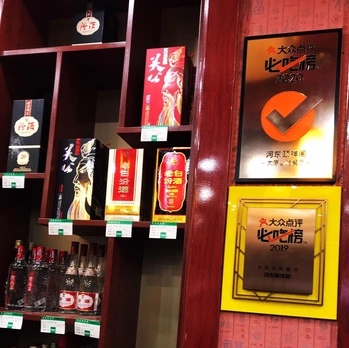
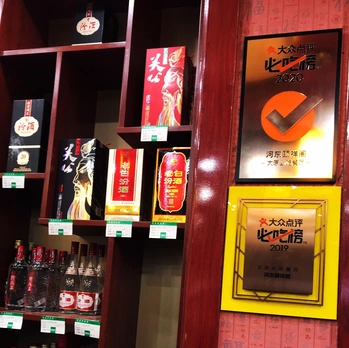
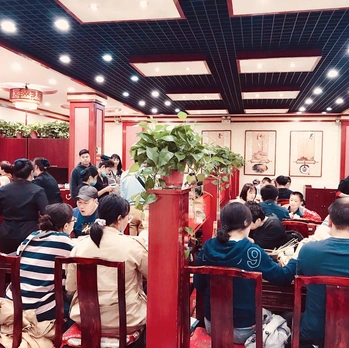
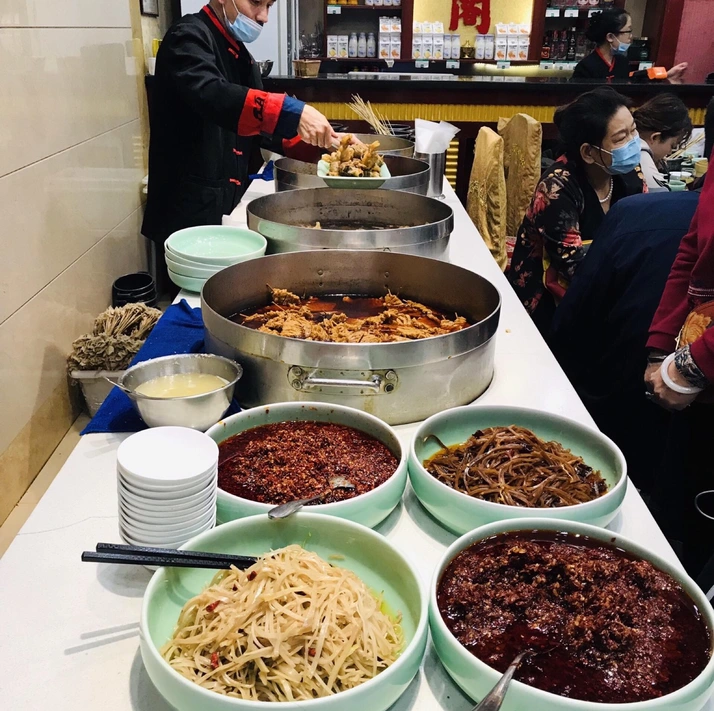
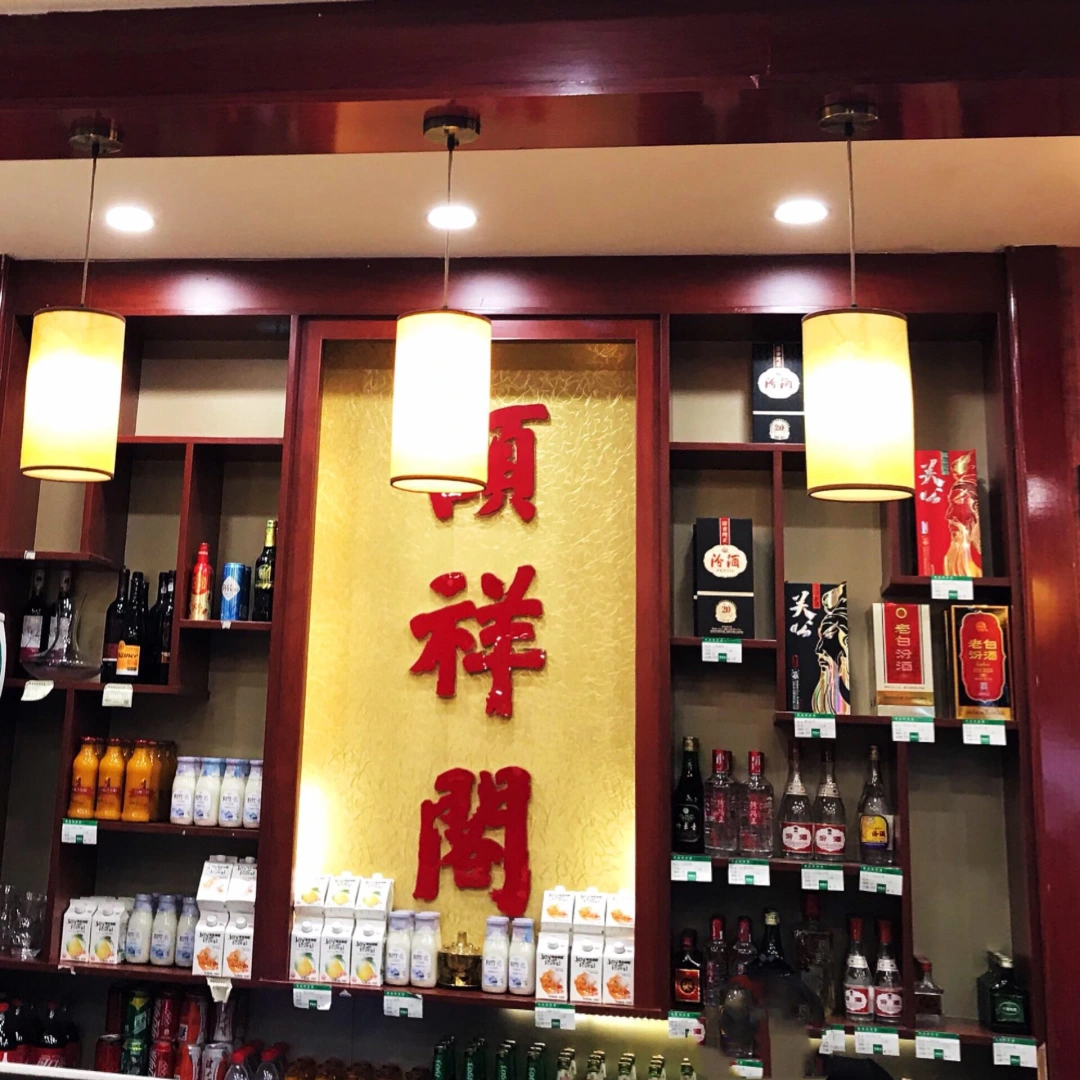
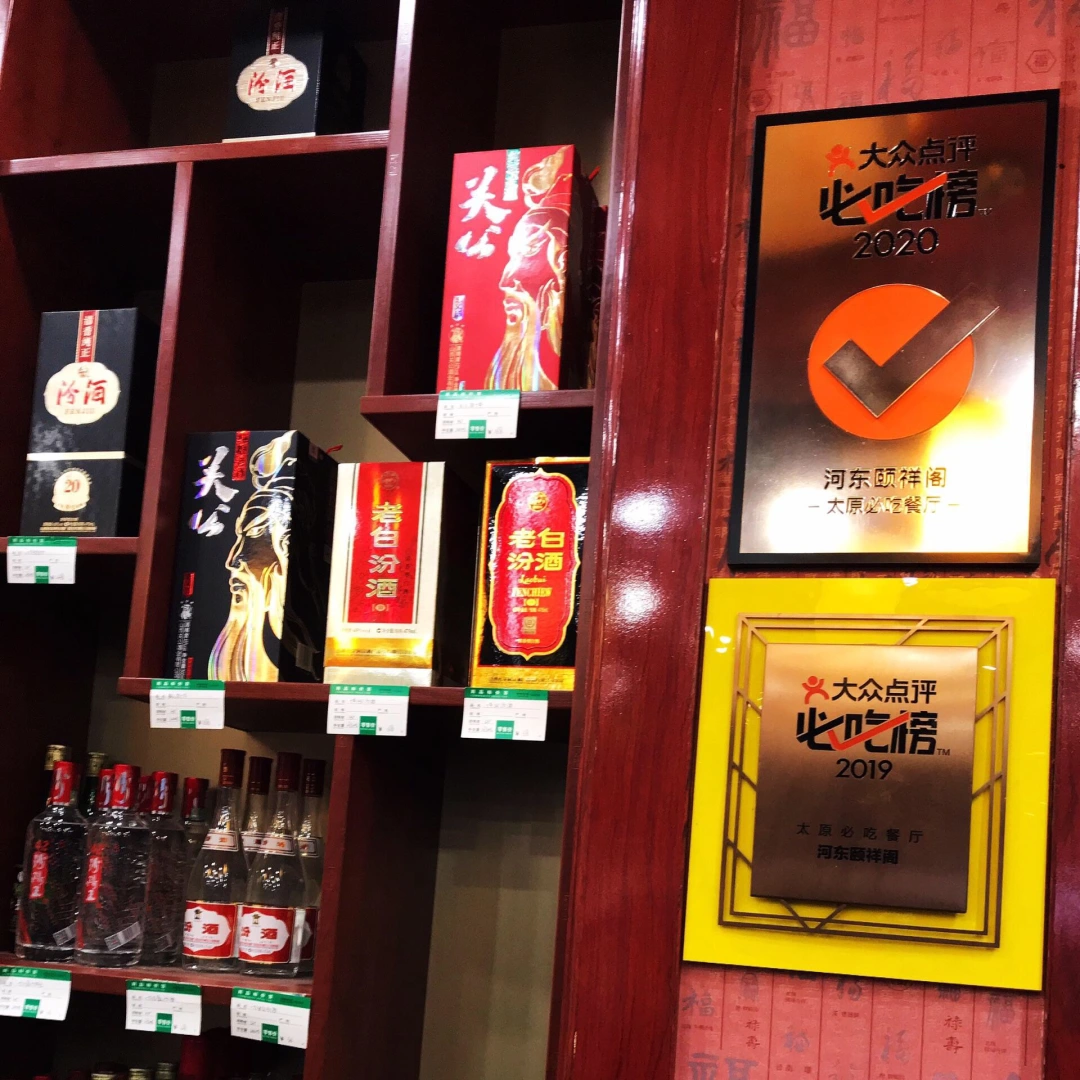
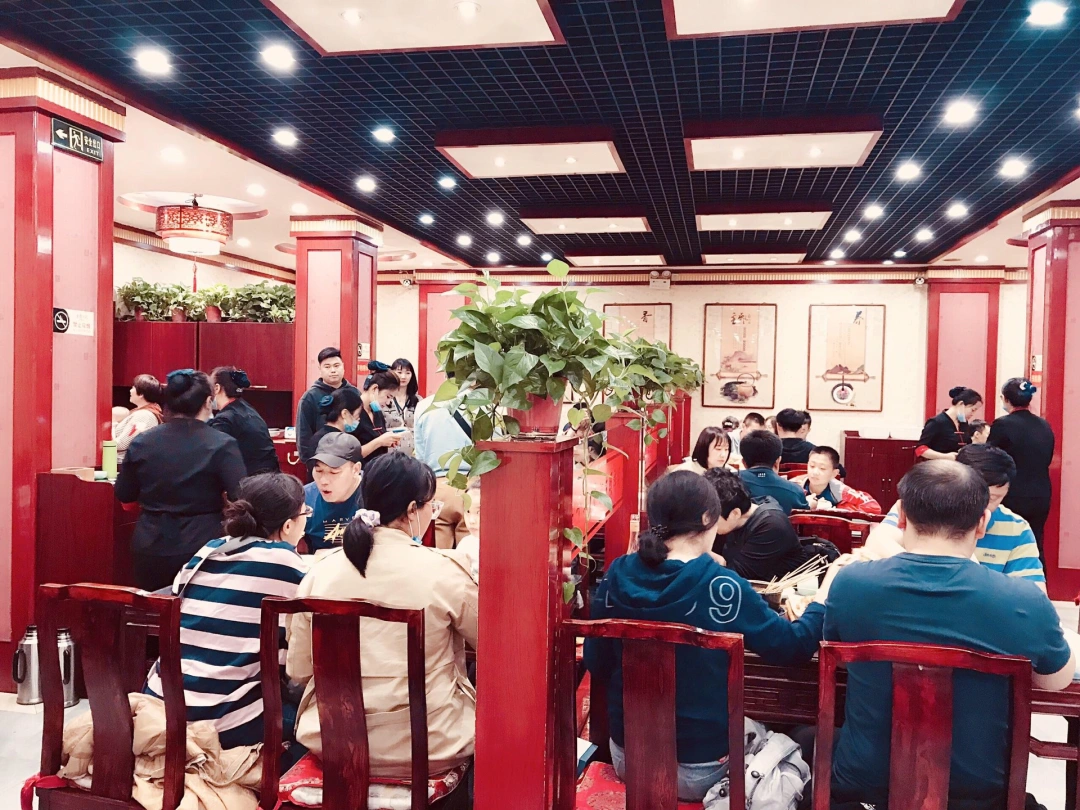
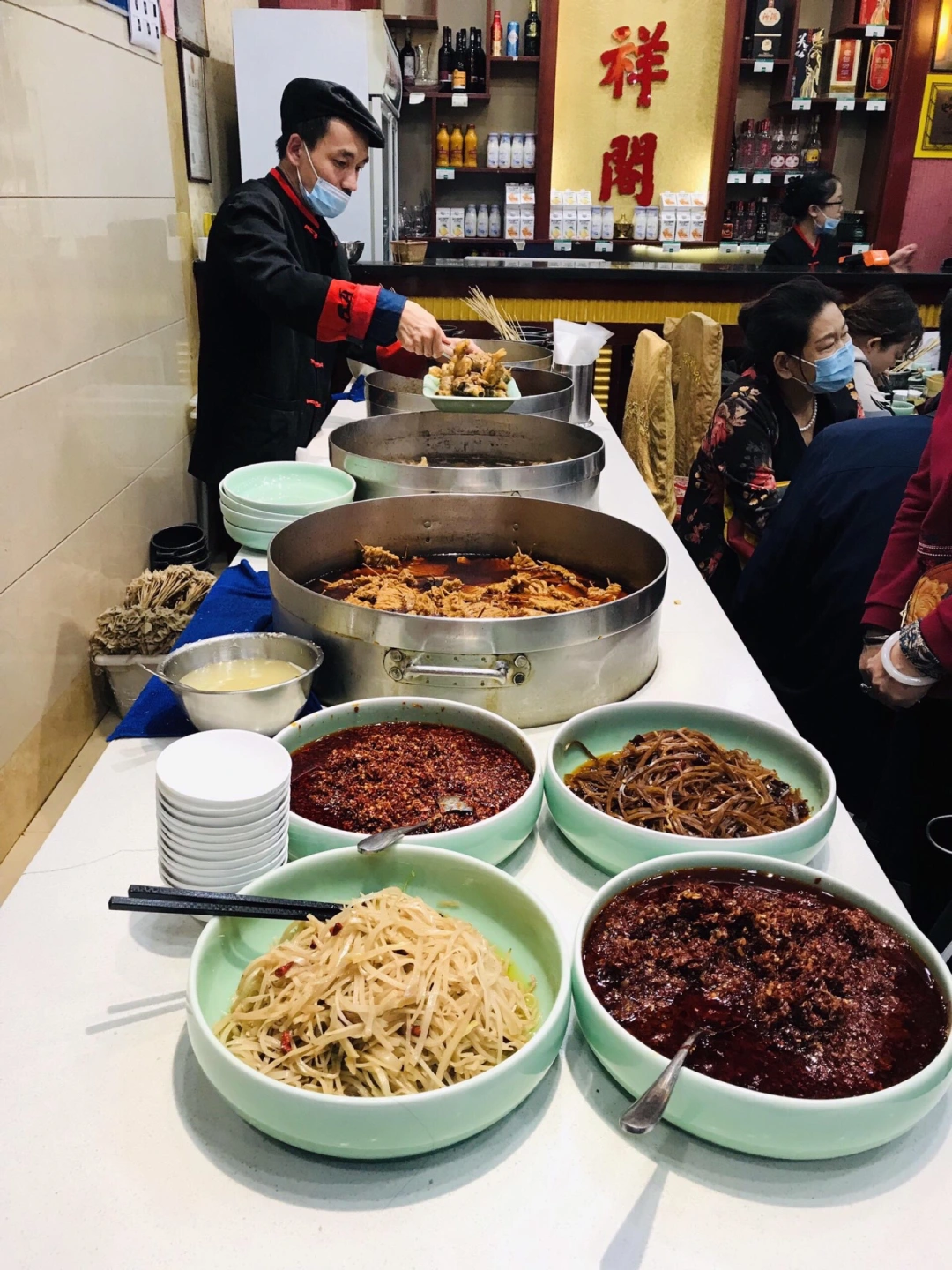
Setting off from Beijing, we chose Taiyuan as our first stop. Long drives call for rest, and good food is always the best comfort. Our top pick was Yixiangge, a restaurant that had topped the charts on Dianping (a Chinese review platform) for two consecutive years.
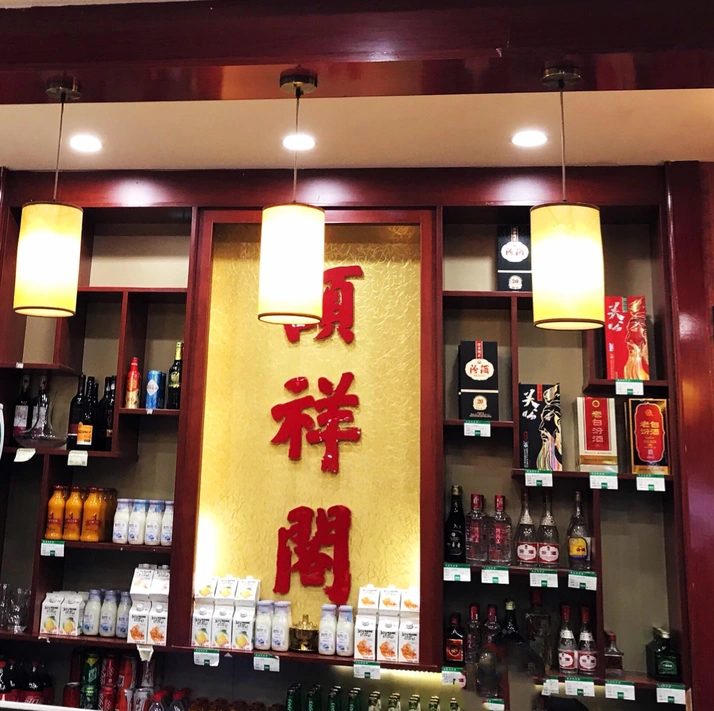
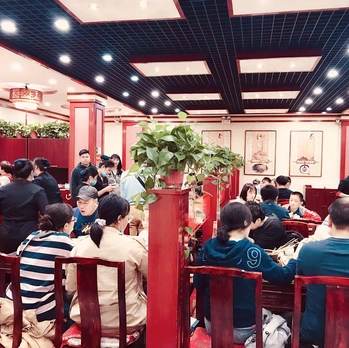
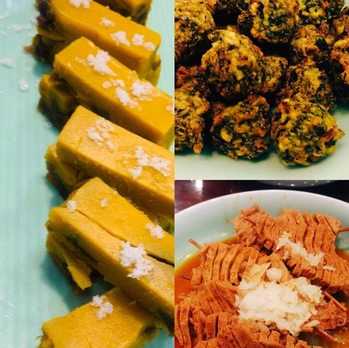
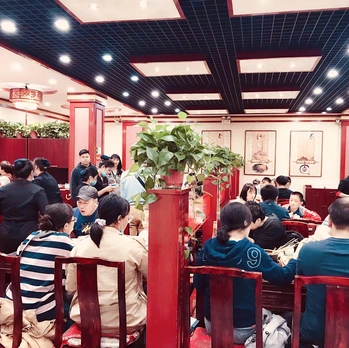
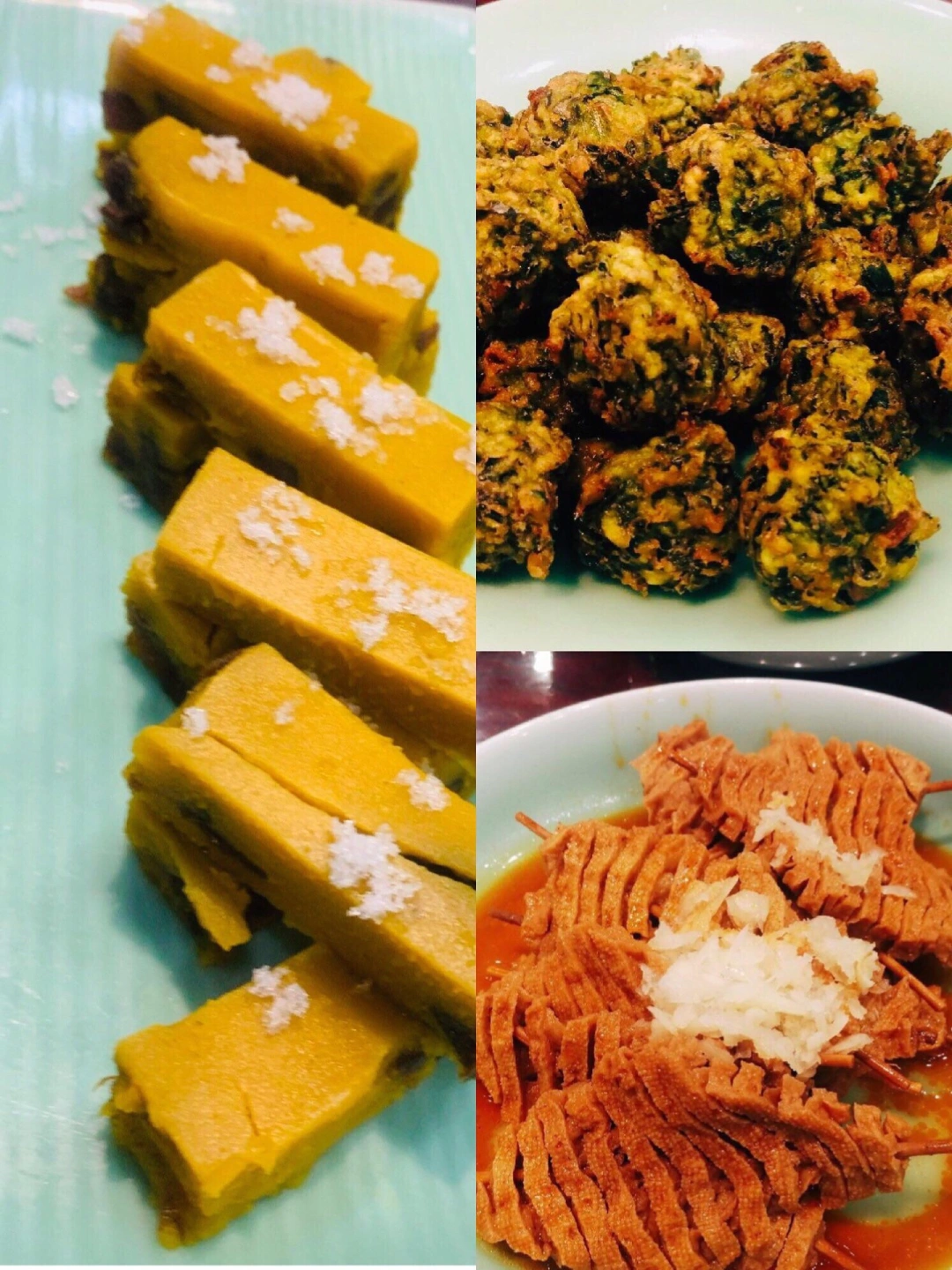
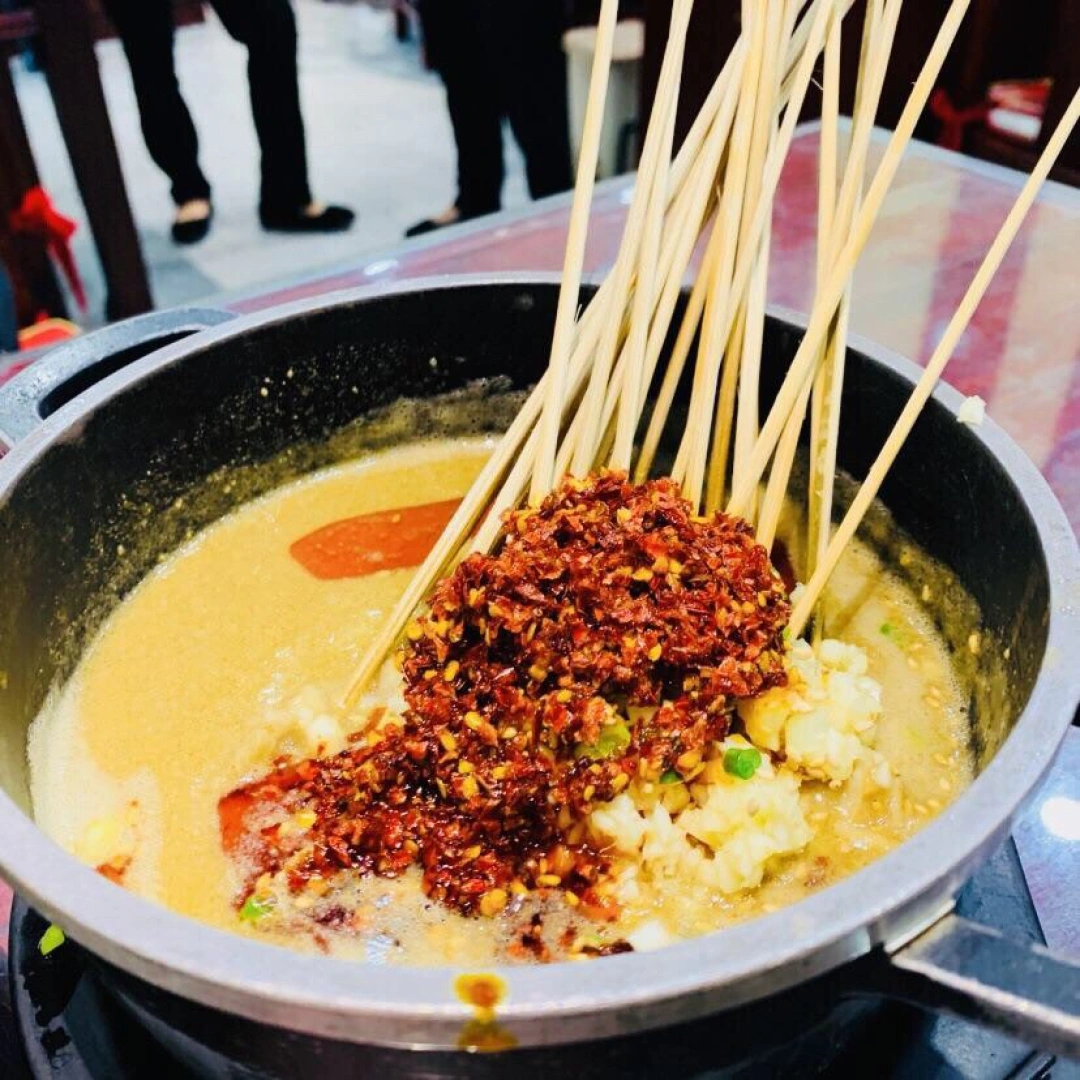
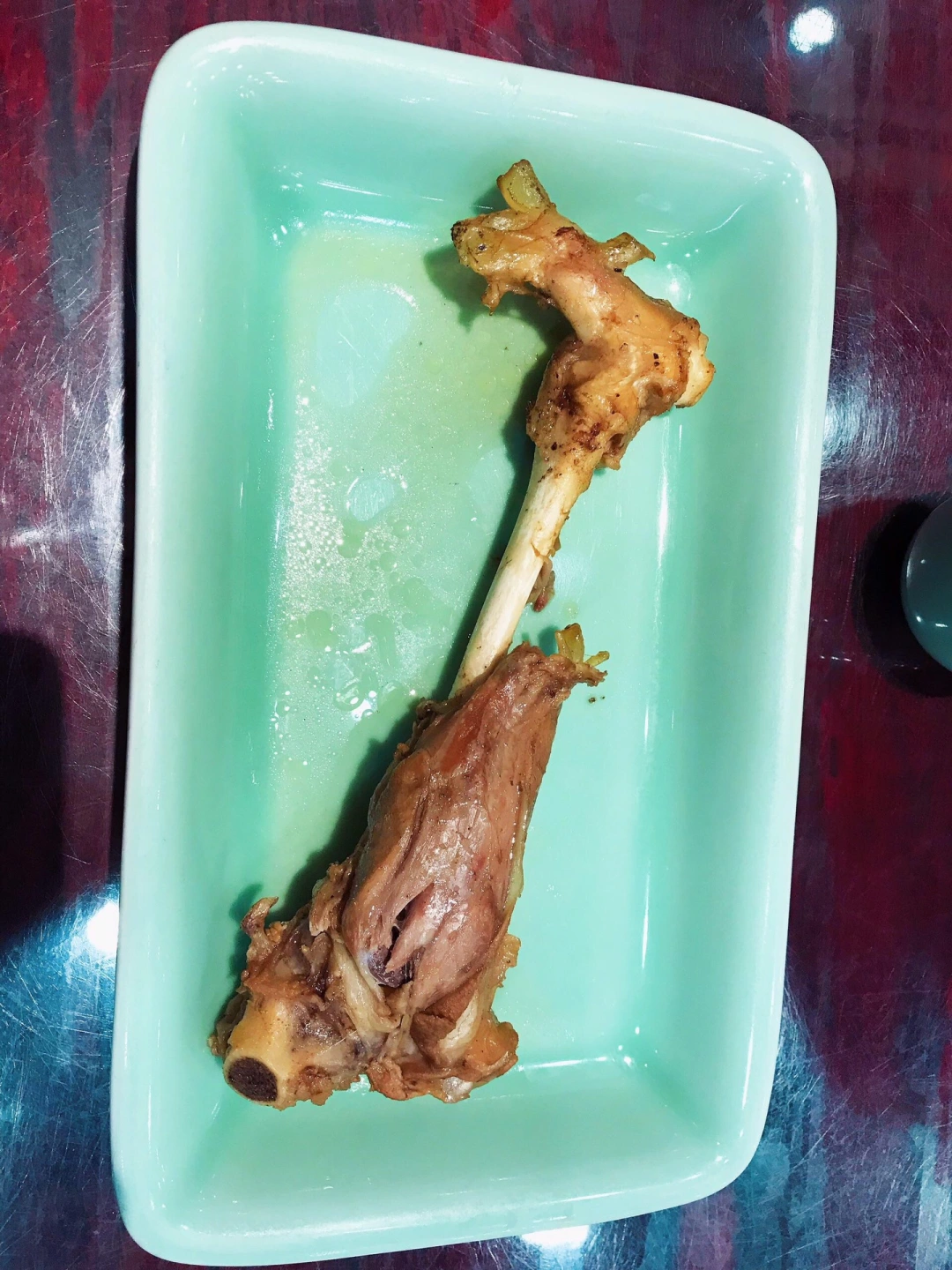
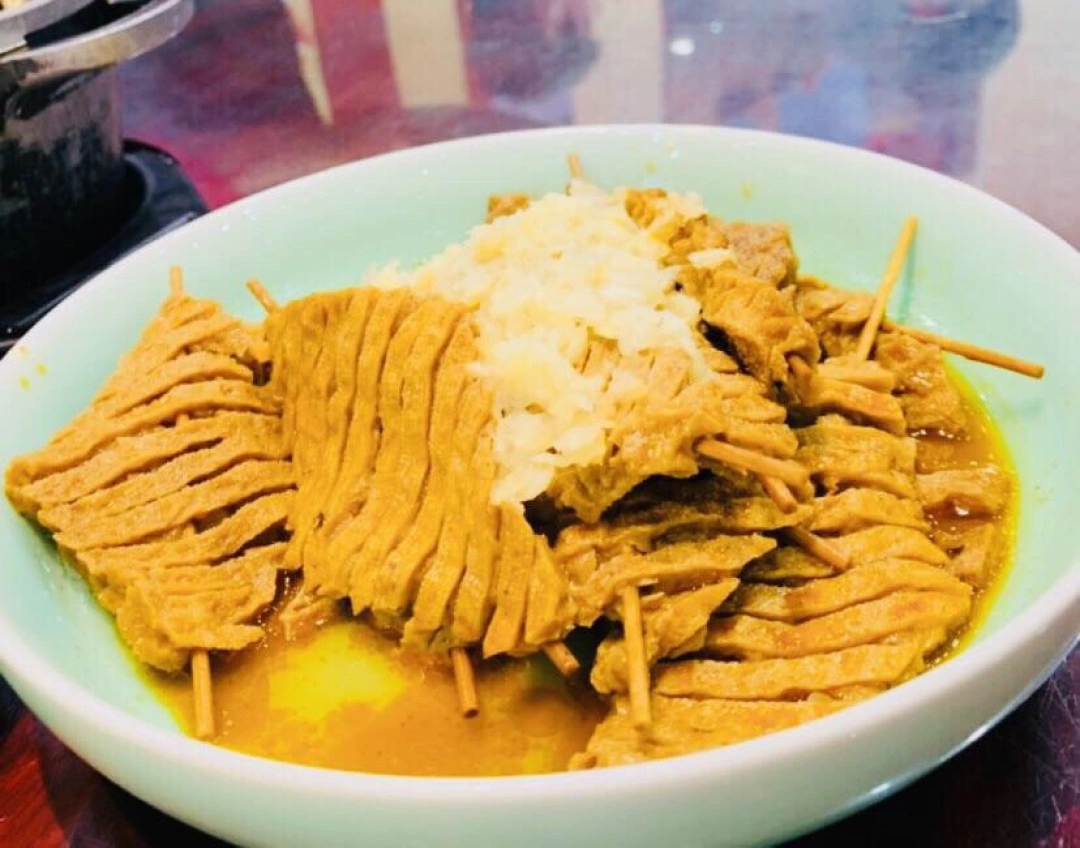
The place was buzzing beyond imagination. The noise, the crowds—it had that lively, down-to-earth vibe. Parking was a challenge, but we got lucky and found a spot quickly. After waiting in line for nearly an hour, we finally got our food. Generous portions, affordable prices, and impeccable taste. Even locals from Shanxi frequent it, which says a lot about its reputation. Simply put, this is a place where "you can order with your eyes closed and never go wrong."
Second Stop: Xi'an – Choosing to Avoid the Crowds
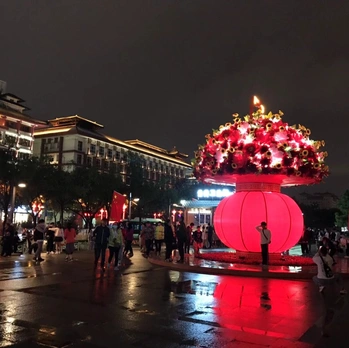
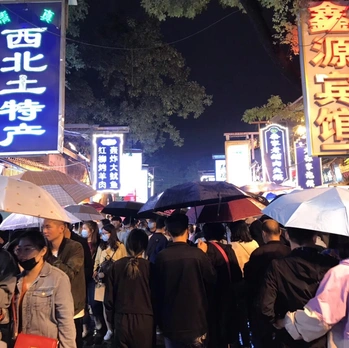
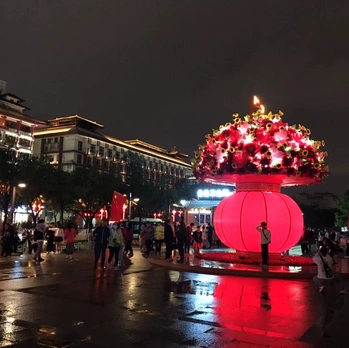
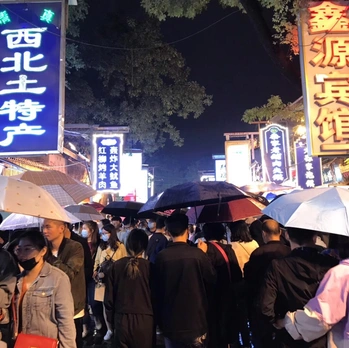
During the National Day holiday, the Muslim Quarter in Xi'an was packed wall-to-wall. We knew this in advance, so we opted to stay in a second-tier city instead. For one, we'd already visited many big cities multiple times and had no interest in joining the chaos. For another, parking in big cities is a nightmare, and hotel prices skyrocket—hardly worth it.
So, we settled in Dazhou. On the way, we passed the Bashan Grand Canyon and decided to check it out. Little did we know, this spur-of-the-moment decision would bring an unexpected delight.
Bashan Grand Canyon: An Unexpected Surprise
Bashan Grand Canyon, originally named "Xuanhan Hundred-Mile Gorge," is located in Xuanhan County, Dazhou, Sichuan. It's a national 4A-level scenic area and a national geopark. This is classic karst landscape, with six mountain ranges supporting ten major peaks—rugged terrain, crystal-clear rivers, and clusters of caves. Beyond natural wonders, the area is rich in historical relics: General Fan Kuai's military camp from the late Qin and early Han dynasties, the Horse-Racing Ridge, and the mountain strongholds left by Zhang Xianzhong and the White Lotus Sect all evoke a sense of history.
The canyon's ten major attractions each have their own character: the Gathering of a Hundred Beasts, Fairy Rock, Guanyin Cave, the Southern Heavenly Gate, the Twin Dragon Waterfall... Each stands alone yet complements the others, forming a perfect 300-mile-long painting. Because it shared its name with the Hundred-Mile Gorge in Yeshanpo, Hebei, it was renamed "Bashan Grand Canyon" in 2015. It officially opened to visitors in August 2018 and is now working toward 5A-level status.
Kunming: Rest and Revisits
After six days on the road, we finally arrived in Kunming. We visited the Stone Forest for the third time—it's Kunming's calling card, and skipping it just feels wrong. That night, we checked into a Home Inn Select hotel. The comfortable environment convinced us to stay a few extra days to rest properly.
Guandu Ancient Town: A Free 4A Attraction
Guandu Ancient Town, located on the southeastern outskirts of Kunming, is a famous historical and cultural town. It's packed with historical sites—the Five Hills, Six Temples, Seven Pavilions, and Eight Shrines from the Tang, Song, Yuan, Ming, and Qing dynasties are all concentrated within less than 1.5 square kilometers. Surprisingly, this 4A-level scenic area is free to enter.
As you walk into the town, you'll soon spot a temple called "Shaolin Temple." It turns out that this temple, originally named "Miaozhan Temple," has been taken over by the Shaolin Temple on Songshan Mountain, becoming an official branch. Miaozhan Temple is the foremost of the "Six Temples" of Guandu, first built in 1290 during the Yuan dynasty. Today, it's a national key cultural relic protection unit—and also free to visit.
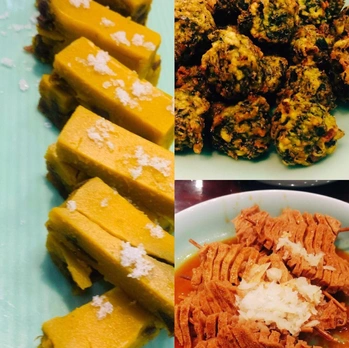
The snack street is a must. The pea jelly (wan dou fen) is a vibrant green, topped with cilantro, sauce, and crushed peanuts—a feast for both eyes and taste buds. The freshly made braised noodles (lu mian) are chewy and rich with meat sauce. The tofu-rice noodles (dou hua mi xian) are also memorable. But what surprised me most was the "flower cake" (hua xian bing)—at first glance, I thought it was a steamed bun, but upon asking, I learned it was filled with sesame paste. Sweet and fragrant, it lived up to its reputation.
Park 1903 and Cross-Bridge Rice Noodles
Park 1903 is an outlet mall in Kunming, combining leisure, shopping, and dining. At noon, we queued for over an hour at the "Shangzuo" restaurant to finally taste that bowl of cross-bridge rice noodles (guo qiao mi xian) for 38 yuan. Word has it that the chicken broth here is simmered for six hours per pot, with only six pots made daily. The wait was worth it—that rich, savory flavor is unforgettable.
Western Hills and Dianchi Lake: A Nostalgic Return
On October 11, Kunming finally cleared up. We decided to revisit the Western Hills Scenic Area after 25 years, to take in the panoramic view of Dianchi Lake. I had taken a photo here over three decades ago, and now I pressed the shutter again. Putting the two images side by side for comparison, the changes were striking, and the emotions ran deep.
Dali: The Serenity of Erhai Lake and the Comfort of Shuanglang
A Little Incident on the Way: A Flat Tire
On the road from Kunming to Dali, we ran into a small problem—a flat tire. Fortunately, our car's warning system alerted us, and even better, there was a repair shop at a service station just two kilometers away. They fixed it quickly. This little hiccup became just another memory from the journey.
Circling Erhai Lake: Peaceful and Profound
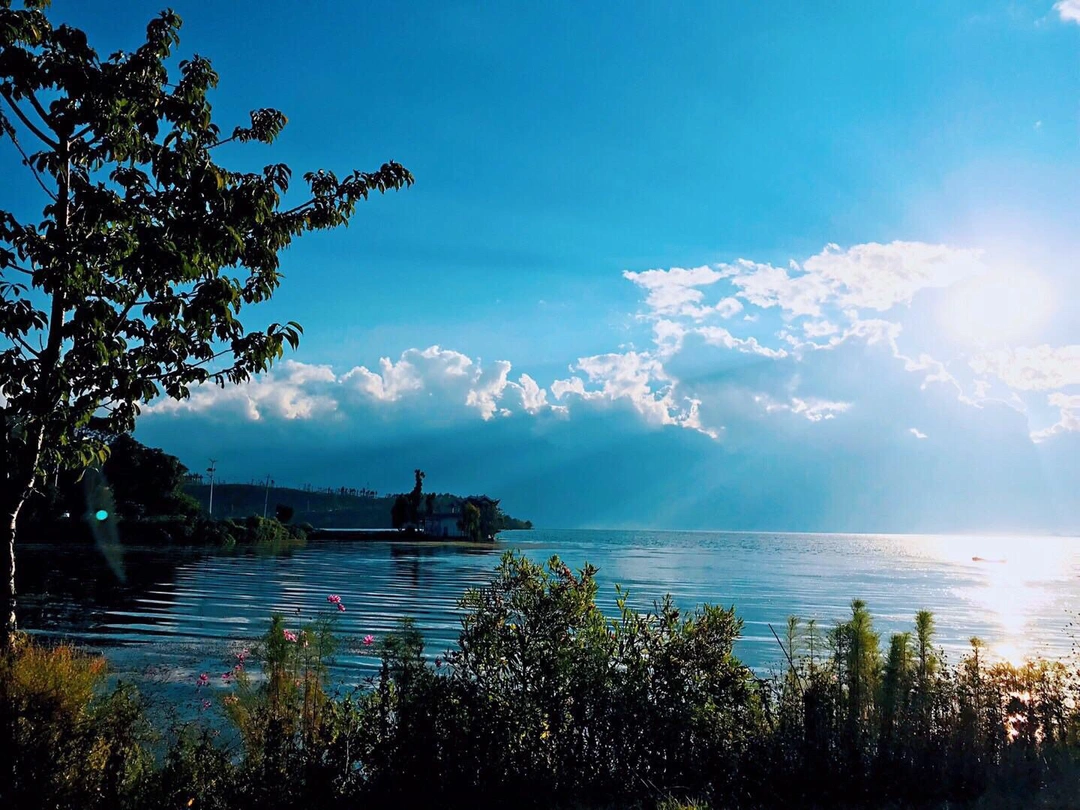
We arrived in Dali at noon, checked into our hotel, and seeing the great weather, decided to drive around Erhai Lake. From afternoon to evening, the beauty of the lake was beyond words. The water was so still, as if nothing could disturb it. We decided to stay a few days in Shuanglang to savor the tranquility.
In Shuanglang, we woke up naturally every day, brewed tea on the inn's terrace, soaked up the sun, and gazed at Erhai Lake—pure bliss. We wandered through the ancient town's streets and alleys, sampled local dishes, and lived simply and beautifully.
Three Pagodas of Chongsheng Temple and Dali Ancient Town
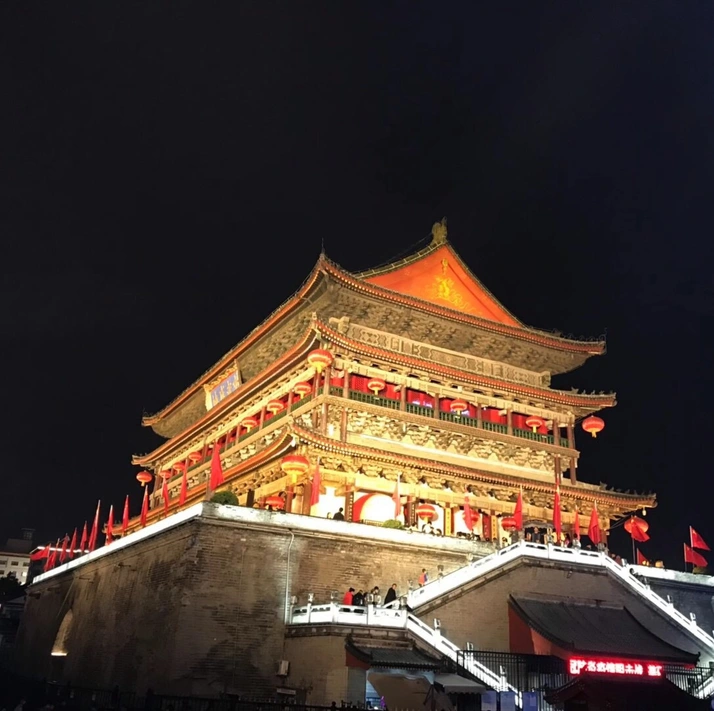
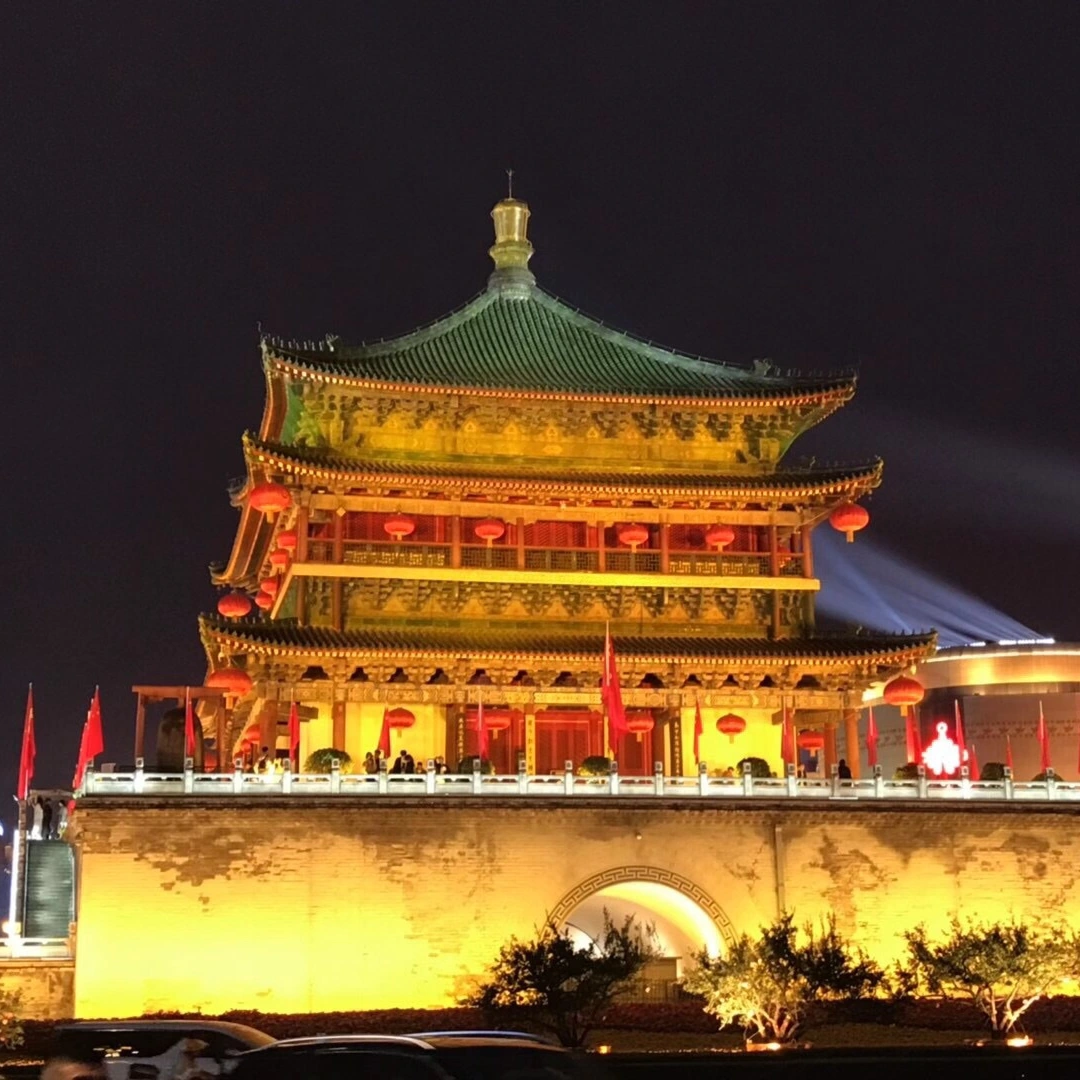
The Three Pagodas of Chongsheng Temple are Dali's iconic landmarks, and Dali Ancient Town is steeped in history. The spectacle of Tiger Leaping Gorge was breathtaking—the first gorge of the Yangtze River, with a vertical drop of over 3,900 meters. The Jinsha River rages through, crashing against the Jade Dragon and Haba mountains, carving out this deep, magnificent canyon.
Shangri-La: Challenges and Beauty at High Altitude
After Tiger Leaping Gorge, an Impromptu Decision
After visiting Tiger Leaping Gorge, we made a spontaneous decision to push on to Shangri-La. The scenery along the way was stunning, but the high altitude of 3,200 meters brought some discomfort. With my husband and I totaling 128 years of age, this trip was another challenge for us.
Potatso National Park: A Dreamlike Wonderland
The 22-kilometer drive from Shangri-La city to Potatso National Park was incredibly tough due to road construction. Dust-filled, bumpy roads nearly made us turn back. But we persevered.
When we arrived at the park and saw Shudu Lake in its autumn glory, all the hardship melted away. The lake was crystal clear, the forests a golden hue—like a dreamscape, a paradise on earth. Despite being over half a month into our self-drive trip and feeling fatigued, despite the altitude sickness, seeing such beauty made it all worthwhile.
Potatso National Park lies at the heart of the "Three Parallel Rivers" UNESCO World Natural Heritage site, with altitudes ranging from 3,500 to 4,159 meters. Currently, only the Shudu Lake area is open to visitors, but it's more than enough to leave you spellbound.
Ganden Sumtseling Monastery: The Little Potala Palace
Ganden Sumtseling Monastery, also known as Guihua Temple, sits on Foping Mountain in Shangri-La County. It's the largest Tibetan Buddhist monastery in Yunnan, often called the "Little Potala Palace." Its golden roofs gleam under the sun, exuding solemnity and grandeur.
Lijiang: Ten-Plus Days of Slow Living
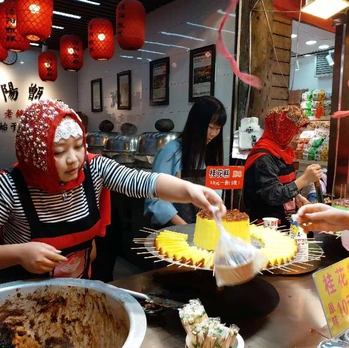
It was now day 24 since we left Beijing for Yunnan. Arriving in Lijiang, with continuous rain, we decided not to rush but to take it easy and savor the slow pace of Lijiang's Old Town.
Our hotel was a stone's throw from the old town. We woke up naturally each day, had breakfast, and then from afternoon to evening, we treated strolling through the old town as our daily walk. We wandered through the streets and alleys, found a well-reviewed local eatery in the evening, and enjoyed regional cuisine. When the mood struck, we ordered a small pot of wine and sipped it leisurely. Even the life of a celestial being couldn't beat this.
Blue Moon Valley: Dreamlike Colors
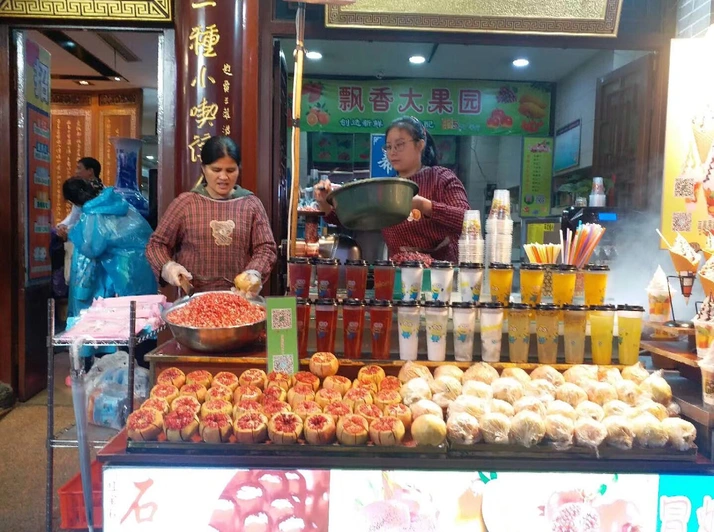
We revisited the Blue Moon Valley at Jade Dragon Snow Mountain. The water was so clear that, under the sunlight, it displayed a spectrum of iridescent gradients. The serene White Water River and the tranquil Blue Moon Valley felt like a fantasy. Standing there, my heart was at peace.
Lugu Lake: A Journey Full of Twists and Turns
Lugu Lake, the place we had longed for—we finally came to see you from distant Beijing. We prayed for good weather. Lijiang had been raining nonstop, and we stayed in the old town for over ten days, waiting for the skies to clear.
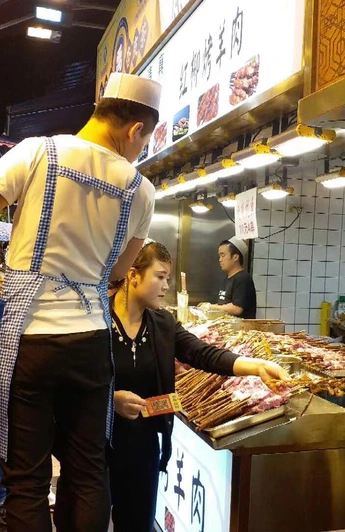
But the journey was full of ups and downs. Word had it that the mountain road from Lijiang to Lugu Lake was treacherous, with a recent landslide. Locals advised against self-driving. So we signed up for an eight-person, two-day small-group tour. However, on the day of departure, we discovered that the car didn't even have seat belts—too unsafe! We immediately canceled the tour and decided to drive ourselves.
After four-plus hours of winding mountain roads, we finally made it to Lugu Lake safely. Under the blue sky, the lake was as clear as a mirror, its transparent azure blending with the lush surrounding forests—a scene like a poem or a painting. Seeing such beauty, all fatigue and frustration vanished.
Lugu Lake sits on the border between Sichuan and Yunnan. It's a plateau fault lake formed by dissolution and subsidence, and it's China's third-deepest freshwater lake. The area is home mainly to the Mosuo, Yi, and Pumi peoples. Its stunning natural environment and unique ethnic culture make it a famous tourist destination.
Tengchong and Heshun: Hot Springs and Ancient Towns
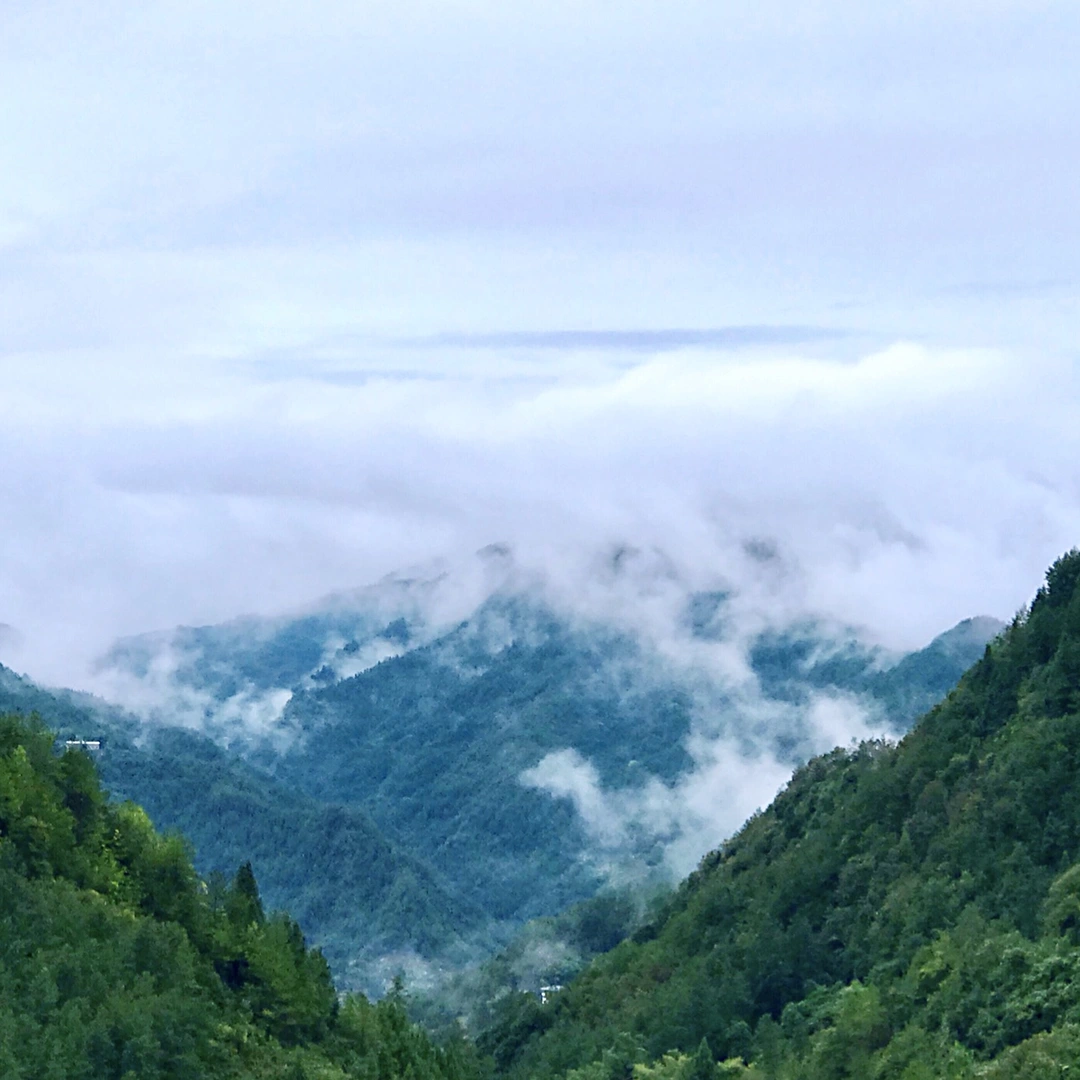
Tengchong Rehai: A Kingdom of Hot Springs
Tengchong Rehai, located 20 kilometers southwest of the county seat, covers about 9 square kilometers. It boasts over 80 hot spring and steam vents, with 10 groups of hot springs reaching temperatures above 90°C. Everywhere you look, steam and hot water gush out—a rare sight in the world.
Heshun Ancient Town: Harmony and Civility
Heshun Ancient Town, formerly known as "Yangwendun," was renamed "Heshun" (meaning "harmony and civility") after a small river winding around the village. The town has a population of around 6,000, but over 12,000 Heshun natives live overseas, making it a famous侨乡 (hometown of overseas Chinese) in Yunnan and a national 5A-level tourist attraction.
For over 600 years, Central Plains culture, Western culture, Nanzhao culture, and frontier culture have blended here, creating a unique侨乡 (overseas Chinese hometown) culture and horse caravan culture. Heshun has long valued education—during the Ming and Qing dynasties, it produced over 400 successful candidates in the imperial examinations, including Yin Rong, a four-dynasty state counselor in Myanmar; Zhang Baoting, the "Jade King"; and the renowned philosopher Ai Siqi.
Key attractions include Ai Siqi's former residence, Heshun Library, the Burma Road Anti-Japanese War Museum, and the Chinese-Western fusion courtyard houses like Wanlouzi and the Liu Family Compound.
Ruili and Mangshi: Borderland Charm
One Village, Two Countries: A Step Across Borders
It took less than three hours to drive from Tengchong to Ruili. The "One Village, Two Countries" scenic area sits beside the 71st boundary marker on the China-Myanmar border. The borderline splits a Dai village in two—the Chinese side is called Yinjing, and the Myanmar side is called Mangxiu. The border is marked by bamboo fences, village paths, ditches, and earth ridges. Chinese pumpkin vines crawl over to Myanmar's bamboo fences to bear fruit, and Myanmar hens wander into Chinese homes to lay eggs. The people share the same language, customs, and close bonds.
Mangshi: Rare Gardens and Golden Pagoda
Mangshi's Mengbanaxi Rare Garden is a national 4A-level scenic area. It gathers a vast collection of ancient trees and rare wood fossils, as well as silicified wood and jade stones seldom seen elsewhere. Its highlights are "rare, strange, ancient, and eccentric"—a true treasure trove for tourists.
The Meng Huan Golden Pagoda sits atop Leiyarang Mountain by the Peacock Lake in southeastern Mangshi. Dazzling and magnificent, it's China's first and Asia's largest hollow golden Buddhist pagoda.
Xishuangbanna: Tropical Vibes and the Starry Night Market
Tropical Botanical Garden: A Nostalgic Return
I fell in love with the Xishuangbanna Tropical Botanical Garden over 20 years ago on my first visit. Returning now, my heart still raced with excitement. The garden is huge, divided into eastern and western zones. Following the sightseeing bus through each area, we didn't feel too tired. It's China's largest and most species-rich botanical garden, integrating scientific research, species conservation, and public education.
Starry Night Market: Bustle by the Mekong River
Under the grand Golden Pagoda of Xishuangbanna, the Gaozhuang Xishuangjing Starry Night Market comes alive every evening. Located by the Mekong River, it blends strong Southeast Asian vibes with food, culture, and folk crafts. It's said to be the most large-scale, distinctive, and bustling night market in the Greater Mekong Subregion.
Jianshui: A Surprise at the Last Stop
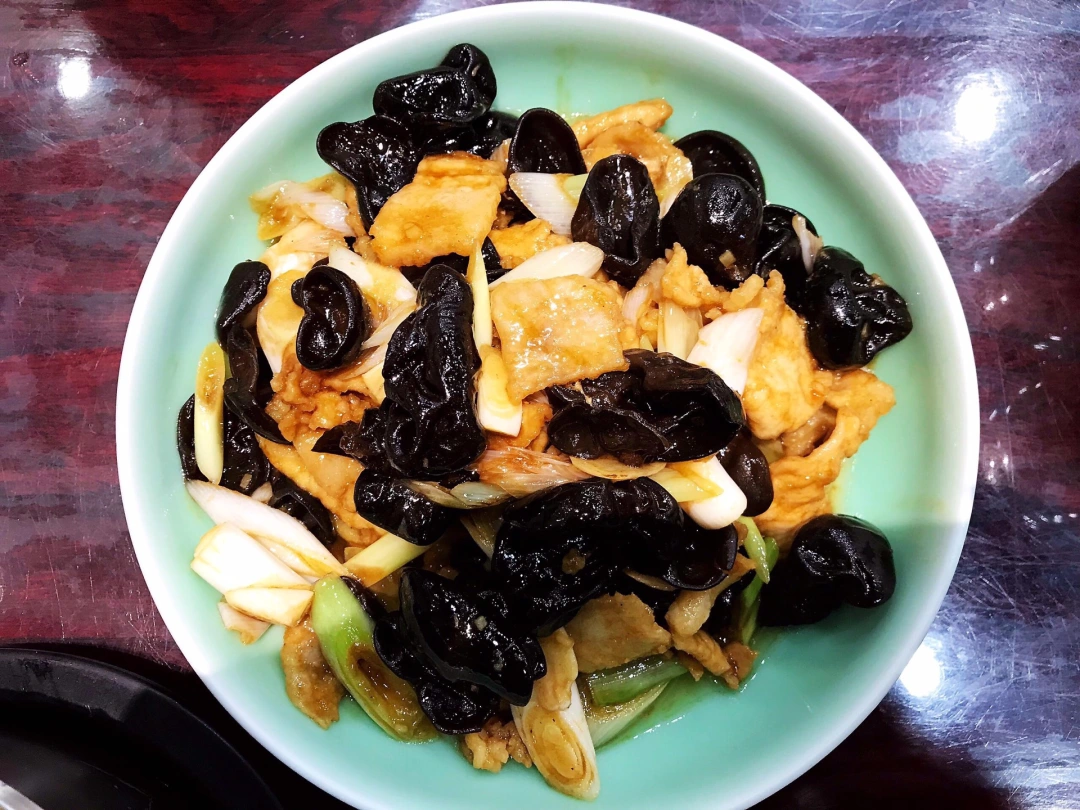
Jianshui was the final stop on our Yunnan self-drive trip, a waypoint on our way to Beihai, Guangxi. Learning that there was an ancient town here, and within it a "Grand View Garden of Southern Yunnan" called the Zhu Family Garden, we decided to explore.
And indeed, an unexpected surprise awaited us. A massive complex of Qing-dynasty residential buildings unfolded before our eyes, leaving us in awe. The Zhu Family Garden covers over 20,000 square meters, with a building area of more than 5,000 square meters. The main structure follows a "four vertical, three horizontal" layout, featuring 42 courtyards of various sizes and 214 rooms. The entire complex boasts steep ridges, flying eaves, and intricately carved beams, forming a "maze-like" architectural ensemble.
The Double Dragon Bridge, commonly known as the "Seventeen-Arch Bridge," is a three-pavilion, seventeen-arch stone bridge spanning the confluence of the Lujiang and Tachong rivers. It's one of Yunnan's most famous historical sites. Built from massive stone blocks, the bridge measures 148.26 meters in length and 3 meters in width. From a distance, it looks like a multi-story boat; up close, it resembles a rainbow lying across the water.
Conclusion: The Journey Continues, Heart Set on the Horizon
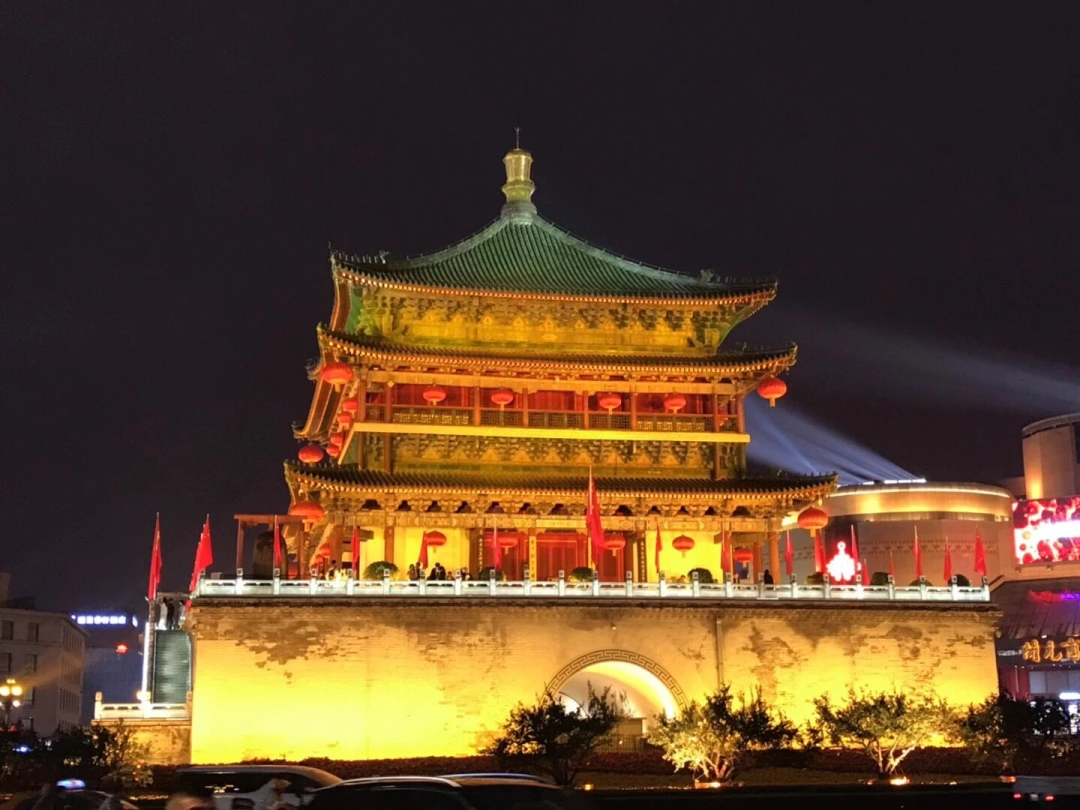
In Yunnan, we traveled and played, and before we knew it, a month and a half had passed. Many photos from the scenic spots still need sorting, but those beautiful moments are already etched deep in our hearts.
Leaving Yunnan, we will press on. The meaning of self-driving lies not just in reaching the destination, but in the scenery along the way, the unexpected little incidents, and the time spent with family. This 75-day journey taught us something profound: life isn't just about the mundane struggles of the present; there's also poetry and the distant fields. As long as your heart is on the road, every place is a landscape.
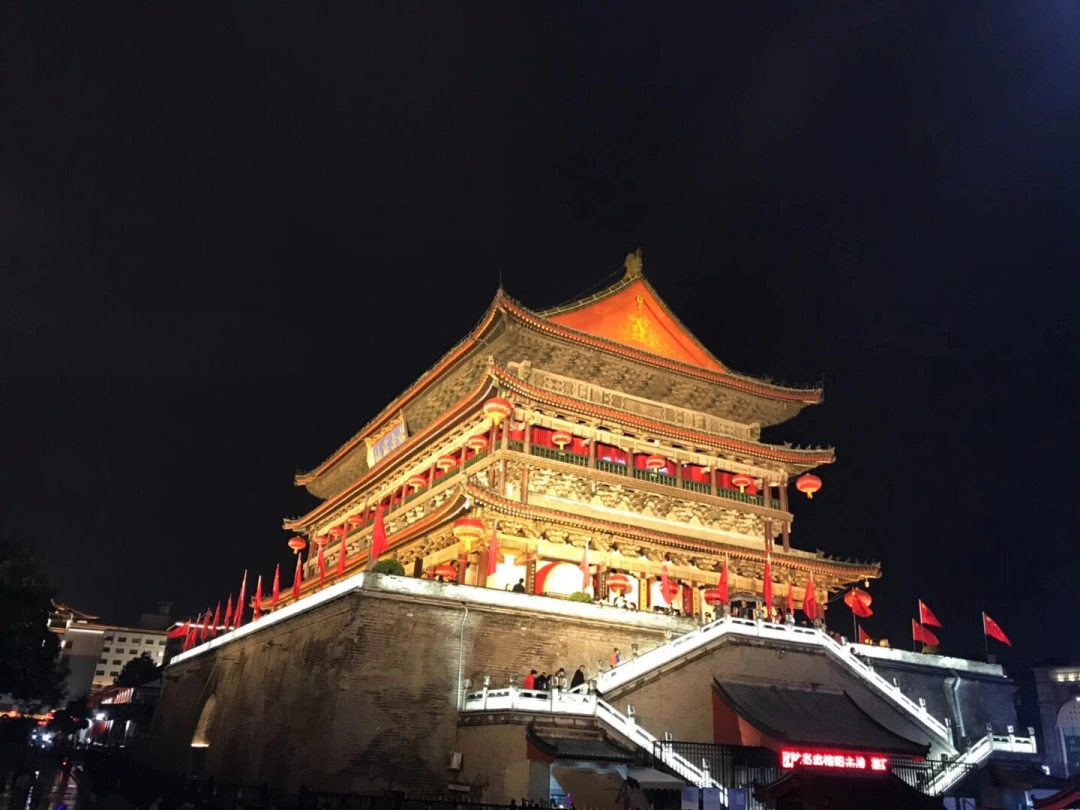
(To be continued)
Travel Tips: - Always check your vehicle before a self-drive trip, especially tires and brakes - At high altitudes, take precautions against altitude sickness and prepare medication in advance - Try to avoid peak holiday seasons at popular attractions - Choose accommodation in second-tier cities for better value - Local cuisine is worth trying, but pick restaurants with good hygiene standards - For long-distance self-driving, break the journey into segments to avoid fatigue
Copyright Notice: This article is original content. Reproduction without authorization is prohibited.
You should also read:
A 9-Day Yunnan Journey: From Lijiang to Dali to Tengchong – A Trip Toward Self-Reconciliation
A 9-Day Yunnan Journey: From Lijiang to Dali to Tengchong – A Trip Toward Self-Reconciliation Some say travel is simply going from a place you're tired of to a place other people are tired of. It stings to hear, but it's painfully true. Yet there's…
Continue reading...
Yunnan! Paradise on Earth – The Yubeng Chapter: A Soul-Cleansing Journey into Seclusion
Yunnan! Paradise on Earth – The Yubeng Chapter: A Soul-Cleansing Journey into Seclusion Prologue: Why Yubeng? If you ask me which place in Yunnan is most worth hiking to, I would answer without hesitation: Yubeng. This is not an answer I give lightly. As a…
Continue reading...
Escaping Nanning, Falling Under Lijiang's Spell: Our Four-Person, Ten-Day Yunnan Dream
Escaping Nanning, Falling Under Lijiang's Spell: Our Four-Person, Ten-Day Yunnan Dream Before We Set Off: No Pain, No Obsession Have you ever had that impulse—suddenly tired of the office fluorescent lights, the crush of the subway, the endless parade of identical takeout boxes, and just…
Continue reading...