2025 Southeast Yunnan Road Trip: Bringing the Whole Family and Our Dog to Yunnan for a Warm Chinese New Year
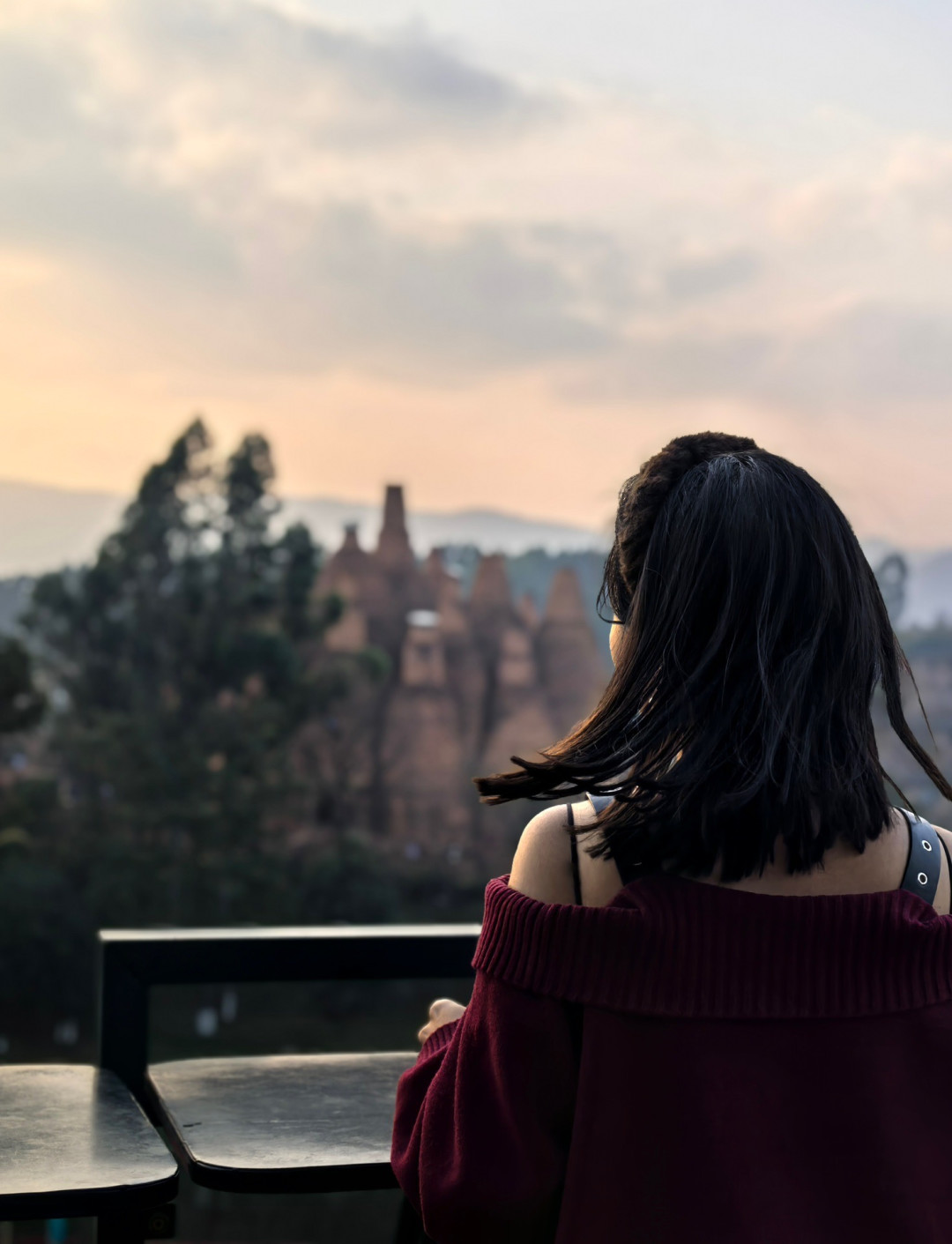
2025 Southeast Yunnan Road Trip: Bringing the Whole Family and Our Dog to Yunnan for a Warm Chinese New Year
If you ask me what the ideal way to celebrate Chinese New Year is, my answer is clear: gather the family, bring the dog, hop in a car, and head somewhere warm. Leave behind the biting northern winds and welcome the new year surrounded by sunshine and the lively buzz of烟火气 (festive烟火 and daily life).
For the 2025 Spring Festival, our family of three — plus a little dog named "Panghu" (Chubby Tiger) — loaded up our brand-new AITO M9 and drove south from Xi'an. We crossed the Qinling Mountains, passed through Chongqing and Guizhou, and finally arrived in Yunnan. Over 15 days, we explored a lesser-known loop through southeastern Yunnan: Mile (Mile), Jianshui (Jianshui), Yuanyang (Yuanyang), Hekou (Hekou), and Shiping (Shiping). We spent New Year's Eve in Kunming, burned the first incense of the year in Mile, marveled at the terraced rice fields in Yuanyang, ate grilled tofu in Jianshui, and soaked up the border-town vibe in Hekou.
This article is both a record and a guide. If you're thinking of taking your dog on a Yunnan road trip, or planning a different kind of Spring Festival getaway, I hope our experience gives you some inspiration.
Why Southeast Yunnan?
We'd long decided on "Yunnan for the New Year." But considering the crowds at hotspots like Lijiang (Lijiang) and Tengchong (Tengchong) during Spring Festival, we quickly ruled those out. Instead, we turned our attention to Honghe Prefecture (Honghe Prefecture) — a relatively low-key but surprisingly delightful region.
Mile (Mile) was a laid-back little town I'd had my eye on for a while. Jianshui (Jianshui) is an ancient, culturally rich city in southern Yunnan. Yuanyang (Yuanyang) boasts world-famous terraced rice fields. And Hekou (Hekou) is a border crossing with a unique exotic flair. We originally wanted to add the Renzi Bridge (Renzi Bridge) in Pingbian (Pingbian), but time was tight, so we reluctantly dropped it. Later, we realized we had an extra day off, so we tacked on Shiping (Shiping) after Jianshui — a quiet, little-visited town close by, perfect for slowing down.
With Panghu along, driving was the only way to go. The original plan was for my mom and me to head out first, with my dad flying in to join us after his holiday started. But it turned out he could leave early too, saving us a plane ticket. The whole family set off together in the car.
First Stop: Chongqing, Mountain City Rain and a Bowl of Noodles
Departure: Snow in the Qinling Mountains, Heading South

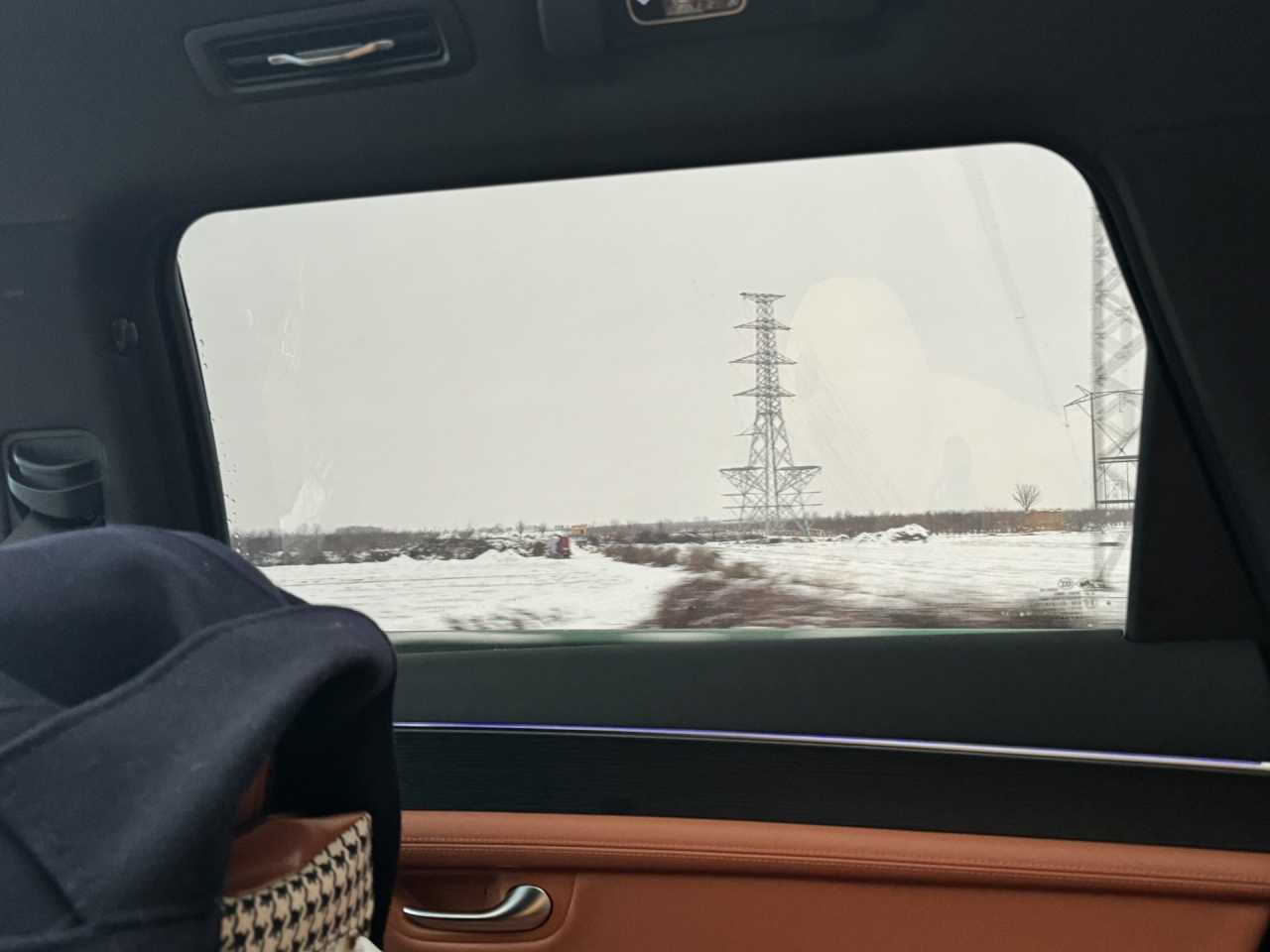
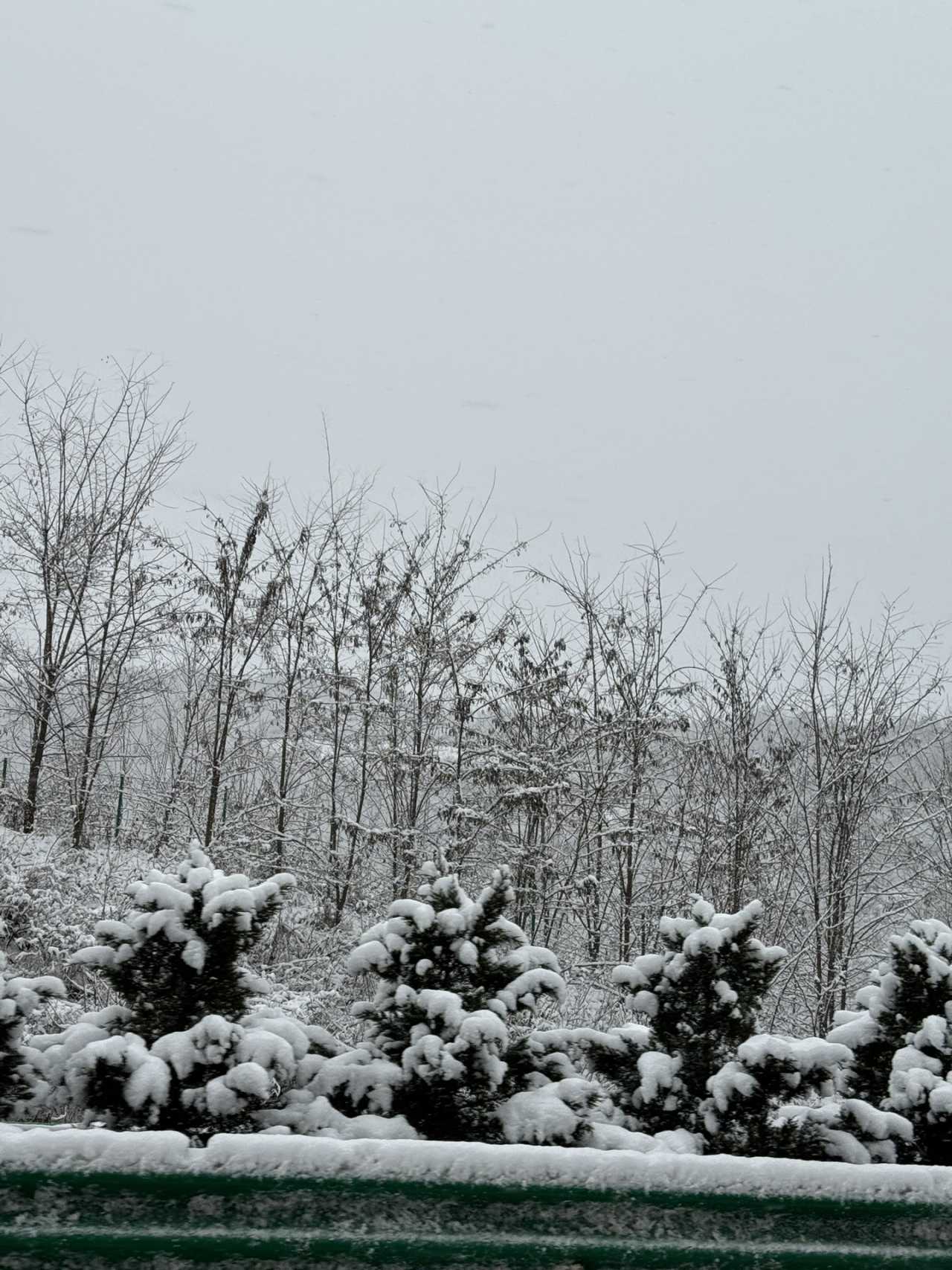
The day before we left, Xi'an was blanketed in snow all day. The Qinling Mountains were heavily积雪 (snow-covered), so our usual route was blocked. We had to detour through Baoji (Baoji), adding over 100 kilometers. Luckily, we hit no road closures or major traffic jams. We drove all day and only arrived in Chongqing after dark.
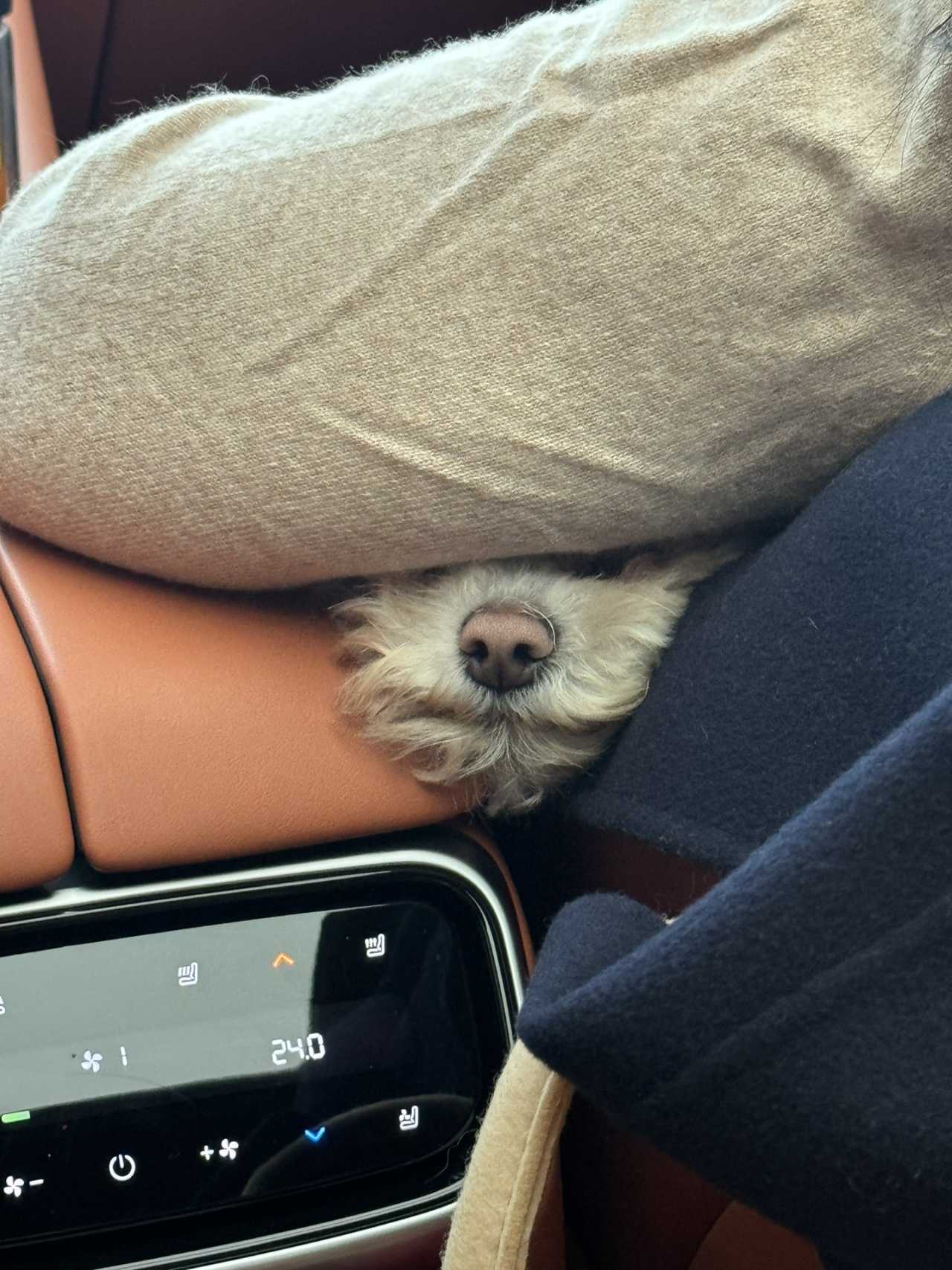
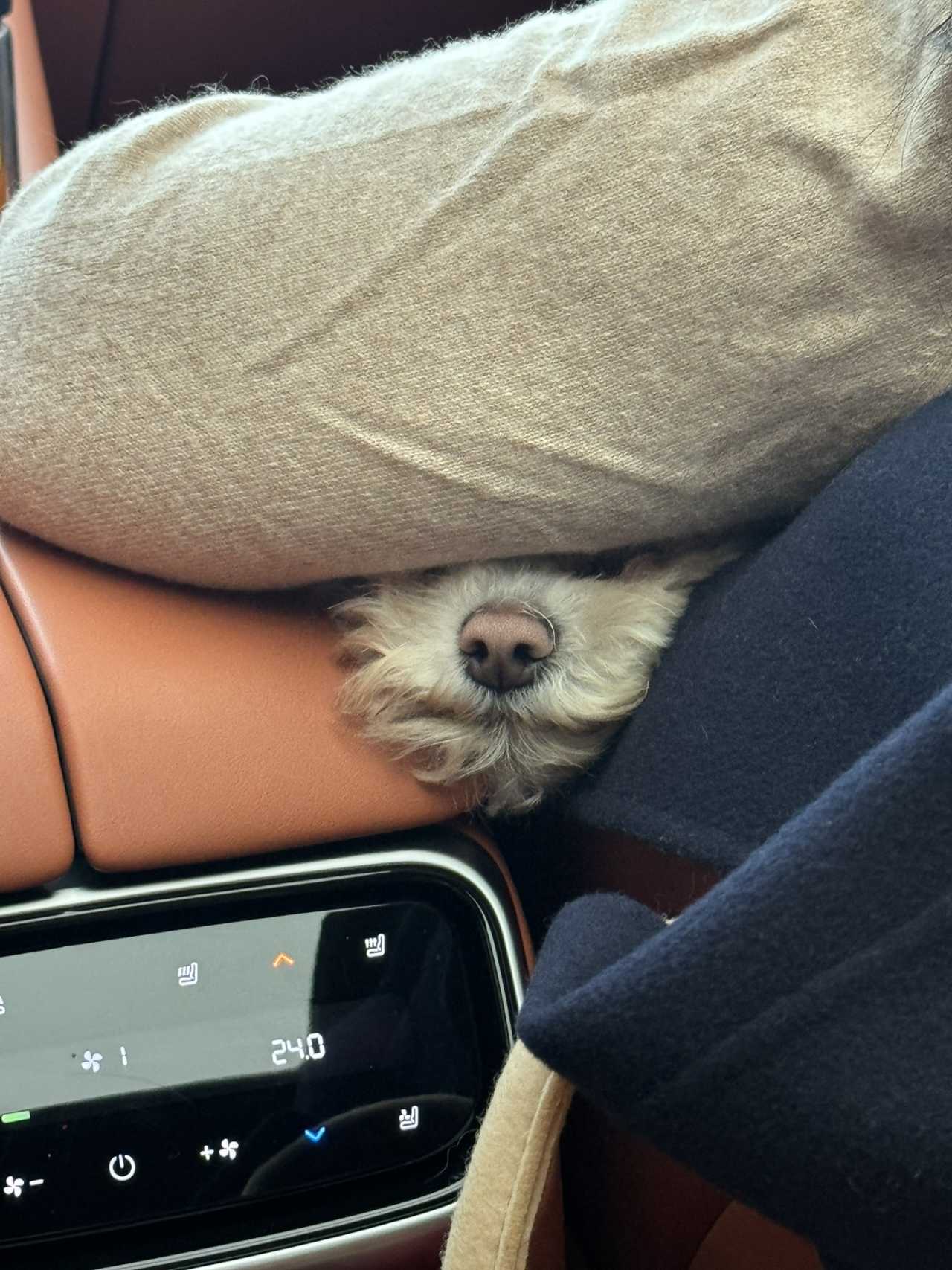
The drive was a breeze thanks to the AITO's智能驾驶 (smart driving system). We barely had to think, just keep an eye out for unexpected situations. Passing through Baoji, the snow was shockingly thick. Panghu slept sprawled out in the car, completely oblivious to how cold it was outside.
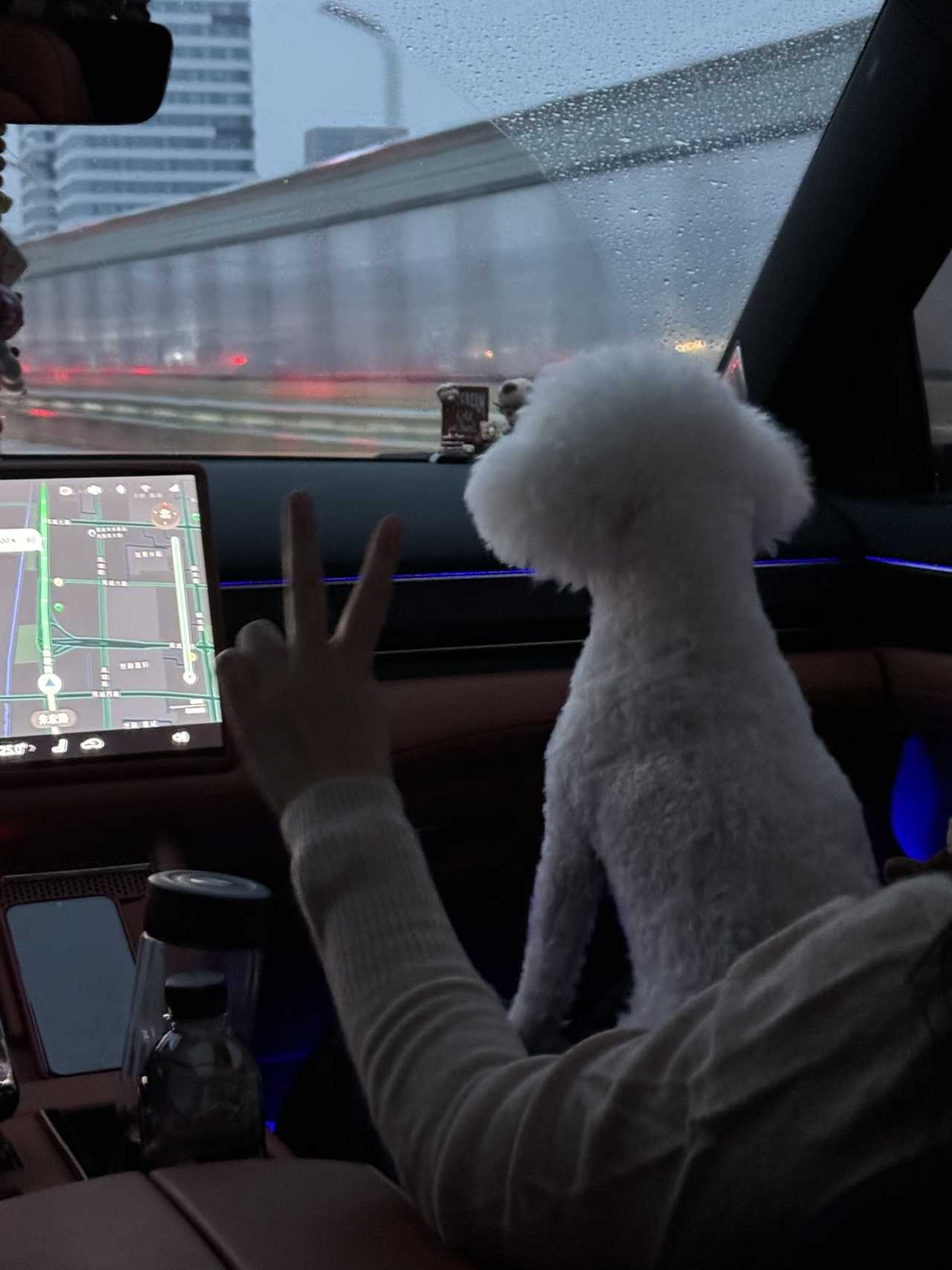
When we got to Chongqing, it was still raining. The temperature was even lower than in Xi'an. The hotel was a mess — no one at the front desk, and we had to pay extra for parking. But the moment we caught a glimpse of Chongqing's夜景 (night view) from the car, all the exhaustion melted away. The mountain city's lights stacked up layer upon layer, like a crystal palace floating in the rain.
Jiefangbei: Panghu's First City Landmark
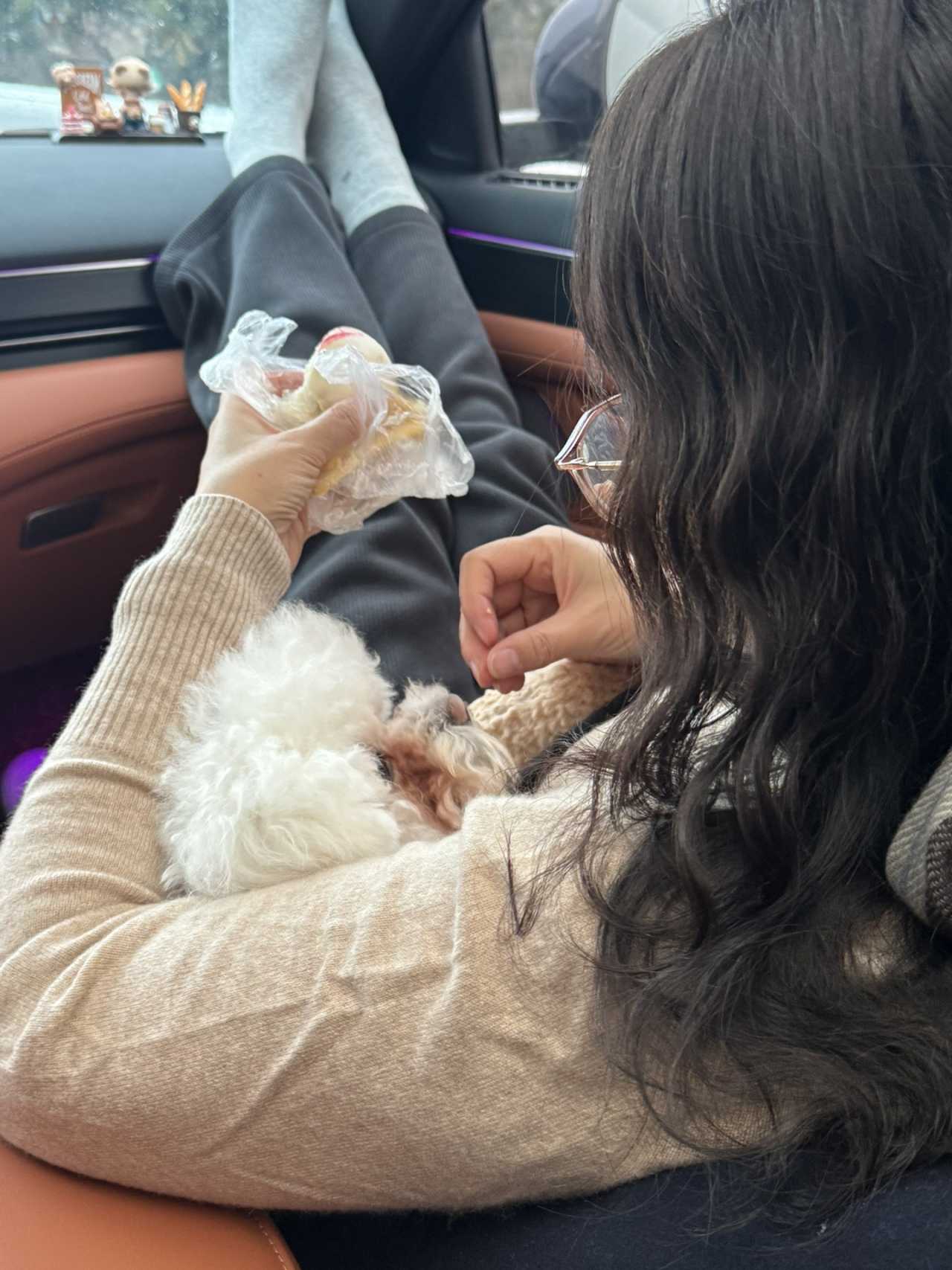
Our hotel was only 1.7 kilometers from Jiefangbei (Liberation Monument), so we walked. Panghu was wearing her new防脏衣 (dirt-proof coat) and shoes, but after two steps, she froze — she had no idea how to walk in shoes. So I ended up carrying her. She curled up in my arms like a little plush toy.
At Jiefangbei, there was a "Year of the Snake, Great Fortune" decoration, very timely. I'd been to Chongqing twice before, both times in summer. This time, I realized winter here is just as uncomfortable, especially in the rain — damp and bone-chillingly cold. Panghu was shivering even in her sweater, so we gave up on going to Hongyadong (Hongyadong) and headed straight for Bayi Road Food Street.
Unfortunately, that street has turned into a cookie-cutter tourist food street, the same as everywhere else. We couldn't find the amazing锅巴土豆 (crispy potato) I'd had last time. We ended up buying a rose-flavored bagel from BA Bakery (the delivery order was wrong, so I had to pick it up myself), added an extra blanket to the hotel bed, and called it an early night.
Laoma Chaoshou: The Peak of Chongqing Breakfast
The next morning, I insisted on having小面 (Chongqing noodles). I picked a shop near the hotel that had been around for years. I ordered a bowl of猪蹄 (pig trotter) and a bowl of牛肉豌杂小面 (beef noodles with peas and杂酱 (ground pork sauce)). My dad got the招牌干馏碗杂面 (signature dry noodles with peas and sauce), which wasn't spicy. One bite and I regretted my choice — I should have gone non-spicy too!
The noodles were incredibly fragrant. The peas were soft and mushy, the beef was flavorful — just as good as the place that had blown me away last time in Chongqing. The pig trotter was even better. It was delicious even without the dipping sauce, and the broth was savory without being greasy. Most of it ended up in Panghu's belly. The抄手 (wontons) were freshly made, but even the "lightly spicy" version was super spicy for me. I had to rinse each one in the trotter broth before I could eat it.
Second Stop: Kunming, New Year's Eve烟火 (Fireworks) and Seagulls
Two Days of Driving, Finally Arriving in the Spring City
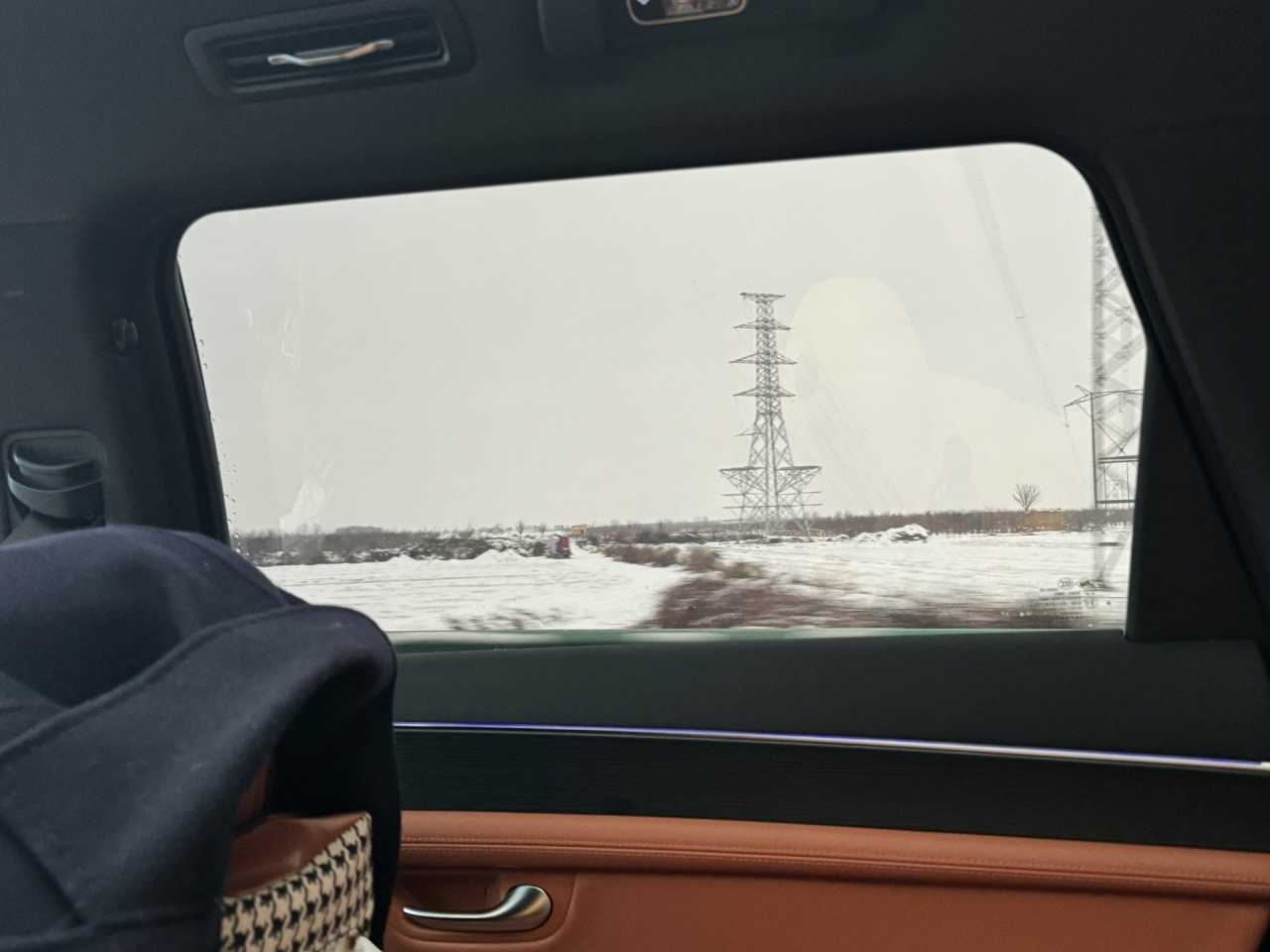
From Chongqing to Kunming was another full day on the road. Passing through Guizhou, we saw a service area that had a natural history museum, but it was closed. The bridges in Guizhou were mind-blowing, and massive solar panel fields covered the hillsides — an impressive sight.
We arrived in Kunming after dark, only to hit a cold snap. The temperature dropped, and it was freezing at night. We'd booked a random hotel for 200 yuan a night. The room was tiny, but since we were only sleeping there, it was fine.
We found a Mile-style卤鸡米线 (braised chicken rice noodles) shop next to the hotel. The taste was surprisingly good. In Yunnan, any local noodle shop you walk into will serve something decent.
Wuliduo and Donghua: New Year's Flavors at the Wet Markets
The day before New Year's Eve, we went on a shopping spree. First stop: Wuliduo Agricultural Expo Plaza (Wuliduo Agricultural Expo Plaza), where locals buy their New Year's goods. The market was huge and crowded, but dogs weren't really allowed. We had to keep Panghu in a fully enclosed stroller the whole time, never letting her touch the ground.
The豆花米线 (tofu pudding rice noodles) and饵丝 (rice noodles) were on the second floor. They were on the sweet side, which I loved. We bought小林花胶鸡 (Xiaolin's fish maw chicken) for New Year's Eve dinner. We specifically asked for no spice, but it was still spicy — Yunnanese people's definition of "not spicy" is different from ours.
The个旧泡梨 (Gejiu pickled pears) were on the sweet side, and my mom loved them.大理米糕 (Dali rice cake) is a must-have on Yunnan New Year's tables, so we bought one with a福 (fortune) character to fit in. The脆皮五花肉 (crispy pork belly) — we bought it after seeing a local auntie grab some, and it was indeed delicious.
Second stop: Donghua Agricultural Market (Donghua Agricultural Market), which had more tourists. The核桃酱卷粉 (walnut sauce rice rolls) were just okay, but the corn juice and thumb-sized corn were tasty. Yunnan's specialty candies are also worth trying — especially the one from Yuxi (Yuxi). It's rock-hard at first, but softens in your mouth after a while, and isn't too sweet.
After the markets, we went to Hema (Hema, a supermarket chain) for seafood. There were huge king crabs, but we worried they'd die overnight and not be fresh, so we decided to come back on New Year's Eve morning.
Luoyuhe Wetland Park: Watching Seagulls in the Snow
With nothing to do in the afternoon, we went to Luoyuhe Wetland Park (Luoyuhe Wetland Park). Then it started snowing heavily in Kunming! Panghu, who came here to escape the cold, had to put on the四脚棉衣 (four-legged padded coat) she'd never worn in Xi'an. Spring flowers had bloomed and fallen, and the winter cherry blossoms were knocked down by the snow — a regret of the trip.
There weren't many红嘴鸥 (red-billed gulls). They looked just as confused in the snow as we were. Panghu usually loves chasing birds, but this time she didn't react. It was too cold. We took a few photos and rushed back to the民宿 (homestay) to change clothes.
The民宿 was nice. The balcony had a view of Dianchi Lake (Dianchi Lake). Heating required paying for gas ourselves, but it would shut off once it reached a certain temperature, so we relied on electric heaters. The host was very helpful and didn't charge us extra for the gas in the end.
New Year's Eve: A Six-Person Travel Group, a Reunion Dinner
On New Year's Eve morning, my uncle and his family arrived from Chengdu. Our six-person travel group was officially assembled. Breakfast was a collection of regional specialties: Xinjiang milk tea, Chengdu rabbit head, Yunnan沙糕 (sand cake), and Cantonese dim sum — it was like a national food fair.
Panghu wore her new red outfit and sat on the sofa, looking out at Dianchi Lake like a little CEO. We went to Hema and bought a king crab, lobster, oysters, and turbot. There were too many people, so the biggest king crabs were already sold out.
At noon, we went to Haigeng Dam (Haigeng Dam) to see the red-billed gulls. It was cloudy, so there weren't many gulls, but they were bold. One stood right on my dad's hand to eat. In the distance, Xishan (Western Hills) was shrouded in mist — a beautiful scene.
On the way back to the民宿, we bought fireworks. Xi'an has banned them for years, but Yunnan allows them, so we grabbed some.
My uncle was the head chef for the New Year's Eve dinner. The rest of us were helpers. We cooked建水草芽 (Jianshui grass shoots) into a dish, along with the king crab, lobster, and turbot. It was incredibly lavish. We didn't have wine glasses, so we used建盏 (Jianshui tea cups) for champagne — an East-meets-West touch.
Fireworks kept going off outside the window. Panghu was terrified. At midnight, the whole world seemed to be setting off fireworks. For a moment, I felt like a kid again.
Third Stop: Mile, Burning Incense on the First Day of the New Year
Jinshan Mountain: The World's Largest Maitreya Buddha
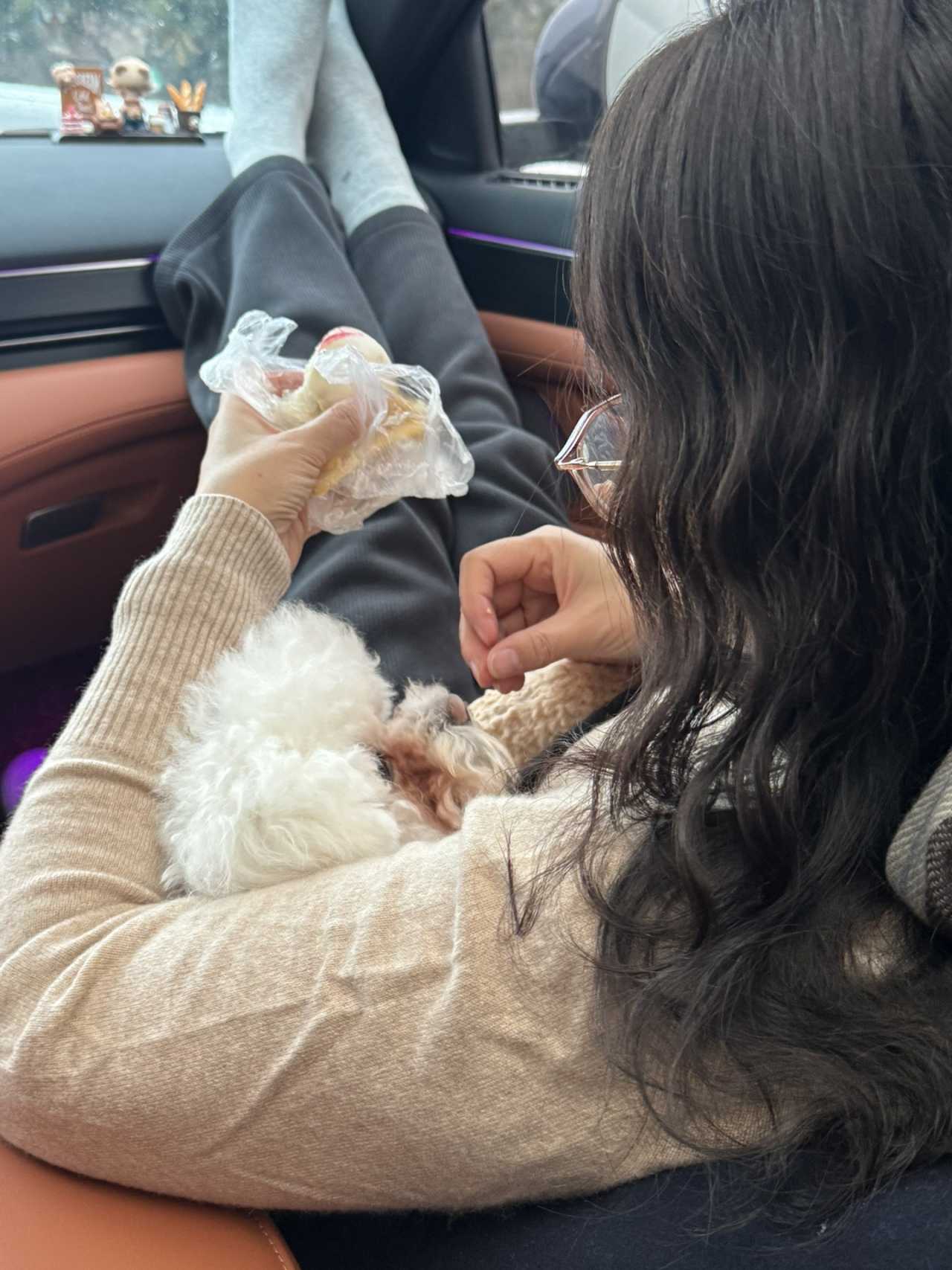
On the morning of the first day of the New Year, we ate freshly made dumplings from Hema at the民宿 and set off for Mile. Panghu fell asleep as soon as she got in the car, with no idea where we were going.
Jinshan Mountain (Jinshan Mountain) was crowded. The parking lot was almost full. Dogs were allowed in the scenic area but not on the shuttle bus. So my mom, my aunt, and I hiked up, while the others took the bus.
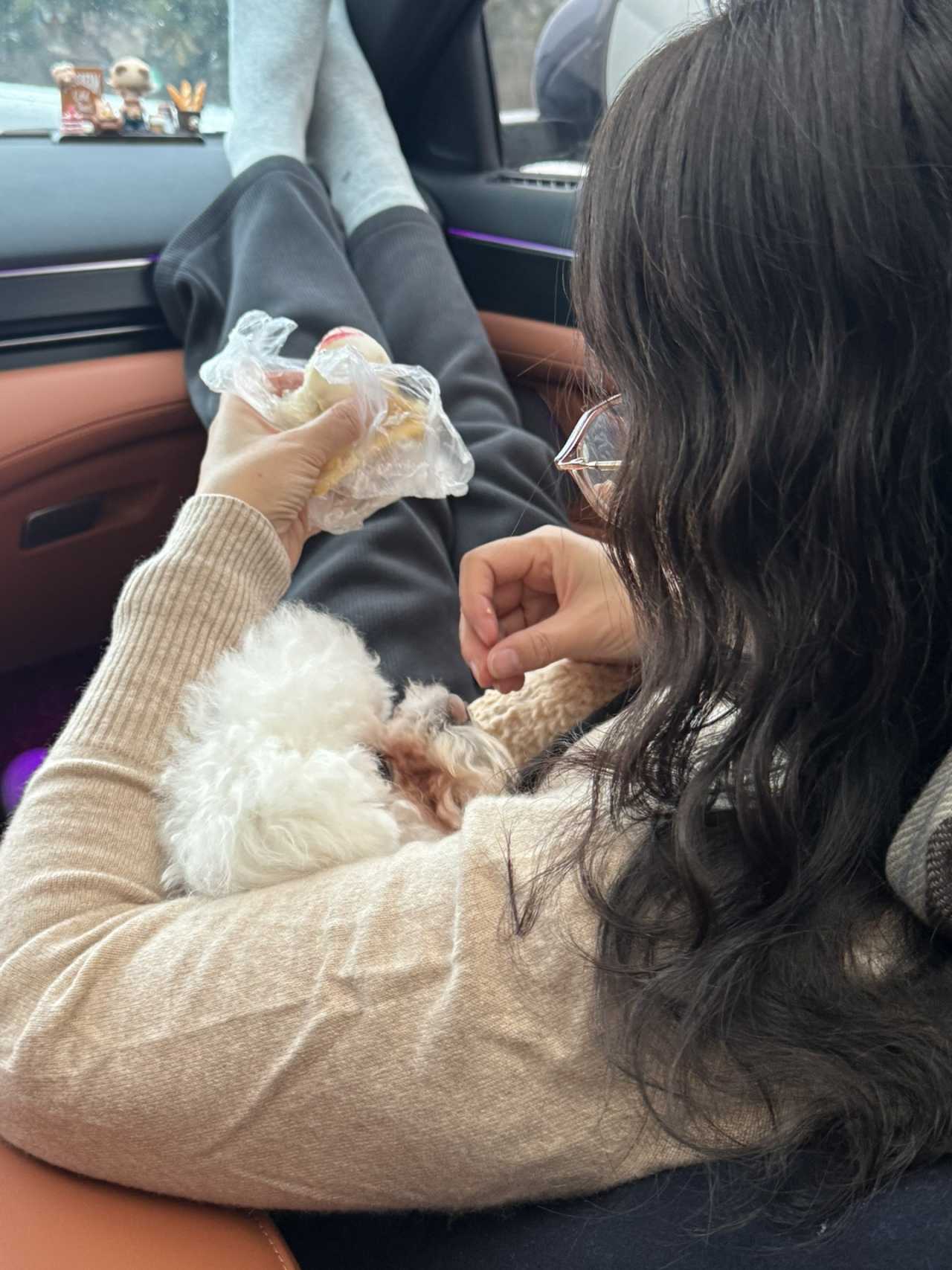
The steps were covered with stickers reading "平安喜乐" (peace and joy) — very festive for photos. Panghu's legs couldn't handle too many stairs, so the three of us took turns carrying her up. Halfway up, there was a stall selling sour-plum Americano. It didn't taste much like coffee — more like sour-plum juice.
At the top stood the world's largest Maitreya Buddha statue. The incense was burning intensely. The air was thick with smoke from the offerings, and it looked spectacular to the naked eye. We bought incense too, made our wishes, and prayed that all our hopes for the year would come true.
After coming down, the sun came out. The weather finally started to improve. Along the way, we saw many people in traditional ethnic clothing. Small stalls sold pickled vegetables, which locals bought and ate on the spot. The stone paths were engraved with "恭喜发财" (wishing you wealth) — very fitting for the New Year.
Final Thoughts: Why This Trip is Worth Recommending
Dog-Friendly: Many scenic spots in Yunnan allow dogs, but make sure to check transportation rules and accommodation policies. Confirm with hotels whether they accept pets, and bring your dog's license and vaccination records.
Southeast Yunnan is Less Crowded and Beautiful: Compared to Lijiang and Dali, places like Mile, Jianshui, Yuanyang, and Shiping have far fewer tourists, making them ideal for Spring Festival travel.
High Freedom with Self-Driving: With family and a pet, driving is the most flexible option. The AITO's smart driving system was a huge help — long drives weren't tiring at all.
Strong Festive Atmosphere: Yunnan allows fireworks and firecrackers. The wet markets are full of New Year's spirit, and the fireworks on New Year's Eve bring back childhood memories.
Rich Food Scene: From Chongqing noodles to Yunnan rice noodles, from braised chicken to grilled tofu — we ate very well throughout the trip.
On this trip, we crossed three provinces, spent sixteen days on the road, and drove over 2,000 kilometers. Panghu slept countless hours in the car, shivered in the snow, got scared by fireworks, and ran happily in the sunshine.
The meaning of travel, I think, is to store these moments in your memory and revisit them later.
For the 2025 Spring Festival, we escaped the cold in Yunnan, welcomed the new year surrounded by烟火气 (festive烟火 and daily life). I hope your next trip is just as warm.
You should also read:
Escaping Nanning, Falling Under Lijiang's Spell: Our Four-Person, Ten-Day Yunnan Dream
Escaping Nanning, Falling Under Lijiang's Spell: Our Four-Person, Ten-Day Yunnan Dream Before We Set Off: No Pain, No Obsession Have you ever had that impulse—suddenly tired of the office fluorescent lights, the crush of the subway, the endless parade of identical takeout boxes, and just…
Continue reading...
Solo in Yunnan: A Wanderer’s Guide to the Land of Eternal Spring
Solo in Yunnan: A Wanderer’s Guide to the Land of Eternal Spring There’s something magical about traveling alone. No compromises, no schedules to keep, no one to please but yourself. I’ve been on the road for nearly three months now, and not once have I…
Continue reading...
God’s Abandoned Palette: A Self-Drive Journey Through Yunnan’s Dongchuan Red Land
God’s Abandoned Palette: A Self-Drive Journey Through Yunnan’s Dongchuan Red Land Travel has never been about reaching some distant geographic coordinate. It’s about encountering, along the way, the version of yourself buried beneath the rubble of daily routine. During this May Day holiday, I finally…
Continue reading...