2026 Xishuangbanna Water Splashing Festival: A Carnival a Decade in the Making
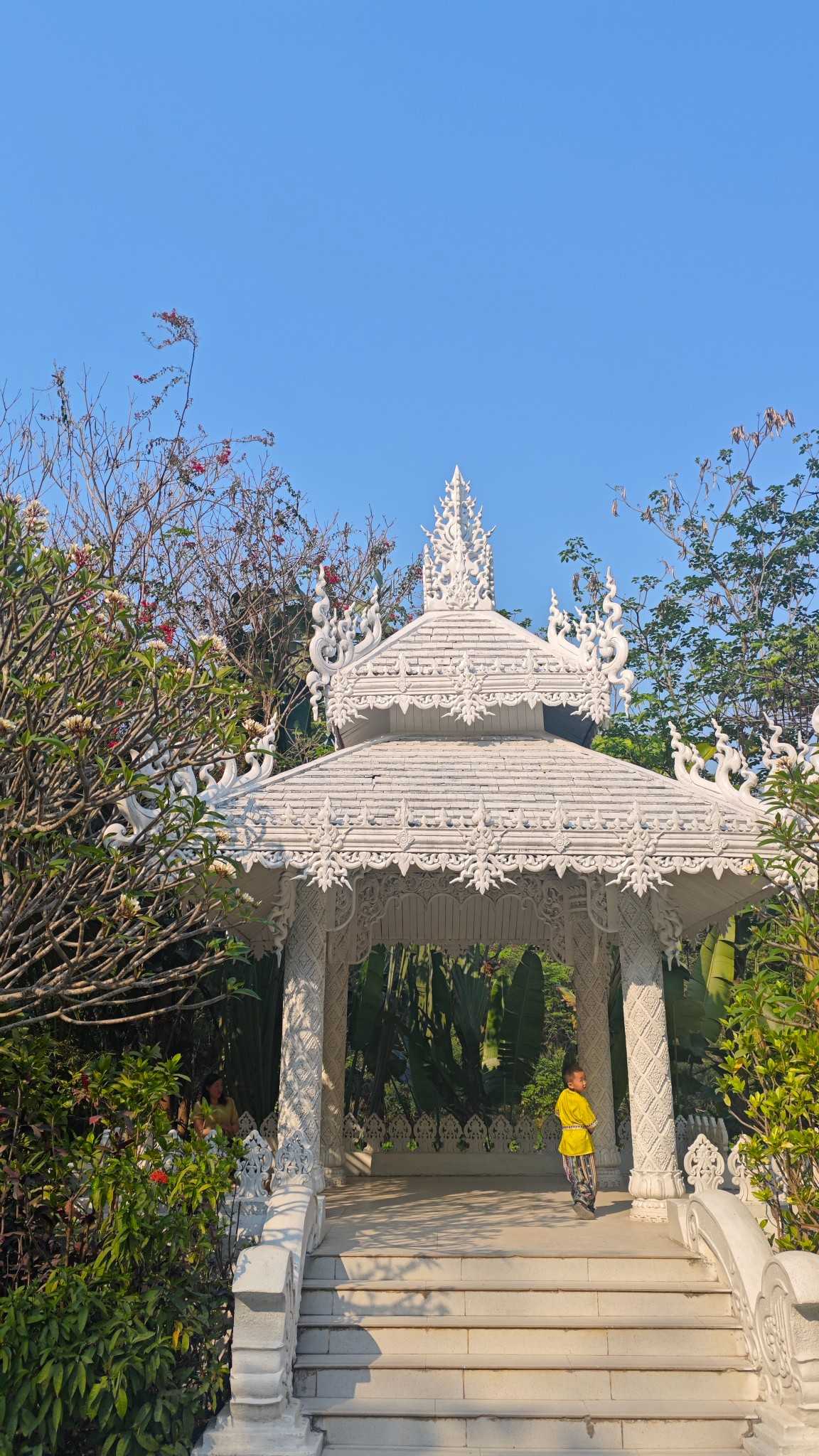
2026 Xishuangbanna Water Splashing Festival: A Carnival a Decade in the Making
From Screen to Reality: One Family's Water Splashing Obsession
If you've ever scrolled through short videos, you've surely seen footage of the Xishuangbanna Water Splashing Festival—water flying everywhere, smiles beaming, entire streets transformed into oceans of joy. That pure happiness is infectious even through a screen, let alone when you're right in the middle of it.
But reality is always more complicated than imagination. When your child is too young, you can't just leave them behind to join the fun. By the time they're older, you're worrying about homework, tutoring, school admissions... And so, year after year, the Water Splashing Festival remained nothing more than images on a phone screen.
Until 2026. That little one who once needed constant supervision had finally grown into an "independent young adult" who practically begged us to travel without them. My spouse and I exchanged a knowing smile: the time had come.
This trip had been ten years in the making. And as it turned out—every moment of waiting was worth it.
Day 1: Beijing → Kunming, A Carefully Calculated Departure
The Airfare Gambit: Buy Early or Wait?
I've never managed to time airfare perfectly. Two months out, a Beijing-to-Kunming ticket was 750 yuan. I hesitated—would it drop further? It didn't. It climbed. By the week before departure, I grabbed it at 850 yuan, and soon after, prices shot past 1,000 yuan.
Lesson learned: Don't play games with the algorithms. Buy early and buy with peace of mind. If you're as "unlucky" as I am, at least remember this: start monitoring prices at least two months in advance, and when you see a decent price, pull the trigger.
Why Fly to Kunming First?
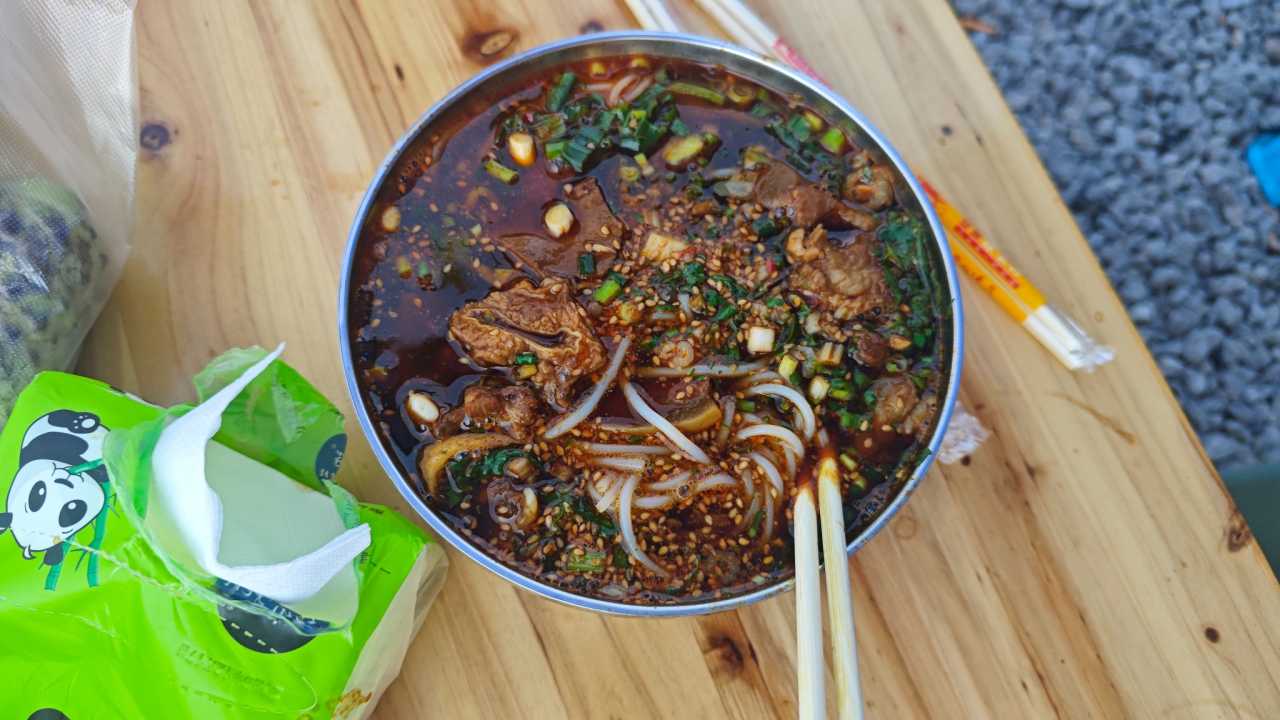
Direct flights to Xishuangbanna (Banna) were outrageously expensive. Routing through Kunming was a clever compromise—an afternoon flight meant no pre-dawn airport runs, which was especially kind to the older family members. We arrived in Kunming just before 7 PM, and our first order of business: Yunnan rice noodles. The broth was rich and savory, the noodles slurp-worthy. One bowl down, and most of the travel fatigue melted away. We'd thought about hitting the night market, but after that meal, moving seemed like too much effort—which is probably the travel rhythm of middle-aged folks.
Day 2: Kunming → Banna, The Art of Setting Up Camp
Where to Stay? The Most Critical Decision of the Water Splashing Festival
We caught the 8-something AM train and arrived in Banna around noon. We stayed in a residential neighborhood near Manting Park, in a proper local guesthouse. This location was practically the "golden coordinates" for the Water Splashing Festival—a five-minute walk to Manting Park, and a leisurely stroll to the Riverside Night Market and the Water Splashing Plaza.
Why does location matter so much? During the festival, traffic in Banna essentially collapses. Stay too far away, and you'll be stuck on the road, let alone trying to hail a taxi. Another option is Gaozhuang (Gaozhuang Scenic Area), which is completely overrun with tourists—lively but chaotic. After weighing the options, we preferred staying in a neighborhood where locals actually live.
First Meal: The Ritual of Hand-Grabbed Rice
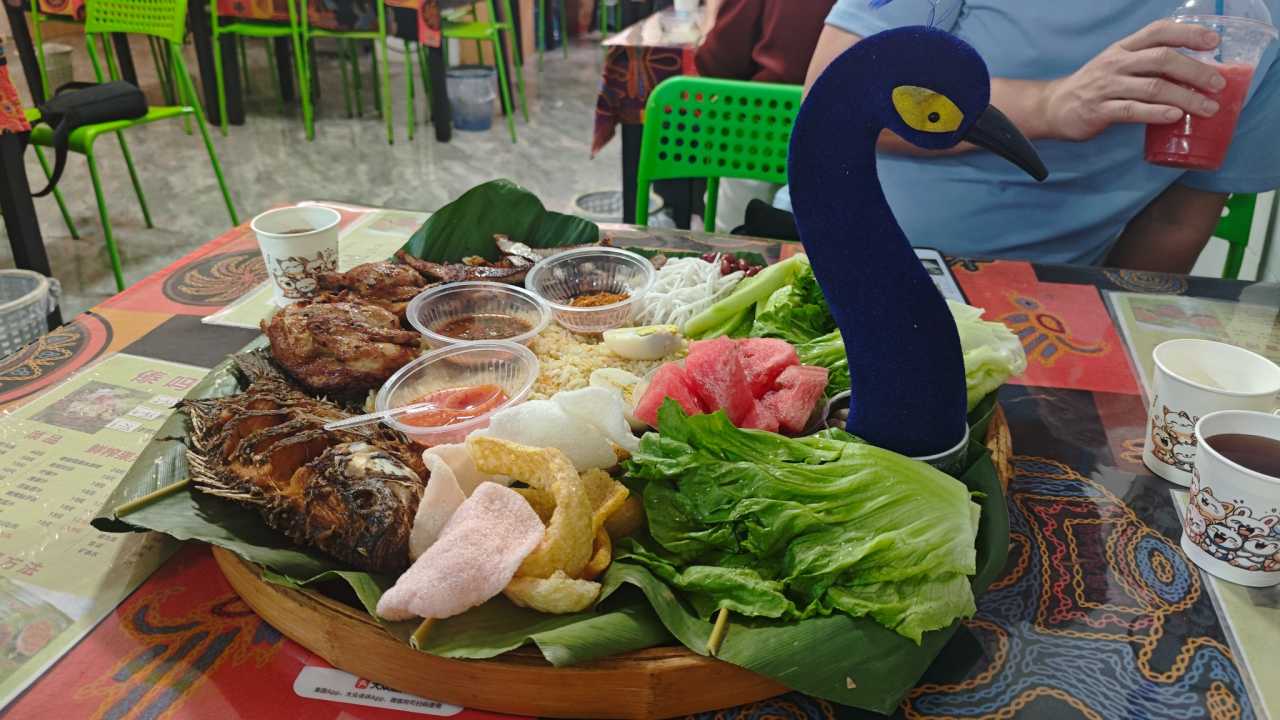
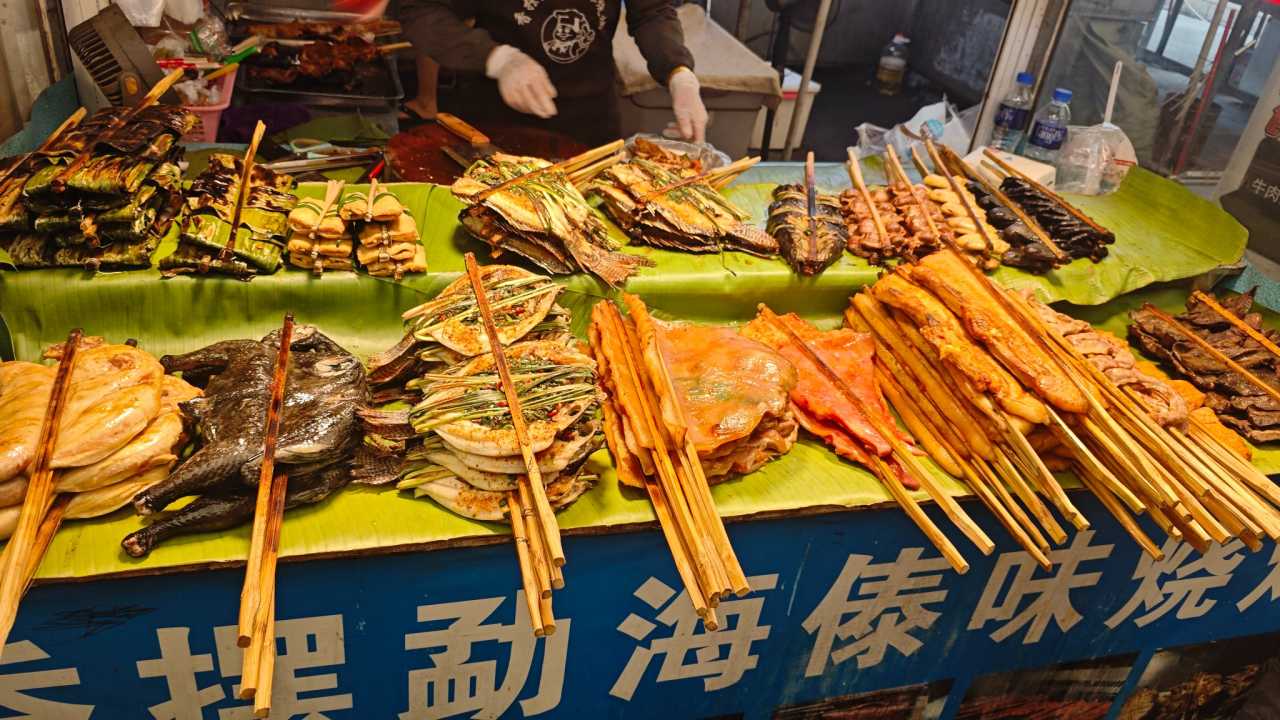
Our first meal in Banna was the local specialty: hand-grabbed rice. The presentation was certainly novel—a banana leaf spread with rice, grilled fish, grilled meat, and vegetables, all arranged like a colorful painting. The taste? Decent enough, but the ritual aspect was a perfect ten.
Afternoon in Banna: Too Hot to Function
At midday, the Banna sun felt like it was trying to melt you. We decisively retreated to our guesthouse, cranked up the AC, and rested—after all, the core of this trip was the Water Splashing Festival, not sightseeing (we'd done that a decade ago). By 4 PM, when the sun had softened a bit, we headed out to Manmai Market.
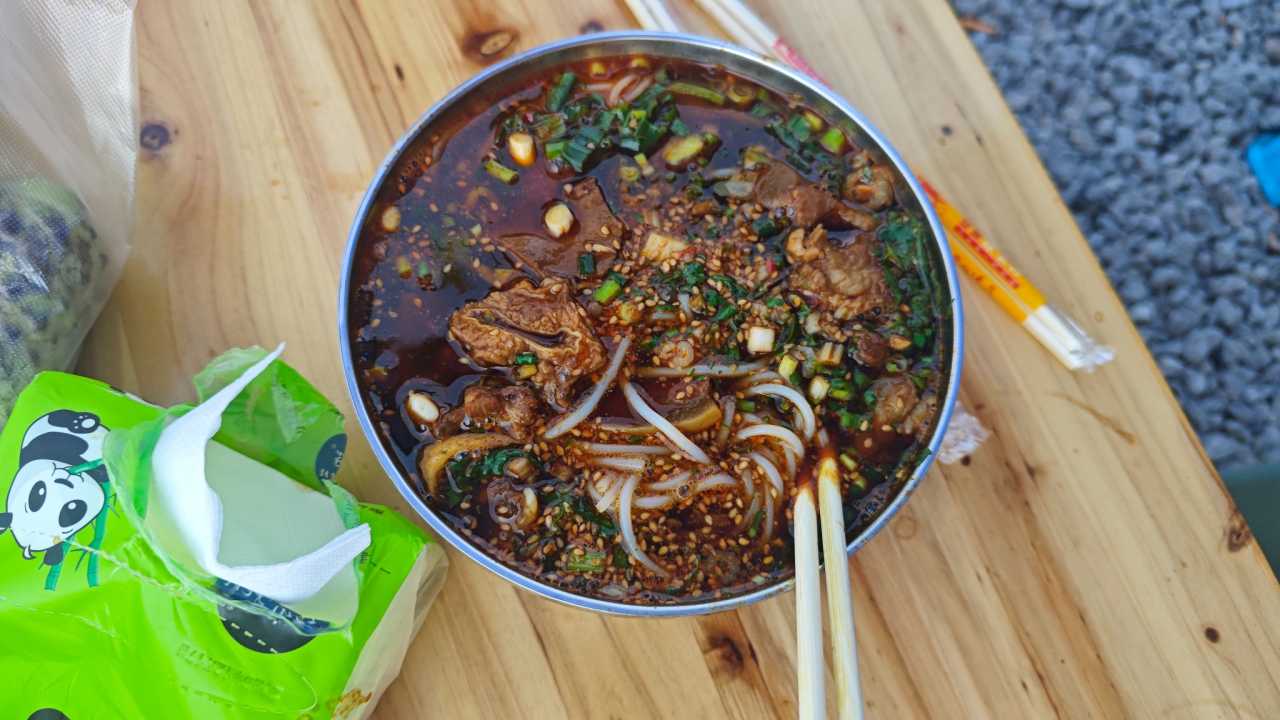
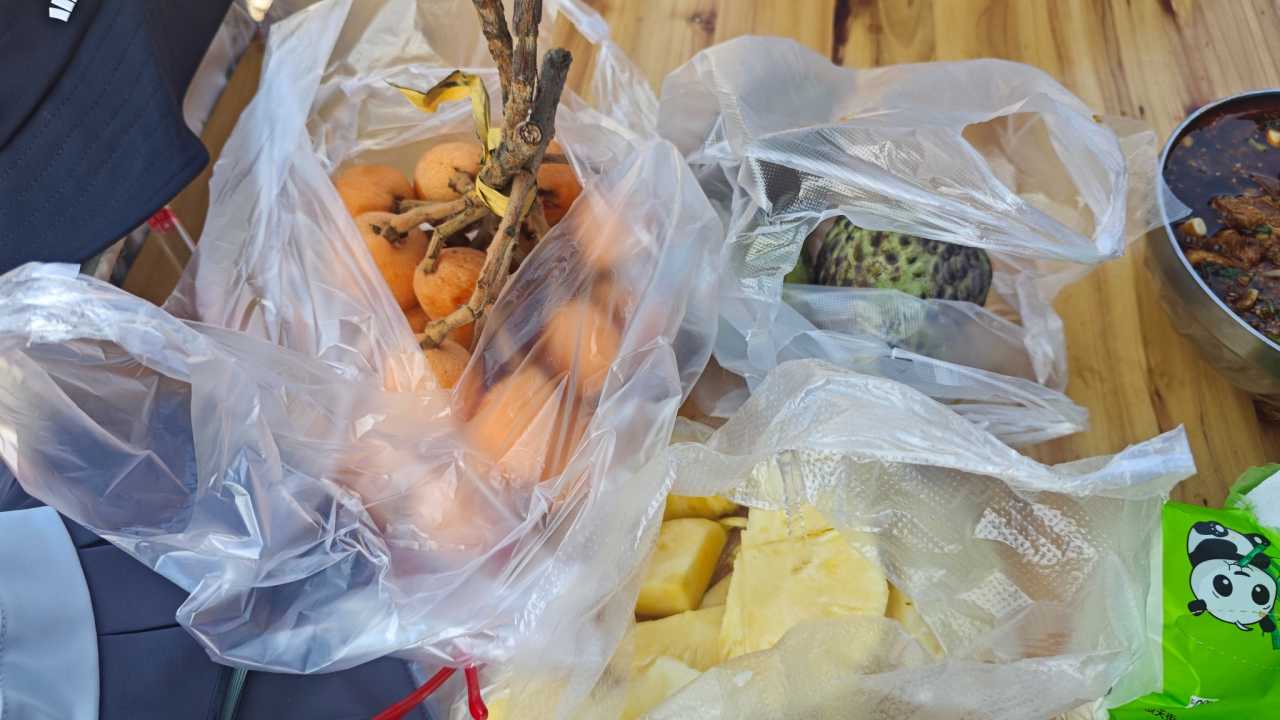
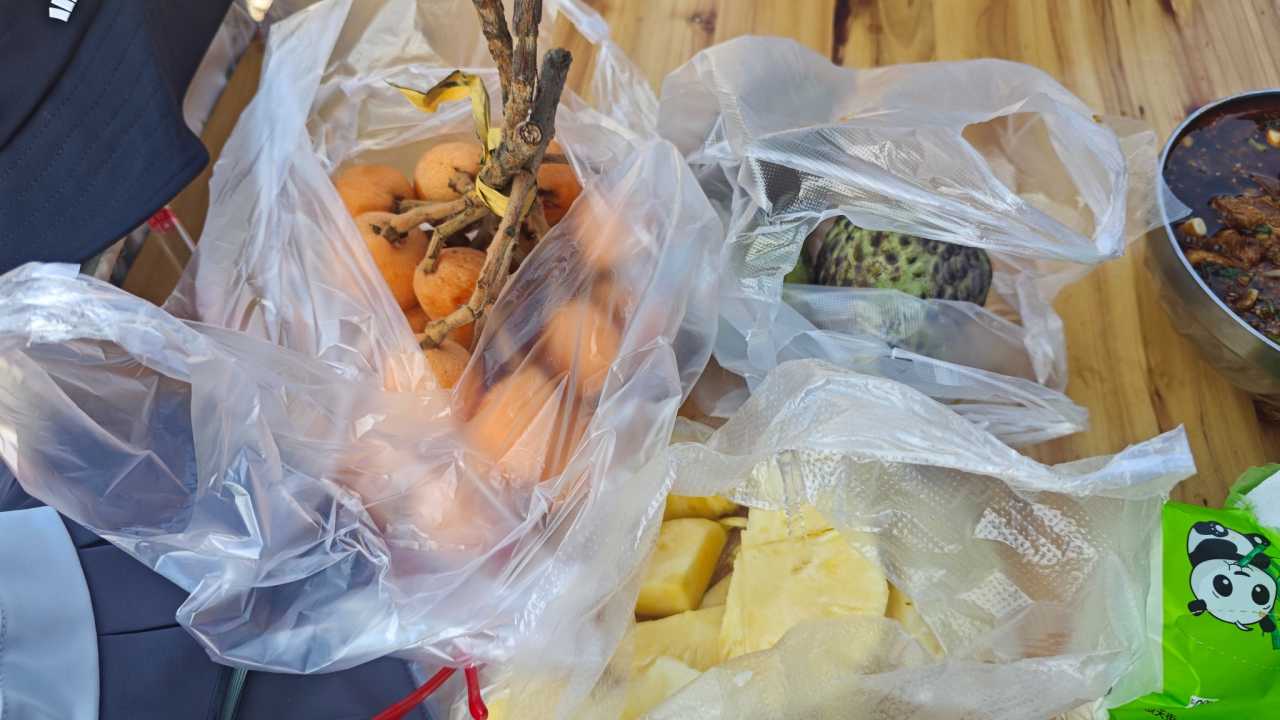
This trendy market isn't large, but it's full of local character. The standout was the beef offal rice noodles—a massive bowl for just 10 yuan, loaded with ingredients and rich broth, an absolute steal. The fruit selection was dazzling; we exercised restraint and bought only a few items—which turned out to be more than enough.
Manjingbao Village: A Recommendation with Caveats
After the market, we took a taxi to Manjingbao Village, touted as the "Number One Dai Food Village." We arrived around 6:30 PM, and the village was nearly empty of tourists, the restaurants quiet and cold. Online reviews had hyped it to the skies, but the actual experience fell flat. Unless you're specifically hunting for authentic Dai cuisine, you can skip this village—there's not much to see.
Day 3: Manting Park, Dragon Boats, Sky Lanterns—The Busiest Day
Manting Park: A Visual Feast of Pagodas and Temples
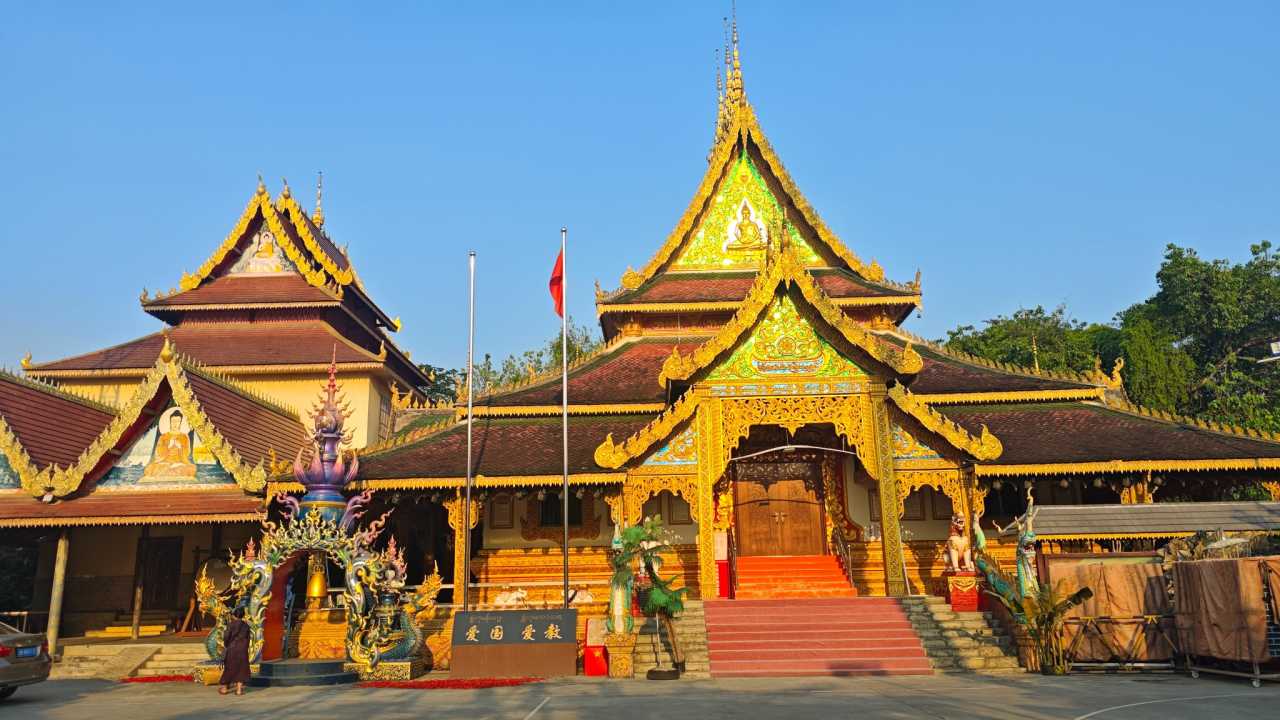
It was my father's first time in Banna, so we had to take him to Manting Park. We entered at 9 AM, when the temperature was still pleasant. The park isn't large—a leisurely hour-long stroll covers it. Pagodas and temples are scattered throughout, making it impossible to stop taking photos.
From Manting Park, following the signs leads to a gate that opens directly into the General Buddhist Temple (Zongfo Temple)—free admission. It's even smaller; 20 minutes is enough to see everything.
Bore Temple: Chasing That Reflection Shot
From the temple, we took a taxi to Bore Temple (Bore Si), with a single goal in mind: that famous white pagoda. Online photos make it look like a dreamscape—a white pagoda reflected in still water, serene and sacred. When we arrived, we discovered that the "lake" was actually a puddle the size of a washbasin. I crouched on the ground for a good while, eventually managing to capture a faint reflection effect.
Honest truth: Unless you're obsessed with getting that particular photo, Bore Temple is skippable. It's a distance from Manting Park, and transportation is inconvenient—you can get there by e-bike, but you might not be able to ride one back. DiDi (ride-hailing) might work, but expect a long wait.
Dragon Boat Performance: A "Been There" in a Sea of People

After lunch, we headed straight to the riverfront to watch the dragon boat performances. The midday sun was merciless, and the riverbank was packed—you could barely move. The bridge was also crammed with people; from a distance, we could only see the dragon boats sitting still on the water—had the performance already ended? I squeezed my way to the viewing platform, caught a glimpse through a gap, and promptly retreated. Too many people, too hot—I felt like I was about to get heatstroke.
Riverside Night Market: A Disappointment of Sameness
Around 6:30 PM, when it had cooled down a bit, we visited the Riverside Night Market. It stretched on forever—we walked for ages without reaching the end. Stalls sold ethnic clothing, shoes, snacks... but the homogeneity was crushing; almost every stall offered the same things. The smoke from grilled skewers made you cough, and the overall atmosphere was a letdown.
Advice: If you're staying far away, you can skip the Riverside Night Market. The advantage of staying nearby is that you can always retreat when you're tired.
Banna Traffic: The Philosophy of Organized Chaos
During our days in Banna, I kept observing the traffic. Cars, motorcycles, and pedestrians seemed to yield to no one, relying entirely on "sheer audacity" to get through. No traffic police directing, no traffic controls—but strangely, we didn't see a single accident or hear a single argument. Maybe that's "organized chaos"—everyone finds their own way to solve problems, and if something goes wrong, you can only blame yourself.
Sky Lanterns: The Highlight of the Trip
From 8 to 10 PM was the designated time for releasing sky lanterns. We planned to leave around 8:15 and arrive at White Sand Beach by 9. But before we even reached the riverfront, the roads were completely gridlocked—even pedestrians were moving at a crawl. I nearly gave up, but my determination was rock-solid: we had to release them.
At the riverbank, it was a game of squeezing into any available space. Many people had arrived early and started releasing lanterns as soon as it got dark. We foolishly waited until after 8, hitting the peak crowd. But even so, when the first lantern soared into the sky, all the discomfort vanished.
Small lanterns cost 10 yuan for five, larger ones 3 yuan each. We bought five small ones, only to find they weren't so easy to launch—some had candle flames too weak to lift off. We managed to get two airborne. The sky filled with lanterns rising slowly, carrying countless people's wishes into the void. In that moment, every bit of crowding and waiting felt worth it.
On the way back, around 10 PM, the streets were much easier to navigate. That night, the fastest way to travel was on foot.
Day 4: Floats Parade, Fruit Market, Starlight Night Market
Floats Parade: Don't Pick the Wrong Viewing Spot
We'd been looking forward to the floats parade. We left at 8:30 AM and arrived at the Water Splashing Plaza by 9, where two rings of people had already formed. We stood in the second ring, waiting. The police said we'd have to wait over an hour—and sure enough, we baked in the sun for more than an hour before the parade entered.
Key point: The plaza is large, and the crowd was cordoned off outside the barriers. Once the parade entered the main area, they just rested outside the barriers—no performance at all. The performance area in front of the main stage was blocked by various obstacles; you could only catch glimpses of figures through the gaps. In other words, after waiting over an hour at the Water Splashing Plaza, we saw... nothing.
Lesson learned: If you want to watch the parade performance, don't go to the Water Splashing Plaza. Go to the intersection where the parade starts, or some intersection along the route—which specific ones? That's a matter of luck.
Mange Fruit Market: A Durian Lover's Paradise
Around 4 PM, we went to the Mange Fruit Wholesale Market. It was enormous! The variety of fruit was overwhelming. There was something called "ham melon" (火腿上蜜瓜, a melon shaped like a ham), which tasted like... well, I've never had anything like it.
Starlight Night Market: From "Street Stalls" to "Internet Famous"
I'd been to the Starlight Night Market over a decade ago, when it was still a humble street market full of local character. Now it's completely transformed—a cookie-cutter "internet famous" style that's lost its novelty. The exuberant music events inside require admission. The Six Kingdoms Water Market is also within the Starlight Night Market—a boat ride costs 50 yuan per person, but the route is lined with darkness; there's not much to see. The Great Golden Pagoda (Dajinta) is worth a look, but overall, the Starlight Night Market is no longer the place I remember.
Day 5: The Water Splashing Festival—Finally
Departure: The Battle Begins Before You Reach the Plaza
The big day had finally arrived. The water-fetching ceremony was in the morning, with public water splashing from 11 AM to 1 PM. Having learned my lesson from the floats parade, I left just before 10 AM. The festive atmosphere hit me as soon as I stepped outside—few cars on the road, and those that were there carried water tanks for splashing. Most pedestrians carried water guns or basins, every face radiating joy.
The closer we got to the Water Splashing Plaza, the denser the crowd. The skirmishes started halfway there—we were "innocent" bystanders, but that didn't stop the indiscriminate "firing." No one walked away dry. A basin proved invaluable—not just for splashing water, but as an essential face shield.
Water refill stations lined the route, some free, others charging 2 yuan per refill.
My Father's Wise Decision
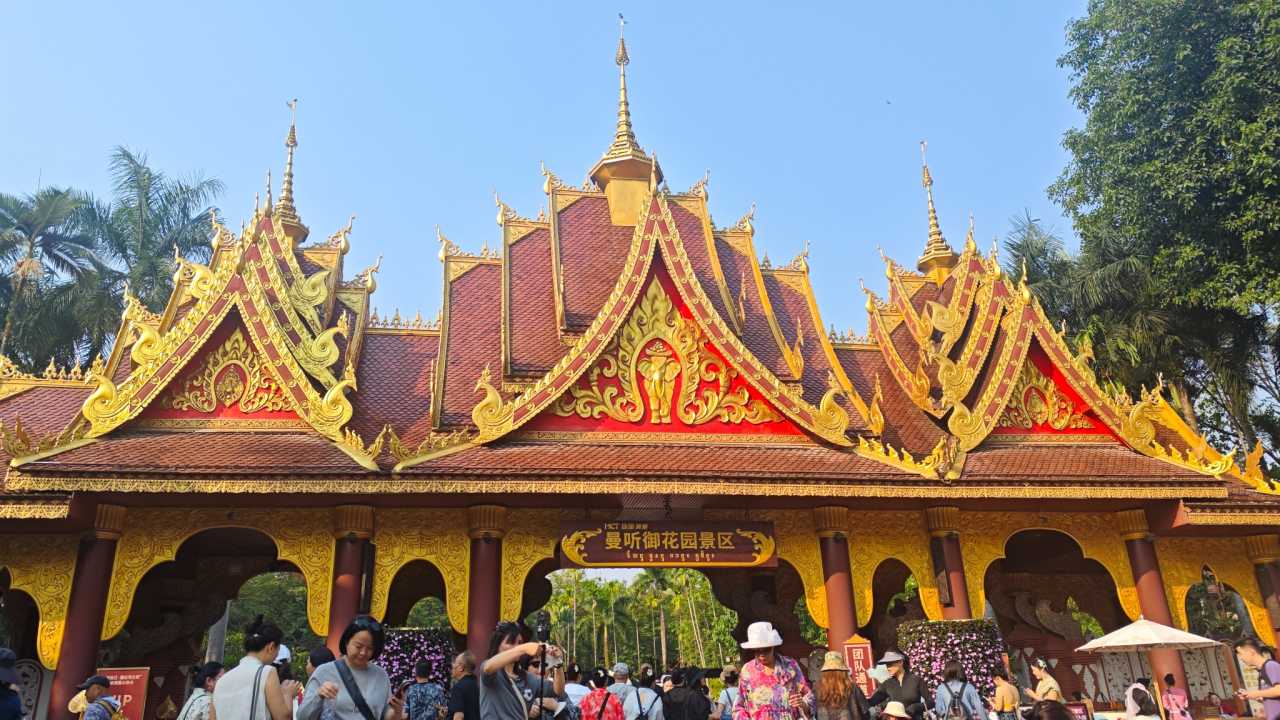
My father, being older, assessed the situation and turned back halfway. That turned out to be a smart move. He walked back while watching others have fun, and he didn't arrive home much earlier than we did after our revelry at the plaza.
The Water Splashing Plaza: True Carnival
The main roads were closed to traffic, allowing only pedestrians. Every surface was packed with people; those on either side of the road would launch sporadic attacks on each other—everyone was having a blast. Eventually, the crowd stopped moving forward—the water-fetching ceremony was still ongoing. Not long after, the police on duty waved their hands and bolted—the ceremony was over, and the public could enter.
People began surging toward the plaza. The police got drenched the worst—they could run, but they couldn't outrun the tide of people. The scene was exactly like the videos I'd seen.
The plaza had a large spray zone, the ground covered in water. Here, you could use water guns or basins. The host on stage led the splashing rhythm with music, and everyone followed the cues. We used basins and skipped the water guns; later, when our arms got sore, we withdrew from that area.
Large spray machines on either side of the main stage kept hosing everyone down, and two muscular young men in thin shirts were quite the eye-catchers.
After one round, the host would change and start another, with the same cues and commands. Those who'd had their fill could leave, and newcomers would join in, continuing until past 1 PM. We pulled out after one round—the water splashing on the main roads was just as exciting.
At times like this, it's probably impossible to feel depressed. The joy spread from person to person. In that moment, every worry was cast aside.
The Return Trip: The Festival's Final Test
Our train back to Kunming was at 6 PM. After the Water Splashing Festival, hailing a taxi was impossible—DiDi was unavailable, and all shared e-bikes had been suspended. Outside Manting Park, a few motorcycle taxis lingered, charging 20 yuan per person. But there were three of us, plus luggage—it was awkward.
The older folks, being cautious, preferred to arrive at the station an hour or two early rather than risk being late. We left just before 4 PM. On the way, someone happened to ask, "Need a ride?" To the train station—50 yuan. Much more than a normal taxi, but at that point, any ride was a blessing.
Lesson learned: Don't look for rides on side streets. Walk a bit further to the main road. If you can't get a ride through apps, ask people with cars if they'd be willing to take you to the station. You just have to ask around.
We arrived at the station before 5 PM. The waiting hall was small and packed to the rafters—people were sitting on the floor everywhere.
Back in Kunming: A Small Lesson in Accommodation Choices
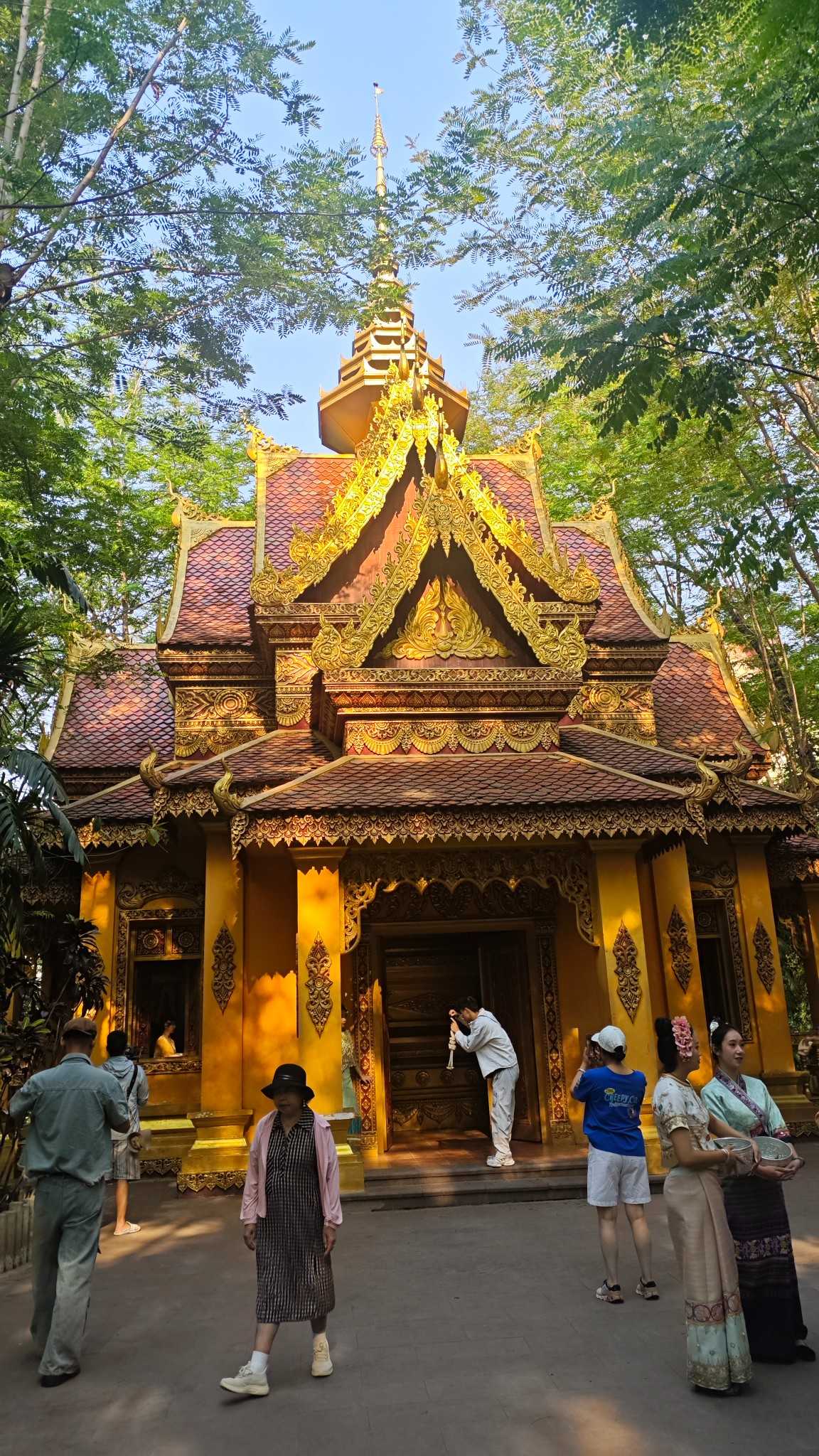
We arrived at Kunming South Station around 9 PM. Since we were flying back to Beijing the next day, we chose to stay near the university town close to the station. Many hotels and guesthouses advertise "free pickup," but the pickup is actually operated by a separate rental car company—all in 15-seat vans. If you're lucky, the van fills up and leaves immediately. If you're unlucky, like us, you wait over 20 minutes in the van before it's full enough to depart. By that time, we could have taken a taxi and already arrived.
Advice: It's better to stay near Kunming Station itself rather than Kunming South Station.
Epilogue: Two Years From Now, Bringing the Kid
The Water Splashing Festival trip had come to an end. There were regrets, exhaustion, and lessons learned, but far more joy and emotion. The experience of being surrounded by water and swept up in smiles is something no video can ever replace.
Two years from now, we plan to bring our kid along. Let him feel the passion of the Water Splashing Festival—he'll love it, won't he?
Practical Tips Summary
- Airfare: Start monitoring two months out. When you see a decent price, book it. Don't wait for the "bottom."
- Accommodation: Choose a place near Manting Park or Gaozhuang. Ideally, within walking distance of the Water Splashing Plaza.
- Floats Parade: Don't watch from the Water Splashing Plaza. Go to the starting intersection or a spot along the route.
- Sky Lanterns: Arrive at the riverbank early. Don't wait until after 8 PM.
- Return Transportation: On Water Splashing Festival day, leave early and ask drivers on the roadside.
- Kunming Accommodation: Staying near Kunming Station is more convenient than Kunming South Station.
This travelogue is original content. Please contact the author for reprint permission.
You should also read:
Dian Blue · Kunming-Dali-Lijiang: A Winter Healing Journey by the Blue Waters of Erhai
Dian Blue · Kunming-Dali-Lijiang: A Winter Healing Journey by the Blue Waters of Erhai Foreword: From Concrete Jungles to Colorful Yunnan This was my first real journey, and my first time writing a travelogue—yet it unexpectedly landed on the front page of Mafengwo. That's the…
Continue reading...
Xishuangbanna: Heading South to Embrace 28°C Sunshine and Freedom
Xishuangbanna: Heading South to Embrace 28°C Sunshine and Freedom When the bitter winds of the north swept in with snow, wrapping the entire city in a gray winter shroud, I scrolled through the steadily dropping temperature forecasts on my phone. Suddenly, a number struck me—Xishuangbanna,…
Continue reading...
Autumn Reverie · Ten Days in Northern Yunnan: Wandering Through the Mountains and Waters of Northwest Yunnan in Early Autumn
Autumn Reverie · Ten Days in Northern Yunnan: Wandering Through the Mountains and Waters of Northwest Yunnan in Early Autumn Some journeys are destined to become a beam of light in your life. In the early autumn of 2014, my friend and I embarked on…
Continue reading...