2200 Kilometers Counterclockwise Self-Drive Turkey (Part 1): An Adventure Across Eurasia
2200 Kilometers Counterclockwise Self-Drive Turkey (Part 1): An Adventure Across Eurasia
Foreword: When Travel Becomes a Heart-Pounding Adventure
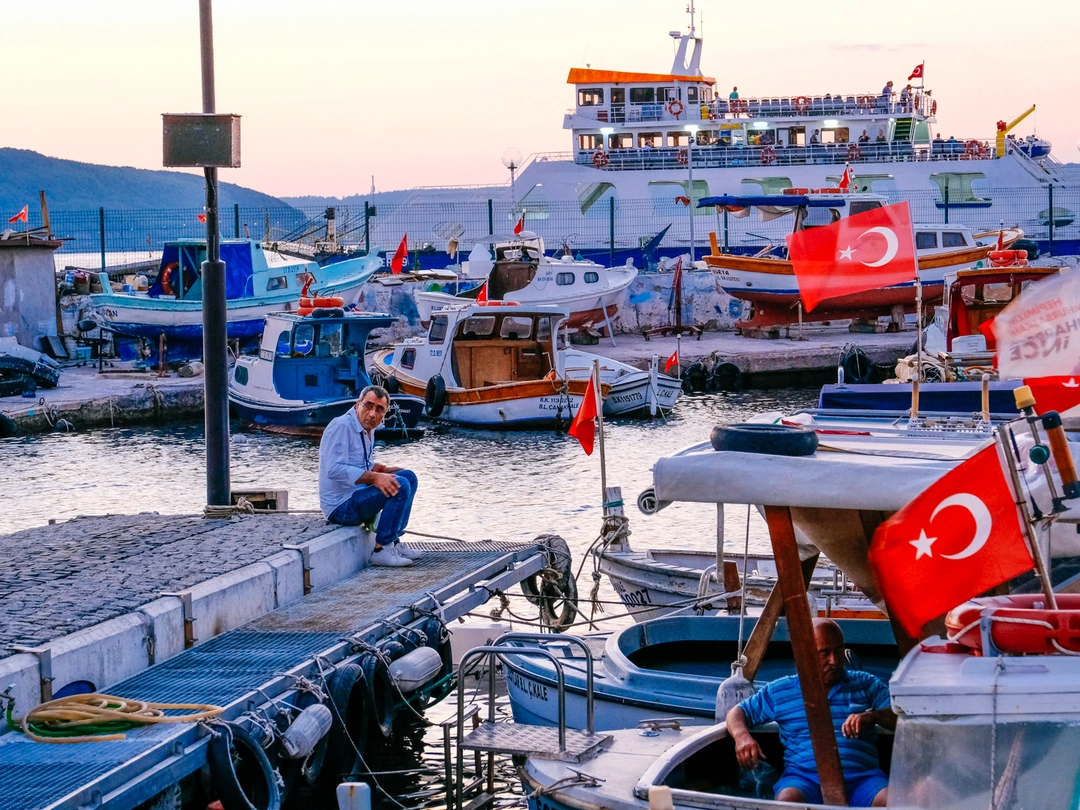
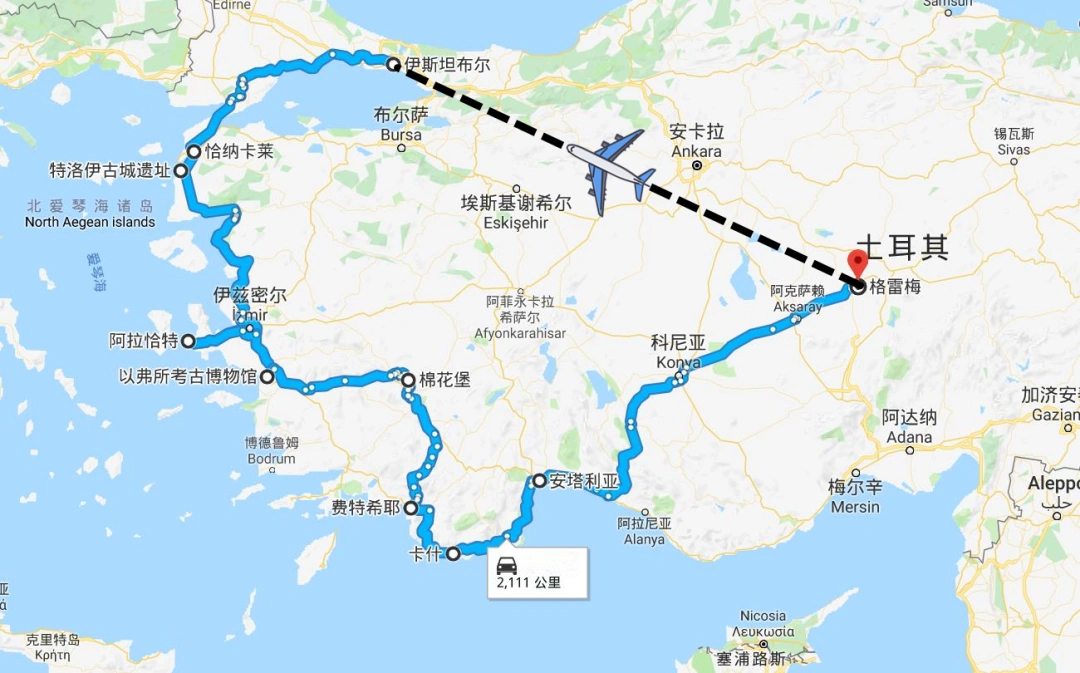
I'm Yan Nan Jiang, a girl born in 1994, dreaming of measuring the world one step at a time. In the summer of 2018, my partner Old Wu and I set foot on Turkish soil, embarking on a 21-day, 2,200-kilometer counterclockwise self-drive journey. This isn't a dry travel guide—it's a story of courage, surprises, and unexpected twists. From the chaos of Istanbul to the azure of the Aegean Sea, from the ruins of Troy to the nightlife of Alaçatı, every kilometer was filled with the unknown.
If you also love documenting your travels on video, feel free to find me on Bilibili (ID: Yan Nan Jiang)—I share more road stories there. For now, let's start from the very beginning.
Pre-Trip Prep: The Pitfalls I've Already Stepped Into for You

Why Choose Self-Drive?
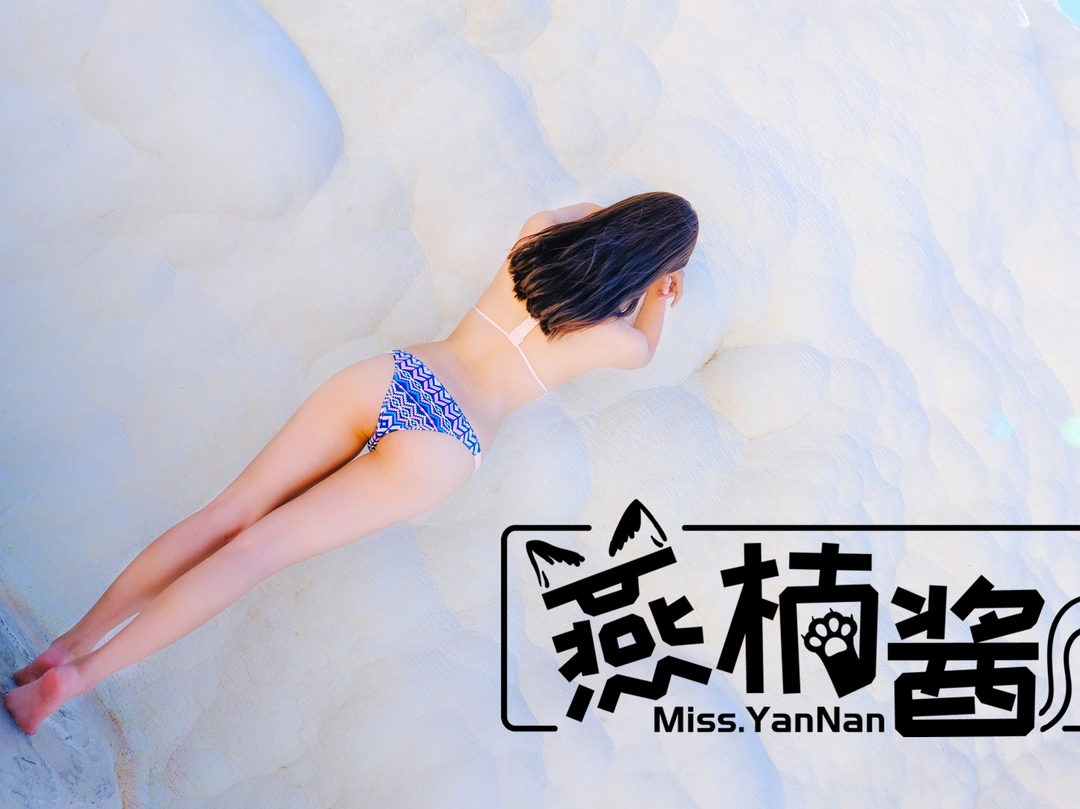
Turkey's public transportation is actually quite developed, especially in Istanbul, where subways, buses, and ferries can easily take you across the city. But if you want to, like me, dive deep into those ancient towns and villages hidden between mountains and seas, self-driving is absolutely the freest option. We chose to start from Istanbul, drive counterclockwise, and end our trip in Göreme, flying back to Istanbul for a connecting flight home. This route covers almost all of Turkey's famous attractions—Pamukkale, Ephesus, Cappadocia—none were missed.
The Rental Car Saga
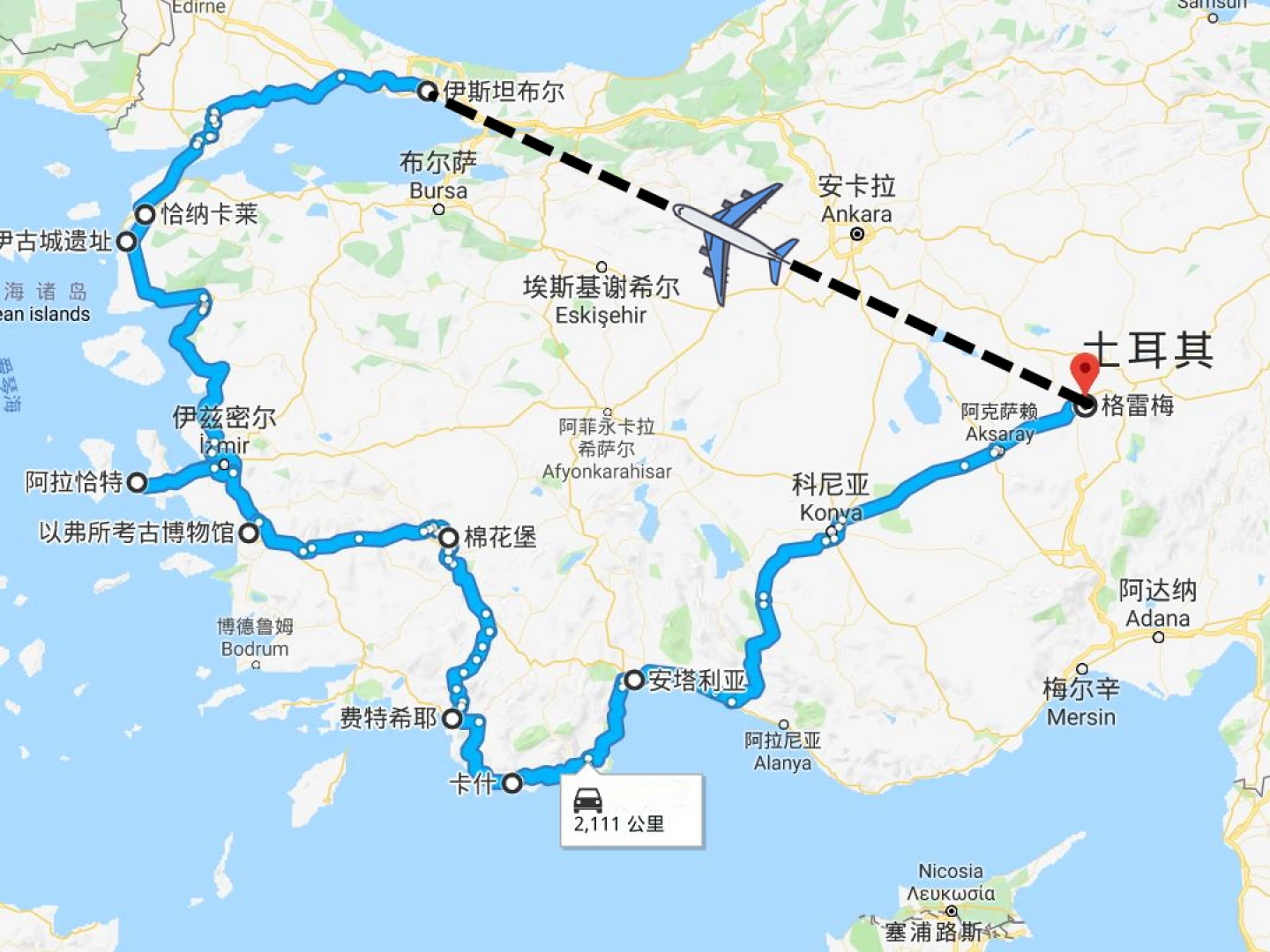
Preparations for renting a car are actually quite simple. The most crucial thing is an international driver's permit (IDP) translated from your domestic license. Many domestic rental apps offer this service for free, and it usually arrives within a week. But remember, you must bring your original license when picking up the car—the translation alone won't cut it. We were pulled over twice by police on the road, and after showing both documents, they waved us through without issue, even being quite polite about it.
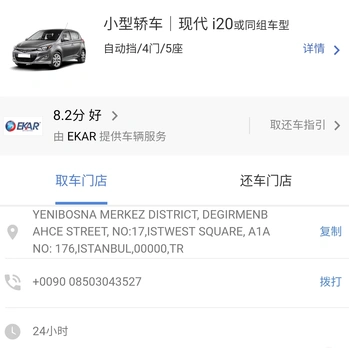
Choosing the car was a long debate. First, it had to be automatic (Old Wu didn't want to practice manual shifting in a foreign land). Second, there were only two of us, so no need for a big car. To save money, we went with a Hyundai i20, costing about 180 RMB per day. Looking back, this decision caused us a lot of trouble.
Lesson One: Don't Skimp on the Car
Turkey's summer heat is soul-crushing. Every day was blazing sun, and our little car had neither tinted windows nor UV-protective glass—we ended up looking like African brothers. The air conditioning was practically useless; on long drives, we'd often be sweating while driving. Worse still, this i20 had already clocked 100,000 kilometers—soft brakes, loose steering, and tire pressures ranging from 1.8 bar to 4.5 bar. Old Wu complained the whole way, saying he was driving a taxi. Later, we did the math: if we'd spent a bit more on a Volvo S60 (about 300 RMB/day), the experience would have been much better. That money really shouldn't have been saved.
Lesson Two: Buy Full Insurance
Besides the insurance that came with the rental, we also bought a "super supplementary insurance" from a domestic Chinese company—it wasn't expensive. The rental company's insurance usually has a deductible, so if you have a minor accident, you might end up paying out of pocket. This supplementary insurance was handled by the rental platform, saving us a lot of hassle. We hoped we'd never need it, but better safe than sorry.
The "Unwritten Rules" of Driving in Turkey
Turkey drives on the right, same as in China, and the driving habits are generally similar. But there are a few details you must pay attention to:
- Right-of-way rules: When entering a main road from a side road, you must yield—cars on the main road won't slow down. Yield when turning, and yield to traffic inside roundabouts. These rules must be followed.
- Don't honk randomly: Turkish drivers use high-beam flashes to signal the car ahead; honking is considered rude.
- Speeding is the norm: Speed limit signs are basically decorative. How fast locals drive depends only on road conditions, vehicle condition, and courage. When the light turns green, if you accelerate slowly like in China, the car behind will honk—locals floor it.
Additionally, there are two special traffic signs in Turkey:
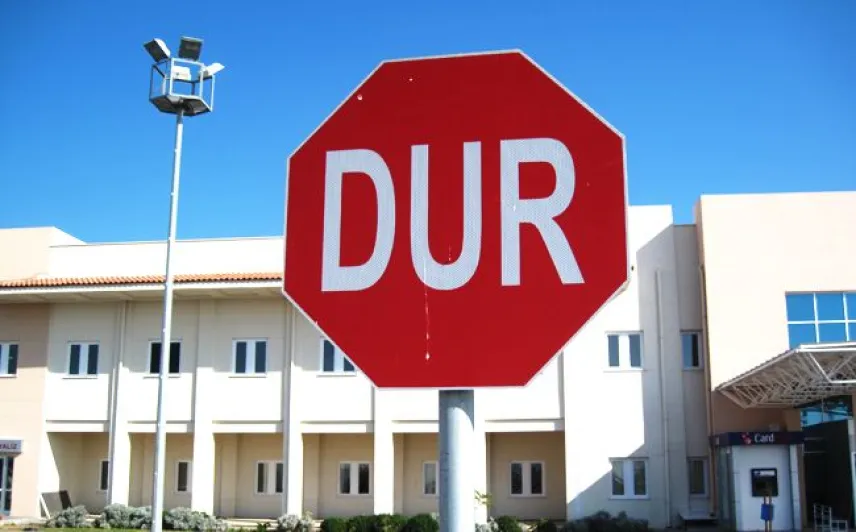
- Stop sign (similar to "STOP"): Common when entering a main road from a side road. You must stop and check the road.
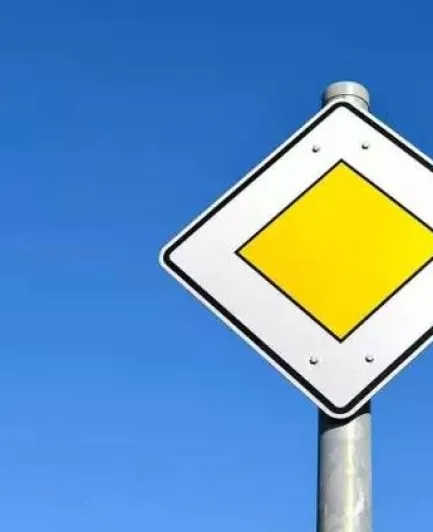
- Priority sign: Common at main road intersections. It means you don't need to slow down—other vehicles will yield to you.
DAY 1: Istanbul → Çanakkale | Encountering "Road Bandits"
Departure! Picking Up the Car at the Airport
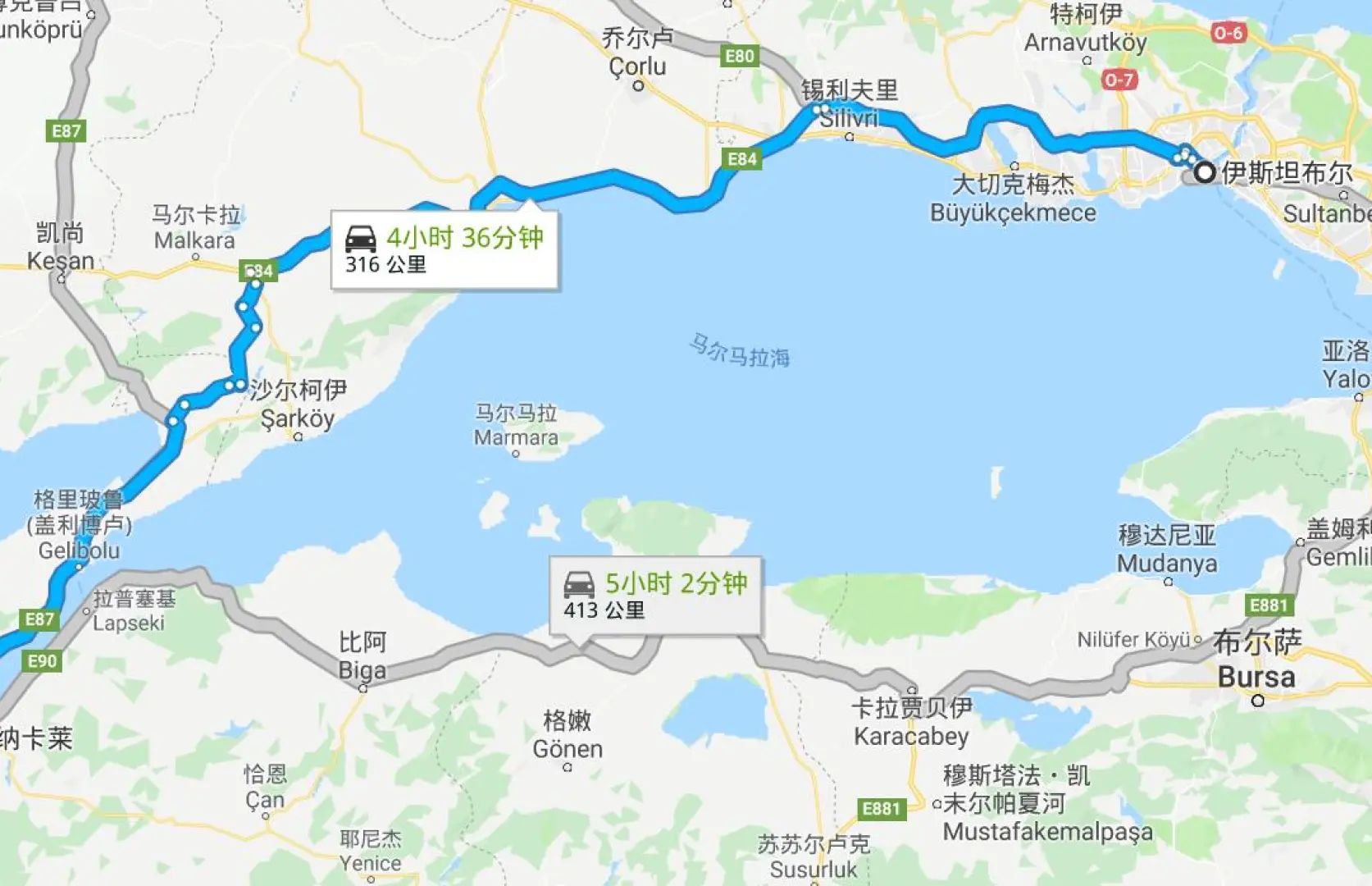
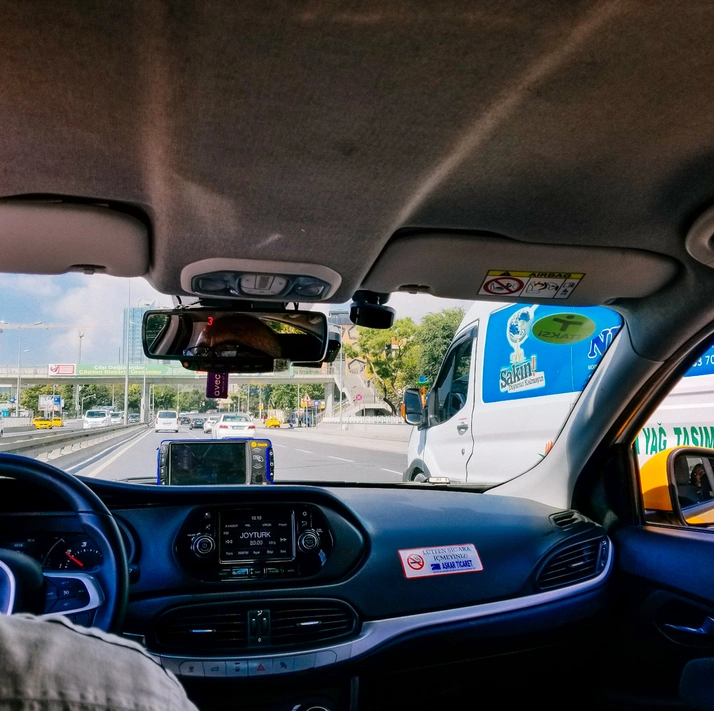
On the first day of our self-drive, we set off from Istanbul, heading to Çanakkale, a total of about 320 kilometers, with one ferry crossing in between. To save money, we chose to pick up the car at Atatürk International Airport (airport pickup was several hundred lira cheaper than in the city). Taking a taxi from Istiklal Street to the airport cost about 65 lira on the meter—but make sure to take an official taxi and insist on using the meter.
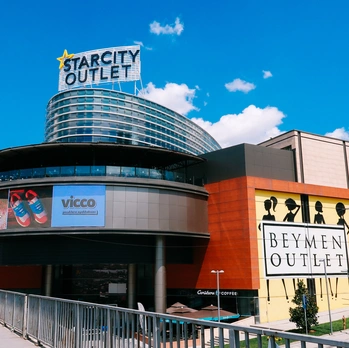
The rental company we chose was EKAR. Their office wasn't inside the airport but on the outskirts. After navigating there, the staff said the car wasn't ready yet and suggested we check out the mall across the street. The mall wasn't big, mostly local brands, with a large supermarket in the basement. We bought some supplies, including my favorite pickled cucumbers (Old Wu made fun of me for ages), and some nuts—Turkish nuts are cheap and delicious, highly recommended.
When picking up the car, make sure to inspect the exterior thoroughly. This i20 was covered in scratches. We photographed every single mark and confirmed it with the staff. Don't overlook even the smallest scratch to avoid disputes when returning the car. Check the interior, electronics, and lights too—especially the air conditioning, which on this car worked but had laughable cooling.
Lunch at the Gas Station and "Dog Head Oil"
The fuel gauge was nearly empty when we picked up the car, so the first thing was to fill up. Turkey has many gas station brands. We always used a local brand called "Dog Head Oil" (because its logo looks like a dog's head)—service was good. Fuel prices at the time (before the lira collapsed; later, as the exchange rate plummeted, gas got cheaper and cheaper):
- Diesel: about 5.5 lira/liter
- Gasoline: about 6.5 lira/liter
Compared to that, domestic gas prices in China are just depressing.
The gas station restaurant was simple. We spent 50 lira for two—taste was average, but it filled our stomachs.
Google Maps' "Countryside Adventure"
After eating, we continued. Turkey rarely has fully enclosed highways, so even though the distance wasn't far, we couldn't pick up speed. Worse, Google Maps kept taking us off perfectly good roads into farmland and villages. We drove through dirt paths, dodged cows, and got a taste of Turkish rural scenery—honestly, the architecture looked a lot like the countryside in Northwest China.
We also encountered many narrow bridges where only one direction could pass at a time. Luckily, everyone was courteous and didn't fight for right-of-way. The rural fields were beautiful, but our windshield was splattered with mud, making photos blurry.
"Road Bandits" Before the Ferry
Near the ferry terminal, we had the most unpleasant experience of the trip. Because of traffic jams, cars were lined up in a long queue. Suddenly, several locals came with windshield-cleaning poles, forcibly cleaning every car's windshield and then charging 5 lira. Their attitude was terrible—if you refused, they'd block your car and curse at you. At first, we thought they only targeted foreigners, but soon realized every car was hit.
Old Wu is from Xinjiang, and seeing this scene instantly triggered his disgust for a certain group. He said Han Chinese in Xinjiang call some people "càn tóu" (a derogatory term for unruly individuals), referring to this exact kind of unreasonable behavior. I pulled out my phone to film, and they cursed even louder, banging on the car windows with their poles.
We decided to switch ferries. Google Maps showed another ferry terminal 4.5 kilometers away, closer to Çanakkale. Sure enough, the traffic there was much lighter, and the wait was shorter. Boarding the ferry cost about 40 lira per car.
The ferry ride took just over 10 minutes. Standing on the deck, the sea breeze blew away much of our frustration. Across the water was Çanakkale, so close, yet there was no bridge—back in China, a distance this short would have been bridged long ago. With the Hong Kong-Zhuhai-Macao Bridge already open, this Turkish efficiency made me proud of China's infrastructure prowess.
First Night in Çanakkale
Our hotel was called Helen Hotel, about 280 RMB per night. The room was clean and tidy, a business-style hotel with a tiny TV, but as a transit stop, it was more than enough.
After settling in, we strolled to the seaside. The harbor was full of small yachts, still busy even at 8 PM. By the water, there were cats, playing children, and a basketball court—the players weren't great, but plenty of people were watching.
In the square stood a Trojan Horse statue, because Çanakkale is close to the ancient city of Troy, and the horse has become the city's symbol. Nearby was a scaled-down model of the ancient city of Troy.
We wanted to buy some wine to enjoy back at the hotel, but the supermarket owner pointed to a sign on the liquor cabinet (no alcohol sales from 10 PM to 6 AM). We remembered this was an Islamic country. Sigh—time to sleep, ending the first day on a disappointing note.
DAY 2: Çanakkale → Alaçatı | From Troy to the Aegean
Troy: The Legendary Ruins
First thing in the morning, we washed the car. The day before, we'd driven over freshly laid asphalt that hadn't dried yet, turning our little car black. The car wash cost 40 lira—the only time we washed the car in Turkey. In August, it didn't rain a single drop, and after 2,000 kilometers, the car was still pretty clean.
The ancient site of Troy is only 30 kilometers from Çanakkale, with good roads and clear signs. The entrance fee was 25 lira per person, or 210 lira for a museum pass—actually a good deal if you start using it from Istanbul, covering almost all attractions. We didn't buy it, and regretted it later.
The Troy site is small—without a guide, it's just a pile of stones. But standing there, you think of the Trojan War from Homer's epics: Helen of Troy, Achilles' armor, the cunning wooden horse. It wasn't until 1870 that German archaeologist Heinrich Schliemann discovered this place, bringing the history to light. He reportedly found the "Treasure of Troy," which was later taken to Germany, then fell into Soviet hands after WWII. Now Turkey, Greece, Germany, and Russia all claim ownership.
In the plaza, there was a large wooden horse sculpture with a hollow belly that kids loved playing in. The souvenir shop even had Chinese-language books—a pleasant surprise.
Assos: Where Aristotle Once Lived
Leaving Troy, we drove 60 kilometers to the ancient city of Assos. Officially, it's called Behramkale, but locals still call it Assos. Following the road uphill, the cliffside below revealed the beautiful Aegean Sea—so blue it pierced the heart.
Assos is famous because Aristotle lived here for three years. After Plato's death, Aristotle's student Hermias invited him here and even married his niece to him. Sadly, it didn't last—the Persians invaded, Hermias was killed, and Aristotle had to flee.
There was no entrance fee to the ancient city, but parking cost 10 lira. Stone-paved streets were lined with handicraft shops. We bought a handmade glass wind chime—it wasn't expensive. Under the scorching sun, with steep paths, we soon decided to find a restaurant to rest. The food was reasonably priced and tasty, and several cats lounged around the shop, shamelessly begging for scraps.
After eating, we looked at the long staircase leading to the top of the hill. Imagining sweating our way up just to see a few broken pillars from the Temple of Athena, we decisively turned back.
Sunset in Izmir and Nightlife in Alaçatı
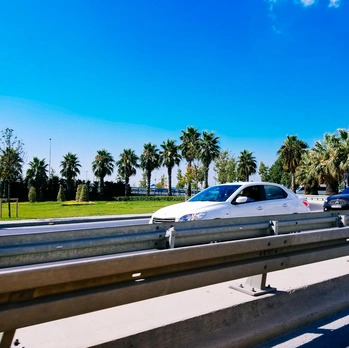
Time was running short, so we drove south along the Aegean coast. There were many private beaches along the way, but Google Maps once again dragged us into villages. An old airplane was discarded by the roadside—no idea what that was about.
We reached Izmir at sunset. Izmir is Turkey's third-largest city, and the coastal road offered a sunset so romantic it made you want to cry. But we didn't stop—we drove straight through, heading for Alaçatı.
Alaçatı is a famous resort town in Turkey, with high prices. Our hotel was called Peri Art Hotel, about 550 RMB per night. The room was tiny, barely fitting a double bed—not worth the price, but in peak season, having a place to stay was good enough.
We settled in around 10 PM but decided to go out anyway. First impression? Crowded! Packed with people, every alleyway jammed. Even the stray dogs and cats on the streets were overwhelmed by the noise. Every restaurant was full; we randomly found one with a free table and spent 200 lira—the most expensive meal of our entire Turkey trip.
Alaçatı's nightlife was lively: bars, shops, small markets, everything. At souvenir stalls, some toys looked worse than what you'd find on Taobao, but the prices were indeed low. I bought a few trinkets from a stall, briefly marking the end of this adventure.
Conclusion: What You Need to Know About Self-Driving in Turkey
Two days of self-driving gave us a deeper understanding of Turkey. From the chaos of Istanbul to the tranquility of the Aegean, from the ruins of Troy to the bustle of Alaçatı, every stretch of road was full of surprises and unexpected turns. If you're also planning a self-drive trip to Turkey, here are a few tips:
- Don't skimp on the rental car: A reliable car makes the journey much easier.
- Buy full insurance: Better safe than sorry—saves hassle and stress.
- Respect local rules: Turkish drivers may speed, but they never cut in when they should yield.
- Prepare for sun protection: In August, sunscreen and sunglasses are essential.
- Be ready for surprises: Like "road bandits"—stay calm and take a different route.
In the next leg of our journey, we'll continue south to Pamukkale, Ephesus, and Cappadocia. Stay tuned for "2200 Kilometers Counterclockwise Self-Drive Turkey (Part 2)."
Love you all, mwah~
You should also read:
【Star-Chasing Journey】A Complete Record of the Spring Festival Self-Drive Trip to Lugu Lake: Encountering a Galactic Feast Under the Highland Starry Sky
【Star-Chasing Journey】A Complete Record of the Spring Festival Self-Drive Trip to Lugu Lake: Encountering a Galactic Feast Under the Highland Starry Sky Prologue: A Heart That Chases Stars Some trips are for relaxation, some for adventure. My journey to Lugu Lake was purely for chasing…
Continue reading...
Three Thousand Miles of Clouds and Moon: A Self-Drive Wedding Journey from Chengdu to Yunnan
Three Thousand Miles of Clouds and Moon: A Self-Drive Wedding Journey from Chengdu to Yunnan Some trips are meticulously planned; others are written by fate. When a bargain airfare, an unexpected wedding invitation, and a restless heart longing for distant horizons collide, you get a…
Continue reading...
A Pilgrimage of One: A 12-Day Journey of Self-Redemption Across Yunnan
A Pilgrimage of One: A 12-Day Journey of Self-Redemption Across Yunnan Foreword: When Life Becomes Nothing but Escape Have you ever had that moment—when love shatters, work collapses, and every day feels like drowning, with even your breath carrying pain? In September 2012, I was…
Continue reading...