6 Days in Yunnan: The Azalea Dream — A Trekking and Healing Journey from Haba Black Lake to Shangri-La
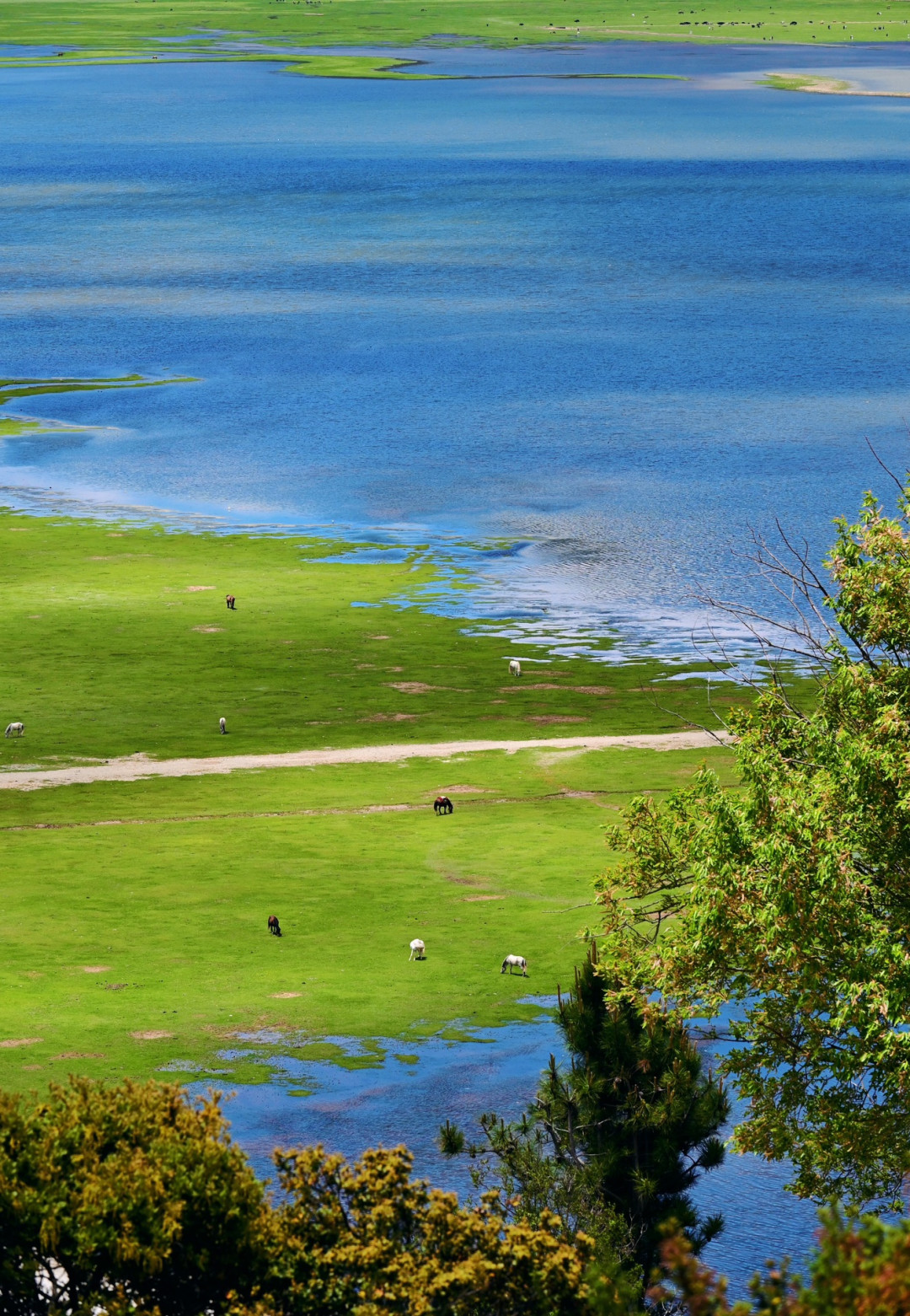
6 Days in Yunnan: The Azalea Dream — A Trekking and Healing Journey from Haba Black Lake to Shangri-La
June in Yunnan. The rainy season has quietly arrived, yet it cannot stop a heart longing for the alpine azaleas. This was a spontaneous trip — no turning back, only the mud beneath my feet, the overcast sky above, and the flowers blooming or already withered at altitudes above 4,000 meters. As my first long journey after completing my PhD, my friend and I set out from Huizhou, traversing the rain-soaked alleys of Lijiang, the mire of Haba, and the clear skies of Shangri-La. In six days, we completed a journey defined by perseverance, regret, and unexpected surprises.
Departure: From Pingtan to Lijiang — The Wisdom of Night Flights and Layovers
Flights and Budget: A Game of Cost-Effectiveness
Our journey began at Huizhou Pingtan Airport. The flight cost 525 RMB for the outbound leg and 900 RMB for the return. We chose a red-eye flight to Chengdu Tianfu Airport, then transferred to Lijiang. The overnight experience at Tianfu Airport is worth noting for every budget-conscious traveler: Before security, exit through the domestic departures gate B2, and you'll find a rest area on the left. After security, go downstairs to the information desk, fill out a form, and you can receive a blanket and a multi-purpose charging cable (to be returned before 8 a.m. the next day). Between gates 205 and 252, there are scattered sofa loungers large enough to curl up on for the night.
Practical Tips: Prepare in Advance, Avoid Pitfalls
Before departure, I downloaded the Windy app to check the weather and packed headache medicine, cold medicine, fever reducers, stomach medicine, altitude sickness capsules (Tongrentang's squalene and Rhodiola rosea), glucose, and an emergency kit. Offline maps covering both provincial and regional levels were downloaded — in mountain areas without signal, this is a lifesaver. Total expenses: accommodation about 370 RMB, trekking group 529 RMB per person, ground transportation 265 RMB per person, meals 500 RMB per person. Including flights, the per-person cost was kept under 3,000 RMB.
Day 1-2: Shuhe Ancient Town — Rainy Encounters and Folk Music Healing
Shuhe in the Rain: Serenity and Blossoms

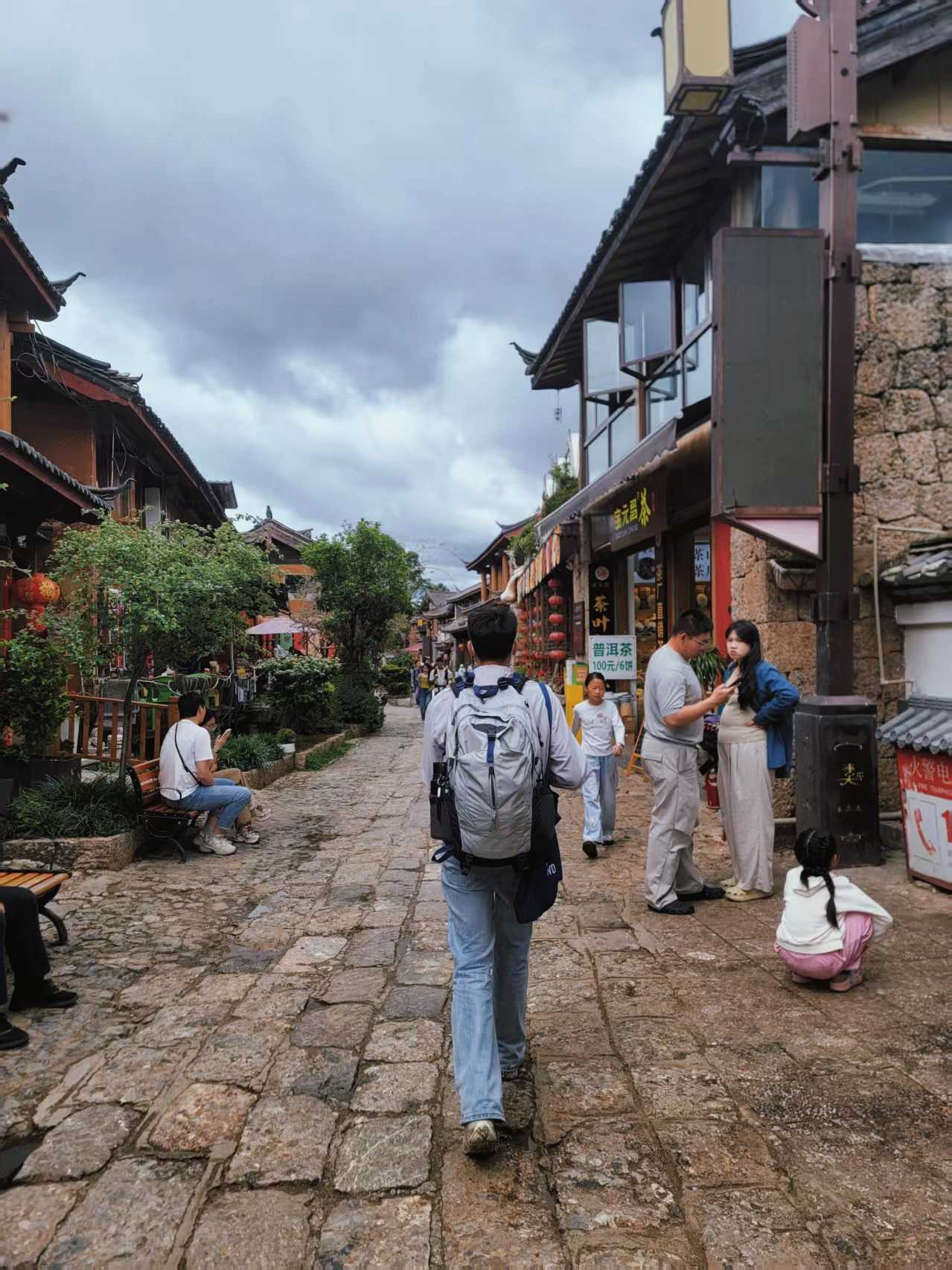
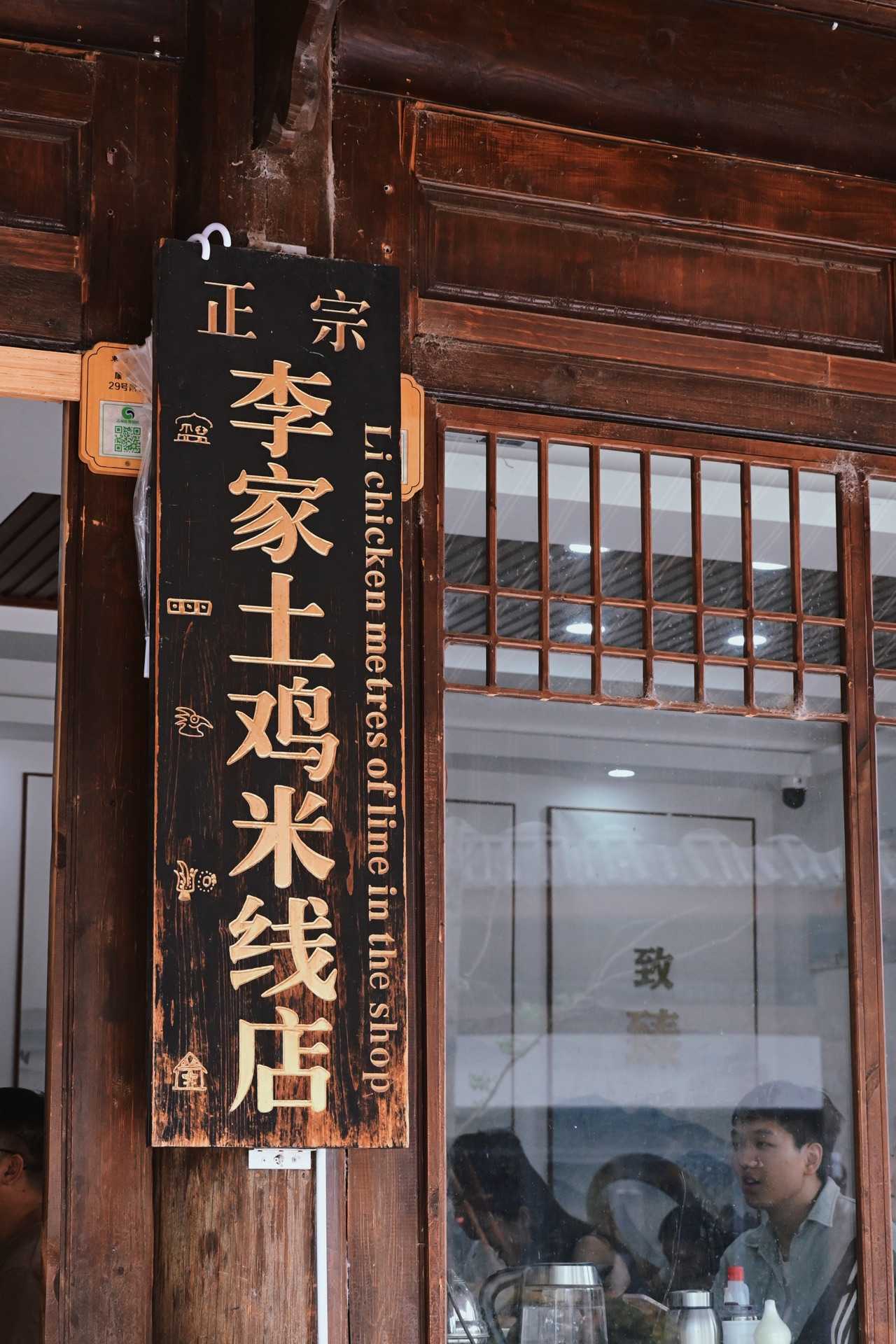
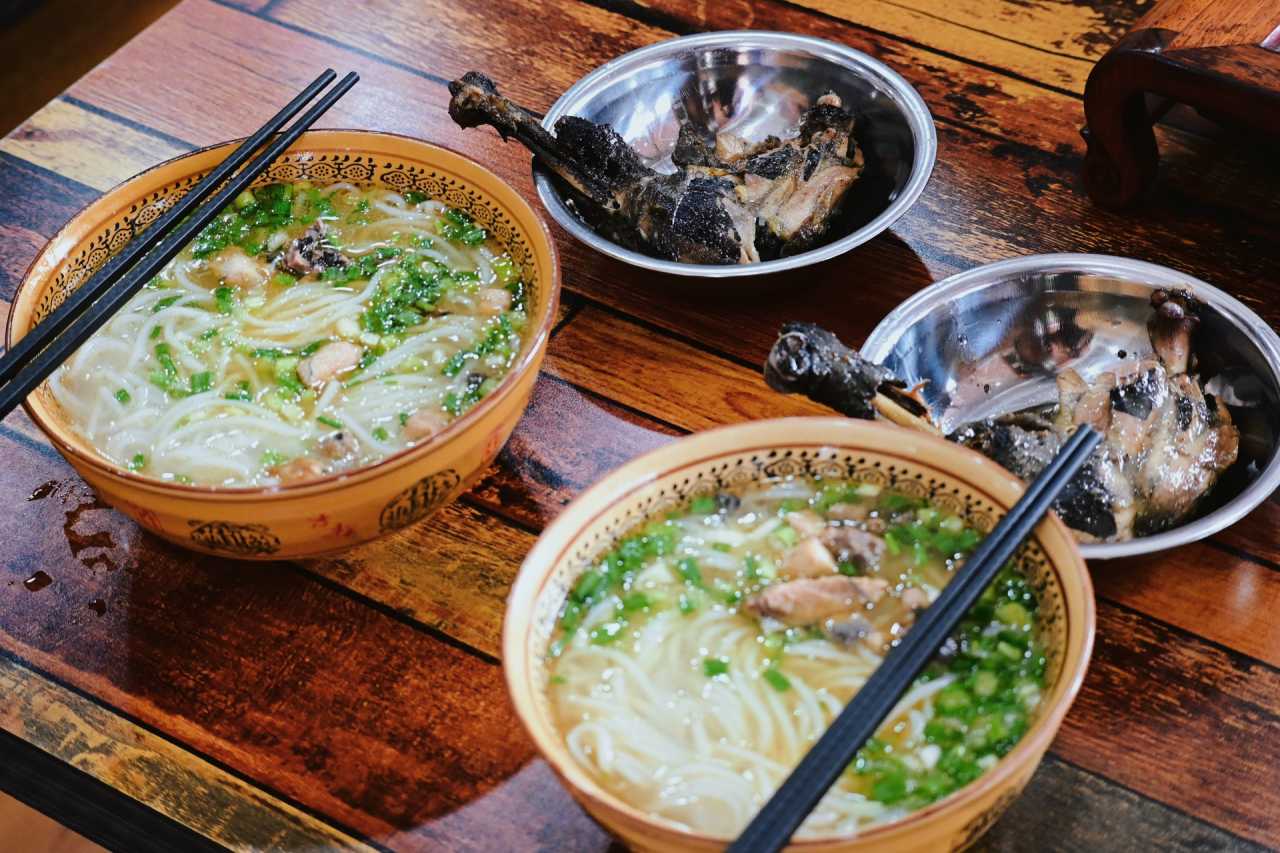
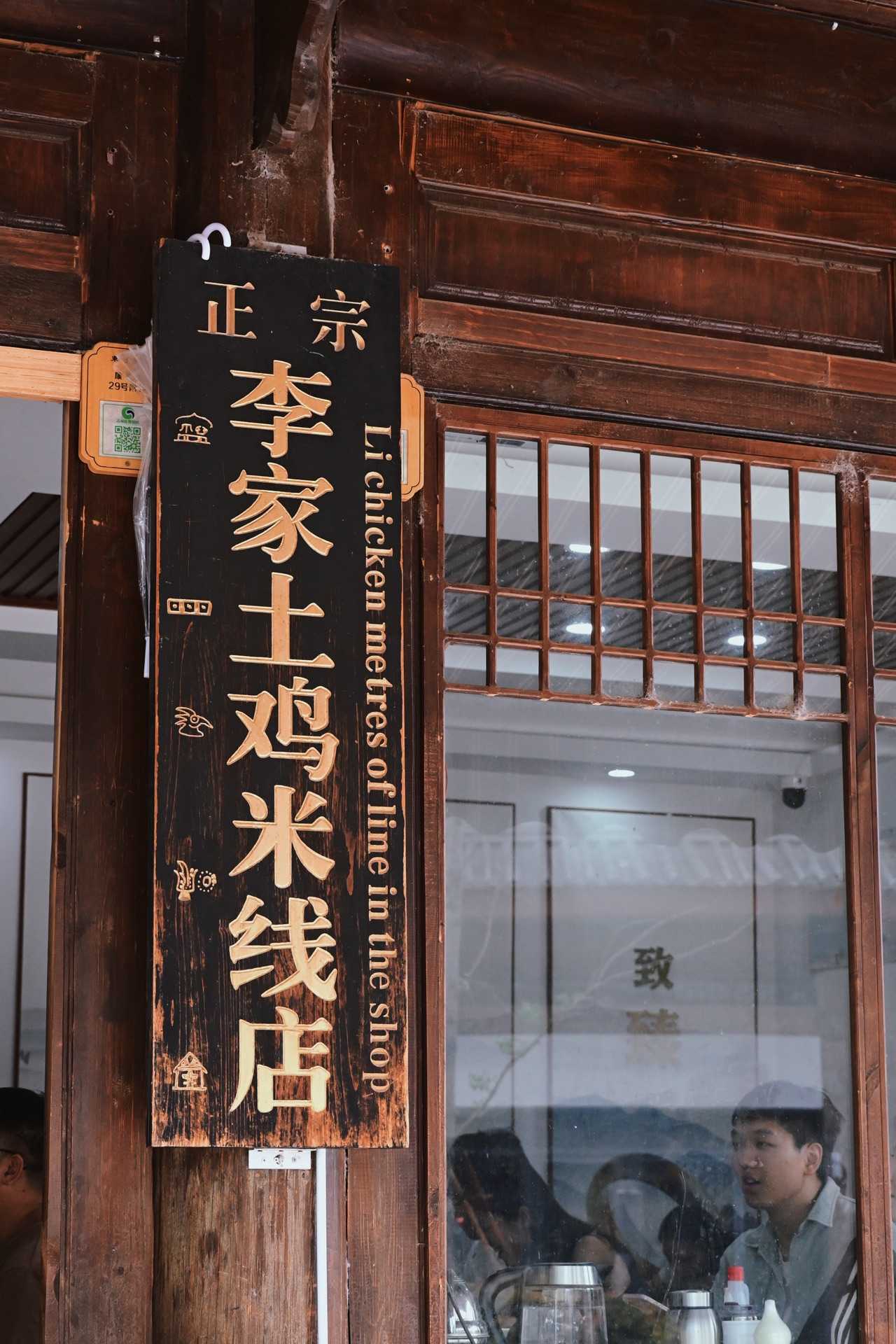
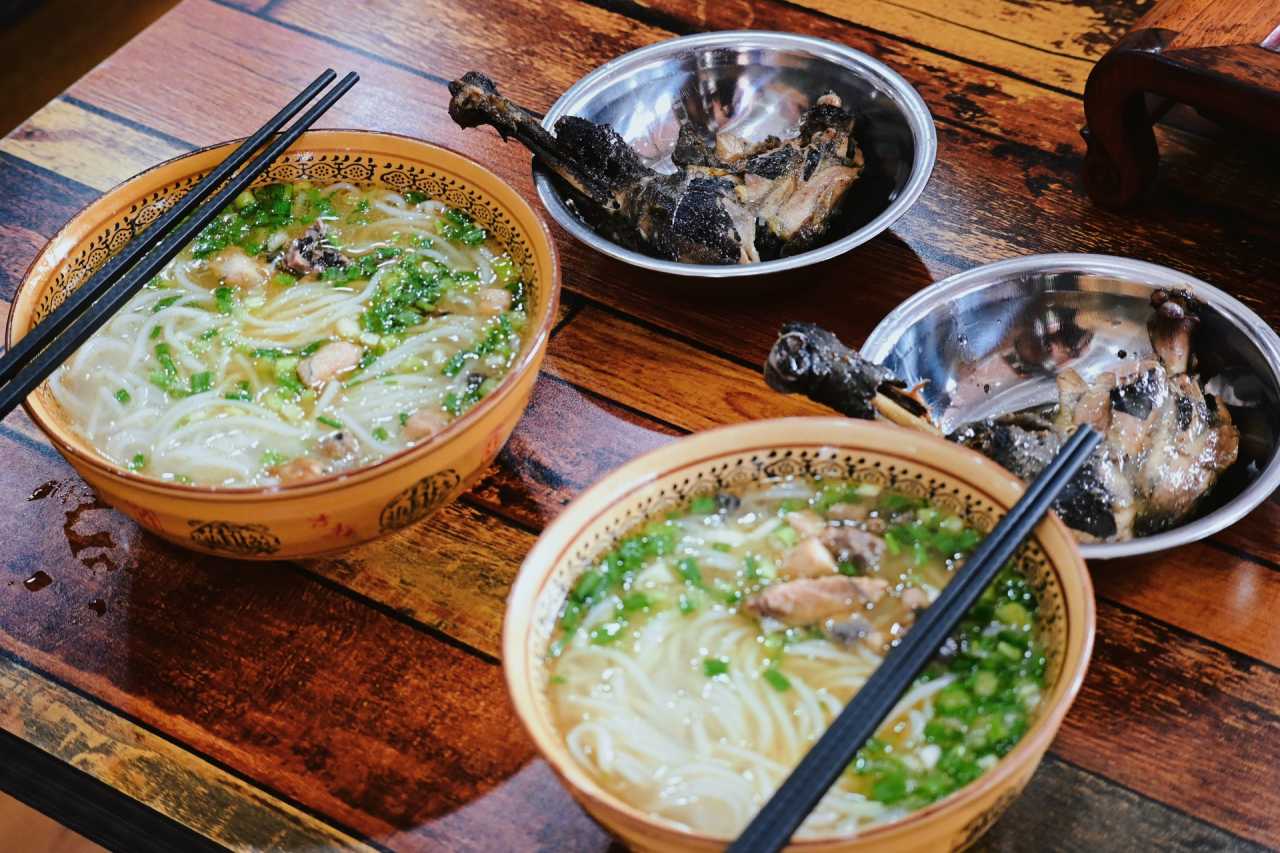
When we arrived in Lijiang, rain enveloped this town I had never set foot in before. From the airport, we took a bus to Shuhe Ancient Town, though taking a taxi together would have been more cost-effective (40-50 RMB). For lunch, we tried "Li Family's Chicken Rice Noodles" (李家土鸡米线) in the ancient town — average value for money. The chicken was authentic, but salty and dry. In the rainy afternoon, we rested at the inn and only ventured out in the evening. On the flower-lined paths, blossoms were in full bloom; raindrops falling on the petals added a touch of poetry.
Evening Folk Music and Bonfire
For dinner, we chose a riverside restaurant, ordered a mushroom hotpot, and caught a bonfire show. Afterwards, we went to "Under the Banyan Tree" (榕树下) folk music bar — neither of us drinks, so we ordered herbal tea and listened to folk melodies drifting in the breeze. At that moment, the worries in my heart seemed to blow away.
Day 3: Haba Village — Gearing Up for the Trek
Charter Car and a Glimpse of Tiger Leaping Gorge
The day before, we booked a charter car to Haba Village (highly recommended: Master Xia, phone 158 9436 6537). Typically, it departs from Lijiang at 1:30 p.m., meeting at the Liyue Hotel. Passing through Tiger Leaping Gorge, Master Xia stops at the Middle Tiger Leaping viewpoint for photos. In summer, the Jinsha River surges violently, but I prefer its winter turquoise — a stillness like time-frozen jade.
Accommodation and Preparation in Haba Village
Arriving in Haba Village (elevation 2,600 meters), we checked into "Snow Mountain Dragon Spring Hotel" (雪山龙泉酒店, 120-140 RMB per night), located right by the village road. If you want a view of the main peak of Haba Snow Mountain, choose "Manxuege" (曼雪格) — pricier but with an unbeatable view. We strolled through the village, had dinner of two dishes, one soup, and rice (80 RMB), and rested up for the next day's trek.
Day 4: Haba Black Lake Trek — 19.6 Kilometers of Perseverance and Regret
One-Day Express Itinerary: From Dera Pasture to Black Lake
On trekking day, we joined a one-day express group we found on Xiaohongshu (Little Red Book), costing 579 RMB per person (50 RMB discount for meeting at Haba Village ourselves). The standard process: meet at 8 a.m., take a car to the Haba entrance checkpoint, then head to Dera Pasture (all winding mountain roads — bring motion sickness medicine). Dera Pasture (3,100 meters) is the starting point. Passing Sheep House (3,300 meters), we reached Orchid Meadow Camp (3,700 meters) for a lunch break. This section was manageable — rough in spots, but not soul-crushing.
The real challenge began from Orchid Meadow Camp. Despair Slope, Azalea Valley (3,900 meters), Haba River Flatland (4,000 meters) — the trail was awful and grueling, endless, with no end in sight. The final ascent to Black Lake (4,200 meters) was the worst stretch of the entire journey. The round trip was 22-24 kilometers; we covered 19.6 kilometers and ultimately did not reach the summit.
Hard-Earned Lessons from a Trekking Novice
- Bloom Season and Weather: In early June this year, the azaleas at Haba Black Lake barely bloomed due to the rainy season. Many posts on Xiaohongshu use old photos — don't be fooled. Aim for mid-to-late June, or check real-time updates from others.
Physical Fitness and Donkey Rides: For anyone who hasn't attempted hiking at 3,500-4,200 meters, a one-day express trip to Black Lake almost requires renting a donkey (600 RMB round trip). We walked the entire way, but by the time we reached Haba River Flatland (4,000 meters), we had no desire to continue — the climb after crossing the river was a muddy, manure-covered, rain-soaked nightmare. My stamina simply couldn't handle it. Many in our group rented donkeys partway up and back.
Group Tours and Guides: For pure independent travel, you can drive yourself or charter a car. After entering Haba Village, you need to contact a local certified guide at least one day in advance (500-600 RMB per day, max 4-5 people), plus entrance and environmental fees (about 80 RMB per person), and transportation to Dera Pasture (about 100 RMB round trip). Tour companies offer different options: a two-day, one-night package on Feizhu (1980 RMB, staying at Orchid Meadow) is good for those afraid of altitude sickness; a 279 RMB one-day tour on Xiaohongshu (ending at Orchid Meadow) is for a lighter experience. The 579 RMB one-day express we chose basically requires you to budget extra for donkey rides.
Trail Conditions and Mindset: If you come to Haba Black Lake during the rainy season, prepare for 60-70% of the trail to be mud/manure/water. The trail is not just difficult — it's more demoralizing than altitude sickness. Check weather beforehand using "Mountain Forecast" — it's quite accurate. If the trail hadn't been so awful, I might have barely made the summit — but at least I now know my current trekking limit. Those with money to burn can ignore all this — with enough cash, it's an easy trip.
Day 5: Shangri-La — An Unexpected Compensation of Azaleas
The Surprise at Washbasin Pass
At 8:30 a.m., through Master Xia's introduction, we took Master Zong's car (phone 139 8874 8622) to Dukezong Ancient Town in Shangri-La. On the way, at "Washbasin Pass" (洗脸盆垭口), we saw blooming azaleas that we had missed at Haba Black Lake. The driver kindly let us get out and take photos — at that moment, the earlier regret felt redeemed.
Dukezong Ancient Town: A Blend of Commerce and Art
Arriving at Dukezong Ancient Town, we began a city walk. The ancient town is heavily commercialized, but the arts and crafts shops were pleasant to browse — though you can find the same items on Taobao for half the price. Midway, we visited the viewing platform at "Qiyu Coffee" (七隅咖啡), which offers a view of the Grand Theater building — great for photos. I had a coffee with "Shangri-La" printed on the cup and tried Ama's butter tea (阿妈的酥油茶) — just okay.
The Farmers' Market and Blue Hour
Xiangyang Road Farmers' Market (向阳路农贸市场) is a local market where you can see fresh yak meat and buy many snack specialties. We ordered beef tripe rice noodles and rice noodle cakes (饵丝) — tasty. After the meal, we went to the prayer wheel at Turtle Mountain Park, arriving just in time for blue hour. Together with many others, we turned the prayer wheel (a full circle, please!). At nightfall, there was live singing at the entrance of Turtle Mountain Park — worth listening to before heading down. Before returning to the inn, we stopped at "Youdian Dongxi" (有点东西) to buy fridge magnets — 19 RMB each for a spinning magnet, great value.
Day 6: Songzanlin Monastery and Napahai Lake — Serendipitous Scenery
Electric Scooter Tour: Freedom and Surprises
That day, we rented an electric scooter (150 km range, only 47 RMB per day; may rise to 100 RMB in peak season). We set off for "Great Prayer Flags," "Napahai Lake," and "Alpine Botanical Garden." The Great Prayer Flags weren't expensive to enter, but the view was average — not as good as the "Botanical Garden Prayer Flags" in Lijiang, which have Jade Dragon Snow Mountain as a backdrop. Napahai Lake Scenic Area has many free prayer flags — great for photos.
We originally wanted to take a side road to see Songzanlin Monastery, but the shop owner said that route had been closed after becoming popular online. However, on the way to the Alpine Botanical Garden, we accidentally entered a scenic area under construction called "Little Napahai." Following an unfinished road, we reached "Liberation Village" (解放村), a must-pass village on the ancient Tea Horse Road. From the exit, we could see the side of Songzanlin Monastery in the distance — an unexpected bonus.
Napahai Lake: Breathtaking Under Clear Skies
On the uphill road to the Alpine Botanical Garden, we caught a stunning view of Napahai Lake under clear skies. The flowers weren't fully blooming in early June, but the entire hillside viewing area was beautiful. Descending, we drove slowly along the lake road, stopping at different spots for photos. On a clear day, Napahai Lake feels like a mix of Dali's Erhai Lake and Yili's grasslands, with the tip of Shika Snow Mountain visible in between. On the way back to Dukezong Ancient Town, we encountered a field of flowers in full bloom. Stopping to take photos, the scenery was like a painting.
The Regret of Baiji Temple
Before leaving, we went to Baiji Temple (百鸡寺) but didn't have time to climb up due to catching the high-speed train. It's a good spot for an overview of Dukezong Ancient Town and photos — saved for next time.
Epilogue: Return and Summary
Total Cost Overview
- Flights: 525 + 900 RMB
- Accommodation: about 370 RMB
- Trekking group: 529 RMB per person
- Ground transportation: about 265 RMB per person
- Meals: about 500 RMB per person
- Medications: headache pills, cold medicine, altitude sickness capsules, glucose, etc.
Key Takeaways and Recommendations
- Weather and Bloom Season: If visiting Haba Black Lake during the rainy season, check "Mountain Forecast" first and prepare for mud. The azalea bloom peaks in mid-to-late June — don't fall for Xiaohongshu posts.
- Physical Fitness and Donkey Rides: For most people, a one-day express trip to Black Lake is nearly impossible on foot alone. Be prepared to rent a donkey (600 RMB round trip).
- Charter Car Recommendations: For Lijiang to Haba Village, contact Master Xia (158 9436 6537); for Haba Village to Shangri-La, contact Master Zong (139 8874 8622) — both reliable and friendly.
- Exploring Shangri-La: Rent an electric scooter to circle Napahai Lake. Stumbling upon the side view of Songzanlin Monastery is more interesting than paying for the main entrance.
- Altitude Sickness and Mindset: As long as the trail isn't too brutal, altitude sickness isn't that scary. The process matters most. Seeing what you came to see is enough.
The summer of June quietly began amidst these surprises. From the mud of Haba Black Lake to the clear skies of Shangri-La, from the regret over azaleas to the breathtaking beauty of Napahai Lake — this journey taught me not the glory of reaching the summit, but the joy of perseverance and the thrill of the unexpected. After all, the most beautiful scenery often appears when you least expect it.
You should also read:
The Meaning of Travel – A Tengchong Story: A Journey of the Heart and Personal Growth
The Meaning of Travel – A Tengchong Story: A Journey of the Heart and Personal Growth Setting Out, Only to Return a Better Self Some say travel is nothing more than leaving a place you're tired of, only to go to a place where others…
Continue reading...
A Spiritual Journey to Lugu Lake in Lijiang: Experiencing the Legend of the Kingdom of Women! (Reproduction and Hotlinking Prohibited)
A Spiritual Journey to Lugu Lake in Lijiang: Experiencing the Legend of the Kingdom of Women! (Reproduction and Hotlinking Prohibited) Off-road自驾, food, hotel and民宿 reviews, Featured Traveler, Tank 300 owner, 200,000 km of self-driving experience. WeChat: y01294987 Ninglang Yi Autonomous County 2010.11.08 · 7 days…
Continue reading...
Hiking Around Lugu Lake: Measuring This Mysterious Highland Pearl on Foot
Hiking Around Lugu Lake: Measuring This Mysterious Highland Pearl on Foot Introduction: A Date with the Lake At the border between Yunnan and Sichuan provinces lies a highland lake embraced by mountains, embedded like a sapphire in the folds of the Hengduan mountain range. Here,…
Continue reading...