69 Days as a Volunteer at Meili Snow Mountain: At 3,400 Meters, I Found Another Way to Live
69 Days as a Volunteer at Meili Snow Mountain: At 3,400 Meters, I Found Another Way to Live
Prologue: When Life Demands a Complete Escape
In March 2019, I was 26—not young, not old. But that feeling of being "pushed along by life" was like an invisible net, tightening day by day. Every morning I woke up to endless fragmented notifications on my phone, friends' carefully curated "poetry and distant lands" on social media, while I felt like a screw being tightened, with barely room to breathe.
So I made a decision: give myself a "working holiday"—not for a few days, but for months. Not to escape reality, but to truly live—to feel the direction of the wind, to touch the warmth of strangers, to experience a life completely detached from my daily routine.
It took me just two days: browsing posts online, communicating with the boss, getting hired, booking flights, finalizing the itinerary. The whole process flowed so smoothly that even I felt a little dazed. The destination: Feilai Temple (Feilai Si) in Deqin County, at the northwesternmost corner of Yunnan, directly facing Meili Snow Mountain.
From Taiyuan, Shanxi to Deqin, Yunnan—2,600 kilometers. This journey would last 69 days.
1. Departure: An Unexpected Prelude
1.1 Landing in Kunming, My Article Goes Viral on "徒步中国" (Trekking in China)
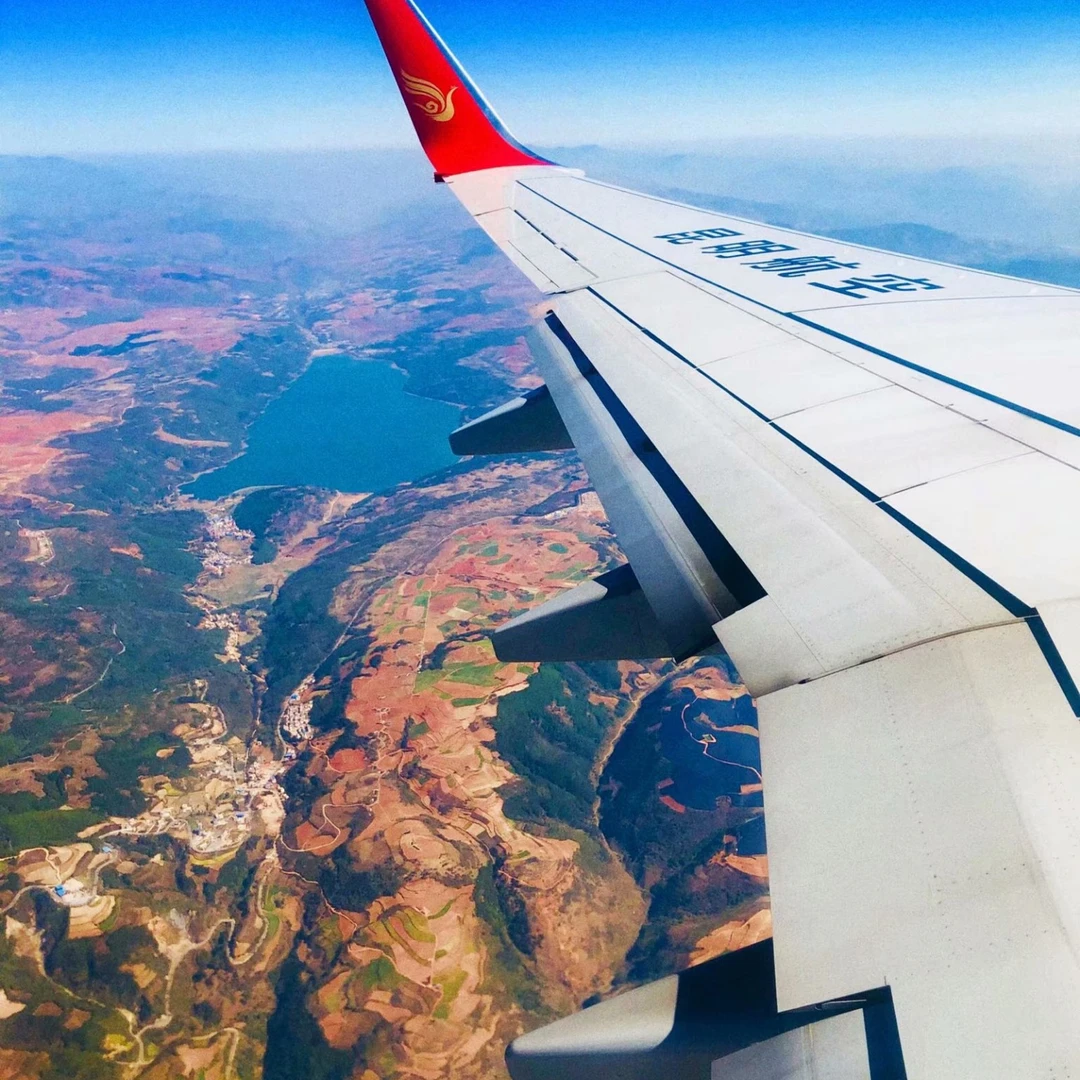
On the morning of March 22, I set off like a female warrior, carrying a 50-liter backpack and a 30-liter daypack. Behind me was the familiar city; ahead, an unknown journey. As the plane circled over Yunnan, I looked down at the red earth and felt a strange calm wash over me—a year ago, I had visited here as a tourist; this time, I was going to live here.
When the plane landed in Kunming, I opened my phone to find a flood of friend requests on WeChat. I froze for a moment, then remembered that an article I'd written about Bali had just been reposted by the "徒步中国" (Trekking in China) official account. When I clicked on it, the read count had already surpassed 5,000. Those words and photos now seemed like someone else's story, but I knew they were truly mine—a soul who loved the outdoors, was obsessed with travel, and was forever on the road.
1.2 Dinner with a Stranger: Sometimes Destiny Only Takes 6 Hours
Among the many friend requests, one stood out: a blue avatar named "Jayson." We chatted on and off throughout my journey. On the bus from the airport to the hostel, we talked about travel, the outdoors, and those adrenaline-pumping experiences. The conversation flowed like water, unstoppable.
"See that you're in Kunming?" he messaged.
"What a coincidence! I'm in Kunming too. Want to grab dinner tonight?"
I hesitated for three seconds. I clicked on his profile: dive instructor, outdoor guide, a positive, energetic guy. My gut told me he was trustworthy. From adding him as a friend to deciding to meet—only six hours had passed.
At 6:30 PM, we met at a local restaurant near Jinxing subway station. I spotted him from afar—a guy in a fluorescent orange Arc'teryx jacket sitting in the corner. His skin was a bit dark against the bright color of his clothes, but his eyes were clear and bright. A laptop sat in front of him; he was eating and taking calls at the same time, as busy as if he were in a battle.
Over dinner, we talked only about travel. He told me about his "EFR Emergency First Response" course, the outdoor groups he led, and his public account "极境行者" (Extreme Boundary Walker). I was captivated—these were worlds I'd never touched.
"The work at Meili isn't that great," he warned me. "Feilai Temple only has one main road. It'll be boring."
"But I want to experience a different kind of life," I said with a smile. "I'll be back in two months."
He ordered a feast of Yunnan specialties: 糖饼 (sugar-filled flatbread), 凉拌鸡丝 (cold shredded chicken), 小炒肉 (stir-fried pork), and a strange vegetable dish with 鱼腥草 (houttuynia cordata, a pungent herb). I ate until I was completely satisfied. After dinner, I rode a shared bike through the 7 kilometers of Kunming's night back to the hostel, my heart filled with a strange sense of anticipation.
1.3 Two Days in Kunming: A Solo City Stroll
During my day and a half layover in Kunming, I didn't waste a single moment.
On the first day, I visited 圆通寺 (Yuantong Temple) and Yunnan University. Late March in Kunming already felt like early summer; the sun was as bright as a May or June afternoon. The incense at Yuantong Temple was light. I bowed before each Buddha statue, feeling an unexpected peace in my heart. The Yunnan University campus was like a giant park, its vintage architecture glowing warmly in the sunlight. I asked a passerby to take a photo of me standing under a peach blossom tree—alone, but with no regrets.
On the second day, I went to the Yunnan Provincial Museum and 官渡古镇 (Guandu Ancient Town). The new museum was huge; I spent a leisurely morning wandering through it alone. Guandu Ancient Town was more vibrant than I'd imagined: lots of locals, long queues at food stalls, elderly men playing the erhu (Chinese fiddle) in the square, aunties singing in a choir, an uncle performing stand-up comedy... I sat like a spectator in a corner, quietly documenting these down-to-earth scenes.
"This kind of retirement life wouldn't be so bad," I thought to myself.
On my way back to the hostel, I bought a serving of 建水豆腐 (Jianshui tofu) and some 洋芋小土豆 (potato and baby potato stir-fry), costing less than 20 yuan total. I sat in my room and ate them slowly, feeling completely content.
2. The 16-Hour Bus Ride: Bouncing to Meili on a "Luxury" Sleeper Bus
From Kunming to Deqin, it's over 800 kilometers. The most comfortable way is to take a high-speed train to Dali or Lijiang first, then transfer to a bus. But I stubbornly chose another way—I wanted to experience a real long-distance overnight sleeper bus.
At 6 PM, I boarded at Kunming Western Bus Station. It was a standard overnight sleeper bus, emblazoned with the words "Welcome to the Magical Kawagebo" (Kawagebo is the highest peak of Meili Snow Mountain). I excitedly snapped a photo and posted it on my social media. Within seconds, I got over a dozen comments: "I admire you so much," "Where are you going?" "Stay safe!"...
But as soon as I got on, my excitement turned to shock. The "luxury" of this bus far exceeded my imagination—I was assigned a middle bunk, flanked by two burly men who completely blocked the view out the window. I couldn't stretch my legs, couldn't turn over, and even breathing felt cramped.

"If it's too much, just come back," Jayson said in a voice message, a hint of worry in his tone.
"There's no turning back now," I replied.
For those 16 hours, I barely ate or drank, occasionally checking my phone's navigation to see where I was. The bus stopped once at a service area in Chuxiong, and then again near the Tiger Leaping Gorge for several hours—Yunnan regulations require all overnight buses to stop from 2 AM to 5 AM. The entire bus, driver included, slept soundly for a few hours.
When I woke up the next morning, the bus had already entered the Diqing Tibetan Autonomous Prefecture. The scenery outside had changed from cityscapes to snow-capped mountains and grasslands; the air became crisp and thin. At 1 PM, the bus finally arrived in Deqin County. I jumped off, my legs weak, but my heart filled with an indescribable excitement—I had made it.
3. Arriving at Meili: Collapsing at 3,400 Meters
From Deqin County to Feilai Temple is only 10 kilometers. I spent 30 yuan to share a minivan with some other passengers. The Tibetan driver chatted with me the whole way about his family, his children, and how he used to be a "wild but not bad boy" who once walked and prostrated his way to Lhasa on a pilgrimage.
"Even the most ordinary people have extraordinary lives," I silently noted to myself.
At 1:30 PM, the van stopped in front of a hotel. The glass doors were plastered with several "Closed for Spring Festival" notices; it didn't look fully operational yet. I pushed the door open and met the boss, Brother Liao—a middle-aged man who looked a bit stern.
"Where's the bathroom?" were my first words.
Brother Liao casually reached for a bottle of mineral water on the wall, but I quickly waved my hand: "Hot water is fine, thanks."
He handed me a thick "Employee Handbook" and asked a girl named Wenwen to take me to my room. My room was on the top floor, the corner room at the end of the hall, with three bunk beds and a mess of piled-up bedding. The heater was on full blast, and the electric blanket was already warm.
"So this is my home at Meili," I thought, setting down my backpack and letting out a long sigh.
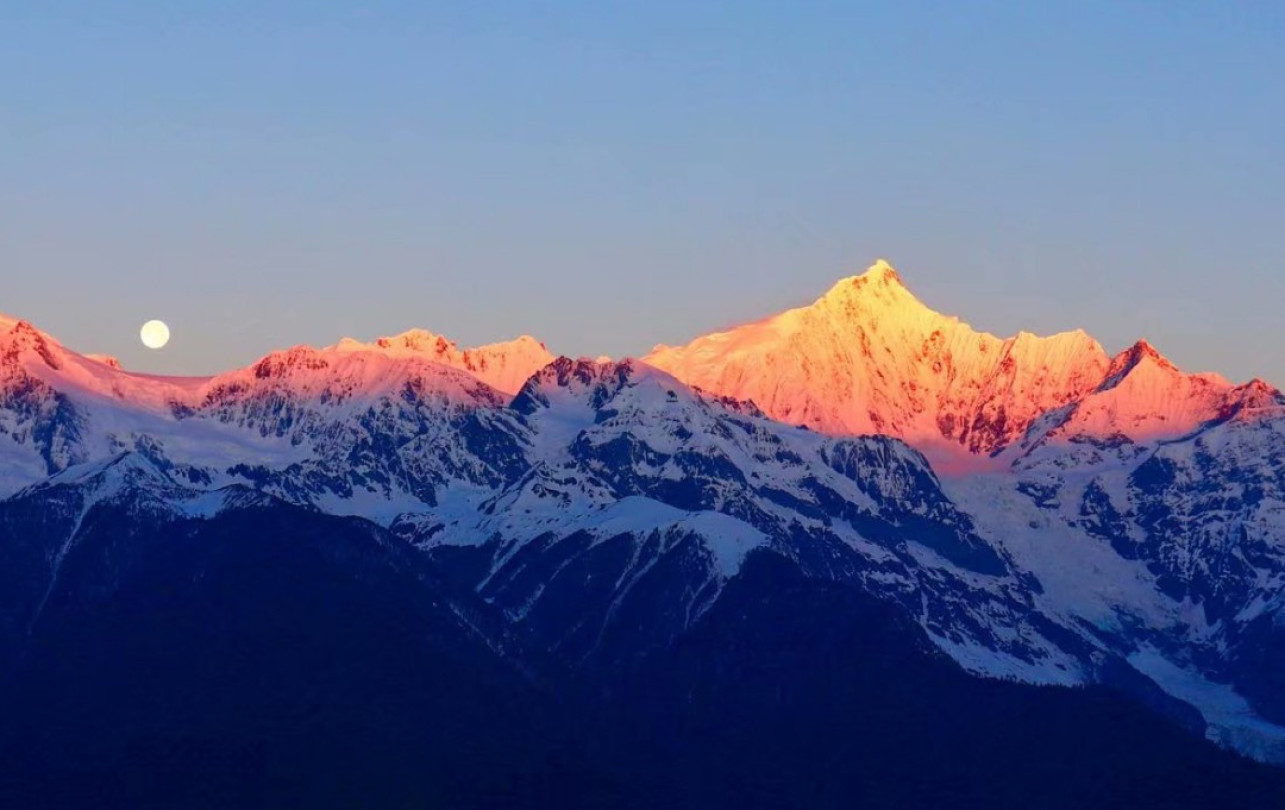
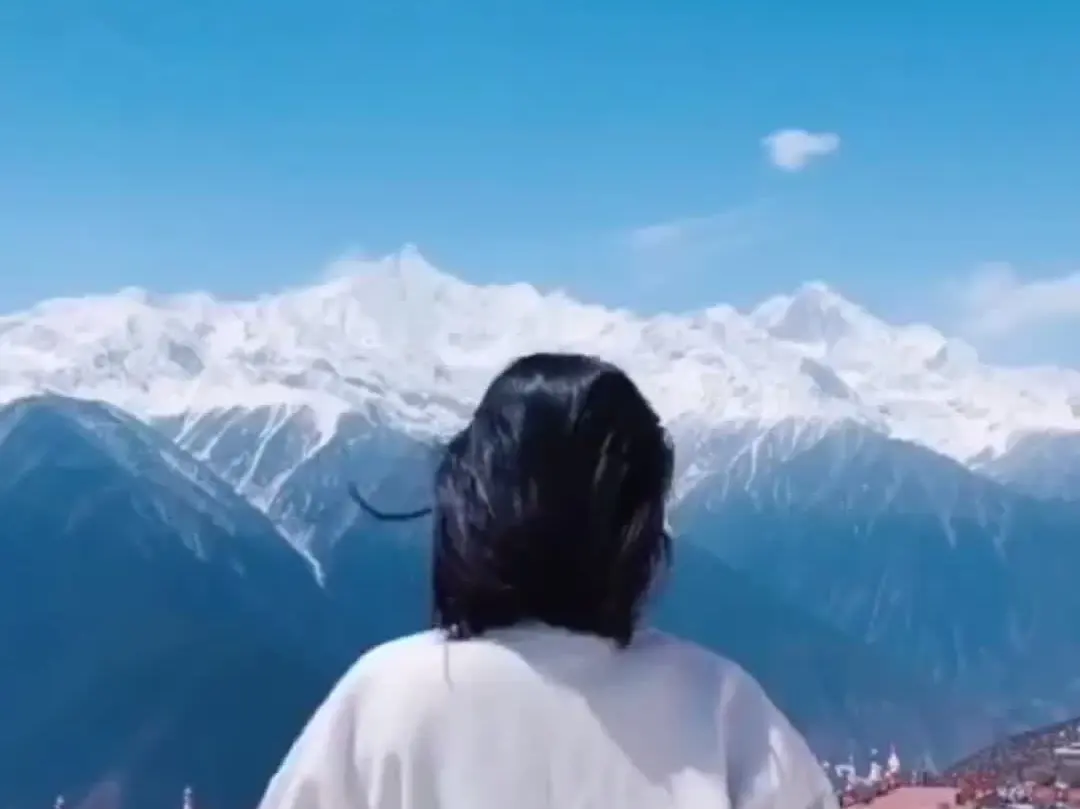
My first priority wasn't unpacking—it was running up to the 5th-floor rooftop to see the snow mountain. The moment Meili Snow Mountain appeared before me, I was completely stunned. Even though clouds obscured the peaks, the majesty of the sacred mountain was undeniable. I snapped a photo and posted my first update: "Day 1: I'll be living with the snow mountain for a while. Hope everything goes smoothly."
Then I made a fatal mistake: I took a nice, hot shower.
Taking a hot shower at 3,400 meters is a major no-no at high altitude. I should have known better—I'd even stayed up all night on the internet in Nagqu, which is over 4,000 meters. But this time, my body, already uncomfortable since Kunming, combined with the two days of travel, completely gave out.
When I came out of the shower, my face was flushed, and I felt dizzy. Brother Liao took out a digital thermometer and pointed it at my forehead: 38°C (100.4°F).
"You have a fever," he frowned. He handed me a military overcoat to put on, told me to go rest, and said I didn't need to work.
Another girl who arrived the same day, named Juzi (Orange), from Chifeng in Inner Mongolia, with curly hair and a giant suitcase, heard I was sick and immediately offered me some Rhodiola rosea she had brought. Even though Brother Liao said it was useless, I drank it anyway—even if it was just a placebo.
4. Sick at Meili: Living Well Under the Blue Sky
The fever lasted three or four days, fluctuating between 38° and 39°C (100.4-102.2°F). I stubbornly refused to go to the hospital, relying on drinking plenty of water and resting. Later, the fever turned into a cough and runny nose, and it took nearly two weeks to fully recover.
During that time, I was basically "half-crippled." I'd stay on duty for a short while, and Brother Liao would urge me to go back and rest. I'd lie in bed, unable to do anything, just staring into space. At night, I'd voice-call Jayson, and he'd always say lots of worried things, which made me feel warm inside.
But even while sick, I didn't miss Meili's beauty.

On the second evening, I dragged another employee, Songsong, out to take photos. The hotel was right on the Yunnan-Tibet Highway (G214), right next to the Feilai Temple scenic area. I found a low wall, climbed up, sat next to a lamp, and took a photo. The caption read: "Day 2: Here, you don't have to be anxious. Under the blue sky and white clouds, live well. Just live."
Even with a fever, at that moment, I was truly enjoying life.
The hotel didn't officially open for business until April; late March was still a trial run. Currently, including me, there were only four employees. I was the only front desk person; the others handled housekeeping and cooking. The rooms were fully booked every day, and we were severely understaffed. Lunch was often a simple hotpot, or we'd eat at the auntie's shop next door—her 米线 (rice noodles) were so good. A steaming bowl of those noodles, and you'd feel alive again.
My first breakfast was the standard Western-style set meal for guests. Brother Liao personally taught me how to fry eggs and bacon, step by step, detail by detail. At that moment, I realized this wasn't a simple trip—it was a real job.
5. Spring at Meili: Peach Blossoms, Snow Mountains, and My First Outing
5.1 My First TikTok and the Peach Blossoms of Meili
During the first week of my illness, I spent most of my time lying in my room. Finally, on a sunny day, I called another employee, Quezai (Little Sparrow), to go up to the rooftop for photos. I filmed a short dancing video for TikTok and posted it. To my surprise, it got quite a few likes—my first TikTok at Meili was born.
Late March to early April is peach blossom season. Many people drive all the way to Nyingchi in Tibet to see the blossoms, but I discovered my own peach blossom paradise right at Meili.
Brother Liao saw a friend's post on social media about peach blossoms in the Meili area and immediately asked for the location. The next day, he mobilized all the employees for a "scouting trip"—my first time participating in a company outing.
Before we left, I had to pass a "kitchen exam": cook three dishes within 45 minutes. Wenwen, who was with me, quickly finished her three dishes, while I was still frantically chopping potatoes. By the time I brought my last dish to the table, everyone had almost finished eating.
But Brother Liao didn't criticize me. He just put on his baseball cap and said, "Let's go."
5.2 Along the Yunnan-Tibet Highway, Searching for the Peach Blossom Paradise
Our group of seven set off in two cars. I rode in the car Juzi was driving, heading north toward Mangkang in Tibet. The road was carved into the mountainside—winding and narrow, but with little traffic, so it was safe enough.
Sitting in the passenger seat, Juzi and I had our first "deep conversation." We talked about our families, our beliefs, and why we had come here. Everyone has a different outlook on life, but being able to meet on this road is a kind of destiny in itself.
After about half an hour, Brother Liao's car in front stopped. I leaned out to look—finally, I saw the legendary peach blossoms!
Everyone parked the cars and started their creative work. I took out my Canon M100 and captured my favorite photo: the perfect combination of Meili Snow Mountain and peach blossoms, with pure white snow in the distance and delicate pink petals up close. To match the scenery, I had deliberately worn a "snow mountain sweater"—the pattern on the sweater was almost identical to the Kawagebo peak in the distance.
Looking down from the mountainside, the quiet villages along the Lancang River (Mekong River) were spread out before me. What kind of people lived in those isolated little houses? What kind of life did they lead? I stood there for a long time, feeling an indescribable sense of peace.
6. Loneliness Is Just Another Name for Freedom
On my tenth day at Meili, I wrote this sentence: "Loneliness is freedom."
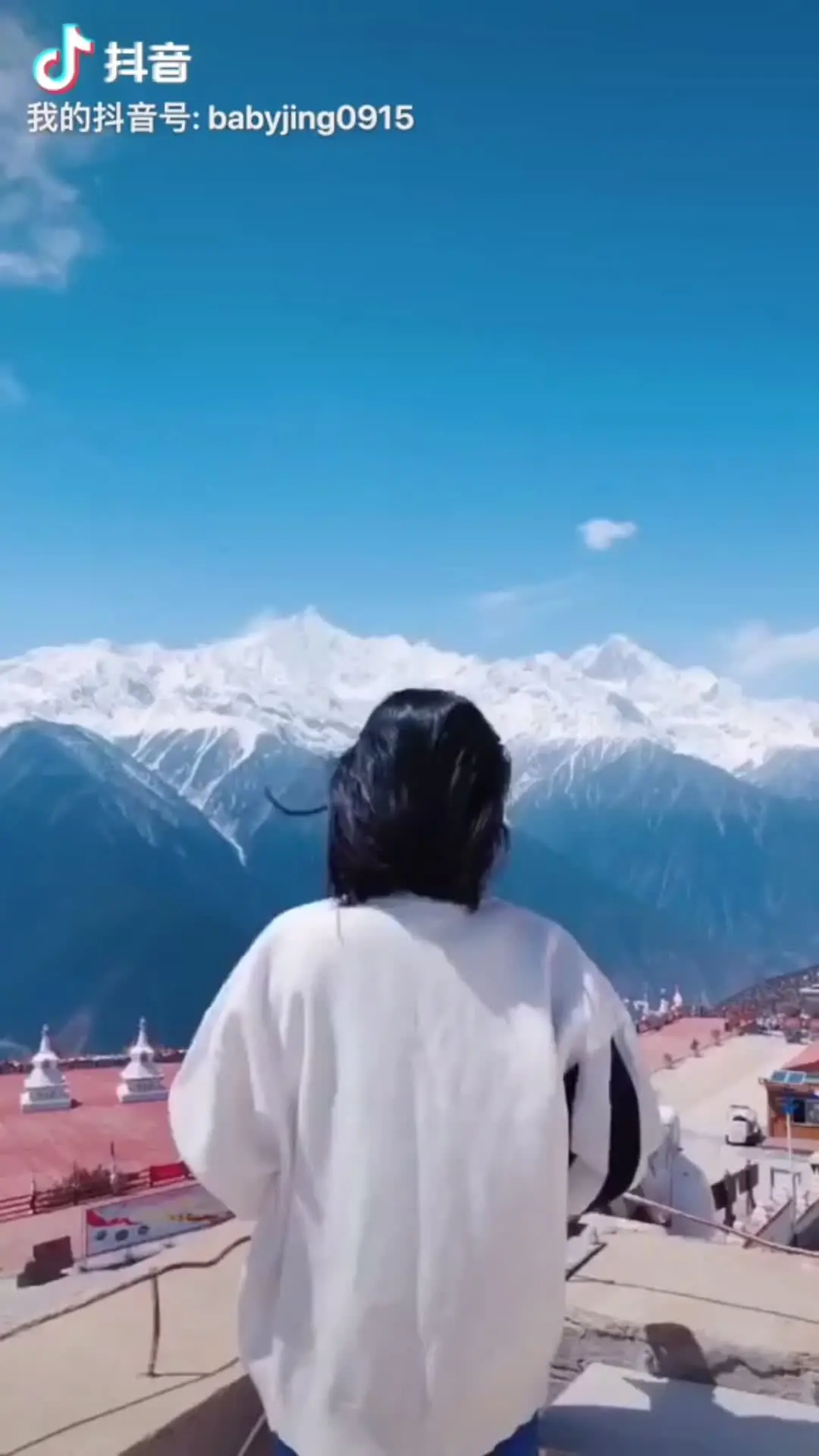
By then, I had slowly adapted to life here. I woke up at 6 AM every day to prepare guests' breakfasts. During the day, I worked the front desk, answering all kinds of questions about Meili Snow Mountain. In the evening, I'd go to the rooftop to watch the sunset, and at night, I'd eat hotpot with my colleagues, chat, and look at the stars.
Life was as simple as a blank sheet of paper, but every stroke was drawn with intention.
I began to understand why people said, "Feilai Temple only has one road; it's boring." But I also began to understand that boredom never comes from life itself—it comes from how we approach life. At Meili, I learned to be with myself—not to escape loneliness, but to embrace it. Because only in loneliness can you truly hear your own voice.
7. Epilogue: 69 Days, a Meili Story That's All Mine
After 69 days, I left Meili Snow Mountain.
On the day I left, the weather was beautiful. Kawagebo revealed its entire peak. I stood on the rooftop for a long time, trying to etch this mountain range into my memory.
In those 69 days, I experienced high fever, coughs, and a runny nose. But I also experienced peach blossoms, snow mountains, starry skies, and countless quiet dusks. I learned how to fry eggs, chop potatoes, answer guests' questions, and—most importantly—how to find my place in loneliness.
Someone asked me: Was it worth it, those 69 days?
I think some experiences in life can't be measured by "worth." They're like the snow on Meili Mountain—they fall on your heart, slowly melt, and become a river that flows into every day of your future.
If you're also searching for a feeling of "truly living," give yourself a chance to escape. It doesn't have to be long—69 days will do. Go to a remote place, do a simple job, watch a mountain that never moves, listen to a wind that never stops.
You'll find that life is never somewhere else. It's right here, in every real breath you take.
A Few Final Notes:
- Transportation: There are long-distance buses from Kunming to Deqin (about 16 hours). Alternatively, you can take a high-speed train to Dali or Lijiang and then transfer to a bus—much more comfortable.
- Altitude Sickness: When you first arrive at high altitude, don't take hot showers or do strenuous exercise. Drink plenty of water and rest. If you get a fever, rest immediately and go to the hospital if necessary.
- Volunteer Work: When looking for volunteer positions, try to choose posts with detailed, clear descriptions. Communicate with the boss in advance about work content, hours, and compensation.
- Mindset: A volunteer working holiday is not a vacation. It's a lifestyle. Be prepared for boredom, loneliness, and uncertainty—and you'll gain so much more.
"Beauty is fleeting, but every moment you seize becomes the brightest star in your life."
You should also read:
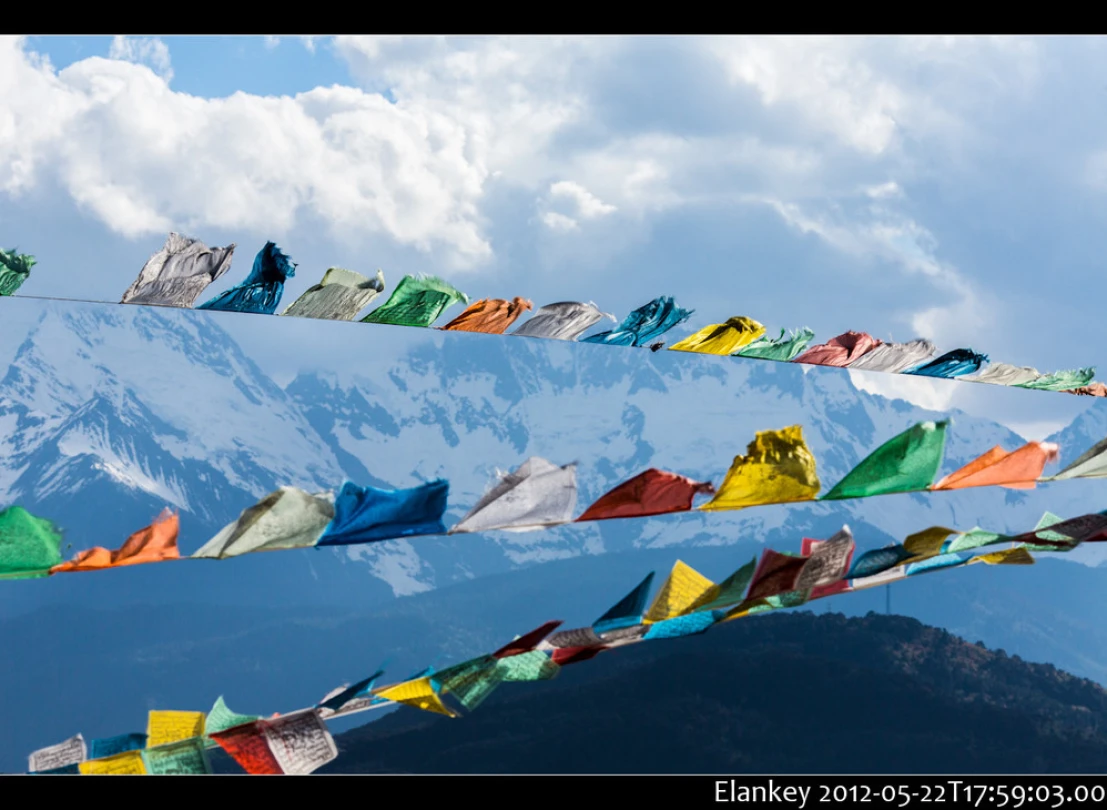
Journey to Meili and Yubeng: A Spiritual Pilgrimage to Kawagebo
Journey to Meili and Yubeng: A Spiritual Pilgrimage to Kawagebo Departure: Letting Go and Setting Out I quit my job, dragged my exhausted body back to Kunming, and didn't even have time to submit a formal resignation to the company where I'd worked for three…
Continue reading...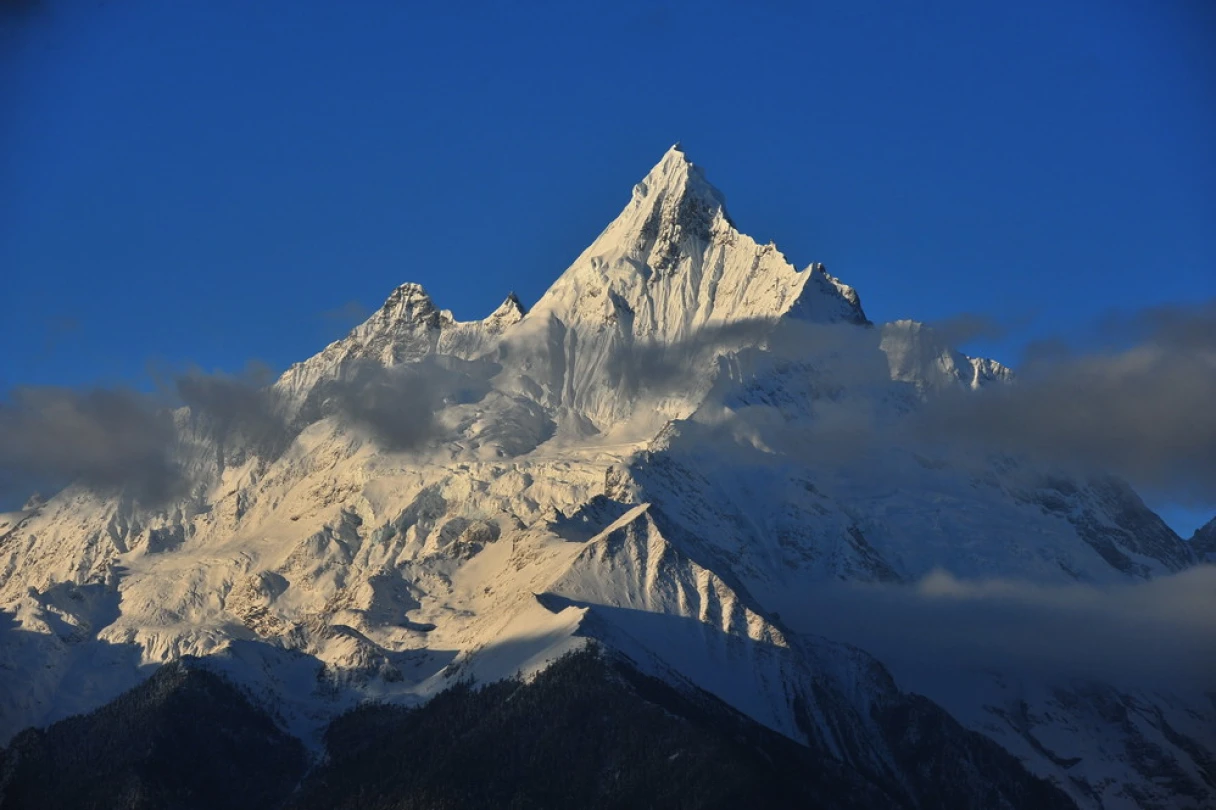
Entering Shangri-La, Meeting the Snow Mountain God—Meili
Entering Shangri-La, Meeting the Snow Mountain God—Meili Before setting foot on this land, I had pored over countless photos taken by seasoned travelers—those majestic snow-capped peaks, the azure skies, the prayer flags fluttering in the wind. They had already painted vivid images in my mind.
Continue reading...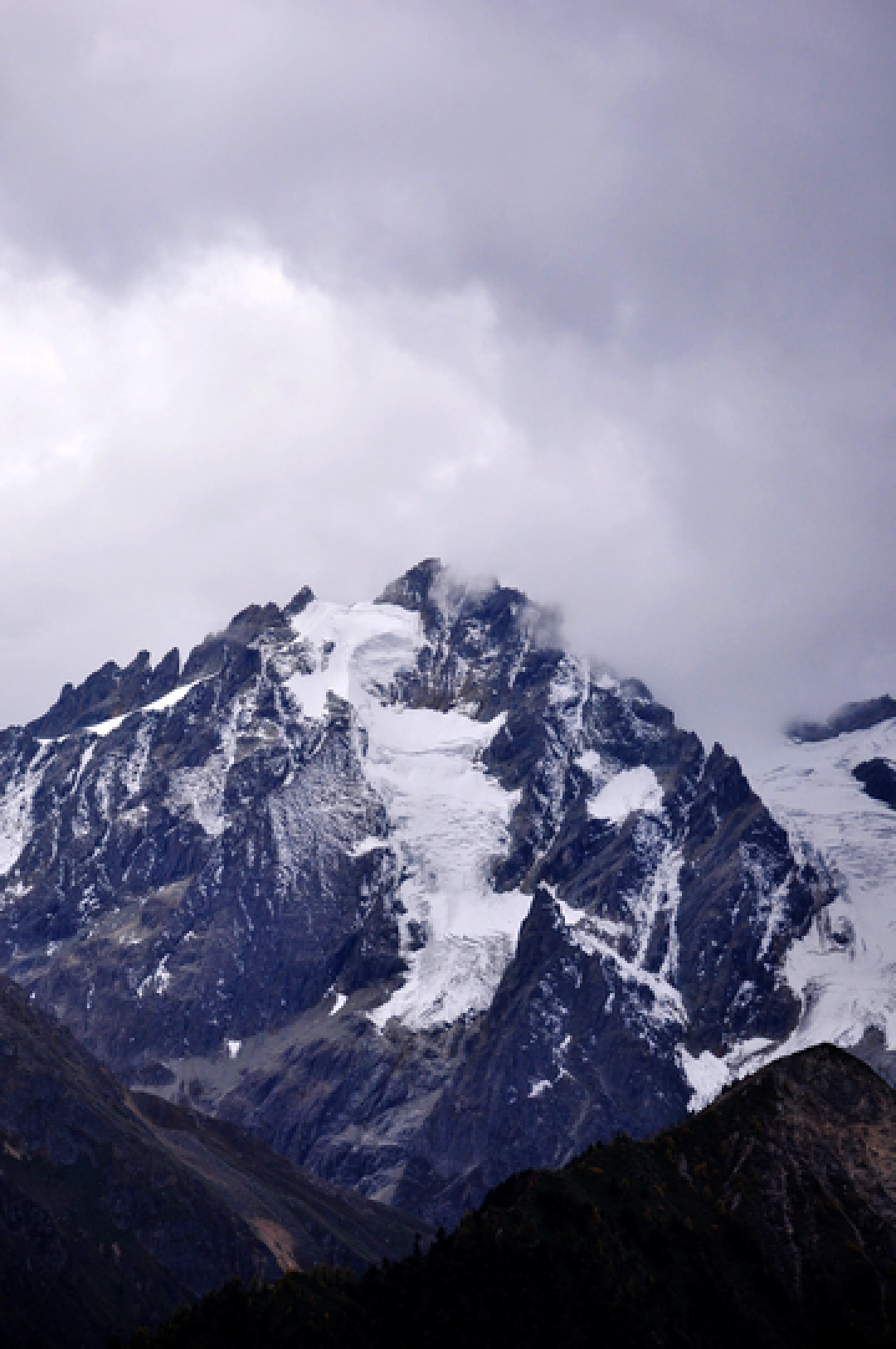
Meili Snow Mountain: A Soulful Journey of Dialogue with the Sacred Mountain
Meili Snow Mountain: A Soulful Journey of Dialogue with the Sacred Mountain Prologue: When Travel Becomes Faith Some journeys are forgotten as soon as they end. Others carve themselves into your bones. The trip to Meili Snow Mountain belongs to the latter. Waking up in…
Continue reading...