8-Day Yunnan Self-Drive Tour: Don't Wait for the Wind, Chase It
8-Day Yunnan Self-Drive Tour: Don't Wait for the Wind, Chase It
Prologue: A Spontaneous Journey
During the National Day holiday, my husband and I drew circle after circle on the map—Southeast Asian islands, the deserts of the northwest, the water towns of Jiangnan... In the end, our eyes met on Yunnan.
China is vast and rich, and Yunnan alone deserves at least half a month to explore thoroughly. As first-time visitors to this land, we chose the most classic introductory route: Lijiang and Shangri-La. As it turned out, this decision did not disappoint us.
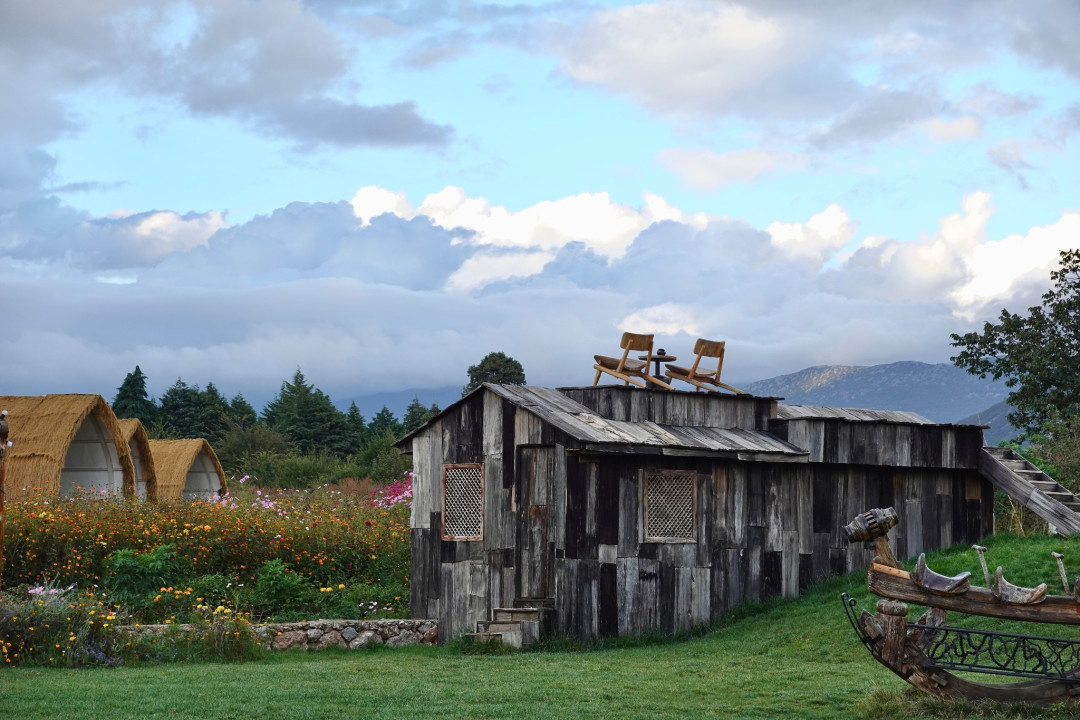
Yunnan gets its name from the clouds (Yunnan means "south of the clouds"), but only when you actually arrive here do you realize that the clouds are not just scenery—they're a living, breathing weather forecast. Affected by a typhoon, the entire trip wavered between overcast and clear skies, but those few minutes of sudden sunshine revealed a blue so heartbreakingly beautiful it took your breath away.
Strolling Through Ancient Towns: Lijiang's Slow Time
First Impressions: Slow Is the Rhythm of Life
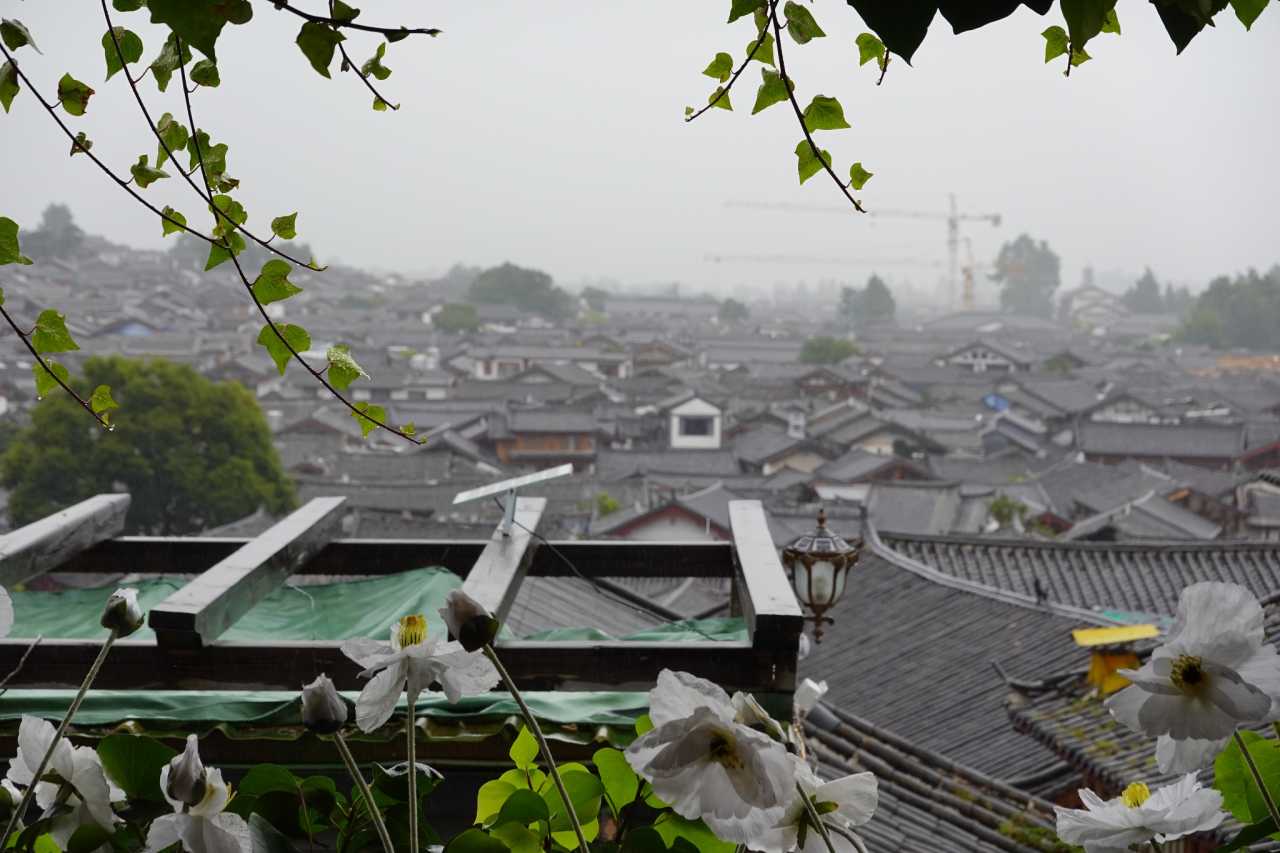
At 9:30 in the morning, we eagerly prepared to head out and explore the old town. Our guesthouse owner asked calmly, "Where are you off to?" We replied, "To wander around the ancient town." He laughed. "It probably won't even be open yet. Things move slowly around here."
Sure enough, when we entered Dayan Ancient Town, most of the shops were still asleep. But the upside? Fewer people. You could leisurely tread on the blue stone slabs, savoring every detail of the upturned eaves, carved beams, and painted rafters.
Dayan Ancient Town is the main body of Lijiang Old Town. First built in the late Song and early Yuan dynasties, it has a history of nearly 800 years. Its name, "Dayan," comes from its shape, which resembles a large inkstone. At its center is Sifang Street (Square Street), surrounded by ancient architectural complexes that blend the essence of Han, Naxi, Bai, and Tibetan styles. The layout of "three courtyards with one screen wall" and "four courtyards with five patios" can be seen everywhere. Jade Spring water weaves through the streets and alleys, with every household having flowing water at their doorstep and building homes over the streams. Main streets follow the rivers, and小巷 (small alleys) line the waterways, giving Lijiang the highest density of bridges in all of China.
However, as one of China's pioneering tourist cities, Lijiang Ancient Town does carry a heavy commercial atmosphere. Streets lined with Yunnan small-grain coffee and flower cakes sold for 1 yuan each made me feel like I had wandered into some commercial pedestrian mall.
Jinjia Market: A Hidden Gem in the Midst of Daily Life
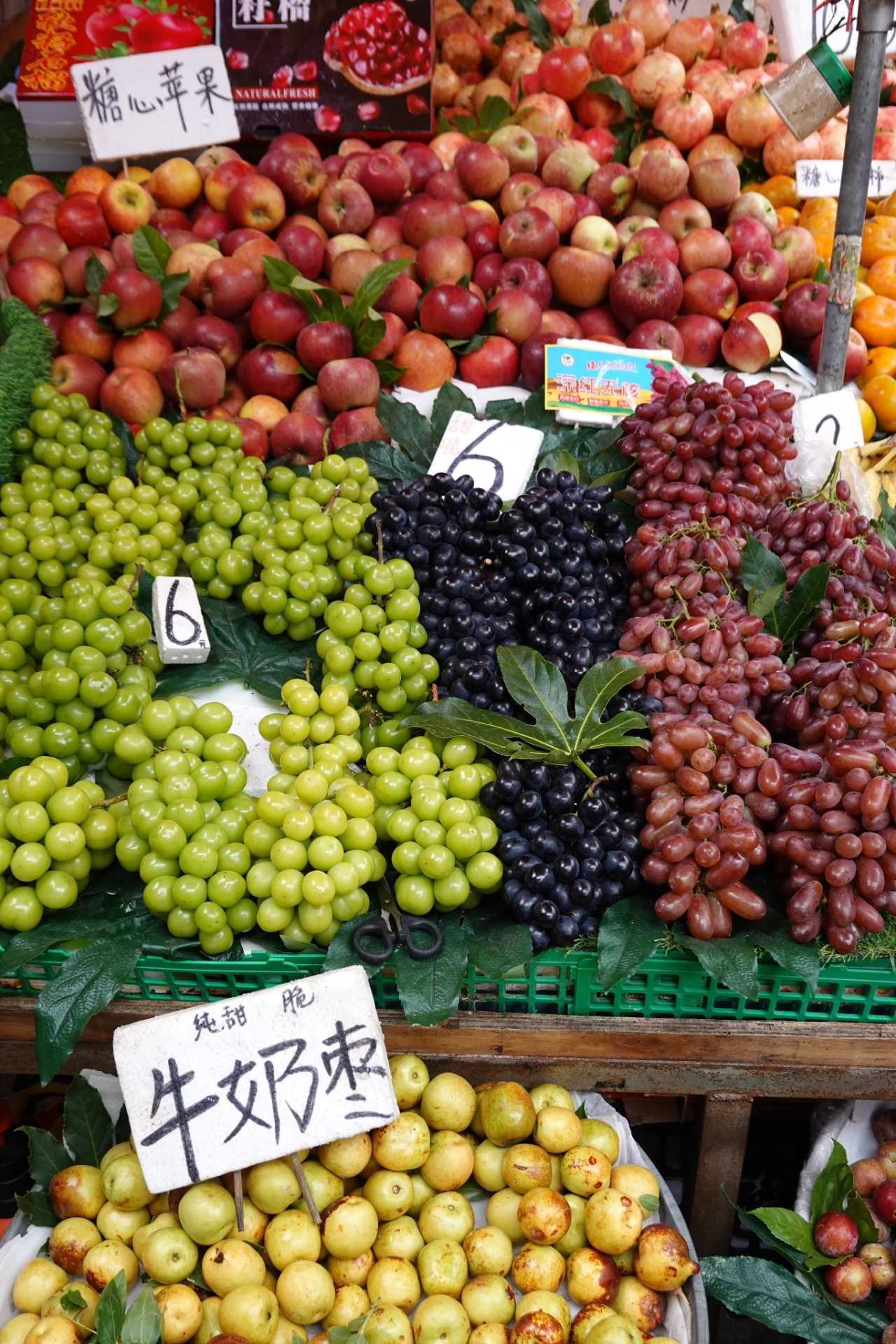
After touring the old town, we ducked into the nearby Jinjia Market—a "hidden gem of everyday life" tucked between the ancient city and the new town. No刻意 crafted commercial vibe here, only the authentic flow of life beneath the blue-gray tiles.
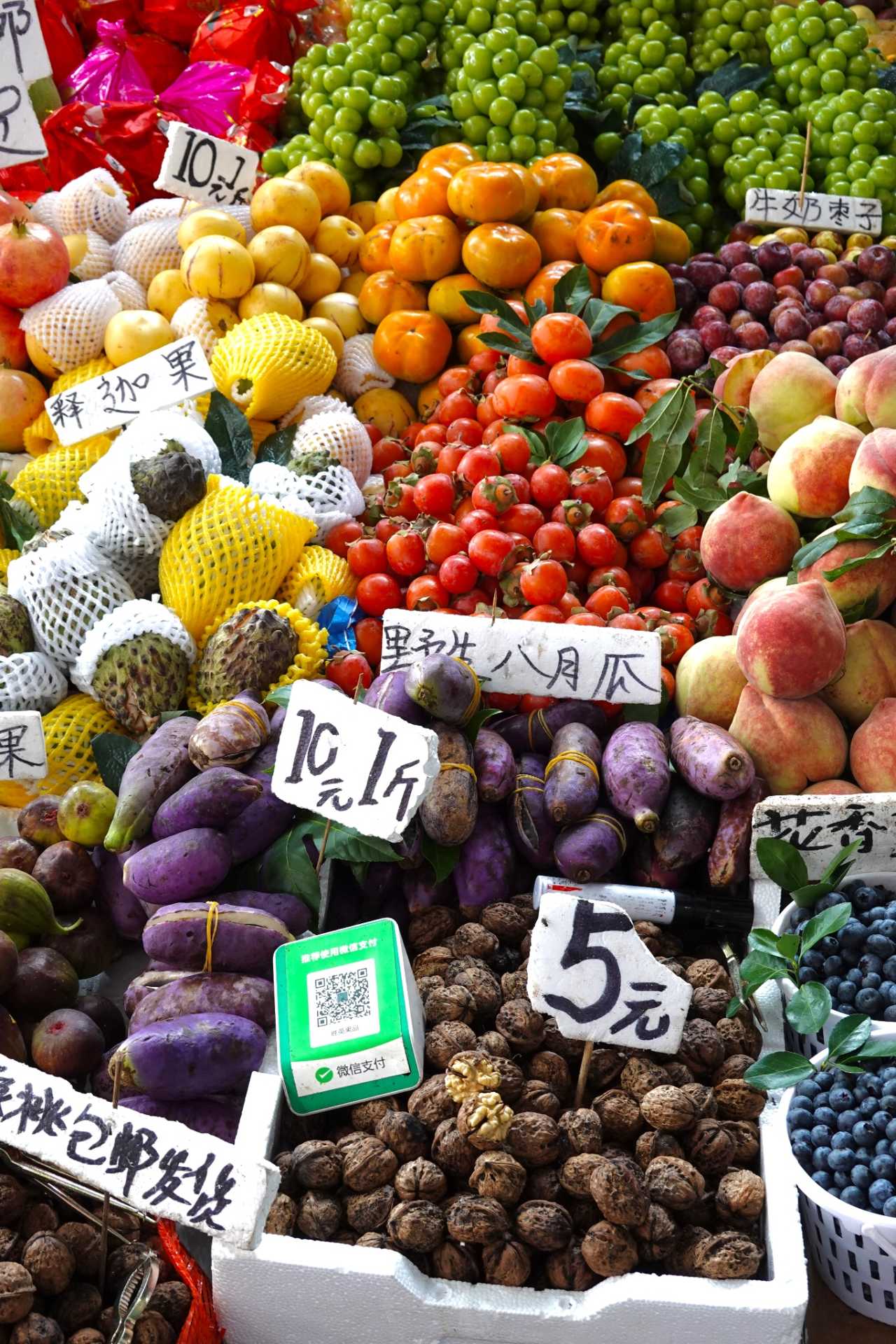
The moment I stepped inside, I felt like Granny Liu entering the Grand View Garden. Fruits were piled up like small mountains—the people of Yunnan eat so well! There were八月瓜 (August melon) and释迦果 (sugar apple)... Some fruits I couldn't even name. I bought a few to try, and as for the taste, let's just say "it's all about the experience."
The snack stalls were lined up side by side, the blue flames of gas stoves licking iron woks, steam seeping through gaps in the range hoods into the aisles. October marked the tail end of mushroom season, so the variety of wild fungi in the market was limited. But various unfamiliar Chinese medicinal herbs were neatly arranged, looking impressively cool.
Shuhe Ancient Town: Poetry Made of Water
Shuhe Ancient Town, called "Shaowu" in the Naxi language (meaning "heap of hillside"), is one of the earliest settlements of the Naxi people in the Lijiang Basin. Built along the contours of the mountain, the farmhouses use locally sourced materials in a natural,随意 (casual) style. The Qinglong River runs through the center, connecting the villages, and the Qinglong Bridge, built during the Wanli era of the Ming Dynasty, spans across it.
Water forms the skeleton here: streets are born from water, homes are built along water. Sifang Street is the heart of the town and one of the oldest markets in the Lijiang Basin. The water of Jiuding Dragon Pool originates from cracks in the rocks at the foot of Longquan Mountain. The fish swimming in the pool are regarded by locals as sacred fish, and Jade Dragon Snow Mountain is reflected in the water—one of Shuhe's eight famous views, known as "Snow Mountain Reflection." A gentle breeze ripples the lake's surface, and your heart settles into a peaceful calm.
Baisha Ancient Town: Daydreaming Is Serious Business
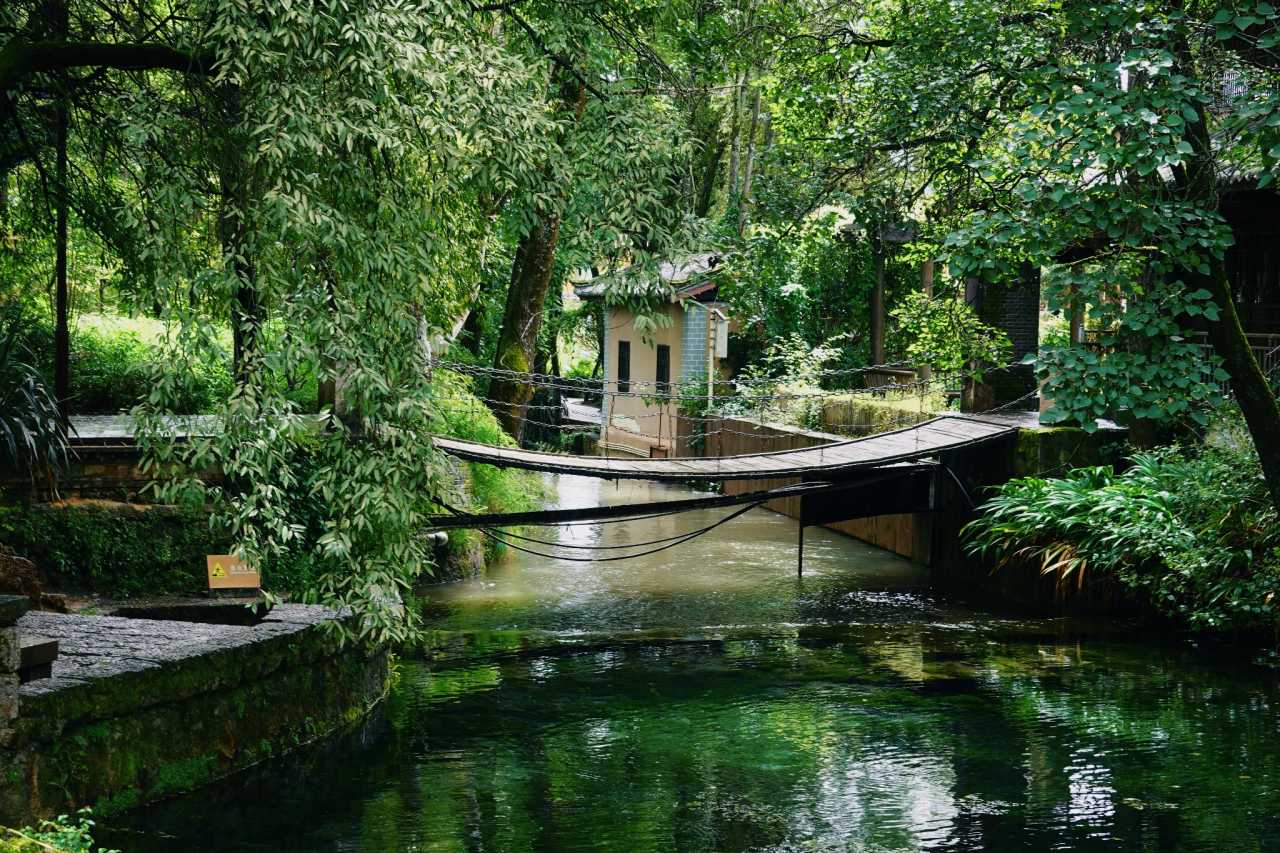
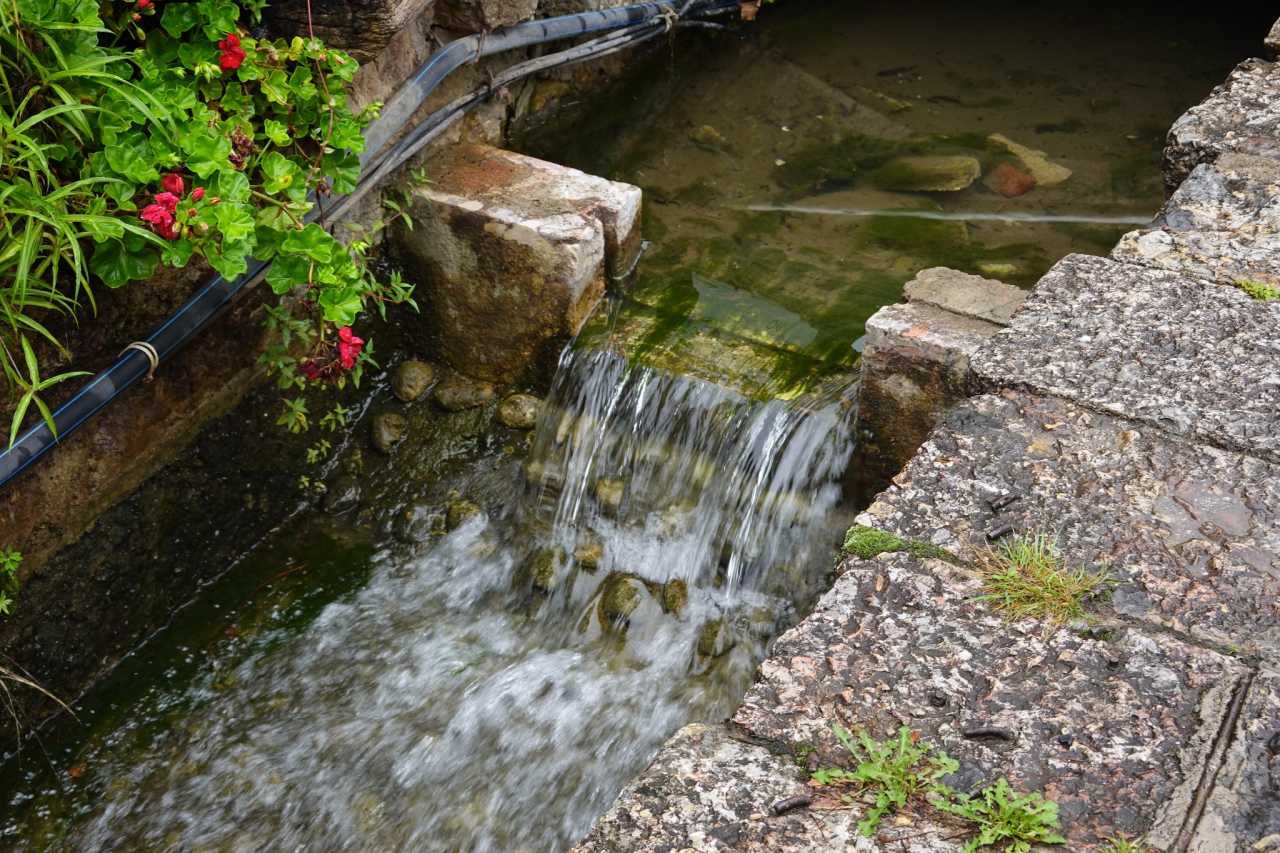
Baisha Ancient Town sits at the foot of Jade Dragon Snow Mountain and is the earliest settlement of the Naxi people in the Lijiang Basin. It still preserves its原始 (original) appearance, with residential houses and shops lining the streets. A clear spring flows from the north into the square, murmuring its way into the clusters of homes.

In Baisha, daydreaming is standard practice at the guesthouses. Climb up to the roof, overlook a sea of cosmos flowers, and time seems to slow down.
We also tried our hand at tie-dyeing. The charm of tie-dye lies in the "surprise of the unknown"—from a blank piece of cloth to a unique pattern, every step holds nature's gift. Selecting the pattern, tying knots, dipping in dye, oxidation, rinsing, untying, drying... The whole process takes about an hour—a activity well worth trying.
After visiting all three ancient towns, our ranking was: Shuhe Ancient Town > Baisha Ancient Town > Dayan Ancient Town. Shuhe is perfect for zoning out, Baasha has more interesting things to do and better creative souvenirs, and Dayan Ancient Town... all I remember is the overwhelming smell of coffee and flower cakes.
Jade Dragon Snow Mountain: A Sacred Poem on the Snowy Summit
In the hearts of the Naxi people, Jade Dragon Snow Mountain is the embodiment of the "Sando God," a sacred being protecting their people. Glaciers wind beneath the main peak, Shanzidou, at 5,596 meters above sea level. Blue ice gleams like gemstones embedded in the rock walls, and every crack in the ice holds the密码 (code) of time.
However, the day we visited, a torrential rain poured down. Fortunately, it stopped by the time we reached the cable car. The bad news: the clouds were absurdly thick. When we arrived at the stone marker at 4,506 meters, the fog was so dense we couldn't see a thing. The snow mountain? All up to our imagination.
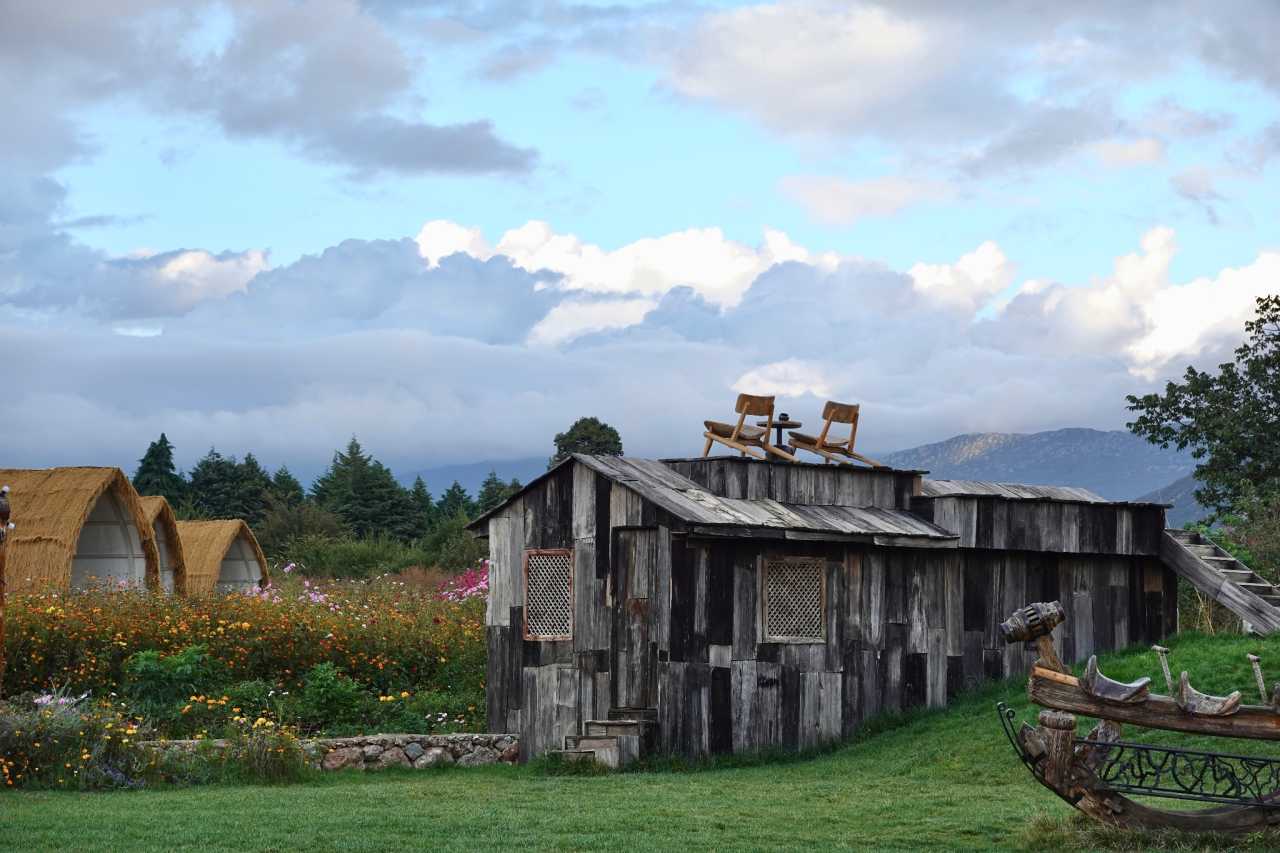
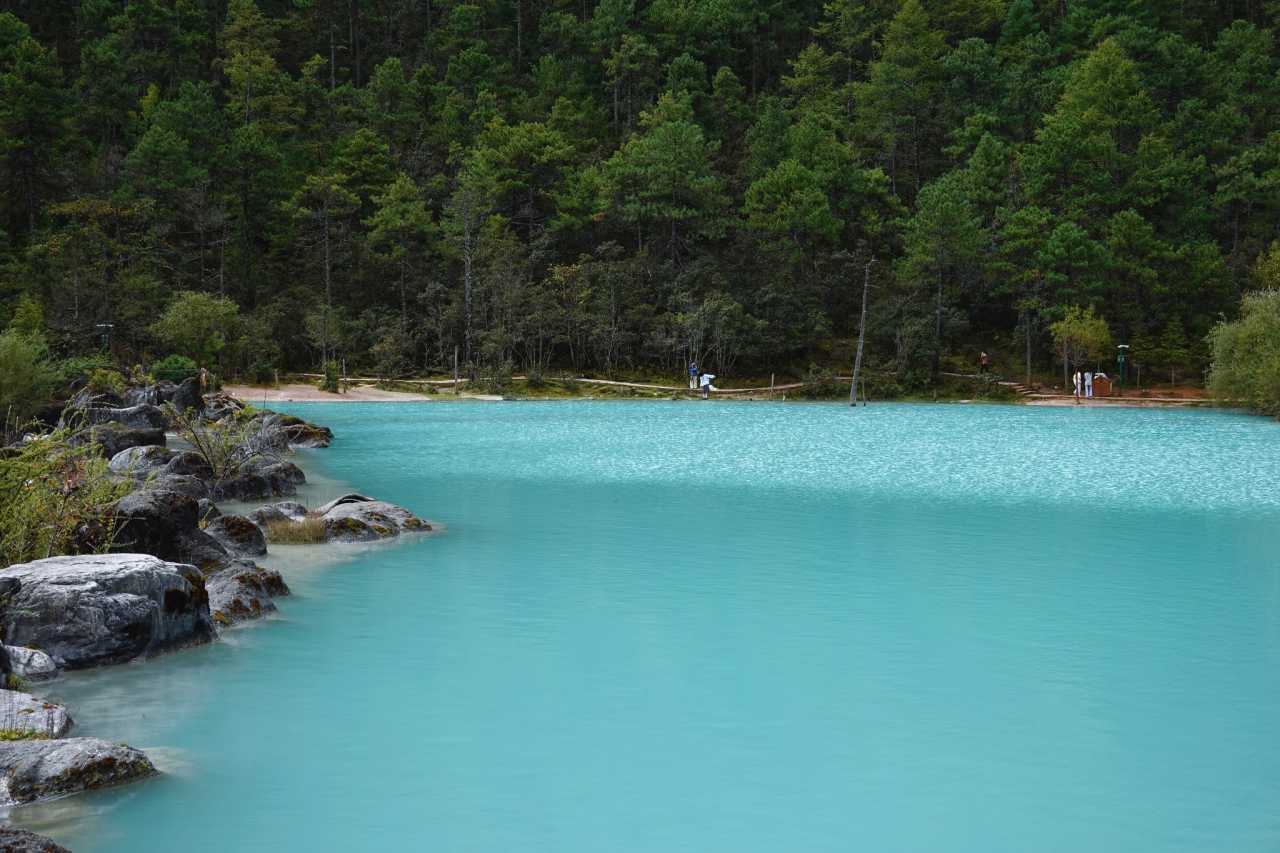
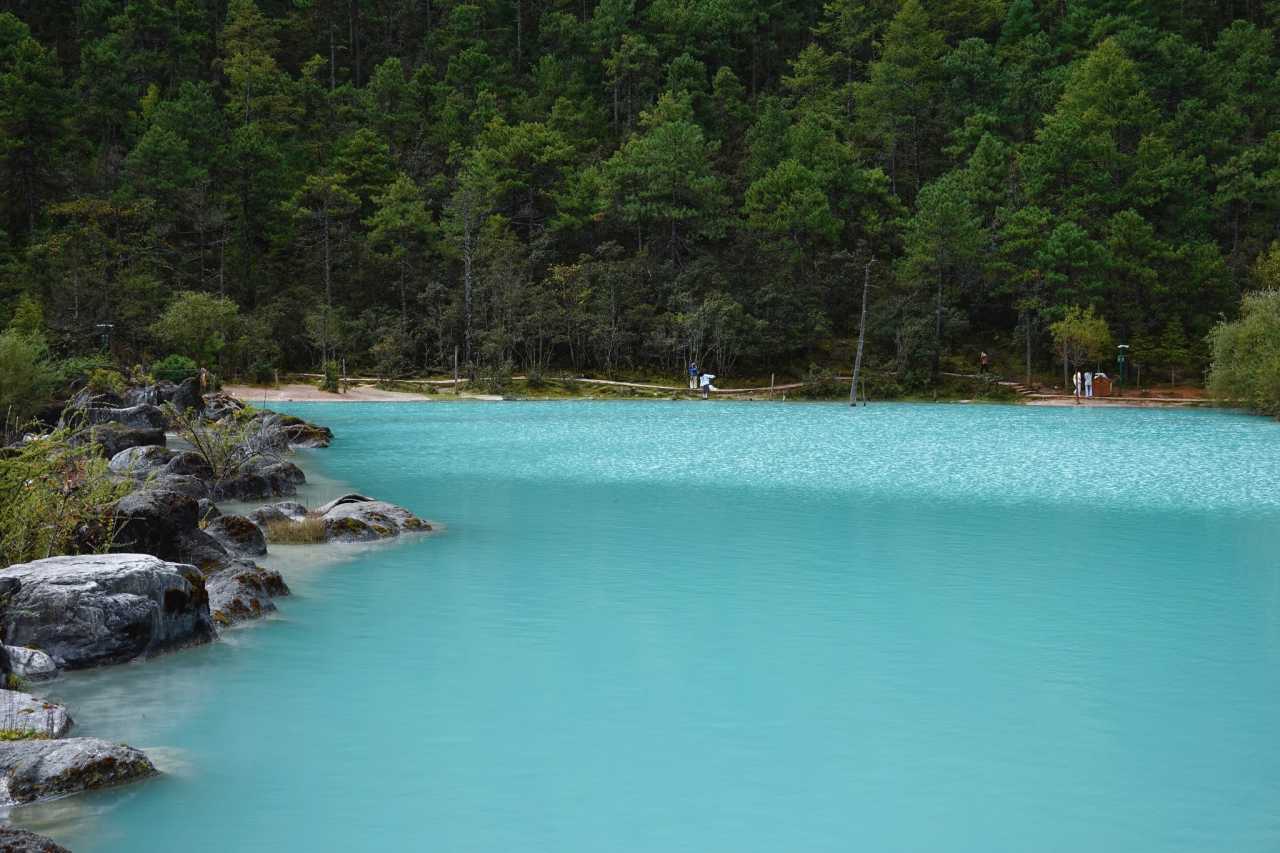
But Jade Dragon Snow Mountain's gifts don't end there. Hidden on its eastern slope, north of Ganhaizi, lies Blue Moon Valley—a灵动 (lively) poem bestowed by the mountain. Its predecessor is what locals know as "White Water River," named for its riverbed of white limestone, which gives the flowing water a silvery-white sheen. For millions of years, the melting snow and ice of Jade Dragon Snow Mountain have formed streams that cascade down cliffs and gather,沉淀 (settling) into this pristine land in the karst valley.
At noon, the thick fog dissipated, and Blue Moon Valley revealed its most beautiful form. The lake water was a deep, captivating blue, as if dyed with nature's purest pigment, like scattered sapphires beneath Jade Dragon Snow Mountain.
Afterward, we took the Yak Meadow cable car up the mountain. As the cable car slowly ascended, the scenery gradually unfolded—dense forests at first, then transforming into meadows as the altitude rose. Although the snow mountain was still hidden by thick fog, the winding wooden boardwalks across the meadow and the leisurely grazing yaks were already enough to lift our spirits.
Lugu Lake: Half in Sichuan, Half in Yunnan
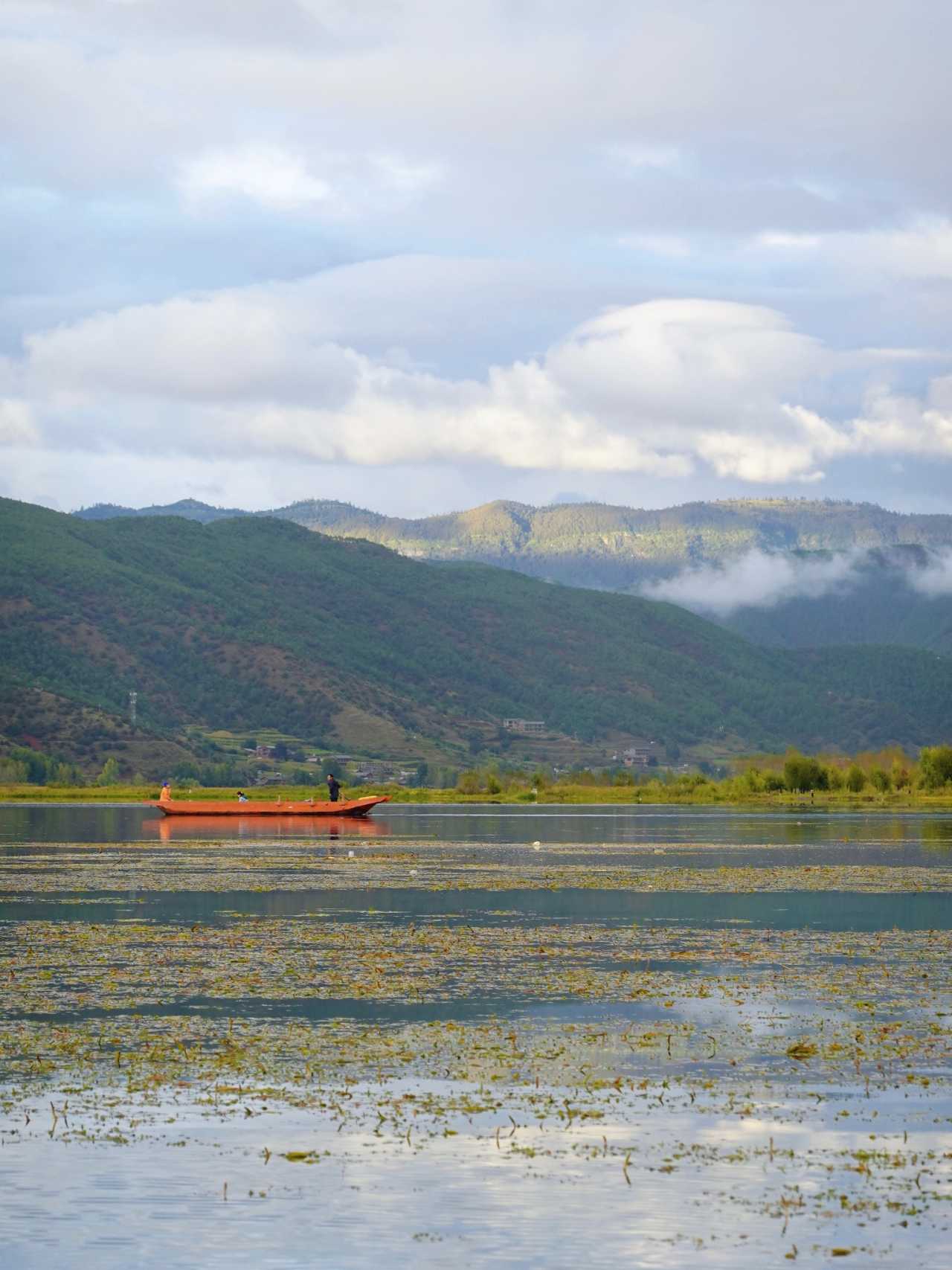
Lugu Lake lies at the border between Yanyuan County in Sichuan Province and Ninglang County in Yunnan Province, straddling the two provinces. It is China's third deepest freshwater lake and the highest-altitude lake in Yunnan. Like a brilliant sapphire, it is embedded within the towering mountains of the Hengduan Mountain Range, surrounded by peaks over 3,000 meters above sea level. This unique geography has created a sense of isolation and pristine tranquility.
Starting from Lijiang, the drive takes about 3.5 hours on the expressway. It's a long journey, but well worth the wait—the first glimpse of Lugu Lake through the hotel window made all the fatigue disappear.
We arrived in the afternoon, with not enough time for a full lake circuit. So we visited the Mosuo Museum recommended by our hotel. Tucked deep in the Daluoshui Village, the museum provides a detailed introduction to Mosuo history, customs, and culture. After the museum, it was the perfect time to grab dinner in Daluoshui Village—everything was perfectly timed.
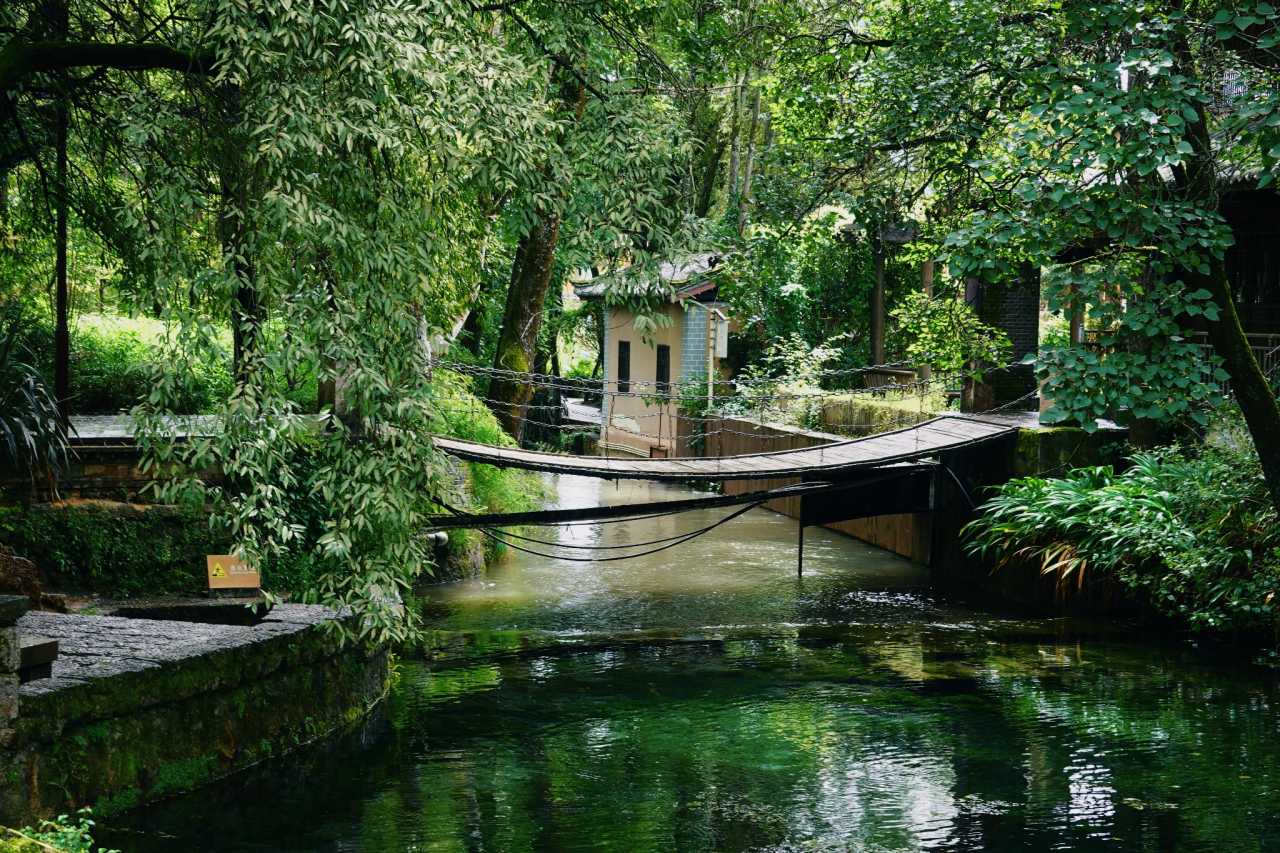
The full lake circuit is about 70 kilometers, passing through Lige Peninsula, Nisai Village, Dazui Village, and Caohai (Grass Sea), among other spots. Unfortunately, the weather on our circuit day was terrible—a steady drizzle all day long. The brilliant blue of the previous day was gone, and we could only appreciate the scenery during brief moments when the clouds parted.
October marks the end of the season for water lilies (literally "watery flowers with a feminine nature"). Locals explained that these flowers bloom in the morning and wither by evening—a somewhat poignant description.
Caohai, located on the southeast shore of Lugu Lake, is a wetland area of about 1.5万亩 (10,000 mu, roughly 2,470 acres), covered in dense reeds, creating a spectacular view. The "Walking Marriage Bridge" spans Caohai and is the必经之路 (must-pass route) for Mosuo people practicing their walking marriage tradition. The bridge is over 300 meters long, made of wooden planks, simple yet充满 (full of) romantic atmosphere. Standing on the bridge, you can enjoy the beauty of Caohai and feel the Mosuo walking marriage culture. The plump cows and sheep grazing in Caohai were especially eye-catching.
On an overcast day, Lugu Lake takes on an ink-wash painting quality. When the sun suddenly broke through for a moment, it became beautiful again.
Taking advantage of the clearing sky, we hurried to ride a "pig trough boat." These boats, named for their resemblance to wooden pig-feeding troughs, are called "Rigu" in the Naxi language. They have been the lifeline of Mosuo people on Lugu Lake for over a thousand years. With the weather so changeable, we just wanted to get on quickly before it rained again. We chose the nearest dock, "Langfang Pier," but the route was mediocre. Halfway through, we were even rowed into the reeds for photo opportunities. And then, after half an hour, it started raining again. So sad.
Shangri-La: The Closest Place to Heaven
The soul of Shangri-La lies in the symphony of snow mountains and grasslands, where every inch of land flows with the majestic poetry of heaven and earth. This is a borderland秘境 (hidden realm) where Yunnan, Sichuan, and Tibet meet. In Tibetan, Shangri-La means "the sun and moon in the heart." Snow-capped mountains stretch across the horizon like silver barriers, and grasslands spread like green carpets toward the clouds, creating the most moving silhouette of the high plateau.
Starting from Lugu Lake, the drive takes about 5 hours on the expressway—a long journey, but worth it.
Dukezong Ancient Town: City of Moonlight
Dukezong Ancient Town is the oldest ancient town in Shangri-La. Its Tibetan name means "City of Moonlight." It echoes with the nearby "City of Sunlight," Songzanlin Monastery, together forming the cultural core of Shangri-La.
But honestly, if you're a famous tourist destination, can you please manage the traffic a bit better? Various cars, small trucks, electric scooters, and bicycles weave through the ancient town, forcing you to constantly dodge while walking. Especially since it was raining that day, we kept getting splashed—the experience was severely diminished.
Guishan Park is the highest point of the ancient town, home to the world's largest prayer wheel. This prayer wheel is 21 meters high and weighs 60 tons. Its body is engraved with Tibetan scriptures and intricate patterns. It takes more than a dozen people working together to turn it.
Pudacuo National Park: Nature's Gift
Pudacuo is China's first nature reserve established under the national park concept and an important part of the "Three Parallel Rivers" World Natural Heritage site. The scenic area consists of Shudu Lake, Bita Lake, and Xiaji Nature Reserve. You can get off at each scenic spot on the sightseeing bus, but you must complete the entire徒步 (hiking) route within the scenic area to exit at the final stop.
We chose to get off at Shudu Lake and completed the full 3.5-kilometer hike. I strongly recommend walking the entire route—a 3-kilometer wooden boardwalk runs along the lake, allowing you to experience up close the clarity of the water, the tranquility of the forest, and the vastness of the meadows. The shores of Shudu Lake are surrounded by expansive grasslands, lush and green, with herds of yaks and red deer leisurely grazing. Occasionally, squirrels dart through the trees, and birds play on the lake's surface—full of life and vitality.
Although it was the tail end of mushroom season, if you have an eye for beauty, you can still find some "little elves" deep in the forest.
Songzanlin Monastery: Little Potala Palace
Ganden Songzanlin Monastery is located in the northern suburbs of Jiantang Town, Shangri-La City. It is the largest Tibetan Buddhist monastery in Yunnan Province, known as the "Little Potala Palace." The 330,000-square-meter complex rises layer upon layer along the mountainside, with sturdy walls and five gates guarding it, resembling a highland fortress. Its layout holds hidden significance: the two main halls, Zhacang and Jikang, sit at the highest point, symbolizing the supremacy of Buddhism; eight Kangcan (monastic colleges) surround them like eight lotus petals, each governing a different教区 (religious district); hundreds of monk quarters and living Buddha residences are arranged in a layered hierarchy, forming a distinct religious community space.
Avoidance Tips: - The official mini-program charges 90 yuan, which includes a shuttle from the visitor center to the monastery (unnecessary—you can drive all the way to the foot of the monastery, but the official information conveniently ignores this parking lot) - Buy tickets offline—only 55 yuan. Navigate to "Taiheng One Chicken," drive straight ahead, you'll see the ticket checkpoint. After checking in and parking, you'll be right at the foot of Songzanlin Monastery. - Do your homework before going, or you'll be ripped off.
The front of Songzanlin Monastery can be crowded. Try visiting the back, or head to the Songtsam Linka Hotel. The hotel's BA Bakery has Yunnan-exclusive items—rose bagels and rose egg tarts, both delicious.
Tiger Leaping Gorge: Mountains Aren't Just in Textbooks
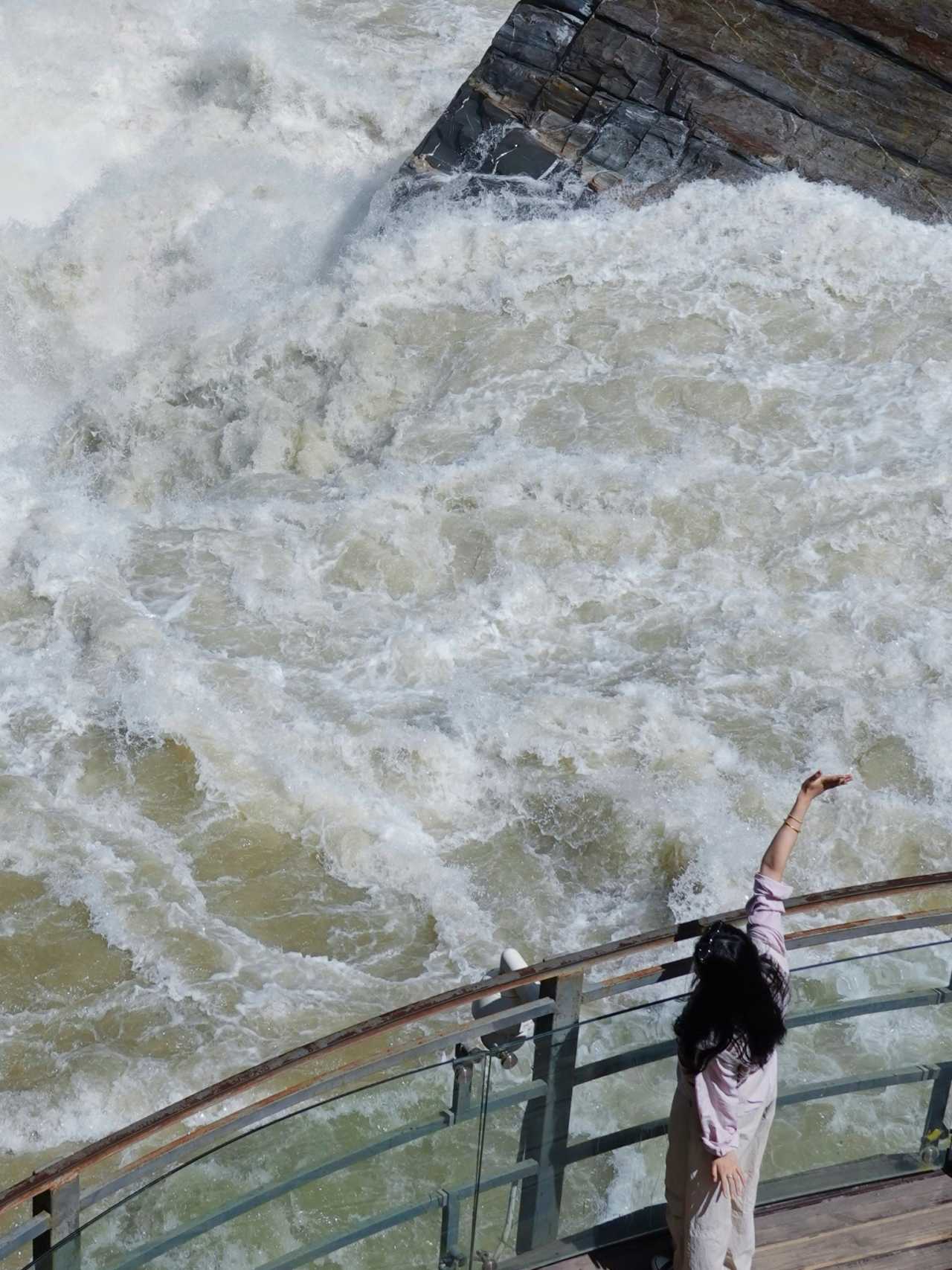
Tiger Leaping Gorge is located on the Jinsha River section between Jade Dragon Snow Mountain and Haba Snow Mountain. It takes about 2.5 hours to drive from Shangri-La to the gorge. Avoid departing from Lijiang on holidays—there will be massive traffic jams.
More Pitfall Avoidance: Same as Songzanlin Monastery—online tickets are still package deals. If you're driving, you'll first pass Parking Lots 6-7 (important: do not stop here—they're extremely far from the entrance). Drive past the visitor center, get out to buy your entrance and parking tickets. After purchasing, follow the navigation to the scenic area—you can drive directly to the parking lot right in front of Tiger Leaping Gorge.
Once inside, there's a China National Geographic photo frame set against the green mountains and clear waters—absolutely stunning. Tiger Leaping Gorge has a certain altitude. You can choose to walk the stairs up and down, or take the elevator. We bought elevator tickets—70 yuan per person round trip, very friendly for low-energy people.
Eating and Drinking in Yunnan: A Taste of Colorful Yunnan
Shanxun Yunxiang — Our first ceremonial meal in Yunnan. This self-proclaimed "Yunnan-style omakase" restaurant is hidden deep in Baisha Ancient Town. The owner is a former head chef at the Songtsam Hotel chain, who later opened this restaurant with his wife, vowing to visit 100 villages in Yunnan to source ingredients. Even though we arrived at the tail end of mushroom season, we still saw many fungi we'd never encountered before: milk-cap mushrooms, porcini, matsutake, morels, and chicken-fat mushrooms... plus the infamous "see-hand-green" (a toxic mushroom that causes hallucinations when undercooked). This is a restaurant I'd definitely visit again on my next trip.
Cao Ji Freshness First — A hidden gem restaurant in Lugu Lake. Traditional Yunnan fire pit dining. We ordered chicken, half used for grilling and half for matsutake chicken soup. The grilled chicken was a bit tough, but the soup was divine—so fresh it made your eyebrows drop! The clay pot rice was amazing—my husband finished an entire pot by himself.
Another Lugu Lake restaurant—Mosuo Steam Pot Fish —didn't quite suit our taste. The mushroom flavor was too strong, overpowering the fish. However, the Mosuo flatbread was super delicious. Overall, the restaurants in Lugu Lake are fairly honest.
Cats and Dogs of Yunnan: Healing Little Darlings
Yunnan gave me the feeling that cats are everywhere and every household has a dog. Almost every guesthouse we stayed at had a dog. We met a resilient little dog at Caohai in Lugu Lake that tugged at our heartstrings. Below are all the little darlings from one guesthouse—the owner must be so happy!
Epilogue: Don't Wait for the Wind, Chase It
I had longed for this Yunnan trip for a long time. Overall impression: the environment is comfortable, but the tourist traps require careful research to avoid.
Self-driving is undoubtedly the most convenient mode of transportation. Note: if it rains, avoid mountain roads. We heard several reports of landslides on the mountain road between Lijiang and Lugu Lake. Expressways may be longer, but safety comes first.
Finally, let's end this trip with a non-standard thangka painting.
Don't wait for the wind—chase it. Yunnan's beauty is worth measuring with your footsteps and feeling with your heart. The romance of wind, flowers, snow, and moon, and the warmth of everyday life, are all waiting for you there.
Practical Tips Summary
- Self-driving is most convenient, but avoid mountain roads in rainy weather
- Songzanlin Monastery: Buy tickets offline for 55 yuan; navigate to "Taiheng One Chicken"
- Tiger Leaping Gorge: Don't stop at Parking Lots 6-7; drive to the entrance and buy tickets there
- Three ancient towns ranking: Shuhe > Baisha > Dayan
- Lugu Lake: The lake circuit is about 70 km; plan for at least a full day
- Mushroom season: Best from July to September; October is the tail end
- Altitude sickness: Shangri-La is at high elevation; rest well and avoid strenuous activity
You should also read:
Escaping Nanning, Falling Under Lijiang's Spell: Our Four-Person, Ten-Day Yunnan Dream
Escaping Nanning, Falling Under Lijiang's Spell: Our Four-Person, Ten-Day Yunnan Dream Before We Set Off: No Pain, No Obsession Have you ever had that impulse—suddenly tired of the office fluorescent lights, the crush of the subway, the endless parade of identical takeout boxes, and just…
Continue reading...
Solo in Yunnan: A Wanderer’s Guide to the Land of Eternal Spring
Solo in Yunnan: A Wanderer’s Guide to the Land of Eternal Spring There’s something magical about traveling alone. No compromises, no schedules to keep, no one to please but yourself. I’ve been on the road for nearly three months now, and not once have I…
Continue reading...
God’s Abandoned Palette: A Self-Drive Journey Through Yunnan’s Dongchuan Red Land
God’s Abandoned Palette: A Self-Drive Journey Through Yunnan’s Dongchuan Red Land Travel has never been about reaching some distant geographic coordinate. It’s about encountering, along the way, the version of yourself buried beneath the rubble of daily routine. During this May Day holiday, I finally…
Continue reading...