8,000 Miles of Clouds and Moon: Heading Southwest, Surprises at Every Stop (Guizhou & Yunnan Chapter)
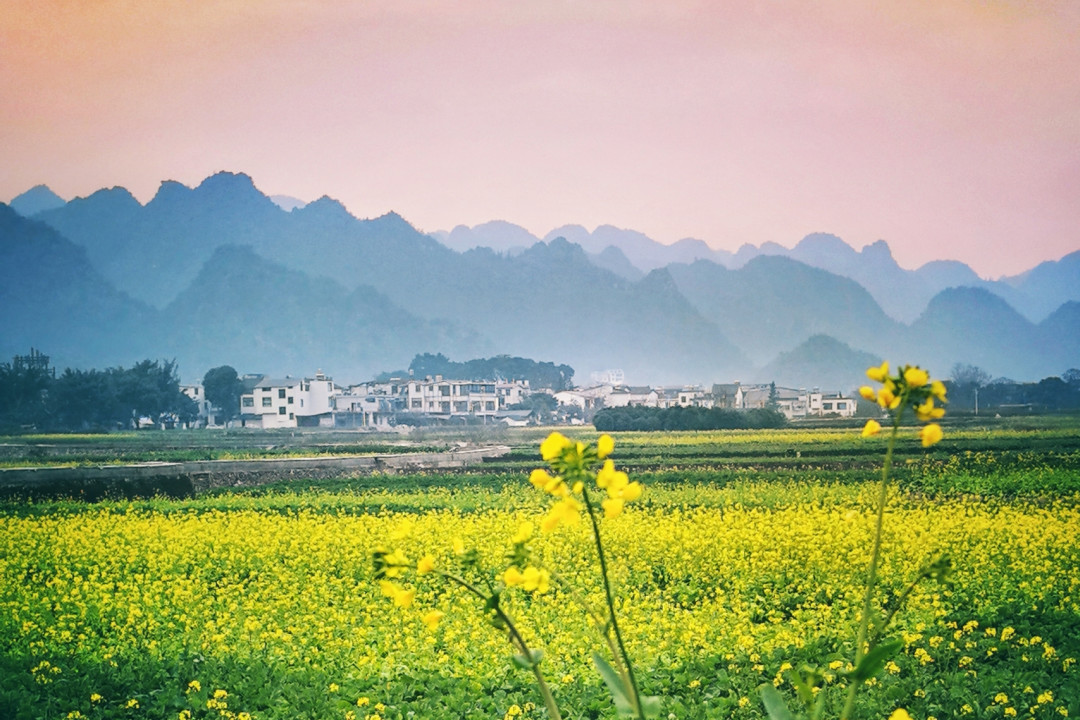
8,000 Miles of Clouds and Moon: Heading Southwest, Surprises at Every Stop (Guizhou & Yunnan Chapter)
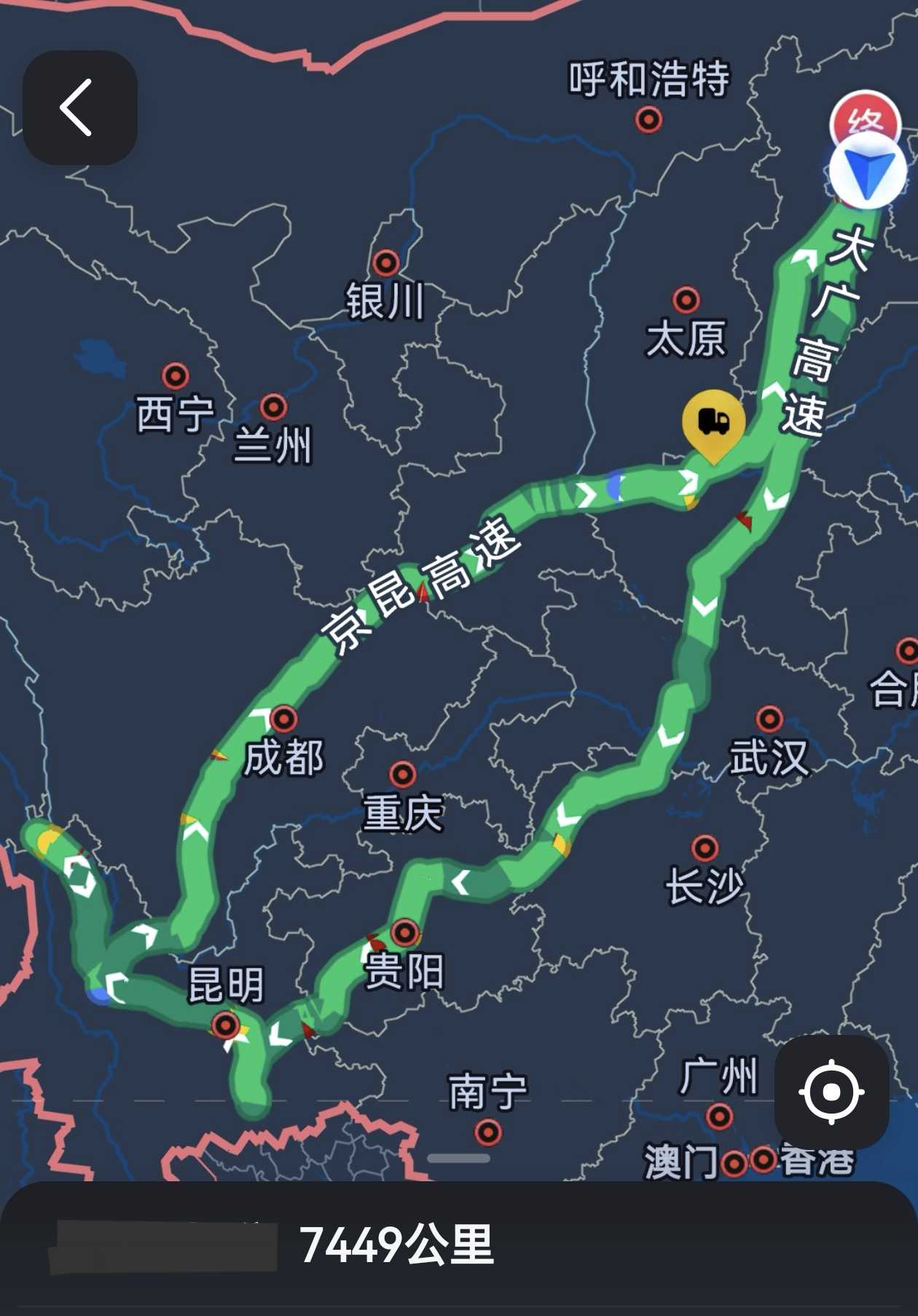
At the start of winter break, while the northern lands were still wrapped in biting cold winds, I had already packed my bags and set off on a journey southward in search of spring. Departing from Beijing West Railway Station, the high-speed train shot forward like an arrow, reaching Zhengzhou East Station in just 2 hours and 18 minutes. The speed and comfort of modern transportation make a thousand miles feel within arm's reach. At the P3 parking lot of Zhengzhou East Station, we boarded a NIO electric car and headed southwest, embarking on this 25-day, off-peak road trip covering over 8,000 kilometers.
This was a journey full of the unknown and surprises: we traversed perilous zigzag mountain roads on cliffs, witnessed the breathtaking sight of sunlight gilding snow-capped peaks; crossed National Highway 214 where rocks tumbled down, and gazed at the dazzling brilliance of the salt fields in Yanjing. By day, we wandered among the towering peaks of Zhangjiajie; by night, we roamed the lantern-lit streets of Phoenix Ancient Town. We explored history in museums and touched the past amid ancient city ruins. This chapter continues the story of our spectacular journey from Guizhou to Yunnan.
Stop 5: Zunyi — A City of Warmth, a Revolutionary Shrine
January 19, 2025, Day Five of the Trip
According to plan, today required a six-and-a-half-hour drive, with a detour to visit the Zunyi Conference Site for a study tour, and an overnight stay in the center of Anshun. Accounting for battery swapping and sightseeing, the schedule was quite tight.
After breakfast, we set out from Phoenix Ancient City and soon entered Guizhou Province. However, near Guiyang, we were pulled over by traffic police and forced to take a detour along a national highway, losing a full hour. We finally arrived in downtown Zunyi at exactly 3:00 PM.
Parking Strategy: A City Maze
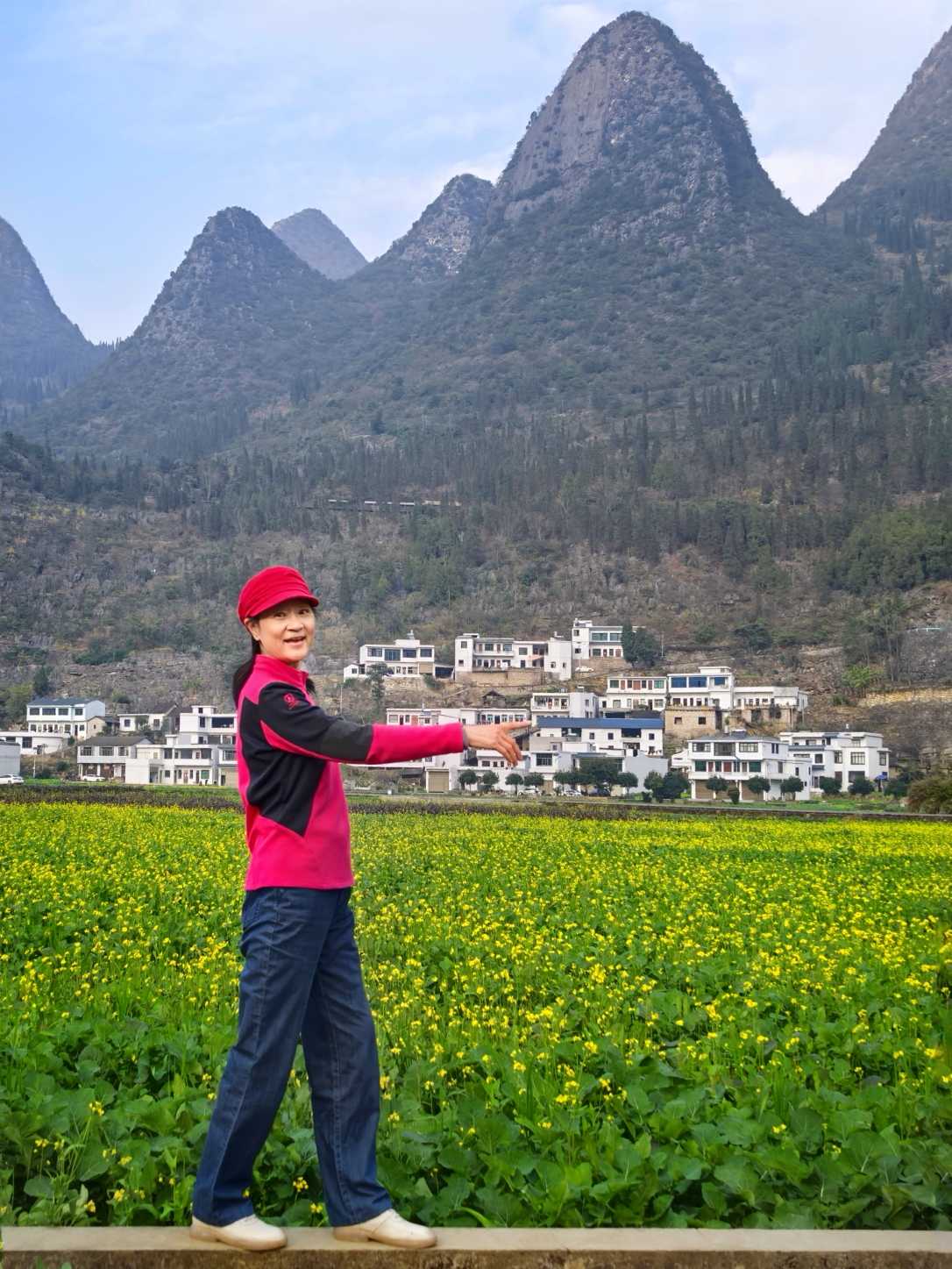
Zunyi's climate was warm as spring, with blue skies and white clouds. The city center was bustling with people and heavy traffic — it turned out to be a Sunday. We navigated to the "Zunyi Conference Site," only to be blocked at the entrance to a pedestrian street. Although the site was just a few steps away, there was nowhere to park. We reset the navigation to "Zunyi Conference Site Parking Lot," but it directed us to circle several kilometers away. In the city center, you must follow the GPS guidance; otherwise, a traffic violation means a fine.
Even more frustrating, the conference site's parking lot was underground, with an entrance on the left that had a very low sign. Driving in the middle lane, it was almost invisible, and the navigation gave no voice prompt. By the time we spotted it with our own eyes, we couldn't merge into the left lane. We had no choice but to continue with the traffic. Fortunately, we soon spotted two paid parking lots on the right. We pulled into the Parkson/Walmart parking lot, parked, took the elevator to street level, and walked about 10 minutes along the south side of Memorial Square to reach the Zunyi Conference Site.
Stepping into History: The Zunyi Conference Site
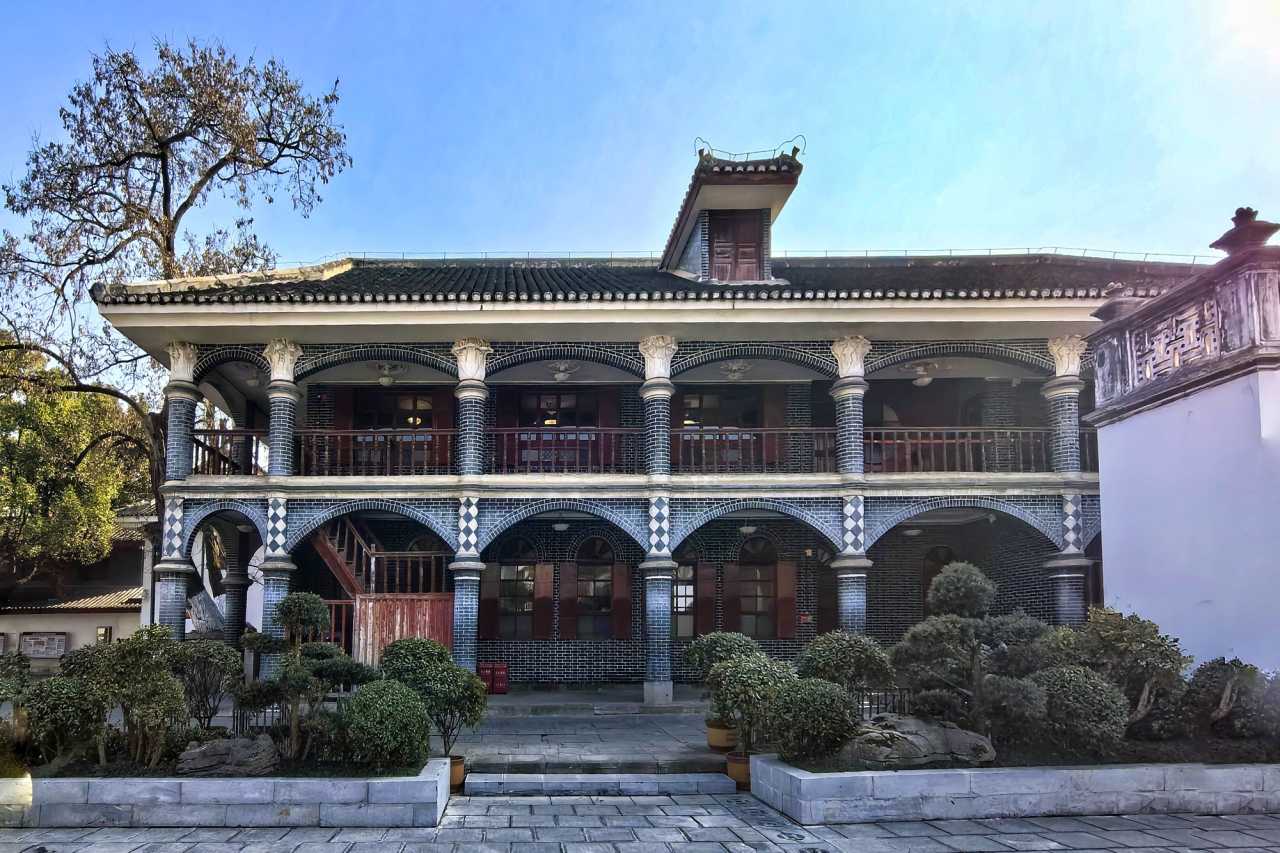
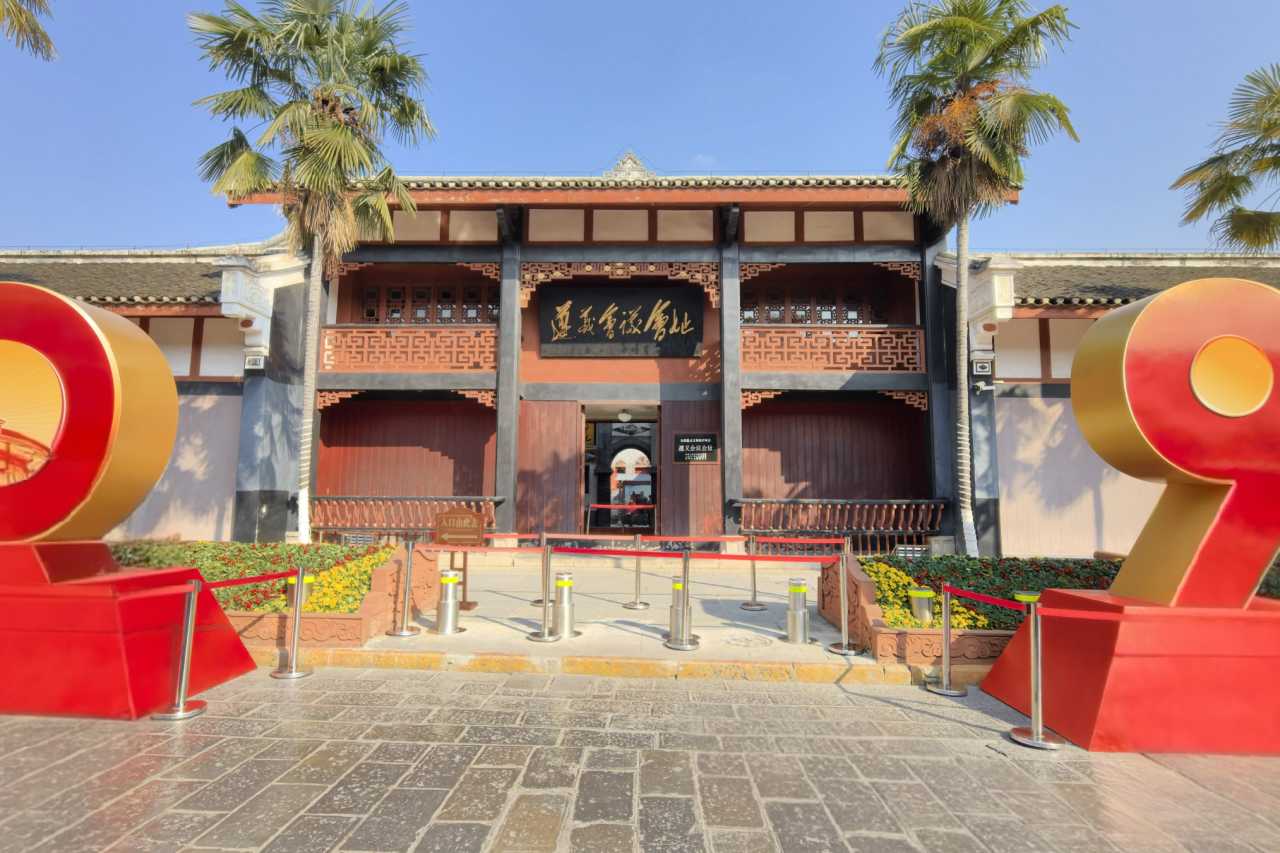
The Zunyi Conference Site was originally the private residence of Bai Huizhang, commander of the 2nd Division of the 25th Army of the Guizhou clique, built in the early 1930s. On March 4, 1961, it was listed by the State Council as one of the first batch of Major Historical and Cultural Sites Protected at the National Level. In December 1983, the National Cultural Heritage Administration approved the inclusion of the former residences of Mao Zedong, Zhang Wentian, and Wang Jiaxiang, as well as the "Red Army General Political Department Site," into the protection scope.
Due to time constraints, we only visited the main building of the site in detail. The original main entrance is a popular spot for tourists to take photos, and a friendly female police officer at the door was very热心 (enthusiastic) about helping visitors with their pictures. On the first floor, the central rooms were the living quarters of Peng Dehuai and Yang Shangkun, and the cryptography office was also open to the public. The second floor housed the meeting room and the living quarters of several key leaders, but visitors are prohibited from going upstairs due to文物保护 (cultural relic preservation).
The Exhibition Hall: An Immersive Historical Experience
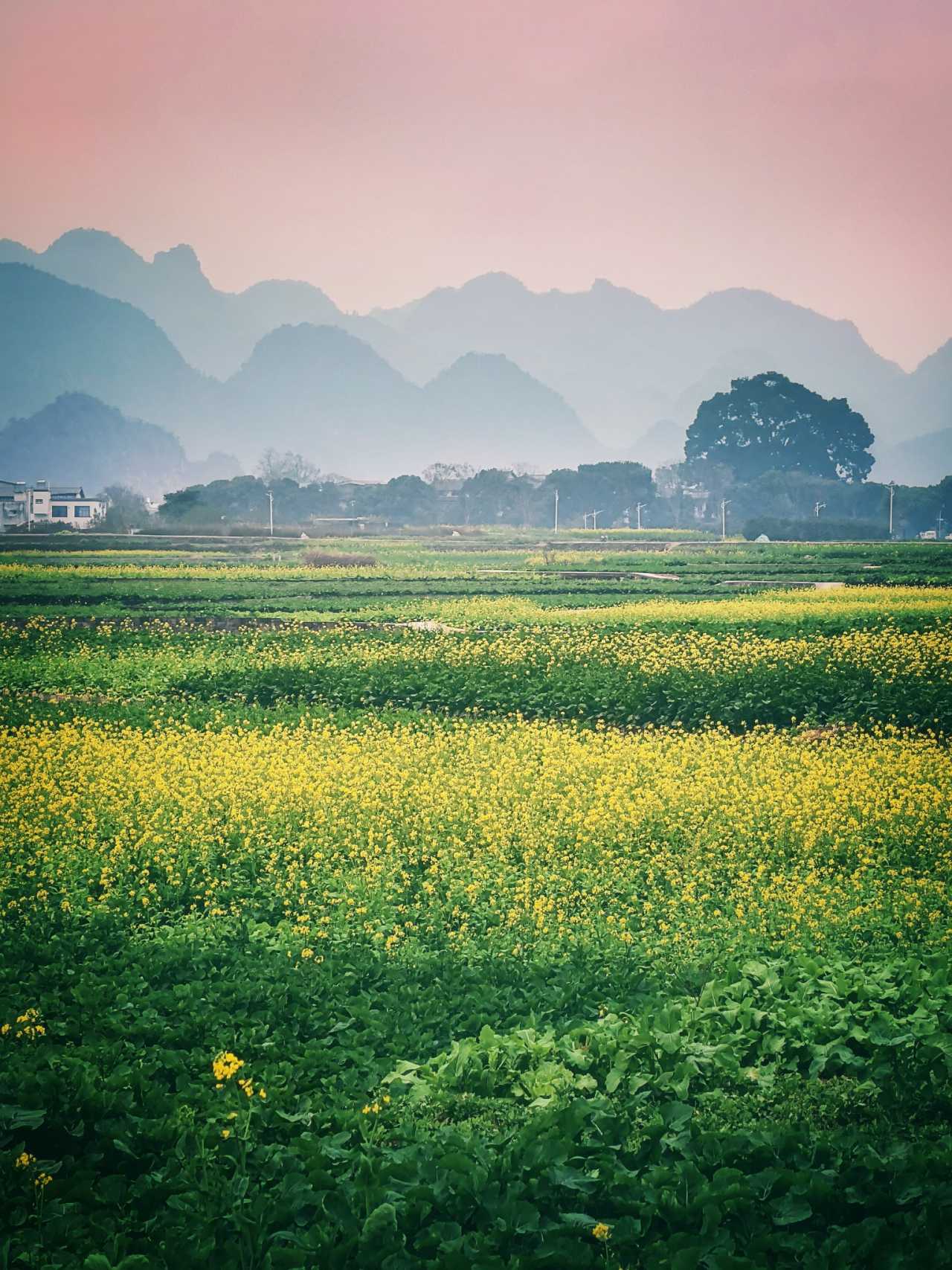
To the north of the conference site, a grand-scale Zunyi Conference Exhibition Hall has been newly built. This is a modern two-story building designed to resemble the residential architecture of the 1930s. The exhibition content is structured around the Long March, divided into five sections: "Strategic Shift, Beginning the Long March," "The Zunyi Conference, a Great Turn," "Campaigning in Guizhou, Winning by Surprise," "Forging Ahead, Marching to Victory," and "The Zunyi Conference, Eternal Glory." The hall uses various media, including oil paintings, sculptures, display panels, and video, combined with advanced technologies such as 3D life-size projections, multimedia dioramas, and electronic touch-screen books, to immerse visitors in the scenes of that era. The exhibition hall displays 1,551 pieces of artifacts and materials, of which 726 are original objects.
After the visit, we hurriedly left Zunyi and drove towards our destination for the day: Anshun.
Stop 6: Anshun — Missed Scenery, Gained Warmth
A Regrettable Stopover
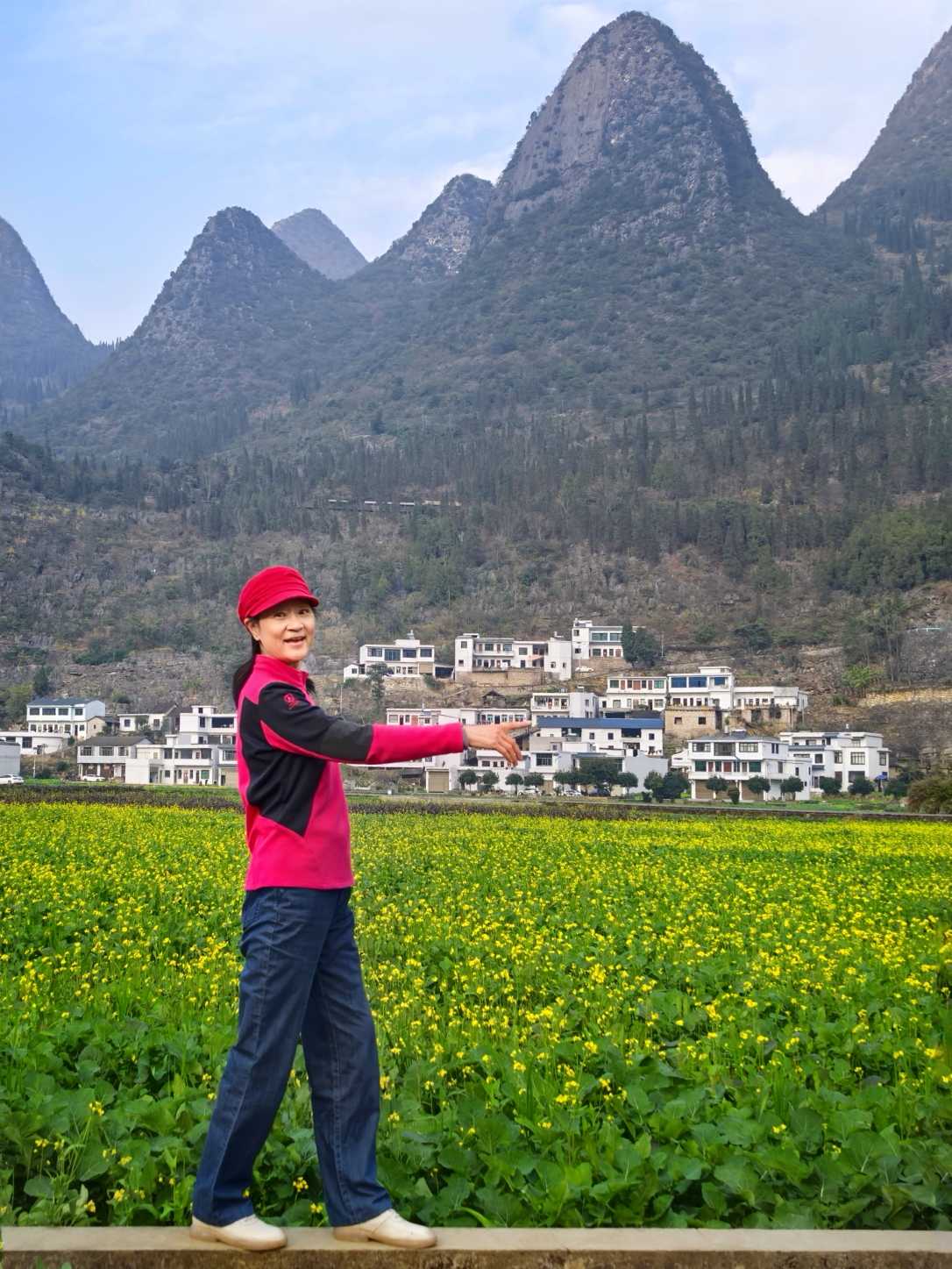
Anshun was a transit point on our trip. It boasts famous attractions such as Huangguoshu Waterfall, Xijiang Qianhu Miao Village, and the Getu River Scenic Area in Ziyun. The Longgong (Dragon Palace) Scenic Area, Jiuzhou Ancient Town, and Yunfeng Tunpu are all within the Xixiu District where we stayed. Since we had all been to Huangguoshu before, we gave up on sightseeing in Anshun. Looking back, it's a bit regrettable — especially missing the three attractions in Xixiu District, particularly the 5A-rated Longgong Scenic Area.
Human Warmth
After nightfall, we checked into a homestay in Cuilu Building, located in the Xixiu District, the seat of the city government in downtown Anshun. When we went out to find dinner, we happened to meet a middle-aged man in the elevator. We casually asked him for a good place to eat, and he enthusiastically pointed us towards the Guomao Shopping Center. Seeing our confused expressions, he proactively offered us a ride in his car, dropping us off right at our destination, and even gave detailed directions for a shortcut back on foot.
Although the distance was less than a kilometer, it deeply impressed upon us the warmth and hospitality of the people of Guizhou — their noble quality of being helpful and willing to lend a hand, like a modern-day Lei Feng! The pre-Spring Festival period in Hunan and Guizhou provinces is the coldest time of the year. While you don't need the thick down jackets of the north, a thin down jacket still leaves you feeling a bit chilly. However, the human kindness we encountered here made us feel the warmth of Guizhou.
Stop 7: Xingyi — Five Years of Transformation, Blooming Peaks

Setting out from Anshun and driving southwest on the expressway for about two and a half hours, we arrived near the Jinzhou Bridge. This bridge is a new structure spanning the Malinghe Gorge on the Xingyi Ring Expressway, connecting Wanfenglin Avenue and Dongfenglin Avenue. When I visited Malinghe Gorge in 2019, this bridge was nowhere to be seen. Now, it spans the gorge like a rainbow, an imposing giant in the landscape. It's a microcosm of the tremendous changes Xingyi has undergone in five years.
Malinghe Bridge: The Spectacle of Three Bridges Standing Together
Within the Malinghe Gorge Scenic Area, the Jinzhou Bridge is the third bridge to cross the gorge. The first is a regular highway bridge on National Highway 324, which handles heavy traffic and connects to the Malinghe Gorge scenic area and directly to downtown Xingyi. The key feature is that you can see the "Ten Thousand Horses Galloping" waterfall cluster from the pedestrian walkway on this bridge — even visitors who don't want to enter the scenic area can get a great view. The second is the Malinghe Bridge on the Shantou-Kunming Expressway. Now, with a single glance, you can see the magnificent sight of three bridges standing side-by-side.
Malinghe Waterfall: A Crack in the Earth
Malinghe Gorge, located in Xingyi City, Guizhou Province, is a deep fissure created by intense orogenic movements. Within the gorge, numerous waterfalls cascade down, emerald bamboo hangs from the cliffs, and ancient trees dot the banks. On the cliff walls on either side, numerous waterfalls over a hundred meters high plunge into the deep valley. The average width and depth of the gorge are between 200 and 400 meters, but at its narrowest, it's only 50 meters, and at its deepest, it reaches 500 meters — such narrowness combined with such depth is truly rare. The waterfall water, rich in calcium carbonate, has nurtured large-scale, majestic travertine (calcified) waterfall clusters on the gorge walls, forming one of the unique features of Malinghe Gorge.
Practical Tips: - Overlooking Photo Spot: Continue past the North Gate of the scenic area to the bridge on National Highway 324. - Best Tour Route: Enter through the North Gate and exit through the South Gate (take the elevator to save energy), focusing on the "Ten Thousand Horses Galloping" waterfall. - South Gate of the Scenic Area: An elevator is available to reduce the 70-meter vertical climb. - Public Transport: Take bus route 4 from the city post office building to the scenic area directly.
This visit coincided with the pre-Spring Festival off-season. The North parking lot was closed, and even the South Gate lot, the only one open, had few cars. During the off-season, there are many ticket discount policies. Besides those who are exempted by national regulations, many people qualify for half-price tickets based on their profession or region of origin. The ticket sellers and inspectors would warmly remind visitors to bring an umbrella or raincoat.
Since my last visit was in September during the peak water season, with abundant waterfall flow and clear weather, I had already seen the Malinghe Gorge at its most beautiful. This time, although I was exempt from the ticket fee, I didn't enter the scenic area to save my legs. Instead, I rested and wandered near the parking lot, chatting with the enthusiastic ticket inspector about the Jinzhou Bridge and the discount policies.
Xingyi Wanfenglin (Ten Thousand Peaks Forest): The Awe of a Global Geopark
A 20-minute drive from the Malinghe scenic area brought us to the Wanfenglin scenic area — more precisely, the most exquisite part, the West Peak Forest area, which boasts stunning landscapes combining various karst peak clusters with rural fields and villages.
Introduction to the West Peak Forest
In just a few years, the entire Wanfenglin scenic area has undergone tremendous changes. In March 2024, the Xingyi National Geopark, with Wanfenglin at its core, was awarded the title of Global Geopark. In December 2024, the Wanfenglin scenic area was rated as a national 5A-level tourist attraction. Infrastructure has been significantly improved: a scenic vehicle boulevard has been built, widened, and upgraded through the fields, with adjacent cycling and hiking paths. Many small parking lots and viewing platforms have been added near attractions and villages, greatly enhancing the experience for self-driving tourists.
There are usually two routes for touring Wanfenglin (West Peak Forest): - Lower Route (Valley Floor): Free for visitors. You can drive your own car, rent a bike, or take a bus into the scenic area, stopping at each village and site. Main attractions include General Peak, Bronze Drum Square, Moon Village, Bagua (Eight Trigram) Field, Arhat Peak Forest, Na Hui River, and Wanfo Temple. - Upper Route (Mountain Ridge): Opened by the tourism company on the eastern hillside of the West Peak Forest. You need to buy a sightseeing bus ticket. From a high vantage point, you get a bird's-eye view of the villages below and the uniquely shaped karst peaks in the distance. The bus then loops back through the fields below. The driver doubles as a guide, stopping at each point for explanation — well worth the experience!
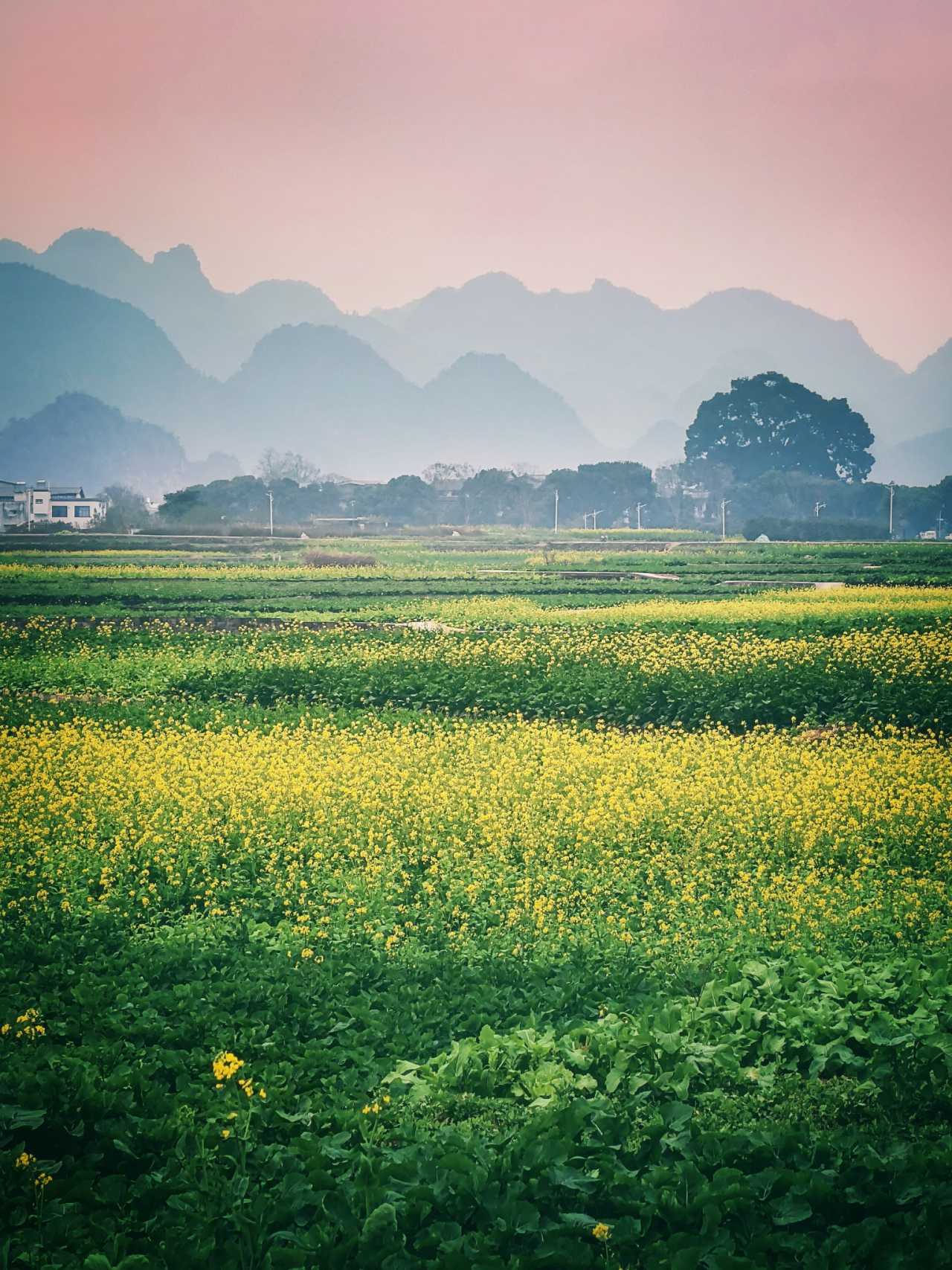
Best Season: Wanfenglin is suitable for visiting year-round, but the most beautiful seasons are spring and autumn. In spring (about one to two months before and after the Spring Festival), rapeseed flowers bloom in competition, creating golden fields against green peaks — the most beautiful time of the year. In autumn (about a month before and after September), the rice ripens, displaying a colorful mix of yellow and green with strong contrasts.
We chose to come here just before the Spring Festival for two reasons: fewer tourists during the off-season, and the rapeseed flowers were partially in bloom, already unveiling the curtain on the most beautiful spring scenery of Wanfenglin. The weather was also exceptionally cooperative — as we drove into the Wanfenglin area, the clouds that had covered the sky all day began to crack, and shafts of sunlight pierced through the thin clouds, pouring down. The previously gray and flat landscape instantly became three-dimensional, and the colors of the earth became saturated.
General Peak and Stars Surrounding the Moon
Entering the Wanfenglin scenic area, amidst a cluster of peaks, stands an isolated white limestone rock formation, resembling a general clad in armor — this is General Peak (Jiangjun Feng). As a poem describes it: "Peaks stand tall, piercing the clouds; a jade belt winds, guarding the fields; sincere and benevolent, suppressing evil; unwilling to stay in fairy palaces, residing among mortals."
The "Stars Surrounding the Moon" (Zhongxing Pengyue) attraction presents a classic Arhat Peak Forest, with numerous peaks encircling a single solitary peak, like stars holding up the moon.
Splendid Fields and the Bagua (Eight Trigram) Field
Towering, solitary peaks form forests and clusters. Beneath the peaks lie fields of different colors and farmhouses of gray and white, together composing a landscape painting of splendid fields. The Bagua Field consists of concentric rings of farmland developed around a karst sinkhole (doline). The sinkhole is over ten meters in diameter, and its bottom connects to the Nahui River's underground channel, serving as the main drainage and flood discharge passage during the rainy season. Local villagers cultivated the land following the terrain, creating a pastoral landscape shaped like the Eight Trigrams.
The 66 Smooth Peaks (Liu Liu Da Shun Feng)
The 66 Smooth Peaks are a row of karst cone peaks aligned along the strike of steeply dipping rock layers, also known as the pyramids of Wanfenglin. From here, looking east, you can see a group of six pointed peaks. It's said that walking in front of these peaks brings smooth sailing (good luck) all the way!
The two sisters kept taking photos in the flower fields, while Teacher Zhao was on the phone — it turned out that two students from his hometown, Xingyi, wanted to invite him to dinner. Unable to refuse their sincere offer and deep teacher-student bond, they insisted on coming to the flower fields to pick us up.
Wanfu Village and Teacher-Student Friendship
Wanfu Village has large areas of rapeseed flowers that have just begun to bloom. In the middle of the rapeseed fields, there is a field shaped like the Chinese character "福" (fortune), formed by crops of different colors. This can only be seen from the paid mountain-top viewing platform.
After meeting the students, our two cars with five people left the scenic area and headed towards the city center. As the setting sun painted half the sky red, we arrived at the "Huang Xiaochuan Buyi Specialty Sour Bamboo Shoot Beef" restaurant. This is a dining street adjacent to the scenic area, and this restaurant was the most popular, packed with diners both inside and out, having already turned over tables many times.
I am a fan of light, mild food and am intimidated by the spiciness of Guizhou cuisine. Seeing the fiery scene, I went to a quieter shop next door and asked the owner to stir-fry a plate of eggs, tofu, and greens. The kind owner, who was in the middle of his own meal, put down his bowl and cooked a large plate of vegetables as I requested, charging me only ten yuan — yet another experience of the simple warmth and hospitality of Guizhou people.
Their dishes arrived at the table: a large pot of tomato and sour bamboo shoot hot pot base in the center, surrounded by various meats, vegetables, and dipping sauces. The main ingredients were two types of beef, plus beef tripe, tofu products, greens, pumpkin, and more. I tried a couple of bites; the flavor was indeed excellent, no wonder it was so crowded.
That night, we stayed in a homestay near Xingyi Airport Road. It was a three-bedroom, one-living-room, two-bathroom unit with excellent conditions. As the Spring Festival approached, people downstairs were setting off fireworks and firecrackers from time to time. I grabbed a couple of shots through the window from upstairs, adding to the festive atmosphere.
Xingyi Wanfeng Lake (Ten Thousand Peaks Lake): A Castle in an Ink-Wash Landscape
Wanfeng Lake, also known as Tianshengqiao Reservoir, is a freshwater lake formed after the construction of the Tianshengqiao high dam power station. It's located at the junction of Yunnan, Guizhou, and Guangxi provinces, about 28 kilometers south of Xingyi city. There are two attractions worth visiting by the lake: Hongchun Viewing Platform and Jilongbao (Gironde Castle).
Hongchun Viewing Platform
Navigate to "Wanfeng Lake Hongchun Diyi Jia" (Hongchun No. 1). Near the destination, there are two or three viewing spots like Hongchun Viewing Platform, offering unique scenery and free admission. Beneath thousands of peak clusters, a stretch of emerald water winds and twists like a green ribbon wrapped around the mountain's waist. A 25-minute boat ride from Hongchun Pier takes you to the Jilongbao Castle Pier.
Jilongbao (Gironde Castle): The Chinese-Style Neuschwanstein Castle
Jilongbao is relatively closer to the city center, about 25 kilometers away. A broad, smooth road leads to the castle. The parking lot is divided into upper and lower sections, both paid. After purchasing tickets and parking passes at the upper visitor center, you drive down to the lower parking lot.
Ticket Information: Full price is 60 yuan/adult, half-price is 30 yuan/person. This includes entry into the castle, the glass walkway, and lakeside hiking. Other activities like boat rides and zip-lining are charged separately. The three of us paid a total of 40 yuan (10 yuan for parking, one half-price ticket for 30 yuan, and two were free).
Amidst the Chinese-style ink-wash landscape of Wanfeng Lake in Xingyi, Guizhou, stands a fresh and elegant European Gothic castle — this is the Jilongbao Resort, hailed as the Chinese-style Neuschwanstein Castle. On calm, windless mornings, Wanfeng Lake can reflect a clear mirror image of Jilongbao.
The ecological lakeside trail features 12 viewing platforms, including 6 prime photography spots. Among them, "Wangfeng Tai" (Peak Viewing Platform) offers the chance to capture the sunset perfectly aligning with the castle spire during the spring equinox, and "Jinghu Jiao" (Mirror Lake Corner) is the best spot for photographing the castle's reflection in the early morning. Drone flights require registration at the visitor center.
The main castle building has six floors. Its interior design blends elements of medieval European castles with modern tourism functions. The basement level is a wine cellar display area, showcasing local Guizhou roxburgh rose wine, Maotai-town sauce-flavored liquor, and imported wines. The first-floor hall features exquisite Rococo-style decorations, with biblical scenes painted on the high dome. The second to fourth floors replicate the domestic living scenes of European noble castles.
Visitors can enjoy a 270-degree panoramic view of Wanfeng Lake from the outdoor balconies and the glass walkway. The top-floor observation deck is equipped with an imported German astronomical telescope, making it an ideal spot for astronomy enthusiasts to observe the night sky.
The best time to visit is from March to May and September to November, when a light mist often rises from the lake surface, making the castle appear and disappear in the clouds and fog. In spring, when mountain flowers bloom, the rhododendrons along the trails create a unique landscape with the karst peaks. In autumn, you can enjoy the colorful forest belts formed by liquidambar and Chinese tallow trees.
Stop 8: Luoping — Cold Mist over Nine Dragons, Green Flower Fields
Xingyi City in the Qianxinan Prefecture of Guizhou Province and Luoping County in Jingxi City (now part of Qujing), Yunnan Province, are like siblings, holding hands and standing back-to-back, nestled together in the embrace of the earth's mother — the world's largest karst landscape. Similar landforms, similar mountains and waters, yet offering different sights.
Departing from Jilongbao at Wanfeng Lake in Xingyi, Guizhou, and avoiding the expressway, you can reach the Jiulong Waterfall Scenic Area parking lot in less than an hour and a half. The two provinces and cities are truly very close!
Golden Rapeseed Flower Fields: The World's Largest Natural Garden
In Luoping, rapeseed is widely planted in fields as an oil crop. Its blooming period generally occurs from mid-to-late February to mid-to-late March after the Spring Festival. The safest time for peak bloom is from late February to early March. The biggest draw of Luoping, Yunnan, is the rapeseed flowers in February and March, carpeting the earth. Over 800,000 mu (about 53,000 hectares) of rapeseed fields are scattered among the peak forests, forming the world's largest rapeseed flower sea. In 2002, it was recognized by the Guinness World Records as the "World's Largest Natural Garden."
On this golden land, isolated karst peaks rise like islands or ships in a rolling golden sea. The concentric, terraced golden fields, sinking downwards, contrast beautifully with white houses and rounded peaks.
Pink Jiulong Waterfall: A Different Winter Scenery
We passed through Luoping a week before the Spring Festival, so there was no hope of seeing the rapeseed flowers in bloom. Therefore, we chose to visit the Jiulong Waterfall in Luoping. Today's weather was even foggier and colder than yesterday. A cool breeze blowing along the river channel in the scenic area made it feel quite chilly.
After arriving at the Jiulong Waterfall Scenic Area, one of our group chose to enter the park, while another opted to sleep in the car. I initially didn't want to enter due to the poor weather, but later I went to the visitor center to get a brochure and chatted briefly with the friendly young lady at the counter. I showed her photos from my previous visit to the scenic area. She mentioned that the mountain track car she used to take...
Conclusion: Heading Southwest, Surprises at Every Stop
From the historical depth of Zunyi to the human warmth of Anshun; from the gorge wonders of Malinghe to the peak forest paintings of Wanfenglin; from the fairy-tale castle of Jilongbao to the golden flower fields of Luoping — this journey heading southwest brought us different surprises and emotions at every stop.
8,000 kilometers of travel, 25 days of trekking. We traversed perilous cliff roads, witnessed sunlight gilding snowy peaks, crossed rock-strewn sections of highway, and gazed at the brilliance of salt fields. Every departure was an exploration, and every arrival was a reward. Guizhou and Yunnan, these two southwestern provinces, with their unique landscapes, warm people, and rich culture, added the most brilliant colors to our journey.
If you also yearn for a spontaneous trip, feel free to follow this route, heading southwest, to experience a journey full of surprises at every stop. Remember: the most beautiful scenery is always on the road.
You should also read:
Escaping Nanning, Falling Under Lijiang's Spell: Our Four-Person, Ten-Day Yunnan Dream
Escaping Nanning, Falling Under Lijiang's Spell: Our Four-Person, Ten-Day Yunnan Dream Before We Set Off: No Pain, No Obsession Have you ever had that impulse—suddenly tired of the office fluorescent lights, the crush of the subway, the endless parade of identical takeout boxes, and just…
Continue reading...
Solo in Yunnan: A Wanderer’s Guide to the Land of Eternal Spring
Solo in Yunnan: A Wanderer’s Guide to the Land of Eternal Spring There’s something magical about traveling alone. No compromises, no schedules to keep, no one to please but yourself. I’ve been on the road for nearly three months now, and not once have I…
Continue reading...
God’s Abandoned Palette: A Self-Drive Journey Through Yunnan’s Dongchuan Red Land
God’s Abandoned Palette: A Self-Drive Journey Through Yunnan’s Dongchuan Red Land Travel has never been about reaching some distant geographic coordinate. It’s about encountering, along the way, the version of yourself buried beneath the rubble of daily routine. During this May Day holiday, I finally…
Continue reading...