A 11-Day Summer Parent-Child Trip on the Lijiang-Shangri-La Route: ¥3,300 Per Person, A Spontaneous Journey of Snow Mountains and Grasslands
A 11-Day Summer Parent-Child Trip on the Lijiang-Shangri-La Route: ¥3,300 Per Person, A Spontaneous Journey of Snow Mountains and Grasslands
Preface: A Trip That Almost Didn't Happen
This was my third time setting foot in Yunnan. Originally planned as a trip for two families, my niece's remedial classes before high school nearly derailed the entire itinerary. But my child and I had built up such high expectations for this adventure—we'd already bought all kinds of travel gear, and if I'd canceled, my kid would probably have cried for three days straight. So I made a snap decision to adjust the plan: just the two of us, two backpacks, two suitcases, and off we went.
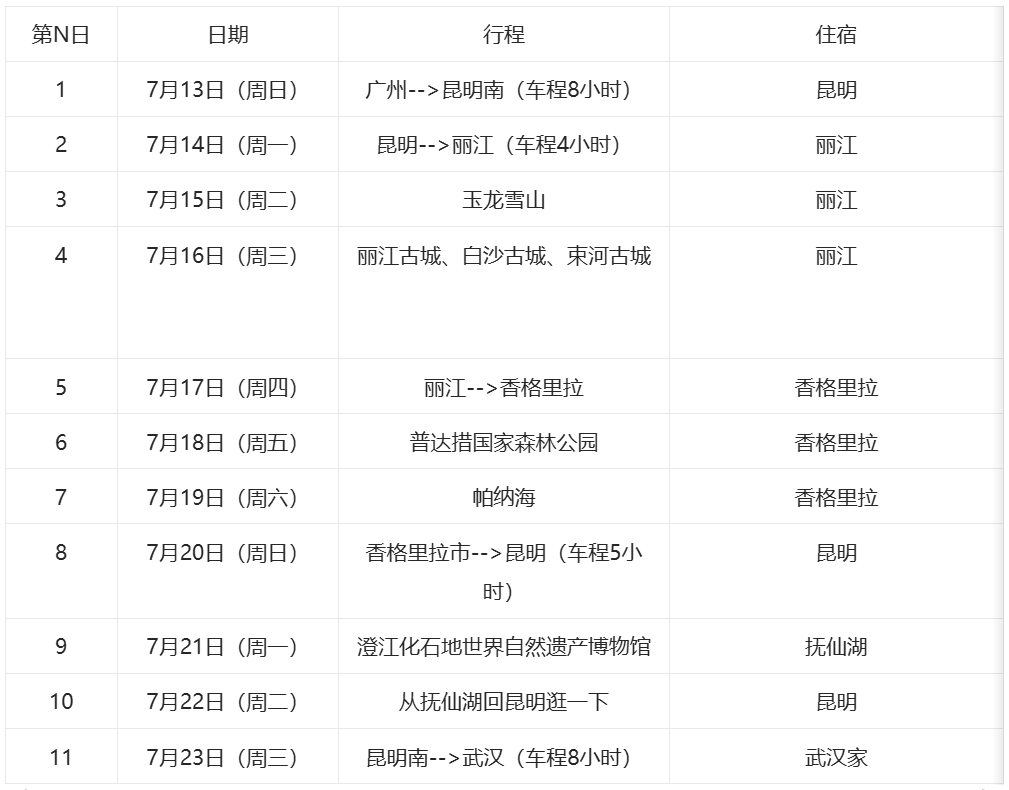
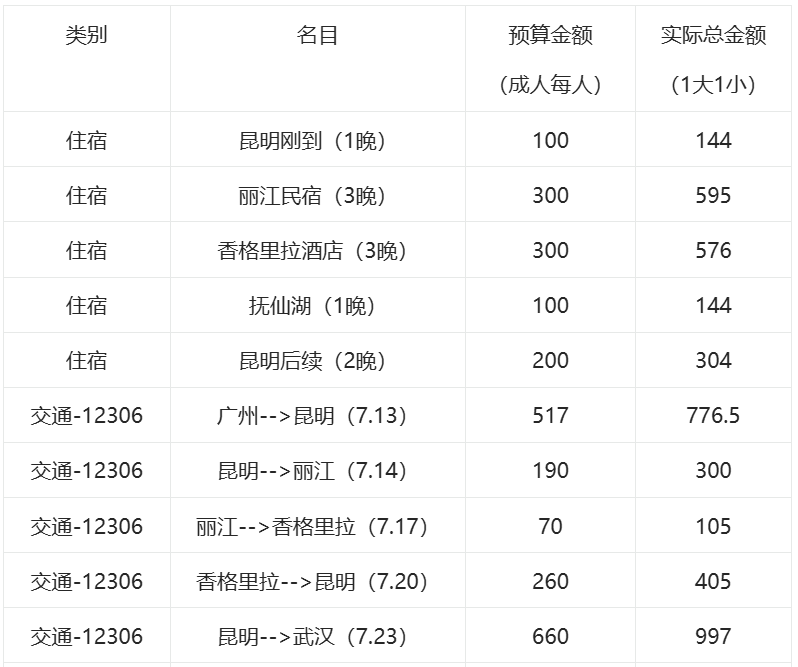
Eleven days, traveling from Guangzhou to Kunming, Lijiang, and Shangri-La, the total cost for the two of us came to ¥6,565, averaging ¥3,282.5 per person. Even I was surprised by that number—it turns out a parent-child trip can be this budget-friendly.
Part 1: Pre-Trip Planning—Mapping the Route in My Mind
How to Design a Reliable Parent-Child Itinerary?
Planning a trip is actually a bit of a skill. Here's the method I've developed:
Step 1: Clarify Your Goals
First, ask yourself: What do I want to see? What does my child enjoy? What's the budget? What's our mode of transportation? Write down these answers before you start searching for guides.
Step 2: Circle the Must-Visit Spots
Mark all the places that interest you on a map, then connect them using transportation options you're comfortable with. For this trip, I chose a combination of high-speed rail, buses, and shared e-bikes—public transport all the way.
Step 3: Lock Down Overnight Stops
Book accommodations in advance, especially during peak season. My principle for booking: prioritize convenience of transportation. In Kunming, for example, I studied the locations of Kunming Station, Kunming South Station, and the Southern Bus Terminal before deciding to stay near Metro Line 1. That way, I never had to drag my suitcase more than a kilometer to reach my lodging.
"Little Tricks" for Choosing Accommodation
In Kunming, I picked a homestay near Chuanrong Street Station. This area is packed with homestays, surrounded by new residential complexes with plenty of chain restaurants—perfect for adjusting your rhythm after just arriving in Kunming. I later discovered that the area near the Southern Bus Terminal feels more down-to-earth, with lots of street food, ideal for travelers who love local flavor.
In Lijiang, I deliberately avoided staying inside the ancient town—dragging a suitcase through those cobblestone streets is a nightmare, and it's noisy at night. Instead, I chose a villa-style homestay called "Jinmao Xueshanyu" (Golden Mao Snow Mountain Villa) in the area between Lijiang Old Town and Shuhe Ancient Town, for under ¥200 a night. That decision turned out to be one of the smartest of the entire trip.
Tips for High-Altitude Travel
About Altitude Sickness: Shangri-La sits at a high elevation, so I used the strategy of "Lijiang first, Shangri-La later" to let our bodies gradually adapt. Altitude sickness isn't as scary as people make it out to be—most people only experience mild symptoms. Just remember: don't rush to wash your hair or take a shower, avoid strenuous exercise, drink plenty of water, and eat meals on time. Oxygen canisters? Personally, I don't think they're necessary.
About Safety: Yunnan has a risk of mudslides in summer, but the main routes I chose all have well-developed transportation networks. I skipped Lugu Lake (which I'd visited in May—those winding mountain roads were truly terrifying) since it's only accessible by bus. If you're driving, be extra cautious!
About Sun Protection: The UV rays in Yunnan are no joke. Once, while waiting for a bus to Baisha, my face started burning painfully after less than half an hour. Sunscreen, a hat, and sunglasses—don't skimp on any of them.
Part 2: Days 1-2—From Guangzhou to Kunming, Then to Lijiang
Day 1: First Taste of Kunming
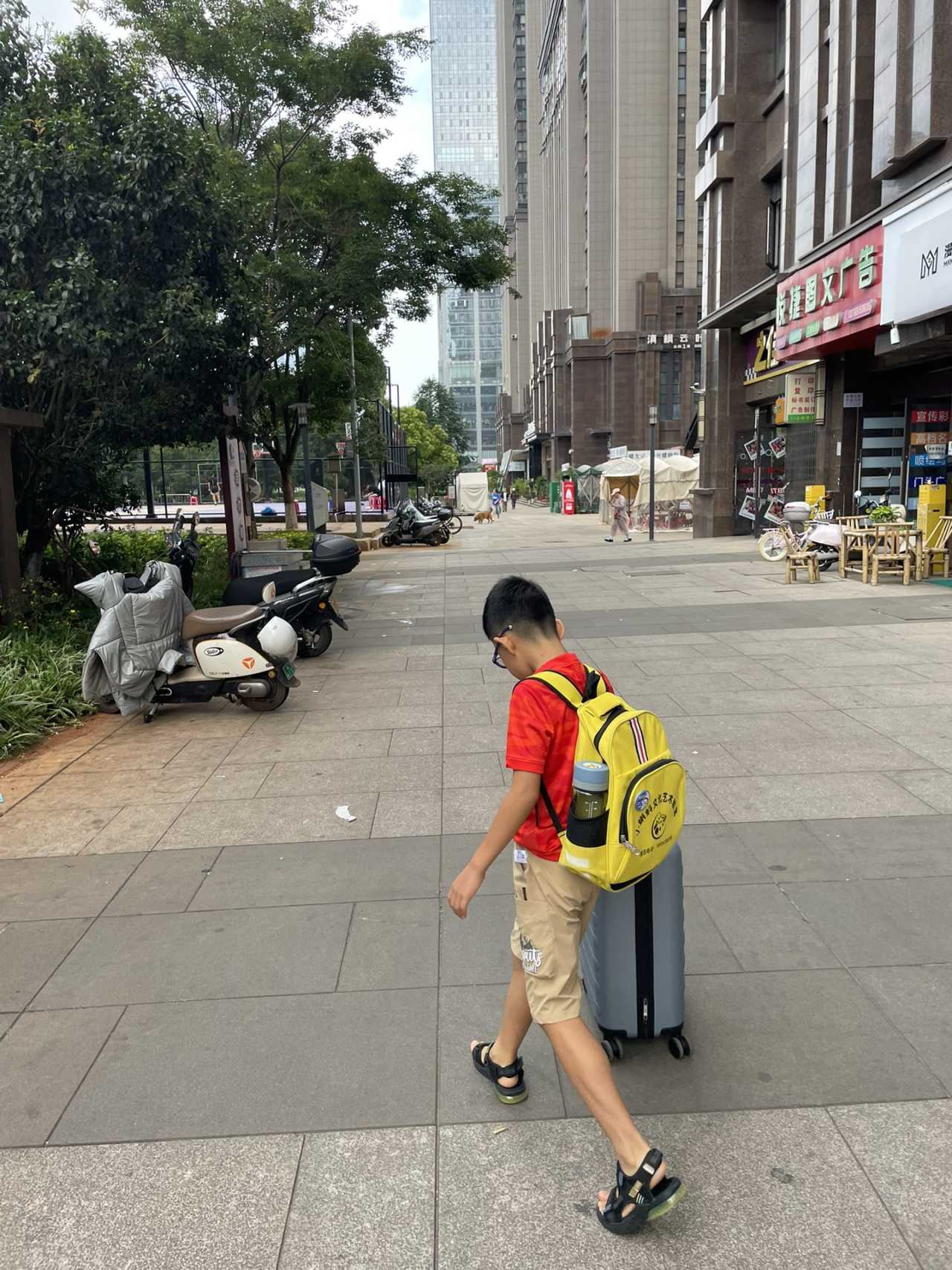
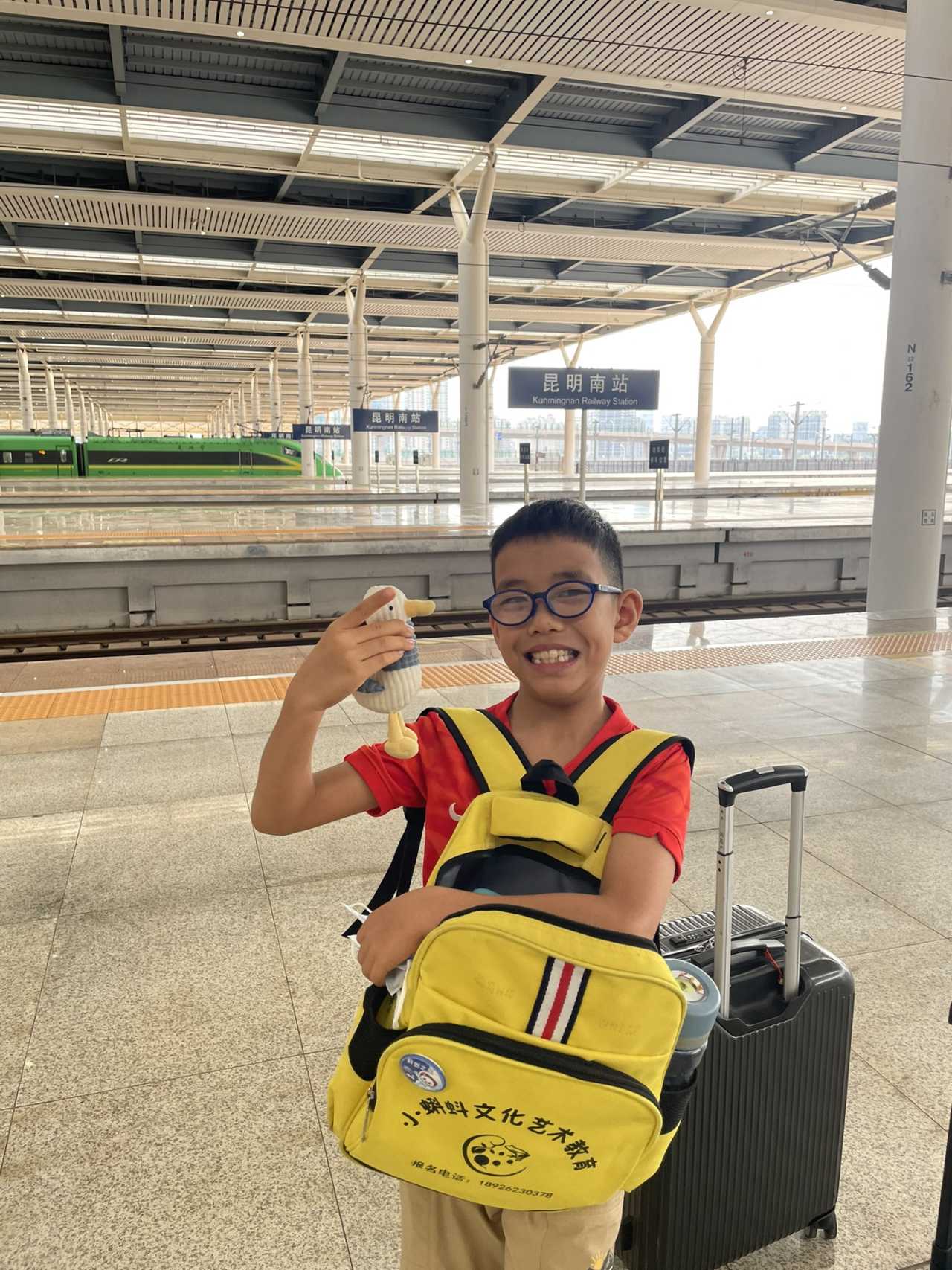
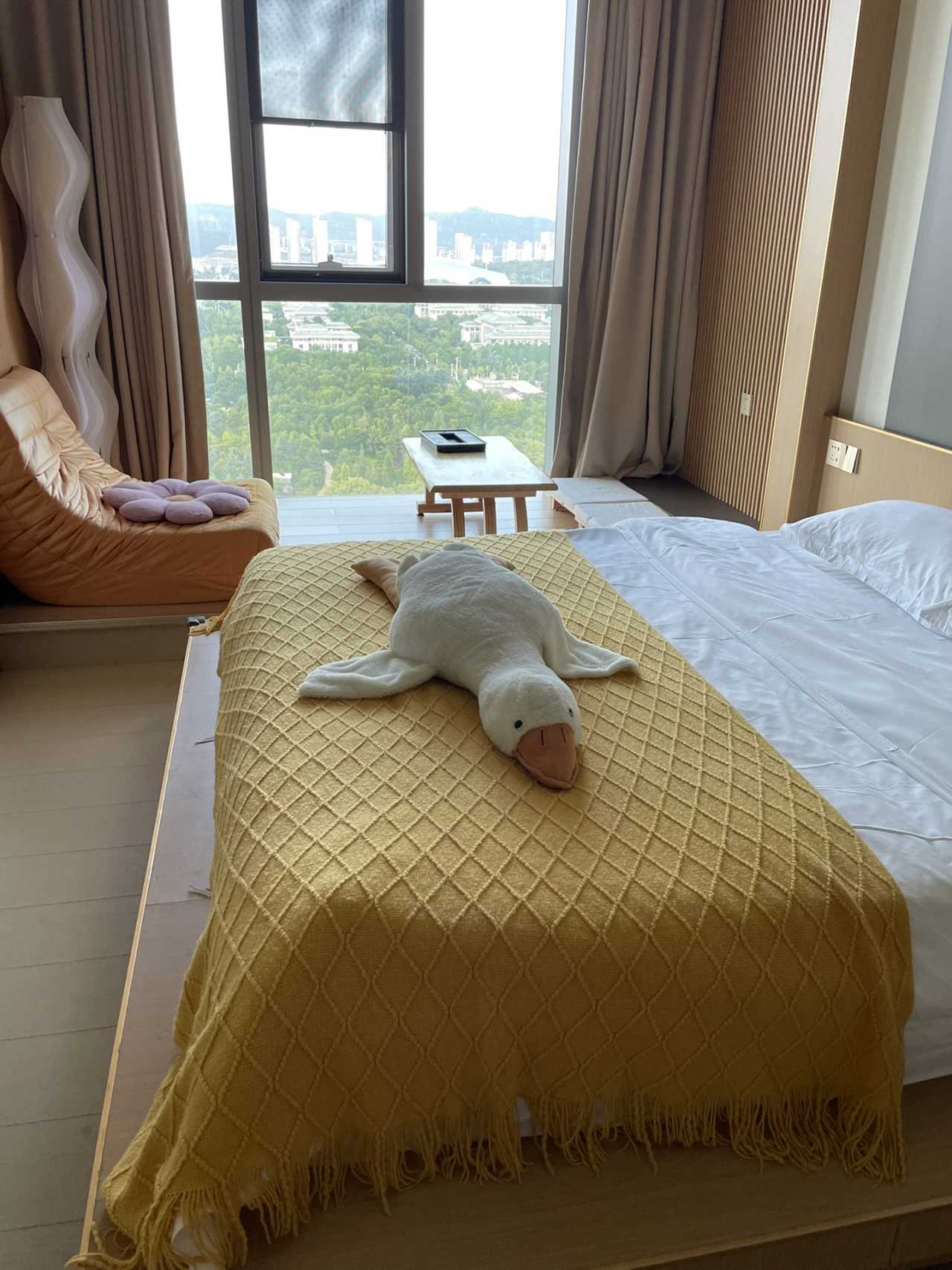
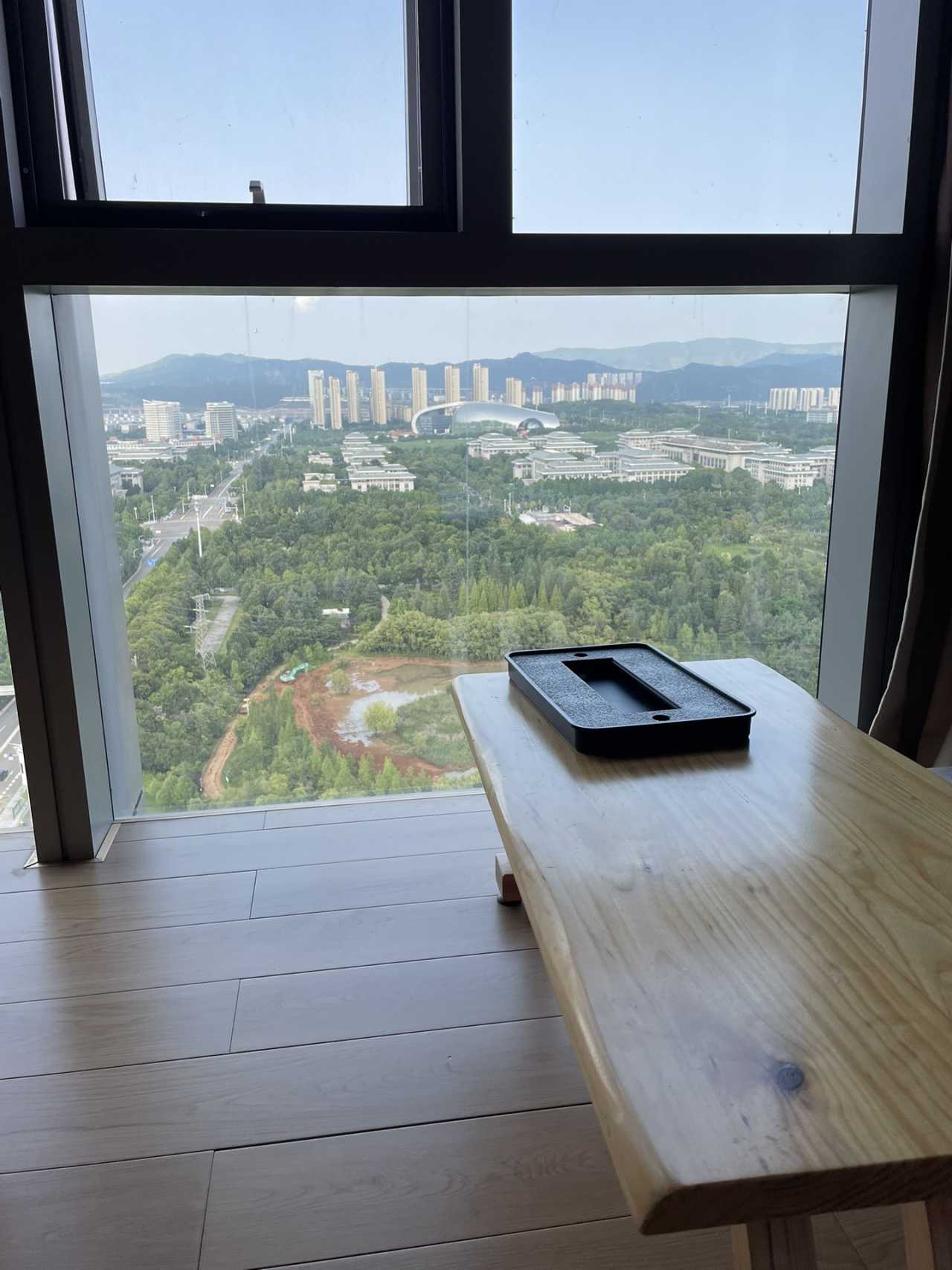
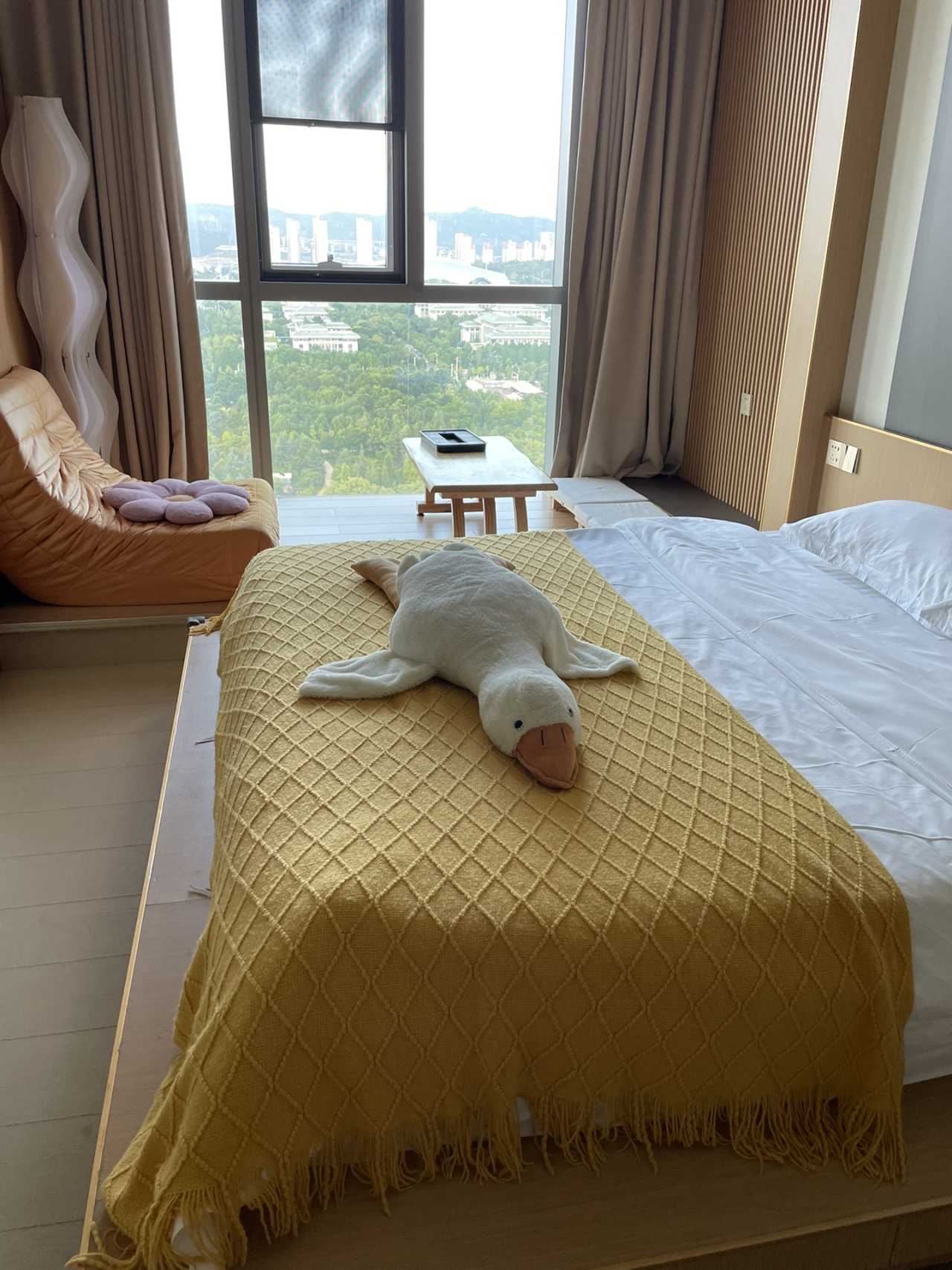
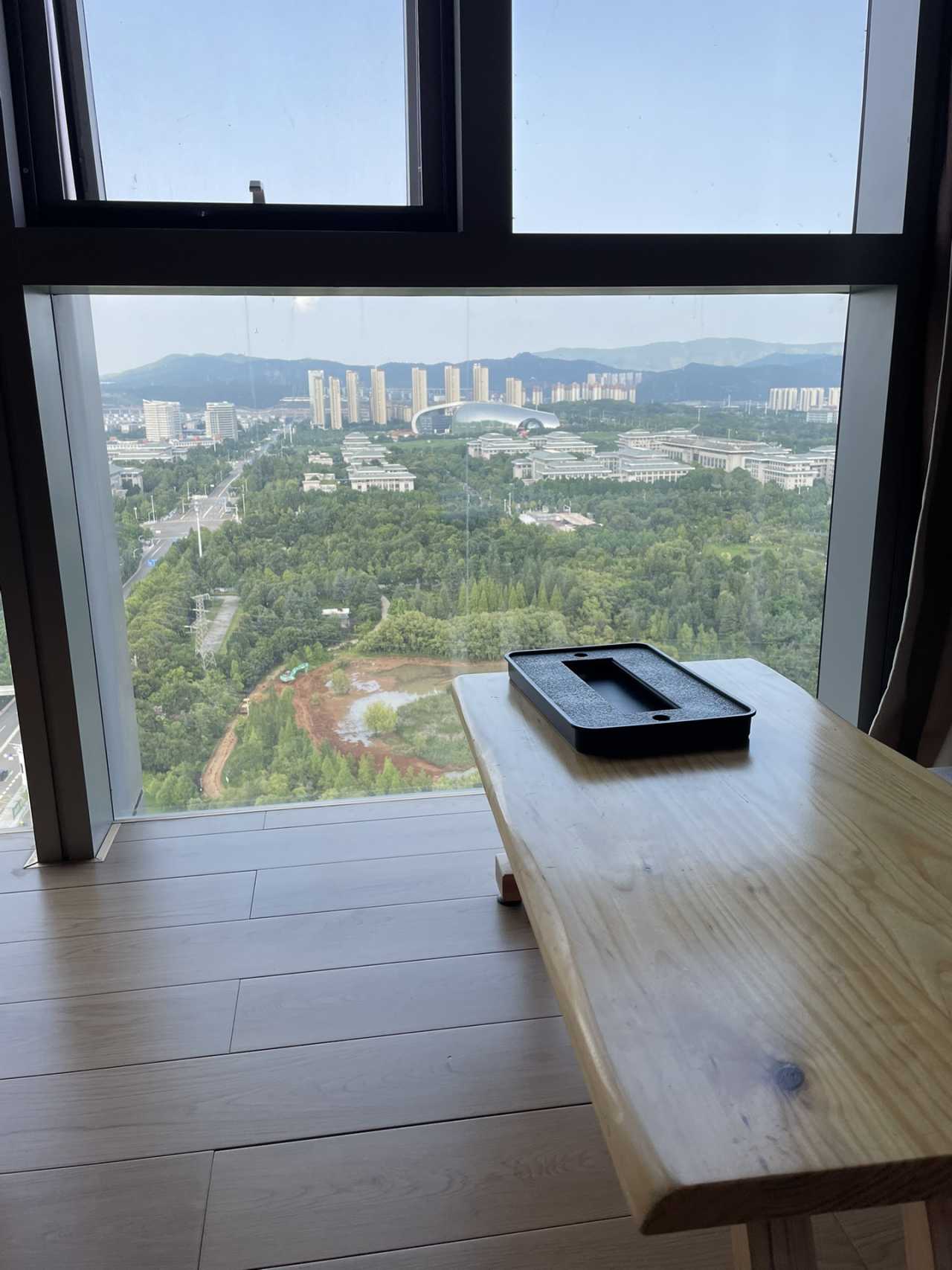
The 8-hour bullet train ride from Guangzhou to Kunming South Station was pure torture. Once we arrived, the first thing was to find our homestay. We got off at Chuanrong Street Station on Metro Line 1, walked a few hundred meters, and there it was. The homestay was on a high floor with an amazing view, and a giant plush white goose on the bed that my child absolutely refused to let go of.
That evening, we headed to a nearby food street for rice noodles (米线). The server brought out a huge platter of ingredients that looked impressive, but once everything was cooked, there wasn't much to it—just three ounces of noodles. My kid couldn't finish it alone, but the two of us managed just fine. The broth had a distinct lard flavor—some people love it, but I'm not a fan, so I gave up halfway.
Day 2: Morning Market and Onward to Lijiang
Kunming's Donghua Xinying Farmers' Market
Even though we had an afternoon train to catch, I dragged myself out early to visit this market I'd been eyeing online. Honestly, it's just a farmers' market—don't set your expectations too high. But it's great for buying fruit and grabbing breakfast. My haul: sticky-sweet corn (糯玉米), crispy stuffed buns (破酥包) with spicy Sichuan pepper and tofu filling, giant blueberries (a huge box that lasted for days), and hanging apricots (吊杏子).
Checking into Our Lijiang "Little Villa"
From Lijiang Station, the homestay's partner driver picked us up—and we later discovered we lived in the same residential complex! This homestay was the best value of the entire trip: ¥200 a night, with a washing machine, kitchen, big bathtub, and a spacious balcony. Clothes dried in a single day, and we relied on doing laundry here for the rest of the trip.
The most magical moment: one night, I dragged a chair out to the balcony to cool off and spotted the Big Dipper. I hadn't seen it in years. In that moment, I realized happiness can be that simple.
Evening Stroll Through Shuhe Ancient Town
Shuhe is just 3 kilometers from our homestay, so we took a shared e-bike there. At dusk, there weren't many people around, but it's heavily commercialized now—nothing like the peaceful, local atmosphere I remembered from years ago. The only thing that got me excited was the distant Jade Dragon Snow Mountain (玉龙雪山) shrouded in clouds and mist. Every time I see it, it feels like the first time.
That night, we had halal barbecue at the night market. I ordered "mildly spicy," and it was so hot that my kid was chugging drinks between bites of meat, not daring to touch the vegetables. Yunnan's "mild spicy"—I've learned my lesson! Next time, I'm ordering "not spicy" for sure.
Part 3: Day 3—Jade Dragon Snow Mountain, Here We Come
Blue Moon Valley (蓝月谷): A Paradise on Earth
I'd booked cable car tickets for Yak Meadow (牦牛坪) online a week in advance (for 1:30 PM), so we spent the morning exploring Blue Moon Valley. We took Bus 101 into the mountain area, and everyone on board cheered at the first sight of the snow-capped peak. When we got off at the visitor center, the mountain and the moon were perfectly framed together—like a painting.
The water in Blue Moon Valley looked deep blue from the shuttle bus, but up close, it had a hint of green. The color shifted depending on where you stood. My kid started posing for goofy photos, and we saw plenty of couples taking wedding pictures. Sunlight glittered on the water's surface, a gentle breeze rippling through—this is what paradise must look like.
Yak Meadow: The Awe of 3,500 Meters
After a 40-minute shuttle ride to the cable car entrance (at 3,200 meters), we boarded a semi-open gondola that seats two people—quite romantic. The ride took half an hour, and going up was scarier than coming down.
Stepping off the cable car, we were greeted by alpine meadows and the towering Jade Dragon Snow Mountain. I'd heard there were leeches in the grass, so we stayed on the boardwalk the whole time. At 3,500 meters, every few steps left us gasping for air. I told my kid, "If you feel缺氧 (oxygen-deprived), just breathe in the bushes—they produce oxygen." It actually worked.
Clouds lay draped over the meadow, the usually light and airy masses suddenly feeling heavy and pressing down, making you wonder if you were dreaming. Then, out of nowhere, dark clouds rolled in, followed by thunder and lightning—at high altitude, the thunder cracks right above your head, and my kid clung to me in fear. Despite the bad weather, we'd brought umbrellas and pushed through the entire trail.
The most breathtaking moment was at the spot closest to the mountain, where herders were grazing their livestock—yak and sheep roaming freely. Half the sky was dark with clouds, the other half clear blue, with occasional raindrops drifting down. The beauty of high-altitude landscapes lies in this constant change.
Part 4: Day 4—Lijiang Old Town and Baisha Ancient Town
Dayan Old Town (大研古城): Follow the GPS

In the morning, we took Bus 11 to the edge of the old town, then grabbed a shared e-bike to ride in. We climbed all the way up the hill—no technique, just pure effort. But every glimpse of the snow mountain got me excited. I think I've caught a condition: "gets excited at the mere sight of a snow mountain."
The Mu Family Mansion (木府) was the highlight. Following a guide's commentary helped us understand Lijiang on a deeper level. Looking down at the entire old town from above, it really felt like a miniature Forbidden City. The osmanthus trees inside the mansion were in full bloom, their fragrance intoxicating.
Baisha Ancient Town (白沙古镇): Finding the Vibe of a Decade Ago
After finishing Dayan Old Town, I felt a bit let down—all these ancient towns start to look the same. But my kid said, "We're already here, so let's go," and we headed to Baisha. Thank goodness we did! Basha felt like Shuhe ten years ago—locals running their businesses, hawking their goods, full of that lively, authentic atmosphere.
At the end of the main street, we turned a corner and found a field of blooming rapeseed flowers. Further ahead was a village with gravel paths, scattered houses, and the snow mountain in the distance. One courtyard was full of fruit trees, and the cornfields were lush and green. The street behind the main road was lined with homestays that felt both laid-back and aspirational—exactly my kind of vibe.
We bought vegetable pockets (菜盒子) for dinner and some flower tea made with real ingredients. The street vendors were all local villagers selling fruit and tea—honest and straightforward. These villagers are the true soul of an ancient town, not those cookie-cutter shops.
Part 5: Days 5-7—Shangri-La, Paradise on the Plateau

Dukezong Ancient Town (独克宗古城): Prayer Wheels and Square Dancing
A one-hour bullet train from Lijiang brought us to Shangri-La, where we checked into our homestay. In the afternoon, we wandered around Dukezong Ancient Town. At dusk, local Tibetans were dancing in the square. Anyone can join in, whether you know the steps or not—this turned out to be the most engaging activity of the whole trip.
The giant prayer wheel (大转经筒) is Dukezong's iconic landmark. Climbing the steps left us breathless after just a few, with plenty of people sitting on the stairs to rest. You're supposed to circle it three times, but you have to seize your chance when there's a gap. I bought my kid a small prayer wheel, and he played with it nonstop.
Yak yogurt (牦牛酸奶) was a bit sour, but the yak meat fried rice (牦牛肉炒饭) was absolutely delicious—the owner even gave us an extra serving. The sweet butter tea (酥油茶) tasted similar to milk tea, and they served it in a huge pot.
Potatso National Park (普达措国家公园): The Real Deal
In the morning, we took the direct shuttle bus from Moonlight Square in the old town. On board, someone was checking blood oxygen levels—my kid was at 84, I was at 81, and a little boy next to us was only at 70. She tried to sell us altitude sickness medication, but I checked my Huawei band and it read 98%... We didn't use oxygen the entire time and felt perfectly fine.
The Leisurely Trail (悠悠步道): A 2-3 kilometer walk through the forest, with fresh air, wildflowers everywhere, and towering ancient trees. A stream rushed alongside us, and mani stone piles (玛尼堆) dotted the path. Tibetan pigs (藏香猪) loitered around rest stops, bold and waiting to snatch food.
Shudu Lake (属都湖): A 3-kilometer hike along the lakeshore. The high-altitude wetlands were lush, the lake water crystal clear—you could see fish swimming. The forest was draped in moss and lichen, living in symbiosis with the trees. Every deep breath felt like a bonus.
Bita Lake (碧塔海): An important location in the novel Shangri-La. Flat alpine meadows and a serene lake—walking through it, my heart felt completely at peace. In the distance, horses grazed, and college students sat on the boardwalk taking photos.
Wandering Around Shangri-La City
On our last day, we visited the Xiangyang Road Farmers' Market (向阳路农贸综合市场) and bought a tsampa cake (青稞粑粑)—huge and surprisingly heavy. We ate steamed buns there, picked up some local specialties, and soaked in the everyday life.
Part 6: Costs and Reflections
Expense Breakdown (Two People, 11 Days)
| Item | Amount |
|---|---|
| Long-distance transport (high-speed rail + bullet train) | ~¥2,500 |
| Accommodation (10 nights) | ~¥2,000 |
| Tickets + cable cars | ~¥1,000 |
| Meals + snacks | ~¥800 |
| Local transport | ~¥265 |
| Total | ¥6,565 |
Money-Saving Tips

- Prioritize public transport: Metro > bus > taxi. For distances under 5 kilometers, use shared e-bikes—they offer freedom and save time.
- Choose accommodation wisely: Stay near metro or bus stops to save on taxi fares.
- Bring your own snacks: Sometimes while out exploring, we'd just pack some flatbread (馕) and spicy sticks (辣条) for a meal. I ended up skipping nine meals over the trip, but my weight didn't change (ha!).
- Travel during off-peak times: Even though summer is busy, booking ahead can still get you great-value homestays.
Travel Reflections
This trip gave me a new perspective on Yunnan:
- Lijiang's ancient towns: Heavily commercialized, but Baisha still retains its local character.
- Jade Dragon Snow Mountain: The awe of Yak Meadow is worth a return visit.
- Shangri-La: The pristine beauty of Potatso and the warmth of Dukezong make it unforgettable.
Most importantly, walking, laughing, and experiencing the highlands with my child—these moments are more precious than any scenic spot. After we got home, my kid kept asking, "Mom, when are we going back to Yunnan?"
Final Thoughts
Yunnan's charm lies in its endless capacity to surprise. No matter how many times you've been, there's always a cloud, a mountain, or a person that makes you feel it was all worth it.
If you're planning a parent-child trip, remember:
- Don't fear altitude sickness—just take it step by step.
- Don't skip sun protection—Yunnan's UV rays will teach you a lesson.
- Don't rush from sight to sight—walk slowly with your child; that's the real journey.
¥3,300 per person, 11 days, from snow mountains to grasslands, from ancient towns to highland lakes—this trip was worth every penny.
You should also read:

Two Girls' Graduation Trip: Dali and Shuanglang – A Poetic Farewell to Mountains and Sea
Two Girls' Graduation Trip: Dali and Shuanglang – A Poetic Farewell to Mountains and Sea Preface: Catching the Tail of Youth, Heading South During our senior year of college, my roommate and I – two girls studying in Beijing – decided to bid farewell to…
Continue reading...
Cloud Travelogue · Dali of Wind, Flowers, Snow, and Moon: A Three-Day, Two-Night Journey of a Free Spirit
Cloud Travelogue · Dali of Wind, Flowers, Snow, and Moon: A Three-Day, Two-Night Journey of a Free Spirit I am a cultured female foodie with a touch of rogue charm. I slung on my backpack, took my lover's hand, and set off on a spontaneous…
Continue reading...
The Meaning of Travel – A Tengchong Story: A Journey of the Heart and Personal Growth
The Meaning of Travel – A Tengchong Story: A Journey of the Heart and Personal Growth Setting Out, Only to Return a Better Self Some say travel is nothing more than leaving a place you're tired of, only to go to a place where others…
Continue reading...