A Gourmet High-Speed Rail Journey from Guiyang to Kunming: 2 Hours, a Taste Migration from "Changwang Noodles" to "Small-Pot Rice Noodles"
A Gourmet High-Speed Rail Journey from Guiyang to Kunming: 2 Hours, a Taste Migration from "Changwang Noodles" to "Small-Pot Rice Noodles"
The spring city of Kunming, for residents of Guiyang, was once a distant destination that required saving up vacation days and enduring long train rides to reach. But now, with the full opening of the Shanghai-Kunming high-speed railway, the distance between the two cities has been compressed to just over two hours. What does this mean? It means you can buy a ticket after work on Friday and be skewer-grilling at Kunming's night markets until the early hours. It means you can sleep in on a weekend morning and still make it in time for a bowl of tofu-rice noodles from a Kunming time-honored brand.
As an editor who has long been immersed in Guizhou's food scene, I know full well how picky Guiyang locals are about eating—our own "changwang noodles" (intestine and blood curd noodles), sour fish soup, and "siwawa" (Guizhou-style spring rolls) are already rich enough. Why would we bother taking a two-hour train ride to eat in Kunming? But when I actually set foot on this "land of eternal spring," I realized I was wrong. Kunming's cuisine, like its weather, has a quality that cannot be replicated: it is rooted in the local soil, carrying the rustic simplicity of the plateau and the sedimentation of time. It's hard to find the same flavors anywhere else.
So, I compiled a Kunming food map. This is not a tourist checklist, but an in-depth guide that can make Guiyang foodies admit defeat with their stomachs.
I. The Rice Noodle World: Kunming's Breakfast Philosophy
A day in Kunming begins with a bowl of rice noodles. But the rice noodle scene here is far more complex than we imagine.
Xiaoqiao Tofu Rice Noodles: A Bowl of Purity Spanning 70 Years
If you think rice noodles must have meat broth to be flavorful, then you've missed out on Kunming's most rustic taste. This small shop, tucked away at No. 60 Qianwei Road, has a history dating back to before the founding of the People's Republic. The auntie who now runs the place has been selling tofu rice noodles since the 1980s, when she worked at a food company—a career spanning a lifetime.
Her tofu rice noodles are astonishingly simple: no minced pork sauce, no greasy meat, just pickled vegetables, tofu, chili, and salt. But it's this minimalism that makes the quality of the rice noodles themselves the star. The auntie insists on using noodles from a veteran rice noodle factory that was established in 1963, giving them a smooth, tender texture with just the right bounce. The sweetness of the tofu, the tangy crunch of the pickles, and the spicy kick of the chili create a magical balance in your mouth. For Guiyang locals, who are used to heavy oil and spice, this bowl of noodles is like a refreshing stream—it instantly wakes you up.
Wenshan He Xian Ju: The Pinnacle of Chicken Broth Rice Noodles
If you prefer a rich, hearty broth, then you absolutely cannot miss Wenshan He Xian Ju at No. 10 Ranbu Lane. This decade-old institution specializes in the "chicken + chicken broth" style. The chicken is stir-fried first, then simmered into a golden broth so fragrant it makes you question reality. No matter what you order, you get a ladle of chicken meat drenched in hot soup—simple, straightforward, and soul-stirring.
Locals love this place not only for the taste but also for its "dedication"—a rice noodle shop that does only chicken can naturally guarantee the quality of its broth. For Guiyang people, this bowl of chicken broth rice noodles is a bit like our local "spicy chicken noodles," but cleaner and more mellow.
Dongchun Small-Pot Rice Noodles: A Sichuan Uncle's Kunming Love Story

The owner is a middle-aged uncle from Sichuan who came to Kunming years ago, learned the local craft, and has been running the shop for 20 years. His secret lies in: a copper pot, good broth, perfect heat, and fragrant chili. What's most special is that his flavor profile is quite intense—even the minced meat is deeply infused with taste. If you add a piece of fermented tofu (臭豆腐), the flavor becomes utterly addictive.
Even better, the uncle also brought his hometown's "guokui" (Chinese-style flatbread) to the shop. So the combination of Yunnan small-pot rice noodles + Sichuan guokui has become a standard order for many diners. For Guiyang folks, this "Sichuan-Yunnan fusion" offers both familiar numbing spiciness and unfamiliar richness—extremely satisfying.
Tiepeng Small-Pot Rice Noodles: A Legend Born from an Iron Shack
The name "Tiepeng" comes from its original form—a small stall under an iron shed. Now, it has grown into a chain brand with multiple branches, but the quality has never dropped. The shop insists on using rice noodles from a veteran factory it has partnered with for over a decade, and the fresh meat comes from free-range pigs from a farm in Xuanwei. The signature dish, spare rib small-pot rice noodles, features tender meat and a flavorful broth—every bite is pure satisfaction.
If you like fermented tofu, you must try their fermented tofu small-pot rice noodles. Even more thoughtful, the shop also offers soy milk and fried dough sticks—dip the dough sticks in the soup, and the soy milk balances out the oily spiciness. It's the little details that show the care.
II. Snacks and BBQ: Kunming's Night Begins with "Golden Potatoes"
Kunming's nights belong to snacks. From Ranbu Lane to Hongshan West Road, every small shop hides flavors that will surprise you.
Xiaofan Food House: Sweet-and-Savory "Golden Armor"
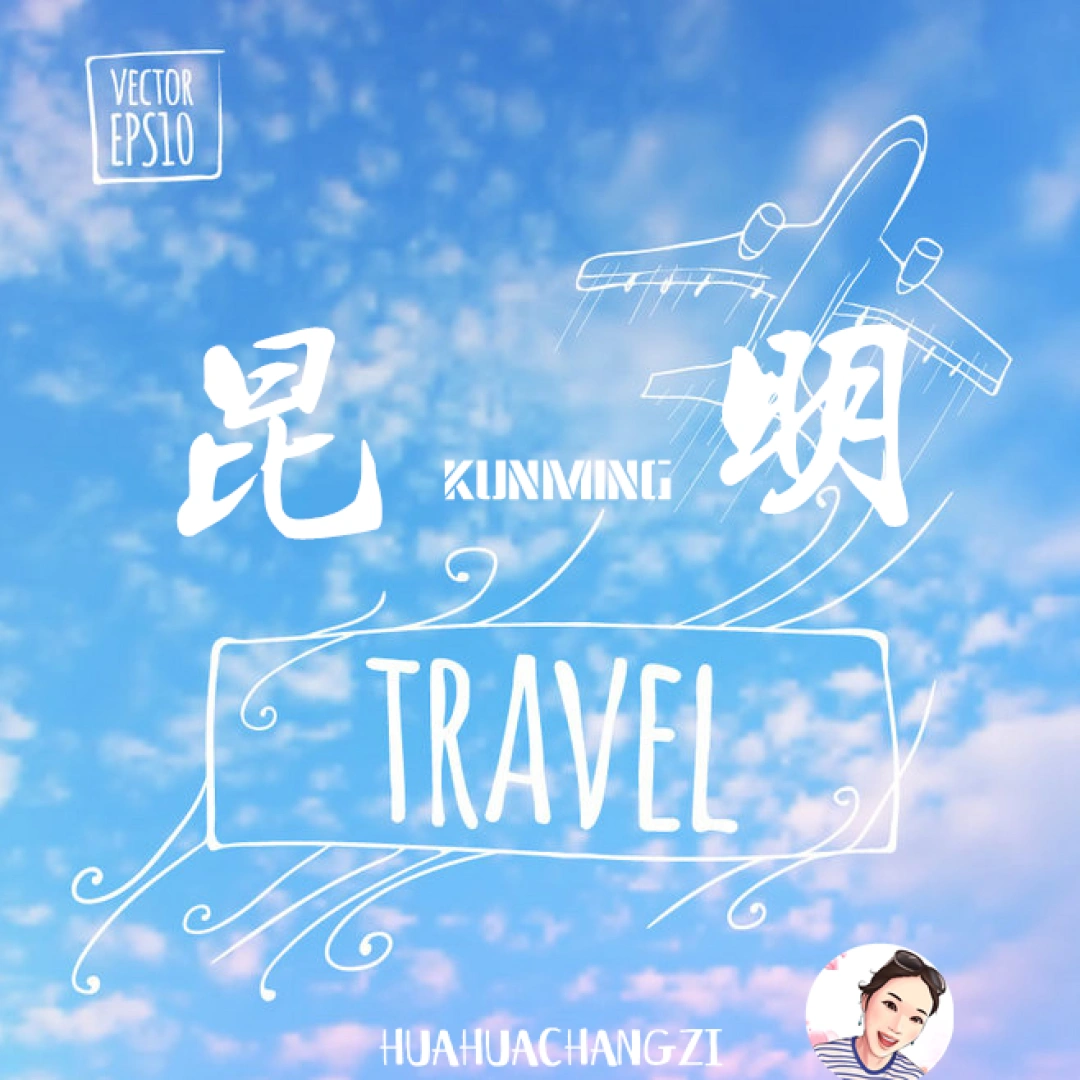
At No. 410 Ranbu Lane, Xiaofan Food House has been a local institution for over 20 years. Its most famous dish, sweet-and-savory golden potatoes, once earned the entire alley the nickname "Potato Lane." The potatoes here are completely different from our Guiyang style—they are coated in a layer of "golden armor," crispy and fragrant when bitten into. The most magical part is the sweet-and-savory sauce: when you eat it, one second it tastes sweet, the next it turns savory, cycling back and forth in an addictive loop.
Besides potatoes, the shop offers a wide variety of snacks, allowing you to sample Kunming's authentic flavors in one stop.
Duanshi Small Pot: A Century-Old Late-Night Canteen
At No. 74 Wenlin Street, Duanshi Small Pot is a century-old establishment that operates 24 hours a day. Its signature dish is Duanshi small-pot braised "er si" (a type of rice cake noodle). The er si is hand-cut, with rough edges that absorb the essence of the seasonings perfectly. You can pair it with spicy beef, crispy pork crackling, cold lotus root, and other sides. Then help yourself to a bowl of bone broth (self-serve, unlimited), and finish with a cup of papaya water—a perfect meal.
For Guiyang people, er si is a bit like our "rice skin," but chewier, and the braising sauce is richer and more intense.
Grandma Xia's BBQ: A 72-Year-Old Grandmother's Late-Night Kingdom
Grandma Xia is 72 years old. She has been selling BBQ for over 20 years and is still full of energy. Her shop is at No. 48 Hongshan West Road. On a normal day, she serves 70 tables; on weekends, it's 90 tables—queuing is the norm. There's no menu; you just look at the 20-plus items and order directly. You'll want to try everything.
The must-order item is fish jaw—after grilling, the inside is softer than tofu pudding, while the outside carries the aroma of fish bones. Dipped in seasoning, it has no fishy taste at all. I personally love the scallion intestines: whole scallions are stuffed into the intestines and grilled, allowing the scallion juice to seep out and mask any unpleasant smell, making it palatable even for those who usually dislike intestines. The lotus root stuffed with glutinous rice is also a must—grilled, it tastes much better than the sweet lotus root we usually eat. Finally, finish with a bowl of braised noodles, and this late-night feast is perfect.
III. Yunnan Cuisine and Formal Meals: Home-Style Flavors of Yunnan
If you want a proper sit-down meal, Kunming also has plenty of restaurants worth recommending.
Hongdou Yuan: Incredible Value Home-Style Yunnan Cuisine
Hongdou Yuan has multiple branches in Kunming, specializing in home-style Yunnan dishes with incredible value for money. The signature dish is er kuai chicken—the er kuai (rice cake) is soft and chewy, even more satisfying than our rice tofu in dishes, and the chicken portions are generous. The bitter vegetable crispy red beans are also a must-order—after all, the restaurant is named "Red Bean Garden," and every bean is crunchy. What's most touching is that most of their meat dishes are under 30 yuan—for Guizhou tourists, it's the perfect place for a "feast."
Shiping Guild Hall: Dining on Culture in a Century-Old Mansion
If you want to make one meal during your Kunming trip "a bit more expensive," head to Shiping Guild Hall at No. 24 Zhonghe Lane, Cuihu South Road. This mansion, built during the Qianlong era of the Qing Dynasty, has a history of over 200 years and is a protected cultural heritage building in Kunming. With three courtyards and intricate carvings and beams, the building itself is a scenic attraction.
Here, you can order a variety of Shiping-style dishes. Many tourists come here to take photos, while locals choose it for entertaining guests—there are many private rooms, the atmosphere is cultured, the food is good, and it's not cheap.
IV. Cafés and Desserts: The Slow Time of the Spring City
Kunming's cafés have a unique, laid-back气质. They hide in old alleys, filled with sunlight and the scent of flowers, making you want to stay all day.
Fangtang: The Territory of "Gongxi," the Akita Dog
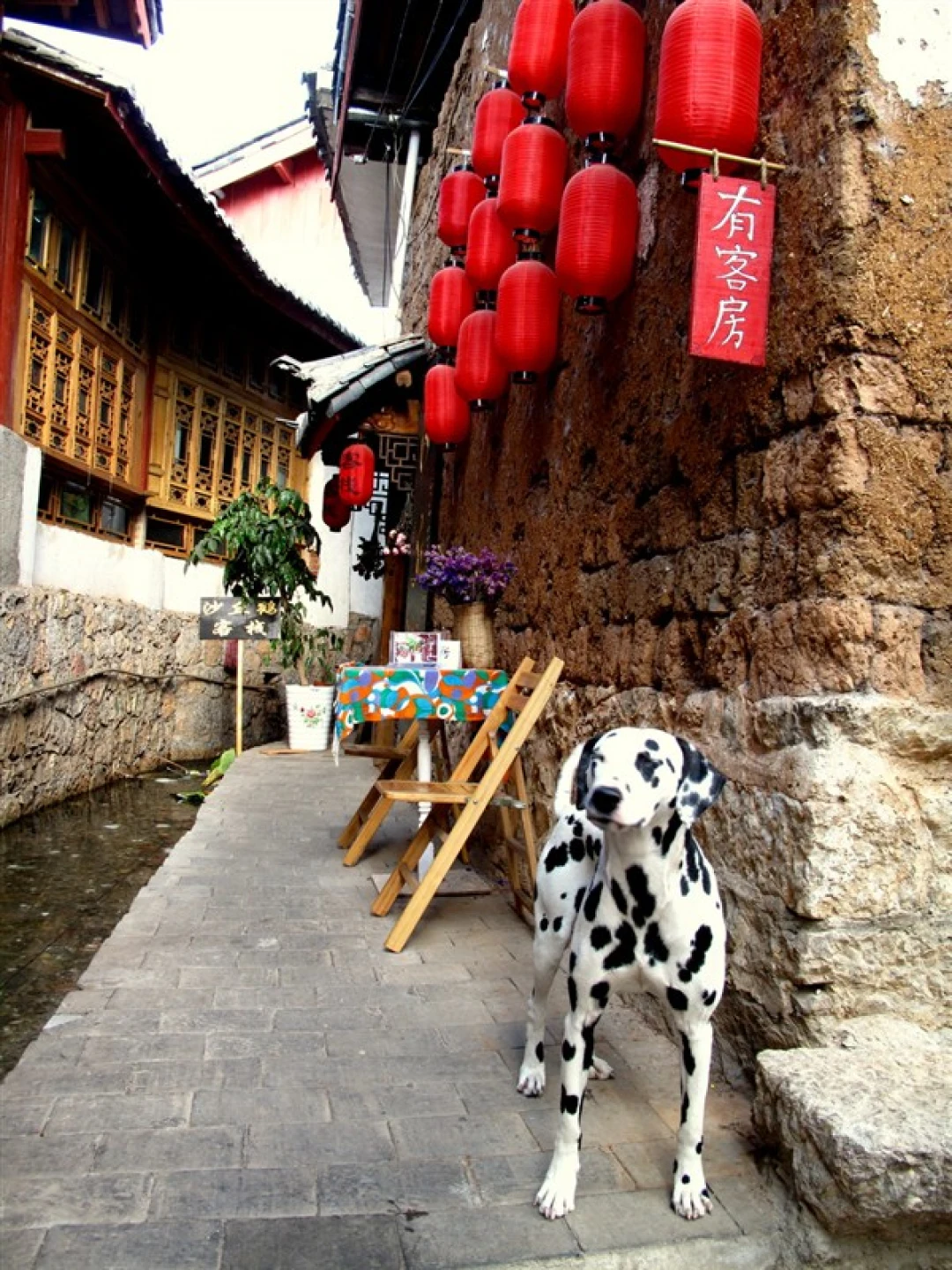
At No. 44 Cuihu South Road, Fangtang is a café covered in winter jasmine flowers. Across the street is a bar called "Jiuguan," and they share the same owner. Fangtang has a small courtyard, which is the territory of an Akita dog named "Gongxi." He's quite an internet celebrity—everyone who comes here takes photos with him.
Fangtang often hosts various events, and many people have formed connections here, sharing pleasant times together. Their original intention is to be an interesting café and meet interesting people.
Guangsan No. 3 Café: The Ultimate Pour-Over Experience
At No. 3 Guangzong Lane, Wenlin Street, Guangsan No. 3 was formerly a milk tea shop, so its signature milk tea has been kept on the menu. The café is a two-story old house, quiet amidst the bustle, and the terrace is often bathed in sunlight.
The owner has his own small coffee roasting facility, and the café specializes in pour-over coffee. I ordered a Yunnan specialty coffee, which was served in two versions: one cold, one hot. First, drink the cold one to cleanse your palate, then drink the hot one to experience the same coffee beans at different temperatures. Between the two cups was a card introducing the coffee beans—a thoughtful touch.
Xiaofangting Café: The Perfect Blend of High Aesthetics and Good Coffee

Located in the middle section of Nanqiang Street, Xiaofangting is a café with high aesthetic appeal. The female owner is a beauty, and the barista, A-Fu, is a handsome man. The owner treated me to a cocktail they serve in summer called "Blue Skirt"—a flavor that girls would love. Holding the "Blue Skirt," I sat on the second floor, watching the crowds on Nanqiang Street below, feeling as if I were in Dali.
Barista A-Fu is extremely meticulous and dedicated to every cup of coffee. The female owner loves collecting cups; the shop displays and hangs many cups. Some are priced and can be bought, while those without price tags are her private collection, many of which are limited editions from around the world.
Ziyue Café: Surprises in a Hand-Drawn Menu
At No. 74 Wenlin Street, Ziyue Café has a completely hand-drawn ordering booklet. On one page, I saw "Yunnan Coffee-Flavored Beer," which read: "Co-produced by Mingqian Coffee and Neurotic Beer Studio, exclusively sold at Ziyue Café." Out of curiosity, I spent 25 yuan on a bottle. As for the taste, I'll leave that for you to discover yourself.
Mei Ziwei Flower Cakes: Freshly Baked Warmth and Sweetness
Finally, don't forget to bring back a souvenir. At No. 9 Tangshuang Road, Guandu District, Mei Ziwei Flower Cakes is a tiny shop, but its customers are all local foodies. Because they are freshly baked, they aren't available in the morning—they only come out around noon. Made entirely by hand, the pastry is flaky and layered, and the filling is perfectly moist—not dry at all, and not too sweet.
I recommend calling ahead to order and telling them your hotel. As long as you buy a certain amount, they offer free delivery.
Conclusion: 2 Hours to Start a Taste Migration
From Guiyang to Kunming, two hours by high-speed rail changes more than just distance—it changes a way of life. For Guiyang foodies, Kunming's cuisine is like a treasure trove that hasn't been fully explored, with every visit bringing new surprises.
You can leave after work on Friday and soak in the smoky atmosphere of Kunming's night markets. You can sleep in on Saturday morning and head to a time-honored shop for a bowl of tofu rice noodles. Or you can simply spend an entire afternoon in a café, enjoying the slow pace of the spring city.
Kunming has two things that outsiders can only envy: first, its weather, eternal spring; second, its cuisine, rooted here and impossible to transplant. And now, both of these things are just two hours away from Guiyang foodies.
So don't hesitate. Buy a ticket and go. Your stomach will thank you for the decision.
You should also read:
Yunnan Travel Mastery: From Beginner to Pro-Level Player – A Complete Guide
Yunnan Travel Mastery: From Beginner to Pro-Level Player – A Complete Guide "Either travel or read, but your body and soul must be on the road." This quote has been repeated countless times, but very few people truly manage to be "on the road" and…
Continue reading...
Into the Hidden Valley: A Solo Journey Through the Mysterious Dulong River
Into the Hidden Valley: A Solo Journey Through the Mysterious Dulong River Deep in the northwestern corner of Yunnan Province, tucked away from the modern world, lies a place that feels like a secret whispered among mountains. The Dulong River Valley is not just a…
Continue reading...
God’s Abandoned Palette: A Self-Drive Journey Through Yunnan’s Dongchuan Red Land
God’s Abandoned Palette: A Self-Drive Journey Through Yunnan’s Dongchuan Red Land Travel has never been about reaching some distant geographic coordinate. It’s about encountering, along the way, the version of yourself buried beneath the rubble of daily routine. During this May Day holiday, I finally…
Continue reading...