A Graduation Trip Where Rainforest Meets Lake: Complete Record of the Pu'er, Xishuangbanna, and Fuxian Lake Loop
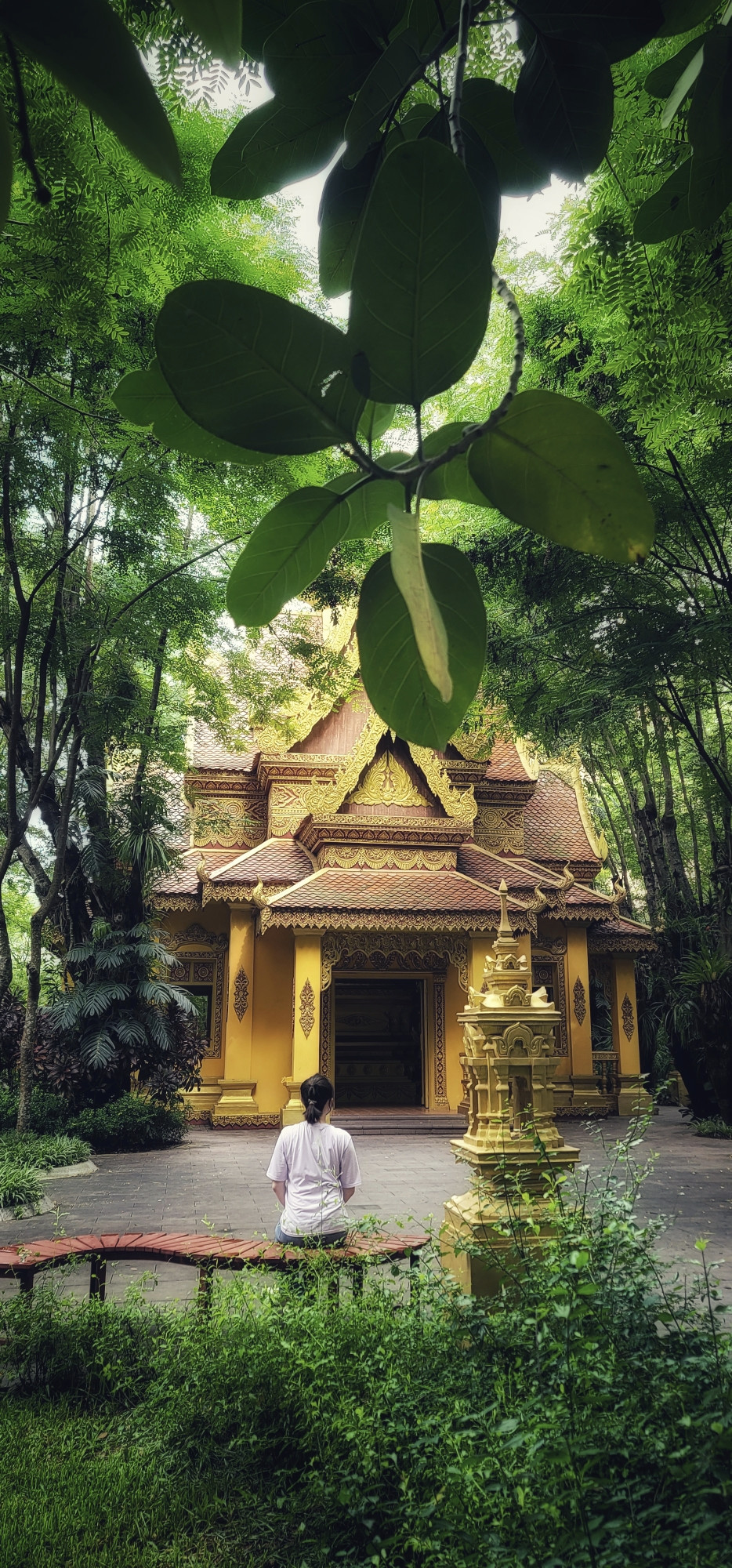
A Graduation Trip Where Rainforest Meets Lake: Complete Record of the Pu'er, Xishuangbanna, and Fuxian Lake Loop
Foreword: Why Yunnan?
The summer after the college entrance exam ended, the travel impulse that had been suppressed for three years finally found an outlet. When the family sat together to discuss where to go for the graduation trip, our eyes unanimously fell on Yunnan—a land that had amazed us nine years ago. But this time, we weren't chasing snow-capped mountains or ancient towns. Instead, we chose to head south, to explore the breath of the rainforest, the fragrance of Dai cuisine, and the hidden realm where lake water merges with the sky.
Over seven days, from Pu'er to Xishuangbanna and then to Fuxian Lake, we followed a small loop that never retraced its steps, stringing together the wildness of the rainforest, the tenderness of Dai villages, and the clarity of a plateau lake. This isn't a dry itinerary log—it's a travel journal about encounters, experiences, and growth.
Day One: From Fuzhou to Pu'er, A Start "Chasing Wind and Moon"
The alarm went off at 5:30 AM, dragging us back from our dreams. Mom had accidentally booked tickets with Fuzhou Airlines, which meant we had to get up a full hour earlier than expected. What made it even more absurd was when we discovered at security that congee (eight-treasure rice porridge) counted as a liquid—the three of us crouched by the checkpoint, taking turns spooning down that "contraband" can, turning it into the first bizarre yet heartwarming episode of the trip.
After arriving in Kunming, we rushed to catch the high-speed train. We found a random little restaurant near the station for lunch, spent less than 100 yuan for three people, and ate to our hearts' content. That's the essence of Yunnan's food philosophy: you don't need expensive prices—as long as the ingredients are fresh and the seasoning is right, it warms you from stomach to soul.
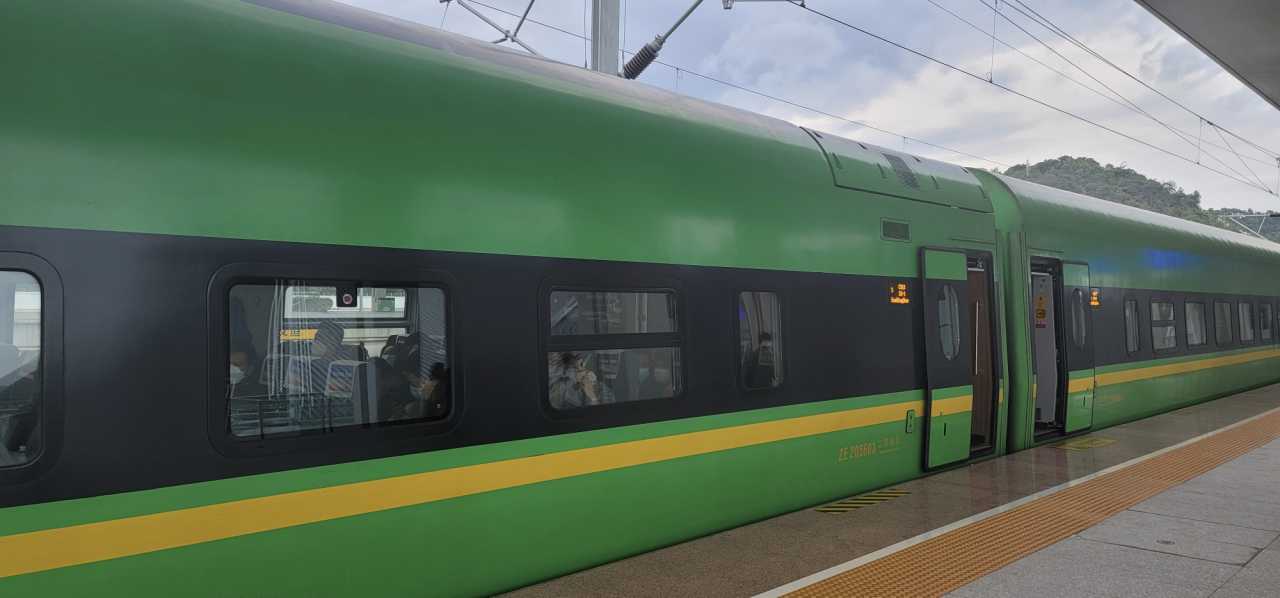
On the high-speed train from Kunming to Pu'er, we lucked into a six-seat compartment with a table. Stretching our legs and dozing with our heads on the table, we felt a nostalgic hint of old green trains. The scenery outside the window gradually shifted from cityscape to rolling mountains. I knew the real journey had just begun.
Day Two: Meeting Red Pandas in Pu'er, Falling into Starlight in Xishuangbanna
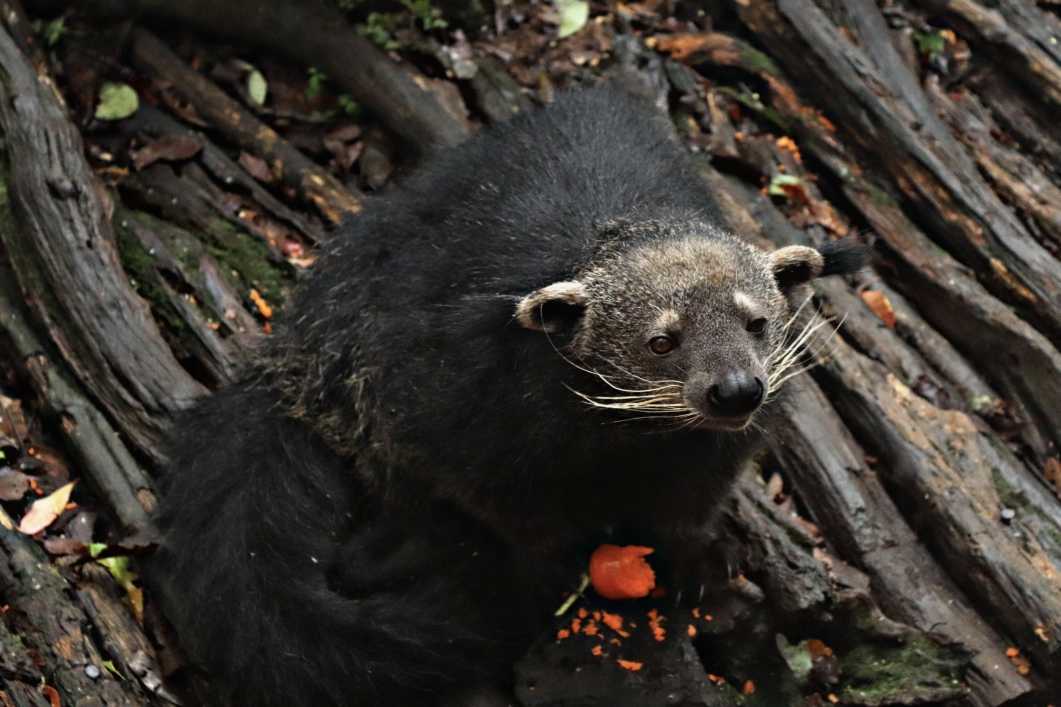
Pu'er National Forest Park: A Zoo Without Fences
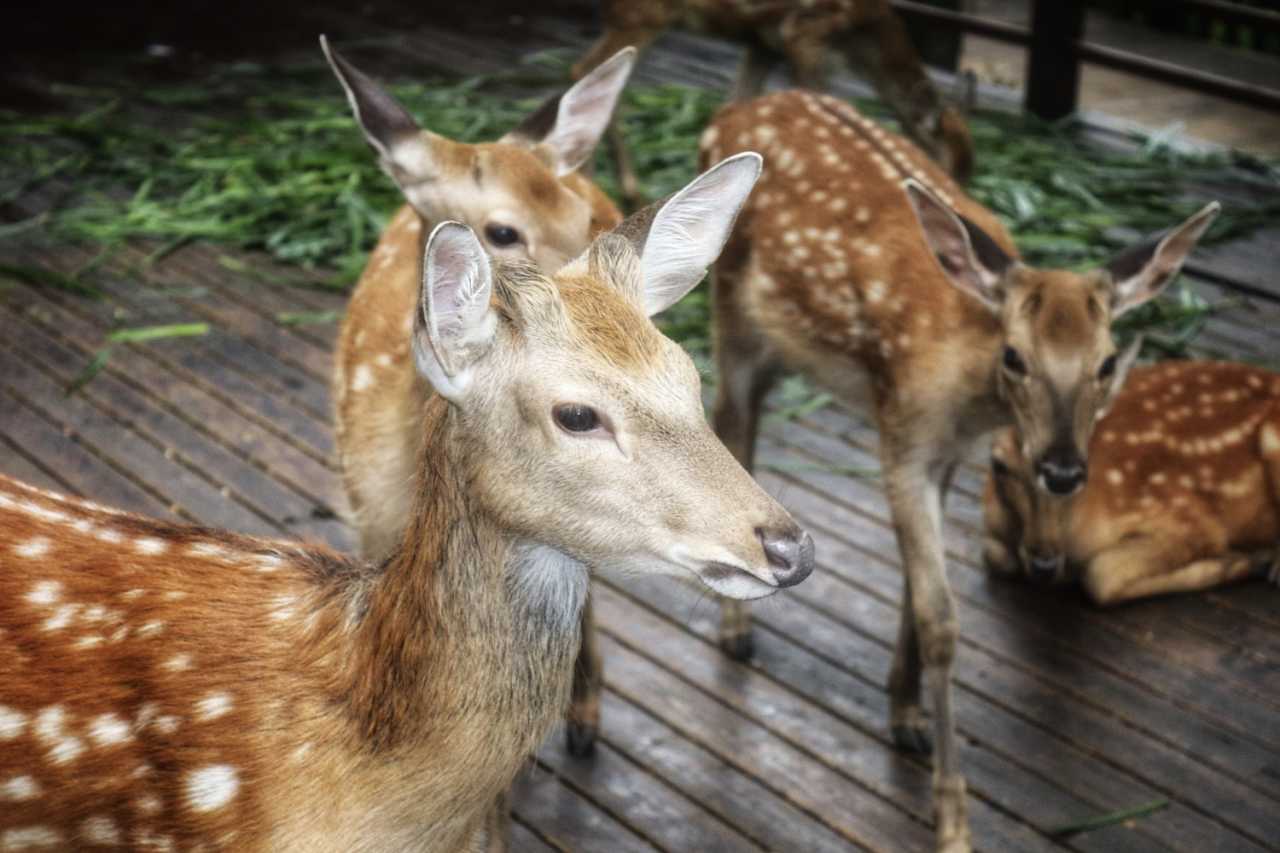
Pu'er National Forest Park lies along the route from Pu'er to Xishuangbanna. It's less a forest park and more a large zoo without fences. It was the off-season, with few visitors, giving us a rare sense of tranquility.
The animals here aren't afraid of people. Little black bears clung to the zookeeper's legs, acting spoiled, while visitors kept a respectful distance to take photos without disturbing the harmony. But the park's true "top influencers" were the red pandas—three chubby little creatures propping up the entire park's merchandise industry. For 20 yuan, you could feed them, and the way they fought over food made you feel like the center of the universe. One of them scratched my neck, and the zookeeper aunt was so flustered she wanted to apply medicine, eventually settling the "incident" by letting me feed them two more bites.
Wild Elephant Valley: Gentle Interaction with Giants
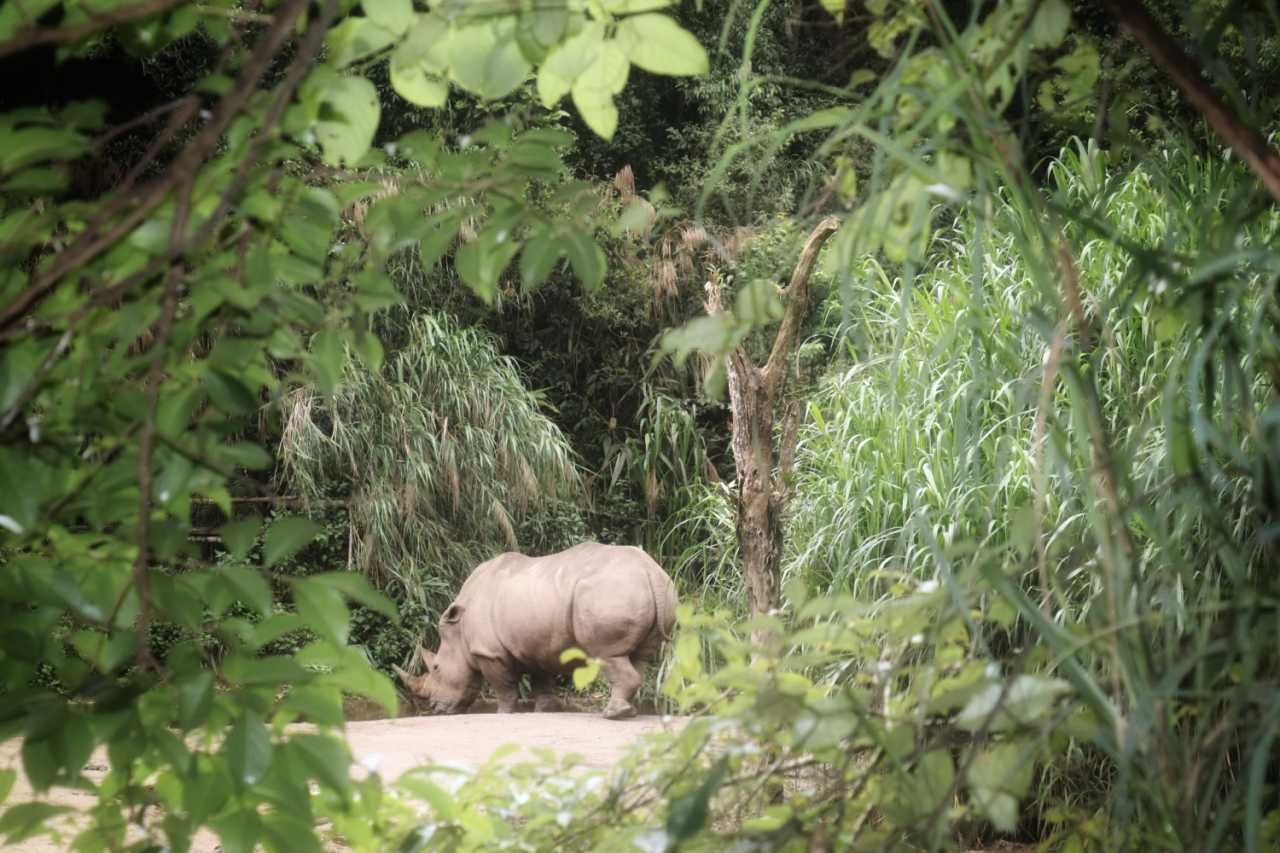
If the animals in Pu'er were "small and cute," then Wild Elephant Valley was "big and awe-inspiring." Before the elephant show, visitors could pay to sit on an elephant's back or trunk—but seeing the worn, faded skin on their trunks made me a bit uneasy. After the show, we could feed the elephants. Their wet, flexible trunks curled around the fruit in our hands, a sensation both unfamiliar and奇妙 (wonderful).
The park also had snake and lizard zones, a butterfly zone, and an orchid zone. At the orchid museum, volunteers explained various rare plants, only to reveal their true purpose—promoting Dendrobium officinale (iron-stone orchid). They claimed the authentic variety had a gelatinous texture. All three of us tried it and, without exception, got our teeth stuck together. At least we learned something.
Starry Night Market: When Lights Converge into a Warm Milky Way
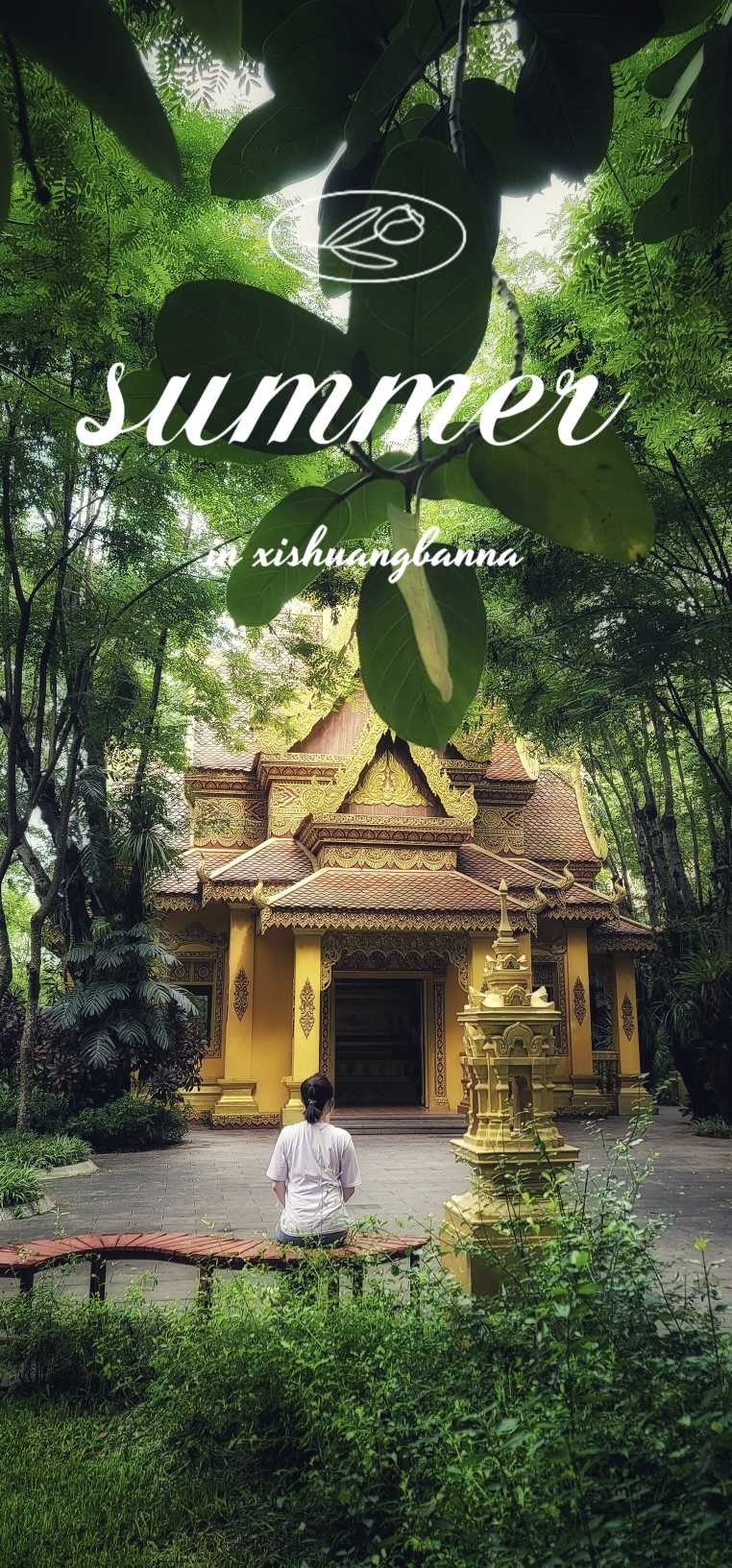
Nightlife in Xishuangbanna inevitably leads to the Starry Night Market. Mom rented a Dai-style dress at the restaurant where we ate, but that meant she couldn't enter Jinghong Grand Golden Pagoda, so she had to switch to the market while Dad gloated.
Because of the time difference, the sun didn't set until 8 PM. We waited until dusk to witness the market at its most spectacular. The steps behind the Grand Golden Pagoda are the公认 (universally acknowledged) best photo spot, but they were already overrun by travel photographers. Mom joined the Dai-style costume crowd, striking poses in the gaps. I wanted to buy postcards, but after scouring the entire market, I found none.
When night fully fell, every household's lights lit up, converging into a warm river of stars. At that moment, all the rushing was worth it.
Day Three: Botanical Garden and Rainforest—A Journey from Civilization to Wilderness
Chinese Academy of Sciences Botanical Garden: Monet's Garden with Giant Water Lilies
We set off at dawn, before the night-owl locals of Xishuangbanna had even stirred. The streets were empty. At the botanical garden, the electric cart was practically reserved for us and one other couple.
The lotus flowers were dense, like a Monet painting. The most famous giant water lilies (王莲, Victoria amazonica) were said to be able to support a person's weight, but since our family is on the "hearty" side, we could only watch a child sit on one for a photo—at least we got to see it. The rare plant area had informative signs, saving us from being the kind of "illiterates" who can only say "pretty" without knowing what they're looking at.
To make it to the afternoon rainforest trek, we rushed through the whole garden.
Mengyuan Fairyland: A Tarzan Experience Card
Mengyuan Fairyland is a relatively new development, still quite原始 (pristine). We caught the 12:30 PM rainforest trek, with a guide leading a small group of nearly ten.
At first, the path was concrete, flanked by towering banana leaves. As we went deeper, the mud grew thicker, and some sections required wading through streams. We climbed over tree stumps, squeezed through gaps in the trees, jumping and scrambling the whole way, but we also saw many原始 (untouched) landscapes. The guide explained various rare plants, opening our eyes.
The most thrilling part was swinging on vines. Everyone was eager to try, all channeling their inner Tarzan. Dad stepped on a rotten branch while crossing a log bridge and fell into the water, ruining his phone's speaker and soaking himself. Mom, swinging back, lacked grip strength and ended up half-submerged, making them a matching pair of "drowned lovebirds."
After three hours of trekking, when a pickup truck appeared, the thrill of "returning to human society from the wild" was indescribable. As soon as we got in, everyone passed out.
Mengbalanaxi Show: Song, Dance, and Water Blessings
That evening, after emerging from the rainforest, we took a quick shower and rushed to see the歌舞 (song and dance) performance. The buffet was unimpressive, with a cheap feel. The show itself was decent—during the third act, "Water Splashing Celebration," performers came down into the audience and splashed water everywhere. Umbrellas popped up all around, with people huddling under them, creating a comical scene.
After the show, the crowd surged to the square for water lantern blessings. The lanterns were cheap plastic, but when the red candlelight drifted away on the Mekong River, there was still a touching sense of ritual.
Day Four: Peacocks and Water Splashing—Two Ways to Experience Xishuangbanna
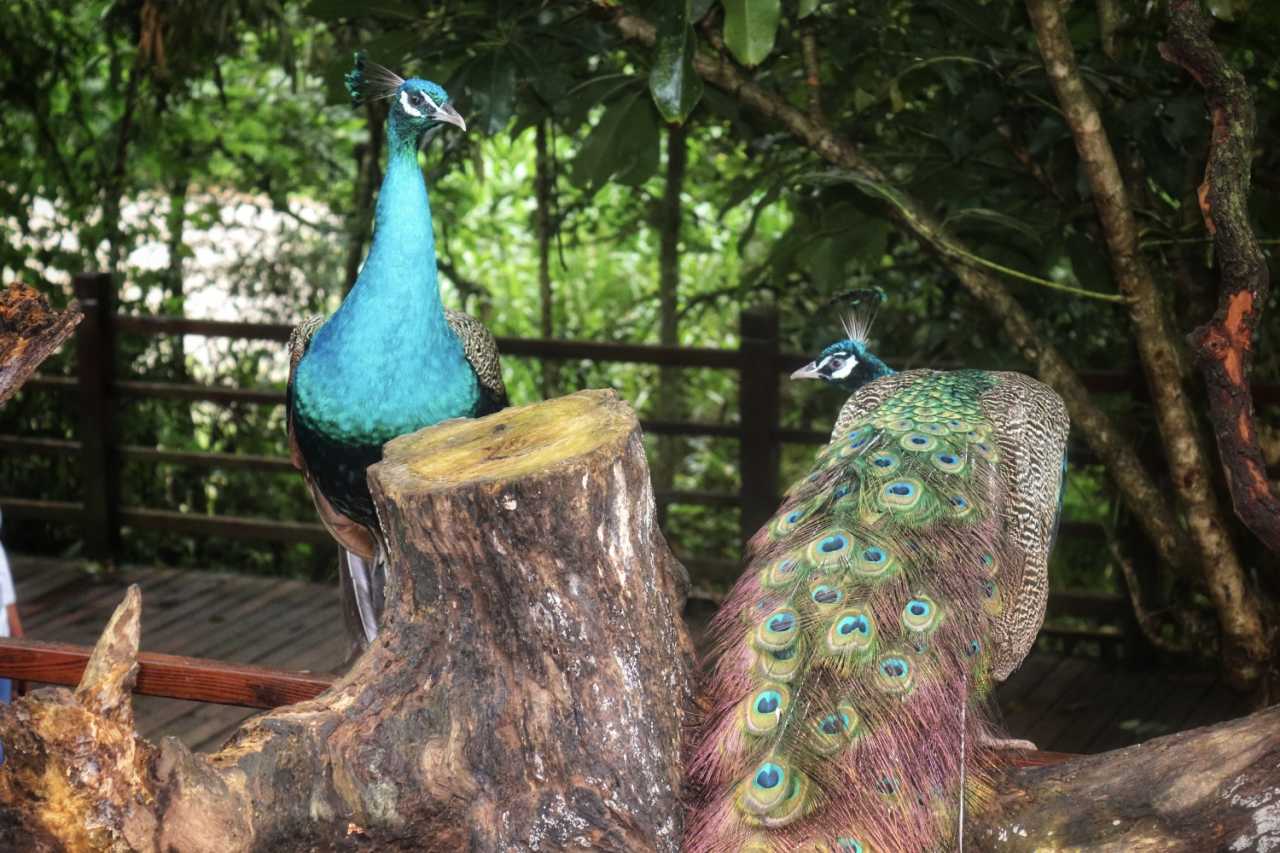
Primitive Forest Park: Overwhelmed by Peacocks
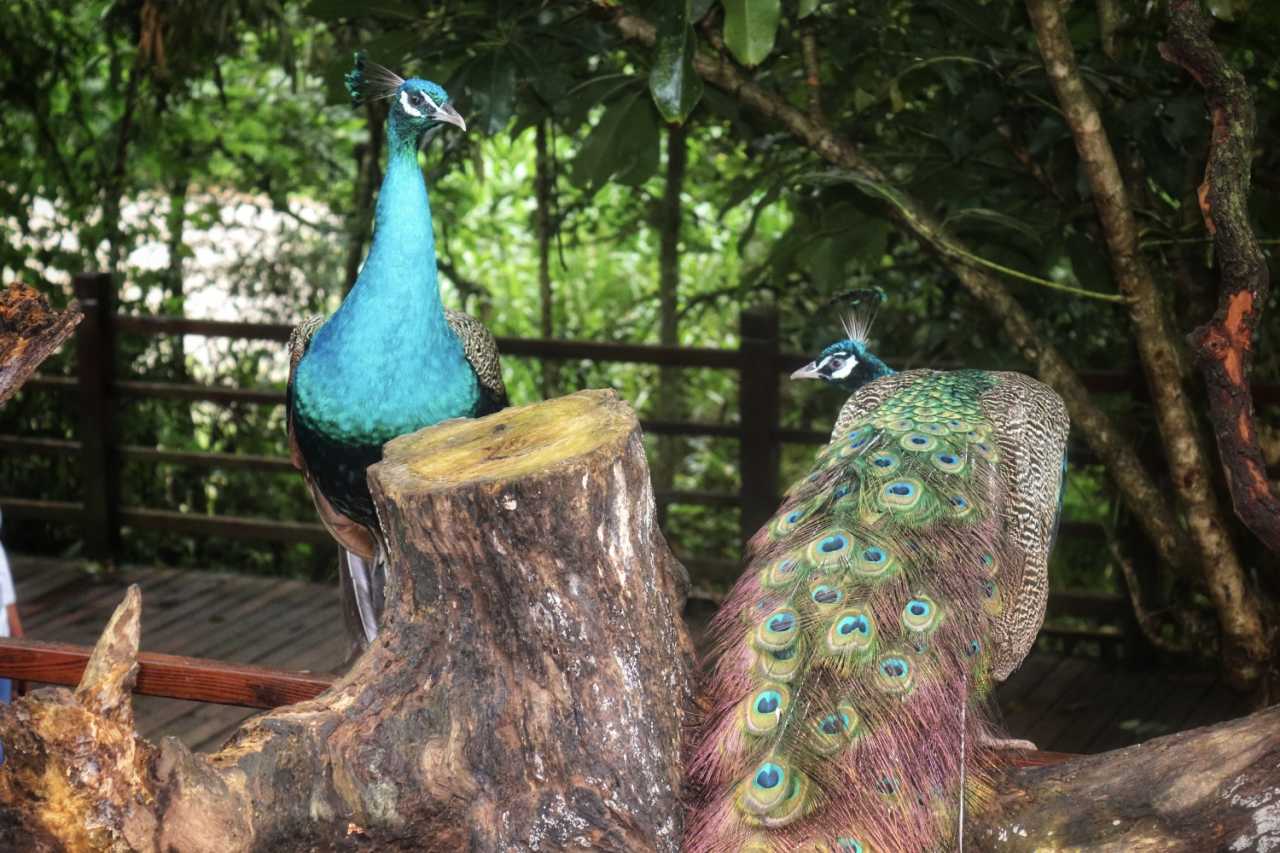
We visited several forest parks that day. Xishuangbanna's Primitive Forest Park felt like a blend of nature and culture. Its highlight was the peacock release performance—when dozens of peacocks flew down to the field, fanned their tails, and made cooing sounds begging for food, the feeling of being "swarmed" by peacocks was both stunning and hilarious.
In the Aini ethnic village, locals were livestreaming, keeping up with the times. During the bamboo pole dance, everyone was hopelessly uncoordinated, with shoes flying off in the chaos. The folk instrument performance featured only five people, but each was incredibly skilled. The segment where they invited audience members to play the drum was full of laugh-out-loud moments.
Dai Ethnic Garden: Water Splashing Carnival and 3-Yuan Bananas

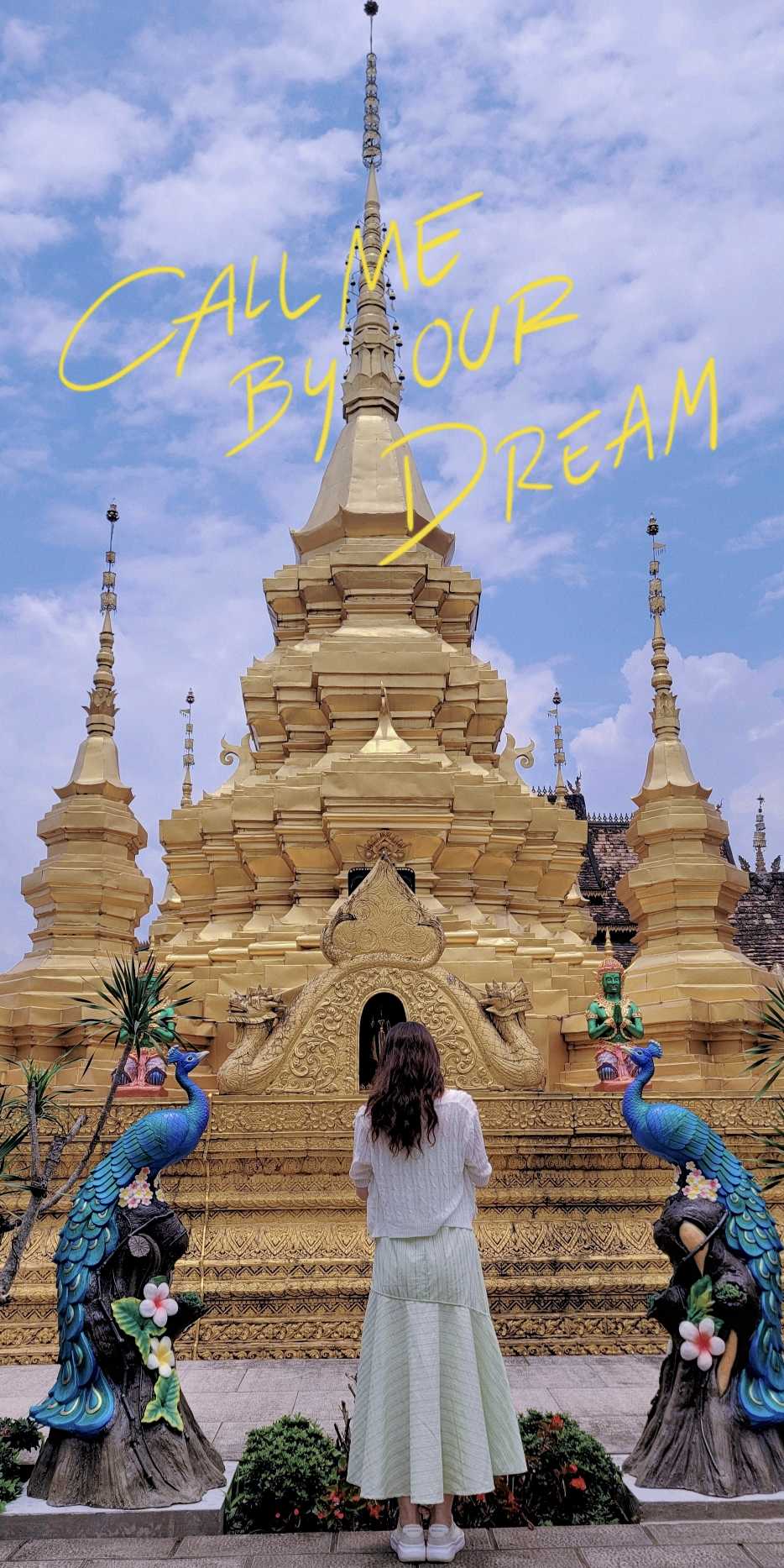
The afternoon sun was high, perfect for cooling off at the Dai Ethnic Garden's water splashing event. Manchunman Buddhist Temple was dazzlingly golden, its 1,400-year history commanding respect. The temple was also surprisingly modern—when we worried about not having coins for the wishing pool, they immediately offered WeChat QR codes for change.
When the water splashing began, Dad and I joined in, while Mom, with a wound that couldn't get wet, served as photographer. In the heat of battle, water got in my eyes, and I just splashed randomly. Soon, I retreated to the sidelines, laughing at the crossfire at the front lines.
The bananas we bought in the scenic area cost just 3 yuan for 15 pieces. The Dai grandmothers were incredibly warm—after we picked a bunch, they threw in an extra small one. We savored that original, delicious taste until the last day.
Jinghong Grand Golden Pagoda: Three Attempts in the Rain
The Grand Golden Pagoda was right next to our hotel, the heart of the Gaozhuang area. Our first attempt failed because Mom was turned away for wearing Thai-style clothing. The second time, after returning from the Dai Garden, a downpour hit, so we had to go in the rain. It wasn't large inside, backed by the Starry Night Market. With few visitors on a rainy day, it lacked the spectacular glow of thousands of lights from earlier. The next morning, the rain stopped, and we went in again—finally, "three visits to the thatched cottage" paid off.
Day Five: Manting Park—The Dai Princess's Back Garden
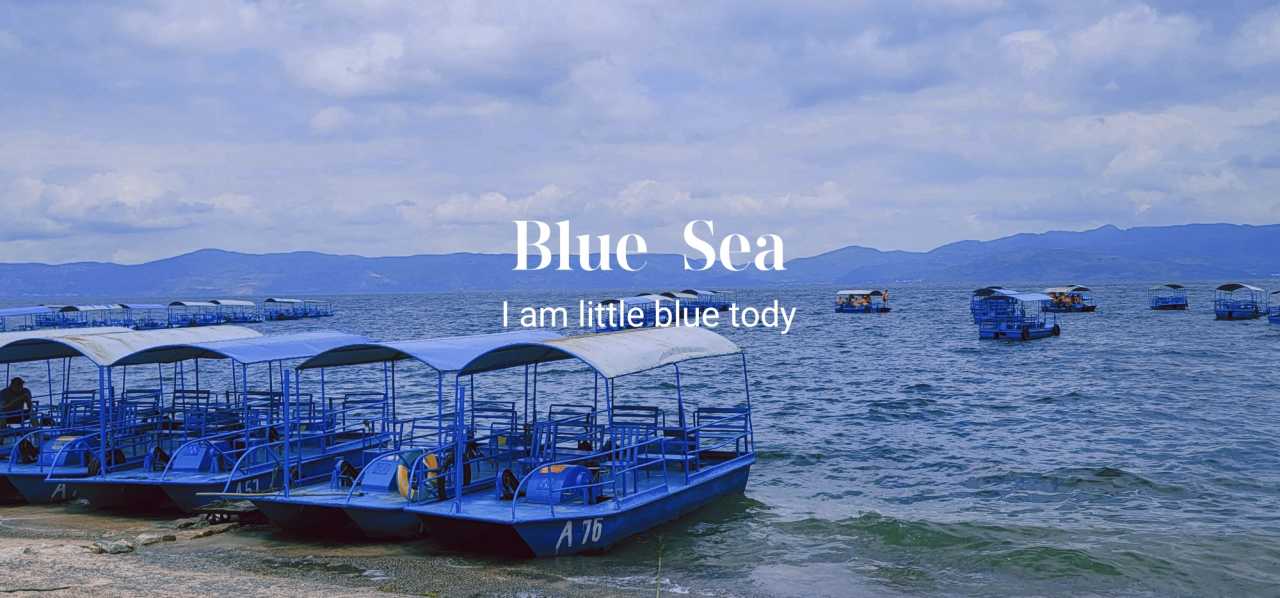
Manting Park was once the back garden of the ancient Dai princess. Its charming architecture and rare plants make it a great spot for photos. Behind the Dai king's palace was a stunning lotus pond, where nature and architecture complemented each other perfectly. The General Buddhist Temple was deep within the park, and we could climb to the second floor for a panoramic view.
The white pagoda and the statue of the Earth Goddess outside were also worth seeing. At the latter, you could wash your hands—believed to bring good luck.
Day Six: Fuxian Lake—Baptism by Lake Light and Phones
Mingxing Fish Cave: A Fish Cave Without Fish
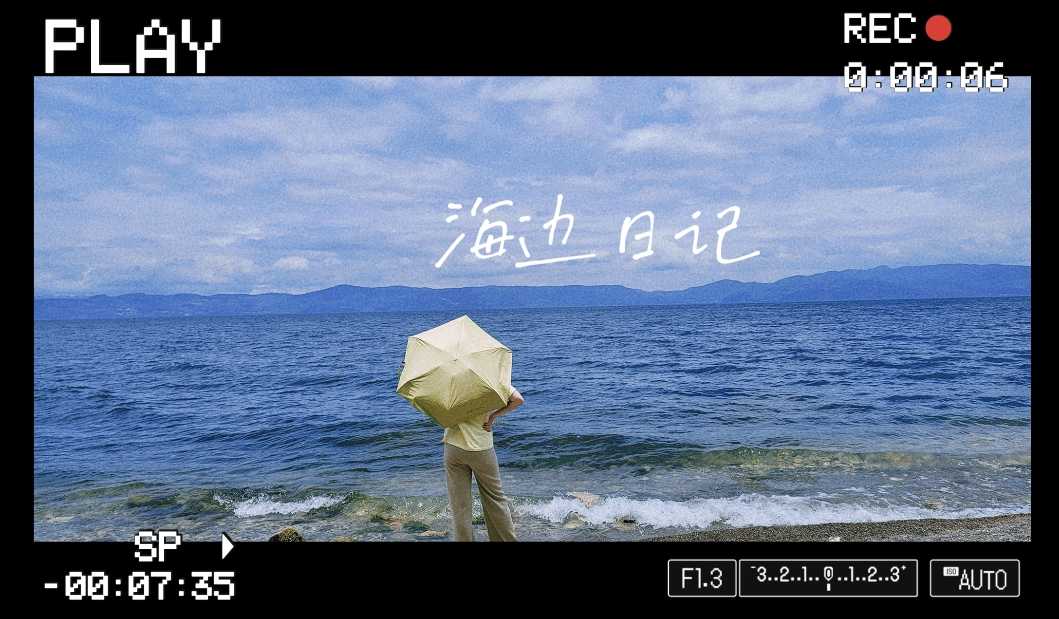
In the morning, we headed to Mingxing Fish Cave, expecting to see a huge cave full of fish. Instead, we found only ditches on either side—no fish, not even water. Dad called the 15-yuan ticket a scam. The only highlight was the relatively clear lake water. We left quickly.
Luchong Scenic Area: Summer Water Meets the Sky
Luchong had transformed from a small fishing village into Fuxian Lake's only 4A-level scenic area. The area was dense with restaurants, each displaying anti-wave fish (kanglang yu, a local species) at their doorsteps, making it feel like a trip to a flower-and-bird market. The fish caves had water now, but the timing was off—the "cart-fishing" devices were just for show, and the real anti-wave fish were caught with nets.
Fuxian Lake National Wetland Park: Flowers and a Train
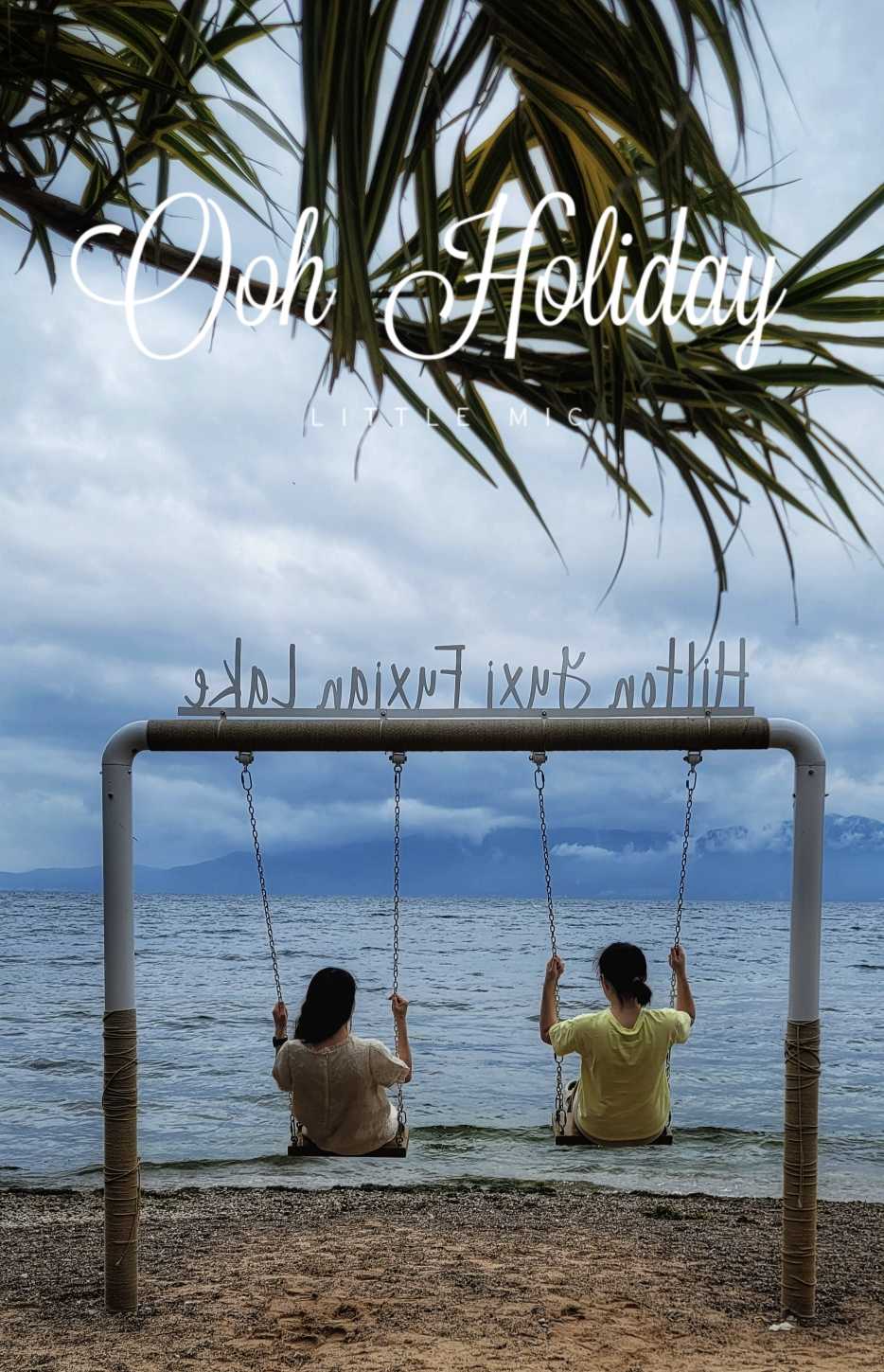
On the driver's recommendation, we visited the newly opened Fuxian Lake National Wetland Park. It was planted with hardy, attractive flowers, and a small train ran through it. Mom's phone suddenly died. The train driver, an older man, first took us to a power bank rental spot, then came back for us. The lake wind whipped Mom's hair into a frenzy, and she joked she looked like a golden lion dog.
Moon Bay Wetland Park: The Phone Disaster
Moon Bay charged a 30-yuan wetland conservation fee, but the ticket could be used for purchases inside, so it was essentially free. We rented a multi-person bicycle. Dad shamelessly sat in the front child seat, while Mom and I, two half-baked drivers, careened around wildly.
While taking photos on the beach, Mom dropped her phone—the bottom half of the screen went black. Worse, my phone fell out while we were cycling. Dad borrowed a mountain bike from the park staff, rode into the rain, and returned triumphant with my phone in hand—in that moment, he had a two-meter presence.
We had originally planned to visit the Red Sand Beach, but after seeing photos stripped of their filters, we changed our minds. All three of our phones were in various states of disrepair, so we headed back to the guesthouse early.
Yuchen Photography Studio: Traveling the World in One Hour
Back at the guesthouse, Mom posed for photos at the Yuchen Photography Studio, pretending to be abroad. I snapped a few candid shots with my camera but mostly sat in the café daydreaming. After Mom finished her shoot, she asked me, the amateur photographer, to take some candid shots of her.
Day Seven: Saying Goodbye to Yunnan, Returning with Memories
Xiaowan Village Guesthouse Cluster: Stealing a Half-Day of Leisure
Our last day was originally a late-night flight, but Fuzhou Airlines canceled it, so we switched to an early evening Xiamen Airlines flight and even saved money. In the morning, we strolled through the Xiaowan Village guesthouse cluster. These were all trendy, internet-famous guesthouses, each with three essentials: a pool, succulents, and banana leaves.
Near our guesthouse was a Santorini-style one with a pool that looked like an aquarium—we called it "the aquarium." In the back courtyard, there was a rabbit with fur so long you couldn't see its eyes, and ears like a cat's. It darted away the moment we touched it.
Accommodation and Food: Details Worth Remembering
Accommodation Recommendations
- Pu'er Huayi Boutique Hotel: Best value for money, full amenities, and they even do laundry
- Xishuangbanna Licheng Bieyuan: Tropical rainforest style, two-story loft, close to the Starry Night Market
- Huazhu·Dai King Palace Hotel: Right next to Jinghong Grand Golden Pagoda, once a filming location for the "Mekong River Case" drama
- Fuxian Lake Hilton Hotel: The pinnacle of Hiltons in China, grand decor, abundant breakfast
- Dorothy Theme Guesthouse: French garden style, includes an on-site photo shoot
Food Memories
- Junyuan Stone Pot Fish (菌源石锅鱼): First time trying jian shou qing (a type of wild mushroom), which was incredibly umami after cooking, with a milky fragrance lingering on the palate
- Tai Ye Tian Xiang (泰椰天香): Free Dai dress rental; the tables were so low that eating felt like doing yoga
- Dai Ethnic Garden Hand-Grabbed Rice (手抓饭): The hostess was so hospitable she gave us mangoes from her own garden
- Yang Yang Snacks (杨杨小吃): Great value—three of us had fish, meat, and vegetables for just over 100 yuan
- Copper Pot Fish (铜锅鱼): A Fuxian Lake specialty, excellent value
- Wantai Desserts (婉泰甜品): Xishuangbanna's most famous dessert shop; even drinking iced coffee late at night didn't keep me awake
Final Thoughts: Why This Was an Unforgettable Graduation Trip
For one week in Yunnan, we felt like we'd entered a secluded paradise. We met cute red pandas, gentle elephants, and warm-hearted Dai grandmothers. We also endured a "triple whammy" of phones—dropped in water, lost, and shattered. But it was precisely these surprises and mishaps that made the trip real and unforgettable.
If you're planning a graduation trip, consider this Pu'er + Xishuangbanna + Fuxian Lake loop. It has the wildness of the rainforest, the tranquility of the lake, the comfort of great food, and the depth of culture. Most importantly, it will teach you that the meaning of travel isn't about checking off attractions—it's about the unexpected joys and moments that touch your heart.
Goodbye, Yunnan. We'll be back.
You should also read:
A 9-Day Yunnan Journey: From Lijiang to Dali to Tengchong – A Trip Toward Self-Reconciliation
A 9-Day Yunnan Journey: From Lijiang to Dali to Tengchong – A Trip Toward Self-Reconciliation Some say travel is simply going from a place you're tired of to a place other people are tired of. It stings to hear, but it's painfully true. Yet there's…
Continue reading...
Yunnan Travel Mastery: From Beginner to Pro-Level Player – A Complete Guide
Yunnan Travel Mastery: From Beginner to Pro-Level Player – A Complete Guide "Either travel or read, but your body and soul must be on the road." This quote has been repeated countless times, but very few people truly manage to be "on the road" and…
Continue reading...
Tengchong·Heshun: Finding Life as It Should Be in a Border Town Where Time Stands Still
Tengchong·Heshun: Finding Life as It Should Be in a Border Town Where Time Stands Still The long journey of over twenty days was over. On my first day back at the office, I was still in a daze. My fingers couldn't find the keys on…
Continue reading...