A Half-Month Dialogue with West Malaysia: Where Food and History Collide
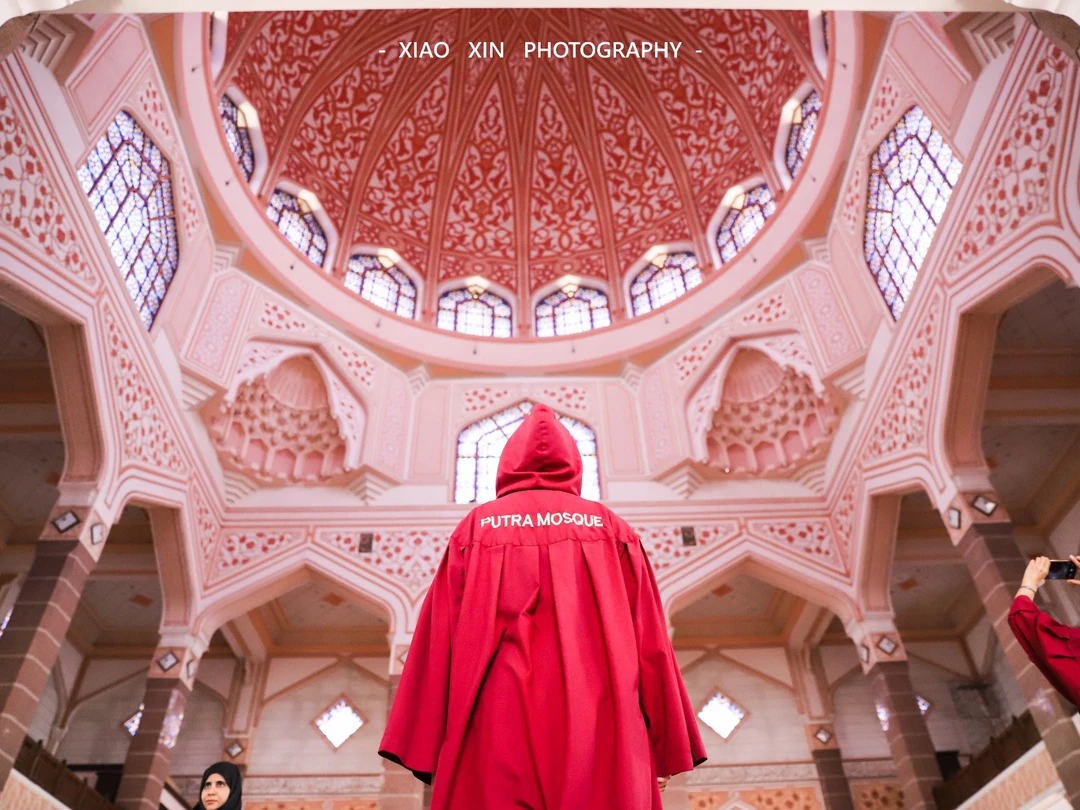
A Half-Month Dialogue with West Malaysia: Where Food and History Collide
Let me paint you a picture.
A steaming bowl of Bak Kut Teh, its herbal aroma curling upward like morning mist. A plate of silky Chee Cheong Fun (rice noodle rolls), glistening under fluorescent lights. A glass of iced white coffee, so sweet it makes your teeth ache. These aren't just meals—they're chapters in a story I spent fifteen days reading across seven cities in Peninsular Malaysia.
This isn't another beach-and-diving itinerary. This is a journey for the palate and the soul, where every bite tells a story of migration, fusion, and survival.
The Prelude: Why West Malaysia?
When I first started planning this trip, friends asked: "Why no islands? Why no snorkeling?"
Simple. Malaysia is a living museum of flavors. The Chinese brought their woks and herbs. The Indians carried their spices. The Malays contributed their coconut milk and pandan leaves. The British left their colonial architecture and tea traditions. All of it simmered together under the tropical sun for centuries, creating something entirely new.
So I traded coral reefs for kopitiams (traditional coffee shops). I swapped snorkeling gear for chopsticks. And I discovered that the best way to understand a culture is through its stomach.
Klang: Where Bak Kut Teh Was Born

The City That Smells Like Herbs and Pork Bones
Klang isn't on most tourist maps. Type "Klang" into a Chinese search engine, and you'll get results about a certain actress's birthday or a comedy sketch. But for food pilgrims, this small city in Selangor is sacred ground.
Getting there is straightforward: From KLIA2, hop on a direct bus to Aeon Bukit Tinggi (13 ringgit per person), then take a Grab to your accommodation. From Kuala Lumpur, catch the KTM commuter train from KL Sentral—about an hour's ride.
The Birth of a Classic: Bak Kut Teh
Bak Kut Teh literally means "meat bone tea" in Hokkien. But don't be fooled by the name—there's no tea leaves involved. The "tea" refers to the dark, medicinal broth brewed from herbs like dang gui (angelica root), star anise, and cinnamon.
Klang was once a bustling port during British colonial rule. Chinese coolies working at the docks needed something to warm their bodies after long hours in the rain. They simmered pork bones with Chinese herbs, creating a nourishing tonic that would become Malaysia's most iconic comfort food.
Today, two main styles exist: the peppery Singaporean version and the herbal Klang original. I tried both.
Straight Glass Claypot Bak Kut Teh
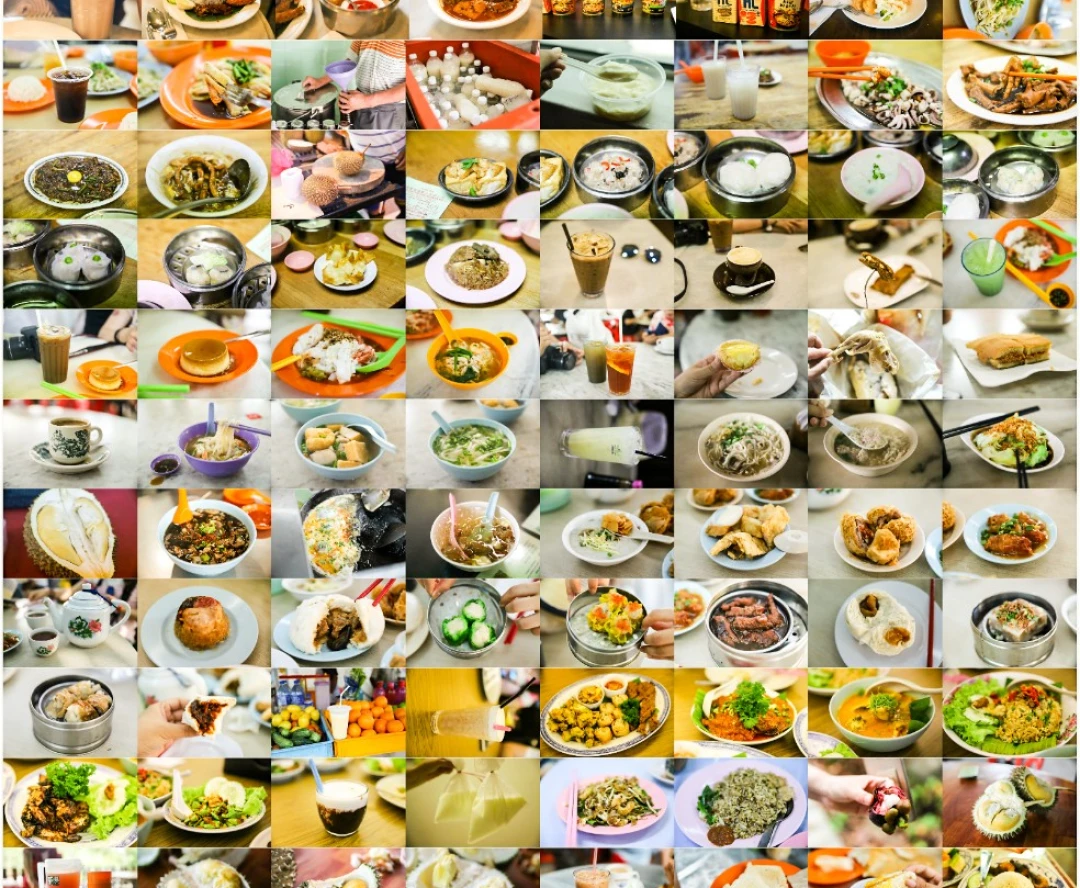
My first meal in Malaysia was at a 30-year-old institution that claims to have invented the claypot method. No frozen meat—only fresh cuts. The result? A broth so clean and aromatic, it felt like drinking liquid history.
The ritual matters here. First, order your tea—a pot of strong Tieguanyin (Iron Goddess of Mercy oolong) or Pu'er (fermented tea). Then choose your meat: three-layer pork belly, ribs, or trotters. Add mushrooms, lettuce, and fried bean curd skin. The vegetables soak up the broth like sponges, releasing bursts of herbal goodness with every bite.
For the adventurous, try the "dry" version—a caramelized, sticky reduction that tastes almost like Chinese braised pork.
Sheng Huat (Bridge) Bak Kut Teh
Hidden beneath a railway bridge where the Klang River meets the tracks, Sheng Huat is a legend. Take the KTM to Klang Station, exit right, and walk 100 meters. You'll find a bustling operation with steam rising from dozens of claypots.
Unlike the claypot version, Sheng Huat serves their Bak Kut Teh in individual bowls. The pork ribs are massive, falling off the bone. The broth is darker, more bitter—a serious, grown-up flavor that rewards patience.
Pro tip: Order the pig trotters. They're gelatinous, sticky, and utterly addictive.
Breakfast Like a Local
Malaysian breakfast is a three-part symphony: coffee, kaya toast, and half-boiled eggs.
China Hotel (Yes, That's the Name)
Don't let the name fool you—this is a kopitiam, not a hotel. And it serves the best kaya toast I've ever eaten. The bread is perfectly charred, and the coconut-egg jam (kaya) is fragrant without being cloying.
Their nasi lemak (coconut rice) comes wrapped in banana leaf, simple but perfect. The sambal (chili paste) is rich and savory, not just spicy. It's the kind of breakfast that makes you want to linger over coffee and gossip.
Half-boiled eggs arrive in a small bowl. Crack them open, add white pepper and dark soy sauce, then dip your toast. It sounds weird. It tastes divine.
Night Market Magic: Boston Seafood Restaurant
Malaysians love their seafood. At Boston, a no-menu joint that opens at 6:30 PM (expect queues), everything is fresh and generous.
Their Hokkien Mee is a revelation—thick yellow noodles stir-fried with dark soy sauce, prawns, pork lard, and vegetables. It looks black, but one bite reveals layers of umami.
Steamed clams (lala) come in a sweet, clear broth topped with fried shallots. The cereal prawn paste is a local specialty—sweet, crunchy, and absurdly affordable (30 ringgit for a generous portion).
Beyond Food: Klang's Quiet Charms
Klang is small enough to explore on foot. The Klang River, Kuala Lumpur's mother river, flows through the city center. The Kota Bridge, Malaysia's last surviving double-decker bridge, still carries cars above and pedestrians below.
Don't miss the Klang Royal Mosque, with its golden dome reflecting perfectly in the river. Across the water, the Little India mosque glows in Tiffany blue—a stunning example of South Indian architecture.
Shah Alam: Where Malaysia Meets Japan
The Saturday Night Spectacle
I originally came to Shah Alam for the Setia Alam Pasar Malam (night market)—the largest near Kuala Lumpur, with over a thousand stalls operating every Saturday.
But fate had other plans.
That weekend, the Panasonic Sports Complex was hosting Bon Odori, a Japanese summer festival celebrating Obon—the festival of the dead. And somehow, in Muslim-majority Malaysia, this event has been running for over 40 years.
The Headscarf and Kimono
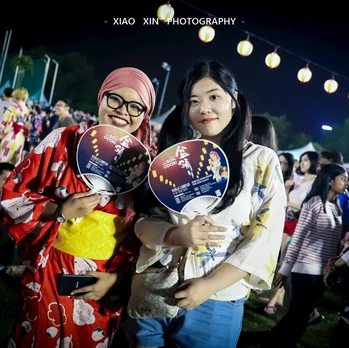
Walking into the stadium felt like stepping into a parallel universe. Japanese lanterns hung everywhere. Women in colorful yukata (summer kimonos) walked alongside women in hijabs. Children in cosplay ran past stalls selling takoyaki (octopus balls) and yakisoba (fried noodles).
A Malay woman in a headscarf expertly flipped okonomiyaki (savory pancakes). A little girl in a kimono handed me sushi and said "Arigato" (thank you in Japanese). A group of teenagers posed for photos—one in a full samurai costume, another in a Sailor Moon outfit.
As night fell, the drums began. People of all ages formed concentric circles around the stage, dancing the Bon Odori folk dance. The movements are simple—raise your arms, step forward, step back—but the collective joy was infectious.
I joined in, laughing at my own clumsiness. For a moment, I forgot where I was. Malaysia? Japan? Neither? Both?
The Blue Mosque: Malaysia's Largest
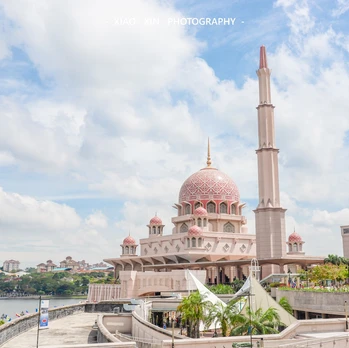
Shah Alam might be an industrial city, but it houses the Sultan Salahuddin Abdul Aziz Shah Mosque—better known as the Blue Mosque.
This is no ordinary mosque. It's the largest in Malaysia, second-largest in Southeast Asia. Its blue dome is the largest religious dome in the world. Its four minarets are the tallest on earth.
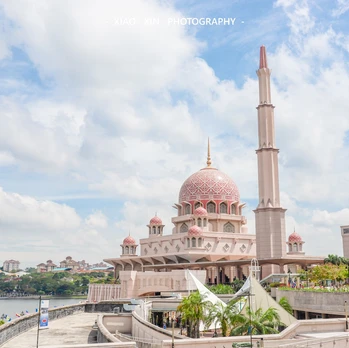
The mosque is remarkably visitor-friendly. Free guided tours run at scheduled times. You'll be given a blue robe and headscarf (for women) before entering.
Inside, the space is vast and serene. The blue-tiled dome rises above like an inverted sky. Star-shaped cutouts in the walls allow light to filter through, creating patterns on the marble floor. The acoustics are perfect—our guide played the call to prayer, and the sound seemed to come from everywhere and nowhere.
Don't miss the women's prayer hall, with its intricate floral patterns, or the children's area, where school groups learn about Islam.
Malacca: Where History Lives on Your Plate
The City of Chicken Rice Balls
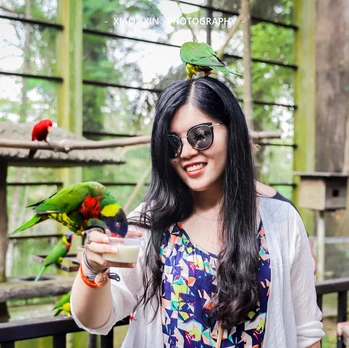
Malacca is a living museum—a Unesco World Heritage site where Portuguese, Dutch, and British colonial influences collide with Chinese, Malay, and Peranakan (Straits Chinese) cultures. And nowhere is this fusion more delicious than in its signature dish: chicken rice balls.
Unlike the Hainanese chicken rice found in Singapore or Kuala Lumpur, Malacca's version comes with rice shaped into compact balls, making it easier to dip into soy sauce, chili, and ginger paste. The chicken is poached to silky perfection, the skin glistening with a thin layer of seasoned oil.
Head to Famosa Chicken Rice Ball, a no-frills eatery near Jonker Street. The queue moves fast, and the payoff is worth it. Each rice ball is dense yet fluffy, absorbing the chicken's natural juices. Pair it with a bowl of chicken soup and a side of braised tofu.
Jonker Street: A Feast for the Senses
Jonker Street (Jalan Hang Jebat) comes alive at night. By day, it's a quiet stretch of antique shops and art galleries. By dusk, it transforms into a carnival of food, music, and souvenirs.
Must-tries include:
- Cendol — shaved ice topped with green rice flour jelly, coconut milk, and palm sugar syrup. The version at Jonker 88 is legendary.
- Popiah — fresh spring rolls filled with shredded turnip, bean sprouts, and a sweet-savory sauce. Look for the stall near the clock tower.
- Satay Celup — a Malacca specialty where skewered seafood, meat, and vegetables are dipped into a bubbling pot of peanut sauce. It's like hot pot, but with satay.
The Peranakan Heritage
The Peranakan, or Straits Chinese, are descendants of Chinese immigrants who married local Malays. Their culture is a beautiful hybrid—Chinese ancestral traditions with Malay language, dress, and cuisine.
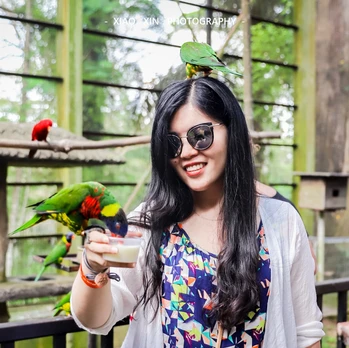
Visit the Baba-Nyonya Heritage Museum to see a restored Peranakan mansion. The intricate wood carvings, porcelain tiles, and antique furniture tell a story of wealth and cultural blending.
For a taste of Peranakan cuisine, try Nyonya Laksa—a rich coconut curry noodle soup with a hint of sourness from tamarind. The version at Nancy's Kitchen is sublime.
Penang: The Pearl of the Orient
George Town's Street Art and Hawker Culture
Penang is the undisputed food capital of Malaysia. George Town, its capital, is a Unesco World Heritage site where colonial buildings, Chinese shophouses, and Hindu temples coexist. But the real attraction is the food.
Start your day at Sin Hup Aun Cafe for a bowl of Penang Hokkien Mee—a prawn-based noodle soup with a spicy broth, hard-boiled egg, and sambal. The soup is made from simmering prawn shells and heads for hours, resulting in a deep, briny flavor.
For lunch, head to Lorong Selamat for Char Koay Teow—flat rice noodles stir-fried with prawns, cockles, bean sprouts, and Chinese sausage. The secret is the wok hei (breath of the wok), a smoky char that only high-heat cooking can achieve.
The Street Art Trail
George Town is famous for its street art, thanks to Lithuanian artist Ernest Zacharevic's murals. The "Kids on a Bicycle" and "Boy on a Chair" are iconic, but lesser-known works are scattered throughout the city.
Rent a bicycle or take a trishaw to explore. The best art is often hidden in side alleys—look for the "Brother and Sister on a Swing" near Armenian Street.
Night Market: Gurney Drive
Gurney Drive is Penang's premier hawker center. The selection is overwhelming: Asam Laksa (sour fish noodle soup), Oyster Omelette, Rojak (fruit salad with shrimp paste), and Cendol.
Don't leave without trying Pasembur—a salad of shredded cucumber, turnip, bean sprouts, and fried tofu, drenched in a sweet potato sauce. It's a Penang original.
Final Thoughts: A Journey of Taste and Time
Fifteen days, seven cities, countless meals. I came to West Malaysia for the food, but I left with something more: an understanding of how history and culture are preserved in every bite.
The Bak Kut Teh of Klang tells the story of Chinese coolies. The Bon Odori in Shah Alam speaks to Malaysia's multicultural openness. The chicken rice balls of Malacca are a testament to Peranakan ingenuity. And the hawker stalls of Penang are a living archive of Southeast Asian fusion.
Malaysia isn't just a place to eat. It's a place to listen—to the sizzle of woks, the chatter of kopitiams, and the silent stories carried by every dish.
So go. Eat. Listen. And let the journey change you.
You should also read:

Pilgrimage to Meili, Trekking through Yubeng: The Ultimate Dialogue Between Soul and Body
Pilgrimage to Meili, Trekking through Yubeng: The Ultimate Dialogue Between Soul and Body Prologue: When Dreams Become Reality Some places, just by saying their names, are enough to make your heart race. Yubeng, a hidden village nestled deep within the Meili Snow Mountains, is exactly…
Continue reading...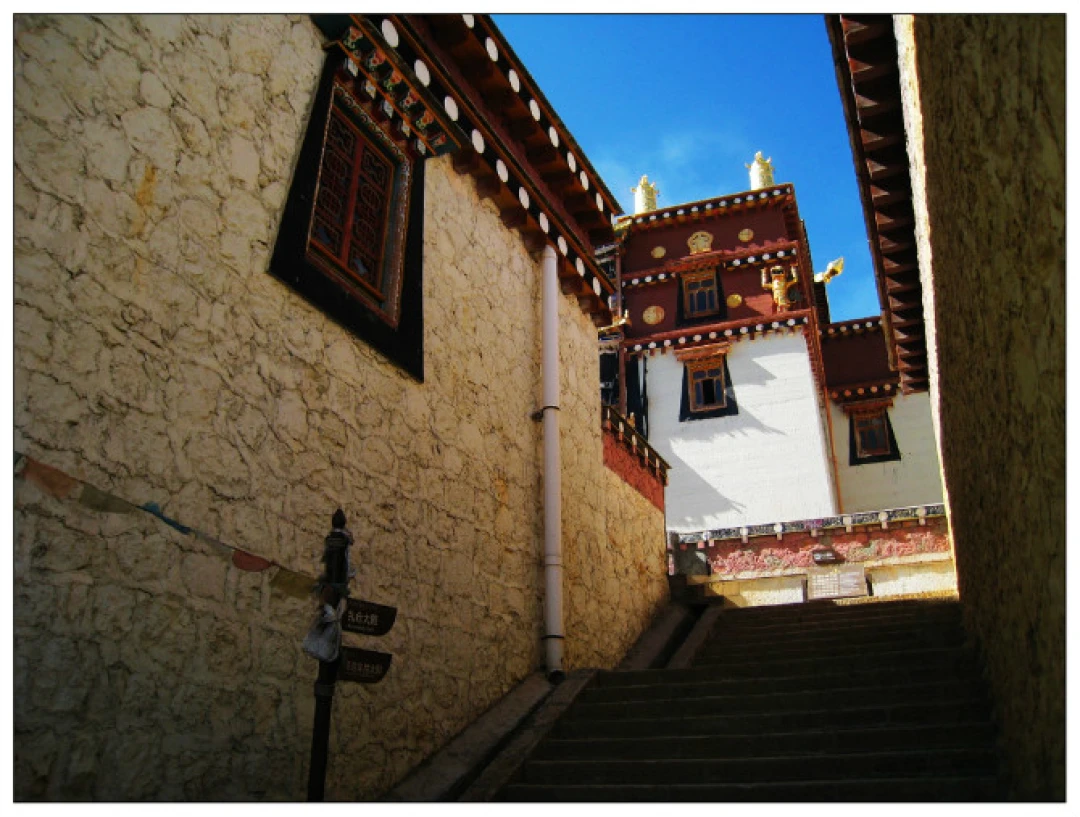
Yunnan's Colorful Clouds: Touching Shangri-La — A Dialogue with the Sky
Yunnan's Colorful Clouds: Touching Shangri-La — A Dialogue with the Sky If you ask me where in China is closest to heaven, I would tell you without hesitation: Shangri-La. The name itself carries a mysterious magic, as if every syllable whispers tales of distant lands.
Continue reading...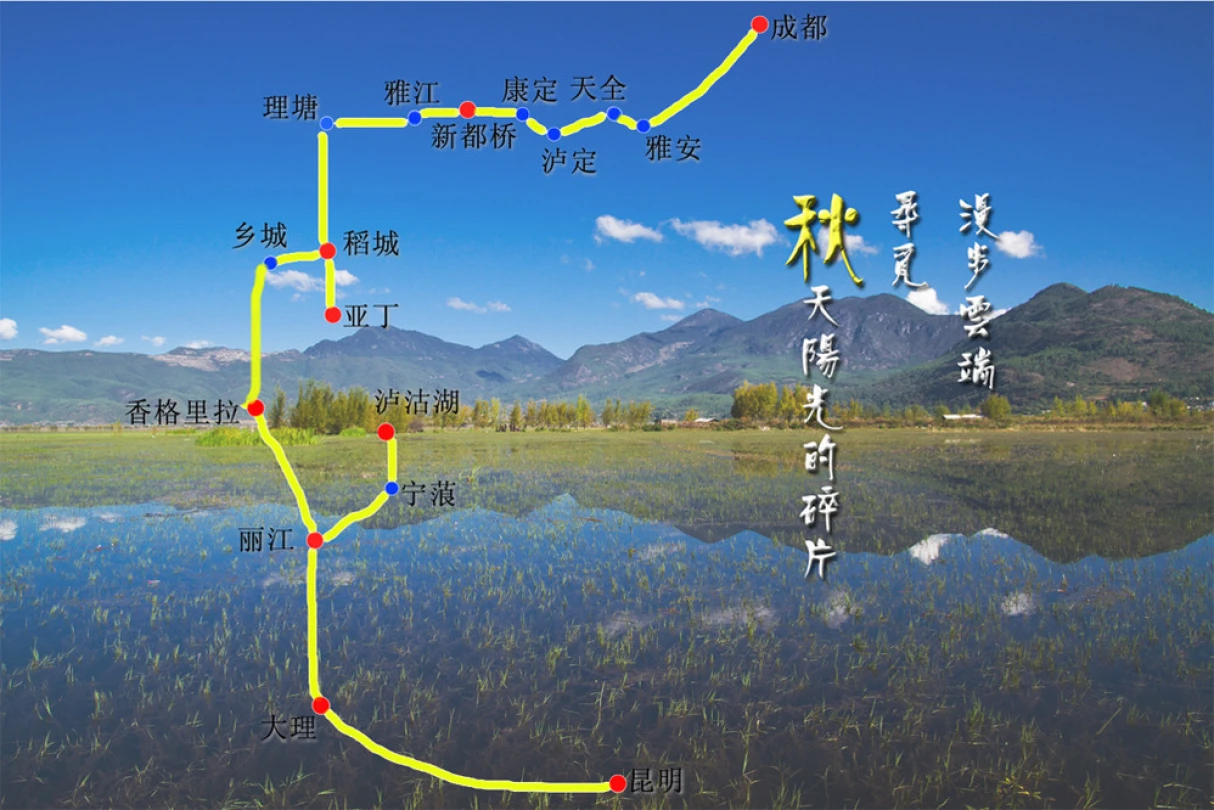
Strolling Among the Clouds: Gathering Autumn's Light on the Western Sichuan Plateau
Strolling Among the Clouds: Gathering Autumn's Light on the Western Sichuan Plateau Prologue: A Sun Chaser's Journey Autumn sunlight is like a gentle painter, using golden brushstrokes to smear the last traces of warmth across the earth. It slips through the gaps between your fingers,…
Continue reading...