A Journey for Farewell: When Solitude Becomes the Best Healing
A Journey for Farewell: When Solitude Becomes the Best Healing
Introduction: Not All Journeys Are for the Scenery
In the summer of 2013, I embarked on a solo trip across Guizhou, Yunnan, and Hunan. This was no ordinary excursion—not for checking off Instagram-worthy spots, not for snapping photos that would wow my social feed, and certainly not for chasing some elusive "poetry and distant horizons." To be honest, I just wanted to run away.
Work was suffocating. The grind of making a living had turned travel into a luxury. But some things had happened earlier that year—a punch to the gut that I still couldn't bring myself to talk about. The price of growing up had finally come due. Guilt, self-blame, reluctance—they washed over me like a tide. I knew I needed a place with no familiar faces, somewhere I could just sit quietly, even if all I did was stare into space.
My father once told me: "In this life, you never know what's coming. If it's not one problem, it's another. If you can learn to solve them, or learn to accept them, and live a steady life—that's already something remarkable."
So I opened a map, pointed at random, and my finger landed on a stretch of towering mountains. No plan. No guidebook. I'd go wherever the road took me.
Chapter One: Departure—A Ticket Bought with Miles
I booked a flight to Kunming—paid for with airline miles, costing me only 180 yuan (about $25). Everything after that was a blur of decrepit express trains, rattling minibuses, and bumpy "bengbeng" three-wheelers.
Those vehicles carried me from one unfamiliar place to another. Sunrise or sunset, drizzle or thick fog—when my phone lost signal, I got lost. When I was tired, I crashed at whatever tiny inn I could find. When hungry, I squatted by the roadside and gnawed on a flatbread.
Call it "self-exile" if you want to be kind. Call it hiding to lick your wounds if you're being honest. I barely spoke the whole time—nothing like my usual talkative self.
Of course, I knew the distance wouldn't give me what I was looking for. I just wanted to disappear for a while.
Chapter Two: Kunming—Chill in the Height of Summer
First stop: Kunming.

What struck me most about this city was the chilly weather in the middle of summer. Unfortunately, the old Kunming had mostly been demolished. I was probably ten years too late.
I met up with a few friends in Kunming and talked—a lot. I think I used up all the words I had for the entire trip right there. After leaving Kunming, I fell into a long silence.
Chapter Three: Dali—Doing Nothing Was the Only Thing to Do
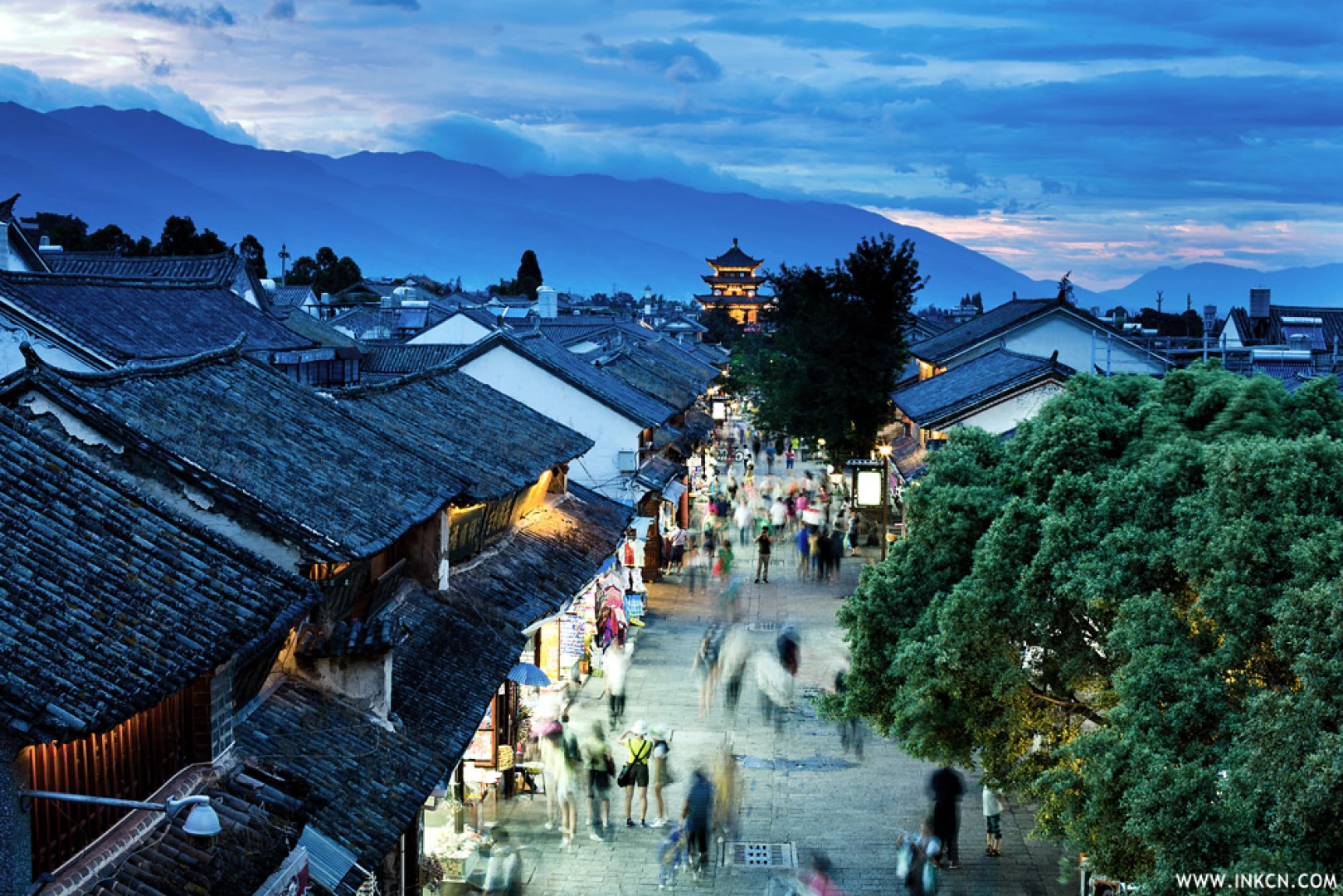
For me, Dali was just a transit point. I sat on the city wall at dusk, watching the light fade.
On Renmin Road, there was a café called "Qiyi" (Secluded Escape). I spent an entire afternoon there, waiting for a sample copy of Time in Frames that a Beijing publisher was sending me. At the next table, two girls from Luoyang showed up, bubbling with excitement, asking me to take their photos. They invited me to join them in Lijiang.
I declined. "I'm not much of a photographer," I said. "And this camera is borrowed."
Dali's old town was as chaotic as a farmers' market—shop after shop, tourists everywhere. But I didn't explore the town, didn't visit any sights, didn't chat up strangers, didn't look for romance, didn't hunt for food, didn't shop, didn't even take photos.
The only thing I did was stare into space.
I sat on my hotel bed and stared. I sat on a bench by the river and stared. I sat on the city wall and stared. I sat in the café and stared. I even turned down a friend who happened to be visiting Dali and wanted to meet up.
But the truth is, I wasn't thinking about anything.
That day, I drank two cups of coffee—each costing 10 yuan (about $1.50). I ate nothing.
Chapter Four: Weishan—Waiting for Xiaoqian Like Ning Caichen
When I left Dali, I had no idea where to go next. The owner of Chenxiang Inn, Mr. Wang, said, "Go to Weishan for a couple of nights." So I went.
Weishan's old town was like Dali before it was developed—few tourists, honest local people, a sense of peace.
Chenxiang Inn was a courtyard of Ming Dynasty buildings. That night, I was the only guest. The old man who kept watch went to bed early. The night wind wound through the ancient structures, and old trees cast flickering shadows under dim lights. The courtyard was so quiet that all I could hear was my own footsteps.
I paced in that patchwork of light and shadow, wanting to shout, but afraid of disturbing something. I started imagining I was Ning Caichen—the scholar from the Chinese ghost story A Chinese Ghost Story—waiting for the beautiful spirit Xiaoqian. Then I decided I didn't fit that role, so I imagined I was Yan Chixia, the Taoist exorcist instead.
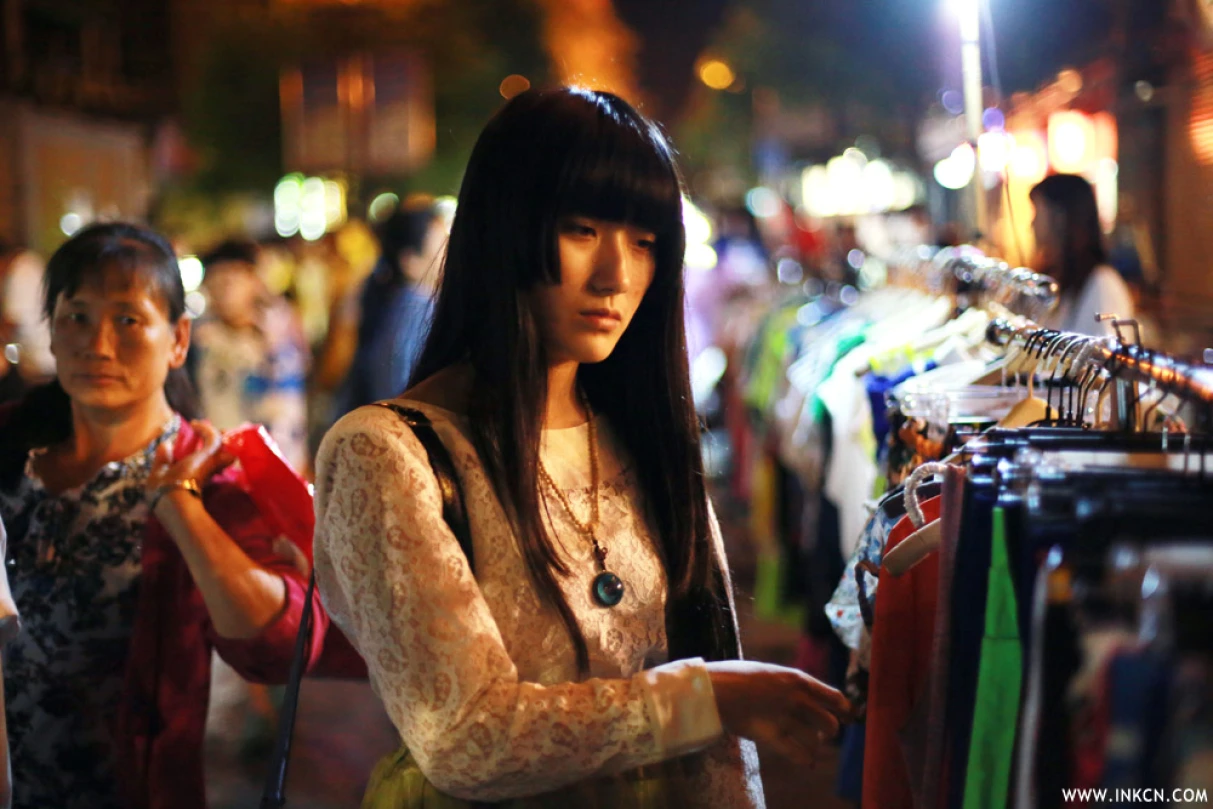
I couldn't resist posting a Weibo update. My friends, being thoughtful, flooded my comments with ghost stories.
But Xiaoqian never showed up.
An old woman grilling rice cakes by the roadside insisted on treating me to one when she saw my camera. Then she burned three more trying to pose for my photos, and I felt terrible about it. At the farmers' market, I found homemade rice wine selling for one yuan (about 15 cents) a cup. When I asked about the alcohol content—nearly 60%—I quietly walked away.
I took a horse-drawn carriage that cost two yuan (about 30 cents) to some nameless village, then rode back in silence.
The inn's night air was cool as water, and I didn't want to leave. I stayed an extra night. I would have stayed longer, but I worried about taking up space the owner could rent to other guests. So I moved on.
Next stop: unknown.
Chapter Five: Xizhou—The Bai Grandmothers' Temple Festival
On the minibus leaving Weishan, I was still debating my next destination. A friend I'd met in Kunming called: "Go to Xizhou. It's peaceful there."
So I transferred buses and headed to Xizhou.
After a long, bumpy ride in a bengbeng, I finally found the secluded Wuwa Inn. The owner, Miss Su, was quiet and unassuming. She let me settle in on my own, then casually asked if I wanted to join her for lunch. When I left a couple of days later, she happened to be heading to Dali and gave me a ride without making a fuss.
The day I arrived in Xizhou happened to be the local City God Festival. Every Bai grandmother and auntie in town was at the temple—burning incense, dividing up meat, and feasting together. It was a lively scene.
Few tourists passed through. Those who did came in to snap photos of the grandmothers, but they were silent and timid. I was the only one who walked up and started talking—even though neither side could understand a word the other said. I offered cigarettes to the old women, helped them portion out the meat, and snuck a few bites for myself (I hadn't eaten all day and was starving).
The Bai grandmothers were incredibly warm. When tourists wandered in, they'd invite them to join the meal. The tourists all nervously declined. I was the only one who sat right down and helped myself to two servings of rice. The grandmothers kept picking out the lean pieces of meat and stuffing them into my mouth (the sacrificial meat was mostly fat). In the end, I was so full I could barely move.
I borrowed one of Wuwa Inn's bicycles and tore through the town. I rode down empty dirt paths to the Erhai lakeshore, where squirrels and masked palm civets occasionally darted across the road. At dusk, egrets, cattle egrets, hoopoes, and crows crowded into the big tree at the town entrance, their calls filling the air.
Xizhou's famous flatbreads lived up to their reputation—savory with minced pork, sweet with rose petals, both incredibly fragrant. I stuffed one sweet and one savory into my battered camera bag, taking a bite of one, then the other, whiling away my time in Xizhou.
Chapter Six: Zhenyuan—Sour Fish Soup So Spicy It Made Me Cry
From Xizhou, I went back to Dali. By normal logic, the next stops should have been Lijiang, Shangri-La, Lugu Lake. But my brain short-circuited. All those places felt tedious. Everyone strongly recommended Nuodeng, Shaxi, Heshun, Puzhehei—I had no desire to go.
I decided on Guizhou. Zhenyuan.
Why? I couldn't say. Maybe because getting to Zhenyuan was far and inconvenient. Maybe because I didn't know a single person there—which meant I wouldn't have to talk.
Xizhou to Dali: two hours. Dali to Kunming: four hours. Kunming to Zhenyuan in southeastern Guizhou: fifteen hours on a hard-sleeper express train.
I actually love train rides. In the middle of the night, the only sound is the monotonous rhythm of wheels on tracks. Outside the window, a cluster of lights, then a cold moon. I'd stand in the train's vestibule, smoke a cigarette in silence, no longer bothering to chat with seatmates like I did when I was younger.
I had no expectations for Zhenyuan. It's a famous border town, but when I arrived, I found that the riverside was lined with brand-new buildings in the Huizhou style—all the historic structures were long gone.
No expectations, so no disappointment.
Friends far away sent messages, urging me to visit the famous "Wild Great Wall." I huffed and puffed my way up—spending the only admission fee of the entire trip: 30 yuan (about $4).
At the hilltop pavilion, a forest of tripods waited for the night view. Enthusiastic older photographers shared their wisdom: "You need a shutter release cable for your tripod!" "For panoramas, you need a wide-angle lens—forget about that 50mm prime!" "Use M mode, you know? M for manual!" "Next time, bring a tripod!"
I thanked them sincerely for their advice, then shot two photos of them standing heroically by their tripods—using P mode (fully automatic)—and quietly headed back down.
What I remember most fondly about Zhenyuan is the insanely spicy sour fish soup. When you can't cry, getting your nose and eyes running from chili works just as well.
Chapter Seven: Hongjiang—A Surprise in a Crumbling Old Trading Town
Leaving Zhenyuan, I decided to head to western Hunan. I'd been longing to visit Jishou, but there was no direct train from Zhenyuan, so I had to transfer in Huaihua.
I'd heard of a place called Hongjiang near Huaihua. That afternoon, after arriving in Huaihua by train, I took a bus to the faraway Huaihua South Station, then transferred to a rickety minibus for another two or three hours to reach Hongjiang. I arrived at sunset. At five the next morning, I took another two-to-three-hour bus back to Huaihua to catch a train to Jishou.
If I'd had a travel companion, they would have disowned me.
But Hongjiang's old commercial town—often dismissed online as "small, run-down, nothing to see"—gave me an unexpected gift.
Maze-like alleyways. Crumbling, unrestored old houses. Some still inhabited by gentle, hospitable elderly people. The setting sun cast dreamlike light and shadow in courtyards with skywells. I wandered into one house and asked a woman named Aunt Su, who was washing dishes, where I could find a place to eat. She said, "If you don't mind, eat with me. My son is in college in Guangzhou."
I walked into a neighbor's house. An elderly woman named Grandma Zheng lived alone. When she heard I wanted to take her photo, she spent ages combing her hair in front of an old vanity mirror. She said, "You should come during Spring Festival. The New Year festivities are much livelier. My son is in Guangdong, my daughter is in Guangdong, my granddaughter is in Guangdong too. They haven't come home for the New Year in two or three years. Work is always busy, and train tickets are hard to get..."
I took almost no photos of Hongjiang's old buildings. Instead, I photographed the elderly people. If I ever get the chance to go back, I'll bring those photos with me, hoping I can still find them.
Chapter Eight: Chadong—For Shen Congwen, For Border Town
From Hongjiang to Jishou: three hours by train, hard seat. The entire carriage was empty—the most luxurious leg of the entire trip.
When I finally reached Jishou, the town I'd been longing to visit, I suddenly didn't want to stay. After eating a bowl of the sour pickled radish I'd been craving, I decided to head to the Chadong of my dreams.
The route from Jishou to Chadong was absurdly circuitous. Four or five transfers, most of a day on the road. I arrived in Chadong at dusk again.
Chadong is a remote place, a lawless triangle where Hunan, Guizhou, and Chongqing meet. From here, the You River flows into the Yuan River, all the way to Dongting Lake. It was through this region that Shen Congwen, the great Chinese writer, left western Hunan. Using the old ferryman and his granddaughter as his models, he wrote Border Town.
I was about twelve or thirteen when I first read it. I was a voracious reader but had no money for bookstores. I'd save my snack money and buy used books by the pound at a scrap yard. One of those books was Border Town. It showed me that words could tell stories like that.
So, despite all the hardship to get there, the scenery of Chadong no longer mattered. Just arriving was enough.
Beneath the white pagoda, the ferry of Grandpa and Cuicui was nowhere to be found—only a highway bridge soaring overhead. The hand-pulled ferry still operated at the upper crossing, one yuan per trip. I crossed back and forth that day, spending about fifteen yuan.
I took off my shoes and sat on the pebble beach—clear as ever—and watched the entire dusk pass.
Three girls were chatting by the river. Later they came over and asked me to take a group photo. They'd grown up together in Chadong and had just finished their college entrance exams. Some had gotten acceptance letters; others were preparing to go work in the cities. It would be hard for them to gather like this again.
"Chadong isn't what it used to be when we were kids," they said. "But at least the river hasn't changed much."
I took a few photos of them on the beach. They weren't artistic or creative. But I believe they were precious to those girls.
For dinner in Chadong, I ordered the most expensive river fish. Deep down, I almost wanted Chadong to overcharge me—as a way of repaying what Border Town had given me.
Shen Congwen ended Border Town with these words: "He might come back tomorrow. He might never come back."
Chapter Nine: Yuanling—The Loneliness of the Last Stop
By the time I returned to Jishou bus station from Chadong, I was haggard and weather-beaten. My suitcase was stuffed with dirty clothes, and I'd lost two socks somewhere along the way.
One last stop, then. But where? I traced the Yuan River on the map. "Yuanling"—the name itself was beautiful. I'd go to that place with the beautiful name.
I knew nothing about Yuanling. Vaguely, I remembered it was Shen Congwen's last stop before leaving western Hunan. And in the novel The Return of the Condor Heroes, the jealous lover of Li Mochou had a character named Yuan—she once wiped out thirty-six businesses along the Yuan River in a single night out of hatred. But that was just fiction.
When I arrived, I found it was a tiny, remote county, famous for its dragon boat races on the Yuan River during the Dragon Boat Festival.
At dusk, I was exhausted. I couldn't walk another step. I sat on a long embankment, watching people practice dragon boat racing on the river. Fishermen released cormorants. Others cast nets. Men, women, and children splashed in the water to escape the heat.
A teacher from Yuanling No. 1 High School, also a photography enthusiast, passed by. Seeing my camera, he invited me to his home for dinner. "I'm too tired," I said. "Thank you."
Sunset. Moonrise.
The full moon's light spilled over the boats moored on the Yuan River, a clear radiance stretching for miles. The loneliness was unbearable.
Where was my way home? Time to go back.
Epilogue: Life Is Nothing but a Series of Meetings and Partings
Thank you for making it this far. This travelogue has been long, rambling, and utterly pointless—just me talking to myself.
But I'm glad I've taken up some of your time to read it.
We are all born lonely. That's why we need to meet each other. I'm glad we met at the end of this article.
Well. That's it.
Life is nothing but a series of meetings and partings—some long, some short.
We will part eventually. But please, not just yet.
Dedicated to my father, and to everyone who has ever loved me.
Final Notes: Three Travel Tips for Readers
Allow yourself to travel without a purpose: Not every journey needs a perfect plan. Sometimes, going wherever the road takes you leads to the most authentic scenery and the most genuine people.
Solitude is a luxury form of healing: In a noisy world, give yourself time alone. Don't talk. Don't socialize. Don't check in anywhere. Just stare into space, walk, eat, sleep. You'll find that many things you couldn't figure out slowly become clear.
The best souvenir isn't a photo—it's a story: The grandmother who grilled rice cakes for you by the roadside. The Bai auntie who piled meat on your plate at the temple festival. Grandma Zheng who combed her hair for your photo in Hongjiang. They are the real scenery of your journey.
You should also read:
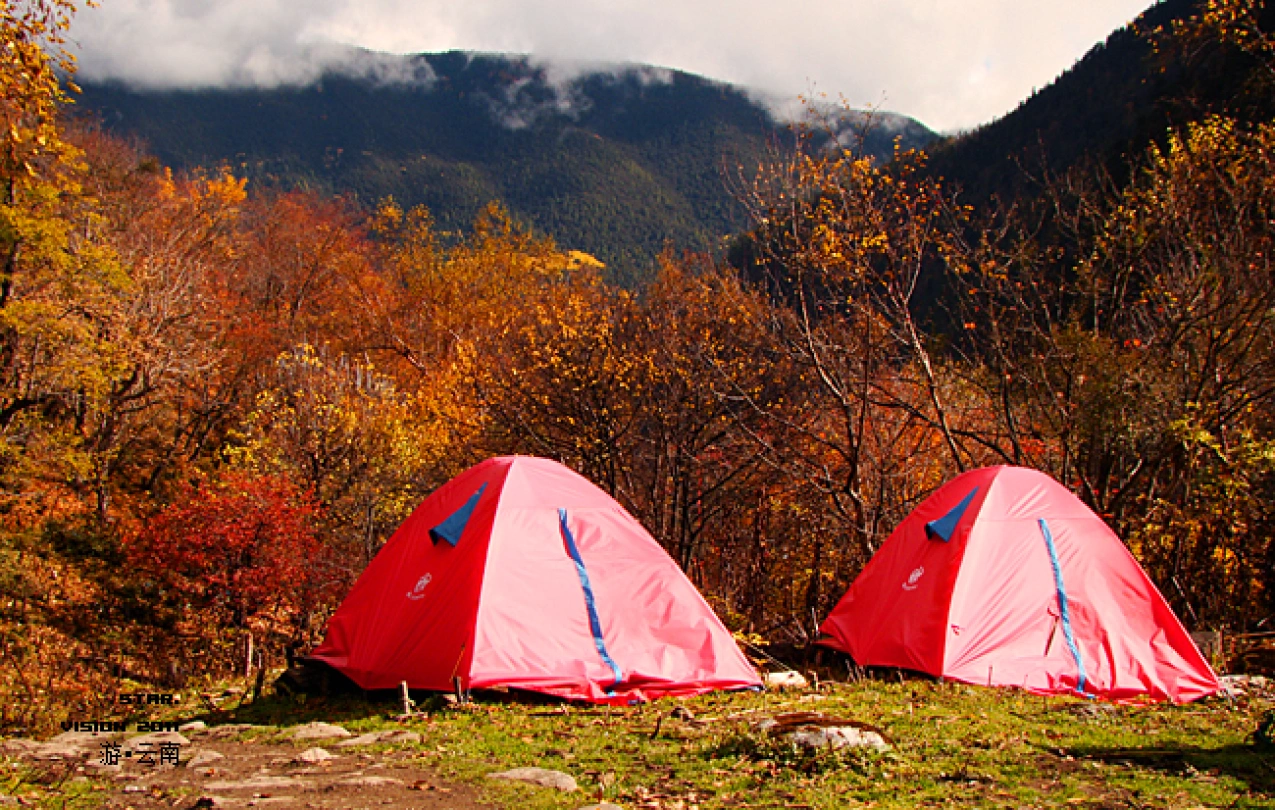
Yunnan! Paradise on Earth – The Yubeng Chapter: A Soul-Cleansing Journey into Seclusion
Yunnan! Paradise on Earth – The Yubeng Chapter: A Soul-Cleansing Journey into Seclusion Prologue: Why Yubeng? If you ask me which place in Yunnan is most worth hiking to, I would answer without hesitation: Yubeng. This is not an answer I give lightly. As a…
Continue reading...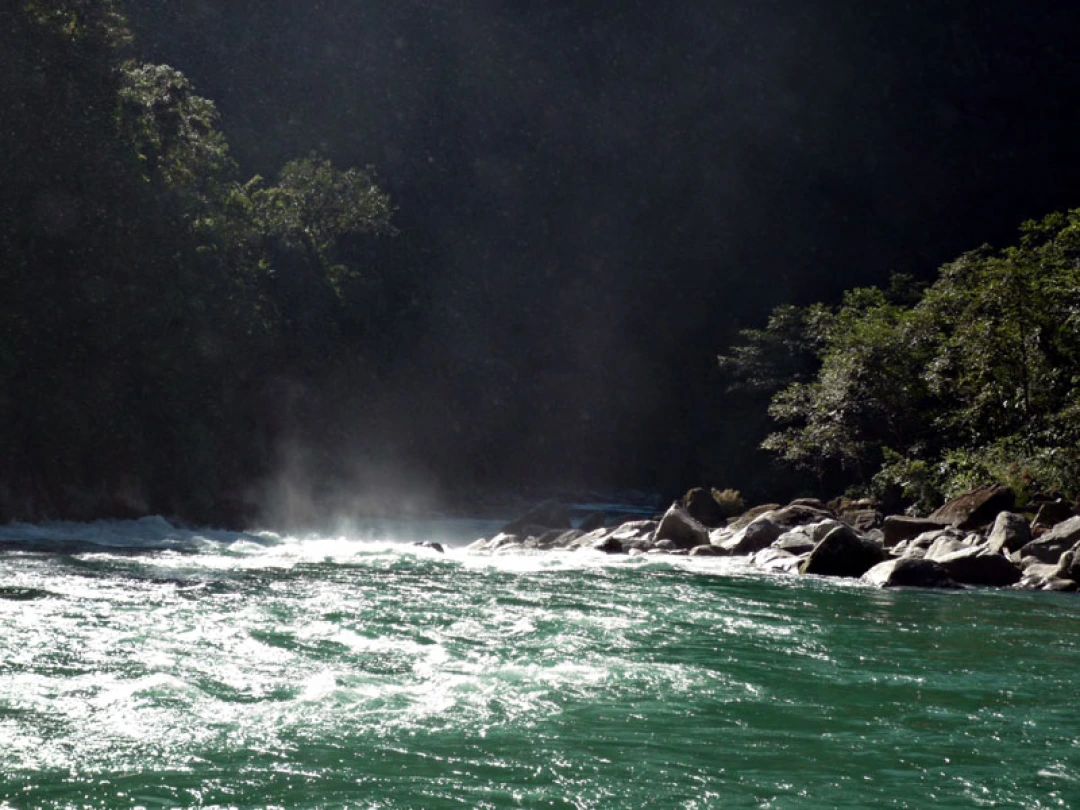
Into the Hidden Valley: A Solo Journey Through the Mysterious Dulong River
Into the Hidden Valley: A Solo Journey Through the Mysterious Dulong River Deep in the northwestern corner of Yunnan Province, tucked away from the modern world, lies a place that feels like a secret whispered among mountains. The Dulong River Valley is not just a…
Continue reading...
God’s Abandoned Palette: A Self-Drive Journey Through Yunnan’s Dongchuan Red Land
God’s Abandoned Palette: A Self-Drive Journey Through Yunnan’s Dongchuan Red Land Travel has never been about reaching some distant geographic coordinate. It’s about encountering, along the way, the version of yourself buried beneath the rubble of daily routine. During this May Day holiday, I finally…
Continue reading...