A Journey Hand in Hand: Why We Fall in Love with Tengchong Again and Again
A Journey Hand in Hand: Why We Fall in Love with Tengchong Again and Again
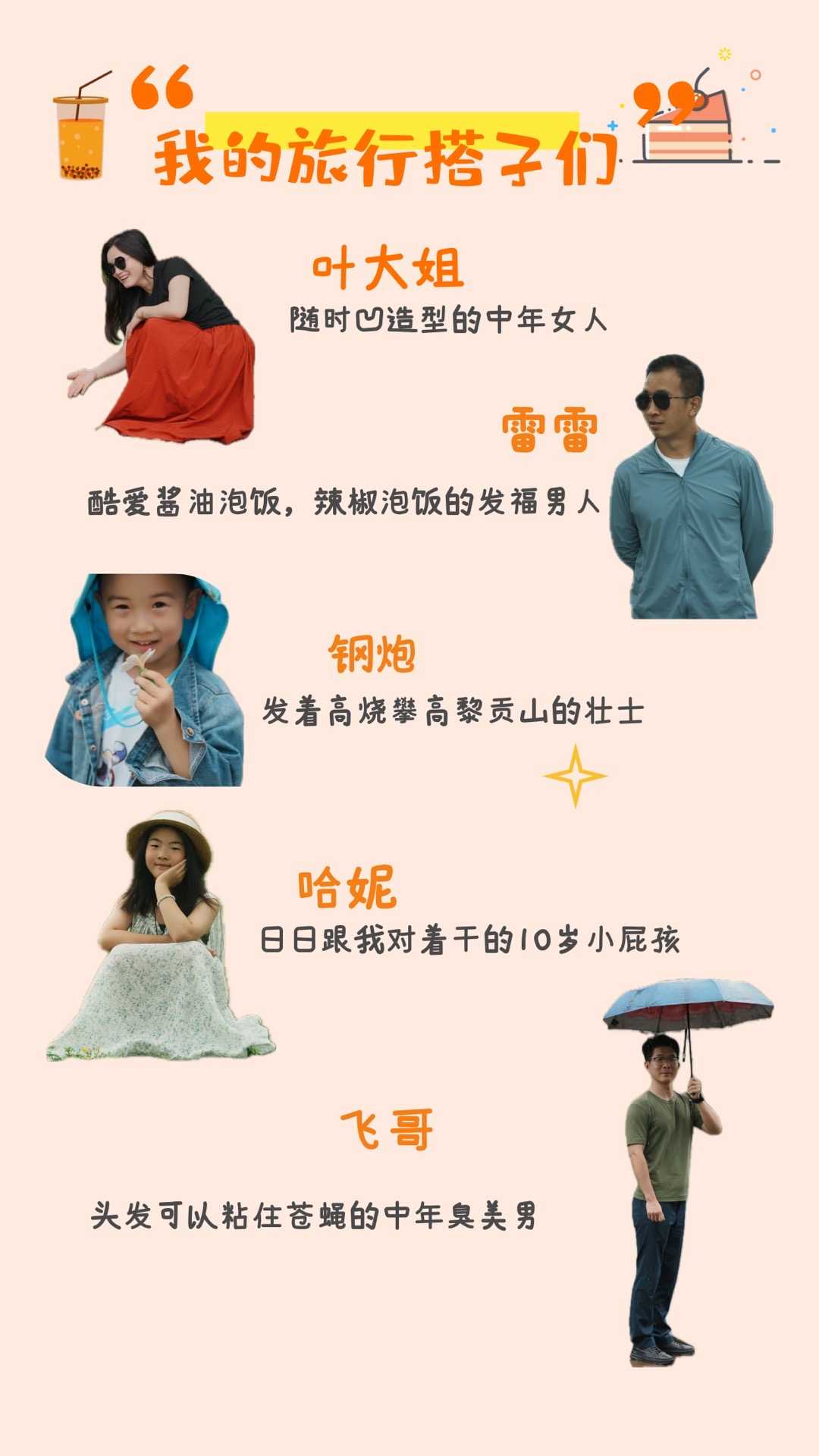
From Two Broke Girls to a Party of Six
Eight years ago, Ye Jiejie (Sister Ye) and I were just two broke young women fresh out of college, scraping together our meager salaries and daring to explore Qingdao and Beijing with nothing but a worn-out backpack. Back then, we stayed in hostels, ate at street stalls, and laughed louder than anyone else.
Then Sister Ye met Leilei, and our two families traveled together to Chongqing and Chengdu. Those trips—the steam of hotpot, the laughter in the streets, the playful blame when we got lost—are still stories we never tire of telling at every gathering.
Eight years later, we're all married with children. Two kids, five years apart—Honey and Gangpao—have become our new travel buddies. Six people, one car, and we set off without a second thought.
This trip set a personal record for me—the most travel companions ever. But it proved one thing: when you travel with the right people, your joy multiplies.
Gangpao, the little one, was originally called "Bubble" because he was always getting sick. Sister Ye renamed him "Gangdan" (Steel Egg), hoping he'd toughen up. I thought "Gangpao" (Steel Cannon) sounded better, so now the kid has several names—he answers to all of them, an easygoing little guy. During this trip, Gangpao ran a fever for four straight days, but it didn't stop him from hiking, eating, riding, and playing with us. Every time I raised my camera, he'd sidle over to photobomb—like mother, like son.
First Glimpse of Tengchong: The Gentle Trap of Yunnan
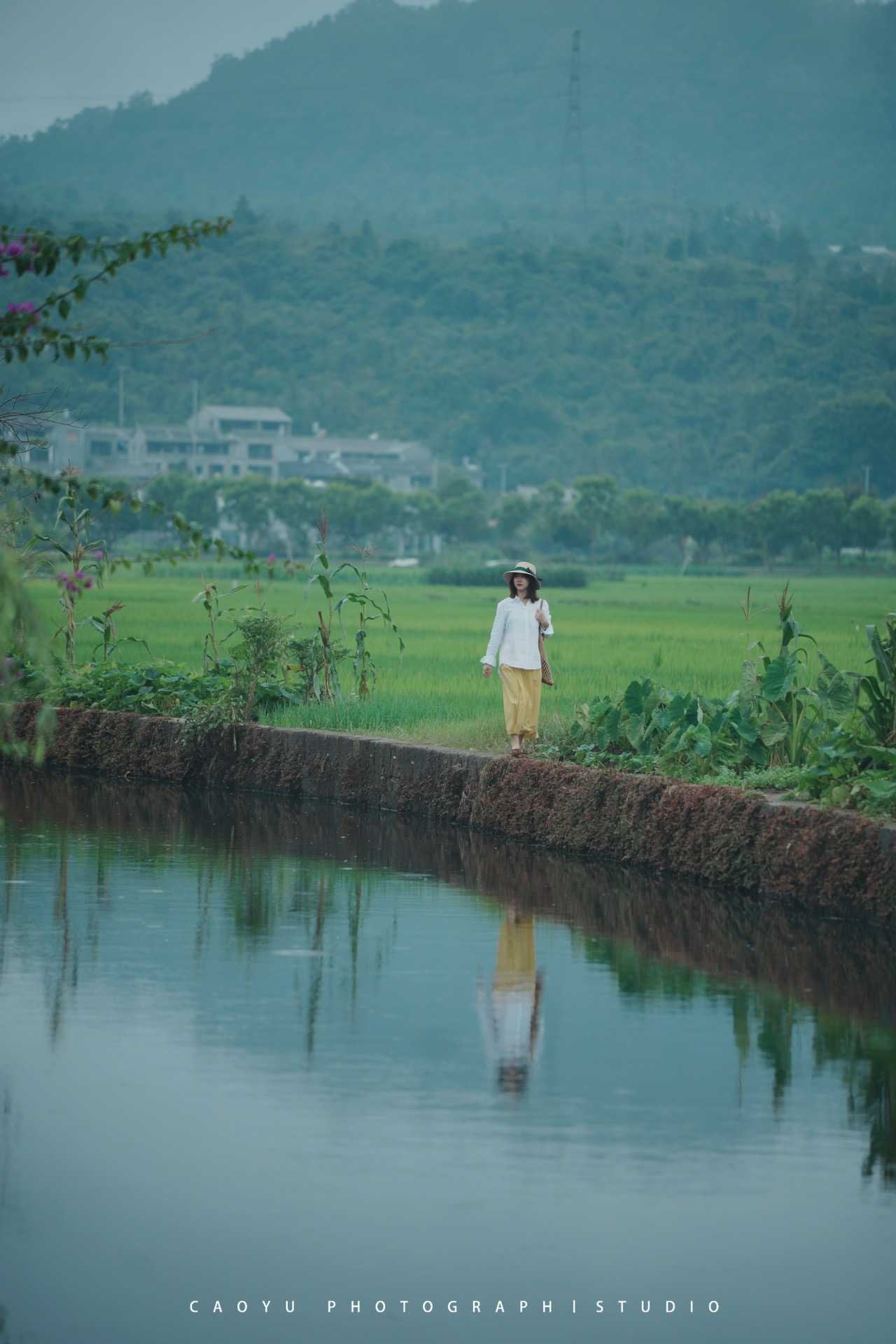
As the car entered Tengchong's territory, the altitude climbed, and the scenery outside the window unfolded like a scroll painting slowly being opened. Yunnan, the land below colorful clouds, truly lives up to its name.
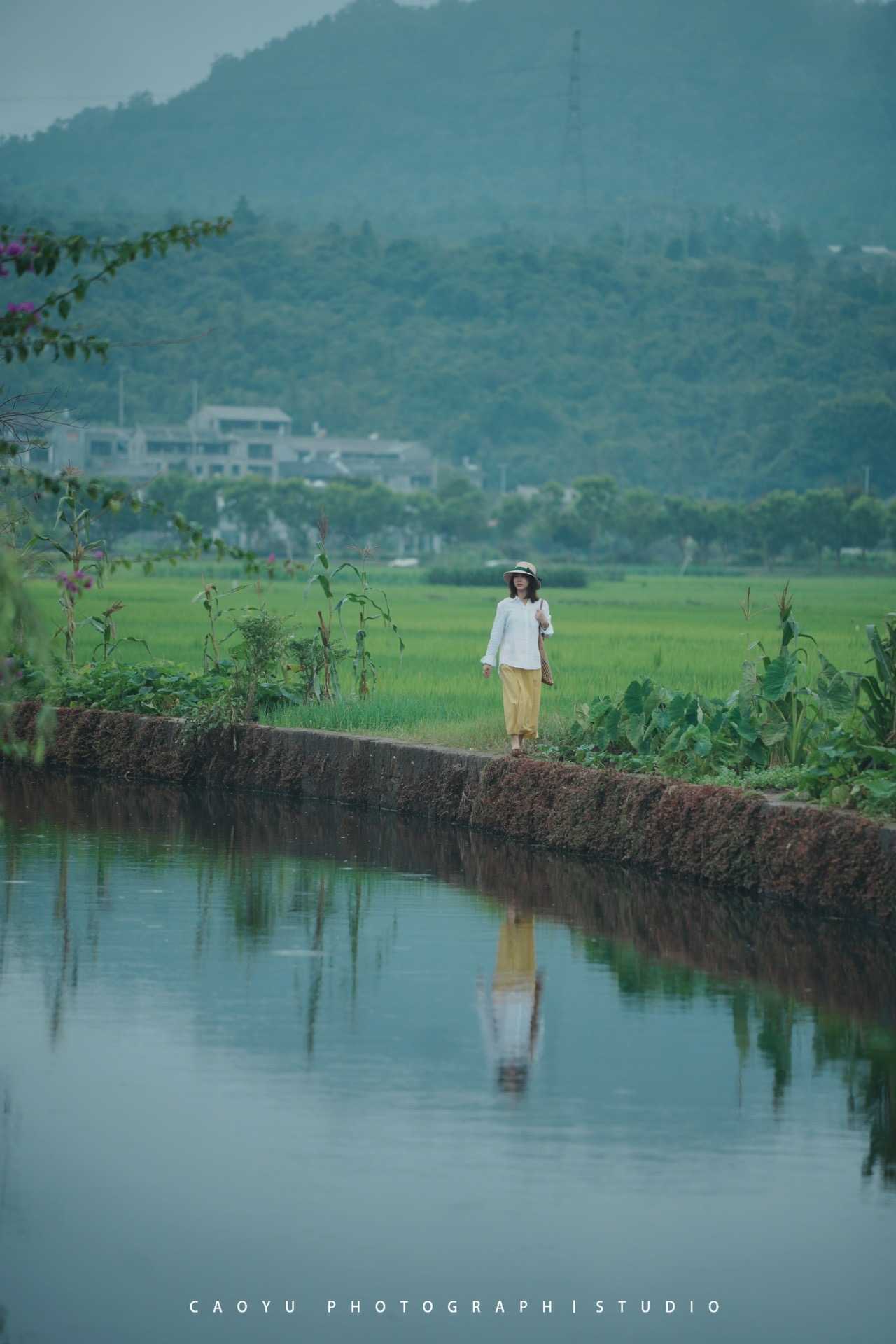
Here, I discovered "villages for a lifetime"—flowing streams, green rice paddies, dark blue mountains, greenery filling every inch of land, mist lazily hanging over the peaks. At that moment, scenes from the movie The Postmen in the Mountains flashed through my mind—peaceful, distant, almost tear-jerking.
The Many Reasons We Fell in Love with Tengchong
Longan Freedom on Lujiangba Road
If you come to Tengchong, you must take the Lujiangba road. Not because the scenery is spectacular, but because—you can experience "longan freedom."
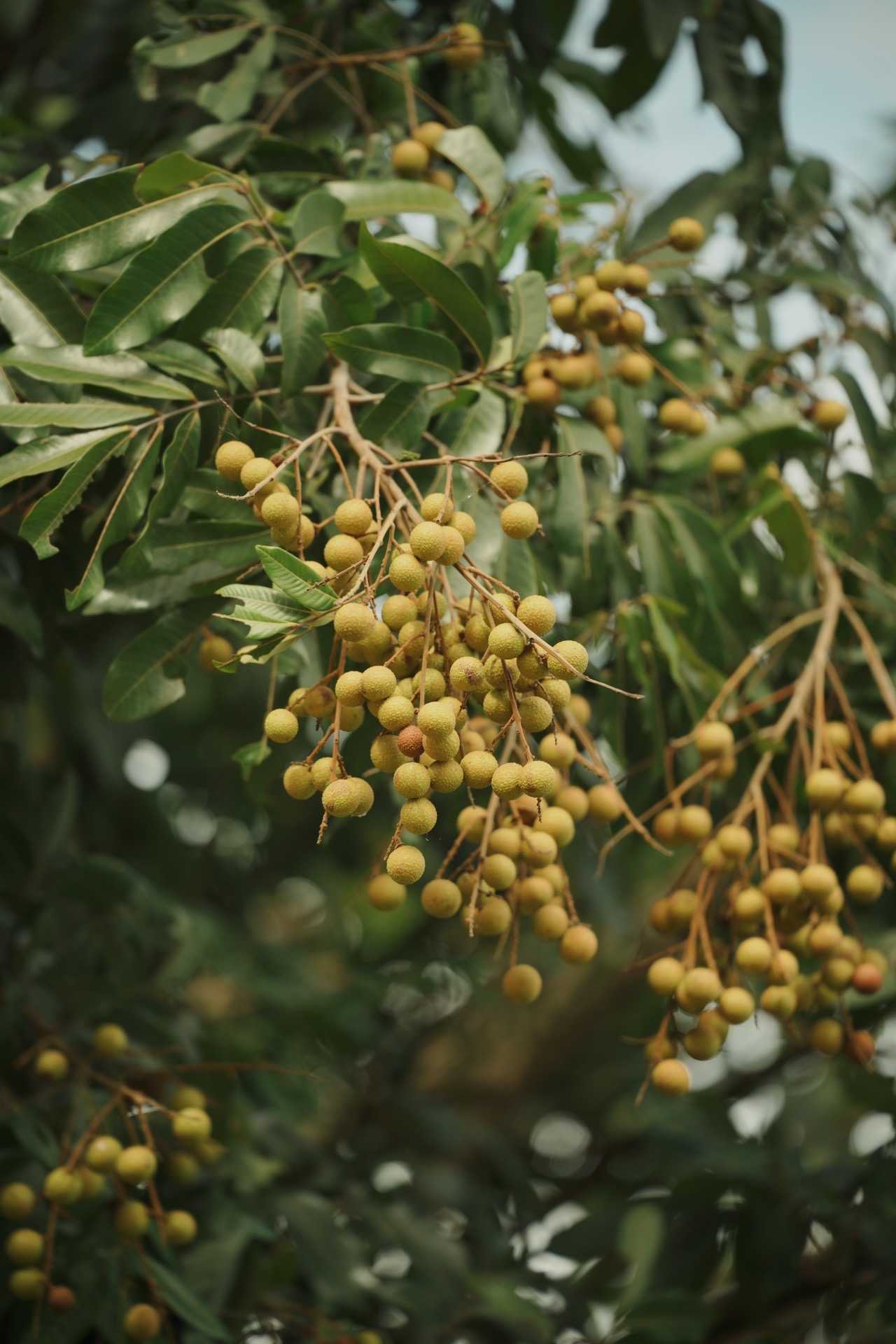
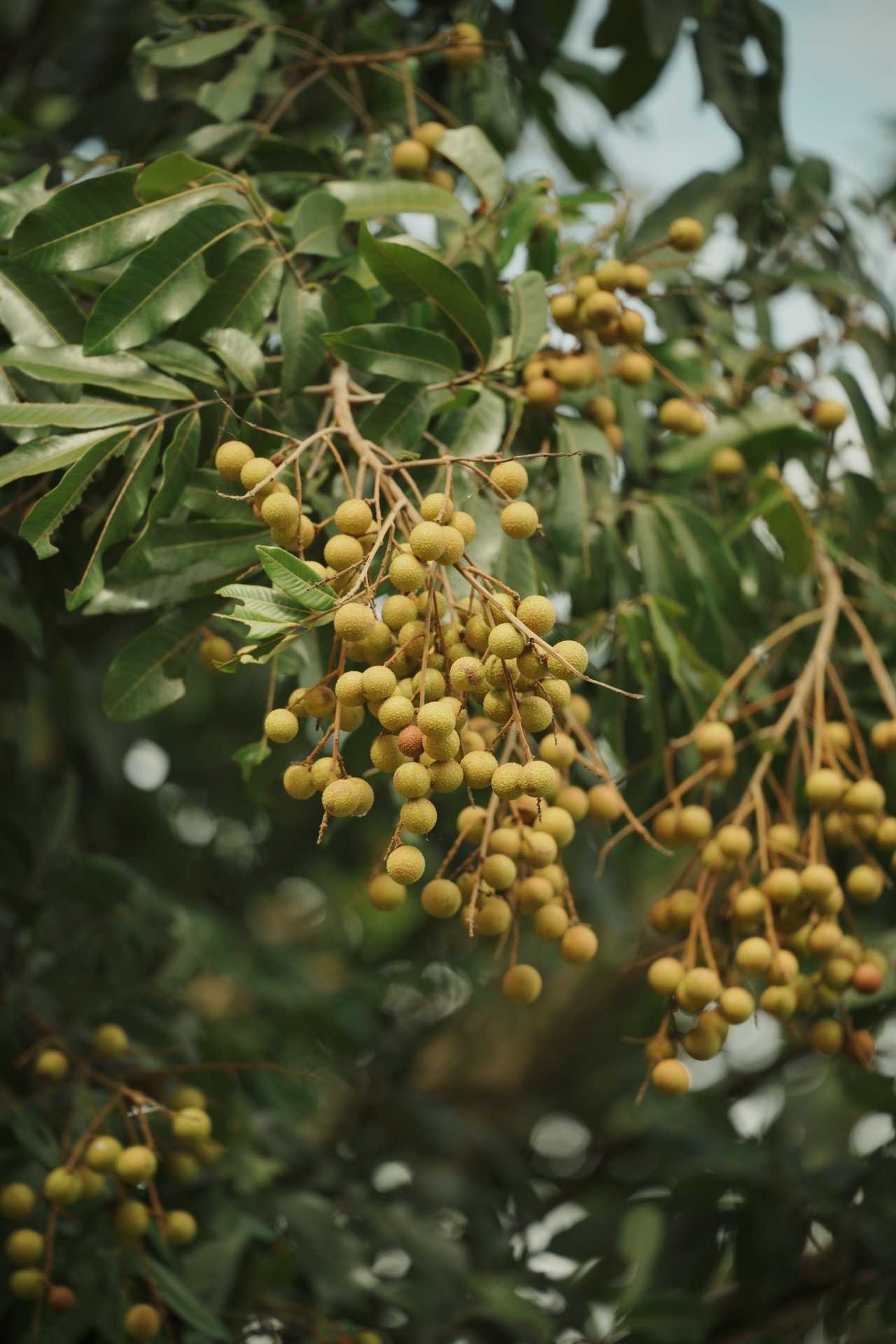
Along the roadside and on the slopes, longan trees are everywhere. The fruit hangs like little yellow lanterns from the branches, so abundant that even the birds can't finish them. Sitting in the car, you can just reach out and grab a whole bunch. In that moment, satisfaction becomes tangible.
Heshun Ancient Town: Rice Paddies and Blue-Stone Alleys
If you come to Tengchong, you must visit Heshun. And if you visit Heshun, you must walk through the rice paddies. Isn't this the "place with the wind" everyone talks about?
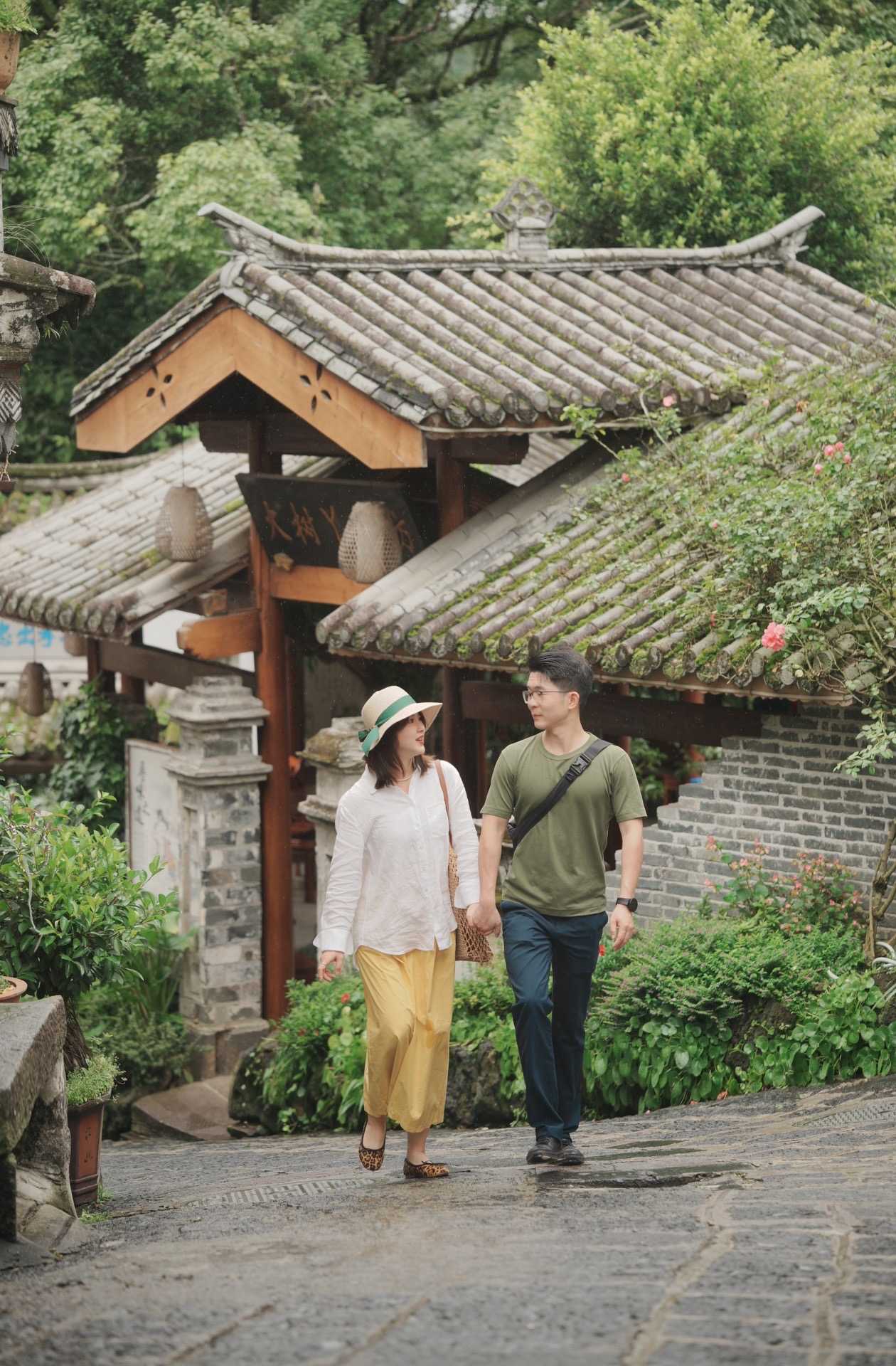
Summer in Heshun Ancient Town is at its liveliest, but you can always find a quiet blue-stone alley, hold your loved one's hand, and walk slowly, taking it all in.
A Dai Feast at Bapai Village

This time, I'm cheering for Bapai Village! Sitting in a pavilion surrounded by blooming lotus flowers, enjoying an authentic Dai-style meal—could life get any more comfortable?
Becoming Tea Farmers at the Great Earth Tea Sea
With small bamboo baskets on our arms and straw hats on our heads, we became tea farmers. In Tengchong, tea plantations like this are everywhere. Picking tea, brewing tea, drinking tea—Yunnan's tea really gets you hooked.
At the Great Earth Tea Sea, it costs just 38 yuan per person for unlimited tea-picking time. It was drizzling that day, the temperature perfect—none of us wanted to waste such good weather and mood for tea picking.
The Primitive Pulse of the Gaoligong Mountains
Our guide for hiking the Gaoligong Mountains was named "Shang Xingshang." The first thing he said was, "Whatever you do, don't get my name backwards!" Meeting a guide with a sense of humor is a travel blessing.
If you come to Tengchong, set aside a day for the Gaoligong Mountains. Exploring life and resilience in the primeval forest, walking less than five kilometers, we learned about dozens of medicinal herbs, saw mountains, lakes, forests, birds, and animals—this is the true pulse of nature.
The Monet Garden of Bapai Giant Spring
Bapai Giant Spring is like a real-life Monet garden. Fifty-six springs gush out ice-cold water. Dip your feet in—it's a chill that goes straight to your bones.
Freedom on Dongshan Grassland
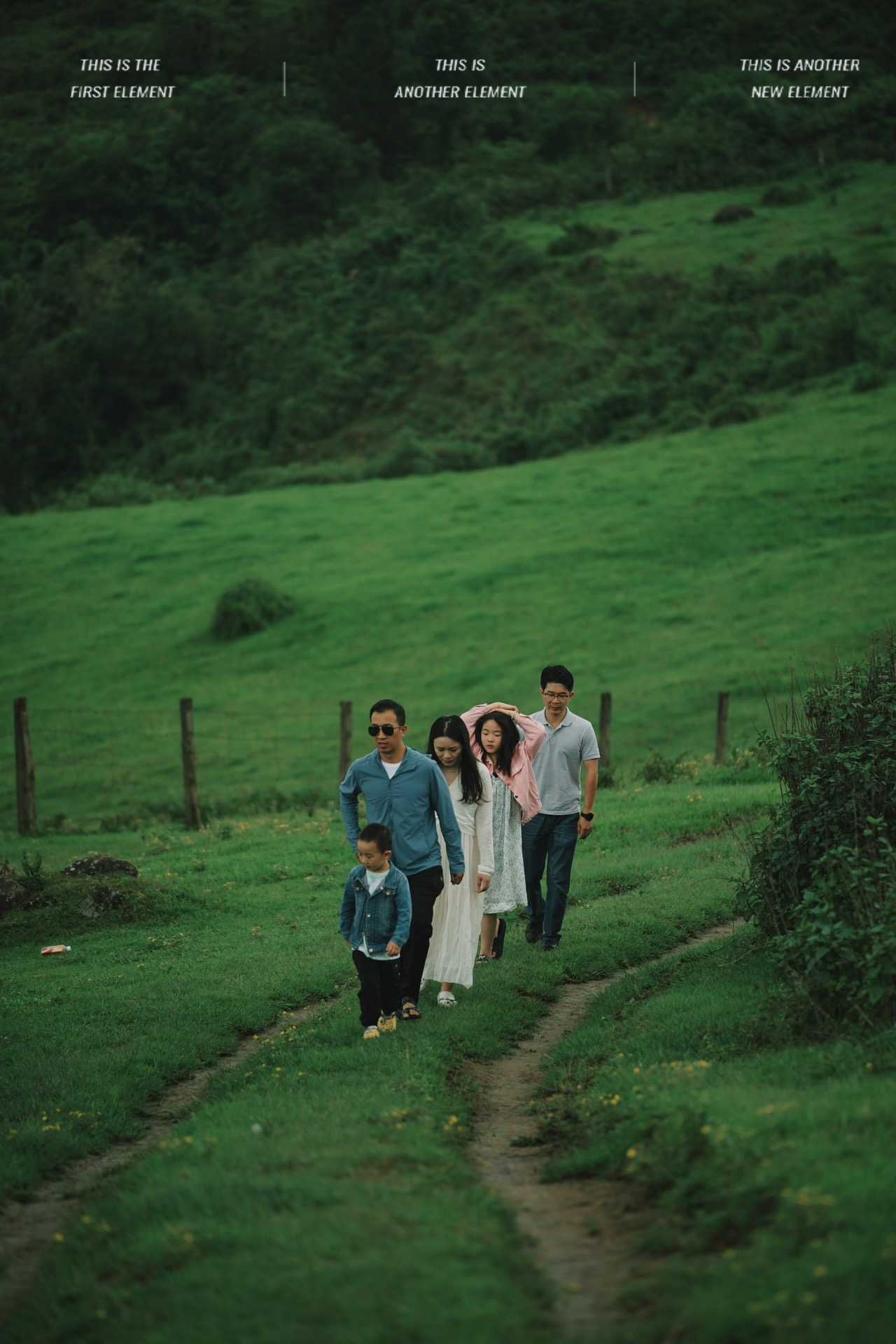
In Tengchong, you can also have a date with the prairie. At Dongshan Grassland, cattle and sheep roam freely, horses and cars gallop, and the wind bends the grass to reveal the livestock. Once freedom spreads, it's boundless—you can't take it back.
A Hot Spring Paradise
Sulfur springs, carbonated springs, herbal springs, wild springs, high-end private baths—in Tengchong, you can choose any type of hot spring. Steaming hot, rising energy—after a soak, you feel completely renewed.
My First Ethnic-Style Photo Shoot
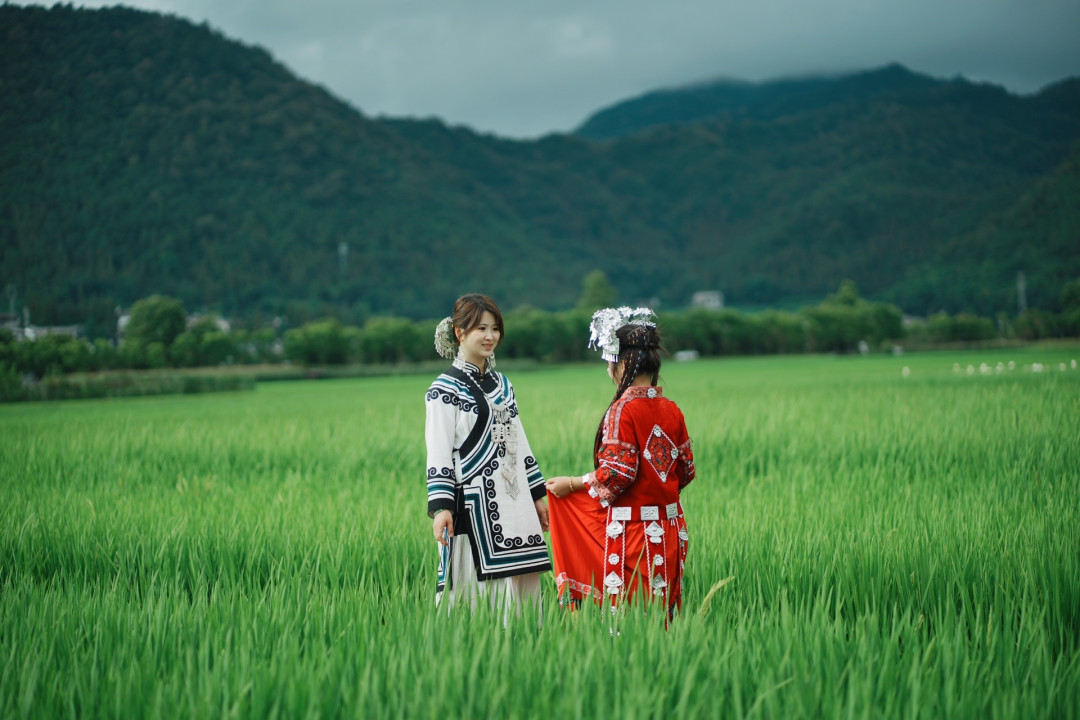
In Tengchong, we took a set of ethnic-style photos. Honey, the girl in the Miao costume, vowed that next time she'd lose weight and take another set in Dai clothing.
A Taste of Tengchong
No joke—in Tengchong, we had the most fragrant chicken soup, the freshest wild mushrooms, and the most unusual vegetables. Not a single miss—everything was delicious. We wished we could eat five meals a day.
Our Itinerary: Relaxed Yet Fulfilling
DAY 1: Lujiangba, Fruit Freedom
After picking up our car at Baoshan Train Station, we drove along winding mountain roads for over an hour to reach Lujiangba.
The Huke Coffee Estate on the Hilltop
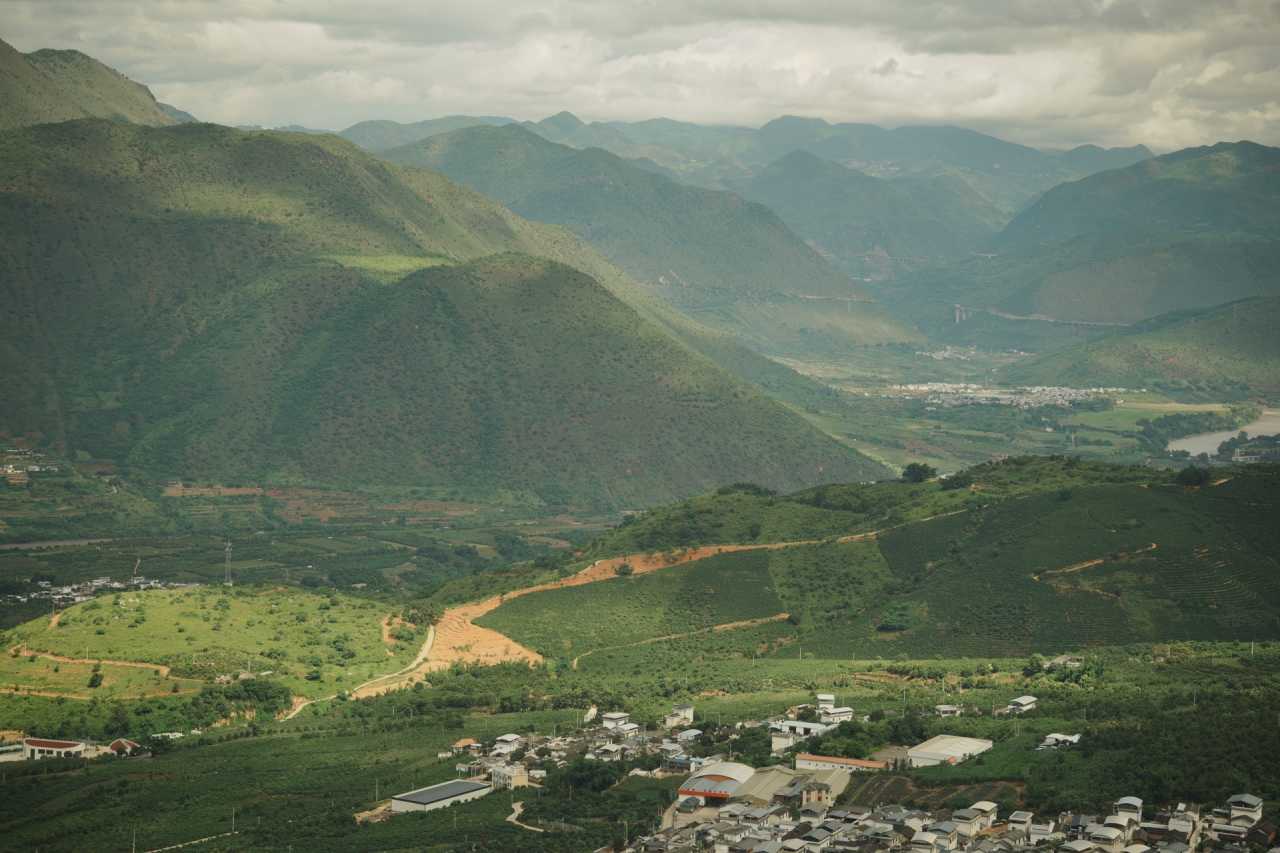
Lujiangba, called "Menghe" in the Dai language, is a dry-hot valley. Backed by the Gaoligong Mountains and facing the Nujiang River (Salween River), the viewing platform offers a panoramic view of the river and the cross-river bridge.
The Huke Coffee Estate sits at the highest point of Xinzhai Village, at an altitude of 1,300 meters. As the car spiraled up the narrow mountain road, Leilei got more and more excited, while our hearts were in our throats, swallowing hard to keep our ears from popping.
We finally arrived. Below us, coffee groves stretched out; in the distance, the Nujiang River flowed; behind us, the Gaoligong Mountains rose—an extraordinary natural setting.
At the estate entrance, longan and banana trees were laden with fruit, making our mouths water just looking at them. Honey didn't hesitate—she plucked a longan and popped it into her mouth. Sweet, juicy.
Xinzhai Village is known as "China's No. 1 Coffee Village," where almost every household grows coffee. Here, you can learn the entire process from planting to production and experience the culture and charm of Baoshan small-bean coffee.
Order a cup of coffee, sip it while taking in the endless mountain views—"at ease" was the truest feeling I had drinking coffee in Lujiangba.
Five Yuan for Six Big Mangoes
Coming down the mountain, we stopped at a fruit stall. A couple who had just bought mangoes told us excitedly that they'd bought several bags for less than 50 yuan. We were stunned—that price in Nanjing would barely get you a few!
The vendor warmly peeled a dragon fruit for Honey to try. Small and round, with a skin as thin as an orange peel, it was incredibly sweet. Sister Ye, who doesn't usually like fruit, urged me to buy some—it was just too cheap and fresh.
There were many varieties of mangoes, some incredibly fragrant. Back at the hotel, the whole room smelled of mangoes. Nearby, someone was bundling longans—bigger fruit, thicker flesh, smaller pits. We bought a large bunch for 10 yuan. Back at the hotel, we squatted on the floor, picking and eating—a wonderfully rustic experience.
We bought a huge pile of fruit for just 20 yuan. All the way, the car bumped along, and we marveled: Yunnan is truly wonderful!
DAY 2: Heshun Ancient Town, Worth a Full Day
In 2003, Heshun Ancient Town was jointly recommended by Chinese National Geography and Travel + Leisure as one of "50 places to visit in a lifetime," and it's also one of China's top ten charming ancient towns.
Strolling by the Rice Paddies
The name "Heshun" itself carries a cultural richness. Its ancient name was "Yangwendun," but because a small river winds around the village, it was renamed "Heshun," meaning "harmony and smoothness for the people."
The town is built against the mountain, with a river flowing below. In the lotus pond under the Double Rainbow Bridge, the flowers were in full bloom—"the green lotus leaves stretch to the horizon." The washing pavilions on the river are still used by locals today—washing vegetables, doing laundry, chatting. These small pavilions hold the town's social life.
Walking along the path beside the rice paddies, we saw an elderly woman picking vegetables, a group of ducks playing in the river, and people washing clothes while chatting. Suddenly, the morning felt so pleasant.
Wandering the Stone Alleys
Heshun's alleys crisscross in a maze. With the kids, we ducked into any alley that caught our eye, turning back when we hit a dead end. No plan, but pure joy.
Along the blue-stone paths, snack streets and guesthouses line the way. Tengchong's specialties—er si (rice noodles), mixian (rice vermicelli), da jiujia (a local flatbread dish), tu guozi (clay pot stew), flower cakes, and songhua gao (pine pollen cakes)—are everywhere.
A sudden downpour caught us off guard. We ducked into a coffee shop. The young woman behind the counter told us we could go upstairs. From the upper floor, overlooking the ancient town and rice paddies, the view was surprisingly romantic. Honey thought it looked like a fairyland and made me take several photos of her.
Heshun in the rain—wet, glistening—was utterly charming.
Gentleness by the Washing Pavilion
The rain grew heavier. The kids were eating, the adults on their phones. I held my camera, shooting the rainy scenery through a glass crack—it turned out unexpectedly beautiful.
A McDonald's had opened in Heshun's alleys, stripped of its flashy decor and taking on an antique charm. Across from it, the washing pavilion held the town's gentle heart. In ancient times, men would "go to the barbarian lands" to trade jade in Myanmar, while their wives stayed home washing and cooking, missing their faraway loved ones. So the community pooled money to build washing pavilions, sheltering the women from wind and rain.
Even today, the washing pavilions are still widely used. Adults wash vegetables and clothes; children catch fish and splash in the water. These small pavilions hold so many stories.
For dinner, we chose a restaurant in the city center. Even at 5 PM, it was already full of diners. Jizongjun (termite mushroom) stir-fried with shredded pork, fried pumpkin flowers, fried spareribs, tender bamboo shoots, stir-fried banana blossoms—a full table for 250 yuan, both affordable and delicious. Everyone ate in silence, only looking up occasionally to let me take a photo.
DAY 3: Giant Spring and Tea Mountain
Bapai Giant Spring: The Emerald City
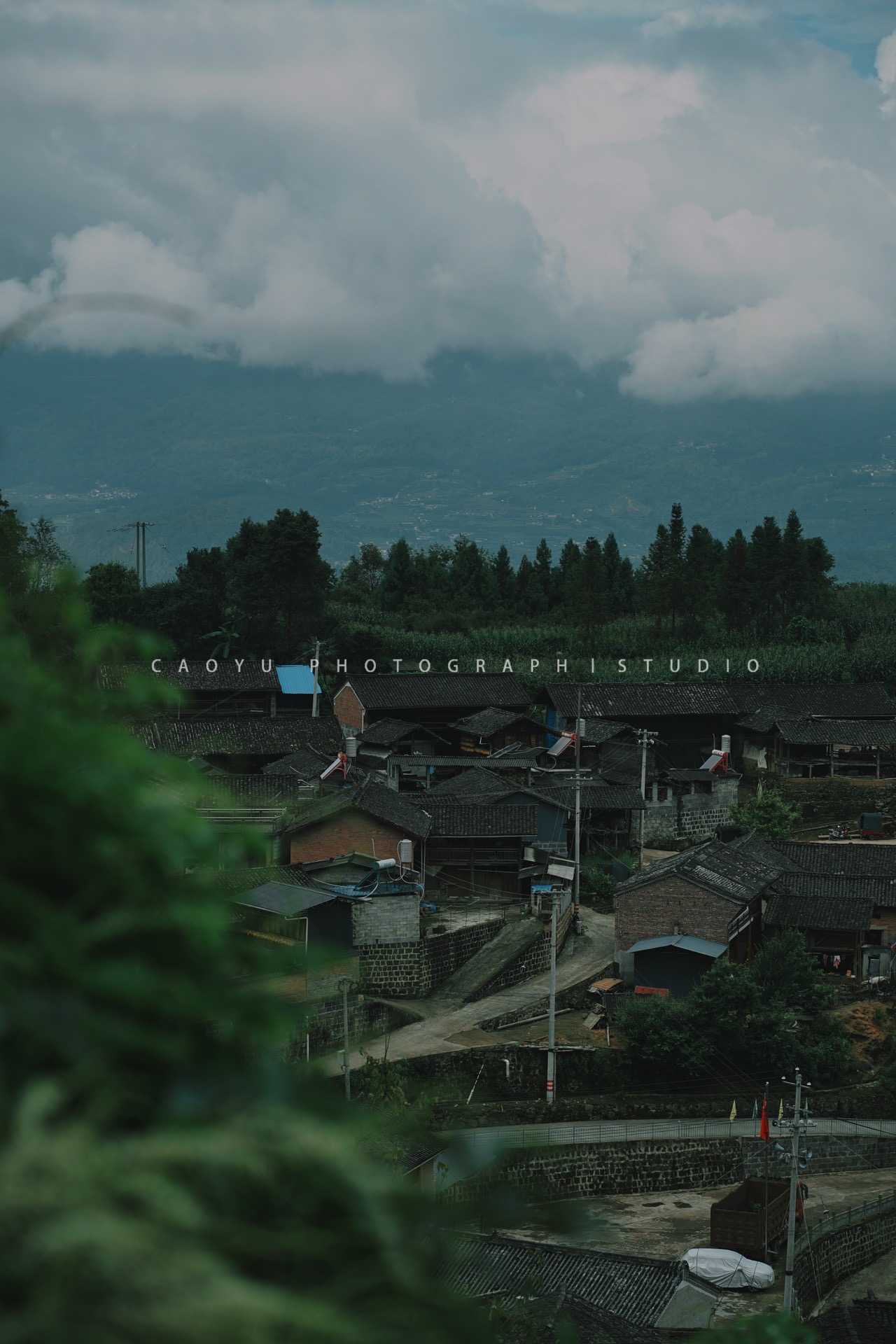
On the way to Bapai Giant Spring, we passed a small village with terraced fields and stopped for photos. Sister Ye sighed: Self-driving is so convenient—stop and go, freedom!
Bapai Giant Spring is located in a Dai village in Hehua Town (Lotus Town). It's a stream formed by volcanic rock cave terrain. Over an area of 3,000 square meters, 56 springs of various sizes gush out, with water temperatures staying around 19°C year-round. Even on scorching summer days, the water remains cool as silk.
Descending the stone steps, we heard the spring before we saw it. A rumbling sound reached us from hundreds of meters away. "Giant Spring" is no exaggeration.
Sitting on wooden steps by the water, we dipped our feet into the icy flow. Looking up at distant mountains and lush foliage, watching clouds roll and unfold—utter bliss.
It's a small place, small enough to take in at a glance. But it's truly healing, letting you shed your fatigue and immerse yourself in nature's wonder.
We had lunch at a Dai restaurant right by the spring. The garden was filled with tropical plants, especially a huge variety of succulents. A lotus pond swayed with flowers, leaves, and seed pods, carrying the breath of high summer. Eating in such a beautiful setting—we couldn't wait.
Sour soup fish with passionfruit, grilled spareribs with lemongrass, hand-grabbed rice... Only poor Gangpao was too sick to enjoy it.
The Great Earth Tea Sea: A Tea Picker's Simple Joy
From Bapai Giant Spring to the Great Earth Tea Sea was about an hour's drive. On the way, we encountered a herd of cattle and sheep and had to stop to let them pass. The kids found it novel and fun.
The Great Earth Tea Sea is southwest of Tengchong city center, near the Tuofeng Airport. Tea-picking experience costs 38 yuan per person, and you can take the leaves you pick.
Honey picked seriously, but Gangpao lacked the patience—after a few buds, he started whining. Sister Ye shooed him away and took over herself.
This was Honey's third time picking tea, and she was getting the hang of it. Eyes and hands working together, she soon filled half a basket. She proudly showed it to me, but I secretly worried: the tea couldn't be fried on the spot—what would we do with it?
DAY 4: Hiking the Gaoligong Mountains
"On this planet's Tropic of Cancer, only Yunnan's high mountains and deep valleys stretch endlessly. Snowy peaks have long winters; hot valleys have eternal summers. No matter when you come, you can experience the grandeur of the seasons and the vibrant Yunnan people living in eternal spring." — Lonely Planet
Before coming to Yunnan, we had booked a Gaoligong Mountains hike. Gangpao was only five, so the guide recommended a 5-kilometer beginner route—low difficulty overall, with a bit of challenge.
Five Kilometers on Hands and Feet
At 10 AM, Guide Shang arrived to pick us up. Warm, talkative, experienced, and knowledgeable—he opened our eyes.
Guide Shang handed each of us a smooth bamboo pole as a walking stick, took a ceremonial group photo, and off we went. The bamboo poles gave us a bit of a Beggar Clan vibe.
This hiking route was pioneered by Guide Shang's team, involving site surveys, approvals, and other complex processes. He couldn't hide his pride as he told us.
The Gaoligong hiking trails are already well-developed. Guide Shang walked and talked, even having us taste some medicinal herbs.
"This one's sweet," he said. Sister Ye fell for it—and ended up jumping around from the bitterness. Guide Shang was smug about his little trick. But the herb does cure mouth ulcers.
"Thousands of ravines with trees touching the sky, a thousand mountains echoing with cuckoo calls." Rare plants are everywhere—a 500-year-old rhododendron tree, the first-class protected Taiwania flousiana... The forest canopy blocks out the sky, like the world of Avatar.
The preciousness of Gaoligong lies in keeping the mountains in their most primitive state. Though the path was rough, every encounter with a plant brought a surprise that outweighed the fatigue.
Guide Shang took care of the feverish Gangpao the whole way, without a single complaint. Gradually, the tiredness faded, leaving only focus—focus on the present, on this moment, this feeling.
Close contact with nature, listening to the forest's voice, feeling its healing power. Brother Fei and I sighed: This was truly worth it!
An Unexpected "Group Meal"
You think group meals are mass-produced, emotionless food? In Tengchong, we had the most heartfelt group meal ever.
The meal was included in the hiking fee. Guide Shang led us to a Dai village, winding through alleys to a local home. Food arrived at lightning speed—fragrant grilled meat, refreshing rice soup, signature hongsanduo (a stir-fry of tomato, green pepper, and minced pork), and chicken soup.
Oh my—I hadn't had such rich chicken soup in a long time. After finishing one bowl, the elderly hostess refilled it for us. We ended up drinking four large bowls of chicken soup. This was nothing like a group meal—it was too thoughtful, too delicious.
After the meal, Guide Shang gave Gangpao a certificate of honor. Gangpao held it carefully to his chest, afraid of losing it. I told him precious things should be tucked under his armpit—he actually did it, looking like a little old cadre, absolutely adorable.
In the End: Why Do We Fall in Love with Tengchong Again and Again?
On the way back, everyone was silent—not from exhaustion, but from reluctance to leave.
Tengchong isn't the kind of place that makes you gasp in awe. It's the kind that seeps into your heart slowly. Its mountains, waters, people, and food all carry a gentle texture that stays with you long after you've left, surfacing in your memory at unexpected moments.
We'll remember the longans on Lujiangba, the six mangoes for five yuan, and that night squatting on the hotel floor, picking and eating fruit.
We'll remember Heshun's rice paddies, blue-stone alleys, washing pavilions, and that sudden summer rain.
We'll remember the primeval forest of Gaoligong, the witty Guide Shang, and that unforgettable bowl of chicken soup.
We'll remember Gangpao's stubbornness hiking with a fever, Honey's focus while picking tea, and the six of us crammed into a car, laughing until our stomachs hurt.
The greatest meaning of travel isn't where you go, but who you go with. With the right people, every road is a view, every day is a treasure.
Tengchong—we'll be back.
You should also read:
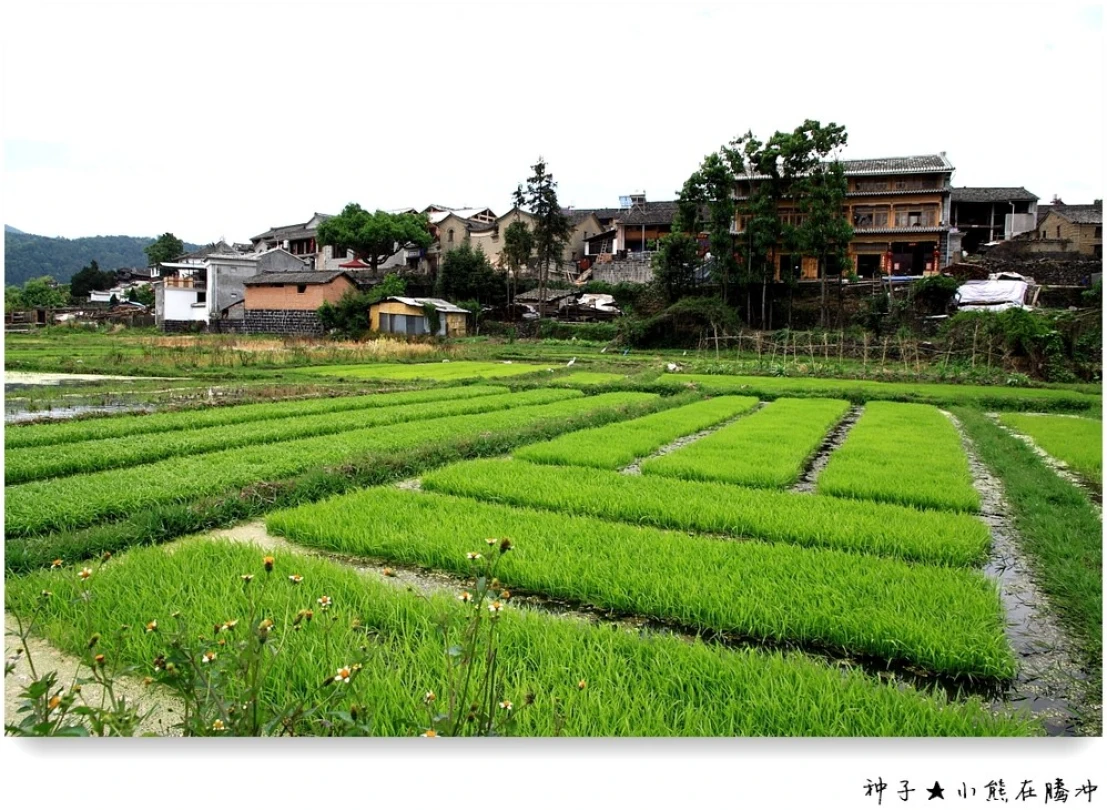
Tengchong·Heshun: Finding Life as It Should Be in a Border Town Where Time Stands Still
Tengchong·Heshun: Finding Life as It Should Be in a Border Town Where Time Stands Still The long journey of over twenty days was over. On my first day back at the office, I was still in a daze. My fingers couldn't find the keys on…
Continue reading...
God’s Abandoned Palette: A Self-Drive Journey Through Yunnan’s Dongchuan Red Land
God’s Abandoned Palette: A Self-Drive Journey Through Yunnan’s Dongchuan Red Land Travel has never been about reaching some distant geographic coordinate. It’s about encountering, along the way, the version of yourself buried beneath the rubble of daily routine. During this May Day holiday, I finally…
Continue reading...
Cloud Travelogue · Dali of Wind, Flowers, Snow, and Moon: A Three-Day, Two-Night Journey of a Free Spirit
Cloud Travelogue · Dali of Wind, Flowers, Snow, and Moon: A Three-Day, Two-Night Journey of a Free Spirit I am a cultured female foodie with a touch of rogue charm. I slung on my backpack, took my lover's hand, and set off on a spontaneous…
Continue reading...