A Journey Through Southeast Yunnan in Autumn: Encountering Slow Time in the Early Fall of Colorful Yunnan
A Journey Through Southeast Yunnan in Autumn: Encountering Slow Time in the Early Fall of Colorful Yunnan
October in Yunnan brings high, pale skies and a breeze carrying the sweet fragrance of osmanthus. I chose to set off at the tail end of the National Day holiday—avoiding the peak crowds while saving a bit of money. After all, when it comes to travel, being thrifty is part of the fun. Adding annual leave to the holiday, I pieced together twelve days. I thought it would be plenty of time, but by the end, I realized that every inch of Yunnan deserves to be savored slowly. And I, like a greedy diner, ended up wolfing it all down in one go.
The route was carefully planned: land in Kunming, head straight to Mile (Maitreya), then through Puzhehei, Mengzi, Jianshui, and Fuxian Lake, before returning to Kunming for two days of rest, flying to Tengchong, and finally heading home at a leisurely pace. Twelve days, seven destinations—it sounds packed, but every step felt like it was tapping into Yunnan's pulse.
Day 1: Landing in Kunming, Heading Straight to Mile
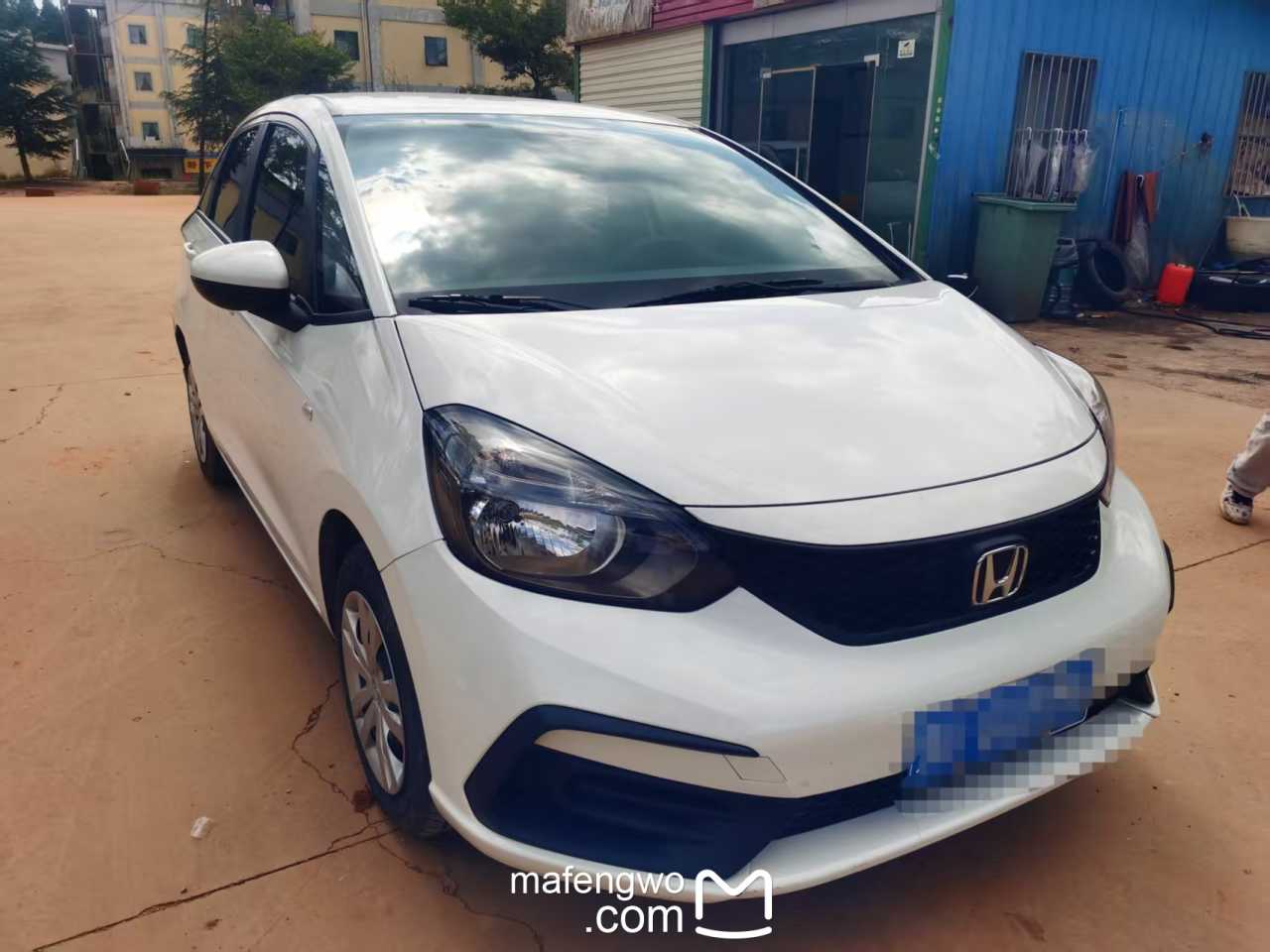
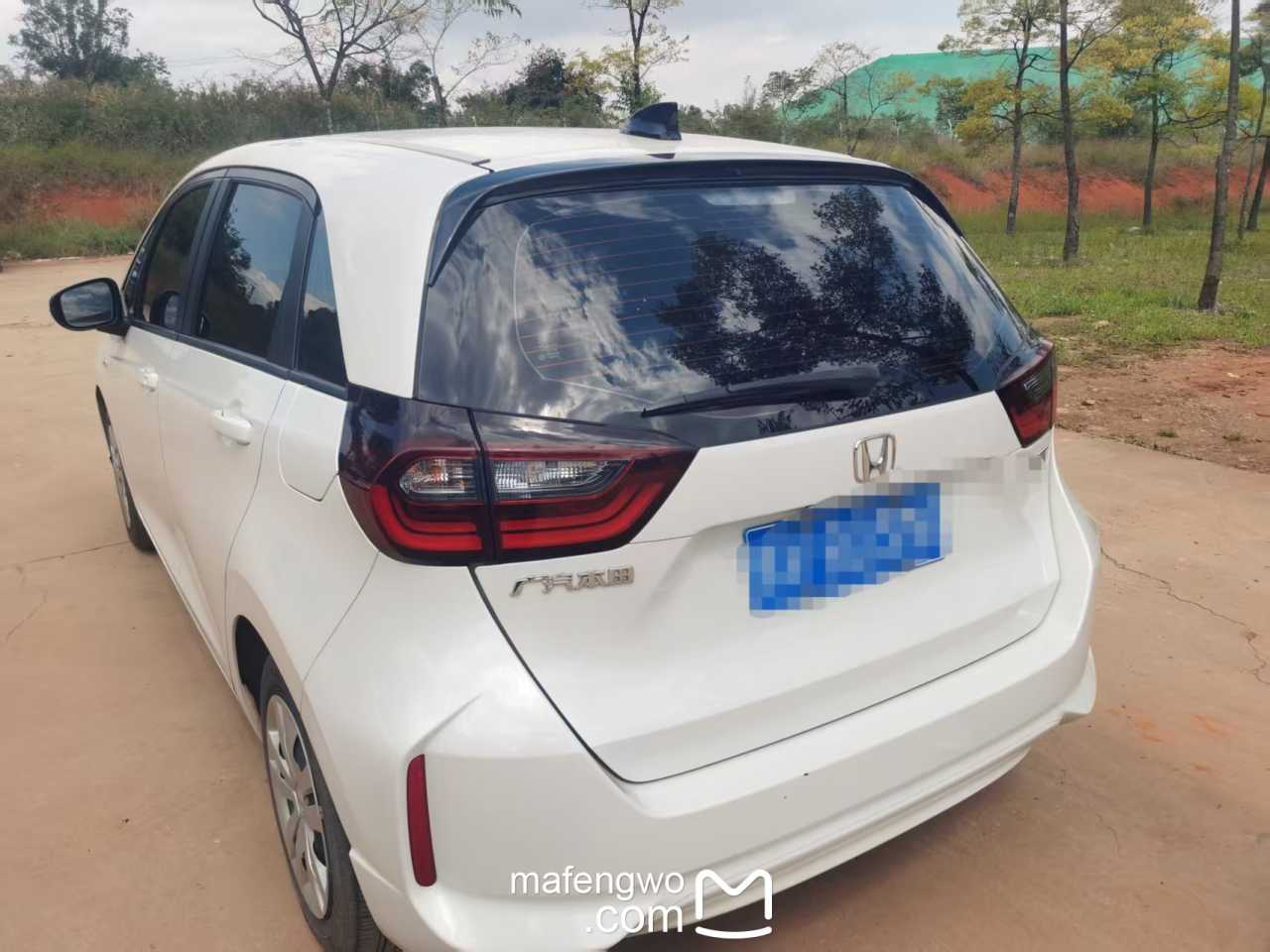
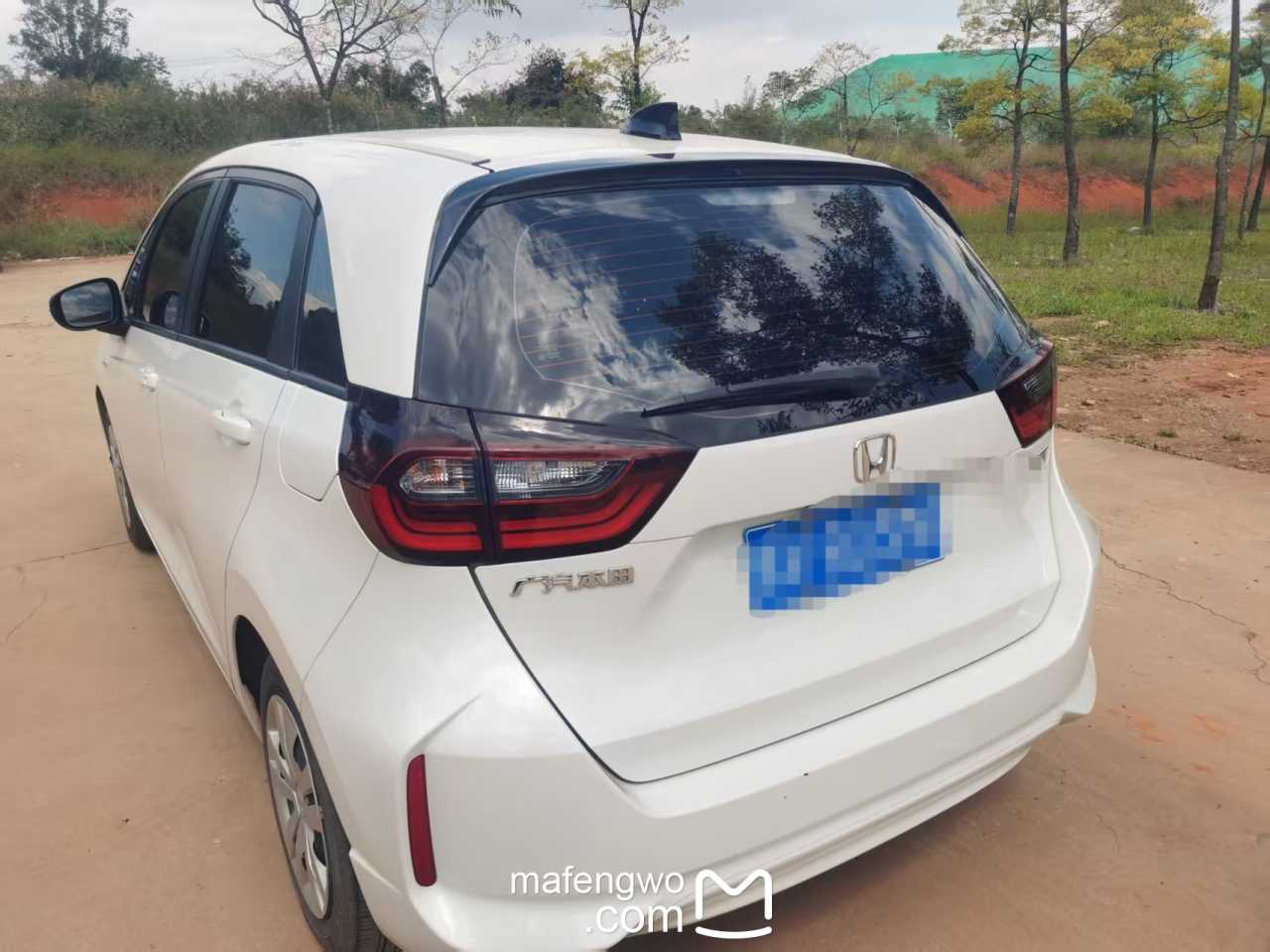
At 1:00 PM, the plane touched down on time at Kunming Changshui Airport. Renting a car went smoothly; a white Honda Fit became my ride for this journey—fuel-efficient and nimble. Over seven days, I drove 1,200 kilometers, and the gas cost only 580 yuan, less than 0.5 yuan per kilometer. Economical and reassuring.
During the National Day holiday, accommodation prices in Kunming were absurdly high. So I grabbed the car and left immediately, heading straight for Mile. The two-hour drive took me from urban high-rises to rolling mountain ranges, and my mood lifted with the scenery. The Mile Huquan Garden Hotel cost 350 yuan per night—the most expensive of the trip—but the environment was serene, and the breakfast was decent. Worth it.
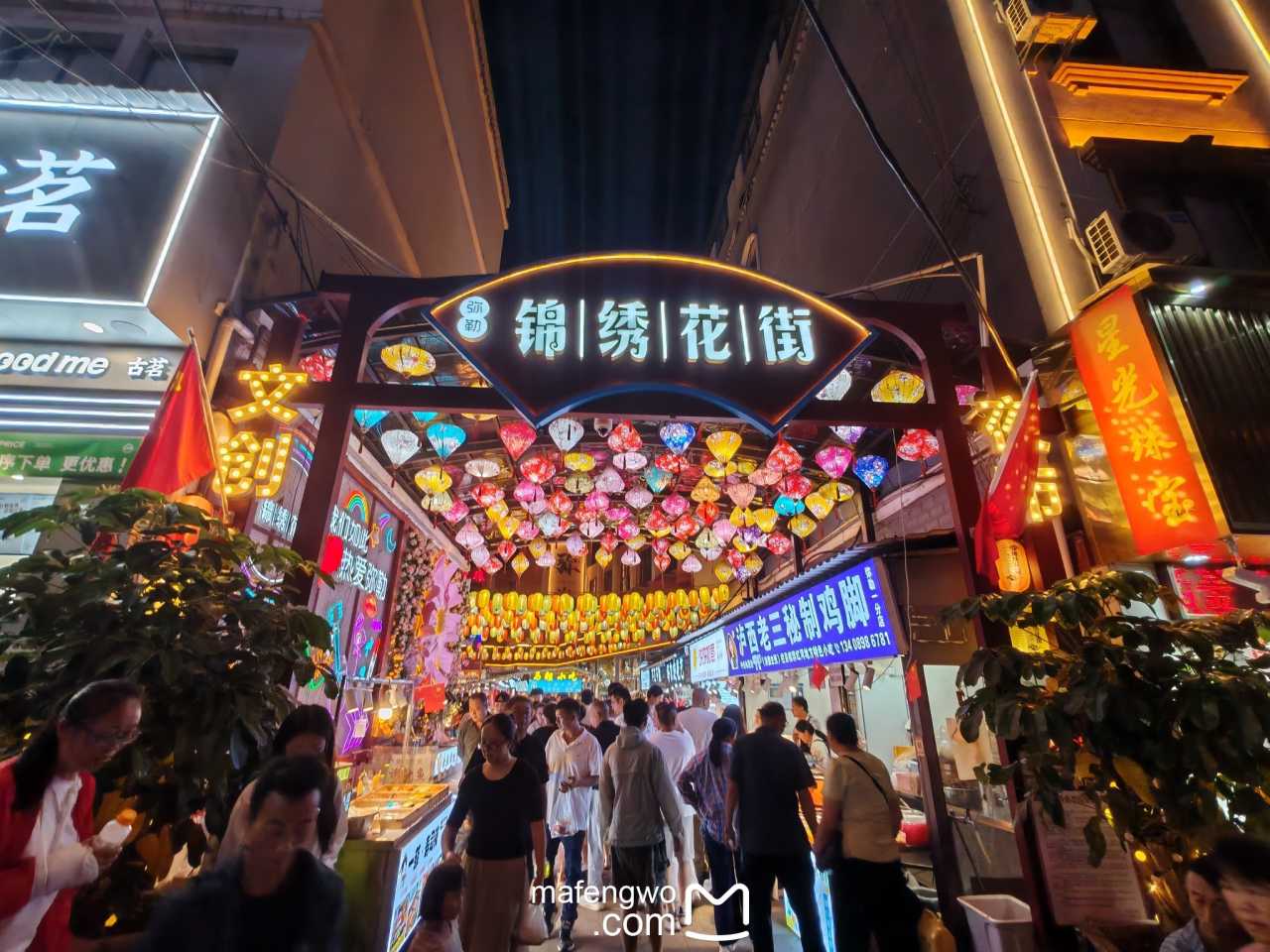
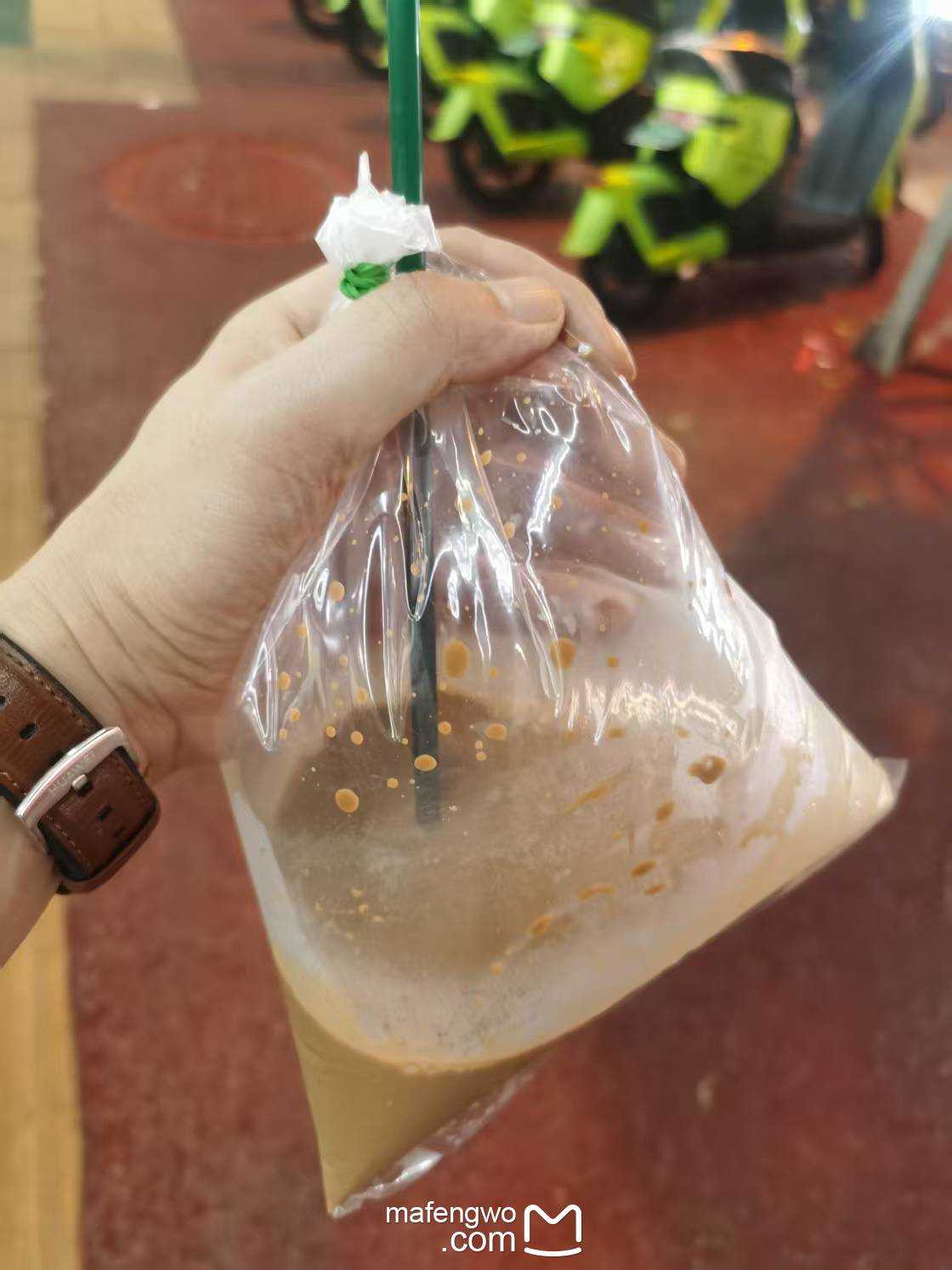
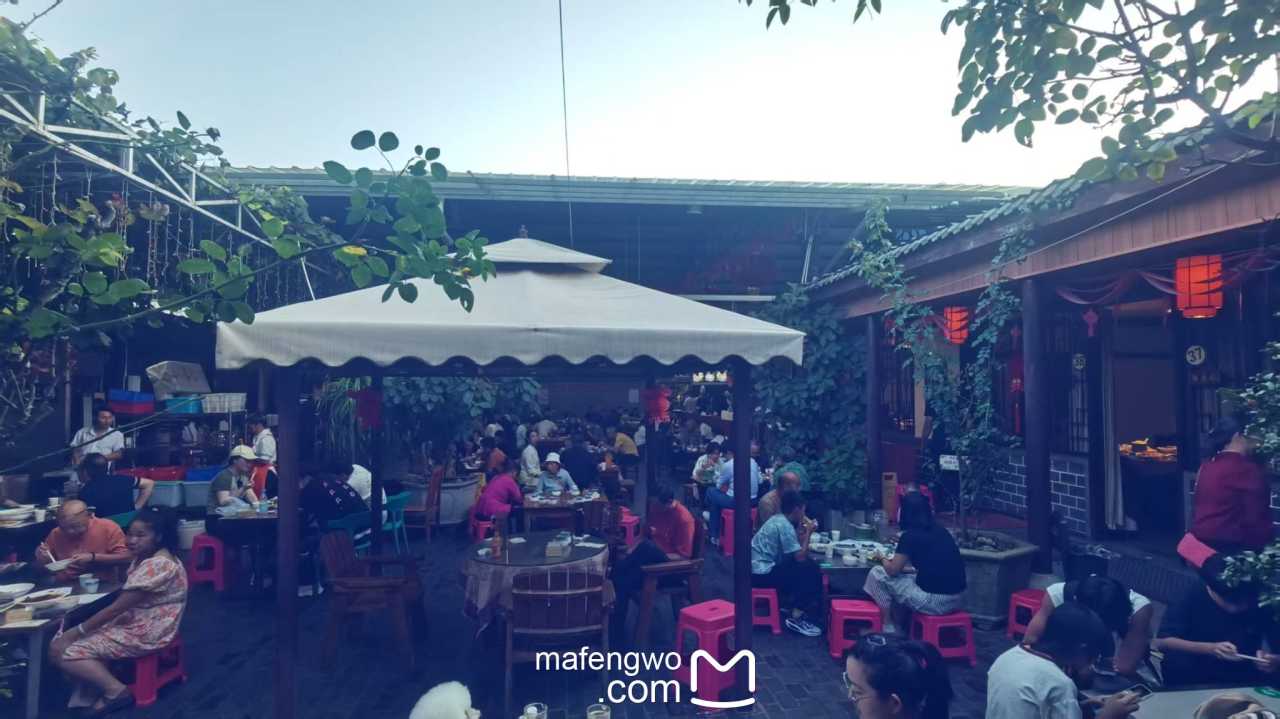
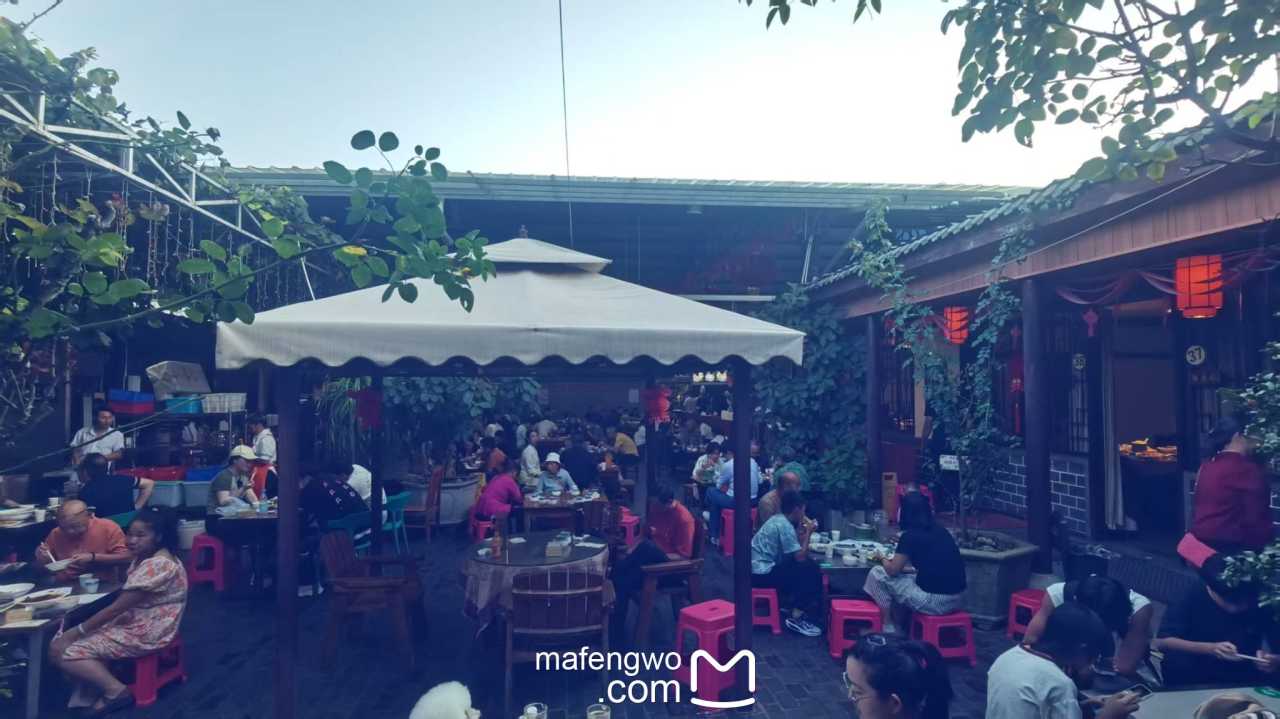
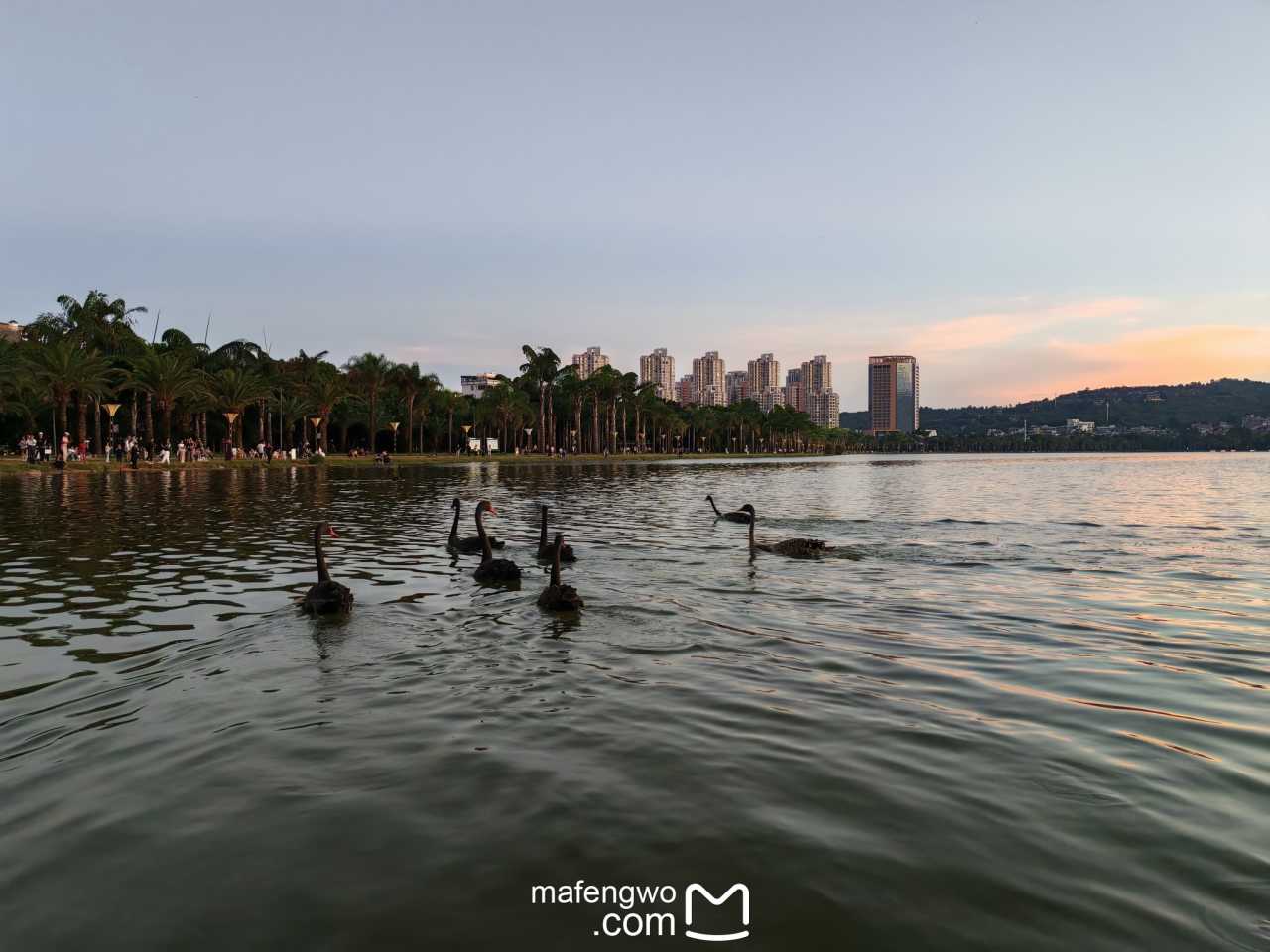
After dropping my bags, I wandered the small town in search of food. The Old Mile Traditional Restaurant was buzzing, with diners mostly tourists, likely drawn there by online platforms. After dinner, I strolled through Huquan Ecological Park. The lake was wide, swans gliding leisurely; a full loop around it took about an hour. As dusk fell, I grabbed a shared electric scooter and headed to Jinxiu Huajie Night Market. Yunnan's shared e-scooters are incredibly convenient—scan to ride, park anywhere, unlike some cities where you have to find designated spots. The night market was packed with snacks. I bought a cup of Lao-style iced coffee (老挝冰咖啡) just to try something new. And so, the first day ended in the warm glow of local烟火气 (the lively, bustling atmosphere of everyday life).
Day 2: The Mile Grand Buddha and an Unexpected Surprise
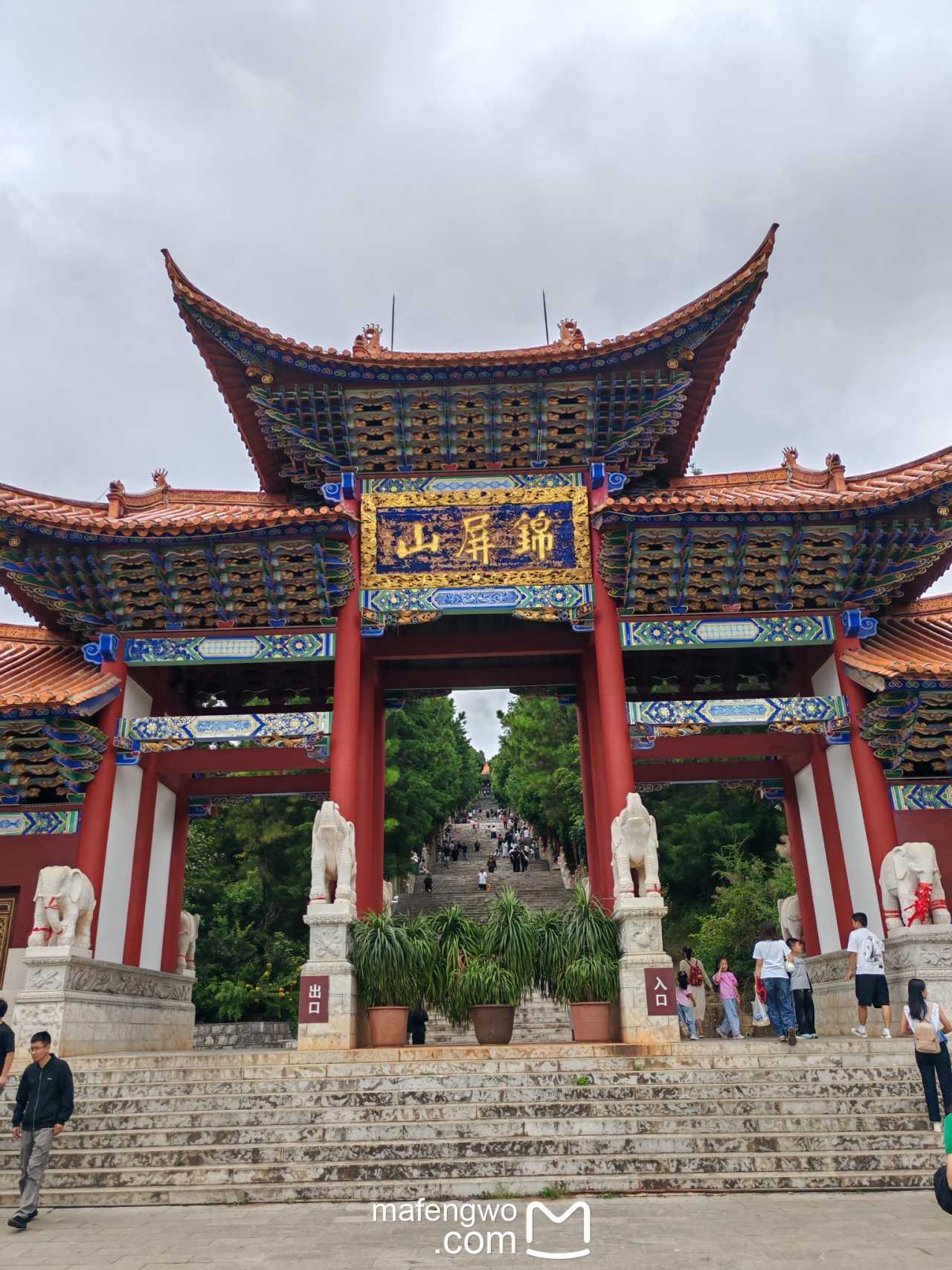
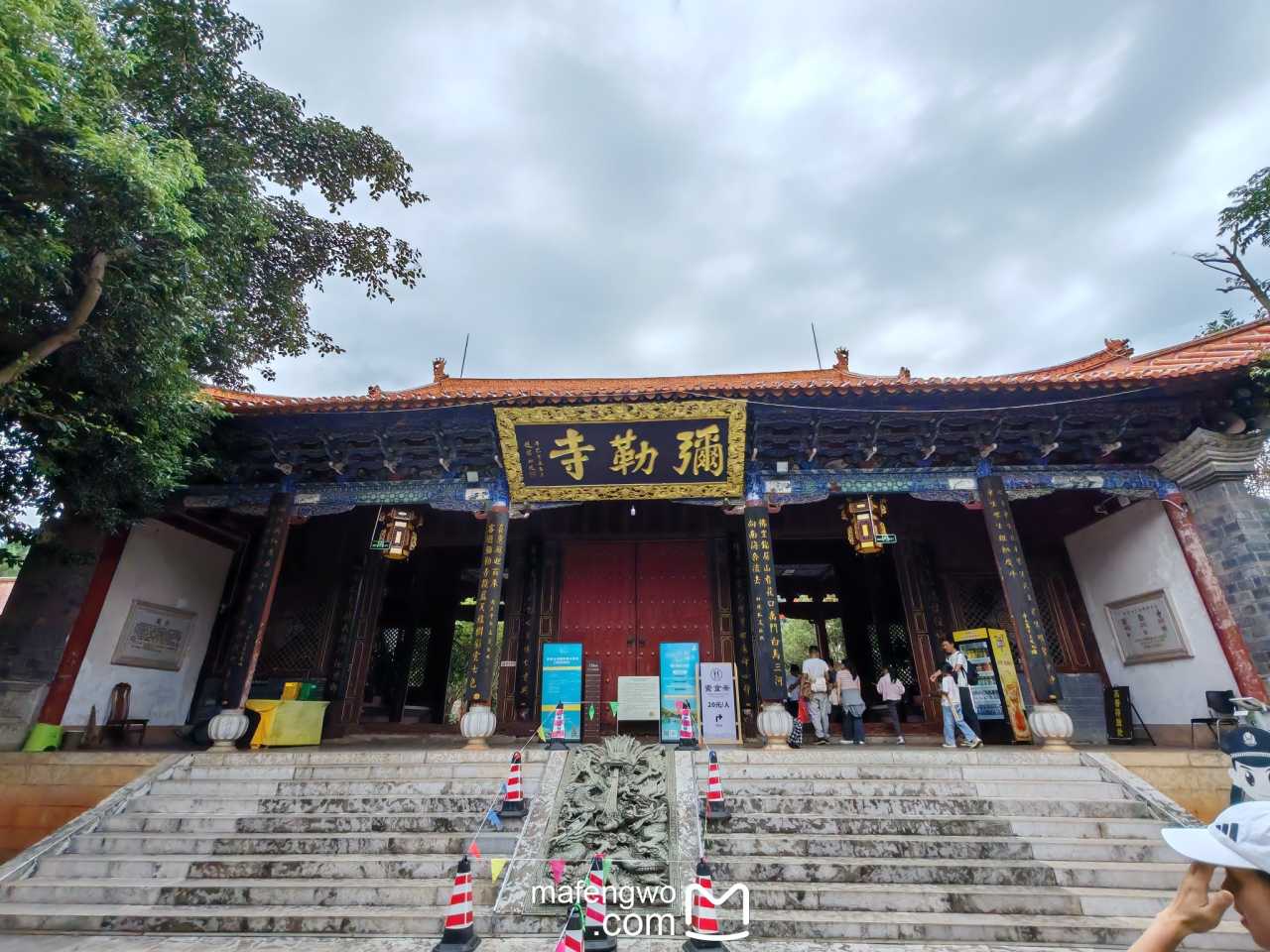
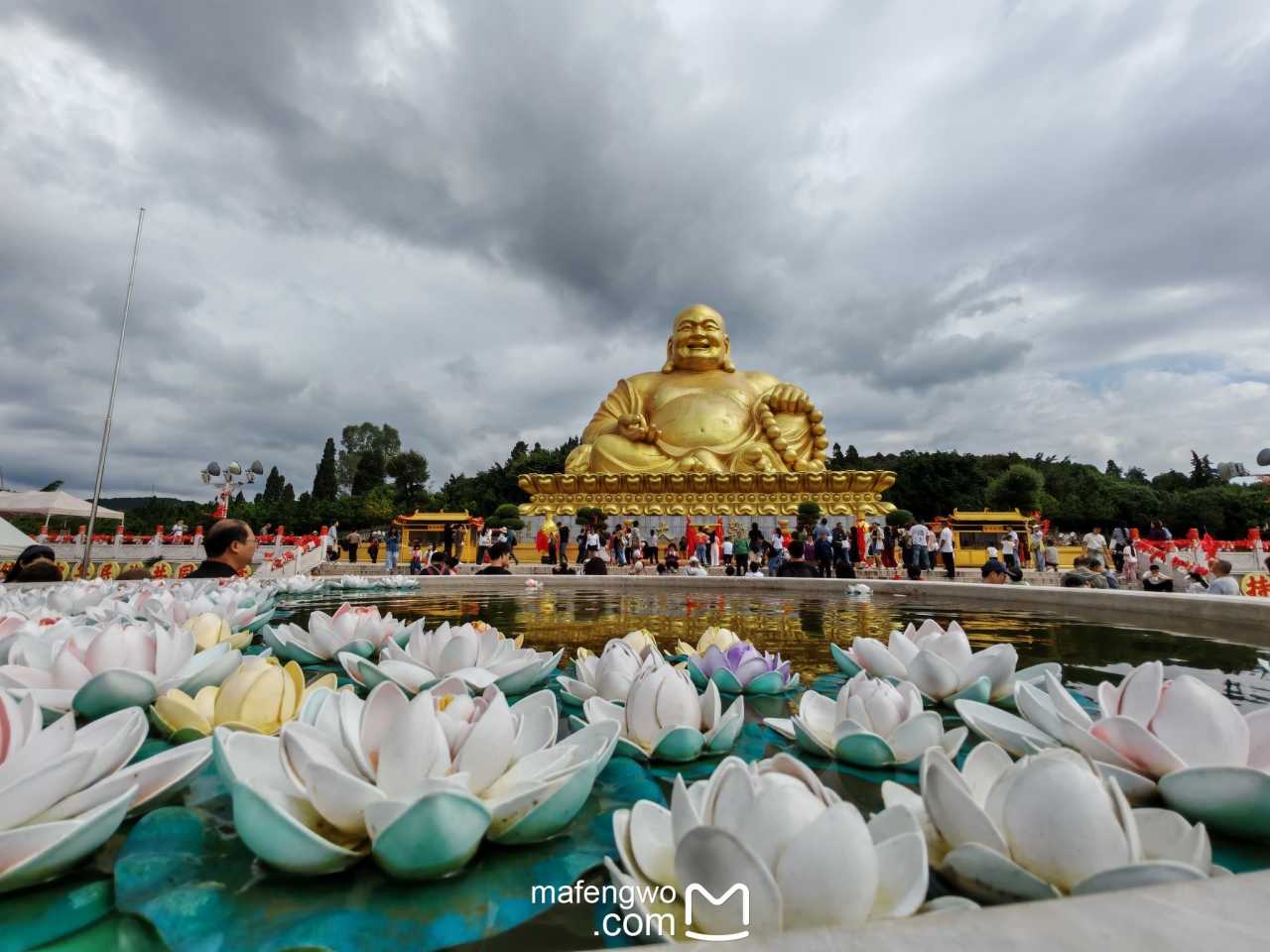
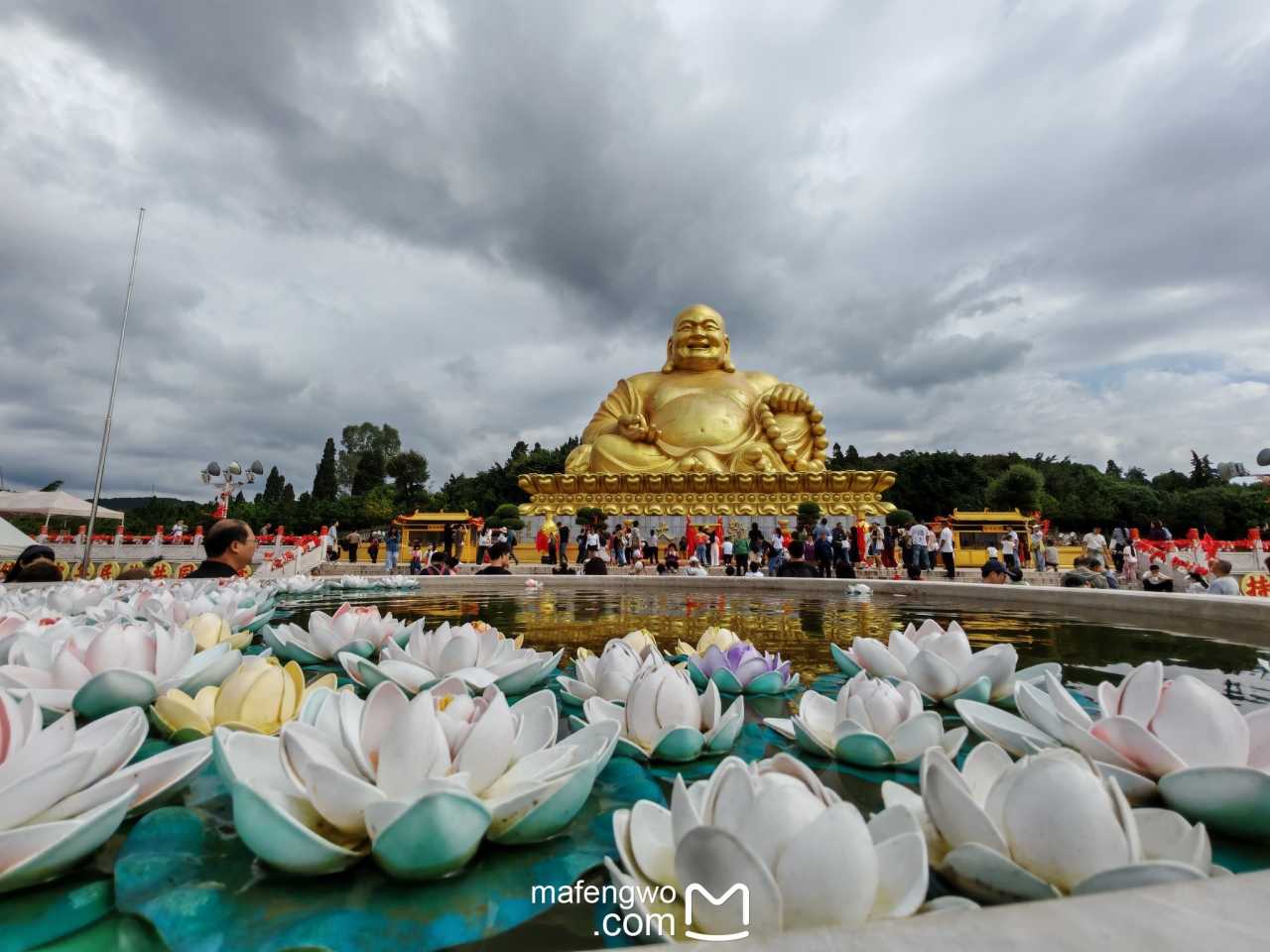
After breakfast, I checked out and drove to Jinping Mountain. Mile is the only city in China named after a bodhisattva (Maitreya), so the Grand Buddha on the mountain is naturally the main attraction. Built in 1999, the 19.99-meter-tall titanium-gold seated Buddha has a kind face and finely detailed robes, said to be the largest seated Maitreya Buddha in the world. From the foot of the mountain to the top, there are 1,999 steps. I chose to walk, treating it as exercise. If you're bringing elderly folks, I'd recommend taking the sightseeing car—those steps are tough on the legs.
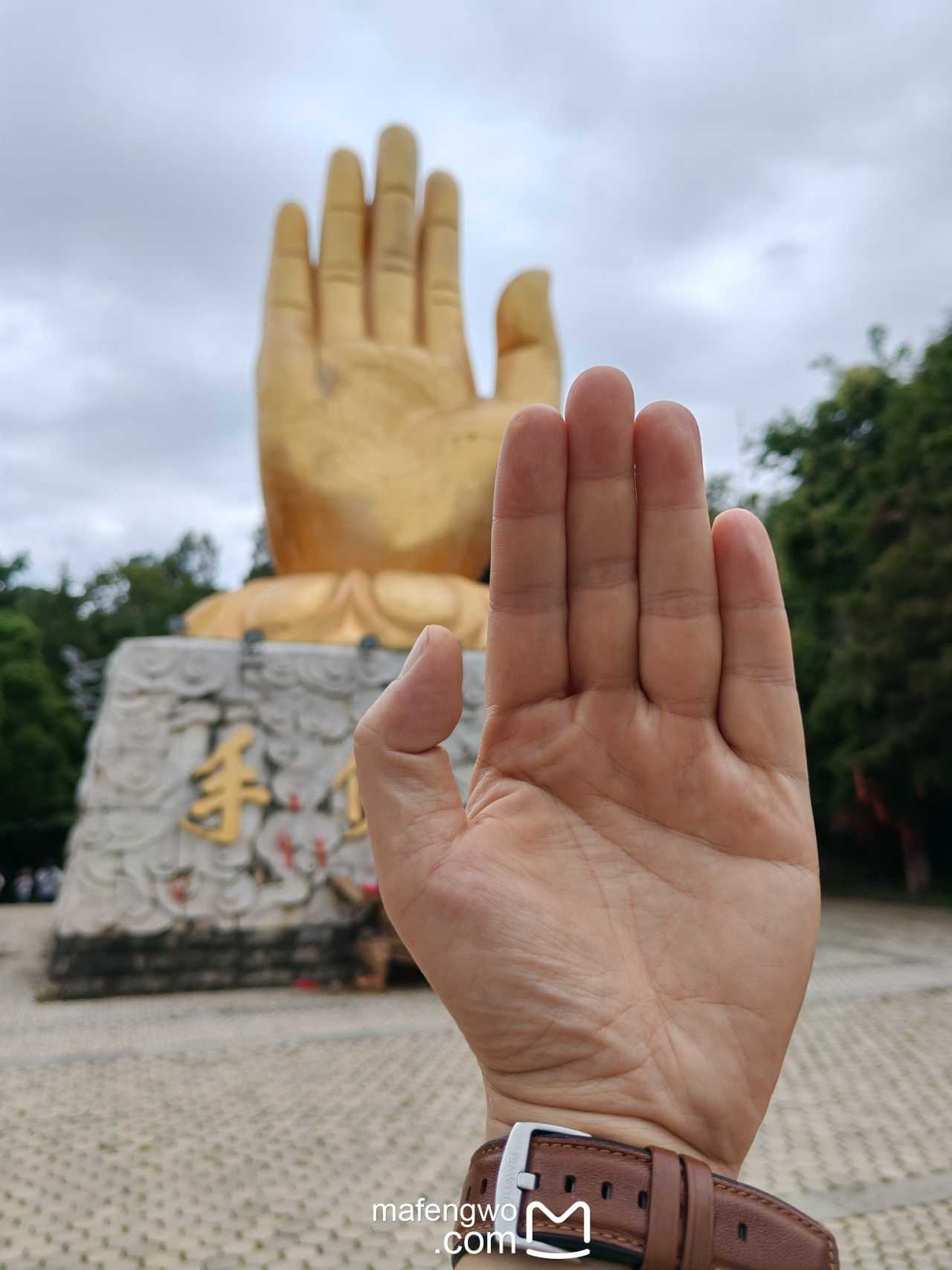
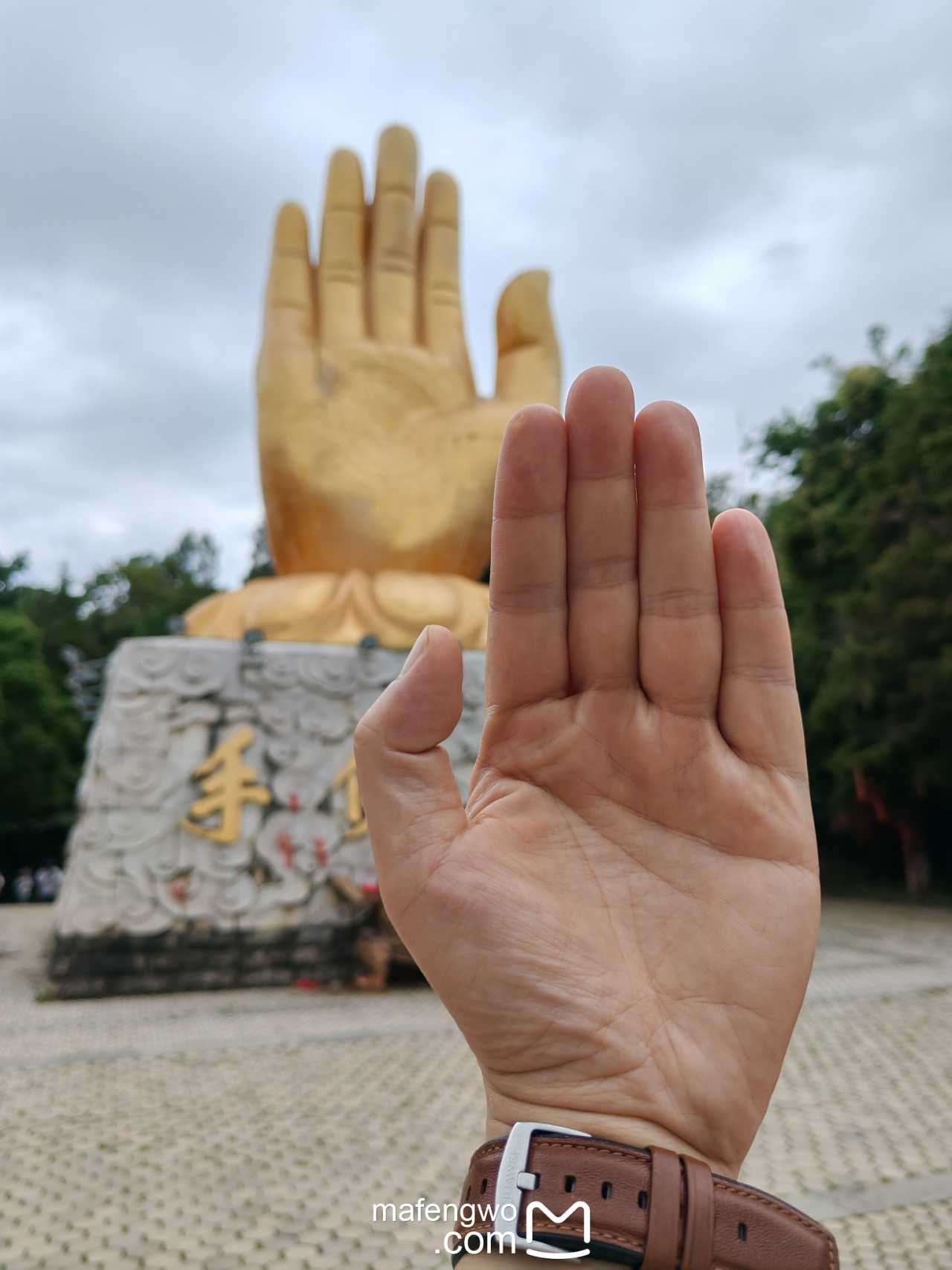
On the way down, I stopped to see the Buddha Hand statue and then headed to Dianxi Wetland Park—a place few people mention online. My curiosity got the better of me, and I had to check it out. Sure enough, it felt like a forgotten paradise—almost no one around, sunlight spilling onto clean paths, beautiful in its quiet purity. Since it was nearly noon, I only spent forty minutes there, but it was deeply satisfying.
I remembered the Mile Snack Shop I'd passed the night before, with a line so long it was ridiculous. I had to check it out. It turned out to be delicious and cheap. If you're going to Mile, don't miss it. As for the much-touted Dongfengyun (East Wind Rhyme) scenic area, I looked it up—it's a man-made attraction. The ticket plus eco-car costs 100 yuan, and it's just a bunch of red-brick buildings, good for photos but not my cup of tea. I also went to something called Dongfeng Mosque, but it turned out to be just a residential house, with a little Muslim girl sweeping the floor—utterly unremarkable. After a quick glance, I moved on to the next stop—Puzhehei.
Most people know Puzhehei from the TV show Where Are We Going, Dad?, and later from Three Lives, Three Worlds, Ten Miles of Peach Blossoms. Before I set off, one of the show's lead actors, Yu Menglong, had just passed away, leaving me with mixed feelings. I arrived just after 6:00 PM, and it was still light. Puzhehei Village was lined with guesthouses. I parked the car and went door to door, finally choosing a suite with two large beds for just 100 yuan a night—unbelievably cheap for the National Day holiday. After settling in, I went out to find food. It was Mid-Autumn Festival that day, and there were so few tourists that the streets were eerily quiet. Unfortunately, the weather didn't cooperate—a light rain started, dashing any hopes of moon-gazing. I could only conjure a full moon in my mind. Dinner was at a small restaurant where we were the only customers; the owner warmly gave us a free dish. Afterward, I strolled through the village, admiring the various guesthouses, some of which were quite exquisite. The night felt complete.
Day 3: The Landscapes and Regrets of Puzhehei
In the early morning, I visited the village's small market. It wasn't big, but the beef soup rice noodles (牛肉汤饵丝) were affordable and delicious—10 yuan for a small portion, 15 for a large. After breakfast, I began exploring the Puzhehei Scenic Area. The entire area is divided into four sections: Qinglong Mountain, Pucao Pond, Hainumide, and West Wilderness Wetland. The core is Qinglong Mountain, which includes the filming location for Three Lives, Three Worlds, Ten Miles of Peach Blossoms. But there were quite a few paid attractions, which wasn't very visitor-friendly.
I decided to climb Qinglong Mountain first—it's free. The mountain path was narrow but not difficult, and the summit offered a panoramic view of Puzhehei. Worth it. Not far from the foot of the mountain was Lovers' Bridge, with a street full of restaurants. We went to one called "Walu," known for its soy milk chicken (豆浆煮鸡)—affordable, recommended by a young woman staying at the same guesthouse. After lunch, we drove to Caihuaqing Village, the peach blossom filming site, only to be told it was closed due to a typhoon. A local then approached us, offering to take us close to the filming spot on his electric cart for 10 yuan. Thinking, "Since we're already here," we agreed. He just took us around to the back entrance, where we could vaguely see the whole scene—enough to call it a check-in.
Remembering the guesthouse owner's recommendation of Xiaobai Mountain Village, said to have nice scenery, we drove there. The village faced the lake with a wide view, but it started drizzling, so we only walked a short stretch before heading back. On the way, we gave a lift to a young woman from Kunming who was also staying at our guesthouse and needed to catch a train. For dinner, we planned to go to Xianrendong Village, said to be lively at night, but the GPS led us in circles without finding it. As it got dark, we returned to Puzhehei Village. I'd heard locals went to a certain food stall for red bean rice (红豆饭)—10 yuan for vegetarian, 15 for meat—but by the time we got there, they'd closed. We ended up at a restaurant called "Little Red Stove" (小红炉), which was decent. Sitting by the roadside, eating and watching the street scene, was actually quite pleasant.
Day 4: An Unexpected Gain in Mengzi
Breakfast was corn boiled by the guesthouse owner—simple but heartwarming. In the morning, I planned to visit West Wilderness Wetland, but the GPS led us to a desolate spot that didn't look like a scenic area at all. We trudged on for half an hour, felt something was off, turned back, and drove around aimlessly until we accidentally stumbled upon the southeast gate of the scenic area. Walking through Pucao Hall Pier and Romantic Square, we suddenly saw a gate arch inscribed with "Xianrendong Village"—truly, "we searched high and low only to find it with no effort at all."

Xianrendong Village is a carefully built pseudo-ancient commercial area in Puzhehei, with wooden buildings and shops lining the streets. Despite it being National Day, the streets were almost empty, giving it a somewhat desolate feel. We walked around, bought some osmanthus cakes (桂花糕), and couldn't find a restaurant that sparked our appetite, but at least we'd made up for not finding the village the night before. Since it was still early, we decided to head to Mengzi, the capital of Honghe Prefecture.
We arrived in Mengzi at 3:00 PM under clear skies. I chose the Honghe Guanfang Hotel, considered the best in town. With the holiday peak over, the room rate had dropped to 280 yuan. The hotel was well-equipped—a small garden, swimming pool, tennis court, and gym—and the room was spacious. In the evening, they thoughtfully delivered fruit and milk. Highly recommended. After dropping my bags, I started a Citywalk. The hotel was in the city center, so I wandered wherever it was lively. First, I visited the local market, which was sizable, selling mostly the same produce we see every day. Next to the hotel was a large shopping mall called Nanhu Hui, with a Yunnan supermarket chain called "Da'er Duo" (Big and More)—a name that's straightforward and bold. Dinner was at a Hani ethnic restaurant called "Jilisi" in the mall, with a Meituan group-buy deal. After dinner, I strolled through the supermarket to get a feel for local life. Back at the hotel, I rested a bit, then went to the Nanhu Park across the street. The Mid-Autumn moon I'd missed in Puzhehei made up for it in Mengzi—big, round, and perfect.
Day 5: Time at Bise Village and the Bustle of Jianshui
Breakfast was at the hotel, with a wide variety, including a kids' section with cute pastries. After eating, I headed straight to the market to catch the morning bustle. I wanted to buy fresh gastrodia tuber (天麻), but I heard it has a short shelf life and isn't convenient for travel, so I gave up. Mengzi is known for its pomegranates—big and sweet, 5 yuan per catty. I packed some to ship home and bought a few to eat on the road. On the way back to the hotel, I passed a specialty shop and bought a catty of wild gastrodia tuber for 300 yuan, ground on the spot. I have no idea if I overpaid.
After packing up, I headed to Bise Village (碧色寨). I first learned about it from Feng Xiaogang's film Youth, and later found out that Forever Young was also filmed there. Bise Village is not far from Mengzi—just half an hour's drive. The site itself is free, but the parking lot is two to three kilometers away, so most people buy a round-trip eco-car ticket. There's a costume rental service for 10 yuan a set. I recommend renting a 1970s-style PLA army uniform for photos—it really sets the mood. I didn't rent one, and I still regret it.
There were few tourists that day. The station stood quietly, its large yellow walls peeling with age. Designed by the French and built by the Chinese, it's a blend of Sino-French architecture. At the other end, there was a small park with a locomotive and a century-old red clay tennis court. I really wanted to play a match, but it wasn't allowed. Overall, Bise Village is worth a visit—a place to reflect on the past.
By the time I left Bise Village, it was past noon, so I headed straight to Fire-Burned House Cross-Bridge Rice Noodles (火烧房子过桥米线). Cross-bridge rice noodles originated in Mengzi, though many people don't know that. This restaurant was recommended by a fellow traveler. I waited in line for fifteen minutes, and the prices ranged from 15 to 100 yuan. I chose the 20-yuan option, with yellow chrysanthemum petals floating on the broth—a beautiful sight. I don't usually eat rice noodles, but this time it felt significant—after all, I was at the birthplace—so I finished them with great care.
The drive from Mengzi to Jianshui took two hours. Yunnan's highways are easy to drive, with speed limits mostly at 120 km/h. After getting off the highway, I headed straight for the old town. I'd found a guesthouse online and, after checking it out in person, decided it was good. The parking was right outside the room, making it easy to carry luggage. The front desk thoughtfully provided a Jianshui guide. By the time I settled in, it was past 5:00 PM, so I started exploring the old town in search of food.
The south gate of Jianshui Ancient Town is the most central and lively. From a distance, you can see the four large characters "雄镇东南" (Mighty Guardian of the Southeast). The ancient town is much like others—pseudo-ancient architecture with modern commerce. I walked along, sampling various snacks: papaya water (木瓜水), pastries, and the like. The most famous attraction is "Zhu Family Garden," but since it was getting late, I bought a combo ticket for "Yamen" (government office) and "Zhu Family Garden" for 55 yuan per person. I visited the Yamen that afternoon, saving Zhu Family Garden for the next day.
For dinner, I found an old shop specializing in Jianshui grilled tofu (烤豆腐), a local specialty. Grilling and chatting with the owner had a unique charm. After dinner, I rented an electric scooter, charged by the hour—not expensive. I spotted the Zitao Night Market on the map and rode for half an hour to get there, only to find it was a commercial street developed by a real estate company—few people, but still pleasant to browse. Then I circled the ancient town, visiting the four gates. I'd seen the south gate during the day, so I checked off the remaining three at night. Another enjoyable day came to an end.
Day 6: Zhu Family Garden, Twin Dragon Bridge, and the Sunset Disappointment at Fuxian Lake
In the early morning, I visited the market again and had broken-skin buns (破酥包)—a common sight all over Yunnan, each with a different taste. Then I went to explore Zhu Family Garden. This was the home and ancestral hall of the late Qing dynasty gentry Zhu Weiqing and his brothers, covering a total area of over 20,000 square meters, with a building area of over 5,000 square meters. The main structure follows an asymmetrical "three verticals, four horizontals" layout. On the central axis, there are ponds, a front garden, the first, second, and third courtyards, and a back garden—a typical Jianshui residential courtyard combination of "five rooms, six side rooms, five halls, one large courtyard with four small ones." The structure is rigorous and grand, a large traditional residence with the charm of southern Yunnan's private gardens, of significant value for studying residential architecture of the time. After visiting here, I felt I could skip Tuanshan Folk Residence.
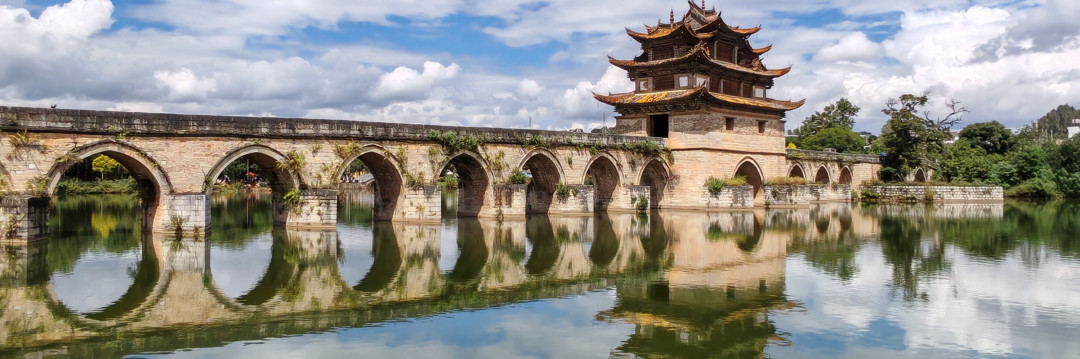
Leaving Zhu Family Garden, I checked out and drove to the Seventeen-Arch Bridge, officially named "Twin Dragon Bridge" (双龙桥), located in Xizhuang Town, Jianshui County, spanning the confluence of the Lujiang River and the Tachong River. It's a classic covered bridge, with a pavilion and platform in the middle, 20 meters long from east to west and 15 meters wide from north to south. In 2006, it was designated a Major Historical and Cultural Site Protected at the National Level by the State Council. The weather was beautiful that day, making for great photos—I used one as the cover for this travelogue. There weren't many tourists, but I highly recommend a visit.
Next, I went to Xianghui Bridge Station, built in 1936, an important stop on the Jianshui Ancient Town sightseeing train. The French-style station building contrasts charmingly with the Chinese-style wooden canopy. Inside, there's a café converted from a century-old station building. It's similar to Bise Village, but the feeling is completely different: Bise Village is solemn, while Xianghui Bridge is refined. The café had a few lazy, adorable cats. I ordered a cup of coffee and a slice of cake and stayed until after 2:00 PM.
After finishing Jianshui, I drove to Fuxian Lake. Fuxian Lake lies between Chengjiang City, Jiangchuan District, and Huaning County, covering an area of about 212 square kilometers, with a circumference of roughly 93 to 100 kilometers. It's the third largest lake in Yunnan, after Dianchi and Erhai, and at its deepest point reaches 155 meters, making it China's largest deep-water freshwater lake. It was originally an optional stop, but since many people I know go there to escape the summer heat, I wanted to see it for myself. The drive from Jianshui to Fuxian Lake took two hours, one of which was along the lakeside road—driving while enjoying the lake view was pure bliss.
I set the GPS to "Fuxian Lake Visitor Center," only to find it had become a geological museum. I wanted to go in, but a security guard stopped me—I couldn't even walk around outside. Oh well. When traveling, it's better to avoid trouble. While looking for a hotel, I discovered a lakeside high-rise building housing thirty or forty hotels. The off-season prices were shockingly low—a 40-square-meter standard room with a direct lake view cost only 86 yuan, and it came with a free ticket to the wetland park across the street.
As I was settling in and planning dinner, I noticed the sun was about to set. On a whim, I decided to find a sunset-viewing restaurant to enjoy the view while eating. I picked one and asked for a seat on the second floor. The waiter looked surprised but led me up. Just as I was eagerly anticipating the sunset, the owner poured cold water on my enthusiasm: due to Fuxian Lake's location, the sunset lasts only about a minute, and basically no one watches it there. Before he finished speaking, the sun had completely disappeared. My romantic notion shattered. I didn't order fish for dinner, opting for a few local dishes—nothing special. After dinner, I took a walk, but Fuxian Lake at night had few suitable spots for strolling, with dim streetlights. I passed by the Wanda Vista Hotel and asked about the price—588 yuan even in the off-season. I quietly backed out and returned to my room to rest.
Day 7: Fuxian Lake's "Little Maldives" and the Return to Kunming
This type of cluster hotel doesn't offer breakfast, but there were small eateries downstairs serving soy milk, fried dough sticks, and rice noodles. After breakfast, I used the free ticket from the hotel to visit the Moon Bay Wetland Park across the street. The park features man-made beaches, a pier, a wedding palace, flower fields, and over 100 plant species. The most distinctive feature is the sandy beach, dubbed Yunnan's "Little Maldives"—great for photos with a beach effect. The park is small and can be explored in an hour. Fuxian Lake has other attractions, but I felt the lake itself was the main draw. If you have time, you could visit the Lucong Scenic Area for a fishing village experience and climb Bijia Mountain. But I just wanted to get to Kunming early.
The drive from Fuxian Lake to Kunming took only an hour. I set the GPS to the trendy check-in spot, Aocheng Building. I'd passed through Kunming ten years ago without stopping much, so this felt like a revisit. Located on Renmin Middle Road in Wuhua District, Aocheng Building stands 20 stories tall, known for its 360-degree circular exterior and hollow structure. The sixth-floor observation deck, "Sky Eye," had been renovated into an internet-famous photo spot. Tourists were streaming in and out downstairs. I took the elevator to the sixth floor—easy to find. People were taking photos everywhere, and there were even paid photography booths. By the time I finished, it was nearly 4:00 PM. Kunming's Old Street wasn't far, so I headed straight there.
Kunming Old Street is the only historical and cultural district in China named with a unified place name, comprising over ten streets like Guanghua Street, Jingxing Street, and Wenming Street. Its history can be traced back to the Dali Kingdom period in 1119 AD, with existing buildings primarily from the Qing dynasty and Republican era. But nowadays, it's mostly taken over by commerce, packed with people. After an hour of wandering, I went to my pre-booked Kunming Hotel—good location, old-school style, small but adequate room. After settling in, I started looking for a place to have dinner...
Epilogue: In Yunnan, Slowing Down Is the Real Essence
A twelve-day journey through southeast Yunnan—not too long, not too short. From the Buddha statue in Mile to the landscapes of Puzhehei, from the rice noodles of Mengzi to the ancient town of Jianshui, from the time capsule of Bise Village to the sunset at Fuxian Lake—every stop had its regrets, and every stop had its surprises.
The beauty of Yunnan lies not in rushing through, but in staying still. If you ask me for advice, I'd say: don't be greedy. Visit fewer places and leave more time. Stare into space at the wetland park in Mile, take a leisurely walk by the lake in Puzhehei, get lost in the ancient alleys of Jianshui, and wake up to the morning light at Fuxian Lake. Those overlooked details are often the true meaning of travel.
Colorful Yunnan, in the early autumn at its finest. Take this guide, and set off.
You should also read:

Cloud Travelogue · Dali of Wind, Flowers, Snow, and Moon: A Three-Day, Two-Night Journey of a Free Spirit
Cloud Travelogue · Dali of Wind, Flowers, Snow, and Moon: A Three-Day, Two-Night Journey of a Free Spirit I am a cultured female foodie with a touch of rogue charm. I slung on my backpack, took my lover's hand, and set off on a spontaneous…
Continue reading...
The Meaning of Travel – A Tengchong Story: A Journey of the Heart and Personal Growth
The Meaning of Travel – A Tengchong Story: A Journey of the Heart and Personal Growth Setting Out, Only to Return a Better Self Some say travel is nothing more than leaving a place you're tired of, only to go to a place where others…
Continue reading...
Xishuangbanna: Encountering an Ideal and Magical Paradise in the Green Wonderland at 21° North Latitude
Xishuangbanna: Encountering an Ideal and Magical Paradise in the Green Wonderland at 21° North Latitude If you ask me which place in China most resembles Southeast Asia, I would answer without hesitation: Xishuangbanna. This is not Thailand, yet it possesses an even richer Buddhist ambiance…
Continue reading...