A Journey Through the Hengduan Mountains of Sichuan and Yunnan | Encounters with the Hidden Wonders of Western Yunnan: The Poetic Time of Baoshan, Tengchong, and Mangshi
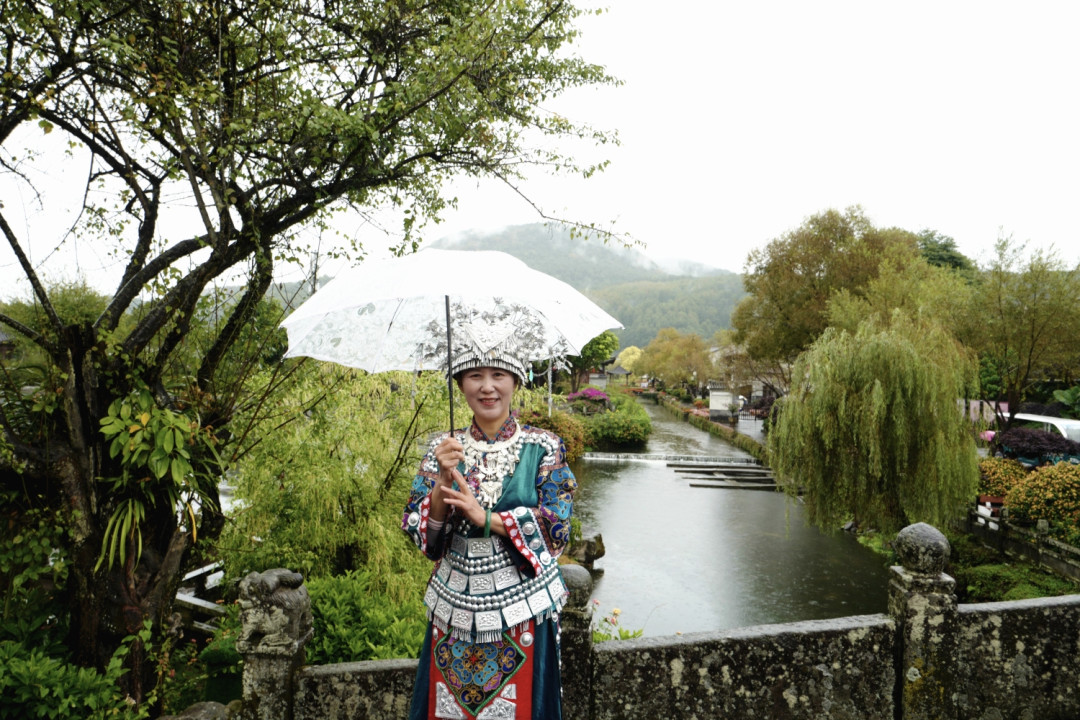
A Journey Through the Hengduan Mountains of Sichuan and Yunnan | Encounters with the Hidden Wonders of Western Yunnan: The Poetic Time of Baoshan, Tengchong, and Mangshi
Prologue: A Journey of Subtraction to the Distance
In the late autumn of 2024, when the ginkgo trees in the north began to turn yellow, I embarked on a long journey through the Hengduan Mountains. Starting from Tianjin, passing through Chengdu and Siguniang Mountain, I followed the western section of G318 through Kangding, Xinqiao, Tagong Grassland, and Moshí Park, then headed south to Daocheng Yading and Shangri-La, finally arriving in the embrace of western Yunnan. This was a nineteen-day trip, and the cities of Baoshan, Tengchong, and Mangshi in western Yunnan were the gentlest notes of this journey.
The original intention of the trip stemmed from years of obsession with Heshun Ancient Town. I had thought I would fly directly to Tengchong, but two years ago, I accidentally caught a glimpse of Qinglong Street in Banqiao Town in a video, which made Baoshan the first stop. As it turned out, this decision was absolutely correct — the unexpected stunning beauty of Qinghuahai National Wetland Park became the most brilliant surprise of the entire trip.
During my days in western Yunnan, I learned to do subtraction. There's no need to covet too many attractions; weather, physical strength, and travel convenience are all criteria for selection. Before aesthetic fatigue set in, we quietly left, leaving behind the most beautiful memories.
Baoshan · Banqiao Ancient Town | Qinglong Street Where Time Stands Still
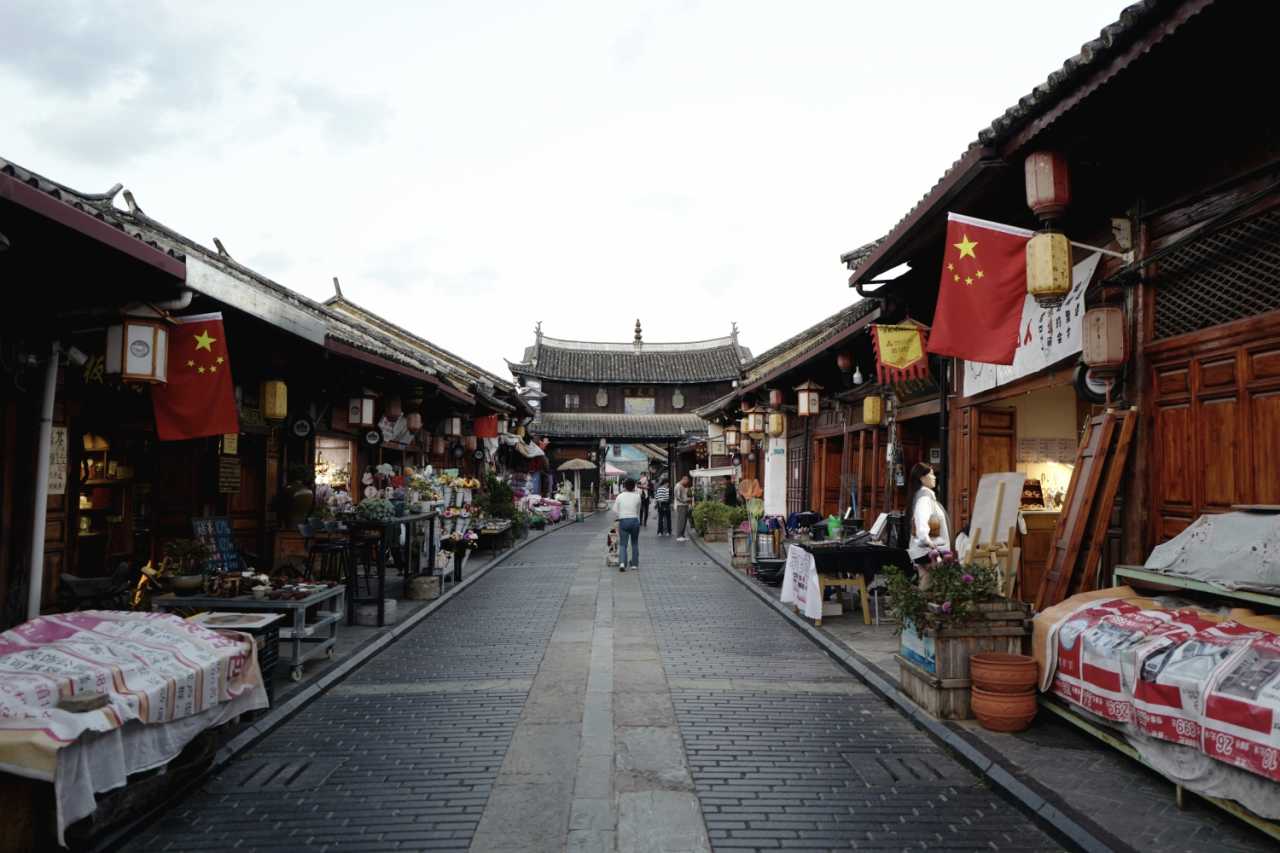
The Lively World of a Millennium Post Station
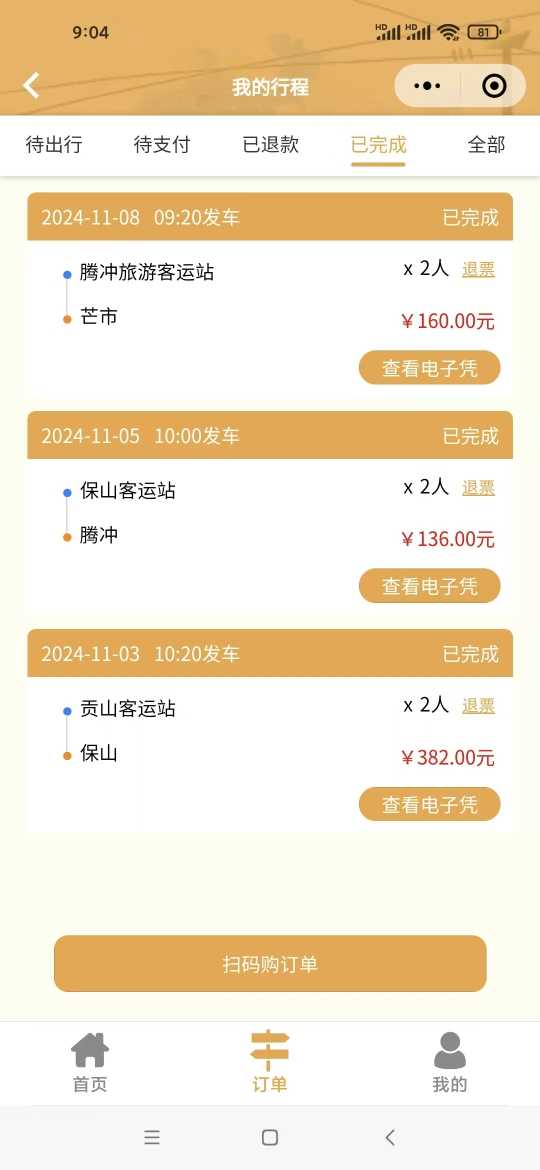
From Gongshan to Baoshan, it was a five-and-a-half-hour business car ride, with tickets costing 190 yuan per person. The booking experience on the "Baoxiaoxing" (Baoshan Transportation) mini-program was quite convenient, even allowing advance seat selection, which was a godsend for long-distance travel.
Banqiao Town is located in the northern part of Longyang District, Baoshan City, only five kilometers from the urban area. The history of this small town can be traced back more than two thousand years to the "Shu-Shendu Road" (Sichuan-India Road) — starting from Chang'an, crossing the Qinling Mountains, passing through Chengdu, Qionglai, Xichang, and Dali, and finally reaching India. Banqiao Town was an important post station on this Yongchang Road.
Stepping onto Qinglong Street feels like stepping into a time tunnel. Low old houses line the bluestone-paved street, with blue bricks, gray tiles, and upturned eaves, preserving the architectural style of the Ming and Qing dynasties. The residential buildings here are very distinctive — shops along the street with residences inside, forming a traditional "shop in front, house in back" layout. Adjacent houses share beams and pillars, with narrow frontages and deep interiors, hiding a different world inside. Even more astonishing is the mix of Yunnan's earth-brick houses and Nanyang-style arcade buildings, creating a unique aesthetic.
Living Heritage of Intangible Culture and Time-Honored Brands
In the central section of Qinglong Street, a display window for intangible cultural heritage has been set up. You can see centuries-old crafts like "Wutong Zouyin" (copper-inlaid silver) and "Yongzi" (Yunnan Go stones). The pastries from Guixiang Lou and Zhilan Xuan are still produced in century-old courtyards, wrapped in traditional oil paper. Take a bite, and you can almost taste the flavor of time.
Old tea houses by the street have been run by the same families for generations. On old-fashioned stoves, a large pot boils water, burning wood in the hearth, with blue smoke blackening the walls and ceiling. In the shabby old courtyards, a few square tables, a row of teapots, and a row of teacups — every item is full of the patina of age.
"Clay pot tea" is a local intangible cultural heritage. The master first heats an empty clay pot to a high temperature, then adds specially prepared tea leaves, shaking them repeatedly until the leaves turn yellow and the tea fragrance fills the air. Finally, boiling water is poured in, and the pot is heated over the fire for two to three minutes. The tea soup is golden like amber, clear and bright, with a rich aroma and a full-bodied taste. In this era of popular stove-top tea brewing, this is the most authentic enjoyment.
Kuixing Pavilion and Yongchang Yi
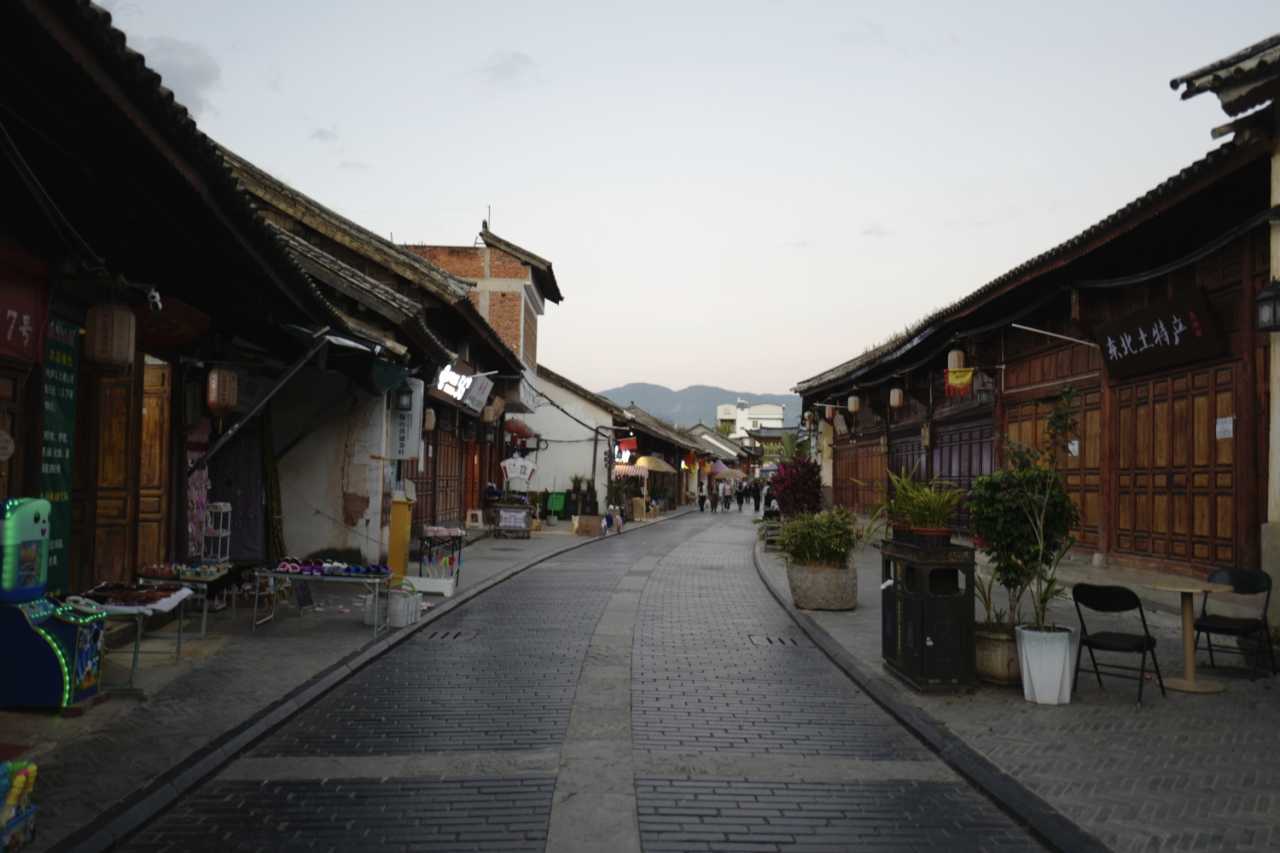
The most famous building on Qinglong Street is Kuixing Pavilion, first built during the Qianlong era, also known as "Huanxiu Pavilion." It faces south, straddling the center of the street, with flying eaves, carved beams, and painted rafters. Inside, the pavilion enshrines Kuixing, the god of literary fortune, holding a brush in one hand and a dipper in the other. Every year before the college entrance exams, many students and their parents come here to seek good luck, hoping for "Kuixing nodding, topping the list."
At the corner of the street, there is also a "Yongchang Yi" intangible cultural heritage experience hall. Although the shop is small, it gathers intangible cultural heritage products from all over Baoshan. From ham and tea to bamboo baskets and ethnic minority costumes, authentic Baoshan souvenirs are available in abundance.
At the end of the ancient street, there is a small academy hidden away. From classic ancient books to comic books, and a small building filled with educational materials, it's enough to fill your leisure time. Pick up a book and lean by the window; look up to see the bustling ancient street outside, look down to enter the vivid world of the book — utterly delightful.
Baoshan · Yongchang Pavilion | A Cultural Hall of the Go Chess Holy Land

The Legend of Yongzi
Yongchang Pavilion is located in the West Lake scenic area of Qinghuahai National Wetland Park. Facing south and surrounded by water on three sides, it is a landmark building of Baoshan City. With five visible floors and nine internal floors, symbolizing the highest imperial status, it stands at a total height of 44.99 meters, meaning "everything goes smoothly and lasts forever."
Stepping into Yongchang Pavilion, you are greeted by a scene of Emperor Qianlong playing Go against the grandmaster Shi Xiangxia, as if traveling through time to the era of chess battles. The pavilion houses the Yongzi Museum, the Yongzi Cultural Research Institute, the International Go Cultural Exchange Center, and the Yongzi Academy, collecting over 30,000 volumes of Go game records and more than 10,000 cultural relics and artworks.
Yongzi are the finest grade of Yunnan Go stones. They are made using Baoshan's unique natural gemstones, such as South Red Agate, Yellow Dragon Jade, Jadeite, and Amber, through a secret formula and unique smelting technique, with traditional handcrafting of the "dan" (the black and white stones). The resulting stones are hard and smooth, delicate as jade, comfortable to the touch, warm in winter and cool in summer, earning them the reputation of "the holy product of Go." Emperor Jiajing of the Ming Dynasty decreed Yongzi as an annual tribute, making them a national treasure.
Today, the Yongzi craft has been passed down to the twelfth generation of the Li family, producing about 2,000 to 3,000 sets annually, with a single set priced as high as 19,800 yuan, and exported to Japan, South Korea, Europe, and beyond.
A Panoramic View from the Top
Taking the elevator to the top, the scenery of Qinghuahai Wetland unfolds before your eyes. West Lake and East Lake are like two huge emeralds embedded in the earth, with rippling blue waters merging with the sky. This venue has hosted the Chinese Go League, the China-Japan-Korea Go Veterans Mixed Doubles Tournament, the World Go Masters Battle, and other top international events, making it a pilgrimage site for Go culture enthusiasts.
Baoshan · Qinghuahai National Wetland Park | Monet's Palette
The Past and Present of Ailao Ancient Lake
Qinghuahai National Wetland Park was the biggest unexpected gain of this trip. Located between the Nujiang and Lancang rivers in the Hengduan Mountains, it covers a total area of 1,360 hectares, including three sections: Beimiao, Donghe, and Qinghuahai. It features diverse habitats such as lakes, reservoirs, rivers, swamps, and forests.
Thousands of years ago, the entire Baoshan Basin was submerged under a vast expanse of shimmering water. Dark mountains surrounded the clear, wide lake. At that time, it had no name; locals called it "Donghaizi" (Eastern Sea). For the people of Baoshan, far from the sea, a large lake was a sea, with no clear boundary between the two. During his exile in Baoshan, the Ming Dynasty literary giant Yang Shengan renamed it "Qinghuahai."
A Feast of Ecology
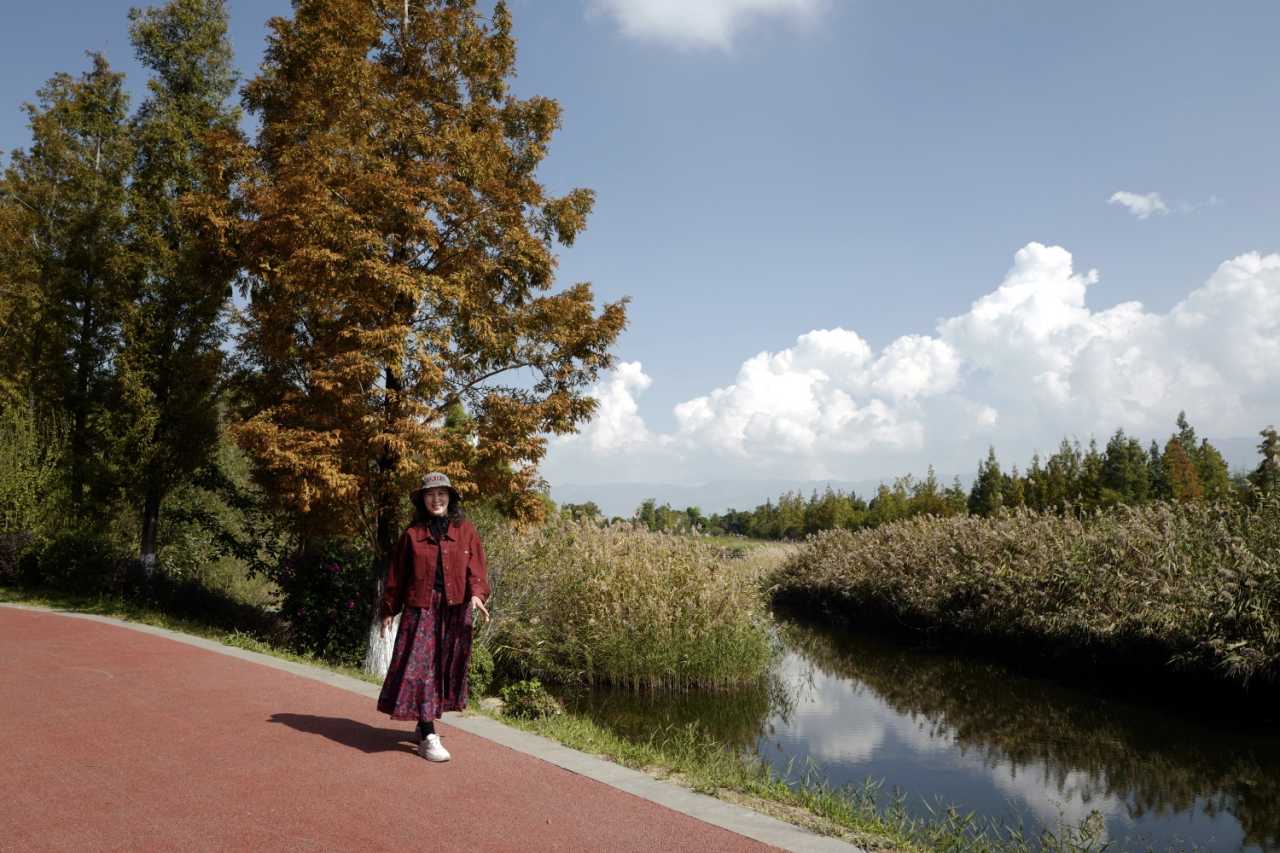
Entering the wetland, the first thing that catches your eye is a tranquil and vast expanse of water. The lake is crystal clear, reflecting the blue sky, white clouds, and the surrounding green reeds and white flowers. A gentle breeze blows, creating ripples on the lake's surface, shimmering with light.
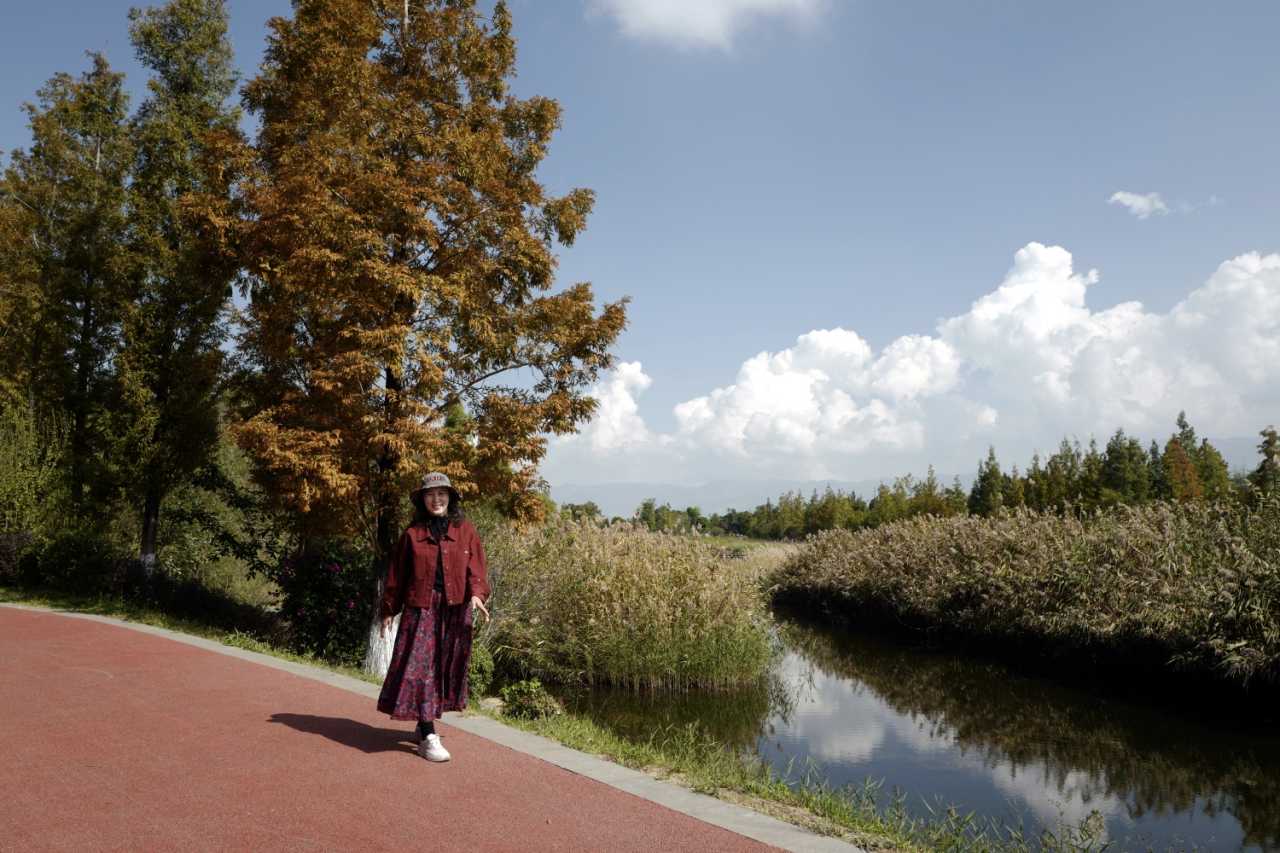
Walking along the lake, dense reeds and cattails sway in the wind. Wild ducks and mandarin ducks swim leisurely on the lake, while squirrels and rabbits scurry through the woods. This place attracts over 20,000 migratory birds, including the critically endangered Baer's Pochard, to winter here, making it a true bird paradise.
The warm autumn sun shines on the lake, and water lilies bloom quietly, elegant and serene. On the blue waves, each water lily is like an exquisite embroidery on a green silk ribbon, weaving a dreamlike scene with soft colors.
Shuilian Pavilion, built in the late Ming and early Qing dynasties, has a history of over six hundred years. Originally named Shuilian Temple, it is widely known, and every year, many devotees come to pray for favorable weather and abundant harvests.
Tengchong · Rehai Scenic Area | The Spectacle of the Boiling Earth
A Museum of Geothermal Activity
Tengchong is a famous geothermal scenic area in China, with 64 discovered geothermal activity zones and over 80 hot spring groups, the highest water temperature reaching 96°C. The most intense and spectacular among them is the Rehai (Hot Sea) Scenic Area.
Located near the collision zone of the Eurasian and Indochina plates, underground magma activity is intense. Due to the powerful north-south fault system, the heat energy from the magma chamber is continuously released here, forming spectacular geothermal resources. While there are many hot springs in the world, few are as extensive and numerous as Tengchong's Rehai, earning it the reputation of a "Museum of Geothermal Activity."
In the twelfth year of the Chongzhen era of the Ming Dynasty (1639), the geographer Xu Xiake visited Rehai and provided a detailed and vivid description of the geothermal landscape. During the Ming and Qing dynasties, it was known as "Yihong Rehai" (a vast hot sea), one of the twelve ancient scenic spots of Tengyue.
Hot Spring Wonders
The entrance fee is 50 yuan. It is recommended to hike up the mountain and take the shuttle bus (10 yuan) down. Entering the mountain gate and walking uphill, you are surrounded by green hills, with warm currents flowing through the valley. Reaching the hillside, you see steaming vapor everywhere, and a faint smell of sulfur greets your nose.
The Rehai Scenic Area has a circular walking route, five kilometers in total. Natural attractions include "Da Gun Guo" (Big Boiling Pot), "Huaitai Jing" (Pregnancy Well), "Guming Quan" (Drum Sound Spring), "Yanjing Quan" (Glasses Spring), "Zhenzhu Quan" (Pearl Spring), "Quanhua Qun" (Sinter Terrace), "Hama Zui" (Toad's Mouth), and "Shizi Tou" (Lion's Head).
"Da Gun Guo" is 1.5 meters deep and over 3 meters in diameter, with water temperatures reaching 97°C. The boiling water churns, emitting steam and mist, creating a magnificent spectacle. Over three hundred years ago, Xu Xiake visited and described it as "a pool four or five mu in size, concave like a cauldron, with water stored in it only halfway, its color turbid white, boiling from below. It surges and rolls, and the force is even more intense."
"Zhenzhu Quan" is heart-shaped, with hundreds of steam vents in the spring. Strings of bubbles rise gracefully, crystal clear and colorful. "Guming Quan" produces a drumming sound due to the resonance of the cavity during intermittent eruptions, like the war drums of ancient battlefields. "Huaitai Jing" is rich in trace elements, particularly effective for menstrual irregularities and endocrine disorders in women, earning it the nickname "the Songzi Guanyin (Goddess of Fertility) created by nature."
Tengchong · Heshun Ancient Town | The Poetic Dwelling of "Scholars in Harmony and People in Peace"
The Last Stop on the Southern Silk Road
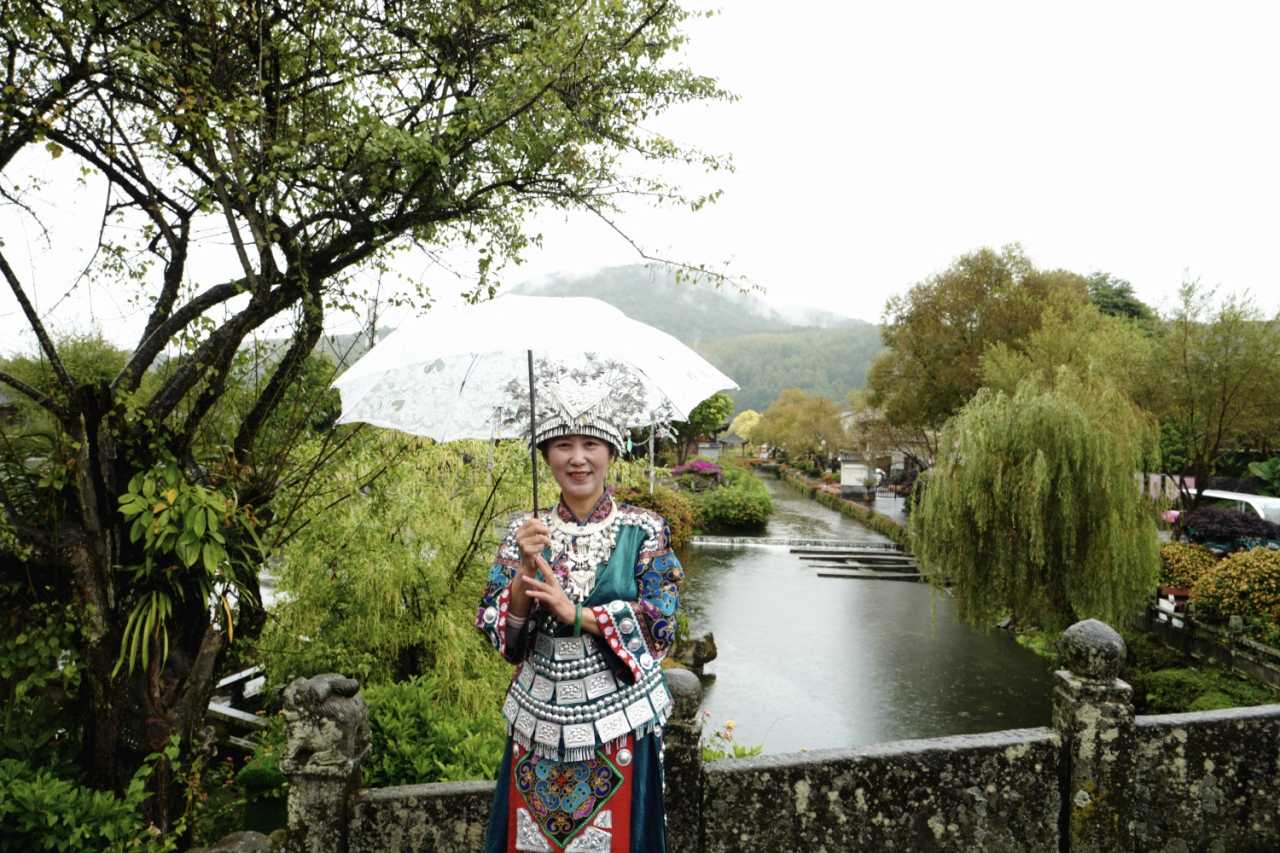
Following the ancient Southern Silk Road, crossing the towering Gaoligong Mountains, you arrive in Tengchong. Walking into Heshun Ancient Town in a fine drizzle, you find both the charm of misty Jiangnan with small bridges and flowing water, and the elegance of Huizhou-style architecture with white walls and black tiles.
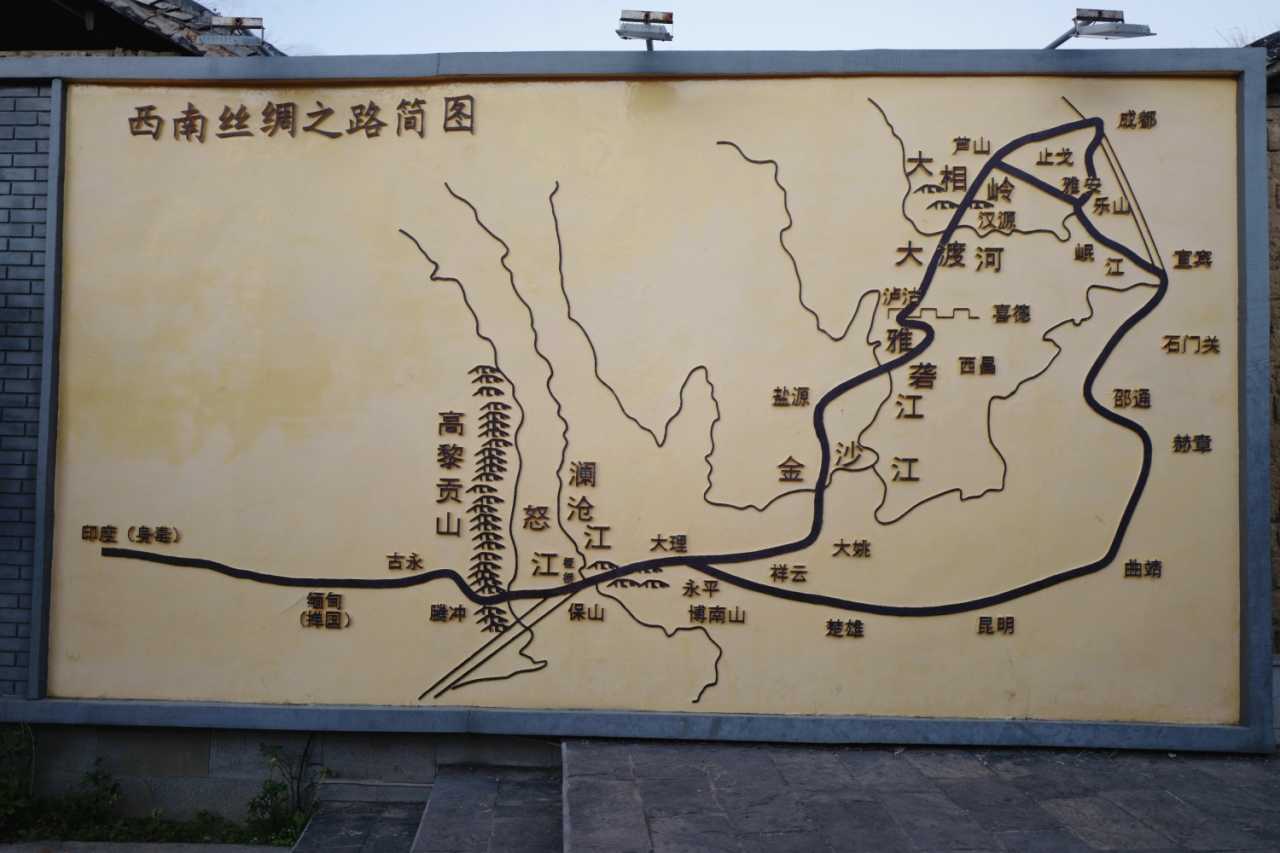
Starting more than two thousand years ago, merchants on the Southern Silk Road set out from Chengdu, passed through Dali to Baoshan, crossed the Nujiang River and the Gaoligong Mountains to reach Tengchong, and then continued on to Myanmar. Tengchong became the last stop within China's borders on this ancient road. Soldiers from the central plains who came to garrison the frontier also brought their hometown's folk culture. Countless immigrants who moved here built Confucian temples and ancestral halls, making this foreign land their home.
The ancient town is named "Heshun" (harmony and peace), derived from the phrase "Shi he min shun" (scholars in harmony and people in peace). Originally called "Heshun" (river harmony) because a clear stream flows around the village, it was later renamed. Nestled between mountains and water, the town boasts over a hundred century-old courtyards, eight ancestral halls, and nine temples, making it a museum of residential architectural culture.
Jiangnan Scenery by the Double Rainbow Bridge
The Sanhe River winds around the front of the town, with a gentle and clear current. Two stone arch bridges cross the river, shaped like a double rainbow lying on the waves, hence the name "Shuanghong Qiao" (Double Rainbow Bridge). The old bridge was built in the early Jiajing era of the Ming Dynasty, and the new bridge was built in 1921. By the Double Rainbow Bridge, green willows shade the banks, red lotuses reflect the sun, village women beat laundry, ducks and geese play in the water, and fish swim in the shallows — a scene of idyllic Jiangnan water town beauty.
The Yuzhou Pavilion in the lotus pond was built to commemorate Mr. Cun Shusheng, the first principal of Yiqun Middle School and a renowned educator. The road beside the pavilion is called Qiunong Road, named after the second principal, Li Qiunong, reflecting Heshun's tradition of respecting teachers and valuing education.
Mangshi | A Glimpse in Haste
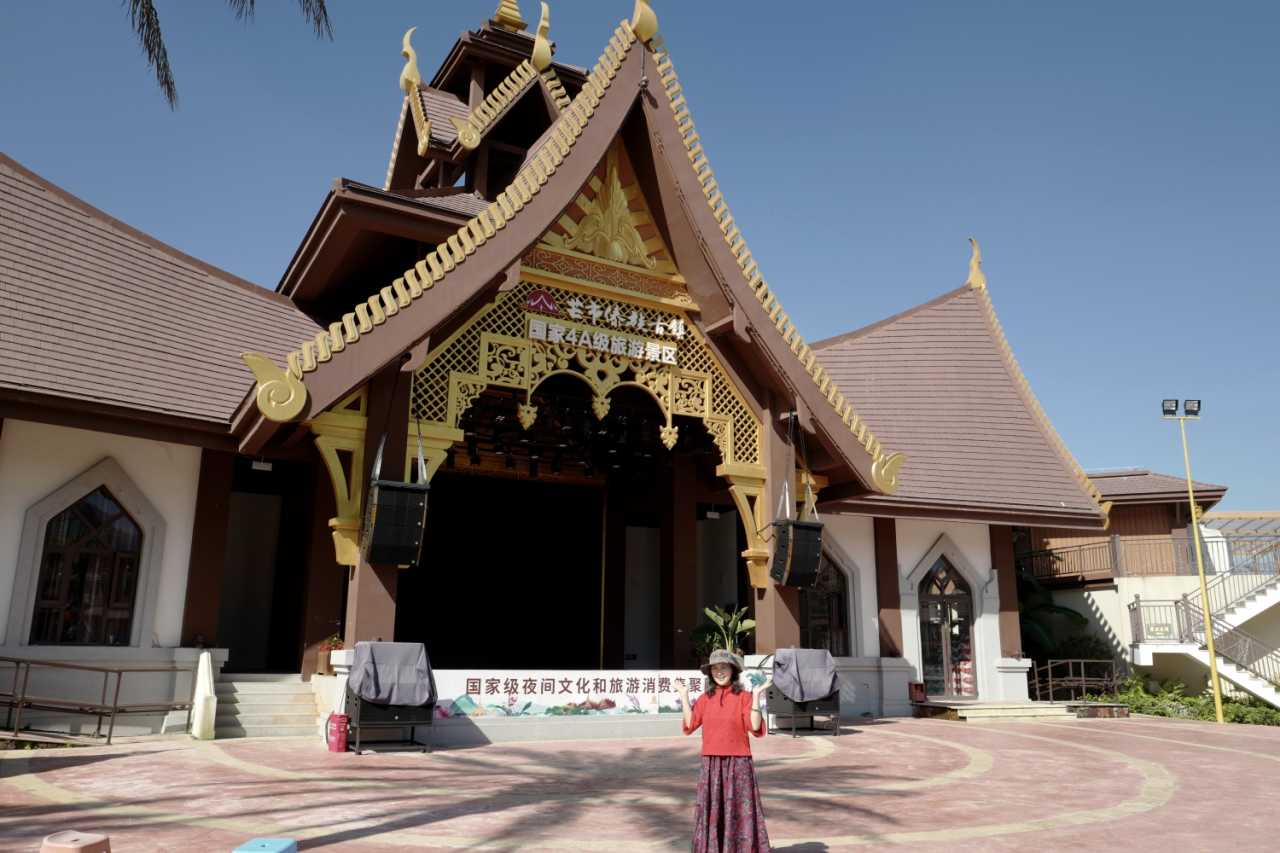
The last stop in western Yunnan was Mangshi. It was not originally in the plan, but because the flight routes from Baoshan and Tengchong airports were not suitable, we broadened our horizons to this capital of the Dehong Dai and Jingpo Autonomous Prefecture. In one day, we hurriedly checked off the main attractions in the city. Although due to a lack of research we had to skip the border town of Ruili, the exotic charm of Mangshi was still unforgettable.
Conclusion: Western Yunnan, Worth Taking Your Time
Nineteen days of journey, from the western Sichuan plateau to the hidden wonders of western Yunnan, from snowy mountains to hot springs, from ancient towns to wetlands — each stop left unique memories.
If you are also planning a trip to western Yunnan, here are some practical tips:
- Transportation: Between Baoshan, Tengchong, and Mangshi, it is recommended to use the "Baoxiaoxing" mini-program for booking. Business cars are convenient and fast, and even support advance seat selection. When traveling from Tengchong to Mangshi, you can also use the "Dehong Jiaoyun" (Dehong Transportation) mini-program.
- Accommodation: Hotels in Banqiao Town, Baoshan, offer great value for money and are within walking distance of Qinglong Street.
- Itinerary: Reserve at least three days for Tengchong. Rehai and Heshun Ancient Town are must-visits. If time permits, consider spending an extra day at Qinghuahai Wetland to experience the Monet-like palette of autumn colors.
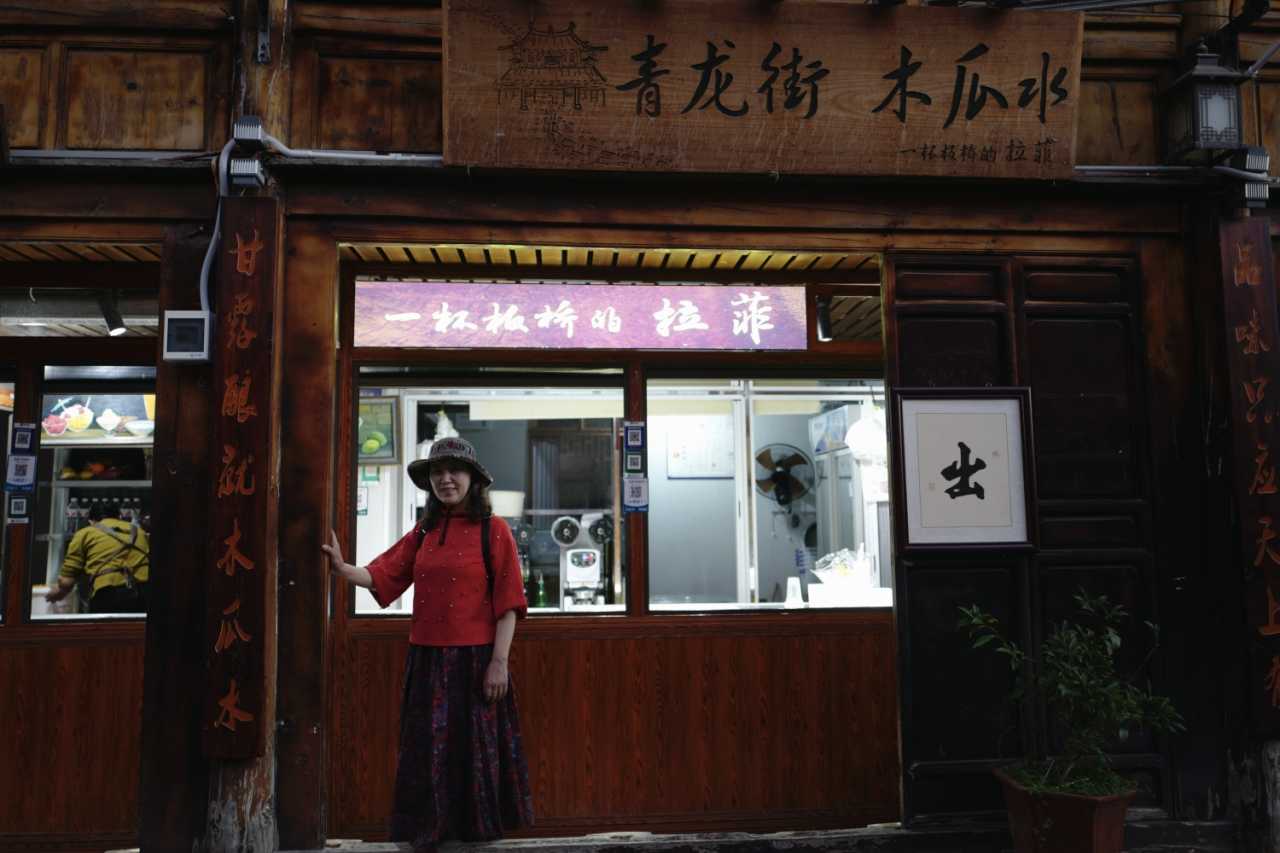
- Cuisine: Banqiao's "Lafei" (a local drink made from papaya water), clay pot tea, and pastries from Guixiang Lou are local flavors not to be missed.
The beauty of western Yunnan lies not in how many internet-famous photo spots there are, but in those unexpected encounters — a rain, a cup of tea, an old house, a wetland. When you slow down and feel with your heart, you will find that everything here tells the story of time.
You should also read:
Yunnan! Paradise on Earth – The Yubeng Chapter: A Soul-Cleansing Journey into Seclusion
Yunnan! Paradise on Earth – The Yubeng Chapter: A Soul-Cleansing Journey into Seclusion Prologue: Why Yubeng? If you ask me which place in Yunnan is most worth hiking to, I would answer without hesitation: Yubeng. This is not an answer I give lightly. As a…
Continue reading...
Solo in Yunnan: A Wanderer’s Guide to the Land of Eternal Spring
Solo in Yunnan: A Wanderer’s Guide to the Land of Eternal Spring There’s something magical about traveling alone. No compromises, no schedules to keep, no one to please but yourself. I’ve been on the road for nearly three months now, and not once have I…
Continue reading...
Tengchong·Heshun: Finding Life as It Should Be in a Border Town Where Time Stands Still
Tengchong·Heshun: Finding Life as It Should Be in a Border Town Where Time Stands Still The long journey of over twenty days was over. On my first day back at the office, I was still in a daze. My fingers couldn't find the keys on…
Continue reading...