A Joyful Summer Vacation in Yunnan for the Kids: A Time-Travel Journey Through Kunming's Green Lake Park and the Yunnan Military Academy
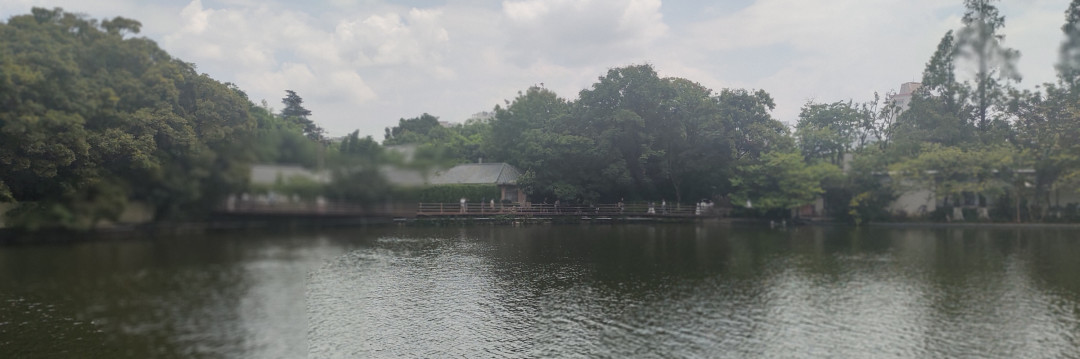
A Joyful Summer Vacation in Yunnan for the Kids: A Time-Travel Journey Through Kunming's Green Lake Park and the Yunnan Military Academy
Summer in Kunming brings gentle sunshine and a mild breeze that never feels harsh. For children, this city is not only a paradise for escaping the heat but also a living museum brimming with countless stories from history. Today, our group stepped into the soul of Kunming—Green Lake Park (Cuihu Park) and the Yunnan Military Academy (Yunnan Lujun Jiangwutang)—where we embarked on a dialogue spanning a century, filled with laughter and joy.
A Lunchtime Adventure: The "Chopstick Mix-Up" at Cuiyun Lou
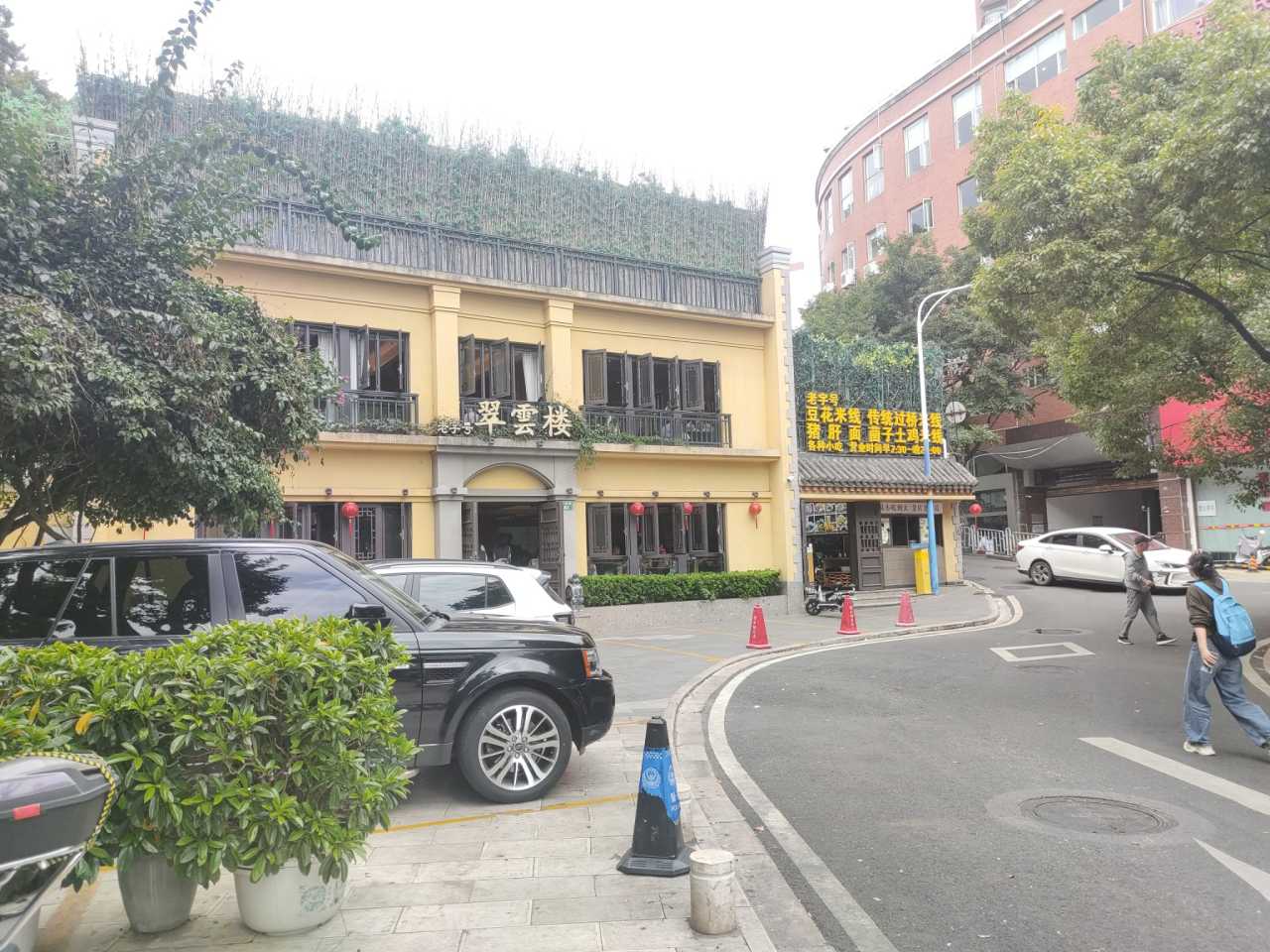
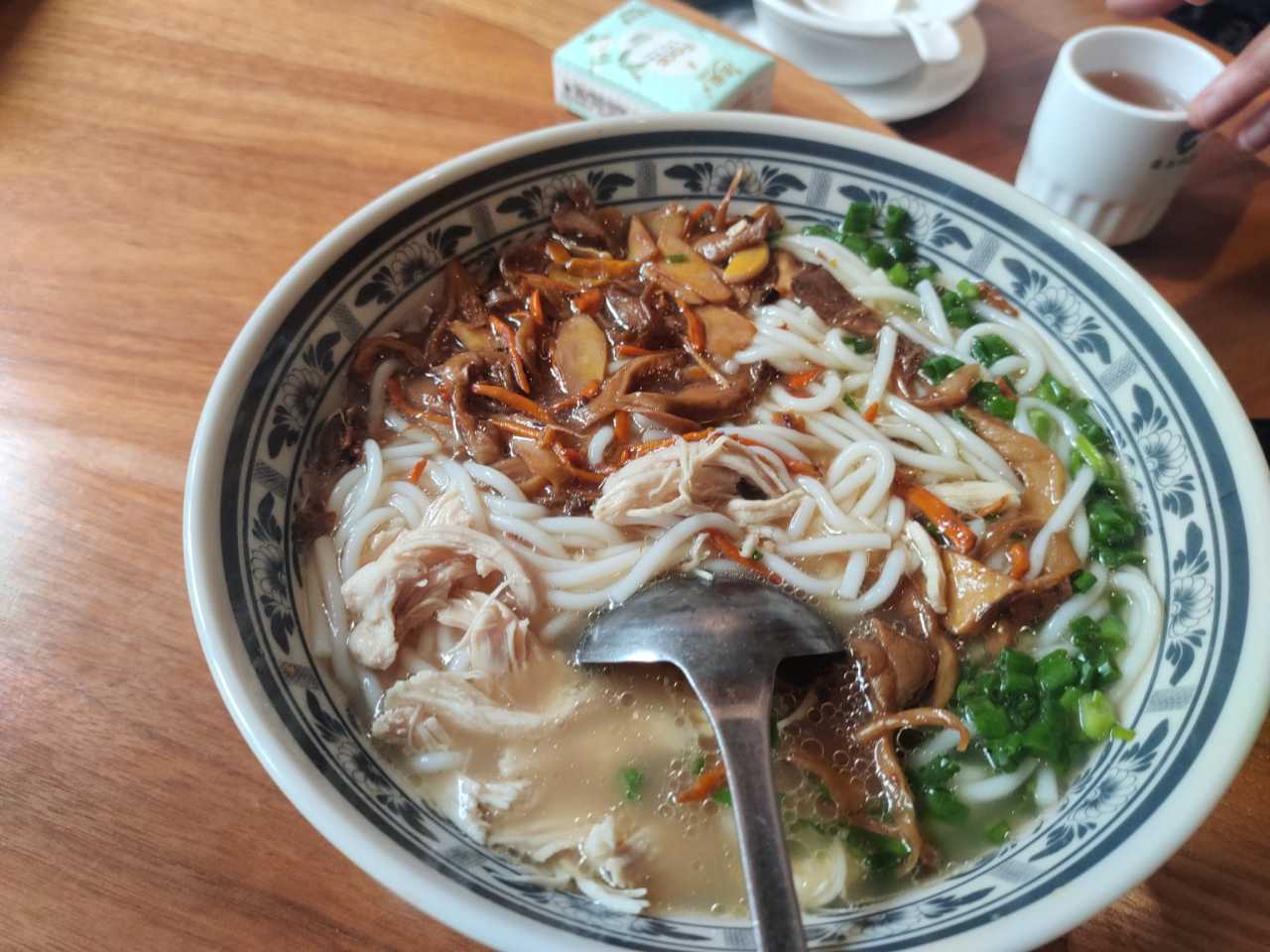
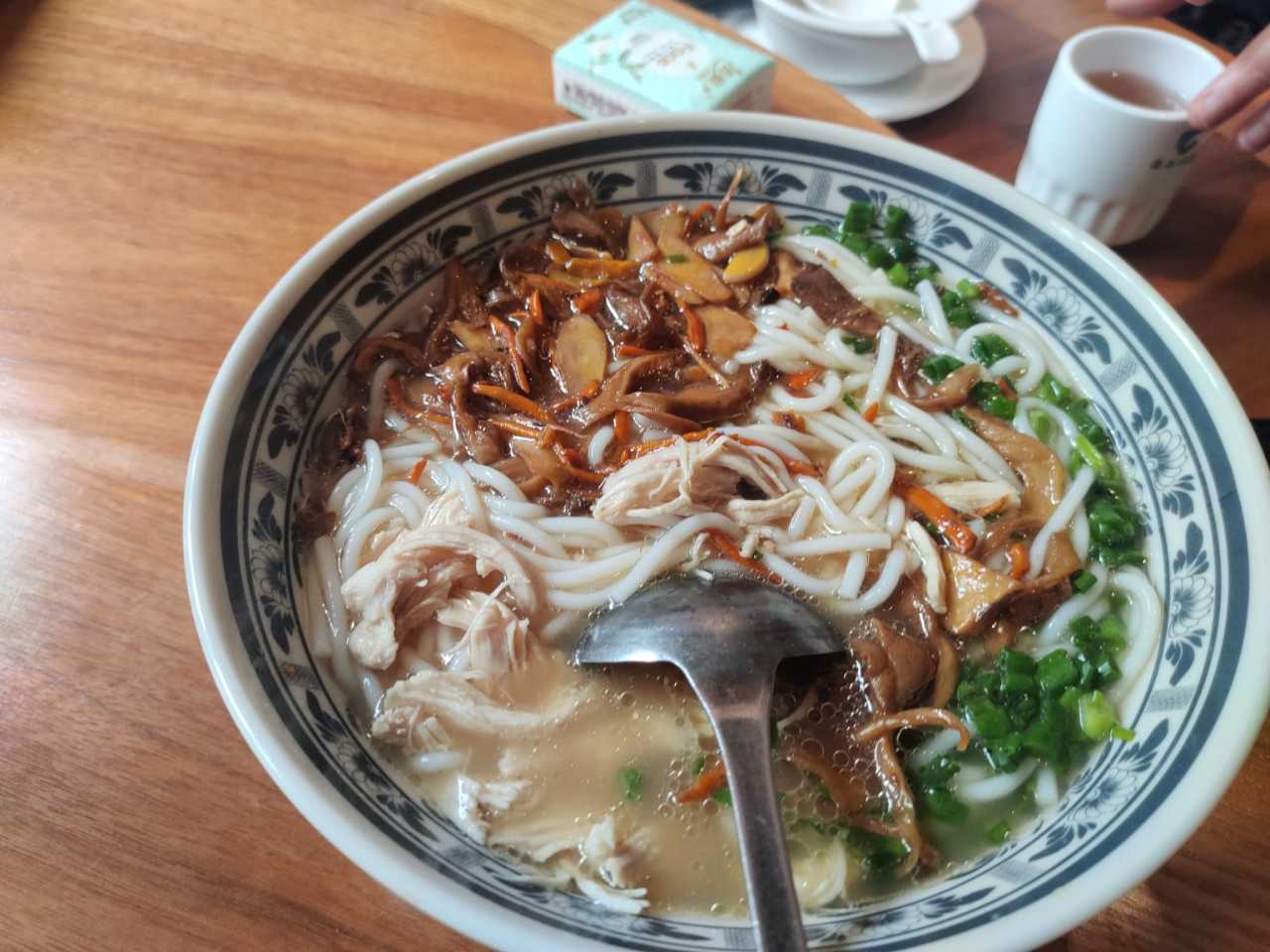
As we strolled along the shaded paths by Green Lake, the children's stomachs began to rumble loudly. We chose a restaurant called "Cuiyun Lou" (翠云楼), known for its rice noodles (米线) with rich, savory broth. What we expected to be an ordinary lunch turned into a hilarious "chopstick mix-up" that had everyone in stitches.
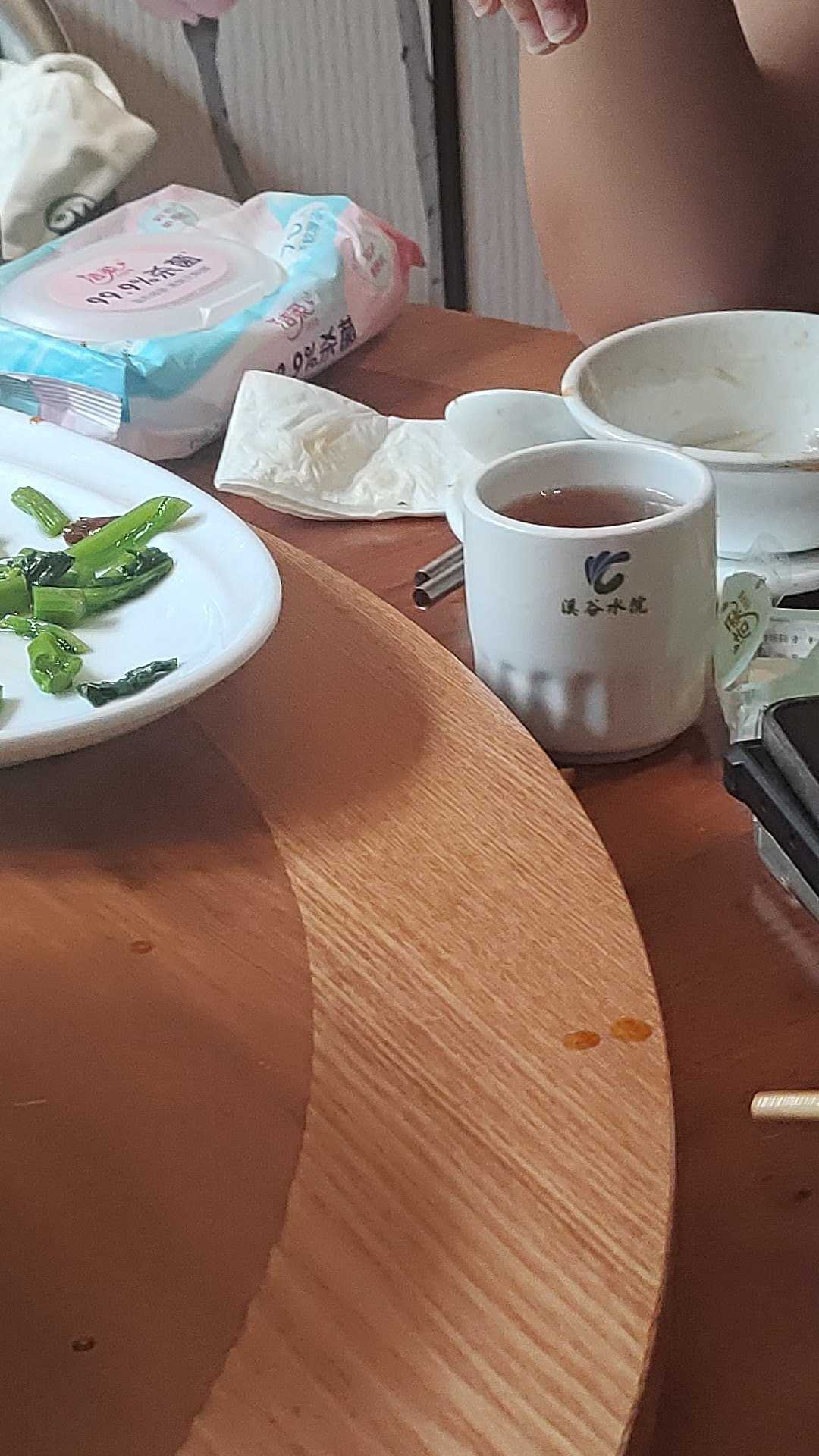
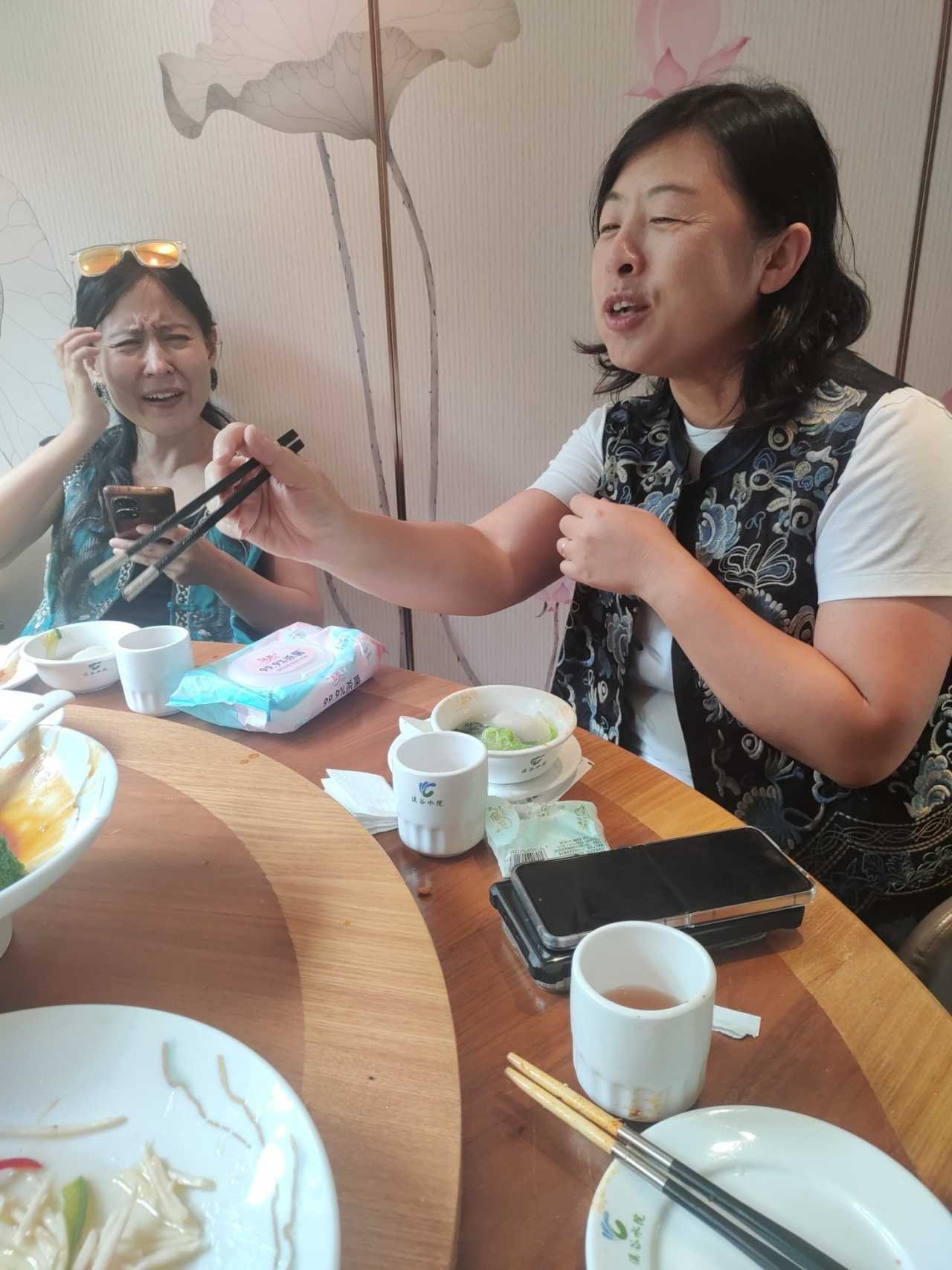
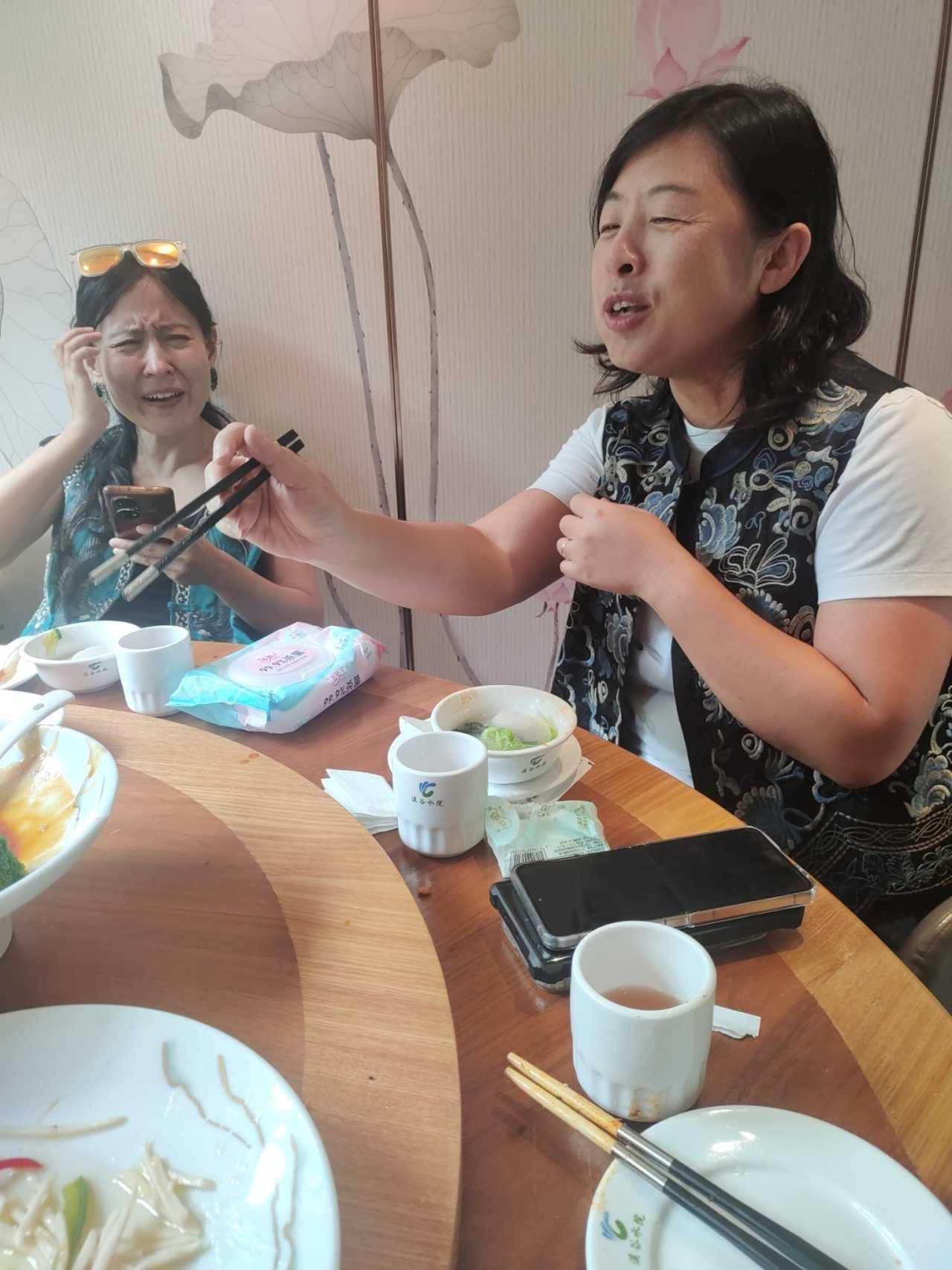
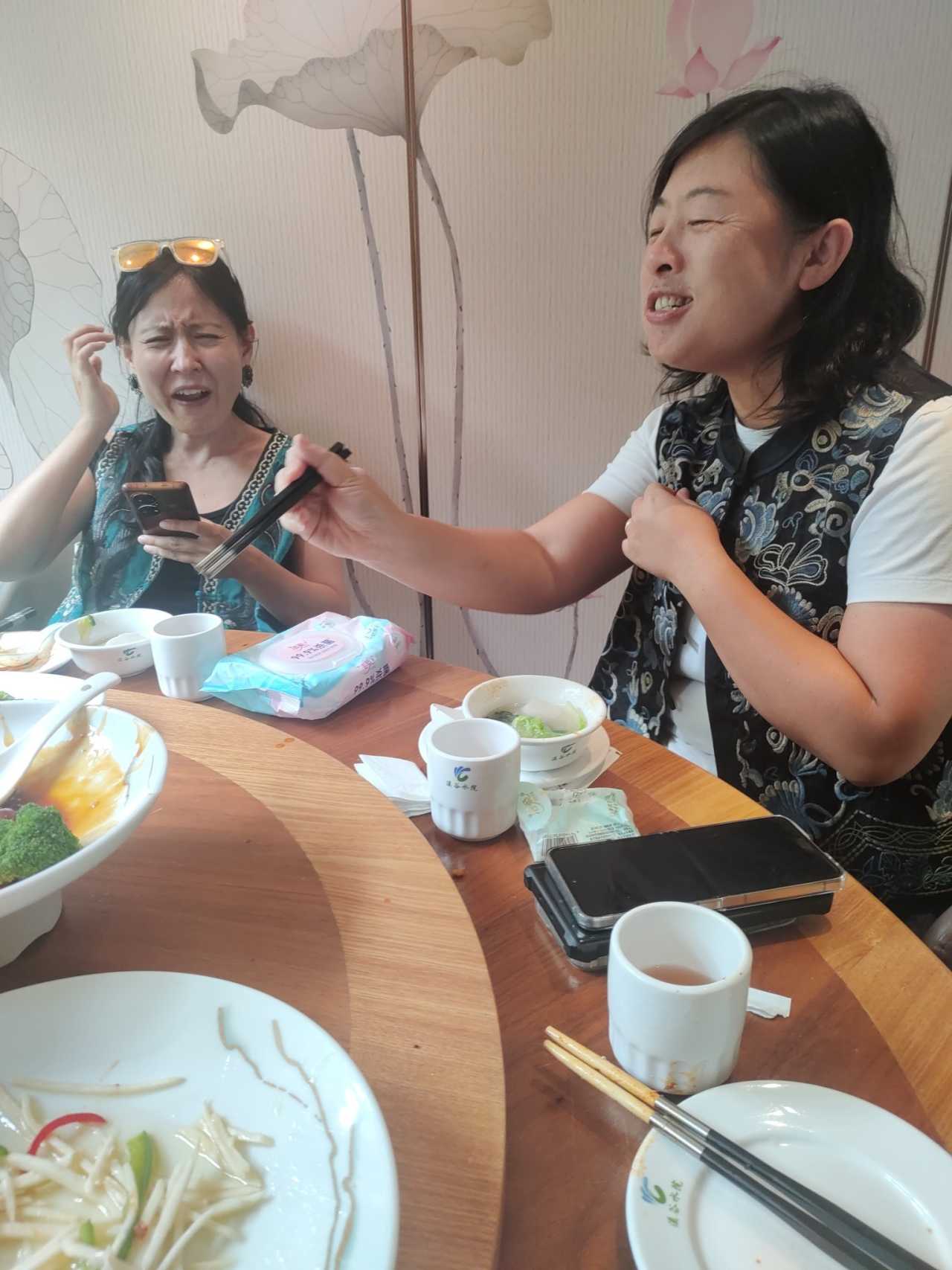
Here's what happened: My aunt picked up her chopsticks and happily slurped her noodles. But after a while, someone noticed something odd—why were the chopsticks getting increasingly slippery? Upon closer inspection, it turned out that my aunt and another family member were wearing similar-colored clothes, and somehow their chopsticks had "switched sides" without anyone noticing. The children doubled over with laughter, as if the chopsticks themselves were protesting, "What did we do to deserve this?" This little mishap became the first unforgettable laugh of our trip. Sometimes, the joy of travel isn't found in grand sights but in these small, spontaneous moments that make you smile.
Green Lake Park: Home of the Red-Billed Gulls, Stage for the Lotus
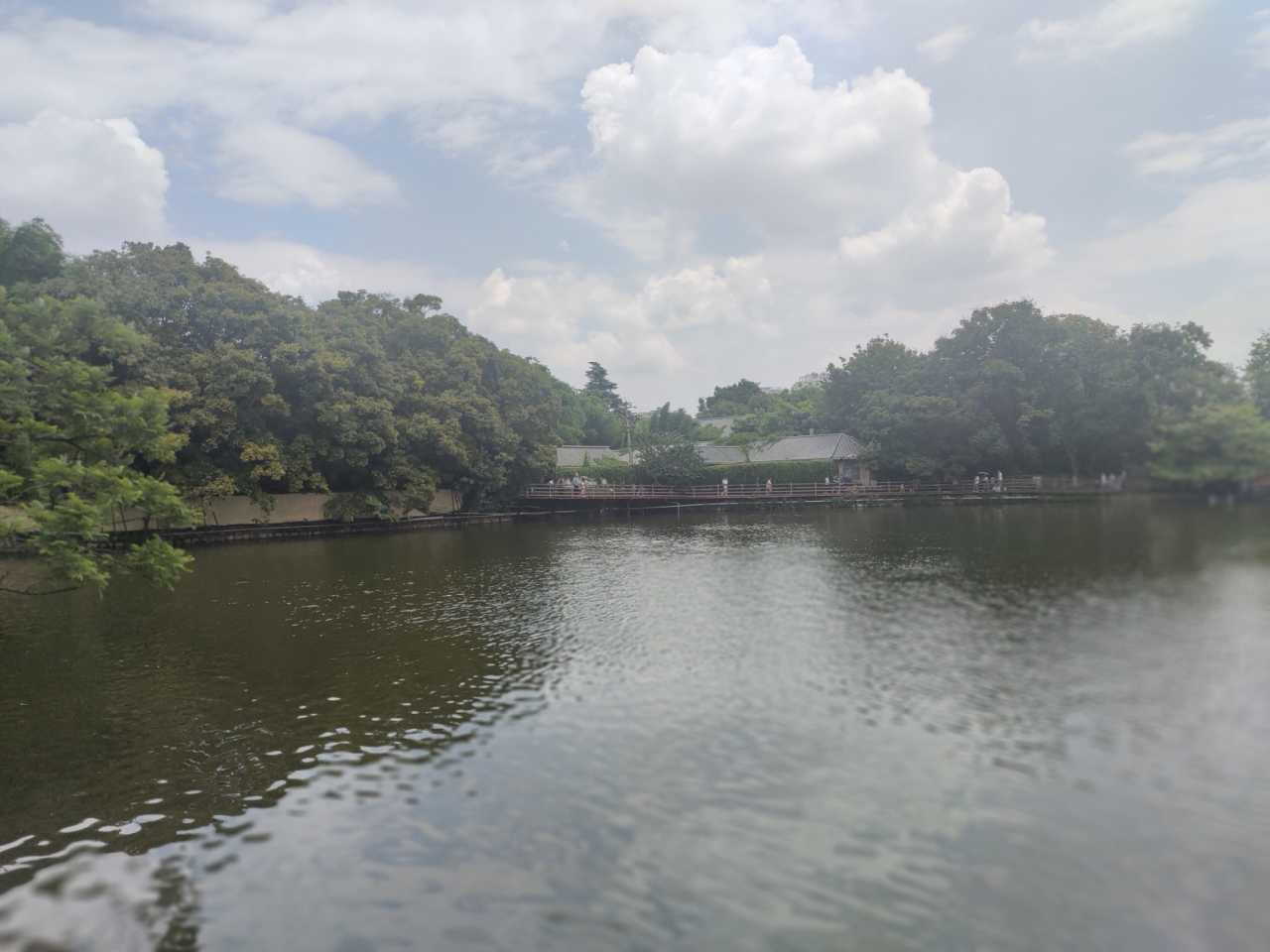
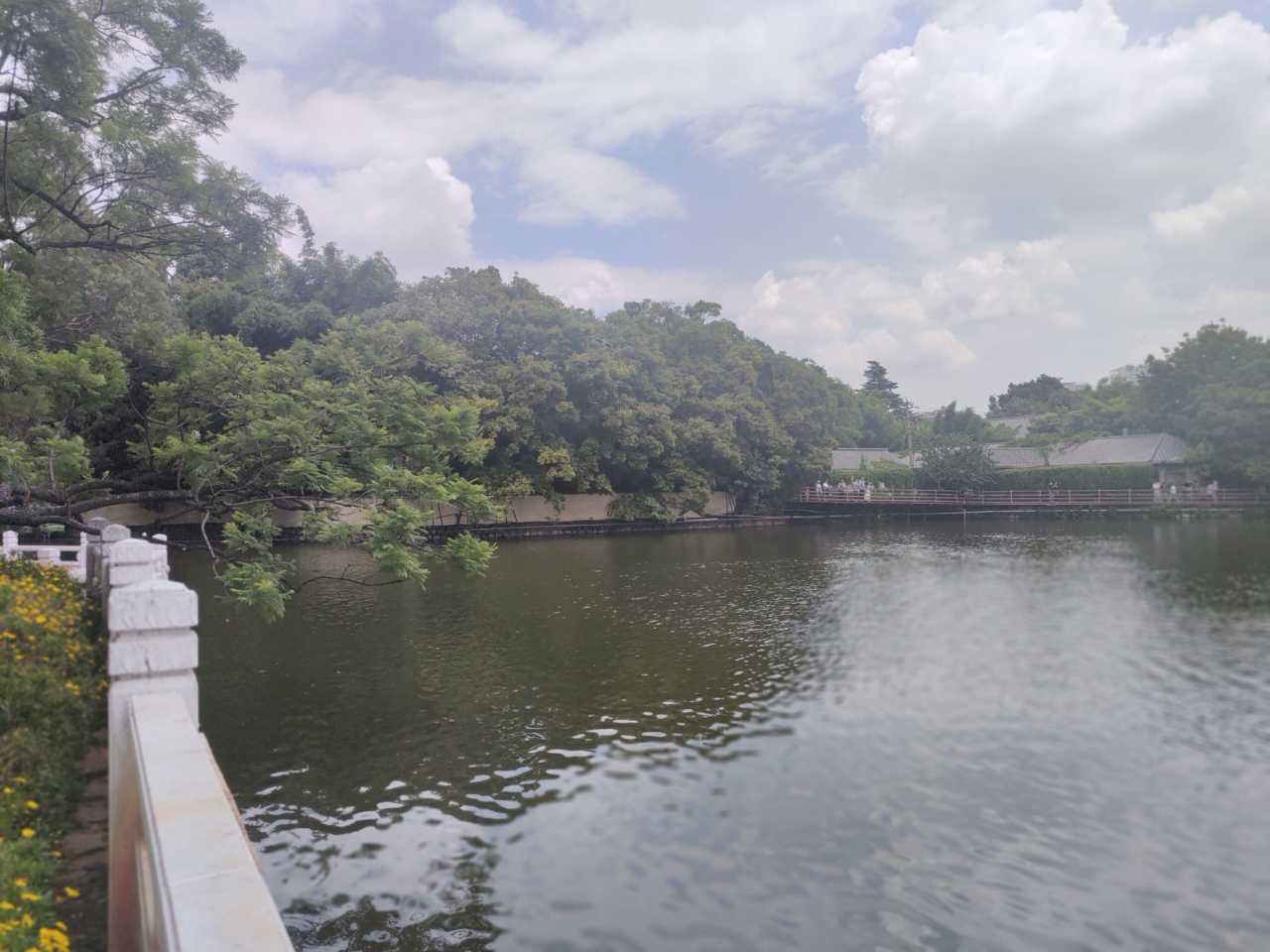
After lunch, we wandered along Green Lake. I had visited this park years ago, and my memory of it seemed smaller than what we saw today. But one thing remains unchanged: it is still a gathering place for red-billed gulls. Unfortunately, during the summer break, the gulls had already flown back to Siberia. Yet the lake was still dotted with egrets and wild ducks swimming leisurely, and the children chased after them, their laughter echoing across the water.
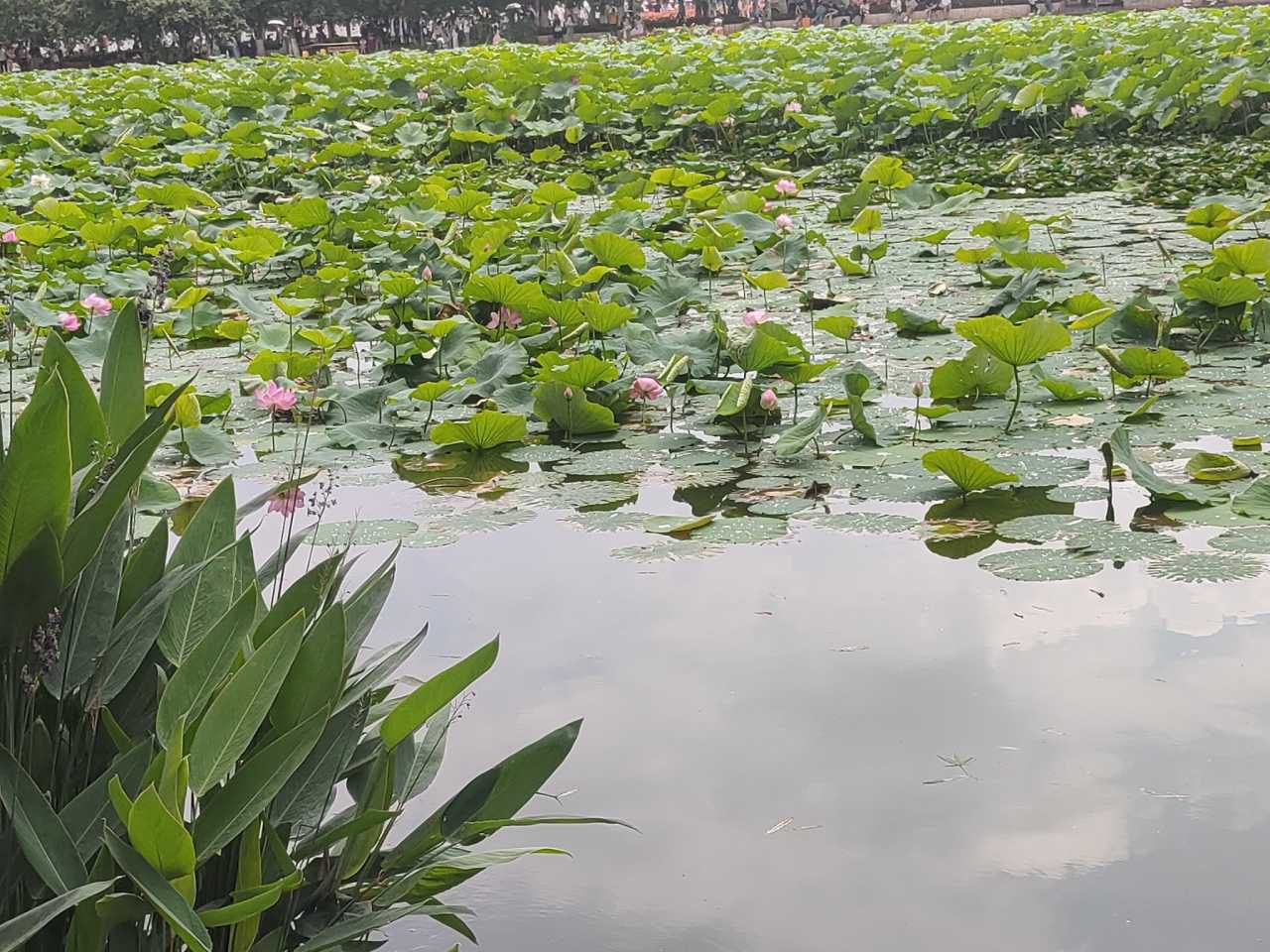
The lotus flowers were in full bloom—pink and white, some still budding, others bursting open with abandon. By the pond, the children curiously counted the petals while the adults busied themselves taking photos. The lotuses of Green Lake are not as delicate as those in Jiangnan (south of the Yangtze River); instead, they carry a bright, open-hearted spirit unique to the Yunnan plateau.
Walking along the lake, we passed many old buildings. One was the Yunnan Uprising Memorial Hall (云南起义纪念馆), its grey bricks and tiles silently telling the story of a turbulent era. At the park's entrance, there was a display wall featuring famous local attractions. We arrived a bit late and couldn't examine it closely, but just reading the names filled us with anticipation.
The Yunnan Military Academy: A Building That Holds Half of Modern Chinese History
A few minutes' walk from Green Lake brought us to the highlight of the day—the Yunnan Military Academy (Yunnan Lujun Jiangwutang).
Historical Background: A Military Cradle in the Late Qing Dynasty
In the twilight years of the Qing Dynasty, plagued by internal strife and foreign threats, the imperial government established three major military academies to train a new army: the Tianjin Beiyang Military Academy, the Northeast Fengtian Military Academy, and the Yunnan Military Academy. By the Republic of China era, it stood alongside the Baoding Military Academy and the Central Military Academy (Whampoa Military Academy) as one of the "Three Great Military Academies." In many ways, it was the predecessor of China's modern military education system.
Architectural Features: A Sino-Western "Corner-Turning Tower"

The academy's original site is located in the heart of Kunming at Chenghuapu (承华圃), covering an area of approximately 70,000 square meters. The main building is a Sino-Western style "corner-turning tower" (走马转角楼), constructed from earth, wood, and stone, with a floor area of 7,600 square meters. What is most astonishing is the 480-meter-long corridor that connects the east, south, west, and north wings, forming the longest indoor corridor in China. The children ran through this corridor as sunlight streamed through carved window lattices, casting dappled shadows—as if we could hear the footsteps of cadets from a century ago.
A Legacy of Talent: From Zhu De to Ye Jianying
From 1909 to 1935, the academy trained nearly 10,000 cadets before being converted into the Fifth Branch of Whampoa Military Academy. Among its graduates were founding fathers of the People's Republic of China, Zhu De and Ye Jianying; leaders of the National Protection War, Cai E, Tang Jiyao, and Li Liejun; famous anti-Japanese general Zhou Baozhong; Long Yun, who organized Yunnan troops during the War of Resistance; Lu Han, commander at the Battle of Taierzhuang; and Zeng Zesheng, who facilitated the peaceful liberation of Changchun. Zhu De once praised it as a "revolutionary crucible"—these four heavy words hang on the wall and are etched into the hearts of every visitor.
Education: Forging Both Military Skills and Ideals
The academy taught not only military tactics but also ideological education. Every morning during drills, cadets had to sing the school anthem to inspire their determination to defend the homeland. The school also organized visits to the tomb of Xue Erwang, a Ming Dynasty scholar-official who, when Qing troops invaded Yunnan, led his entire family to drown themselves in a pond in an act of loyalty. Such on-site teaching was far more impactful than anything learned from textbooks.
Blood and Fire in the Exhibition Hall: The Chinese Expeditionary Force and the Hump Route
The exhibition inside the academy was the heaviest and most震撼 part of our entire trip.
The Chinese Expeditionary Force: A Hundred Thousand Youths, a Hundred Thousand Drops of Blood
One display board read: "100,000 soldiers of the Chinese Expeditionary Force marched out; fewer than 40,000 returned." The children's eyes widened, struggling to grasp the meaning behind these numbers. On the walls hung photos of generals like Du Yuming and Joseph Stilwell, alongside introductions to the Hump Route (驼峰航线)—a perilous airlift operation where pilots flew over the Himalayas, including Mount Everest, to evade Japanese forces. They delivered over 720,000 tons of supplies in 1.5 million flight hours. The young pilots' faces, frozen in black-and-white photos, smiled brightly, yet most of them never returned from that snowy plateau.
The Gaoligong Mountains and the Battle of Tengchong
The Gaoligong Mountains (高黎贡山) were originally on our itinerary, but time constraints prevented us from visiting. This area was once a fierce battlefield, and the exhibition photos documented the brutal fighting. During the recapture of Tengchong, our forces annihilated 1,800 Japanese soldiers but suffered 18,000 casualties, including 9,000 killed in action. The children fell silent, and the adults' eyes reddened. History is not cold numbers; it is made up of countless lives.
Dinner and the Starry Sky: Echoes of the Day
From morning, we had visited Southwest Associated University (西南联大), Yunnan University, Green Lake Park, and the Yunnan Military Academy—a packed itinerary. By evening, it was time to treat ourselves to a hearty dinner. Kunming's mushroom hotpot (菌子火锅), steamed chicken in a clay pot (汽锅鸡), grilled milk fan (烤乳扇)—the children ate with greasy mouths, and the heaviness from earlier was somewhat lifted by the delicious food.
After dinner, we took a walk by Green Lake. Looking up, the Kunming sky was exceptionally clear. The children pointed at the Big Dipper and asked, "Did those pilot uncles turn into stars?" I paused for a moment, then nodded. "Yes, they've been watching over us all along."
Conclusion: The Meaning of Travel
This day's journey was filled with both laughter and reflection. The lotus flowers of Green Lake, the aroma of rice noodles, the chopstick mix-up—these were the flavors of everyday life. But the echoes of gunfire from the Yunnan Military Academy, the blood and tears of the Chinese Expeditionary Force, and the courage of the Hump Route pilots—these were the weight of history.
Traveling with children is not just about seeing sights; it is about helping them understand the world through experience. When they ask, "Why was there war?" we can tell them: because so many people paid the ultimate price for the peace we enjoy today.
Our journey through Kunming is not over. What stories await us at the next stop?
Practical Tips: - Green Lake Park (Cuihu Park): Free admission. Best visited in the early morning or late afternoon to avoid the heat. - Yunnan Military Academy (Yunnan Lujun Jiangwutang): Free admission. Closed on Mondays. Allow at least 2 hours for a thorough visit. - Nearby Food: Don't miss the rice noodles (米线) and mushroom hotpot (菌子火锅) near Green Lake. Choose well-reviewed traditional restaurants. - Family Advice: The exhibitions at the military academy can be emotionally heavy. It's recommended to explain the historical background to children beforehand to avoid overwhelming them.
You should also read:

Cloud Travelogue · Dali of Wind, Flowers, Snow, and Moon: A Three-Day, Two-Night Journey of a Free Spirit
Cloud Travelogue · Dali of Wind, Flowers, Snow, and Moon: A Three-Day, Two-Night Journey of a Free Spirit I am a cultured female foodie with a touch of rogue charm. I slung on my backpack, took my lover's hand, and set off on a spontaneous…
Continue reading...
The Meaning of Travel – A Tengchong Story: A Journey of the Heart and Personal Growth
The Meaning of Travel – A Tengchong Story: A Journey of the Heart and Personal Growth Setting Out, Only to Return a Better Self Some say travel is nothing more than leaving a place you're tired of, only to go to a place where others…
Continue reading...
Xishuangbanna: Encountering an Ideal and Magical Paradise in the Green Wonderland at 21° North Latitude
Xishuangbanna: Encountering an Ideal and Magical Paradise in the Green Wonderland at 21° North Latitude If you ask me which place in China most resembles Southeast Asia, I would answer without hesitation: Xishuangbanna. This is not Thailand, yet it possesses an even richer Buddhist ambiance…
Continue reading...