A Long Time Trapped in a Cage, I've Finally Returned to Nature: A 9-Day Escape to Lijiang, Lugu Lake, and Shuanglang
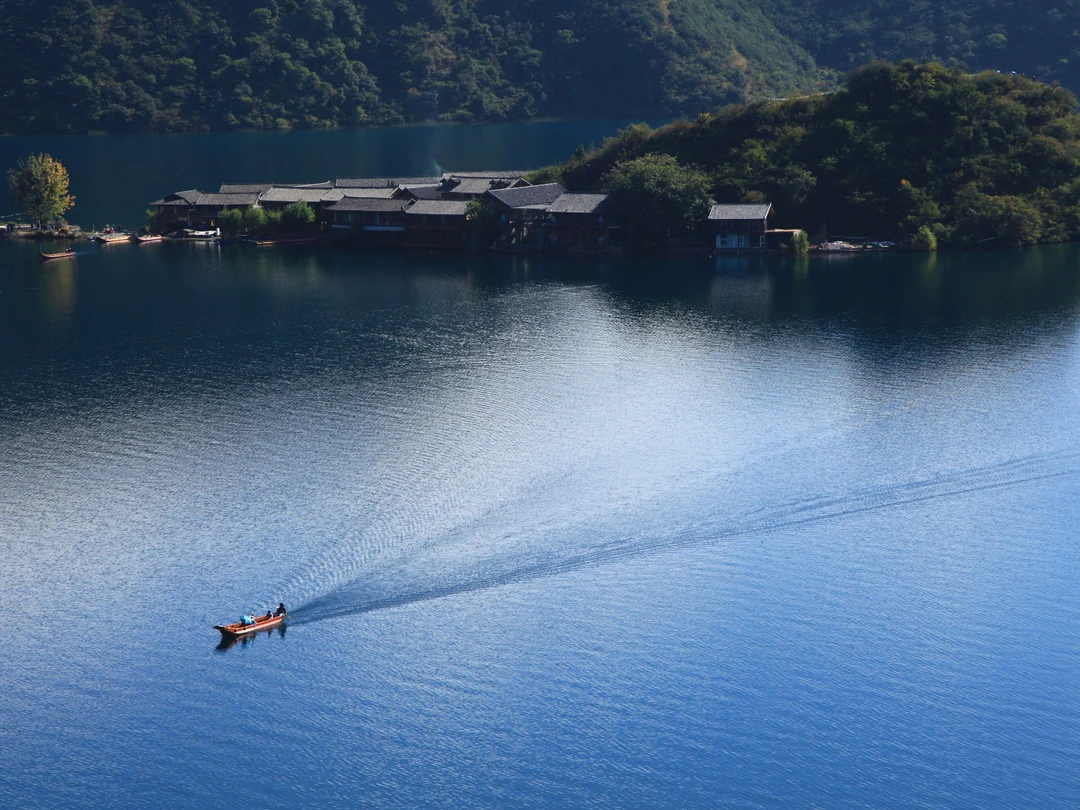
A Long Time Trapped in a Cage, I've Finally Returned to Nature: A 9-Day Escape to Lijiang, Lugu Lake, and Shuanglang
Prologue: When Life Becomes a Cage, the Distance Is the Antidote
Have you ever had that moment? Every day you repeat the same route, face the same faces, handle the same tasks—as if life has been pressed into a loop. The sky outside the window is perpetually gray, the messages on your phone never-ending, and that voice deep inside you yearning for freedom grows louder and louder.
I decided to escape on one of those ordinary mornings. Not to run away from responsibility, but to search for a possibility—to sharpen senses dulled by urban life, to clear a mind cluttered with trivialities. And so, Yunnan, the land of colorful clouds, became my destination.
This wasn't just a simple trip. It was a ritual of "returning"—returning to nature, returning to authenticity, returning to the self that had nearly been forgotten amidst the concrete jungle.
Chapter One: On the Road—The Long Journey from the City to Yunnan
The Bumpy Start
The first lesson of travel often begins with the unexpected. Our pre-booked flight from Nanjing to Kunming was suddenly canceled, throwing all our plans into chaos. In the final days before departure, we hastily rebooked a Spring Airlines flight from Shanghai to Kunming. Budget airlines live up to their reputation—no meals, cramped seats were expected, but not even free checked luggage caught us off guard. Fortunately, spending 30 yuan for 10 kilograms of baggage allowance got us through without a hitch.
The plane made a stopover in Changde, and by the time we arrived in Kunming, the city lights were already twinkling. From Changshui Airport to Kunming Railway Station, you can take either the airport shuttle or bus 919c—the latter costs only 13 yuan, half the price of the shuttle, but its last departure is at 7 PM. We opted for the shuttle and made it to the station smoothly.
The Night Train to Lijiang

The train from Kunming to Lijiang at night is a double-decker sleeper called the "Ethnic Tourism and Culture Express"—the first time I'd ever seen such a train. A hard sleeper ticket cost 141.5 yuan, and the train offered free Wi-Fi, plus supposedly a bar car (though I didn't check it out). The interior was decorated with Dongba script and phrases like "Sweet Dreams, Lijiang." Even before reaching our destination, we could feel the rich Yunnan atmosphere.
As the train passed through Dali, the scenery outside began to transform into something unfamiliar and captivating. Morning mist draped like a thin veil over the fields, and golden rice paddies shimmered in the early light. In that moment, I knew I was getting farther and farther away from the "cage."
Chapter Two: Lijiang—An Ancient Town Caressed Gently by Time
First Sight of Lijiang
Around eight or nine in the morning, the train pulled into Lijiang Station. Stepping out, the distant Jade Dragon Snow Mountain stood imposingly in view, as if welcoming every traveler from afar. October in Lijiang brought bright sunshine but strong UV rays—standing in the sun for just a moment, you could feel your skin burning.
We stayed at a guesthouse near Zhongyi Market, 138 yuan a night—tucked away in a quiet spot yet close to the action. Lijiang has over three thousand guesthouses, each with its own character. If you're not visiting during peak season, you can easily find one after arriving; many places hang signs saying "Rooms Available Today," with prices mostly around 100 yuan.
Wandering the Ancient Town
After dropping off our luggage, we started exploring the ancient town of Lijiang. The streets were a maze, and we soon got lost. But then I thought: travel shouldn't be too rigid—getting lost is also a form of exploration.
For two food lovers, solving the hunger problem was the top priority. A local Lijiang specialty called "水性杨花" (water-loving flower, a type of aquatic vegetable) became our must-order dish at every meal—this pure aquatic plant had a refreshing taste that lingered. There was also chicken bean jelly (鸡豆凉粉), Lijiang flatbread (丽江粑粑), Naxi grilled fish (纳西烤鱼)—each dish carried Yunnan's unique flavors.
In the afternoon, we rented a tandem bicycle and headed to Shuhe Ancient Town. The rental cost 40 yuan, pricier than a single bike, but cycling together was its own kind of fun. Shuhe felt quieter and more rustic than Dayan Ancient Town—perhaps Lijiang looked like this twenty years ago. Time changes a place, and it changes the people living there too.
In Shuhe, we stumbled upon "Ding Ding Yogurt" (丁丁酸奶). One taste—perfectly balanced between sweet and sour—was just what we needed to recover from the ride. On our way back to Lijiang in the evening, the sky was still bright—here, it doesn't get fully dark until around eight o'clock.
Lijiang by Night
Lijiang at night is a different world. The streets, sparse during the day, were packed with people after dark. Hand-drum shops played "That Moment" (一瞬间) by Xiaoqian of Lijiang, with shopkeepers keeping the beat on their drums. The entire ancient town was immersed in a lazy yet lively atmosphere.
We found a well-reviewed salmon restaurant and ordered a "one fish, three ways" dish—sashimi, fish soup, and fried fish skin. The sashimi was tender and smooth, with an appetizing color that made your mouth water just looking at it. After finishing, we hit the food street—fried potatoes, various skewers... you know how it is for foodies.
Chapter Three: Jade Dragon Snow Mountain—Touching the Height of the Sky
A Group Day Trip
Tourism in Lijiang is highly developed. We signed up for a 450-yuan pure-play tour at a travel agency, which included round-trip transportation, scenic spot tickets, cable car fees, a down jacket, and oxygen bottles—but not lunch. Tours that were too cheap made us uneasy; this price seemed reasonable.
The Stunning Blue Moon Valley
Our first stop was Blue Moon Valley (蓝月谷). The water in Jade Liquid Lake (玉液湖) was an almost suffocating blue—the guide said it was because the water contained high levels of copper ions. Sunlight danced on the surface, shimmering as if God had knocked over a palette. A solitary tree stood in the icy water, unwavering, making you marvel at the tenacity of life.
A waterfall cascaded down the mountain, and sunlight created a rainbow in its mist. Pearls large and small fell onto a jade platter—water splashing everywhere, breathtakingly beautiful.
Reaching 4,680 Meters
We took the cable car up the mountain. As the altitude rose, the scenery outside changed—golden leaves, swirling clouds, distant fields. The cable car glided through the mist, as if flying toward another world.
Getting off the cable car, we were already at about 4,400 meters above sea level. From here, we had to climb on foot. The temperature at the summit was only around 5°C (41°F), making the down jacket essential. The air was thin; every few steps we had to stop and catch our breath. We'd brought two oxygen canisters but only used one.
When we finally stood at 4,680 meters, a feeling of "looking down on all the mountains" washed over us. Peaks appeared and disappeared in the clouds, glaciers glittered in the sunlight. The five-star red flag fluttered at that altitude, and in that moment, an indescribable emotion swelled in my chest.
Chapter Four: Lugu Lake—The Right Way to Experience a Paradise on Earth
Eight Hours of Mountain Roads Were Worth It
From Lijiang to Lugu Lake meant eight hours of bumpy roads. The conditions were poor, with landslides in many places and sharp turns on the mountain paths. The driver asked if we wanted to take a shortcut by boat—20 yuan per person, saving two to three hours. We agreed without hesitation.
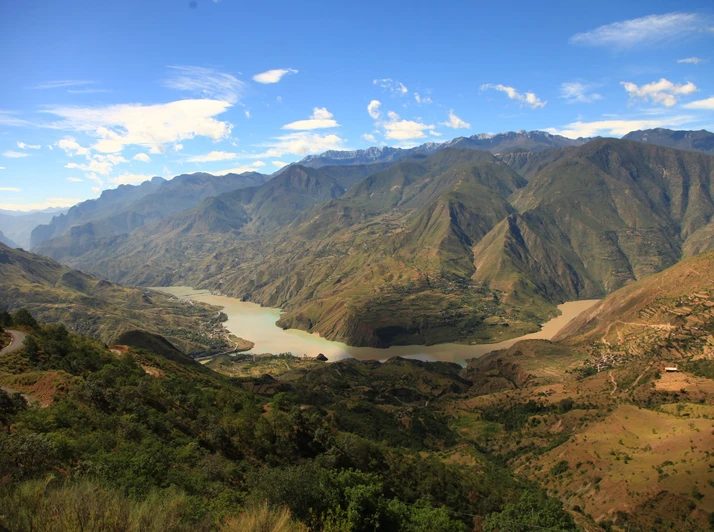
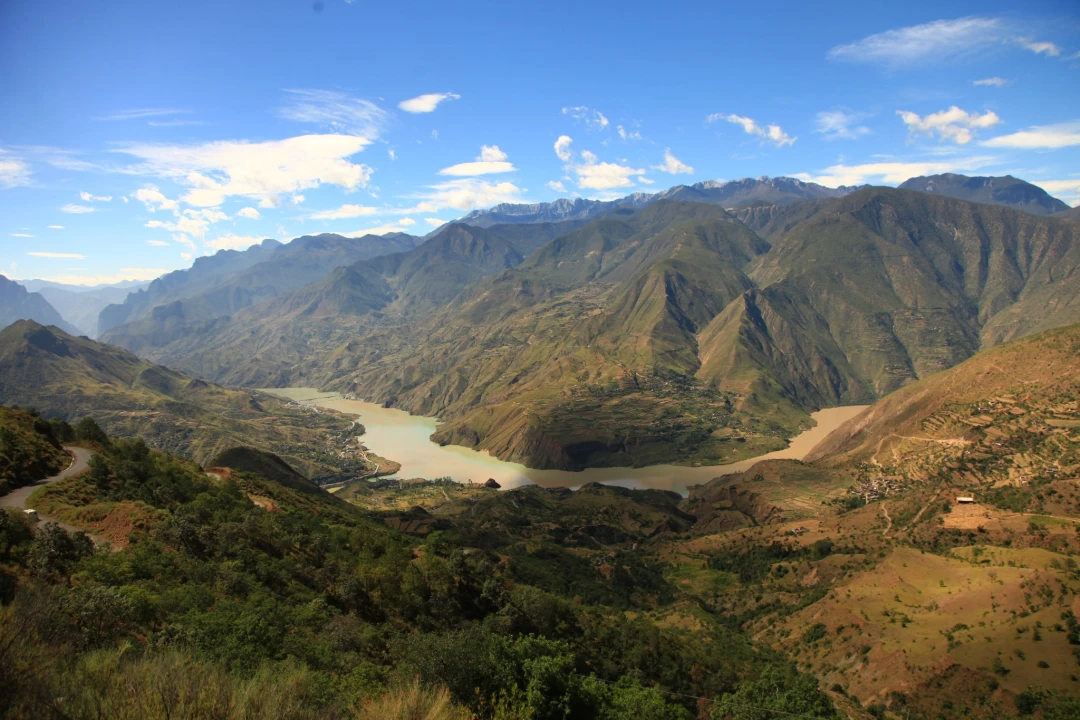
At the Ahai Hydropower Station, we boarded a boat. The scenery along the Jinsha River was like a painting—villages by the water, distant homes, rolling mountains. It was a true journey over mountains and rivers, but knowing we were about to see Lugu Lake made every hardship worthwhile.
The First Glimpse
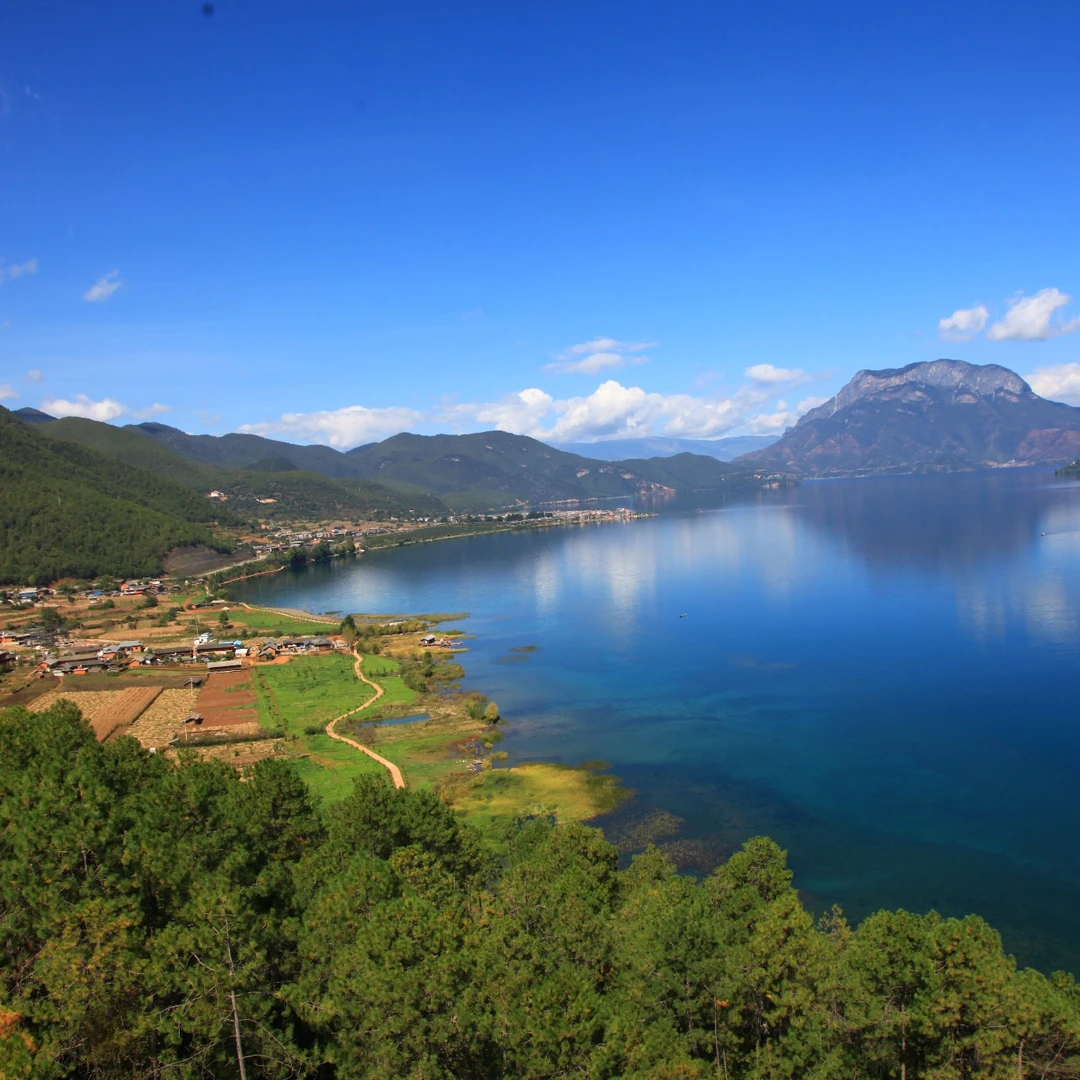
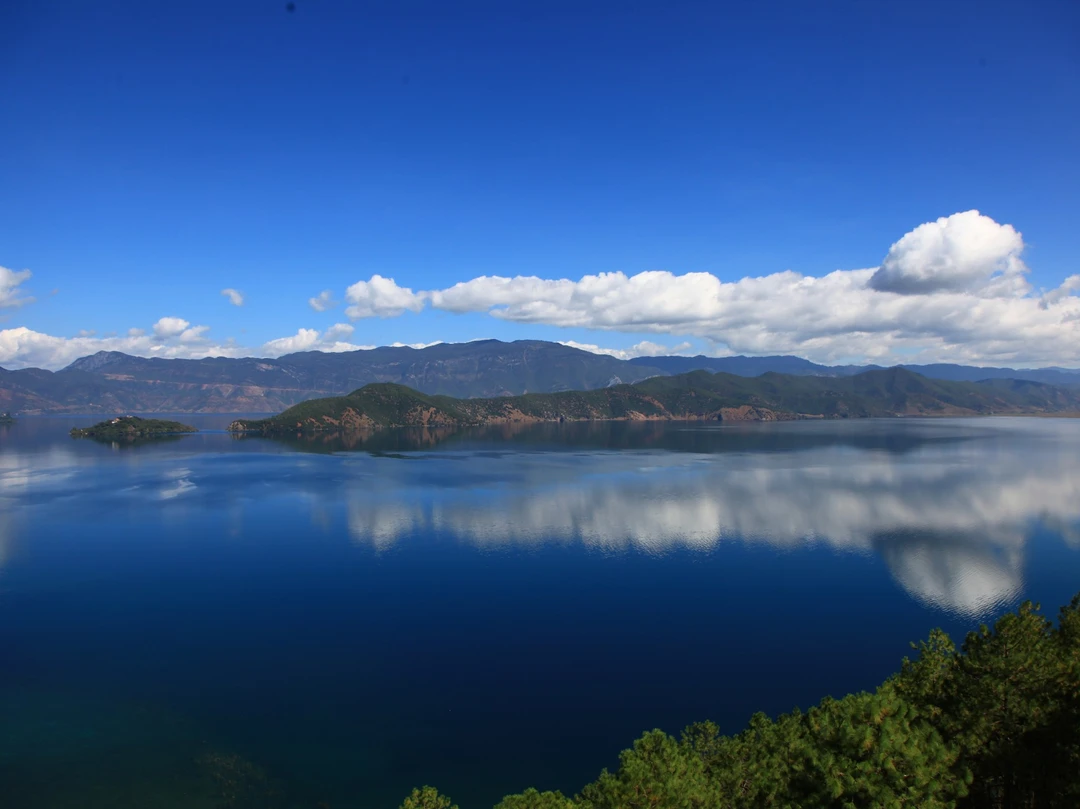
Entering the Lugu Lake scenic area, the driver stopped at a platform for us to take photos. As soon as we stepped out, the fatigue of the long journey vanished instantly. What a sight it was! The azure lake was like a sapphire, with blue skies and white clouds reflected in it, and in the distance stood Goddess Gemu Mountain (格姆女神山) and Liwu Island (里务比岛).
Such beauty required no photography skills—just press the shutter, and every shot was a masterpiece. The water was crystal clear, with "水性杨花" (water-loving flowers) floating on the surface, their white blossoms swaying gracefully in the sunlight.
The Mosuo Bonfire Party
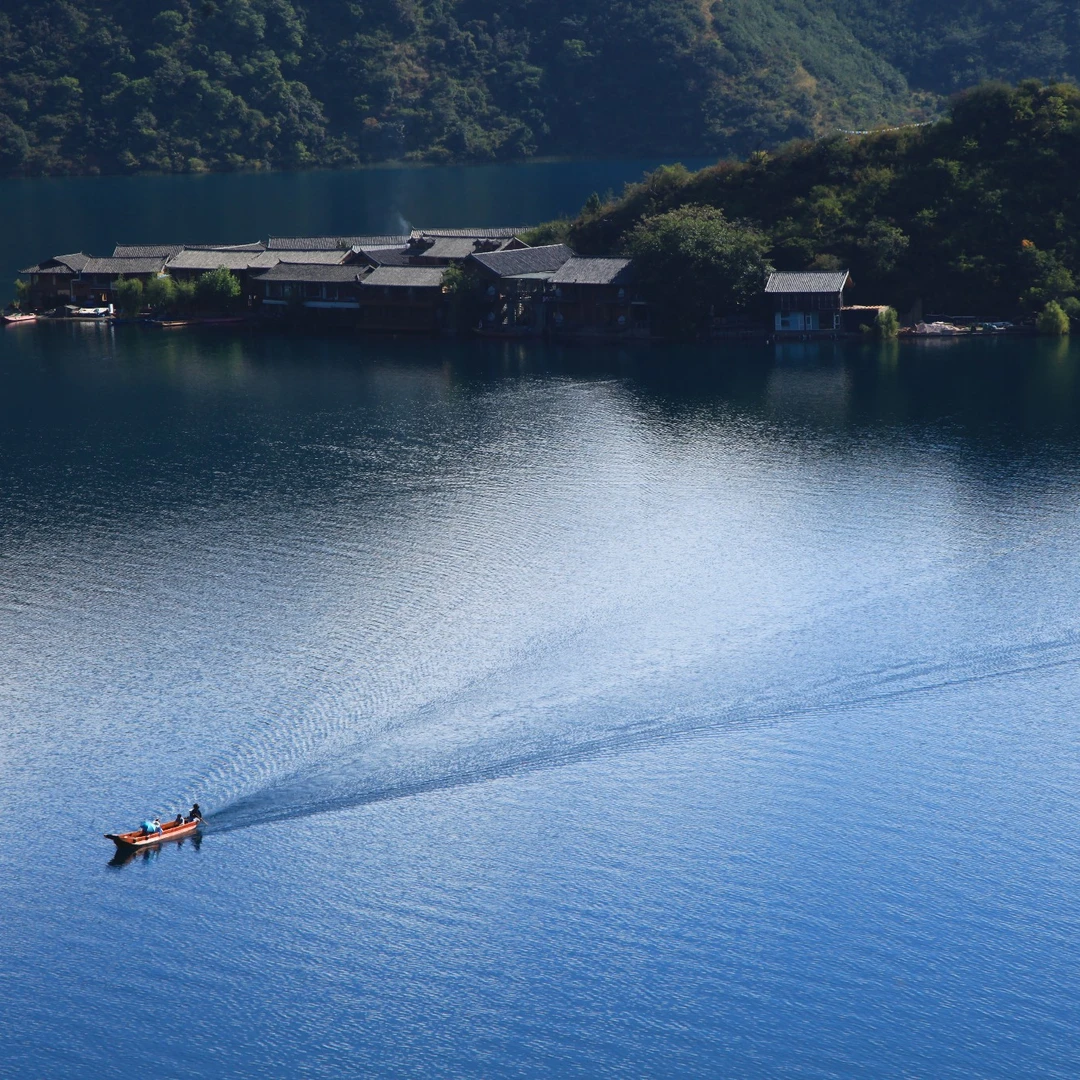
That evening, we joined a Mosuo bonfire party. It cost 100 yuan per person and included an afternoon snack, dinner, and a visit to a Mosuo home. The afternoon snack was essentially a KFC-style meal, though they also served local "咣当酒" (Guangdang liquor) and "酥理玛酒" (Sulima wine). Dinner was authentic Mosuo cuisine, and the bonfire party with singing and dancing was lively and joyous.
After the party, I took some night shots by Lugu Lake. The sky was filled with stars, reminding me of the night skies from my childhood hometown—that pure, unpolluted starry sky I hadn't seen in the city for so long.
Chapter Five: Cycling Around the Lake—Measuring Paradise on Foot
Sunrise and Morning Light
In mid-October, sunrise at Lugu Lake was around 7 AM. We got up at 6:40 and took a boat to the middle of the lake to watch the sunrise. The morning air was cold, so warm clothing was a must. The boat ride was a fixed price of 10 yuan per person, but whether you'd see the sunrise was a matter of luck.
That day, luck wasn't on our side—thick clouds blocked the sun. But even so, the morning lake was still breathtakingly beautiful. Sunlight filtered through the gaps in the clouds, casting dappled shadows on the water.
The 65-Kilometer Loop
After watching the sunrise and having breakfast, we began our cycling tour around the lake. We rented an electric scooter for 80 yuan a day, equipped with a special six-battery pack that could easily handle the full loop. The entire circuit was about 65 kilometers, divided into a big loop and a small loop. We chose the big loop, which took just about a day.
The mountain roads were paved and in good condition, but there were many ups and downs and sharp turns, so safety was key. The scenery along the way was overwhelming—Lige Peninsula (里格半岛), Nisai Island (尼塞岛), the Walking Marriage Bridge (走婚桥), the Grass Sea (草海)—every spot deserved a stop to savor.
The Walking Marriage Bridge and the Grass Sea
The Walking Marriage Bridge is an iconic landmark of Lugu Lake, having witnessed countless Mosuo love stories. The Grass Sea beneath the bridge had already turned somewhat yellow, but it had a stark, melancholic beauty. Ducks paddled leisurely in the grass sea, colorful prayer flags fluttered in the wind, golden leaves dotted the landscape—every detail made it hard to leave.
By lunchtime, we had already crossed into Sichuan province, where we charged the scooter. Along the way, we stumbled upon an apple orchard where you could pick your own fruit. The trees were heavy with apples, and they tasted amazing—perfectly sweet and tart.
Chapter Six: Shuanglang—Slow Time by Erhai Lake
From Lugu Lake to Dali
We returned from Lugu Lake to Lijiang, then took a train to Dali, and finally arrived at Shuanglang. Shuanglang is a small town by Erhai Lake, famous for the phrase "facing the sea, with spring blossoms." We stayed at a guesthouse where opening the window revealed the lake right in front of us.
Cycling Along Erhai
In Shuanglang, we rented bicycles and rode along the lake. The classic white chairs of Shuanglang are a must-photo spot—sit on one, with the deep blue Erhai behind you, and every shot looks like a postcard.
As evening fell, the sky over Shuanglang turned into a fiery blaze. Red clouds reflected in Erhai Lake, creating a scene so beautiful it took your breath away. That night, we sat on the guesthouse balcony, drinking Dali beer, gazing at the distant stars, savoring this rare peace.
Epilogue: Back in the Cage, but with a Free Heart
The nine-day trip ended quickly. We flew from Kunming back to Shanghai, returning to the city we call "home." Life returned to its old routine—repeating the same route, facing the same faces, handling the same tasks.
But something had changed.
Those mornings watching the sunrise by Lugu Lake, those moments touching the sky atop Jade Dragon Snow Mountain, those nights drinking beer and watching stars by Erhai Lake in Shuanglang—they were like seeds planted in my heart. When life grows dull and monotonous again, these seeds will sprout, reminding me: beyond the cage, there is a vast world waiting for me.
Yunnan, land of colorful clouds—until we meet again.
Practical Tips (For Those About to Set Off)
Transportation: - The overnight train from Kunming to Lijiang is the best choice—hard sleeper for 141.5 yuan, and you arrive after a good sleep - The direct bus from Lijiang to Lugu Lake costs 160 yuan per person; I recommend exploring on your own rather than joining a tour group - Renting an electric scooter to cycle around Lugu Lake costs 80 yuan per day—stay safe on the roads
Accommodation: - Guesthouses in Lijiang Ancient Town cost 100–150 yuan per night; it's better to find one after you arrive - For Lugu Lake, I recommend staying at least two nights to fully appreciate its beauty
Food: - Must-tries: water-loving flower (水性杨花), chicken bean jelly (鸡豆凉粉), Lijiang flatbread (丽江粑粑), one-fish-three-ways salmon - The cured pork ribs (腊排骨) at Xiangshan Market (象山市场) are worth a try - The Mosuo dinner at Lugu Lake is very authentic
Things to Note: - Yunnan has strong UV rays—don't forget sunscreen - For Jade Dragon Snow Mountain, you'll need a down jacket and oxygen canisters - Lugu Lake has large temperature differences between morning and evening—dress warmly - Book tickets in advance, especially during peak season
Travel isn't just about seeing sights—it's about finding the self you've forgotten. May everyone trapped in a cage find their own piece of sky.
You should also read:
Into the Hidden Valley: A Solo Journey Through the Mysterious Dulong River
Into the Hidden Valley: A Solo Journey Through the Mysterious Dulong River Deep in the northwestern corner of Yunnan Province, tucked away from the modern world, lies a place that feels like a secret whispered among mountains. The Dulong River Valley is not just a…
Continue reading...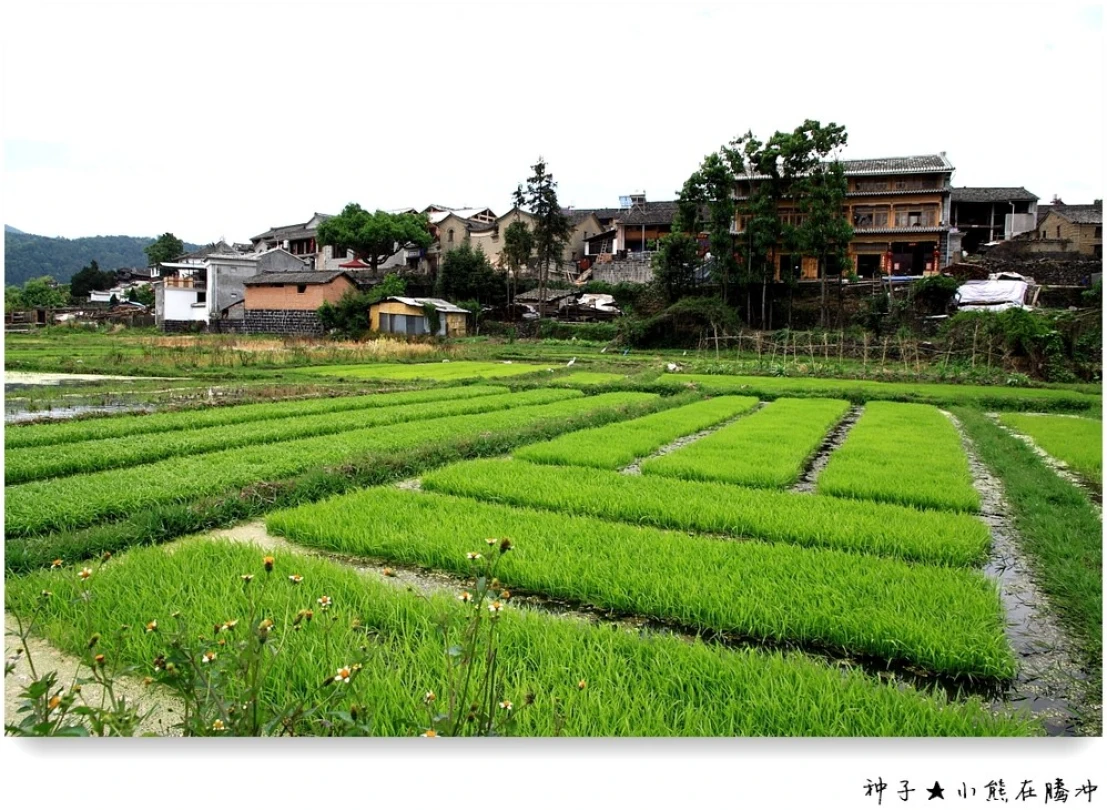
Tengchong·Heshun: Finding Life as It Should Be in a Border Town Where Time Stands Still
Tengchong·Heshun: Finding Life as It Should Be in a Border Town Where Time Stands Still The long journey of over twenty days was over. On my first day back at the office, I was still in a daze. My fingers couldn't find the keys on…
Continue reading...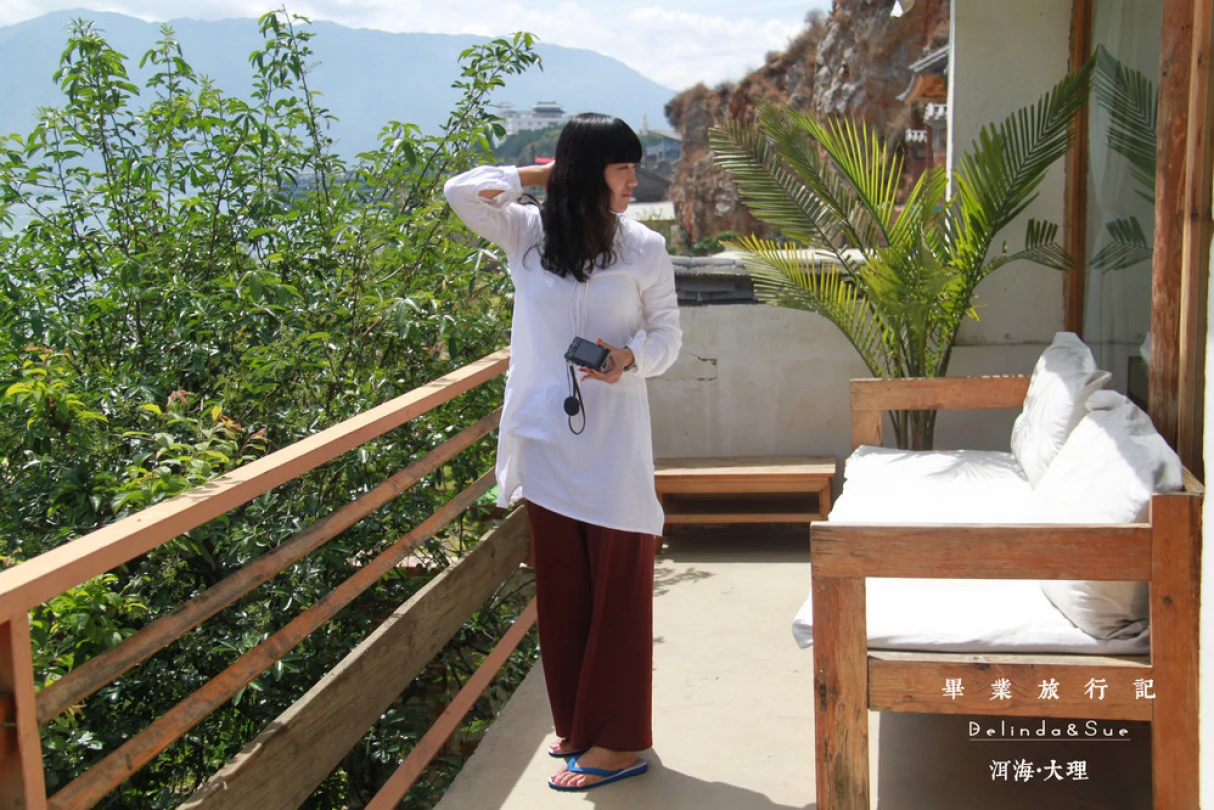
Two Girls' Graduation Trip: Dali and Shuanglang – A Poetic Farewell to Mountains and Sea
Two Girls' Graduation Trip: Dali and Shuanglang – A Poetic Farewell to Mountains and Sea Preface: Catching the Tail of Youth, Heading South During our senior year of college, my roommate and I – two girls studying in Beijing – decided to bid farewell to…
Continue reading...