A Love Letter to Yunnan on Wheels: A 14-Day Romance Across Southeast and Northwest Yunnan
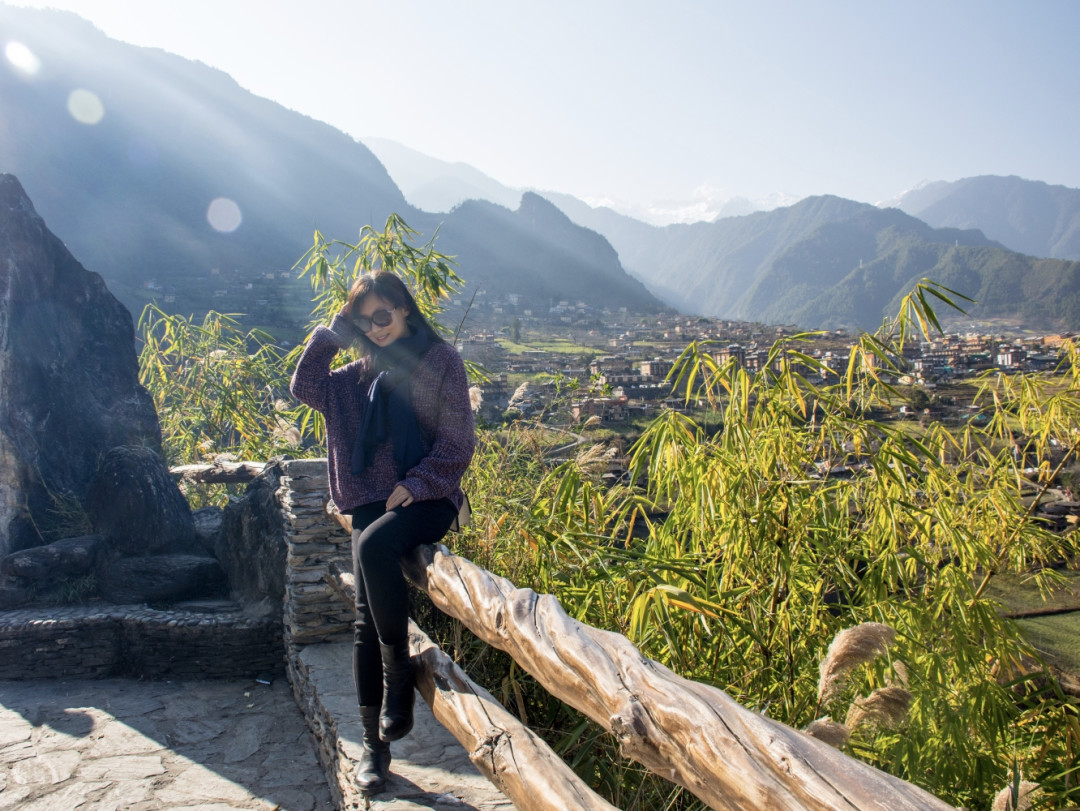
A Love Letter to Yunnan on Wheels: A 14-Day Romance Across Southeast and Northwest Yunnan
Before Departure: The Meaning of Travel is a Love Letter to Yourself
Haruki Murakami once said that writing travelogues is a "precious literary discipline." I couldn't agree more. Travel has never been about checking off landmarks and snapping photos—it's a conversation with yourself, a gentle gaze upon the world, and a sacred ritual of measuring life with your footsteps.
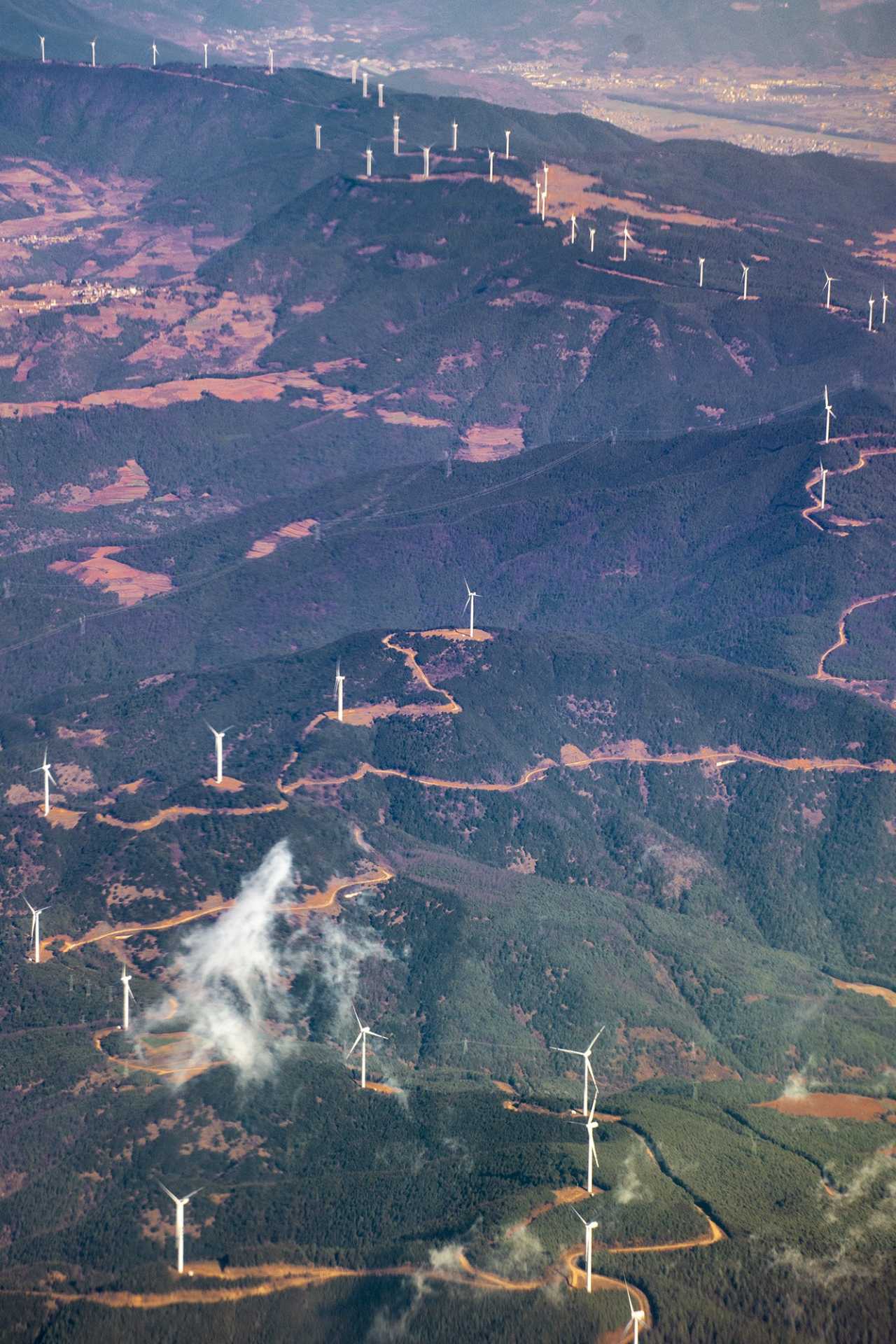
In January 2023, at the start of a new year, the beginning of the cycle of seasons, it was also the moment we rediscovered the courage to walk freely. Ten days of planning, fourteen days of walking, thirty days of organizing—this Yunnan journey was a love letter I wrote with my wheels across the land of Yunnan, addressed to the place that had haunted my dreams.
Route Design: Drawing a "Prosperity Loop" on Yunnan's Map
This was my fourth time setting foot in Yunnan. From northern Yunnan to western Yunnan, then to southern Yunnan—this time, I wanted something different.
The Yuanyang Rice Terraces and Jianshui Ancient City in southeastern Yunnan, the Nujiang Grand Canyon and Meili Snow Mountain in northwestern Yunnan—southeast and northwest, two completely opposite directions. Stringing them together in a single journey sounded like a crazy idea. Would the winter snow block the mountain passes? Would the roads freeze? Would I spend all my time rushing and miss the scenery?
But it was precisely these doubts that made me discover the unique charm of this route in winter:
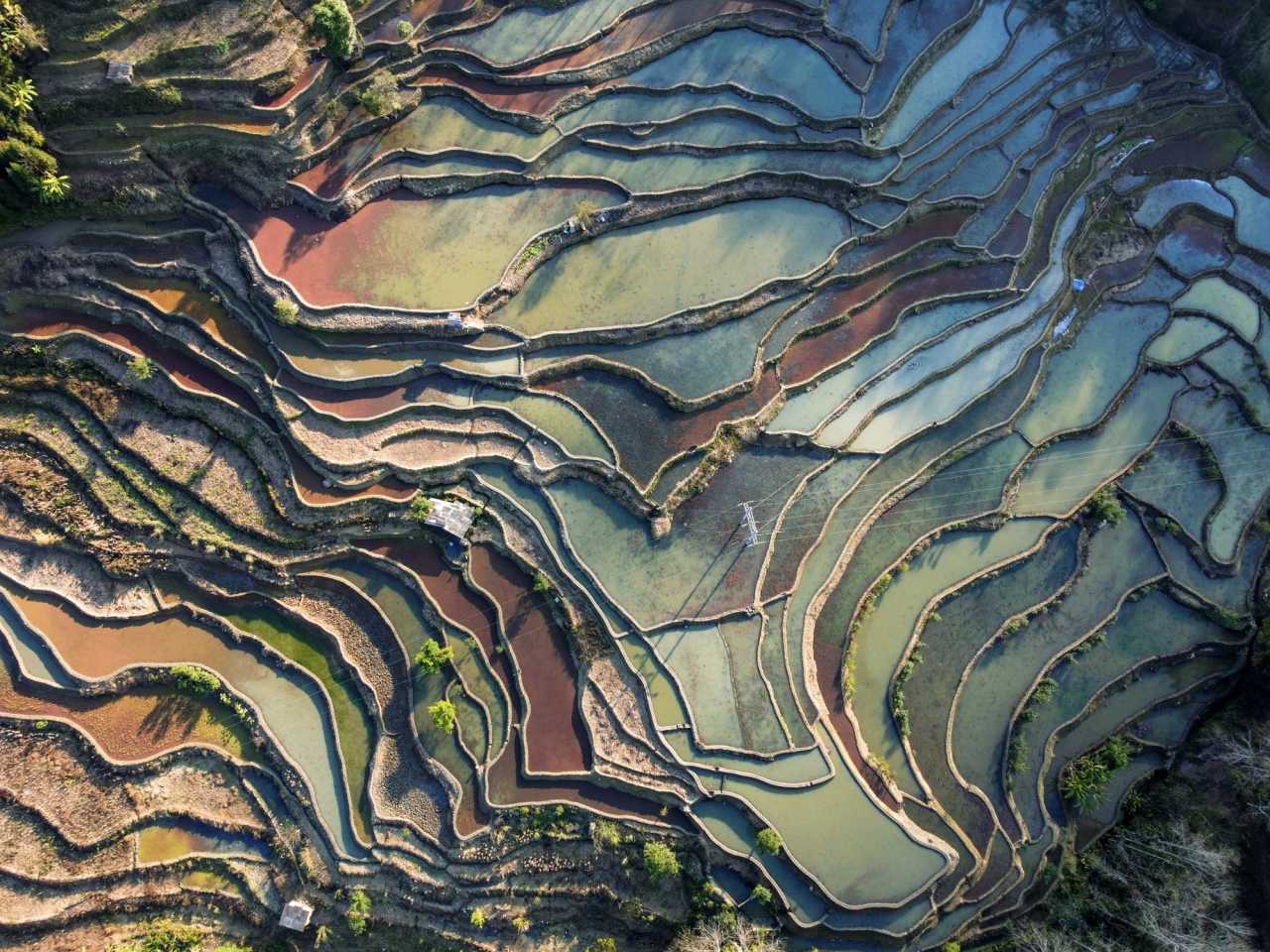
Around the Spring Festival, the Yuanyang Rice Terraces are in their water-filling season—a golden moment for photography enthusiasts. The Dulong River had just reopened after pandemic closures. The new tunnel on the Degong Highway made winter crossings no longer a dream. Winter offers the highest probability of seeing the "sunrise golden glow" on Meili Snow Mountain. From the second to the sixth day of the lunar new year, it coincides with the Lisu people's Bathing Festival. And the Nujiang River, shedding its summer ferocity in winter, reveals a gentle sapphire blue.
If you have fifteen days, winter is not just a viable time to explore southeastern and northwestern Yunnan—it might even be the best season.
My itinerary centered on Kunming, with two transfers, like drawing a figure-eight on Yunnan's map. Being a finance person, I decided to call it the "Prosperity Loop" route—for good luck.
Kunming as a Transit Hub: Twice Passing Through, Equally Wonderful
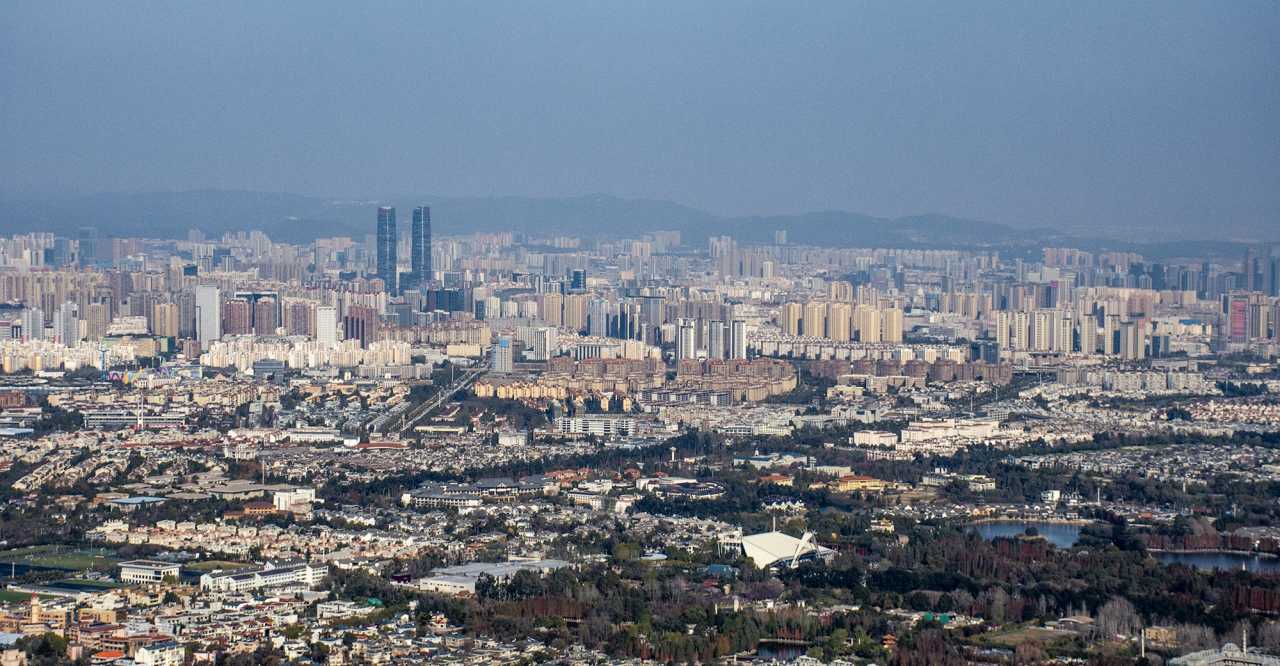
Many people say, "Stop treating Kunming as just a transit point." I agree with the second half—Kunming is indeed worth exploring. But for most travelers, Yunnan's treasures are too numerous to uncover in one trip. Treating Kunming as a transit hub while casually checking off one or two lesser-known spots is the smartest approach.
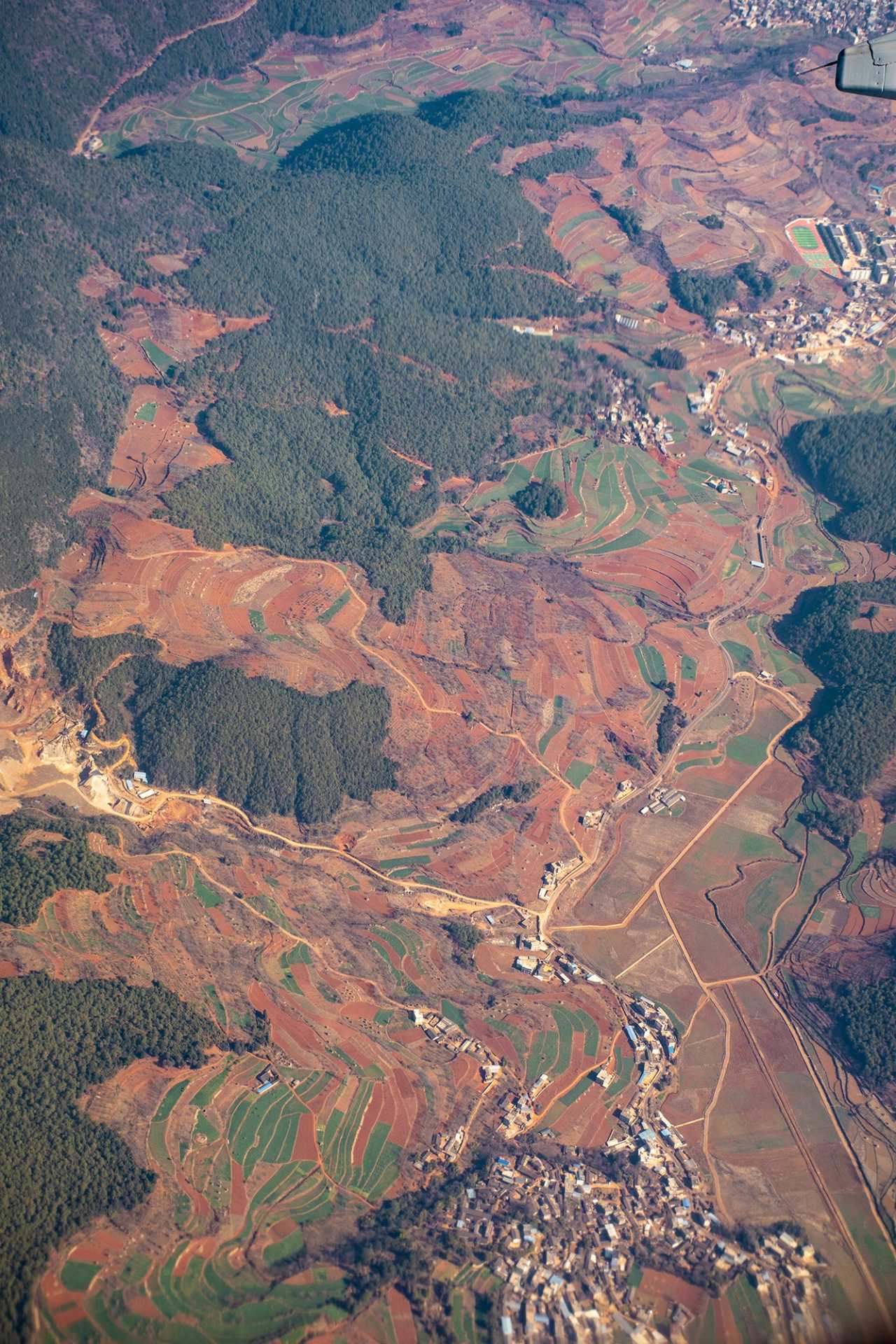
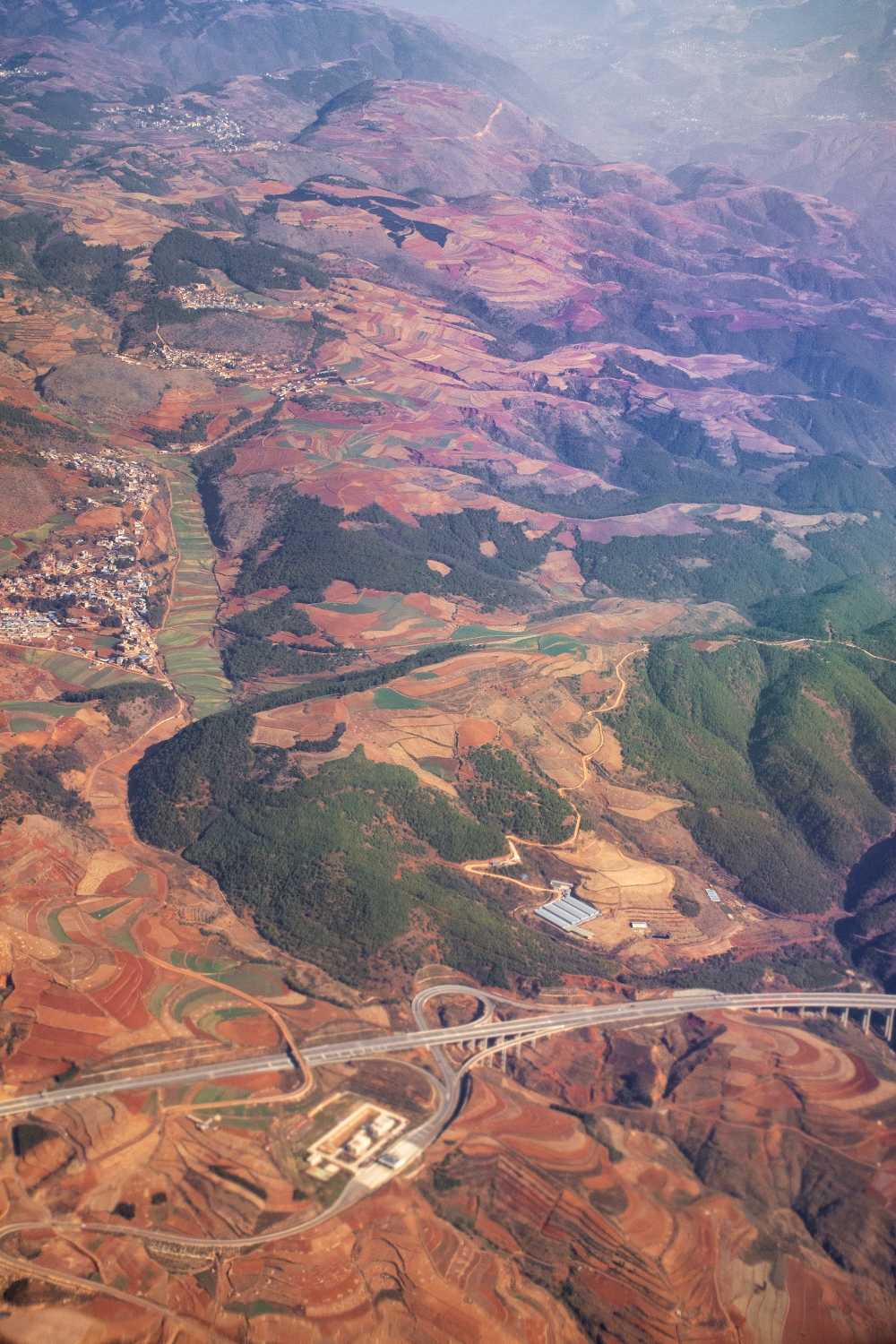
The God's-Eye View of Dongchuan Red Land: An Unexpected Gift from the Plane

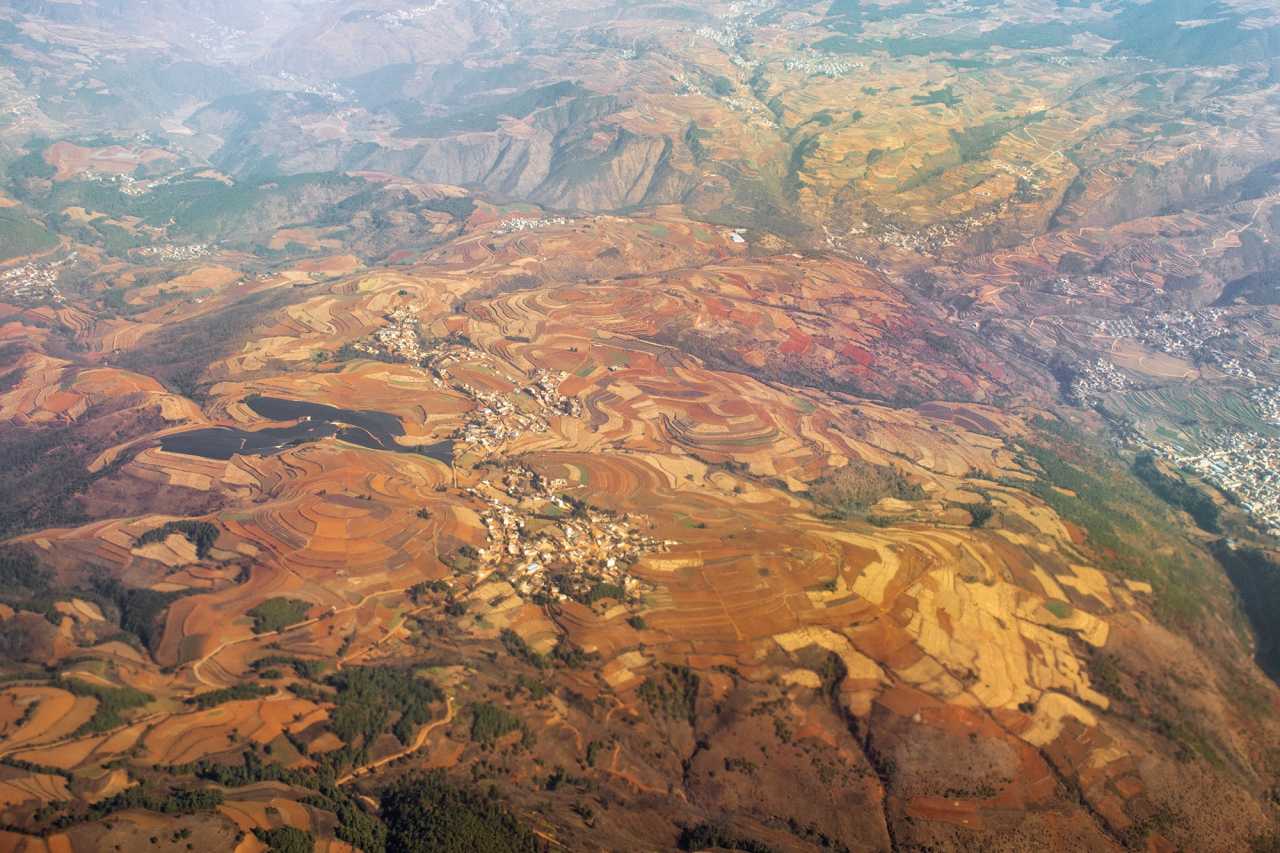
Dongchuan Red Land is one of those places that leaves you conflicted—making a special trip feels too far, but skipping it feels like a missed opportunity. But fate smiled on me: on the flight to Kunming, I happened to wake up and looked down from the window. The vastness and vibrancy of the Red Land rushed toward me.

From above, the core area of the Red Land is around Huashitou Village, stretching over 20 square kilometers. The soil's red color comes from the long-term accumulation of iron elements in a warm, humid climate. Different crops planted throughout the year give this land a kaleidoscope of colors across seasons. Some say it's second only to Brazil's Rio Red Land, but how can beauty be ranked? As long as it moves you and inspires awe for nature, that's enough.
Xishan Dragon Gate Grottoes: 72 Years of Craftsmanship on a Cliff Face
Arriving in Kunming at noon, I took the metro from Changshui Airport into the city. I stayed near Nanping Street. Walking downstairs, I found the street oddly familiar—turns out, when I first came to Kunming ten years ago, I also stayed in this area, just 200 meters from my current hotel.

After settling in, I went straight for the stinky tofu rice noodles (chòu dòufu mǐxiàn) I'd been craving. Luckily, there were plenty of eateries around. Even though many shops were closed for the Spring Festival, I found a small street-side stall. A steaming bowl of stinky tofu rice noodles warmed me up, chasing away the winter chill.
The goal of my Xishan trip was clear: climb high to overlook Dianchi Lake. The metro got me there directly, but once I stepped out, I was completely disoriented. I followed a group of tourists to find the ticket booth—no grand entrance, just a desk and a ticket seller.
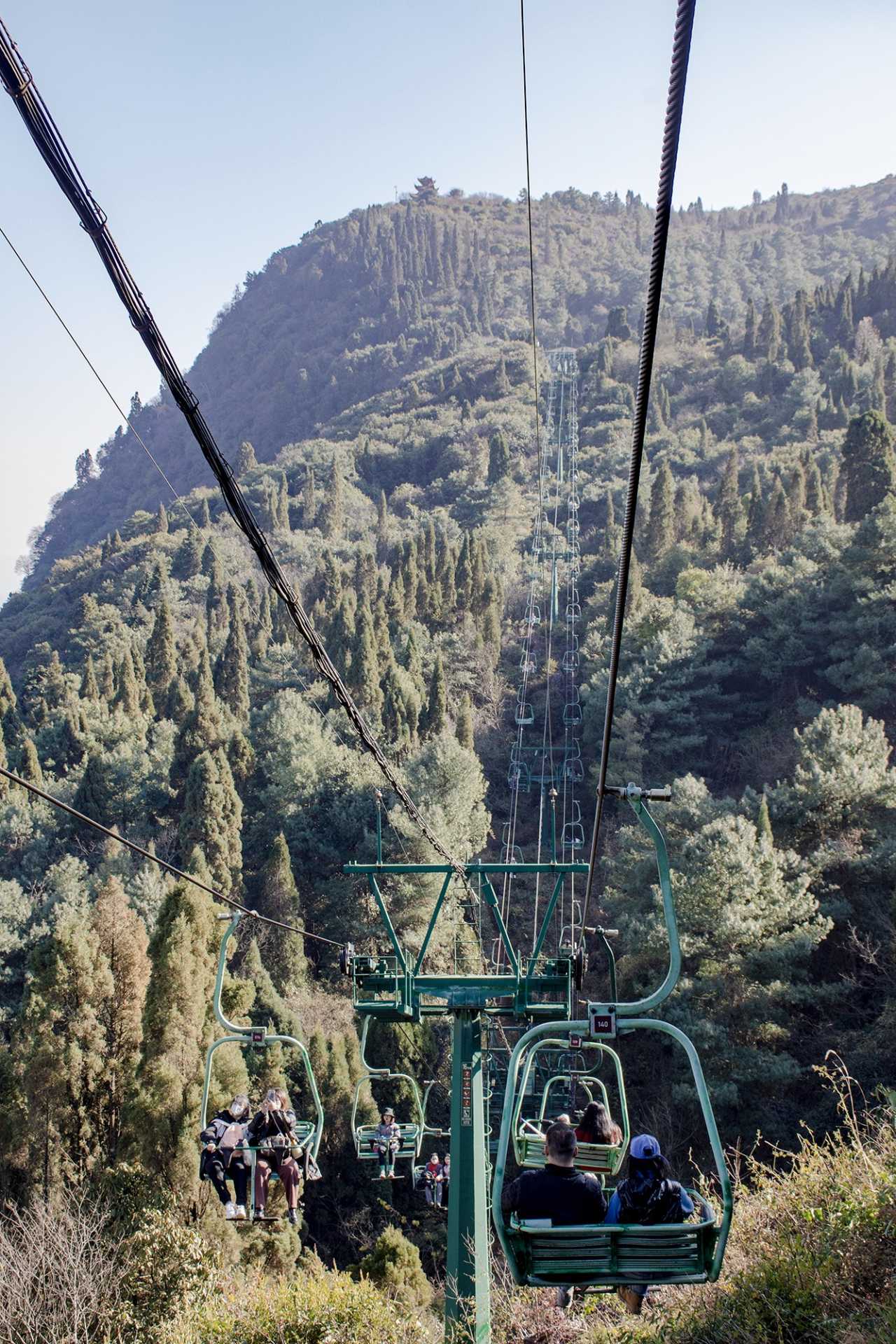
The ticket seller was meticulous. She stapled all the tickets in order of use, like a little booklet. Eco-car to battery car to cable car—I felt like I was in a relay race of transportation.
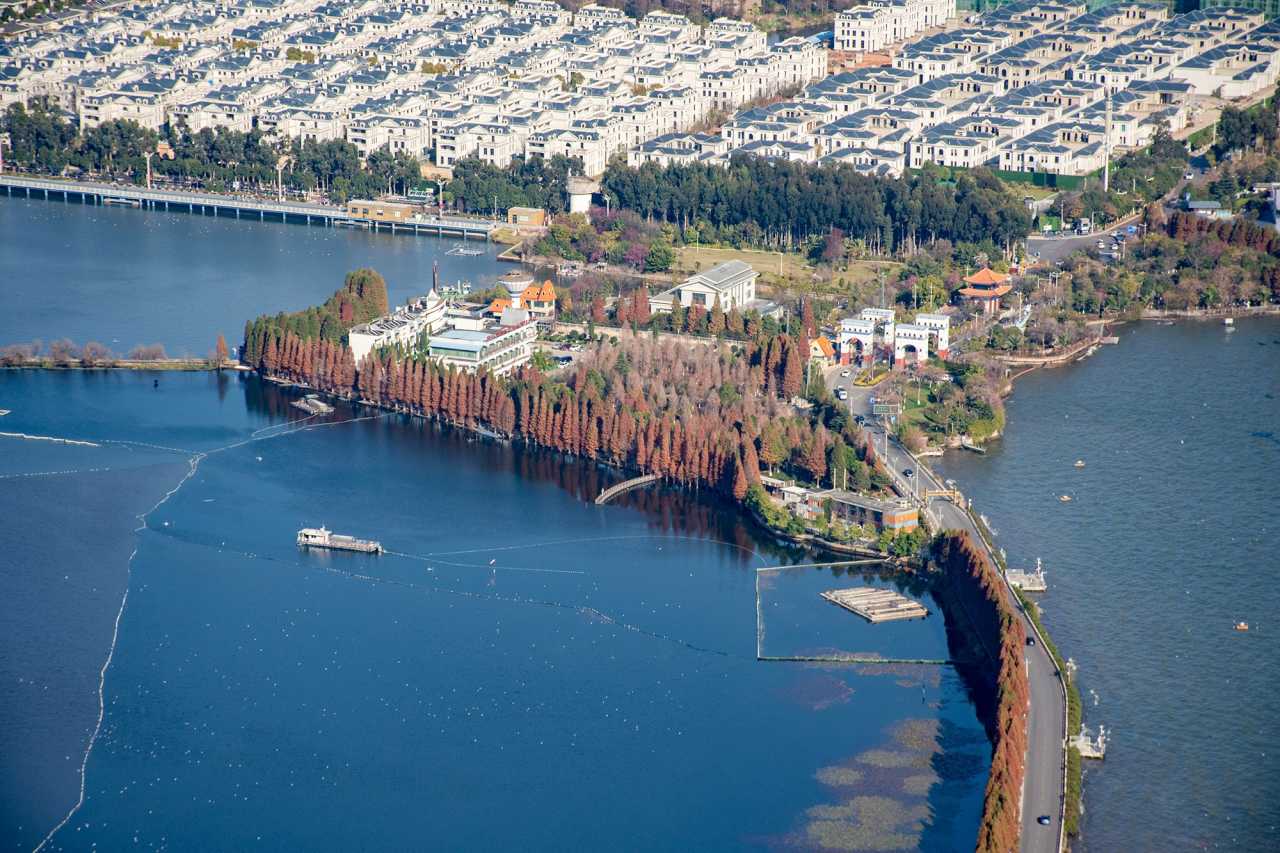
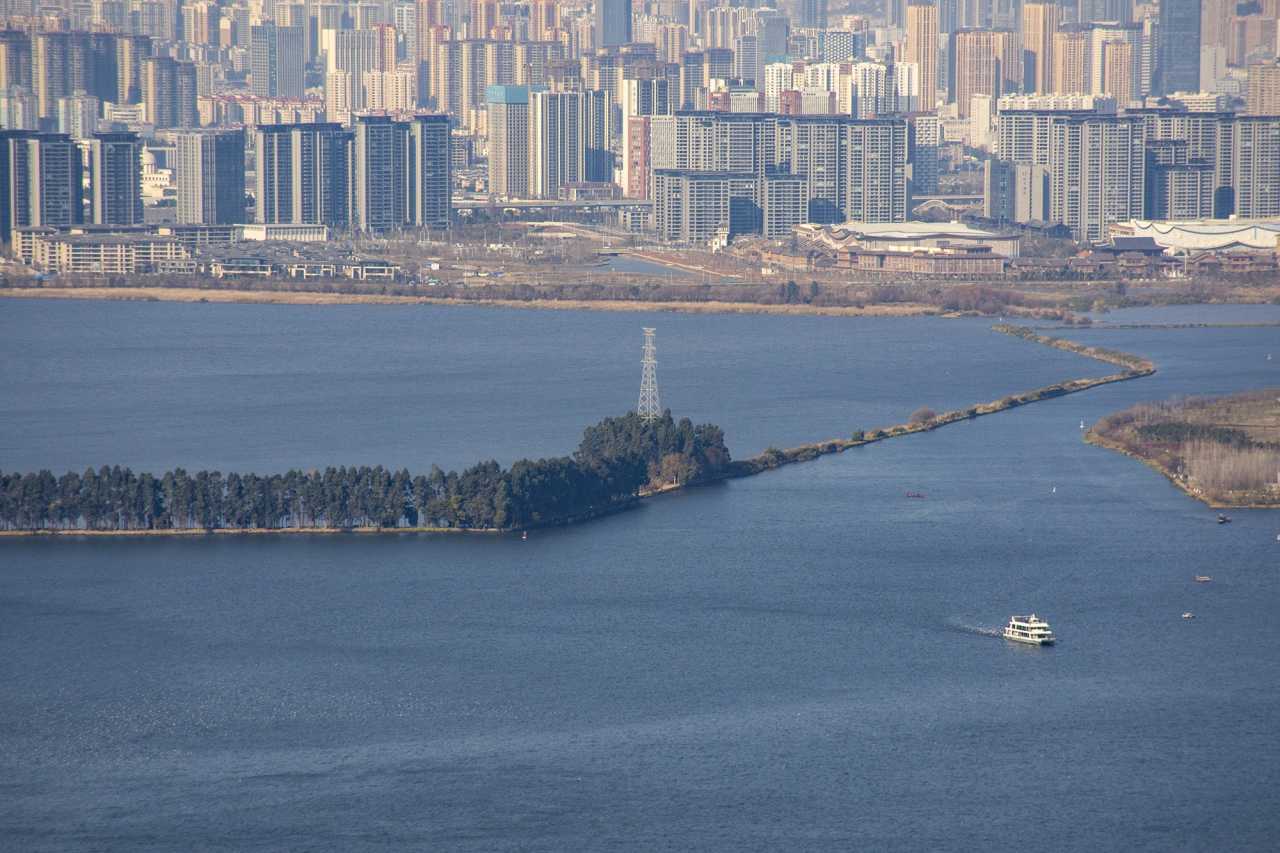
Xishan's cable car is an open-air gondola—no enclosed cabin! Gliding through the forest, I could turn my head and see Dianchi Lake and downtown Kunming sprawling below. The cable car rose steeply twice, giving a feeling of "climbing step by step."
I thought the Xishan Dragon Gate Grottoes would be similar to the Longmen Grottoes in Luoyang. I couldn't have been more wrong—these "grottoes" are just a stone archway with a few shallow caves. But the unexpected itself is the surprise. Besides, these Dragon Gate Grottoes took 72 years to complete, from the Qianlong era to the Daoguang era. Craftsmen carved this pathway into the sheer cliff face. Walking along it, you can't help but marvel at the ancients' perseverance—while also squeezing sideways to avoid oncoming tourists.
The path is so narrow that one person can pass comfortably, but two have to turn sideways. Especially under the Dragon Gate archway, people crowded together to take photos. The cliff face is dotted with poems and inscriptions, showing that Xishan was once a favorite haunt of literati and scholars.
Zhuanxin Farmers' Market: The Human Warmth of Slurping Noodles on a Stool

As I've gotten older, my choice of travel destinations has changed—from popular attractions to old streets, hidden alleys, and farmers' markets. Zhuanxin Farmers' Market came to my attention through a recommendation from a food blogger.
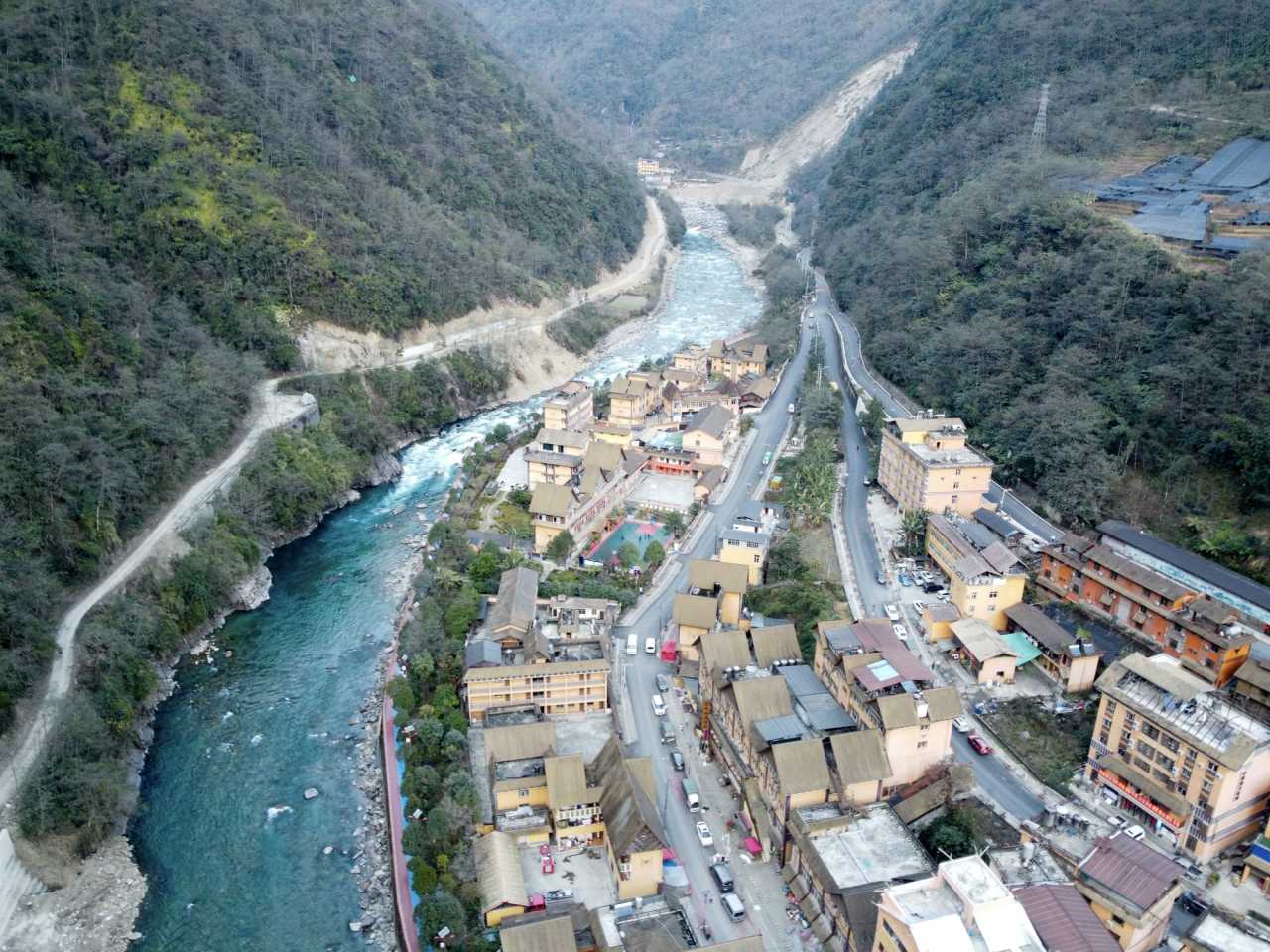
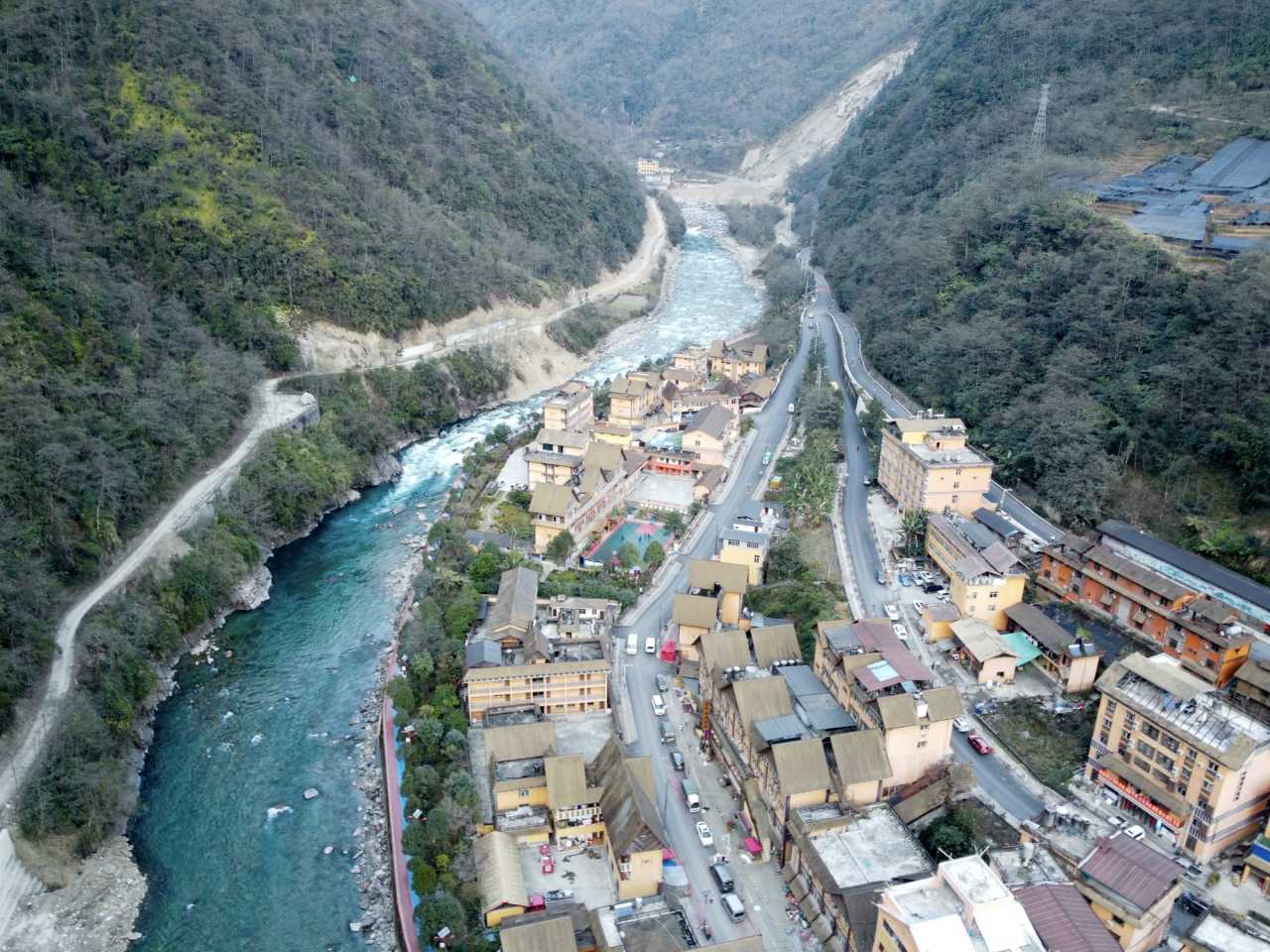
Taking a taxi from Nanping Street, I turned into a narrow lane lined with old residential buildings and small shops. I knew I'd come to the right place. This wasn't a "fake prosperity" for tourists—it was the real life of Kunming residents.
What amazed me most in the market was the freshness of the fruits and vegetables—shiny, dewy, and the vendors hadn't even sprayed them with water. There was an unfamiliar melon I didn't get to try at the time, but a few days later, I unexpectedly encountered it at a roadside restaurant in the Nujiang Grand Canyon. There are no real regrets in life, as long as you give it a little patience.
Bean curd rice noodles (dòuhuā mǐxiàn)! A combination of Sichuan-style bean curd and Yunnan rice noodles—I'd never seen it before. A steaming bowl of vegetarian bean curd rice noodles perfectly fused the aroma of beans with the rice noodles. But as a northerner, one bowl of rice noodles was just a warm-up. I went to a nearby bun shop and bought two large steamed buns to round out a solid breakfast.
Kunming's Old Streets: Two Surprising Encounters
The old street area of Kunming has its main street opposite the Confucian Temple, called Wenmiao Straight Street. I arrived too early, and all the shops were still closed. The buildings on both sides had their lower floors converted into storefronts, while the upper floors mostly retained their old appearance—some dilapidated, some even abandoned.
When it comes to tourism planning for old neighborhoods, I've always felt it's a dilemma: keeping things as they are might not attract tourists, but over-commercialization would strip them of their character. Perhaps attracting businesses is inevitable, but it must be done selectively.
On the old streets, I had two delightful encounters.
The first was Eastern Bookstore (Dōngfāng Shūdiàn). The storefront was narrow. Walking in, I thought it was just one floor, until I noticed the stairs. Climbing to the second floor, it opened up—brown wooden floors, bookshelves, and tables, with vintage decor perfectly placed. Later, I saw a plaque on the floor and learned that this bookstore was founded in 1926 by Wang Sishun, a student of Hu Shi. During the Southwest Associated University period, famous scholars like Wen Yiduo, Li Gongpu, and Wang Zengqi were frequent visitors. It was rebuilt on its original site in 2016.
Next to the stairs, there were mystery book bags. Each bag contained a book and a small notebook, with different blessings printed on the cover. I picked one and asked the staff to mail it to a friend.
The second surprise was Aunt Chen's Pu'er Tea Tangyuan (Chén Niāng Niāng Pǔ'ěr Chá Tāngyuán). The combination of Pu'er tea and glutinous rice balls was something I'd never imagined. Four fillings: rose, ham, black sesame, and walnut. The soup base was Pu'er tea, served with a cup of plain tea to cleanse the palate. The rose filling was a burst of flavor; the ham was also good but could get greasy. The bitterness of Pu'er tea balanced the sweetness of the tangyuan, leaving a lingering taste experience.
Yunnan Wildlife Park: Petting Alpacas and Feeding "Raccoons"
The Yunnan Wildlife Park was a last-minute addition during my second transit through Kunming. Originally, I planned to go from Mengzi to Bise Village (Bìsè Zhài), then return to Kunming to return the car. But I misremembered the return time and had to give up Bise Village.
After returning the car, I took a taxi to the park and got stuck in a traffic jam a kilometer from the entrance. I decisively got out and walked, climbing a long, steep slope, stopping halfway to snack for energy. The thought "since I'm already here" kept me going.
This zoo was far more interesting than I expected! Some small animals were free-range, truly achieving "70% nature, 30% human intervention."
In the rare animals area, I fed three alpacas. Strictly following the staff's instructions, I could only pet one—the other two were too aloof. I fed more carrots to the grumpy white one, but it bit them up and then—with precision—spit a mouthful of carrot bits all over me! I'd read about alpacas spitting when researching trips to Peru, but now I'd experienced it firsthand.
After being "bullied" by the alpaca, I went to feed the raccoons. Entering the raccoon enclosure, I was immediately surrounded by several of them. I used a bamboo skewer to pick up food and fed one. It stood up, grabbed the food with its little paws, and slowly brought it to its mouth—so adorable! Once the food was gone, the raccoons scattered instantly, never looking back. Clearly, they were seasoned employees—without food in hand, don't expect them to give you the time of day.
I spent the most time at the Lion and Tiger Mountain. Watching the tigers, I noticed an interesting phenomenon: adolescent tigers were active and mischievous, always trying to escape—like human teenagers. Adult tigers, on the other hand, had a strong sense of territory. The strong walk alone; the weak gather in groups. That's the law of survival.
In the End: A Love Letter on Wheels, Written to Yunnan and to Myself
Fourteen days, over 2,000 kilometers. From southeastern Yunnan to northwestern Yunnan, from the Yuanyang Rice Terraces to Meili Snow Mountain, from Jianshui Ancient City to the Nujiang Grand Canyon. On this journey, I drew a figure-eight on Yunnan's map with my wheels, and I left myself a love letter.
What travel has taught me is not how many places I've been, but how to get along gently with the world. Those moments of surprise when looking down at the Red Land from the plane, the emotion of stumbling upon a century-old bookstore in an old street, the warmth of experiencing human life in a farmers' market, the embarrassment of being spat on by an alpaca at the zoo—these are the gifts travel gives me.
If you also want to take a winter trip to Yunnan, remember: the combination of southeast and northwest is not only feasible but the best choice. Bring patience, bring curiosity, bring your love for the world, and set off.
After all, the best travel is a love letter written to yourself.
You should also read:
Yunnan Travel Mastery: From Beginner to Pro-Level Player – A Complete Guide
Yunnan Travel Mastery: From Beginner to Pro-Level Player – A Complete Guide "Either travel or read, but your body and soul must be on the road." This quote has been repeated countless times, but very few people truly manage to be "on the road" and…
Continue reading...
Escaping Nanning, Falling Under Lijiang's Spell: Our Four-Person, Ten-Day Yunnan Dream
Escaping Nanning, Falling Under Lijiang's Spell: Our Four-Person, Ten-Day Yunnan Dream Before We Set Off: No Pain, No Obsession Have you ever had that impulse—suddenly tired of the office fluorescent lights, the crush of the subway, the endless parade of identical takeout boxes, and just…
Continue reading...
Solo in Yunnan: A Wanderer’s Guide to the Land of Eternal Spring
Solo in Yunnan: A Wanderer’s Guide to the Land of Eternal Spring There’s something magical about traveling alone. No compromises, no schedules to keep, no one to please but yourself. I’ve been on the road for nearly three months now, and not once have I…
Continue reading...