A Pilgrimage of Light and Shadow: Solo Travel Through Yunnan, Western Sichuan, and Tibet in Search of the Soul’s Landscape
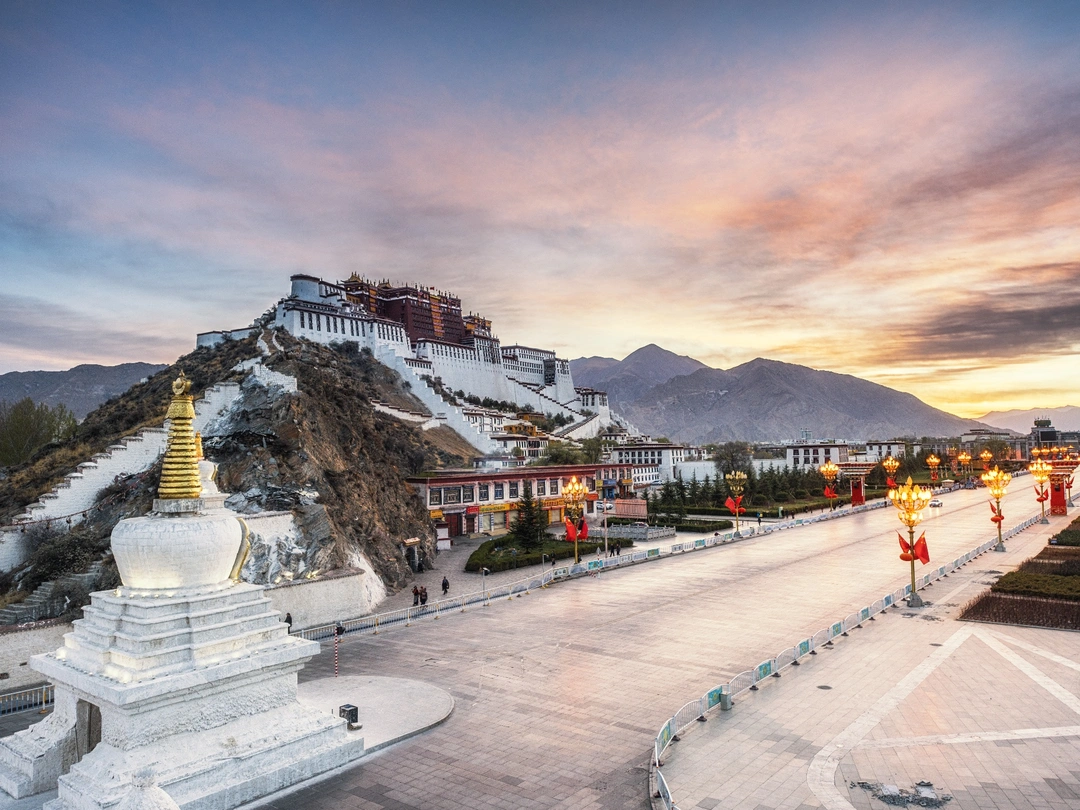
A Pilgrimage of Light and Shadow: Solo Travel Through Yunnan, Western Sichuan, and Tibet in Search of the Soul’s Landscape
Weibo: @刘三根_ThreeGen | WeChat Official Account: 刘三根
Key Takeaway: This is not your average travel guide. It’s the solo record of a photographer measuring the world through his lens. If you’ve ever dreamed of throwing a bag over your shoulder and chasing those postcard-perfect landscapes, this piece might just give you the courage to set off.
Foreword: Why Go It Alone?
In the spring of 2015, while most graduates were busy firing off resumes and rushing through interviews, I made a decision that left everyone around me stunned: I would spend a month traveling solo through Yunnan, Western Sichuan, and Tibet. At the time, I had just graduated from Beijing Institute of Technology and was already a signed photographer and video contributor for Getty Images (US/CN). I told myself: while I’m still young, while I still have the capital to be reckless, go chase those landscapes that have haunted my dreams.

Many people ask me: “Aren’t you lonely traveling alone?” My answer is simple: When you befriend everyone you meet and make the world your companion, you never feel lonely. Besides, as a photographer, I need the freedom to stop anytime, the patience to wait hours or even days for the perfect shot, and the obsession to wake up at 4 a.m. to capture the stars — all of which become constraints when traveling with others.
As it turned out, going solo was the best decision I ever made.
Pre-Trip Preparation: The Ultimate Challenge of a Photography Backpack
Route and Budget
My journey started in Beijing, passing through Kunming, Dali, Shuanglang, Lijiang, Lugu Lake, Shangri-La, Deqin, Daocheng, Yading, Kangding, Niubei Mountain, Hailuogou, Chengdu, Chongqing, Lhasa, Namtso Lake, and Xining, before flying back to Beijing. A full 33 days, with a total cost of 9,405.5 RMB.
- Yunnan section (including one-way flight, 12 days): 2,973.5 RMB
- Sichuan + Chongqing section (16 days): 3,128 RMB
- Tibet section (including return flight): 3,304 RMB
Accommodation was mostly hostels, averaging 50 RMB per night; meals cost 20–30 RMB each; the biggest expenses were transportation and entrance fees.
Gear List: Less Is More
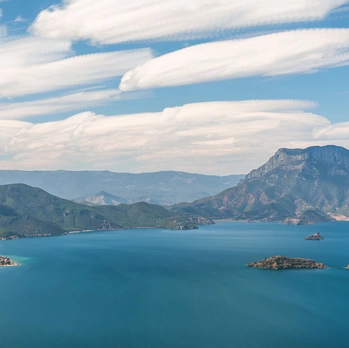
The golden rule of long-distance travel is “pack light,” but a photographer’s gear is non-negotiable. Into my backpack went:
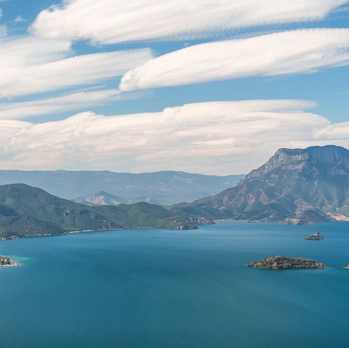
- Camera: Nikon D750
- Lenses: Nikon 14-24mm, Nikon 24-120mm
- Filters: NiSi 150mm square filter system, ND1000
- Tripod & Head: Manfrotto 190-series carbon fiber tripod + MHXPRO-3W three-way head (these two alone weighed 3 kilograms)
- Clothing: Decathlon冲锋衣 (waterproof jacket) and pants, hiking boots — they lasted the entire trip, even holding up at over 4,000 meters above sea level
- Essential small items: Matt photography gloves, a magic scarf, a high-power flashlight, and a power bank
And so, with a single backpack and a tripod in hand, I set out on this pilgrimage of light and shadow.
Route Planning: Markers on the Map
My planning method was simple: scour the internet for stunning landscape photos, find the shooting locations, and mark them on a map. When the dense clusters of markers formed a line, a no-backtracking travel route was born. Then, I’d check transportation options for each spot in advance — which station, which bus, what time it departs. All this info is easy to find. Of course, you can’t set plans in stone; long-distance travel has too many variables. Flexibility is key.
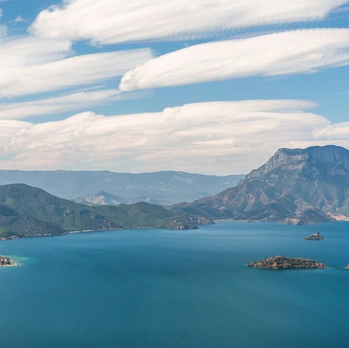
Colorful Yunnan: The First Glimpses of Light and Shadow
Kunming: First Sight from Above the City
On March 11, I flew from Beijing to Kunming (a discounted ticket at 585 RMB, with a stopover at Wanzhou Airport in Chongqing). After arriving in the afternoon, I headed straight for Kunming’s highest point — the Kunming Steel Building — and shot from afternoon until nightfall. A friend from Kunming heard I was in town and took me for a bowl of authentic 过桥米线 (crossing-the-bridge noodles). This unexpected warmth made me like the city even more.
At 10:00 p.m., I boarded the train to Dali (105.5 RMB).
Dali: Slow Time by Erhai Lake
I arrived in Dali at 7 a.m., downed a bowl of 饵丝 (rice noodles, 10 RMB), and wandered through the old town. By 10 a.m., I found a hostel called “放牛班” (The Herd), where an 8-bed dorm cost just 26 RMB a night (with a student ID) — an incredible deal.
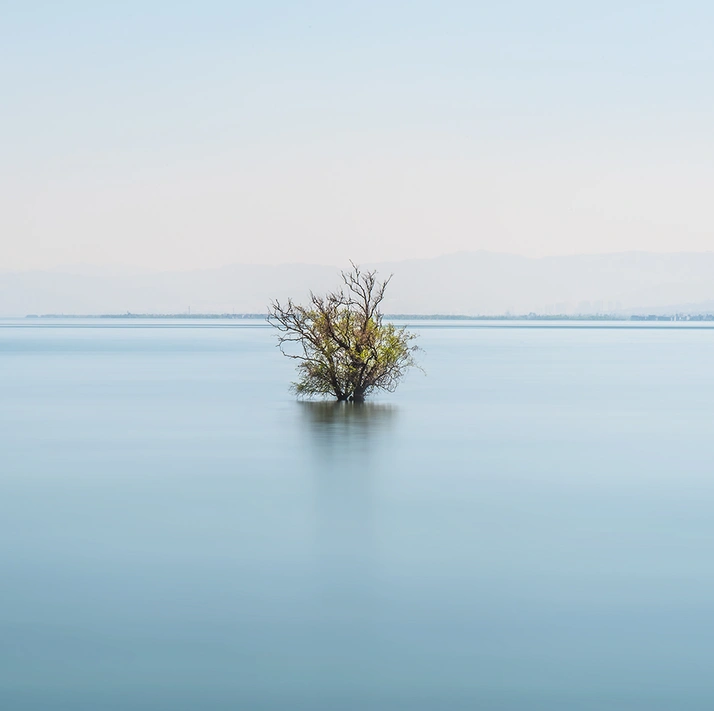
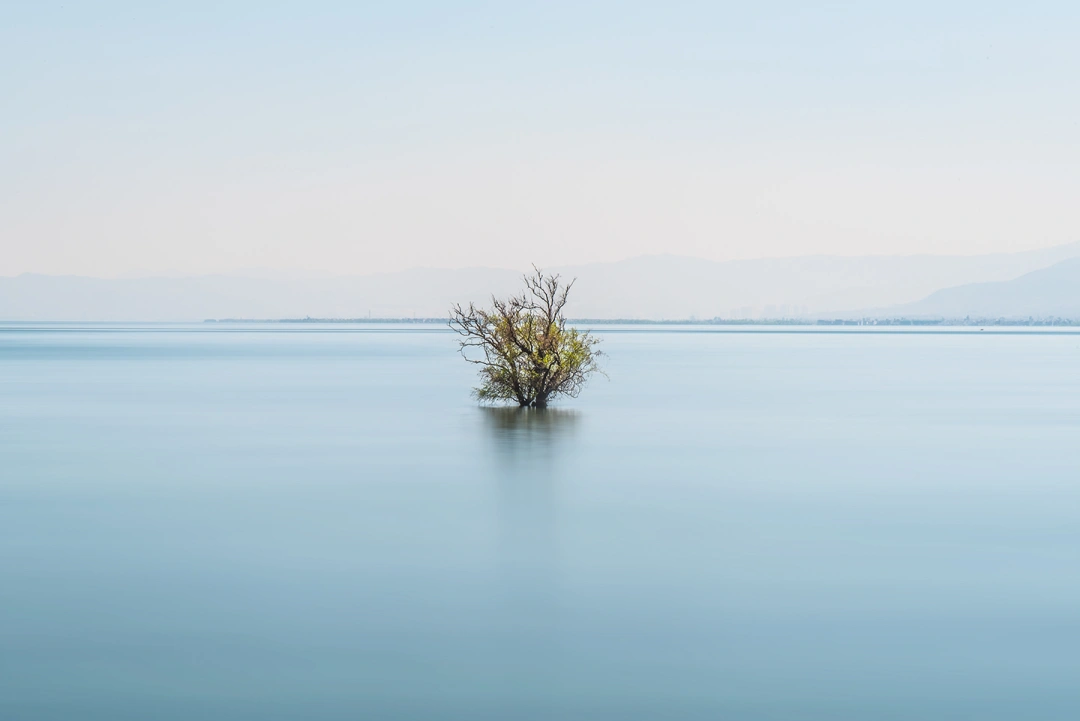
By Erhai Lake, I rented an electric scooter (60 RMB per day) and rode along the lakeside road. Blue water, blue sky, not a single cloud in sight, I captured this minimalist frame. In Xizhou, I was disappointed to find massive construction underway — it felt like an ordinary old town, not worth a special trip.
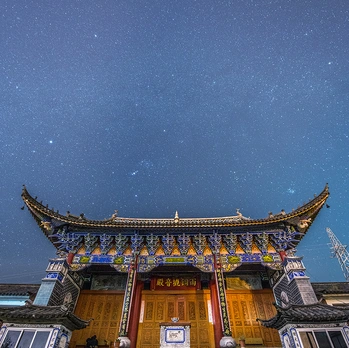
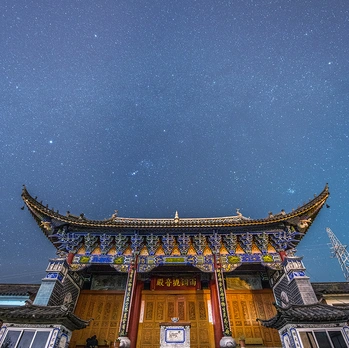
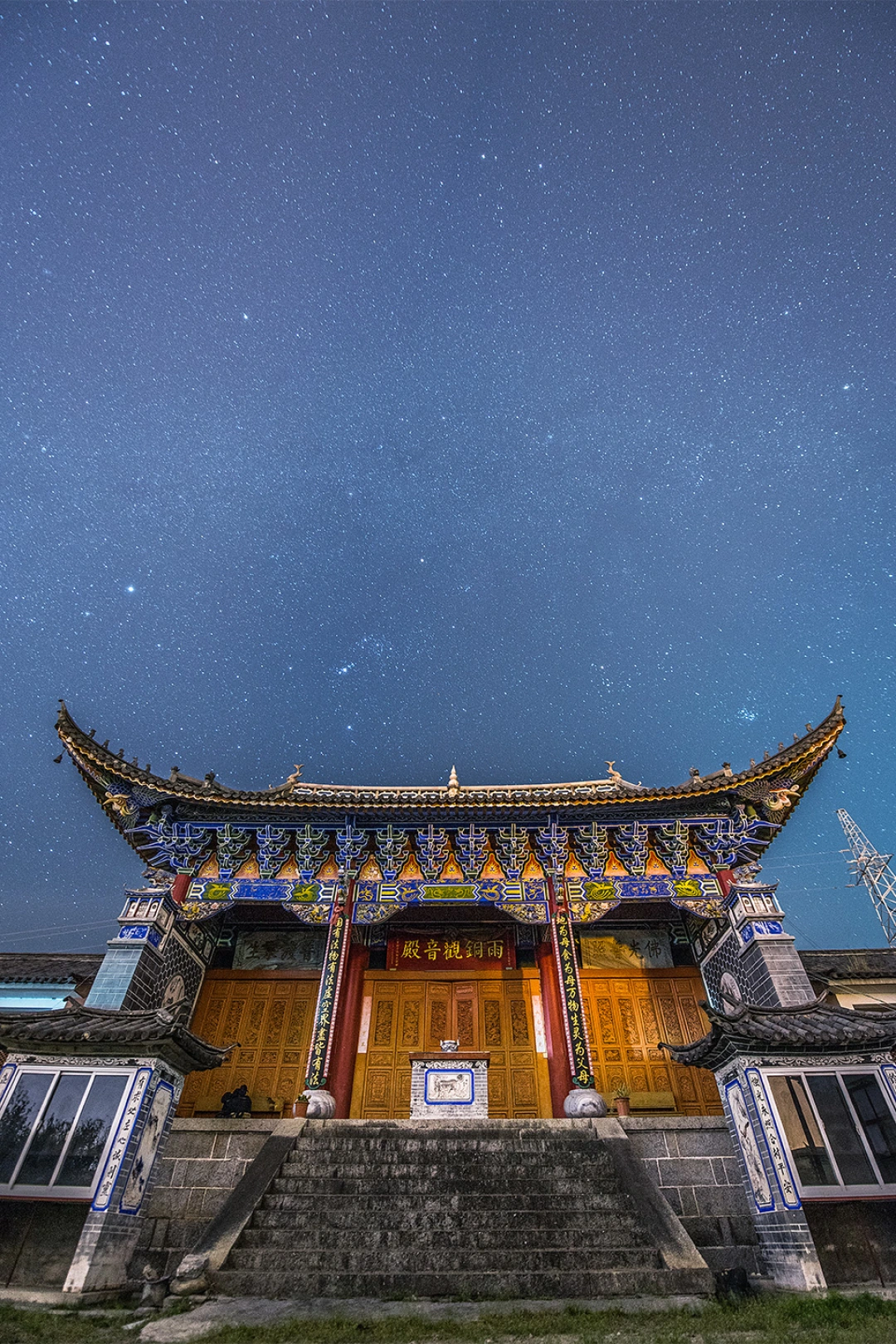
That evening, I tried to shoot the stars over Erhai Lake but was thwarted by light pollution and clouds. I made a last-minute detour to the 雨铜观音殿 (Rain Copper Guanyin Hall), but in the dark, the abbot of the neighboring temple mistook me for a thief trying to steal the donation box and called the police. After clearing up the misunderstanding, I trudged back to the old town, exhausted, at 11 p.m.
Shuanglang: A Promise Under the Stars
On March 13, I shared a ride from Dali to Shuanglang (20 RMB per person) and checked into the “别想那只大象” (Don’t Think About That Elephant) hostel’s sea-view room (50 RMB per bed). From the rooftop, I could see Erhai Lake. I made a silent promise: one day, when I have a partner, I’ll bring her here again.
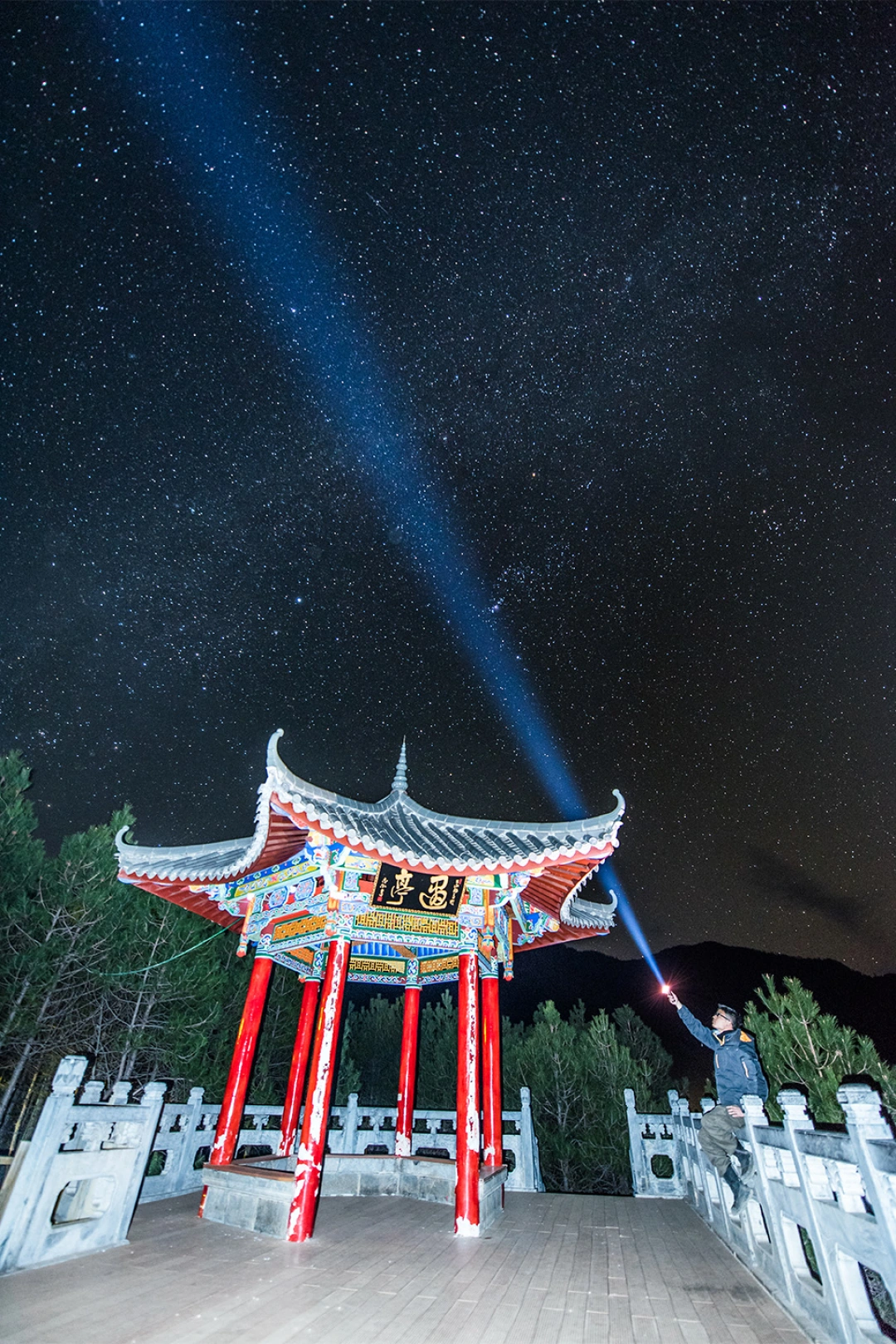
At sunset, I set up my camera and captured the dusk over Shuanglang. That night, the sky was filled with stars. I took a self-portrait with the Milky Way — my legs taking up a third of the frame, perfectly following the golden ratio.
Lugu Lake: The Gift of Fire Clouds and Star Trails
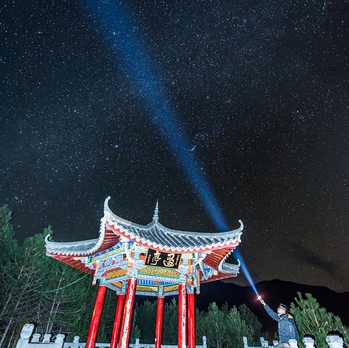
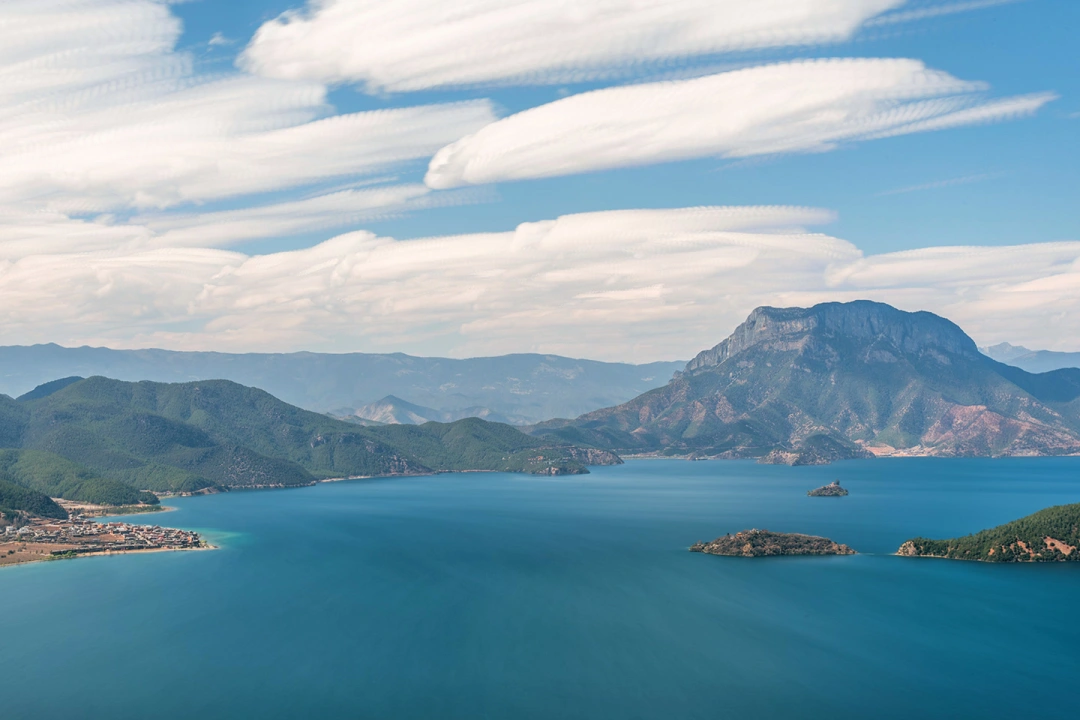
On March 17, I boarded a bus to Lugu Lake (round trip 158 RMB). After seven hours of bumpy roads, I finally saw this legendary lake. The entrance fee was 100 RMB, but worth every cent.
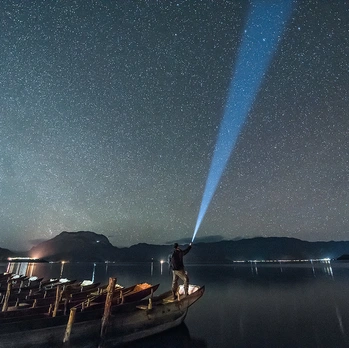
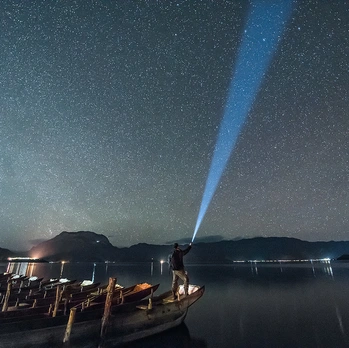
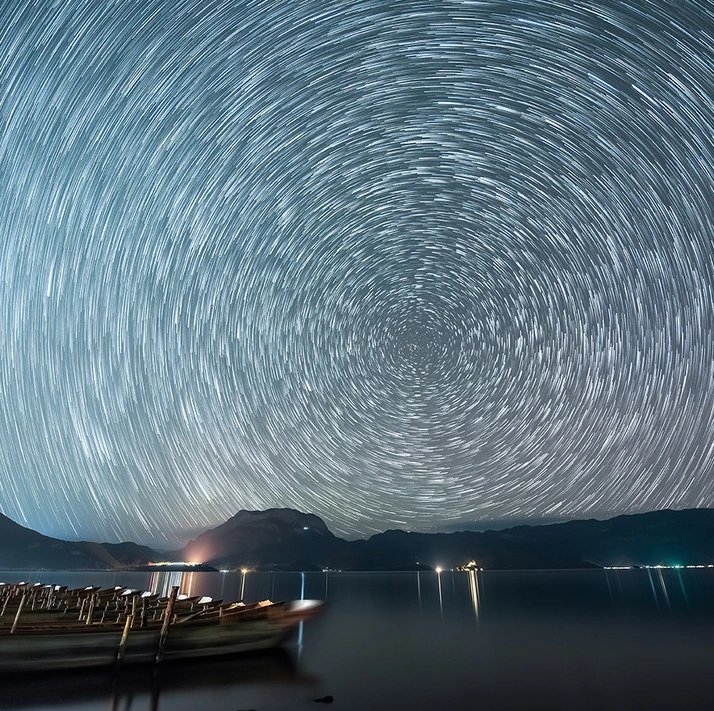
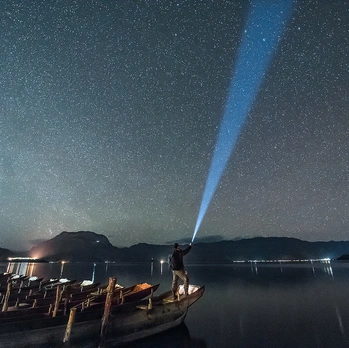
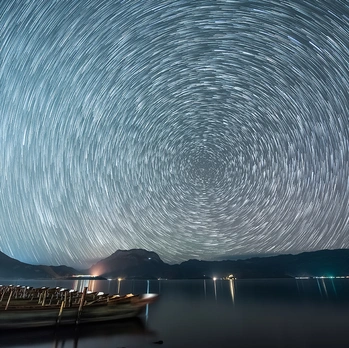
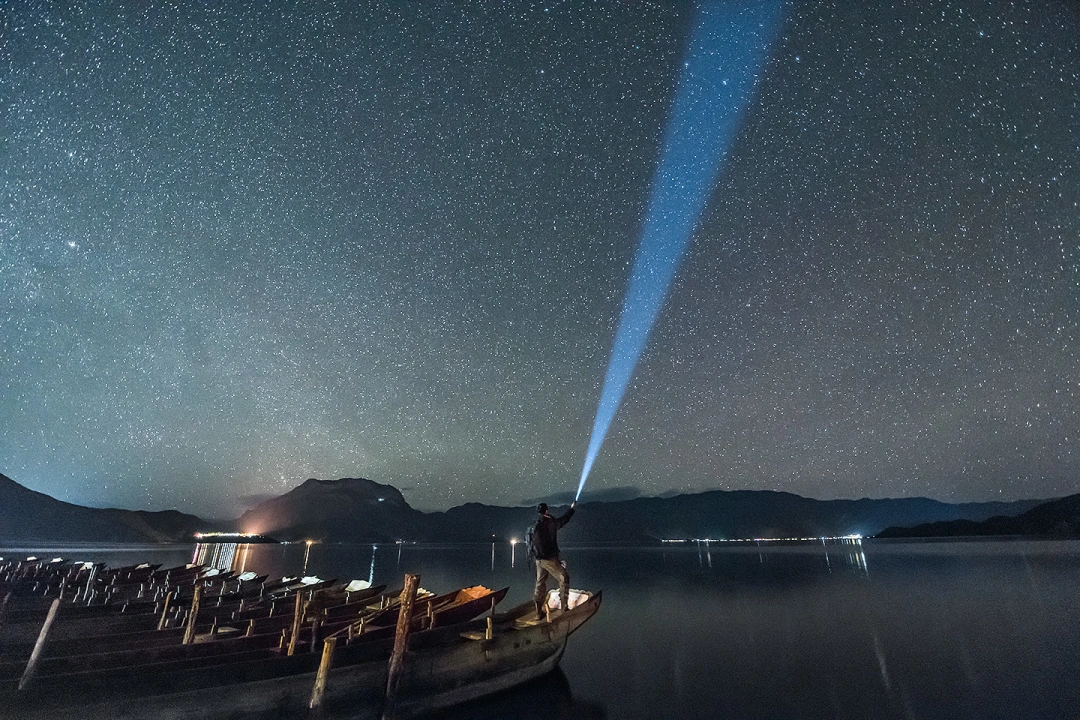
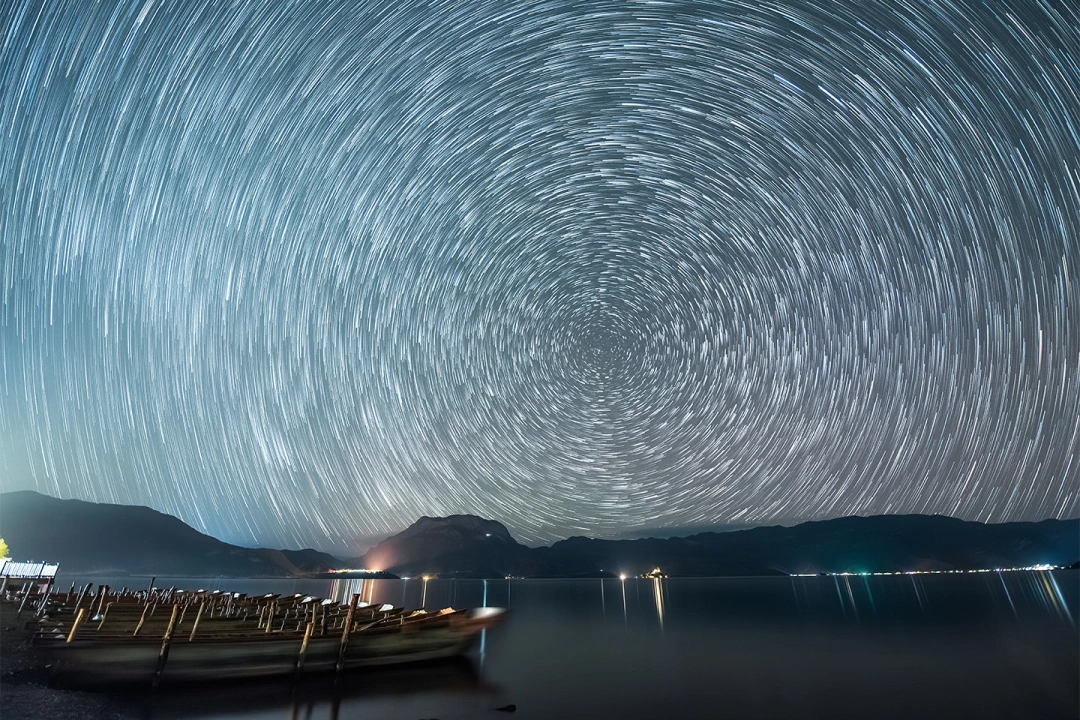
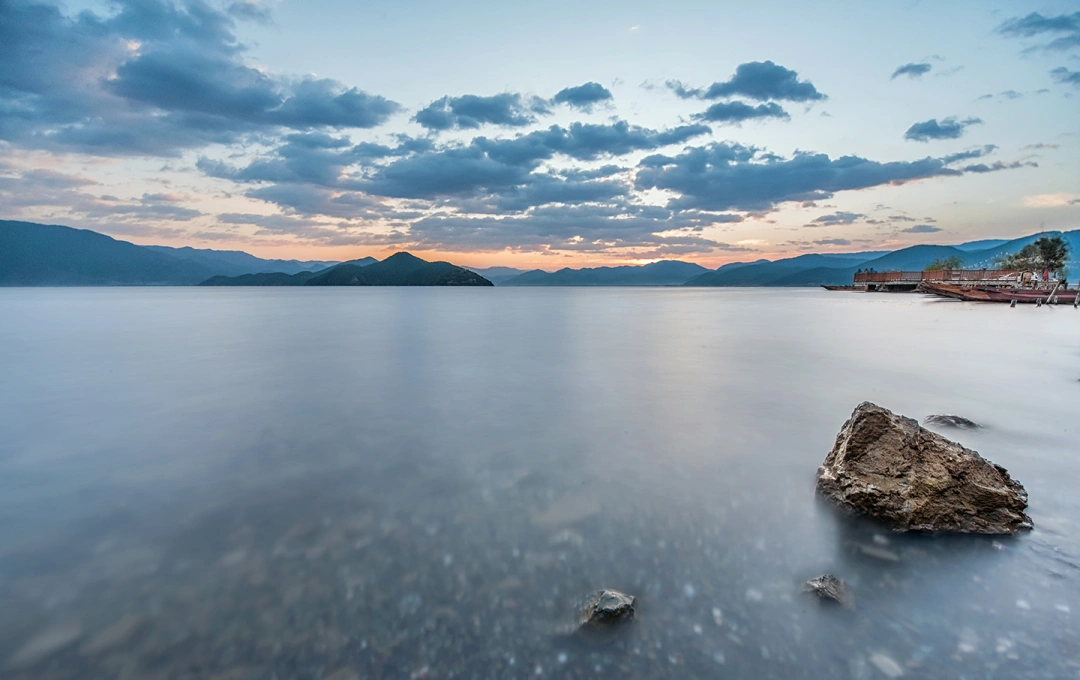
I checked into the “九七之约” (97 Promise) hostel’s capsule room (50 RMB per night). The landlady was beautiful, and the lounge had a relaxing vibe. During the day, I rode an electric scooter around the lake (70 RMB per day) and watched flocks of seagulls fly by the shore. That night, I set up to shoot star trails with a wooden boat as the foreground — only to have a couple suddenly climb onto the boat to make out, forcing me to wait over half an hour before I could restart.
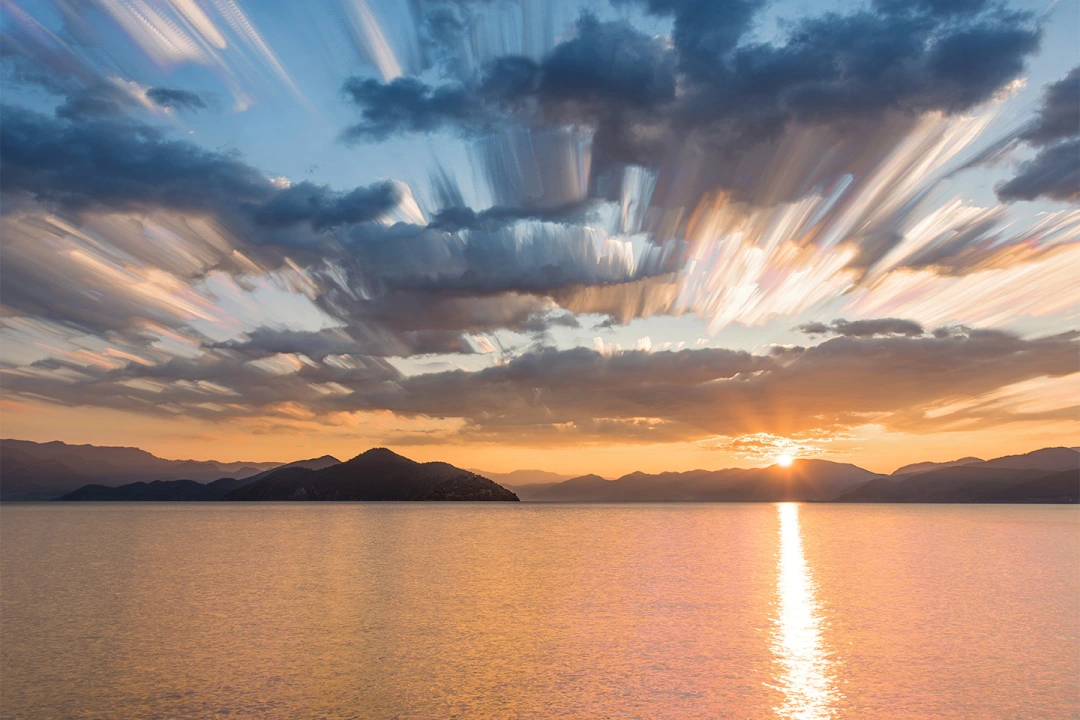
On the morning of March 19, I witnessed the most breathtaking moment of the trip: a sunrise of fiery clouds. The entire Lugu Lake turned golden. Using an ND filter for a long exposure, I captured a photo that still moves me to this day.
Meili Snow Mountain: The Emotion of Golden Sunlight
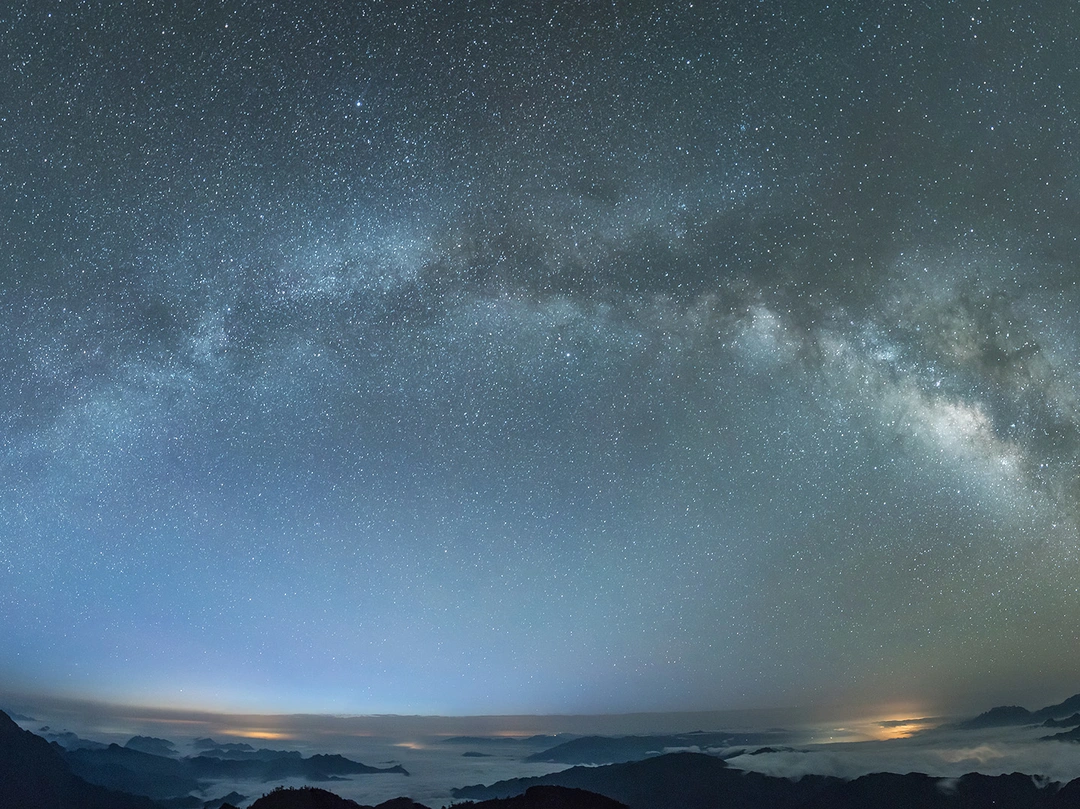
On March 20, I arrived in Deqin and headed straight for Feilai Temple (shared ride 10 RMB per person), checking into the “觉色滇乡” (Awakening Yunnan) hostel (35 RMB per bed). My roommates, two PhD students studying Tibetan culture in Meili for half a year, shared stories that deepened my respect for this land.
The next morning, I climbed to the rooftop before dawn. When the first ray of golden light struck the peak of Kawagebo, the entire Feilai Temple erupted. People cheered and celebrated, as if witnessing a miracle. Legend says only the fortunate can see the golden sunrise on the sacred mountain — and I was one of the lucky ones.
Majestic Western Sichuan: A Poem of Light and Shadow on the Plateau
Daocheng Yading: A Dialogue with the Sacred Mountains
From Shangri-La to Daocheng, it took me a full day of transfers. In Xiangcheng, I met a Korean大叔 (middle-aged man) and an Israeli couple — they had traveled through 18 countries without even bringing a phone, navigating solely by map. In Daocheng, we stayed at the “稻城妈妈” (Daocheng Mama) hostel (35 RMB per bed). The owner’s photos had been made into postcards, each one breathtakingly beautiful.
On March 23, we headed to the Yading Scenic Area (entrance fee 140 RMB, off-season discount). At Luorong Pasture (4,150 meters above sea level), I captured the peaks of Yangmaiyong and Xianuoduoji. The high-altitude air was thin and pure; every breath felt like a blessing from the sacred mountains.
Regrets and Fulfillment in Western Sichuan
Due to space constraints, I can’t detail every experience in Western Sichuan. But let me say this: the love songs of Kangding, the sea of clouds on Niubei Mountain, the glaciers of Hailuogou — every single place is worth experiencing for yourself. The beauty of Western Sichuan is the kind that makes you forget to breathe, forget the passage of time.
Mysterious Tibet: The Closest Place to Heaven
Lhasa: The Serenity of the City of Sunlight
From Chengdu to Lhasa, I chose the train. The scenery along the way was non-stop spectacle. When I arrived in Lhasa, the high-altitude sunlight poured generously over the entire city. I stayed at a hostel near Barkhor Street. Every morning, I would join the pilgrims walking their kora around the circuit, feeling the pulse of this city.
Namtso Lake: The Blue of the Sacred Lake
The beauty of Namtso Lake is the kind that leaves you speechless. The water was an impossible shade of blue, with distant snow-capped mountains reflected in it like a painting. I spent an entire day by the lake, from sunrise to sunset, capturing countless photos.
Conclusion: Solo Travel, Solo Growth
33 days, 9,405.5 RMB, three provinces, and countless unforgettable moments. This journey taught me three things:
- Solitude is a skill: When you learn to be with yourself, you realize that loneliness is actually the luxury of freedom.
- Plans never survive the road: But changes often bring surprises. Those unplanned encounters and landscapes are usually the most precious.
- The world is bigger than you think: When you step out of your comfort zone, you discover that the world is vast, and you are but a small part of it.
Finally, to everyone hesitating about whether to set off: Try traveling alone! Befriend everyone you meet, make the world your companion — you will never feel lonely.
If you enjoyed this article, feel free to follow my Weibo and WeChat Official Account. I’ll keep sharing more travel stories and photography tips.
You should also read:

Solo in Yunnan: A Wanderer’s Guide to the Land of Eternal Spring
Solo in Yunnan: A Wanderer’s Guide to the Land of Eternal Spring There’s something magical about traveling alone. No compromises, no schedules to keep, no one to please but yourself. I’ve been on the road for nearly three months now, and not once have I…
Continue reading...
Into the Hidden Valley: A Solo Journey Through the Mysterious Dulong River
Into the Hidden Valley: A Solo Journey Through the Mysterious Dulong River Deep in the northwestern corner of Yunnan Province, tucked away from the modern world, lies a place that feels like a secret whispered among mountains. The Dulong River Valley is not just a…
Continue reading...
God’s Abandoned Palette: A Self-Drive Journey Through Yunnan’s Dongchuan Red Land
God’s Abandoned Palette: A Self-Drive Journey Through Yunnan’s Dongchuan Red Land Travel has never been about reaching some distant geographic coordinate. It’s about encountering, along the way, the version of yourself buried beneath the rubble of daily routine. During this May Day holiday, I finally…
Continue reading...