A Solo Journey to China's Southern Frontier: When a Selfie Stick is More Reliable Than Your Ex
A Solo Journey to China's Southern Frontier: When a Selfie Stick is More Reliable Than Your Ex
Some trips start with a plane ticket; others start with a broken heart. My journey to Yunnan sounds like something out of a cheesy drama—a "life-realigning trip" after being completely wrecked by a toxic ex. But if you think I spent my days crying by Erhai Lake, you'd be wrong. Armed with a selfie stick, a mirrorless camera, and a heart in desperate need of healing, I set off alone for a land I'd been dreaming of for years.
Ever since I was a kid, I've had this wuxia fantasy. In my mind, Dali wasn't just about wind, flowers, snow, and moonlight—it was also home to a dashing Duan prince, his robes billowing in the breeze. The wind from Shangguan, the flowers from Xiaguan, the snow on Cangshan Mountain, the moon over Erhai Lake—none of them could compare to the ripples that a single graceful step from him would send through my heart. So when the real-life "Duan prince" turned into "Duan the scumbag," I decided to go find the Dali that truly belonged to me.
Ramblings Before Departure
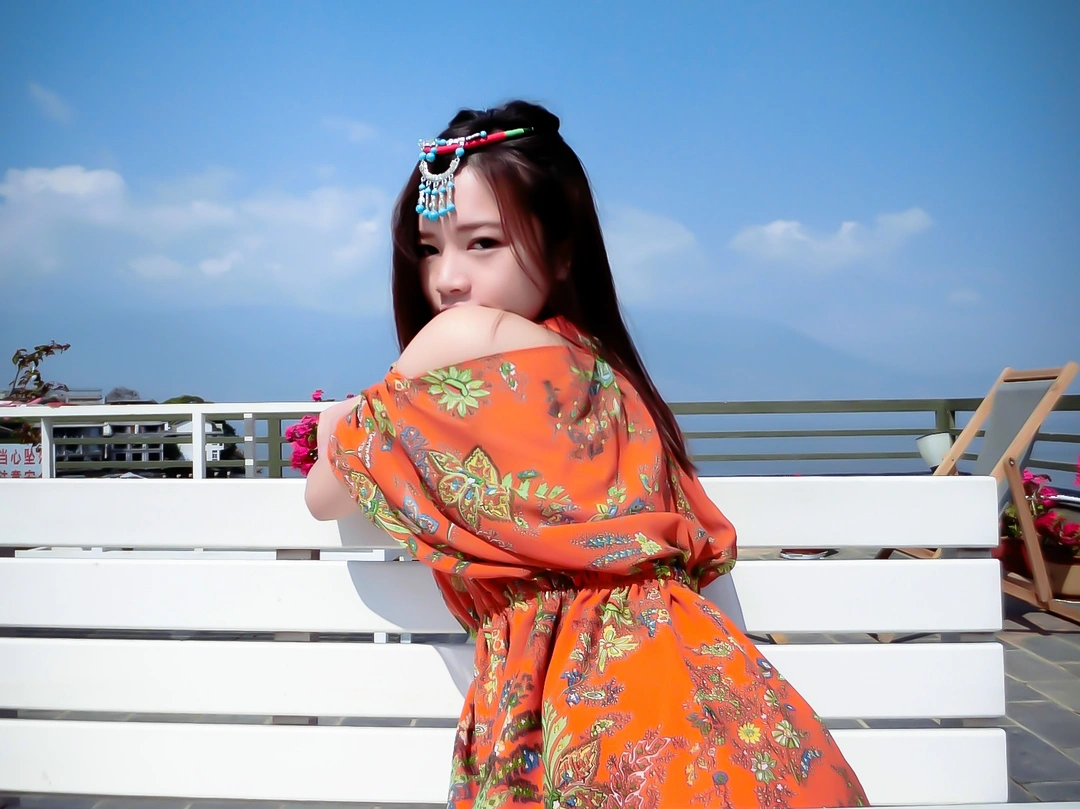
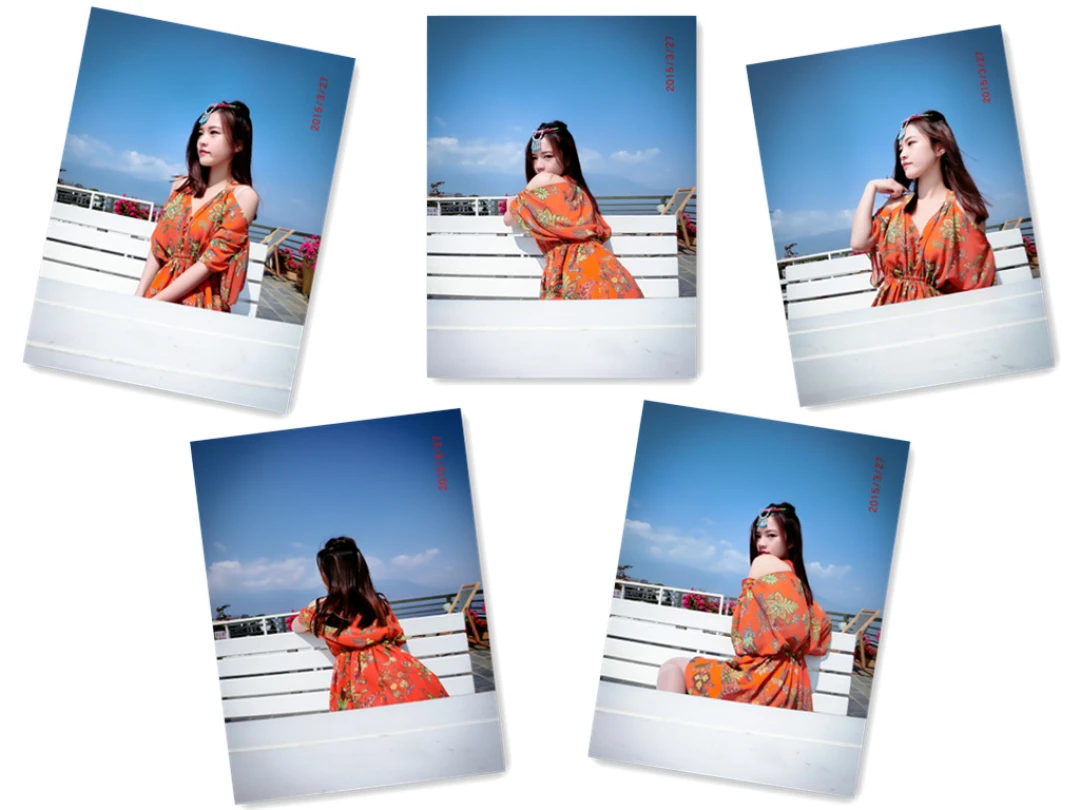
I'm no photography guru. My gear was embarrassingly simple—a phone, a selfie stick (yes, the extendable kind), and a mirrorless camera. But so what? The best thing about traveling alone is that you never have to suffer through being turned into an表情包 (meme material) by a terrible photographer, nor do you have to be traumatized by your boyfriend's horrifying shots of you. I relied entirely on the self-timer, slowly finding the right angles. After all, nobody around me knew who I was—even if people found me annoying, I could just bow, mutter "sumimasen," and disappear into the crowd.

My itinerary was pretty relaxed—play it by ear—but I roughly covered Yunnan:
Day 1: Shanghai → Kunming Airport → Cuihu Park → Yunnan University → Kunming Railway Station
Day 2: Dali Railway Station → Caicun Pier → Dali Ancient Town
Day 3: Caicun → Dali Ancient Town (Piaoxiang Tavern on Renmin Road) → Xizhou → Jiangwei → Shuanglang
Day 4: Shuanglang → East Erhai Loop → Xiaoputuo
Day 5: Shuanglang → Lijiang → Dayan Ancient Town
Day 6-7: Dayan Ancient Town
Day 8: Lijiang Ancient Town → Lugu Lake → Dazu → Caohai Walking Marriage Bridge
Day 9: Self-driving around Lugu Lake: Dazu → Xiaoluoshui → Nisai Village → Lige Peninsula → Daluoshui → Caohai → Dazu
Day 10: Lugu Lake → Lijiang Ancient Town
Day 11: Lijiang Airport → Kunming Airport → Shanghai
Chapter 1: Kunming's Slow Hours
Morning flight, three and a half hours later, landing in Kunming, the "City of Flowers." I slept like a log on the plane, then headed straight to Starbucks to wake up. Changshui Airport has 5 airport express lines and 2 special routes into the city. I was heading to Cuihu Park, so I took Airport Express Line 1 to Xiaoximen—25 yuan a ticket.
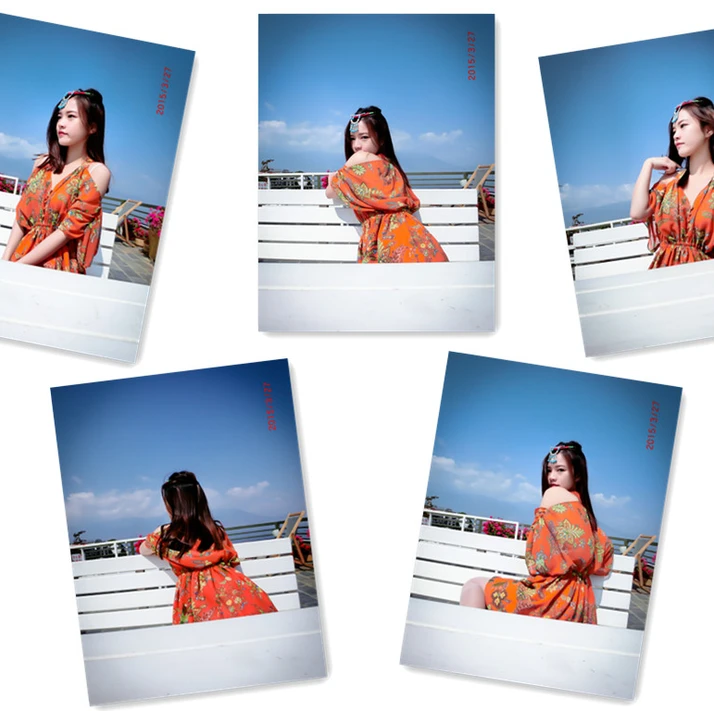
Kunming felt like a transit stop to me. I didn't have high expectations, but since it's the provincial capital, I figured I should at least check it off the list. Cuihu Park, Yunnan University, Wenlin Street—these names pop up so often in travel guides that they start to feel tiresome. But when I actually walked into them, I realized they have their own warmth.
Wenlin Street was a bit quiet during the day, with coffee shops and bars standing side by side. At two in the afternoon, there weren't many students around—just a few scattered in the cafés, reading or playing games on their phones. I slipped into a place called Coffee Break, two floors, a decent menu. Besides the usual lattes and mochas, they had plenty of single-origin coffees. I ordered a Guatemalan pour-over, a slice of cheesecake, a cherry black tea, and a yogurt waffle—yes, all for myself, and I sat there the whole afternoon. I noticed several tables ordering a giant Jeju Island special shaved ice. I heard the owner was a handsome Korean guy, but given the weather… I passed.
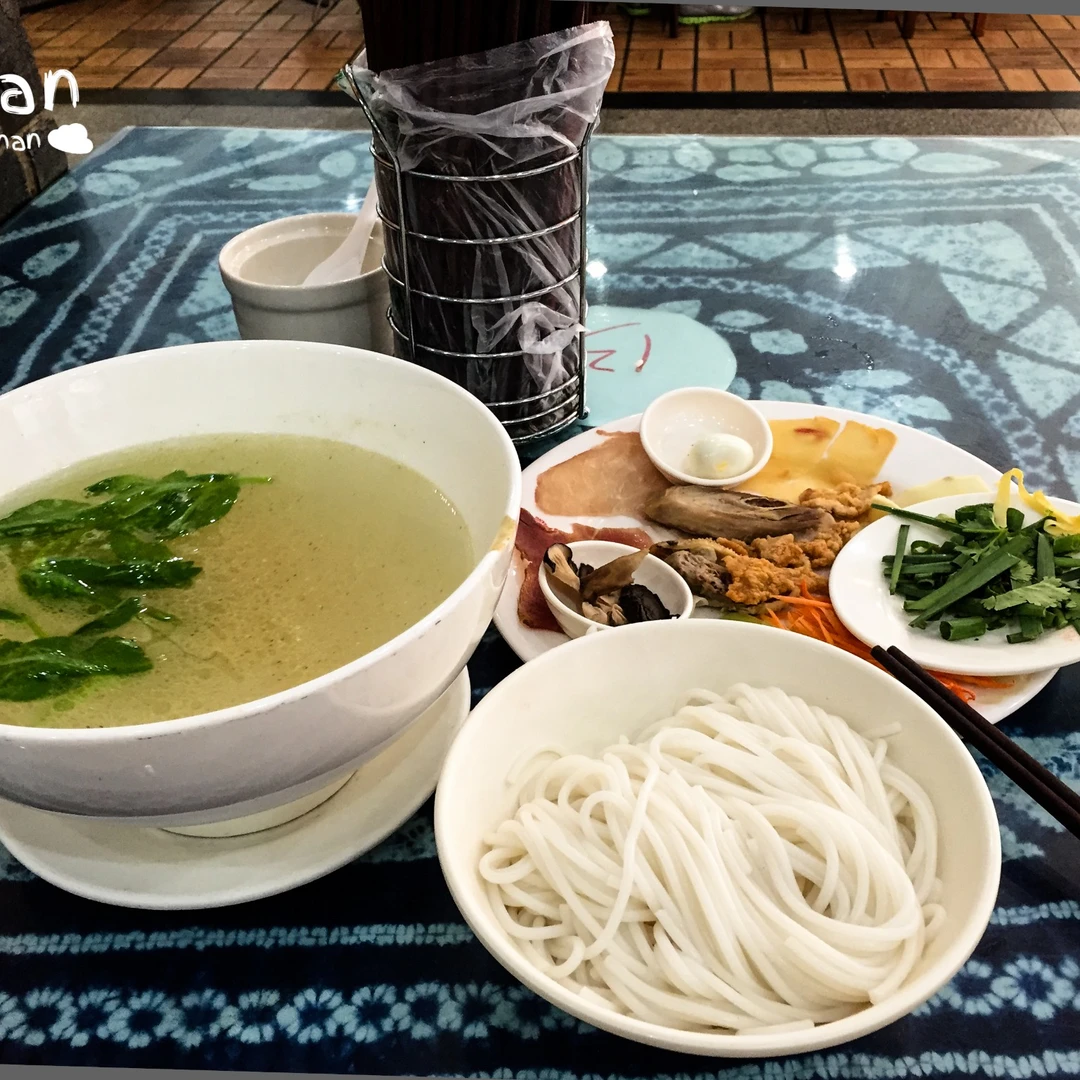
In the evening, I spotted a Qiaoxiangyuan Cross-Bridge Rice Noodles (桥香园过桥米线) shop by the roadside. I ordered a "zhuangyuan" (scholar) set. The server instructed me: "First the raw ingredients, then the cooked ones; first the meat, then the vegetables; eat the noodles first, then drink the soup." I followed the instructions. The broth was genuinely delicious, but on the first sip, I didn't notice the layer of oil on top—it scalded my tongue, and I almost burst into tears.
At 10 PM, I caught the train to Dali. Given what happened at Kunming Railway Station last year, I was a bit nervous. I insisted the cab driver drop me right at the security checkpoint. Then came the 8-hour train ordeal—my back ached, my whole body was wrecked.
Chapter 2: Dali, I've Finally Arrived
An Unexpected Encounter at Caicun
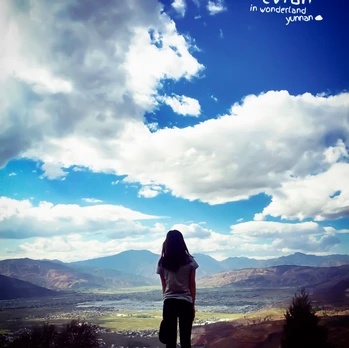
At 6:08 AM, the sky was still pitch black. I dragged my luggage out of Dali Station. Facing the swarm of touts offering illegal taxi rides, I just wanted some peace. I walked over to a food stall near the station, spotted two girls at a table, sat down, and ordered a bowl of 饵丝 (Ersi, a Yunnan-style rice noodle dish). Why "spotted"? As the saying goes, "At home, rely on your parents; when you're out, rely on your friends." Two pretty young women, looking lost and alone—of course I started chatting them up. And just like that, we formed a temporary little team.
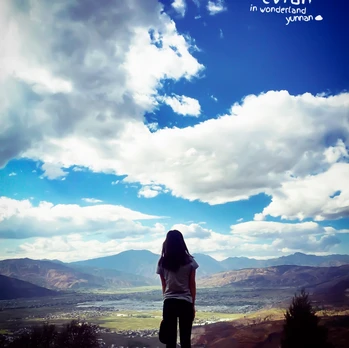
The Ersi was spicy and soft, quite tasty, but that wasn't the point. The point was that these two Sichuan girls had done zero research, which gave me the perfect chance to play "tour guide." After eating, we decided to head to Caicun Pier—northeast of Dali Ancient Town, right by Erhai Lake. We chose not to stay inside the ancient town because we preferred the relaxed vibe by the lake. Caicun is close to the ancient town but much quieter.
The illegal taxi drivers are seriously shady. Unless you stay at a hotel they recommend, the fare jumps from 20 yuan per person to 60 yuan per person. We opted for the No. 8 bus to Dali Ancient Town (about an hour), then transferred to the No. 2 bus to Caicun Pier.
The Secret of the Star-Gazing Room

I stayed at Dali Huafang Inn (大理花房客栈) in a star-gazing room with a view—256 yuan a night. Above me was the night sky, and the room had a private little terrace where I could look out over Erhai Lake. The only downside: for someone like me who sleeps until noon, the sunlight would wake me up during the day. Other than that, everything was unrealistically beautiful.
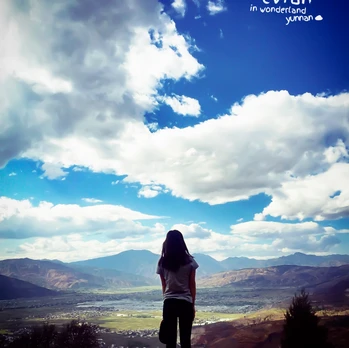
Caicun is tiny—so tiny that you can run into like-minded people by the roadside, in restaurants, or at inn cafés. That afternoon, I teamed up with "Leilei," a music-loving girl from Wuhan who was also traveling solo, and we rented a little scooter for a west-coast tour around the lake. We passed through "Xiajiyi Village," "Majiuqi Village," and "Baitayi," heading north all the way.
Riding about 5 kilometers along the West Ring Road brings you to Erhai Lake. If you go 14 kilometers south, you'll reach Longkan Pier, the filming location for the "Wutong Inn" from the movie Heart Soaring (心花路放). The inn was originally called "Yundu Erhai Inn" (云度洱海客栈), and unless you're a guest, they won't let you in. The bar next door, "Night Bar," was much friendlier—free to enter.
The weather in Dali is a mystery. At noon, you're in a tank top and shorts; by afternoon, the wind picks up and you need a jacket; by evening, you're in long pants, a sweater, and a baseball cap—four seasons in one day. And it can start raining at the drop of a hat, so an umbrella is a must in your bag.
While taking shelter from the rain that evening, I stumbled upon a pizza place called Cuitian (翠田) in Xiajiyi Village. A Western restaurant in a tiny village? They even had a Spanish chef specializing in paella—unfortunately, on that day, they only had ribs, no seafood.
A Night in Dali Ancient Town

Back in Caicun that evening, I changed into warmer clothes and headed straight for Dali Ancient Town with Leilei (20 yuan by taxi). Yangren Street (Huguo Road) was mostly bars and ethnic-style souvenirs; Renmin Road was lined with food stalls, and the famous Piaoxiang Tavern was on this street; Yuer Road was the main thoroughfare, with the Wuhua Tower in the middle.
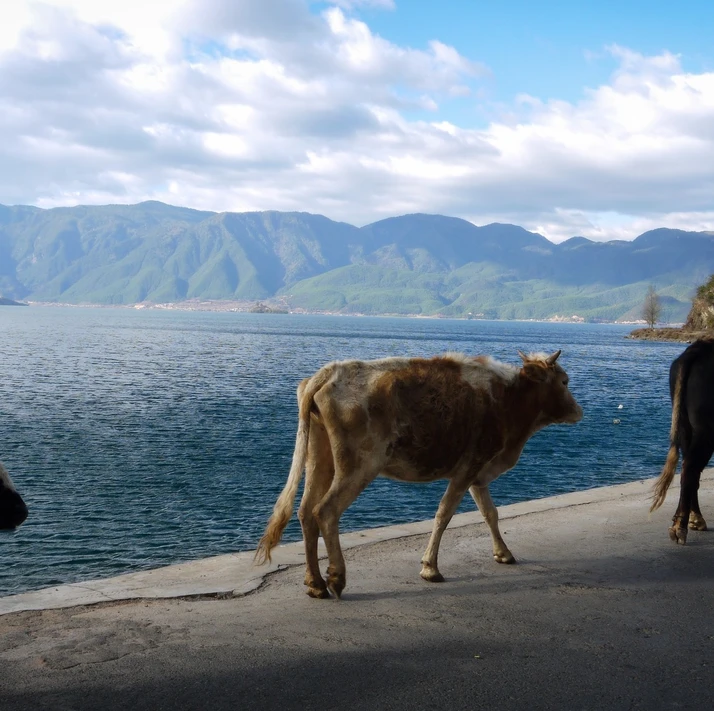
A fellow travel blogger once said: "Dali is like a simple country girl—you can always see her true face; Lijiang, on the other hand, is like a heavily made-up woman—you only catch a glimpse of her real self in the early morning and late at night." I couldn't agree more. Dali preserves the original look of its old buildings, which haven't been overly commercialized.
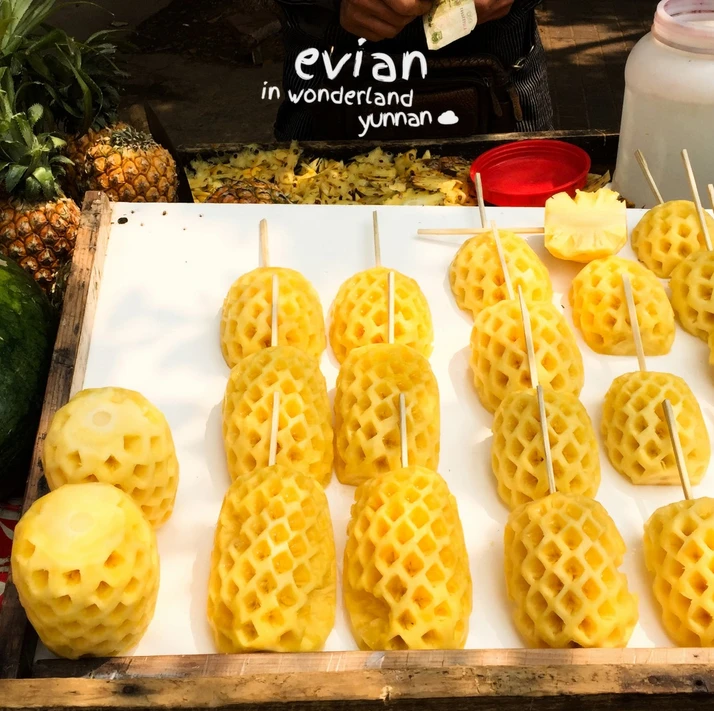
The freshly squeezed grape juice sold by the roadside for 10 yuan a bottle was decent, and the pineapple juice was a strong recommendation. The 乳扇 (rushan, a dairy fan-shaped snack) had a strange texture and was sticky to the teeth, but worth a try. Most shops in Dali Ancient Town close by 11 PM, leaving only a few food stalls. Leilei and I were starving, so we stopped by Gucheng BBQ (古城烧烤). The stone-grilled meat was unique—chicken hearts, gizzards, pork belly, chicken cartilage, beef—paired with Dali Brewery's V8 or "Wind, Flowers, Snow, Moon" beer, it was perfect.
Chapter 3: From Shuanglang to the East Erhai Loop

The "Self-Service" at Piaoxiang Tavern
The next day, I was woken up by the sun again—the star-gazing room should really be renamed the sunroom during the day. Leilei, two other friends from Huafang Inn, and I went to try the legendary Piaoxiang Tavern (飘香酒馆, No. 132, Lower Section of Renmin Road). This place is famous entirely because of the owner's bad temper: you order yourself, pour your own tea, serve your own rice, carry your own dishes, and after eating, you clean up everything yourself, including wiping the table—I almost rolled up my sleeves to wash the dishes! But the food was genuinely good. The signature "Piaoxiang First Dish," Piaoxiang Ribs, sweet and sour pork—four of us ate for over 200 yuan, totally worth it.
Leilei was an artistic soul. She actually brought a guitar on her trip. She was obsessed with 鲜花饼 (flower cakes) and was very picky—they had to be freshly made, with a thick filling and flaky crust. I accompanied her to try six or seven shops before we found Huazhiyuan (花之缘) on Renmin Road. Besides flower cakes, their nougat was also excellent.
Yunnan small-grain coffee is famous, and you can find it everywhere in the ancient town. Coffee shops also offer single-origin beans, divided into round beans and flat beans. Small-grain coffee grows best at altitudes between 800 and 1,800 meters—too high, and it turns sour; too low, and it becomes slightly bitter. Yunnan's small-grain coffee is rich without being bitter, fragrant without being harsh, with a fruity note—it belongs to the Colombian wet-processed category.
The Seaview Room in Shuanglang
It started raining in Dali, so Leilei and I ducked into a juice bar nearby. It was a tiny place with four Hurom juicers and five kinds of fresh fruit and vegetable juices. I ordered a carrot apple juice, but the staff went to a branch to juice a carrot juice and brought it up—he said each juicer was dedicated to one flavor and couldn't be used for others.
I said goodbye to Leilei and took a minivan to Shuanglang (20 yuan per person). When traveling alone, always send the license plate number and driver's ID to a friend. There are plenty of kind people out there, but one bad encounter could be fatal.
I checked into Xiangyun Xiaogui Seaview Resort Inn (小巷云归海景度假精品客栈), located on the north side of Shuanglang, right by Erhai Lake, in a simple European style. The owner had three big dogs. When I arrived, there was a film crew shooting. I booked a seaview standard room (the big bed room was taken)—large floor-to-ceiling windows, falling asleep to the sound of the waves.
Freedom Around Erhai Lake
Day four's plan was simple: rent a scooter and take the east loop, a 40-kilometer round trip to Xiaoputuo and back. I slept in, brewed a cup of Yunnan small-grain instant coffee, and sat on the inn's rooftop terrace. The weather was great, perfect for photos. Friendly reminder: Dali is over 1,000 meters above sea level, with intense UV rays—don't forget sunscreen.
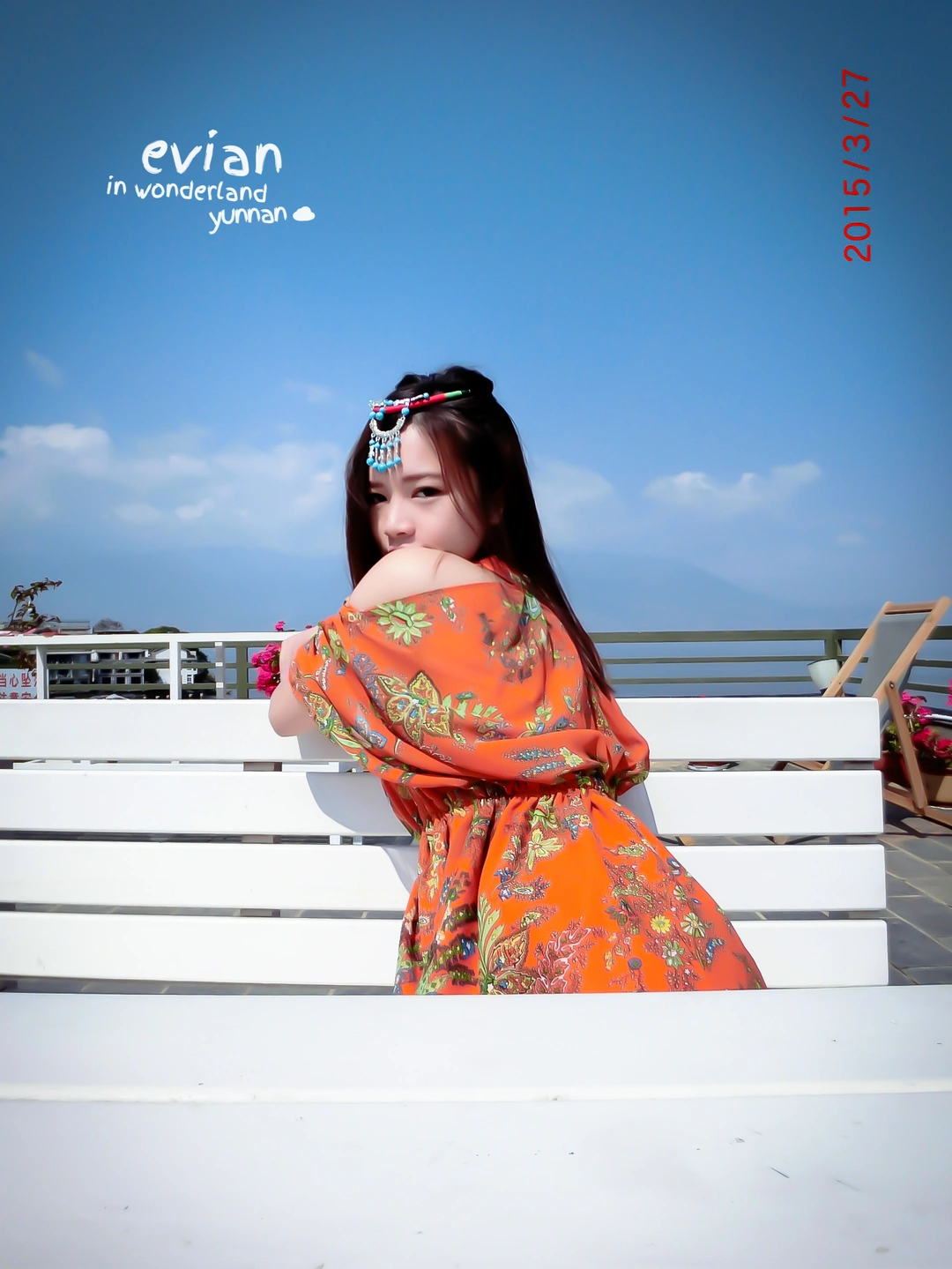
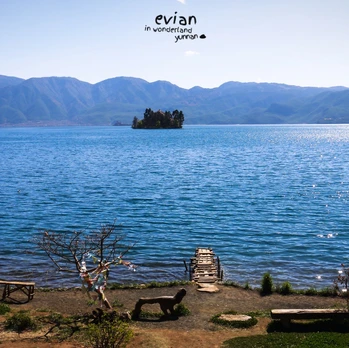
At noon, I grabbed a bowl of spicy cold noodles at a corner rice noodle shop—strongly recommended by two guys from Northeast China, and it was indeed heavy on the seasonings. Then I moved to Yishuiyunjü Inn (依水云居客栈)—coincidentally, my Chinese name is Yiyun, and my English name is Evian, so this inn felt like home. The fourth-floor terrace was beautiful, with white "Haidilife-style" tables and chairs, railings full of flowers, and a view overlooking Yuji Island.
In the afternoon, I strolled along Bar Street. Day and night were completely different worlds—at night, laser lights flashed, tourists and drunks mingled; during the day, sunlight poured down, white umbrellas sat next to boats on the lake, and flocks of seagulls skimmed the water's surface, instantly giving off a lazy summer vibe.

The Erhai Lake cruise has developed into a well-organized tourist activity—10 yuan per person, 30 minutes, circling Nanzhao Customs Island, Yuji Island, Haidilife, and Yang Liping's Art Hotel. Flocks of seagulls circled the boat; if you had food, they'd linger for a long time.
I rented a pink scooter and started the lake loop (40 yuan, return by 8 PM). Route: Shuanglang Town → Wase Town (Xiaoputuo), 20 kilometers one way, 4 hours round trip. It was my first time riding a scooter. The shop owner gave me a quick lesson, and I was off. I nearly got into trouble a few times when I stopped to take photos—I forgot that after braking, I had to turn the key to kill the engine to fully stop. Once, when I got off, I accidentally pushed the throttle, and the scooter shot forward. I stumbled after it for a few steps before letting go, barely avoiding crashing into the lake. When you're alone, safety comes first.
Chapter 4: Lijiang—Romance or Culture Shock?
New Friends on the Bus
The bus from Shuanglang to Lijiang cost 79 yuan per person, a three-and-a-half-hour ride. It's best to book tickets online a day in advance or ask the hotel owner to help. A special three-wheeled cart picks you up and takes you to the bus stop near the highway entrance.
Before departure, I ordered a huge table of food for myself at Bar Street—probably because I felt I'd skimped on dinner the night before. And that's how I met "Yaya," who would appear frequently in the rest of my trip. She was also eating alone, and by chance, we were seated at the same table. Coincidentally, she was also heading to Lijiang that day, so we agreed to meet up in the evening.
I checked into Lijiang Dream Journey Chain Cloud View Inn (丽江梦之旅连锁云巅观景客栈), located just outside Dayan Ancient Town, near the north gate on Jinhong Road, about a 10-minute walk. I chose this place for three reasons: first, I didn't want to stay inside the noisy ancient town; second, they had a huge terrace with a view of white walls and gray tiles—I have a lifelong love for terraces; third, they had a grand opening discount, so it was cheap.
Yaya's Story
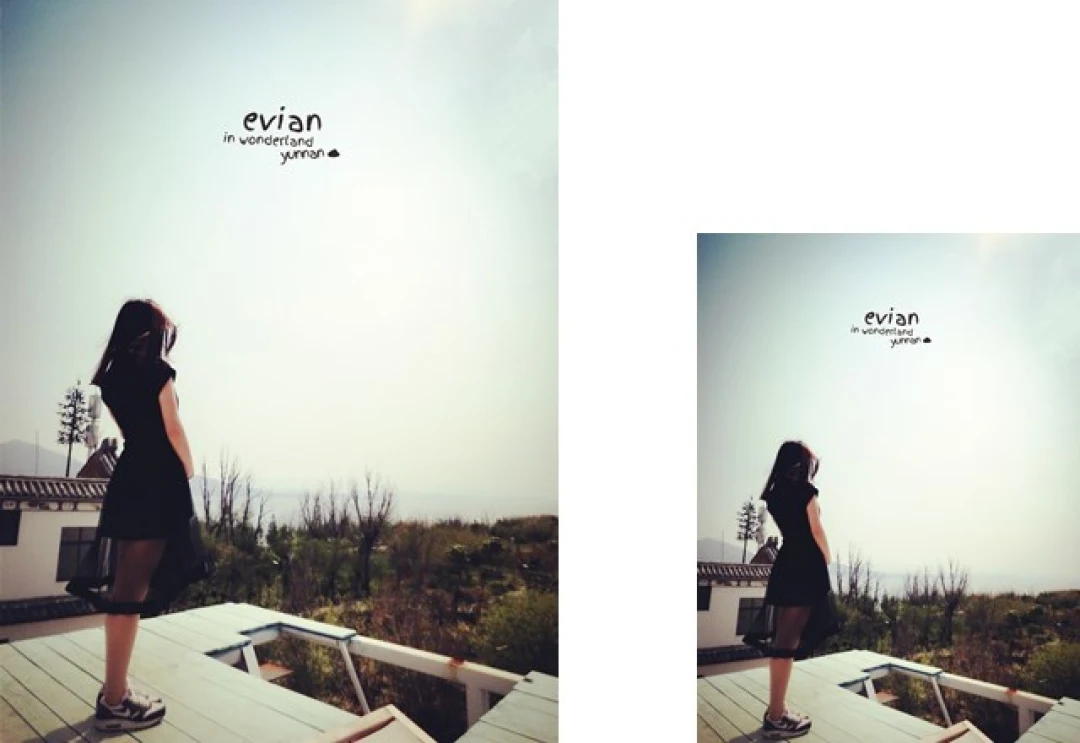
Yaya and I met at Sifang Street. Dayan Ancient Town's streets are much more winding than Dali's—twisty and easy to get lost in on your first visit. That evening, we went to Dongba View Bar on Lion Hill, eating, drinking, and chatting.
Yaya moved to New York with her family when she was a child and had only returned to China a few months ago. Since her memories of China were vague, she started in Fujian and planned to travel the entire country. Lijiang was her fifth stop, preceded by cold, aloof cities like Shanghai and Hong Kong. Compared to them, Lijiang was much more welcoming, and she fell in love with it immediately, already staying for nearly three weeks.
An Unexpected Halt
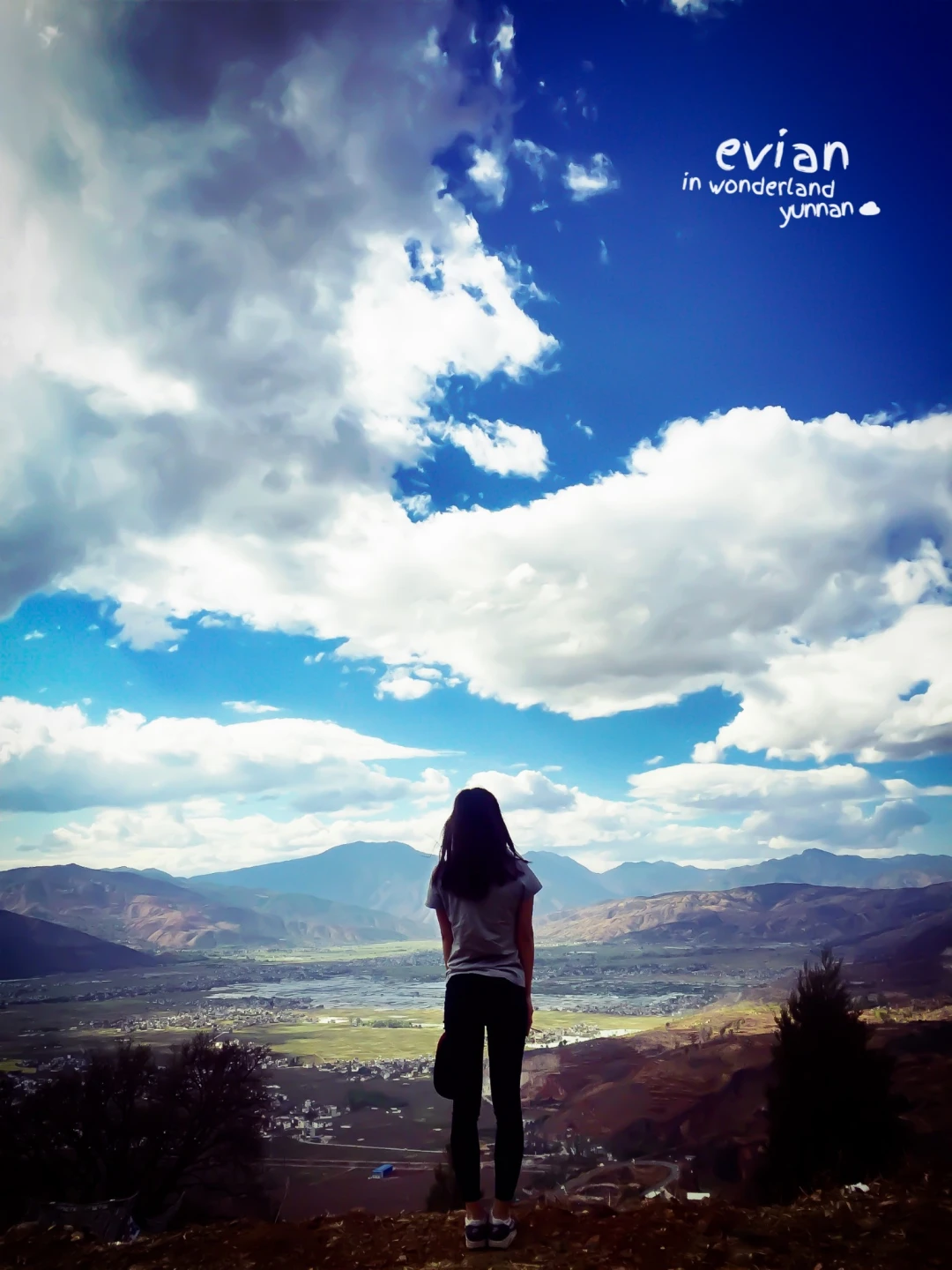
My original plan for the next two days was to go to Meili Snow Mountain to see the "Sunshine on Golden Mountain" sunrise, using Dayan Ancient Town as a transit point. But starting the second day, I suffered from culture shock—or maybe altitude sickness (Lijiang is 2,400 meters above sea level), or the drastic temperature difference between day and night had given me a cold. I was vomiting uncontrollably, and my snow mountain trip was completely derailed.
Chapter 5: Lugu Lake—The Final Healing

Gongga's Home in Dazu
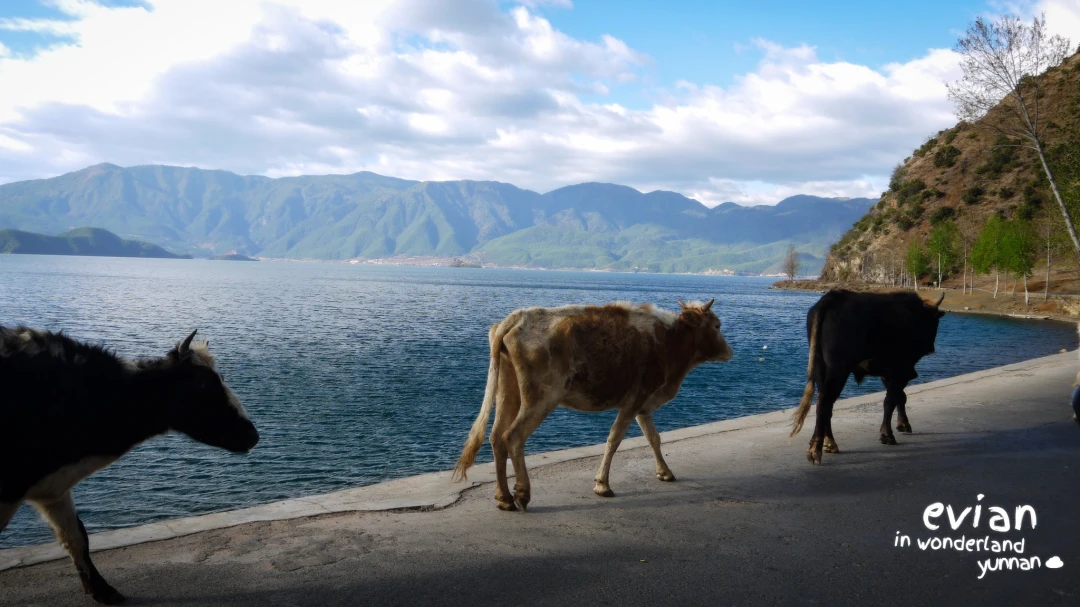
After a long bus ride from Lijiang Ancient Town, I finally arrived at Lugu Lake. I stayed at Gongga's Home (贡嘎之家) in Dazu, a Tibetan-style inn. There was none of Dali's bustle or Lijiang's noise—just the stillness of the lake and the simplicity of the Mosuo people.
The Caohai Walking Marriage Bridge is Lugu Lake's iconic landmark. The bridge spans the grassy sea, connecting Mosuo villages on both sides, and is a traditional meeting place for Mosuo lovers. I stood on the bridge, looking out at the endless reeds. The wind blew, rustling the reeds, and all those messy thoughts in my head seemed to be blown away as well.
A Day of Self-Driving Around the Lake
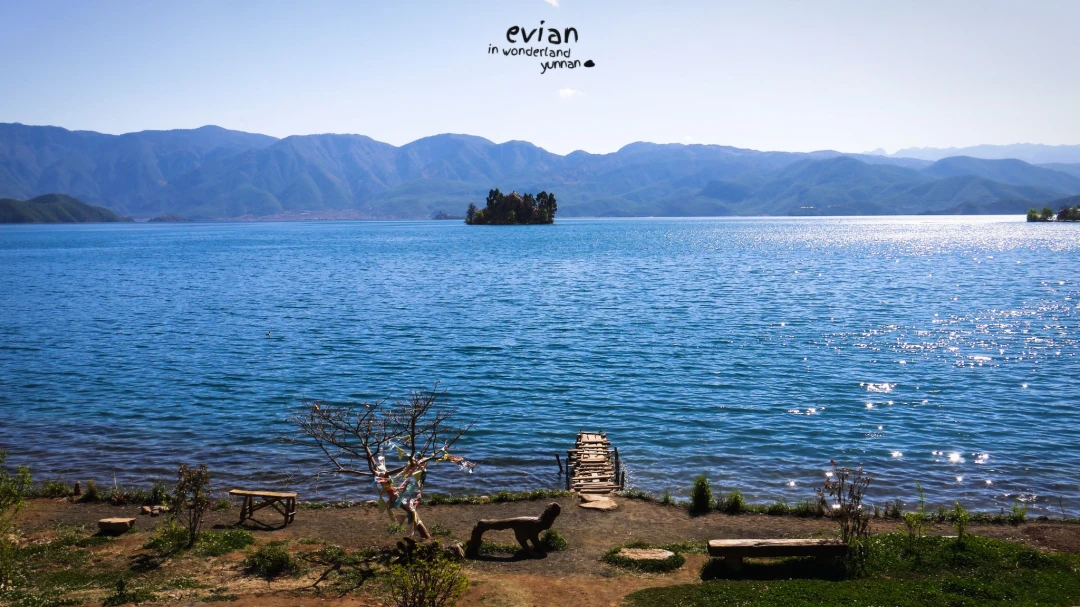
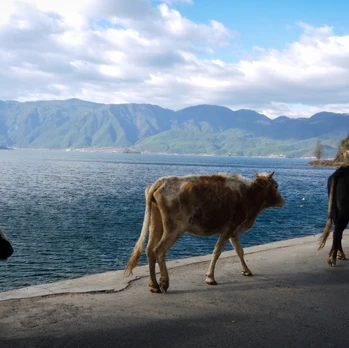
The next day, I rented a car and started the lake loop: Dazu → Xiaoluoshui → Nisai Village → Lige Peninsula → Daluoshui → Caohai → Dazu. Lugu Lake's beauty is the kind that doesn't need a filter. The water was an impossible shade of blue; the sky hung so low it felt like I could reach up and touch the clouds. The viewing platform at Lige Peninsula is the best spot for a "heart-shaped bay" photo. I held up my selfie stick, trying all angles—after all, nobody around knew who I was.
At Nisai Village, I came across a couple taking wedding photos. The photographer had them running, laughing, and looking at each other by the lake. I sat nearby and watched for a long time, thinking: Love, sometimes, really isn't as reliable as a selfie stick. At least a selfie stick won't cheat on you, won't disappoint you, and you can pose with it however you want.
Epilogue: A Solo Journey to China's Southern Frontier

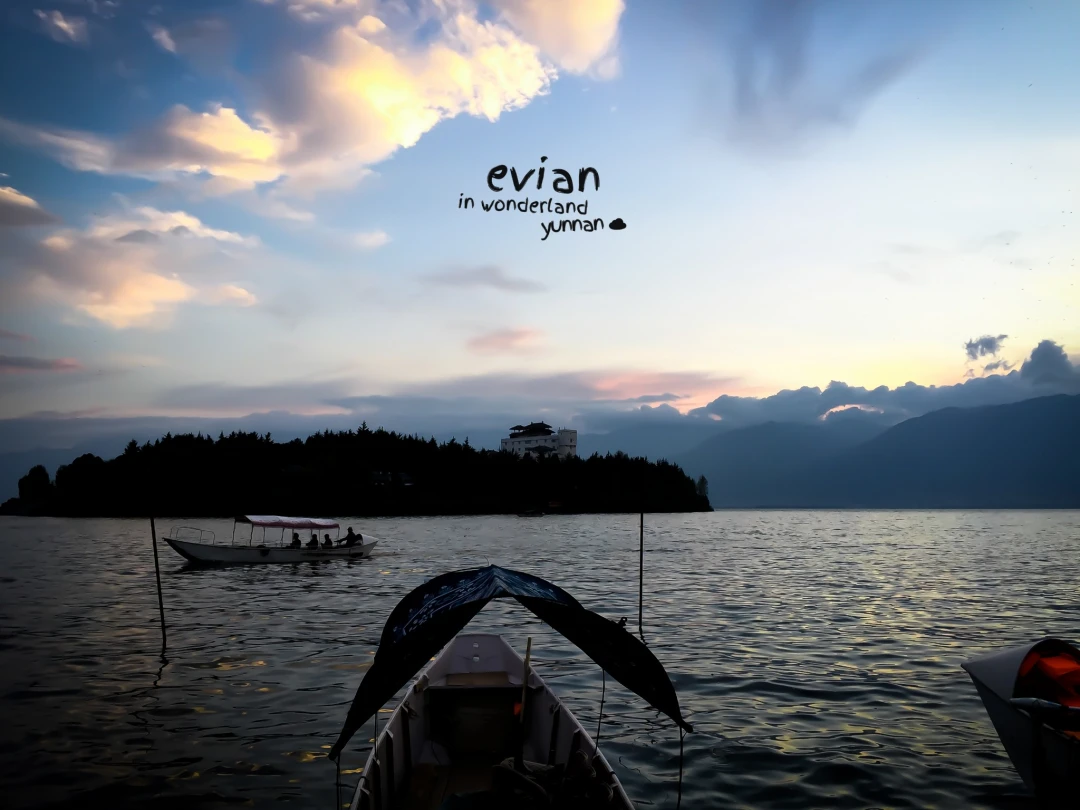

An 11-day journey, from Kunming's rice noodles to Dali's Erhai Lake, from Lijiang's ancient town to Lugu Lake's grassy sea. I set out with a broken heart and returned with a suitcase full of stories.
People ask me: Don't you get lonely traveling alone? Honestly, sometimes I do. But more often than not, you realize the world is gentler than you think. You meet strangers like Leilei and Yaya, who become beams of light on your journey. You learn to be with yourself, to find your way in unfamiliar cities. You understand that some landscapes are only truly breathtaking when you see them alone.
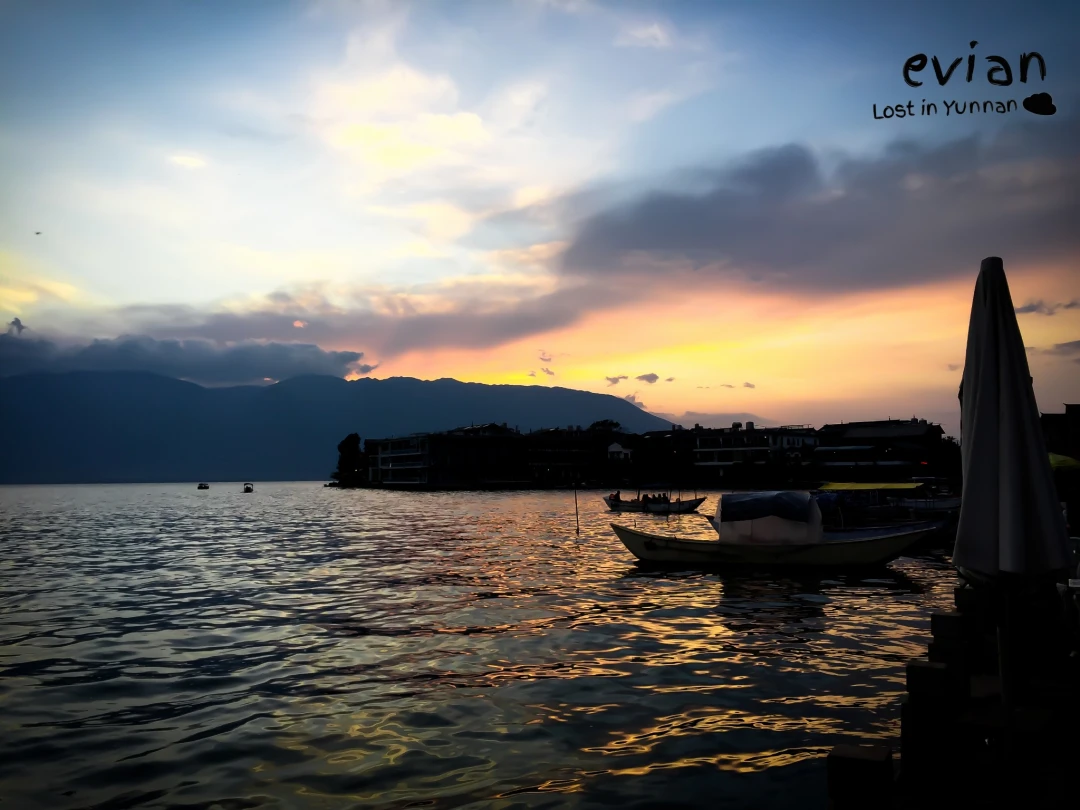
And is a selfie stick more reliable than a boyfriend? The answer is yes. It won't complain about your angles, won't get annoyed at how many photos you take, and won't disappear when you need it most. Plus, it will never cheat on you.
A Few Final Tips:
- Safety First: When traveling alone, always send the license plate number and driver's ID to a friend. If you take an illegal taxi, ask for the driver's license.
- Sunscreen, Sunscreen, Sunscreen: Yunnan's UV rays are intense. Don't think you can skip it just because it's cloudy.
- Bring an Umbrella: Yunnan's rain comes and goes without warning.
- Selfie Stick: Trust me, it's more reliable than a boyfriend.
- Go with the Flow: Plans change. Sometimes, unexpected detours bring the most unexpected scenery.
The beginning of this trip was cheesy, but the ending was beautiful. China's southern frontier, seen alone—just right.
You should also read:

Solo in Yunnan: A Wanderer’s Guide to the Land of Eternal Spring
Solo in Yunnan: A Wanderer’s Guide to the Land of Eternal Spring There’s something magical about traveling alone. No compromises, no schedules to keep, no one to please but yourself. I’ve been on the road for nearly three months now, and not once have I…
Continue reading...
Into the Hidden Valley: A Solo Journey Through the Mysterious Dulong River
Into the Hidden Valley: A Solo Journey Through the Mysterious Dulong River Deep in the northwestern corner of Yunnan Province, tucked away from the modern world, lies a place that feels like a secret whispered among mountains. The Dulong River Valley is not just a…
Continue reading...
God’s Abandoned Palette: A Self-Drive Journey Through Yunnan’s Dongchuan Red Land
God’s Abandoned Palette: A Self-Drive Journey Through Yunnan’s Dongchuan Red Land Travel has never been about reaching some distant geographic coordinate. It’s about encountering, along the way, the version of yourself buried beneath the rubble of daily routine. During this May Day holiday, I finally…
Continue reading...