A Tale of Two Cities in Southern Yunnan: Rediscovering Life's Slow Pace Amidst Xishuangbanna's Lively Energy and Pu'er's Coffee Aroma
A Tale of Two Cities in Southern Yunnan: Rediscovering Life's Slow Pace Amidst Xishuangbanna's Lively Energy and Pu'er's Coffee Aroma
When the biting winter wind of the north finds its way through your collar, have you ever dreamed of a spontaneous escape? This time, my destination wasn't some distant foreign country, but two small cities in southern Yunnan—Xishuangbanna and Pu'er. One embraces you with the warmth of tropical rainforests, the other soothes you with the rich aroma of coffee. Over four days, from the Starry Night Market along the Lancang River to century-old villages on the Ancient Tea Horse Road, I encountered two vastly different yet equally gentle ways of life.
From Below Zero to Above: A Warm Journey Across Three Thousand Kilometers
The December wind in Beijing is the kind that cuts through even the thickest down jacket. But when I stepped out of the Xishuangbanna Gasa Airport terminal, a wave of tropical air, laced with the sweet scent of jackfruit, washed over me, instantly melting away the fatigue of travel. That feeling—of bone-deep chill dissolving under tropical sunlight—is perhaps the very essence of travel.
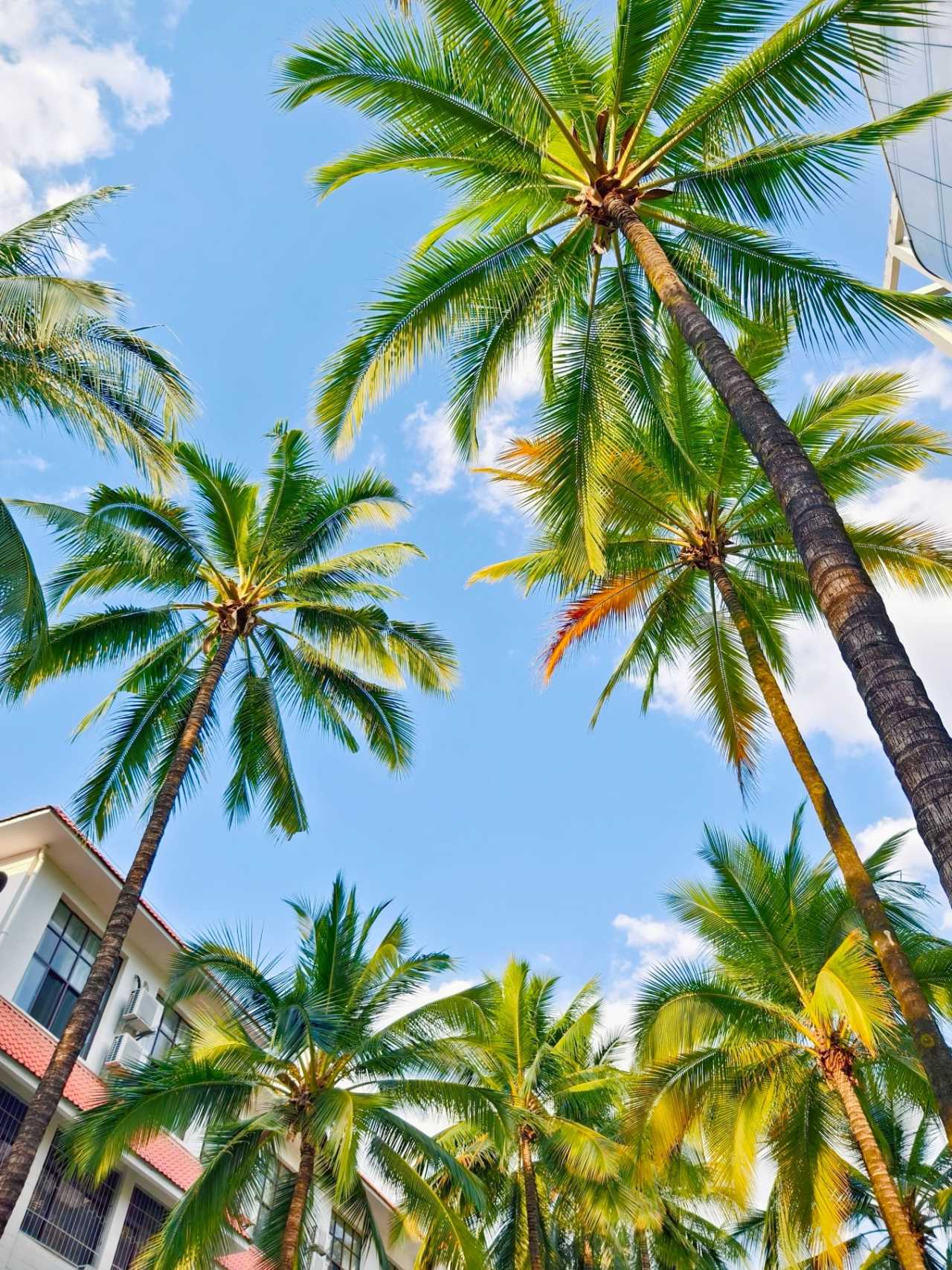
Palm trees swayed gracefully along the roadsides, and the silver spires of Dai-style architecture glistened under the sun. This city greeted me in the most direct way possible: welcome to the gentle embrace of the land south of the Tropic of Cancer.
The Pristine Beauty of Boruo Temple: Finding Inner Peace Beneath a Pure White Stupa
First Encounter: An Untainted White Stupa
Driving through rubber plantations, the mountain roads grew increasingly quiet. Nestled amidst a sea of green hills, a pure white stupa quietly emerged. Unlike the golden, ornate temples elsewhere in Xishuangbanna, Boruo Temple's beauty lies in its restraint—entirely white, devoid of intricate carvings or vibrant paintings, its simple geometric lines reaching upward, pointing to the blue sky.
The afternoon sun bathed the stupa, making the entire structure seem to glow. I walked around it three times, feeling the warmth of the bluestone slabs beneath my feet. The only sound was the rustle of wind through the trees. In that moment, time stood still.
Practical Tips
- Location: Outskirts of Jinghong City, near the airport
- Admission: Free
- Best Time: After 4 PM, when the light is soft and the midday heat has passed
- Note: Walk clockwise around the stupa, dress modestly, and remove shoes inside the temple. No commercial facilities, so bring your own water.
The Five Trees and Six Flowers Cultural Town: Overlooking the Entire City from a Hilltop
Strictly speaking, this place is a sales office, but its uniqueness lies in its location—the former site of the Xishuangbanna Dai King's Palace. The observation deck, perched halfway up the hill, offers an unobstructed view of the city across the Lancang River. Even without taking photos, simply standing there and feeling the breeze is a pleasure in itself.
This is also an ideal spot for watching the sunset. From the moment the sun begins to dip until the city lights flicker on one by one, the experience feels like owning the entire city.
If you're interested in history, you can also visit the nearby ruins of the Dai King's Palace. Although only the tallest of the nine Xishuangbanna pagodas and a sacred spring remain, these remnants take on a unique charm at dusk.
Practical Tips
- Parking: Free
- Transport: About 7 km from Gaozhuang
- Admission: Free
Xishuangbanna Ethnic Museum: A Time Tunnel Through Millennia
If you want to understand the region's past, this is the best place to start. From Neolithic stone axes to the ornate robes of Dai kings, from ancient palm-leaf manuscripts to the rise of the modern rubber industry, every exhibit tells a story of Xishuangbanna.
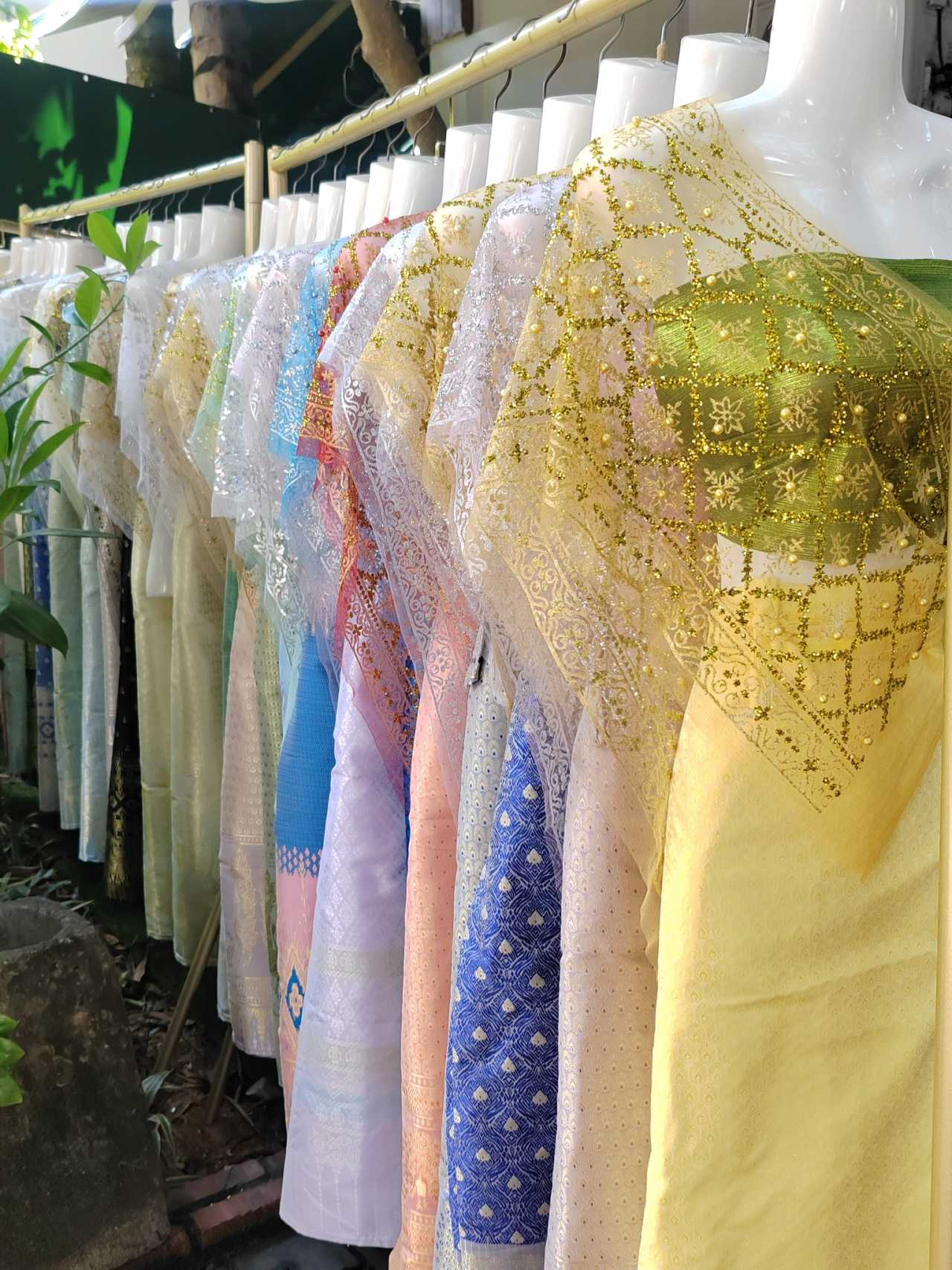
What left the deepest impression on me was the Dai brocade exhibition area. These vibrantly colored textiles, with intricate patterns featuring flowers, birds, people, and landscapes, are each a masterpiece of craftsmanship. Standing before them, you can feel the wisdom and creativity of ethnic minorities flowing through their fingertips.
The museum's natural ecology section is also worth a visit, showcasing the region's unique flora and fauna and offering a more comprehensive understanding of this land.
The General Buddhist Temple and Manting Park: A Symphony of Faith and Nature
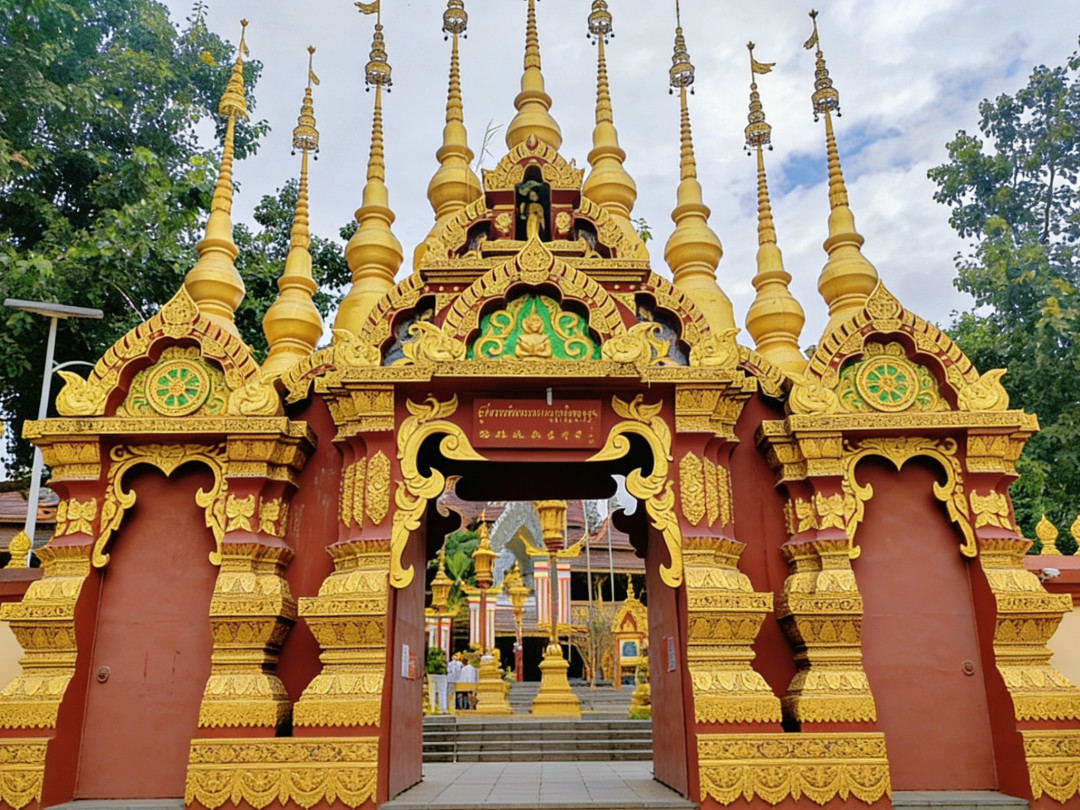
The General Buddhist Temple is one of the oldest in Xishuangbanna, with a solemn and majestic architectural style. Golden stupas gleam in the sunlight, and the colorful murals inside depict Buddhist stories with great artistic value. Wandering through the temple, surrounded by the scent of incense and the occasional sight of devout worshippers, you feel a profound religious atmosphere.
Exiting the temple, you enter Manting Park, once the royal garden of the Dai kings. Ancient trees tower overhead, and lush vegetation abounds. The Release-Life Lake ripples gently, with willows swaying by the shore and schools of koi fish adding a touch of vitality.
As evening falls and the sun sets, the lake's surface shimmers with golden light, painting the park in warm hues. It's a perfect time for photography.
Xishuangbanna Tropical Botanical Garden: A Green Wonderland
"If you can only visit one place in Xishuangbanna, make it this one." This is no exaggeration—it's the heartfelt recommendation of someone truly healed by nature.
The bluestone path winds beneath your feet, traveler's palms spread their giant leaves beside you, and sunlight filters through the layered canopy. Inhale deeply—the air, rich with negative ions, carries the refreshing scent of plants. This is a true natural oxygen bar.
Morning: Stepping into a Real-Life "Green Wonderland"
- Victoria Amazonica Pond: From July to September, these giant lily pads can bear weight, but now only children can sit on them. The 60 cm pads look like floating jade plates, mesmerizingly beautiful.
- Palm Garden: The soul of the western section. Straight trunks grow in the wetlands, forming a geometric tableau—an ideal spot for forest-style photos.
- Exotic Plants Garden: Dancing grass that moves to sound, clock flowers that bloom on schedule... For children, this is a living natural textbook.
Midday: Lunch in the Rainforest

The on-site restaurant offers meals for around 60 yuan per person, or you can bring your own rice balls and fruit for a picnic in the banyan tree rest area.
Afternoon: Three Hours of Leisurely Wandering
- Hundred Flowers Garden: The highlight of the trip. Different seasons bring different blooms—bougainvillea cascades like waterfalls, flame trees blaze on the branches. This seasonal romance is irresistible.
- Vine Garden: A hidden gem. The growth of strangler figs is both brutal and magnificent; bird's nest ferns regenerate on dead wood. Few people come here, leaving only the sounds of insects and your own breathing.
- Ethnobotanical Garden: A cultural bonus. I learned about medicinal plants like sanqi and cardamom, and saw an old tea tree with a sign: "I have been growing here for 320 years."
Evening: The Gentle Moment Before Closing
I watched the sunset parade from the aquatic plant area. Water lilies slowly closed, egrets skimmed the lake's surface, and the entire garden fell silent, like a private sanctuary. In that moment, you realize: trees live more deliberately than people; every leaf has its own epic.
Practical Tips
- Transport: Hire a car or drive yourself; round trip takes about two hours
- Admission: 80 yuan + 50 yuan for the western section shuttle (a must—the park is huge!)
- Recommended Visit Time: 5–6 hours
- Note: Wear comfortable shoes, bring insect repellent and a small fan, and carry an umbrella (rain in the rainforest comes without warning)
Jinghong Farmers' Market: Life's Philosophy in Everyday Bustle
Visiting a local market is the most direct way to understand a city. At the Jinghong Farmers' Market, the vibrant colors of everything south of the Tropic of Cancer spill out before you. Many fruits I'd never seen before were both adorable and delicious, tempting me to try every single one.
Here, relaxation isn't something you strive for. It's the colorful fruits in bamboo baskets, the shimmering golden specks on the river's surface, and the simple joy of not rushing, just basking in the sun. Returning to Xishuangbanna after seven years, I finally understood: between "passing through" and "being present," there lies the temperature of an entire season.
Starry Night Market and Six Countries Water Market: A Milky Way Spills Along the Lancang River
The Starry Night Market is one of Xishuangbanna's most iconic night markets and also one of the largest in Asia. As night falls, thousands of lanterns twinkle like stars in the sky, creating an immersive atmosphere. From the steps of the Great Golden Pagoda Temple, the sight of thousands of stalls forming a galaxy is indeed spectacular.
But even more enchanting is the Six Countries Water Market along the Lancang River. Bamboo shop houses are built on the water, with boats weaving through to sell their wares. Here, you can buy exquisite Dai brocade, silver jewelry, and wood carvings, or sample specialties like grilled durian, coconut jelly, and Dai-style barbecue.
After exploring the Starry Night Market, walk over to the Six Countries Water Market. At night, the water market is brilliantly lit, with crisscrossing waterways and small boats gliding through, exuding a Southeast Asian charm. You can take a boat ride to admire the scenery or settle into a riverside café with a drink and soak in the unique romance.
Pu'er Coffee Estate: From Bean to Cup
Returning to Pu'er, I was surprised to find this small city had transformed. When I came on a business trip a few years ago, there were few hotels, and Yunnan coffee beans were not highly regarded. I even witnessed coffee farmers reluctantly saying they would switch to growing Pu'er tea trees. Now, hotels and boutique guesthouses line the streets, coffee estates are hidden deep in tea mountains, and the aroma of pour-overs and cold brews fills the air. Yunnan coffee, once overlooked, has finally gained nationwide popularity for its rich flavor and is now recognized globally.
I visited the Da Kai He Mei Zi Coffee Estate. Upon arrival, three adorable dogs—Mocha, Americano, and Latte—greeted me first, leading me into the sunlit coffee groves.
The owner is Mei Zi herself. When her grandfather planted the first coffee tree here, Pu'er coffee was still sold by weight. From her grandfather's generation of coffee farmers to supplying major international coffee brands, she, as a third-generation coffee grower, has established the estate and her own premium coffee brand—a journey that took three generations and far too long.
Stepping into the estate, the first thing you notice is the rich aroma of coffee. Rows of coffee trees stretch across the land, their green leaves dotted with bright red coffee cherries. Here, you can tour the plantation, learn about the growth process, and experience the entire coffee-making journey—from picking cherries, pulping, fermenting, and drying to roasting, grinding, and brewing. Every step is filled with fascination.
As the bitterness of the coffee transforms into a lingering sweetness at the back of the throat, the story of this land—from coffee cultivation to building an estate and a premium brand—finally finds readers who appreciate it.
Nàkělǐ Ancient Tea Horse Road: Traces of Time in a Century-Old Village
From the coffee estate, I headed to Nàkělǐ. This historic village was once an important post station on the Ancient Tea Horse Road. Walking through the village, bluestone paths wind between stilted wooden houses, their aged timber exuding a sense of history.
The well-preserved remains of the Tea Horse Road show clear hoof prints in the stone, as if whispering tales of its bustling past. Strolling through the village's narrow alleys, you can feel the simple folk customs and pass by old horse inns and tea shops, as if traveling back to those ancient times.
The village is dotted with specialty shops selling local tea and handicrafts. When you tire, find a farmhouse courtyard and order a table of authentic Pu'er cuisine—tea-scented chicken, Pu'er braised pork, wild vegetable salad—each dish bursting with local flavor.
Epilogue: The Meaning of Travel Is to Make Time Full and Luminous
Flipping through photos after the trip, I realized the most touching moments were often unplanned: the focused profile of a young monk sweeping leaves at Boruo Temple; a rainbow spotted in the botanical garden; the extra wild fruit the market auntie slipped into my bag; the light in the coffee estate owner's eyes when she said, "Let the world taste the flavor of Pu'er."
Xishuangbanna's richness and Pu'er's elegance blend like a perfectly balanced coffee—the former is the abundance and passion of the tropical rainforest, the latter the depth and lingering finish of the Tea Horse Road. The wind chimes beneath golden pagodas, the strangler figs in the botanical garden, the lively energy of the night market, the hoof prints on the ancient road—these will ferment in memory into another fine vintage.
If I go again, I'll sit longer at Boruo Temple, spend a full day exploring the botanical garden's eastern section, learn to make pour-over coffee at the estate, and stay overnight in Nàkělǐ.
Perhaps what travel teaches us is not how to fill time, but how to make time full and luminous. May you, too, find your own Xishuangbanna and Pu'er along this path.
Quick Reference
| Item | Recommendation |
|---|---|
| Best Season | November to April, avoiding the rainy season |
| Clothing | Light jacket for mornings and evenings; long dresses or short sleeves for midday |
| Sun Protection | Strong UV rays—sunscreen and face masks essential |
| Transport | Shared e-scooters convenient in Jinghong; hire a car for longer distances |
| Accommodation | Near Gaozhuang for easy access to the night market |
| Food | Sour bamboo shoots with fish and mango sticky rice at riverside Dai restaurants |
| Night Market Shopping | Haggle to half the asking price; compare prices for travel photography |
| Golden Photo Hours | Boruo Temple and Manting Park: late afternoon; Night Market: after 7 PM |
You should also read:
Dali Shuanglang: Meeting Your Laziest Self in the Slow Time by Erhai Lake
Dali Shuanglang: Meeting Your Laziest Self in the Slow Time by Erhai Lake Prologue: A Name, A Journey Some places, just by hearing their name, make your heart yearn. Shuanglang is like that for me. I can't remember when I first heard the name "Shuanglang."…
Continue reading...
A Solo Journey to Yunnan: Shuanglang Chapter — Meeting Your Truest Self by the Erhai Lake
A Solo Journey to Yunnan: Shuanglang Chapter — Meeting Your Truest Self by the Erhai Lake Introduction: When a Dream Finally Becomes Reality Some say Yunnan is a place meant for solo travelers. It took me three full years to truly understand that. Two years…
Continue reading...
Slow Sounds, Gentle Steps: My Wandering Journey Through Lijiang
Slow Sounds, Gentle Steps: My Wandering Journey Through Lijiang Prologue: A Spontaneous "Red-Eye" Escape Some journeys begin just like Lijiang itself—with a touch of spontaneity and a hint of laziness. Late one Sunday night, I was scrolling through my phone while lying in bed when…
Continue reading...