A Winter Journey to Shangri-La: Encountering a Soulful Baptism on the Snowy Plateau
A Winter Journey to Shangri-La: Encountering a Soulful Baptism on the Snowy Plateau
When the noise and fast pace of city life become overwhelming, have you ever dreamed of finding a place where your weary body and mind can fully relax? In northwestern Yunnan, there is a land embraced by snow-capped mountains, grasslands, and lakes. It bears a poetic name—Shangri-La. This is not only a geographical plateau but also a spiritual sanctuary. In winter, when the crowds disperse, this mysterious highland retreat sheds its glamour and reveals its purest, most tranquil side. If you long for a journey far from the hustle and bustle, then winter Shangri-La is waiting for you.
First Encounter with Shangri-La: A Fairy-Tale World in Shades of Blue and White
The moment you step into Shangri-La, it feels like crossing into a secluded fairy-tale world. The winter sunlight is exceptionally clear, the sky is a transparent blue, and the snow-capped mountains, grasslands, and lakes interweave in the play of light and shadow, creating a picture painted in blue and white. There are no crowded throngs here—only the most primordial breath of nature. Whether you stroll by a lakeside or linger in the ancient town's alleys, you can feel a long-lost sense of calm and peace.
Napahai Lake: A Birdwatcher's Paradise Under the Winter Sun
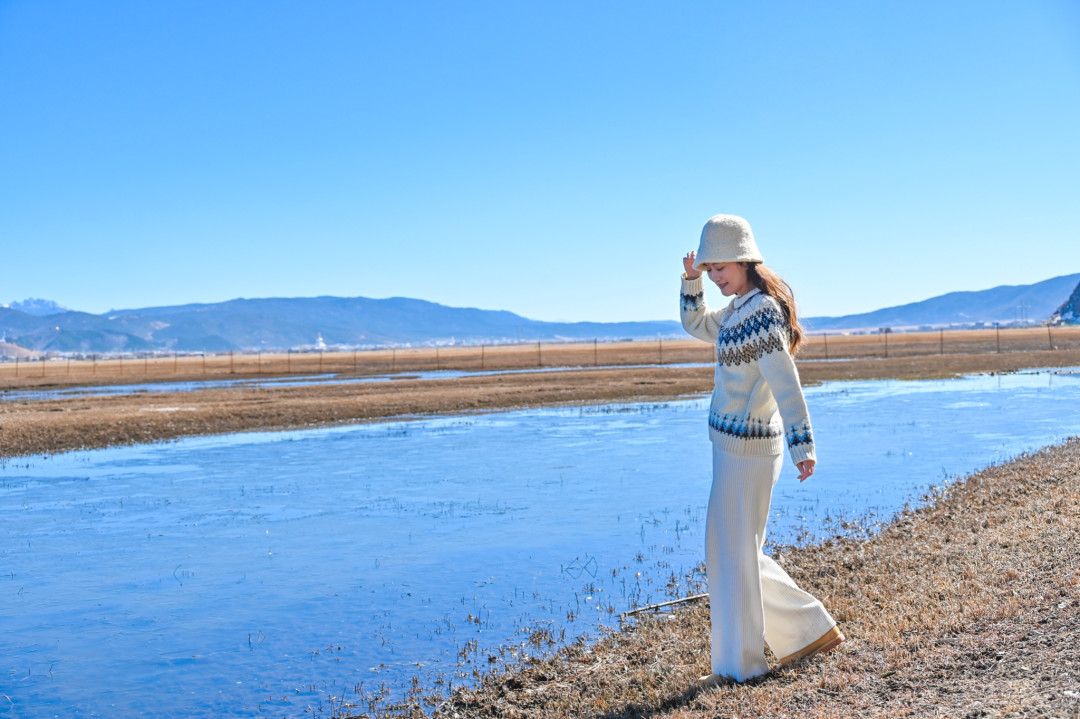
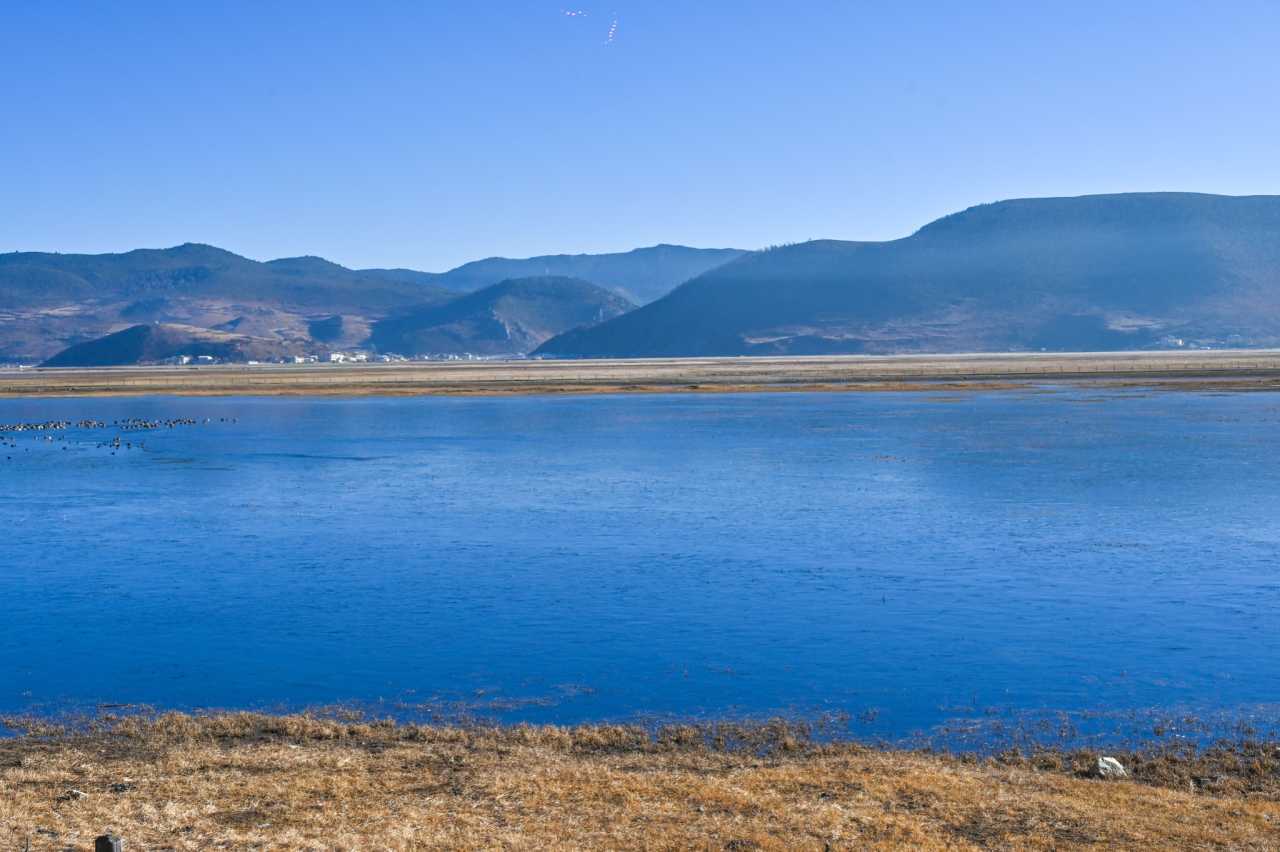
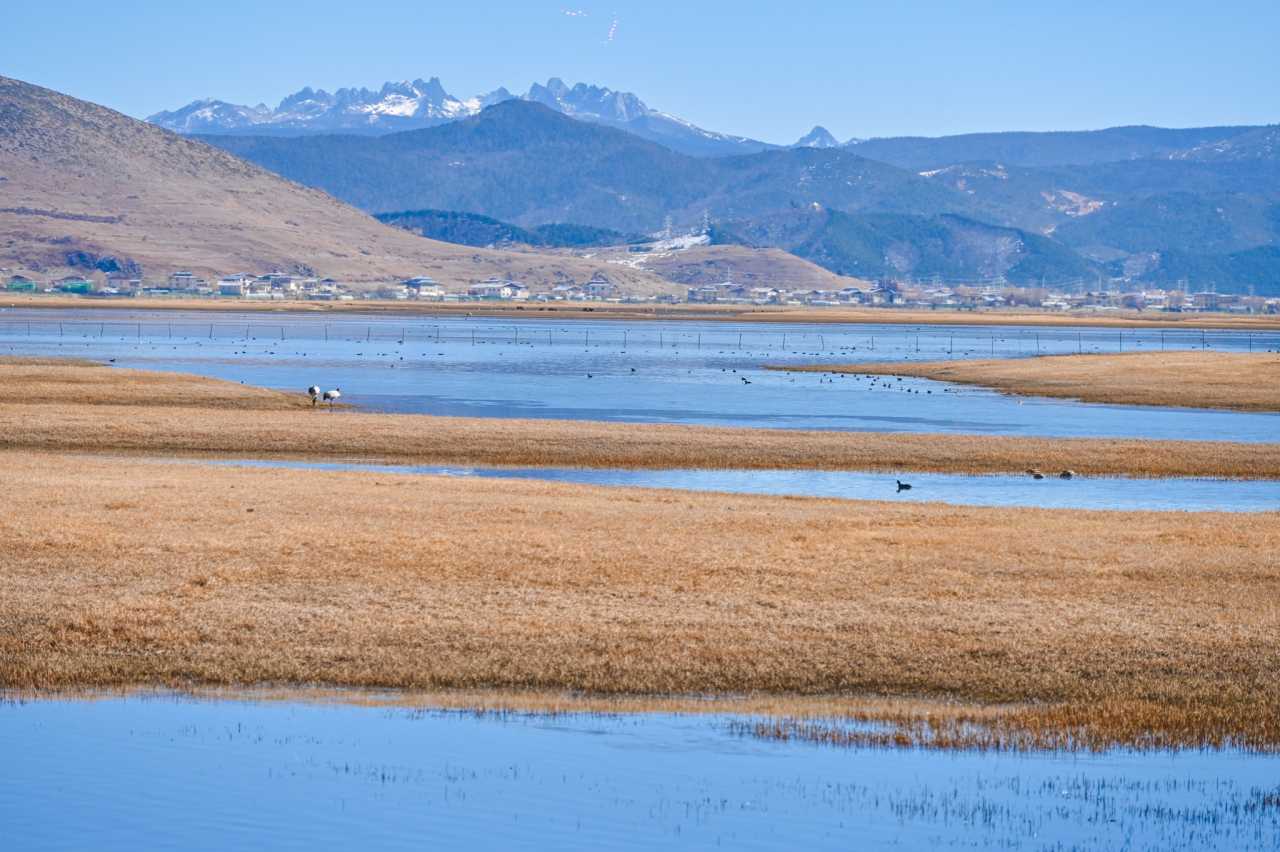
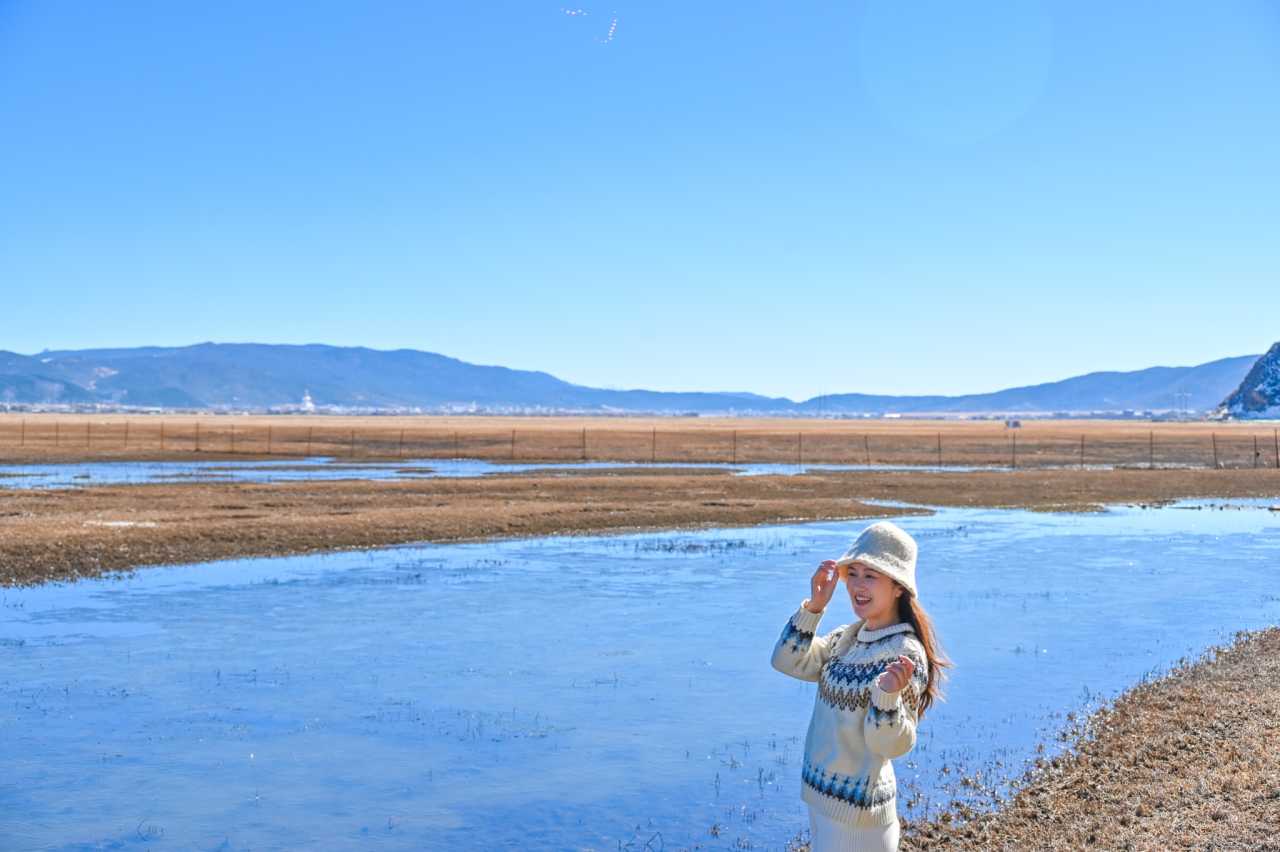
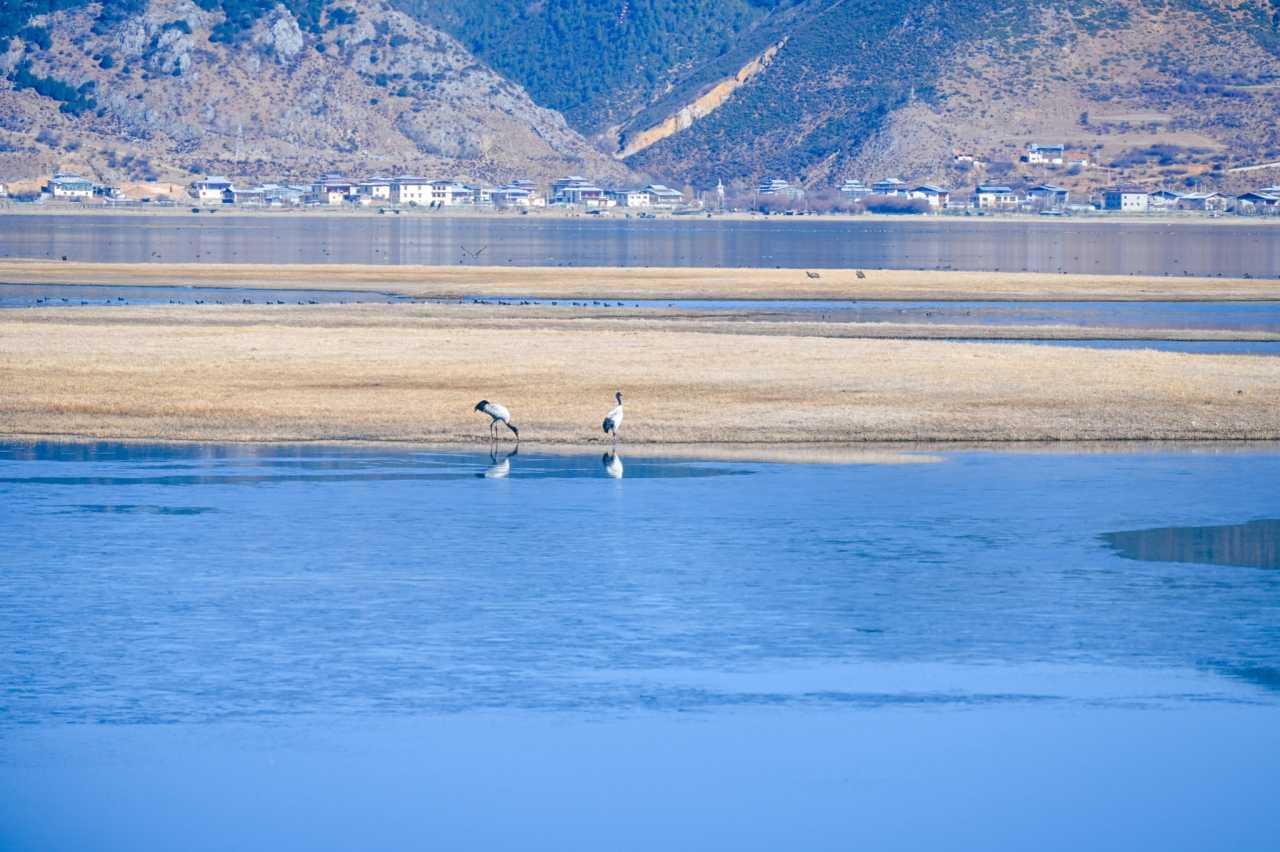
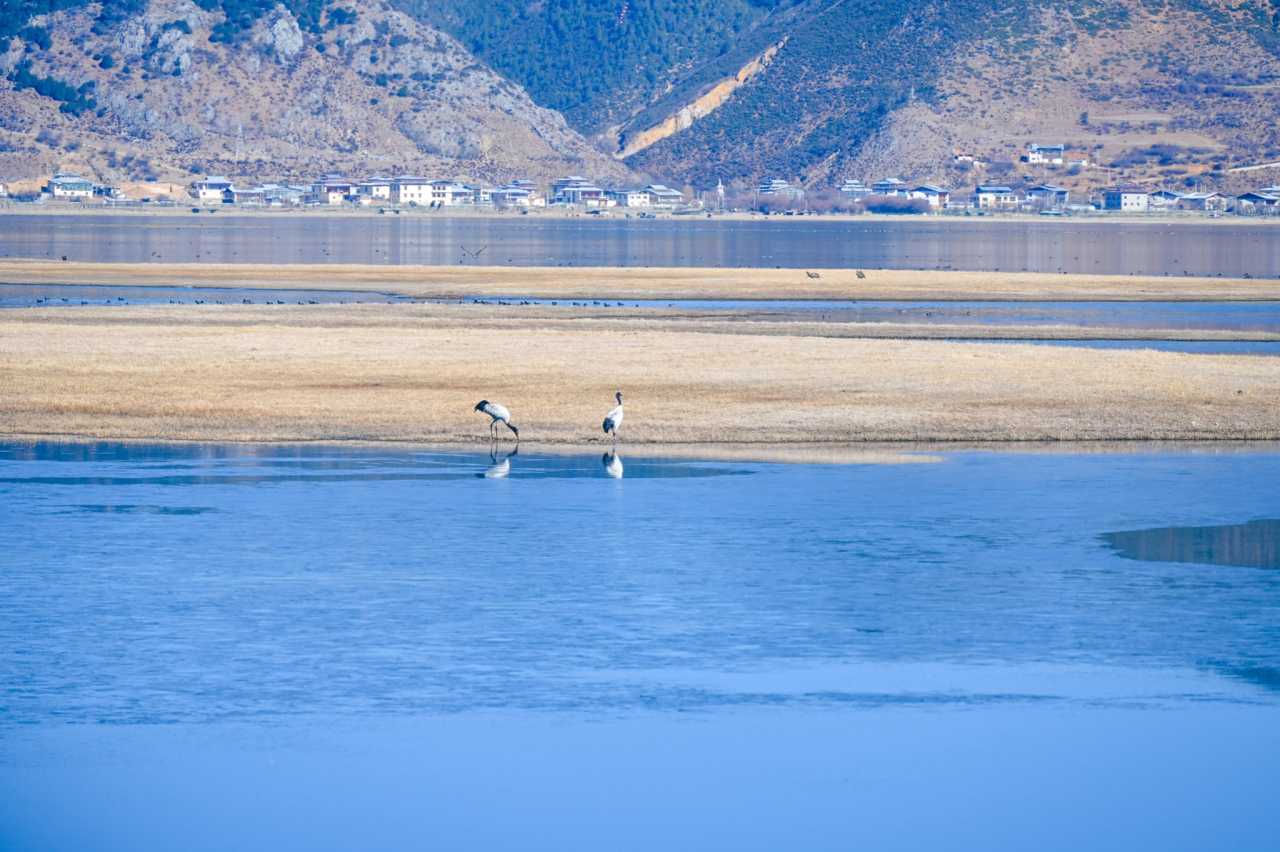
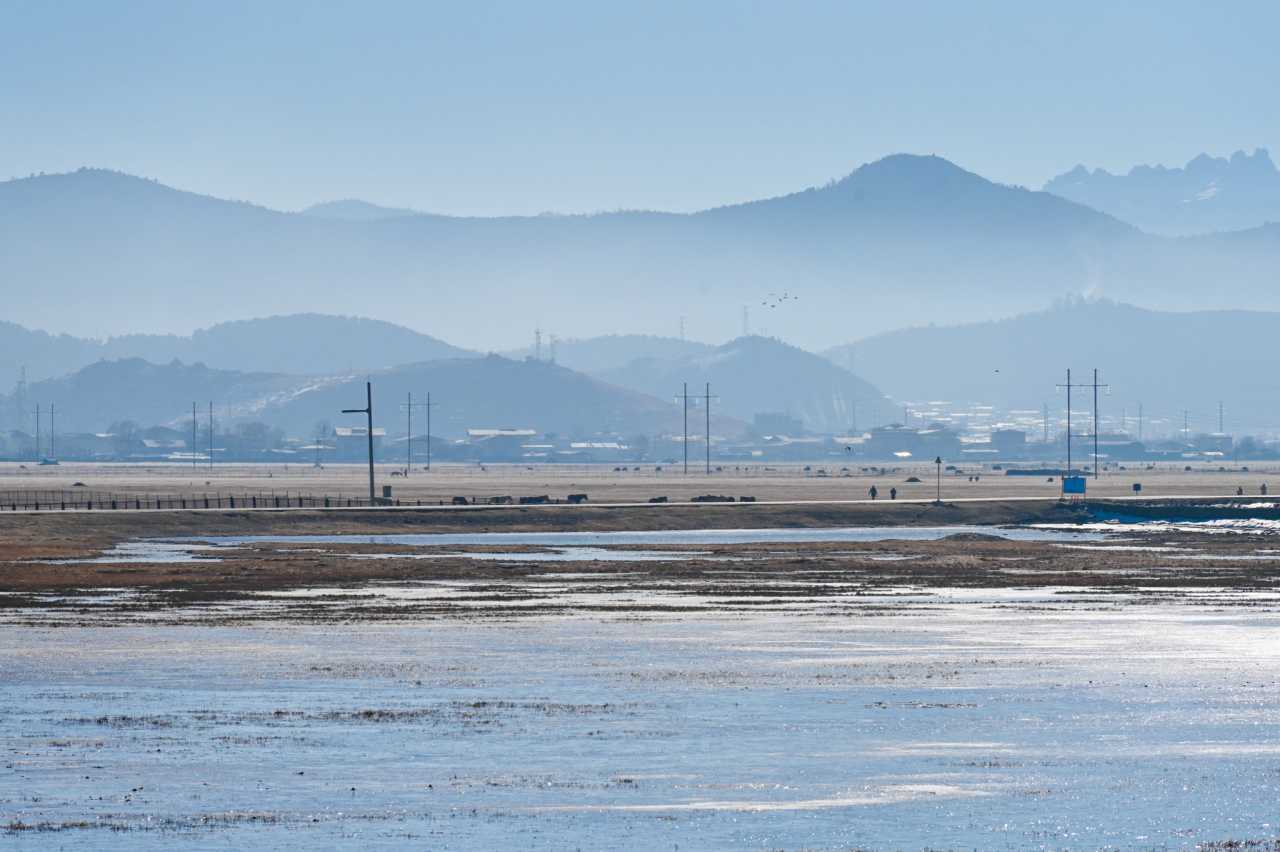
Winter Napahai Lake is the gentlest part of Shangri-La. As a seasonal plateau lake, Napahai takes on a unique vitality in winter. The sky is as clear as washed crystal, birds sing joyfully, and the snow-capped mountains, grasslands, and lakes complement each other, as if God had overturned a palette and spilled the most beautiful colors onto this land.
Since it's the off-season, there are very few visitors at Napahai. You can stroll along the lakeside path, basking in the warmth of the winter sun and feeling the gentle breeze. By the roadside, little sheep graze leisurely, and yaks amble under the warm sunlight—everything is in perfect harmony. Most unforgettable are the flocks of birds soaring in the sky, some high, some low, some fast, some slow, forming a vivid tableau. On the lake, wild ducks glide like little sprites, adding a touch of liveliness to the tranquility. If you're a photography enthusiast, this is an absolute paradise for capturing nature's beauty.
Practical Tips: Napahai is windy in winter, so a windproof jacket is recommended. The UV rays by the lake are strong, so don't forget sunscreen and sunglasses.
Dukezong Ancient Town: Imprints of Time on the Ancient Tea Horse Road
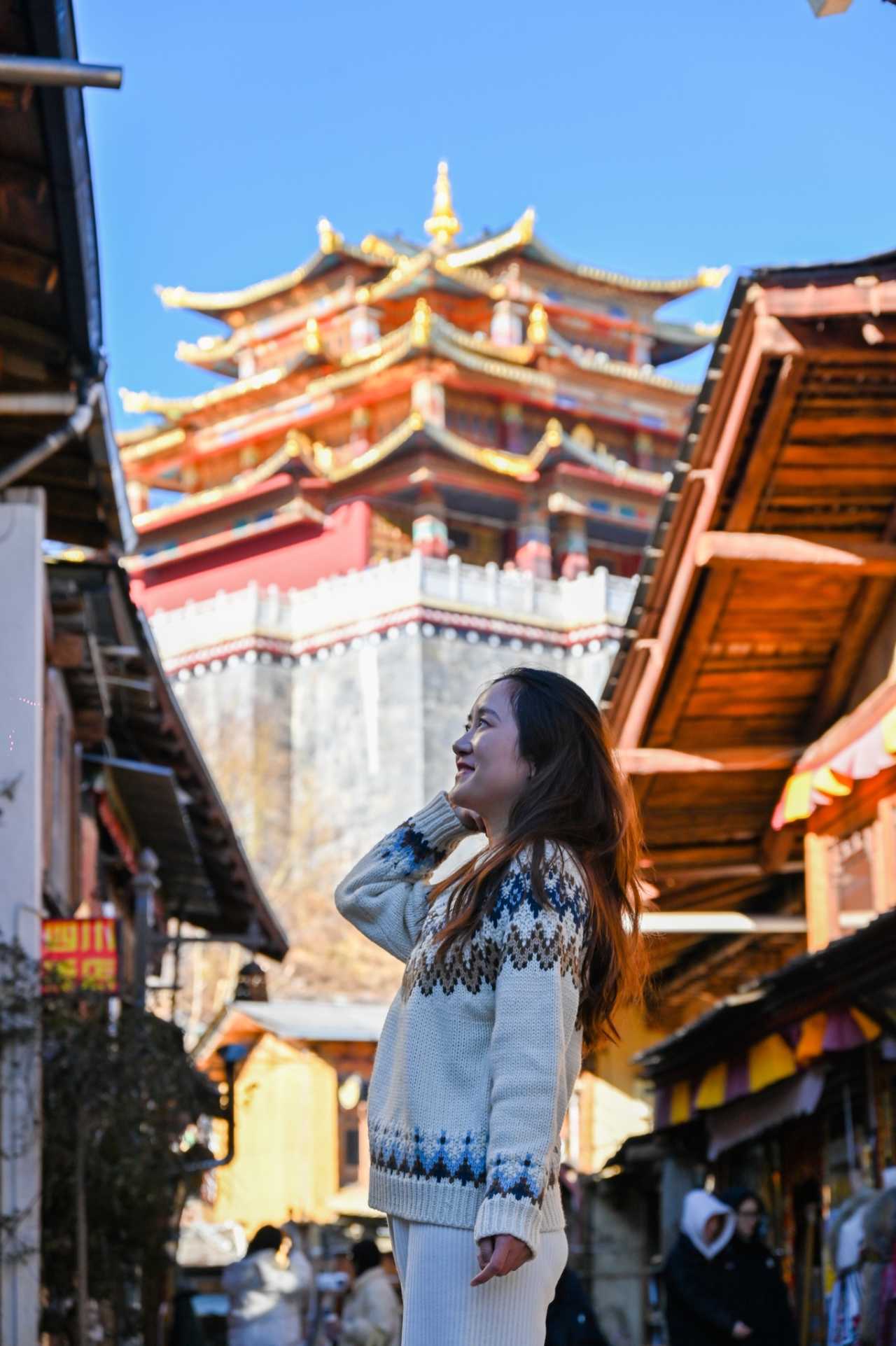
Dukezong Ancient Town is Shangri-La's historical calling card. With a history of over 1,300 years, this ancient town was once a key stop on the Ancient Tea Horse Road and the first station for caravans entering Tibet. The cobblestone-paved alleys wind and twist, flanked by well-preserved traditional Tibetan buildings, each revealing the sedimentation of time.
In the ancient town, you can rent a set of Tibetan clothing for photos, costing about 100 yuan (approximately $14 USD), including makeup and styling. By the roadside, local children run carefree with their dogs, their carefree spirit making you envious. Guishan Park is a great spot to overlook the entire Shangri-La panorama, and entry is free. At the park's entrance, there is a clear, crystal-like pool, said to be water from an ancient well that many local families once used. Standing at the top, as evening cooking smoke rises, the entire city unfolds before your eyes.
Dukezong Temple is one of the sacred sites of Tibetan Buddhism, its solemn and dignified atmosphere inspiring reverence. Here, you can almost feel your soul being purified and elevated. Don't forget to spin the world's largest prayer wheel—it's said that turning it three times brings good luck.
Practical Tips: The ancient town is at an altitude of about 3,300 meters (10,827 feet); avoid strenuous activity when you first arrive. Tibetan clothing rentals are negotiable—compare a few shops.
Songzanlin Monastery: The Winter Grandeur of the "Little Potala Palace"
Songzanlin Monastery, known as Shangri-La's "Little Potala Palace," is a sacred site of Tibetan Buddhism. Built on a mountainside, its red, white, and yellow Tibetan-style architecture appears solemn and mysterious under the winter sun. Following a path up the hill, white stupas stand at the summit, as if guarding the land.

On this trip, I happened to arrive during Songzanlin's Gedong Festival (also known as the "Sutra Throwing Festival"). The Gedong Festival is held annually on the 26th to 29th days of the Tibetan calendar, a grand celebration by the Tibetan people to pray for favorable weather and bountiful harvests in the coming year. Stepping into the temple square feels like traveling to a mysterious time and space. Monks, dressed in elaborate costumes and wearing ghost-and-deity masks, perform ritual dances, while local Tibetans gather in a circle—a spectacular and awe-inspiring scene. This unique cultural experience made the trip even more unforgettable.
Practical Tips: - Combo ticket: 95 yuan (about $13 USD), including 55 yuan for admission, 20 yuan for the shuttle, and 20 yuan for guided commentary. The shuttle is recommended, but you can skip the guide. - Take bus No. 3 from the ancient town—it takes about 30 minutes. - When visiting the main hall, walk in a clockwise direction. Do not wear hats or sunglasses inside; photography is prohibited. - The entrance stairs are very steep. It's not recommended to visit on your first day in Shangri-La; instead, use the side ramp on the left. - There are Tibetan clothing rental spots near the bus parking area—you can rent an outfit before entering the monastery.
Potatso National Park: A Fairy-Tale World Blanketed in Ice and Snow
Winter at Potatso National Park offers a different kind of beauty. Snow-capped mountains, lakes, grasslands, and forests form an array of breathtaking scenes. Only Shudu Lake and Bitahai Lake are open to visitors, but Shudu Lake alone is well worth the trip. The small wooden cabins along the boardwalk, covered in snow and ice, evoke a Scandinavian vibe.
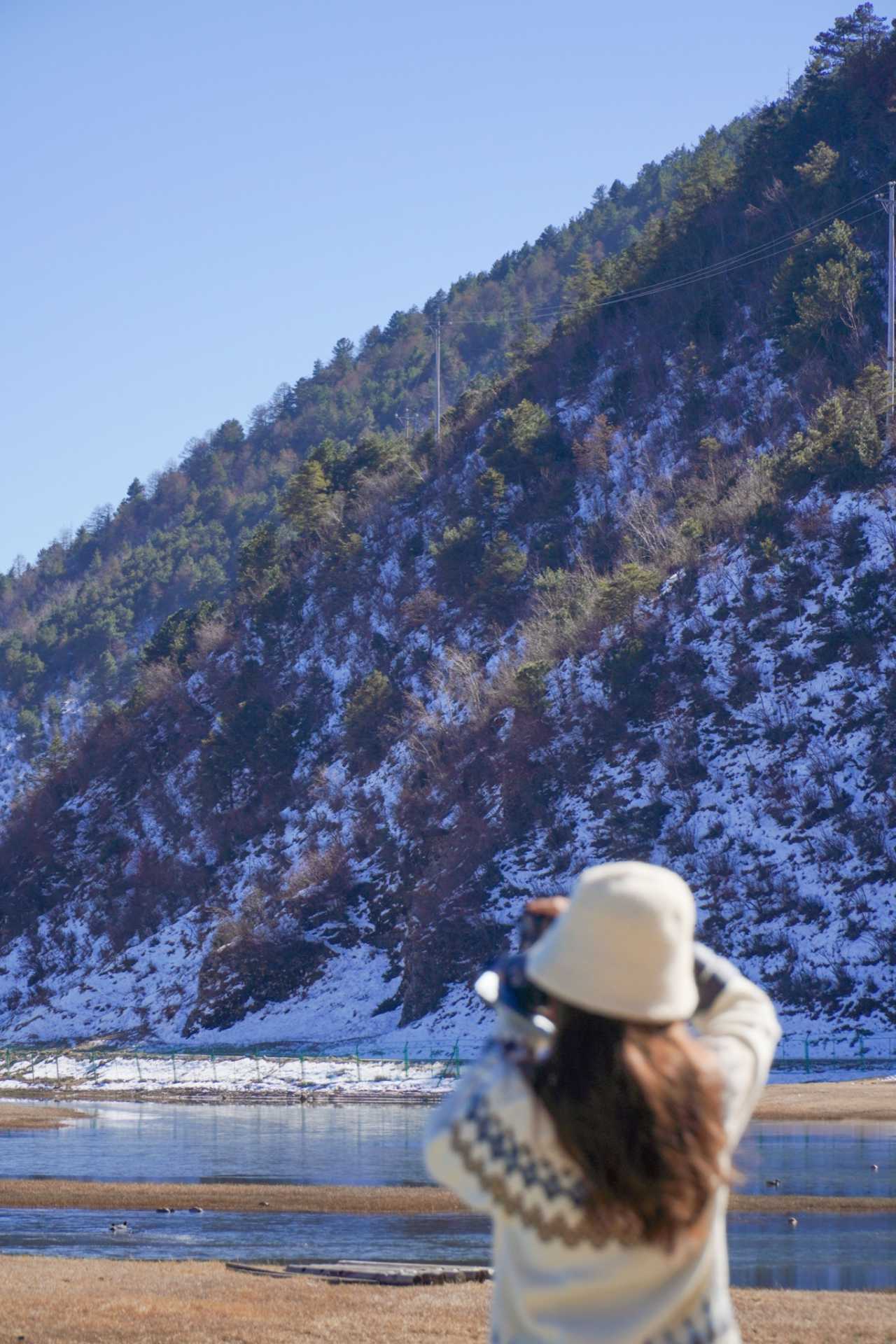
Standing by the lake, the water's surface shows rich layers, and under the sunlight, ice crystals sparkle like a dream. The lake is frozen, and the surrounding mountains are draped in white snow, as if you've stepped into a fairy-tale world. Walking along the lakeside boardwalk, stopping now and then, takes about four hours. When the weather is good, you can also take a boat ride on the lake for a more immersive experience of the landscape. By the lake, there is a wind-chime prayer corridor where you can leave your heartfelt wishes on this sacred land.
Practical Tips: The park is at an altitude of 3,600 meters (11,811 feet). Bring a thermos with hot water and avoid strenuous activity. In winter, the paths may be icy, so wear non-slip shoes.
Balagezong: The Snowy Wonder of an Ultimate Hidden Realm
Balagezong was once a place that could not be found on any map in the world, isolated for over 1,300 years, and is hailed as Shangri-La's ultimate hidden realm. At the Diqing Tourism Group Visitor Service Center in Dukezong Ancient Town, you can buy a round-trip bus ticket and entry pass on-site. The bus ride takes about one hour.
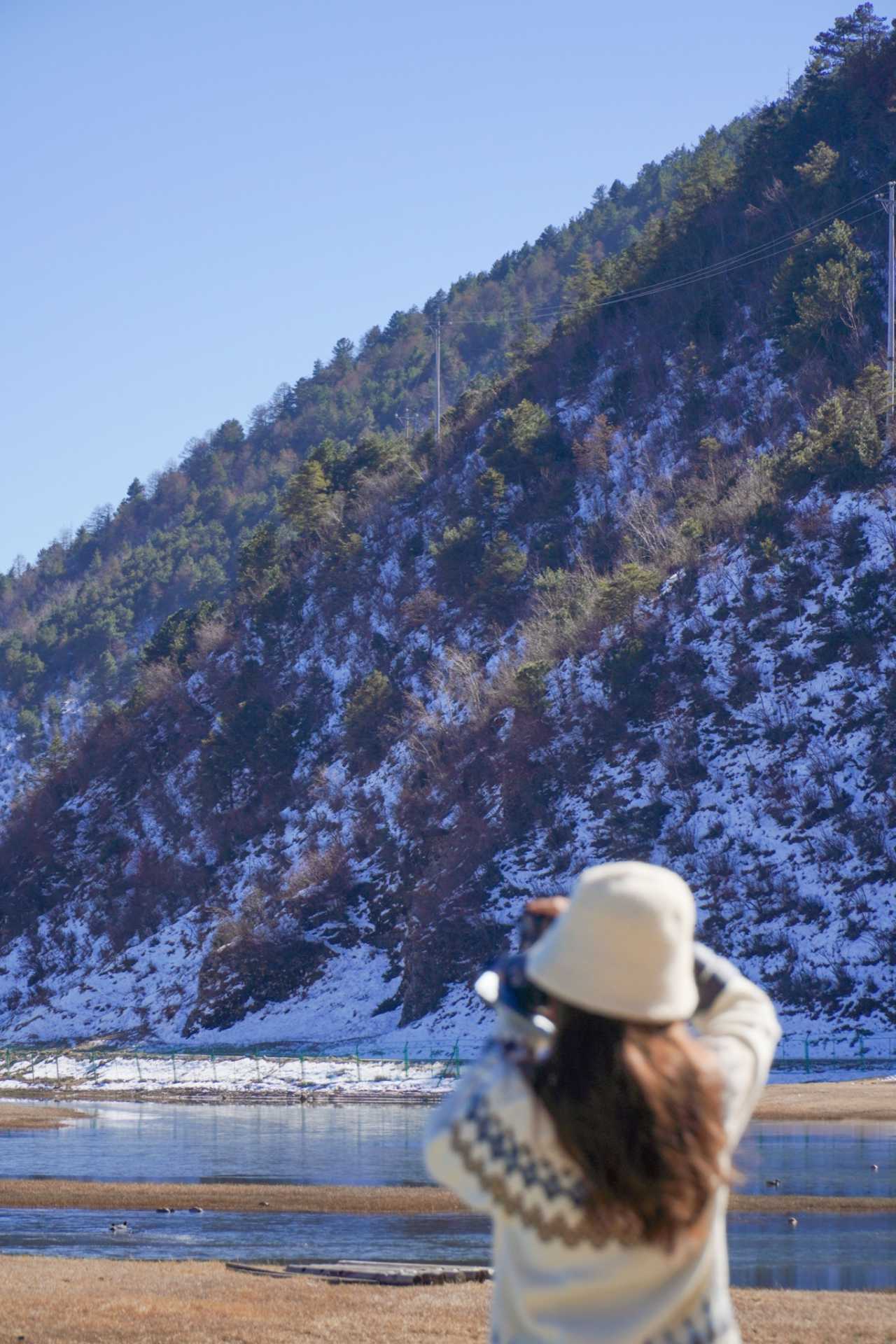
After arriving at the scenic area, you need to take the park's shuttle bus. It's recommended to go directly to the Stupa (Fota) scenic spot. To visit Shangbala Stupa, you need to purchase a separate ticket at the Echo Wall (Huiyinbi) spot (75 yuan, about $10 USD). The altitude in the park ranges from over 2,000 meters to 4,200 meters (6,562 to 13,780 feet), with dramatic changes in scenery along the way. In winter, the snow-capped mountains, prayer flags, wilderness, canyons, and forests are truly magnificent.
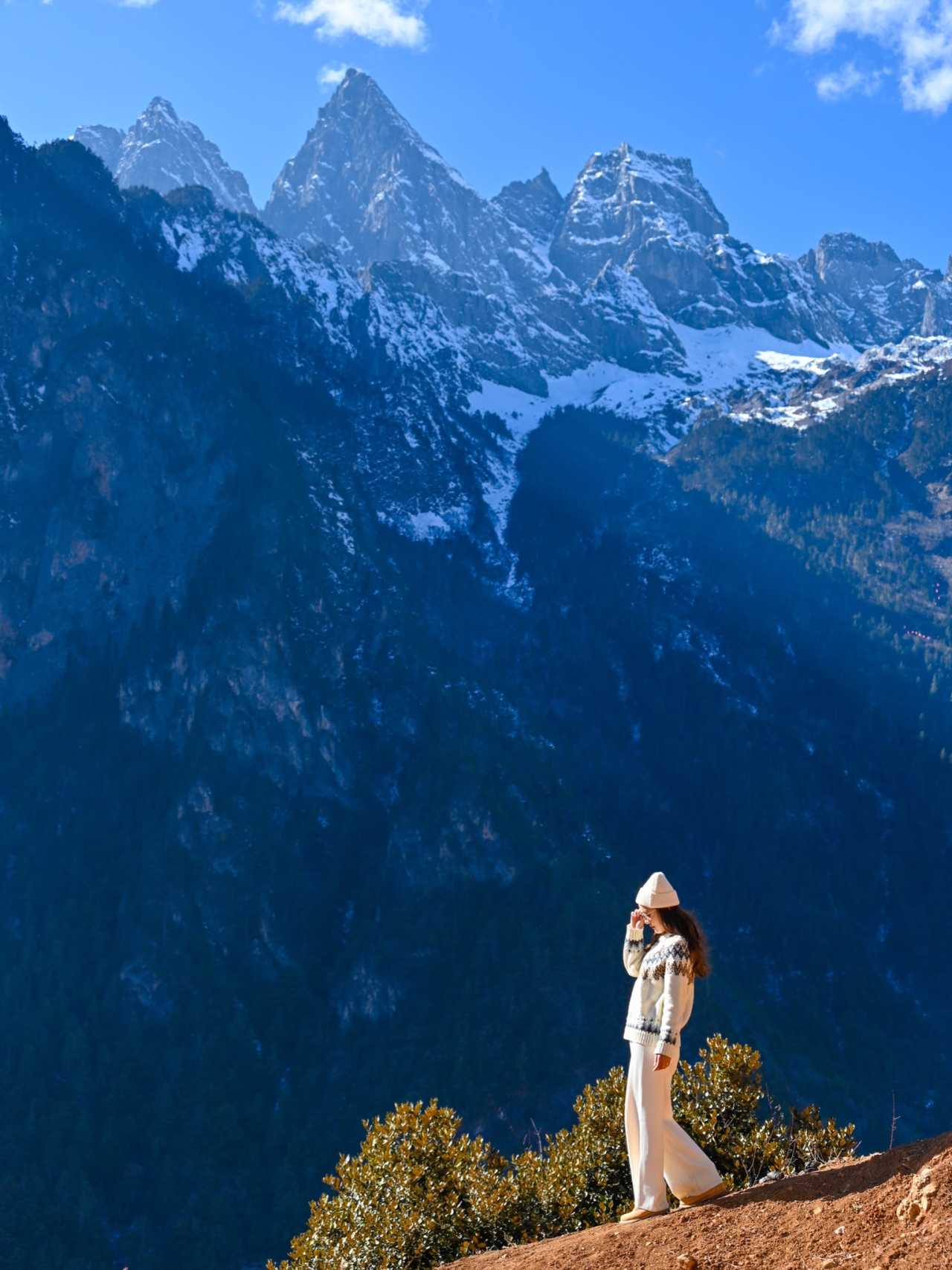
Shangbala Stupa has snow all winter, and you can see Quden Holy Mountain, which resembles a round stupa. This naturally formed pyramid-shaped peak, covered in white snow, stands tall and majestic, resembling a monk sitting in prayer and an open scripture book. The small wooden cabin nearby, under the snow and ice, looks very much like Nordic scenery. Later, descend to the Echo Wall, where the canyon views are spectacular. You can try the canyon zipline for an adrenaline rush. On the cliff face, there is also a narrow path that once served as a passage between Bala Village and Nagra Village.
Practical Tips: The scenic area has high altitudes, so dress warmly. The Stupa area is very windy—bring a hat and scarf.
Itinerary and Accommodation: Making Your Trip Smoother
If you're planning a winter trip to Shangri-La, consider this itinerary: - Day 1: Napahai Lake – Dukezong Ancient Town - Day 2: Potatso National Park – Songzanlin Monastery - Day 3: Balagezong
Accommodation Recommendation: Shangri-La Tianjie Shenchuan Hotel (香格里拉天界神川大酒店). This hotel features Tibetan-style architecture and is very distinctive. It's conveniently located close to both the airport and the ancient town. From the rooms, you can see the swimming pool, giving you a strong sense of vacation.
Final Thoughts: The Unique Charm of Winter Shangri-La
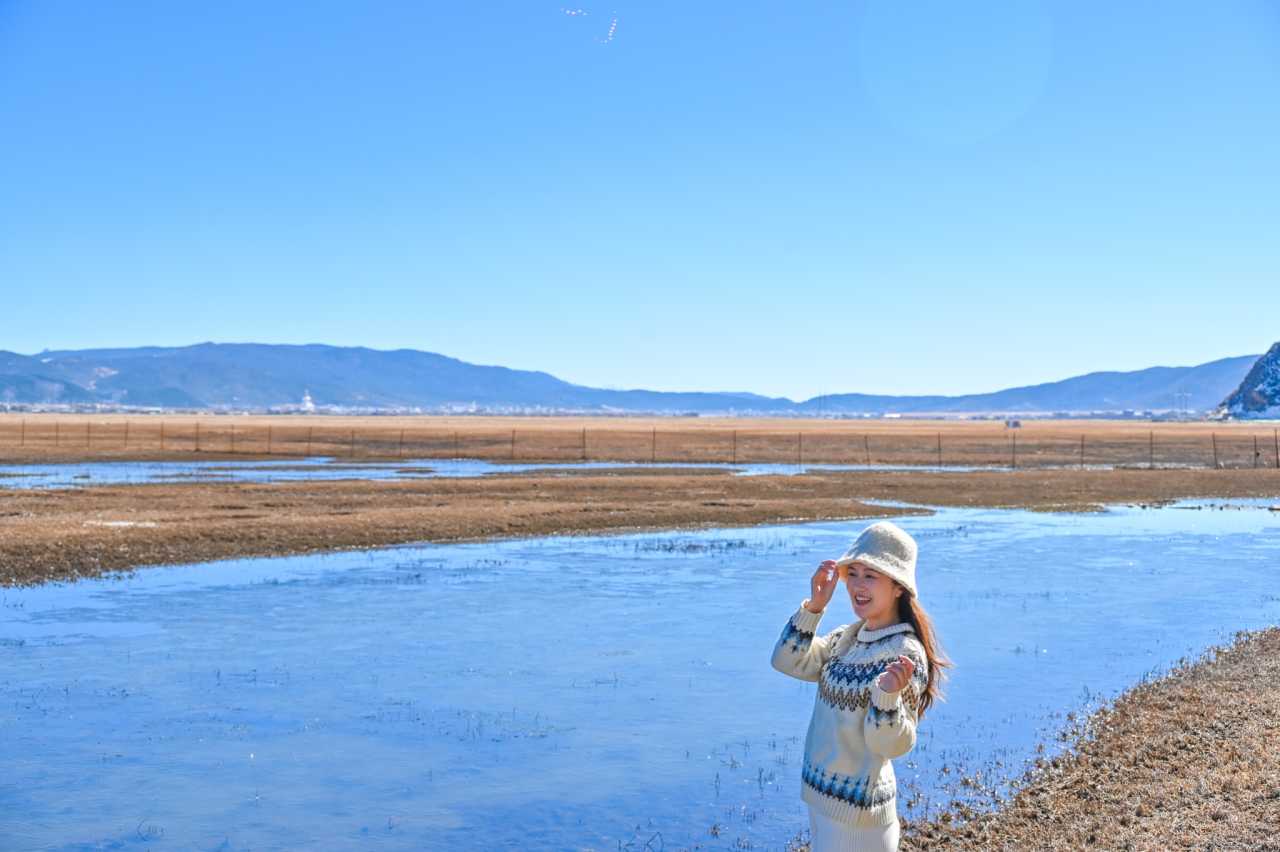
Winter Shangri-La has none of the bustle of peak season—only the purest nature and culture. Here, you can stroll along Napahai Lake, watching birds dance with snow-capped mountains; you can walk into Dukezong Ancient Town, feeling the historical weight of the Ancient Tea Horse Road; you can make a pilgrimage to Songzanlin Monastery, experiencing the solemnity and mystery of the Gedong Festival; you can explore Potatso, touching the stillness of an ice-and-snow world; you can venture into Balagezong, discovering the grandeur of an ultimate hidden realm.
This snowy plateau not only offers breathtaking scenery but also immerses you in the rich Tibetan culture and deep historical heritage. Every place radiates a unique and captivating charm. If you, too, long for a soulful baptism, then winter Shangri-La is waiting for you.
Key Reminders: - Winter temperatures in Shangri-La are low—bring enough warm clothing. - Altitude sickness varies from person to person. When you first arrive, avoid strenuous activity and drink plenty of water. - Respect local culture and follow the rules when visiting temples. - Book accommodation and transportation in advance, especially during peak season.
May your journey to Shangri-La become the warmest memory of winter.
You should also read:
A 9-Day Yunnan Journey: From Lijiang to Dali to Tengchong – A Trip Toward Self-Reconciliation
A 9-Day Yunnan Journey: From Lijiang to Dali to Tengchong – A Trip Toward Self-Reconciliation Some say travel is simply going from a place you're tired of to a place other people are tired of. It stings to hear, but it's painfully true. Yet there's…
Continue reading...
Yunnan! Paradise on Earth – The Yubeng Chapter: A Soul-Cleansing Journey into Seclusion
Yunnan! Paradise on Earth – The Yubeng Chapter: A Soul-Cleansing Journey into Seclusion Prologue: Why Yubeng? If you ask me which place in Yunnan is most worth hiking to, I would answer without hesitation: Yubeng. This is not an answer I give lightly. As a…
Continue reading...
The Meaning of Travel – A Tengchong Story: A Journey of the Heart and Personal Growth
The Meaning of Travel – A Tengchong Story: A Journey of the Heart and Personal Growth Setting Out, Only to Return a Better Self Some say travel is nothing more than leaving a place you're tired of, only to go to a place where others…
Continue reading...