A Yunnan Odyssey: Eight Days Through Tengchong, Mangshi, and Kunming in December
A Yunnan Odyssey: Eight Days Through Tengchong, Mangshi, and Kunming in December
Some trips are meticulously planned; others are gifts from fate. On Christmas Eve 2023, as my friend and I stood staring at each other in Kunming Airport after our flight was canceled, I had no idea that this supposedly “relaxing getaway” to Yunnan would transform into an extraordinary odyssey through western Yunnan—a journey brimming with surprise, wonder, and indelible memories.
From Hong Kong to Kunming, then to the mountain hot springs of Tengchong, the warm streets of Mangshi, and finally back to the Spring City—eight days, three cities, two seasons, and countless flavors. This isn’t a standard travel guide; it’s the true story of a girl and her local friend, traveling on foot through Yunnan at the turn of the year.
Chapter One: First Encounters in the Spring City—Kunming’s Warmth and Flavors
Landing in Kunming: The Temperature Shock from Hong Kong

At noon on December 24th, our plane touched down on time at Kunming Changshui Airport. I had left Hong Kong wearing only a light jacket, but as soon as I stepped out of the cabin, Kunming’s “welcome” hit me like a wall—temperatures hovering just above freezing made my fleece-lined coat feel like tissue paper. My friend, bundled in thermal underwear, a sweater, and a wool coat, was still shivering uncontrollably.
Practical tip: Winter temperatures in Yunnan vary wildly. Tengchong is warm during the day, and in Mangshi you can even wear a dress, but Kunming drops to just a few degrees Celsius in the morning and evening. Bring a thick outer layer, preferably a jacket with a removable inner lining, so you can adapt to different conditions.
First Taste of Yunnan: “Shangzuo” Cross-Bridge Rice Noodles
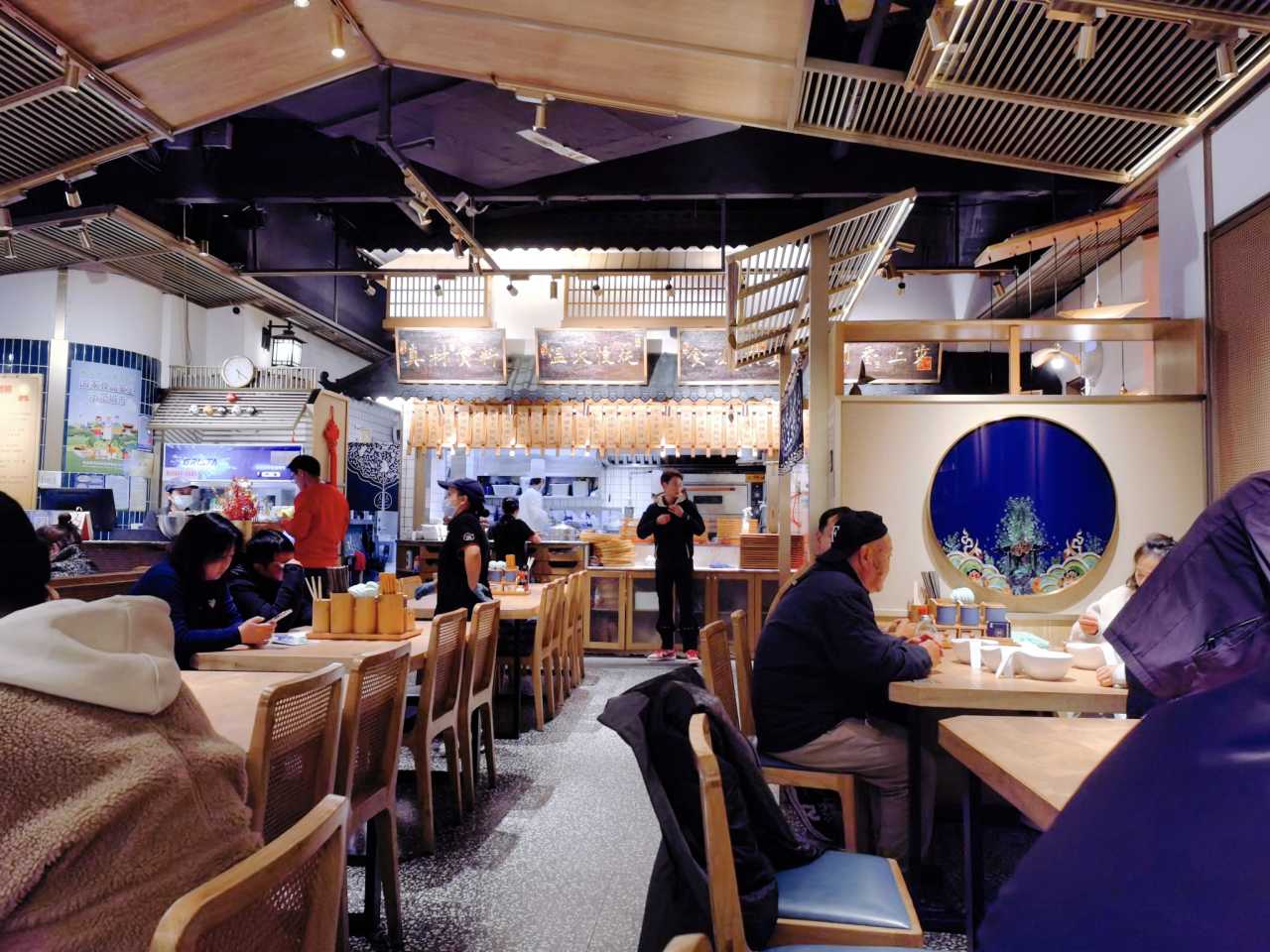
My friend took us to “Shangzuo Traditional Cross-Bridge Rice Noodles” (上坐传统过桥米线) in the Henglong Plaza. Before the restaurant even opened, a long line had already formed outside—and most of the people waiting were locals speaking Yunnan dialect. That alone made me eager for the meal to come.
Ordering advice: The 39 RMB set meal is more than enough. It comes with the same side dishes and raw ingredients as the pricier sets, just without a few extras. The two of us ordered one portion and couldn’t even finish it—the “bowl” of rice noodles was enormous.
The fried milk fan (炸乳扇) was crispy and fragrant, with a light milky sweetness after being dusted with sugar. The lemon-cucumber salad was a preparation I’d never seen before—refreshing and palate-cleansing. And the chili-oil pig ear salad (红油顺风) was a revelation—Yunnan’s cold dishes are truly unmatched.
Nanqiang Street: The Festive Spirit of Christmas Eve

After dinner, we strolled to Nanqiang Street to walk off the meal. We barely made it past the entrance before being stopped by “milk rice wine” (奶白酒)—sweet fermented rice mixed with milk, a paradise for anyone who loves fermented rice drinks. Next came the fruit salads: green mango and pineapple were so sour I thought my face would pucker permanently; only the yellow mango was sweet. Finally, we bought more fried milk fan, this time wrapped with rose jam—sweet and fragrant, though you have to be careful not to drip the jam on your clothes.
Christmas Eve called for a little ceremony. We went to “Amber Secret” (琥珀秘境) bar and sat on the outdoor terrace. At first, I wondered if my friend had lost her mind in the cold. But then the staff brought out thick wool blankets and a charcoal brazier, and I was completely won over—wrapped in a blanket, warming ourselves by the fire, sipping mulled wine and chatting. This, I realized, was Yunnan’s unique version of winter romance.
Chapter Two: From Airport to Wilderness—An Unplanned Road Trip Adventure
Flight Canceled: Best-Laid Plans Go Awry
On December 25th, we planned to fly from Kunming to Tengchong. After eating rice noodles for breakfast at the hotel, we rushed to the airport full of excitement. Then we waited in the freezing terminal for over two hours, only to receive the news that our flight was canceled.
At the boarding gate, we overheard a man telling his companion that he’d flown to Tengchong more than a dozen times that year and hardly ever made it without a delay. Hard-learned lesson: The best way to reach Tengchong is to take the high-speed train to Baoshan, then rent a car or take a bus. If you must fly, avoid Kunming Airlines at all costs.
Eight Hours on the Road: From Despair to Delight
After the cancellation, we decided to drive to Tengchong. First, we went back near the hotel for lunch—at a small restaurant called Yun Xiaoniang (云小嬢), where roasted potatoes with dipping sauce made my friend declare, “Yunnan has the best potatoes in the world.” We set off at 2:00 PM under overcast skies. The scenery was beautiful, but we had no time to appreciate it. Driving after dark was even more dangerous. I took the wheel for two hours to give my friend a break, and she drove the remaining six hours like a seasoned pro.
We arrived in Tengchong at 9:30 PM, but our hotel was in the Yunfeng Mountain scenic area, another hour away. At 10:30 PM, we finally reached our destination under a canopy of stars—The Stone Story Hot Spring Resort (腾冲石头纪温泉度假酒店).
The Stone Story: Luxury Villa with Private Hot Spring
This resort consists of 50 standalone villas, each with its own private hot spring pool and spa area. The design is unique, the space is generous, and the service is impeccable—our butler had already filled the hot spring with water at the perfect temperature and prepared a late-night snack and tea. Soaking in 39°C (102°F) hot spring water, the exhaustion of eight hours on the road melted away.
Tip: The hot spring pool is located in the center of the villa, dividing the space into two parts: the front houses the living room and spa area, while the back contains the bedroom and bathroom. Soaking at night, you can also stargaze—just watch out for the steam.
Chapter Three: Gaoligong Mountain—The Thrill and Healing of Hiking Wild Terrain
Early Start: Into Special Forces Mode
On December 26th, despite not falling asleep until 12:30 AM, I dragged myself out of bed at 7:00 AM. The hotel opened breakfast ten minutes early just for us—service so thoughtful it was almost touching. I ordered thin bean flour rice noodles (稀豆粉米线) with charcoal-grilled rice cakes (炭火饵块). The thin bean flour is a Tengchong specialty, made from ground peas into a paste that you mix with rice noodles—very fragrant. But I loved the charcoal-grilled rice cake even more: pure, simple, carb-y goodness. I only wish I’d eaten more than one piece.
Hiking Gaoligong Mountain: The Thrill of Real Wilderness
We joined a small tour led by a local guide named Sister Duan (段姐). After gathering at 9:00 AM, we bounced along winding mountain roads in a minivan for an hour before reaching the starting point—Xujia Village (徐家寨).
When I got out of the van, I brazenly said, “Trekking poles are too much trouble.” I ate those words within minutes of entering the mountain. This wasn’t hiking—it was scrambling up a wild mountain! Rocky paths, steep inclines, muddy trails—that little bamboo pole saved my life more than once.
Important reminder: Bring trekking poles! Wear durable, slip-resistant shoes!
Along the way, Sister Duan introduced us to the local plants: fire-coal fruit (火炭果), which can be ground into ink when ripe; water coriander (水香菜), which grows near streams and can be used in soup or hot pot; and fiddlehead ferns (蕨菜), still curled up like fairy-tale creatures. The biggest surprise was seeing winter cherry blossoms (冬樱花)—not many, just a tree or two scattered among the green forest, but breathtakingly beautiful.
At one particularly steep section, I nearly pitched backward toward the cliff after climbing up. I managed to brace myself with my trekking pole. Again: trekking poles are life-savers.
Wilderness Kitchen: Mountain Flavors
After about three hours of hiking, we returned to the “Wilderness Kitchen” (荒野厨房) for lunch. The farmhouse meal was hearty and delicious: free-range chicken soup, so savory it was unforgettable; corn that two of our fellow travelers raved about, even asking the host if they could buy some; plus grilled meat, grilled ribs, fried meatballs, and fresh vegetables. Yunnanese people can’t eat without dipping sauces—every dish paired with its own condiment had a unique flavor.
Thunder-Response Tea and Wild Hot Springs
After lunch, we gathered around to brew “thunder-response tea” (雷响茶), a traditional caravan-style tea. Rice and tea leaves are roasted together in a clay pot over charcoal, producing a light, toasty rice aroma. After five infusions, the rice fragrance grew stronger while the tea flavor mellowed. A dozen of us sat sipping tea and chatting—the atmosphere was perfect.
In the afternoon, we went to soak in a wild hot spring. Since we hadn’t brought swimsuits, we just used the foot-bathing pool. The water temperature was just right, and after soaking, our whole bodies felt refreshed.
Chapter Four: Heshun Ancient Town and Mangshi—Slow Time and Fast Living
Xidong Garden: Dining in an Old Mansion
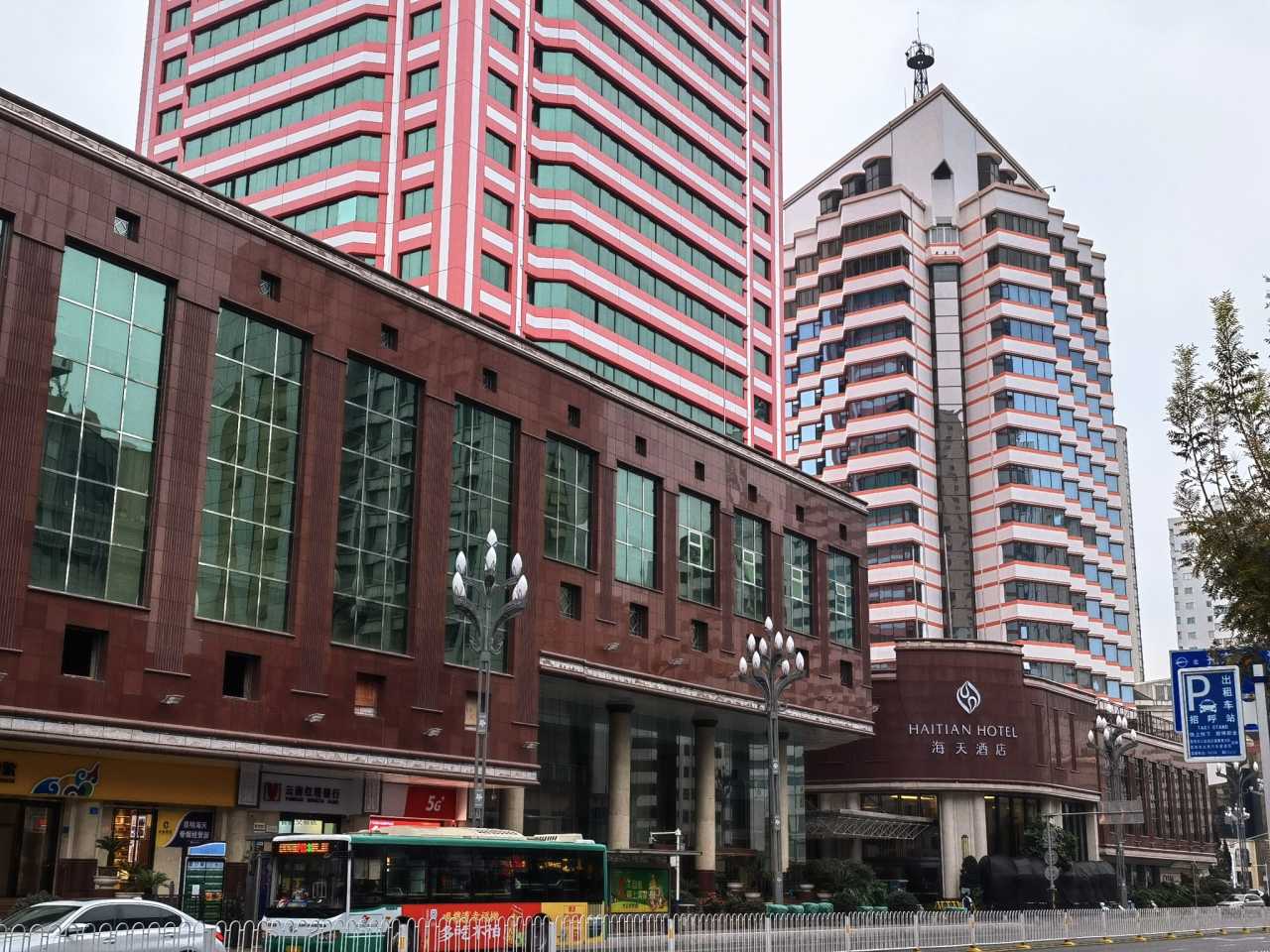
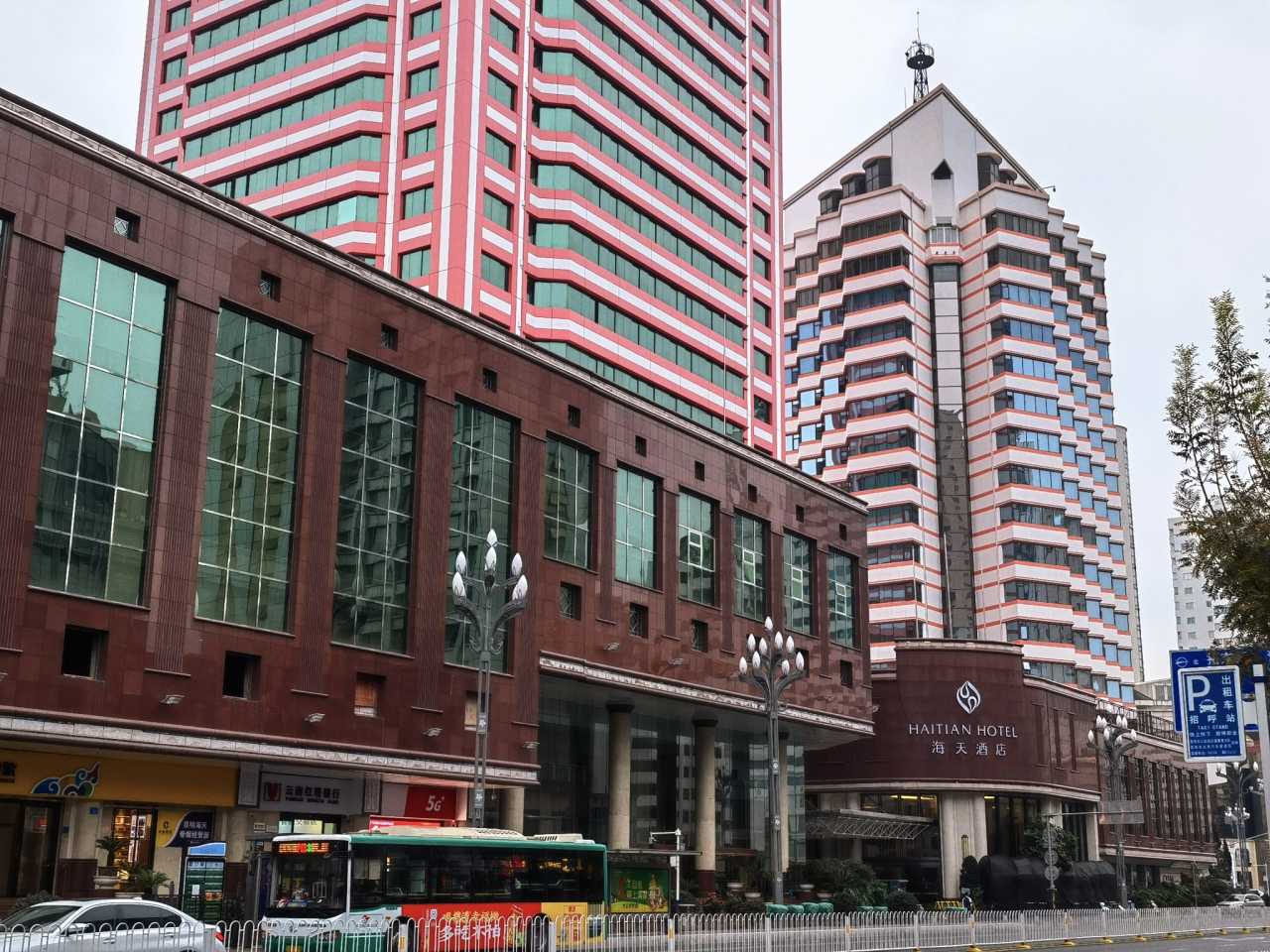
That evening, we went to Xidong Garden Restaurant (西董花园), located in a historic courtyard house in Dongguan Village (董官村). The ambiance was ancient and elegant, with golden ginkgo trees in the yard. The portions were enormous—we couldn’t finish everything.
Must-order recommendations: - Morel mushroom chicken soup (羊肚菌鸡汤): so comforting and delicious, we drank every last drop - Stir-fried river shrimp with chives (韭菜炒小河虾): huge portion, fantastic flavor - Deng’s Thin Slices (邓氏大薄片): a traditional Tengchong cold dish—thinly sliced pork head, drizzled with chili oil and aged vinegar, so fragrant it makes your mouth water - Tengchong “Great Rescue” (腾冲大救驾): stir-fried rice cakes with tomatoes, eggs, greens, and ham—eat it while it’s hot - Dry-fried mushroom and shredded potato (干巴菌焙洋芋丝): the pinnacle of Yunnan potatoes—light yet lingeringly fragrant
Lantern Blessings and Spa
Back at the hotel, we caught the river lantern blessing ceremony. The moon was round and bright. We had booked a 9:30 PM spa appointment, and the therapist’s skilled hands put us both to sleep. Afterward, we soaked again in the 39°C hot spring, then slipped into bed warm and content.
Heshun Ancient Town: A Journey Through Six Centuries

On December 27th, we visited Heshun Ancient Town. Thick fog in the morning grounded the hot air balloons, so we changed plans and headed to the old town instead. The 800-meter walk from the parking lot to the entrance was lined with golden fields and blooming winter cherry blossoms—a sight that lifted the spirits.
We bought a combo ticket (130 RMB per person) that included a bus ride, a boat trip, and admission. The boat glided across the wetland, with wide-open water, flocks of waterbirds, and crisp, clean air. After disembarking, we wandered through the alleys. This 600-year-old town has both deep cultural heritage and a vibrant everyday life. We passed a market full of the aromas of daily cooking, and saw an elderly grandmother frying up dishes that smelled incredible.
For lunch, we went to Youfen Farmhouse Restaurant (有芬农家菜馆). The owner said two dishes would be enough, but we ordered matsutake mushroom stir-fried with cured pork, tree fungus with houttuynia cordata (折耳根), old-lady potatoes (老奶洋芋), and egg-fried rice—every single dish was so good it almost made us cry. Special recommendation: Mix the old-lady potatoes with the egg-fried rice—a perfect combination!
Mangshi: Warmth and Food
In the afternoon, we drove to Mangshi. The temperature had risen noticeably—I could finally wear a cardigan and a skirt. Mangshi’s warmth and food made us want to linger forever, but our schedule was too tight; we could only steal a quick glance.
Chapter Five: Epilogue—Kunming, the Final Stop
On December 31st, we returned to Kunming and had one last bowl of cross-bridge rice noodles at Henglong Plaza. The eight-day journey had come to an end. There were a few regrets—we never got to ride the hot air balloon, and we missed the Cherry Blossom Valley—but the overwhelming feeling was one of contentment.
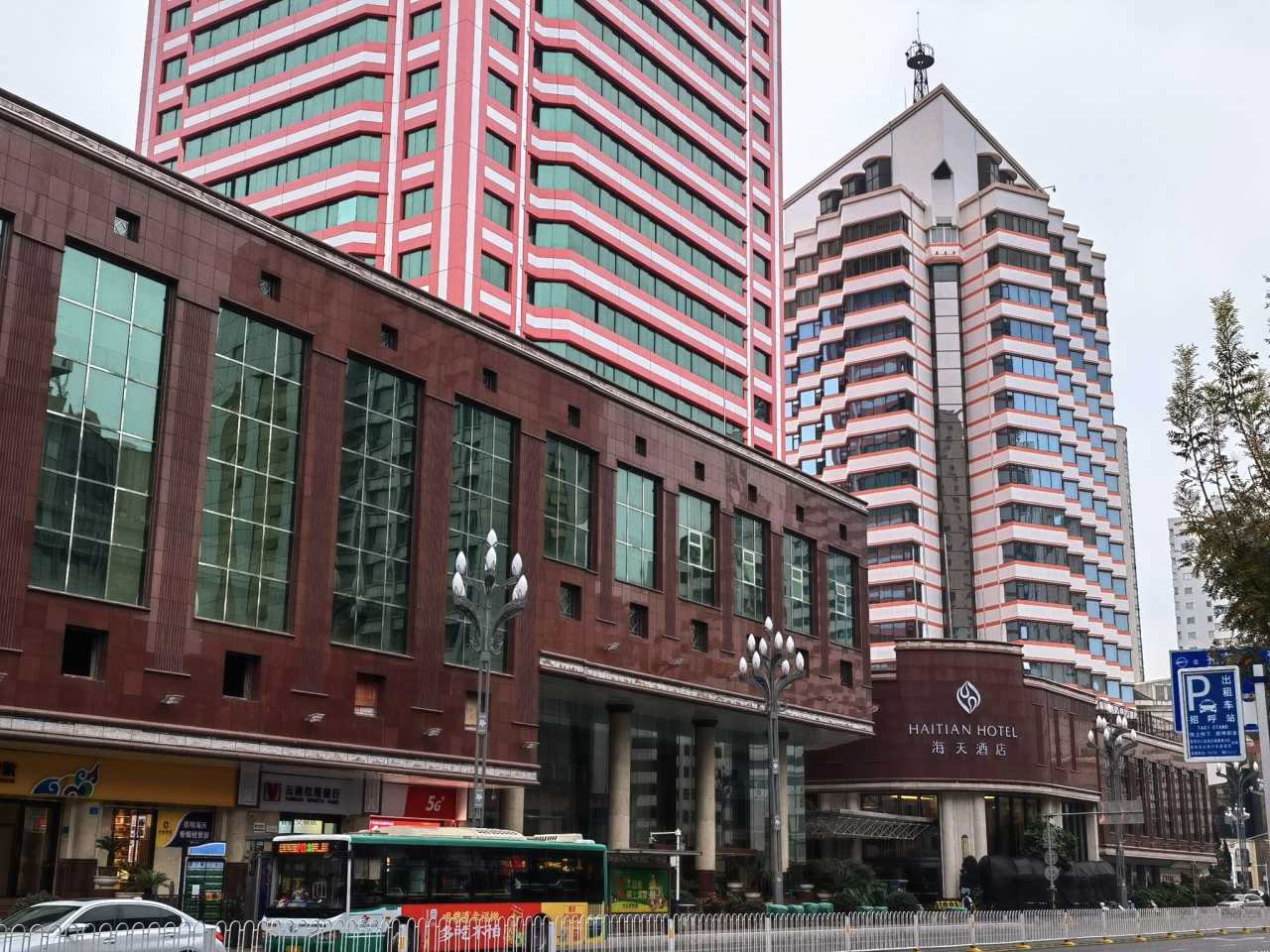
Trip summary: - Kunming: cross-bridge rice noodles, Nanqiang Street, Amber Secret bar - Tengchong: The Stone Story hot spring resort, Gaoligong Mountain hike, Heshun Ancient Town, Xidong Garden - Mangshi: warm climate, food markets
Practical tips: 1. Winter in Yunnan has large temperature swings—pack layers to handle different conditions 2. To reach Tengchong, take the high-speed train to Baoshan, then rent a car or take a bus 3. For the Gaoligong Mountain hike, absolutely bring trekking poles and slip-resistant shoes 4. Heshun Ancient Town deserves a full day to explore slowly 5. Yunnan cuisine has a unique flavor profile—some people fall in love with it, others may find it challenging
Final Thoughts
This journey through western Yunnan gave me a whole new understanding of the province. It’s not just Dali’s romance under the moon, or Lijiang’s bridges and waterways. It’s also Tengchong’s hot springs and wild mountains, Mangshi’s warmth and bustling markets, Kunming’s cross-bridge rice noodles and fireside bars.
What I treasure most, though, are the eight days spent with my friend. From the airport mishap to the road trip adventure, from the thrill of hiking to the healing of hot springs—every moment is worth cherishing.
I’m already looking forward to the next trip, and to meeting Yunnan again.
If you enjoyed this article, feel free to leave a comment below. For more travel stories, follow my little travel log.
You should also read:
A 9-Day Yunnan Journey: From Lijiang to Dali to Tengchong – A Trip Toward Self-Reconciliation
A 9-Day Yunnan Journey: From Lijiang to Dali to Tengchong – A Trip Toward Self-Reconciliation Some say travel is simply going from a place you're tired of to a place other people are tired of. It stings to hear, but it's painfully true. Yet there's…
Continue reading...
Escaping Nanning, Falling Under Lijiang's Spell: Our Four-Person, Ten-Day Yunnan Dream
Escaping Nanning, Falling Under Lijiang's Spell: Our Four-Person, Ten-Day Yunnan Dream Before We Set Off: No Pain, No Obsession Have you ever had that impulse—suddenly tired of the office fluorescent lights, the crush of the subway, the endless parade of identical takeout boxes, and just…
Continue reading...
Solo in Yunnan: A Wanderer’s Guide to the Land of Eternal Spring
Solo in Yunnan: A Wanderer’s Guide to the Land of Eternal Spring There’s something magical about traveling alone. No compromises, no schedules to keep, no one to please but yourself. I’ve been on the road for nearly three months now, and not once have I…
Continue reading...