Accompanying You to Cangshan and Erhai: A Yunnan Travelogue of Wind, Flowers, Snow, and Moon
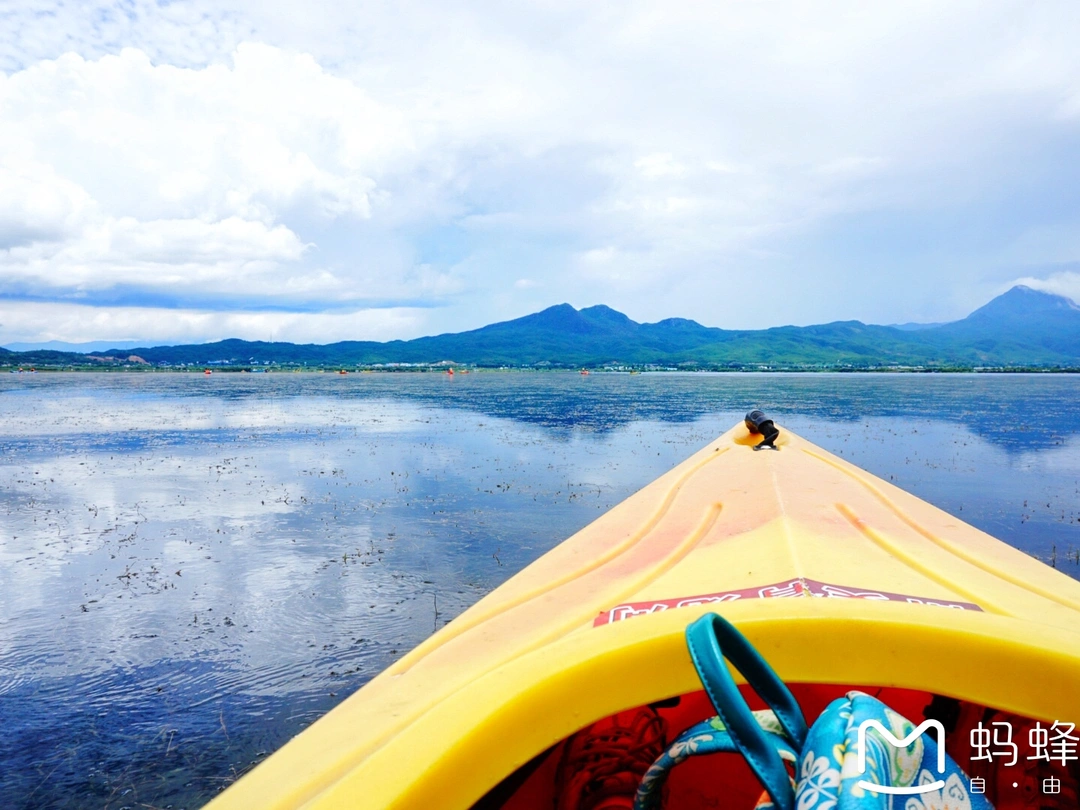
Accompanying You to Cangshan and Erhai: A Yunnan Travelogue of Wind, Flowers, Snow, and Moon
Some say travel is a conversation with yourself, but I prefer to believe it's about turning unfamiliar landscapes into shared memories with the people you love. In early July 2016, after six months of nonstop work, my partner Cat and I finally embarked on our long-awaited Yunnan adventure — Lijiang and Dali. These two names alone sound like poetry.
Before we left, friends in Yunnan drilled two things into us: first, July and August are the rainy season, with downpours so relentless you'll question your life choices; second, some places are beautiful, but don't set your expectations too high. I checked the weather forecast — a screen full of rain icons. I thought we were doomed. But when we arrived in Lijiang, the sun was so blinding we could barely open our eyes. By the third day, I was sunburnt. It wasn't until we reached Dali that the torrential rain finally showed up. But Yunnan's rain is "well-behaved" — it comes and goes, with the sun peeking through now and then, never lingering all day. So don't let the weather ruin your mood. Rain has its own charm, and sunshine has its romance.
This trip took us six days, with an average cost of about 3,000 RMB per person. Flights: 800 RMB, train tickets: 450 RMB, accommodation: 600 RMB, group tour: 180 RMB, local transport: 200 RMB, meals: 400 RMB, entrance fees: 150 RMB, miscellaneous: 100 RMB. The numbers aren't pretty, but the memories are priceless.
First Arrival in Lijiang: Sunshine, Cobblestones, and a Bowl of Rice Noodles
Day One: From the Sky to the Old Town
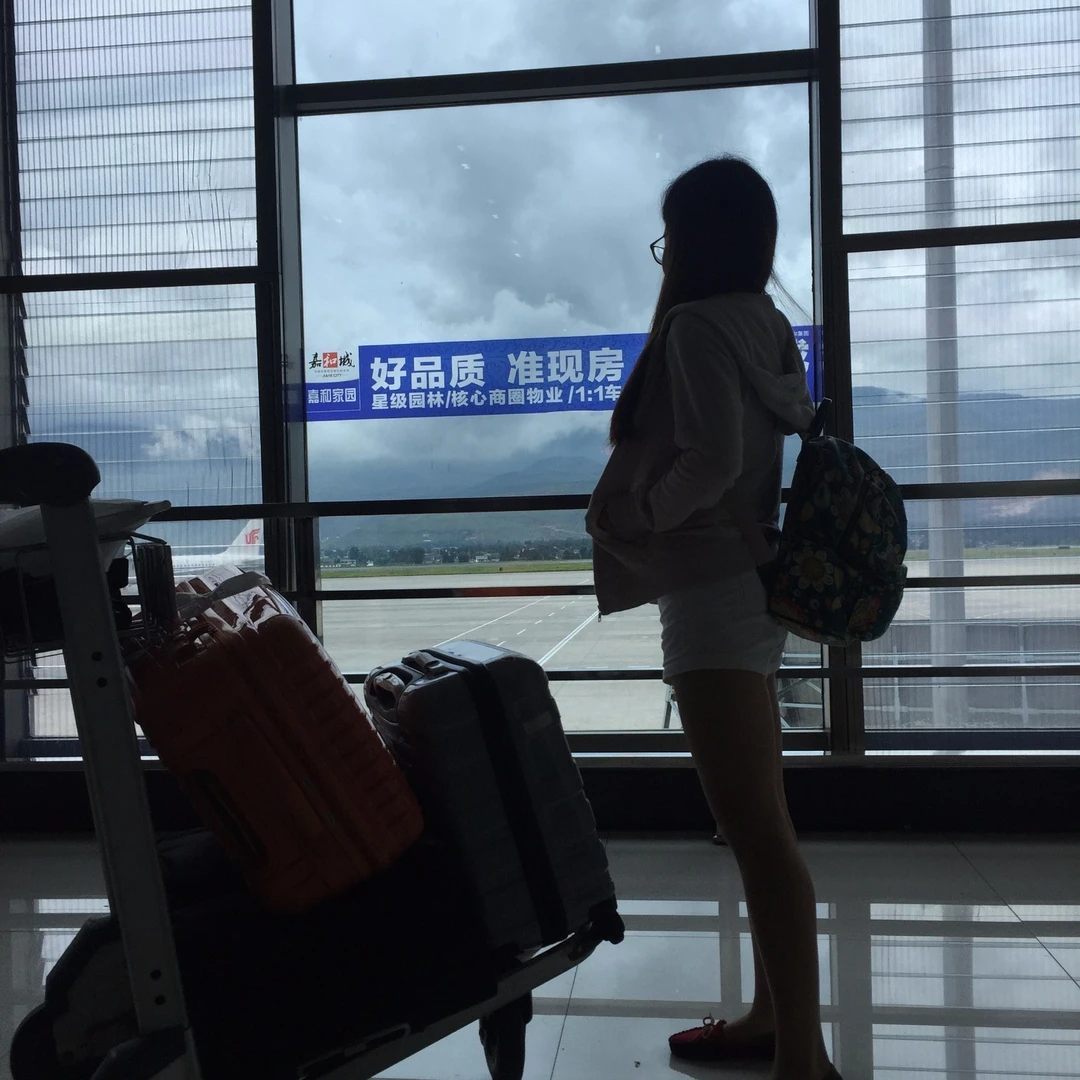
At one in the afternoon, we flew in from Changsha and Chengdu respectively, landing at Lijiang Sanyi Airport. Nestled among mountains, the airport felt small and quiet, with soft, unbelievable sunlight. As soon as we stepped off the plane, fresh air hit us. At 22°C (72°F), it was hard to believe it was summer — long sleeves were a must. We took the airport bus to Lantian Hotel (20 RMB per person), then a taxi for less than 10 RMB to the old town.

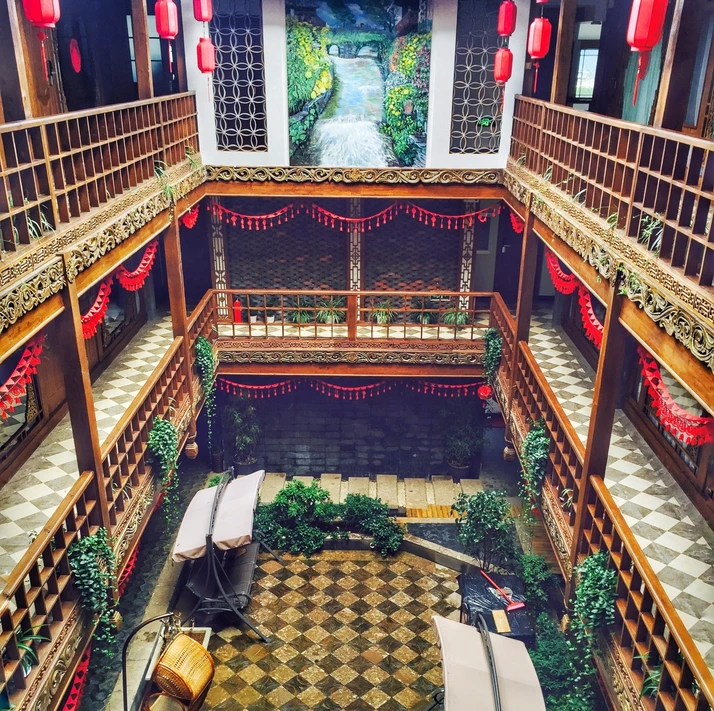
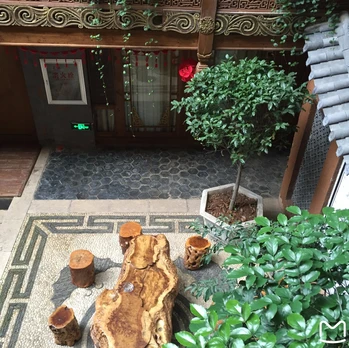
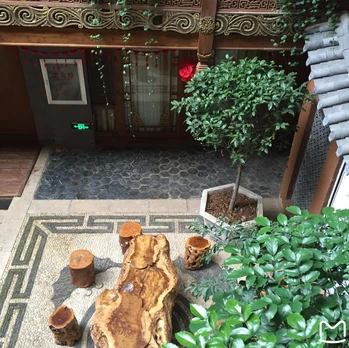
Our first night was at Fasite Manor, the best guesthouse of the entire trip. The owner sent someone to pick us up. The inn was quaint and spacious, with strong Yunnan characteristics, and a courtyard perfect for sipping tea and daydreaming. Though not inside the old town, it was just across the street — reasonably priced, quieter than the old town, surrounded by great food, and most importantly, the roads were easy to walk on. Dragging suitcases over the old town's cobblestones is a nightmare.
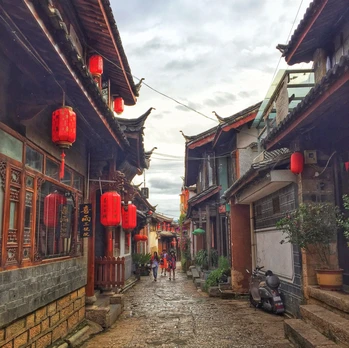
In the evening, we strolled along narrow stone paths — a mix of antiquity and tranquility. This is what an old town should feel like. Sifang Street has become too commercialized, packed with bars and souvenir shops. It's better to duck into the alleys to truly feel Lijiang's pulse.

We had dinner at a small street-corner restaurant run by locals. Prices inside the scenic area are high. The same cured pork ribs (腊排骨, la paigu) cost less than 50 RMB outside, but over 80 RMB inside. Still, as first-timers, sitting in a tiny 40-50 square meter shop, eating a steaming hot pot of cured pork ribs, felt like a ritual.
After 7 PM, the old town is free to enter, but all attractions are closed. We just wandered the streets, buying handmade earrings and shawls — definitely buy a shawl; it's a lifesaver for photos at Dali's Cangshan and Erhai. Prices range from 30 to several hundred RMB. Pick something bright but not too fussy. Hand-drum shops endlessly played "My Little Baby" — by the time you walk from one end of the street to the other, you'll be humming along.
Sifang Street itself is small and unremarkable, but ordering a drink at a quiet bar is a Lijiang must-do. Try the grilled milk fan (烤乳扇, kao rushan) — 15 RMB per serving, grilled until crispy, dusted with powdered sugar. It tastes good at first, but gets greasy after a few bites.
If you have time, head to Wangulou or Lion Hill for a panoramic view of the old town. They're open until 8 PM, but require an extra ticket.
Day Two: Market, Museum, and a Bowl of Cold Rice Jelly
Both Cat and I struggled with altitude sickness. Cat even had a fever at night. Reminder: bring plenty of medicine. In the morning, we walked along Jinhong Road to Beimenpo Market for the rice noodles the innkeeper recommended. The most authentic food is always near the markets. The Tengchong rice noodles (腾冲米线, Tengchong mixian) were good, located across from a pharmacy.
A 15-minute walk from the market brought us to the Big Waterwheel, where checkpoints begin. Entering during the day requires paying a maintenance fee. The waterwheel was covered in wish plaques. Cat and I hung one too — Dali and Lijiang are meant to be visited with someone you love. I brought both a mirrorless camera and a film camera; I felt that film captures the old town's vibe better.
Heilongtan Park (Black Dragon Pool) is about a kilometer from the waterwheel. The crystal-clear spring pool reflected the blue sky and white clouds — breathtakingly beautiful. Inside is the Lijiang Museum, but it's closed on Mondays. From Heilongtan to Mufu (the Mu Palace) is about two kilometers, a 20-minute bus ride. Entrance is 60 RMB, and you can spend 2-3 hours there. The TV drama "Mu Mansion Wind and Cloud" made it famous. The architecture blends Ming Dynasty Chinese style with Naxi characteristics. Although the innkeeper said it's been renovated, the history and culture are still worth seeing.
Zhongyi Market was the highlight. Online reviews said it's packed with local specialties, and it didn't disappoint. As soon as we entered, we saw a snack stall with a long queue. We joined in and got a serving of cold rice jelly (凉虾, liangxia) for 2 RMB — Yunnan's version of cold jelly, icy and sweet, with a great texture. July and August are mushroom season, and the market was a dazzling display of wild fungi. Having a mushroom hotpot or buying some dried mushrooms to take home are both good options.
Sweet horn (甜角, tianjiao) is a Yunnan specialty. Peel and eat — it's sweet and sour, with a texture like dried longan, but stringy and sticky. The market also had all kinds of vegetables I couldn't name, along with wild lilies and bellflowers in full bloom. Yunnan is covered in flowers, even the market is stunningly beautiful.
In the evening, we moved to our second guesthouse — Nameiju. The owner is an artist who collaborated with Zhang Yimou on "Riding Alone for Thousands of Miles." The building is new but made from old wood, with strong Naxi characteristics. But dragging suitcases over the old town's cobblestones was truly painful.
For dinner, we had Naxi grilled fish, "water spinach" (水性杨花, shuixing yanghua — a local aquatic vegetable), stir-fried wild mushrooms, and a bottle of Dali-style flower yogurt. I must recommend flower cakes (鲜花饼, xianhua bing). The freshly baked ones at No. 12 East Street in the old town are the best, especially the buckwheat flavor. Unfortunately, we were too busy eating to take photos.
Day Three: Tea Horse Road, Lashi Lake, and Shuhe Ancient Town
We booked a group tour at the inn for 180 RMB, which included horseback riding, boating, a chicken hotpot lunch, and transfers. Online, there are tours for 70 or 80 RMB, but I heard the quality of horse farms varies. Better to pay a bit more for a hassle-free experience.
We set off at 9 AM, driving 20 minutes to the Tea Horse Road. The groom led the horses as we rode along village roads for an hour. The sun was intense — sunscreen is a must, or you'll get burned in minutes. The ride only covered a small section of the ancient route. The real Tea Horse Road, which dates back to the Tang and Song dynasties, connected Sichuan, Yunnan, and Tibet, extending all the way to Nepal, India, and even West Asia and West Africa.
Before mounting, vendors sold gloves — your choice. The horses pooped as they walked, very authentic. During a break, someone sold bean feed for the horses at 10 RMB a bag, though the groom said each horse could only eat one bag (which isn't true).
We followed a mountain road to a stream. The temperature dropped, and the water was freezing — a completely different world from the sunlit areas.
Lunch was a chicken hotpot. The portion for five people was a bit small, but it tasted okay. In the afternoon, we went to Lashi Lake Wetland Park for boating. The scenery was like a fairy tale. Single or double boats, about an hour on the water. December to February is the best time for birdwatching, but the boatman said fewer birds come now because of the tourists. The lake had lots of seaweed. Two people rowing was easier, but ten minutes under the sun and we were already tanned. I was constantly worried about dropping my camera into the water.
At 3 PM, the driver dropped us off at Shuhe Ancient Town. Part of it was destroyed in a 2014 fire, and much has been rebuilt. Still, wandering around in the rain had its charm.
Dinner was back on Jinhong Road, near Beimenpo Market, where a row of small shops awaited. With our "giant stomachs," we ordered five dishes: chicken bean jelly (鸡豆凉粉, jidou liangfen), rice sausage (米灌肠, miguanchang), Naxi grilled meat, and scrambled eggs with jasmine flowers. The prices were lower than inside the old town, and the taste was better. The chicken bean jelly was the best thing I ate in Lijiang — the chili aroma was so good it made me want to cry. The Naxi grilled meat was delicious but heaty; I got mouth ulcers for a week afterward.
Dali: Wind, Flowers, Snow, and Moon in a Downpour
Day Four: From Lijiang to Dali
A friend in Dali wrote me a food list: Wind Flower Snow Moon beer (风花雪月啤酒), rose tea, scrambled eggs with roses, stir-fried potatoes with seaweed, wild mushrooms, fire-roasted pork, raw pork skin (生皮, shengpi), rice cakes (饵块, erkui), milk fan (乳扇, rushan), cold chicken rice noodles, Dali rolled noodles (大理卷粉), ice jelly with cold jelly (冰粉凉虾), Weishan braised pork with rice noodles (巍山粑肉饵丝), Xizhou cake (喜洲粑粑), and brush brush noodles (刷刷粉). Just reading it made my mouth water.
The original plan was: Lijiang → Dali → Chongsheng Temple and Three Pagodas → Wenxian Tower → Dali Old Town. But the train was late, and a torrential downpour threw everything off. Still, the plan is worth referencing: from Lijiang Old Town to the train station takes about 40 minutes. Most people take the 10:18 train, and tickets sell out fast, so book ahead. A soft seat costs only a bit more but is much more comfortable. Arriving in Dali at noon, there's a shuttle from the station to the south gate of the old town for 5 RMB per person — don't take unlicensed cabs.
By the time we reached the old town, it was 3 PM, and we were starving. Near the tourist center, Yuquan Road leads to Wenxian Tower, lined with food stalls, but the quality is mediocre. In the pouring rain, we dragged three suitcases, struggling to reach our guesthouse — 26LIFE Zuji. It was about a kilometer from the old town, but with the rain and luggage, it felt like three. Fortunately, the guesthouse was a pleasant surprise. Each room was decorated in a different ethnic style, full of character.
We had planned to explore the old town, but the rain got heavier. We ended up sitting in the courtyard playing chess — I kept losing. We had promised to stargaze at night, but all we heard was the rain. A friend said that on clear nights, you really can see the stars.
Day Five: The Old Town and Three Pagodas in a Downpour
Because of the rain, we canceled our trips to Xizhou and Shuanglang. This is the downside of visiting Yunnan in July and August. But since we had mentally prepared for it, it didn't feel too bad.
In the morning, we had the guesthouse auntie's homemade mixed sauce chicken rice noodles — a generous portion, with her private cured meat and pickled vegetables. Yunnan's sourness is different from Guangxi's — more acidic, without sweetness. The owner treated us because, as she said, "you're pretty!"
We moved to another guesthouse — Yangguang Xianting. It was in a remote location, about a kilometer from the old town near the west gate, in a small village. The place was nice and new, but the road was dark at night and muddy in the rain. The owner was kind — if we couldn't find our way at night, he'd come pick us up, and he even lent us an electric scooter for free.
Exploring Dali Old Town in the torrential rain was still lively. But if you're not big on photography or eating, walking through the old town during the day can be a bit boring. Especially after visiting Lijiang and Shuhe, Dali's old town doesn't require too much effort. I bought a Xizhou cake (喜洲粑粑, Xizhou baba) — savory and sweet versions, 5 RMB each, as big as a face. I was "forced" to eat it in front of a photogenic café, making a grim face — because a wannabe photographer was "shooting" a wannabe model.
Dali's grilled milk fan (烤乳扇, kao rushan) had a stronger milky flavor than Lijiang's crispy version. It was tough to bite through. I bought two for 5 RMB. For lunch, I recommend the area near Dali No.1 High School — places where students eat are more authentic. The alleys near Renmin Road and Yangren Street (Foreigner Street) are full of interesting little shops. Yangren Street got its name from the expats who gathered there in the 1980s, and the Western food is decent.
In the afternoon, we climbed the city gate tower for a panoramic view of the old town — 20 minutes, done. We took a small bus to Wenxian Tower, only to find we couldn't go up. In the heavy rain, it looked gray and unimpressive. Then we headed to Chongsheng Temple and the Three Pagodas — the standard route.
Since we'd had enough of the old town, we wanted to check out the city center, Xiaguan. A security uncle said there wasn't much to see there — he didn't like the place. But online reviews said Renmin South Road was bustling. We took the No. 4 bus for an hour to Xiaguan, only to find no good food and no big shopping malls. It was probably the most disappointing part of the trip.
Epilogue: What Travel Teaches Us
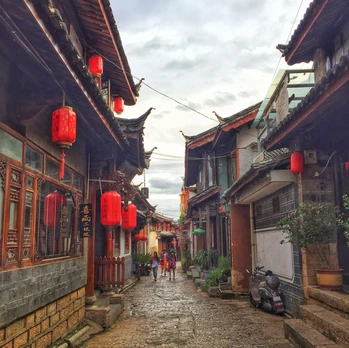
This journey had sunshine, downpours, surprises, and regrets. But it's these imperfections that make memories real and vivid. The more you travel, the more you understand what you want: some people love street food, a roadside stall is enough; some love scenery, no distance is too far; some love photography, a single corner can hold them for an hour. Don't force yourself into activities you don't enjoy — it'll only make you miserable.
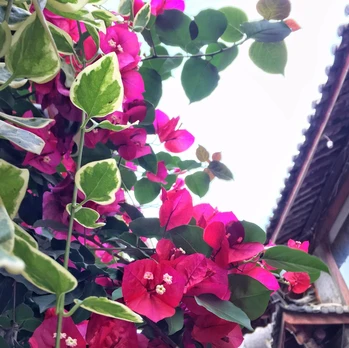
They say travel is the best way to get to know someone. Along the way, we took care of each other and had a great time. On the way home, a cute little kid even gave us a box of sweet plums.
Yunnan's beauty isn't in the attractions — it's on the road. Those sunburnt afternoons, those rain-trapped nights, those mornings filled with rice noodles, those expectations disappointed by a starless sky — they're all part of the wind, flowers, snow, and moon. Bring a good mood, bring someone you love, and set off. No matter how you play, I wish you a wonderful journey.
Key Tips: - July and August are the rainy season — pack rain gear and sunscreen - Prices inside the old towns are high; walk a bit further to local markets - For horseback riding and boating, choose正规 (reputable) group tours — don't go for the cheapest - Bring common medicines; altitude sickness affects everyone differently - Markets are the best places to find authentic local food
You should also read:
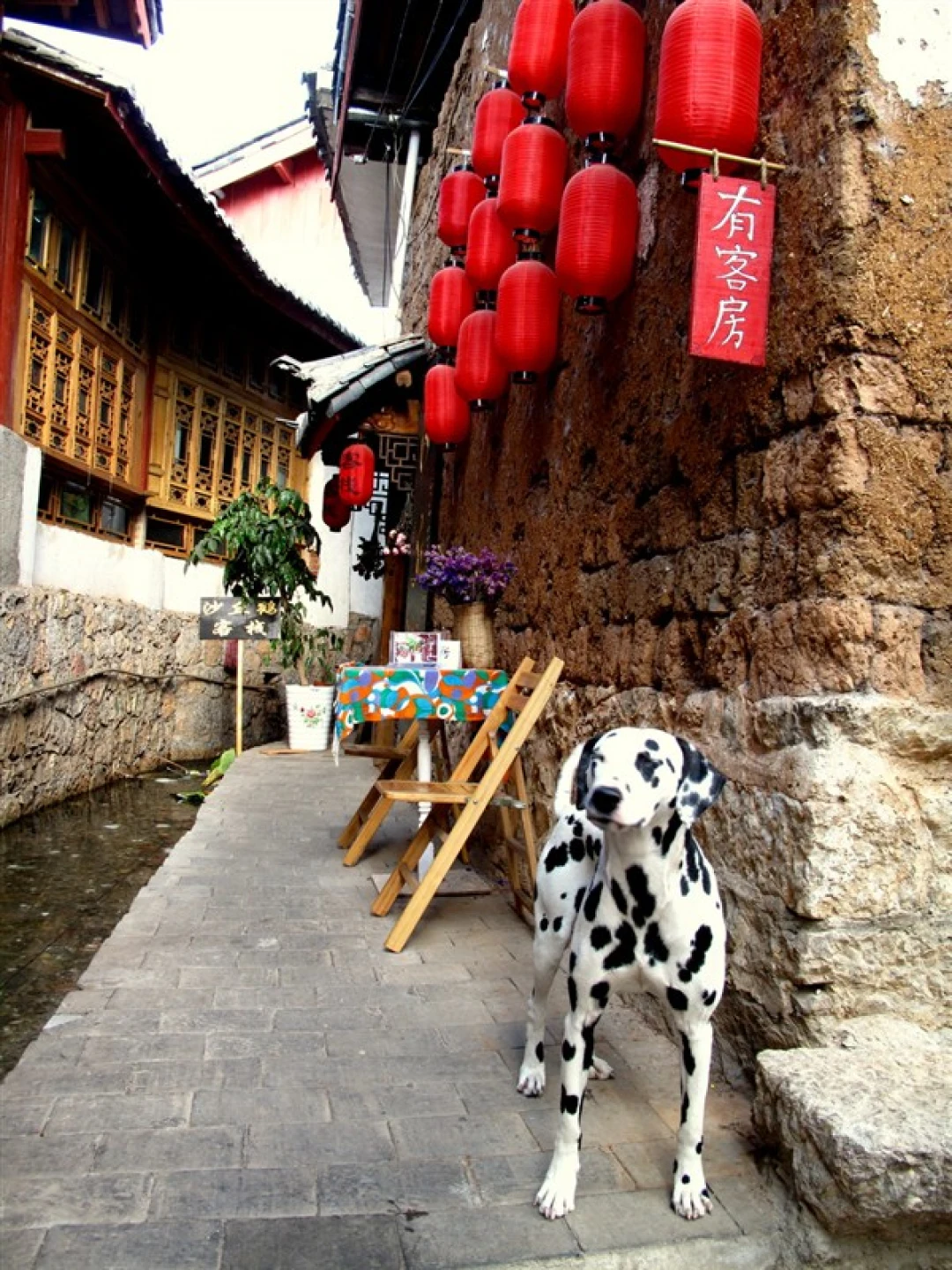
Yunnan Travel Mastery: From Beginner to Pro-Level Player – A Complete Guide
Yunnan Travel Mastery: From Beginner to Pro-Level Player – A Complete Guide "Either travel or read, but your body and soul must be on the road." This quote has been repeated countless times, but very few people truly manage to be "on the road" and…
Continue reading...
Escaping Nanning, Falling Under Lijiang's Spell: Our Four-Person, Ten-Day Yunnan Dream
Escaping Nanning, Falling Under Lijiang's Spell: Our Four-Person, Ten-Day Yunnan Dream Before We Set Off: No Pain, No Obsession Have you ever had that impulse—suddenly tired of the office fluorescent lights, the crush of the subway, the endless parade of identical takeout boxes, and just…
Continue reading...
Solo in Yunnan: A Wanderer’s Guide to the Land of Eternal Spring
Solo in Yunnan: A Wanderer’s Guide to the Land of Eternal Spring There’s something magical about traveling alone. No compromises, no schedules to keep, no one to please but yourself. I’ve been on the road for nearly three months now, and not once have I…
Continue reading...